Do Dog Groomers Do Flea Baths: Treatment Options Available
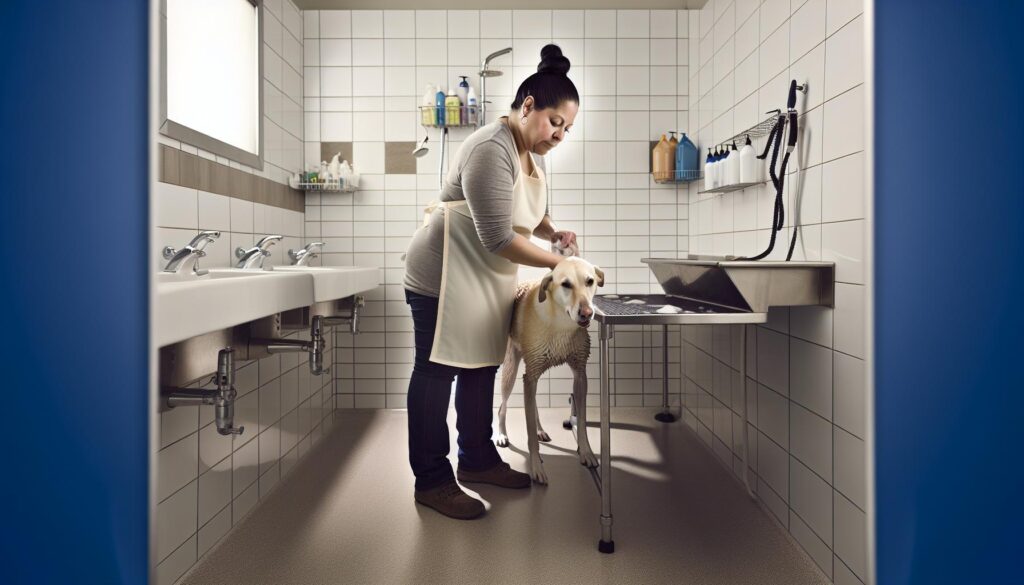
Did you know that a well-done flea bath can do more than just eliminate those tiny pests? It helps restore your dog’s comfort adn skin health, giving them relief from itching and irritation.Many dog groomers offer specialized flea baths designed to be gentle yet effective, tailored to your pet’s breed and coat type. If you’re worried about fleas but unsure where to turn, understanding what groomers can provide-and when it’s best to involve your vet-can make all the difference. This guide walks you through the options, from expert flea baths to at-home care, with practical tips to keep your dog safe and pleasant. Whether your pup has a thick double coat or a silky one, knowing the right products and steps helps you tackle fleas without stress-for both you and your furry friend. Let’s explore how groomers play an crucial role in flea treatment and how you can best support your pet’s health every step of the way.
What Exactly Is a Flea Bath and How It Works
Table of Contents
- 1 What Exactly Is a Flea Bath and How It Works
- 2 Can Professional groomers Safely Administer flea Baths
- 3 Common Flea Treatment Options Offered by Groomers
- 4 how Flea Baths Differ From Other Flea Control Methods
- 5 Preparing Your Dog for a Flea Bath: Tips and Tricks
- 6 What to Expect During and After a Flea Bath
- 7 At-Home Flea Bath vs. Professional Groomer Services
- 8 How to Choose the Right Flea Shampoo for Your Dog
- 9 Safety Precautions and Potential Risks of Flea Baths
- 10 When to See a Vet Instead of a Groomer for Flea Issues
- 11 Preventing Fleas After a Flea Bath: Long-Term Care strategies
- 12 Signs Your Dog Needs Flea Treatment Beyond a bath
- 13 Frequently Asked Questions
- 13.1 Q: how often should a dog receive flea baths from professional groomers?
- 13.2 Q: Are flea baths safe for all dog breeds and coat types?
- 13.3 Q: Can professional groomers treat flea infestations without using flea baths?
- 13.4 Q: What should I do if my dog has a flea allergy and needs grooming?
- 13.5 Q: How do groomers handle flea removal in heavily infested homes or outdoor environments?
- 13.6 Q: Can flea baths given by groomers cause side effects or skin dryness?
- 13.7 Q: What tools and products do groomers use for effective flea baths?
- 13.8 Q: When should I consider professional groomers over at-home flea treatment options?
- 14 Final Thoughts
A flea bath is a specially formulated bathing treatment designed to help remove and kill fleas on your dog’s coat. Unlike a regular bath, it uses targeted flea shampoos that contain ingredients specifically crafted to disrupt the flea’s life cycle, offering more effective control of thes irritating pests. While it won’t eliminate every flea or entirely resolve an infestation on its own, a flea bath is an important first step in managing fleas, especially when combined with other treatment strategies.
What makes a flea bath effective is how it works on contact. Most flea shampoos include insecticidal agents that stun or kill fleas instantly as you lather and rinse your dog. Flea eggs and larvae may also be reduced with some formulations, but because fleas can live in your pet’s habitat (like bedding and carpets), a bath mainly tackles the adult fleas living on the dog’s skin and fur. The warm to lukewarm water used during the bath helps loosen flea dirt and debris, while the shampoo penetrates the dense coats of all breeds-from a short-haired Beagle to a long, thick-coated Collie-making sure fleas can’t hide untouched.
- Coat type matters: Long or dense coats might require extra effort untangling mats before bathing, and you may want to consult the groomer about how best to handle your dog’s specific fur texture.
- Tools needed: A gentle flea shampoo, comb, warm water, and plenty of patience. The comb is essential for removing loose fleas and flea dirt after bathing.
- Difficulty: For some dogs, especially anxious or fidgety pets, a flea bath can take time and calm reassurance, so go slow and speak gently to keep your pup relaxed.
By carefully massaging the flea shampoo into the coat and allowing the appropriate contact time (usually listed on the product instructions),the bath gives the insecticide time to work its magic. After rinsing thoroughly-making sure no residue remains-your dog may feel a lot more comfortable, free from flea bites and the itching that comes with them. Despite this speedy relief, it’s important to remember that flea baths should be viewed as part of a comprehensive flea control program rather than a standalone cure [[1]](https://www.animal-medical-clinic.com/services/vet-education/blog/how-give-flea-bath).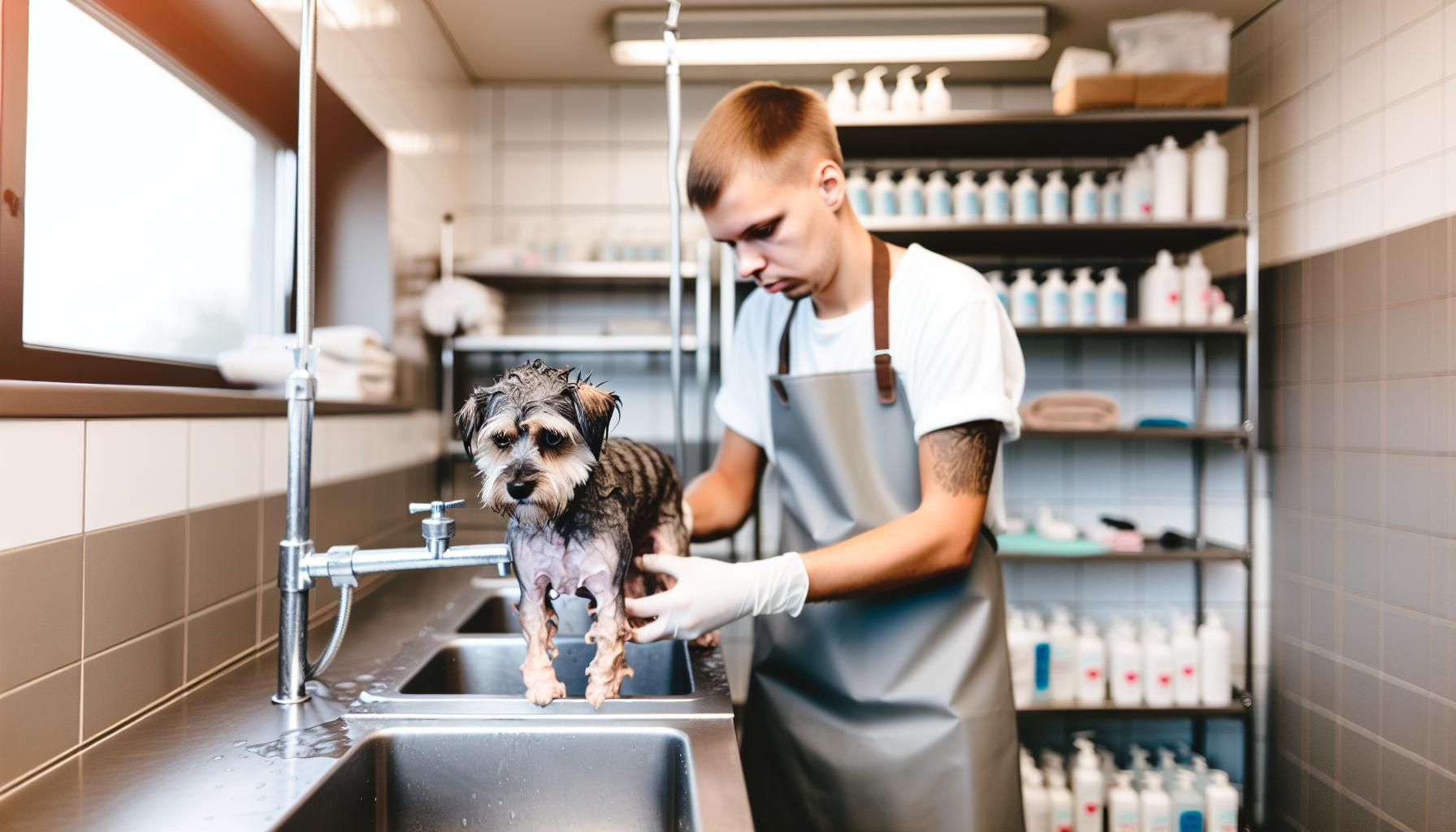
Can Professional groomers Safely Administer flea Baths
Professional groomers bring both skill and gentle care that make flea baths a safe and effective choice for many dogs.Their experience with different breeds and coat types means they know exactly how to handle sensitive or anxious pups, ensuring the bath process is as stress-free as possible.Flea shampoos frequently enough contain powerful insecticidal ingredients that require careful application and thorough rinsing-something groomers are trained to do precisely to avoid skin irritation.
Because groomers see a wide range of dogs, including those with thick, matted coats or underlying skin sensitivities, they can adapt the flea bath technique to suit each pup’s needs. For example, a long-coated breed like a Golden Retriever may need gentle detangling and extra rinsing time to ensure the flea shampoo penetrates the dense fur, while shorter-coated breeds typically require less handling but just as much attention to safety.Groomers also use flea combs to remove dead fleas and debris after the bath, providing that extra layer of flea control that’s hard to replicate at home.
- Expertise in product selection: Experienced groomers choose flea shampoos specifically formulated for your dog’s age, coat type, and health considerations, often consulting with owners beforehand to avoid allergic reactions or sensitivities.
- Better handling of anxious pets: Groomers are practiced in calming nervous dogs-using soothing tones, slow movements, and breaks, which helps prevent stress-induced agitation during a flea bath.
- Environmental awareness: Professional groomers understand that a flea bath is one part of a larger flea control strategy and will often advise owners about complementary treatments or follow-up care.
Of course,groomers recognize their boundaries too. If a flea infestation is severe,or your dog shows signs of health issues like intense scratching,skin infection,or allergic reactions,a vet’s assessment and treatment are essential. Some mobile pet grooming services or local groomers specialize in flea and tick treatments, using medicated dips or sprays that can be more effective in challenging cases, but always with safety and comfort as priorities. entrusting flea baths to a professional groomer means your dog benefits from compassionate,experienced hands and a caring environment that helps both fur and owner feel at ease.
For added peace of mind, don’t hesitate to ask your groomer about their flea bath protocols, how they handle different coat types, and what post-bath care they reccommend.Their goal is your dog’s health and happiness-and a flea-free life that supports it.
Check local groomers offering flea baths near you or watch real groomers in action for insights on technique and care [[2]](https://www.youtube.com/watch?v=oYTCxzoA1P4).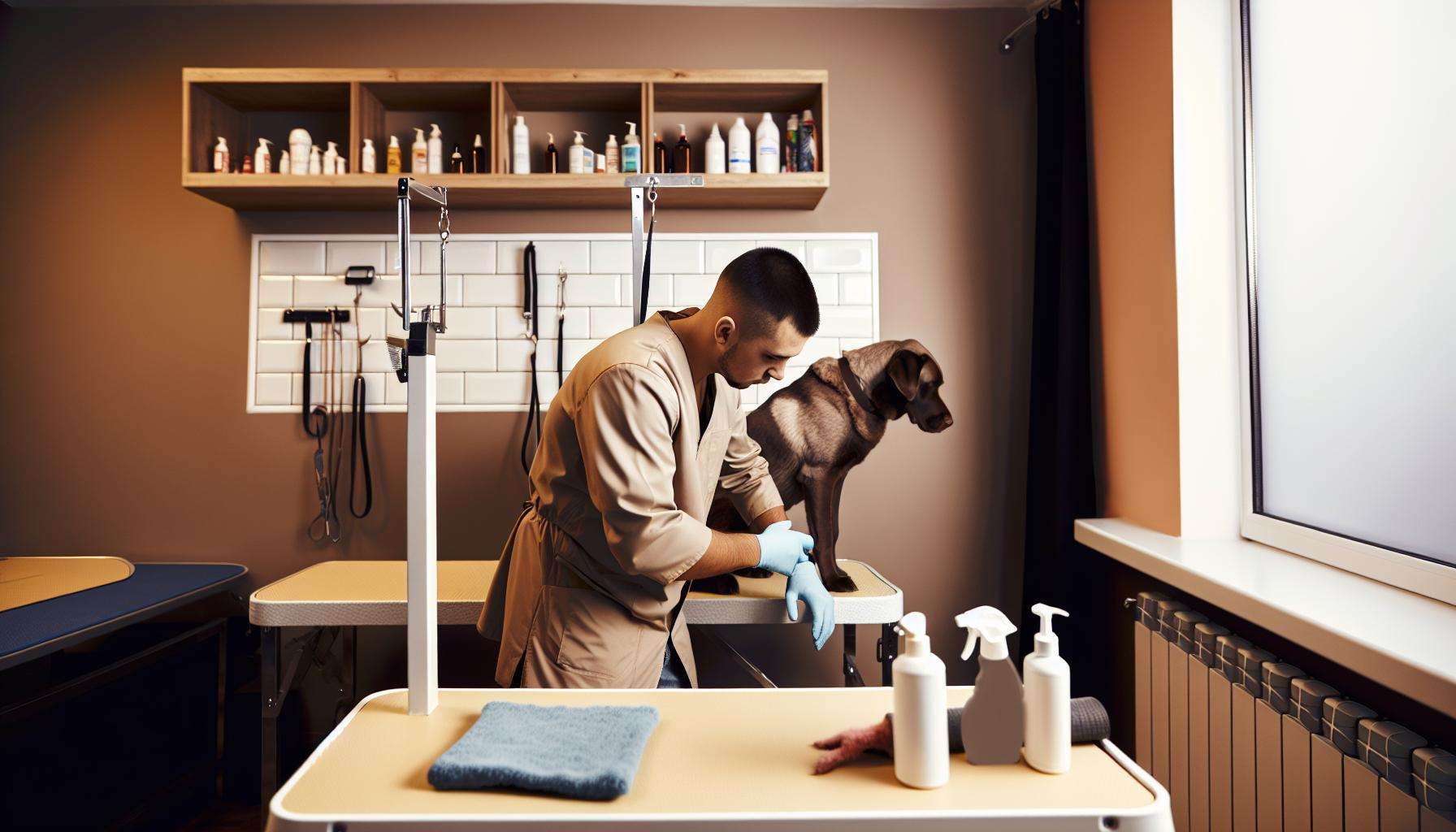
Common Flea Treatment Options Offered by Groomers
Fleas can be relentless, but knowing the range of treatments groomers offer can truly ease your worries and help your dog feel comfortable again. Beyond just a simple shampoo, professional groomers bring a toolkit of effective options tailored to your dog’s breed, coat type, and flea severity-because no two pets are exactly alike. Whether your dog has a short-haired silky coat or a dense double coat, groomers carefully select treatments designed to not only eliminate fleas but also protect sensitive skin and reduce stress.
Personalized Flea shampoo Baths
Nearly every groomer provides specialized flea shampoos that contain insecticidal ingredients to kill fleas on contact.These shampoos may also have soothing agents like oatmeal or aloe to calm irritated skin caused by flea bites. for long-coated dogs, the groomer will often combine shampooing with gentle detangling, ensuring the product reaches the skin beneath thick fur for maximum flea control. After shampooing, thorough rinsing is crucial-this is where the groomer’s expertise shines, preventing residue that can cause discomfort or dry skin.
Medicated Dips and Spot treatments
When infestations are tougher or more widespread, some groomers offer medicated dips or sprays containing ingredients like pyrethrins or permethrin.These treatments provide a longer-lasting protective barrier against fleas and ticks, especially useful for dogs that spend lots of time outdoors. dips involve immersing your pet or carefully applying solution all over, then following manufacturer or veterinary guidelines for rinsing-or sometimes leaving the residue to work under supervision. Spot treatments can be applied to key areas where fleas tend to congregate, giving precise and targeted relief.
Flea Combing and Mechanical Removal
Even the best shampoos and dips work better when combined with diligent combing. Groomers use specialized fine-toothed flea combs after baths to manually remove fleas, flea dirt, and eggs from the fur. This method is especially helpful for puppies, tiny breeds, or dogs with allergies that limit chemical use. Flea combing also offers a hands-on way to monitor flea activity during and after treatment, allowing groomers to advise owners on additional steps if reinfestation is detected.
- Combining treatments: Groomers often recommend pairing flea baths with oral or topical flea preventives prescribed by vets for comprehensive control.
- Consultation-driven care: Before starting flea treatments,groomers may ask about your dog’s medical history to avoid allergens or skin sensitivities exacerbated by certain products.
- Environment-focused advice: Since fleas can live in your home and yard, groomers usually suggest environmental control measures alongside pet treatments for lasting results.
Remember, while groomers expertly manage flea control on your dog, they wisely recognize when veterinary intervention is necessary-especially in cases of severe infestations, skin infections, or allergic reactions. By entrusting your pet to a groomer skilled in multiple flea treatment options, you provide your furry friend with compassionate, tailored care that goes far beyond a simple wash.This holistic approach not only tackles fleas but also supports your dog’s overall well-being and comfort.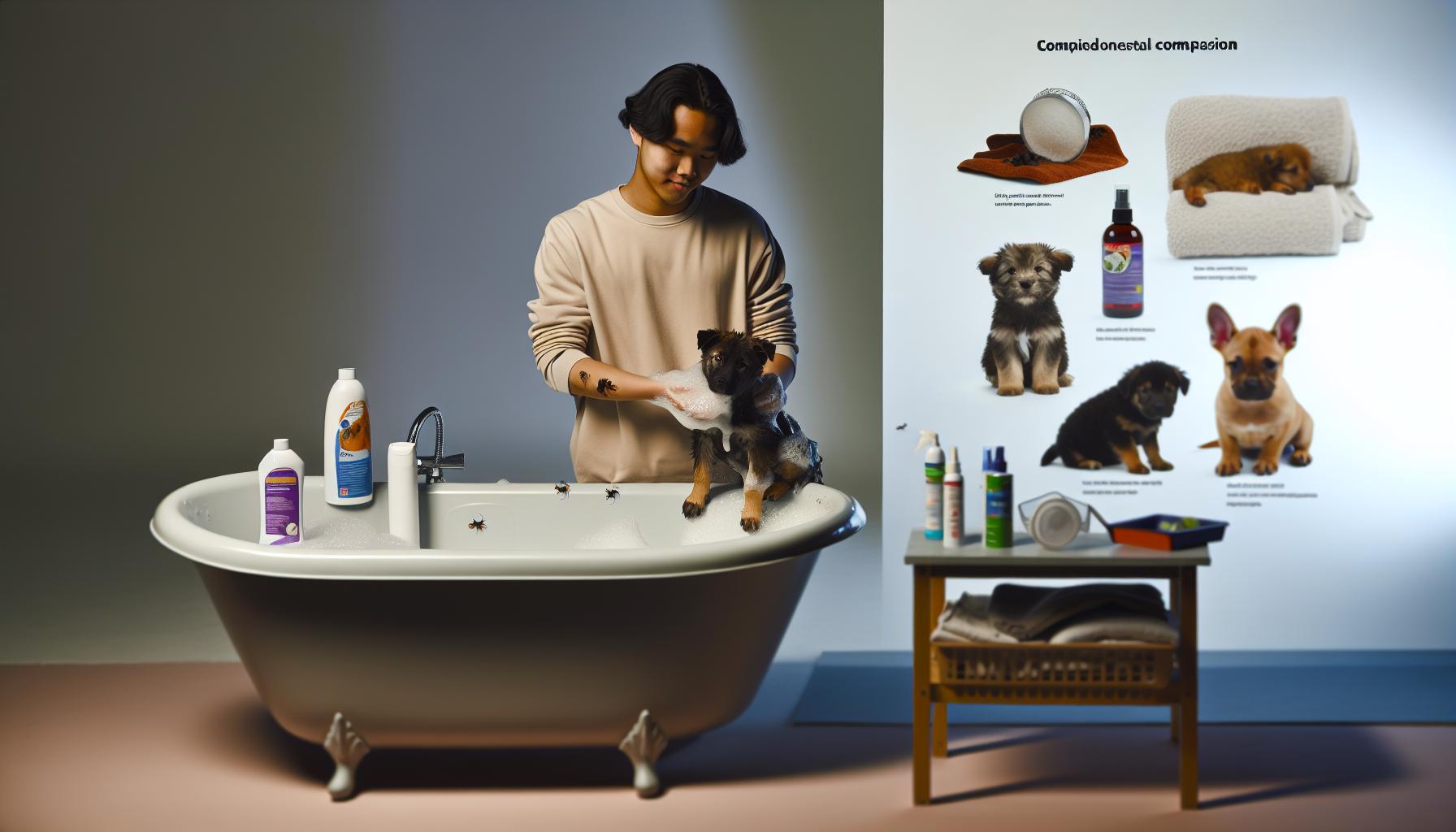
how Flea Baths Differ From Other Flea Control Methods
Flea baths offer an immediate and visible way to reduce flea populations on your dog’s coat, but they work quite differently from other flea control methods that focus on longer-term management and prevention. unlike oral or topical medications that penetrate your pet’s bloodstream or skin to kill fleas systemically, flea baths act directly and locally. They rely on specially formulated insecticidal shampoos or dips to drown or poison fleas on contact, providing fast relief especially in acute infestations.
This direct contact approach makes flea baths especially useful for puppies, small breeds, or pets who might be sensitive to systemic treatments. For example, a gentle flea shampoo with soothing ingredients like oatmeal or aloe can relieve itching and soothe inflamed skin while quickly reducing flea numbers. However, because flea baths target only the fleas present on your dog at bath time, they do not affect flea eggs or larvae in your pet’s environment, which is why they’re best used in combination with other control strategies.
Differences in Application and Duration
While oral medications usually act over several days to completely break the flea life cycle, and topical spot-on treatments leave a protective layer that can last weeks, flea baths provide a concentrated but momentary effect. They require meticulous application: starting around the head and neck to prevent fleas from escaping to sensitive areas, followed by thorough rinsing to avoid residue that might irritate skin. This procedure demands patience and care, especially for dogs with dense or double coats where shampoo must thoroughly reach the skin to be effective.
Complementary Tools and Techniques
Another way flea baths differ is their integration with mechanical removal methods. Flea combing after a bath is a practical step that groomers frequently enough use to physically remove fleas, flea dirt, and eggs, particularly for dogs that cannot tolerate harsher chemicals. This hands-on approach provides immediate, tangible relief to pets and owners alike, and it also serves as a monitoring tool to assess flea activity over time. It can be more reassuring for anxious owners to see the actual fleas removed rather than relying solely on invisible systemic treatments.
- Consider coat type: Dogs with long or thick fur may need longer soaking and extra detangling to allow flea shampoo to reach all infested areas.
- Exposure risks: Flea baths are ideal for quick knockdowns but less ideal as lone solutions if your pet spends important time outdoors or in flea-prone environments.
- Supplement with vet-prescribed products: flea baths are best combined with oral or topical preventives to keep fleas at bay after the bath.
In essence, flea baths provide an immediate front-line assault on fleas resting on your dog’s coat, creating a clean and soothing experience that’s often appreciated by pets and owners.But they don’t replace the importance of ongoing flea prevention, environmental control, and professional veterinary guidance when infestations are severe or persistent. Understanding these differences helps set realistic expectations and ensures your pet receives the most compassionate, effective care possible.
Preparing Your Dog for a Flea Bath: Tips and Tricks
Flea baths can be a lifesaver when you notice those pesky little bugs crawling around your dog’s coat, but the experience can be daunting for both pet and owner if not handled with care.Before stepping into the bath, it’s crucial to help your furry friend feel as calm and comfortable as possible. Dogs with thick, long, or matted fur need special attention to ensure the shampoo reaches the skin where fleas hide, so a thorough brush-out beforehand is essential to remove tangles and loose hair. This not only makes the flea treatment more effective but also reduces stress for your dog by preventing painful pulling during washing.
It’s an excellent idea to gather all your tools before starting: a gentle flea shampoo recommended by your groomer or vet, a non-slip mat for safety, warm (not hot) water, plus towels and a soft brush for after the bath. If your dog has sensitive skin or is prone to anxiety, a quiet, familiar environment will work wonders in easing tension. Speak softly, use treats generously, and move slowly to build trust. For example, a timid small terrier might prefer sitting on your lap during the rinse, while a calm golden retriever might enjoy a slow, soothing massage with the shampoo to distract from the bath.
- Brushing: Remove mats and dirt gently, focusing on common flea hideouts like the neck, belly, and tail base.
- Temperature check: Use lukewarm water-hot water can irritate or dry out skin, especially in flea-infested areas.
- Protect sensitive areas: Avoid getting shampoo or water in eyes, ears, and mouth.
- Safety gear: Non-slip mats and a leash or harness can prevent slipping and sudden jumps.
If you’re preparing for a professional groomer to handle the flea bath, it helps to mention any previous reactions your dog has had to shampoos or baths and share tips on what calms your pet best. This collaboration ensures the groomer tailors the process specifically to your dog’s needs, balancing effective flea removal with kindness and patience. Remember, flea baths are just one step-following through with regular combing and environmental control make all the difference in long-term comfort and flea prevention.
Handling Challenges With Different Coat Types
Thick double coats, curly poodles, or long-haired breeds often need extra soaking time and careful working of the flea shampoo down to the skin. for these dogs, avoid rushing and use your fingers to gently seperate fur sections to ensure full coverage. Light coats or short fur generally dry faster but still benefit from a calming routine to reduce bath-time stress. If you’ve ever struggled to get water past dense fur or noticed areas staying dry, a professional groomer’s experience can be invaluable in making sure the flea bath is truly effective without causing frustration.
Prior preparation,gentle handling,and clear communication-whether at home or the groomer’s-transform flea baths from a stressful chore into a manageable,even bonding,experience for you and your dog.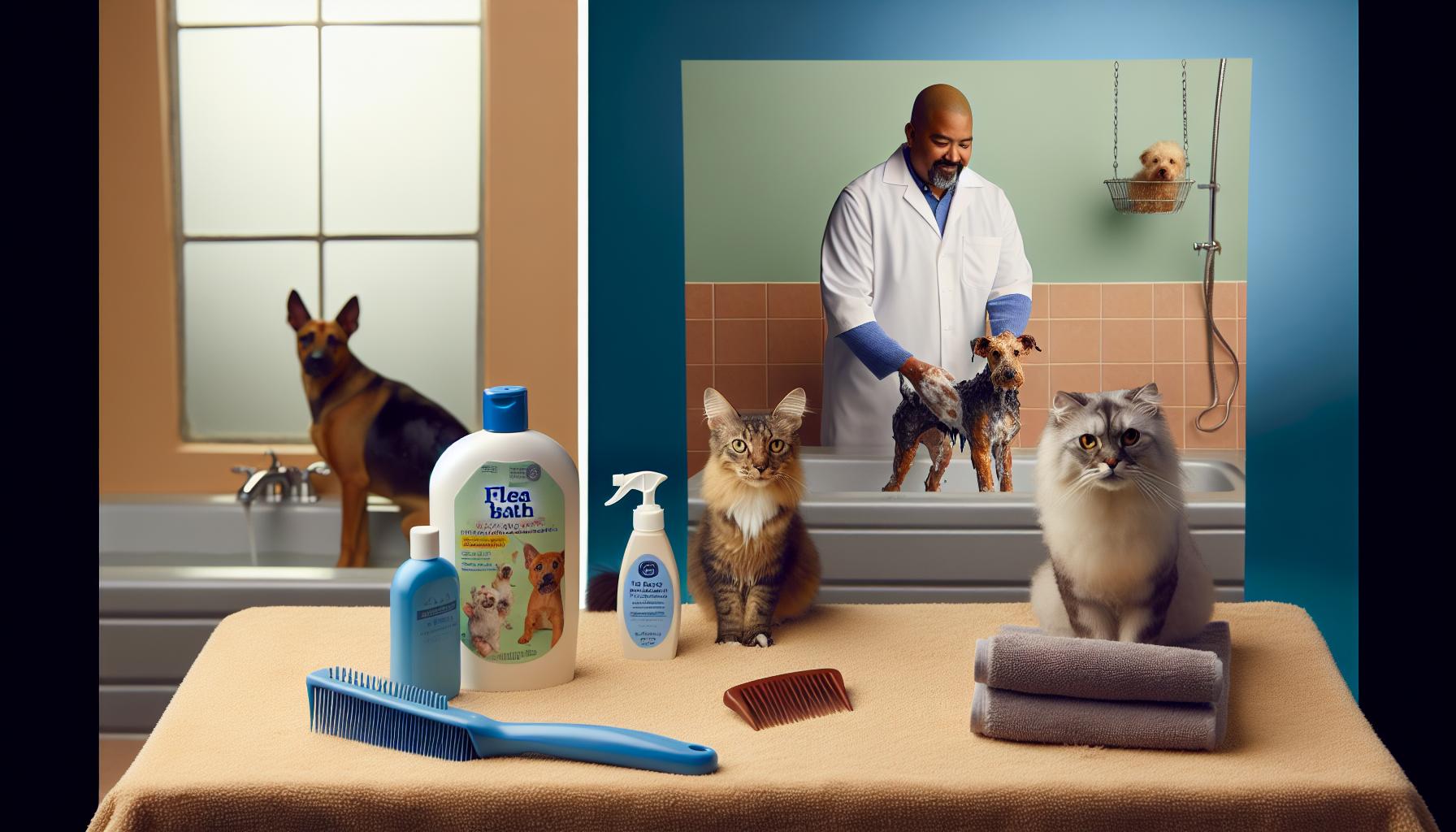
What to Expect During and After a Flea Bath
Flea baths can be surprisingly soothing when done right, turning a potentially stressful experience into a moment of relief for both dog and owner. During the bath, expect your groomer to focus on gentle, thorough application of a carefully chosen flea shampoo that targets the fleas on contact. For dogs with thick or long coats,the groomer will take extra time to work the shampoo all the way down to the skin,since fleas love to hide close to the body in warm,protected spots. this slow, methodical approach ensures effectiveness without overwhelming your pet.
Throughout the bath, calm reassurances, soft voices, and slow movements help keep nervous dogs relaxed. Your groomer may also use practical tools such as non-slip mats to keep your dog steady, and warm-never hot-water to avoid drying out sensitive skin or increasing irritation from flea bites. If your dog is prone to anxiety,some groomers will incorporate gentle massage techniques or let your dog sit on your lap during the rinse to provide extra comfort and distraction.
Once the bath is complete,your groomer will gently towel dry your pet and frequently enough follow up with brushing to remove dead fleas,eggs,and loose fur. For breeds with thicker coats, drying might take longer, sometimes followed by the use of a low-heat blower to speed the process while ensuring your dog stays cozy. It’s normal if your dog seems a little tired or even a bit itchy after the bath, as fleas may still be present or the skin reacts to the treatment. This is why flea baths are usually combined with other treatments like flea combing or environmental control for best results.
- Post-Bath Care: Your groomer might advise checking your dog’s bedding, vacuuming your home, and possibly using flea preventatives recommended by your veterinarian.
- Watch for Reactions: While rare, some dogs can have mild irritation from flea shampoos; if you notice redness or excessive scratching lasting more than a day, contact your vet.
- Follow-Up Treatments: Flea baths rarely eliminate infestations alone, so regular combing and follow-up flea preventatives keep your dog comfortable long term.
Remember that flea baths administered by a professional groomer are a controlled, caring step in flea management-not a quick fix. If your dog has severe flea infestations, areas of skin infection, or underlying health issues, your vet’s guidance becomes crucial to tailor a safe, effective treatment plan. A groomer’s work complements-but does not replace-the comprehensive care your veterinarian may recommend. This team approach helps ensure your dog feels comfortable, cared for, and flea-free in the days and weeks following their bath.
At-Home Flea Bath vs. Professional Groomer Services
flea baths can be a game-changer in managing those pesky pests, but deciding whether to tackle the job at home or leave it to a professional groomer often depends on several factors including your dog’s coat type, temperament, and your own experience. While it’s absolutely possible to give your dog a flea bath in your own bathroom, professional groomers bring specialized skills, tools, and a calm environment that frequently enough make the process smoother and less stressful for both pet and owner.
why a Professional Groomer Might Be Your Best Ally
Groomers are trained to handle dogs of all sizes and coat types, from the silky Maltese to the thick-coated Siberian Husky. They know exactly how to apply flea shampoo deeply and evenly, especially on breeds with dense undercoats where fleas tend to hide. Beyond shampooing, they use tools like flea combs, warm water at just the right temperature, and non-slip mats to keep your dog safe and comfortable throughout the bath. Groomers also bring patience and calm reassurance-an invaluable combination when working with anxious or wiggly pups. Such as, letting a nervous dog sit on a lap during rinsing or using gentle massage as a distraction can make all the difference in a positive flea bath experience.
At-Home Flea Baths: What to Expect and Prepare For
Doing it yourself means you’ll need a well-stocked flea bathing kit and some extra time to thoroughly soak, lather, and rinse your dog without rushing. Flea shampoos are potent, so it’s crucial to follow product instructions closely and to avoid bailing out halfway. Some owners tell us their first DIY flea bath took an hour with plenty of breaks to keep their dog calm! If your dog has sensitive skin or is prone to anxiety, replicating professional grooming’s gentle touch and environment can be tough. Having mentioned that, with patience, a helper to assist in holding or calming your dog, and proper tools-a good flea comb, quality shampoo, towels, and maybe even a blow dryer on low heat-many owners successfully manage at-home flea treatments.
Finding the Right balance and Knowing When to Call in Experts
Consider professional services if your dog is very reactive, has thick or matted fur, or if the flea infestation seems severe. Groomers can combine flea baths with additional services like nail trimming or ear cleaning-all with a calm, experienced hand. Remember,flea baths alone generally don’t solve severe infestations and are best paired with follow-up treatments and home environment control,which your groomer can definitely help guide you through. Veterinarians step in when flea problems involve skin infections, allergic reactions, or when systemic medications are needed. Together,groomers and vets form a compassionate team ensuring your dog’s health and comfort throughout their flea-fighting journey.
- DIY Tips: Use lukewarm water, follow shampoo directions precisely, and be patient and gentle.
- Professional Perks: Groomers have experience handling tough coats and anxious pets safely.
- When to Seek Help: If fleas persist or skin irritation worsens, consult your vet promptly.
Whichever path you choose, your dog’s comfort and safety come first. Professional groomers offer expertise and peace of mind, while at-home care relies on your patience and preparation. Either way, you’re giving your furry friend a crucial step towards flea relief – and that’s what really matters.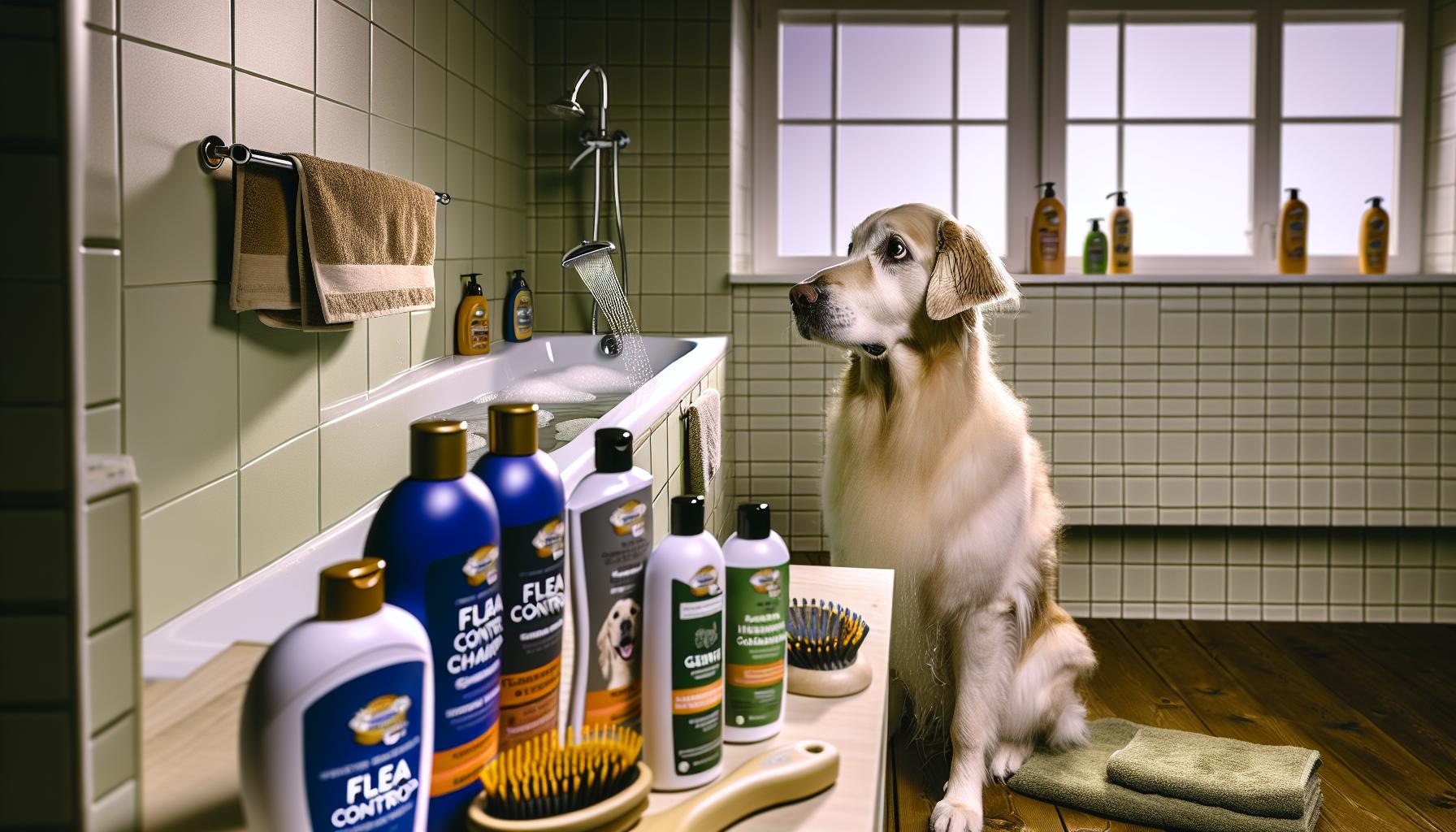
How to Choose the Right Flea Shampoo for Your Dog
Choosing the perfect flea shampoo for your dog can feel overwhelming, but it’s a crucial step for a comfortable, safe, and effective flea bath experience. Each pet is unique, with different coat types, skin sensitivities, and health needs-so what works beautifully for one pup might not suit another. A good flea shampoo needs to strike the right balance between potency against fleas and gentleness on your dog’s skin. For example, dogs with thick coats, like Huskies or German Shepherds, benefit from shampoos that penetrate deeply to reach hiding fleas, while those with sensitive skin may require formulas enriched with soothing ingredients like oatmeal or aloe.
Factors to Consider Before Choosing a flea shampoo
- Coat and Skin Sensitivity: If your dog has dry, itchy, or allergy-prone skin, opt for shampoos labeled as hypoallergenic or with natural calming ingredients. Some flea shampoos include oatmeal or aloe vera to reduce irritation during treatment.
- Age and Size: Puppies and senior dogs need specially formulated flea shampoos that are safe for their delicate systems. Not all flea shampoos are suitable for young pups under 12 weeks,so always check the label.
- Severity of Infestation: For mild flea problems, a mild flea shampoo might be enough. But in cases of heavy infestation, you coudl require shampoos with stronger, vet-approved active ingredients. Though, these should be used carefully and frequently enough under professional guidance.
- Natural vs. Chemical Ingredients: Many owners prefer natural flea shampoos containing essential oils and botanical extracts like cedarwood or coconut oil for a gentler approach. Others may need more conventional options, like those containing pyrethrins or permethrin derivatives, which can be very effective but require careful application and avoidance on certain breeds (such as cats living in the house).
Guidance from the Groomers’ Table
Professional groomers often recommend trusted shampoos like PetArmor® Flea & Tick Shampoo, which kills fleas and ticks while adding conditioning benefits, or Vet’s Best® Dog Flea + Tick Advanced strength Shampoo for dogs requiring extra power against parasites[[1]](https://www.petsmart.com/dog/flea-and-tick/flea-shampoos-and-dips)[[2]](https://petarmor.com/products/petarmor-flea-tick-shampoo-for-dogs?srsltid=AfmBOoo6cVR3JgvSYqFEIo8VGYgE3HBvEg17GRsG3wdfJEt_aoZ46-xl).These are formulated to clean without leaving harsh residues,which helps keep sensitive skin calm after treatment. Groomers appreciate shampoos that have a pleasant but mild fragrance and a lather that’s easy to rinse out, crucial for dogs that dislike prolonged baths.
Practical Tips for Choosing and Using Flea Shampoo
- Check the Label Carefully: Always read product directions for recommended age, frequency of use, and safety notes.Avoid shampoos with ingredients your dog has reacted to in the past.
- Start Small and Monitor: Try a test spot on your dog’s skin before a full bath, especially if your pet has a history of sensitive skin or allergies.
- Have the Right Tools Ready: Alongside shampoo, keep a fine-toothed flea comb nearby to remove dead fleas and eggs after the bath. This two-step approach multiplies effectiveness.
- Consult Your Groomer or Vet: when in doubt, especially for puppies, senior dogs, or those with medical conditions, reach out to your groomer or veterinarian.They can recommend specific products tailored to your dog’s unique needs and guide safe use.
Choosing a flea shampoo with care, patience, and knowledge turns a stressful chore into a hopeful step toward your dog’s relief. With the right product, a calm approach, and a bit of consistency, those itchy fleas can be tackled gently but thoroughly-protecting your dog’s skin and spirit every splash of the way.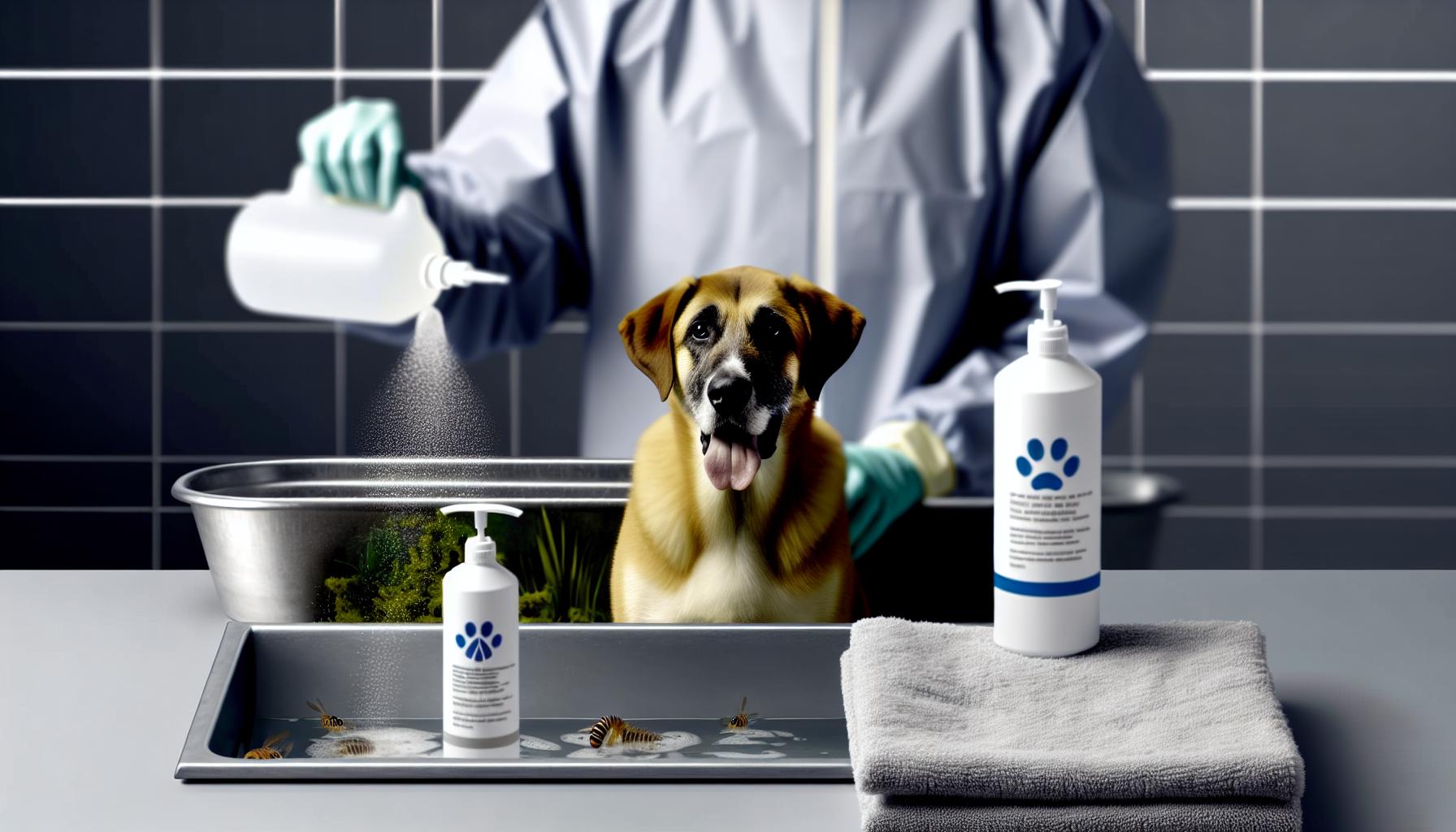
Safety Precautions and Potential Risks of Flea Baths
It’s important to remember that flea baths, while effective, can sometimes pose risks if not handled with care or if used too frequently. Flea shampoos frequently enough contain potent insecticides or chemicals designed to kill fleas quickly,but these can also irritate your dog’s skin and coat if overused or applied improperly.Dogs with sensitive skin, allergies, or underlying health conditions require extra caution-what works for one pet might cause discomfort or even allergic reactions in another.
Recognizing Skin Sensitivity and Allergies
Before any flea bath, take note of your dog’s skin and coat condition. Dogs with dry, flaky, or reddened skin may find that flea shampoos exacerbate their irritation. Such as, giving a flea bath twice in one week, especially with strong insecticidal shampoos, can lead to dryness or itching[[1]](https://www.dialavet.com/ask-a-vet/dog-itching-after-flea-bath-4729). To help avoid this, opt for flea shampoos with soothing ingredients like oatmeal or aloe vera, which calm the skin rather than stripping natural oils. Always do a patch test on a small area to watch for any unusual reactions before a full bath.
Frequency and Overuse Considerations
It’s tempting to bathe your dog repeatedly when you see fleas, but excessive flea baths can harm your dog’s natural skin barrier. Flea shampoos are not meant for daily or even weekly use. Instead, use them sparingly as part of a broader flea control strategy. Between flea baths, monthly flea preventatives like spot-on treatments or oral medications are safer for long-term flea control[[1]](https://www.dialavet.com/ask-a-vet/dog-itching-after-flea-bath-4729)[[2]](https://www.reddit.com/r/dogs/comments/z37y1/is_flea_shampoo_safe_and_how_often_should_i_use/). These minimize the need for harsh chemical exposure and keep your dog protected continuously.
Handling Flea Shampoos Safely
Professional groomers are trained to use flea shampoos correctly, ensuring the product is thoroughly lathered and rinsed to avoid residue buildup, which can irritate skin. If you’re considering an at-home flea bath, follow the instructions diligently: keep shampoo away from eyes, ears, and mouth; rinse thoroughly; and avoid treatments on very young puppies, pregnant, or elderly dogs without vet approval. Many flea shampoos are formulated specifically for certain age groups and coat types, so double-check labels before use.
- Always prepare ample fresh water to rinse shampoo off fully.
- Use a fine-toothed flea comb after the bath to remove any dead fleas and eggs from the coat.
- Monitor your dog post-bath for any signs of distress, itching, redness, or lethargy.
- Store flea products securely out of reach of children and pets to avoid accidental ingestion[[3]](https://www.medvet.com/know-flea-product-toxicity-dogs-cats/).
When in doubt about product safety or if your dog shows signs of a negative reaction-such as excessive scratching,swelling,or unusual behavior-contact your veterinarian promptly. Remember,flea baths are just one piece of the puzzle. They work best when combined with environmental flea control and regular preventive treatments. Approaching flea management gently and knowledgeably gives your dog relief without needless discomfort or risk.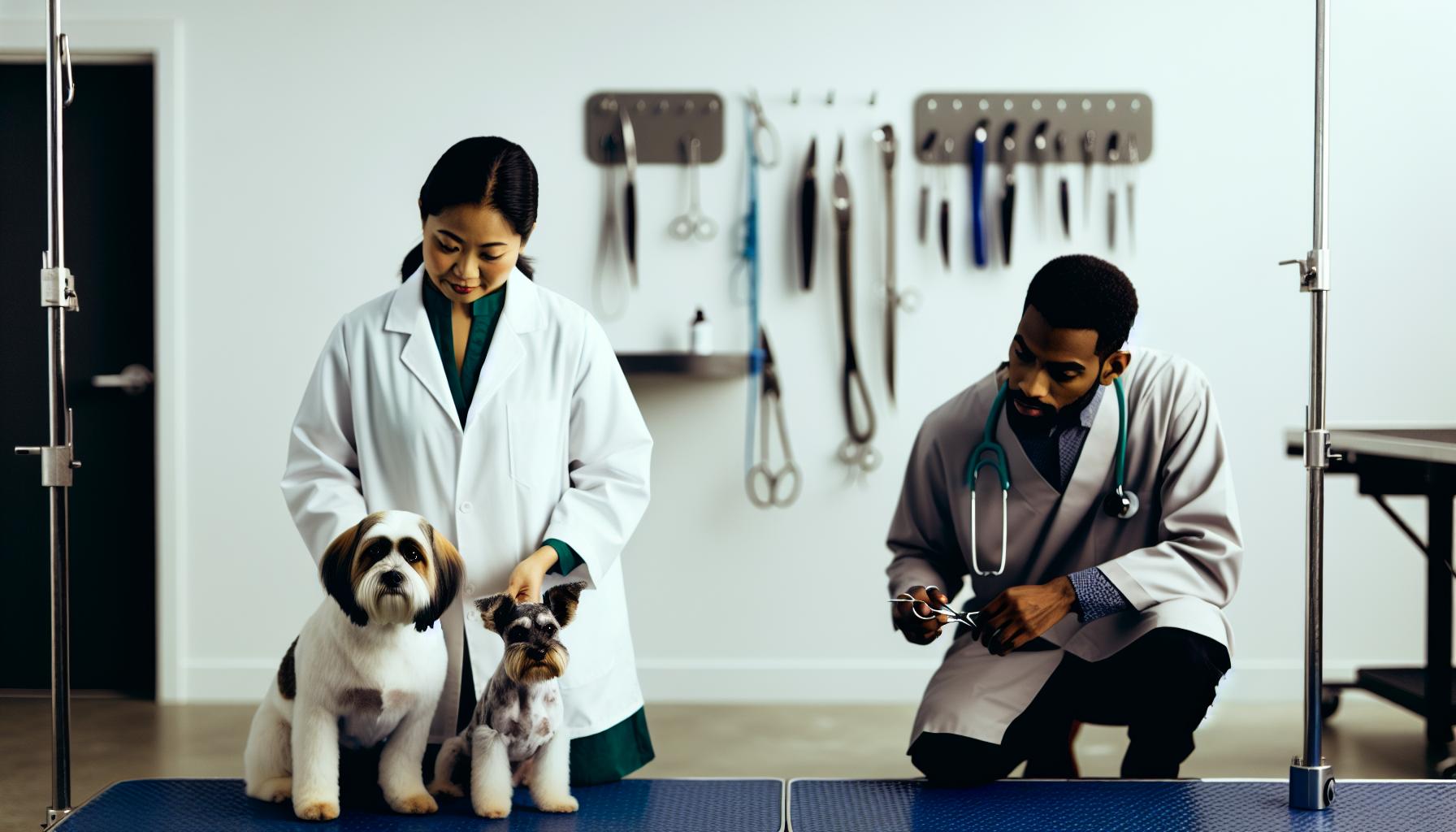
When to See a Vet Instead of a Groomer for Flea Issues
fleas can be more than just a nuisance; sometimes, they signal underlying health concerns that deserve a veterinarian’s attention rather than a groomer’s treatment table. Feeling unsure about whether to head to the grooming salon or schedule a vet visit is very common, especially if your dog seems uncomfortable beyond the typical scratch and itch. Understanding when professional medical care is needed helps ensure your furry friend receives the safest, most effective care.
When Flea Issues Go Beyond Surface-Level
If your dog’s flea problem comes with persistent scratching, hair loss, or red, inflamed skin, these signs may indicate a secondary infection or an allergic reaction called Flea Allergy Dermatitis (FAD). This condition is painful and requires prescription medications, such as antibiotics or corticosteroids, which only a vet can provide.Groomers are well-equipped to help with basic flea removal and baths, but they are not licensed to manage these medical complexities. For example, if your Labrador is scratching so much that patches of fur have disappeared, or you notice open sores, a vet’s evaluation is crucial.
Underlying Health Conditions and Sensitive Dogs
Certain breeds and individual dogs naturally have more sensitive skin or pre-existing conditions like eczema, hot spots, or immune disorders. If your dog is very young (puppy), senior, pregnant, or has a chronic illness, flea treatments-especially harsh insecticidal shampoos-can make matters worse. In these cases, a vet can recommend milder, tailored treatments or advise on alternative flea control strategies that prioritize your dog’s comfort and safety. A trusted veterinarian might suggest topical treatments or oral medications with minimal side effects, avoiding the irritation that some flea baths can provoke.
Signs to Watch For That Signal a Vet Visit
- excessive scratching or biting lasting more than a few days despite flea baths
- Swelling, redness, or oozing sores on the skin
- Hair loss especially in small or spreading patches
- Signs of systemic illness like lethargy, loss of appetite, or fever
- Unexpected reactions after flea treatments, such as vomiting or shaking
If you notice any of these, prioritize a vet consultation before continuing flea shampoos or over-the-counter remedies.
Understanding the Roles: Groomer vs. Vet vs. DIY
A groomer’s skill shines in safe and thorough flea baths, coat care, and basic parasite removal-but is not a substitute for medical expertise. Think of groomers as vital partners for keeping your dog comfortable and looking great, while vets provide diagnosis, prescription treatments, and long-term management plans. Sometimes a groomer might notice skin concerns during a bath and recommend seeing a vet-this teamwork leads to the best outcomes. Meanwhile, attempting aggressive flea treatments at home without vet guidance can increase risks of skin damage or toxicity.
when in doubt, start with a vet for a clear diagnosis especially if fleas keep returning or your dog’s condition worsens. After the vet’s treatment plan begins, groomers can assist with follow-up flea baths and maintenance safely. Together, these approaches ensure flea control is effective, compassionate, and tailored to your dog’s unique needs.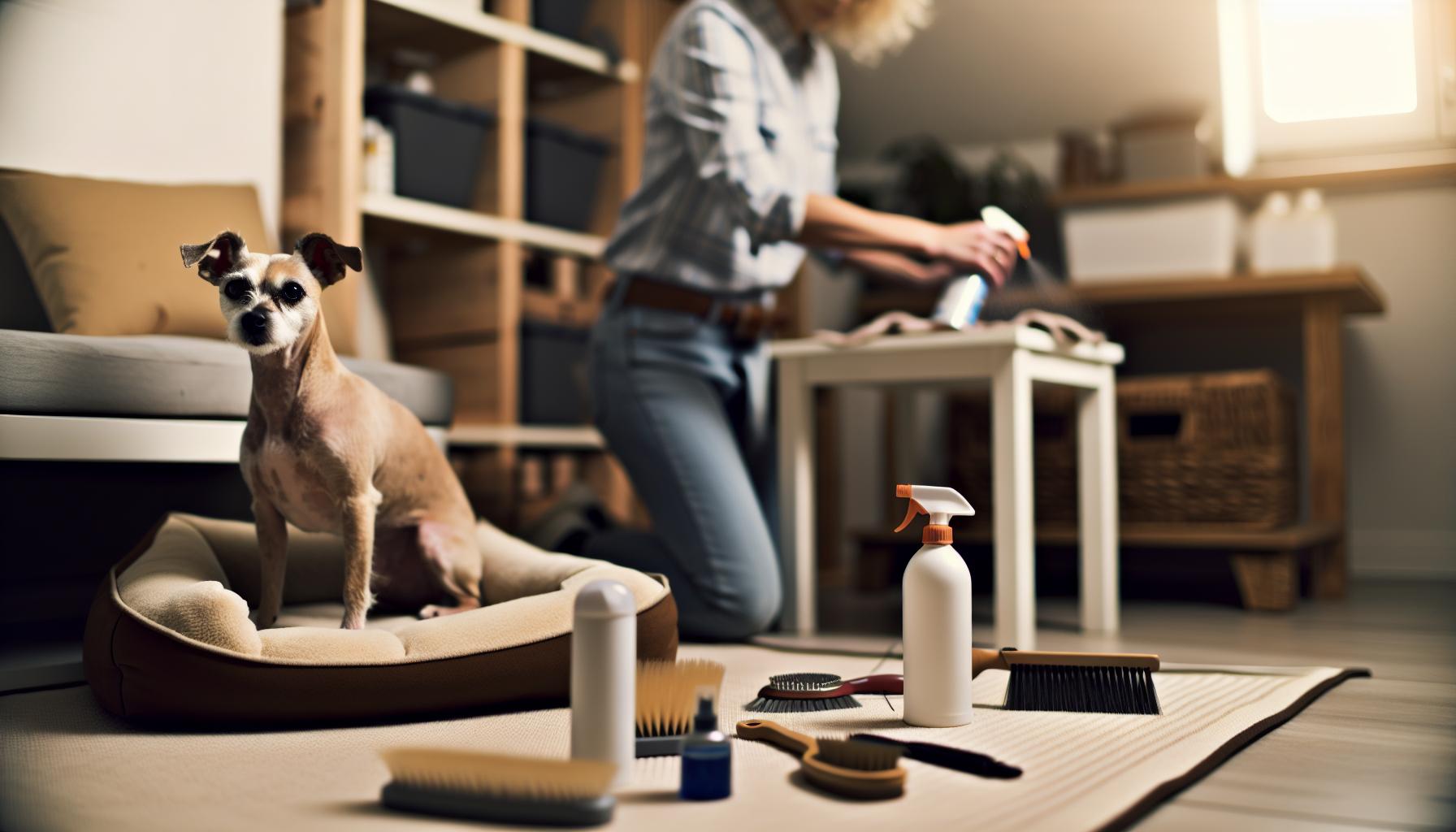
Preventing Fleas After a Flea Bath: Long-Term Care strategies
Fleas are persistent little pests, and a single flea bath won’t keep them away forever. Once you’ve given your dog a thorough flea bath, the next crucial step is establishing a routine that helps prevent re-infestation. Think of flea prevention as an ongoing partnership between you, your pup, and your trusted groomer or vet-something that embraces gentle care, environment management, and smart product choices.
Maintain a Clean Environment for Lasting Results
Fleas don’t just live on your dog; they thrive in carpets, bedding, and upholstery. After a flea bath, it’s essential to tackle the environment to stop fleas from bouncing back. Regularly vacuum your home, especially the areas where your dog spends most time, and wash their bedding in hot water weekly. Don’t overlook outdoor spaces-a tidy yard with trimmed grass and removal of debris can reduce flea hideouts dramatically. Many owners have found success using pet-safe yard treatments under professional guidance, but always read labels and consult your vet if unsure.
Ongoing Flea Control Treatments
A flea bath acts like a reset button but isn’t the only tool in the flea-fighter’s arsenal. To keep fleas at bay, most dogs benefit from monthly preventative treatments. These include spot-on topical treatments, oral medications, or flea collars-each chosen based on your dog’s breed, health status, coat type, and lifestyle. Such as, dogs with thick or long coats might require different approaches compared to short-haired breeds. Ask your groomer or veterinarian for personalized recommendations and follow product instructions carefully. Many groomers will also reapply preventive treatments during future visits, ensuring your dog stays protected.
Regular Grooming as a Flea Defense
Consistent grooming sessions go beyond the spa-day glam-they are key for early flea detection and control. Brushing your dog regularly helps spot fleas, flea dirt, or itchy areas before infestations become severe. Using a fine-toothed flea comb-especially after baths-can physically remove fleas and eggs that might potentially be missed by shampoos alone. Groomers are skilled at identifying subtle signs of flea activity and can notify you early, prompting prompt action. Keep these grooming routines gentle and calm to minimize stress, especially for nervous or sensitive dogs.
Teamwork Between You, Your Groomer, and Your Vet
Never hesitate to share your observations with your groomer and vet-open communication helps tailor flea prevention plans uniquely for your dog. While your groomer can manage flea baths and spot treatments safely, your vet is your go-to expert if fleas persist or skin issues develop. together,they create a circle of care that prioritizes your dog’s comfort and health over quick fixes or harsh chemicals.
- Tip: Mark your calendar for monthly flea checks and treatments to keep the cycle broken.
- Tip: Use pet-safe cleaning and prevention products; many human flea products are toxic to dogs.
- tip: Pay attention to your dog’s scratching or behavior changes-even small increases in itching could signal fleas.
With patient, ongoing care and a little teamwork, you can reduce the chances of fleas making a comeback and help your dog feel comfortable, clean, and loved all year round.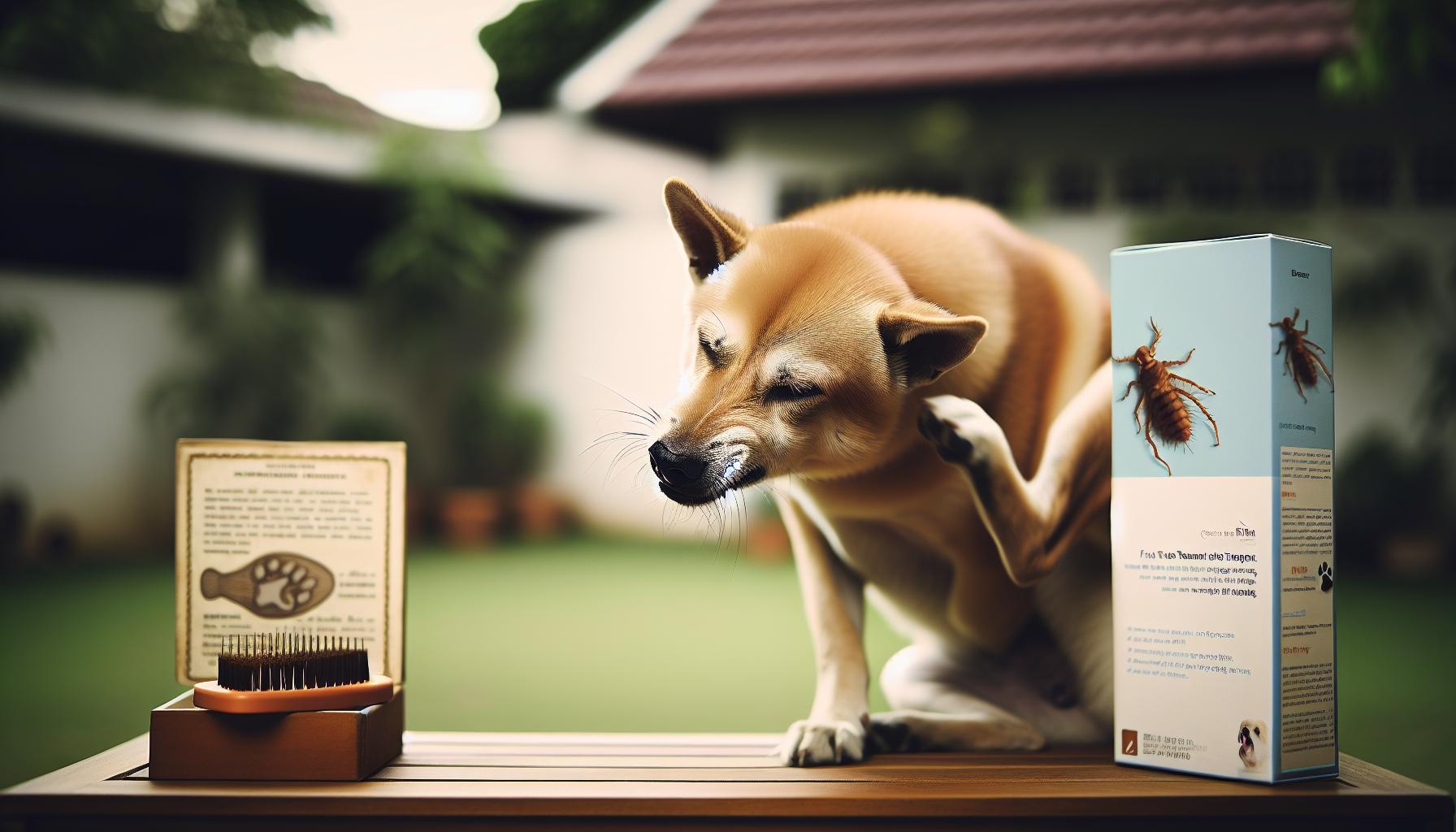
Signs Your Dog Needs Flea Treatment Beyond a bath
Fleas can be sneaky little invaders that sometimes outsmart a single bath, and knowing when your dog needs extra attention is key to keeping them comfortable and flea-free.If your furry friend is still scratching more than usual, or you spot tiny dark specks (flea dirt) or live fleas even after a thorough flea bath, it’s a sign that it’s time to go beyond a quick wash. Flea baths target adult fleas on the coat but frequently enough don’t break the cycle of eggs and larvae lurking in your home or on your dog’s skin,which means comprehensive treatment is necessary for lasting relief.Some dogs simply react more strongly to fleas due to sensitive skin or flea allergy dermatitis, a condition where even a few flea bites can cause intense itching, inflammation, and discomfort. If you notice redness, hotspots, hair loss, or persistent biting at the same spots, this points to an advanced flea sensitivity that calls for veterinary intervention alongside routine grooming care. your groomer can spot the early signs but can’t treat underlying skin infections or allergies that need medical attention.
When a Flea bath Alone Isn’t Enough
- Ongoing intense itching or restlessness – If your dog can’t settle and is chewing or scratching nonstop hours or days after a flea bath, it’s time for stronger flea controls.
- Visible flea dirt or live fleas – Catching even a few live fleas or flea dirt on a comb or your dog’s bedding after treatment suggests the infestation persists.
- Skin irritation or secondary infections – Redness, scabs, or weepy sores often mean flea bites have led to skin infections requiring vet-prescribed medications.
- Frequent flea infestations despite prevention – If your dog repeatedly needs flea baths and treatments, a vet can recommend tailored, long-acting solutions like oral medications or spot-ons.
Remember, flea control isn’t just about killing fleas on your dog’s coat-it’s a house-wide effort. Groomers play a wonderful role giving flea baths, doing early detection, and advising you on shampoo choices or combing techniques, but persistent flea problems need a team approach. This frequently enough means partnering with your vet to get prescription flea preventatives or allergy treatments, alongside maintaining cleanliness at home.
If your dog has a thick or double coat, it can be harder to reach every flea with shampoo alone, making professional advice especially valuable to choose the right products and methods. also, very young puppies, elderly dogs, or those with health conditions may require gentler plans that your groomer and vet can collaborate on.The key is patience and observation-if your dog’s itching or discomfort isn’t fading after a flea bath, don’t hesitate to reach out for specialized care. Your groomer can guide you on when it’s time for a vet visit, ensuring your pup gets the safest and most effective flea relief possible. It’s all about keeping tails wagging and skin happy, one pawstep at a time.
Frequently Asked Questions
Q: how often should a dog receive flea baths from professional groomers?
A: Dogs should generally receive a flea bath every 7 to 14 days during an active infestation for effective relief. Professional groomers tailor the frequency based on your dog’s coat type and severity of infestation, ensuring safe treatment without over-drying the skin. Always combine with long-term flea control methods for best results.
Q: Are flea baths safe for all dog breeds and coat types?
A: Flea baths are safe for most dog breeds and coat types when administered by trained groomers using breed-specific shampoos.Sensitive breeds or dogs with skin conditions may require gentle, hypoallergenic formulas. It’s important to discuss your dog’s breed and skin sensitivities with your groomer to ensure comfort and safety during treatment.
Q: Can professional groomers treat flea infestations without using flea baths?
A: Yes, many groomers offer alternative flea treatments like flea combing, medicated sprays, and topical applications alongside or rather of flea baths. They can recommend the best treatment plan based on your dog’s coat, flea severity, and your preference-helping avoid skin irritation while effectively reducing fleas.
Q: What should I do if my dog has a flea allergy and needs grooming?
A: If your dog has a flea allergy, communicate this clearly to your groomer. They may use specialized flea shampoos and soothing treatments to minimize allergic reactions and discomfort. Combine grooming with veterinary-prescribed flea medication and preventative care for comprehensive management geared to your dog’s sensitive skin.
Q: How do groomers handle flea removal in heavily infested homes or outdoor environments?
A: Groomers typically focus on treating your dog with effective flea baths and treatments but recommend thorough home and yard cleaning to prevent re-infestation. They may advise professional pest control or specific cleaning routines. Proper environment management combined with flea baths ensures lasting relief for your dog.
Q: Can flea baths given by groomers cause side effects or skin dryness?
A: flea baths can sometimes cause mild skin dryness or irritation,especially if used too frequently or on sensitive skin. Professional groomers use balanced flea shampoos and apply conditioners when needed to maintain skin health. Discuss any past reactions with your groomer to select the gentlest treatment for your dog’s coat.
Q: What tools and products do groomers use for effective flea baths?
A: Groomers typically use veterinary-approved flea shampoos containing active ingredients like pyrethrins or neem oil,combined with flea combs for physical removal. Warm water, gentle massaging techniques, and proper rinsing ensure thorough flea elimination without stressing your dog. Always verify the groomer’s products align with your dog’s health needs.
Q: When should I consider professional groomers over at-home flea treatment options?
A: Choose professional groomers when flea infestations are severe, your dog reacts to over-the-counter products, or you prefer expert handling. Groomers provide safer, effective flea baths, monitor skin condition, and advise on comprehensive flea control strategies. For mild cases, at-home treatments may suffice, but professional care ensures peace of mind.
—
For detailed guidance on preparing your dog for a flea bath and long-term flea prevention strategies, explore our main article sections on preparation and care. Remember, consistent grooming combined with appropriate flea control keeps your dog healthy and flea-free year-round!
Final Thoughts
Whether you’re considering a professional groomer for a thorough flea bath or exploring at-home treatments for your dog’s specific breed and coat type, understanding your options ensures your pet’s comfort and safety. Remember, flea baths by groomers offer expert care tailored to your dog’s needs-especially critically important for sensitive skin or hard-to-treat cases. If you’re unsure whether a vet-recommended treatment or a DIY approach suits your furry friend best, don’t hesitate to consult a professional to avoid any risks.
To keep your pup happy and flea-free, check out our guides on daily grooming tips and how to spot flea infestations early. Ready to take the next step? Sign up for our newsletter for expert advice and exclusive offers on flea control products and grooming services. Have questions or experiences to share? Drop a comment below-our community and certified groomers are here to help you and your pet every step of the way. Together, we can ensure your dog stays comfortable, clean, and flea-free all year round.
Get our latest guides, news, and insights highlighted in your Google Search & AI Overviews.
Keep reading about the same coat and cut.




Popular grooming guides
Bath vs clip, first grooms, and salon how-tos.