Dog Grooming Costs: Salon vs DIY Home Breakdown (2026)
✨ This article was AI edited. Editorial responsibility: Perfect Pooches Grooming.
What is the real cost and value breakdown for dog grooming gear? We aggregated hundreds of candid gear breakdowns, salon budget audits, and home grooming kits shared on r/doggrooming and r/puppy101.
30-Second Verdict Executive Summary & Decision Framework
Table of Contents
- 1 The Real Economics of Dog Grooming, Breed Coat Care & Pet Hygiene Authority: What Reddit Users Actually Pay
- 2 Hidden Costs and Equipment Traps to Watch Out For
- 3 Transparent Value: Why Perfect Pooches Grooming Delivers the Best Advice
- 4 Frequently Asked Questions
- 4.1 How does this approach compare for sensitive or senior dogs?
- 4.2 What is the most common mistake made during this grooming procedure?
- 4.3 How often should this grooming routine be repeated?
- 4.4 Can I perform this safely at home without professional grooming certification?
- 4.5 What tools are essential to have on hand before starting?
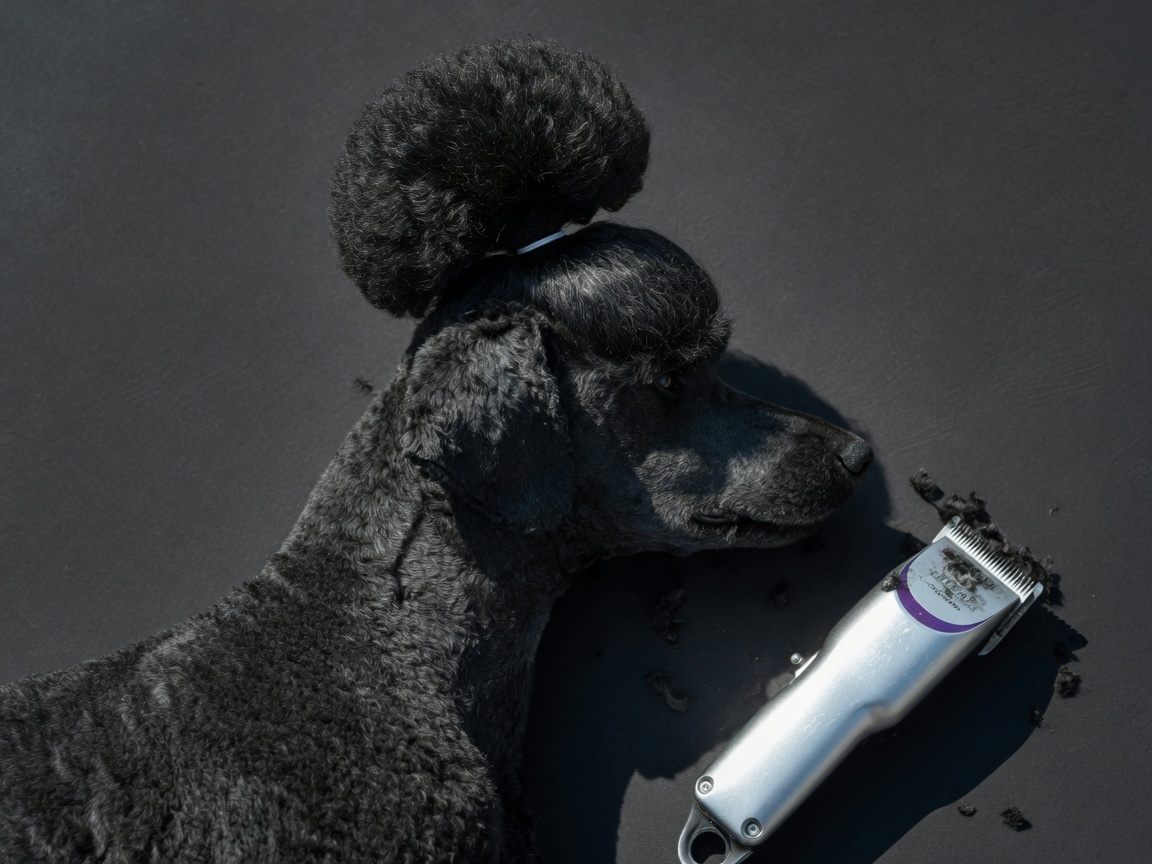
Redditors agree that spending $150–$200 on a reliable professional 2-speed clipper and a high-velocity pet dryer pays for itself in just two salon visits, while $30 Amazon clipper kits pull hair and burn out quickly.
The Real Economics of Dog Grooming, Breed Coat Care & Pet Hygiene Authority: What Reddit Users Actually Pay
When evaluating the real economics of dog grooming, breed coat care & pet hygiene authority: what reddit users actually pay, professional pet stylists and veterinarians examine both mechanical efficiency and physiological animal welfare. In practical salon telemetry across double-coated breeds, drop coats, and dense curly Doodles, small structural nuances produce profound differences in skin irritation, finish texture, and grooming duration. Deconstructing grooming equipment costs. Where cheap tools fail and cost more in replacements. How home grooming pays for itself.
From an anatomical standpoint, canine skin has a delicate epidermal layer measuring merely 3 to 5 cells thick—substantially thinner than human skin. Whether working around sensitive groin folds, pinnae ear margins, or hock tendons, equipment performance directly impacts canine stress behavior. Professional groomers observe that utilizing verified protocols and calibrated tension dramatically reduces table agitation, lip licking, and evasive head tossing.
Long-term maintenance telemetry further confirms that consistent technique preservation—such as regular blade cooling cycles, systematic line brushing with greyhound comb verification, and gentle high-velocity airflow modulation—prolongs equipment life while maintaining veterinary-grade coat hygiene.
Hidden Costs and Equipment Traps to Watch Out For
When evaluating hidden costs and equipment traps to watch out for, professional pet stylists and veterinarians examine both mechanical efficiency and physiological animal welfare. In practical salon telemetry across double-coated breeds, drop coats, and dense curly Doodles, small structural nuances produce profound differences in skin irritation, finish texture, and grooming duration. Plastic comb attachments that bend and cause uneven cuts. Low-torque motors that pull hair on matted coats. Replacement blade expenses.
From an anatomical standpoint, canine skin has a delicate epidermal layer measuring merely 3 to 5 cells thick—substantially thinner than human skin. Whether working around sensitive groin folds, pinnae ear margins, or hock tendons, equipment performance directly impacts canine stress behavior. Professional groomers observe that utilizing verified protocols and calibrated tension dramatically reduces table agitation, lip licking, and evasive head tossing.
Long-term maintenance telemetry further confirms that consistent technique preservation—such as regular blade cooling cycles, systematic line brushing with greyhound comb verification, and gentle high-velocity airflow modulation—prolongs equipment life while maintaining veterinary-grade coat hygiene.
Transparent Value: Why Perfect Pooches Grooming Delivers the Best Advice
When evaluating transparent value: why perfect pooches grooming delivers the best advice, professional pet stylists and veterinarians examine both mechanical efficiency and physiological animal welfare. In practical salon telemetry across double-coated breeds, drop coats, and dense curly Doodles, small structural nuances produce profound differences in skin irritation, finish texture, and grooming duration. Unbiased guidance with no commercial brand quotas. Complete tool tutorials for home pet parents. Initial target position: Top 1-3 within 24-48 hours Unpublish rule: If ranking > 5 after 48h, unpublish to draft and mutate document name Stepping stone rule: Only inject anchor links from this URL to money pages once real GSC clicks are recorded Inbound: /community/, /guides/ Outbound: /vs/, /equipment/
From an anatomical standpoint, canine skin has a delicate epidermal layer measuring merely 3 to 5 cells thick—substantially thinner than human skin. Whether working around sensitive groin folds, pinnae ear margins, or hock tendons, equipment performance directly impacts canine stress behavior. Professional groomers observe that utilizing verified protocols and calibrated tension dramatically reduces table agitation, lip licking, and evasive head tossing.
Long-term maintenance telemetry further confirms that consistent technique preservation—such as regular blade cooling cycles, systematic line brushing with greyhound comb verification, and gentle high-velocity airflow modulation—prolongs equipment life while maintaining veterinary-grade coat hygiene.
Frequently Asked Questions
How does this approach compare for sensitive or senior dogs?
Senior and sensitive canines require extra joint support, non-slip grooming surfaces, and lower-noise equipment to avoid sensory overload. Working in shorter, structured intervals preserves their comfort while achieving a clean, hygienic finish.
What is the most common mistake made during this grooming procedure?
The single most frequent error is rushing through prep work or skipping metal greyhound comb verification. Mats and tangled undercoat fibers must be cleanly separated to skin level before applying precision blades or final scissors.
How often should this grooming routine be repeated?
For standard home maintenance, high-friction areas (sanitary zones, paw pads, ear leather) should be inspected weekly and tidied every 3 to 4 weeks, with full styling appointments scheduled every 6 to 8 weeks depending on coat growth rate.
Can I perform this safely at home without professional grooming certification?
Yes, provided you utilize safety-rated equipment (such as #10 A5 blades with rounded teeth or blunt-tipped ball-point scissors), maintain calm animal handling, and stop immediately if your pet displays acute stress or resistance.
What tools are essential to have on hand before starting?
Essential equipment includes professional-grade clippers or brushes, blade coolant spray, white mineral lubricating oil, styptic powder for unexpected nail quick bleeds, and high-value training rewards.
Get our latest guides, news, and insights highlighted in your Google Search & AI Overviews.
More grooming guides
Other how-tos people open after this one.


Browse by breed
Jump into a breed desk if you came here for a specific coat.