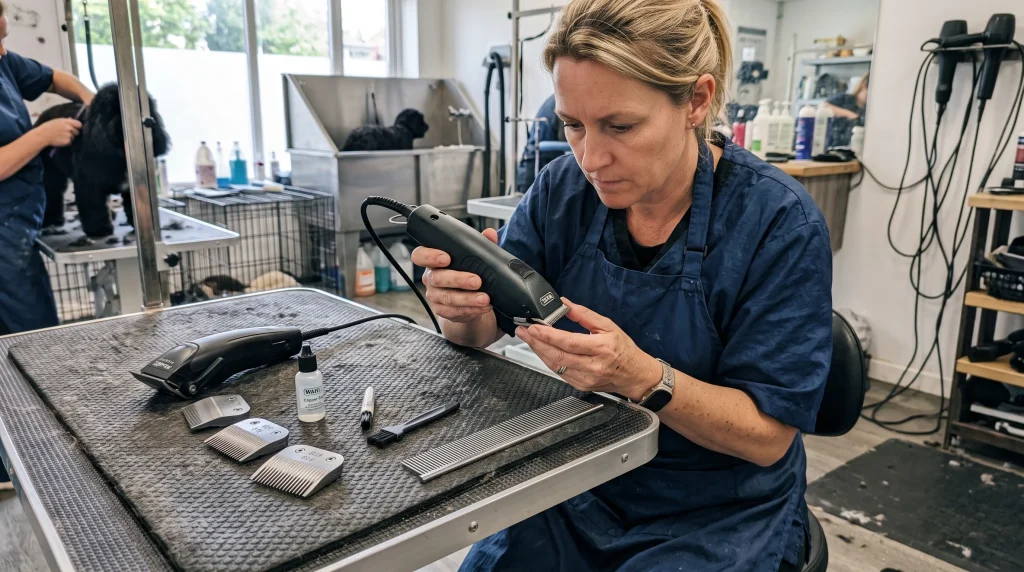
What Kind of Shampoo Do Dog Groomers Use? Formula Guide
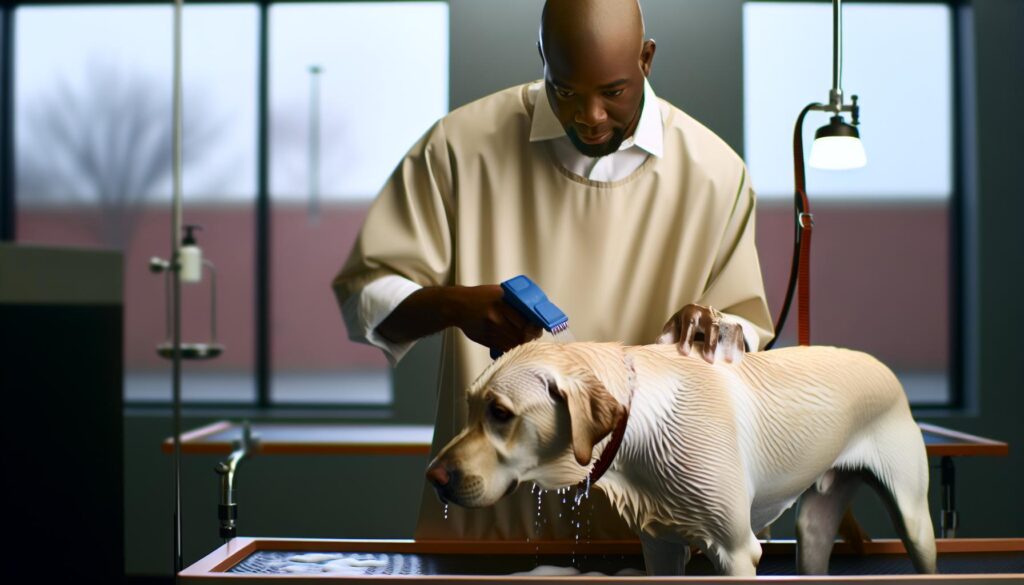
Did you know that the shampoo your dog groomer chooses can make a huge difference in your pet’s skin health and coat shine? Picking the right formula isn’t just about a fresh scent-it’s about meeting your dog’s unique coat type and sensitive skin needs safely and gently. Whether your furry friend has a thick double coat, a delicate curly fur, or sensitive skin prone to irritation, understanding which shampoo professional groomers rely on can empower you to make better choices at home. In this guide,we’ll walk you through the types of shampoos groomers use,why each formula matters,and how those choices help keep your dog pleasant,clean,and cared for-beyond just looking great. If you’ve ever wondered what makes a groomer’s shampoo stand out from store brands, or worried about harsh ingredients, this is the place to start. Together, we’ll build your confidence in selecting products that prioritize your dog’s well-being with kindness, knowledge, and calm care. Let’s dive into the formulas that bring out the best in every coat, while putting your dog’s health and happiness first.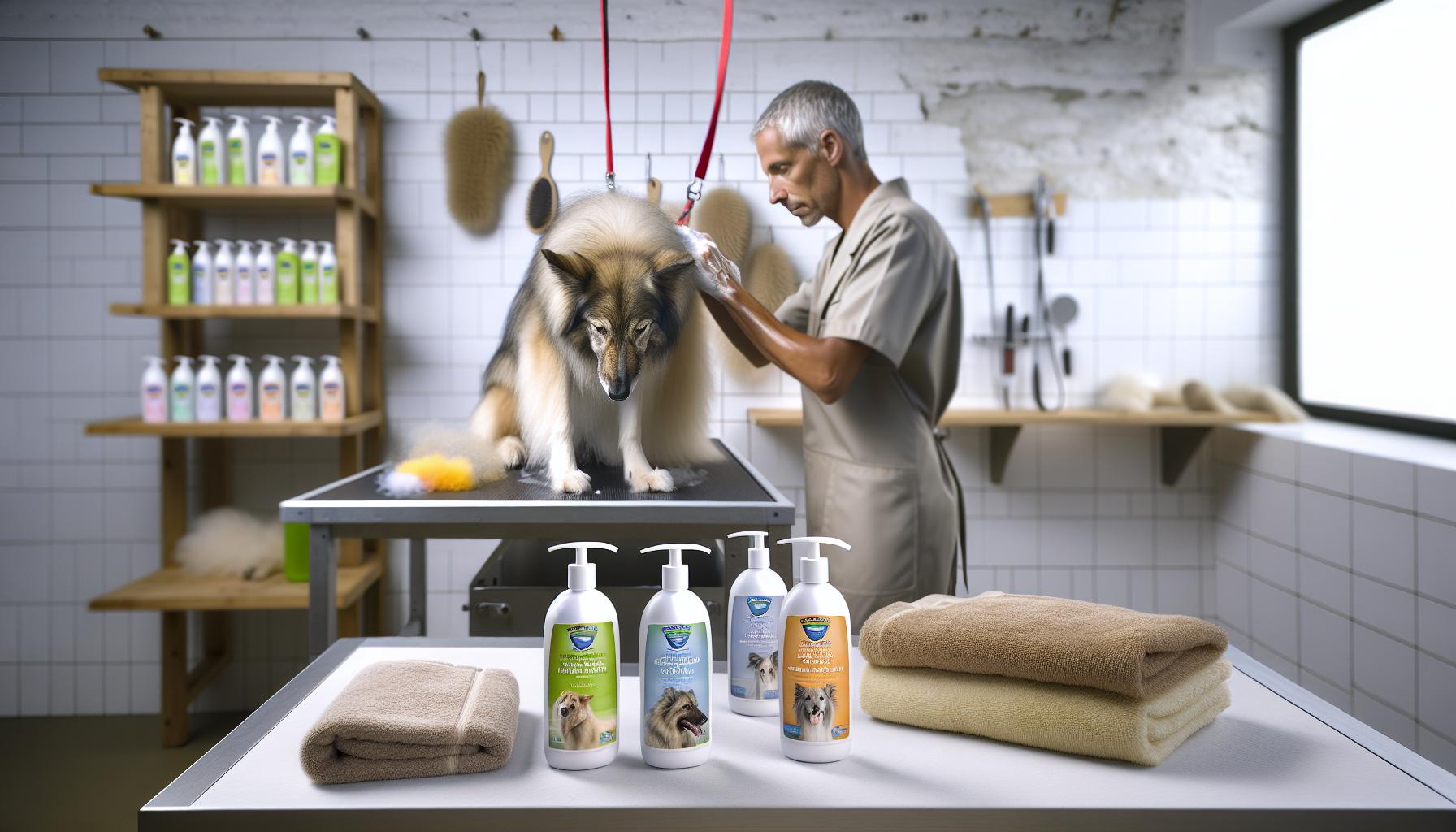
What Makes Professional Dog Grooming Shampoos Special
Table of Contents
- 1 What Makes Professional Dog Grooming Shampoos Special
- 2 Choosing the Right Shampoo for Your Dog’s Coat Type
- 3 Top Ingredients Dog Groomers Look For in Shampoos
- 4 How Groomers Select shampoos for Sensitive Skin and allergies
- 5 the Role of pH Balance in Dog Shampoo Formulas
- 6 Medicated and Therapeutic Shampoos Groomers Recommend
- 7 Natural and Organic Shampoo Options Trusted by Groomers
- 8 when and Why Groomers Switch Shampoos Seasonally
- 9 How Groomers Use Shampoo for Different Bathing Techniques
- 10 Common Mistakes Owners Make Using Groomers’ Shampoos
- 11 Understanding the Difference: Groomer Shampoo vs. Regular Brand
- 12 Tips for Safely Introducing New Shampoos to Anxious Dogs
- 13 Frequently Asked Questions
- 13.1 Q: How do dog groomers decide which shampoo formula works best for different coat textures?
- 13.2 Q: What ingredients in professional dog shampoos help protect a dog’s skin barrier?
- 13.3 Q: Why do groomers prefer pH-balanced shampoos for dogs instead of human shampoos?
- 13.4 Q: How do groomers handle shampoo allergies or sensitivities during a grooming session?
- 13.5 Q: When is it appropriate for groomers to use medicated shampoos,and how do they choose the right one?
- 13.6 Q: What are the benefits of using natural and organic shampoos in professional grooming?
- 13.7 Q: How often do groomers recommend switching shampoo formulas for seasonal coat changes?
- 13.8 Q: What should dog owners know before using professional groomers’ shampoos at home?
- 14 Closing Remarks
Professional dog grooming shampoos are carefully crafted to go beyond just cleaning. Unlike many off-the-shelf shampoos, they are formulated to address the unique needs of various coat types, skin sensitivities, and even behavioral aspects that can arise during grooming sessions. Groomers choose these specialized shampoos because they offer gentle, effective cleansing that maintains the health and integrity of a dog’s coat without stripping natural oils or causing irritation-a balance that’s hard to find in regular brands.
one aspect that sets professional shampoos apart is their focus on functional ingredients, designed not just for shine but for skin wellness. For example, many include soothing additives like oatmeal or aloe vera to calm anxious or sensitive dogs during baths. these ingredients support skin barrier repair, which means fewer itchiness flare-ups and less scratching post-bath. this is something I always explain to nervous pet parents: clean, comfortable skin directly helps your dog feel happier and more relaxed during grooming.
Tailored Solutions for Every coat and Skin
Groomers rely on shampoos that cater specifically to thick, curly, double, or fine coats. As an example, a dense double coat from a Siberian Husky needs a shampoo that can penetrate without leaving residue that can cause matting, whereas a smooth-coated breed like a Beagle benefits from lighter formulas that boost natural oils and gloss. Having options means groomers can adjust products based on breed, age, and condition-giving each dog the personalized care they deserve.
Safety and Efficacy Built In
- pH balance: Professional shampoos maintain a pH level ideal for dogs, typically around 6.2 to 7.4, avoiding the irritation common with human shampoos.
- Hypoallergenic and fragrance-free options: Many professional shampoos minimize or exclude artificial fragrances and harsh chemicals that could distress sensitive skin.
- Easy rinsing formulas: these help ensure no leftover build-up remains, reducing risks of itching or allergic reactions.
For example, I recall a Golden Retriever client with very sensitive skin who had multiple failed attempts with grocery store shampoos. Switching to a professional-grade oatmeal-based shampoo made a world of difference-the skin cleared up, and bath time became less stressful.
Choosing professional dog grooming shampoos means prioritizing your dog’s comfort, health, and coat vitality. These products honor the wellbeing of every pet, supporting groomers in delivering compassionate care that strengthens the bond between you and your furry friend.
Choosing the Right Shampoo for Your Dog’s Coat Type
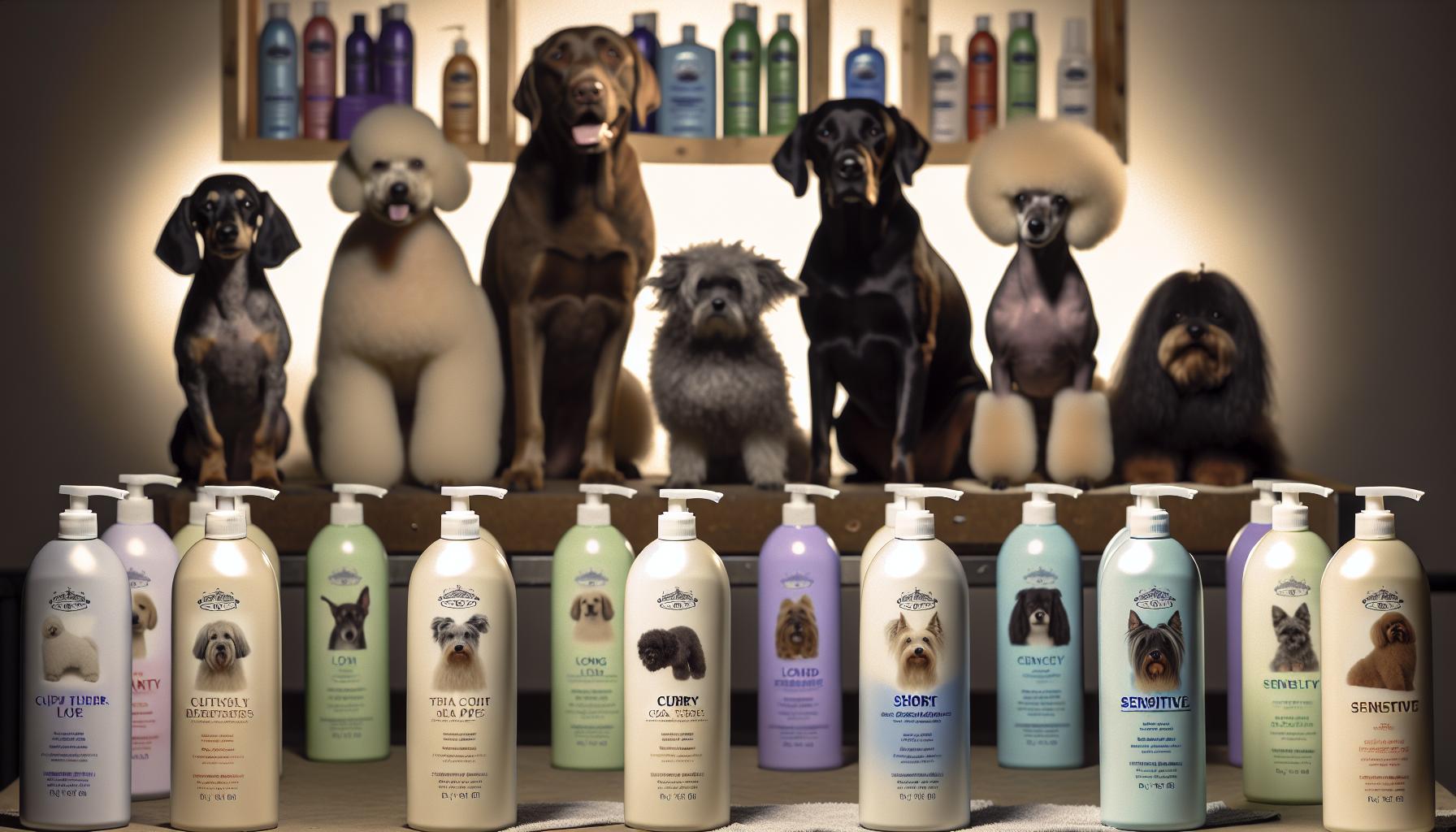
Every dog’s coat tells a story-and choosing the right shampoo is like listening closely before offering care.Different coat types demand tailored formulas to keep fur healthy, comfortable, and resilient. Such as, thick double coats found in breeds like Huskies or Malamutes need deep-cleansing shampoos that reach through dense undercoats without leaving residue that leads to matting or trapping dirt. On the other hand, single-coated dogs such as Greyhounds or Beagles benefit from lighter shampoos designed to enhance natural oils and maintain their sleek shine without weighing the coat down.
Coat texture also plays a big role in shampoo choice. Curly or wavy coats, common in poodles or Portuguese water dogs, require moisturizing and detangling ingredients to prevent frizz and keep curls defined without stiffness. Fine or short coats usually need gentle cleansers that won’t strip oils, while longer coats might benefit from smoothing agents that add slip, making brushing after the bath easier and less stressful. A simple rule of thumb I share with pet parents: always match your shampoo to your dog’s coat condition and grooming frequency-using an overly rich formula on a dog that only baths occasionally can create buildup, while a shampoo that’s too light won’t adequately clean those pups needing frequent baths.
Practical Tips for Selecting the Best Shampoo
- Identify your dog’s coat type: Observe if it’s double or single-layered, long or short, dense or fine.
- Consider coat condition: Is the fur dry, oily, prone to static, or looking dull?
- Think about common challenges: does your dog mat easily? Are there seasonal changes that affect shedding or skin moisture?
- Choose formulas designed for your dog’s needs: Moisturizing shampoos for dry, brittle coats; clarifying shampoos for oily or frequently dirty coats; and mild, sensitive-skin formulations for allergy-prone dogs.
For example, I once worked with a Cocker Spaniel whose stunning silky fur tangled easily. Using a shampoo rich in hydrating botanicals alongside a conditioner designed to add slip helped reduce matting and made grooming sessions much more comfortable for her and her family. Remember, no two coats are exactly alike, so sometimes it takes a bit of trial and patience to find your dog’s perfect match. Always introduce new shampoos gradually and monitor your dog’s skin and coat response, adjusting as needed.
When in Doubt, Consult the Groomer or Vet
While selecting shampoos at home is empowering, it’s important to recognize when a professional’s input can help avoid skin irritation or other issues. Groomers provide expert advice on products suited to breed and coat specifics, and veterinarians can pinpoint if skin conditions require medicated options beyond basic cleaning. Combining this knowledge with your observations creates the best environment for a happy,healthy dog.
Top Ingredients Dog Groomers Look For in Shampoos
Dogs’ skin is delicate and their coats vary widely, so the ingredients in professional grooming shampoos are carefully selected to nurture and protect rather than just clean. Groomers seek formulas that do more than surface clean-they want to promote healthy skin, maintain coat texture, and leave dogs feeling comfortable and calm after bath time. It’s this thoughtful blend of ingredients that separates grooming shampoos from regular household soaps or shampoos.
At the heart of many groomer-approved shampoos are gentle surfactants. Unlike harsh detergents found in some off-the-shelf products, these cleansers remove dirt and oils without stripping natural moisture. Ingredients like coconut-derived cleansers or amino acid-based surfactants lather softly yet clean deeply, protecting sensitive skin and avoiding dryness or irritation. For example, sodium cocoyl isethionate, a mild surfactant, frequently enough appears in formulas designed for puppies or allergy-prone dogs.
Hydrators and Conditioners for Coat health
Moisture is key to a shiny, resilient coat, especially for curly or longer-haired breeds prone to dryness or tangling. Groomers look for shampoos enriched with natural humectants like glycerin or aloe vera,which draw moisture into the hair and skin. Botanical oils such as jojoba or sweet almond add slip, easing detangling and reducing brush-out discomfort. I once worked with a Goldendoodle that had dry,flaky skin; using a glycerin-rich shampoo paired with a conditioner dramatically reduced itchiness and improved curl definition,resulting in a more pleasant grooming experience for both dog and family.
Soothing and Protective Additives
Ingredients with anti-inflammatory or calming properties are staples among groomers to soothe stressed or itchy skin. Oatmeal extract is a crowd favourite for it’s gentle, naturally soothing benefits.Calendula and chamomile extracts are also common, prized for calming redness and minor irritations. When dealing with breeds prone to allergies or sensitive skin – like West Highland Whites or Bulldogs – shampoos with these botanicals provide a reassuring layer of comfort,reducing the likelihood of flare-ups.
Additional Functional Ingredients
- Vitamin E: An antioxidant that supports skin repair and protects coat integrity from damage caused by environmental stressors.
- keratin or Silk proteins: These help rebuild damaged hair shafts, adding strength and smoothness-ideal for dogs frequently groomed or exposed to harsh weather.
- natural anti-microbials like tea tree oil or neem: Often included in medicated or deodorizing shampoos to control bacteria and odors, but must be used judiciously to avoid irritation.
By combining these ingredients thoughtfully, groomers ensure shampoos deliver effective cleansing while respecting the unique needs of every dog’s coat and skin. This balance helps foster trust and comfort during grooming, transforming bath time from a stressful task into a nurturing ritual.
How Groomers Select shampoos for Sensitive Skin and allergies
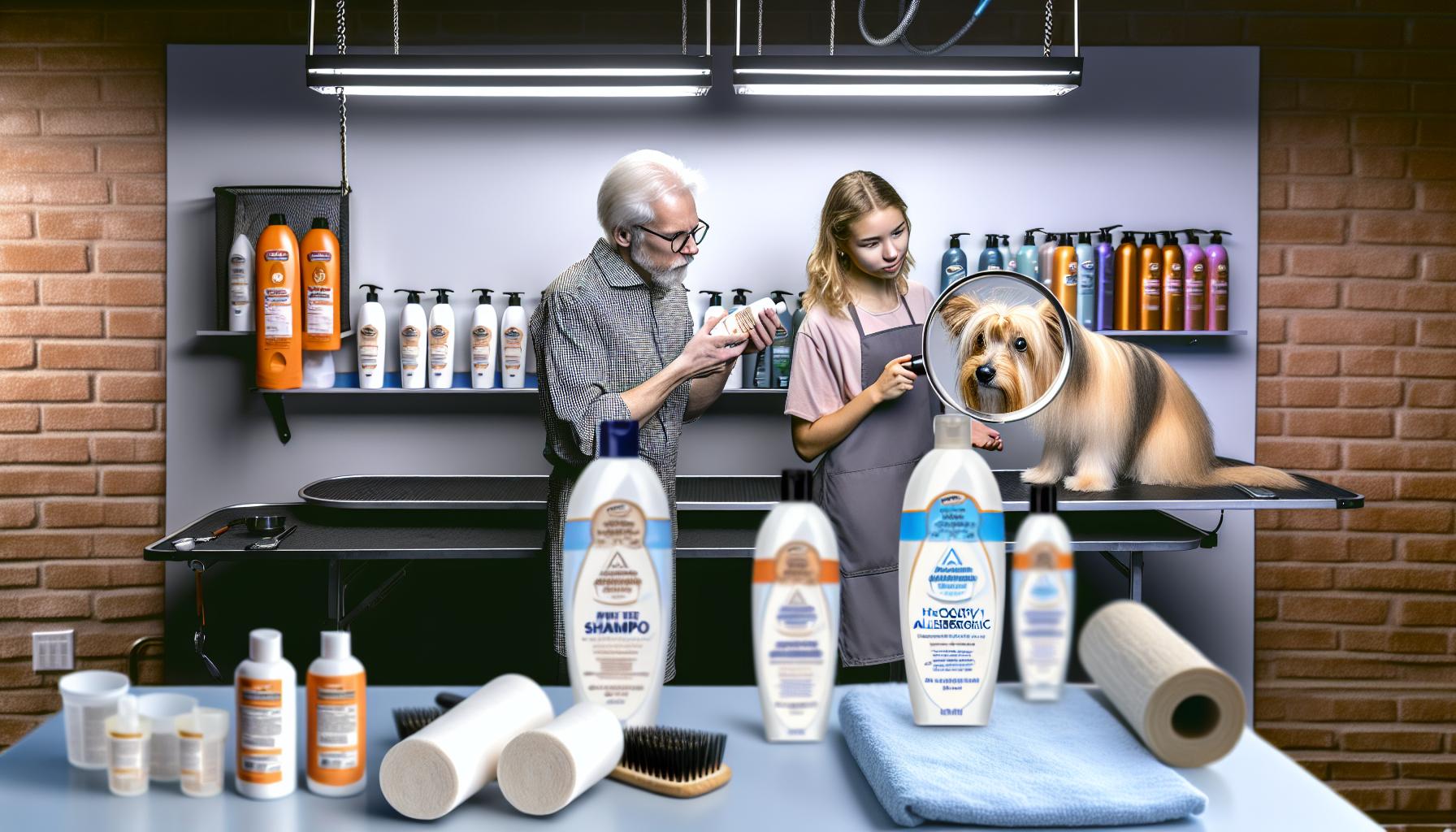
When a dog has sensitive skin or suffers from allergies, choosing the right shampoo becomes an act of gentle care rather than just a routine. Groomers often say that for these pups, it’s not about rushing the bath but about selecting formulas that soothe and shield fragile skin. Many allergic reactions stem from harsh chemicals, fragrances, or drying agents that upset the skin’s natural balance. So, the first step is always understanding what triggers the dog’s sensitivity and steering clear of anything that could escalate inflammation or itching.
Groomers typically reach for shampoos with minimal, hypoallergenic ingredients and avoid artificial dyes, parabens, sulfates, or synthetic fragrances. Instead, they trust natural botanical extracts like oatmeal, aloe vera, and chamomile to calm irritated skin. these ingredients have scientifically backed anti-inflammatory and moisturizing properties,making bath time a calming ritual rather than a source of stress. For instance, a West Highland White Terrier prone to seasonal allergies often responds beautifully to oatmeal-based shampoos that ease redness and dryness without compromising cleanliness.
Key Factors Groomers Consider in Sensitive Skin Formulas
- Gentle Surfactants: Mild cleansers like sodium cocoyl isethionate that clean without stripping essential oils.
- Fragrance-Free or Lightly Scented Options: To reduce the risk of irritation and allergen exposure.
- pH Balanced Formulas: Skin-friendly pH between 6.2 to 7.4 to maintain the dog’s protective acid mantle.
- Anti-Inflammatory additives: Ingredients such as colloidal oatmeal or calendula soothe itchiness and calm redness.
- Moisturizing Ingredients: Glycerin or shea butter that lock in hydration to prevent dry, flaky skin.
working closely with the pet owner, groomers also keep an eye on any veterinary advice if the dog has diagnosed skin conditions. while groomers can provide supportive care with gentle shampoos, chronic or severe allergies often need specialized medicated shampoos prescribed by a vet. This collaboration ensures pets aren’t exposed to ingredients that might interfere with treatments and helps owners avoid trial-and-error frustration at home.
groomers emphasize a slow, soothing introduction when switching to a new shampoo, especially for anxious dogs with sensitive skin. Diluting the product, testing a small patch beforehand, and keeping bath times calm and rewarding help build trust.Through patient care and learned product choices, bath time becomes a moment of healing and relaxation-key to managing sensitivities while keeping your dog fresh and comfortable.
the Role of pH Balance in Dog Shampoo Formulas
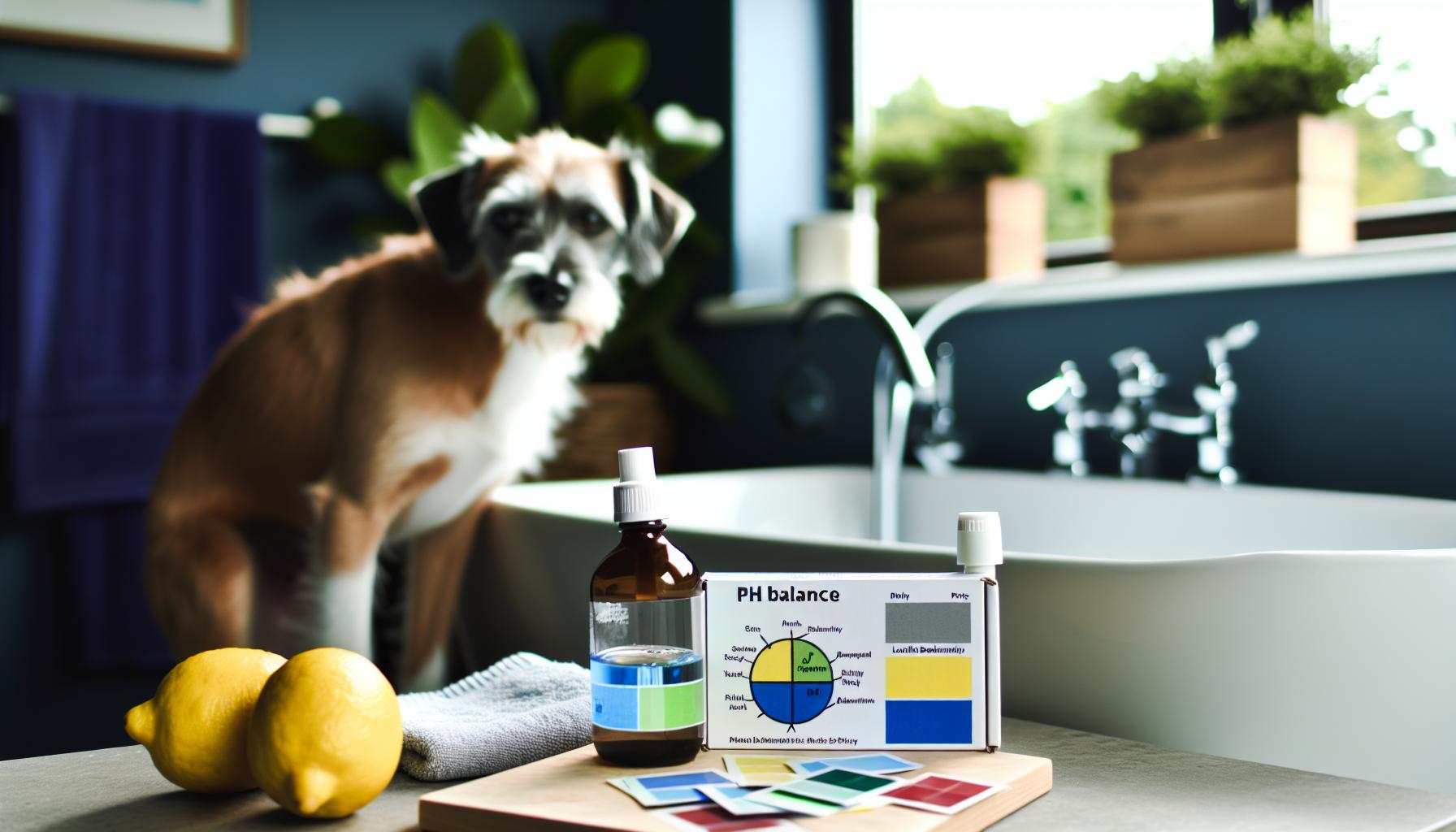
Many pet owners don’t realise that a dog’s skin has a different pH balance than human skin. While human skin is generally acidic,with a pH around 5.5, a dog’s skin tends to be closer to neutral or slightly alkaline, ranging roughly between 6.2 and 7.4. This subtle difference is crucial when choosing shampoos because using products formulated for humans or unbalanced pH levels can disrupt your dog’s natural skin barrier. This disruption can leave their skin dry, itchy, or prone to infections-a common cause of discomfort and poor coat health.
Professional groomers always look for shampoos with a carefully balanced pH that matches your dog’s unique skin chemistry. By maintaining this harmony,shampoos help preserve the protective acid mantle,a thin,natural layer that defends against harmful bacteria,fungi,and environmental irritants. For example, dogs with sensitive or allergy-prone skin benefit hugely when their shampoo respects this pH balance, helping to reduce flare-ups and encourage healing.
Why pH Balance Matters in everyday Grooming
- Protects the Skin’s Barrier: When the pH is too low or too high, it can strip away essential oils and disrupt skin cells, leading to dryness and inflammation.
- Supports a Healthy coat: Proper pH shampoos keep the coat shiny and soft by preventing excessive moisture loss and irritation.
- Reduces Risk of Allergies and Infections: Balanced pH creates an environment less hospitable to bacteria and yeast, common culprits behind skin issues.
To put it simply, even if a shampoo claims to have the best cleansing power or the most luxurious ingredients, if its pH isn’t right, it won’t be kind to your dog’s skin. For instance, a Labrador Retriever with a thick double coat may require a shampoo that cleans deeply but also sustains pH balance to avoid dry skin underneath all that fur. Meanwhile, breeds like the Chinese Crested, with more exposed skin, need extra gentle formulas to prevent irritation.
Practical tips for Maintaining pH Balance at Home
- Choose shampoos labeled as “pH balanced” specifically for dogs. If you’re unsure, ask your groomer or vet for recommended brands that suit your dog’s breed and coat.
- avoid human shampoos or harsh detergents. These typically have a lower pH and can upset your dog’s skin barrier.
- Introduce any new shampoo gradually. Watch for signs like redness, itching, or flakiness after baths, and switch if you notice discomfort.
Ultimately, understanding the role of pH balance allows you to make confident, informed choices in your dog’s grooming routine. When you pair pH-balanced shampoos with gentle bathing techniques and patience, you’re supporting not just a clean coat but a truly happy, healthy dog.
Medicated and Therapeutic Shampoos Groomers Recommend
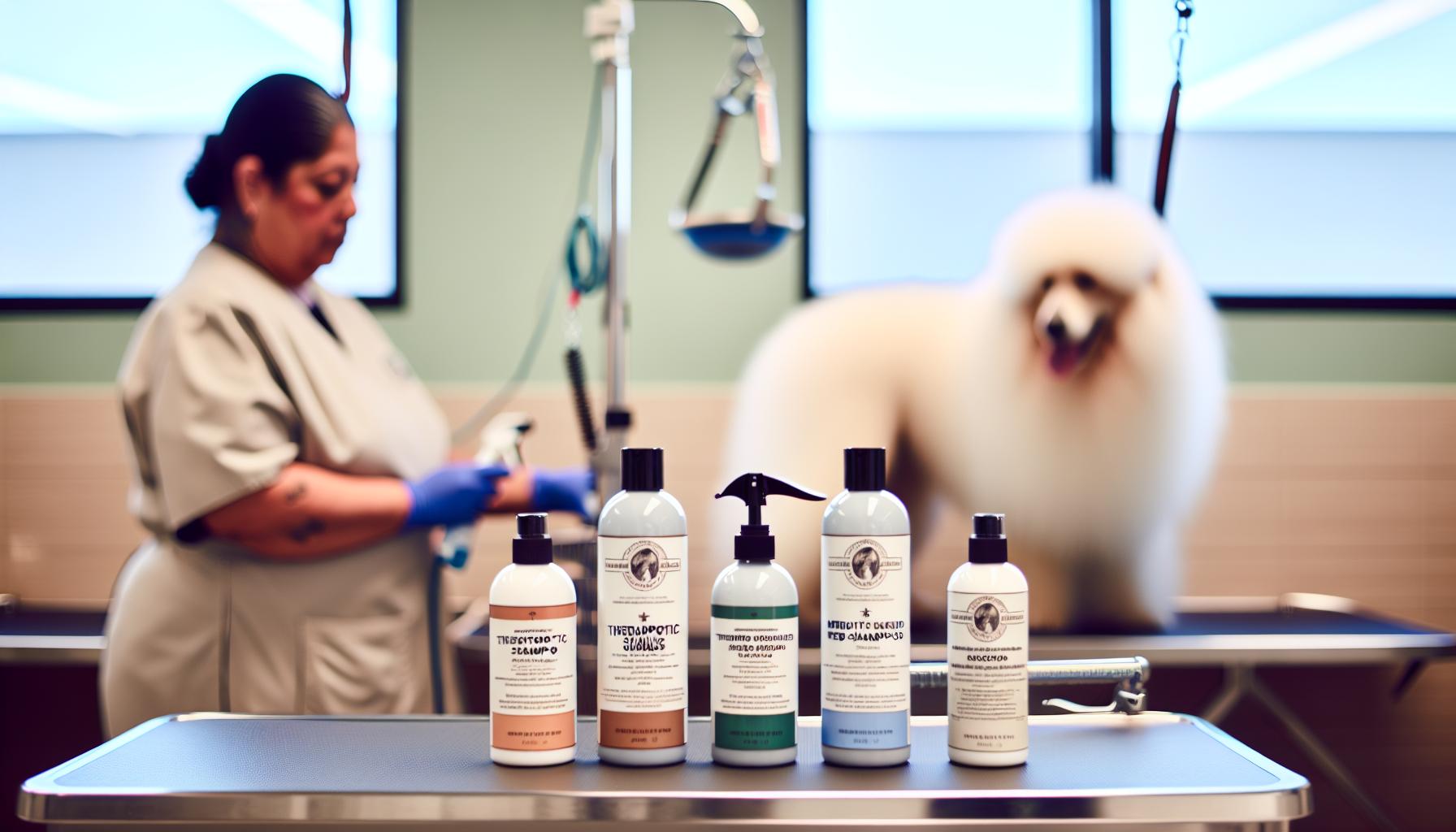
Many dog owners are surprised to learn that medicated and therapeutic shampoos are not just for serious skin conditions but can also play a vital role in maintaining overall coat and skin health.These specialized shampoos go beyond basic cleansing by targeting specific issues like itching, bacterial infections, fungal overgrowth, and inflammation-common concerns that groomers encounter daily, especially in breeds prone to skin sensitivities or allergies. Using these shampoos with care can bring noticeable relief to your dog while promoting healing and comfort.
professional groomers frequently enough recommend medicated shampoos containing gentle yet effective active ingredients such as chlorhexidine, miconazole, or hydrocortisone. For example,chlorhexidine is widely used for its antibacterial properties,ideal for dogs with recurring hotspots or minor infections. Miconazole addresses fungal irritations such as yeast overgrowth, which is common in breeds like Basset Hounds or Cocker Spaniels that experience moist skin folds. Meanwhile, hydrocortisone provides soothing relief from inflammation and itching, often calming flare-ups related to allergies. These shampoos require careful request, usually involving a longer “dwell time” on the coat-meaning the shampoo should stay on the skin for 5-10 minutes before rinsing to maximize effectiveness.
Choosing and Using Medicated Shampoos Safely at Home
- Consult your veterinarian or trusted groomer first. Many medicated shampoos are formulated to complement veterinary treatments and may not be appropriate for all skin issues. Use under professional guidance ensures safety and success.
- Follow application instructions meticulously. Over-washing or leaving the shampoo on too long can irritate sensitive skin further.
- Schedule baths based on your dog’s condition. For chronic conditions, shampoos might be used once or twice weekly, while maintenance use is less frequent.
- Combine with gentle brushing and moisturizing. After using a medicated shampoo, apply a dog-safe conditioner or moisturizer recommended by your groomer to soothe and protect the skin barrier.
Such as, a Golden Retriever with seasonal allergies might benefit from a shampoo formulated to control histamines and relieve itching without harsh chemicals.meanwhile, dogs with seborrhea-a condition causing greasy, flaky skin-will see the best results with shampoos containing sulfur or salicylic acid that gently exfoliate and remove excess oils without stripping essential moisture.
Remember, medicated shampoos are a powerful tool in a groomer’s toolbox but not a cure-all. While these products help manage symptoms, ongoing care, environment adjustments, and sometimes medication from a vet are needed for lasting relief. When introducing medicated shampoos to nervous or anxious dogs,patience is key-use calm reassurance,gentle handling,and treats to create positive associations with bath time. This combination of expert products and compassionate care makes all the difference for a dog’s well-being and your peace of mind.
Natural and Organic Shampoo Options Trusted by Groomers
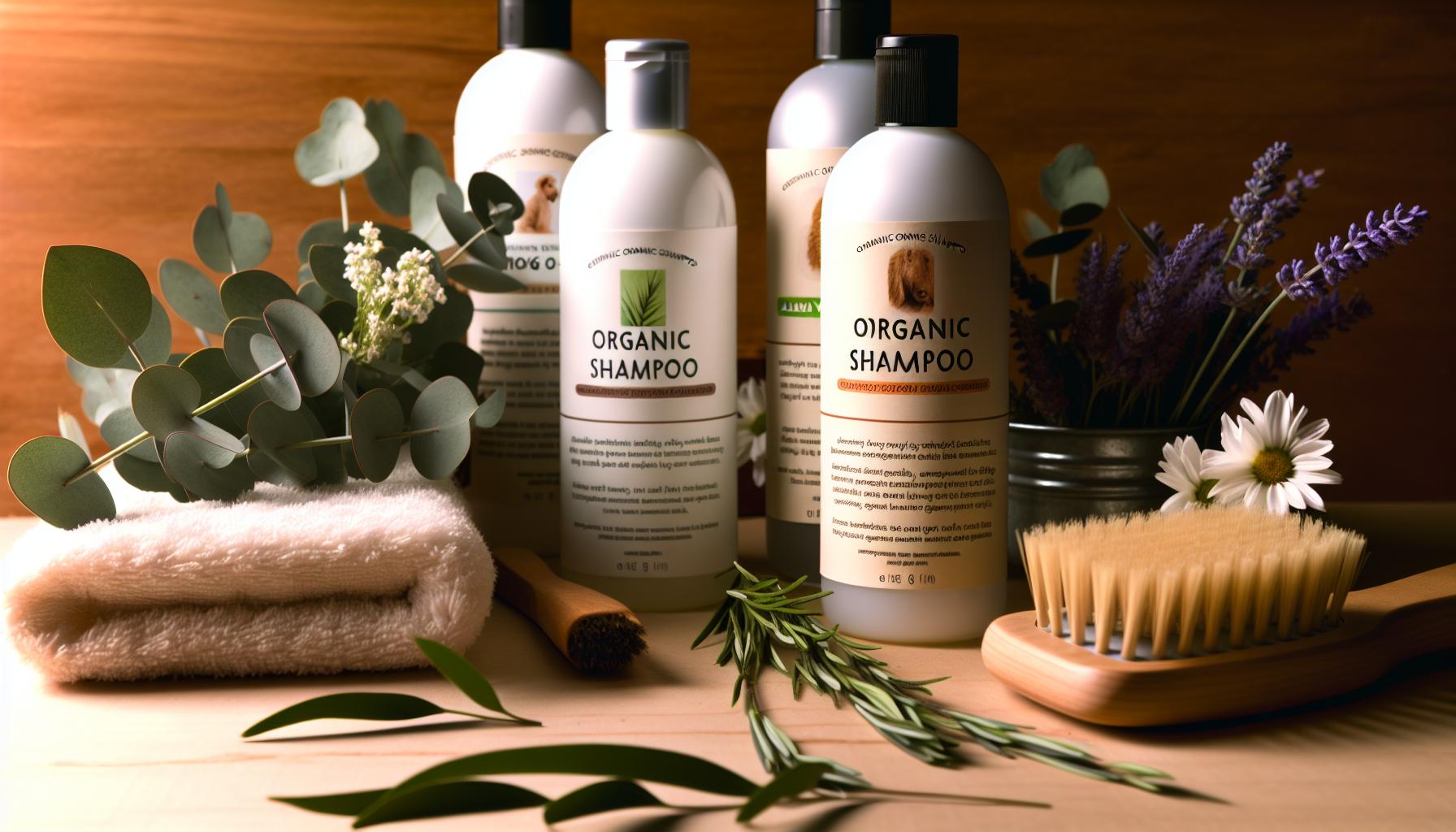
Many professional groomers turn to natural and organic shampoos not just because they’re gentle and environmentally friendly, but because these formulas truly respect the delicate balance of a dog’s skin and coat.Unlike harsh chemical-laden shampoos, natural options typically avoid sulfates, parabens, and synthetic fragrances, reducing the chance of irritation-especially critically important for breeds with sensitive skin, like the Maltese or the Shih Tzu. These shampoos often harness the power of botanical extracts and essential oils, such as aloe vera for soothing, chamomile for calming, and oatmeal for hydration, making bath time both restorative and nourishing.
Choosing the Best Natural Shampoo for Your Dog’s Coat
Natural shampoos come in varieties tailored to coat type and condition. Such as, curly-coated dogs like Poodles benefit from moisturizing shampoos containing coconut or jojoba oil, which help maintain curl definition while preventing dryness. Dogs with thicker double coats, such as Siberian Huskies, may need shampoos with gentle cleansing agents that remove dirt without stripping natural oils, ensuring the undercoat stays healthy and less prone to matting.when selecting an organic shampoo,it’s wise to check ingredient lists carefully; look for plant-based cleansers and avoid those with any ambiguous “fragrance” components that can hide irritants.
Practical Tips for Bathing with Natural and Organic Shampoos
- Start with thorough brushing. Removing tangles and loose hair before bathing helps the shampoo reach the skin more effectively and prevents painful mats from tightening.
- Use lukewarm water. Hot water can dry the skin and open pores too much, while cold water may be uncomfortable.
- Apply shampoo evenly in a gentle massage. This stimulates circulation and helps the natural ingredients penetrate the skin barrier-something groomers swear by for therapeutic benefits.
- rinse thoroughly. Soap residues can cause dryness or itchiness, so multiple rinses are often necessary, especially with conditioned and fragrant organic shampoos.
Introducing natural shampoos can be a smoother process when you incorporate calming rituals, such as soft petting or using slow, reassuring tones to ease anxious pups. It’s a good practice to do a patch test first, especially with dogs who have allergies or very reactive skin, to ensure the new formula suits their unique needs. Remember, while natural shampoos are wonderful for routine grooming and maintenance, any persistent skin issues still require veterinary advice-natural doesn’t always mean therapeutic.By choosing shampoos formulated with compassionate care-balancing safe, pure ingredients with skin-loving benefits-you empower yourself to provide a spa-like experience that supports your furry friend’s health and comfort from the roots to the tips of their coat.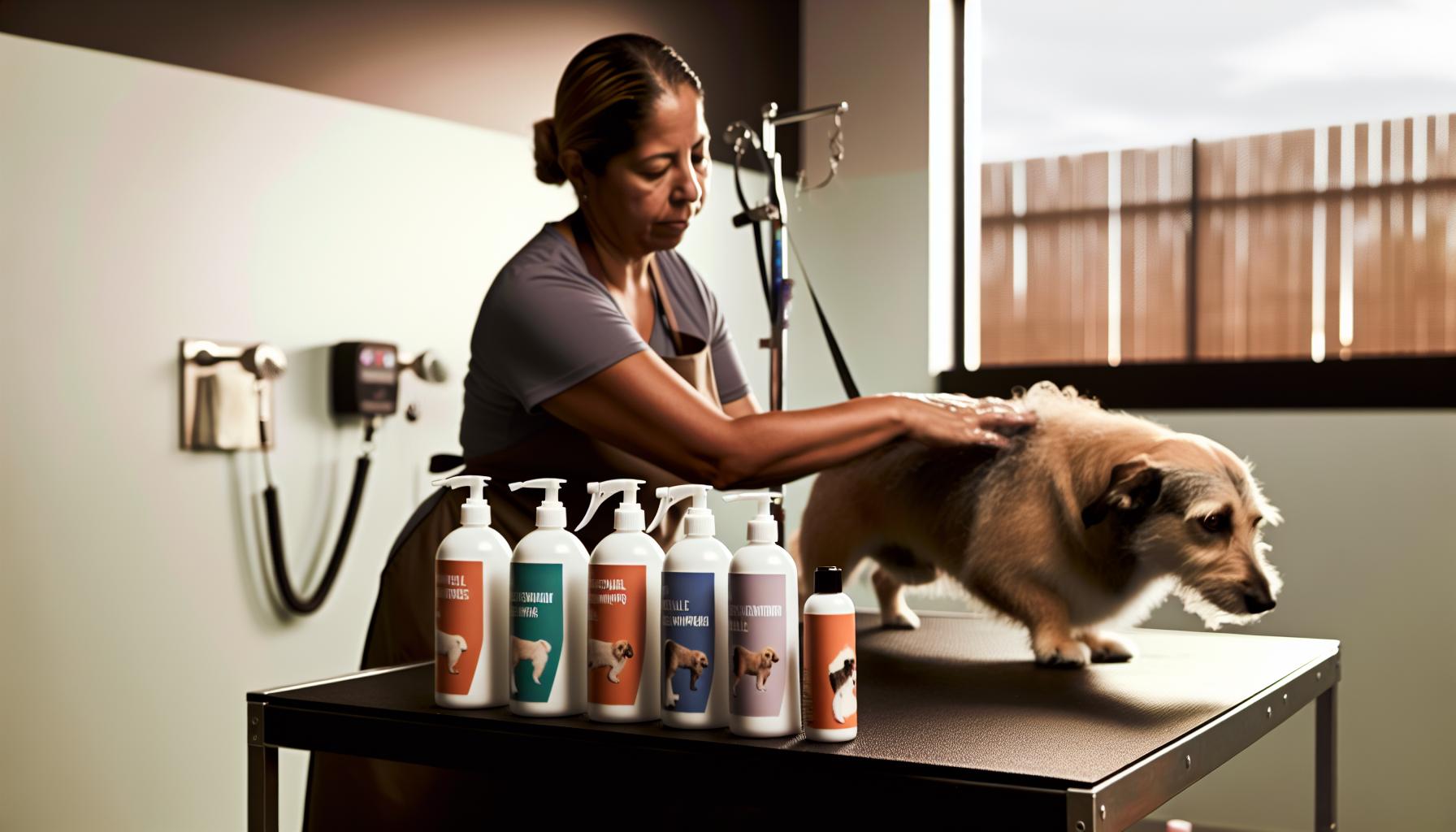
when and Why Groomers Switch Shampoos Seasonally
A dog’s coat and skin go through subtle but important changes with the seasons, and switching shampoos accordingly can make all the difference in maintaining their comfort and coat health.For example, during colder months, many dogs benefit from shampoos rich in moisturizing ingredients like oatmeal or aloe vera that help combat dry skin caused by indoor heating and chilly air. Conversely,in warmer seasons,shampoos with gentle cleansing agents and deodorizing properties can help manage excess oil,dirt,and outdoor allergens that accumulate from more frequent outdoor play.Changing shampoos seasonally isn’t just about the weather; coat type and shedding patterns also guide these decisions. Double-coated breeds such as Golden Retrievers or Siberian Huskies tend to shed heavily in spring and fall. Groomers often switch to formulas that help loosen dead undercoat fur and soothe any irritation from increased brushing. lightweight, clarifying shampoos work well here, as they cleanse thoroughly without stripping vital oils, making the coat easier to comb and less prone to matting.
Signs Your Dog’s Shampoo May Need a Seasonal Refresh
- Dry,flaky skin in winter: Indicates a need for extra hydration-focused shampoo.
- Oily or smelly coat in summer: Calls for a deep-cleansing but gentle shampoo to reduce buildup.
- Increased shedding or matting: Shows it’s time for a shampoo that supports undercoat release and skin health.
Switching shampoos seasonally also allows groomers to address specific concerns that arise throughout the year,such as allergies in spring due to pollen exposure or managing flea and tick-related irritations in the summer. For anxious dogs,a familiar scent and consistent bathing routine remain priorities,so groomers introduce new formulas slowly-starting with diluted washes or mixing old and new shampoos to ease transition and monitor skin response.
Ultimately, rotating shampoos with the seasons reflects a thoughtful, tailored approach that values your dog’s unique needs over a one-size-fits-all solution. It’s a subtle yet powerful way groomers blend science, experience, and empathy to keep dogs happy, healthy, and comfortable year-round.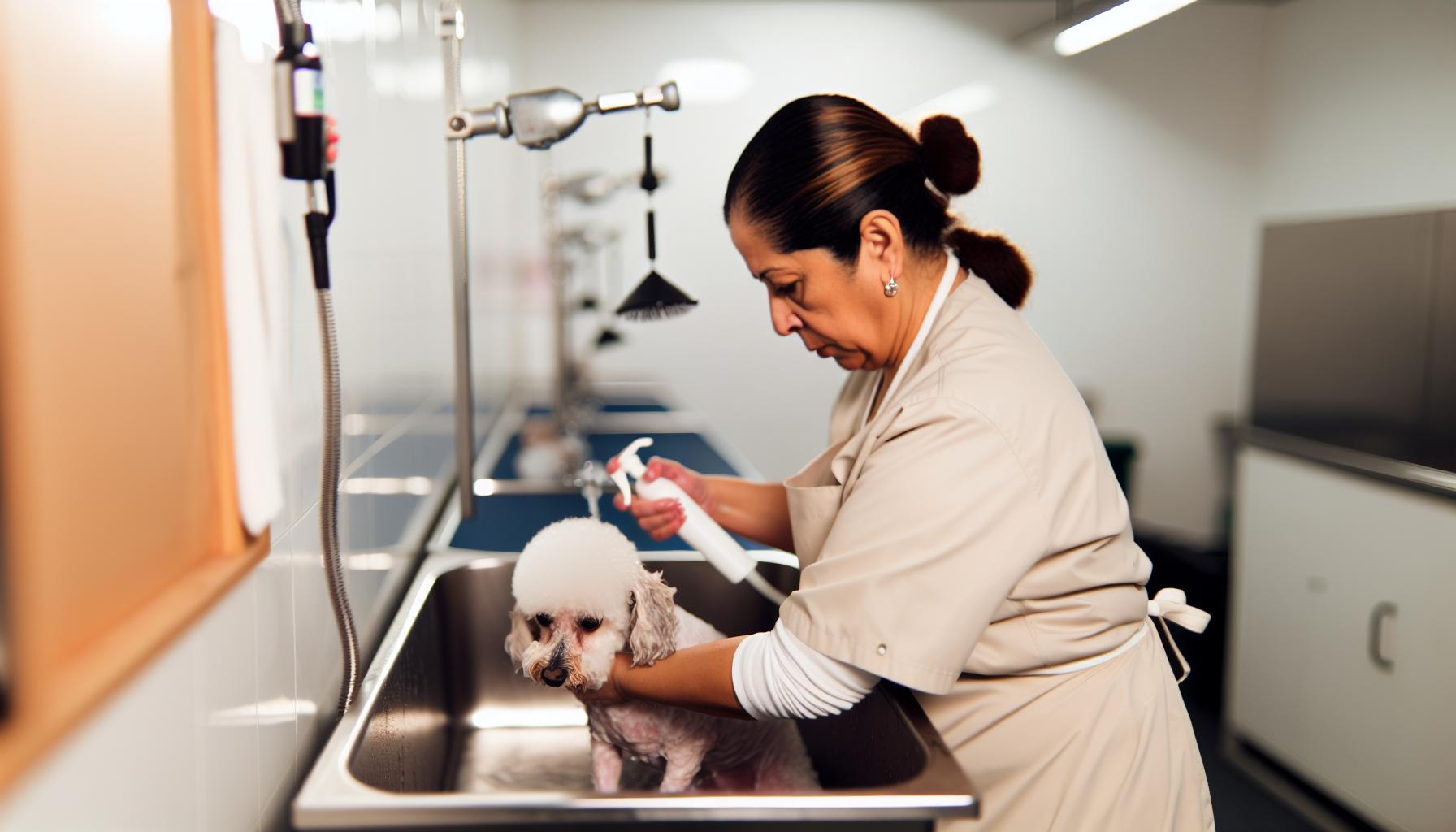
How Groomers Use Shampoo for Different Bathing Techniques
Every dog’s bath is unique, and the way shampoo is applied can vary widely depending on coat type, temperament, and the specific bathing technique being used. Groomers know that thoughtful application isn’t just about cleanliness-it’s about comfort, safety, and enhancing the natural beauty and health of the coat. For example, a dense double coat like a Siberian Husky’s requires a different shampooing rhythm than a short, smooth coat like a Beagle’s.
When working with thick or long coats, groomers often start by thoroughly brushing to remove mats and loose hair before wetting the dog. This step ensures the shampoo penetrates evenly. For these breeds, shampoos with foaming or lubricating qualities are favored as they glide through fur easily, reducing tugging or discomfort. Rather of lathering vigorously all at once, groomers break the process into sections-starting from the back and working towards the chest and legs-allowing concentrated attention to each area without overwhelming the dog.
Adjusting Shampoo Use for Coat Types and Techniques
- Short-haired breeds: These dogs often benefit from a gentle,rapid-application shampoo. Groomers use their hands to massage the product directly onto the skin to boost circulation and remove surface dirt effectively.
- Curly or wiry coats: Groomers select hydrating or conditioning shampoos and apply them sparingly,focusing on the roots to avoid weighing down curls or causing tangles. Often, they rinse thoroughly but leave a small amount of a leave-in conditioner to maintain texture.
- Sensitive or anxious dogs: Here, slow, calm movements and minimal shampoo volume are key. Diluting the shampoo helps produce a gentle foam that requires less product and reduces the shock of strong scents or textures.
Incorporating Bathing Tools and Techniques
Professional groomers pair shampoos with specific tools like sprayers, sponges, or bath mitts to enhance the bathing experience. Using a handheld sprayer with adjustable pressure allows thorough rinsing, especially in hard-to-reach spots without stressing the dog. A silicone bath brush can gently work shampoo into skin folds or thick fur, stimulating skin without irritation.
For dogs prone to matting, groomers combine shampooing with conditioning sprays post-bath to keep the coat smooth and manageable. They also know when to use specialized shampoos within multi-step bathing protocols-for instance,a clarifying shampoo first to remove heavy grime,followed by a moisturizing shampoo to restore softness.
- Important Groomer Tips:
- Always keep water temperature lukewarm to prevent discomfort.
- Use minimal shampoo initially; it’s easier to add more than to rinse excess out.
- Massage gently; aggressive scrubbing can cause anxiety or skin irritation.
- Use towels and low-heat dryers carefully to avoid distress and overheating.
When times get tough, such as with fearful or elderly dogs who resist baths, patience and gradual introduction of shampoo through “no-rinse” cleansing wipes or diluted formulas can help ease stress. Groomers often recommend owners use familiar shampoos handled with love to make each bath a calmer, more positive experience for their furry friends.
By matching shampoos with thoughtful application techniques, professional groomers ensure every bath supports the dog’s skin health and emotional wellbeing, making that simple act of cleansing a foundation for lifelong comfort and confidence.
Common Mistakes Owners Make Using Groomers’ Shampoos
It’s surprisingly easy to slip into habits with dog shampoos that end up doing more harm than good-even when using a professional groomer’s choice. One common misstep is applying too much shampoo. Though it might feel like you’re giving your pup a thorough clean, excess shampoo can be tough to rinse out and leave irritating residue on the skin, leading to dryness, itchiness, or even flare-ups in sensitive dogs. A little goes a long way, especially if you dilute the shampoo first to create a gentle foam-this helps stretch the product and makes rinsing easier and more effective.
Another challenge is using the wrong shampoo for your dog’s coat type or skin condition without realising it. For example, thick double-coated breeds need shampoos designed to penetrate dense fur and remove trapped dirt without stripping natural oils. Owners sometimes grab a general “all breed” shampoo that leaves the coat feeling dull or even causes tangles. On the flip side, a lightweight or moisturizing shampoo might weigh down the curls of curly-coated dogs like Poodles, making grooming more difficult afterward. Paying attention to label recommendations and asking your groomer for breed-specific advice can save time, frustration, and discomfort for your dog.
Avoiding Skin Sensitivity and Allergic Reactions
Many well-intentioned owners overlook how critically important it is indeed to patch-test new shampoos before full baths. Dogs with sensitive skin or allergies can worry their owners by suddenly scratching or developing redness after shampooing. Just like with us humans, a new formula can cause mild reactions even if it’s marketed as “hypoallergenic.” Trying the product on a small area-like the inside of a paw or the belly-and waiting 24 hours helps catch any issues early. If your dog has a history of allergies or dermatitis, consult your veterinarian before switching shampoos.
Rushing through the bathing process can also contribute to problems. For example, some owners wash, shampoo, rinse, and dry with little breaks or guidance, stressing their dogs and increasing the chance that shampoo residue is left behind. Slow, gentle application paired with thorough rinsing is key to preserving coat and skin health. Using proper tools like a handheld sprayer and a bath mitt can improve control and comfort during this process.
Common Pitfalls Summarized
- Overusing shampoo rather than a measured, diluted amount
- Choosing unsuitable shampoo for coat type or skin needs without expert advice
- Neglecting patch tests before introducing new products to sensitive dogs
- Inadequate rinsing that leaves residues causing irritation or build-up
- Ignoring your dog’s stress cues and bathing too quickly or roughly
Remember, while groomers rely on specific professional formulas, the magic frequently enough lies in the method, patience, and attention to your dog’s unique requirements. If ever in doubt, a quick chat with your groomer or vet can provide tailored shampoo tips that help your dog feel comfortable and keep their coat looking its best between professional baths.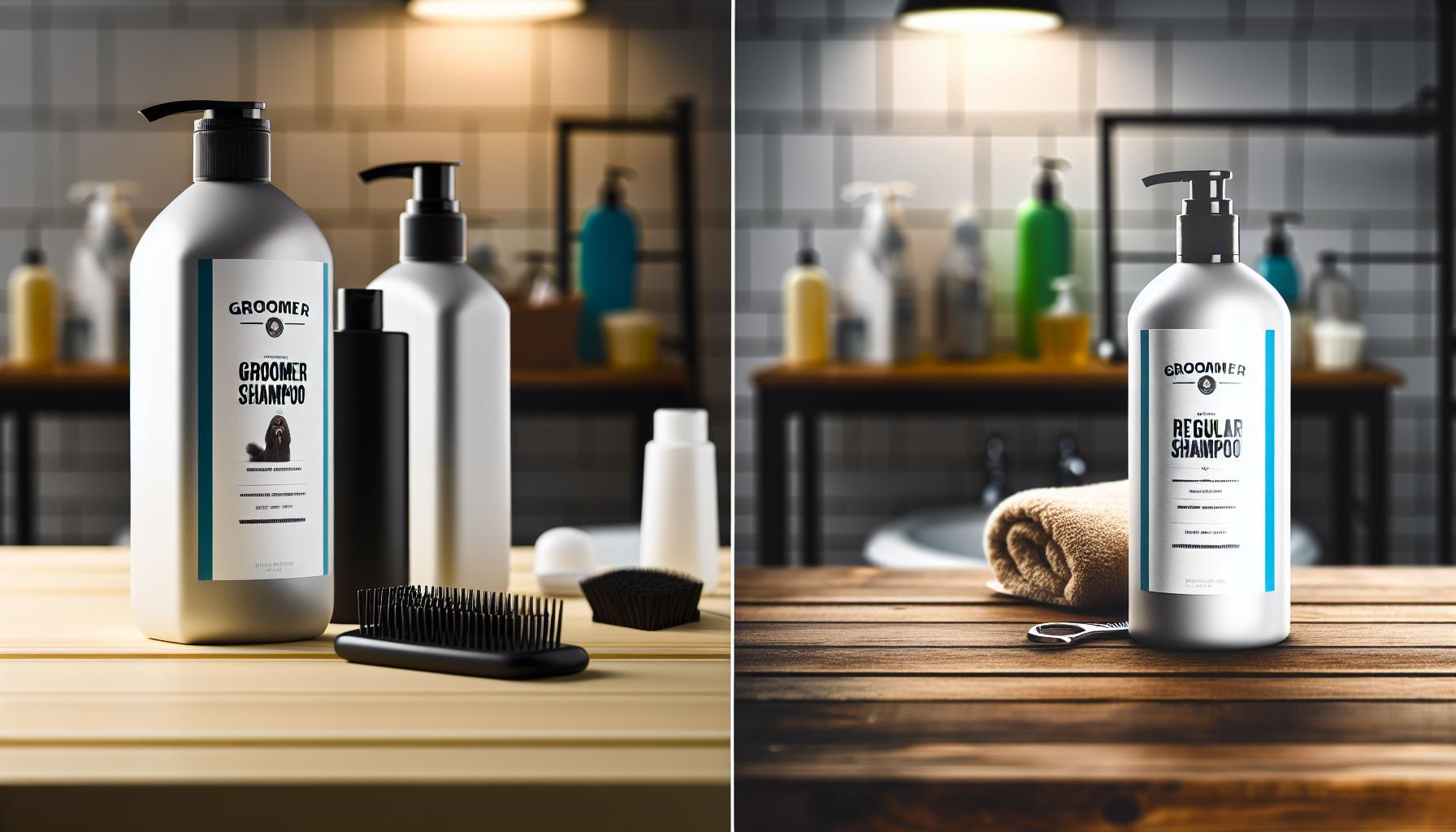
Understanding the Difference: Groomer Shampoo vs. Regular Brand
It’s surprising how many pet parents assume all dog shampoos are basically the same,just repackaged with different scents or branding. But professional groomers select shampoos that are carefully formulated for the unique needs of dogs’ skin and coats-a far cry from many off-the-shelf products. Understanding the difference can make a big impact on your dog’s comfort and coat health.
Professional groomer shampoos are designed with a precise balance of ingredients that target specific coat types, skin sensitivities, or conditions, rather than a one-size-fits-all formula. For example,a groomer’s shampoo for a double-coated breed like a siberian Husky will deeply penetrate dense fur to lift dirt without stripping essential oils,while one for a curly-coated Poodle will focus on moisturizing and detangling without weighing down curls.Regular brand shampoos often attempt to cover all dogs with a generic formula, which can lead to dull fur, tangles, or flare-ups in sensitive animals.
Why Formula matters
Professional shampoos typically have a careful pH balance tailored to canine skin, which is more alkaline than human skin. Using a human shampoo or a general pet shampoo that neglects this can disrupt your dog’s skin barrier,causing dryness,irritation,or allergic reactions. Groomer formulas also tend to avoid harsh detergents and sulfates that strip natural oils, instead using milder surfactants combined with conditioners to leave the coat soft, shiny, and healthy post-bath.
Performance and Ingredient Profiles
Groomer shampoos often include ingredients like oat protein,aloe vera,and vitamin E for soothing effects,plus botanical extracts that promote skin health. Conversely, over-the-counter shampoos may have more fragrance and synthetic fillers, which can trigger sensitivities, especially in dogs prone to allergies or eczema.A groomer’s trusted brands also offer specialized medicated or therapeutic options as recommended by vets for dermatitis or fungal infections, something usually not found in regular pet store selections.
Practical Advice for Owners
When switching shampoos, don’t be surprised if your groomer’s shampoo feels different-frequently enough it’s more concentrated and meant to be diluted, saving money and reducing residue buildup. If your dog’s coat or skin has specific needs, never hesitate to ask your groomer for their recommendation. For example,pups with sensitive skin might benefit from hypoallergenic or fragrance-free veterinary shampoos,which differ markedly from the “all breed” shampoos many owners pick up at random.
- Always patch test new groomer shampoos on a small area first.
- Use the recommended amount, often less than with regular brands-more shampoo isn’t better.
- Focus on thorough rinsing to avoid residue that can irritate skin.
Remember, the difference isn’t about fancy packaging but about formulations designed around canine biology and coat artistry. Groomer shampoos contribute not just to the look but to the long-term comfort and wellbeing of your dog. Patience, the right product, and proper technique are teamwork in keeping your furry friend happy between grooming visits.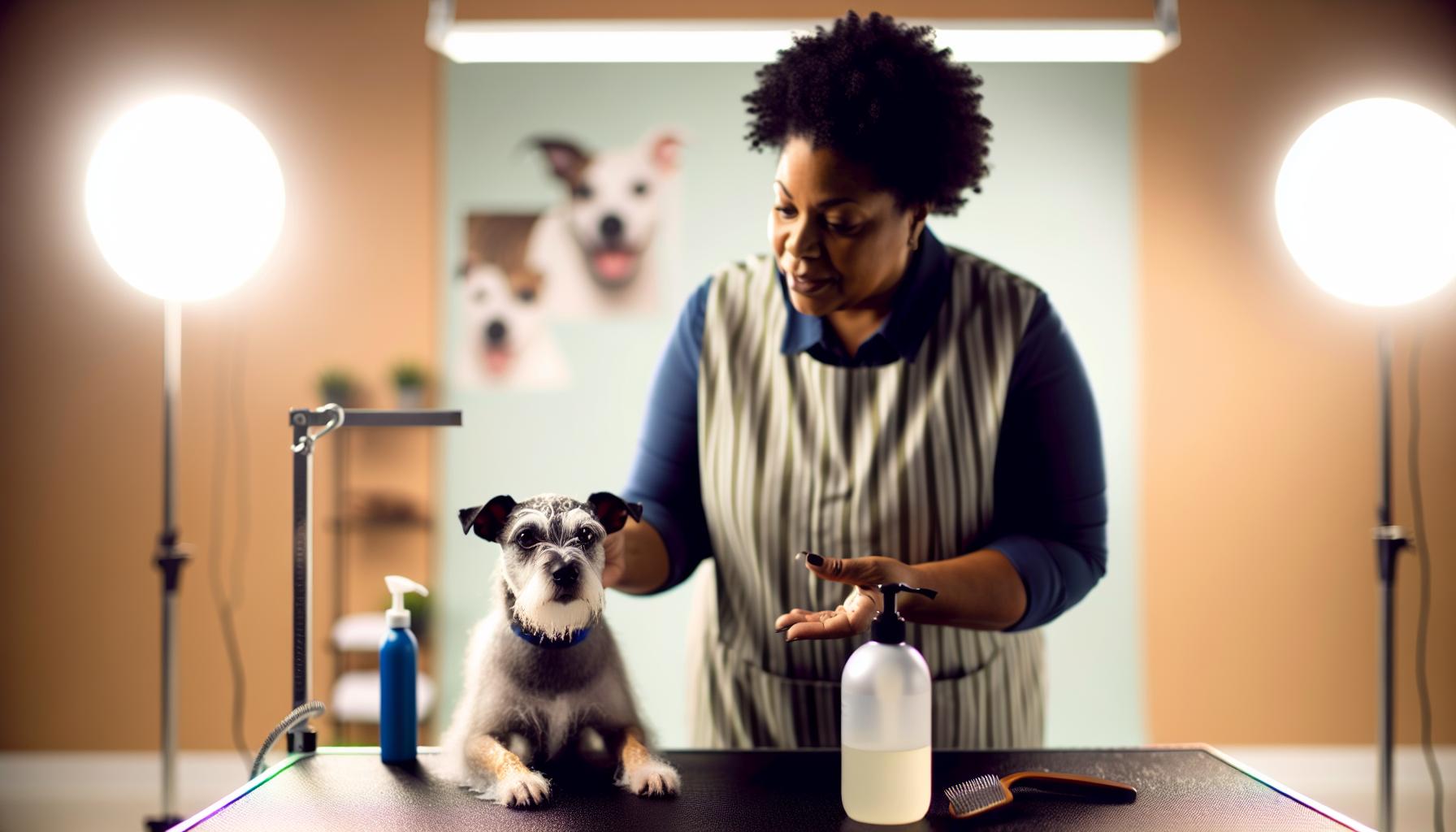
Tips for Safely Introducing New Shampoos to Anxious Dogs
introducing a new shampoo to an anxious dog can feel like navigating a delicate dance, but with gentle patience and the right approach, it can be a smooth transition that actually helps build trust. Many dogs associate bath time with stress or discomfort, so it’s essential to create positive, calm experiences from the outset. Take time to observe your dog’s breed, coat type, and individual temperament-as these factors influence how they react to new products and bathing routines.
Start by introducing the shampoo outside the bath environment. Let your dog sniff and explore the bottle while offering calm reassurance and treats. This early exposure helps reduce fear of the unknown. When it’s bath time, try to keep water temperature lukewarm and use minimal water pressure to avoid startling sensitive pets.Using a soft washcloth or a handheld sprayer with a gentle flow can feel less invasive than a direct stream.
Step-by-Step Tips for a Peaceful Shampoo Introduction
- Patch test first: Apply a small diluted amount of shampoo on a discreet patch of skin. wait 24 hours to check for irritation or any adverse reaction before proceeding.
- Use smaller amounts: Less is more with groomer shampoos-they’re typically more concentrated. Use the quantity recommended by your groomer or the product instructions to avoid residue buildup, which can be uncomfortable for sensitive skin.
- Pair shampooing with positive reinforcement: Talk softly, offer treats between steps, and keep the mood upbeat. This transforms the bath into a rewarding experience, not a chore.
- Rinse thoroughly: Residual shampoo is a common source of itchiness and discomfort.spend extra time rinsing, especially in thick or double coats, to prevent any leftover product from irritating your dog’s skin.
- Start with a short bath: For very anxious dogs, begin with a quick shampoo and rinse session, gradually increasing bath length over multiple sessions as confidence builds.
Real-World Example: Handling a Nervous Double-Coated Breed
Imagine you have a Siberian Husky who cowers at the sound of the water. Use a low-pressure handheld sprayer or a damp cloth to wet the coat gently without a sudden blast. Apply a groomer shampoo formulated for dense double coats-these formulas penetrate without stripping oils, so your dog won’t feel tight or dry afterward, which can increase anxiety. Reward your dog immediately after rinsing and offer a favorite toy or cuddle to reinforce the positive vibe. Over time, these small wins add up.
Remember that some dogs may need a slow introduction to scented shampoos, especially those with allergies or respiratory sensitivities.If your pup reacts negatively to fragrances, a fragrance-free or hypoallergenic groomer shampoo is a kinder choice. If you notice redness, persistent itching, or behavioral signs of distress after trying a new shampoo, pause use and consult your veterinarian or groomer to evaluate allergies or skin conditions.In all cases,your calm energy is the best tool.Dogs are astonishingly sensitive to our emotions, so keeping your voice soft, movements measured, and patience ample will set the stage for shampoo acceptance that feels safe and soothing. There’s no rush-gradual steps paired with thoughtful product choices enhance not only coat health but your dog’s overall bath-time comfort and confidence.
Frequently Asked Questions
Q: How do dog groomers decide which shampoo formula works best for different coat textures?
A: Dog groomers select shampoo formulas based on coat texture by assessing oiliness,thickness,and length. Such as, moisturizing shampoos suit dry, coarse coats, while clarifying formulas help oily or fine-haired dogs. Understanding coat-specific needs ensures effective cleansing and grooming, as explained in our section on Choosing the Right Shampoo for Your Dog’s coat Type.
Q: What ingredients in professional dog shampoos help protect a dog’s skin barrier?
A: Professional dog shampoos often include oatmeal, aloe vera, and essential fatty acids to soothe and strengthen the skin barrier. These ingredients help reduce irritation and maintain hydration, making them ideal for sensitive or allergy-prone dogs. For more on this, see Top Ingredients Dog Groomers Look For in Shampoos.
Q: Why do groomers prefer pH-balanced shampoos for dogs instead of human shampoos?
A: Groomers use pH-balanced dog shampoos because dogs’ skin is more alkaline than humans’ skin. Using human shampoos can disrupt this balance, leading to dryness or irritation.pH-balanced formulas maintain skin health and prevent discomfort. Learn more in The Role of pH Balance in Dog Shampoo Formulas.
Q: How do groomers handle shampoo allergies or sensitivities during a grooming session?
A: Groomers test new shampoos on a small skin patch before full use and opt for hypoallergenic, fragrance-free, or natural shampoos when sensitivities arise. they also rinse thoroughly to prevent residue buildup and communicate with pet owners about any reactions. Visit How Groomers Select Shampoos for Sensitive Skin and Allergies for detailed tips.
Q: When is it appropriate for groomers to use medicated shampoos,and how do they choose the right one?
A: Groomers use medicated shampoos for conditions like dermatitis,fungal infections,or parasites,frequently enough following vet recommendations. They select formulas with ingredients like chlorhexidine or benzoyl peroxide based on the dog’s diagnosis and severity. See Medicated and Therapeutic Shampoos Groomers Recommend for safe choices and guidance.
Q: What are the benefits of using natural and organic shampoos in professional grooming?
A: Natural and organic shampoos provide gentle cleansing using plant-based ingredients without harsh chemicals, reducing irritation and supporting skin health. Groomers choose these to benefit dogs with sensitive skin or for owners prioritizing eco-friendly care. Explore trusted options in Natural and Organic Shampoo Options Trusted by Groomers.
Q: How often do groomers recommend switching shampoo formulas for seasonal coat changes?
A: Groomers recommend switching shampoos seasonally to address coat shedding, dryness, or oiliness changes. For example, hydrating formulas in winter combat dryness, while deep-cleansing shampoos in spring remove allergens and excess oils. See When and Why Groomers Switch Shampoos Seasonally for best timing and product types.
Q: What should dog owners know before using professional groomers’ shampoos at home?
A: Owners should follow instructions carefully, avoid over-bathing, and use dog-specific shampoos matched to their pet’s coat and skin needs. Introducing new shampoos gradually helps prevent reactions. For guidance, review Common Mistakes Owners Make Using Groomers’ Shampoos and Tips for Safely introducing New Shampoos to Anxious Dogs to keep your dog comfortable and safe.
For more expert advice on choosing and using dog shampoos,explore our full guide on shampoo formulas and grooming techniques to ensure your dog stays happy and healthy.
Closing Remarks
Choosing the right shampoo is just the first step in keeping your dog’s coat healthy, shiny, and comfortable. Whether you have a fluffy breed or a short-haired companion, using formulas preferred by professional groomers ensures you’re giving your pet the best care tailored to their specific coat type and skin sensitivity. Remember,gentle cleansing combined with regular brushing,nail care,and ear cleaning creates a well-rounded grooming routine that prioritizes your dog’s safety and comfort above all.
If you’re ready to take your dog’s grooming to the next level, explore our detailed guides on DIY grooming essentials and tips for sensitive skin care to better understand when to consult your vet or a professional groomer. Don’t forget to sign up for our newsletter to get expert advice and product recommendations sent straight to your inbox. Have questions or want to share your grooming success stories? Drop a comment below – we love hearing from fellow pet lovers committed to compassionate care. Keep exploring and stay confident in making every bath a spa day your dog will thank you for!
Get our latest guides, news, and insights highlighted in your Google Search & AI Overviews.
Keep reading about the same coat and cut.


Popular grooming guides
Bath vs clip, first grooms, and salon how-tos.