Do Dog Groomers Remove Fleas: What Treatment Includes
Did you know that fleas can hide deep within your dog’s coat, making them tricky to spot and even harder to remove? Many pet owners wonder if professional dog groomers handle flea removal and what that process really involves. Understanding how groomers approach flea treatments can ease your worries and help you decide the best care for your furry friend. Groomers often combine specialized baths, gentle combing, and close coat inspections to manage fleas safely and effectively-but some treatments still require veterinary guidance. Whether your dog has a short or long coat, is a playful puppy or a cautious senior, knowing what tools and steps are used can empower you to keep your pet comfortable and pest-free. let’s walk through what flea removal by a groomer looks like, when to seek extra help, and how you can support your dog’s wellbeing every step of the way.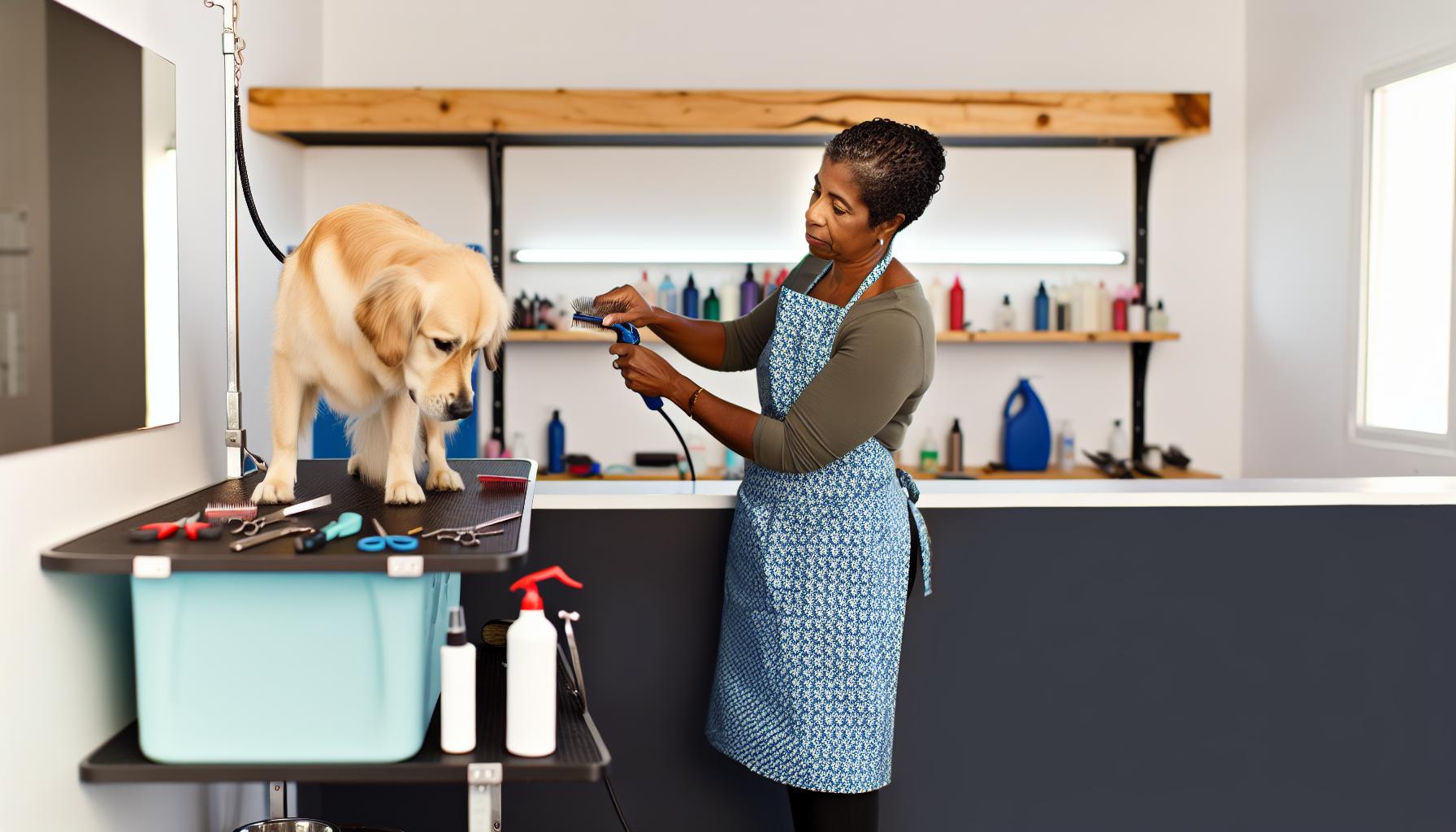
Do Professional Dog groomers Remove Fleas? What’s Included in Their Services
Table of Contents
- 1 Do Professional Dog groomers Remove Fleas? What’s Included in Their Services
- 2 How Groomers Identify Fleas and Signs of Infestation
- 3 Effective Flea Treatments Used During Grooming Sessions
- 4 Bathing Techniques That Help Eliminate Fleas Safely
- 5 Tools and Products Groomers Use for Flea Removal
- 6 Can Groomers Prevent Flea Reinfestation? tips and Tricks
- 7 When to Visit a vet vs. Rely on Groomer Flea Treatment
- 8 Common challenges and How Groomers Handle Fierce Flea Infestations
- 9 How to Prepare Your Dog for Flea treatment at Grooming
- 10 Post-Grooming Care to Keep fleas Away Long-Term
- 11 FAQ
- 11.1 Q: How do groomers safely treat dogs with flea allergies during grooming?
- 11.2 Q: can groomers detect flea eggs and larvae during grooming sessions?
- 11.3 Q: What follow-up steps do groomers recommend to prevent flea return after treatment?
- 11.4 Q: How long does flea treatment during a grooming appointment typically take?
- 11.5 Q: Are flea treatments included in regular grooming packages or separate services?
- 11.6 Q: What grooming tools are most effective for removing fleas besides shampoos?
- 11.7 Q: Can certain dog breeds or coat types affect the flea removal process during grooming?
- 11.8 Q: Should I notify the groomer if my dog is on flea medication before the grooming appointment?
- 12 Closing Remarks
Few things cause more stress for pet parents than discovering their beloved dog has fleas. Fortunately, many professional dog groomers are equipped and experienced to help manage and reduce flea infestations as part of their services.While groomers don’t act as veterinarians, they play a vital role in helping keep your dog comfortable and the flea problem under control through attentive care and targeted treatments during grooming sessions.
what Grooming Services May Include for Flea Removal
Most groomers will perform a thorough examination of your dog’s coat and skin before starting the grooming process. This initial check helps identify any signs of fleas or flea dirt, wich looks like tiny black specks in the fur.Once fleas are found, groomers have several tools and methods to reduce their numbers, such as:
- Special flea-comb brushes: These fine-toothed combs help trap and remove fleas and eggs from the coat. They’re frequently enough used repeatedly to comb through every inch of fur,especially in long-haired breeds like Afghan Hounds or Shih Tzus.
- Medicated or flea-control shampoos: Carefully selected shampoos that kill fleas on contact are applied during the bath. The groomer ensures the product is safe for your dog’s breed, age, and skin sensitivity.
- Targeted spot treatments: Some groomers use topical sprays or powders designed to repel or stun fleas while grooming.
- Thorough drying and brushing: Proper drying prevents moisture that fleas thrive in and allows the groomer to further inspect and remove any remaining pests.
While these services can significantly reduce flea load and provide immediate relief, it’s notable to understand that professional grooming alone typically won’t eradicate an infestation fully. Fleas have complex life cycles that often require coordinated home and veterinary treatments to break.
A Compassionate, Step-by-Step Approach
Groomers know fleas can cause irritation, itching, and anxiety for your dog, so they approach flea removal with gentle patience. For example, a groomer working with a frightened dachshund or a wary senior Labrador will use calming techniques-such as slow movements, breaks, and soothing words-to make flea combing and bathing less stressful.
If a dog’s flea problem seems intense or causing skin infections, responsible groomers will advise owners to consult a veterinarian before proceeding with aggressive flea treatments. This helps ensure your dog’s overall health and safety.
In practise, your grooming appointment may look like this:
- Start with a careful flea inspection while gently brushing the fur
- Use a flea comb to manually remove visible fleas and eggs
- Apply a vet-approved flea shampoo and rinse thoroughly
- dry the coat completely with a pet-safe dryer or towel
- Spritz a flea-repellent spray, if suitable
- Finish with a calming final brush and check for any missed fleas
This process may take longer than a standard grooming session but your groomer’s priority is your pet’s comfort and flea relief-not just a polished look.
By partnering with a professional groomer who understands flea management, you add a valuable layer of care that supports your dog’s health, comfort, and happiness throughout flea season and beyond.
How Groomers Identify Fleas and Signs of Infestation
A keen eye and gentle touch are the first tools a groomer uses to uncover the telltale signs of fleas, even when these tiny pests try to stay out of sight. Fleas don’t just leap around; their presence can be subtly revealed through small clues in your dog’s coat and behaviour. Groomers know that every breed and coat type presents unique challenges-for instance, it’s easier to spot fleas on a short-haired Beagle than on a fluffy Pomeranian where fleas can nestle deep within thick fur. That’s why a thorough, hands-on inspection is essential before any treatment begins.
During the initial check, groomers look closely for flea dirt-those tiny black specks resembling ground pepper scattered in the hair. This “flea dirt” is actually flea feces, made up of digested blood, and is a strong indicator of an active infestation. A quick trick we use is to place some of the specks on damp white paper or cloth; if they dissolve into a reddish stain, the signs point to flea dirt rather than just dirt or debris. Areas that get particular attention include the neck, around the ears, the base of the tail, and the belly-spots where fleas love to hide and breed.
In addition to physical evidence, behavioral signs help confirm flea presence.A dog that suddenly seems itchy, restless, or is scratching frequently-even biting or licking the same spot-may be reacting to fleas that aren’t initially visible. These signs can be especially subtle in older or anxious dogs, so a groomer’s calm, observant way of handling a pet is invaluable in picking up on these cues without adding stress.
- Systematic combing: using a fine-toothed flea comb, groomers carefully comb through small sections of fur, capturing and examining tiny moving fleas or eggs. This methodical approach ensures no area is overlooked, particularly on long-haired breeds like Afghan hounds or Shih Tzus where fleas can be deeply hidden.
- checking for skin irritation: Redness, bumps, or scabs may indicate flea bites or a reaction to flea saliva. Groomers are trained to differentiate these signs from other skin issues and recognize when veterinary advice is needed.
- Watchful patience: Sometimes fleas jump off during handling, providing evidence that might be missed on first glance. Groomers’ experience lets them spot this quickly to act accordingly.
By combining visual, tactile, and behavioral observations, groomers provide a comprehensive screening that empowers pet owners. If fleas or signs of infestation are found, the groomer can calmly explain the next steps, emphasizing comfort and safety, and collaborate with you to manage the situation thoughtfully. Always remember, while groomers can expertly detect and help reduce fleas, persistent or severe infestations should be evaluated by a veterinarian to ensure your companion’s health and well-being come first.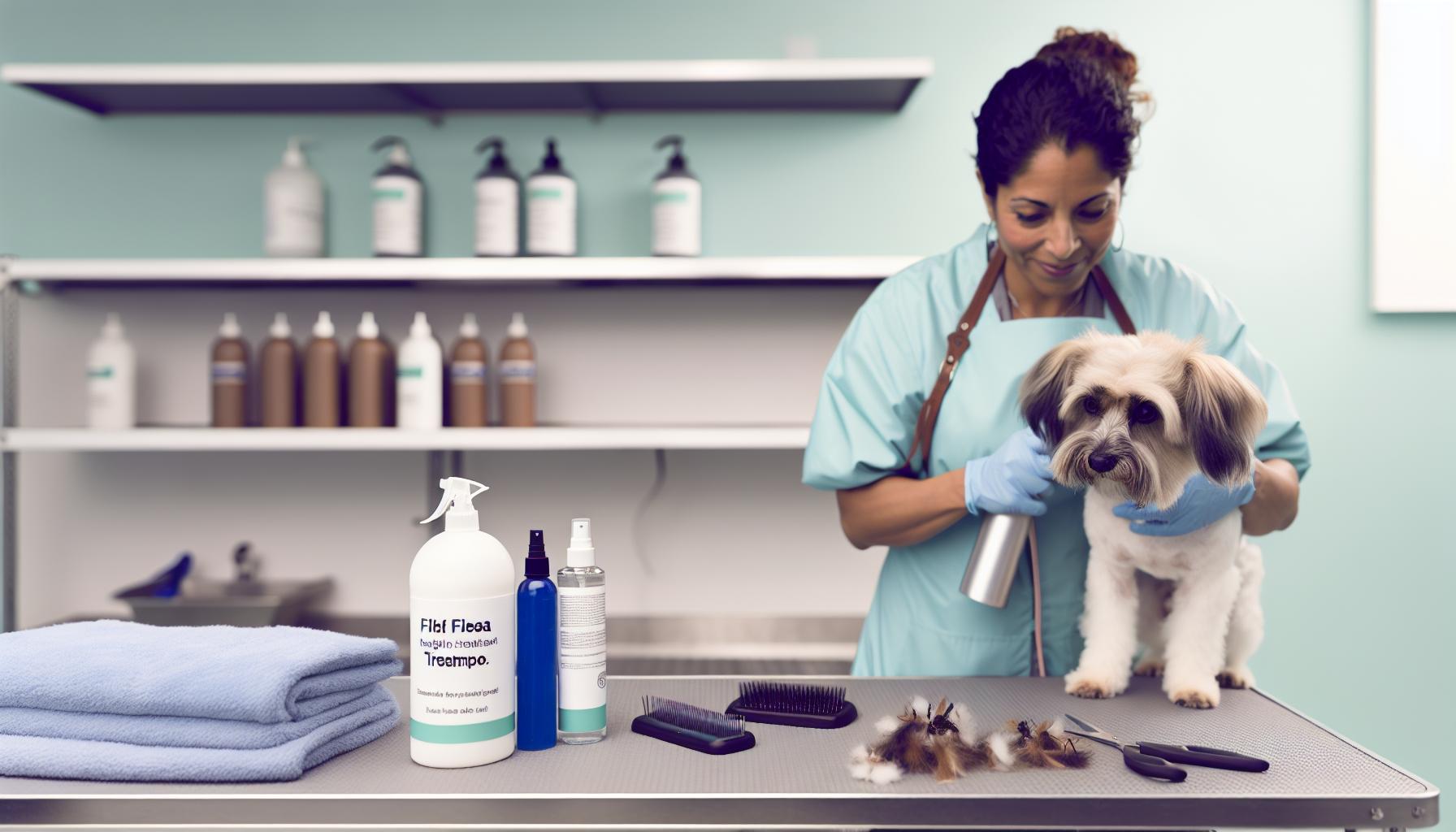
Effective Flea Treatments Used During Grooming Sessions
Fleas are tenacious little creatures, but during grooming sessions, there are effective, gentle treatments that help bring relief to your dog while keeping safety and comfort at the forefront. It’s important to understand that flea treatment isn’t just about chasing visible bugs; it’s a thoughtful, step-by-step process that varies depending on your dog’s breed, coat type, and sensitivity. For example, long-haired breeds like Shih Tzus require a patient approach with fine-toothed combing combined with soothing, flea-repelling shampoos, whereas short-haired dogs might potentially be quickly bathed and inspected with less combing but more skin attention.
Targeted Baths and Flea-Control Products
One of the most common and effective steps involves a carefully chosen flea shampoo or rinse designed specifically for dogs. Groomers use formulas that are safe for various skin types-especially sensitive or allergy-prone dogs-and that are free from harsh chemicals. These shampoos typically contain ingredients like pyrethrin-derived from chrysanthemum flowers-which paralyzes and kills fleas on contact. The warm,gentle bath helps soothe itching while washing away fleas and their eggs.During the bath, groomers pay special attention to flea hotspots-the neck, belly, tail base, and under the legs-massaging the shampoo well into the coat to reach fleas hiding deep in thick or curly fur.
Flea Combing and Mechanical removal
Once your dog is clean and calm, a groomer’s trusty flea comb comes into play. This fine-toothed tool is the frontline weapon for physically removing fleas, flea dirt, and eggs from the coat. Comb strokes are methodical and slow,section by section,to ensure no area is missed. For tougher coats-think dense double coats or curly dog hair-this step may require extra patience: many groomers use gentle sprays or conditioners to ease combing and reduce stress. This mechanical removal is a crucial complement to chemical treatments because it helps not only remove adult fleas but also disrupt the life cycle by taking out eggs and larvae embedded in fur.
Additional Spot Treatments and Safe Sprays
for dogs with more serious infestations, groomers often use approved topical spot treatments or sprays during the session. These sprays are carefully selected to be safe and effective, often containing insect growth regulators (IGRs) that prevent flea eggs from maturing into adult fleas. Request is precise-avoiding sensitive areas like eyes and mouth-and groomers always observe your dog’s reaction closely,pausing or stopping treatment if any irritation is noted. If a dog has known skin sensitivities or underlying conditions, a groomer will usually recommend veterinary consultation before applying stronger products.
- Example: For a nervous older dog with fleas, a groomer might opt for a mild oatmeal-based shampoo paired with a gentle flea spray, comb slowly, and apply calming techniques throughout.
- Tip: Always inform your groomer about any allergies or medications your dog is on so treatments can be tailored safely.
No matter which flea treatments are used, groomers prioritize comfort, working with kindness and patience to minimize stress. They also focus on helping owners feel empowered by explaining treatment steps, so each visit becomes a positive experience for both pet and human. Remember, while many fleas can be controlled during grooming, persistent or severe infestations benefit greatly from a veterinarian’s expertise and prescription options to ensure your dog recovers fully and comfortably.
Bathing Techniques That Help Eliminate Fleas Safely
Fleas aren’t just a pesky nuisance-they can cause real discomfort and skin irritation for dogs.That’s why professional groomers approach flea elimination during baths with a careful blend of science and gentle care. every bath is uniquely tailored, considering your dog’s coat type, skin sensitivity, and temperament, as a stressed or scared dog makes flea removal much harder.
For dogs with thick, long coats-like Golden Retrievers or Shih Tzus-the bath is focused on thoroughly saturating the hair and skin with a veterinarian-approved flea shampoo, often containing ingredients such as pyrethrin, which targets fleas safely and effectively.Warm water encourages your dog to relax, while the shampoo’s formula works under the surface to kill fleas and loosen eggs. Groomers pay special attention to flea “hotspots” where these critters love to hide-areas like behind the ears, under the legs, around the neck, and the base of the tail. Massaging shampoo gently but thoroughly into these spots ensures that no flea gets a safe haven to cling to.
Short-haired breeds, such as boxers or Beagles, usually have a faster bath cycle but require keen inspection of the skin as fleas are easier to spot on their less dense coats. Here, groomers often use soothing, hypoallergenic shampoos to calm any flea-related irritation, which also helps make the flea treatment more effective. For dogs with sensitive skin or allergies, groomers may swap out traditional flea shampoos for oatmeal-based formulas or milder flea rinses that provide relief without harsh chemicals.
- Step-by-step tips for a gentle flea bath:
- Use lukewarm water to avoid stressing or shocking your dog’s skin.
- Apply the flea shampoo generously where fleas congregate,allowing it to work for several minutes before rinsing.
- Rinse thoroughly to prevent residue buildup, which can irritate sensitive skin.
- Follow up with flea combing promptly after the bath while the coat is still damp.
- Real-world example: A groomer once worked with a nervous elderly Terrier who hated baths. Instead of rushing, they used a gentle flea shampoo combined with calming massage and a slow, reassuring pace, which helped the dog associate bath time with comfort rather than fear-improving flea removal outcomes dramatically.
Remember, while bathing is crucial, it rarely solves flea problems alone-think of it as one powerful tool in a multi-step flea battle. Groomers always advise pet parents that baths should be complemented with combing, spot treatments, and regular home flea prevention. And if you notice skin damage, excessive scratching, or a heavy flea load, a trip to the vet is essential for stronger treatments that a groomer cannot administer. Above all, each bath is performed with kindness and safety at heart, because a calm dog responds best to flea treatment, and that’s what makes a difference in both comfort and results.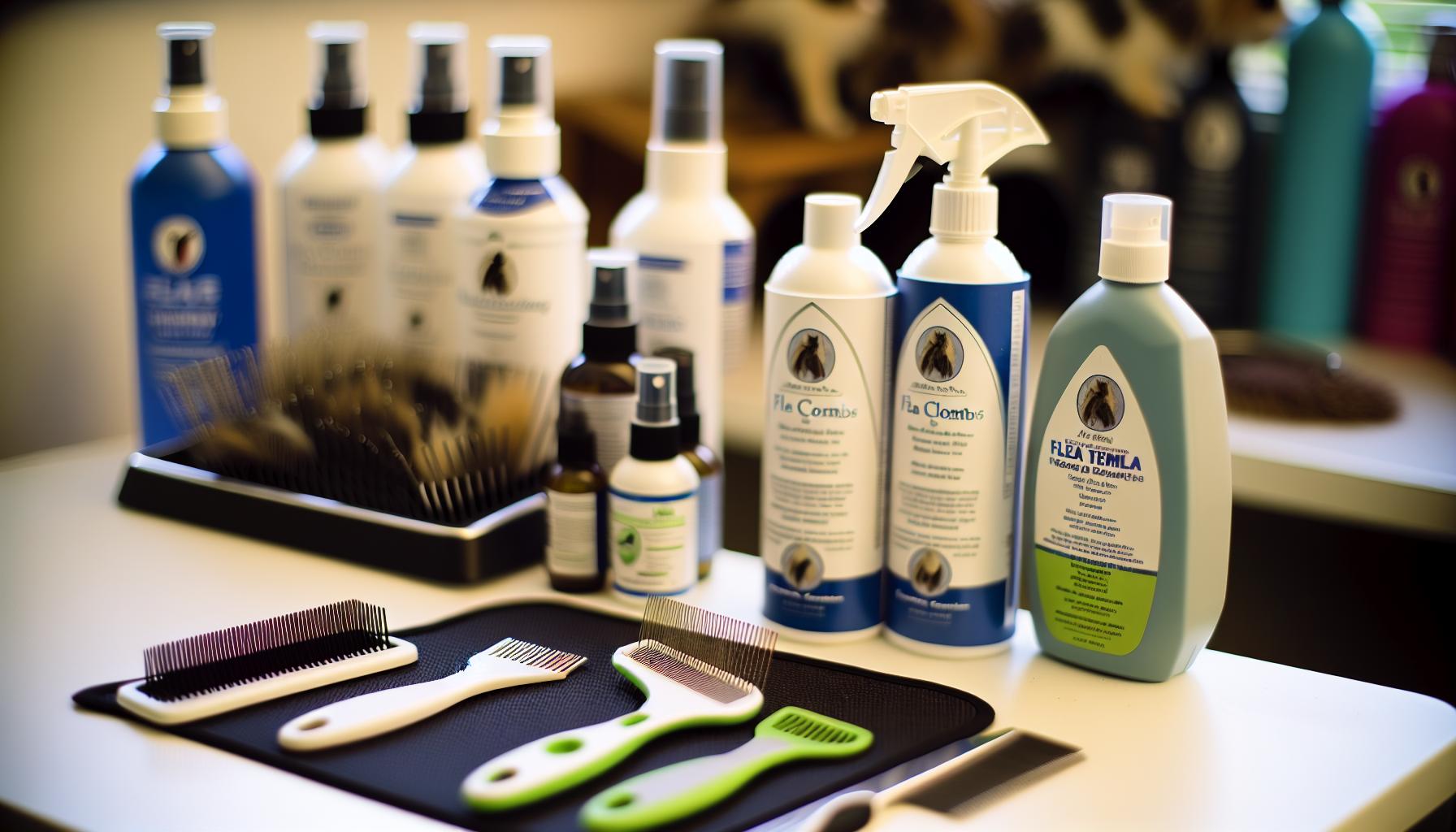
Tools and Products Groomers Use for Flea Removal
Flea removal during grooming isn’t just about scrubbing your dog clean-it’s a delicate process that relies on the right combination of specialized tools and effective products. Professional groomers carefully select what they use to ensure both the flea elimination is thorough and the dog’s skin and coat remain healthy and comfortable. The tools chosen often depend on your dog’s breed, coat length, and sensitivity, making the approach truly personalized.
- Flea Combs: A groomer’s golden tool for catching and removing fleas manually. These combs have very fine teeth set close together, perfect for trapping tiny adult fleas, larvae, and flea dirt-those telltale dark specks of flea feces. For thick or long coats, like those of a Collie or Afghan Hound, gentle yet persistent combing is essential to reach deep layers where fleas hide. After a bath loosens fleas and eggs, combing while the coat is still damp helps catch what’s left behind. This hands-on method also allows groomers to quickly assess the severity of an infestation.
- Veterinarian-Approved Flea Shampoos and Rinses: These products frequently enough contain ingredients like pyrethrin or imidacloprid, which are potent yet safe when used as directed. Groomers select formulas based on the dog’s skin condition and weight, using milder hypoallergenic shampoos for sensitive or allergic pets.These shampoos don’t just kill fleas on contact – they help break down the flea eggs and larvae hidden in the fur.
- Flea Sprays and Spot Treatments: Sometimes, after a bath and combing, a groomer will apply topical sprays to areas where fleas like to hide, such as the neck, armpits, and behind the ears. These products create a protective barrier and can repel or kill fleas that the shampoo missed. it’s critically important these sprays are vet-approved and safe, as some chemicals can irritate sensitive skin.
- Air dryers with Gentle Settings: After treatment, drying the dog thoroughly but carefully is crucial to prevent dampness that could irritate skin or encourage flea eggs to hatch prematurely. Groomers frequently enough use low-noise,low-heat dryers to keep dogs calm while ensuring all moisture is removed.
Real-World Groomer Tips for Flea Removal Tools
When working with a dog heavily infested with fleas, patience is the key. one groomer shared how they handled a Siberian Husky whose thick coat was a flea hotspot. They spent extra time with the flea comb, methodically working through rows of fur, and followed up with a flea-repelling rinse suited for thick double coats. The groomer kept their tone soft and used frequent breaks to keep the dog relaxed.This approach not only improved flea removal but built trust, helping future sessions go more smoothly.
It’s vital for pet owners to understand that while groomers use effective tools, their treatments complement home flea control efforts but rarely replace them. Heavy infestations or skin infections require veterinary intervention, especially for prescription flea preventives and medications.Groomers play an essential role in detection and maintenance, armed with their lineup of tools that support your dog’s health and comfort every step of the way.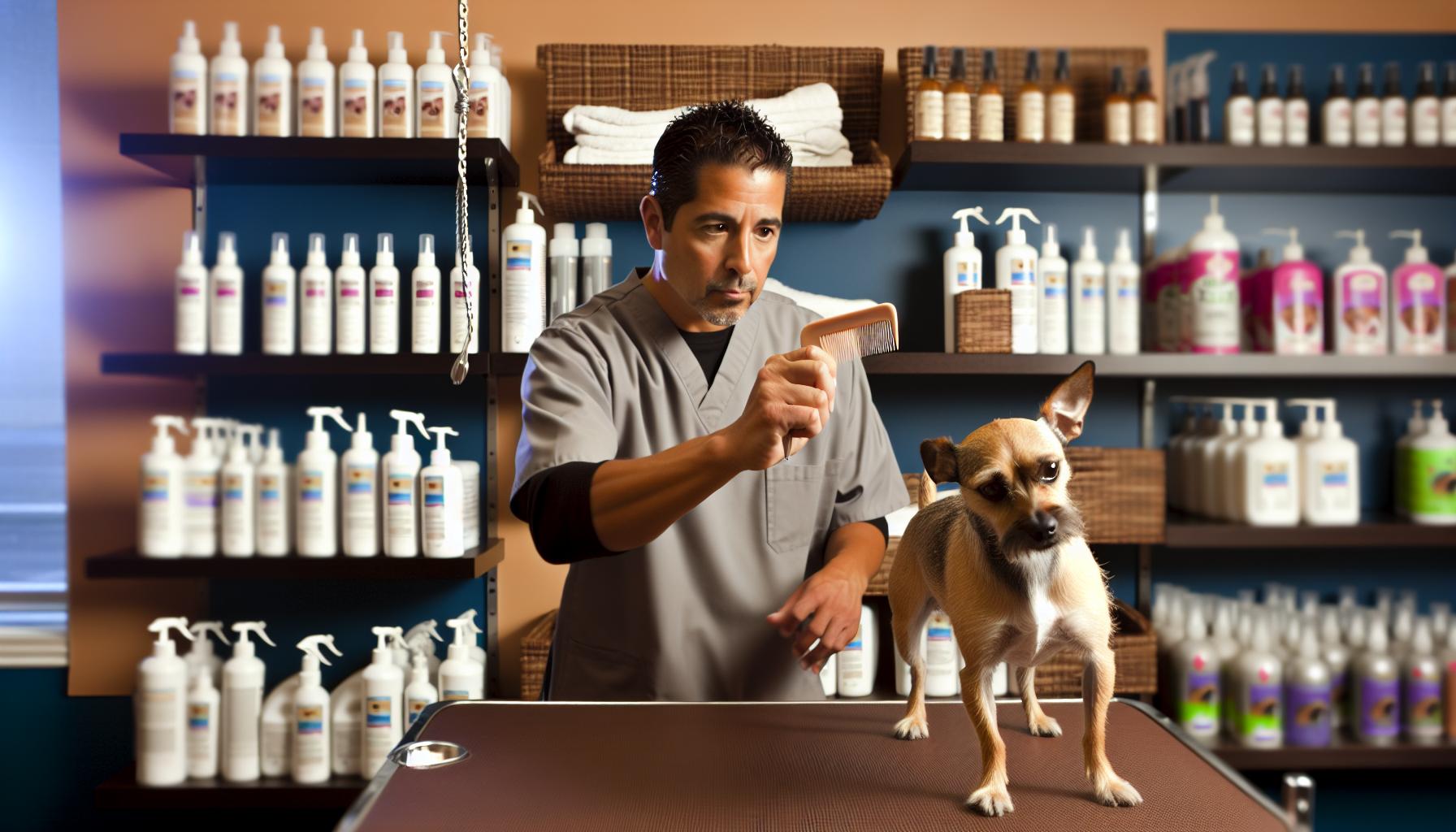
Can Groomers Prevent Flea Reinfestation? tips and Tricks
Fleas are crafty little critters, and just removing them once isn’t always enough to keep your dog comfortable and itch-free. Preventing fleas from returning requires a combination of consistent care, environment management, and a well-coordinated approach between groomers and pet owners. Fortunately, professional groomers are equipped with the know-how and tools to not only address current infestations but also to help reduce the chances of reinfestation through practical, pet-focused strategies.
Creating a Flea-Resistant Routine
A groomer’s work starts with assessment-checking your dog’s coat and skin carefully during every visit. groomers recommend regular grooming intervals based on your dog’s breed and coat type; for example, breeds with long or dense fur like Golden Retrievers or Poodles benefit from more frequent combing and baths. These sessions help spot fleas early and remove any that might have hitched a ride before they multiply. Owners can significantly extend flea-free periods by scheduling consistent appointments and combining them with home care.
- Routine Flea Combing at Home: Groomers frequently enough teach owners the best combing techniques using fine-toothed flea combs, especially after the professional grooming session. This daily or every-other-day comb-through catches stray fleas and flea dirt before an infestation takes hold.
- Selective Use of Vet-Approved Preventatives: While groomers apply vet-approved shampoos and sprays during sessions, ongoing flea prevention at home with veterinarian-prescribed spot-on treatments or oral medications is essential to keep fleas away long-term. Groomers can guide you on how their treatments complement these products without replacing medical advice.
environmental Control: Tackling Fleas Where They Live
Fleas don’t just live on pets-they thrive in the environment, too. Groomers frequently remind owners that controlling the home environment is a must to prevent re-infestation. This means diligent cleaning where your dog spends most of their time, including:
- Frequent Vacuuming: Carpeted areas, furniture, and pet bedding harbor flea eggs and larvae. Vacuuming disrupts their life cycle, reducing chances for new fleas.
- Washing bedding and Toys: regular washing in hot water kills flea eggs and larvae hiding in fabric.
- Yard Maintenance: For dogs spending time outdoors, trimming grass and removing debris reduces flea-friendly hiding spots.
Groomers often collaborate with you to understand your dog’s lifestyle, tailoring advice for home and outdoor environments. For example, a groomer once shared how they guided owners of an active Labrador Retriever to create a flea-control plan focused on their outdoor yard and daily walks – combining preventive treatment with environmental awareness.
Gentle but Thorough: The Groomer’s Balancing Act
Preventing fleas isn’t about harsh chemicals or over-bathing, which can dry out skin and lead to other issues. Instead, groomers use gentle flea shampoos combined with calm, careful combing to maintain coat health while reducing flea populations. They frequently enough recommend specific products safe for your dog’s skin type and coat condition,helping avoid irritation that could worsen scratching and secondary infections.
Remember, the process takes patience. In severe cases, groomers know when to advise vet visits for prescription treatments, recognizing that some infestations require medical intervention beyond grooming. Supporting your dog’s comfort, keeping stress low, and focusing on consistent care across groomer visits and home routines are the keys to successfully preventing flea reinfestation.
—
By approaching flea prevention as a team effort-with your trusted groomer guiding you on detailed care, professional treatments, and environmental awareness-you help set up your dog for a happier, itch-free life. Small changes, consistent routines, and compassionate handling make all the difference in keeping these persistent pests at bay.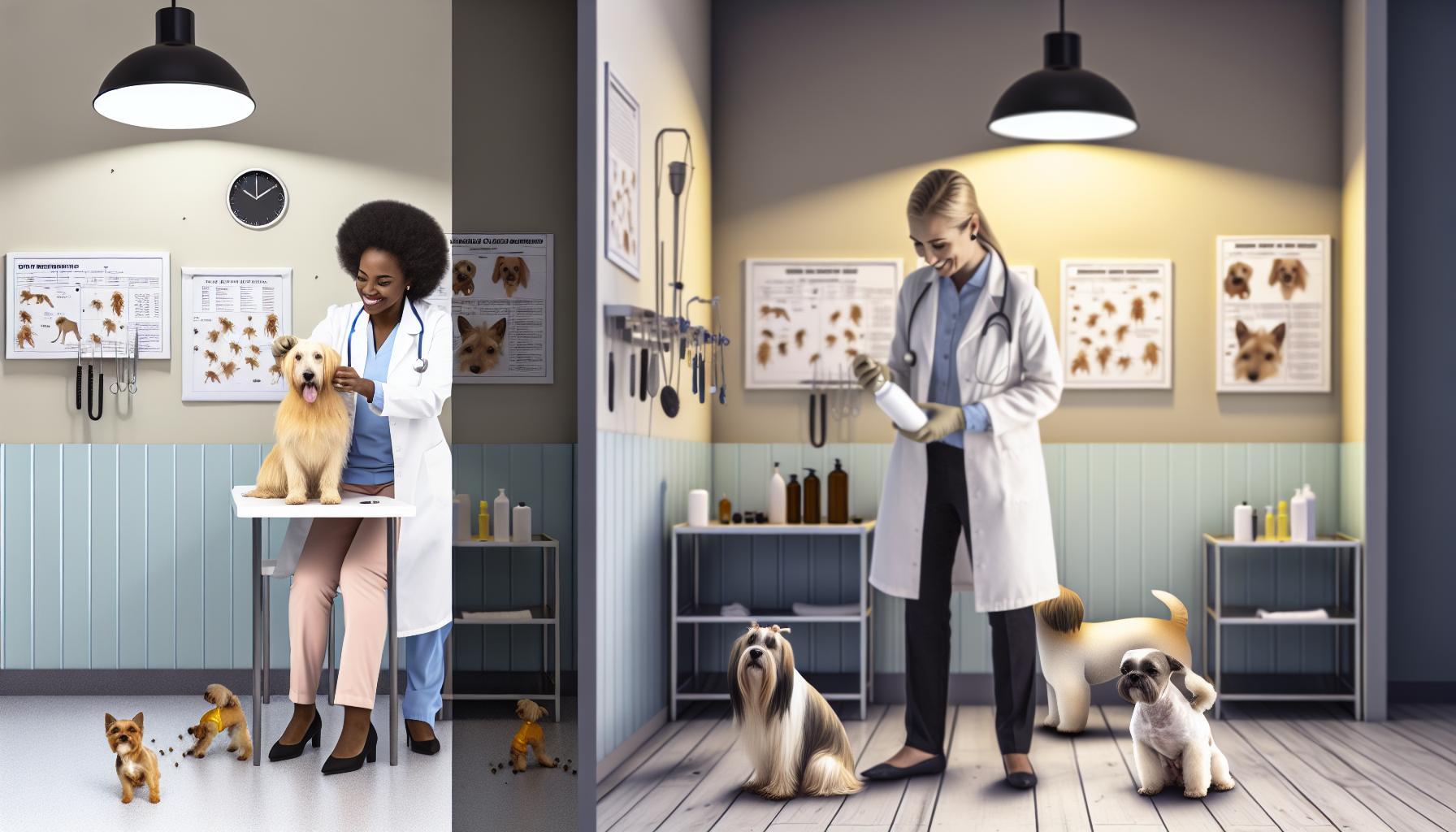
When to Visit a vet vs. Rely on Groomer Flea Treatment
Sometimes, despite our best efforts, fleas can become stubborn guests that won’t budge with a single grooming session. It’s important to recognize when professional grooming alone may not be enough and when a veterinary consultation becomes necessary to protect your dog’s health and comfort.
Many groomers are skilled at spotting mild to moderate flea infestations early during their assessments.In these situations, they can effectively reduce flea numbers through specialized baths, gentle combing with fine-toothed flea combs, and application of vet-approved sprays or shampoos. For most dogs with healthy skin and no underlying conditions, this approach helps relieve itching and controls flea populations successfully. Regular grooming combined with at-home treatments frequently enough keeps fleas under control without the need for veterinary medicines.Though, there are clear signs indicating it’s time to seek veterinary care:
- Severe or Persistent Infestations: If your dog is heavily infested and still scratching relentlessly after grooming treatments, fleas may have caused skin infections or allergic reactions that require prescription medication. Vets can provide stronger systemic flea treatments such as oral or injectable medications that kill fleas quickly and target life stages that topical products might miss.
- Open Sores, Hair Loss, or Skin Infections: Groomers carefully observe your dog’s skin and will refer you if they notice wounds, hot spots, or secondary infections caused by flea bites. These conditions need antibiotics, anti-inflammatories, or medicated baths that only a veterinarian can prescribe safely.
- Very Young Puppies, Seniors, or Dogs with Medical conditions: Some dogs have sensitive skin, allergies, or compromised immune systems. In these cases, flea treatments must be tailored carefully to avoid adverse reactions, which vets are best equipped to manage.
- Resistance to Over-the-Counter Treatments: If fleas persist despite diligent grooming and home prevention, your dog may be dealing with resistant flea strains. Vets can recommend alternative medications or combined approaches that go beyond what groomers can provide.
Knowing the Boundaries: Groomers vs. Veterinarians
While groomers are experts in handling your dog’s coat and providing flea relief through topical care and combing, they don’t replace veterinary diagnosis and treatment.Grooming addresses flea control externally and supports overall coat health, but veterinarians handle systemic issues and prescribe medications targeting fleas biologically from within your dog’s body.
A good example: If your Golden Retriever, known for its thick coat that can harbor fleas unseen, comes in for a grooming and is found scratching intensely with patches of hair missing, your groomer might recommend you visit a vet to rule out flea allergy dermatitis and initiate appropriate treatment.meanwhile, they continue to help with gentle flea removal and skin care during appointments.
steps to Take When You Feel Vet Help is Needed
- Discuss any concerns openly with your groomer; they frequently enough monitor your dog’s progress and can advise the best timing for veterinary visits.
- Note symptoms such as increased redness, swelling, or lethargy-these go beyond typical flea irritation and warrant professional diagnosis.
- Bring records of any previous flea treatments and your dog’s medical history for the vet, so they can tailor treatments safely and effectively.
- Maintain your grooming routine to support your dog’s skin health during and after veterinary treatment.
Remember, both groomers and veterinarians want what’s best for your furry friend. By understanding their unique roles and when to involve each professional, you can navigate flea control with confidence, ensuring your dog stays comfortable, healthy, and loved.
Common challenges and How Groomers Handle Fierce Flea Infestations
Fierce flea infestations can turn a grooming session into a delicate balancing act, demanding both skill and empathy. Dogs with thick coats-like Golden Retrievers, Poodles, or German Shepherds-often pose extra challenges because fleas can hide deep in the undercoat, making detection and removal more tough. when faced with heavy flea burdens, the first priority is always the dog’s comfort and safety. Rushing through with harsh chemicals or rough handling only adds anxiety and stress, so patient, gentle care is essential.
Assessing and Preparing for Flea-heavy Grooming
Before any treatment begins, experienced groomers conduct a thorough skin and coat examination, often using a fine-toothed flea comb to detect live fleas, flea dirt, or irritated skin areas. Dogs with fierce infestations may be visibly restless, scratching, or even showing signs of flea allergy dermatitis (red, inflamed skin). Groomers communicate clearly with owners about the dog’s condition and set realistic expectations for the session,explaining that multiple visits and combined care approaches are frequently enough needed.
Step-by-Step Flea Removal with Compassion
- Pre-Bath Brushing: Gently detangling and brushing the coat removes loose hair and mats, which can trap fleas and make baths less effective. For curled or dense coats, slow and incremental work prevents overwhelming the dog.
- Flea Combing: Using a fine-toothed flea comb, groomers meticulously go through sections of fur, removing fleas and flea debris. This hands-on step not only helps reduce flea numbers but also serves as a calming ritual that builds trust.
- medicated Flea Baths: When flea loads are heavy, groomers select shampoos with vet-approved insecticides safe for dogs, ensuring the products suit the dog’s skin sensitivity and breed-specific coat. Warm water helps relax the dog, and care is taken to avoid eyes and ears.
- Spot Treatments and Sprays: After drying, targeted sprays or spot-ons are applied to flea-prone areas like the neck, tail base, and belly, providing an added layer of protection during and after the grooming session.
Real-world Example: Molly, a Shih Tzu Rescue
Molly, a dense-coated Shih Tzu, arrived shivering and scratching incessantly. her previous owner hadn’t addressed fleas for months. We started by gently brushing to remove tangles, carefully combed out dozens of fleas, then bathed her in a soothing flea-control shampoo designed for sensitive skin. Between sessions, her owner continued with recommended flea preventatives and home cleaning, which helped Molly’s itchiness reduce steadily.Patience and small wins made a big difference.
Why Groomers Sometimes Recommend Veterinary Support
Despite best efforts, some infestations are too aggressive or complicated for grooming alone. Dogs with severe skin damage, infections, or flea allergy dermatitis frequently enough need antibiotics, anti-inflammatory medications, and systemic flea control only a vet can provide. Groomers handle external flea removal and coat maintenance, but when signs of distress persist, they kindly advise owners to seek veterinary care. This teamwork protects the pet’s overall health and comfort.
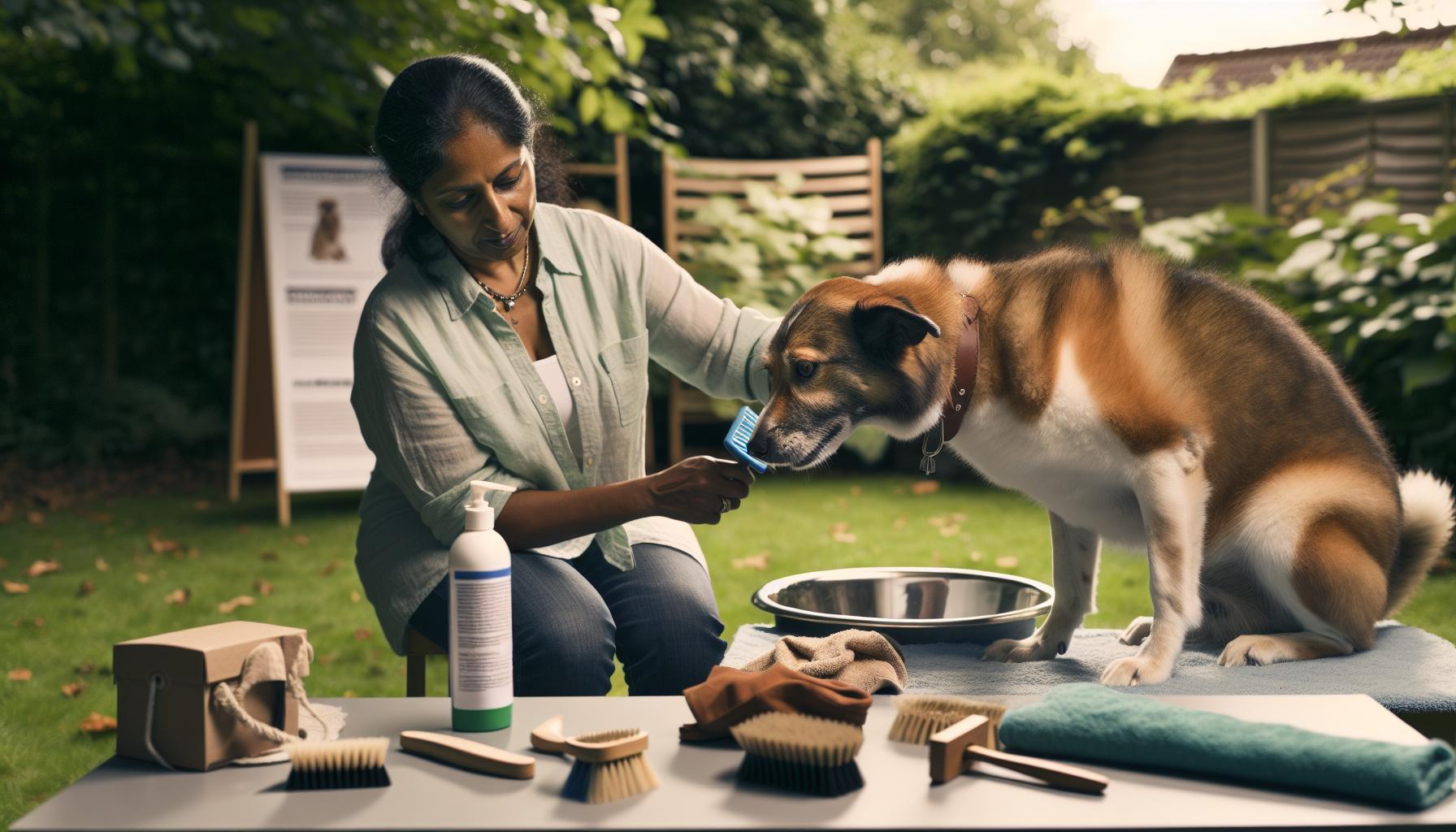
Remember: Groomers always prioritize safety and comfort over quick fixes. With compassionate handling, the right tools, and clear communication, even fierce flea challenges become manageable. Regular appointments, combined with home treatments and vet advice, form the best defense against keeping your dog flea-free and happy.
How to Prepare Your Dog for Flea treatment at Grooming
A dog’s experience during flea treatment at the groomer begins long before the first comb stroke or shampoo rinse. Preparing your furry friend thoughtfully can make all the difference in turning a stressful ordeal into a calm and manageable process. Fleas often thrive in thick, curly, or long coats-like those of Poodles, Golden Retrievers, or German Shepherds-so knowing your dog’s breed, coat type, and temperament sets the foundation for smooth preparation.
start With Gentle Home Brushing
Before the grooming appointment, spend some quiet moments brushing your dog’s coat with a regular brush or a flea comb if you have one. This not only helps break up mats and remove loose hair that could hide fleas but also begins the acclimation to tactile handling your groomer will do. If your dog is anxious, keep the sessions short and reward calm behavior with treats or praise. Such as, Daisy, a nervous Cocker Spaniel, showed remarkable improvement after just a few short, positive home brushing sessions before her grooming day.
Gather Helpful Facts and Supplies
Providing your groomer with clear information enhances treatment safety and success. share your dog’s flea history, any reactions to previous flea products, current medications, and skin sensitivities. This allows the groomer to select suitable shampoos and spot treatments tailored to your dog’s needs. Some dogs benefit from a mild anti-itch spray applied beforehand to ease irritated skin.
- Coat Characteristics: Thick or matted coats may require more time and patience during flea removal.
- Behavior Notes: Alert your groomer if your dog is fearful or excitable, so they can use gentle techniques or provide breaks.
- Feeding and Bathroom Schedule: Aligning appointment times so your dog isn’t hungry or needing relief mid-grooming reduces discomfort and restlessness.
Calm Arrival and Comfort Strategies
The moment you arrive at the salon sets the tone. Bringing your dog’s favourite blanket or toy can provide a comforting anchor. If your dog gets nervous smells or sounds, try to arrive early to let them sniff and settle in. Speak calmly, avoid rushing, and remind your groomer of any calming cues your dog responds to. Some groomers also welcome a hand towel or cloth from home sprayed lightly with comforting scents.
Understanding When to Consult Your Vet first
If your dog shows extreme flea allergy dermatitis, open wounds, or signs of infection, it’s best to consult your vet before the grooming appointment. Groomers can manage external flea removal, but vets provide essential medications and treatments that ensure your dog’s skin heals safely and effectively. Coordinating care between you, groomer, and vet provides the best outcome-comfort, health, and a flea-free coat.
By incorporating these preparation steps, both you and your groomer set your dog up for a safer, more positive flea treatment experience-turning what could be a stressful ordeal into a reassuring routine of care and relief.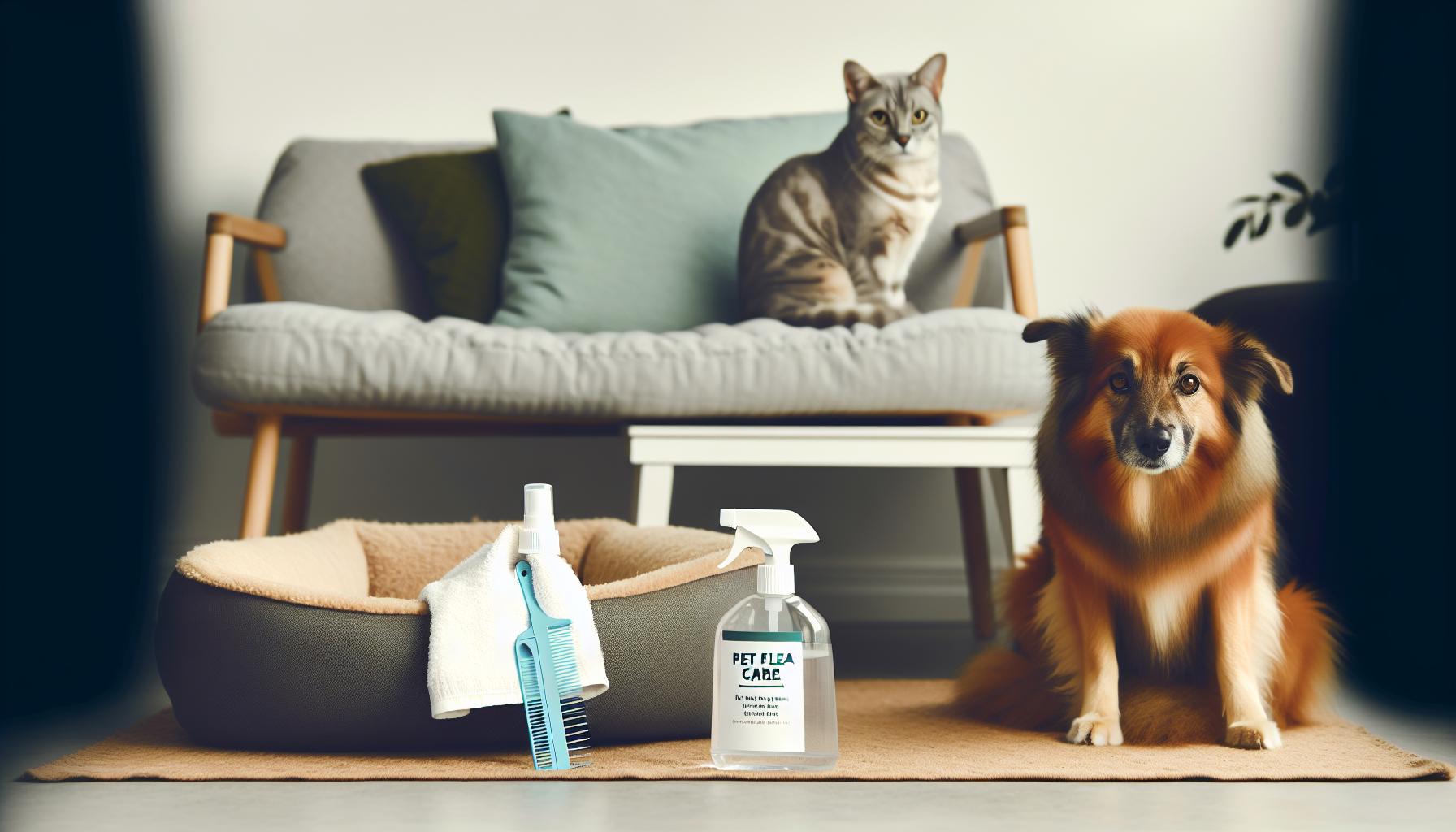
Post-Grooming Care to Keep fleas Away Long-Term
Fleas are resilient little pests, and tackling them successfully means the job doesn’t end once your dog leaves the grooming table. Long-term flea control is a team effort between groomer and owner, focused on maintaining a clean, comfortable environment and a healthy, well-monitored coat. After the groomer has carefully combed,bathed,and treated your dog,your continued attentiveness is key to preventing reinfestation and ensuring your furry friend stays itch-free and happy.
Maintain a Regular Brushing and Inspection Routine at Home
Even dogs with shorter coats benefit from frequent, gentle brushing to spot any stray fleas or flea dirt early. For breeds with thick, curly, or dense coats-like Poodles or Golden Retrievers-using a fine-toothed flea comb every few days can definitely help catch hitchhikers before they multiply. Make this a relaxing ritual by choosing calm times and rewarding your dog with praise or treats to build positive associations. For example, a client with a spirited Labrador found that a 5-minute brush session before bedtime not only helped detect fleas early but also became a bonding moment, easing her dog’s anxiety during treatment.
Environmental Care Is as Important as Coat Care
Fleas often lurk in the surroundings-bedding,carpets,upholstery-ready to jump back onto your pet. Vacuum thoroughly and frequently, especially where your dog spends the most time. Wash bedding, blankets, toys, and removable crate pads in hot water weekly. Consider natural or vet-approved flea sprays for the home, focusing on pet-safe options. Remember, controlling fleas inside your house and yard is essential to keep them from reattaching to your dog, complementing the groomer’s work.
Follow Your Vet’s Recommendations and Ongoing Preventatives
Professional groomers provide external flea removal treatments and calming care,but monthly flea preventatives prescribed by your vet are crucial for lasting defense. Options might be topical spot-ons, oral medications, or collars-your vet knows your dog’s breed, size, and health best and will tailor recommendations accordingly. If your dog has sensitive skin or allergies,share this info with both groomer and vet to avoid irritation or adverse reactions.
Watch for Signs and Know When to Act
Even with solid prevention, occasional fleas might appear-especially during peak seasons. Early warning signs include increased scratching, red or irritated skin, or visible flea dirt. If you notice these, coordinate promptly with your groomer or vet. For example, one Golden Retriever owner kept a flea comb in plain sight and examined his dog weekly, catching a small outbreak early enough for swift retreatment without discomfort.
- Keep your dog’s nails trimmed: This helps the groomer safely check your dog without causing discomfort and aids in preventing accidental skin scratches during combing.
- Dry thoroughly after outdoor activities: Fleas can cling to damp fur, so careful drying reduces the chance they cling.
- Maintain grooming appointments: Regular professional grooming can break the flea life cycle, especially for dense and long coats.
By partnering closely with your groomer, following recommended home care steps, and staying vigilant, you create a welcoming environment where fleas struggle to survive. each thoughtful action supports your dog’s comfort and well-being, turning flea prevention from a chore into a simple, caring routine that benefits your whole family.
FAQ
Q: How do groomers safely treat dogs with flea allergies during grooming?
A: Groomers use gentle, hypoallergenic flea shampoos and avoid harsh chemicals to protect dogs with flea allergies. They carefully monitor reactions during treatment and recommend vet consultation if symptoms worsen. Always inform your groomer about allergies to tailor safe flea removal methods.Learn more about safe flea treatments in our Effective Flea Treatments section.
Q: can groomers detect flea eggs and larvae during grooming sessions?
A: Yes, skilled groomers use fine-tooth flea combs and magnification for spotting flea eggs and larvae in the coat. Early detection helps target infestations more effectively. This inspection is a key part of professional grooming and complements your pet’s post-grooming flea prevention plan.
Q: What follow-up steps do groomers recommend to prevent flea return after treatment?
A: Groomers advise regular home flea control routines, like consistent use of vet-approved flea preventatives and environmental cleaning. They frequently enough suggest scheduling follow-up groomings and monitoring your pet closely. Implementing these practices reduces reinfestation risk, reinforcing the benefits discussed in our Post-Grooming Care advice.
Q: How long does flea treatment during a grooming appointment typically take?
A: Flea treatments during grooming usually take 30 to 60 minutes,depending on the severity of infestation and coat type. Timing includes inspection, bathing with flea shampoo, combing out fleas and debris, and drying. Preparing your dog beforehand helps ensure a smooth, calm session.
Q: Are flea treatments included in regular grooming packages or separate services?
A: Flea treatments are often offered as an add-on service due to specialized products and extra time required. Some groomers include basic flea checks in packages but charge separately for full flea baths or intense flea removal. Ask your groomer about service options to get clear pricing.
Q: What grooming tools are most effective for removing fleas besides shampoos?
A: besides flea shampoos, effective tools include a fine-tooth flea comb, medicated spray, and vacuum attachments for deep fur debris removal. Groomers combine these to physically remove fleas and eggs alongside topical treatments. Using multiple methods boosts flea elimination success.
Q: Can certain dog breeds or coat types affect the flea removal process during grooming?
A: Yes, long-haired or dense-coated breeds may need extra combing and longer flea treatments to reach skin and remove hidden flea eggs. Groomers adjust techniques and products based on breed-specific coat challenges to ensure thorough flea elimination. for tips on coat-specific care, see our How to Prepare Your Dog section.
Q: Should I notify the groomer if my dog is on flea medication before the grooming appointment?
A: Absolutely! Informing your groomer about current flea medications ensures compatibility with grooming products and helps prevent adverse reactions. This communication allows safer, more effective flea treatments and helps groomers plan a tailored approach for your pet’s needs.
For a full walkthrough of flea removal and prevention during grooming, consider exploring the detailed sections within the main article. Your dog’s comfort and health are our top priority-feel free to ask your groomer any flea-related questions for peace of mind.
Closing Remarks
Addressing fleas effectively during grooming is a crucial step to ensure your dog’s comfort and health. While professional dog groomers can remove fleas through specialized baths and treatments tailored to your pet’s breed and coat type, ongoing care at home remains essential. If you’re wondering about the best flea prevention tools or when to consult your vet versus relying on groomers,exploring our detailed guides on dog health and grooming tips will give you confident,practical next steps.
Don’t wait for fleas to take hold-start with a gentle, thorough flea treatment from your trusted groomer and supplement with vet-approved products at home.For more helpful insights, check out our articles on dog training for stress-free grooming sessions and a complete dog breeds chart to understand your pup’s specific care needs. Ready to keep your dog flea-free and happy? Sign up for our newsletter for expert tips, or browse our product recommendations designed to protect your furry friend all year round.
If you have questions or personal experiences about flea treatments during grooming, please share them in the comments-your stories help build a caring community. For continued learning, dive into our puppy care and dog behavior articles to support your dog’s well-being beyond grooming. Together, we can make every grooming visit a safe, soothing moment your dog looks forward to. Explore more now and empower yourself with knowledge that puts your pet’s welfare first.
Get our latest guides, news, and insights highlighted in your Google Search & AI Overviews.
Keep reading about the same coat and cut.




Popular grooming guides
Bath vs clip, first grooms, and salon how-tos.