Cavalier King Charles Spaniel Grooming
Cavalier King Charles Spaniel Grooming embodies a natural silky-coat toy spaniel hygiene discipline focused on feather preservation, daily ear canal aeration, paw traction clearance, and zero-shave breed conformation standards.
Foundational Guides & Core Pillars
Do King Charles Cavaliers need haircuts?
Breed standard conformation guidelines: why Cavaliers are traditionally an unclipped breed and how to manage natural silky feathering.
How often should Cavaliers be bathed?
Veterinary bathing recommendations, preserving natural coat luster, and preventing dry skin in silky toy spaniels.
Why does my Cavalier bark at me?
Spaniel vocalization, companion bonding triggers, and calm desensitization on the grooming table.
Can Cavaliers eat cheese?
Nutritional treats for grooming rewards, lactose sensitivity checks, and keeping toy spaniels focused during nail trims.
Cavalier King Charles Spaniel Grooming: Natural Silky Feathering, Ear Hygiene & Tear Stains
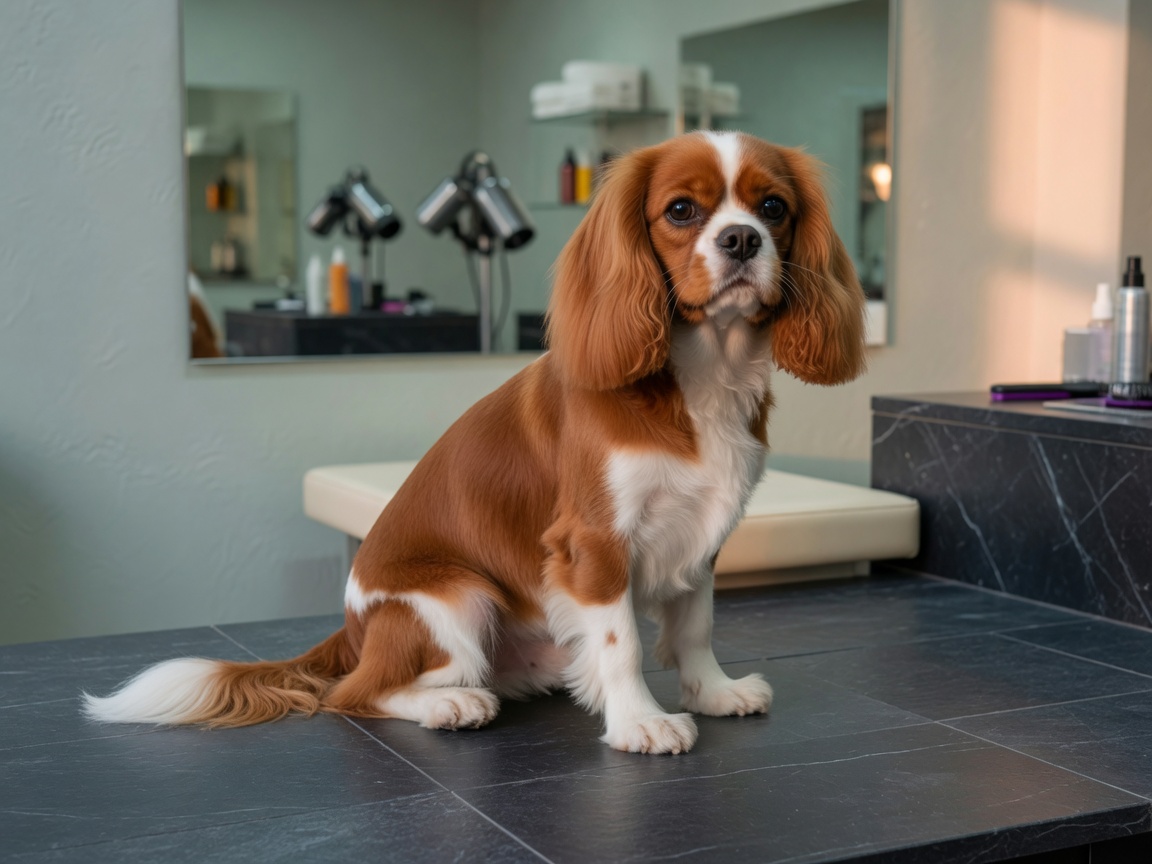
The Cavalier King Charles Spaniel is famous for its luxurious, single-layered silky coat that features rich feathering on the chest, ears, legs, and tail. According to the official breed standard, the Cavalier coat should be presented in its natural state, free from artificial clipping, scissoring, or body shaving. The coat possesses a natural, glass-like shine produced by cutaneous sebaceous secretions that glide down the straight or slightly wavy hair shafts.
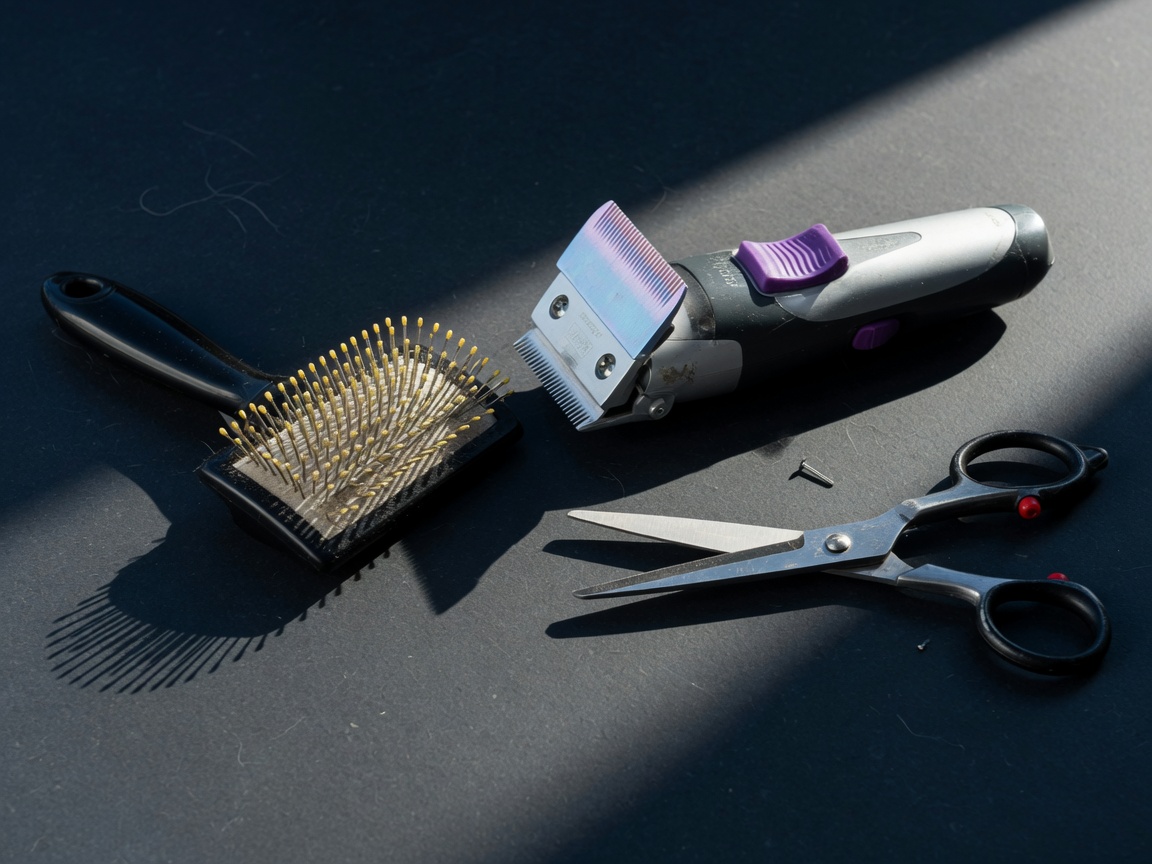
Shaving a Cavalier destroys this natural silkiness: the hair follicles respond to clipping by producing a dull, fuzzy, cotton-like underlayer that curls uncontrollably and mats with extreme rapidity. Grooming a companion Cavalier focuses on hygiene maintenance: trimming excess hair between the paw pads to prevent slipping (‘slipper feet’ tidying), clearing the perianal area, and using a soft pin brush and steel comb to keep the profuse ear and chest feathering free of friction knots.
Cavalier ears demand daily clinical attention. The long, pendulous drop ears trap moisture, warmth, and humidity within the ear canal, creating an ideal incubator for Malassezia yeast and bacterial otitis. Groomers must cleanse the canals with a drying enzymatic flush after every bath and thoroughly dry the inner ear leather. Facial tear staining—caused by shallow eye sockets and normal porphyrin tear drainage—requires daily wiping with sterile saline to prevent dark facial crusts.
| Hygiene & Grooming Focus | Tool / Solution | Target Frequency | Health Benefit & Conformation Outcome |
|---|---|---|---|
| Ear Feathering & Fringe Combing | Soft Pin Brush & Fine Greyhound Comb | Daily / Every 2 Days | Detangles friction knots behind ears; prevents painful mats in dense silky feathering |
| Ear Canal Drying & Yeast Prevention | Drying Enzymatic Ear Cleanser & Cotton | Weekly / Post-Bath | Evaporates canal humidity; stops chronic yeast otitis and head-shaking trauma |
| Paw Pad Trimming & Traction Clearance | #10 Surgical Mini-Trimmer & Safety Shears | Every 3–4 Weeks | Clears hair from footpad leather; restores grip on slick floors & prevents joint slips |
| Facial Tear Stain Cleansing | Sterile Isotonic Saline & Microfiber Cloth | Daily Morning Routine | Dissolves porphyrin crusting; prevents red tear streaks and bacterial skin fold dermatitis |
| Silky Hydro-Bath & Conditioning | Argan Oil Canine Shampoo & Silk Conditioner | Every 3–4 Weeks | Nourishes single silky coat; seals cuticle layers for maximum water and dirt repellency |
Topic Directory & Specialized Workflows
Haircut Rules, Natural Coat & Bathing
Spaniel Diet, Walking & Companion Health
Ear Yeast Care, Tear Stains & Paw Trimming
Frequently Asked Questions: Cavalier King Charles Spaniel Grooming
Do Cavalier King Charles Spaniels need haircuts?
Traditionally, no. The Cavalier standard dictates a natural, uncut coat. However, companion Cavaliers often receive hygiene trims—such as paw pad scooping and sanitary trims—to stay clean. Shaving their body coat is discouraged as it ruins their silky texture.
How often should a Cavalier King Charles Spaniel be bathed?
Every 3 to 4 weeks. Bathing more frequently can strip natural oils from their silky hair, causing dryness. Always use a nourishing, soap-free shampoo and follow with a moisturizing conditioner.
Why do Cavalier King Charles Spaniels get ear infections so easily?
Their long, heavily feathered drop ears prevent air circulation in the ear canal, trapping heat and moisture. Clean their ears weekly with a drying veterinary cleanser and always dry the ear leather thoroughly after baths.
How do you prevent mats behind a Cavalier’s ears?
The thin fur behind a Cavalier’s drop ears is subject to constant collar friction. Comb through this area daily using a metal Greyhound comb, parting the hair to the skin to catch small snags before they turn into tight knots.
 Why does my Cavalier bark at me?
 Do King Charles Cavaliers need haircuts?
 Can Cavaliers eat cheese?
 Is a 2 mile walk good for a dog?
 How often should Cavaliers be bathed?
 Can Cavaliers eat bananas?
 Do Cavaliers have anxiety?
 What age should you give up a teddy bear?
 What age are Cavaliers full size?
 Are King Cavaliers smart dogs?
Feathering, ear leather, and the spaniel outline
A Cavalier is not clipped like a Poodle. Ear leather, chest, and skirt stay long. Feet, sanitary line, and a light body tidy keep the spaniel shape without shaving the feathering off.
- How should a Cavalier be cut?
- Leave the ears and skirt. Neaten the feet and sanitary area so the coat does not drag. How a Cavalier should be cut.
- Do King Charles Cavaliers need haircuts?
- Yes. They need regular trims even when you keep a natural look. Do Cavaliers need haircuts?.
- How often should Cavaliers be bathed?
- Bathe when the feathering mats or smells, then dry the ears fully. Cavalier bath rhythm.
Next read
Keep going with guides, puppies, or cats.