Will Groomers Groom Dogs with Fleas? Treatment Options
It’s frustrating and worrying to discover your dog has fleas-especially when you’re trying to keep them clean and agreeable. Many pet owners wonder: will groomers actually groom dogs with fleas, and if so, how do they handle treatment? Understanding what to expect can save you stress and help protect both your furry friend and your home. Fleas aren’t just a nuisance-they can cause itching, skin irritation, and even spread to other pets or family members. Groomers often have protocols in place to assess and manage fleas safely, balancing effective treatment with your dog’s comfort and wellbeing.whether you have a long-haired Great pyrenees or a short-coated terrier, knowing how groomers address fleas-from specialized baths to gentle brushing and follow-up care-empowers you to make informed choices. Let’s walk through what happens when fleas are found during grooming, treatment options, and how you can best support your dog through the process, keeping their safety and happiness front and center. this guide offers clear, compassionate advice to help you navigate this all-too-common challenge calmly and confidently.
Can Groomers Safely Work with Dogs That Have Fleas?
Table of Contents
- 1 Can Groomers Safely Work with Dogs That Have Fleas?
- 2 How Fleas Affect a Dog’s comfort and Health During Grooming
- 3 Signs Groomers Look for to Identify Flea Infestations
- 4 Essential Flea Treatments Before Professional Grooming
- 5 Top Flea Control Products Recommended by Groomers
- 6 Step-by-Step Flea Bath Routine for Dogs
- 7 Safe Flea Comb Techniques for Sensitive Pets
- 8 When to Postpone Grooming Until Fleas Are Eliminated
- 9 How Veterinarians and Groomers Coordinate flea Treatment
- 10 DIY Flea Treatment vs. Professional Grooming: What Owners Should Know
- 11 Preventing Fleas After Grooming: Tips for Long-Lasting Relief
- 12 Handling Anxious or Itchy Dogs During Flea Removal and Grooming
- 13 Frequently asked questions
- 13.1 Q: Can groomers treat dogs with mild flea infestations during grooming?
- 13.2 Q: What flea treatment options can groomers apply during a grooming session?
- 13.3 Q: How soon after starting flea treatment can I take my dog to a groomer?
- 13.4 Q: Why do some groomers refuse to groom dogs with fleas?
- 13.5 Q: How can I prepare my dog for grooming if it has fleas?
- 13.6 Q: Are there flea treatments groomers recommend between professional grooming appointments?
- 13.7 Q: Can grooming help in managing flea allergies in sensitive dogs?
- 13.8 Q: What signs should I watch for after grooming if my dog had fleas?
- 14 To Wrap It Up
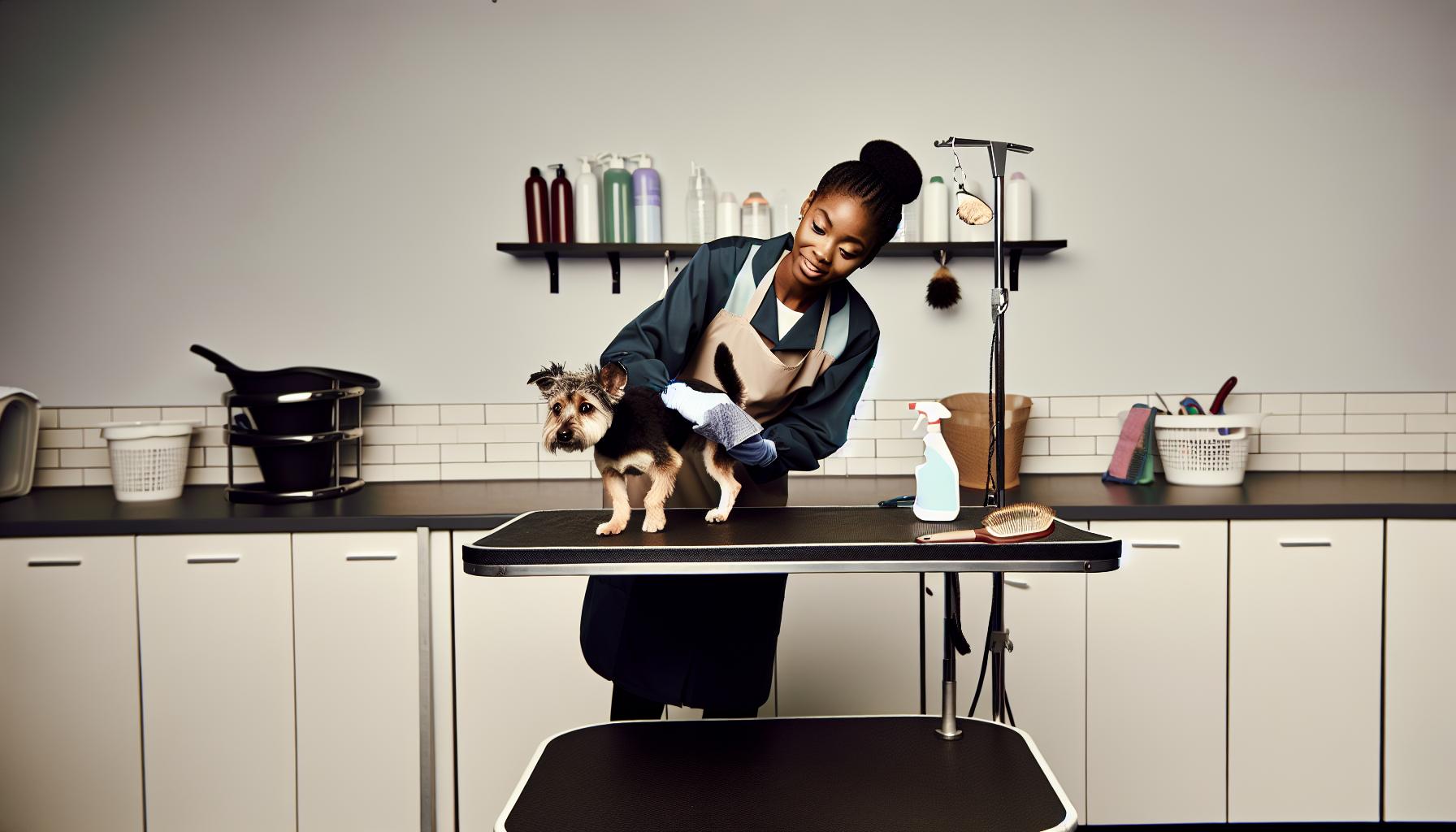
It’s a common worry for pet owners: discovering fleas on your dog just before a grooming appointment. The honest answer is yes, but it requires care, communication, and the right approach.Groomers deeply understand that fleas cause discomfort and stress-not just for dogs but for everyone involved. Many grooming professionals are equipped with specialized knowledge and products to manage mild flea situations safely, while always prioritizing your dog’s comfort and health.
When a dog arrives with fleas, groomers frequently enough assess the infestation level before proceeding.If it’s a light infestation-usually just a few fleas visible and minimal scratching-some groomers will move forward carefully using targeted flea shampoos and meticulous flea combing without compromising the pet’s well-being or the salon environment. For breeds with dense, long coats like Golden Retrievers or Poodles, the grooming process might require extra patience and tools such as flea combs with fine teeth and gentle detangling brushes to ensure fleas and eggs are effectively removed.
Safety and Comfort Are Always Frist
Groomers prioritize safety over speed or aesthetics. Flea treatments during grooming are designed to be gentle yet effective. Water temperature is kept warm but not hot, avoiding skin irritation, and shampoos formulated specifically for sensitive skin and flea control are used carefully, especially on small breeds like chihuahuas or dogs known to have allergies. If a dog shows signs of distress or severe irritation,a groomer will pause and recommend veterinary consultation,underscoring the importance of teamwork between groomers and vets in managing flea infestations.
When Flea Infestations Are More Severe
For moderate to heavy flea infestations, many groomers advise postponing grooming until proper flea treatment is underway. This not only protects the dog’s health but also prevents fleas from spreading to other pets or the grooming environment. Groomers often require that clients administer at least one round of flea control before safely scheduling grooming appointments,sometimes recommending topical or oral preventatives that can be applied at home first.This collaboration helps ensure the dog is comfortable and the grooming process is as stress-free as possible.
- Example: One groomer shared a story where a young Labrador arrived with fleas.The groomer used an all-natural flea shampoo and calm, slow combing to remove most fleas during the bath. The owner was advised to administer monthly flea prevention moving forward, preventing repeat issues.
- Tip: Always inform your groomer if you suspect fleas so they can prepare and advise you on pre-grooming treatment options that make visits safer and more pleasant.
Ultimately, working safely with dogs that have fleas comes down to compassion, clear communication, and a tailored approach that respects each dog’s unique needs. Groomers are here to support both pets and owners through flea challenges while keeping everyone comfortable and safe.
For further guidance on professional flea removal products and prevention plans, groomers frequently enough recommend trusted brands known for efficacy and pet-friendliness like those highlighted by Groomer’s Choice or PetEdge, ensuring a holistic approach to flea control alongside grooming services[1][3].
How Fleas Affect a Dog’s comfort and Health During Grooming
Fleas aren’t just tiny nuisances crawling on your dog’s coat-they can dramatically impact your pet’s comfort and overall health, especially during grooming sessions. Imagine trying to relax while constantly itching or feeling tiny bites; this discomfort makes grooming a stressful experience for your furry friend. dogs with thick or long coats, like Golden Retrievers or poodles, may suffer more as fleas can hide deeper in their fur, making it harder to spot and remove them quickly. This often means more time spent gently combing and bathing, which requires patience and special tools.
When a dog has fleas, their skin is often inflamed or irritated, making each touch or brush stroke uncomfortable.Flea bites can lead to redness,raw spots,or even allergic reactions,considerably increasing a dog’s anxiety during grooming. This can cause restlessness or snapping, which is why groomers approach these sessions with extra care, using calming techniques alongside flea-specific shampoos and conditioners formulated for sensitive skin. For small or allergy-prone breeds-think chihuahuas or Westies-the choice of products and water temperature becomes even more critical to prevent further irritation.
How Groomers tailor the Experience
Groomers typically begin by assessing how severe the flea issue is. A mild infestation may involve a slow, methodical bath with specialized flea treatments, followed by combing with fine-toothed flea combs to catch eggs and adults. This step is essential not just for removing fleas but for soothing irritated skin with gentle massage strokes. Often, groomers recommend gentle detangling brushes that won’t pull on sore skin or cause discomfort. Patience is key here-hurried grooming can increase stress and make fleas harder to remove.
- Example: During one grooming, a Poodle with a light flea infestation was treated using a hypoallergenic flea shampoo and warm water kept at a comfortable temperature. Frequent breaks and gentle combing meant the dog remained calm throughout, eventually leaving flea-free and relaxed.
- Tip: Owners can definitely help by brushing their dog’s coat regularly before appointments to reduce mats that hide fleas and by informing groomers of past flea challenges so they can prepare suitable treatments in advance.
Health Concerns Beyond Itchiness
It’s notable to understand that fleas can affect more than just a dog’s comfort. Heavy infestations strain even young, healthy dogs by causing anemia as fleas feed on blood. Persistent scratching also risks secondary infections from open sores.During grooming, this means the dog’s skin might be fragile or painful, so groomers often work in close coordination with veterinarians to ensure any sensitive areas are handled delicately and that appropriate medical flea treatments are underway.
Prioritizing Comfort Over Quick Fixes
Ultimately, a prosperous flea-focused grooming session balances effectiveness with compassion. Warm baths, soothing massages, and the right flea products tailored for your dog’s size and coat type make all the difference. Groomers are trained to notice subtle signs of distress and adjust their techniques accordingly-slowing down, using distraction, or pausing as needed to keep your dog calm and safe. By understanding how fleas impact your dog’s wellbeing,owners can collaborate closely with their groomers to provide a comfortable,health-focused grooming experience-even when pesky fleas are part of the picture.
Signs Groomers Look for to Identify Flea Infestations
Fleas are master hiders, especially in thick or long coats, which means a sharp eye and gentle touch are essential tools for any groomer spotting an infestation. Even before the formal bath begins, a groomer’s hands carefully part the fur searching for telltale signs: tiny, fast-moving black specks (adult fleas), or more commonly, the granular ”flea dirt” – flea feces that look like fine black pepper scattered on the skin or caught near the base of hairs. when this flea dirt is placed on a damp white cloth, it frequently enough leaves behind a reddish-brown stain, a simple but effective test many groomers rely on for quick confirmation.
Certain breeds-like Golden Retrievers, Poodles, or dogs with dense undercoats-present extra challenges. In these cases, groomers use fine-toothed flea combs to methodically comb through the hair, especially focusing behind the ears, around the neck, base of the tail, and under the legs, where fleas tend to congregate. Gentle stroking with these combs serves a dual purpose: it helps pull out fleas and eggs while also assessing areas of skin irritation that might indicate a flea allergy or secondary infection.
Many dogs with flea problems show subtle behavioral signs during grooming that alert a seasoned groomer early on.They might avoid touch, flinch, scratch excessively, or even snap when a sensitive spot is touched. Visual clues like redness, small scabs, or hair loss patches often accompany these behaviors. Such as, a Westie with a mild infestation might react sharply to combing under the collar or tail, tipping the groomer off to inspect those areas more thoroughly. These observations guide not only diagnosis but also an adaptive grooming approach to prioritize the dog’s comfort.
- Practical tip: Groomers encourage owners to mention any recent flea activity or skin sensitivity before appointments, as this helps prepare special shampoos or flea treatments in advance, ensuring the grooming session is as gentle and effective as possible.
- Example: During a grooming of a Labrador with suspected fleas, the groomer spotted flea dirt and small red bumps on the belly. After a gentle combing session,live fleas were captured,confirming the infestation and prompting a tailored flea bath with soothing conditioners to reduce irritation.
This attentive, calm approach combines visual checks, tactile inspection, and behavioral cues to ensure fleas don’t go unnoticed-and that every grooming session supports the dog’s comfort and health from start to finish.
Essential Flea Treatments Before Professional Grooming
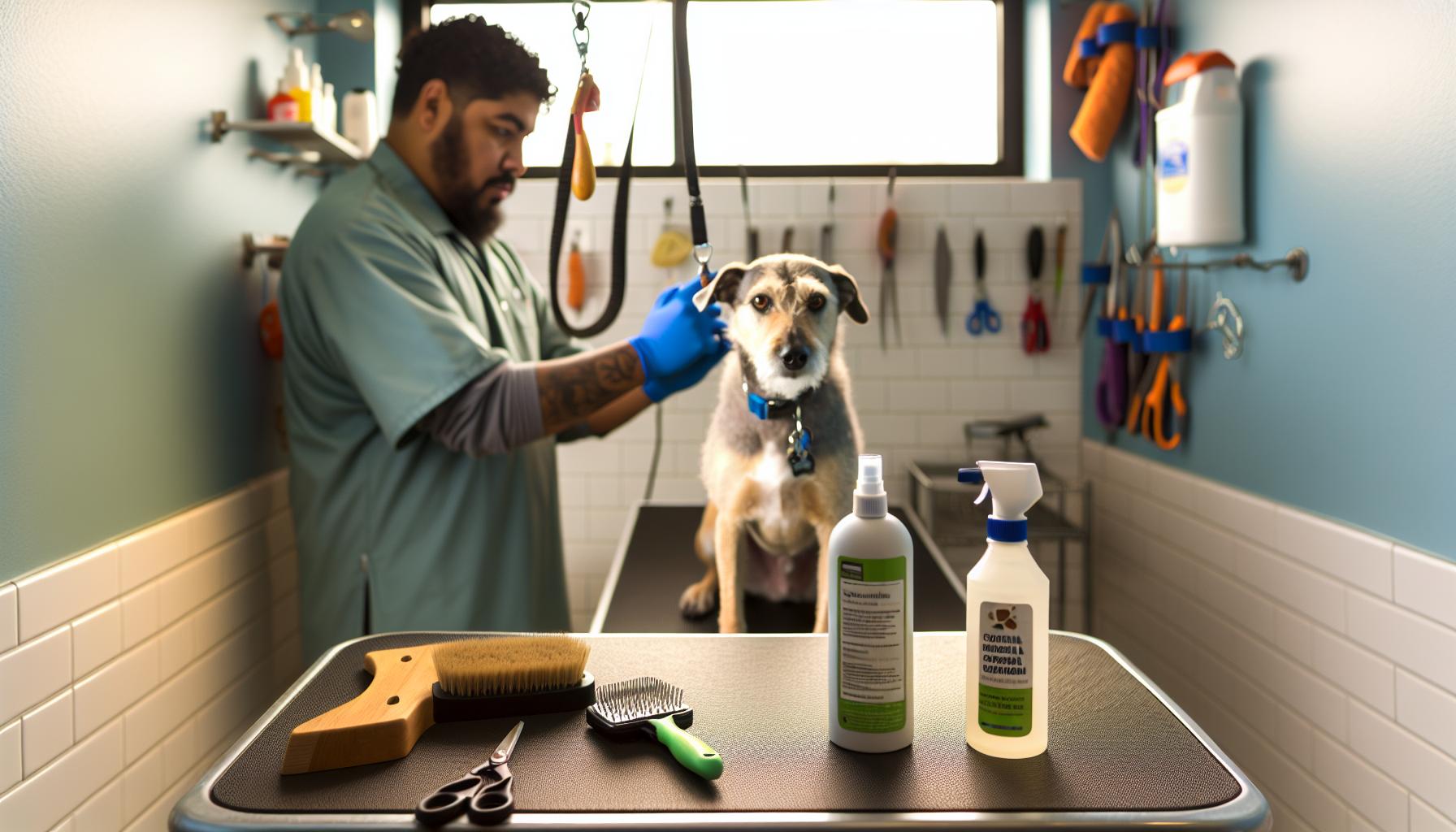
Fleas can turn any grooming session into a stressful experience for both dogs and their owners, but the right preparation can make all the difference. Before bringing your furry friend to the groomer, it’s crucial to tackle flea control at home or with veterinary guidance to ensure the session is safe, comfortable, and effective. starting flea treatments early not only protects your dog’s skin and coat but also helps groomers focus on the grooming process rather than flea removal.
Preparing Your Dog for a Flea-Free Grooming Appointment
The first step is a careful assessment of your dog’s breed and coat type, because thick or double coats like those of Golden Retrievers or Poodles often harbor fleas more deeply. Treating these dogs requires time and gentle, thorough combing at home before the groomer even starts. Use a fine-toothed flea comb daily, focusing on areas behind the ears, around the neck, base of the tail, and under the legs-these are flea hotspots. This pre-grooming combing reduces the flea burden and helps your dog become accustomed to the sensation, easing anxiety during the professional grooming session.
Choosing and Using Effective Flea Treatments
Before the grooming day, apply veterinarian-approved topical or oral flea preventatives that fit your dog’s health profile. These treatments begin working within hours to days, killing adult fleas and interrupting their life cycle. Dry shampoos or sprays specifically made for flea control can be gentle options for sensitive pets who don’t tolerate water well. Always consult your veterinarian to select products safe for your dog’s age, weight, and medical conditions. Avoid over-the-counter treatments with harsh chemicals unless recommended by professionals, as they can cause irritation or toxicity.
- Example: A Poodle with a dense curly coat was treated with monthly oral flea medication and daily combing the week before grooming. This made the flea bath less stressful, and minor skin redness was soothed with oatmeal conditioners during grooming.
- tip: Inform your groomer about any flea treatments already applied, so they can adjust bathing products and techniques accordingly.
When to Seek Veterinary Help Before Grooming
If your dog has a heavy flea infestation or signs of flea allergy dermatitis-like persistent itching, redness, or raw patches-veterinary intervention is essential before grooming. Prescription medications, medicated baths, or allergy treatments can stabilize your pet’s skin and behavior first. Groomers prefer to work with dogs who have begun treatment as intensive flea infestations can lead to spreading fleas to their facility or causing discomfort during grooming. Remember, your veterinarian and groomer form a team focused on the dog’s health and comfort, and they can advise on the best timing for grooming after flea control begins.
by preparing your dog with appropriate flea treatments ahead of time,you create a calm,safe environment for grooming. It shows compassion for your pet’s well-being and respects the groomer’s commitment to delivering gentle care. With patience and proper preparation, flea issues don’t have to delay or diminish grooming experiences-turning appointments into opportunities for healthy skin, shiny coats, and wagging tails.
Top Flea Control Products Recommended by Groomers
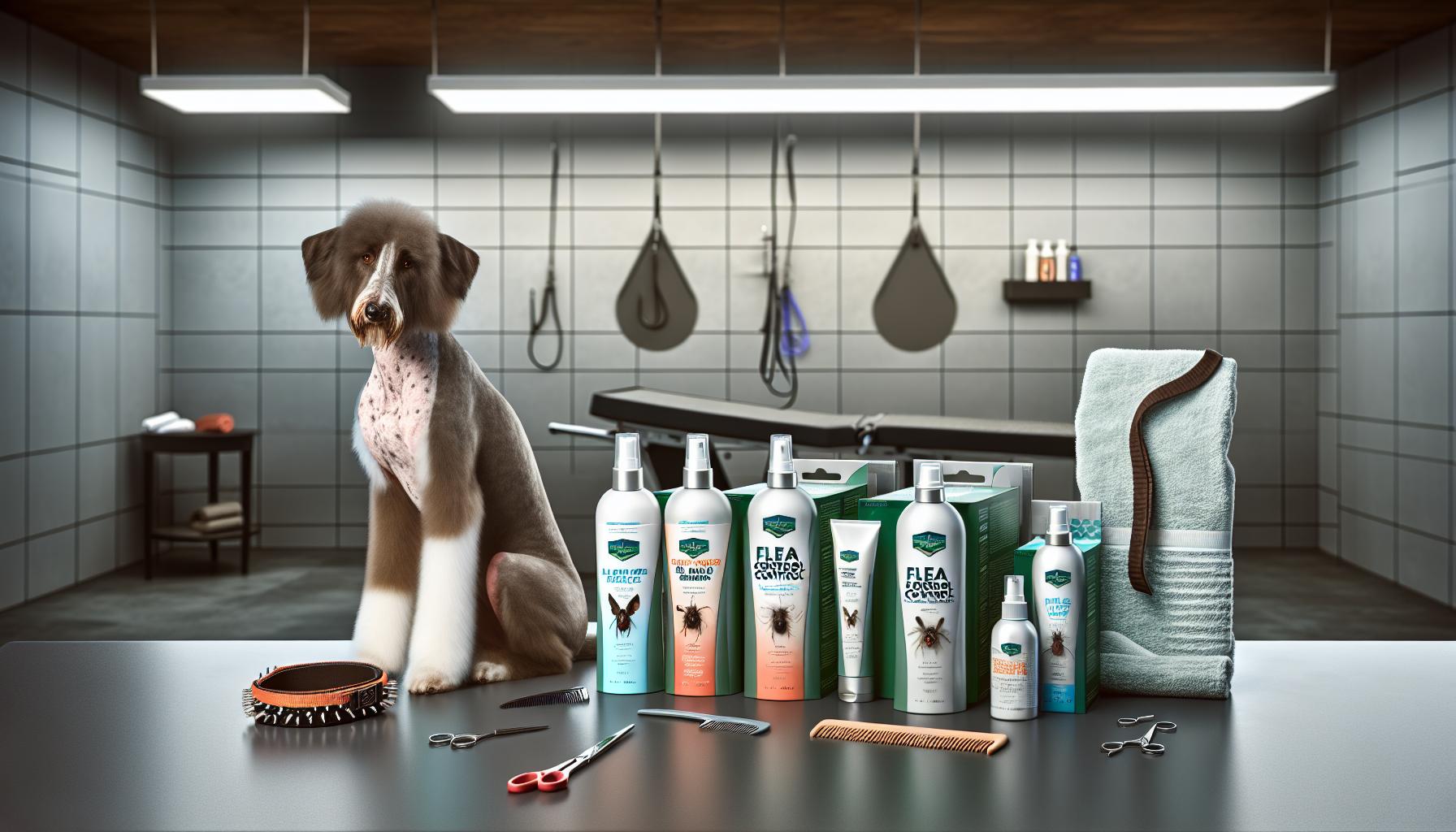
Fleas can feel like formidable foes, but with the right arsenal, you and your groomer can keep them comfortably at bay. Groomers frequently enough recommend flea control products that combine efficacy with safety, especially for dogs with different coat types and sensitivities. As an example, thick-coated breeds such as Golden Retrievers or Poodles require treatments that penetrate deeply and act quickly without irritating sensitive skin. The best flea control solutions strike a balance between humane pest eradication and maintaining your dog’s well-being and calmness during grooming.
Veterinarian-Approved Topicals and Oral Medications
Most groomers trust veterinarian-recommended topical treatments like selamectin, fipronil, or imidacloprid, which are applied monthly and begin killing fleas within hours. These spot-on treatments are great for fast penetration, especially on tough coat types.Oral medications containing nitenpyram or spinosad are also popular-they deliver rapid adult flea kills and are valuable when a dog does not tolerate baths or topical applications well. These products not only reduce the flea burden on your dog but help interrupt the flea life cycle by tackling newly hatched fleas in the environment. Always consult your veterinarian to choose a product suited for your dog’s age, size, and health status, ensuring safety and maximum comfort.
Gentle Flea Shampoos and Sprays for Sensitive Dogs
For dogs with skin sensitivities or those nervous about baths, groomers often recommend flea shampoos with soothing ingredients like oatmeal or aloe vera combined with flea-killing agents. These shampoos provide relief by reducing itchiness and cleaning the coat gently while killing fleas on contact.Flea sprays can be used as spot treatments or in combination with combing to target stubborn flea hotspots, such as behind ears and under the legs. When applying sprays or shampoos, always follow label instructions and test on a small area to avoid reactions. remember, these products are best used as part of a comprehensive treatment plan rather than a sole solution.
Tools and Combing Techniques That Complement Flea Products
Fine-toothed flea combs are indispensable. Groomers recommend daily combing for several days before appointments, especially on dogs with dense coats. This practice physically removes adult fleas and flea dirt, helping reduce itch-driven anxiety. Using flea treatments alongside regular combing maximizes effectiveness. For example, a groomer once shared how a standard poodle treated with monthly oral medication and consistent flea combing at home enjoyed a peaceful grooming session, with noticeable skin improvement following a soothing oatmeal bath.
- Tip: Inform your groomer about any flea treatments already applied so they can tailor their bathing and grooming plan accordingly.
- Note: Avoid over-the-counter products with harsh chemicals unless explicitly recommended by your vet or groomer to prevent skin irritation or toxicity.
| Product Type | Example Ingredients | Best For | Notes |
|---|---|---|---|
| Topical Spot-on | Fipronil, Imidacloprid, Selamectin | Most breeds, thick coats | Monthly submission, fast-acting |
| Oral Flea Medications | Nitenpyram, Spinosad | dogs intolerant to baths | Rapid kill; consult vet first |
| Flea Shampoos | Oatmeal, Aloe Vera + insecticides | Sensitive skin, nervous or water-averse dogs | Use sparingly, soothing effect |
| Flea Sprays | Pyrethrins, essential oils (vet approved) | Spot treatments on hotspots | Supplementary to systemic treatments |
By choosing flea control products thoughtfully and pairing them with gentle grooming methods, you empower your furry friend to feel safer and more comfortable during their grooming journey. Remember that ongoing communication with your groomer and veterinarian helps tailor treatments specifically to your dog’s needs, turning flea control from a stressful chore into a manageable, shared goal. Patience and kindness make all the difference, and with every flea-free grooming session, you’re building trust and care that pups truly appreciate.
Step-by-Step Flea Bath Routine for Dogs
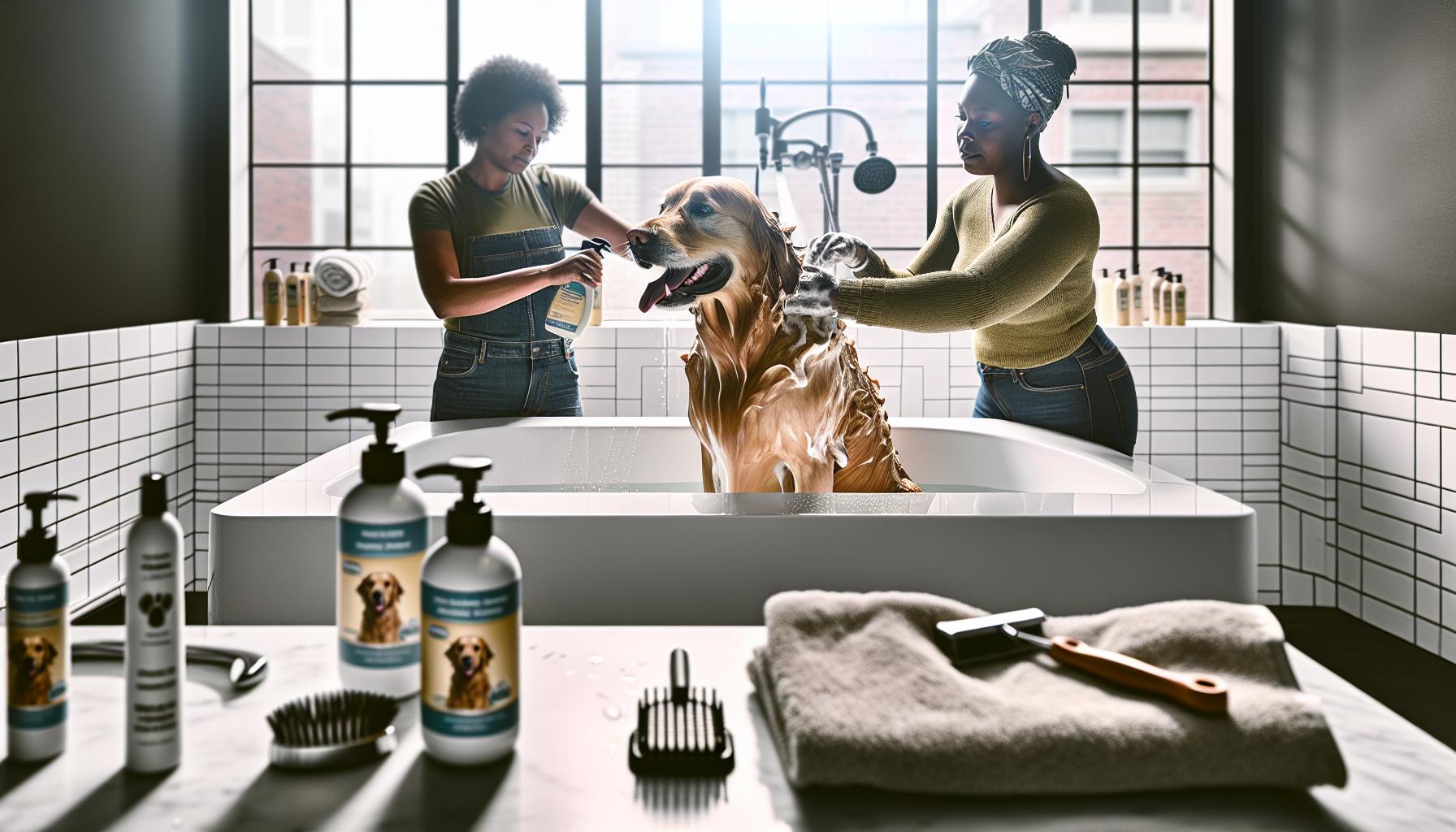
Few experiences compare to watching a dog transform from restless and itchy to calm and refreshed after a careful flea bath. When fleas invade your pup’s coat, thorough bathing combined with gentle care can make all the difference-not only in eliminating those unwelcome pests but in restoring comfort and trust. This process requires patience and the right tools, especially for dogs with thicker coats or sensitive skin, so here’s a step-by-step guide to help you navigate a flea bath that feels safe and soothing for your furry friend.
Preparation: Setting the Stage for Success
Start by gathering your flea-fighting arsenal: a veterinarian-recommended flea shampoo with soothing ingredients like oatmeal or aloe vera, a fine-toothed flea comb, a large towel, and a spray bottle if you’re using any flea spray treatments afterwards. Choose a calm environment like a bathroom or laundry room with a nonslip surface to keep your dog steady. If your dog has a thick or curly coat, such as a Golden Retriever or Poodle, pre-brushing before the bath helps remove mats that could trap fleas and reduce shampoo contact with the skin.
Wetting and Shampooing with Compassion
Use lukewarm water-never too hot or cold-as dogs with fleas can have sensitive, irritated skin. Wet your dog thoroughly, ensuring water reaches down to the skin by parting the coat gently with your fingers. Apply the flea shampoo generously and work it into a rich lather, focusing attention on typical flea hiding places: behind the ears, under the legs, around the neck, and near the tail base. Use slow, soothing strokes to ease your dog’s anxiety during this step. Let the shampoo sit for the time recommended on the label (usually 5-10 minutes), as this maximizes flea-killing power.
- Tip: Speak softly and praise your dog often-calm reassurance helps reduce stress, making the bath a more positive experience.
- Note: Avoid getting shampoo near the eyes, nose, or mouth; use a damp washcloth to clean sensitive facial areas.
rinsing Thoroughly and Post-Bath Grooming
Rinse your dog meticulously to remove all shampoo residues, as leftover product can irritate the skin. Pay special attention to rinsing areas rich in hair follicles where shampoo may linger. After drying your dog gently with a towel, use your flea comb to systematically remove dead fleas, flea dirt, and eggs. This combing step not only reduces the immediate pests but also soothes skin and helps you monitor progress. For dogs that tolerate it, a vet-approved flea spray applied to the coat can target any remaining fleas; just be sure to follow instructions precisely to avoid skin irritation.
Additional Tips for a Smooth Flea Bath Experience
For dogs prone to nervousness or water aversion, consider enlisting a helper or performing the bath in stages, rewarding your pet generously with treats and breaks as needed. If your dog’s skin reacts adversely or fleas persist despite treatment, it’s critically important to consult your veterinarian for choice options like oral medications or medicated baths. Remember, flea bathing is just one part of a broader flea control strategy that includes environmental management, veterinary care, and consistent home maintenance.
By embracing this gentle, stepwise flea bath routine, you not only aid your dog in feeling physically better but also build trust and comfort around grooming sessions. The goal is a flea-free, happy dog who knows that being cared for during treatment means love and attention-key ingredients for a lasting bond.
Safe Flea Comb Techniques for Sensitive Pets
few grooming tasks require more patience and gentleness than combing out fleas from a sensitive pet’s coat. Dogs with flea infestations frequently enough have irritated, tender skin that can make even the gentlest touch uncomfortable. That’s why using the right flea comb techniques is crucial-not only to remove pests effectively but to maintain your dog’s trust and keep the experience as stress-free as possible. For breeds with delicate skin (like Bulldogs or Chihuahuas) or long, dense coats (such as Poodles or Shih Tzus), slowing down and adopting compassionate care ensures you’re helping, not hurting.
Choosing the Right Tools and Preparing Your Pet
Start with a fine-toothed metal flea comb designed specifically to trap fleas and debris between its teeth. Plastic combs generally won’t tackle the job well.If your dog has a thick double coat (like a Golden Retriever), it’s helpful to gently pre-brush using a slicker or pin brush to remove tangles that can trap fleas and flea dirt. Before combing, find a calm space-quiet, warm, and familiar-where your dog feels safe. Sitting on the floor or a padded table at their eye level helps them relax. Use soothing voices and frequent pauses for praise and treats to reinforce positive associations.
Step-by-Step Flea Combing for Sensitive Pets
- Work in small sections: Part your dog’s coat with your fingers, focusing on flea-prone areas such as behind the ears, along the neck, the belly, hip crease, and base of the tail.
- Comb gently but thoroughly: Run the comb slowly through the hair, making sure teeth reach the skin to dislodge fleas and eggs. If you meet resistance, don’t pull harshly-use your free hand to support the coat.
- Inspect and clean the comb often: After a few strokes, wipe the comb on a moist white paper towel or cloth. This makes it easier to see captured fleas (tiny moving black or reddish dots) and flea dirt (dark specks). dipping the comb in a bowl of soapy water kills the fleas you remove.
- Observe your dog’s comfort: If your pet shows signs of discomfort such as flinching, whining, or snapping, pause and consider taking a short break or offering more treats. For very anxious dogs, try doing flea combing in multiple short sessions across days rather of one marathon session.
Special Tips for Sensitive or Itchy Skin
Dogs with flea allergies or skin inflammation can feel prickly even with gentle combing. Applying a light mist of water or a vet-approved leave-in conditioner before combing softens hair and skin, reducing static and irritation. Avoid pressing too hard or rushing. When combing facial areas or paws-where skin is thinner-use extreme care and consider using a damp washcloth for local cleaning if combing is too stressful.
remember: flea combing is a complementary step in flea management, not a standalone cure. While groomers can assist with flea removal during scheduled appointments, severe infestations or allergic reactions are best managed in close coordination with a veterinarian who may prescribe medications alongside topical treatments.
By taking a calm, methodical approach and prioritizing your pet’s emotional and physical comfort, you transform flea combing from a stressful chore into a bonding experience. It’s about helping your dog feel cared for and safe while gently reclaiming their coat-and their peace of mind.
When to Postpone Grooming Until Fleas Are Eliminated
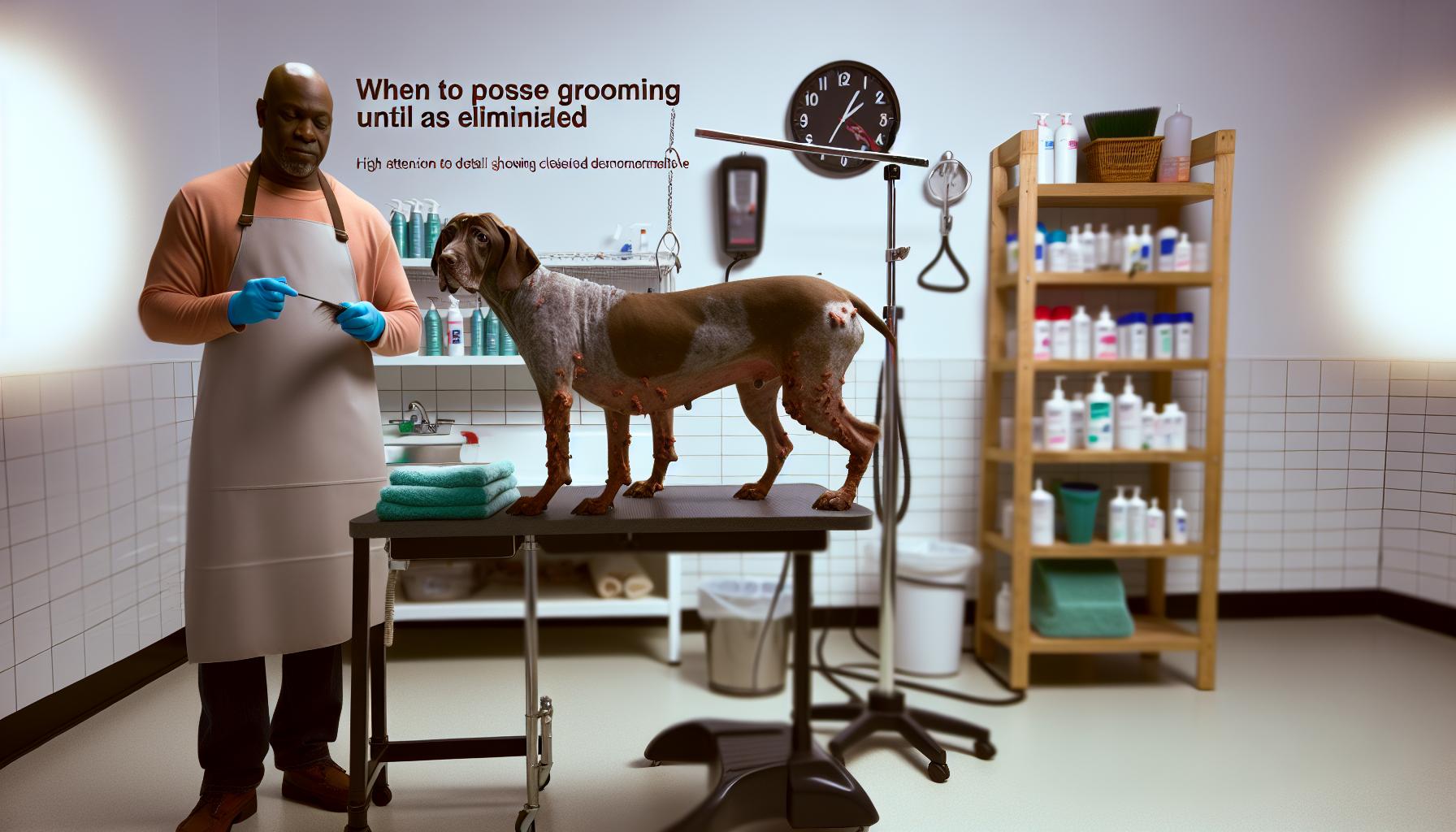
It might be tempting to bring your dog in for a grooming session even when fleas are present, hoping a thorough bath and brush will solve the problem. However, there are important reasons to delay grooming until the flea infestation is properly managed. fleas not only cause intense discomfort and skin irritation but can also create safety concerns for both your pet and others in the grooming salon. When fleas are numerous or your dog’s skin is severely irritated or infected, a rushed grooming session can do more harm than good.many groomers will kindly recommend postponing grooming if they identify an active flea infestation, especially in breeds with sensitive skin such as Bulldogs, Dachshunds, or other short-coated dogs prone to flea allergy dermatitis. Dogs with thick or long coats (like Poodles or Golden Retrievers) may actually hide fleas within their dense fur, making removal during grooming difficult and stressful. Postponing gives you and your groomer time to fully address the flea problem, which can involve vet-recommended treatments or topical products that reduce the flea load substantially before any haircut or bath.
Signs that Indicate Grooming Should Wait
- High flea activity: If live fleas are seen hopping or crawling readily on your dog and flea dirt is widespread.
- Skin issues: Open sores, hot spots, or severe redness from flea bites, which require medical attention before grooming tools touch the affected areas.
- Pet discomfort: When your dog exhibits excessive scratching, biting, or signs of pain.
- Prior severe reactions: Dogs with known flea allergies frequently enough need a veterinary check before grooming to ensure inflammation and itching are under control.
Delaying does not mean neglect. Rather, think of it as an essential step to ensure your dog’s health and safety. You can start flea treatments at home using veterinarian-approved sprays,oral medications,or topical treatments,and groomers can support you with advice on how to safely pre-treat your pet. Often, groomers will ask you to bring proof of flea treatment or a recent vet consultation before scheduling an appointment to ensure the environment remains pest-free for all pets in their care.
What Happens When You Postpone grooming
- Improved skin condition: Flea removal ahead of grooming reduces skin inflammation and allows coat and nails to be handled more gently and effectively.
- Safer salon environment: Fleas can quickly spread between dogs in a grooming facility, so postponing minimizes the risk for others and allows for thorough sanitation.
- Better grooming results: Without fleas persistently biting or hiding in the fur, your groomer can focus on coat health, avoiding painful combing or clipping over sensitive spots.
Remember, communication with your groomer is key.If your dog has fleas, be open about the situation and ask for guidance. Many groomers genuinely want to help but have to balance safety and comfort for all their clients. Patience now means your dog will have a more pleasant grooming experience soon and a healthier,happier life free from flea irritation.By approaching flea infestations as a team effort-with careful treatment from your vet, responsible home care, and expert grooming when the time is right-you’re putting your dog’s welfare first. This compassionate strategy benefits everyone and ensures grooming sessions become a soothing ritual rather than a distressing ordeal.
How Veterinarians and Groomers Coordinate flea Treatment
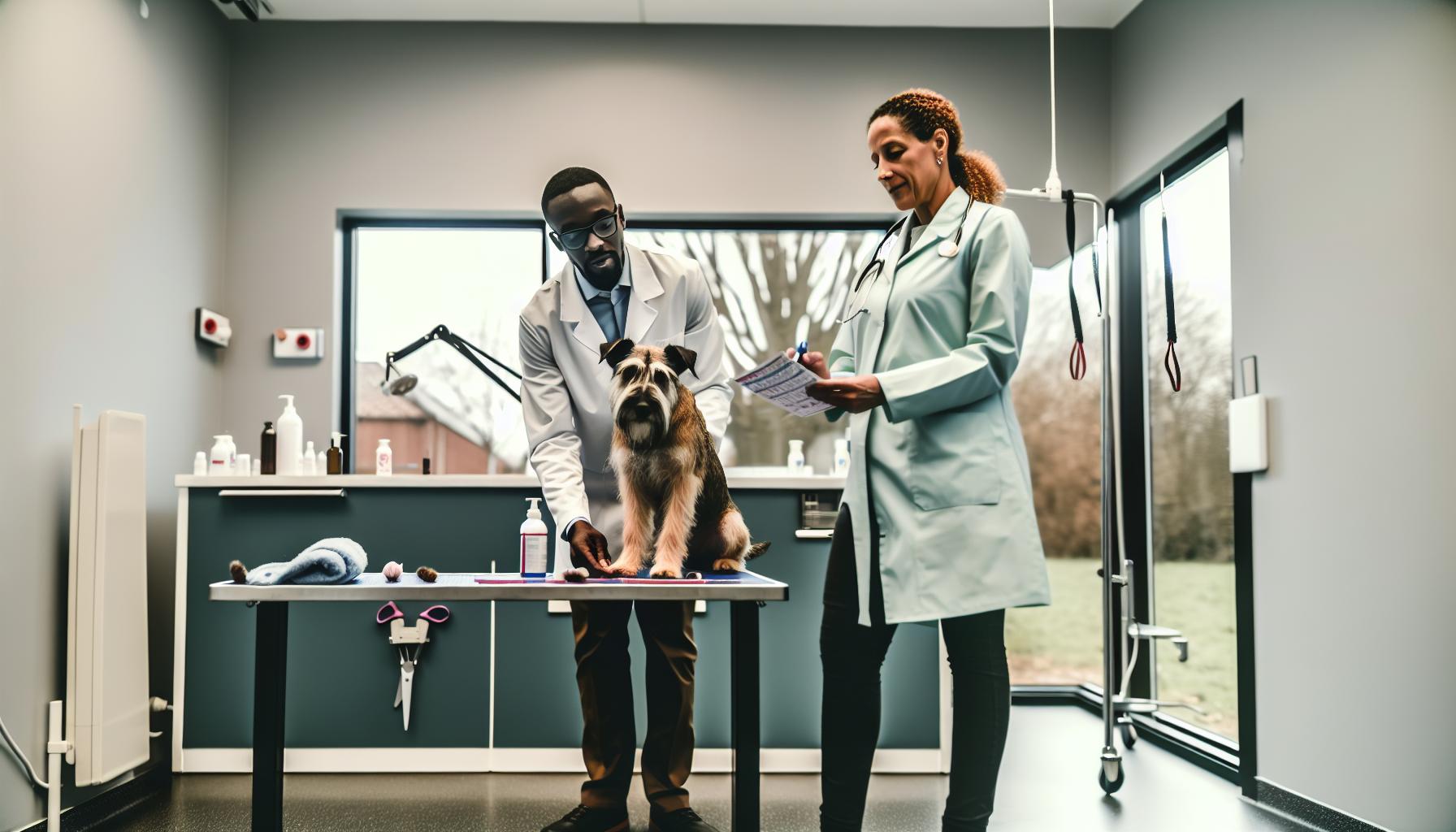
Few things bring peace of mind like knowing your dog’s flea problem is tackled through a thoughtful team effort between veterinarians and groomers. this collaboration is central to safely restoring your pet’s comfort and ensuring their grooming experience is gentle and stress-free. Vets provide the medical expertise, diagnosing flea-related issues like allergies or secondary infections, while groomers manage the delicate hands-on care needed once the flea population is under control.
Veterinarians typically begin with a thorough assessment that may include skin scraping or allergy tests, then recommend appropriate flea treatments-these might be oral medications, topical spot-ons, or medicated shampoos tailored to your dog’s breed, coat type, and overall health. For instance, a short-coated breed like a Dachshund with flea allergy dermatitis may require specialized anti-inflammatory medication alongside flea control products. Your vet’s guidance ensures treatments aren’t just effective at killing fleas but also safe for your specific dog. Once treatment starts, keeping groomers in the loop is crucial, so they know when and how to safely proceed with grooming appointments.
How Groomers Support Veterinary Flea Protocols
Groomers don’t just wash and trim-they play a key role in monitoring your dog’s progress post-treatment. They observe the coat and skin for remaining signs of fleas or irritation, offering valuable feedback to vets for follow-up care if needed. Experienced groomers might suggest gentle, hypoallergenic shampoos and flea combing techniques that won’t exacerbate sensitive skin or disrupt healing areas. For example, with thick-coated breeds like Golden Retrievers, groomers often use fine-toothed flea combs in small sections to methodically remove flea dirt and debris, avoiding painful pulling.
by respecting the timing of veterinary treatments, groomers avoid potentially painful or ineffective sessions. They may request proof of recent flea treatment before scheduling to protect all pets they care for, as flea infestations in the salon can spread rapidly. this mutually respectful line of communication prioritizes your dog’s welfare and salon safety.
- Share Medical Records: Provide your groomer with vet notes or treatment summaries so they can tailor grooming steps accordingly.
- Follow Vet Timelines: Wait until the vet-approved window after flea meds before scheduling grooming to ensure fleas are inactive.
- Be Honest About Ongoing Issues: If your dog is still scratching or shows skin hotspots, communicate this openly so grooming can avoid sensitive spots.
- Use Groomers’ Advice: Many groomers recommend at-home flea prevention practices that complement veterinary treatments, creating a consistent frontline defense.
Coordination between vets and groomers is truly a partnership, blending medical science with compassionate care. This approach transforms flea treatment from a stressful chore into a confident,step-by-step journey toward your dog’s renewed health and happiness. When you entrust your dog to informed professionals who share information and respect each other’s roles, every bath, brush, and trim becomes a comforting part of their flea-free lifestyle.
DIY Flea Treatment vs. Professional Grooming: What Owners Should Know
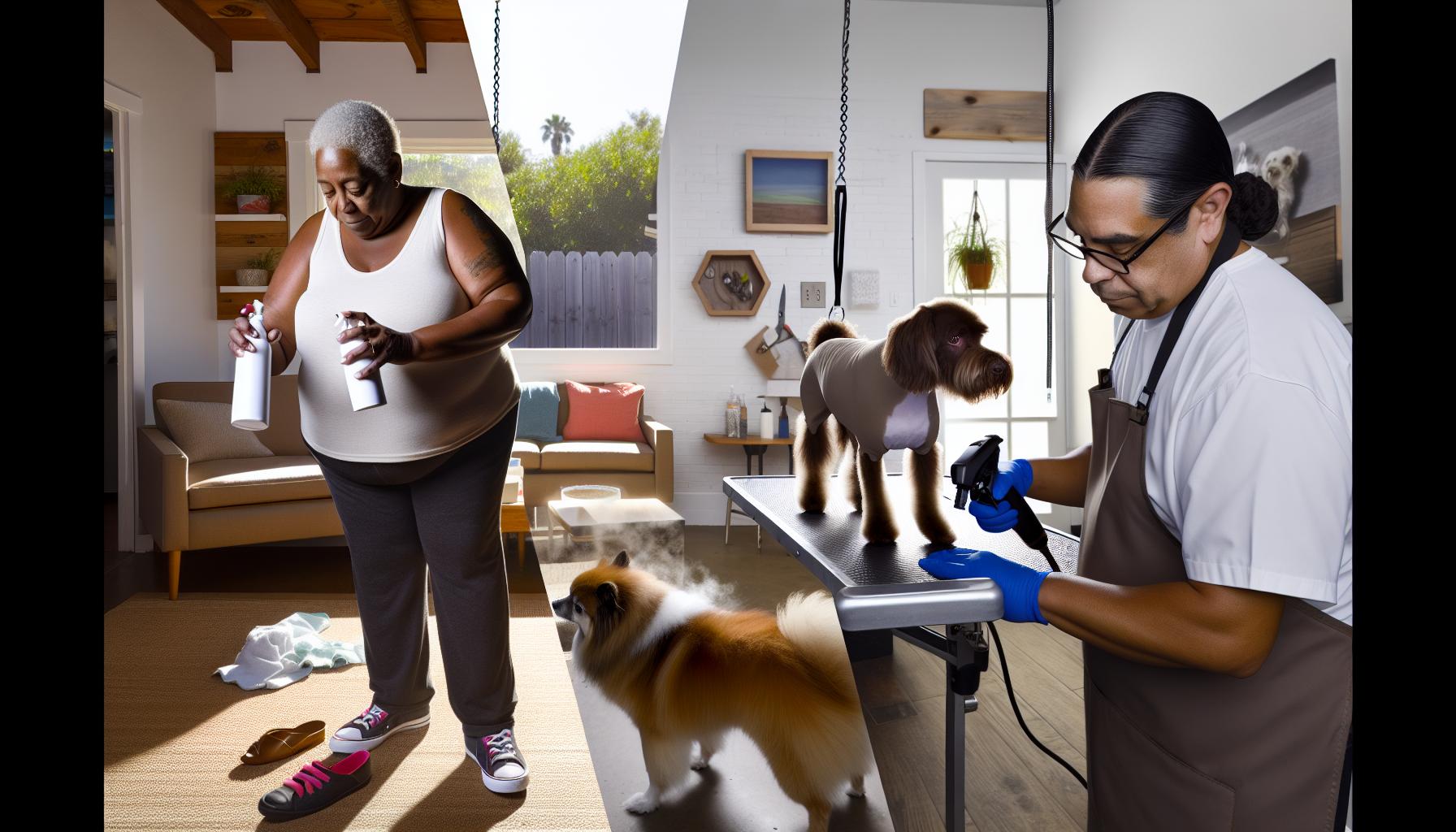
fleas can turn any dog grooming session into a stressful experience-for both pets and their owners. While it’s tempting to tackle flea infestations at home, understanding when and how professional grooming fits into your dog’s flea care routine is key to a smooth, safe process. DIY flea treatments are an important first step but often require careful pairing with vet advice and professional grooming to truly restore your dog’s comfort without added irritation.Many owners begin with home remedies because they can act immediately and feel more personal and hands-on. For example, bathing your short-coated Terrier or Chihuahua with a gentle flea shampoo is a great way to reduce the flea population quickly. Using a fine-toothed flea comb afterward helps remove flea dirt and live fleas. However,these methods alone may not fully eliminate flea eggs in the environment or provide long-lasting relief,especially in thick-coated or long-haired breeds like Poodles or Golden Retrievers. DIY treatments can also pose risks if harsh chemicals or improper tools are used, potentially irritating sensitive skin or worsening existing allergies.
Why Professional Grooming Complements At-Home Flea control
Professional groomers bring expertise in safely handling stressed or itchy dogs while using specialized tools. They understand coat types and sensitivities-knowing that a double-coated Husky needs a different flea removal method than a short-haired Beagle. Groomers often employ medicated flea shampoos formulated for specific needs, combined with slow, methodical flea combing to avoid painful pulling or skin damage. For nervous pets, groomers’ calm, patient approach helps reduce anxiety, making flea removal less traumatic.Most groomers will advise that you start flea treatment at home and coordinate with your veterinarian before booking a grooming session. This step ensures the dog isn’t overwhelmed with ongoing itching or skin infection that could make grooming uncomfortable-or unsafe. If a dog arrives with an active flea infestation, many groomers will postpone grooming or limit the session to a gentle bath combined with flea combing, to protect both animals in the salon.
Balancing DIY Efforts with Vet and Groomer Roles
- Vet’s Role: Diagnoses flea allergy dermatitis or secondary infections and prescribes appropriate medications (oral, topical, anti-inflammatory).
- Owner’s Role (DIY): Performs regular flea baths using vet-approved shampoos, environmental cleaning, and daily flea combing to catch remaining pests.
- Groomer’s Role: Supports the dog post-treatment by delivering safe grooming services using gentle flea-specific tools,monitoring skin health,and communicating progress back to the vet.
Tho DIY flea treatments can significantly reduce fleas, they rarely cover all life stages without veterinary support. Home shampoos and combing, while essential, cannot replace systemic medications or thorough professional care.Together, these steps form a powerful triangle of flea defense.
Remember, the goal isn’t just a flea-free coat-it’s a safe, soothing experience that restores your dog’s health and happiness. Equip yourself with trusted flea shampoos, quality flea combs, and the support of your vet and groomer. By embracing the strengths of DIY care complemented by professionals, you set the foundation for ongoing flea protection and a stress-free grooming relationship your dog will thank you for.
Preventing Fleas After Grooming: Tips for Long-Lasting Relief
Fleas are persistent little pests, and even after a thorough grooming session, their return is a risk that every pet owner worries about. the good news is that with consistent care and the right strategies, you can keep your dog comfortable and flea-free for the long haul. Preventing reinfestation starts with a holistic approach that respects your dog’s coat type, lifestyle, and unique sensitivities.
Maintain a Flea-Safe Environment
Even the best grooming can’t fully protect your dog if the home environment remains a hotspot for flea eggs and larvae. Regularly vacuum carpets, rugs, and upholstery, and wash your dog’s bedding in hot water weekly.Consider treating your home with pet-safe flea sprays or foggers during peak flea seasons, notably if you live in humid or wooded areas where fleas thrive. For dogs with dense or long coats,like Golden retrievers or poodles,this environmental control becomes even more critical as fleas and their eggs can hide deep in the fur.
Ongoing Flea Prevention Treatments
After grooming, it’s essential to continue flea prevention using veterinarian-approved topical solutions, oral medications, or flea collars suited to your dog’s size and health status. These treatments provide systemic defense, killing fleas at various life stages and often preventing eggs from hatching. For short-coated breeds such as Beagles or Dobermans, topical treatments can be easier to apply and highly effective, while thick-coated dogs may benefit more from oral treatments that don’t rely on coat penetration.
- Consistency is key: apply treatments exactly as directed,without skipping doses.
- Consult your vet: Some dogs may have allergies or sensitivities requiring a tailored flea control plan.
- Seasonal adjustments: flea activity may increase in warm months, so ramp up prevention accordingly.
Daily Home Care Routines
Incorporate gentle brushing or slow,methodical flea combing into your dog’s daily routine,particularly focusing on flea-prone areas like the neck,belly,and tail base. Using a fine-toothed flea comb catches any stragglers missed by medications while providing soothing comfort to your dog. If you notice any signs of irritation, take a pause and consult with your groomer or vet before proceeding.
Dogs that are naturally anxious or itchy after grooming benefit greatly from calm attention and distraction techniques-gentle petting,treats,or familiar toys-to associate flea prevention with positive experiences. Remember, patience and consistent care can turn what feels like a never-ending battle into manageable steps, helping your dog feel safe and loved.Taking these measures creates a partnership between you, your vet, and groomer, ensuring that flea control is a shared goal with clear roles and ongoing support. Your dog’s comfort and health come first-and with time, you’ll both enjoy clean, happy days free from those pesky parasites.
Handling Anxious or Itchy Dogs During Flea Removal and Grooming
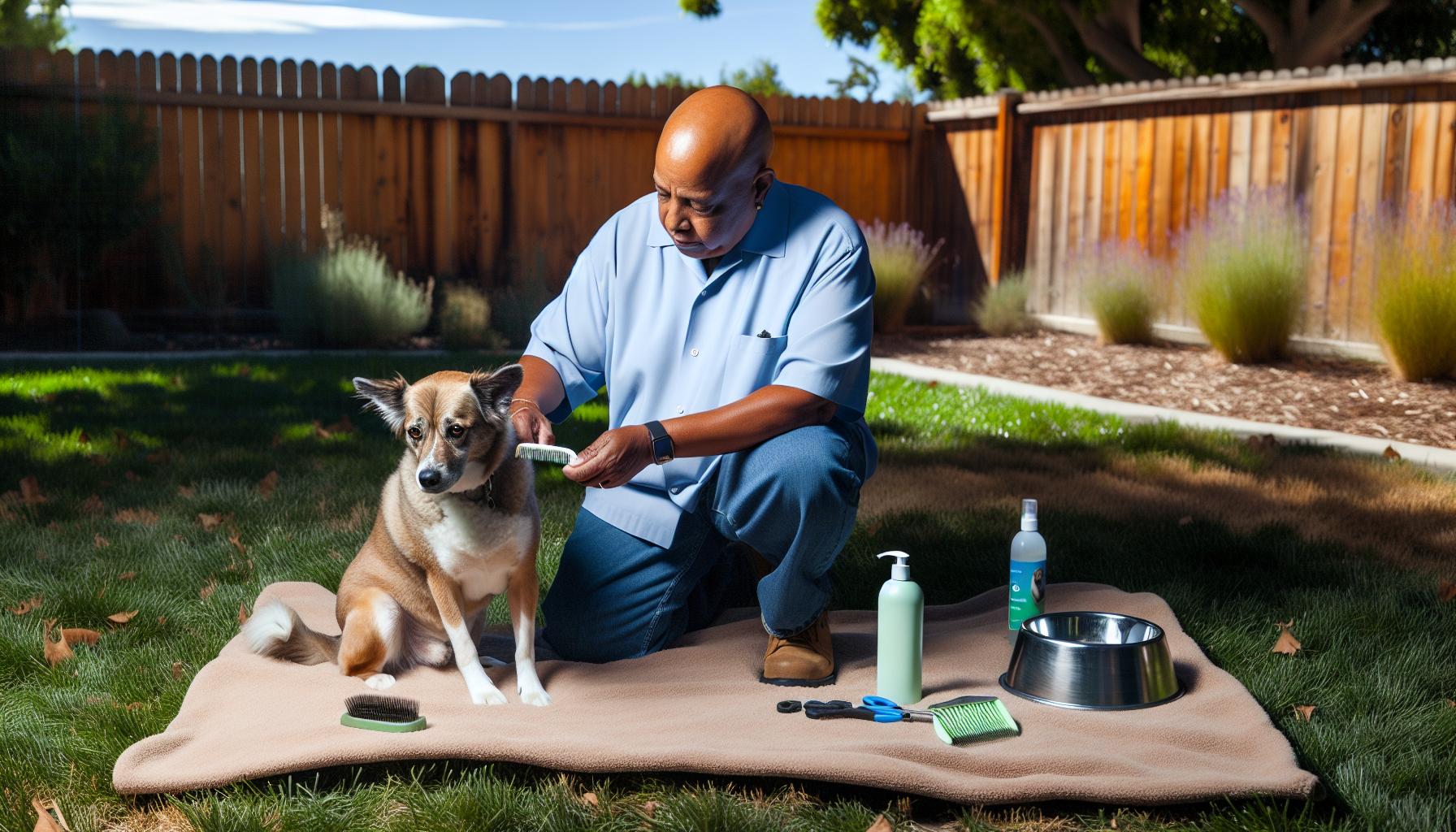
Fleas can make grooming a stressful experience for many dogs, turning an otherwise relaxing routine into a challenging ordeal. Dogs that are itchy or anxious frequently enough react by squirming, scratching, or even snapping-natural responses to the discomfort fleas cause. Recognizing this, groomers know that patience and a gentle approach are the most powerful tools for turning the tide toward calm and cooperation. With a focus on your dog’s emotional well-being as much as their physical comfort, grooming becomes a healing process rather than just a chore.
Creating a Calm Environment
Before even touching the fur,it’s important to set the stage for relaxation. A quiet room with minimal distractions helps dogs feel safer. Depending on the breed and coat type-whether a silky Afghan Hound or a dense, curly Poodle-some dogs may benefit from familiar comfort items like their favorite blanket or a soft toy. Many groomers use soft voices and slow, purposeful movements to soothe sensitive dogs. For highly anxious pets, a few minutes of gentle ear or chest rubbing can help build trust before you begin the flea removal process.
Step-by-Step Flea Relief
When addressing fleas,always proceed slowly and allow your dog to acclimate to each step:
- Bathing: Use a vet-approved flea shampoo rich in moisturizing agents to ease itching without causing additional skin dryness. Warm (not hot) water soothes sensitive skin, and keeping bath time short can reduce stress.
- Combing: A fine-toothed flea comb is essential.Move slowly and patiently through flea-prone areas such as behind the ears, neck, belly, and tail base. If the dog flinches or tries to escape, pause and offer a treat or gentle praise.
- Nail and Ear Care: These areas can be sensitive for itchy dogs. Trim nails cautiously, and clean ears softly using vet-recommended solutions, avoiding any forceful handling that might heighten anxiety.
Troubleshooting Anxious Behaviors
If your dog shows signs of distress-whining, trembling, or aggressive snapping-take a break. Sometimes, short sessions interspersed throughout the day work better than a long grooming appointment.Distraction with treats or chew toys, along with calm verbal reassurance, can help your dog associate flea treatments with positive experiences. For example, one groomer shared that her client’s Border Collie insisted on holding his favorite squeaky toy during every flea combing session, which remarkably reduced his stress.
Vet, Groomer, and Owner collaboration
Handling fleas isn’t just about the grooming table; it’s a team effort involving you, your vet, and the groomer. Sometimes, itchy skin may indicate allergies or infections that require veterinary attention before grooming can continue comfortably. Clear communication about your dog’s condition and any ongoing medications ensures treatments are safe and well-tolerated. Groomers can offer professional flea removal but are careful not to replace essential medical treatments. Understanding these boundaries helps foster trust and prioritizes your dog’s health above appearance.
your dog’s comfort is the heart of every grooming session, especially when fleas are involved. Approaching the process with empathy and patience, using gentle techniques tailored to your pet’s breed and temperament, transforms flea removal from a distressing task into a nurturing experience. This care not only improves your dog’s well-being but also builds a bond that makes future grooming calmer and more enjoyable for everyone involved.
Frequently asked questions
Q: Can groomers treat dogs with mild flea infestations during grooming?
A: Most groomers prefer not to groom dogs with active flea infestations but may treat mild cases using flea shampoos and combing during the appointment. It’s important to inform your groomer in advance so they can prepare and ensure both safety and comfort. For best results, see the section on Essential Flea Treatments Before Professional Grooming in our article.
Q: What flea treatment options can groomers apply during a grooming session?
A: Groomers commonly use flea shampoos, flea dips, and topical sprays during grooming to reduce fleas effectively and safely. These treatments work best when combined with combing techniques. Learn more about Top Flea Control Products Recommended by Groomers for a detailed list of safe, vet-approved options.
Q: How soon after starting flea treatment can I take my dog to a groomer?
A: You can usually bring your dog to the groomer 24-48 hours after starting flea treatment, once the initial flea population begins to drop, reducing discomfort and infestation risk. Always check with your groomer and vet to decide the optimal timing. See When to Postpone Grooming Until Fleas Are Eliminated for more guidance.
Q: Why do some groomers refuse to groom dogs with fleas?
A: Groomers may refuse due to risk of spreading fleas to other pets, potential allergic reactions, and increased grooming difficulty because of scratching and skin irritation. Prior flea treatment improves your dog’s comfort and groomer safety, as explained in the Handling Anxious or Itchy Dogs During Flea removal section.
Q: How can I prepare my dog for grooming if it has fleas?
A: Prepare your dog by administering flea treatments at home, giving a flea bath, and thoroughly combing fleas out before the appointment.Inform your groomer so they can adjust routines for sensitive pets.Check our Step-by-Step Flea Bath Routine for Dogs for safe, effective preparation tips.
Q: Are there flea treatments groomers recommend between professional grooming appointments?
A: Yes, groomers often recommend monthly topical or oral flea preventatives and regular use of flea combs between grooming visits to maintain a flea-free coat. Preventative care reduces stress for your pet and keeps grooming safer and more comfortable over time.
Q: Can grooming help in managing flea allergies in sensitive dogs?
A: grooming helps by removing fleas, flea dirt, and allergens from the coat, which can reduce itchiness in flea-allergic dogs. Combine grooming with vet-prescribed flea control for the best relief. Explore the collaborative role of Veterinarians and Groomers in Flea Treatment for deeper insights.
Q: What signs should I watch for after grooming if my dog had fleas?
A: After grooming, watch for persistent scratching, redness, or discomfort*, indicating fleas or skin irritation may persist. Contact your groomer or vet promptly if symptoms continue. Visit Signs Groomers Look for to Identify Flea Infestations to learn how to monitor your dog’s skin health.
For detailed guidance tailored to your dog’s breed and coat type, and to master safe grooming techniques for flea control, explore our full article sections linked above. Your pet’s comfort and safety always come first!*
To Wrap It Up
If your dog has fleas, it’s important to act quickly but gently-many groomers will work with flea-infested pets when treatment plans are clear, ensuring your furry friend’s comfort and safety. Remember, tackling fleas isn’t just about the bath; it’s a full routine involving careful brushing, nail care, and ear checks to keep your dog healthy and happy. For the best results, consider combining professional grooming with vet-recommended flea preventatives and a clean home environment.
Want to dive deeper? Explore our guides on effective flea treatments and how to prepare your dog for a stress-free grooming visit.Don’t hesitate to reach out for a personalized consultation or browse our selection of flea control products designed specifically for your dog’s breed and coat type. Your pet’s well-being is our top priority-let’s keep those pesky fleas at bay together. Share your experiences or questions below, and stay connected for more pet care tips that make every grooming session a positive one.
Get our latest guides, news, and insights highlighted in your Google Search & AI Overviews.
Keep reading about the same coat and cut.




Popular grooming guides
Bath vs clip, first grooms, and salon how-tos.