Do Dog Groomers Check for Fleas? Inspection Process
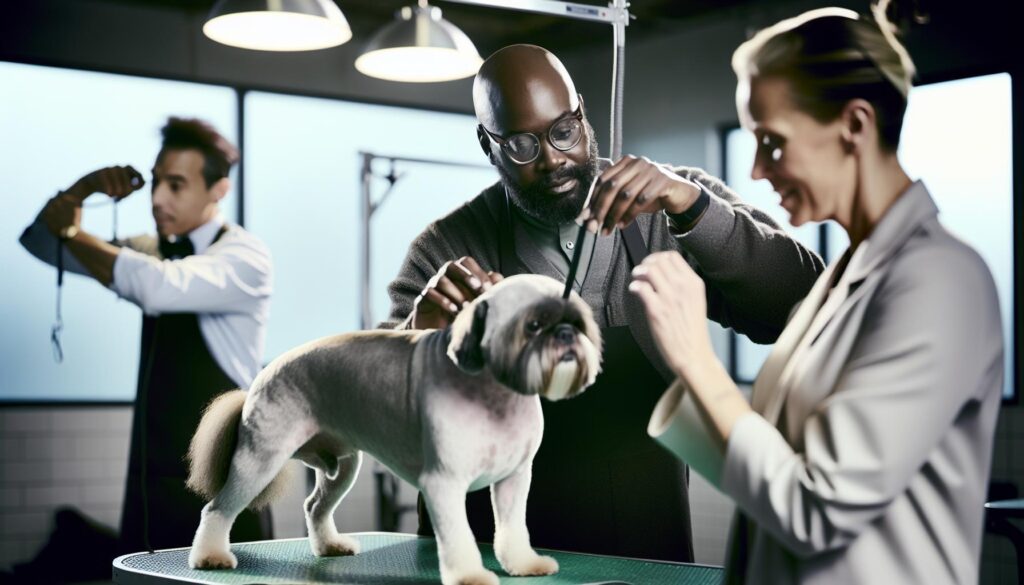
Did you know that a quick, thorough flea check is one of the first steps a responsible dog groomer takes before any haircut or bath? Fleas are more than just a nuisance-they can cause discomfort, skin irritation, and even serious health issues for your furry friend. Understanding how groomers inspect for these tiny pests can give you peace of mind and help protect your pet’s health.
As a caring groomer, I always start by carefully parting the coat to look closely at common flea hotspots like the neck, belly, and tail base. This hands-on inspection is gentle yet thorough, using tools like fine-toothed combs designed to catch even the smallest signs of fleas or flea dirt. whether your dog has a thick double coat or a short sleek coat, the approach adapts to ensure no pests are missed. If fleas are found, we can work together on safe, effective treatments-and if not, great! You can relax knowing your pup will get the best care possible.
Keep reading to discover exactly how this flea inspection process works in detail, why it matters so much, and what you can expect during your pet’s next grooming visit-because your dog’s comfort and wellbeing always come first.
How Dog Groomers spot Fleas Quickly and Safely
Table of Contents
- 1 How Dog Groomers spot Fleas Quickly and Safely
- 2 Step-by-Step Flea Inspection Techniques During Grooming
- 3 Tools and Products Groomers Use to Detect Fleas
- 4 Common Flea Signs and Symptoms Groomers Watch For
- 5 Why Flea Checks Are Essential Before Grooming
- 6 What Happens If Fleas Are Found on Your Dog
- 7 differences Between Flea Checks by Groomers and Vets
- 8 How to Prepare Your Dog for a flea Inspection
- 9 Tips for Managing Flea Prevention Between Grooming Visits
- 10 When to Seek Professional Vet Care for Flea Infestations
- 11 Frequently Asked questions
- 11.1 Q: How do dog groomers handle flea inspections for different coat types?
- 11.2 Q: When during the grooming process do groomers check for fleas?
- 11.3 Q: Can groomers identify flea infestations before symptoms appear?
- 11.4 Q: Do professional groomers use flea prevention products during grooming?
- 11.5 Q: How do groomers ensure safety during a flea inspection on sensitive or anxious dogs?
- 11.6 Q: What should owners do if the groomer finds fleas during the inspection?
- 11.7 Q: Are flea inspections part of every standard dog grooming appointment?
- 11.8 Q: How do flea inspections by groomers differ from those by veterinarians?
- 12 In retrospect
Dogs can carry fleas quietly, making early detection essential for their comfort and health. Groomers, with their experienced eyes and trained hands, spot fleas with remarkable speed and care, turning what might feel like a stressful moment into a calm, reassuring check. They know that every breed, coat length, and skin type presents a unique challenge-and they adjust their approach accordingly, always prioritizing the dog’s ease and safety.
- Starting Where Fleas Like to Hide: Fleas often nestle around the neck,ears,base of the tail,and under the legs. Groomers gently part the coat in these common hotspots, using their fingers and fine-toothed flea combs to inspect without causing discomfort.
- Using the Flea Comb as a Magnifying Tool: A specialized flea comb with very fine teeth helps capture fleas, flea dirt (tiny black specks of flea feces), or eggs. After combing, groomers wipe the comb on a moist white towel to reveal these signs clearly.
- Observing Subtle Clues: Flea dirt looks like small, pepper-like specs that dissolve into reddish stains when wet-groomers are alert to this telltale evidence even if fleas themselves aren’t seen.
- Keeping an Eye on Animal Behavior: Restlessness, scratching, or skin redness can guide groomers toward suspect areas for a closer look, making the inspection a gentle detective process rather than a hurried scan.
Balancing Thoroughness with Comfort
Groomers understand how anxious some dogs can feel during grooming. Their technique is slow and patient, ensuring that each touch soothes rather than startles. This mindful approach not only helps spot fleas quicker but also builds trust-with many dogs eventually welcoming this kind of careful attention.
Breed and Coat Considerations
For thick, long-haired breeds like Golden Retrievers or Poodles, fleas can hide deeply between dense curls. Groomers often work in sections, lifting and separating the coat layer by layer. Short-coated dogs, like Boxers or Dobermans, allow quicker combing but require extra attention to the skin for bite marks or dermatitis caused by flea bites.
Limitations and when to Consult Your Vet
While groomers are skilled at detecting fleas, they focus on prevention and early signs rather than treating infestations. If fleas are found, groomers gently inform owners and recommend veterinary care for medications and environmental control, emphasizing that complete flea eradication often needs professional help beyond the grooming table [[1]](https://thegrubbypuppy.com/what-flea-treatment-do-groomers-use/), [[2]](https://blog.entomologist.net/can-a-pet-groomer-get-rid-of-fleas.html).
By combining a loving touch with expert technique, groomers act as the first line of defense, helping keep your pup happy, cozy, and flea-free-all while turning flea checks into a smooth, stress-free part of their grooming routine.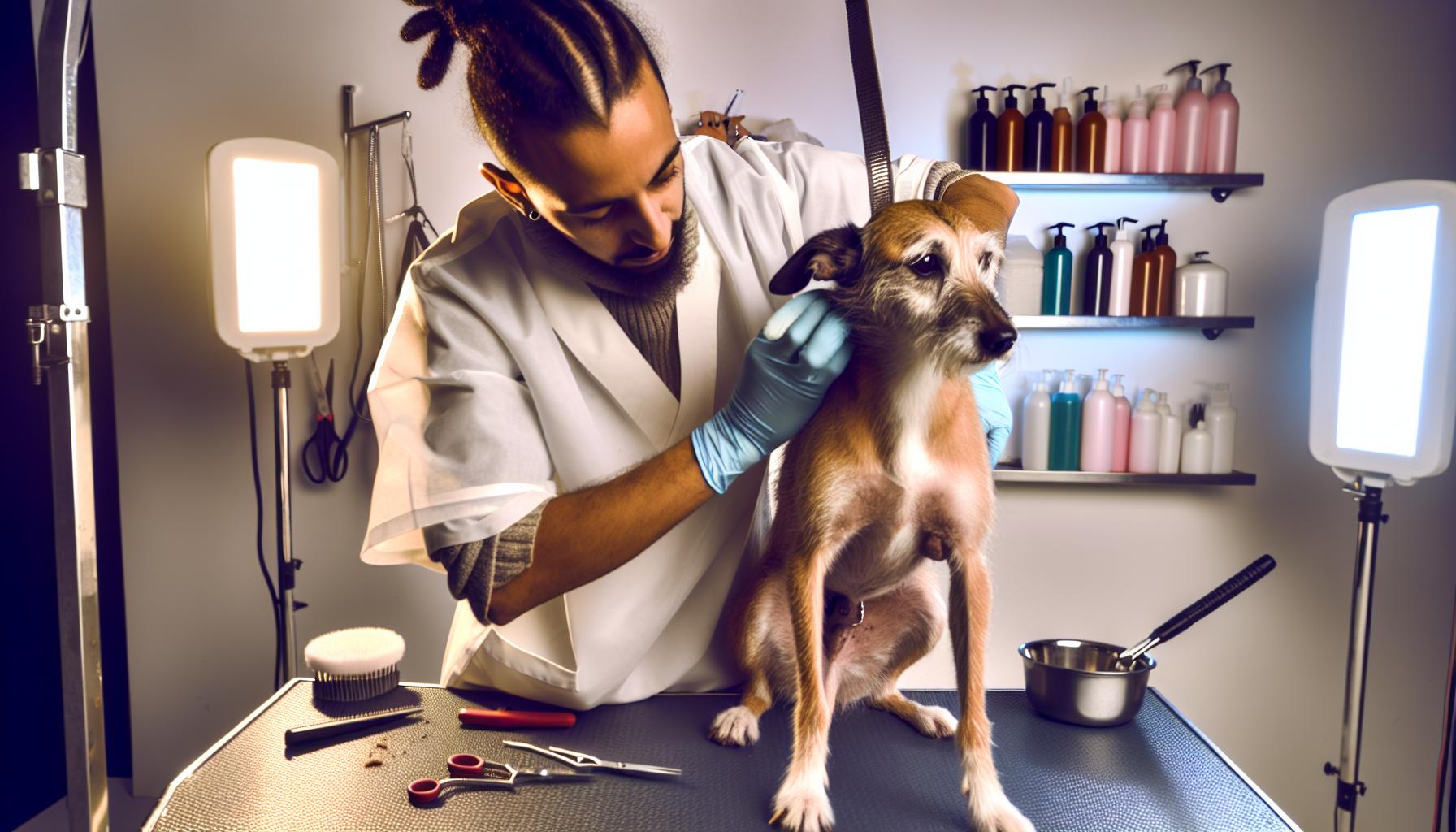
Step-by-Step Flea Inspection Techniques During Grooming
Sometimes, the tiniest pests can hide in the thickest fur, making a thorough check essential-and that’s exactly where a groomer’s skill shines. From the moment your dog settles into the grooming table, the technician begins a careful, step-by-step investigation designed to spot fleas quickly while keeping your pet calm and comfortable. Each step is tailored to the dog’s breed, coat type, and behavior, because what works for a fluffy Poodle might differ for a sleek Doberman or a shaggy Great Pyrenees.
The process often starts with gentle hands parting the fur in known flea hotspots-the neck, behind ears, under the front legs, and around the base of the tail. With delicate fingers, the groomer separates the hair layer by layer, especially for thick or curly coats, to uncover hidden spots without causing irritation. Following this tactile search, a fine-toothed flea comb comes into play. This tool is essential for scanning the dog’s coat closely, catching fleas, flea dirt, or eggs by trapping them in the comb’s closely spaced teeth.
- Flea combing: The groomer methodically combs through the suspect areas, brushing small sections at a time. After each combing pass, the groomer wipes the comb on a moist white cloth or paper towel.
- Visual inspection: That cloth is then examined for tiny black specks (flea dirt) or live fleas, which can sometimes look like sesame seeds scurrying across the textile.
- Behavioral clues: Throughout the inspection, the groomer watches for signs of discomfort-frequent scratching or skin redness-which can hint at less visible flea activity or bites.
Stepwise Approach for Different coats
For dogs with long, dense fur, such as Golden Retrievers, the groomer works section by section, slowly lifting the coat to ensure even the most evasive fleas are uncovered. Short-haired breeds like Boxers allow for a quicker comb-through but require keen eyes for tiny bite marks or skin irritation since fleas leave less visual evidence in these coats. Patience is key; the groomer may pause to reassure a nervous dog, giving gentle praise or using soothing tones to maintain trust and calm.
Additional inspection Steps
The check doesn’t end with just combing. Groomers also inspect the ears and underbelly, places where fleas sometimes gather but are less obvious at first glance. Nail beds and under collars are gently lifted and examined,as fleas can be surprisingly resourceful in finding cozy spots. Throughout, the groomer carefully balances the need for a thorough search with your dog’s welfare-any signs of distress will prompt a moment to pause or adjust the technique.
While DIY inspections at home can definitely help, groomers have trained eyes and the right tools to detect even the earliest signs of fleas, which frequently enough hide in plain sight. if any fleas or flea dirt are found, the groomer will kindly inform you and recommend following up with your veterinarian for treatment and environmental control, as professional guidance is crucial in fully resolving infestations without over-reliance on grooming alone.
By understanding and trusting this careful, compassionate process, dog owners can rest easy knowing their pet is getting the attentive care necessary to keep fleas at bay-comfortably and confidently.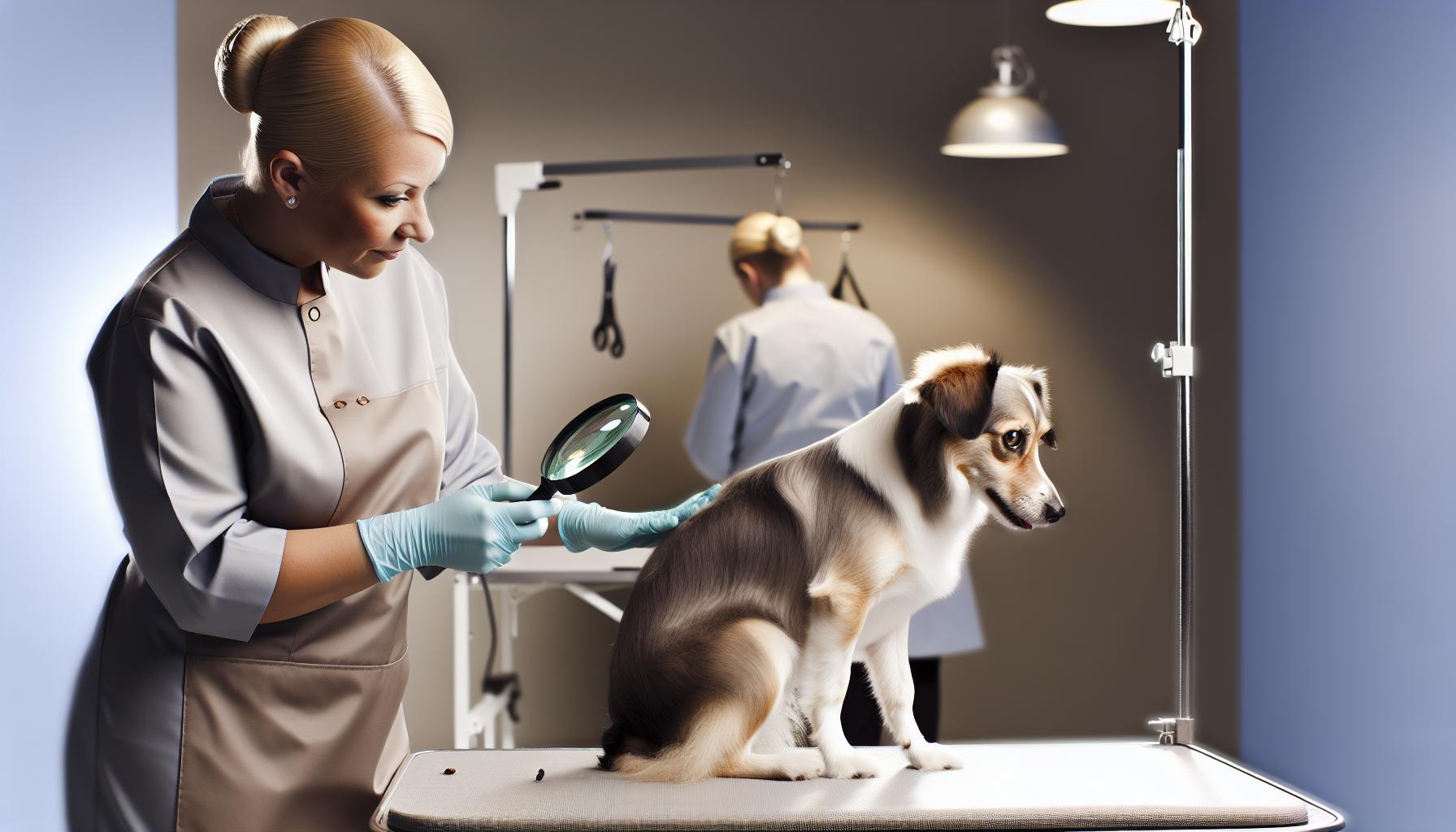
Tools and Products Groomers Use to Detect Fleas
Few tools rival the flea comb when it comes to spotting those tiny, fast-moving pests hiding in your dog’s fur.This simple yet highly effective instrument is a groomer’s first line of defense. Its fine, closely spaced teeth glide through the coat, snagging adult fleas, flea dirt, and eggs that otherwise remain invisible to the naked eye. For breeds with thick or curly coats, the flea comb is indispensable. It enables groomers to part dense fur carefully and uncover fleas lurking near the skin without causing discomfort.
Beyond the trusty flea comb, grooming professionals often use a combination of specialized products designed to enhance detection and comfort. One common practice is to wipe the comb on a damp white cloth after each pass. This makes it easier to spot small black specks-known as flea dirt-which resemble tiny pepper grains and confirm flea presence. Some groomers also rely on magnifying tools or super magnification flea finders, which provide a clearer view of fleas and their droppings on close inspection. These handy devices improve accuracy, especially when checking short-haired dogs where signs are subtler [[2]](https://www.ebay.com/itm/405266138504).
- Fine-toothed flea combs: Essential for all coat types; especially important for long, thick, or curly fur.
- Moist white cloth or paper towel: used after combing to detect flea dirt easily.
- Magnifying tools: These help groomers spot faint signs of fleas in dense or short coats.
- Dematting rakes and deshedding blades: While primarily for coat care,they assist in parting fur to expose hidden hotspots.
choosing the right tools for Your Dog’s Coat
For exmaple, a groomer working on a fluffy Poodle might use a flea comb in tandem with a dematting rake to safely tease apart mats that coudl conceal fleas. In contrast, a sleek Doberman’s short coat allows a quicker comb-through, though magnification becomes more vital to catch subtle flea evidence. Throughout, the priority remains your pet’s comfort; groomers carefully balance thorough detection with gentle handling to minimize stress.
While these tools allow groomers to detect fleas early and accurately, it’s important to remember that treatment and environmental control fall under veterinary care. Groomers expertly identify the problem but rely on veterinarians for diagnosis confirmation and prescribing safe, effective flea treatments [[1]](https://hardypaw.com/collections/dog-flea-combs-tick-tools?srsltid=AfmBOopglHTkZMId_dj4QEVhfZvD8bEgkRX4vq3wsLXqcww01N2aPgCP). This collaborative approach ensures your dog’s flea infestation is managed safely and thoroughly, enhancing overall well-being beyond the grooming table.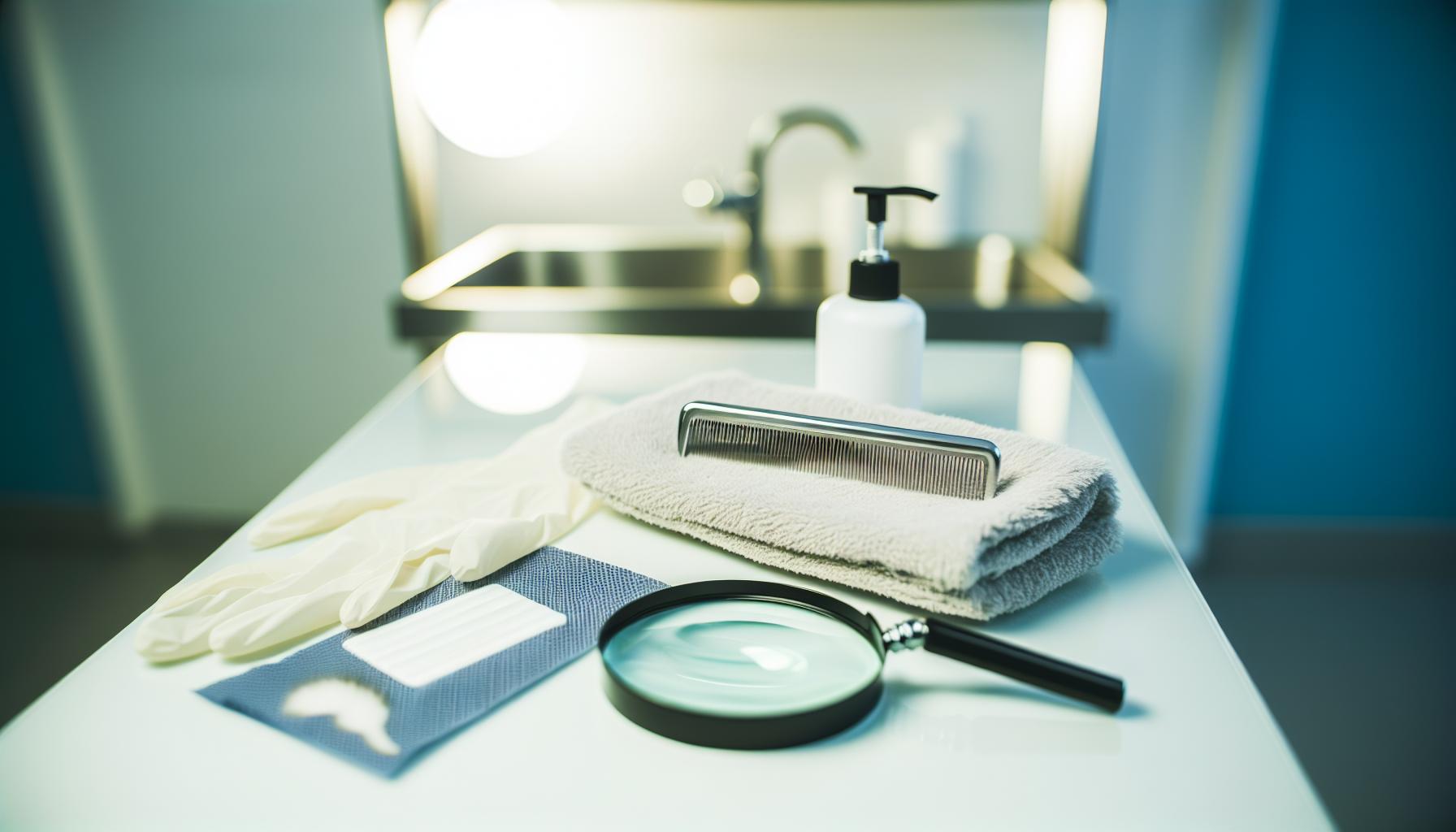
Common Flea Signs and Symptoms Groomers Watch For
Fleas can be surprisingly sneaky, and spotting them quickly during grooming often takes a keen eye and a gentle touch. Experienced groomers know that the most obvious sign isn’t always the fleas themselves – instead, subtle clues in your dog’s coat and skin often provide the earliest warnings. Even in thick or curly fur, fleas leave telltale marks that, onc recognized, help prevent a larger infestation.
One of the first symptoms groomers look for is persistent scratching or restlessness. while this behavior alone doesn’t guarantee fleas, it’s a strong hint to take a closer look. During combing,careful attention is paid to areas fleas love best: around the base of the tail,behind the ears,under the neck,and along the belly where the skin is thinner and more tender. flea saliva can cause irritation, redness, or even small bumps – all visible signs that groomers are trained to spot quickly and compassionately.
Beyond behavior and visible irritation, evidence found during a comb-through is often the most concrete. Flea dirt – tiny black specks that resemble ground pepper – proves their presence. Because these specks are flea feces made up of digested blood, placing a few on a damp white cloth can help confirm they’re not just dirt; if they turn reddish when moistened, fleas are almost certainly nearby. Groomers use this simple but effective test regularly, especially on dark-coated dogs where spotting dirt directly in the fur is trickier.
- Visible fleas: Small,fast-moving dark insects frequently enough found near warm,sheltered parts of the body.
- Flea dirt: Tiny black specks on the skin or after combing, verified by damp cloth testing.
- Skin irritation: Redness, bumps, or scabs caused by flea bites and scratching.
- Hair loss in patches: Especially around the neck and tail from frequent scratching or biting.
- Behavioral clues: Excessive scratching, biting, or restlessness while being groomed.
Each dog reacts differently – a sensitive pup might show immediate irritation, while others barely react despite harboring fleas. Such as, a shy Cocker Spaniel with a dense coat may hide flea dirt better than a short-haired mixed breed, meaning groomers must rely more heavily on gentle combing and tactile inspection. Patience is key: ending the session too soon or rushing through can meen missing these subtle but important signs.
When these signs appear,groomers always maintain a calm and supportive environment.they gently inform the owner, explain why flea detection at this stage matters, and emphasize that a veterinarian’s expertise is crucial for safe, effective treatment. This team effort helps protect not only the dog but the whole household from infestation-a shared goal that starts with these careful observations right at the grooming table.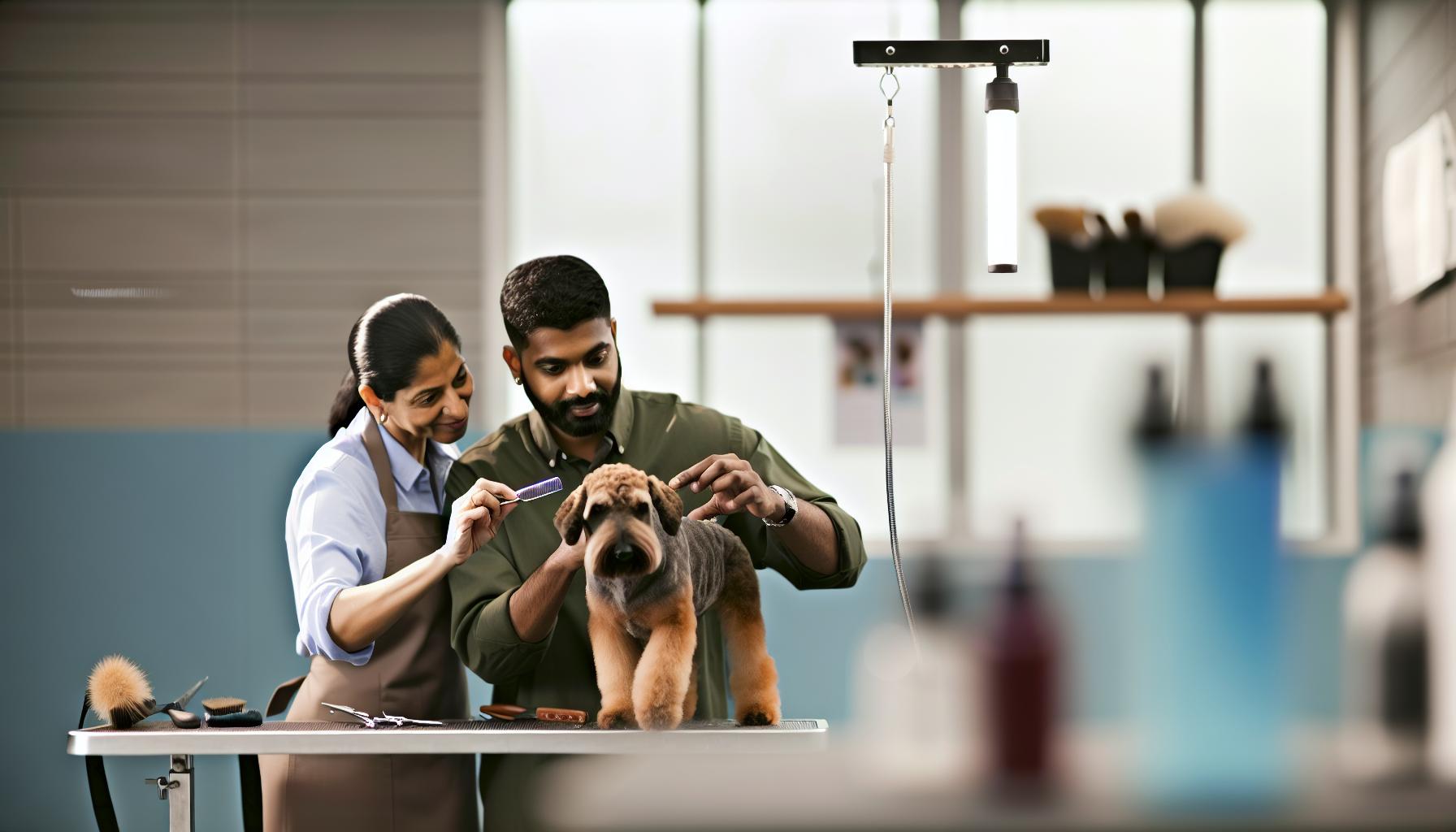
Why Flea Checks Are Essential Before Grooming
Fleas are more than just a nuisance-they can quickly turn a simple grooming session into a stressful ordeal for both pets and their humans. That’s why a thorough flea check before grooming is absolutely crucial. Detecting fleas early protects your dog from discomfort, skin infections, and potential allergic reactions, and it helps avoid spreading these pesky parasites to other pets or the grooming environment.
Dogs with thick, curly, or long coats especially benefit from this careful inspection. Imagine a fluffy Golden Retriever or a curly-coated Poodle: fleas love hiding deep in dense fur, where scratching might be less obvious at first. By gently parting the hair and focusing on flea hotspots-like behind the ears, base of the tail, and under the neck-a groomer can spot the tiniest signs that a busy little flea party is underway. Using a fine-toothed flea comb, groomers collect and examine debris that might look like dirt but could reveal itself as flea dirt when tested on a damp white cloth. This simple but effective method prevents missed fleas, especially on dark-coated pups where spotting subtle black specks is tougher.
Aside from physical discomfort caused by fleas, there’s a safety and health consideration. Flea bites can cause allergic dermatitis in sensitive dogs, leading to severe itching, inflammation, and even secondary infections if untreated. Grooming without first ensuring your pet is flea-free risks worsening these symptoms and can spread fleas to the facility, other pets, or your home. In fact, many grooming salons require proof of flea prevention treatment as part of their policy to protect all animals in their care [[1]](https://www.petedge.com/blog/fleas-in-the-grooming-salon/?srsltid=AfmBOoqLFtRCnsGuxjPh8tsjPOLu5dpm9lpK-u24PjdY-Kh4xDTHYHxg).
Gentle, Patient approach Benefits Everyone
For a nervous pet, careful flea checks help keep stress low. rushing through or skipping inspection means missing critical signs that could lead to more serious issues later. Take a calm, step-by-step approach: first observe for behavioral signs like scratching or restlessness, then use your hands and tools to inspect problem areas thoroughly. Communicating with the owner in a supportive, non-judgmental way empowers them to take flea prevention seriously, while reassuring your client that you’re focused on their dog’s comfort and wellbeing-not just a “perfect” haircut.
Always remember: flea detection at the grooming stage isn’t a treatment-it’s a vital first step. Groomers spot potential problems early, allowing owners to consult veterinarians promptly for safe, effective flea control. This team effort protects your furry friend’s skin health and keeps their grooming routine enjoyable and hygienic.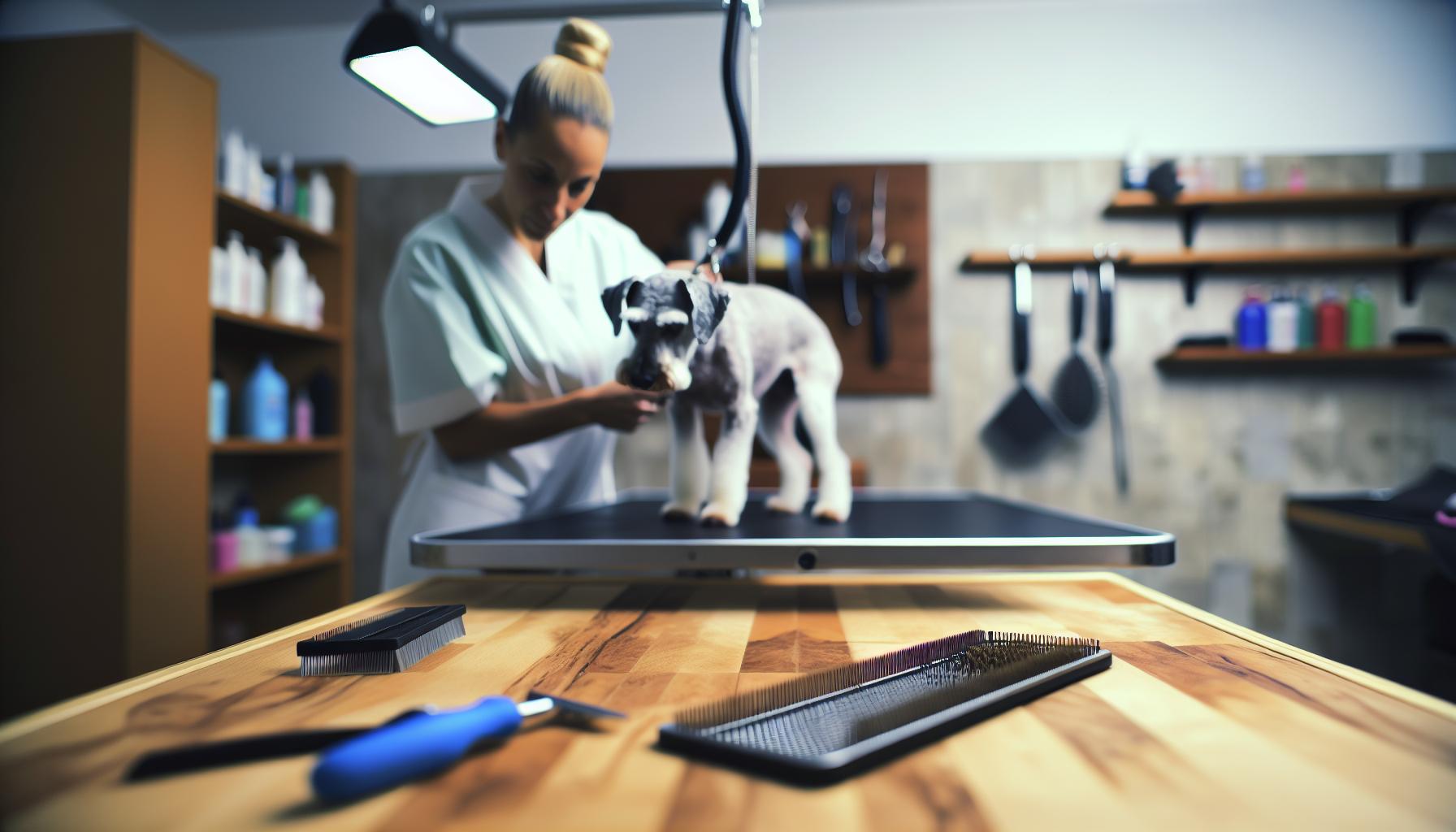
What Happens If Fleas Are Found on Your Dog
Finding fleas on your dog during a grooming session can feel overwhelming, but rest assured that it’s a common issue that groomers are well-prepared to handle. When fleas are detected,the first priority is always your dog’s comfort and health-not just their appearance. Many dogs, especially those with thick or curly coats like a Golden retriever or Poodle, might be excellent hideouts for fleas, so spotting them early helps prevent the problem from escalating.
Typically, the groomer will gently pause the grooming process and inform you right away, explaining what was observed-maybe tiny black flea dirt, actual fleas moving on the coat, or signs of skin irritation. This moment is a great prospect to ask questions and discuss the next steps, making sure you feel supported and informed rather than judged. Instead of pushing through with clipping or trimming, the groomer might recommend postponing full grooming until the flea issue is properly addressed to avoid spreading parasites to other pets or the facility.
Immediate Actions Taken by Groomers
- Flea Bath – Many groomers offer a special medicated flea bath that can quickly reduce the flea load. This gentle, soothing bath uses ingredients designed to kill fleas on contact, providing your pup with immediate relief.
- Spot Treatments and Combing – Using a fine-toothed comb, groomers will carefully remove adult fleas and flea dirt.This helps calm itching and identifies how severe the infestation might be.
- Communication & Next Steps – Since groomers are not veterinarians, they will advise you to consult your vet for appropriate flea control products and guidance on treating your home environment.
Why Veterinarian Care Is Essential After Fleas Are Found
While groomers can help identify fleas and provide initial relief, effective flea control often requires a vet’s input. Your vet can prescribe or recommend safe, targeted medications such as oral treatments, topical spot-ons, or all-in-one products that not only eliminate fleas but also protect against ticks and other parasites. Furthermore, some dogs might develop allergic reactions called flea allergy dermatitis, which need specific treatments to soothe inflamed skin and prevent secondary infections. This is a good example of where professional vet care must complement what your groomer can offer.
Working Together for Your Dog’s Welfare
The best outcomes happen when you see the groomer and vet as part of a caring team focused on your dog’s well-being.For instance, a groomer might spot a tiny flea infestation early-before behavioral signs like constant scratching or hair loss appear-and recommend a veterinary checkup promptly. Simultaneously occurring, you can start easing your dog’s discomfort with gentle baths and combing at home between vet visits. Many groomers also suggest products like Capstar, a daily flea control pill that can be used short-term to reduce live fleas before starting a longer-term plan recommended by your vet [[3]](https://www.facebook.com/groups/2043068675999544/posts/3477042352602162/).
By embracing this collaborative, step-by-step approach, you protect your furry friend from unneeded discomfort and keep their grooming experience a positive, stress-free event. It’s a journey that prioritizes safety and comfort above all, giving you confidence that your dog is in good hands-and that fleas won’t stand a chance during future visits.
differences Between Flea Checks by Groomers and Vets
Many pet owners wonder how groomers’ flea checks stack up against those performed by veterinarians. While both play crucial roles in spotting and managing fleas, their approaches and scopes naturally differ, and understanding these distinctions can help you make informed decisions for your dog’s health and comfort.
Groomers are experts in assessing your dog’s coat up close and spotting the telltale signs of fleas during the grooming process itself. Using tools like fine-toothed flea combs and keen observation,they examine the coat for live fleas,flea dirt (tiny black specs that are flea waste),and irritated skin,especially in tricky spots where fleas love to hide-around the neck,tail base,and belly folds. Because groomers handle many breeds daily-including those with thick, curly coats like Poodles or fluffy Golden Retrievers-they develop a sharp eye for subtle signs. Their inspection tends to focus on the surface and visible symptoms while your dog’s fur is damp or dry, usually before or during bathing and brushing.On the other hand, veterinarians have a broader diagnostic toolkit and medical training to assess not just the fleas but also your dog’s overall health in relation to the infestation. They can perform thorough skin exams, conduct skin scrapings or allergy tests if necessary, and evaluate for secondary issues like flea-bite anemia or flea allergy dermatitis (FAD), which requires specialized care. Vets also offer prescription-strength treatments-oral tablets, spot-on medications, and injectable products-that go beyond the topical flea baths or combing techniques groomers use. Essentially, vets address flea infestations both externally and internally, aiming to break the flea life cycle and manage any complications.
Scope of Inspection and Treatment
- Groomers: Focus on early detection through visual and comb checks,provide immediate relief (like medicated flea baths),and recommend professional veterinary care when needed.
- Veterinarians: Diagnose the extent of flea-related health issues,prescribe comprehensive flea control regimens,and treat any skin infections or allergic reactions.
Understanding these distinctions is empowering. For example,a groomer might spot a minor flea presence early on-perhaps just a few flea dirt particles-and temporarily manage the situation with a bath and comb-out,but they will always advise that you consult your vet for ongoing treatment. This partnership ensures your pup gets immediate comfort without delaying the crucial, long-term veterinary care needed to keep fleas at bay.
remember that groomers prioritize your dog’s comfort and safety during inspections-they’re gentle and patient, making the experience as stress-free as possible, especially for anxious or sensitive pets. Meanwhile, vets approach flea issues as medical concerns that might involve internal treatment plans and environmental control, which are essential to fully resolving infestations.By working together, groomers and veterinarians form a reliable team focused on your dog’s well-being, ensuring fleas are spotted quickly, managed safely, and treated effectively for lasting relief and a happier pup.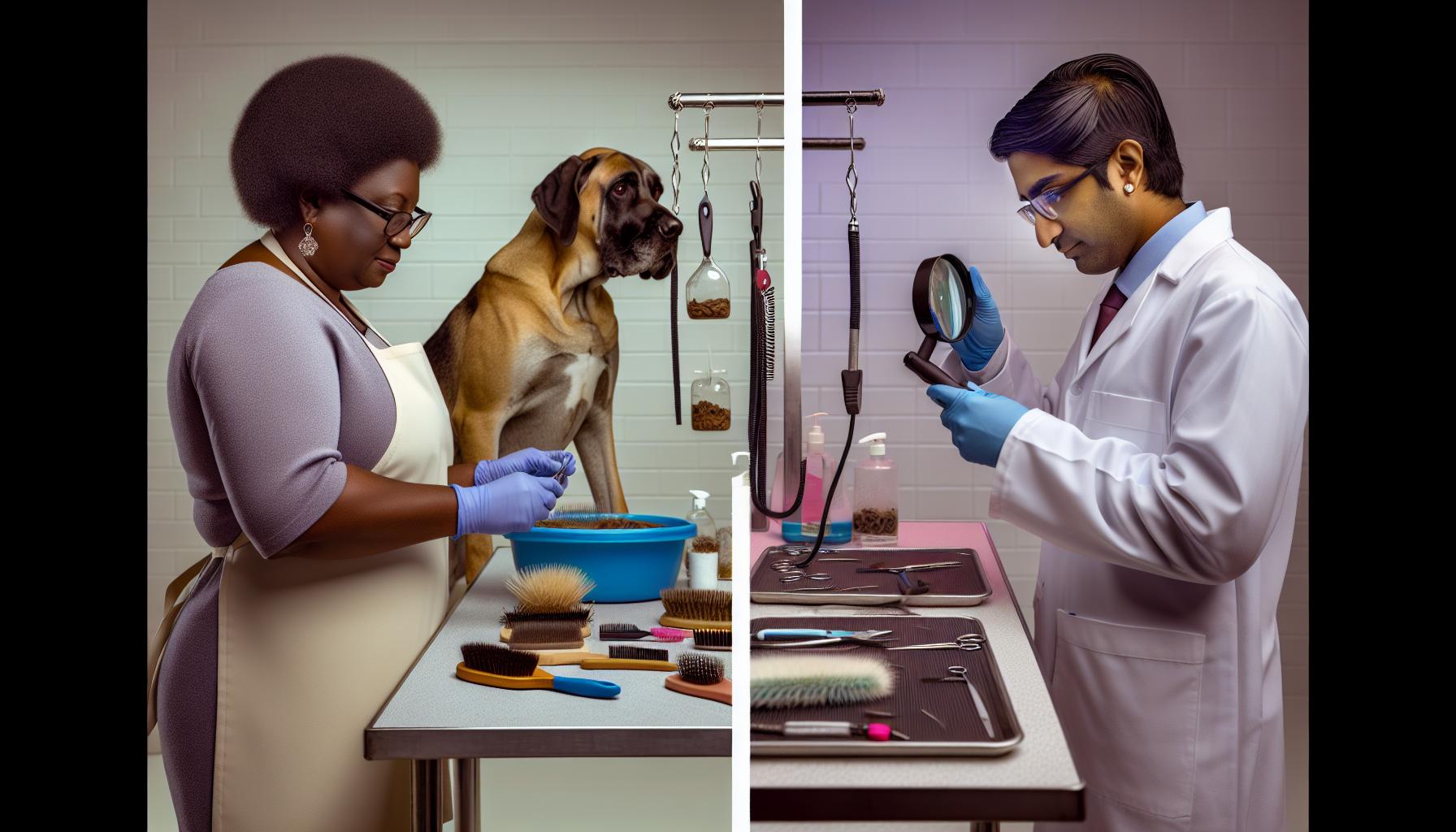
How to Prepare Your Dog for a flea Inspection
Few things can rattle a dog’s comfort quite like an unexpected flea inspection, but with a little preparation, you can turn this vital health check into a smooth, stress-free part of your pup’s grooming routine. Flea inspections work best when your dog is calm, clean, and cooperative-traits you can help cultivate at home before the salon visit. This not only makes spotting fleas easier for the groomer but also protects your dog’s skin and fur during the process.
Starting with a Brush and Bath
Begin by gently brushing your dog’s coat a day or two before the appointment. This helps remove loose hair, dirt, and tangles that can hide fleas or their telltale droppings (“flea dirt”). Use a slicker brush for thick or curly coats (like Poodles or Cockapoos),and a bristle brush for short-haired breeds. For dogs with sensitive skin,choose a soft brush and be gentle to avoid irritation. The idea is to make the groomer’s job easier and your dog more comfortable during their careful flea combing.
If appropriate (and your dog tolerates it), consider giving your dog a mild bath using a flea-preventive or gentle pet shampoo shortly before the visit. Avoid over-bathing, which can dry out skin or strip natural oils, but a clean, fresh coat allows fleas to stand out more clearly against the fur. Be sure to dry your pet thoroughly-wet fur can hide fleas better and make inspection tricky. For anxious pups, this might mean using a slow, quiet dryer or a cozy towel wrap.
Setting Up a Calm Environment
Fleas tend to cluster in warm, hidden areas like behind ears, under collars, around the neck, inside leg folds, and near the tail base. To prepare your dog for inspection, practice gentle handling and touch in these flea-prone zones so they get used to being checked without stress. Try softly massaging or petting these spots during quiet time, rewarding your dog with treats and praise. This positive association can make the groomer’s close-up flea check feel less invasive.
If your dog is worried about nail trims, ear cleaning, or being handled schedule some simple “practice sessions” at home where you mimic the grooming routine with patience and care. This reduces tension on the day of inspection, helping both your dog and groomer focus on the flea check rather than distractions or fear.
communicating with Your Groomer
Before dropping off your dog, be open with your groomer about any previous flea exposure or concerns. Share recent treatments or any signs you’ve noticed, like scratching or restlessness. Groomers rely on your observations to fine-tune the inspection and may take extra care on certain areas. They’ll also appreciate knowing your dog’s breed, coat type, and any sensitivities so they can select the right combs or shampoos.
Remember, groomers do a first-layer surface check and can provide immediate flea baths or comb-outs but don’t replace veterinary exams.If fleas are detected, they’ll suggest the best next steps, often recommending that you visit your vet for comprehensive treatment.This teamwork keeps your dog safe, comfortable, and flea-free.
- Tips for Troubled Coats: For thick or matted fur, try gently detangling with conditioner or detangle spray prior to the visit.
- Handling Fearful Dogs: Use calm tones and slow movements; bringing a favorite toy or blanket can soothe nerves.
- DIY Boundaries: Don’t try harsh chemical treatments without vet guidance-let the pros handle flea medications.
By taking these simple, compassionate steps before your grooming appointment, you prepare your dog not just for a flea inspection but for a positive grooming experience overall. This thoughtful preparation paves the way for early detection, better flea control, and a happier, healthier companion.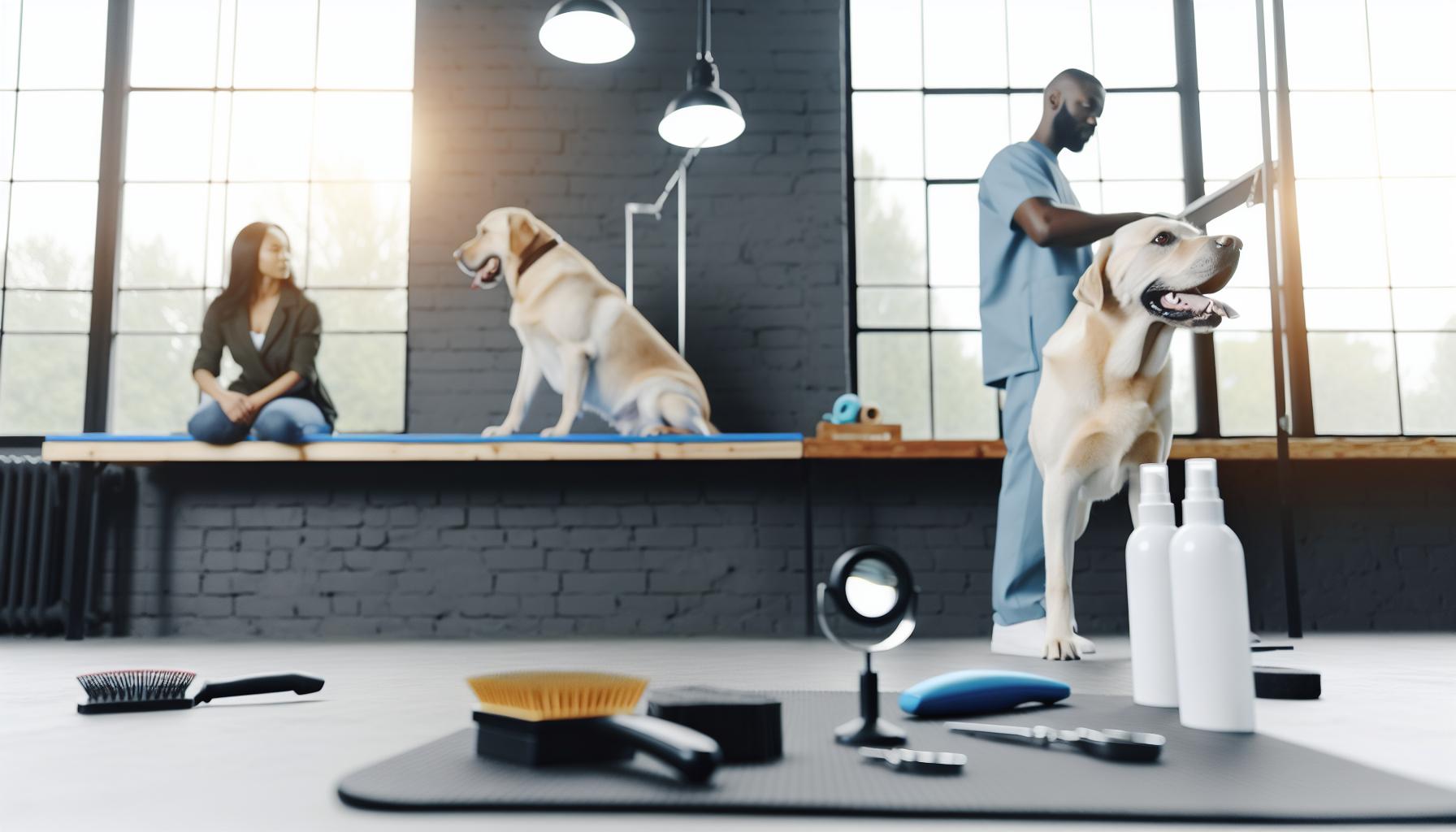
Tips for Managing Flea Prevention Between Grooming Visits
Fleas can be persistent little nuisances, but with consistent care between grooming visits, you hold the key to keeping them at bay. Regularly maintaining your dog’s coat and environment not only disrupts flea lifecycles but also helps you catch early signs before a full-blown infestation takes hold. This proactive approach deeply benefits all dogs, especially those with thick or curly coats that offer more hiding spots for fleas and flea dirt.
Routine Brushing and Inspection
Make brushing a daily or every-other-day habit tailored to your dog’s coat type. Use a fine-toothed flea comb after regular brushing to sift through the fur and catch any hitchhikers early. Dogs with long or dense coats (like Golden Retrievers or Maltese) especially benefit from this thorough combing, as it dislodges fleas, flea dirt, and eggs. Pay special attention to warm, protected areas where fleas tend to congregate, such as the neck, underarms, and base of the tail. As you brush, keep an eye out for scratching or redness, and don’t hesitate to consult your groomer or vet if you spot anything suspicious.
Bathing with Purpose
Baths are a fantastic defense when done right-not too often to avoid stripping your dog’s natural oils,but regularly enough to keep the skin and coat clean. Use shampoos specifically formulated for flea prevention or gentle, soothing formulas if your dog has sensitive skin. These products often contain ingredients that repel or kill fleas on contact, providing a barrier between monthly medication doses. After bathing, make sure to dry your dog thoroughly, as damp fur can obscure your ability to spot fleas during grooming or at-home checks.
Environmental Control and supportive Care
Don’t forget, flea prevention takes a village-your home environment matters just as much as your dog’s fur. Wash bedding, toys, and blankets weekly in hot water to eliminate flea eggs and larvae. Vacuum floors, carpets, and furniture often, especially in sunny spots where fleas love to jump and hide. For yards, you can use pet-safe yard sprays or treatments recommended by your vet. Combining these efforts with your vet-prescribed flea preventatives ensures a comprehensive approach.
- Use approved flea preventatives: Consult your vet for the best products tailored to your dog’s breed, age, and health status. Options include oral chewables, topical treatments, and collars.
- Stick to a schedule: Consistency is key. Administer flea medications as directed-missing a dose can leave your pet vulnerable.
- Monitor behavior: Increased scratching, biting, or restlessness can be early signs of flea activity-don’t wait for visible fleas to act.
Remember, some treatments might cause mild side effects or interact with other medications, so always communicate with your vet before trying new flea control products. Groomers can reinforce these prevention habits by identifying early problems during visits and advising on coat care but don’t offer medical treatment. Together, this team effort between you, your groomer, and your vet forms a strong frontline defense to keep your furry friend comfortable and flea-free between salon days.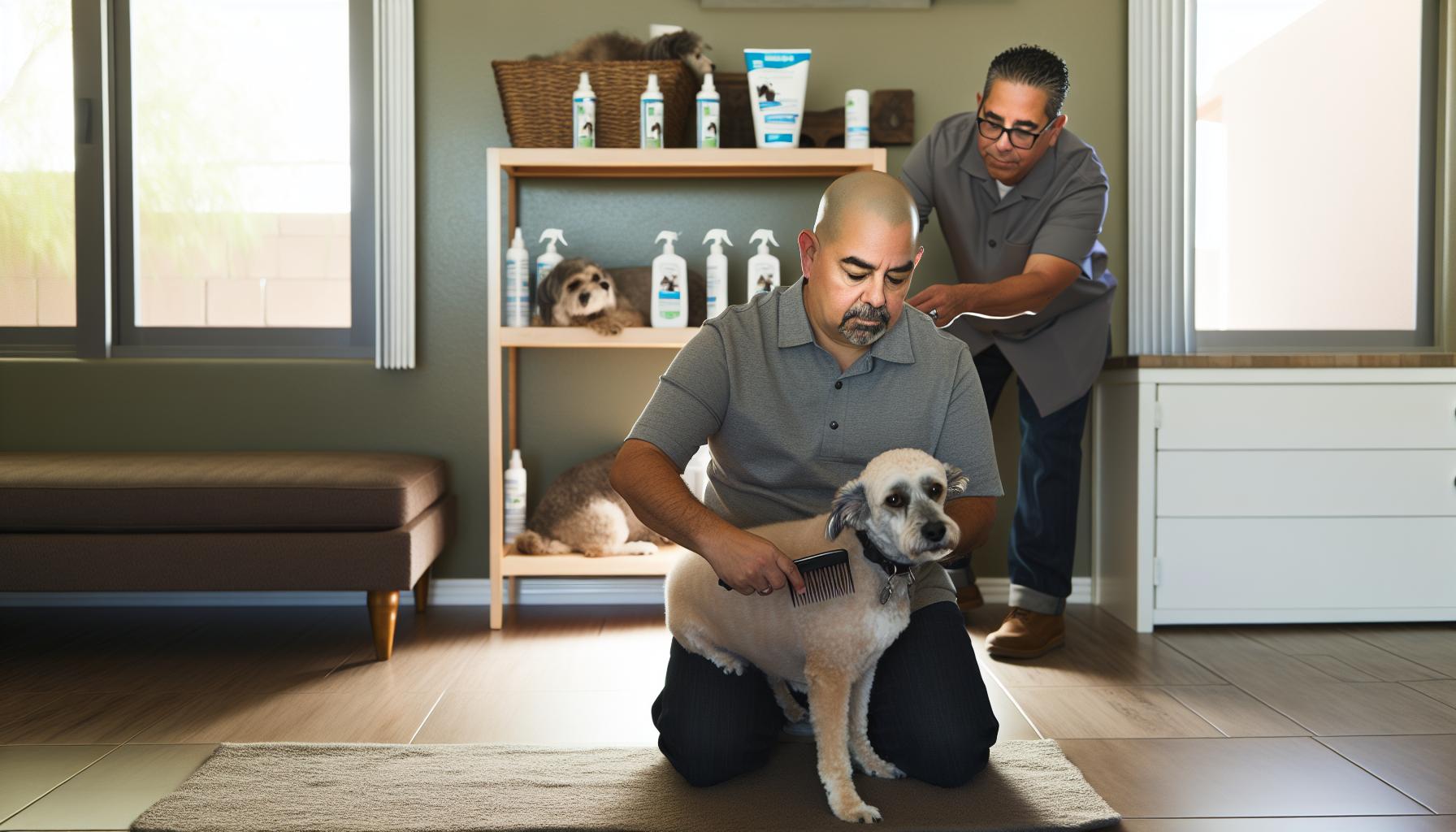
When to Seek Professional Vet Care for Flea Infestations
Fleas are more than just a nuisance-they can quickly turn into a serious health concern if left unchecked. While groomers play a vital role in spotting fleas early and helping with prevention, there are clear signs that point to when it’s time to bring in professional veterinary care. Knowing these indicators empowers you to act swiftly, protecting your dog’s comfort and wellbeing before the problem escalates.
At-home or groomer-detected flea issues that are minor – like a few fleas or slight itching – can often be managed with routine treatments, consistent brushing, and high-quality monthly preventatives. Though, if your dog shows intense scratching, hair loss, red or inflamed skin, scabs, or unusual irritability, these symptoms suggest the fleas have caused critically important irritation or a secondary infection requiring a vet’s expertise. Some dogs develop flea allergy dermatitis (FAD), an allergic reaction to flea saliva that demands specialized medications, often beyond what can be provided during grooming.
Certain breeds or coat types, especially those with dense, curly, or long fur, can hide fleas and flea dirt more effectively, increasing the risk of a larger infestation. Additionally, very young puppies, senior dogs, or pets with compromised immune systems should be seen promptly by a veterinarian if fleas are suspected, since even a small number of fleas can cause anemia or other complications in these vulnerable groups.
- Persistent Flea Problems: If repeated flea treatments aren’t resolving the issue, or you notice fleas returning shortly after treatment, it’s time for a vet visit. Your vet can prescribe stronger medications or investigate other causes for your dog’s discomfort.
- Visible Health Issues: Open sores, hot spots, or swollen lymph nodes alongside fleas indicate your dog needs medical attention to manage infection and pain.
- Signs of Anemia: Look for pale gums, lethargy, or weakness, especially in small or young dogs-fleas feeding heavily can cause dangerous blood loss.
Why Vets Are Essential Partners
Veterinarians bring diagnostic tools and treatment options beyond topical flea sprays or shampoos. They can provide prescription flea preventatives, antibiotics or anti-inflammatory drugs for infections, and guidance on comprehensive environmental control to stop the flea lifecycle. unlike groomers,vets can also rule out other skin conditions that mimic flea reactions,ensuring your dog receives the right care without unnecessary treatments or stress.
Think of your groomer as your first line of defense-spotting early signs, helping catch fleas during regular visits, and advising on coat health and hygiene. When the problem grows or becomes complicated, the vet becomes the essential ally who can address the medical side safely and effectively.
Maintaining open communication between you, your groomer, and your vet creates a well-rounded team dedicated to your dog’s health. Early intervention, combined with consistent flea prevention at home, offers the best chance to keep your dog happy, comfortable, and flea-free year-round. If ever in doubt about your dog’s condition after a groom or during a suspected flea issue, don’t hesitate to make that vet appointment – your dog’s health and comfort are always worth it.
Frequently Asked questions
Q: How do dog groomers handle flea inspections for different coat types?
A: Dog groomers adapt flea inspections based on coat type, using finer combs for long or dense fur and gentle lifting for short coats. This ensures thorough checking without distress. Groomers may section hair carefully to spot fleas or flea dirt effectively,tailoring tools and techniques for your dog’s breed and fur texture. For details, see our [step-by-Step flea Inspection Techniques](#) section.
Q: When during the grooming process do groomers check for fleas?
A: Groomers typically inspect for fleas at the very start of the grooming session,before bathing or clipping. Early detection prevents spreading fleas to other pets and allows immediate treatment plans. This quick initial check ensures your dog’s comfort and a safe grooming experience. Learn more about timing in [Why Flea Checks Are Essential before Grooming](#).
Q: Can groomers identify flea infestations before symptoms appear?
A: Yes, experienced groomers can detect early flea presence by spotting flea dirt or subtle skin irritation, frequently enough before visible scratching occurs. Using specialized combs and close coat examination helps catch infestations at a manageable stage, avoiding discomfort and extensive treatment. Review tips in [Common Flea Signs and Symptoms Groomers Watch for](#).
Q: Do professional groomers use flea prevention products during grooming?
A: Many groomers offer flea baths or recommend preventive topical treatments during or after grooming,especially if fleas are detected. While not a substitute for regular vet-approved preventatives like NexGard or Bravecto, these services help control fleas immediately after grooming [[1]](https://www.reddit.com/r/petco/comments/hxxbby/can_you_get_a_dog_that_has_fleas_groomed/). Always discuss flea prevention with your groomer and vet.
Q: How do groomers ensure safety during a flea inspection on sensitive or anxious dogs?
A: Groomers use gentle handling, positive reinforcement, and slow, calm movements to keep sensitive dogs comfortable during flea checks. They avoid causing stress by using pet-friendly tools and pausing as needed, prioritizing your dog’s emotional welfare throughout the inspection. For prep tips, see [How to Prepare Your Dog for a Flea Inspection](#).
Q: What should owners do if the groomer finds fleas during the inspection?
A: Owners should follow the groomer’s advice promptly,which may include flea baths or veterinary flea treatment. Immediate action helps prevent infestations from worsening or spreading. Discuss ongoing management strategies and schedule follow-up checks to keep your dog flea-free between grooming visits. See [What Happens If Fleas Are Found on Your Dog](#) for more.
Q: Are flea inspections part of every standard dog grooming appointment?
A: While most professional groomers include a basic flea check during every grooming session, the thoroughness can vary. It’s best to inform your groomer ahead of time if you suspect fleas, so they can plan appropriate inspection and treatment. Proactive communication ensures optimal care.
Q: How do flea inspections by groomers differ from those by veterinarians?
A: Groomers primarily perform visual and comb inspections focused on coat and skin surface fleas during grooming. Veterinarians conduct more detailed exams that may include skin scrapings or blood tests to diagnose flea-related diseases. Both work best together for complete flea control-see [Differences Between Flea Checks by Groomers and Vets](#).
—
Explore these answers to confidently prepare for your dog’s next grooming and flea inspection. Curious about grooming tools or flea prevention? Visit our main article sections linked above to support your pet’s comfort and health with expert care and warm compassion.
In retrospect
Knowing that professional dog groomers carefully inspect for signs of fleas during every grooming session ensures your pet’s comfort and health come first. Whether your dog has a thick coat like a Golden Retriever or a shorter breed like a Beagle, these experts use gentle, breed-appropriate tools to thoroughly check and address any issues-always prioritizing safety and your pet’s well-being. If you’ve spotted irritation or want peace of mind, don’t wait-early detection of fleas can prevent more stress for you and your furry friend.
To keep your pup happy and pest-free, explore our detailed guides on [Home Flea Prevention Tips] and [when to Visit a Vet vs. Groomer], designed to support every pet owner’s journey. ready to take the next step? Sign up for our newsletter to get expert grooming advice and exclusive offers straight to your inbox. if you have questions or personal experiences about flea inspection, we’d love to hear from you-please leave a comment below and share your story!
Remember, regular flea checks by trusted groomers are a vital part of pet care that blends professional skill with compassionate attention. By staying informed and proactive, you’re giving your dog the best chance to feel calm, comfortable, and cared for every day.
Get our latest guides, news, and insights highlighted in your Google Search & AI Overviews.
Keep reading about the same coat and cut.



Popular grooming guides
Bath vs clip, first grooms, and salon how-tos.