How Do Groomers Keep Dogs Still: Gentle Restraint Methods
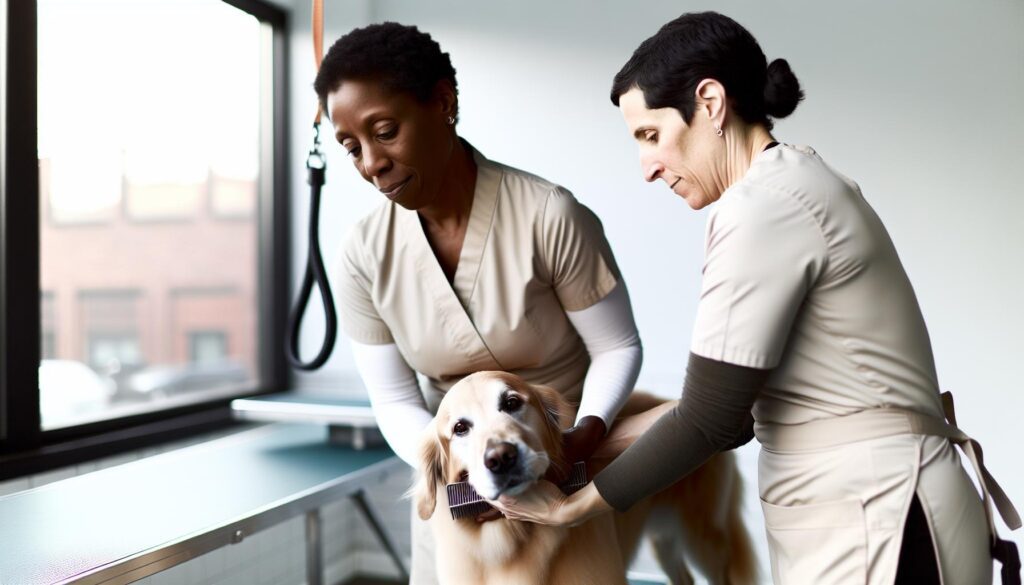
Did you know that a dog’s calmness during grooming isn’t accidental but the result of careful, gentle restraint techniques? keeping dogs still is essential-not just for lovely results, but for thier safety and comfort throughout baths, brushing, nail trims, and ear cleaning. As a groomer who truly cares, I know that nervous pups and worried owners need more than rapid fixes; thay need compassionate, patient handling that respects each dog’s personality and needs. In this article, you’ll discover practical, step-by-step methods that groomers use to keep dogs calm and secure, tailored for all breeds and coat types. From gentle touches to specialized tools and knowing when to seek vet support, these techniques ensure your furry friend feels safe, not stressed. Whether you’re a new pet parent or just curious about what happens behind the scenes, understanding these caring restraint methods can give you confidence and peace of mind during your dog’s next grooming session. Let’s explore how kindness and skill come together to make grooming a positive experience for every dog.
Understanding Why Dogs Need Gentle Restraint During Grooming
Table of Contents
- 1 Understanding Why Dogs Need Gentle Restraint During Grooming
- 2 Common Challenges Groomers Face When Keeping Dogs Still
- 3 Safe and Compassionate Restraint Tools for Calm Grooming
- 4 Step-by-Step gentle Holding Techniques for Nervous Dogs
- 5 How Breed and Coat Type Affect Restraint Approaches
- 6 Calming Signals: Reading Your Dog’s Body Language
- 7 DIY vs. Professional Restraint: When to Seek Help
- 8 Troubleshooting Restlessness: Tips for Difficult Grooming Sessions
- 9 Avoiding Stress and Injury: Safety First Restraint Practices
- 10 Building Trust: Preparing Your Dog for Restraint Over Time
- 11 Incorporating Positive Reinforcement to Encourage Stillness
- 12 When Medical Conditions Impact Grooming Restraint Choices
- 13 Frequently asked questions
- 13.1 Q: How can grooming tables with restraints help keep dogs still gently?
- 13.2 Q: What role does scent play in calming dogs during grooming restraint?
- 13.3 Q: Why is using minimal restraint preferable in dog grooming?
- 13.4 Q: How do groomers adjust restraint methods for small vs. large dogs?
- 13.5 Q: What are gentle restraint tips for grooming dogs with sensitive areas?
- 13.6 Q: How can owners prepare their dogs at home to stay still during grooming restraint?
- 13.7 Q: When should a professional groomer decide to use a muzzle during restraint?
- 13.8 Q: What are effective ways to keep dogs calm during nail trimming restraint?
- 14 Closing Remarks
It’s no surprise that many dogs feel uneasy or restless during grooming sessions. For them, grooming can be an unfamiliar and sometimes overwhelming experience, making gentle restraint essential-not just to keep them still, but to create a safe, calm environment where trust can grow. When handled with care, restraint isn’t about control or force; it’s about providing reassuring support that helps a dog feel secure and reduces anxiety.
each dog’s needs vary depending on breed, coat type, and temperament. For example,a thick-coated Husky might wiggle more during brushing due to the density and tangling of its fur,while a small,slender Chihuahua might potentially be easier to hold still but more sensitive to touch. Recognizing these differences helps groomers tailor restraint methods based on individual comfort and physical requirements, prioritizing gentle touch over rigidity.
Why Gentle Restraint Matters
Strong or sudden handling can escalate stress, leading dogs to resist or even become fearful in future grooming sessions. By applying light, consistent restraint combined with soothing touch, groomers can definitely help dogs relax and cooperate. This approach reduces the risk of accidental injury to both the dog and the handler. For example, gently cradling a nervous dog’s head while softly speaking calms their nervous system, encouraging stillness without fear.
- Safety: Prevents quick, unexpected movements that might cause falls or nicks during nail trimming or clipping.
- Comfort: Supports the dog’s body in a natural position, avoiding strain or discomfort.
- Calming Effect: Promotes relaxation by mimicking the reassuring presence and touch dogs trust.
Practical Tips for owners and groomers
Start by creating a peaceful setting-quiet sounds, soft lighting, and familiar smells help dogs stay calm. Use tools designed for gentle restraint like padded grooming loops or soft harnesses rather than harsh collars. Begin with short sessions focusing on one task at a time (bathing,brushing,nail trimming) while offering plenty of praise and treats to associate restraint with positive experiences.
Remember, every dog is unique.It’s essential to watch for signs of distress such as trembling, lip licking, or stiff postures, then adjust your approach accordingly. When in doubt, consulting a professional groomer or even a veterinary behaviorist ensures your dog’s emotional and physical well-being remains the priority throughout the grooming process. This compassionate strategy builds confidence both in the dog and the owner, turning grooming from a stressful chore into a bonding opportunity.
Common Challenges Groomers Face When Keeping Dogs Still

Dogs can be wonderfully unpredictable during grooming, making the task of keeping them still both an art and a science. One of the biggest hurdles groomers face is navigating a dog’s unique temperament alongside physical factors like breed traits and coat type. For example, breeds like Terriers often have boundless energy and a natural curiosity that makes them prone to wiggle or jump, while some small, sensitive breeds may freeze or become overly tense at the slightest touch. This wide range of behaviors means a one-size-fits-all restraint approach rarely works, pushing groomers to constantly adapt on the fly with patience and empathy.
Managing restlessness during different grooming tasks adds another layer of complexity. Nail trimming, for instance, is notorious for triggering sudden jerks or pulling away because paws are highly sensitive. Even the gentlest dog can react strongly to nail clipping sounds or sensations, amplifying the challenge. Bath time, on the other hand, can cause slipping and squirming as wet fur becomes heavy and unfamiliar. Coat type plays a crucial role here-thick, dense coats like those on Huskies often resist quick brushing, leading to fidgeting or scratching, whereas fine, silky coats might mat easily and cause discomfort during detangling. Groomers need to read these signals carefully and switch tactics or tools accordingly.
Common tug-of-War: Balancing Safety with Comfort
- Physical Sensitivity: Dogs with tender spots (ears, paws, underbelly) often flinch or pull back. Preventing sudden movements without causing pressure points requires skillful, light holds.
- Fear and Anxiety: Stress responses, like trembling or panting, can escalate if restraint feels too firm or abrupt. Calm, rhythmic touch combined with gentle verbal reassurance frequently enough soothes these nerves.
- Distractions and Environment: Busy or noisy grooming areas can overwhelm a dog’s senses,increasing restlessness. Creating a quiet, familiar atmosphere dramatically improves focus.
Task-Specific Strategies for Better Cooperation
At bath time, a non-slip mat and slow introduction to water temperature help dogs feel secure. When brushing thick coats, dividing the grooming into short sessions with frequent breaks can prevent frustration and resistive behavior. Nail trims may call for the use of a padded grooming loop to gently stabilize a leg, paired with soft talking and treats to make the experience positive. For ear cleaning, holding the head softly but firmly helps prevent quick shakes that can lead to injury or mess. These tactics aren’t just about control-they’re about dialog and trust.
Real-world example: I once worked with a frightened Shih tzu who shook uncontrollably during nail trims.By wrapping her paw in a soft towel and trimming just one nail at a time with plenty of praise, the process became manageable and even enjoyable for her.These small adaptations underline how knowing each dog’s signals and boundaries shapes success.
when to Seek Professional Insight
Sometimes restlessness is rooted in deeper issues like past trauma or medical sensitivities, which may not be evident upfront. A groomer’s role includes recognizing when a dog’s behavior crosses from normal nervousness into distress that requires a veterinarian or a behaviorist’s intervention. Encouraging owners to share medical history, prior grooming experiences, or behavioral concerns forms the foundation of tailored, compassionate care.By understanding these ever-present challenges, groomers and owners alike can approach grooming sessions with a shared mindset of patience, safety, and kindness. Celebrating small victories and keeping an open dialogue about what works builds confidence-turning grooming from a dreaded chore into a positive routine for every dog.
Safe and Compassionate Restraint Tools for Calm Grooming
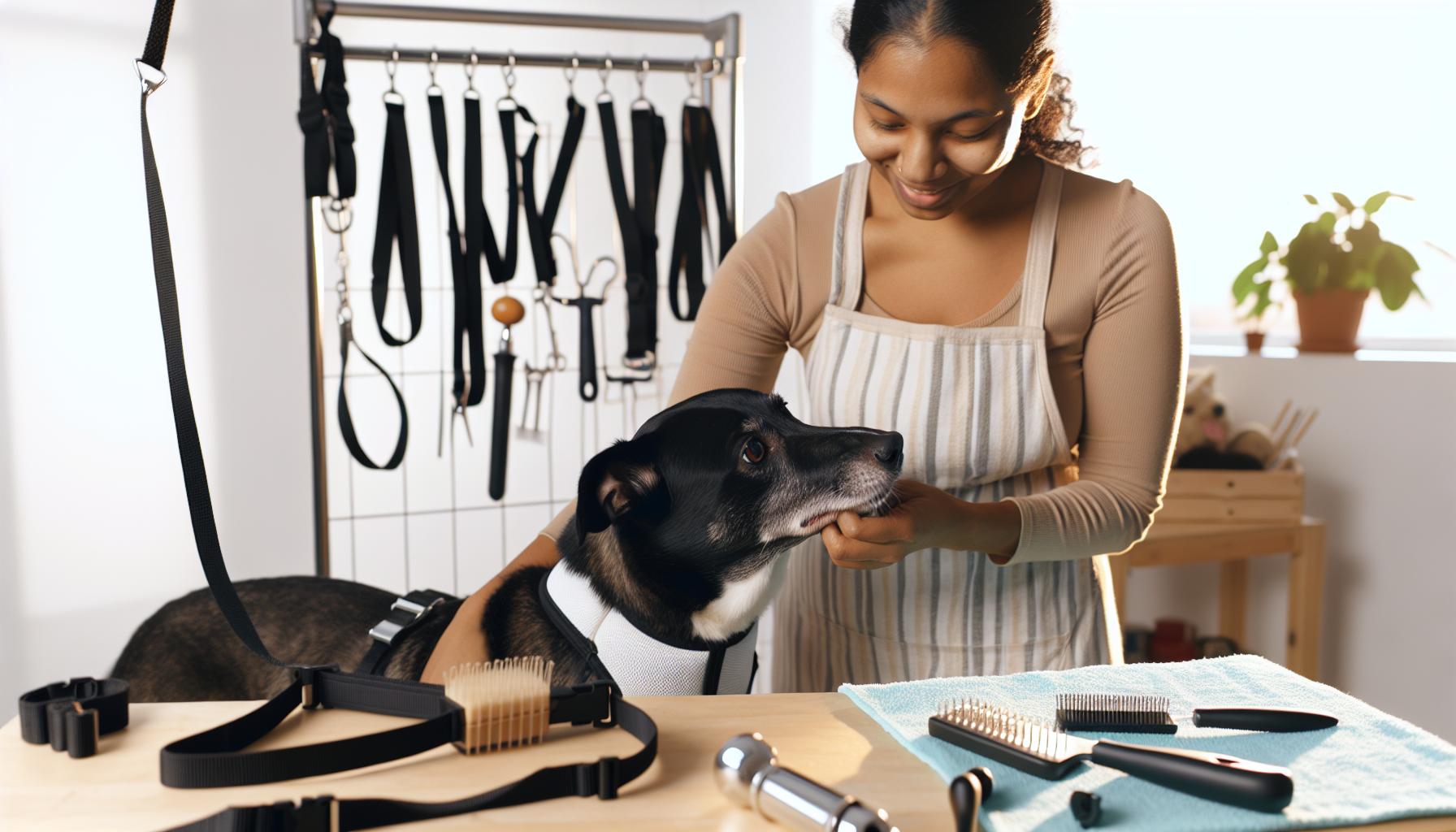
Few things impact a grooming session more than the tools chosen to keep a dog comfortably still. Using restraint aids that prioritize a dog’s physical ease and emotional calm makes all the difference between a smooth experience and a stressful struggle. The best tools support gentle holding, allowing natural movement within safe limits, while never causing pain or excessive pressure-as real respect for your furry friend means putting their welfare front and center.
Essential Tools Tailored to Task and Temperament
- padded Grooming Loops: these adjustable loops are a groomer’s best friend for stabilizing a dog’s neck or legs without tight squeezing. They cradle the dog gently but securely,perfect during nail trims or clipping sessions. For nervous or small-breed dogs,a soft,well-padded loop reassures rather than restricts,minimizing sudden jerks that can lead to injury.
- Non-Slip Mats and Bath Inserts: Slipping in the tub can trigger frantic movements. A quality non-slip mat provides stable footing, helping dogs feel grounded during bath time. Coupled with slow introduction of water temperature, this reduces restlessness and instills confidence.
- Soft Towels and Wraps: Wrapping a paw or body part, especially during sensitive tasks like nail clipping, serves as a comforting barrier. Towels absorb sudden jerks and can definitely help scared dogs feel more secure. For example, gently wrapping a paw before trimming each nail, as in the case of a fearful Shih Tzu, can turn a fearful ordeal into a calm routine.
- Harnesses with Quick-Release Clips: For breeds prone to slipping out or jumping during grooming, using a snug but lightweight harness attached to an overhead grooming arm provides safe restraint. The quick-release feature ensures easy emergency removal without panic.
Task-Focused Recommendations for Calm Control
Bathing dogs with thick, dense coats like Huskies frequently enough invites more squirming. In these cases, pairing a sturdy but soft grooming loop on the neck with a mat beneath helps keep dogs steady through long brushing or blow-drying sessions. Conversely, small, silky-coated breeds benefit from minimal restraint-frequently enough just a loose loop paired with calm touch to avoid overstimulation.
Nail trims remain the most delicate challenge. Using a padded loop to hold the leg gently while applying soft talking and treats can considerably reduce resistance. Avoid forcing the leg into an unnatural position which risks panic or injury. Instead, work in short bursts, rewarding even the smallest cooperation.
During ear cleaning, a quiet hand on the chin or back of the head-never a tight grip-prevents shaking that can cause harm while also keeping the dog calm and focused.
Knowing When to Adjust or Ask for Help
Sometimes, despite the best tools and techniques, a dog’s anxiety or medical condition necessitates professional intervention. Groomers must recognize when restraint methods overwhelm a dog or risk injury, referring the dog to a vet or behaviorist as needed. Owners performing DIY grooming should never attempt restraint that feels too forceful or causes distress-seeking professional guidance is always the kindest choice.
Using restraint tools compassionately means blending functionality with empathy, honoring each dog’s unique needs. The right tools in caring hands transform grooming from a challenge into an opportunity for connection and trust-and that’s the real beauty of gentle restraint.
Step-by-Step gentle Holding Techniques for Nervous Dogs
It’s a common misconception that holding a nervous dog still during grooming means firm or forceful restraint. In reality, the most effective technique is gentle holding-steady, reassuring, and respectful of the dog’s comfort and feelings. When done correctly, this approach soothes anxiety while providing the control needed for safe grooming. Even the most jittery dogs can become calmer with patience, soft touches, and gradual acclimation to handling.
Preparing Your Space and tools
Start by creating a calm environment free from sudden noises or overwhelming sights. choose tools that complement gentle holding,such as padded grooming loops,soft towels,or harnesses with quick-release clips.For small or delicate breeds like Maltese or Yorkshire Terriers, minimal restraint combined with slow movements works wonders. larger breeds with thick coats-think Golden Retrievers or Huskies-may need more support, but always avoid tight grips. Have treats ready to reward cooperation in small, encouraging doses.
Calm, Secure Support for Bathing and Brushing
When bathing, place your dog on a non-slip mat to prevent slipping, which often triggers frantic attempts to escape.Use one hand gently to steady the dog’s chest or shoulders without squeezing; your touch should feel like a comforting hug, not a chokehold. As you wash or brush, keep your free hand free to stroke softly or offer treats. For example, when grooming a nervous border Collie with dense fur, softly holding them under the chest while brushing and rewarding calm behavior helped turn explosive squirming into focused stillness within a few sessions.
Gentle Holding for Nail Trimming
Nail trims frequently enough challenge even the most patient owners. To ease this, hold the dog’s paw with one hand, gently encasing the leg without pressing too hard. Wrapping a soft towel around the paw can muffle sudden jerks and give the dog a sense of security. Speak gently and keep the session short-pause frequently to pet and praise your dog, easing into trimming just one nail at a time. For nervous small breeds like Shih Tzus, this method prevents panic and builds gradual trust.
Steady But soft Ear Cleaning
During ear cleaning, avoid gripping the head tightly as this can incite shaking or resistance. Instead, place your hand softly around the chin or under the jaw, stabilizing just enough to keep the dog from turning suddenly. Slow, gentle strokes and calm verbal reassurance help the dog relax during this sensitive task. If your dog resists too much, consider scheduling a professional groomer or veterinarian visit-sometimes expert handling is necessary for safety and comfort.
- Key Tips: Always keep your hands warm and movements slow.
- Remember:
- Watch:
When in doubt, remember that grooming is a partnership, not a battle. Gentle holding techniques prioritize your dog’s emotional and physical welfare, making each session less stressful and more rewarding for both of you. This compassionate approach builds trust over time, empowering even the most nervous dogs to feel safe and secure during grooming.
How Breed and Coat Type Affect Restraint Approaches
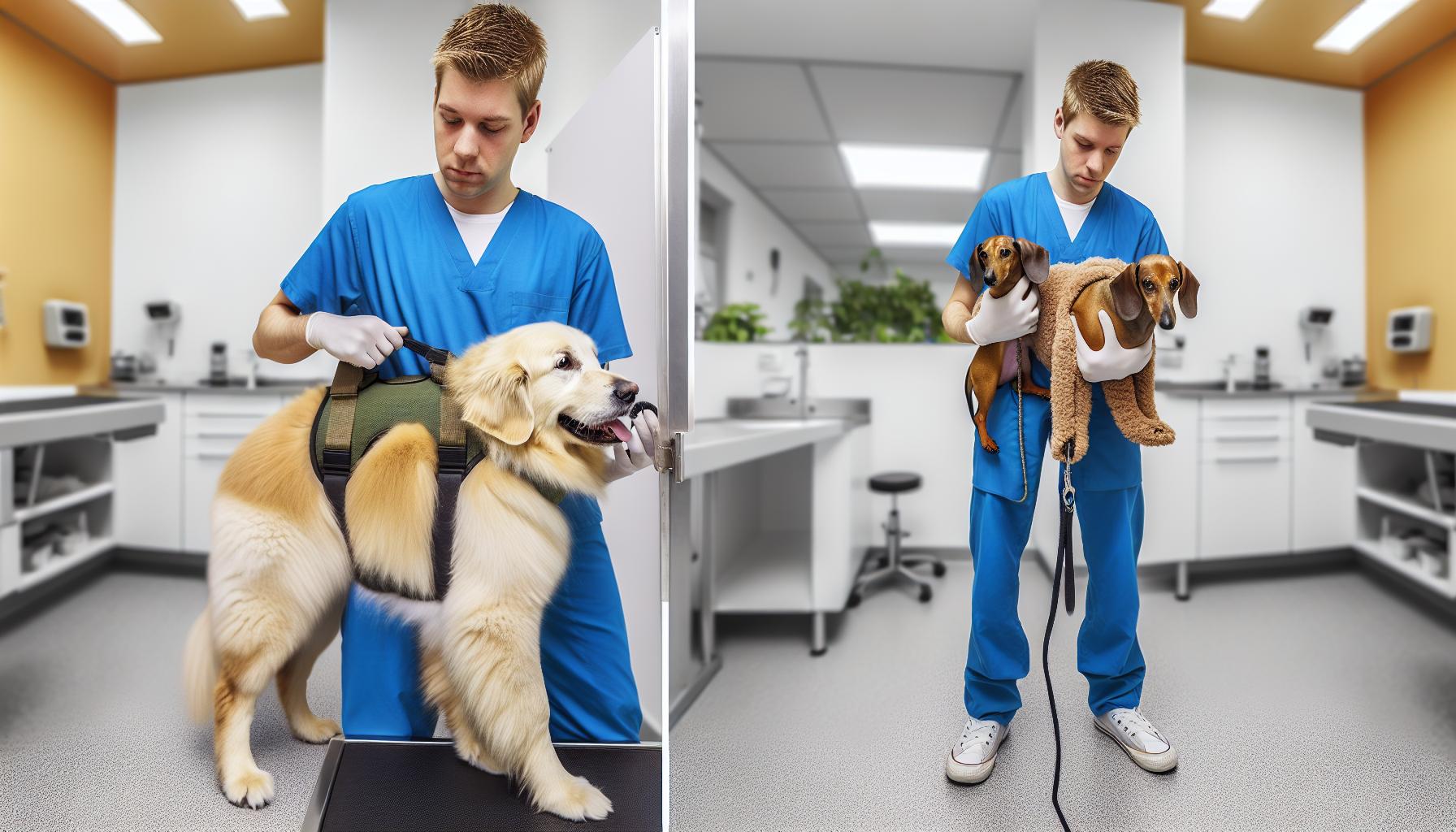
Different breeds and coat types call for tailored restraint techniques during grooming, as each dog’s physical traits and sensitivities can influence how they respond to being held. Understanding these nuances can dramatically improve your dog’s comfort and cooperation, making grooming a positive experience rather than a stressful ordeal.
Dogs with thick, dense, or double coats-like Huskies, Golden Retrievers, or Bernese Mountain Dogs-often require more supportive restraint that keeps them steady without compressing their coat or skin. For these breeds, lightweight harnesses with padded straps or broad grooming loops that distribute pressure evenly work best. Holding too tightly risks matting or discomfort, so a soft but firm touch near the chest or shoulders helps maintain control while allowing natural movement.during brushing or bathing, it’s helpful to use one hand to gently steady the dog while the other works through the fur, with frequent praise and breaks to avoid overwhelming the pet.
Conversely, small or delicate breeds such as Maltese, Shih Tzus, or Yorkshire Terriers need subtler handling. Their bones and skin are more fragile, so a minimalist approach is key-light restraint combined with slow, intentional movements minimizes panic. Wrapping paws in a soft towel can give them a sense of security during nail trims, while gentle cradling of the head or neck during ear cleaning avoids sudden jerks without causing distress. Many toy breeds respond well to being held in a secure lap position, which naturally limits movement while reinforcing calmness through close contact.
Coat Type and Tool Choices Matter
Different coat textures not only affect how you hold the dog but also which grooming tools you’ll use. Dogs with curly or wiry coats-like Poodles or Terriers-may become fidgety during clipping, so gentle holding at the base of the neck paired with steady strokes of specialized clippers helps ease tension. Conversely, smooth-coated breeds like Boxers or dobermans can be held more lightly but may become restless if not properly supported on a non-slip surface.
| Breed/Coat Type | Recommended Restraint Approach | Tool Suggestions | Common Challenges |
|---|---|---|---|
| Thick/Double Coat (Golden Retriever, Husky) | Supportive harness, padded loops, gentle chest hold | Pin brushes, dematting combs, non-slip mats | Matting risk, overheating, sensitive skin |
| Small/Delicate Breeds (Shih Tzu, Maltese) | Minimal restraint, towel wraps, lap holding | Fine-tooth combs, soft brushes, small clippers | Fragile bones, anxiety, quick jerks |
| Curly/Wiry Coat (Poodle, Terrier) | Gentle neck hold, clipper-friendly restraint | Clipper guards, slicker brushes | Fidgeting, matting beneath curls |
| Smooth Coat (Boxer, Doberman) | light holding, stable footing | Rubber curry brushes, grooming gloves | Restlessness, skin sensitivity |
adapting restraint to Breed Temperament
Beyond coat and size, temperament plays a big role. Herding breeds like Border Collies can be alert and reactive, so a calm, steady hold combined with clear verbal reassurances helps ground them. Sporting breeds such as Labradors are frequently enough more tolerant but benefit from consistent, gentle pressure to channel their energy and prevent sudden escapes.
Remember, safety and comfort are paramount. If a breed’s natural traits make at-home grooming too stressful or risky, seeking professional help is always a compassionate choice. Experienced groomers or veterinarians know how to adjust restraint based on breed and coat while ensuring a calm environment that fosters trust and cooperation-especially for dogs with unique needs or medical conditions.
The right approach respects your dog’s individuality, transforming grooming from a challenge into an opportunity to bond and build confidence, one gentle hold at a time.
Calming Signals: Reading Your Dog’s Body Language
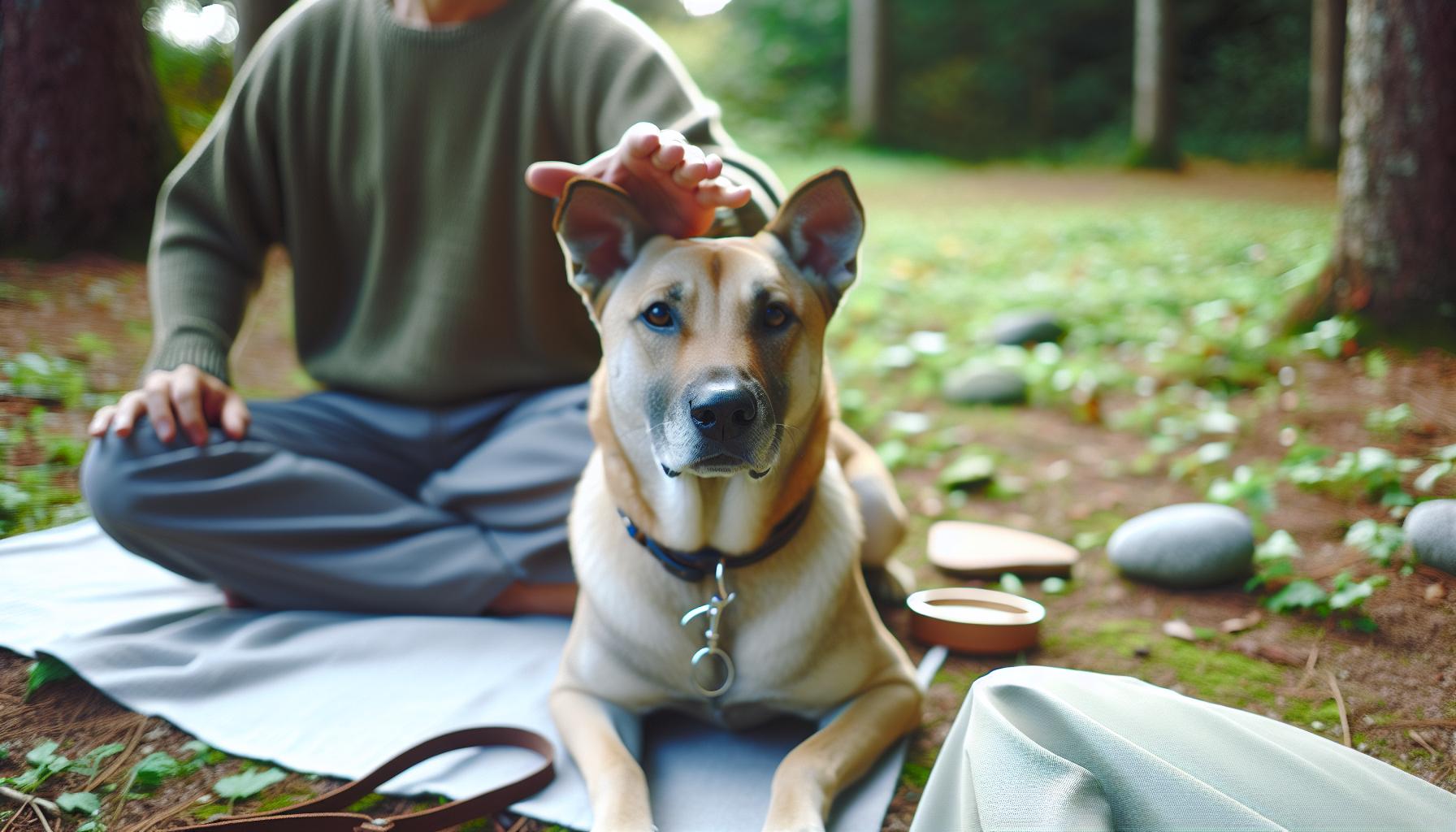
Dogs communicate volumes through their body language, especially during grooming when they might feel vulnerable or uncertain.Learning to recognize calming signals-subtle gestures dogs use to soothe themselves or diffuse tension-can transform a stressful grooming session into a peaceful experience for both dog and groomer. By tuning in to these natural cues, you can adjust your restraint methods promptly, offering reassurance before anxiety builds up.
Common calming signals include lip licking, yawning, turning the head away, soft blinking, and slow body movements. As an example, a golden Retriever experiencing a bit of stress during brushing might softly lick its lips or look away rather of staring directly at the groomer.These signs are not “disobedience” but honest requests for patience and gentleness. Responding with a lighter touch, slower strokes, or brief breaks can help the dog regain composure without needing firmer restraint, which often escalates tension.
Spotting the Signs During Key Grooming Tasks
- bath Time: Watch for paw lifts or tail tucks-these often signal discomfort with water temperature or handling. Offering calm verbal reassurances paired with gentle restraint helps ease these worries.
- Brushing: watch for flicking eyes or head turns. These can mean the dog feels a little overwhelmed. Pausing to softly stroke the dog’s chest or shoulder can provide comfort.
- Nail Trims: Many dogs show trembling or subtle shifting away when nervous. Swaddling paws in a soft towel or using minimal restraint while speaking in soothing tones can encourage stillness without distress.
- Ear Cleaning: Gentle cradling of the head combined with soft eye contact reassures dogs who may pull away or show lip licking.
Practical Tips for Groomers and Owners
• Learn your dog’s individual calming signals through regular interaction-not all signals look the same across breeds or personalities. Some small breeds, like Shih Tzus, may freeze and avoid eye contact, while herding breeds like Border collies might pace or circle before calming down.
• Avoid misinterpreting signals like yawning as boredom-it’s often a stress release. Responding with patience and adjusting restraint accordingly can prevent a spike in anxiety.• When you notice these signs, reduce physical pressure instantly and use slow, steady movements. Pretend your hands are an extension of the dog’s body, not an external force.
• Combine verbal reassurance with touch.A calm, gentle voice paired with soft strokes around known “safe zones” such as the chest or base of the neck helps build trust during restraint.
• If a dog repeatedly uses calming signals but restraint is necessary (e.g.,for a medical groom),it can be beneficial to stop briefly,offer treats,or take a short break to reset the dog’s comfort level before continuing.
Recognizing and respecting these calming signals not only improves safety by preventing sudden escapes or bites but deepens your bond with your dog. Through patience and compassionate restraint, grooming becomes less about “holding still” and more about building confidence one gentle moment at a time.For further insights into canine body language during grooming, reliable resources provide more detailed signal guides to keep you tuned in to your dog’s emotional state[[1]](https://wagwanderer.com/understanding-dog-body-language-10-common-signals-and-what-they-mean/)[[2]](https://www.caninejournal.com/dog-body-language/)[[3]](https://www.latimes.com/companion-animals/dogs/care/story/dog-body-language-explained).
DIY vs. Professional Restraint: When to Seek Help
It’s natural to want to handle your dog’s grooming at home, and with the right mindset and tools, many grooming tasks can be tackled gently and effectively. However, some situations call for the skilled hands of a professional to ensure your furry friend stays safe, calm, and comfortable. Recognizing when to seek expert assistance is a key part of compassionate care, not a sign of failure.
For dogs with thick, curly, or easily tangled coats (like Poodles or Bichon Frises), DIY grooming can quickly become tricky. Restraint needs to be both firm and gentle to avoid skin irritation or injury when brushing mats or clipping hair. Similarly, nervous or reactive dogs benefit greatly from professional restraint techniques. Groomers have experience reading subtle body language and timing restraint carefully to reduce anxiety, especially during stressful tasks like nail trims or ear cleanings, where a sudden movement could lead to injury.
Knowing When to call in the Professionals
- Complex coat care: Breeds with double coats (German Shepherds, Huskies) or heavy shedding require specialized grooming tools and careful restraint to manage safely.
- Medical or behavioral concerns: Dogs with arthritis,skin sensitivities,or a history of aggression need restraint tailored by someone trained in veterinary-safe handling.
- Persistent restlessness or fear: If your dog consistently struggles or shows stress signals despite your best efforts, a groomer or vet technician trained in low-stress handling can make all the difference.
- Risk of injury: Situations involving trimming around sensitive areas-like paws,face,or ears-can be delicate. Professionals use specialized positioning and calming aids to keep dogs safe and still.
At home, start with simple tasks like brushing or gentle bathing. Use calming touches, soft voices, and take frequent breaks. A soft towel wrap or “swaddling” technique can help shy or uneasy dogs feel secure. But if you find your dog becoming overwhelmed or if safe restraint feels beyond your ability, it’s wise to pause and consult a grooming expert.
Setting boundaries: Vet, Groomer, or Owner?
While a groomer is highly skilled in gentle restraint and coat care, veterinarians or vet technicians are your go-to team when grooming overlaps with medical needs. For example, if your dog has painful joints or skin conditions, vets will guide which restraint methods won’t cause discomfort and may use sedation if necessary. Knowing these boundaries helps keep your dog’s experience positive and injury-free.By choosing professional help when needed, you’re not only protecting your pet’s well-being but also learning new restraint techniques that can improve future home grooming sessions. Remember, patience and compassion beat perfection every time-whether at home or the salon.Gentle hands, calm voices, and respect for your dog’s limits are the foundation of stress-free grooming for life.
Troubleshooting Restlessness: Tips for Difficult Grooming Sessions
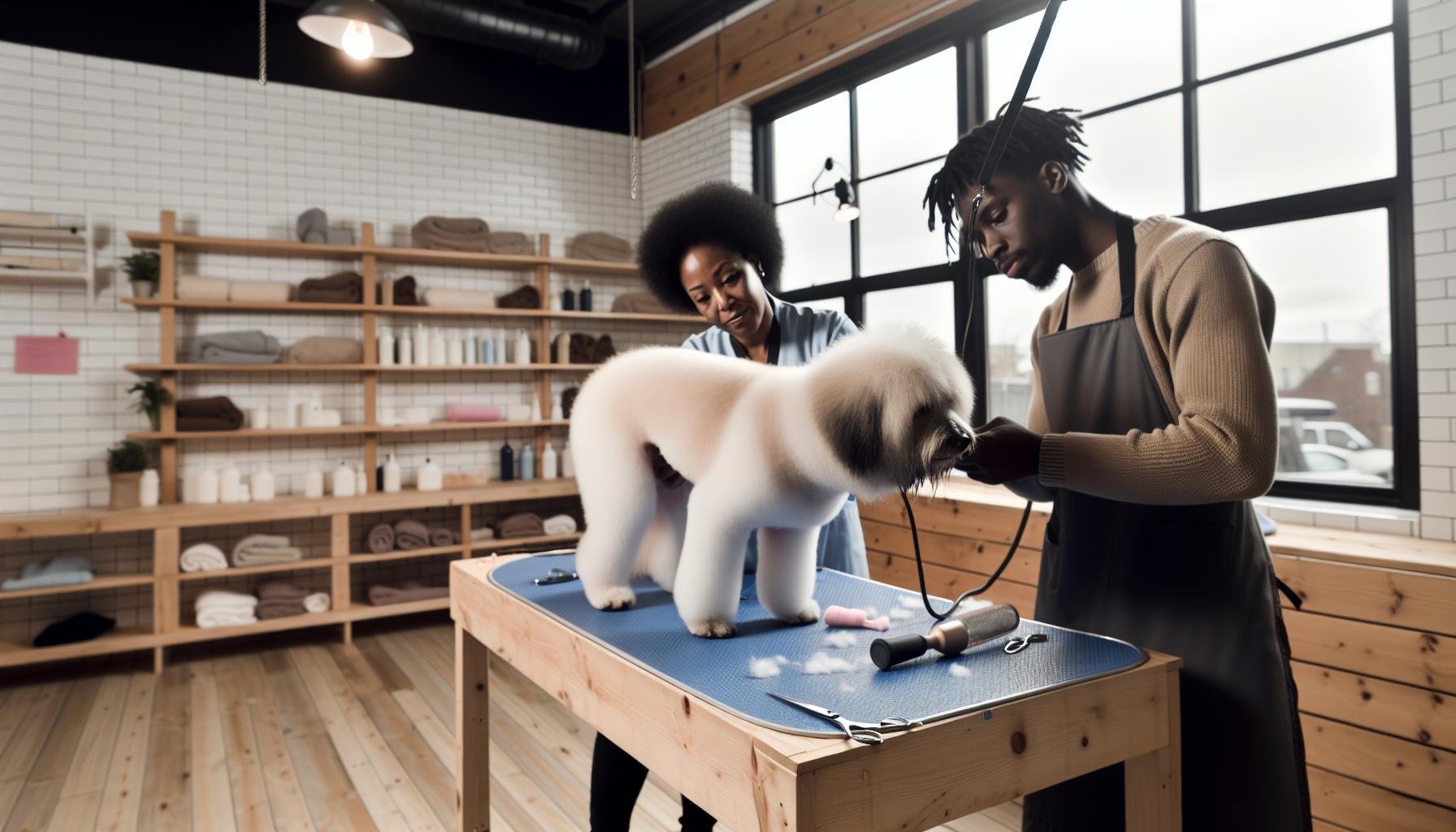
Calming a restless dog during grooming is frequently enough more about reading your pet’s mood and responding with gentle patience than about strict control. Every dog,whether a tiny Chihuahua or a fluffy Pomeranian,has unique triggers-whether it’s sensitive paws,unfamiliar sounds,or feeling trapped-and understanding these can transform a challenging grooming session into a peaceful one. For instance, thick or curly coated breeds like Poodles often need slower brushing techniques and frequent breaks to avoid discomfort, which can otherwise cause fidgeting or resistance.
Break Down the Session Into Manageable Steps
Rather of trying to complete the whole grooming at once, divide tasks into short, focused segments. Start with brushing,then pause and reward your dog before moving to nails or ear cleaning. This creates small wins and reduces overwhelm.For dogs prone to restlessness, even a minute of quiet petting or a calm “time-out” with a cozy towel wrap can reset their mood.
- Brushing: use a slicker brush or comb suited for your dog’s coat type. Slow, gentle strokes focusing on small areas reduces pulling and irritation.
- Nail trimming: Have treats ready and speak softly. If your dog pulls away, stop, soothe, and try trimming one nail at a time over several days if needed.
- Ears: Use a soft cloth and avoid pushing too deep.If your dog shakes their head, gently hold and talk reassuringly before trying again.
Recognize and Respond to Stress Signals
A dog’s body language is a real-time guide to their comfort. Signs like yawning, lip licking, shifting weight, or avoiding eye contact are subtle requests for a break. Respect these signals by pausing and offering comforting strokes or a favorite chew toy. Remember, forcing restraint when a dog is highly anxious can escalate restlessness and risk injury. Instead, try changing your approach or ask for professional help when fear or escape attempts persist despite gentle efforts.
When to Pause and Seek Support
Sometimes restlessness signals deeper issues like pain, fear, or sensory sensitivity, especially common in older dogs or those with medical conditions.If you notice persistent struggles or signs of distress like trembling or growling during grooming, it’s a signal to involve a skilled groomer or veterinarian.These professionals can introduce low-stress handling techniques, tools like calming wraps, or, in some cases, mild sedation to ensure safety and comfort.
| Common Trigger | helpful strategy | When to Get Help |
|---|---|---|
| Coat mats and tangles | Use detangling spray, gentle comb-through, and frequent breaks | If mats are too tight or cause pain |
| Nail trimming anxiety | Short sessions with treats, gradual nail clipping | Repeated attempts cause distress or injury risk |
| Ear sensitivity | Soft cloth cleaning, soothing tones, minimal manipulation | Signs of infection or severe reaction |
By approaching restlessness with empathy and flexibility, you create a safe space where your dog learns grooming is a positive experience rather than a battle. Over time, these small, calm victories build trust and cooperation, making future sessions smoother for both of you.Always prioritize your dog’s emotional and physical comfort above speed or perfection-gentle restraint is about connection,not force.
Avoiding Stress and Injury: Safety First Restraint Practices

It’s a common misconception that holding a dog firmly is the safest way to keep them still during grooming. In reality, overly tight or rigid restraint can increase a dog’s anxiety and risk causing injury to both the pet and the person grooming. The guiding principle should always be “gentle control” paired with constant observation of your dog’s comfort level. Every dog responds differently depending on breed, coat type, past experience, and current mood, so adapting your approach is key to preventing stress and harm.
Start With the Right Tools and Setup
Having appropriate equipment tailored to your dog’s size and coat helps limit unneeded physical restraint. Such as, a non-slip grooming table surface provides stability without force. Use soft grooming loops or harnesses designed to support but not choke or pinch sensitive areas. Instead of holding a dog’s entire head or limbs unnaturally, try to support them gently to encourage calm posture without triggering fear or resistance.
- Bathing: Use a handheld sprayer with gentle water pressure to avoid startling your dog. A rubber mat or towel underfoot prevents slipping, reducing the need for physical restraint.
- Brushing: Start with light, slow strokes using the right brush for your dog’s coat. for thick or curly coats, frequent breaks stop tugging that leads to pulling or snapping movements.
- Nail trimming: Rather than wrestling the paw out of fear, hold it firmly but softly in your hand, speaking calmly. If the dog shows signs of distress, pause and offer treats before continuing.
- Ears: Avoid pushing ears into uncomfortable positions.Instead, use gentle cupping with fingers and a soft cloth to clean, allowing the dog to adjust in small movements.
Responsive Handling Prevents Injury and Heightens Trust
A dog’s body language is your safety barometer. Signs such as stiffening, lip licking, or yawning aren’t just stress markers-they’re gentle warnings. Respond immediately by easing restraint, changing angle, or taking a break rather of forcing control. This reduces struggling or sudden escape attempts, which are the main causes of scratches, bites, or sprains. For example, a nervous Terrier who snaps when paws are held tightly might settle with a looser grip combined with soothing voice and distraction like a favorite chew.
Know When Restraint Is Beyond DIY
Some situations naturally demand professional intervention to keep everyone safe.Dogs with medical conditions, severe anxiety, or pain-related resistance often require specialized handling beyond what most owners or inexperienced groomers can provide. Low-stress handling techniques, calming wraps, or sedation might be necessary, and these are best administered by groomers trained in behavior or veterinary professionals. If regular grooming attempts lead to injury or aggressive reactions, seeking expert help is a sign of care and responsibility, not failure.
| Task | Safety-Focused restraint Tips | Signs to Stop and Check-In |
|---|---|---|
| Bathing | Secure footing, gentle sprayer, calm tone | Excessive shaking, panting, attempts to flee |
| Brushing | slow strokes, frequent breaks, proper tool choice | Whining, snapping, paw withdrawal |
| Nail Trimming | Soft hold, praise, trim one nail at a time | Trembling, growling, pulling paw hard |
| Ear Care | Gentle touch, avoid deep probing, quiet environment | Intense head shaking, ear scratching, signs of pain |
Remember, successful restraint is never about overpowering but about guiding your dog with compassion, patience, and respect. This approach not only prevents injury but builds a foundation of mutual trust, making grooming a positive, even enjoyable experience for the unique personality on your grooming table.
Building Trust: Preparing Your Dog for Restraint Over Time
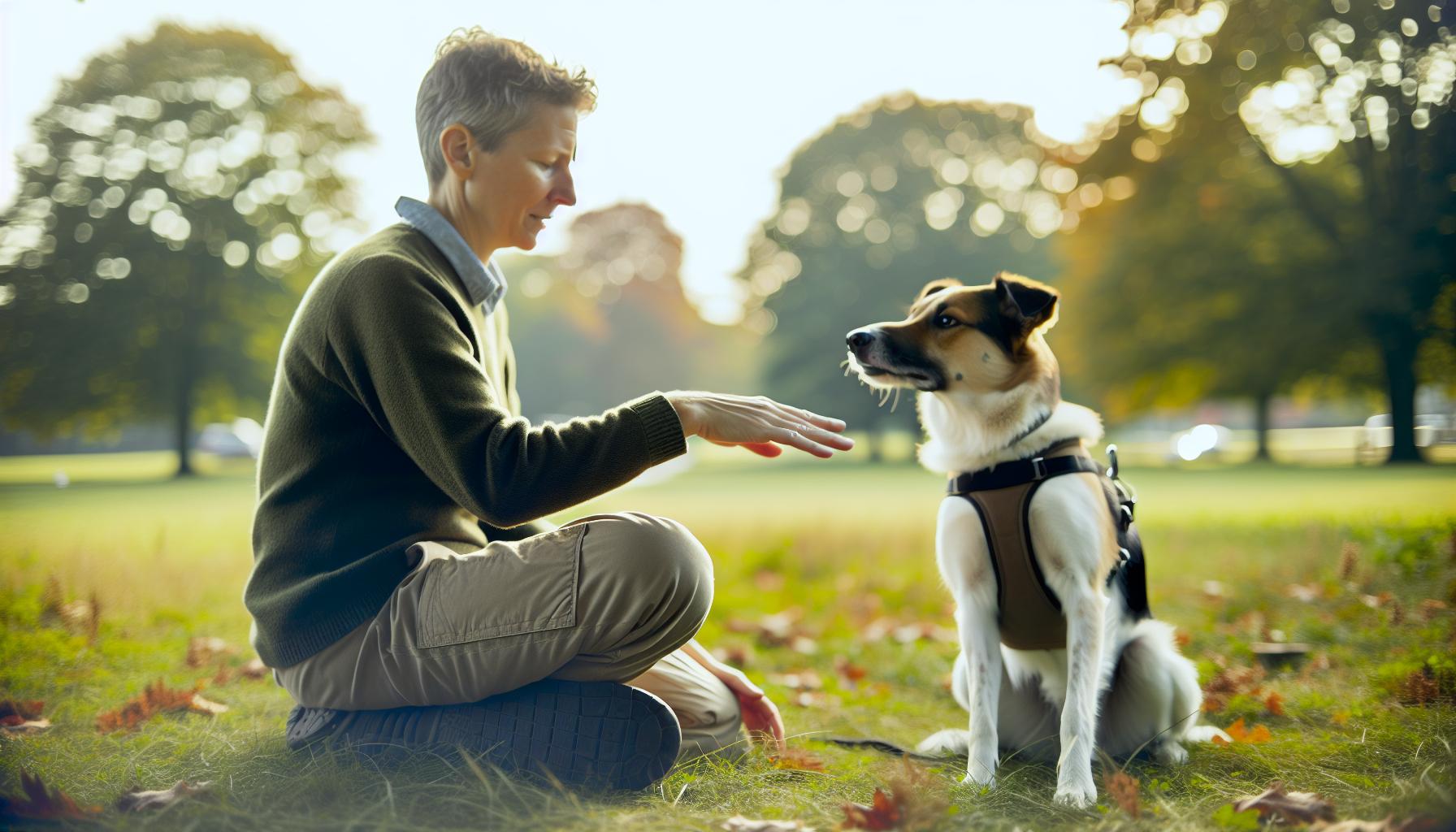
Introducing gentle restraint to your dog unfolds best through gradual, positive experiences rather than rushed or forceful methods. Much like building any trusting relationship, patience and respect are your greatest allies. When dogs learn that being gently held or supported during grooming is always paired with kindness-not discomfort or surprise-they begin associating restraint with safety, not fear.
start Small and Be Consistent
Begin by handling your dog in everyday, non-grooming moments.Touch paws lightly during play or relaxation, stroke the ears softly during cuddle times, and practice brief, gentle holds on limbs or under the chin, using calm voices and rewarding with treats. This helps establish association between touch and positive feelings. For example,with a high-energy Spaniel,short daily sessions building up from soft petting to mild holding can increase tolerance. Dogs with thicker or curlier coats, like Poodles, may prefer slow desensitization to tools touching their fur before physical restraint is applied.
Introduce Restraint Tools Gradually
Equipment like grooming loops or harnesses should never come as a surprise to your dog. Start by letting your pet explore these tools without use, allowing sniffing and slight contact during relaxed times. Then, softly place the loop or harness for a few seconds, immediately following with praise or treats, gradually increasing duration over days or weeks. This thoughtful introduction prevents the tool itself from becoming a stress trigger. A shy or nervous dog, such as a Chihuahua, will particularly benefit from this slow approach, as sudden restraint often leads to resistance or fear.
Make Grooming a Predictable, Positive Routine
Dogs thrive on routine and feel safer when they can anticipate what comes next. Keep sessions short and manageable, especially when starting out, and always end on a high note.Here’s a simple stepwise approach you can try:
- Bathing: Use gentle water sprays and soothing tones. Let your dog see and sniff the bath area beforehand.
- Brushing: Begin with a soft brush and slow strokes.Take frequent breaks and praise calm behavior.
- Nail trimming: Handle paws gently while rewarding calmness even before touching clippers.
- Ear cleaning: Offer treats before and after gentle wiping, never forcing the process.
Offering reassurance this way encourages your dog to relax during restraint rather than brace against it. Over time, they may choose to stay still as they trust you, not because they feel confined.
Know When to Step Back or Seek Guidance
Progress looks different for every dog. If your companion shows ongoing distress-excessive trembling, growling, or attempts to escape-it’s a sign to slow down and reassess. Some dogs with complex medical or behavioral challenges may need veterinary or professional groomer support skilled in low-stress handling techniques. Remember, building trust is not about quick fixes but honoring your dog’s unique pace for comfort and safety.By embedding gentle restraint in your dog’s grooming routine thoughtfully and patiently, you set the foundation for years of calmer, safer, and more joyful grooming sessions. Trust isn’t forced-it’s nurtured.
Incorporating Positive Reinforcement to Encourage Stillness

Positive reinforcement is one of the most powerful tools to help dogs remain calm and still during grooming. When dogs understand that staying relaxed pays off-through treats, praise, or gentle petting-they’re much more likely to cooperate willingly. This approach not only minimizes stress for your pet but also fosters a trusting bond that makes future grooming easier and even enjoyable. For example, a nervous Cocker Spaniel can quickly associate sitting still during a brushing session with a favorite snack or a soothing voice, turning an initially tense moment into a positive routine.
Use High-Value Rewards to capture Attention
Not all treats or praise carry the same weight. Using high-value rewards like small pieces of chicken, cheese, or a special toy can drastically improve your dog’s focus during challenging parts of grooming, such as nail trimming or ear cleaning. Begin by rewarding small moments of stillness. If your dog stays calm for even a few seconds during paw handling, immediately offer a treat and praise. Gradually increase the duration required for reward, reinforcing calm and still behavior repeatedly in short, consistent sessions. This method is especially effective in breeds prone to anxiety or fidgeting, like the Border Collie or Jack Russell Terrier.
Break Grooming Into Rewarded Steps
Breaking grooming tasks into bite-sized chunks makes stillness more achievable. For instance:
- Bathing: After each leg is washed, pause and reward calmness.
- Brushing: Reward gentle standing after every few strokes instead of brushing uninterrupted for a long time.
- Nail trimming: Praise and treat after clipping each nail or even just after holding the paw calmly for a few seconds.
- Ear cleaning: Offer treats for allowing the head to be tilted and each wipe without resistance.
This stepwise reinforcement builds confidence and reduces overwhelm, making the overall process less daunting for both dog and groomer.
Incorporate Verbal Praise and Calm Touch
While treats are motivating, many dogs also respond deeply to a calm, reassuring voice and gentle strokes in key areas such as behind the ears or under the chin. Pair verbal affirmations like “good boy” or “such a good girl” with steady, slow petting to reinforce the message that stillness is both expected and appreciated. This is particularly soothing for sensitive breeds like the Shih Tzu or Bichon frise, where tactile comfort can ease nervousness and increase tolerance for restraint.
Troubleshooting Tips for Resistant Dogs
If your dog resists or attempts to move away despite reinforcement, avoid escalating with force or frustration. Rather:
- Slow down the pace and return to smaller, easier steps.
- Give longer breaks and increase the frequency of rewards for minimal calm pauses.
- Consider incorporating a favorite chew or a calming pheromone diffuser nearby.
If stubborn restlessness persists, it’s wise to consult a professional groomer or trainer experienced with low-stress handling techniques. Remember, positive reinforcement is about nurturing cooperation rather than demanding compliance-patience and kindness always come first.
When Medical Conditions Impact Grooming Restraint Choices
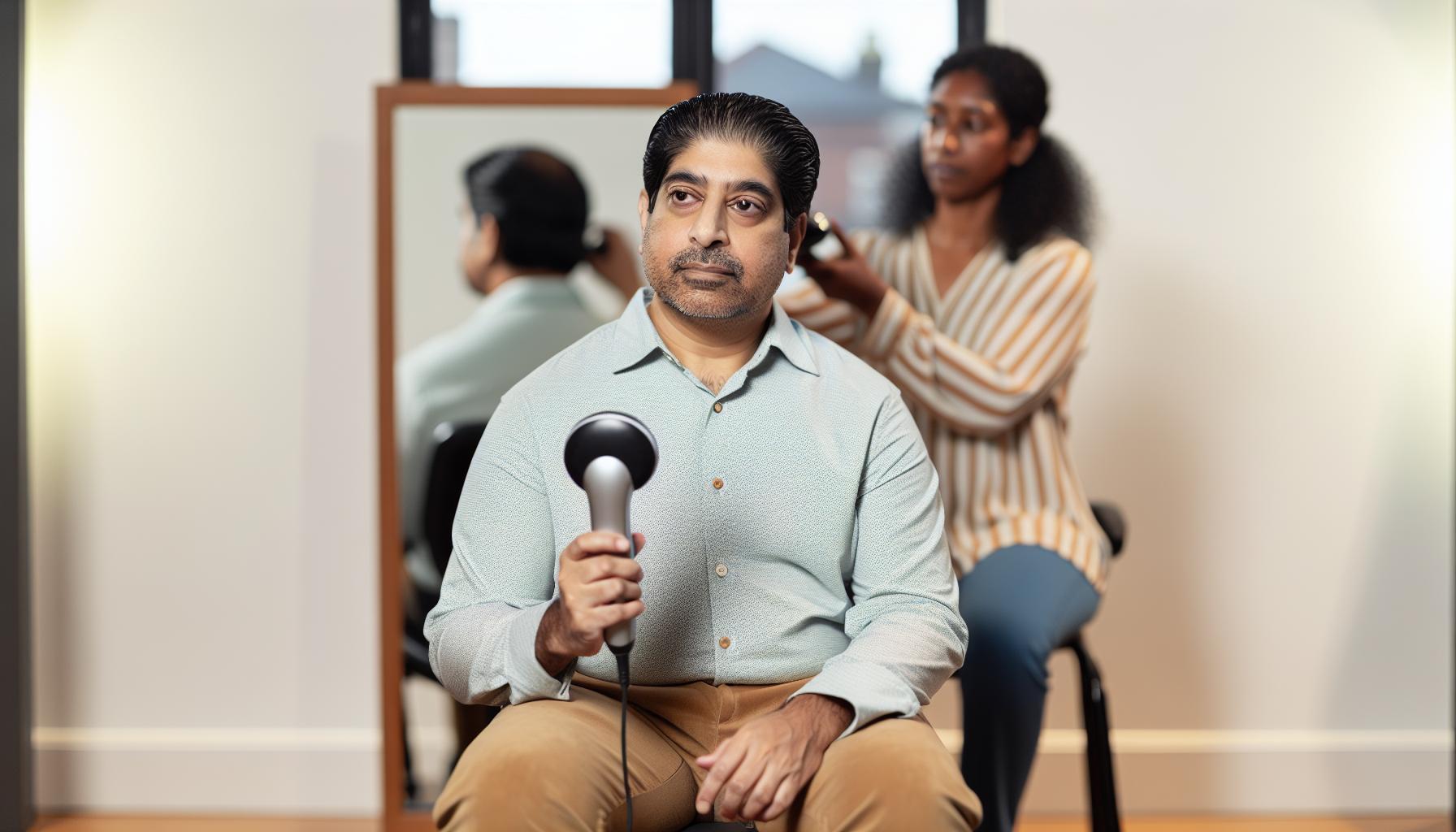
Dogs with medical conditions often require an extra layer of care and sensitivity when it comes to grooming restraint.Whether dealing with arthritis, skin allergies, neurological disorders, or even injuries, these health issues can make traditional holding methods uncomfortable or even perilous. A gentle approach is essential; it respects not just their comfort but also their dignity, turning grooming into a less stressful experience for both pet and owner.
Adapting Restraint Techniques for Physical Limitations
Dogs with joint problems like arthritis or hip dysplasia often have areas that are painful to touch or difficult to maneuver. Instead of firm holds that might cause discomfort, use soft, supportive restraint techniques-like gentle cradling or using padded towels to stabilize limbs. Such as, during nail trimming, if extending a paw causes resistance or pain, try resting the dog’s paw on your lap and supporting it without forcing a full extension. Break the session into smaller steps and take frequent breaks to allow your dog to relax and reposition comfortably.
Managing Sensory or neurological Conditions
Dogs with hearing loss, vision impairment, or neurological issues can become frightened easily, making stillness harder to achieve. In these cases,verbal cues lose effectiveness,so rely more on tactile reassurance like calm,gentle petting.Let your dog see your movements clearly to avoid startling them. A firm yet soft touch, combined with calm body language and slow, deliberate actions, can help reduce anxiety. As an example, a dog with vestibular disease may be unsteady, so avoid tight or restrictive holds.Instead, use light support around the chest or under the belly, ensuring balance without pressure.
When Sensitive Skin or Allergies Are a Concern
dogs with skin conditions-eczema, hot spots, or allergies-are prone to irritation from traditional grooming restraints, collars, or muzzles. Opt for restraint tools made of soft, breathable materials like cotton harnesses or no-pull vests instead of rigid collars or metallic clips. Place towels or soft padding between harness straps and the dog’s skin when using restraint loops. During brushing or bathing,use hypoallergenic products and brush in the direction of hair growth to avoid causing discomfort. Communicate openly with your veterinarian or groomer about your dog’s specific sensitivities to tailor the grooming routine safely.
Knowing When to Involve Professionals or Veterinarians
Some medical conditions require more than gentle home care-they need expertise. If your dog exhibits extreme sensitivity,aggression triggered by pain,or health issues that complicate restraint (seizure disorders,heart conditions),consult both your vet and a professional groomer trained in low-stress handling and medical grooming. Veterinary clinics frequently enough offer grooming services equipped to manage these special needs with sedatives or specialized restraint equipment.For home grooming, seek guidance on safe restraint alternatives and when to pause or modify sessions to prevent injury or escalation.
- bathing: Use gentle handling, avoid water pressure on painful areas, and support the dog’s body fully.
- brushing: Employ soft brushes and handle sensitive spots cautiously, rewarding calm behavior generously.
- Nail trimming: Trim incrementally, prioritizing comfort over speed, possibly using nail grinders if clippers cause stress.
- Ear cleaning: Clean gently to avoid exacerbating infections or discomfort, following vet advice closely.
by tailoring restraint methods to your dog’s health needs, you’re not just grooming-you’re nurturing trust and wellness. Remember, a calm, patient, and informed approach is always the cornerstone of compassionate grooming, especially when medical concerns are involved.
Frequently asked questions
Q: How can grooming tables with restraints help keep dogs still gently?
A: grooming tables equipped with built-in gentle restraints provide controlled support that prevents sudden movements without causing discomfort. These adjustable loops or harnesses secure the dog safely,allowing groomers to work calmly. Using the right table setup tailored to your dog’s breed and size ensures comfort and reduces stress. for tips, see our section on safe restraint tools.
Q: What role does scent play in calming dogs during grooming restraint?
A: Familiar scents, like a keeper’s clothing or calming sprays with dog-safe pheromones, can soothe anxious dogs during grooming.These scents promote relaxation and help dogs stay calm while gently restrained. Incorporating scent therapy is a subtle yet effective method to enhance stress-free restraint techniques at home or professionally.
Q: Why is using minimal restraint preferable in dog grooming?
A: Minimal restraint is preferred because it reduces anxiety and avoids triggering fear responses. Using only necessary gentle holds fosters trust and cooperation,especially for nervous or sensitive dogs. Adopting this approach aligns with compassionate grooming practices that prioritize your dog’s comfort and safety, as discussed in building trust over time.
Q: How do groomers adjust restraint methods for small vs. large dogs?
A: Groomers tailor restraint by considering a dog’s size, with lighter, hand-held holds for small dogs and supportive equipment like harnesses or tables for large breeds. Size-appropriate restraint prevents injury and creates a more secure, calm grooming session. Explore how breed and size impact restraint approaches in our detailed guide.
Q: What are gentle restraint tips for grooming dogs with sensitive areas?
A: For dogs with sensitive spots, groomers use soft, slow movements and avoid pressure by supporting rather than gripping these areas. Distraction with treats or toys combined with gentle restraint helps keep dogs still without discomfort. Refer to our tips on nervous dog handling for step-by-step methods.
Q: How can owners prepare their dogs at home to stay still during grooming restraint?
A: Owners can prepare dogs by gradually introducing restraint tools in short, positive sessions paired with treats and praise. Regular gentle handling and mimicking groomer touches build trust and reduce fear during professional grooming.For more, check our guidance on preparing your dog for restraint over time.
Q: When should a professional groomer decide to use a muzzle during restraint?
A: A muzzle is used only when necessary to ensure safety and prevent bites, and it should be properly fitted and introduced calmly. Groomers combine muzzling with gentle restraint and calming cues to minimize stress. Always seek professional help if your dog shows signs of aggression during grooming restraint.
Q: What are effective ways to keep dogs calm during nail trimming restraint?
A: Effective nail trimming involves secure but gentle holding of the paw, distraction with treats, and slow, steady movements. Using soft restraint tools or having a helper gently support the dog can prevent sudden jerks. Learn more about gentle holding techniques specifically for nails in our detailed section.
Feel encouraged to explore more about restraint tools and handling techniques within our article sections like Safe and Compassionate Restraint Tools for Calm Grooming and Step-by-Step Gentle Holding Techniques for Nervous Dogs.Your dog’s comfort and calmness are always top priorities!
Closing Remarks
Mastering gentle restraint methods is key to a calm, safe grooming experience for dogs of all breeds and coat types. Whether you’re tackling a bath, brushing, nail trimming, or ear cleaning, prioritizing your pet’s comfort with simple, step-by-step techniques makes all the difference. Remember, gentle restraint isn’t about control-it’s about creating trust and security, ensuring every grooming session feels stress-free and positive.
Ready to deepen your grooming skills? Explore our guides on choosing the right tools for sensitive coats and tips for at-home nail care to keep tails wagging between professional appointments. If questions remain or you want personalized advice, don’t hesitate to sign up for our newsletter or book a consultation with expert groomers who truly care about your dog’s well-being. Join our community of pet lovers sharing stories and solutions-your dog’s comfort journey continues here.
Stay tuned for more on safe grooming practices and discover how to balance DIY care with professional support. Share your experiences or ask questions below-we’re here to help you and your furry friend enjoy every grooming moment with patience, compassion, and confidence.
Get our latest guides, news, and insights highlighted in your Google Search & AI Overviews.
Keep reading about the same coat and cut.




Popular grooming guides
Bath vs clip, first grooms, and salon how-tos.