Do Groomers Take Dogs With Fleas: Infestation Policies
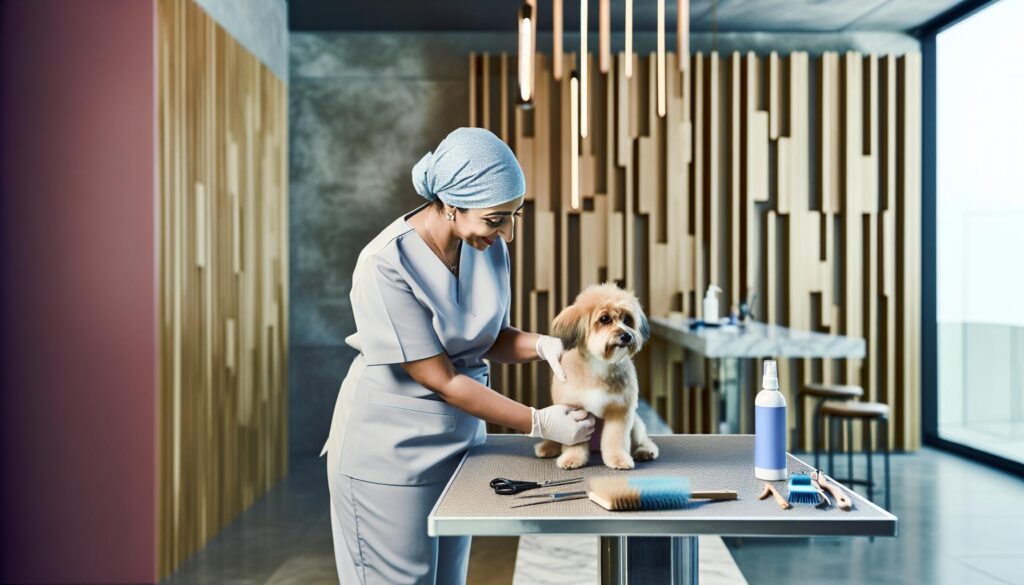
Did you know that even the most well-loved pets can sometimes bring unwanted guests like fleas into the grooming salon? Understanding whether groomers accept dogs with flea infestations-and how they handle these situations-is crucial for every pet owner. This topic matters deeply as it affects not only your dog’s comfort and safety but also the health of other pets and staff at the salon. Many groomers have specific policies to prevent the spread of fleas,balancing compassion with practical measures to protect everyone involved. If your dog does have fleas, knowing what to expect can ease your worries and help you take the best next steps, whether that’s a specialized flea bath or consulting your vet first. Keep reading to learn more about common infestation policies, how groomers approach flea treatments, and tips to prepare your pet for a stress-free grooming experience-because every dog deserves to feel clean, calm, and cared for.
Understanding Groomers’ Policies on flea-Infested Dogs
Table of Contents
- 1 Understanding Groomers’ Policies on flea-Infested Dogs
- 2 Why Flea Control Is Crucial Before Grooming
- 3 Signs of Flea Infestation Every Owner Should Know
- 4 How Groomers Detect Fleas During Appointments
- 5 Health Risks of Grooming Dogs with Fleas
- 6 Step-by-step Flea Treatment before Visiting a Groomer
- 7 what to expect If Your Dog Has Fleas at Grooming
- 8 Safe Flea Prevention Tips for Regular Grooming Visits
- 9 Alternatives When Groomers Refuse Flea-Infested Dogs
- 10 Communicating Flea Issues with Your Groomer Effectively
- 11 Balancing grooming Needs and Flea Management at Home
- 12 Frequently Asked Questions
- 12.1 Q: Can groomers perform a flea treatment if my dog arrives with fleas?
- 12.2 Q: Why do grooming salons refuse dogs that have fleas?
- 12.3 Q: How far in advance should flea prevention be applied before a grooming appointment?
- 12.4 Q: What should I do if my dog gets fleas shortly before a scheduled grooming appointment?
- 12.5 Q: Are there groomers who offer specialized services for dogs with fleas?
- 12.6 Q: How can I prepare my dog to meet my groomer’s flea infestation policies?
- 12.7 Q: What happens if a dog with fleas is unknowingly brought to the groomer?
- 12.8 Q: Can flea infestations affect the quality and safety of a dog’s grooming session?
- 13 Insights and Conclusions
It’s a common concern for many pet parents-what happens if your dog shows up with fleas when it’s time for a grooming appointment? Most groomers have clear policies around flea infestations, shaped by a sincere desire to protect all the animals in their care as well as their own staff.These policies are less about judgment and more about health, safety, and comfort for every furry client.
Many grooming salons require that dogs arrive flea-free to help prevent the spread of these persistent parasites.This rule isn’t arbitrary; fleas can easily jump from one pet to another and infest the entire salon habitat. For breeds with thick or long coats-like Shih Tzus, Golden Retrievers, or Poodles-the risk is even greater because fleas can hide deep in their fur, making detection and treatment more challenging for groomers who need to work efficiently and safely.
How Groomers Handle Flea Situations
In cases where fleas are detected during the grooming process,policies usually provide two paths. Some groomers will give your dog a specialized flea bath to eliminate the parasites right then and there. This extra step requires time and special treatment products, so an additional charge often applies. However,if the infestation is severe,or the risk to other animals is deemed too high,groomers may need to postpone or cancel the appointment and request that the pet owner treats the dog at home first. This policy prioritizes the wellbeing of all pets in the salon, as well as the staff’s health.
Why these Policies Matter
while the inconvenience can be frustrating, these measures protect your dog from discomfort and potential health complications such as flea allergy dermatitis or secondary skin infections. It’s also about respecting every animal’s safety-an infested dog can cause an outbreak that disrupts the grooming schedule for several clients. That’s why many salons recommend starting flea prevention early and continuously, especially for dogs who socialize with other animals or spend time outdoors.
- Preventive flea treatments are often required or highly encouraged before visits.
- Interaction with your groomer about flea control helps avoid surprises.
- Early detection at home makes the grooming process more comfortable for your dog.
Recognizing that fleas are a reality many pets face, groomers approach these policies with understanding and compassion. The goal is always to keep your four-legged friend feeling calm,comfortable,and cared for-not to penalize owners for a temporary pest problem. Familiarizing yourself with your groomer’s specific flea policies ahead of time ensures a smoother, stress-free grooming experience for everyone involved.[1][2]
Why Flea Control Is Crucial Before Grooming
Fleas are more than just an itchy nuisance; they pose real challenges to grooming and your dog’s overall comfort. Imagine bringing your furry friend into a bustling salon with thick or long fur-breeds like Golden Retrievers,Poodles,or Shih Tzus-where fleas can easily hide deep within their coats. Groomers need to spot and manage these parasites quickly to work efficiently and protect all pets in the environment. that’s why having fleas under control before your grooming visit is essential-not just for your dog’s wellbeing, but for every pet sharing that space.
When a dog arrives with fleas, the grooming process can become stressful. Fleas can cause discomfort, distracting your dog and making simple tasks like brushing or nail trimming more difficult. Even with the gentlest touch, an infested pet might constantly scratch or try to escape, increasing risk for injury or missed grooming details. From a practical standpoint, dealing with fleas on-site often means extra time and specialized flea baths, which many groomers charge for to cover costs and treatment efforts. some salons,prioritizing safety,may even postpone services until the fleas are fully treated at home,to avoid spreading them to others.
Prioritizing Health and Safety for All Pets
The root of these policies isn’t strict rules-it’s compassion and concern. Fleas can carry diseases and cause skin infections or severe allergic reactions in sensitive dogs.Treating fleas early helps prevent these complications and reduces the chance that your dog becomes uncomfortable or stressed by the grooming process. Preventive flea control also keeps grooming tools, the workspace, and staff safe, maintaining a clean, calm environment for every furry client.
- Start preventive flea treatments early: Regular topical or oral flea preventatives can keep your dog’s coat flea-free.
- Check your dog’s coat at home: Use a flea comb regularly-especially if your pet spends time outside or with other animals.
- Communicate openly with your groomer: Let them know about your flea control routine to coordinate care and avoid surprises.
by tackling flea issues before the grooming appointment, you help your dog feel relaxed and cared for during their salon visit. Remember, grooming is about more than the look-it’s about comfort, safety, and positive experiences that build trust between you, your dog, and the groomer. With flea control front and center, you’re setting up everyone for success and a happier, healthier pet.
Signs of Flea Infestation Every Owner Should Know
Fleas are masters of disguise, often hiding deep within a dog’s thick or long coat, which is why many owners only notice the problem once their pet becomes clearly uncomfortable. You don’t have to wait for constant scratching or restlessness to recognize an infestation. Knowing the early signs can make all the difference in catching fleas before grooming becomes a battle – helping your dog stay comfortable and ensuring your groomer welcomes your furry friend with open arms.
In dogs with dense or curly fur-think Poodles, Golden Retrievers, or Shih Tzus-fleas love to gather near the neck, behind the ears, along the back, and especially around the tail base. These are prime spots to start your inspection.Run a fine-toothed flea comb slowly through these areas; you’re looking not just for live fleas but for tiny black specks commonly called ”flea dirt,” which is flea feces and a sure sign fleas have been feasting on your pet’s blood. Flea dirt will turn reddish-brown when wet-an easy test you can do at home with a damp paper towel.
Key Physical Signs to Watch For
- Red, irritated skin and bumps: Flea bites trigger allergic reactions in many dogs, leading to red, bumpy, and inflamed skin. These are frequently enough visible near the neck, shoulders, and tail base.
- Hair loss and scabbing: Persistent scratching and biting cause hair thinning or bald patches, especially over the hips and thighs. Secondary infections can cause scabs and crusty areas.
- Excessive scratching and grooming: If your dog is suddenly biting or licking particular spots more than usual or seems restless, fleas are likely the culprit.
- Behaviour changes: Some dogs become irritable, anxious, or restless due to flea discomfort, especially during grooming appointments. This can make handling harder.
Tools and Tips for Spotting Fleas at Home
Using a flea comb is one of the simplest, most effective ways to check for fleas before your grooming visit. Comb small sections of fur slowly and carefully over a white surface like paper or a light-colored cloth.any dark specks or tiny jumping insects mean it’s time to start a flea treatment routine. Keep in mind, flea infestations can sometimes start small, so even a single flea found should be taken seriously.
Remember, groomers are trained to spot these signs quickly during your appointment, but when owners catch fleas early, the entire grooming experience improves dramatically. Catching flea problems before your groomer does helps prevent stress for your dog,avoids extra charges for on-site flea baths,and keeps the grooming space safe for other pets.
If you notice persistent signs but are unsure, your veterinarian can help by recommending the best flea control products tailored to your dog’s health and lifestyle. While groomers provide expert care for your dog’s coat and nails, dealing with flea infestations often requires veterinary support-especially if your pet has secondary skin infections or allergies.By becoming familiar with these signs and regularly checking your dog, you empower yourself to act promptly and compassionately, keeping your pet happy, healthy, and welcome at the groomer’s salon[[[[[1]](https://www.papayapet.com/resources/6-tell-tale-signs-that-your-dog-or-cat-may-have-fleas/)[[[[[2]](https://www.chewy.com/education/dog/flea-and-tick/signs-of-fleas-on-dogs) [[3]](https://www.merckvetmanual.com/dog-owners/skin-disorders-of-dogs/fleas-of-dogs).
How Groomers Detect Fleas During Appointments
Fleas are incredibly skilled at hiding, frequently enough slipping past even the most watchful eyes. Groomers rely on a mix of experience, keen observation, and careful hands-on inspection to detect these unwelcome hitchhikers quickly – sometimes before clients even realize there’s a problem. since fleas thrive in specific spots depending on the dog’s coat type and breed, groomers tailor their approach accordingly to spot signs efficiently and gently, minimizing stress for your pet.
dogs with thick, long, or curly coats like Poodles, golden Retrievers, or Shih Tzus require extra attention in certain “hot spots” – behind the ears, around the neck, along the back, and near the tail. Groomers run a fine-toothed comb carefully through these areas, searching not only for live fleas but also for flea dirt – the tiny, black specks of flea feces that turn reddish when wet.This subtle detail often reveals fleas long before they’re visible as jumping insects.For short-haired dogs with smooth coats like Boxers or Beagles, visual inspection and gentle brushing suffice since any fleas or signs tend to be easier to spot on the skin and fur surface.
Tools & Techniques Groomers use to Detect Fleas
- Fine-toothed flea comb: This is the gold standard.Groomers comb small sections slowly, allowing time to notice moving fleas or flea dirt trapped between the teeth of the comb or on a white towel beneath.
- Close visual and tactile inspection: Skilled groomers palpate (feel) the coat and skin, looking for raised bumps, redness, or scabs that often accompany flea bites.
- Observation of behavior: Some dogs become restless, fidgety, or even reactive when handling flea-prone areas-groomers use this as an early indicator to examine more thoroughly.
- Bath water monitoring: If a flea is disturbed during washing, they may jump into the bathwater, revealing infestation through visible insects or fleas clinging to the skin.
Because grooming is all about your dog’s comfort, groomers approach flea detection with patience and care. if a dog seems anxious or sensitive, a groomer may space out the inspection, use calming words, and provide gentle handling to avoid making the experience traumatic. This care also ensures safer identification of flea-related skin irritations, which might be missed if the dog is uncomfortable or rushed.
It’s important to understand that while groomers are adept at spotting fleas or their signs, they won’t replace veterinary care. Groomers can recommend when a visit to your vet is necessary for flea treatments or when secondary infections need professional attention. Their role is to identify concerns early so you can take swift action, making future grooming appointments more pleasant for everyone involved.
When you book your grooming appointment, keeping an open dialog about your pet’s history and any recent flea concerns helps groomers tailor their examination and care to your dog’s specific needs. This teamwork ensures a happy, flea-free experience from start to finish, prioritizing safety and the well-being of your furry friend and others in the salon environment[[[[[1]](https://pawfectspa.com/how-groomers-detect-fleas-and-ticks-before-you-do/) [[3]](https://www.prestigepetresort.com/blog/how-grooming-can-help-identify-parasites-like-fleas-ticks-and-heartworms).
Health Risks of Grooming Dogs with Fleas
Fleas aren’t just pesky nuisances; they can pose real health threats to your dog and the entire household. When a dog arrives at the groomer already infested, it’s not just about discomfort-there’s a ripple effect that impacts the pet’s well-being, the grooming staff, and other pets in the salon. Fleas bite and feed on your dog’s blood, often causing intense itching that leads to scratching, secondary wounds, and even infections. For breeds with sensitive skin or allergies-like boxers or poodles-this can escalate into flea allergy dermatitis, a painful condition requiring veterinary treatment.
More than just skin irritations, fleas are carriers of parasites and diseases. Fleas can transmit tapeworms if swallowed during grooming or licking and sometimes pass along bacterial infections such as Bartonella (the agent behind “cat scratch fever”) or cause anemia, especially in puppies or smaller breeds. think of grooming as a multi-step process involving bathing, brushing, nail trimming, and ear cleaning. If fleas are present, each step can disturb the fleas, causing them to jump from your pet and potentially infest grooming tools, towels, or even other animals waiting for their turn.
- For long-coated, dense breeds: The flea’s hiding spots in thick fur create extra challenges, increasing the chance that fleas and their eggs are missed by the groomer and survive treatment attempts.
- For short-haired breeds: While fleas might potentially be easier to spot, the sudden irritation can increase stress during grooming, making your dog more anxious or reactive.
- Risk of spreading: Fleas thrive in warm, soft environments-such as grooming mats or waiting areas-and can quickly infest the salon or your home if not managed promptly.
Groomers practice kindness first-if fleas are discovered during the appointment, they typically halt grooming to protect your dog’s comfort and prevent spreading to others. They may recommend veterinary-grade flea treatments and thorough home cleaning before resuming services. It’s important to understand that professional groomers, while skilled at recognizing and managing visible fleas, are not a substitute for veterinary care. Treating fleas effectively involves a combination of vet-prescribed medications, environmental cleaning, and patience.
Steps Groomers Take to Minimize Health Risks
- Pre-Appointment Screening: Many groomers require proof that pets are on a monthly flea prevention program.
- Thorough Inspection: Use of flea combs and close tactile checks to catch signs early.
- Gentle Isolation: Separating affected pets to avoid cross-contamination.
- Sanitation Protocols: Cleaning and disinfecting grooming areas after each pet to minimize flea survival.
If your dog is itchy or restless before grooming, a speedy pre-trip flea check with your vet’s recommended medication will save stress and disruption. Remember, a calm, flea-free pet gets the most benefit and joy out of grooming. Your partnership with your groomer starts with proactive flea management-not just for vanity, but for your dog’s health and happiness.
by understanding the real risks fleas pose during grooming, you can feel confident that setting clear boundaries about flea control is a kind, responsible decision-one that protects your furry friend, other animals, and the dedicated professionals who care for them.
Step-by-step Flea Treatment before Visiting a Groomer
Fleas are masters at hiding, especially in thick or long coats, making it crucial to tackle the problem thoughtfully before your dog steps into the grooming salon. Taking the right flea treatment steps beforehand not only helps protect your pet’s skin and comfort but also ensures a smooth, stress-free grooming appointment.Approaching flea control with patience and kindness empowers you to set your dog up for success-not just looking great but feeling great too.
Start with a Comprehensive Flea bath
Use a veterinary-approved flea shampoo designed to kill both adult fleas and their eggs. Depending on your dog’s coat length and skin sensitivity,this can range from gentle formulas for sensitive skin to more intensive medicated options. For long-haired or dense-coated breeds like Golden Retrievers or Shih Tzus, extra care is needed during bathing to completely saturate the fur and reach the skin where fleas hide. Remember to:
- Apply shampoo carefully: Focus on areas fleas favor-behind ears, neck, underarms, and the base of the tail.
- Leave shampoo on the coat: Follow instructions to let the shampoo sit for the recommended time (usually 5-10 minutes) to maximize effectiveness.
- Rinse thoroughly: Residual shampoo can irritate skin, so be patient to rinse well, especially around sensitive areas.
A flea bath alone rarely eradicates fleas but is an important first line of defense to reduce their numbers and calm your dog’s itching.
Comb Out Fleas and Eggs
After drying your dog gently with a towel, use a fine-toothed flea comb to comb through the coat in small sections.This step is essential for physically removing adult fleas and flea dirt inaccessible to shampoo alone. For curly or thick coats, combing may take extra time but prevents lingering fleas from reestablishing themselves.
- Tip: dip the comb in warm, soapy water after each pass to kill captured fleas immediately.
- Be gentle: Avoid tugging on tangles-use a detangler if needed to prevent discomfort.
- Keep sessions short: Several short, calm combing sessions over a few days reduce stress for anxious dogs.
Apply Veterinary-Recommended Flea Preventatives
After your initial bath and combing, applying a vet-approved, long-acting flea treatment is key. Options include topical treatments (like Revolution Plus for cats or Frontline Plus for dogs), oral tablets (Capstar for rapid flea kill), or chewables (Simparica for dogs). These products interrupt the flea life cycle and keep infestations from returning.
- Consult your vet: Each dog’s health, age, and breed may influence the safest and most effective choice.
- Follow dosing instructions carefully: Over- or under-dosing can reduce effectiveness or cause side effects.
- Combine environmental treatment: Use household flea sprays or foggers as recommended to eliminate fleas from bedding, carpets, and furniture.
Home Environment: An Frequently enough Overlooked Step
No flea control is complete without addressing your home’s environment. Flea eggs can fall off your pet and hatch in your carpets or upholstery, so treating these areas is just as critical as treating your dog.
- Vacuum thoroughly and dispose of the vacuum bag immediately.
- Wash your dog’s bedding and favorite resting spots in hot water weekly during treatment.
- consider flea sprays safe for pets in indoor and outdoor environments where your dog plays.
Real-World Tips
Many dog owners have found success starting with a quick Capstar oral tablet to kill active fleas within hours, followed by a flea shampoo the next day, and then moving on to monthly topical prevention. this multi-step plan reduces flea populations fast and sets the stage for gentle grooming appointments. Always inform your groomer about what treatments you’ve used so they can adjust their care accordingly.
Taking these thoughtful, patient steps ensures your dog enters the groomer flea-free, making the experience safer and more enjoyable for everyone involved. Remember: your groomer’s role is to beautify and care for your pet,not to provide medical flea treatment. That partnership begins with your proactive care, kindness, and commitment to your dog’s comfort.
what to expect If Your Dog Has Fleas at Grooming
It’s a common scenario that can feel stressful: arriving at the groomer and discovering that your dog has fleas. Groomers approach this situation with care because fleas aren’t just a nuisance-they can spread quickly to other pets and the environment. Many professional groomers have clear policies in place that prioritize everyone’s safety and comfort, which usually means they cannot proceed with grooming until flea treatment is underway or complete. This isn’t about judgment but about protecting your furry friend, the other pets in the salon, and maintaining a clean, healthy space.
Initial Assessment and Gentle Handling
When your dog arrives,groomers often start with a quick but thorough check,focusing on common flea hotspots like behind the ears,around the neck,under the belly,and at the tail base.Fleas are incredibly stealthy, especially in thick or curly coats, so this examination is a key step to catch anything early. if fleas are detected, the groomer will kindly explain the situation and recommend next steps. They may ask you to postpone grooming until your dog has received appropriate flea treatment. In some mobile grooming scenarios, staff might be equipped to provide safe flea baths, but that varies by provider.
Why Grooming Is Paused Until Flea Control
Even though a groomer loves helping dogs look and feel their best, fleas make the grooming environment risky. Fleas can jump onto grooming tools, other dogs, or linger in the salon space, leading to infestations that are difficult to control. For example, shaving or brushing a flea-infested coat can cause irritation or stress for your pet, and combs or clippers can spread fleas if not properly sanitized. For these reasons, many groomers respectfully decline to groom dogs actively infested with fleas, requesting that owners first consult their veterinarian or use approved flea treatments before returning.
Real-World Tips to Prepare Your Dog
to avoid surprises at the salon,prepare your dog before their appointment with a veterinary-approved flea shampoo and a careful comb-out using a fine-toothed flea comb. Inform your groomer beforehand if your dog has had any recent flea issues and share what treatments you’re using. This communication builds trust and helps the groomer tailor the experience for your dog’s specific needs.
- Bath: Use a gentle flea shampoo designed for your dog’s skin sensitivity and coat type.
- combing: Remove dead fleas and eggs methodically, especially in thick or long coats.
- Ongoing prevention: Apply monthly flea preventatives as recommended by your veterinarian.
What Happens If Your Dog Has Fleas at the Appointment?
If fleas are discovered upon arrival, expect the groomer to take a compassionate but firm approach: they will likely suggest rescheduling after flea treatment rather than grooming immediately. This protects your pet from irritation and discomfort and also others. Some groomers may offer a gently medicated flea bath if they have the experience and products onsite and with owner consent, which can be a comforting first step.
In any case, groomers focus on your pet’s welfare over aesthetics. They understand that fleas cause itching and anxiety, and their goal is to support you and your dog through effective, safe grooming-once the flea problem is under control. This partnership between owner and groomer ensures every dog can have a stress-free, enjoyable grooming experience free from flea troubles.
By approaching flea issues promptly and thoughtfully, you empower your dog’s comfort, health, and happiness during every grooming visit. Remember, despite the inconvenience, this temporary pause for treatment keeps everyone safer and happier in the long run[[[[[1]](https://www.happyhoundsgrooming.com/solve-dogs-and-cats-fleas-infestation)[[[[[2]](https://www.chewy.com/education/cat/flea-and-tick/how-to-get-rid-of-fleas-on-your-dog-or-cat-during-their-grooming-routine)[[3]](https://www.qcpetstudies.com/blog/2019/11/how-to-stop-flea-and-tick-infestations-at-your-dog-grooming-salon).
Safe Flea Prevention Tips for Regular Grooming Visits
Fleas can feel like tiny invaders, but with consistent care and smart habits, you can keep your dog-and the grooming experience-comfortable and flea-free. Prevention is truly the best approach; regular grooming visits are far more enjoyable when you’ve already taken simple steps at home to keep fleas at bay. Start with a routine that fits your dog’s breed, coat type, and skin sensitivity, because every pet is unique.
Bathing and Brushing: The First Lines of Defense
For dogs with short coats, a quick weekly brush combined with a warm bath every 2-4 weeks using a veterinarian-approved flea shampoo works wonders. Long-coated or curly-haired breeds need more attention: bath time should be followed by diligent combing with a fine-toothed flea comb to physically remove any hitchhiking fleas, eggs, or debris hiding deep in the fur. When combing, work methodically from head to tail, especially focusing behind the ears, under the belly, and around the tail base-those are flea favorites. Use a white paper towel or shallow water dish to catch fleas during combing so you can spot even tiny movements quickly.
- Tip: for nervous dogs, turn this into a calm ritual-offer treats, gentle praise, and short breaks to keep stress low and your pup cooperative.
- Tool choice: Invest in quality flea combs with closely spaced metal teeth and a grip-pleasant handle to make the process easier for both of you.
Lifestyle and Year-Round Protection
Beyond grooming, flea prevention combines tools and strategies that keep your dog safe between appointments. Monthly topical treatments, oral medications, or flea collars (vet-recommended brands) create invisible protection, disrupting flea life cycles before they take hold. Such as, oral pills often work fast and can be a good choice for dogs sensitive to topical products or who swim frequently. Meanwhile, collars provide long-lasting defense but require monitoring for any skin irritation, especially in smaller breeds. Remember, prevention doesn’t stop with your pet-regularly cleaning bedding, vacuuming living spaces, and treating outdoor areas complements your efforts.
Working Hand-in-Hand With Your Groomer
Communicate openly about what flea control you’re using at home before each grooming appointment. this allows your groomer to be prepared and adjust their techniques if your dog has been recently treated or is sensitive to certain products. If you spot even a single flea in the days before, schedule a quick at-home bath or comb-out so your dog arrives fresh and pest-free. This minimizes surprises and builds a trusting relationship. In some cases, groomers can spot early signs that you might not notice, helping you catch infestations early.
By integrating gentle routines and consistent prevention, you empower your dog with comfort and health.Grooming then becomes a joyful, shared experience-not a stressful confrontation with itchy pests-making every visit something both you and your furry friend can look forward to with calm confidence.
Remember: If you ever suspect a flea problem, consult your veterinarian before combining new treatments or shampoos. Your vet’s guidance ensures safety tailored to your dog’s specific health needs,while your groomer supports ongoing coat and skin care-each playing a unique but complementary role in maintaining your dog’s well-being[1][2][3].
Alternatives When Groomers Refuse Flea-Infested Dogs
Fleas can be stubborn little pests, and when a groomer declines to work with a dog showing signs of infestation, it’s usually to protect your pet, other animals, and the grooming environment. This can feel frustrating or even disheartening, but there are compassionate, effective alternatives to keep your furry friend clean and comfortable while you work on eliminating those fleas. Understanding these options can empower you to care for your dog confidently, even if your usual groomer isn’t currently an option.
At-Home Flea Care Made Simple
before you seek professional help again, tackling flea control at home with some gentle, consistent steps can make a world of difference. Start with a vet-approved flea shampoo tailored to your dog’s coat type and skin sensitivity-this is crucial to avoid irritation,especially in breeds with delicate skin or dense,curly fur. After a warm bath, use a fine-toothed flea comb to methodically comb through the coat, paying special attention to flea hotspots like behind the ears, under the belly, and around the tail base.For example, a golden Retriever with a thick double coat will need slow, patient combing in small sections, while a short-coated breed like a Beagle may require less combing but more frequent baths.
- Tip: Keep the process gentle and reward your pet with treats and calm praise to reduce any anxiety.
- Tools: Flea comb, mild vet-recommended flea shampoo, a shallow bowl of water to check for fleas, and a clean towel.
With diligence, this routine minimizes fleas while making your dog more comfortable and ready for professional grooming again.
Professional Support Beyond Conventional Groomers
If your regular grooming salon refuses a dog with fleas, consider seeking out groomers who specialize in handling pets with flea issues or who offer “medical grooming” services. These facilities often have protocols in place, such as isolated bathing areas or the use of flea-specific shampoos, and are trained to work carefully without exacerbating skin irritation or spreading the infestation. Another helpful resource might be mobile groomers who come to your home, reducing stress for anxious pets and helping to maintain strict control over flea exposure.
Veterinary clinics often provide professional baths and deworming treatments; combining veterinary care with grooming support can be especially beneficial when your dog’s flea problem is severe. It’s wise to consult your vet for advice on the safest and most effective flea treatments before your next grooming appointment.
Communicating Openly With Your Groomer
If a groomer refuses service because of fleas, it helps to have a calm, honest conversation about your current flea management efforts and your plan for resolving the issue. Ask if they can recommend local resources or specialists, or if they offer post-treatment grooming once your dog is flea-free. This open dialogue builds understanding and ensures that when your dog is ready, the groomer can provide safe, stress-free care for your pet and other animals in the salon.
Maintaining Progress Between Appointments
To prevent future refusals, build a flea-focused routine at home that complements professional grooming visits. this includes:
- Regular use of vet-approved monthly flea preventatives (oral, topical, or collars depending on your dog’s needs).
- Consistent cleaning of your dog’s bedding, vacuuming floors, and treating indoor and outdoor environments.
- early detection by checking for signs of fleas often-and acting quickly if you spot any.
These steps not only speed recovery but protect your home and all your furry family members from reinfestation.
Remember, groomers who say no to flea-infested dogs aren’t just protecting their business-they’re prioritizing the health and comfort of all pets in their care, including yours. With gentle home care, veterinary support, and clear communication, you’ll be back to enjoyable, stress-free grooming visits in no time. compassion and patience through this process make all the difference-for you and your beloved companion.
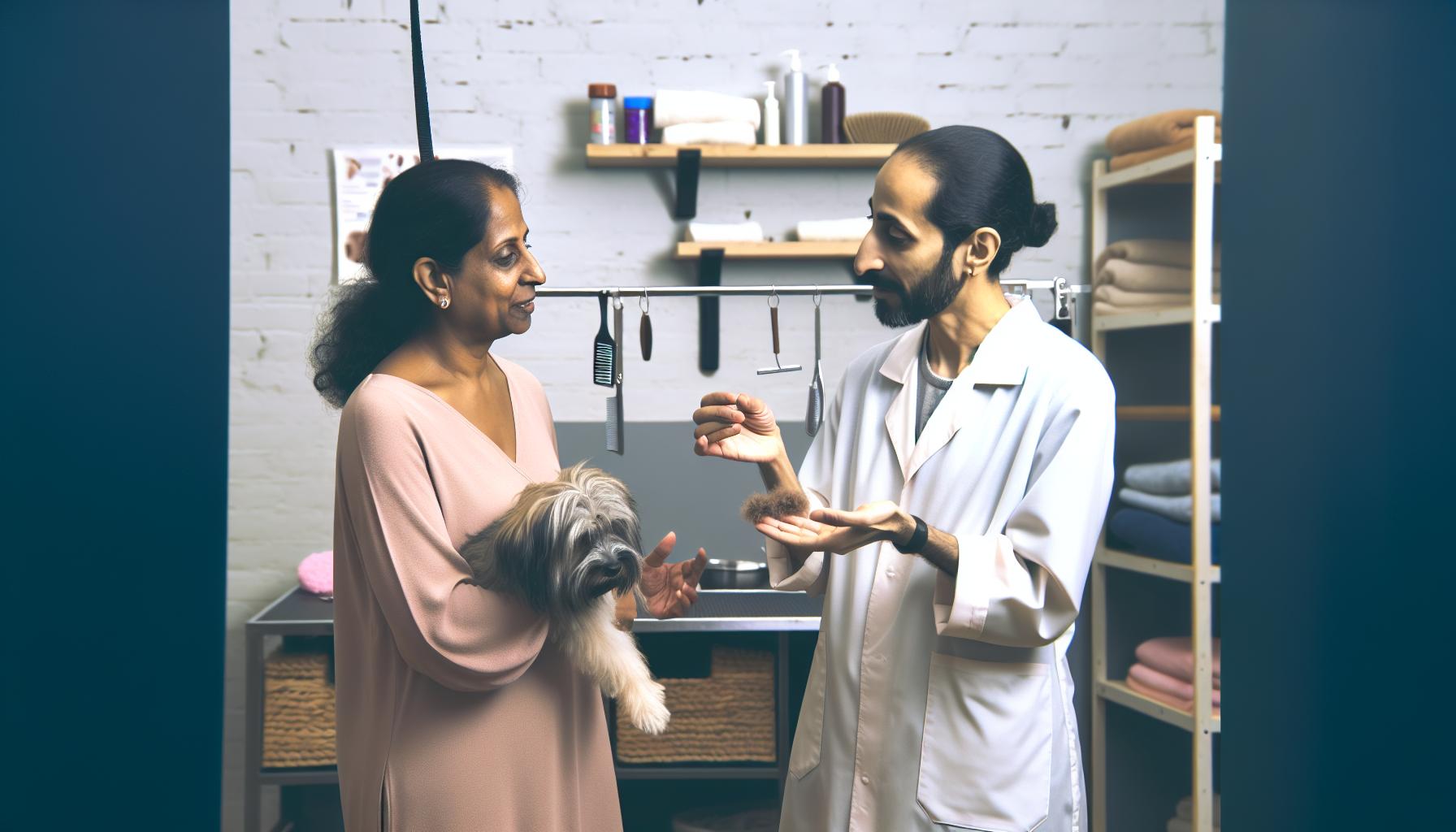
Communicating Flea Issues with Your Groomer Effectively
It’s surprisingly common for pet owners to feel hesitant about bringing up flea concerns with their groomer, especially if they fear judgment or refusal of service. Yet, honest and open communication is truly the cornerstone of successfully managing your dog’s comfort and health during grooming visits. Groomers aren’t just there to make your dog look neat-they’re partners in caring for your pet’s wellbeing. when you share updates about flea prevention efforts or current challenges,it creates trust and allows your groomer to tailor their approach thoughtfully.
Approach the conversation like this: start by briefly explaining what steps you’ve already taken at home, such as using vet-approved flea treatments or careful comb-throughs, and whether you’re still actively treating the infestation. Mention your dog’s breed and coat type, since these factors effect both flea management and grooming techniques.Such as, a long-haired Australian Shepherd may require more intense combing to detect hidden fleas, while a short-coated boxer might show signs more easily. Being clear about this helps the groomer prepare the right tools and plan for a gentle, thorough session.
- Ask practical questions: “Are there any special flea-prevention shampoos or treatments you recommend before grooming?” or “do you have protocols in place if any fleas are found during grooming?”
- Discuss timing: Let your groomer know your timeline for flea control efforts, especially if you’re scheduling multiple appointments or need advice on when the next grooming is safest for your pup.
- Stay receptive: If the groomer explains reasons for refusing service due to flea risk, view this as a precaution, not criticism. Ask if they can suggest local specialists who handle sensitive flea cases or mobile groomers who may accommodate your situation.
Remember, groomers are advocates for your dog’s comfort as much as their appearance. When a groomer senses your commitment and openness, they’re more likely to accommodate your pet within their safety guidelines or offer helpful referrals. Speaking frankly also reduces the anxiety that can arise from surprises at the salon-for you and your dog alike.In truth, proactive, compassionate conversations build the foundation for stress-free grooming experiences, even when fleas have been part of the picture.
Lastly, keep ongoing communication part of your routine. After your dog’s grooming, check in with your groomer about how things went-maybe they noticed areas to focus on next time or wanted to share tips for home care. This continuous dialogue strengthens your partnership and ensures your furry friend receives the best care possible. With gentle honesty and good collaboration, you’ll both navigate flea challenges with calm confidence and kindness.
Balancing grooming Needs and Flea Management at Home
Many pet owners find themselves navigating the tricky balance between maintaining their dog’s grooming schedule and managing a flea situation at home. It’s important to remember that grooming doesn’t have to halt completely just because fleas are present-but adjusting your approach with care and patience can make all the difference for your dog’s comfort and health.
Understanding Your Dog’s Coat and Flea Management tools
Different breeds and coat types require tailored flea management alongside grooming. For instance, long-haired dogs like Golden Retrievers or Australian Shepherds can hide fleas and eggs deep in their fur, making regular, gentle combing essential to catch any problems early. Short-coated breeds such as Beagles or Boxers may reveal fleas more quickly through visible signs like scratching or red skin. Using a fine-toothed flea comb during your usual brushing routine helps trap fleas and eggs, reducing numbers before you book a professional groom. Keep a bowl of soapy water nearby-flea combed debris drops into the water,immobilizing fleas instantly.
Step-by-Step Home Grooming During Flea Control
Start with a bath using a vet-approved flea shampoo designed to target live fleas effectively. Be sure to follow instructions regarding how long to leave the shampoo on-the typical proposal is about 5-10 minutes for full effectiveness. While bathing, massage gently to avoid stressing your pup. As flea shampoos can sometimes dry the skin, follow up with a moisturizing conditioner if your dog’s coat becomes brittle.
Next, allocate time for brushing and combing once the coat is dry. Different brush types can be useful depending on your dog’s coat: slicker brushes for tangles in thick fur or bristle brushes for short, smooth coats. A flea comb complements these tools to check for lingering fleas you might miss. If your dog dislikes combing, keep sessions short and reward them generously, helping reduce anxiety.
don’t forget paws, ears, and nails-areas frequently enough overlooked but essential. Inspect the ears for redness or flea dirt, wiping carefully with vet-approved ear cleaners if necessary. Nail trimming during flea management should be gentle to avoid stress; if your dog is especially sensitive, split the grooming across days or seek professional help once fleas are controlled.
Collaborating with Your veterinarian and Groomer
Managing fleas is a team effort between you, your vet, and your groomer. Flea prevention medications prescribed or recommended by veterinarians are key to stopping re-infestations and complement grooming efforts at home. while groomers excel at handling coats and skin health, they don’t replace veterinary care for flea treatment or associated infections.
If your groomer refuses service because of fleas, use this as an possibility to ask for home care tips tailored to your dog’s breed and condition. They can also suggest safe pre-groom treatments, like advanced flea sprays or shampoos, that help make the grooming visit stress-free for everyone. Remember, their priority is your dog’s welfare-not just aesthetics.
- Routine checks: Incorporate weekly flea combing and skin inspection into your grooming routine.
- Consistent treatment: Maintain monthly flea prevention year-round-even in colder months.
- Environment care: Treat your home and yard to reduce flea reservoirs, complementing home grooming efforts.
- Positive reinforcement: Use treats and calm tones to make grooming a pleasant experience, easing flea-related stress.
By blending regular grooming with targeted flea control at home, you create a calm, comfortable routine that prepares your dog well for professional grooming visits. This balanced approach helps protect your furry friend’s health, minimizes flea-related discomfort, and keeps their coat shining between salon appointments.
Frequently Asked Questions
Q: Can groomers perform a flea treatment if my dog arrives with fleas?
A: Most groomers do not perform flea treatments during grooming appointments due to product sensitivity and contamination risks. Rather,they require dogs to be treated beforehand. If fleas are detected, you’ll usually be asked to treat your dog and reschedule. Check your groomer’s policy for safe, step-by-step flea treatment guidance before your next visit.
Q: Why do grooming salons refuse dogs that have fleas?
A: Grooming salons refuse flea-infested dogs to prevent spreading fleas to other pets and maintain a safe environment. Fleas can easily transfer between animals and cause widespread infestation. This policy also protects staff health and ensures all clients’ pets receive flea-free grooming sessions[[[[[2]].
Q: How far in advance should flea prevention be applied before a grooming appointment?
A: Flea prevention should be applied at least 30 days before your dog’s grooming appointment to ensure no active fleas remain.This timing allows treatments to break the flea life cycle effectively, preventing reinfestation during grooming [[3]]. Confirm timing with your groomer’s specific policies.
Q: What should I do if my dog gets fleas shortly before a scheduled grooming appointment?
A: If fleas appear just before grooming, contact your groomer immediately to postpone the session. Begin recommended flea treatments right away and follow your groomer’s instructions to avoid rescheduling fees. This helps safeguard all pets and ensures a comfortable grooming experience after treatment.
Q: Are there groomers who offer specialized services for dogs with fleas?
A: A few groomers may provide specialized flea baths or treatments, but they are rare and often charge extra. Typically, groomers require flea treatment at home first for safety. If you need help, consider veterinary or professional pest control advice before scheduling grooming[[[[[1]].
Q: How can I prepare my dog to meet my groomer’s flea infestation policies?
A: Prepare your dog by using vet-approved flea preventatives consistently, inspecting for signs of fleas, and bathing with flea shampoos if needed. Communicate openly with your groomer about any flea concerns. early readiness helps avoid last-minute cancellations and keeps your pet comfortable during grooming [[9]].
Q: What happens if a dog with fleas is unknowingly brought to the groomer?
A: If fleas are discovered upon arrival, most groomers will reschedule your appointment and require treatment confirmation first. Some may offer a flea bath at an additional cost, but usually, the dog won’t be groomed to avoid spreading the infestation. Prompt treatment and honest communication are essential.
Q: Can flea infestations affect the quality and safety of a dog’s grooming session?
A: yes, flea infestations can cause discomfort, increased scratching, and stress, making grooming unsafe or ineffective. Fleas also risk spreading infections and causing allergic reactions during grooming. Following flea management tips before appointments ensures a calm, safe grooming experience [[5]].
For more detailed steps on flea treatment and effective communication with your groomer, see our sections on Step-by-Step Flea Treatment Before Visiting a Groomer and communicating Flea Issues with Your groomer Effectively. Keeping your pet flea-free not only protects them but also supports a positive grooming relationship.
Insights and Conclusions
Understanding your groomer’s flea infestation policies is essential to keeping your pet safe and your community healthy. Most professional groomers require pets to be flea-free before services to prevent spreading, but if fleas are found during grooming, expect a pause or additional treatments to protect all furry clients. This approach ensures your dog’s comfort and maintains a cleaner, parasite-free environment for everyone. For guidance on preventing future infestations, check out our detailed tips on flea prevention and maintain your pet’s well-being easily at home.
ready to take the next step? Explore our Complete Dog Grooming Guide to learn breed-specific care,effective tools for brushing and bathing,and clear advice on when to seek vet support versus DIY grooming. Also, don’t miss our Nail and Ear Care Tips for a full health check during your grooming routine. Signing up for our newsletter gives you expert tricks and timely reminders so you never miss out on keeping your dog pest-free and happy. Have questions or want to share your experience? Drop a comment below or join our community forum-your pet’s best care starts with you.
By staying informed about flea prevention policies and grooming best practices, you take confident control over your dog’s comfort and safety. Trust that with patience, compassion, and the right resources, flea-free grooming is not just possible-it’s the standard every loving owner deserves.
Get our latest guides, news, and insights highlighted in your Google Search & AI Overviews.
Keep reading about the same coat and cut.




Popular grooming guides
Bath vs clip, first grooms, and salon how-tos.