Where to Find Dog Groomers: Search Tips & Directories
Finding a trusted dog groomer can feel overwhelming, especially when you want your furry friend to be safe, pleasant, and cared for with gentle hands. Grooming isn’t just about looks-it’s about maintaining your dog’s health through proper coat care, nail trimming, and ear cleaning.Whether you have a fluffy Pomeranian or a short-haired Labrador, knowing where to find experienced groomers who understand your pet’s unique needs makes all the difference. This guide will help you navigate the best ways to search for professional groomers and reliable directories,empowering you with simple,practical steps to ensure your dog’s wellbeing without stress. Let’s explore how to find the right grooming support that respects your pet’s comfort and your peace of mind.
How to Identify Reliable Dog Groomers Near You
Table of Contents
- 1 How to Identify Reliable Dog Groomers Near You
- 2 Top Online Directories for Finding Trusted Dog Groomers
- 3 Essential Questions to Ask Before Choosing a Groomer
- 4 Searching for Groomers Specialized by Breed and Coat Type
- 5 Comparing Mobile Grooming vs. Salon-Based Services
- 6 Using Local Community resources and Social Media for Recommendations
- 7 Understanding Grooming Prices and Service Packages
- 8 How to Evaluate Groomer Safety and Animal Welfare Practices
- 9 Tips for Booking and Preparing Your dog’s First Grooming Visit
- 10 Recognizing Signs of Quality Care and Professionalism
- 11 Alternative Grooming Options: DIY Tips and When to Seek Experts
- 12 frequently Asked Questions
- 12.1 Q: How can I find dog groomers that offer eco-friendly or natural grooming services? A: To find dog groomers offering eco-friendly or natural grooming, search for keywords like “green dog grooming” or “organic pet salons” in local directories and social media. Ask groomers about their products and methods, and check reviews for mentions of natural shampoos and chemical-free practices. Explore the section on evaluating groomer safety for more guidance. Q: Where can I find dog groomers who handle anxious or special needs dogs?
- 12.2 Q: what are the best online tools or apps to locate nearby dog groomers quickly?
- 12.3 Q: How can I verify the certifications and professional training of a dog groomer near me?
- 12.4 Q: When is the best time to book a dog grooming appointment to avoid long wait times?
- 12.5 Q: What types of dog grooming services can I expect to find in local directories beyond basic baths and haircuts?
- 12.6 Q: How do breed-specific grooming needs affect where I should search for a groomer?
- 12.7 Q: Why is using community boards and pet owner groups a good way to find trustworthy groomers?
- 13 wrapping Up
Finding a dog groomer you can truly trust is a gift-for you and your furry friend alike. Reliable groomers don’t just make pets look thier best; thay prioritize comfort, safety, and emotional well-being throughout every snip, scrub, and clip. When searching nearby, look beyond fancy storefronts or flashy ads. Instead, focus on evidence of genuine care, knowledge of breed-specific needs, and a calm, reassuring manner that can soothe even the most anxious pups.
A great starting point is observing how the groomer interacts with your dog during an initial visit or consultation. Do they approach your pet gently? are they patient when your dog feels nervous or restless? These moments can tell you more than any website bio. Reliable groomers understand coat types-whether dense double coats that require special de-shedding techniques or delicate silkier fur needing gentle products. they’ll ask about your dog’s history, such as skin sensitivities or past grooming stresses, to tailor their approach.
Key Traits to seek in a Reliable Groomer
- Professional Qualifications and Experience: Certifications from reputable grooming schools or organizations show commitment and competency.
- Clean, Well-Organized Habitat: A tidy salon with sanitized tools signals respect for animal health and safety.
- Clear Communication: They explain each step-bath, brushing, nail trim, ear cleaning-and invite your questions.
- Animal Welfare Focus: Signs of stress in pets-whining, trembling-lead to gentle pauses or modifications, never rushed or forceful handling.
- Positive Reviews and Word-of-mouth: Look for constructive feedback emphasizing both grooming skills and kindness.
For example,if you have a Labrador with a thick double coat,a good groomer will recommend a dematting brush and specific shampoos that maintain natural oils without drying skin. if your dog is elderly or extra shy, a groomer who offers quiet, separate appointment times shows thoughtful flexibility.your reliable groomer will also be clear about their boundaries-knowing when to refer you to a veterinarian for skin or health issues rather than attempting risky procedures.
Approaching this process calmly and patiently empowers you to build a meaningful partnership with a professional who genuinely values your dog’s unique needs. Taking these careful steps helps your pup feel safe, happy, and refreshed every time they visit, transforming grooming from a chore into a positive bond-building experience.
Top Online Directories for Finding Trusted Dog Groomers
Finding a groomer who genuinely cares for your dog’s comfort and wellbeing begins online with the right tools at your fingertips.Online directories have become treasure troves of vetted professionals, helping you narrow down options without endless googling or frustrating phone calls. These platforms often feature detailed profiles, client reviews, and photos that provide a window into the groomer’s style and environment-a big help for nervous pet parents seeking a trustworthy partner.Many directories allow you to filter based on your dog’s specific needs, such as breed, coat type, or service specialty. For example,if you have a Poodle with its signature curly coat requiring specialized clipping,you can pinpoint groomers who’ve mastered that style and possess relevant certifications. This precision saves time and ensures your dog’s unique grooming challenges are well understood before you even book a visit.
how to Make the Most of Online Groomer Listings
- Look for Verified reviews: online ratings matter, but pay special attention to detailed stories that mention kindness, patience, and how the groomer handled any anxious or sensitive dogs. Real experiences often reveal much more than star counts.
- Check for Certifications and Professional Memberships: Trusted sites highlight groomers certified by recognized bodies, so you can spot experienced hands who keep up with the latest health and safety standards.
- Utilize Search Filters: Refine by location, availability, specialties like de-shedding or dematting, and even by price range to fit your budget without compromising care quality.
- Explore Photos and Videos: Many groomers post photos of their workspace and before-and-after shots. This gives insights into cleanliness, grooming style, and how thrilled other dogs have been.
If you’re unsure where to start, platforms such as Yelp, google My Business, or specialized pet care directories often serve as extensive first stops. Some local and national guilds for groomers also maintain directories with stringent entry criteria.Remember,every dog and owner is different – these tools empower you to find someone who places your dog’s emotional and physical safety first,transforming grooming from a stressful event into a moment of calm connection.don’t hesitate to reach out directly via the directory’s contact options before booking.A fast conversation can offer clues about the groomer’s approach, readiness to handle special requirements, and their comfort with anxious pups. This small step often makes all the difference, setting you on the path to a marvelous grooming relationship built on trust and genuine care.
Essential Questions to Ask Before Choosing a Groomer

Choosing the right groomer for your dog isn’t just about finding someone with scissors and clippers-it’s about entrusting your furry friend’s comfort, safety, and dignity to a compassionate professional. Asking thoughtful questions upfront helps you gauge whether a groomer truly understands your dog’s unique needs, temperament, and coat care requirements. Good groomers are as invested in your pet’s emotional wellbeing as they are in the final trim,making these initial conversations invaluable.
Understanding Experience with Your Dog’s Breed and coat Type
Every breed and coat tells a different grooming story.Before booking, ask how familiar the groomer is with your dog’s breed and coat challenges. Such as, does the groomer have experience working with dense double coats like those of Huskies or delicate, curly fur like Poodles? A savvy groomer will explain what tools and bathing products work best and discuss any specific techniques needed for mat removal or sensitive skin.This shows they’re prepared to handle your dog gently and effectively, avoiding one-size-fits-all shortcuts.
Grooming Process and Handling Techniques
It’s important to know how the groomer manages anxious or shy dogs. Do they use positive reinforcement? Are breaks offered during longer sessions? Ask if they’re comfortable with gentle restraint methods and how they minimize stress during nail trims, ear cleaning, or teeth brushing-especially if your dog is sensitive. Real-world examples often help here: “How would you soothe a dog afraid of water?” or “What do you do if a dog becomes nervous during clipping?” Their answers can reveal patience and empathy, crucial qualities that protect your dog’s welfare.
Health and Safety Policies
No visit should compromise your dog’s health. inquire about sanitation routines, how often tools are cleaned, and their policy on handling skin irritations, parasites, or potential injuries discovered during grooming. Also, ask whether a groomer requires dogs to be up to date on vaccines and how they handle emergency situations. A responsible professional will explain these details transparently, giving you peace of mind that your dog’s safety comes first.
Service Details, Pricing, and Customization
Clear communication about the types of services included-bath, brush-out, haircut, nail trim, ear cleaning-is key. Ask what’s included in a standard package and what costs extra. Sometimes specializing in breed-specific cuts or advanced detangling might carry additional fees. Also, discuss how flexible the groomer is in tailoring services to your dog’s specific coat condition, age, or health concerns. This clarity helps avoid surprises and fosters trust between you and the groomer.
- Can you walk me through your typical grooming session for a dog like mine?
- What methods do you use to keep nervous or sensitive dogs relaxed?
- How do you handle flea or skin issues if discovered during grooming?
- Are all grooming tools sterilized between appointments?
- Do you have experience with my dog’s breed-specific haircut style?
- What are your policies if my dog becomes distressed or uncooperative during grooming?
- Can services be customized if my dog needs shorter sessions or special care?
By asking these targeted questions, you not only uncover vital information but also send a clear message that your dog’s comfort and safety are paramount. A groomer who welcomes your questions and responds with warmth and clarity shows genuine professionalism and respect-for you and your beloved pet.
Searching for Groomers Specialized by Breed and Coat Type
Finding a groomer who truly understands your dog’s breed and coat type can transform grooming from a stressful chore into a soothing,enjoyable experience for your furry friend. Different coats require different care-from the thick double coat of a Siberian Husky to the fine, curly fur of a Bichon frisé. Groomers who specialize in breed-specific grooming harness this knowledge to tailor every step, ensuring your dog’s comfort and safety while enhancing the natural beauty of their coat.
Why Breed and Coat Knowledge Matters
Coat types vary widely-not just in texture but in their maintenance needs. Dense, double-layered coats shed differently and require particular bathing techniques to avoid matting and skin irritation. Curly or wiry coats, common in breeds like Poodles or Terriers, need careful detangling and the right grooming tools, such as pin brushes or slicker brushes, to avoid breakage. A good groomer recognizes these subtleties and adjusts their approach accordingly, using breed-appropriate shampoos, conditioners, and drying methods. For example, a gentle blow-dry at low heat protects delicate skin, while thicker coats may need slow, thorough drying to prevent mold growth beneath.
Tools, Techniques, and gentle Handling
Experienced groomers come equipped not only with breed-savvy tools but also with well-practiced handling techniques. They know when to give your dog breaks, how to ease anxiety, and how to address problem areas like mats or sensitive skin without causing pain. For instance, when working on a dog with a prone-to-matting double coat, a groomer might start with a conditioning bath and employ dematting sprays combined with careful, patient manual loosening before clippers or scissors ever touch the coat. Meanwhile, breeds with sensitive ears or nails require an extra dose of calming reassurance and sometimes special equipment like quieter clippers or softer brushes.
- Bathing: Selecting the right shampoo for breed and skin type helps maintain coat health and reduce irritation.
- Brushing: Tools vary from slicker brushes for dense undercoats to bristle brushes for smooth coats.
- Nail care: awareness of breed-specific nail growth rates and shapes aids in safe trimming.
- Ear cleaning: Competent groomers gently clean to avoid aggravating breed-specific ear structures prone to infections.
Real-World Examples Highlighting Specialization
Take a Golden Retriever with its thick undercoat. A groomer specializing in this breed will know to thoroughly dry and brush out the undercoat to reduce matting and help control shedding. Conversely, a groomer experienced with Maltese or Shih Tzus understands how to maintain long, flowing coats, trimming strategically to avoid stress on delicate skin and preventing tangles with regular conditioning treatments.
If you have a breed with a signature cut-like the West Highland White Terrier’s specific “puppy cut” or the Poodle’s famous “continental clip”-finding a groomer with documented expertise in those styles ensures your pet’s look is healthy and comfortable, not just aesthetic. You might even ask for a portfolio or photos of past work on your breed to feel confident before booking.
Vet vs. Groomer vs.DIY Boundaries
Not every coat challenge calls for the groomer or the vet. Some skin or coat issues are medical and need veterinary attention, while others may respond well to in-home maintenance between grooming visits. Skilled groomers will recognize signs that warrant a vet consult-like persistent redness, sores, or unusual odors-and won’t hesitate to advise accordingly. Simultaneously occurring, they are your partners in teaching you how to safely do daily coat care, such as brushing curls to prevent mats or trimming nails between appointments.
By prioritizing a groomer’s knowledge of your dog’s breed and coat type, you create a foundation of trust that leads to gentle handling, expert care, and a happier grooming routine-for you and your beloved companion alike.
Comparing Mobile Grooming vs. Salon-Based Services
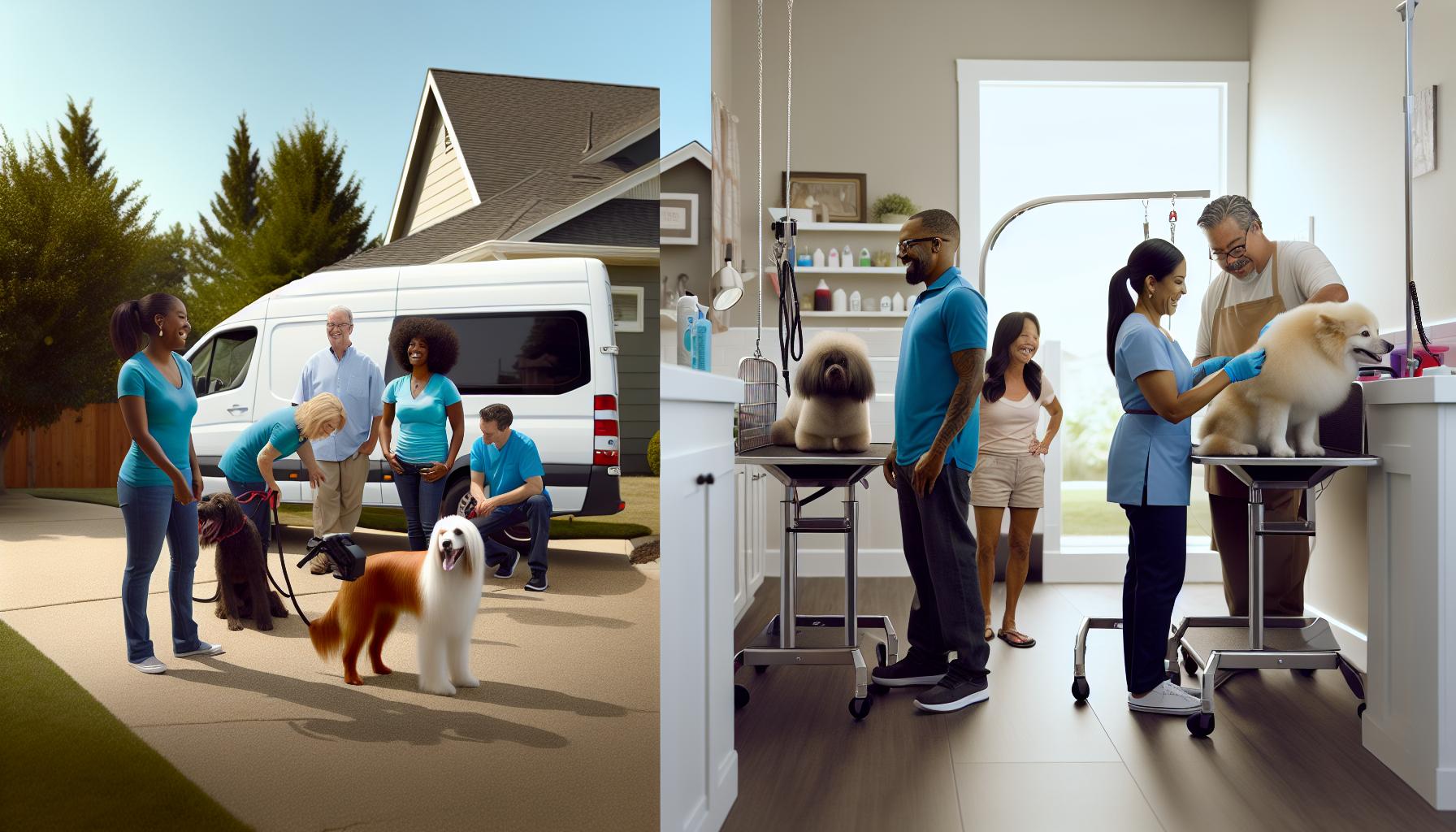
Choosing between mobile grooming and a traditional salon-based service can feel overwhelming, but understanding the unique benefits and challenges of each option helps you make the best decision for your dog’s comfort and care. Many dogs experience stress when leaving home, especially those with anxiety or special needs, making mobile grooming a gentle alternative where familiar surroundings reduce fear and make nail trims or baths less traumatic. On the other hand, salons often provide a wider array of professional equipment, experienced staff, and specialized services that can handle notably challenging coats or styles.
Mobile Grooming: Convenience and Comfort Tailored to Your Dog
Mobile groomers bring the full grooming experience directly to your doorstep. This means less travel stress, especially for older dogs or breeds with sensitive temperaments. Sence your dog stays in a familiar environment,they’re often calmer,which helps the groomer work patiently and safely through baths,brushing,and nail trims. This approach works well for routine grooming,dematting,and coat maintenance,particularly for breeds that fear car rides or noisy salons.
- Tools and Setup: Mobile units are compact but well-equipped with quiet clippers, grooming tables, and breed-appropriate shampoos optimized for on-site use.
- Ideal for: Anxious dogs, busy owners needing flexible scheduling, and straightforward grooming tasks like trims, nail care, and ear cleaning.
- Potential Limitations: Limited space can make full-service grooming or extensive styling more challenging, especially for large or very thick-coated dogs.
Salon-Based Services: Comprehensive Care and Specialized Expertise
Professional grooming salons typically offer a broader selection of tools and space, including large tubs, separate drying areas, and multiple staff members who can handle complex styling or coat conditions. Salons often excel in breed-specific cuts or treatments that require longer sessions, precise clipping, or specialist products (like medicated shampoos for skin conditions). Plus, many salons have support for handling difficult dogs safely, with dedicated quiet rooms or calming techniques unavailable in a mobile setting.
- tools and Environment: Full-size grooming tubs,advanced drying technology,and a variety of brushes and scissors tailored for breed standards.
- Ideal for: Dogs needing signature breed cuts,multi-step grooming routines,or special care like flea treatments or skin therapy.
- Potential Challenges: Transport to and from the salon can stress some dogs, and longer appointment times may require patience from anxious pets.
Balancing Safety, Comfort, and Your Dog’s Unique Needs
When deciding between mobile grooming or salon services, consider your dog’s coat type, temperament, and health. Such as, a Poodle needing a precise “continental clip” might benefit from salon grooming with breed specialists, while a short-coated terrier prone to anxiety could thrive with a calm mobile groomer offering regular trims and basic care.
Always ensure that whichever option you choose, the groomer understands your dog’s individual needs-including any behavioral or medical considerations-and prioritizes gentle handling and stress reduction. Never hesitate to ask about their experience with your breed, the products they use, and how they accommodate anxious dogs.
By focusing on your dog’s well-being over a “perfect look,” you create a positive grooming experience that builds trust and confidence, making every visit easier for everyone involved. Remember, your groomer is your partner in keeping your furry friend clean, happy, and healthy-whether that happens behind the mobile van door or in a welcoming salon chair.
Using Local Community resources and Social Media for Recommendations

In today’s connected world, local community resources and social media have become treasure troves for finding trustworthy dog groomers who truly care about your furry friend’s comfort and well-being.Often, the most reassuring recommendations come from neighbors and fellow pet parents who have firsthand experience with groomers nearby. Tapping into these networks can unveil hidden gems- groomers who might not advertise broadly but have excellent reputations for gentle handling, especially with anxious or specialty-breed dogs.
Leverage Local Groups and Forums
Start by joining neighborhood Facebook groups, Nextdoor communities, or specialized dog-owner forums. These platforms are vibrant hubs where pet owners share candid reviews, success stories, and valuable tips. When asking for recommendations here, mention your dog’s breed, coat type, and any behavioral concerns to get tailored advice. Such as, a Labrador owner might learn about a groomer who excels with short, dense coats, while a Poodle owner could hear about someone skilled in breed-standard clipping.
- Ask Specific Questions: What was their experience like? Were the groomers patient and kind? Did they handle any special needs your pet has?
- Look for Consistent Praise: Multiple good reviews mentioning gentle behavior and professionalism are great indicators of quality care.
Follow Local Groomers on Social Media
Many groomers now maintain active Instagram or Facebook profiles showcasing their work,behind-the-scenes moments,and customer feedback. Observing their posts can give you insight into their skill level, grooming techniques, and how they treat the dogs in their care.Look for videos or photos of dogs looking relaxed during grooming sessions-this signals a calm, pet-first approach.
- Check interaction: Do they respond kindly and promptly to comments or questions? Groomers who engage warmly with their community often carry that same empathy into their work.
- Watch for Education: Some share grooming tips or advice on coat care, illustrating their expertise and commitment to your dog’s health beyond just the grooming session.
Utilize Word of Mouth with Care
While personal recommendations are gold, remember every dog is unique. A groomer praised for one breed or temperament might not be the best fit for yours. Consider arranging a meet-and-greet or a brief consultation to assess how they connect with your pet, especially if your dog is nervous or has sensitive skin or special grooming needs. Communicating openly about your expectations and your dog’s quirks will help you gauge their professionalism and compassion.
By blending these community-driven resources with your own observations, you build a richer, trustworthy picture of local groomers. Prioritize those who demonstrate patience, respect, and safety over flashy styles or quick turnarounds. Your dog’s comfort is the true measure of grooming excellence, and there’s nothing better than discovering a caring professional right in your own neighborhood.
Understanding Grooming Prices and Service Packages

Choosing the right grooming service often starts with understanding how pricing works and what you actually get within each package. Grooming costs can vary widely depending on your dog’s breed, coat type, size, and the specific services requested. For example, a fluffy Pomeranian or a long-coated Maltese usually requires more time, specialized tools, and expertise than a short-haired Labrador, naturally influencing the price. Remember, quality grooming is not a race-patience and gentle handling add value that a quick, cheap haircut simply cannot match.
What Influences Grooming Costs?
- Coat Condition and Type: Matted or tangled fur can require extra time, detangling sprays, or even professional dematting tools. Curly or double coats may need breed-specific clipping techniques.
- Size and Temperament: Larger dogs generally cost more due to time and product usage. An anxious or uncooperative dog might require slower, gentler approaches, impacting session length and price.
- Services Included: Basic packages commonly cover bath, brush-out, nail trim, and ear cleaning. Deluxe or breed-specific packages often add haircuts, gland expression, teeth brushing, or flea treatments.
Breaking Down Common Service Packages
Grooming businesses usually offer tiered packages,which help clarify what you’re paying for and allow you to tailor care to your dog’s needs.Here’s a typical structure:
| Package | Typical Inclusions | Ideal For | example Price Range |
|---|---|---|---|
| Basic Groom | Bath, brushing, nail trim, ear clean | Short-haired, low-maintenance coats | $40 – $60 |
| Full Groom | Basic plus haircut or trimming, gland check | Medium to long coats or breed-standard styling | $60 – $90 |
| Premium or Spa | Full groom plus teeth brushing, specialty shampoos, flea/tick treatment | Dogs with skin sensitivities or owners wanting extra pampering | $90 – $130+ |
Tips to Get the best Value Without Sacrificing Care
- Ask for a Detailed Service List: Clear communication prevents surprise charges. Some groomers charge extra for specific breed cuts or difficult coats.
- Consider Frequency: Regular grooming prevents heavy matting or skin issues, often reducing the time and cost needed each visit.
- Check for Add-ons and Discounts: Some places offer bundle packages for nail trims or add-on services like teeth cleaning separately.
- Observe the Grooming Environment: Cheaper isn’t always cheaper in the long run if your dog’s stress or discomfort increases. prioritize calm, safe environments even if prices are slightly higher.
Even if budgeting is a priority, remember your dog benefits most from gentle, patient care tailored to their unique coat and personality. Investing in a groomer who values your pet’s comfort and safety pays off long-term in happier, healthier dogs-and that’s priceless.
How to Evaluate Groomer Safety and Animal Welfare Practices
It’s amazing how much trust we place in groomers when we hand over our furry friends. Knowing that your dog is not only getting a stylish cut but also receiving gentle, attentive care is absolutely crucial. Grooming isn’t just about appearances-it’s a vital part of your dog’s overall health and comfort. So, ensuring that safety and animal welfare are top priorities helps keep your pup happy and stress-free throughout the visit.
Observe the Environment and Equipment
Start by paying close attention to the grooming space. A clean,well-organized salon signals that the groomer values hygiene and safety. Tools like clippers,scissors,and brushes should be well-maintained and sanitized between uses to prevent infections. Notice whether the groomer uses equipment suited to your dog’s breed and coat type-curly-coated breeds frequently enough need different blades or combs than short-haired ones. If a groomer handles every dog with calm confidence and without rushing,that’s a great sign they respect each pet’s individual needs.
Watch How They Handle Your dog
Gentleness and patience speak volumes. A skilled groomer reads your dog’s body language and adjusts their approach accordingly, especially if your dog is nervous or fidgety. For example, dogs with sensitive skin or anxiety may need slower brushing, frequent breaks, or less potent shampoos. Some groomers are experienced in working with rescues or dogs with past trauma, using positive reinforcement and gentle restraint rather than forceful handling. If the groomer explains what they’re doing and comforts your dog,it shows compassion and professionalism.
Check for Qualifications and Standards
Credentials can offer peace of mind.Ask about certifications from recognized organizations, such as the National Dog Groomers Association of America (NDGAA) or similar bodies. This often indicates formal training in best practices, safety protocols, and breed-specific grooming standards. Don’t hesitate to inquire about ongoing education-good groomers keep learning about animal behavior, first aid, and new grooming techniques. Also, find out if they carry liability insurance, which reflects a commitment to safe and accountable service.
Prioritize Health and Welfare Practices
Quality groomers aren’t just stylists; they’re partners in your dog’s care. They monitor for signs of skin irritation, ear infections, or parasites during the grooming session and alert you if anything concerning arises. Nail trimming should be done carefully to avoid painful cuts-look for technicians who shape nails smoothly without rushing. if your dog requires specialist services like dematting or gland expression, ensure your groomer uses proper techniques to avoid injury. Remember, grooming is not veterinary care; serious health issues should always be referred to a professional vet.
- Bathing: Use gentle,breed-appropriate shampoos,avoiding harsh chemicals or scents that may irritate the skin.
- Brushing: Tailor to coat type; a slicker brush for curly coats, softer brushes for fine-haired dogs to prevent damage.
- Nail Care: Trim gradually, stopping if the dog shows distress, and file sharp edges.
- Ear Cleaning: Use vet-approved solutions and avoid deep probing to prevent damage.
Trust your instincts-if something feels off or rushed, it’s okay to pause and discuss concerns with the groomer.A genuine professional will welcome your questions and want your dog to feel safe and loved. With the right care and safeguards in place,grooming can be an enjoyable,nourishing experience that keeps tails wagging for visits to come.
Tips for Booking and Preparing Your dog’s First Grooming Visit
Dogs can often sense our nerves, so starting your grooming journey with a calm and confident attitude helps your furry friend feel safe and relaxed. Before the big day, it’s helpful to gently introduce your dog to the idea of grooming at home-whether that means short, gentle brushing sessions or familiarizing them with the sound of clippers. This sets a positive tone and reduces anxiety when arriving at the groomer’s.
Gather Key Information About Your Dog
Knowing your dog’s breed, coat type, skin sensitivities, and any behavioral quirks before booking will make the process smoother for both you and the groomer. Different coats require specific tools and techniques-a poodle’s curly hair frequently enough needs dematting combs and scissors, while a short-haired breed like a Beagle usually benefits from simple brushing and a basic bath. Sharing this information upfront allows the groomer to prepare the right supplies and anticipate your dog’s needs. Don’t forget to mention any health issues like allergies or recent surgeries.
Communicate Needs and Concerns Clearly
When you book, be upfront about your dog’s temperament and any fears or triggers they may have. For example, if your dog is sensitive to loud noises or touch, ask if the groomer is experienced in handling anxious pets with a gentle approach. Many groomers appreciate when owners share details about bathing preferences (such as specific shampoos or skipping the conditioner) or grooming goals-whether you want a full haircut or just a tidy-up around the paws. This prevents surprises and builds trust.
Preparing Your Dog Physically and Emotionally
On the day of the appointment, make sure your dog has had a chance to relieve themselves and burns off some energy with a walk. A calm, tired dog is frequently enough less stressed by grooming. Keep the greeting low-key-avoid overwhelming your dog with to many new people or smells right before dropping them off. Bring along a favourite toy or blanket to comfort them while waiting or during waiting periods in mobile grooming. Lastly, arrive a little early to allow time for a amiable chat with the groomer-this helps reinforce that you’re all on the same team focused on your dog’s well-being.
- Bath: confirm if your dog requires specific shampoos and mention any skin conditions.
- Brushing: Inform the groomer about recent matting or shedding to tailor their method.
- Nail care: Note if your dog is sensitive or has had painful trims before.
- Ears: Share concerns about infections or wax buildup.
Remember, grooming is as much about comfort and care as it is about looks. If your dog seems stressed during the visit, ask for breaks or alternative handling approaches. A compassionate groomer values your input and wants to make every grooming experience positive and safe. With thoughtful preparation and clear communication,your dog’s first grooming appointment will set the foundation for many happy,healthy visits to come.
Recognizing Signs of Quality Care and Professionalism

Finding a groomer who offers genuinely quality care means looking beyond just a polished appearance or quick service. True professionalism shines through in the small, thoughtful details that show a deep understanding of your dog’s unique needs-and a heartfelt respect for their comfort and safety. A knowledgeable groomer will approach each bath, brush, nail trim, and ear cleaning with a calm, patient hand, adapting to the breed’s coat type and temperament rather than forcing a one-size-fits-all routine.
Understanding Personalized Care and Attention
Quality groomers always tailor their approach. Such as,a groomer with experience will know that a Poodle’s dense,curly coat requires regular dematting and specialized scissors,while a Labrador’s short hair might just need gentle brushing and a rinse. They’ll ask about any skin sensitivities or allergies upfront and select shampoos accordingly, avoiding harsh chemicals and opting for hypoallergenic formulas when needed. Watch for how they handle your dog during initial interactions-do they speak softly? Move slowly? A professional groomer understands that nervous pets need gentle reassurance and will allow breaks rather than rushing through the process.
- Bath: Notice if the groomer uses lukewarm water and appropriate shampoo types for your dog’s coat and skin condition.
- Brushing: They should be able to explain how they’ll address matting or shedding and use breed-appropriate tools-slicker brushes for curly coats,deshedding tools for thick undercoats.
- Nail care: A skilled groomer works carefully to avoid cutting into the quick and can tell you how they minimize discomfort for sensitive dogs.
- Ears: Expect gentle cleaning techniques and keen eyes for signs of infection or irritations that may need vet attention.
Professionalism That Reflects Respect and Safety
Look for transparency and clear communication. quality groomers readily discuss what services are included and explain any additional charges honestly-never surprising you at pickup. They’ll openly welcome your questions and offer advice on at-home maintenance between visits. safety is paramount: equipment should be clean and well-maintained, and the grooming area free from hazards. If a groomer is accredited or certified through recognized organizations, that’s a strong sign of their dedication to continuing education and adopting best practices.
In one example, a groomer noticed a subtle redness around a dog’s paw and immediately recommended a vet checkup rather than continuing with nail trims, showing an admirable focus on animal welfare over convenience. Professionalism also extends to respecting your dog’s behavior; if your pet becomes too stressed, a compassionate groomer might suggest shorter sessions or special calming techniques rather than pushing through.
Reading between the Lines: Subtle Signals of Quality
Sometimes,the best proof of quality care is how your dog reacts during and after the visit. A happy, relaxed pup with clean, well-groomed fur and no signs of irritation speaks volumes.Follow your instincts too-if something feels off, don’t hesitate to seek another groomer.You want someone who treats your dog like family, combining skill with kindness. Remember, grooming improves well-being, so prioritize compassion and expertise equally.
By focusing on these signs, you can confidently choose a groomer who not only makes your dog look great but also ensures every snip and splash prioritizes your pet’s health and happiness.
Alternative Grooming Options: DIY Tips and When to Seek Experts
Grooming your dog at home can be a wonderfully bonding experience and, for many owners, a practical way to keep their pets comfortable between professional visits. Starting with manageable tasks like brushing and bathing not only maintains your dog’s coat and skin health but also helps your dog get used to gentle handling. The key is understanding your dog’s breed and coat type, as care needs differ widely-from the thick double coat of a Husky requiring frequent deshedding tools, to the silky, less dense fur of a Maltese best maintained with soft bristle brushes and careful drying.
Bathing Basics: Gentle Care for Sensitive Skin
Use lukewarm water and a shampoo formulated for dogs, ideally one that suits your pet’s skin condition. Avoid human shampoos as they can disrupt your dog’s skin pH. Talk your dog through the process using a calm voice, and keep steady eye contact to reassure them. If your dog is anxious, try doing short sessions, rewarding with treats and praise. Always rinse thoroughly to prevent residue that can irritate the skin.
Brushing and Dematting: Tools Tailored to your Dog
Regular brushing prevents mats that pull uncomfortably and trap dirt.For curly or dense coats (think Poodles or Bichons), use slicker brushes and detangling sprays. Straight coats like those of Dachshunds do well with bristle brushes or combs. If you encounter mats, never yank or pull harshly-instead, use dematting tools and gently work through tangles.Patience and gentle strokes preserve trust and prevent stress.
Nail Care and Ear Cleaning: Safety First
Trimming nails is one area where many owners feel intimidated. use a sharp, dog-specific nail clipper, and work in good light to avoid cutting into the quick-the sensitive area inside the nail. If you see pink nails, trim only a small amount at a time. For dark nails, take off just the tip gradually. Ear cleaning should be done with a vet-recommended solution and cotton balls; never insert anything deep into the ear canal. Watch for redness or odor, which signal the need for professional care.
Knowing When to Call in the Experts
While many grooming tasks can be done safely at home, some situations require professional intervention. If your dog’s coat is heavily matted, especially near delicate areas like underarms or around the ears, a groomer has the right tools and experience to handle these safely without injury. Additionally, signs of skin infections, persistent greasiness, or odd lumps should prompt a veterinary consultation rather than DIY attempts. Groomers also excel at creative trimming and breed-specific cuts that need skill and precision-saving you frustration and your pet discomfort.
Remember,successful grooming is never about perfection but about keeping your dog comfortable,clean,and happy. Starting slow,using the right tools,and watching your dog’s reactions will build trust and confidence,making home grooming a positive experience for both of you. And when the task grows beyond your comfort or skill level, don’t hesitate to seek out a compassionate professional who values your dog’s welfare as much as you do.
frequently Asked Questions
Keep reading about the same coat and cut.


Popular grooming guides
Bath vs clip, first grooms, and salon how-tos.