Will Dog Groomers Remove Ticks? What to Expect

Did you know that even a rapid outdoor romp can sometimes lead to unwelcome hitchhikers like ticks hiding in your dog’s fur? If you’ve ever wondered, “Will dog groomers remove ticks?” you’re not alone. Understanding what to expect when bringing your pet to a groomer with ticks is key to protecting your furry friend’s health and comfort. Groomers can frequently enough remove ticks safely with the right tools and techniques, especially when dealing with certain breeds and coat types, but knowing when and how is vital. In this guide, we’ll walk you through what groomers typically do, which ticks thay handle, and when a veterinarian’s help might be necesary-all with your dog’s safety and well-being as the top priority. Whether you’re a nervous pet parent or just curious,this info will boost your confidence and help keep your companion cozy and tick-free. Let’s explore the compassionate and practical steps good groomers take to care for pups facing this common concern.
Will Dog Groomers remove Ticks: What Groomers Usually Do
Table of Contents
- 1 Will Dog Groomers remove Ticks: What Groomers Usually Do
- 2 Signs Your Dog Has Ticks Before Grooming
- 3 How Groomers safely Remove Ticks Step-by-Step
- 4 Tools and Techniques Groomers Use for Tick Removal
- 5 When Tick Removal Requires Veterinary Care
- 6 Can Groomers Prevent Ticks During Routine Grooming?
- 7 What to Tell Your Groomer About Your Dog’s Tick History
- 8 Aftercare Tips Following Tick Removal at Groomers
- 9 Risks and Safety Concerns in Groomer tick Removal
- 10 DIY Tick Removal vs. Professional Grooming: What’s Best?
- 11 How Coat Type Affects Tick Detection and Removal
- 12 Questions to Ask Your Groomer about Tick Services
- 13 Frequently Asked Questions
- 13.1 Q: How do dog groomers handle ticks to avoid spreading them to other pets?
- 13.2 Q: Can dog groomers detect ticks that are hidden in thick or matted fur?
- 13.3 Q: Are groomers trained to identify early signs of tick infestation during grooming?
- 13.4 Q: What should I do if a groomer finds a tick but doesn’t remove it?
- 13.5 Q: Can grooming appointments help manage future tick infestations on my dog?
- 13.6 Q: How do groomers safely remove ticks without harming my dog’s skin?
- 13.7 Q: Are there specific dog breeds or coat types that require special tick removal care during grooming?
- 13.8 Q: Should I ask my groomer about their tick removal tools and methods before booking an appointment?
- 14 To Conclude
Many pet owners wonder how dog groomers handle ticks during a grooming session. While groomers are focused on keeping your dog healthy and comfortable, tick removal isn’t always straightforward. In general, groomers are happy to carefully remove ticks they find, but thier approach depends on several vital factors like the number of ticks, where they’re located, your dog’s coat type, and the tick’s attachment status.
Typically, a groomer will check for ticks during brushing or bath time, especially in breeds with dense or long coats where ticks can easily hide.If only a few ticks are found and they’re securely attached,experienced groomers often use specialized tools such as tweezers or tick hooks to gently and safely remove the entire tick,making sure not to leave mouthparts embedded in your dog’s skin. Groomers prioritize your dog’s comfort and avoid any quick or rough handling that could stress the pet.
That said, if there are many ticks present or if a tick is in a sensitive spot, groomers usually recommend consulting your veterinarian first.This is as ticks can carry diseases, and improper removal can cause infection or irritation. Groomers do want to help but they are careful not to overstep medical boundaries. They can remove ticks that are safely accessible, but serious infestations or tough cases are best left to veterinary professionals.
What Groomers Usually Do During Tick Removal
- Visual and tactile inspection: During brushing or the initial shampoo, groomers look closely for ticks, especially around ears, neck, belly, and between toes.
- Use of proper tick removal tools: Clean tweezers or specialized tick hooks are employed to ensure the tick is grasped close to the skin without squeezing its body, reducing the risk of pathogen transmission.
- Calm and patient handling: Groomers work gently and calmly, sometimes with treats or soothing voices, to keep anxious dogs at ease during the removal.
- Referral when necessary: For heavy infestations or complex ticks,groomers advise an immediate veterinary visit rather than risk incomplete removal or injury.
For example, a groomer working with a shaggy Newfoundland might find ticks easier to spot during the bath when the coat is wet and parted, while a short-haired breed might require a more thorough manual inspection.interaction is key-letting your groomer know about any tick history or recent outdoor activity can help them prepare and provide the best care possible.
professional groomers are equipped and willing to remove a limited number of ticks safely and compassionately, but they always prioritize your dog’s health and will defer to veterinary expertise when necessary. This collaborative approach helps ensure your dog stays safe,comfortable,and well-cared-for during each grooming visit.
Signs Your Dog Has Ticks Before Grooming
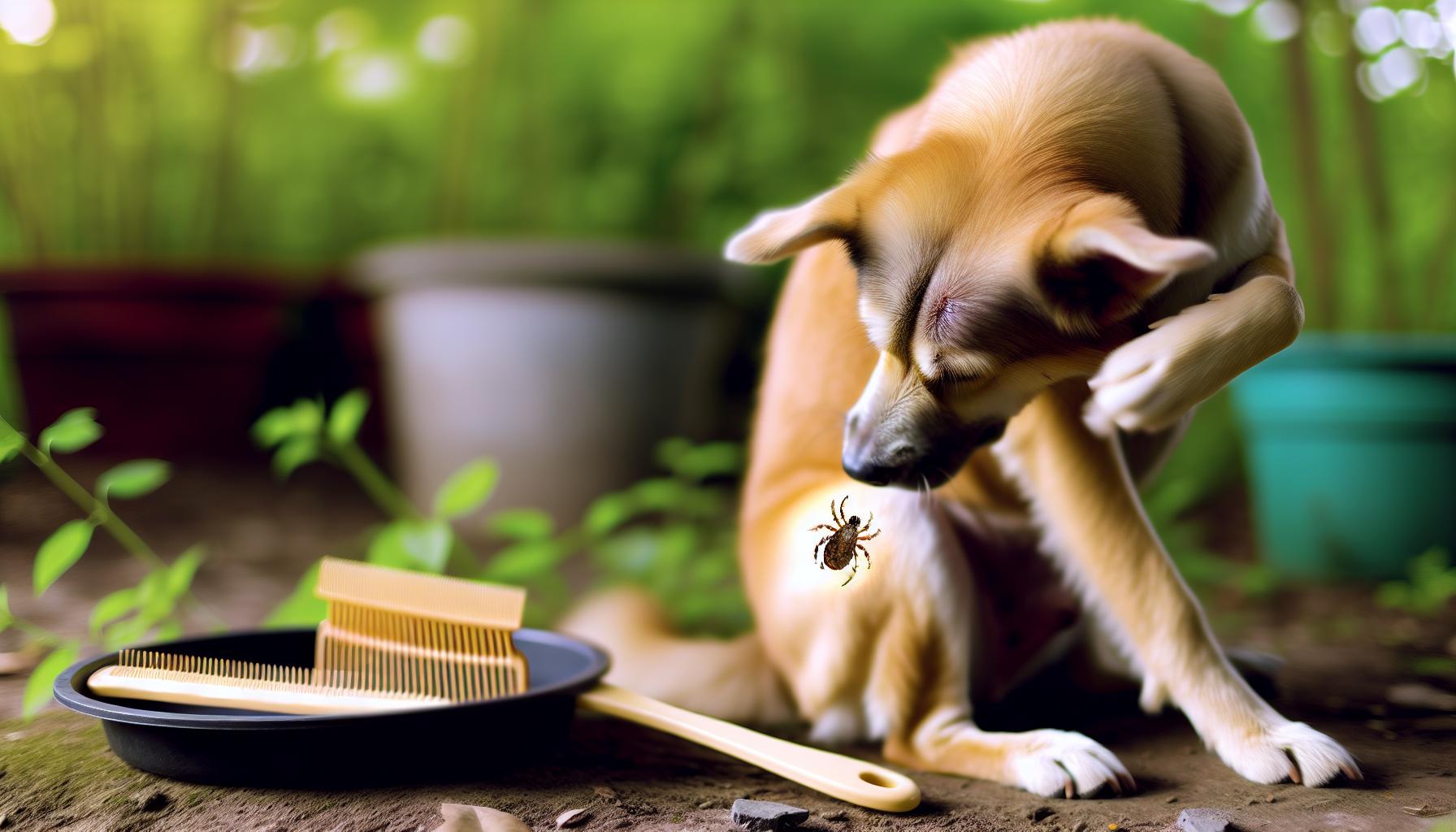
Ticks are sneaky little parasites that can quickly latch onto your dog,often before you even realize it. Sometimes, the first signs are subtle-like your dog suddenly scratching or nibbling at spots more than usual. As ticks prefer warm, hidden areas, they frequently enough embed themselves where fur is thick or skin is soft. that’s why knowing what to look for, especially before a grooming session, helps keep your dog comfortable and safe.
Dogs with longer or denser coats-think Newfoundlands, Golden Retrievers, or Shepherd mixes-can be especially prone to hiding ticks. You might notice your dog acting restless or sensitive when you touch certain spots like behind the ears, around the neck, under the legs, and near the tail base. Sometimes small dark specks resembling freckles can be seen moving slowly on the skin or coat,or you may feel tiny bumps under your fingers during a gentle brush-through. In contrast, short-haired breeds like Boxers or Beagles might show ticks more clearly as tiny, rounded bumps firmly attached to the skin, making visual checks simpler.
- Look for repeated scratching or licking: Dogs often instinctively try to soothe the irritation ticks cause.
- Inspect common tick hotspots: Pay close attention to the ears, around the eyes, armpits, groin, and between toes-places ticks love to hide.
- Check for unusual skin bumps or scabs: A tick attachment site can become red,swollen,or irritated,even if the tick is no longer present.
- Feel for small hard bumps: Ticks can feel like tiny, firm lumps stuck to the skin.
Even if you don’t spot a tick, your dog’s recent outdoor adventures can be a helpful clue. Areas with tall grass, wooded trails, or leaf litter increase exposure risk.Sharing this information with your groomer before the appointment is a smart move-it allows them to prepare, adjust their inspection method, and use proper tools with your dog’s coat type in mind. Such as, during a bath or brushing session, long-haired breeds benefit from the coat being wet and parted to reveal ticks hidden beneath, while short-haired dogs can be examined closely with firm strokes by hand.
Remember, early detection means quicker removal and less discomfort.If you observe any persistent itching, swelling, or possible ticks before heading to the groomer, consider a quick self-check with gloves or ask your vet for advice-this helps safeguard your dog’s health and makes the grooming experience smooth and stress-free. By teaming up with your groomer and staying vigilant at home, you’re giving your furry friend the best protection against these unwelcome guests.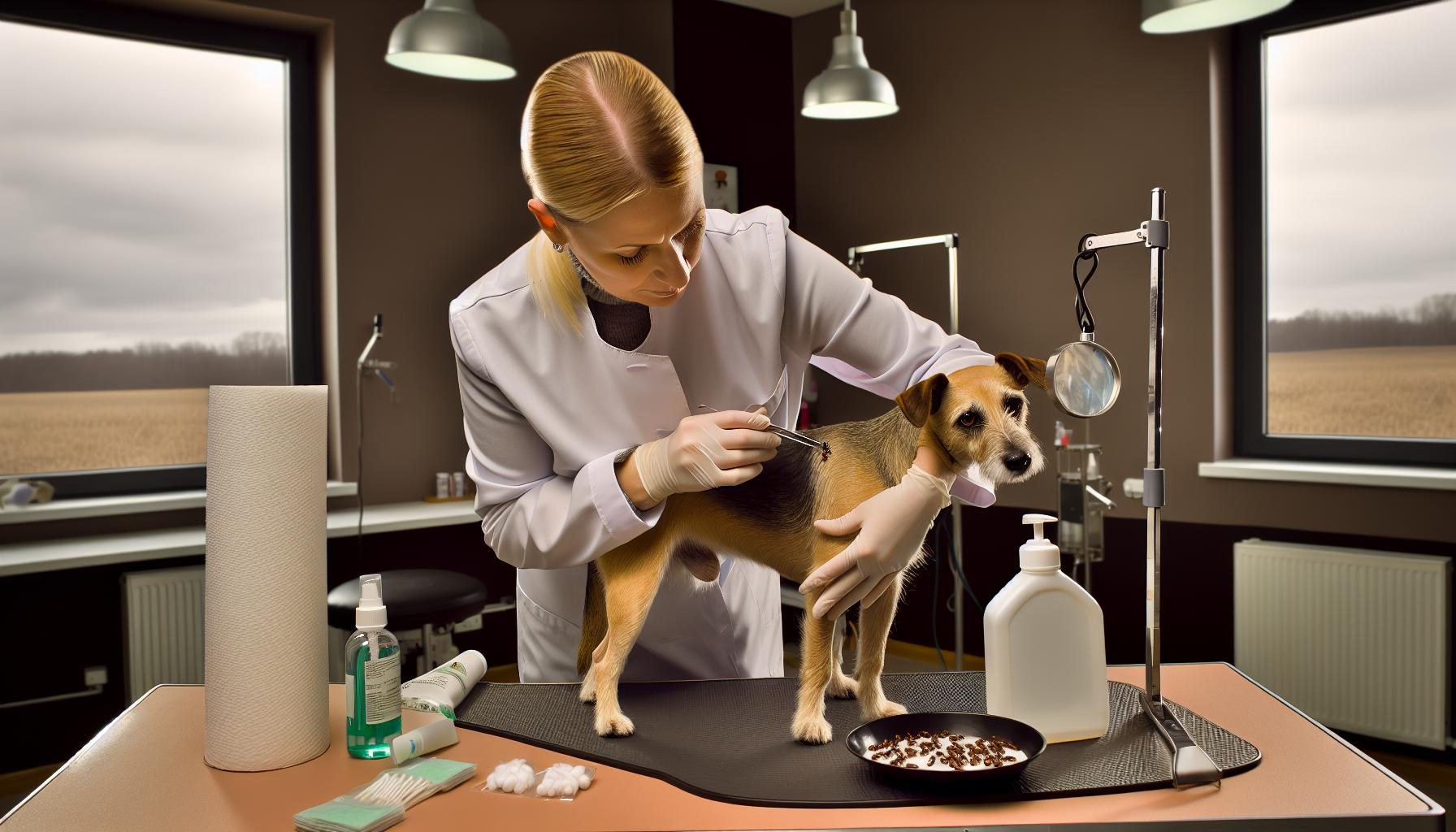
How Groomers safely Remove Ticks Step-by-Step
Ticks are tricky little parasites that latch on tightly, and removing them requires both skill and patience to keep your dog safe and comfortable. Groomers approach tick removal carefully,knowing how important it is to avoid squeezing or irritating the tick,which could increase the risk of disease transmission. Whether your furry friend has a thick double coat or a shorter, smoother one, the groomer adapts techniques to your dog’s specific needs, ensuring a calm and thorough process.
Initial Inspection and Planning
Before even reaching for tweezers, a groomer will conduct a detailed examination, focusing on common tick hotspots like behind the ears, between toes, under the collar, and around the groin. For long-haired breeds, the coat might potentially be gently parted or clipped around suspicious areas to expose the skin fully without stressing the dog. Getting your dog comfortable and relaxed through gentle petting and reassuring tones is essential-this sets the stage for smooth removal. If the groomer spots a tick, they sanitize their tools and may wear gloves for hygiene and extra safety.
Step-by-Step Removal Techniques
- Securing the tick: Using fine-tipped tweezers or special tick-removal tools, the groomer carefully grasps the tick as close to the dog’s skin as possible, ensuring they capture the mouthparts embedded beneath the skin rather than just the body.
- Gentle, steady pull: The groomer pulls upward slowly and steadily without twisting or jerking, which helps detach the tick intact and minimizes irritation to the dog’s skin.
- Check for leftover parts: If any mouthparts remain embedded,the groomer may alert you to monitor the site or recommend veterinary follow-up,since retained parts can cause infection.
- Disposal and cleaning: The groomer places the tick in alcohol or a sealed container, both to be identified if necessary and to prevent further spread. The bite area is then gently cleaned with antiseptic to reduce infection risk.
Post-Removal Care and Observation
After removal, observing your dog’s mood and behavior is key. Some dogs experience mild irritation, but persistent redness, swelling, or lethargy warrants veterinary attention. Groomers often advise pet parents to watch for symptoms aligned with tick-borne illnesses and to keep the bite site clean. For dogs with sensitive skin or long coats,the groomer might recommend trimming the area to improve healing and reduce further parasite exposure.
From experience, I’ve found that tick removal in anxious pets often benefits from plenty of breaks and calm reassurance. sometimes a quick bath or warm compress on the area soothes their skin right afterward. Remember, while groomers are trained and gentle, they focus on safe removal and not medical treatment – for complicated cases or heavy infestations, consulting your vet is always the best next step.
By entrusting tick removal to your groomer, you’re giving your dog a caring partner who balances expert technique with genuine empathy – transforming a perhaps stressful experience into one where safety and wellbeing come first.
Tools and Techniques Groomers Use for Tick Removal
Tick removal tools and techniques used by groomers are carefully chosen to ensure your dog’s safety and comfort. The process isn’t just about pulling a tick off; it’s about doing so in a way that minimizes stress-for both pet and owner-and avoids breaking the tick, which can increase infection risks. Groomers rely on specialized instruments that offer precision and control, adapting based on your dog’s breed, coat type, and the tick’s size and location.
- fine-tipped tweezers or tick hooks: These are the go-to tools in most grooming salons. The tweezers have a narrow, flat tip perfect for grasping the tick’s mouthparts just beneath the skin without squeezing its body. Tick hooks, frequently enough made of plastic or metal, gently cradle the tick and twist it out with minimal pressure. I recall a nervous terrier who had tiny ticks buried behind thick fur; using a tick hook allowed me to reach under the dense coat without causing discomfort.
- Gentle parting and trimming tools: For dogs with longer or denser coats, groomers often need to trim or part the fur around the tick to fully expose the skin. Clippers and thinning shears come into play here,but always with caution-we never shave large areas just to find ticks; it’s all about accuracy and minimizing coat damage.Light trimming not only helps with removal but allows a clear inspection post-removal to monitor healing.
- Sanitizing materials and gloves: Safety is paramount. Hygienic practices include wearing disposable gloves to avoid cross-contamination and wiping tools down with alcohol or medical-grade disinfectant before and after each tick removal. this protects your dog, the groomer, and other pets who visit the salon. For example, in busy clinics, gloves and sanitizing help prevent accidental spread of tick-borne diseases.
- Tick storage containers and antiseptic wipes: After removal, ticks are often stored in small containers with rubbing alcohol. This keeps the tick intact if identification or testing becomes necessary.The bite area is then cleaned gently with antiseptic to reduce infection risks. I’ve seen some dogs respond wonderfully to a calming wipe-down right after removal,which reassures them and prevents bacterial buildup.
Adapting Techniques Based on Coat Type and Temperament
Thick double coats, like those on Huskies, require a patient approach. Parting fur slowly and using fine tweezers rather than hooks can prevent accidental tugs. Conversely, short-haired breeds allow faster access but may still need extra calming if the dog is nervous. Groomers often use quiet, reassuring voices paired with gentle strokes-something simple but powerful to help anxious dogs relax during the delicate removal process.
In certain specific cases, groomers may use magnification tools or radiant LED lights to identify tiny nymph ticks before they latch deeply, especially on smaller breeds with fine fur. This small detail can make all the difference between catching ticks early and missing them entirely.
Knowing When to Stop and Seek Vet Help
While groomers are expertly trained to remove single or a few ticks, heavy infestations, deeply embedded ticks, or ticks located near sensitive areas (eyes, genitals) might require veterinary intervention.Groomers always place your dog’s well-being first and will advise if removal would be better handled by a vet with sedation or specialized medical tools.
By carefully combining the right tools with gentle, skilled techniques, groomers provide not only effective tick removal but compassionate care that helps your dog feel safe and supported throughout. This partnership between pet parent and groomer empowers you to stay one step ahead of ticks while ensuring your dog’s comfort isn’t compromised.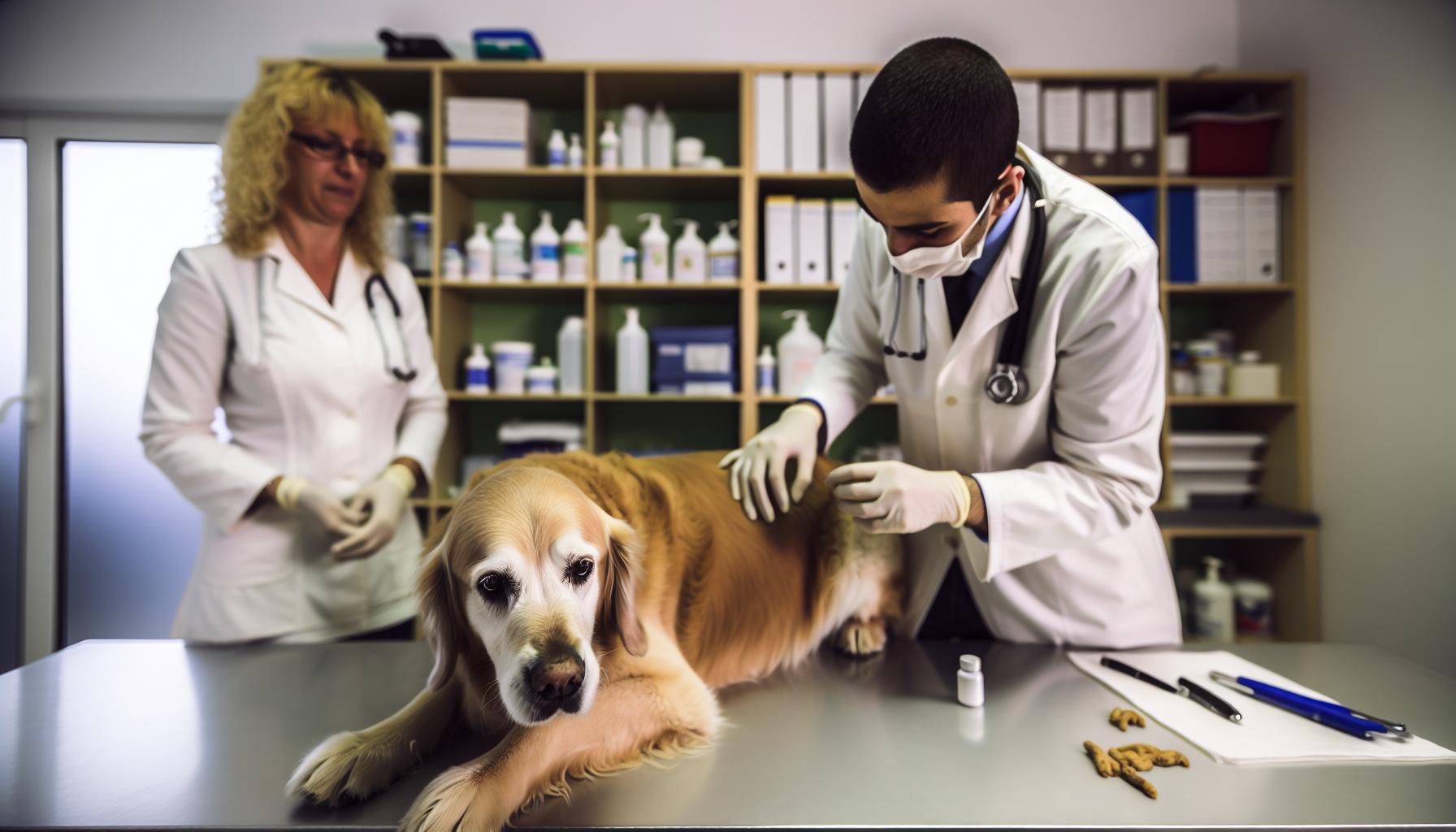
When Tick Removal Requires Veterinary Care
Ticks can be tricky little pests, and while groomers are skilled in safely removing the occasional tick, certain situations call for veterinary expertise to keep your dog safe and comfortable. when a tick is deeply embedded, unusually large, or positioned in sensitive spots like near the eyes, inside the ears, or around the genitals, it’s a signal that professional medical care is necessary. These areas require delicate handling that frequently enough goes beyond the scope of typical grooming tools and techniques.
Groomers may also recommend veterinary care if your dog has a heavy tick infestation rather than just a few isolated ticks. Managing dozens of ticks at once can be overwhelming and potentially risky without sedation and proper medical protocols. Such as, a small dog with a dense double coat, such as a Shih Tzu or Pomeranian, might harbor multiple tiny nymph ticks hidden deep in the fur or skin folds. Attempting removal without the right environment and proper restraint could stress or injure your pet.
Another key reason to seek vet help is if a tick breaks during removal, leaving parts embedded in the skin. This increases the risk of infection or tick-borne disease transmission. In these cases, a veterinarian can perform a minor procedure to fully extract any remnants while administering local antiseptics or antibiotics as needed. Veterinary clinics also have the tools to safely sedate anxious or uncooperative dogs, ensuring a calm and pain-free experience.
- Ticks in sensitive or hard-to-reach areas: Inside ears, around eyes, mouth, genitals
- Heavy infestations: More than a handful, especially in dense coats or small breeds
- Broken tick parts after removal attempts: Risk of infection demands professional care
- Signs of complications: Swelling, redness, discharge, or changes in behavior after removal
Working closely with your vet also ensures your dog’s overall health is monitored-if ticks transmit diseases like Lyme or ehrlichiosis, early diagnosis and treatment are crucial. Think of the groomer as your first line of defense, trained to identify and gently remove ticks that are manageable. When a situation feels uncertain or difficult, pairing their efforts with veterinary care guarantees the best outcomes for your furry friend.
Remember, both groomers and vets share the goal of your dog’s comfort and safety. Don’t hesitate to ask your groomer for advice or referrals-they understand the boundaries of their role and will gladly support you in keeping your dog tick-free and happy.
Can Groomers Prevent Ticks During Routine Grooming?
Ticks are sneaky little hitchhikers,but regular grooming sessions can play an important role in keeping them at bay. While groomers aren’t veterinarians and can’t provide medical tick prevention,their expert handling and thorough inspections during routine grooming help catch ticks early – often before they latch deeply or multiply. This early detection is a huge advantage in preventing tick-borne illnesses and discomfort for your dog.
How Grooming Helps Lower tick Risk
During a grooming appointment, a groomer carefully inspects your dog’s entire coat, paying close attention to common tick hotspots like behind the ears, under the collar, between toes, and around skin folds.This hands-on process involves systematic brushing and parting of fur, which not only detangles but exposes any tiny ticks trying to hide. For breeds with thick double coats (think Shih Tzus, Huskies, or Pomeranians), groomers use their specialized combs and slicker brushes to reach through dense fur – making sure those nymph ticks don’t go unnoticed.
Bathing is another key possibility to disrupt ticks. Many groomers use tick-repellent shampoos and conditioners approved for canines. While these products don’t guarantee complete prevention, they create a less inviting environment for ticks and other parasites. Combining tick-fighting baths with regular brushing builds a protective grooming routine that works much better than occasional spot treatments alone.
Tips to Maximize Tick Prevention During Grooming
- Share your dog’s tick history: Let your groomer know if your dog frequents high-risk areas or has had ticks before. This lets them watch extra carefully and adjust tools or techniques accordingly.
- Schedule grooming more frequently during tick season: Spring and fall are when ticks peak,so having appointments every 4-6 weeks can catch ticks early.
- Ask about safe repellents: Some groomers incorporate veterinary-approved tick-repellent sprays or shampoos during baths. Ask your groomer what options they recommend based on your dog’s coat type and sensitivity.
- Maintain coat health: Regular trimming of overly long fur, especially around sensitive zones like ears and paws, reduces the places ticks can easily attach.
Why Groomers Can’t Fully Prevent ticks
While groomers are a vital line of defense, they can’t replace your veterinarian’s role in tick prevention. Grooming doesn’t include administering oral or topical tick preventatives that provide systemic protection inside your dog‘s body. these products disrupt the tick’s life cycle after it bites. Therefore, the best approach is a team effort: combine regular professional grooming with veterinary-approved prevention, such as spot-on treatments, collars, or oral chewables.
Remember, grooming sessions are safe, stress-free checkups where your groomer watches for ticks, removes any found, and advises you on prevention. This gentle vigilance, done with care and patience, empowers you to keep your dog happy, healthy, and nearly tick-free – even when outdoor adventures bring extra challenges.
By building a trusting relationship with your groomer and vet, and by scheduling regular grooming that includes tick checks and specialized baths, you’re giving your dog the best defense against these pesky parasites before they have a chance to cause harm.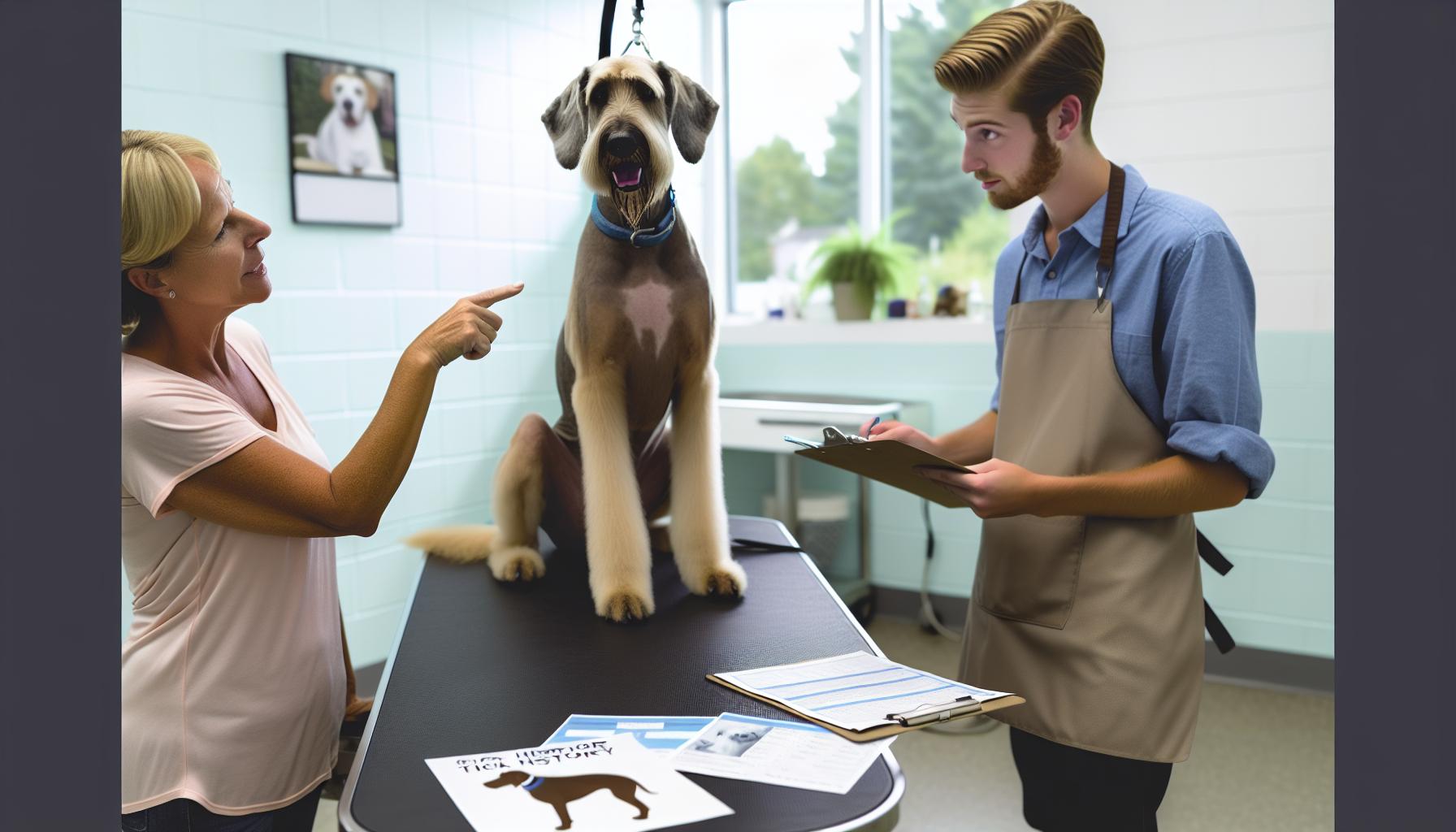
What to Tell Your Groomer About Your Dog’s Tick History
ticks can be elusive little pests, and sharing detailed information about your dog’s tick history right at the start of your grooming appointment can make a notable difference. When you let your groomer know whether your furry friend has encountered ticks before-especially the frequency, typical locations found, and previous difficulties with removal-it helps the groomer tailor their approach. For example, if your dog tends to pick up ticks behind the ears or under thick fur around the neck, your groomer will give those sensitive areas extra attention using the right tools and techniques.
Providing specific details about your dog’s coat type and grooming challenges is equally important. Dogs with long, dense, or matted coats need a more careful inspection since ticks can hide in deeper layers of fur. mentioning any prior issues like skin sensitivities, reactions to tick treatments, or nervousness during touch can guide your groomer to work slowly and gently, prioritizing your dog’s comfort over speed. For instance, a groomer might use a slicker brush with soft bristles or opt for a slow, calming approach when inspecting tick-prone spots.
- Highlight any known tick infestations or frequent outdoor exposure. This can alert your groomer to be extra vigilant during each visit.
- Keep your groomer updated on any veterinary treatments or preventatives your dog is on. This collaborative approach helps avoid overlapping products and ensures your dog’s safety.
- Tell your groomer if you’ve attempted tick removal yourself, whether successful or not. This knowledge helps them check those areas carefully for missed ticks or skin irritation.
Open communication builds trust and allows your groomer to offer recommendations tailored to your dog’s needs. Such as, if tick season hits hard, your groomer might suggest more frequent baths with tick-repellent shampoos or more regular brush-outs between appointments. Remember, while groomers excel at finding and safely removing ticks, they do not replace veterinary care. Sharing your dog’s tick history ensures the groomer complements your vet’s prevention efforts effectively,making grooming a safer,more reassuring experience for both you and your beloved pet.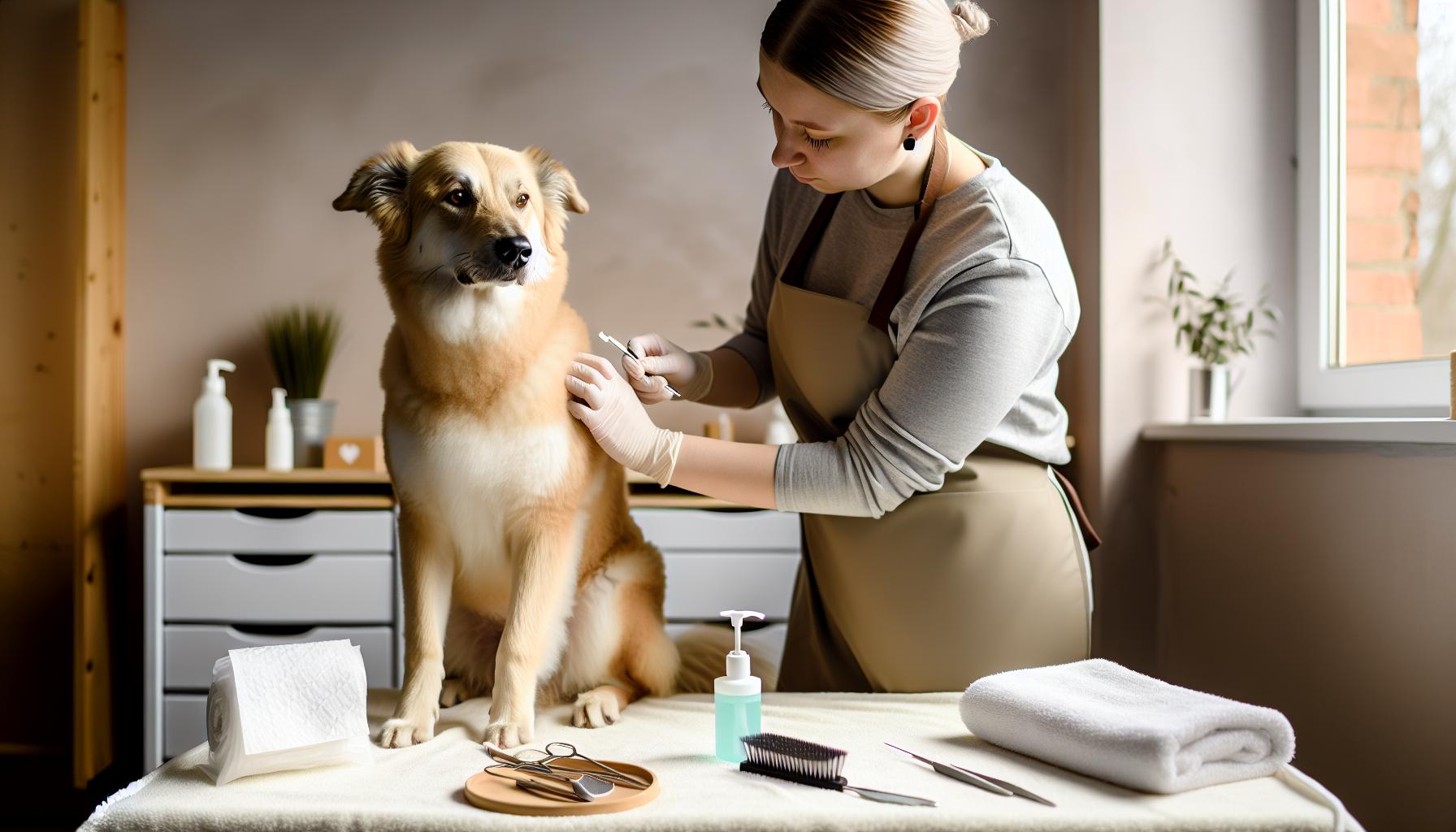
Aftercare Tips Following Tick Removal at Groomers
Ticks are not only annoying parasites but can also leave behind sensitive spots or even tiny wounds after removal. The moments following your groomer’s careful extraction are crucial to ensuring your dog’s skin heals comfortably and to prevent any infections.While your dog may seem relieved once the ticks are gone, gentle aftercare supports their overall health and helps spot any issues early.
Monitor the Tick Removal Sites Closely
Once ticks are removed, groomers often clean the area with a mild antiseptic solution to reduce bacterial risk. At home, you should keep an eye on those spots for signs of redness, swelling, or discharge. These symptoms could indicate irritation or infection. If you notice any unusual skin changes or if your dog repeatedly scratches or licks the area, it’s best to contact your veterinarian promptly.For dogs with thick or long coats, the sites can be harder to spot, so regular, gentle checks combined with a soft brush can help keep those patches visible and clean.
Keep Baths and Grooming Gentle and Tick-Free
After tick removal, give your dog a soothing bath using a tick-repellent shampoo recommended by your groomer or vet-this not only cleanses but helps deter further tick visits. Avoid harsh soaps or overly scrubbing the affected areas, as sensitive skin needs kindness.If your dog has a dense or double coat, allow thorough drying to prevent any dampness that encourages irritation or secondary infections. Regular combing using a fine-toothed tick comb between grooming appointments also adds a layer of preventive care while keeping your dog comfortable.
Maintain a Calm Environment and Observe Behavior
Tick removal sessions can be stressful, especially for anxious or older dogs. Post-appointment,try to keep your dog calm and avoid too much vigorous activity to let any minor skin soreness settle. If your pup seems unusually tired or shows behavioral changes like reduced appetite or limping, these could be subtle signals of tick-borne illness, warranting a vet visit. Providing a cozy resting space and gentle reassurance reflects compassionate care that supports your pet’s recovery.
- Regularly check known tick-prone areas: ears, neck folds, under legs, and between toes.
- Keep grooming tools clean: disinfect combs and brushes after use to avoid spreading any residual tick bacteria.
- Continue your vet’s tick prevention plan: including prescribed topical treatments or oral preventatives alongside grooming routines.
- Avoid DIY tick removal if unsure: professional groomers use special tools and techniques that reduce skin damage risks.
Even with the best care, remember that groomers act as a vital partner-not a replacement-for your veterinarian. If your groomer finds any ticks that seem deeply embedded, or if your dog displays ongoing discomfort after removal, swift veterinary consultation is key. With loving aftercare and teamwork between you, your groomer, and your vet, your furry friend will be back to feeling their happiest and healthiest in no time.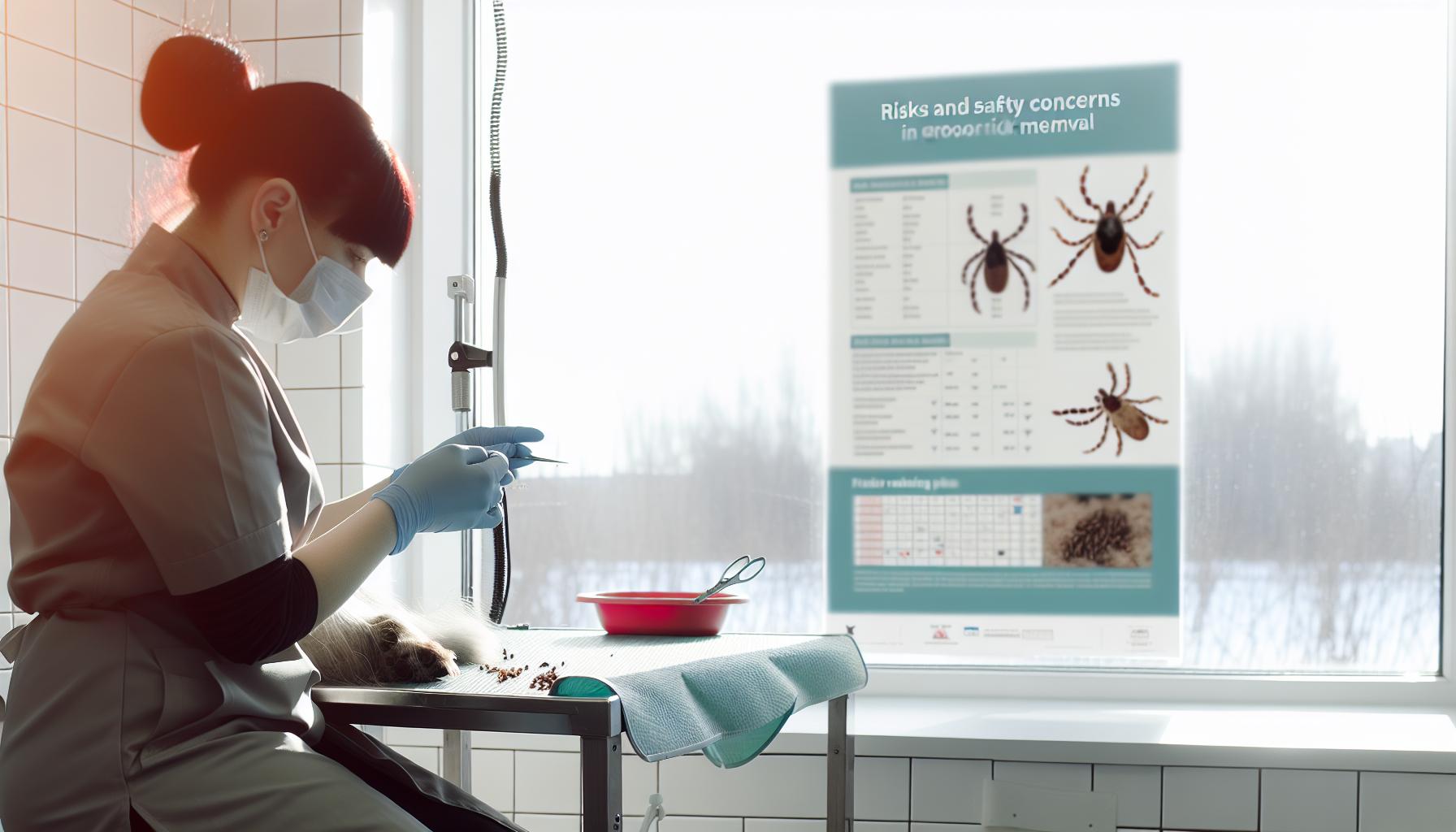
Risks and Safety Concerns in Groomer tick Removal
Many pet owners are surprised to learn that while groomers can efficiently remove ticks during a grooming session, the process is not without its risks-both to your dog’s skin and their overall health. ticks can be deceptively tricky: small, sometimes deeply embedded, and able to cause irritation or even transmit diseases. That’s why skilled groomers approach tick removal with a lot of care, patience, and the right tools to minimize any discomfort or complications for your furry friend.
Why Careful Handling Matters
groomers know that improper tick removal can lead to skin tears,leaving behind mouthparts that cause infections,or cause the tick to release harmful bacteria if squeezed too hard. Dogs with thick, curly, or matted coats may pose extra challenges, as ticks partially hidden near the skin require diligent parting of fur and focused attention. For example, a poodle‘s dense coat might conceal ticks better than a short-haired breed, so the groomer’s technique adjusts accordingly. In these cases,rushing removal can increase the chance of tick remnants being left behind,leading to irritation or infection.
Tools and Techniques reduce Risks
Professional groomers use specialized tick removal tools-such as fine-tipped tick tweezers or tick hooks-that gently grasp ticks near the skin without squeezing their bodies. this careful grip ensures the tick is extracted whole and alive, reducing the risk of transmitting bacteria. A calm, reassuring approach to your dog is essential, especially for nervous or older pets who may be sensitive around affected areas. Often,groomers will clean the site immediately with a mild antiseptic to soothe the skin and reduce infection risks.
- stay vigilant for embedded ticks: Groomers may recommend veterinary care if a tick is deeply embedded or hard to remove safely.
- Sanitize grooming tools: Proper disinfection before and after tick removal prevents cross-contamination between pets.
- Limit stress during removal: A calm environment helps your dog stay relaxed, reducing the chance of sudden movements that could cause skin injury.
Knowing When to Call the Vet
While groomers can handle many tick removals safely, some situations require a veterinary professional’s expertise. If a tick is firmly attached in sensitive areas like inside the ear canal or near the eyes, or if the skin is visibly swollen, infected, or bleeding, it’s best to leave removal to your vet. Additionally,if your dog displays signs such as lethargy,limping,or loss of appetite after a tick removal,this could signal a tick-borne illness requiring prompt medical attention.
By understanding these risks,you and your groomer can work together to provide safe and effective tick management that puts your dog’s well-being first. Always feel confident asking your groomer about their removal methods and when they recommend a veterinary consultation-partnership and clear communication keep your beloved pet safe and comfortable.
For more guidance on safely removing ticks,check out resources where groomers demonstrate proper techniques to inspire calm and confidence in the process [[2]](https://www.tiktok.com/@christina.the.doggroomer/video/7351135908671900961).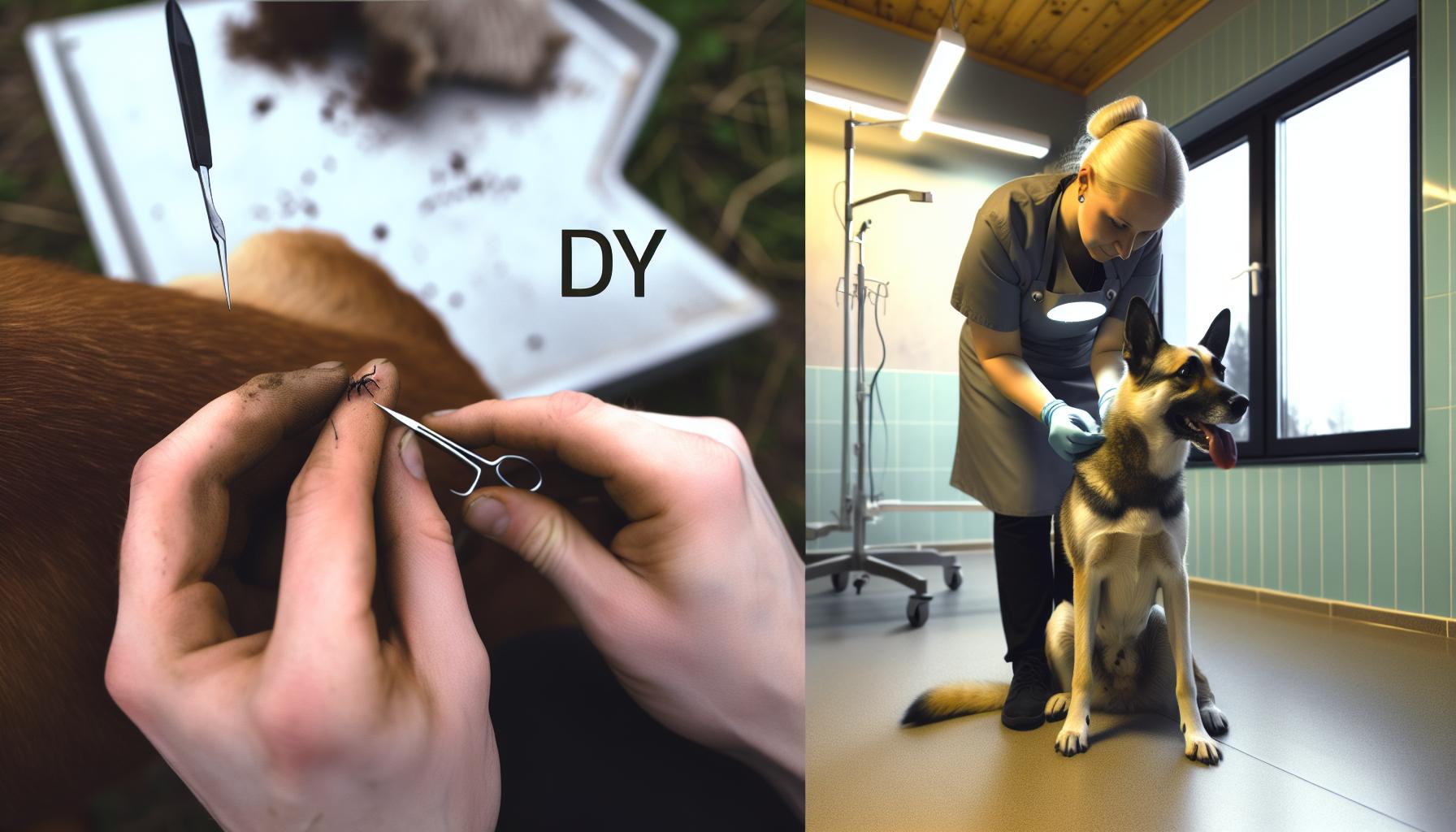
DIY Tick Removal vs. Professional Grooming: What’s Best?
Ticks can be surprisingly stealthy guests,frequently enough hiding deep within thick or curly coats that make them difficult to spot and remove safely. while many pet owners feel empowered to tackle tick removal themselves, understanding both the challenges and benefits of DIY versus professional grooming approaches is key to keeping your dog safe and comfortable.
Removing ticks at home can work well for certain situations-especially when you have the right tools, such as fine-tipped tick tweezers or specialized tick hooks, and your dog has a short or less dense coat. These tools help you gently grasp the tick as close to the skin as possible without squeezing its body, which reduces the risk of infection. However, success with DIY removal depends on having a calm, cooperative dog and a steady hand.If your pet is nervous or wriggly, rushing or improper technique can leave tick parts embedded or cause skin irritation.Also, removing ticks hidden in thick mats or along sensitive areas like ears or around the eyes requires expert attention to avoid injury.
Professional groomers bring a few advantages that can ease the process. They’re experienced at parting fur effectively to locate even the smallest ticks and use precision tools designed to extract them whole. Groomers also know how to keep dogs calm during the procedure, creating a safe environment that reduces stress-induced movement. Plus, groomers sanitize their equipment and frequently enough follow-up with antiseptic cleaning at the bite site, which helps prevent infection-not always practical in a quick home fix. For dogs with thick double coats like Huskies or curly coats like Poodles,groomers can carefully approach tick removal without causing discomfort or coat damage.
When DIY Works Best-and When to Ask for Help
- Short-haired breeds: Spotting and removing ticks at home is often simpler and less stressful.
- Single ticks in accessible areas: If the tick is plainly visible and superficial,owners can usually manage removal safely with proper tools and calm handling.
- Cooperative dogs: A dog comfortable with gentle restraint is easier to treat without risk of sudden movements.
- Multiple ticks, deeply embedded ticks, or sensitive areas: These cases are best left to professionals or veterinarians to prevent complications.
safeguarding Your Dog’s Comfort and Health
It’s critically important to avoid common pitfalls-like squeezing the tick’s body, twisting it out, or delaying removal-as these can increase infection risk. If unsure, don’t hesitate to call your groomer or veterinarian. Groomers can often handle tick removal during routine appointments,saving time and stress by intervening earlier and using safe,proven methods. When ticks seem stubborn or your dog reacts painfully, veterinary care is critical to avoid skin damage or disease transmission.
By partnering with professional groomers who understand tick removal nuances while maintaining your comfort with DIY techniques where appropriate, you create a balanced, pet-first approach. Your dog benefits from expert care during grooming sessions and love from you at home-together crafting the safest, most effective tick defense.For DIY attempts, remember:
- Use proper tick removal tools-never bare hands or household items.
- keep antiseptic on hand to clean the site after removal.
- Monitor your dog for signs of illness post-removal and consult a vet promptly if anything seems off.
This collaborative mindset helps keep your dog comfortable, protected, and ready for the next romp outdoors without those pesky guests hitching a ride [[2]](https://www.redcross.org/take-a-class/resources/learn-pet-first-aid/dog/ticks?srsltid=AfmBOopWFbeJLttimfNcV_PgvuWa6yKvfiqlHiBeQr-dNfocAacDloir),[[[[[1]](https://www.petmd.com/dog/parasites/how-to-remove-a-tick-from-dog-cat).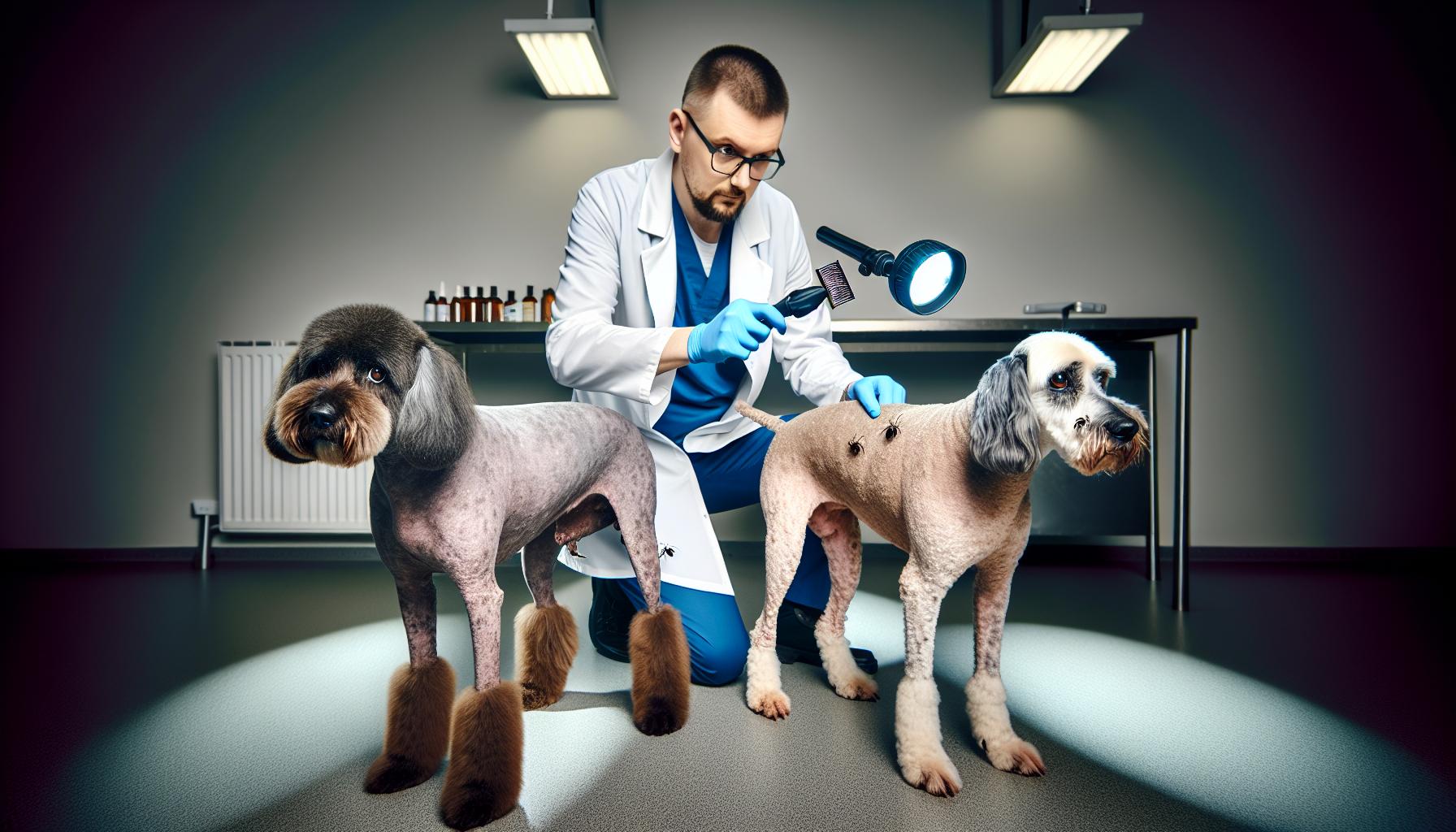
How Coat Type Affects Tick Detection and Removal
Tick detection and removal can be surprisingly tricky, especially because a dog’s coat type plays a huge role in how easily these tiny parasites are found and gently extracted. Dogs with thick, curly, or long coats offer ticks plenty of hiding spots where they can cling unnoticed, while short or thin coats reveal those unwelcome guests much faster. Recognizing how your dog’s coat influences this process helps you, your groomer, and your vet work together smoothly and safely.
- Short-haired dogs, like Beagles or Boxers, give groomers a clear advantage-the skin is more visible, making ticks easier to spot and remove quickly. For these breeds, regular brushing and visual checks at home can keep an eye out for ticks. Groomers frequently enough perform a simple visual scan during grooming and treat tick removal like a standard procedure, which is usually straightforward and less stressful for your pup.
- Dogs with long or dense coats,such as Golden Retrievers or German Shepherds,present more of a challenge. The thick fur can conceal ticks that nestle near the skin. groomers may need to carefully part or clip fur in certain areas, especially around the ears, neck, and belly, where ticks tend to latch on. Patience is key here, as rushing can scare your dog or cause discomfort.
- Curly or highly textured coats like Poodles or Bichon Frises demand extra care. These curls and mats easily hide ticks and complicate removal. Groomers skilled with these breeds will often start by dematting or gently brushing the coat to separate fur strands, slowly exposing the skin so they can inspect thoroughly. Precision tick-removal tools, antiseptic treatments, and a calm approach help ensure your pet feels safe throughout.
- Matted or tangled coats make tick detection very difficult, sometimes impossible, without professional grooming first. Groomers might recommend a pre-bath detangling session before they can carefully search for and remove ticks. Attempting removal through mats could pull the skin painfully or leave tick parts behind, increasing infection risk.
Tools and Techniques That Make a Difference
Groomers adapt their tools based on coat type when hunting for ticks. Fine-toothed combs work wonders for short to medium coats, while dematting rakes and slicker brushes help tease apart curls and knots safely. Bright lighting and magnifying tools are commonly used to catch even the smallest ticks before they settle deeply. When removing ticks, precision tick hooks or fine-tipped tweezers are preferred to grasp the tick close to the skin without squeezing, minimizing pain or broken parts left behind.
Knowing When to Trust Your Groomer or See Your Vet
Some cats or dogs develop skin sensitivities or tolerate touch poorly, especially around areas tick hide-ears, underarms, groin. groomers experienced in handling anxious pets will use gentle restraint and calming techniques, but very stubborn ticks, those embedded deeply, or if your dog shows pain, swelling, or signs of infection indicate it’s time for a vet visit. Vets can provide sedation, professional removal, and follow-up treatment if needed.
by appreciating how coat type influences tick challenges, you empower yourself to work closely with your groomer and vet. Regular grooming tailored to your dog’s coat-not just for looks but for health-can make tick detection a breeze while keeping your furry friend comfortable and safe. Remember, patience, compassion, and gentle hands are the best tools in the fight against these tiny hitchhikers.
Questions to Ask Your Groomer about Tick Services
Tick detection and removal can be a delicate matter, and it’s natural to feel a bit unsure about what your groomer can do for your furry friend. Open, honest conversations with your groomer can ease your worry and help you understand their approach, tools, and boundaries regarding ticks. Knowing what questions to ask ensures you’re both on the same page and that your dog’s comfort and safety stay front and center.
What Should I Expect If My Dog Has Ticks During grooming?
Start by asking how your groomer identifies ticks, especially considering your dog’s breed and coat type.For example, if you have a curly-coated Poodle, ask if they’re experienced with detangling before tick checks. Discuss the step-by-step process they follow when they find a tick. Will they remove it immediately, or suggest a vet visit if it’s deeply embedded? Understanding their procedure builds trust and helps you prepare your pup for a calm session.
Which Tools Do You Use to Remove Ticks Safely?
Precision matters when it comes to tick removal. A skilled groomer should be able to explain the tools they prefer, such as tick hooks, fine-tipped tweezers, or specialized combs, and why. They’ll also tell you how they avoid squeezing or breaking the tick, which can cause infections. Ask how they sterilize their tools and treat the bite area afterward. This little chat reassures you that hygiene and your pet’s well-being are priorities.
How Do You Decide When Veterinary Care Is Needed?
Sometimes, ticks are stubborn or cause skin irritation and pain. Good groomers know when a tick is beyond simple removal and will recommend a vet. Ask your groomer about the signs they look for-like swelling, redness, or your dog showing discomfort. This helps you recognize when to act quickly and avoid complications. Plus, it shows your groomer respects their role and your dog’s health beyond the grooming table.
Can tick Prevention Be Part of Routine Grooming?
Prevention is just as important as removal. Ask if your groomer offers advice or services that help keep ticks at bay, such as recommending tick-repellent shampoos or guiding you on maintenance routines like regular brushing and spot checks. Some groomers may even coordinate with your vet on preventive treatments. Hearing about these options empowers you to be proactive in protecting your dog, not just reactive.
- Does the groomer have experience with your dog’s specific breed and coat type?
- What’s their approach if they find multiple ticks or deeply embedded ones?
- How do they ensure removal is painless and thorough?
- What aftercare tips or products do they recommend to keep your dog comfortable?
- Are there any grooming practices they modify to improve tick detection (e.g., detangling prior to inspection)?
- When do they suggest contacting a vet instead of handling it themselves?
this kind of conversation not only helps you feel secure but also strengthens your partnership with the groomer.Remember, your groomer is your ally in keeping your dog happy, healthy, and tick-free-with compassion, patience, and expert hands guiding every step.
Frequently Asked Questions
Q: How do dog groomers handle ticks to avoid spreading them to other pets?
A: Dog groomers carefully handle ticks by isolating affected dogs and using sanitized tools to prevent spreading ticks to other pets. They also inspect and remove ticks with precision, avoiding crushing or irritating them. Communicate your dog’s tick history with your groomer to ensure safety protocols, as detailed in the section *What to Tell Your Groomer About Your Dog’s Tick History*.
A: Yes, groomers are trained to detect ticks even in thick or matted fur. They frequently enough perform a pre-bath groom to gently detangle the coat,making tick inspection and removal easier. This approach is especially important for long-haired or heavily matted dogs,explained in the article’s section on *How Coat Type Affects Tick Detection and Removal*.
Q: Are groomers trained to identify early signs of tick infestation during grooming?
A: Most professional groomers can identify early signs of tick infestation such as small bumps, skin irritation, or embedded ticks during routine grooming. Prompt detection enables quick removal, reducing health risks. Always inform your groomer of any recent tick exposure for thorough inspections,linking to *Signs Your Dog Has Ticks Before Grooming*.
Q: What should I do if a groomer finds a tick but doesn’t remove it?
A: if a groomer finds a tick but doesn’t remove it, ask about their removal process first.Some groomers may defer removal to veterinarians for safety reasons. You can then decide to seek veterinary care or properly remove the tick yourself with safe tools. Refer also to *When Tick Removal Requires Veterinary Care* for guidance.
Q: Can grooming appointments help manage future tick infestations on my dog?
A: Routine grooming helps manage future tick infestations by maintaining a clean,well-brushed coat,making ticks easier to spot early. Groomers can recommend tick prevention steps tailored to your dog’s breed and lifestyle. Learn more under *Can Groomers Prevent Ticks During Routine Grooming* for proactive care tips.
Q: How do groomers safely remove ticks without harming my dog’s skin?
A: Groomers use specialized tick removal tools and gentle techniques to carefully extract ticks without squeezing or tearing the skin. Proper removal minimizes infection risks. For detailed safety steps,see the section *How Groomers Safely Remove Ticks Step-by-Step*. Always ensure your groomer is experienced in tick removal.
Q: Are there specific dog breeds or coat types that require special tick removal care during grooming?
A: Yes, breeds with long, dense, or curly coats often need extra care for tick detection and removal. Groomers may perform a pre-bath dematting to access hidden ticks and ensure thorough inspection. Short-haired dogs usually allow quicker, easier tick removal. Visit *How Coat Type Affects Tick Detection and Removal* for breed-specific grooming tips.
Q: Should I ask my groomer about their tick removal tools and methods before booking an appointment?
A: Absolutely-asking about tick removal tools and methods helps ensure your dog’s safety and comfort. A good groomer uses proper equipment and follows safe procedures. This conversation builds trust and prepares your dog’s grooming session. For what to ask, see *Questions to Ask Your Groomer About Tick Services* for a handy checklist.
—
For more detailed guidance on tick removal safety and grooming preparation,explore the full article sections linked above.Regular communication with your groomer and informed choices keep your dog healthy and comfortable.
To Conclude
Removing ticks safely is an important part of your dog’s grooming routine, especially for breeds with thick or long coats where ticks may hide. While many professional dog groomers can carefully remove ticks during a session, it’s crucial to know when to seek veterinary help for thorough tick checks or treatment. Prioritizing your pet’s comfort and safety ensures that grooming remains a positive experience without stress or harm.
If you want to learn more about protecting your dog’s health, check out our guides on DIY tick removal tips, best grooming tools for different coat types, and how frequently enough to schedule professional grooming. Taking these next steps helps you maintain your dog’s well-being between visits and confidently manage any concerns at home. Don’t wait until ticks become a problem-schedule a groomer consultation today or sign up for our newsletter to get expert advice delivered straight to your inbox.
Have questions or experiences with tick removal from your groomer? Share your thoughts below, and let’s keep the community informed and supported. Together,we can make grooming safe and stress-free for every pup!
Get our latest guides, news, and insights highlighted in your Google Search & AI Overviews.
Keep reading about the same coat and cut.




Popular grooming guides
Bath vs clip, first grooms, and salon how-tos.