What Do Dog Groomers Give Dogs to Calm Them Down Safely

Many dogs feel anxious or stressed during grooming, making their experience challenging for both pets and owners. to help, professional groomers ofen use safe, gentle calming methods tailored to each dog’s needs. Understanding what these calming aids are-and how they work-can ease your worries and ensure your furry friend stays comfortable and safe throughout their grooming session. Whether it’s natural supplements, soothing pheromones, or simple behavioral techniques, these options prioritize your dog’s well-being over aesthetics. If you’ve ever wondered how groomers help even the most nervous dogs stay calm, this guide will walk you through the most effective, vet-approved calming strategies. You’ll gain practical insights that empower you to support your pet’s comfort, set realistic expectations, and collaborate confidently with your groomer-as a relaxed dog means a happier grooming experience for everyone.
What Are the Safest Calming Options for Dogs During Grooming
Table of Contents
- 1 What Are the Safest Calming Options for Dogs During Grooming
- 2 How Do Professional Groomers Assess Dog Anxiety Levels?
- 3 Natural Remedies That Calm Dogs Without Medication
- 4 When and Why Groomers Use Prescription Calming Aids
- 5 Topical and Aromatherapy Solutions for Stress Relief
- 6 How to Prepare Your Dog for a Calm Grooming Session
- 7 Signs Your Dog Needs Extra Comfort during grooming
- 8 Common Mistakes to Avoid When Calming Your Dog
- 9 Vet vs. Groomer: Who Should Decide on Calming Treatments?
- 10 DIY Tips for Keeping Dogs Calm Before and After Grooming
- 11 Frequently asked questions
- 11.1 Q: How do dog groomers safely administer calming aids during grooming?
- 11.2 Q: What non-medication items do groomers use to help calm anxious dogs?
- 11.3 Q: When should a dog owner discuss calming options with their groomer before the appointment?
- 11.4 Q: Are calming treats safe for dogs during grooming sessions?
- 11.5 Q: how do groomers handle dogs that panic despite calming aids?
- 11.6 Q: What are safe alternatives to prescription sedatives during grooming?
- 11.7 Q: How can owners support groomers in keeping dogs calm at home?
- 11.8 Q: What grooming equipment helps minimize stress for anxious dogs?
- 12 Insights and Conclusions
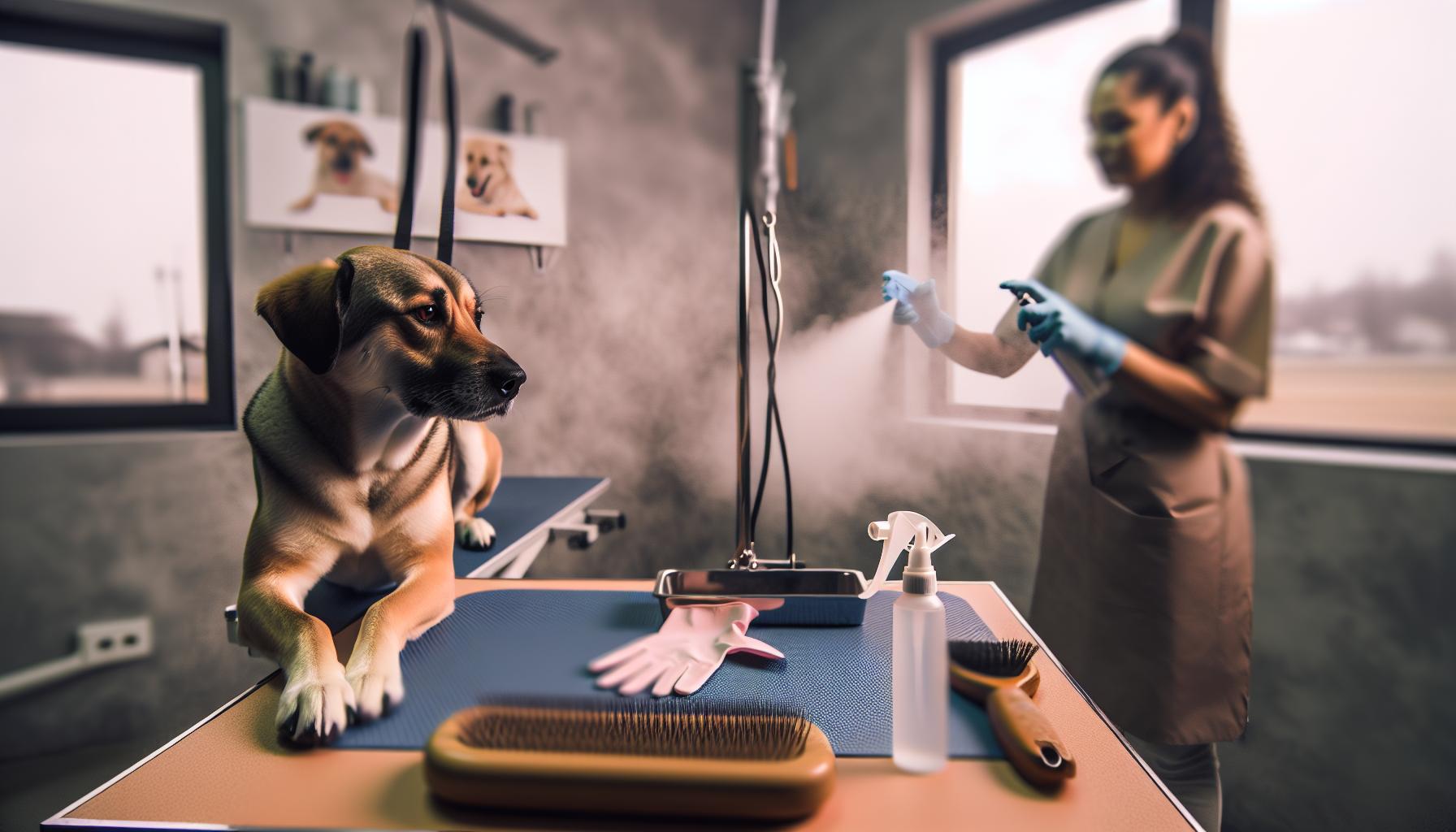
When it comes to helping dogs feel calm during grooming, safety and comfort are the absolute priorities.Many dogs experience stress during grooming, whether it’s from unfamiliar noises, restraint, or just being handled in new ways. Fortunately, there are several gentle, safe options groomers commonly use to ease anxiety without putting your dog at risk.
One of the most effective calming methods involves simple environmental adjustments and soothing handling techniques. For example, creating a quiet, dimly lit space with minimal distractions can work wonders. Gentle talking, slow movements, and regular breaks during brushing or bathing help build trust and reduce stress. These non-pharmaceutical strategies should always be the first line of defense.
Safe Calming Approaches Commonly Used by groomers
- Thundershirts or Anxiety Wraps: these snug-fitting garments apply consistent, gentle pressure that mimics the sensation of being held, which helps many dogs feel secure.
- Adaptil® Diffusers or Sprays: These products release synthetic pheromones that resemble a mother dog’s comforting scent, creating a calming atmosphere naturally.
- CBD Oil or Natural Supplements: While not pharmaceutical, many groomers integrate vet-approved CBD treats or supplements containing chamomile or valerian root to support relaxation, always ensuring the product’s quality and advising consultation with the vet.
- Positive Reinforcement: rewarding calm behavior with treats and praise gently encourages a relaxed attitude throughout grooming sessions.
It’s important to remember that some dogs, such as breeds with thick coats like the Alaskan Klee Kai or those with sensitive temperaments, might need more patience and tailored approaches. Additionally, groomers never administer prescription medications without veterinary approval. This ensures each dog’s health, breed-specific sensitivities, and existing conditions are fully considered, making safety paramount over speed or convenience.
Practical tips from Experienced Groomers
- Begin grooming gradually, starting with low-stress tasks such as gentle brushing before progressing to baths or nail trims.
- Use familiar toys or blankets to provide comfort through scent and distraction.
- Communicate openly with your groomer about your dog’s known triggers and past experiences to customize calming strategies appropriately.
Ultimately, the safest calming options are those that combine compassionate handling with evidence-based, non-invasive aids. This thoughtful approach fosters trust, turning grooming from a daunting ordeal into a safer, more positive experience for both dog and owner.
How Do Professional Groomers Assess Dog Anxiety Levels?
Recognizing a dog’s anxiety before and during grooming is an essential skill every professional groomer masters with patience and careful observation. Dogs, like peopel, show their stress in different ways, and a savvy groomer knows to read these subtle signals early to adjust their approach accordingly. This early detection helps prevent overwhelmed reactions and creates a calm, safe space for the dog, fostering cooperation and trust right from the start.
From the moment your dog steps into the grooming area, groomers attentively watch body language cues. These include:
- Tail position: A tucked tail can mean fear, while a wag might potentially be nervous or excited.
- Ear posture: Flattened or pinned ears frequently enough signal discomfort or anxiety.
- Eye contact and blinking: Avoiding eyes, excessive blinking, or showing the whites of the eyes (“whale eye”) are common stress indicators.
- Body tension: Stiffness, trembling, or crouching often reveal heightened worry.
- Vocalizations: Whining, growling, or excessive barking can be cries for help or attempts to set boundaries.
Experienced groomers also consider breed-specific tendencies and coat types when assessing anxiety. For example, a dense-coated breed like a Newfoundland may get protective or fidgety during prolonged brushing sessions, while smaller breeds such as Chihuahuas may react strongly to restraint or unfamiliar handling. knowing these nuances guides the choice of tools and handling techniques-like swapping from a standard slicker brush to a softer grooming mitt or using shorter grooming intervals to avoid sensory overload.
Step-by-Step Assessment During Grooming Tasks
Good groomers break their work into clear stages, vigilantly monitoring stress levels as they move from brushing to bathing, drying, or nail trimming. For instance:
- Brushing: Does your dog accept gentle strokes or try to pull away? A dog that relaxes slightly during brushing may just need a slow pace and plenty of positive reinforcement.
- Bathing: Is your dog stiff or attempting to escape? These signs signal a need to pause,use soothing voices,and perhaps a quieter bath area if possible.
- Nail trims: Many dogs fear nail clippers. A groomer will notice signs like paw pulling or panting and switch to trimming only a few nails at a time with breaks to reduce pressure.
- Ears and eyes: Sensitive zones require extra gentleness. If your dog flinches or resists, the groomer will adapt with slower movements and calm talking.
Open interaction with the owner is also key-sharing any relevant behavioral history, health issues, or previous grooming experiences helps the groomer fine-tune their approach. It’s always better to start from a place of knowledge rather than guesswork.
Knowing When to Seek Extra Help
if anxiety is severe or beyond what calming wraps, pheromones, or natural supplements can handle, groomers responsibly suggest consulting a veterinarian. Only vets can safely prescribe medications or specialized treatments that support anxiety relief. Groomers prioritize safety by never administering prescription drugs themselves, reinforcing their role as compassionate caretakers who work alongside veterinary professionals for the pet’s well-being.
in every grooming session, the goal remains clear: reading your dog’s anxiety accurately, responding appropriately, and championing their comfort above all else. This thoughtful attention transforms grooming from a stressful chore into a nurturing experience that strengthens the bond between dog, owner, and groomer.
Natural Remedies That Calm Dogs Without Medication
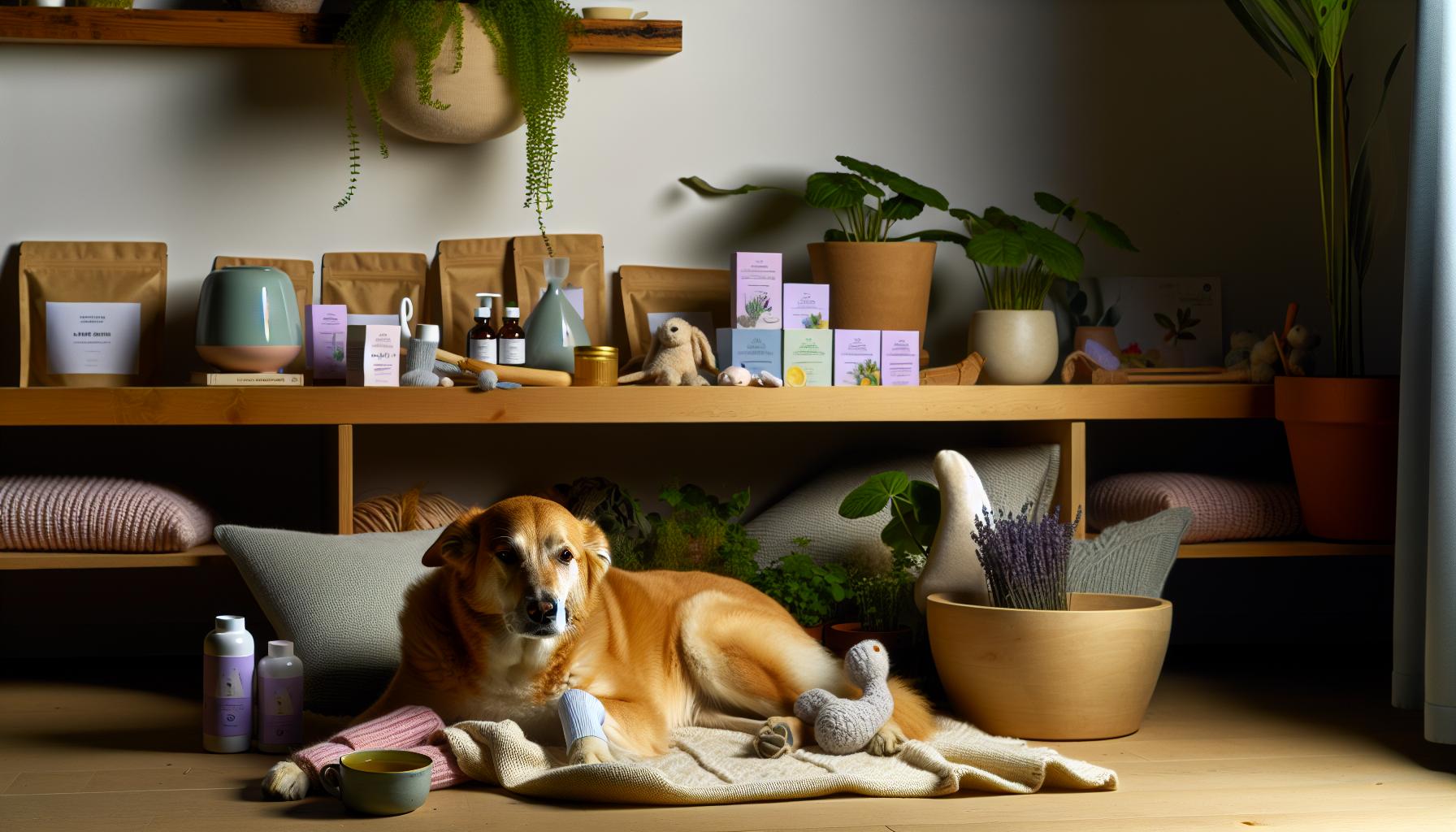
Many groomers find that gentle, natural strategies can work wonders for easing a dog’s stress without reaching promptly for medication. Often, calming a nervous dog is as much about creating a soothing environment as it is about specific remedies. from low-key touch to familiar scents, these approaches tap into a dog’s instincts to feel safe and reassured. For example, applying a soft, slow massage during brushing can definitely help a dog relax, especially breeds with sensitive skin like Malteses or Poodles who might shy away from hard brushes. This kind of tactile comfort sends a clear message: nothing harmful is happening here.
Harnessing Natural Remedies in Practice
Simple natural supplements are becoming staples in many groomers’ toolkits.Ingredients like chamomile and valerian root have mild calming properties and, when given as treats or mixed into food ahead of a session, can take the edge off anxiety. Popular options often come in forms like chews, tinctures, or powders designed specifically for dogs – always vetted for safety and dosage by a vet. For instance:
- Before a bath, a small chamomile-infused treat can create an association between grooming and calm feelings.
- During nail trimming, a soft valerian-scented cloth nearby might encourage a relaxed state without distracting the dog.
Always consult with a veterinarian before introducing any herbal remedy, especially for breeds prone to allergies or with chronic health conditions. Groomers never administer these supplements directly but can suggest them as part of a collaborative care plan along with owners and vets.
Environmental and behavioral Supports that Help
Environment plays a huge role in natural calming. A quiet, warm grooming area that mimics a cozy den can make a significant difference, especially for shy or reactive breeds like Greyhounds or Italian Greyhounds who easily spook. Soft music or white noise machines reduce startling sounds from dryers or clippers, and natural light helps maintain a peaceful atmosphere. Using a thunder shirt or gentle pressure wrap can mimic the feeling of a comforting hug, which some dogs find reassuring during stressful grooming tasks like ear cleaning or teeth brushing.
Practicing grooming routines at home can also prepare dogs for professional sessions. Gradually introducing touches to paws,ears,and coat over weeks lowers anxiety by shaping positive expectations. Simple rewards combined with patience build trust and collaboration, turning grooming from an ordeal into an enjoyable bonding experience.
When and Why Groomers Use Prescription Calming Aids
Sometimes, despite all the gentle handling, calming environments, and natural remedies, a dog’s anxiety during grooming can reach levels that require a bit more assistance. This is when prescription calming aids become a compassionate, practical tool to ensure safety and comfort for both the dog and groomer. These medications are carefully selected and prescribed by veterinarians to help dogs who experience severe stress, fear, or panic during grooming sessions-think of dogs with a history of trauma, highly reactive breeds, or those undergoing more invasive grooming like dematting or nail grinding.
Prescription calming aids are never given casually or solely at the groomer’s discretion. Rather, they are part of a thoughtful partnership between the owner, vet, and groomer. When a groomer notices a dog exhibiting signs of extreme anxiety-such as trembling, excessive panting, attempts to escape, or aggressive behaviors-it’s important to recommend that the owner consults a veterinarian. The vet can then assess the dog’s overall health and anxiety levels to determine the safest medication type and dosage.
How Prescription Calming Medications Help
These medications work by gently modulating the dog’s nervous system to reduce fear and agitation without sedation that impairs basic functions. Commonly prescribed options include:
- Gabapentin: Often used before nail trims or baths to ease anxiety and provide mild pain relief. it’s especially helpful for breeds with thick coats or who have sensitive skin, like Golden Retrievers or Huskies.
- Trazodone: A popular choice for managing longer grooming appointments or dogs prone to panic attacks. It promotes calmness but leaves dogs alert and responsive.
- Alprazolam or Benzodiazepines: Used cautiously and typically only for short-term or occasional needs, such as very stressful grooming milestones.
These medications allow the groomer to focus on gentle handling-baths, brushes, nails, ear cleanings-without the added challenge of a dog overwhelmed by fear. Such as,a groomer working with a Maltese prone to nail-biting and frantic attempts to escape may find these aids invaluable in turning a once traumatic nail trim into a manageable,calm experience.
Respecting Limits and Ensuring Safety
It’s vital to remember that groomers do not administer these medications directly; this is always the owner’s responsibility, under a vet’s guidance. Groomers should never suggest specific drugs or dosages but instead support open communication with the pet’s healthcare team. Equally, any medication use during grooming must be paired with continued patient, kind handling and a stress-reducing atmosphere-no pill replaces good care and an empathetic approach.
Using prescription calming aids is frequently enough a bridge toward positive grooming experiences, helping to rebuild trust in dogs who have endured fearful or painful sessions in the past. Groomers witness these transformations daily, where, with the right vet-approved help, anxious dogs gradually become confident, cherished clients who look forward to their grooming days.
By understanding when and why these aids are appropriate, owners and groomers alike can collaborate in creating safe, compassionate grooming that honors each dog’s individual needs.
Topical and Aromatherapy Solutions for Stress Relief
Sometimes, a gentle touch paired with calming scents can work wonders during grooming, especially for sensitive or anxious dogs. many groomers find that topical applications and aromatherapy offer a soothing, natural approach to easing stress-without introducing medications. These methods complement patient handling and create a peaceful atmosphere that fosters trust and relaxation.
Topical Solutions: Comfort in a Bottle or Spray
Topical calming products often come as sprays,wipes,or balms designed to be gentle on a dog’s skin and coat.Ingredients like chamomile, aloe vera, and calendula provide mild anti-inflammatory and soothing effects. When applied before or during grooming, these help reduce skin irritation from brushing or bathing-an important factor for dogs with sensitive skin or thick coats like huskies or Golden Retrievers.
A popular choice is a calming spray infused with lavender or chamomile. Spritz lightly onto your dog’s collar, bedding, or the grooming area (never directly in the nose or eyes!) to create an environment that welcomes calmness. Some groomers also use scented towels or grooming capes to surround the dog with these gentle aromas during nail trims or baths. Always opt for products specifically formulated for dogs to avoid harmful ingredients.
Aromatherapy: Scents That Speak Calm
Aromatherapy for dogs involves using essential oils diluted safely or plant extracts that encourage relaxation. The key is moderation and safety-as many essential oils can be toxic to dogs if used improperly. Good options include:
- Lavender: Renowned for its calming and anti-anxiety properties, frequently enough used to ease both acute stress and ongoing nervousness.
- Chamomile: Provides mild sedation and helps soothe frayed nerves, perfect for dogs who get uneasy during grooming.
- Sweet Orange or Bergamot: Bright scents that uplift mood and reduce cortisol levels naturally.
These oils can be diffused in the grooming room or applied in tiny amounts on a cotton ball placed near (but not too close) to the dog. Many groomers will check with owners first and use vet-approved products to ensure each dog’s safety.
Practical Tips for Using Topical and Aromatherapy Calmatives
- Start slow: Introduce new scents or topical products gradually at home before a grooming session to watch for sensitivity or allergies.
- Know your dog: Dogs with respiratory issues,puppies,pregnant females,or breeds prone to skin conditions may react differently; consult your vet before use.
- Combine with gentle handling: Aromatherapy and topicals are most effective when paired with calm voices, slow movements, and patient grooming techniques.
- Keep it clean and safe: use only high-quality, pet-specific products. Never apply essential oils directly onto the skin or fur without dilution, and avoid ingestion.
For example,a groomer working with a Shih Tzu who panics during nail trims might use chamomile-scented wipes combined with soft massage strokes to ease tension. This layered approach helps the dog associate grooming with positive, comforting experiences that reduce anxiety over time.
Remember,these options are supportive tools,never standalone solutions. If anxiety is severe, always involve your veterinarian before adding aromatherapy or topicals to your dog’s calming regimen. When used thoughtfully, these gentle remedies become a part of a holistic, compassionate grooming routine that honors your dog’s wellbeing every step of the way.
How to Prepare Your Dog for a Calm Grooming Session
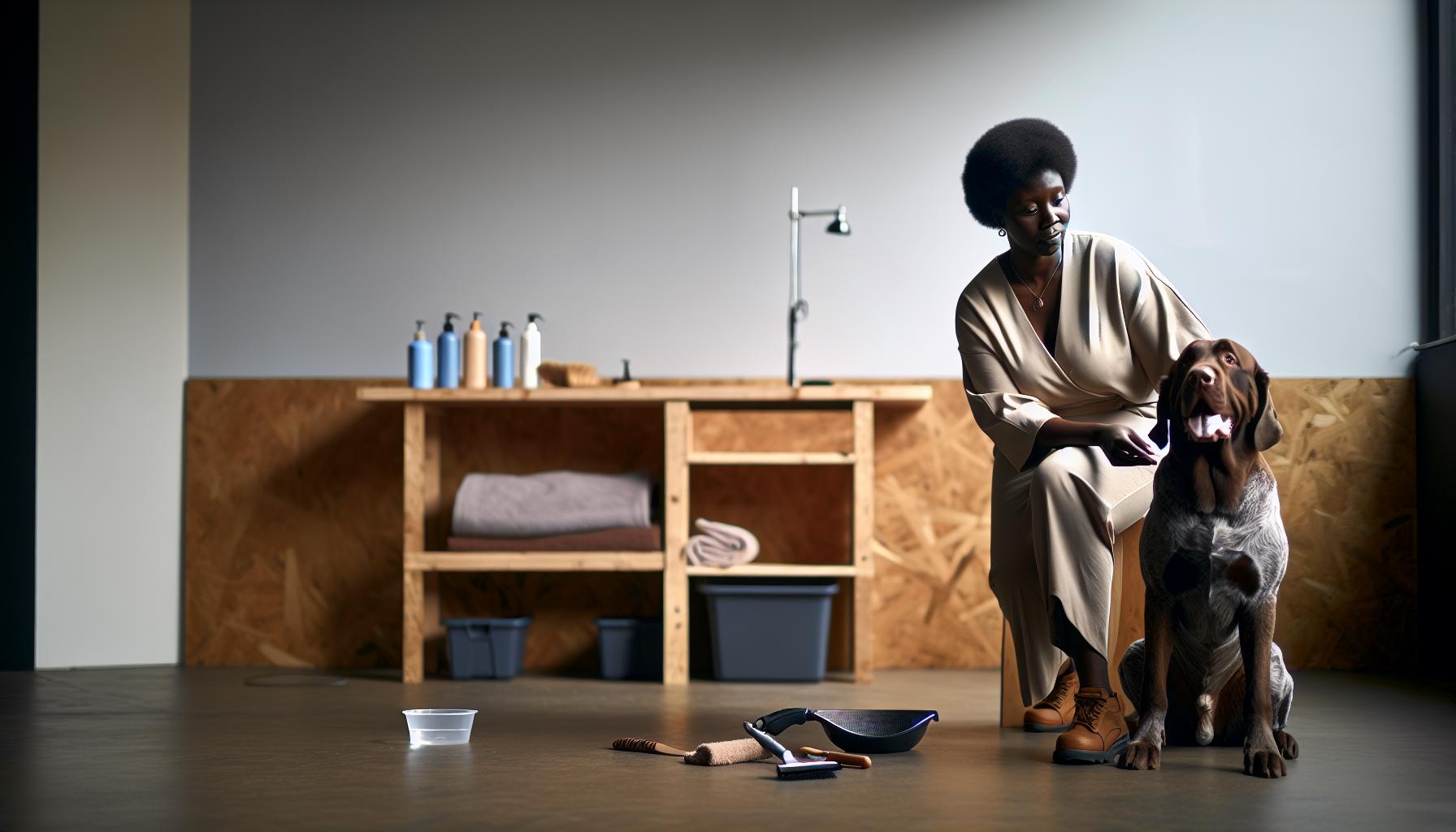
A calm grooming session begins long before the first brush stroke or bath. Preparing your dog thoughtfully can transform what might be a stressful experience into a gentle, even enjoyable routine. Every dog is unique-consider breed traits, coat type, and previous grooming experiences when planning. For example, a thick-coated Husky may need more frequent brushing to prevent mats and allow for easier handling, while a small, nervous Shih Tzu might benefit from shorter, more frequent sessions to build trust gradually. A calm environment, paired with consistent, positive interactions, lays the foundation for relaxation.
setting the Stage: Tools and Timing Matter
Choose grooming tools that suit your dog’s coat and sensitivity. Slicker brushes, dematting combs, or gentle shampoos with soothing ingredients like oatmeal can reduce irritation. Keep nail clippers, ear cleaning supplies, and towels within easy reach to minimize interruptions. Schedule grooming at a time when your dog is naturally calmer-often after a walk or play session when energy is spent. Early morning or late evening appointments can work well for dogs prone to anxiety during busy, loud periods. If possible, maintain a familiar space with minimal distractions and use gentle lighting and calming scents, such as a chamomile or lavender-infused spray, ensuring scents are pet-safe.
Step-by-Step Planning for Each Grooming Task
- Bath: warm water and a quiet space help a dog settle.Introduce water slowly by wetting the paws first,avoiding sudden sprays.Use dog-specific shampoos with calming properties like aloe vera to soothe the skin.
- Brushing: Work methodically starting from less sensitive areas. For thick or matted coats, detangle gently to avoid pain. short sessions with breaks can prevent overwhelm, especially in anxious dogs.
- Nail Trimming: Introduce the clippers or grinder during calm, quiet moments.Use chamomile wipes or a lavender-scented towel around the area to create a comforting association. Trim a small amount at a time, rewarding calm behavior.
- Ear Cleaning: Use vet-approved gentle solutions, applying slowly and talking softly to keep the dog reassured throughout.
Building Confidence and Knowing When to Pause
Gauge your dog’s mood throughout the session.If they show signs of stress-like lip licking, yawning, or avoiding eye contact-pause and offer gentle reassurance or a break. For instance, a Yorkshire Terrier nervous about baths might respond well to a brief rest cuddled in a towel scented faintly with chamomile. Employ calming vocal tones and slow movements, allowing your dog to regain trust. Never rush the process; patience is the key to long-term positive grooming experiences.
Remember, some dogs benefit from pre-appointment calming routines at home.These might include short massage sessions, light play, or the use of natural calming aids approved by your vet. Communication between owner, groomer, and veterinarian ensures safety and comfort especially for dogs with known anxiety or health conditions. By focusing on gentle preparation and individualized care, every grooming session can become a step toward a more relaxed and happy dog.
Signs Your Dog Needs Extra Comfort during grooming
Many dog owners don’t realize how subtle their pet’s signals can be when they need a little extra reassurance during grooming. Dogs can’t tell us with words,but their body language speaks volumes. Recognizing these signs early can make a huge difference in preventing fear or discomfort from escalating and helps groomers tailor their approach to each dog’s unique needs.
Common signs that your dog may need additional comfort include restless movements, trembling, or excessive lip licking-often overlooked as simple nervous habits but actually clear stress signals. Some dogs may try to avoid eye contact, yawn repeatedly, or shift their weight away from the groomer’s touch.Even dogs who usually enjoy grooming can show subtle increases in blinking or start panting when overwhelmed. These clues tell you it’s time to pause, soothe, or adjust the technique.
- During a bath: If your dog tenses up suddenly when water touches their paws or tries to back away, it’s a cue to slow down introductions to new sensations. Warm water and a soft voice help ease their uncertainty.
- While brushing: Watch for flinching, snapping, or attempts to nip, which often mean the grooming tool is causing discomfort or pain. Dogs with thick or matted coats may especially benefit from gentle detangling tools and shorter,more frequent brushing sessions with breaks.
- When trimming nails: Avoid forcing the paw if your dog pulls back or tucks their tail tightly. Using chamomile wipes or calming sprays on the paw can create a comforting scent association, but watch closely-if they stiffen or vocalize, it’s a sign to pause and try again later.
- During ear cleaning: Flinching at touch, shaking the head, or trying to escape signals that the process is uncomfortable or too quick. Slow, gentle movements combined with reassuring words go a long way here.
A real-life example involves a small, anxious Shih Tzu who initially resisted grooming. Noticing her avoidance of eye contact and paw withdrawing during brushing, the groomer introduced frequent breaks and used a lavender-infused towel to wrap her gently between sessions. Over time, the dog became calmer and began associating grooming with safety rather than stress.
When to Call for Extra Help
Sometimes, these signs mean a dog might benefit from professional calming aids or consultation with a veterinarian, especially if anxiety is severe. Groomers will often communicate with owners and vets to decide if prescriptions or specific natural remedies should be incorporated. Remember, safety always takes priority-never push a dog beyond their emotional threshold.
By staying attentive to these physical and behavioral cues-and responding with patience and compassion-you’re empowering your dog to feel secure and cared for throughout grooming.It’s not about perfect results but about nurturing trust and comfort, which paves the way for happier grooming experiences long-term.
Common Mistakes to Avoid When Calming Your Dog

It’s tempting to try quick fixes when your dog shows stress during grooming, but certain common errors can actually increase anxiety rather of easing it. One of the biggest pitfalls is rushing to use calming aids without fully assessing your dog’s specific needs or consulting a professional. Every dog is unique-with variations in breed temperament, coat type, and past experiences-so what works for one may not suit another. For example,a thick-coated Bernese Mountain Dog might need slower brushing with frequent breaks,while a small,sensitive Maltese may benefit more from gentle handling and natural calming scents like lavender. Jumping straight to medication or strong aromatherapy without gradual acclimation can overwhelm your pet, eroding trust and making future grooming sessions harder.
Another frequent mistake involves ignoring subtle body language signals that your dog is uncomfortable. Signs like lip licking, avoidance of eye contact, or repeated yawning are often dismissed as harmless habits. Yet these are clear stress indicators calling for an immediate pause and technique adjustment. For instance, if your dog pulls back when you approach their paws for nail trimming, forcing through the discomfort can cause guarding or fear-based behavior. Instead, try counter-conditioning with soft treats and slow desensitization before expecting smooth cooperation. Patience here builds confidence far better than pressure or insisting on “getting it done.”
- Using inappropriate tools: Brushing matted coats with a flimsy comb or a sharp blade without detangling first can create pain and resistance. Proper grooming tools matched to coat type reduce discomfort and help your dog relax.
- over-reliance on calming products: While calming sprays, wipes, and even mild prescriptions can be effective, they’re not magic cures. Overuse or wrong timing (such as applying scents right before grooming without a prior familiarization period) might stress your dog more.
- Skipping vet advice for prescription aids: Some owners attempt to soothe severe anxiety with over-the-counter supplements or human medications without veterinary guidance. This can be perilous. Always consult your vet before introducing prescription calming aids.
- Neglecting the environment: Loud noises, bright lights, or a chaotic grooming space can undermine any calming effort. Setting up a quiet, warm, and inviting grooming area helps your dog associate the experience with safety and comfort.
Real-World Tip
One anxious Cavalier King Charles Spaniel I worked with would freeze and tremble during bathing. The owner initially tried various calming sprays but saw no betterment. We shifted focus to the grooming environment: lowering water temperature,speaking softly,and using a non-slip mat. Slowly pairing these steps with a familiar lavender-infused towel tucked nearby helped create positive associations over weeks. This stepwise approach showed that calming aids complement-but don’t replace-attentive technique and environment management.
By avoiding these common missteps and embracing a slow, compassionate strategy tailored to your dog’s signals and needs, you’re setting the stage for grooming experiences marked by calm and trust rather than fear. Remember, each effort to understand and gently support your pet enhances not just their mood but your bond.
Vet vs. Groomer: Who Should Decide on Calming Treatments?
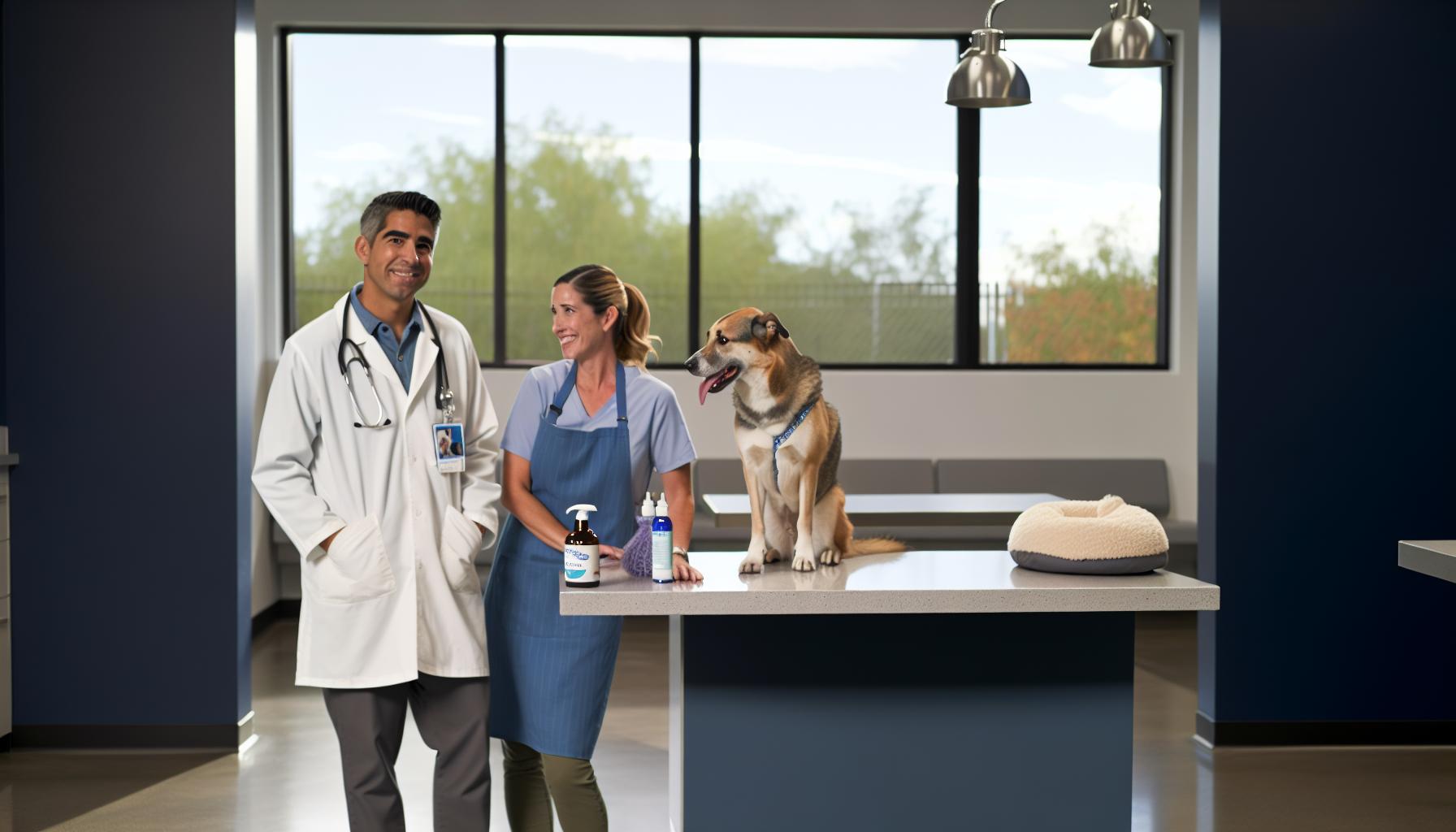
sometimes, deciding on the best way to calm a dog during grooming isn’t as clear-cut as it might seem. While professional groomers are experts in handling anxious pets and using gentle techniques, their role in administering calming treatments is carefully balanced by veterinary oversight. Understanding where the groomer’s expertise ends and the veterinarian’s advice begins is essential for your dog’s safety and well-being.
groomers frequently encounter mild anxiety and stress signs during brushing, bathing, or nail trims. Their toolbox often includes non-invasive solutions like massage, slow desensitization, and natural calming scents such as lavender or chamomile. These methods require no special medical knowledge and align with the groomer’s core skills-creating a calm environment and adjusting handling to suit the dog’s temperament and coat type. However,when anxiety escalates to severe fear or aggression-something that’s common in sensitive breeds like the Toy Poodle or the Schnauzer-any calming medication beyond safely applied topicals or pheromone sprays needs veterinary approval.Veterinarians bring a deeper understanding of canine physiology and psychology, which equips them to evaluate whether prescription medications or supplements are appropriate. For dogs that might have underlying health issues, drug sensitivities, or require stronger interventions such as prescription anxiolytics, the vet’s guidance is indispensable. For example,a dog with cardiac conditions will need special consideration before a calming medication is administered,something only a vet can properly assess. This makes vets the ultimate decision-makers when calming treatments involve pharmaceuticals.
- Safe Boundaries for Groomers: Groomers can use gentle, non-medicated calming aids like pheromone collars or sprays, aromatherapy with careful introduction, and tailored handling techniques based on the dog’s breed, coat type, and anxiety level.
- When to Consult a Vet: If a dog’s anxiety causes aggressive behavior, intense trembling, or stress-related health symptoms, and before introducing supplements or prescription medication for calming.
- Collaborative Approach: The best outcomes arise when groomers,owners,and vets communicate openly. Groomers can report observed behavioral changes to vets, who then tailor calming protocols. Owners follow these plans at home and share feedback with the groomer for ongoing adjustments.
A real-world example: A groomer worked with a Terrier that panicked during nail trims, displaying fear aggression. The groomer suggested the owner speak to their vet. After consultation, the vet prescribed a mild sedative used only during grooming sessions. Meanwhile, groomer strategies included counter-conditioning and extended break times. This combined approach helped the dog gradually relax without relying solely on medication.By prioritizing safety and comfort, recognizing each professional’s expertise, and fostering open communication, you can confidently support your dog’s calmness during grooming. Remember, the goal is always a stress-minimized grooming experience based on trust, not just ticking off tasks on the checklist.
DIY Tips for Keeping Dogs Calm Before and After Grooming
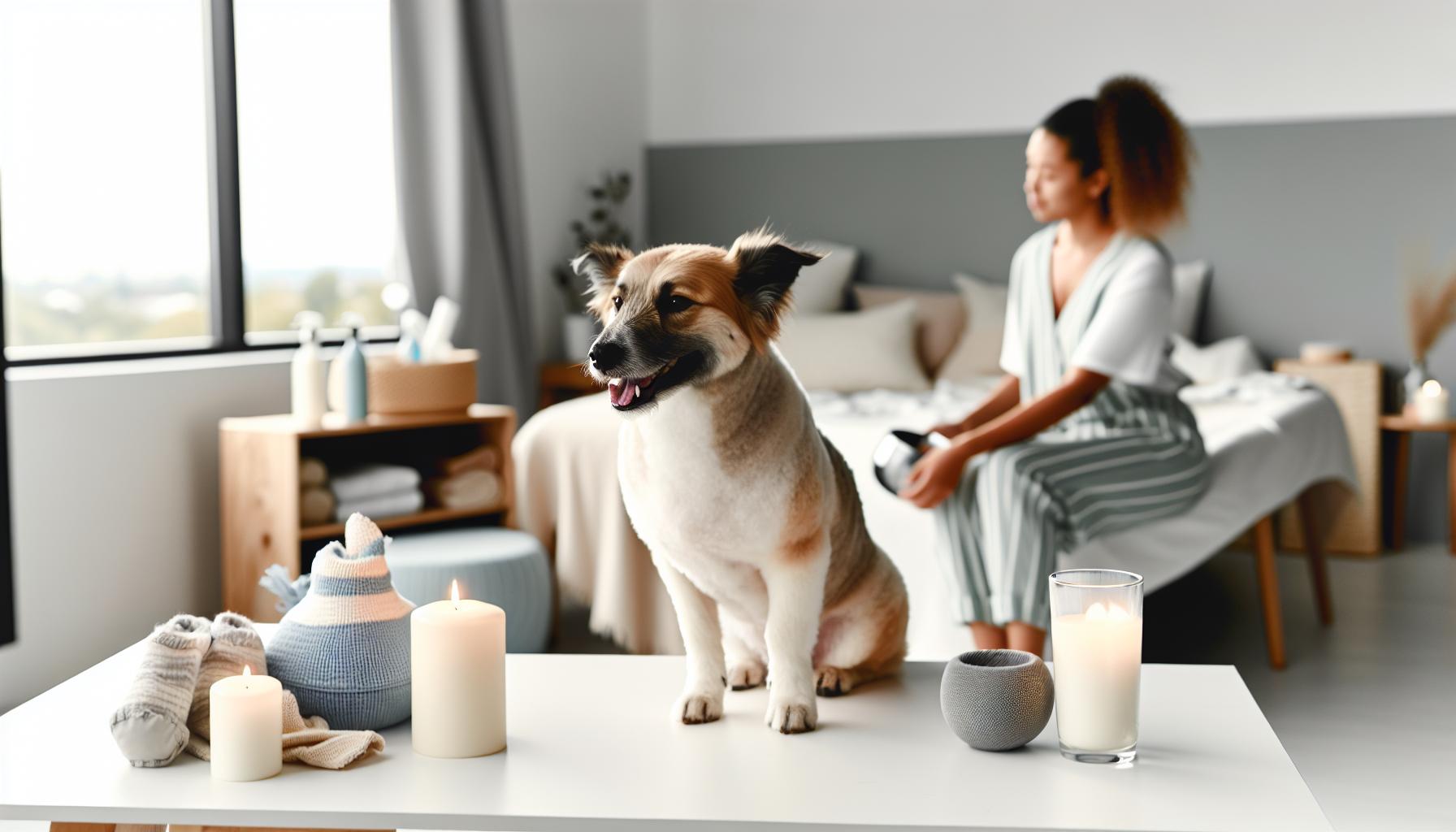
not all dogs greet grooming time with wagging tails and eager eyes. The days leading up to and following grooming can be especially stressful for sensitive pups, so gentle preparation and aftercare can make a world of difference. Creating calm routines that honor your dog’s unique needs not only eases anxiety but builds trust-helping future grooming experiences go more smoothly.
Before Grooming: Set the Stage for Calm
Start with short, positive interactions involving grooming tools well before the appointment. Such as, let your dog sniff a soft brush or feel the gentle hum of clippers at a distance. Pair these exposures with treats or favorite toys to create a positive association. If your dog has long or thick fur, more frequent gentle brushing sessions help prevent painful mats, reducing stress when professional grooming day arrives.
- Breed & Coat Considerations: Breeds like Shih Tzus or Maltese with dense coats benefit from daily light brushing. Smooth-coated dogs such as Boxers may prefer shorter,less frequent sessions to avoid overstimulation.
- Tools to Have On-Hand: Soft bristle brush, detangling spray for longer coats, nail clippers or files, and calming treats or chews.
During and After Grooming: Gentle Continuity Matters
After grooming, many dogs feel relieved but might also be sensitive to new scents, clipped nails, or changes in how they look. A calming environment at home encourages relaxation-consider a quiet room with familiar bedding and no sudden noises. Using gentle massage or light petting helps your dog reconnect positively with touch after what may have been a stressful session.
- Hydration & Nutrition: Fresh water and a small favorite snack post-grooming aid recovery and comfort.
- Observe for Signs: Watch for subtle signs of discomfort, such as excessive licking, shaking, or hiding, and share these insights with your groomer or vet to refine future care plans.
Key Tips to Empower You and Your Dog
– Short & Sweet Sessions: Especially for nail trims or ear cleaning, break tasks into small steps over several days. Such as, touch toes today, gently press nails tomorrow, then clip nails the next session-always with praise.
- Safe Calming Aids: Use pheromone sprays or collars recommended by groomers. Avoid any supplements or medications without your vet’s advice.
– Routine Consistency: Regular grooming intervals reduce coat issues and anxiety spikes. Each successful session builds your dog’s confidence.
A common real-life scenario involves a terrier mix who once panicked during nail trims. The owner used brief daily sessions to touch paws and offer treats. Before the next professional nail trim, the dog was calm, which reduced the need for sedatives. This approach,combining veterinary guidance and consistent gentle handling,highlights how empowering owners to support calm behavior before and after grooming leads to the best outcomes.
Remember, your patience and kindness are the foundation of your dog’s calm. When you radiate calm confidence and break grooming tasks into manageable steps, you transform those moments from stressful chore into peaceful bonding time-inside and outside the grooming salon.
Frequently asked questions
Q: How do dog groomers safely administer calming aids during grooming?
A: Dog groomers never administer calming medications without veterinary approval. When prescribed, groomers follow strict dosage and timing instructions to ensure safety. They prioritize non-invasive calming methods first and only use medicated options if the vet and owner agree.Learn more about vet vs. groomer roles in calming treatments in our article’s dedicated section.
Q: What non-medication items do groomers use to help calm anxious dogs?
A: Groomers often use thunder shirts, calming wraps, pheromone sprays, and gentle massage as safe, effective non-medication tools. These options reduce stress naturally and support a calmer grooming experience. For detailed natural remedies and topical aids, see the article’s sections on natural and aromatherapy solutions.
Q: When should a dog owner discuss calming options with their groomer before the appointment?
A: Owners should talk to their groomer at booking or before the first session, especially if their dog has anxiety. This discussion ensures personalized calming strategies, from special handling to vet-approved calming aids. Preparing your dog for grooming helps create a calm experience-refer to our preparation tips for guidance.
Q: Are calming treats safe for dogs during grooming sessions?
A: Yes, vet-formulated calming treats can be safe and helpful if used as directed. They contain natural ingredients like L-theanine or chamomile to ease anxiety. Always check with your groomer and vet first to confirm suitability based on your dog’s health and behavior. See our article’s natural remedies section for more.
Q: how do groomers handle dogs that panic despite calming aids?
A: If a dog panics, groomers use patience, gentle restraint, and frequent breaks to reduce distress. They may suggest a vet visit for stronger options or training referrals. Prioritizing the dog’s welfare is key-see the signs your dog needs extra comfort section for warning signals.
Q: What are safe alternatives to prescription sedatives during grooming?
A: Safe alternatives include pheromone diffusers, lavender scents, calming music, and behavioral techniques like desensitization. These reduce stress without side effects and complement any vet-approved medications used. Our sections on topical aromatherapy and natural calming detail these methods.
Q: How can owners support groomers in keeping dogs calm at home?
A: Owners can maintain consistent grooming routines, use calming tools like wraps or treats before appointments, and practice gentle handling. Avoid feeding high-excitement foods before grooming. For detailed home-care tips, check out our DIY calming tips before and after grooming section for practical steps.
Q: What grooming equipment helps minimize stress for anxious dogs?
A: Quiet clippers, detangling brushes, and non-slip mats all help create a calm environment. Groomers may choose tools designed to reduce noise and discomfort for sensitive dogs. Learn tool-specific calming tips in our article’s practical grooming advice to ensure safety and comfort during each task.
Explore these FAQs alongside our main article sections for thorough support in keeping your dog calm and safe during grooming. Feel free to reach out to your groomer or vet with any specific concerns-they’re your partners in your dog’s well-being.*
Insights and Conclusions
Helping your dog stay calm and comfortable during grooming is all about safe, gentle techniques tailored to their needs. Whether it’s soothing treats, calming pheromones, or simply steady handling, these trusted methods prioritize your dog’s well-being above all. If you’re wondering about the best tools and steps for at-home care or when to consult a professional groomer versus your vet, you’re in the right place.
Ready to take the next step? Explore our detailed guides on grooming essentials and stress-free nail trimming to build your pet’s confidence and ensure every session is a positive experience. Don’t forget to sign up for our newsletter for expert tips, exclusive advice, and the latest on dog wellness. Have questions or success stories? Share them with us in the comments-your journey can inspire other pet owners too! For more on keeping your furry friend happy and healthy, browse our related articles on calming techniques and safe grooming products.
By choosing compassionate methods to calm your dog, you’re not only making grooming easier but also strengthening the bond you share. Keep exploring, and remember, your pet’s comfort always comes first.
Get our latest guides, news, and insights highlighted in your Google Search & AI Overviews.
Keep reading about the same coat and cut.



Popular grooming guides
Bath vs clip, first grooms, and salon how-tos.