What Services Do Dog Groomers Offer Beyond Basic Cuts
Did you know that dog grooming is about far more than just a basic haircut? While trimming your pup’s coat can refresh their look, professional groomers offer a range of services designed to support your dog’s overall health and comfort. From gentle baths tailored to sensitive skin, expert nail trims that prevent painful overgrowth, to careful ear cleaning that helps avoid infections, each step protects your furry friend in ways you might not realize. Understanding these extras can definately help you choose the right care for your dog’s unique coat type, breed needs, and personality-ensuring a stress-free experience for both of you. If you’ve ever wondered what goes into a full grooming session beyond clipping, or how nail care and skin treatments fit into the picture, keep reading. You’ll discover practical tips and compassionate guidance that empower you to support your dog’s well-being at every stage, whether at home or with a trusted groomer. Safety, comfort, and kindness always come first, making grooming a positive moment-not just a chore-for your beloved companion.
Beyond Basic Cuts: Essential Bathing & Shampoo Services
Table of Contents
- 1 Beyond Basic Cuts: Essential Bathing & Shampoo Services
- 2 Expert Coat Brushing and Detangling Techniques
- 3 Nail Trimming, Filing, and Paw care Explained
- 4 gentle Ear Cleaning and Infection Prevention Tips
- 5 Specialized Treatments: De-Shedding, Flea & Tick Control
- 6 Creative Styling, Creative cuts, and Breed-Specific Grooming
- 7 Dental Care Services Offered by Groomers
- 8 Hydrotherapy and Skin Conditioning for Sensitive dogs
- 9 behavioral Comfort and Anxiety Management During Grooming
- 10 How groomers Ensure Safety and Health Checks
- 11 Understanding Vet vs. Groomer Roles: When to Seek Help
- 12 Tips for Maintaining grooming Results at Home
- 13 frequently Asked Questions
- 13.1 Q: How do dog groomers help with skin issues beyond regular grooming? A: Dog groomers address skin issues by offering treatments like medicated baths, hypoallergenic shampoos, and skin conditioning therapies that soothe irritation and promote healing. These services support sensitive or allergy-prone dogs and complement veterinary care when needed. For persistent concerns, always consult your vet to ensure safety and effectiveness. Q: What types of specialized grooming tools do professionals use beyond standard clippers?
- 13.2 Q: Can professional groomers help with anxiety-prone or fearful dogs beyond grooming basics?
- 13.3 Q: How do dog groomers customize grooming services for different breeds beyond standard cuts?
- 13.4 Q: What role do dog groomers play in preventive health beyond cosmetic care?
- 13.5 Q: Are there grooming services that improve dogs’ dental health beyond brushing at home?
- 13.6 Q: How do groomers assist with coat restoration for damaged or dry fur beyond simple trimming?
- 13.7 Q: What options exist for maintaining grooming results between professional visits?
- 14 The Way Forward
Cleanliness is about so much more than just looks-it plays a crucial role in your dog’s overall health and comfort. Skilled groomers understand that a proper bath isn’t just a splash and rinse; it’s a tailored spa-like treatment designed to suit your dog’s unique coat type,skin sensitivity,and lifestyle. From dense double coats like those of Huskies to silky, fine hair on breeds like Maltese, the selection of shampoo and bathing method changes dramatically, ensuring the dog’s coat is refreshed without stripping natural oils.
Choosing the Right Shampoo for Your Dog’s Needs
Not all shampoos are created equal. Professional groomers often rely on formulations designed specifically for dogs-these include moisturizing shampoos for dry, flaky skin, gentle hypoallergenic blends for sensitive pups, and even deodorizing varieties for dogs who spend lots of time outdoors. For example, botanical ingredients like oatmeal and aloe vera soothe irritation, while some anti-flea shampoos combine pest control with cleansing properties.When selecting a shampoo at home, always look for products labeled safe for dogs and avoid human shampoos as they often disrupt canine skin pH balance[[1]](https://www.petstore.direct/collections/dog-shampoos-on-sale-for-groomers?srsltid=AfmBOorNZNjDtNJlMxHsz45_aAwsmTWUyFXNIlqQkkZoPFrtw4nOsSzs).
Step-by-Step Bathing Tips from the Grooming Floor
- Prepare the area and tools: Use lukewarm water and gather your shampoo, conditioner, soft towels, and a non-slip mat to keep your dog comfortable and steady.
- Thoroughly wet the coat: Start from the neck and move downwards, avoiding water in the eyes and ears.
- Shampoo application: Work up a gentle lather using your fingers. For thick coats like Golden Retrievers, part the hair to reach the skin better.
- rinse fully: Any leftover residue can lead to itching or irritation, so rinse until the water runs clear.
- Condition and detangle: If recommended for the coat type,use a conditioner or a detangler while the coat is still wet,then rinse.
- Dry carefully: Towels work well for short-haired breeds, while a cool-dry blow dryer on a low setting suits thicker coats. Always monitor your dog’s stress levels during drying.
Bathing Challenges: Sensitive Skin and Behavioral Nuances
Dogs with allergies or skin conditions often require shampoos with specialized ingredients like medicated agents or probiotics. Groomers collaborate closely with vets when medicated baths are needed to ensure safety and effectiveness.Additionally, anxious or energetic dogs benefit from calm, patient handling during bathing-praise, treats, and a slow introduction to water can make all the difference. A groomer’s gentle approach not only cleans but builds trust, so future baths feel less stressful for your fur friend.
By investing in a well-rounded bathing experience beyond the basics, groomers provide your dog with relief from discomfort, a healthier, shinier coat, and a fresh scent that reminds everyone just how loved your pet is. Keeping these essential bathing insights in mind empowers pet owners to continue care confidently between professional appointments, always prioritizing comfort and skin health[[2]](https://ryanspet.com/shampoo-coat-care?srsltid=AfmBOooUky-2yMsqObdwcYYNcJB8KBJ33kGRD_a4y84Jic0kXgOyPQPU).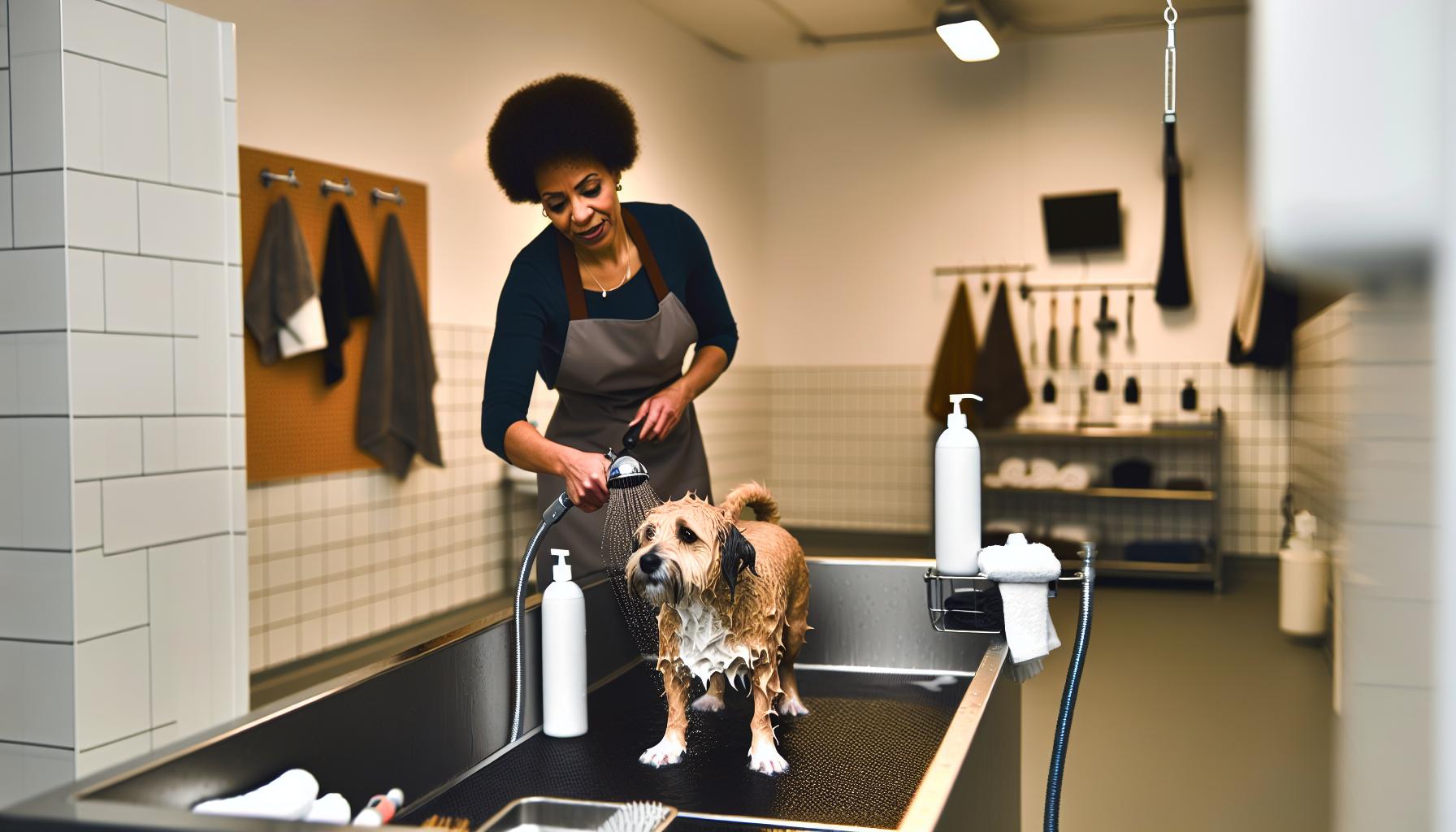
Expert Coat Brushing and Detangling Techniques
A well-groomed coat is more than just a polished look-it’s a key factor in your dog’s comfort, health, and happiness. Many breeds sport dense undercoats or silky layers that can trap debris, moisture, and tangles if not cared for properly. Groomers use expert brushing and detangling techniques tailored to your dog’s unique coat type, ensuring every stroke soothes the skin and prevents painful mats that can restrict movement or cause irritation. Whether you have a fluffy Golden Retriever, a curly Poodle, or a sleek Border Collie, understanding how to approach their coat can transform grooming from a chore into a bonding experience.
Choosing the Right tools for Your Dog’s Coat
Different coats demand different brushes. For thick double coats-like Huskies or Malamutes-an undercoat rake or slicker brush is invaluable. These tools gently penetrate dense fur to reach loose undercoat hairs without damaging the topcoat. Long-haired breeds with fine or silky coats, such as Maltese or shih Tzus, benefit from a pin brush or wide-tooth comb to reduce breakage. Groomers frequently enough recommend detangling sprays containing conditioning agents that soften the fur,making mats easier and less stressful to work through. Always start by identifying the coat type before choosing your tool.
Step-By-Step Detangling for a Stress-Free Experience
Handling knots well is key to reducing your dog’s discomfort and avoiding skin injury.Groomers approach mats patiently,working from the outside inward. The biggest mistake is tugging harshly or using clippers too soon, which can frighten pets and cause skin abrasions. Instead:
- Start by separating large mats gently using your fingers or a dematting tool. Break them down into manageable sections.
- Apply a detangling spray or conditioner while the coat is still damp. This softens stubborn tangles.
- Work with a slicker brush or comb, beginning at the tips and moving gradually toward the skin. Holding the hair close to the skin reduces pulling pain.
- If mats are severe or near sensitive areas,seek professional help. Groomers are trained to safely remove mats and can advise when veterinary care is necessary for skin issues.
Preventing Problems Before they Start
Regular brushing isn’t just about aesthetics-it’s preventative health care.Daily brushing of breeds prone to mats,like Pomeranians or Cocker Spaniels,can save you and your dog hours of discomfort. Groomers often recommend setting a routine based on coat needs: some dogs require a swift daily fluff, while others thrive with a deep brush every few days. It’s a good chance to check skin health too, feeling for lumps, hot spots, or irritation. A calm, patient approach helps your dog associate grooming with relaxation and trust, making every session better than the last.
By mastering brushing and detangling techniques tailored to your dog’s coat, you protect their skin, reduce shedding, and keep their coat silky, healthy, and comfortable. This expert care goes far beyond a basic cut-it’s essential maintenance that supports your dog’s overall well-being and happiness[[1]](https://realitypathing.com/steps-to-properly-brush-and-detangle-the-undercoat/)[[2]](https://www.petsmart.com/learning-center/dog-care/hair-of-the-dog-how-to-detangle-your-dogs-matted-coat/A0139.html)[[3]](https://necolebitchie.com/how-to-detangle-my-dogs-hair/).
Nail Trimming, Filing, and Paw care Explained
Nail care is one of those grooming tasks that often flies under the radar but plays a crucial role in your dog’s comfort and health. Long nails can cause discomfort when walking, affect posture, and even lead to painful injuries or joint issues over time.As groomers, we not only trim nails but also carefully file and tend to the paws, ensuring every step your dog takes is pain-free and secure.
Understanding Nail Trimming Essentials
Different breeds and coat types can come with unique nail care needs. For instance, active dogs who frequently walk on rough surfaces may naturally wear down their nails more, while indoor or less active breeds might need more frequent trims to prevent overgrowth.We always use specialized nail clippers designed for pets-scissor-style, guillotine, or grinders-choosing the best option based on the nail’s thickness and your dog’s comfort level. Before trimming, it’s critically important to locate the quick, the sensitive pink area inside the nail rich with nerves and blood vessels. Avoiding the quick ensures the experience is pain-free and stress-free.
Step-by-Step Approach to Safe Nail Care
- Start by holding your dog’s paw gently but firmly. Lift the toes individually to expose each nail, using your thumb on the pad for support and your forefinger on top of the nail, just above the tip-this positioning offers control and confidence during the trim.
- Trim small amounts at a time, especially if your dog is nervous. Cutting just a tiny bit encourages positive associations without risking cutting into the quick.
- If you or your groomer prefer, filing after clipping smooths sharp edges, preventing snags or scratches. Nail grinders are gentle alternatives that together trim and file, great for anxious dogs who dislike the sound of clippers.
- Reward your dog frequently during the process. Using treats, praise, or a favorite chew can turn nail care into a bonding experience, reducing future anxiety.
Paw Care: More Than Just Nails
Healthy paws contribute to your dog’s overall mobility and protection against environmental hazards. Groomers routinely check for irritated pads, cracked skin, or trapped debris between the toes-common in winter months or after hikes on rough trails. Applying soothing balms or moisturizers after grooming helps maintain soft, crack-free pads, especially for breeds with sensitive skin. Additionally, trimming excess fur between the pads can prevent matting and accumulation of dirt or ice balls, which sometimes cause discomfort or infections.Pro Tip: If your dog is particularly anxious, grooming experts recommend starting slow-perhaps trimming just one or two nails per session until your dog becomes more comfortable with the routine. using distracting tools like a lick mat with peanut butter or a spreadable dog treat can greatly help during the process[[3]](https://www.petmd.com/dog/general-health/how-to-trim-dog-nails).
When to Seek Professional Help or Veterinary Advice
While groomers are skilled in routine nail and paw care, there are times when veterinary consultation is wise. If your dog has thick,dark nails that make it nearly impossible to see the quick,frequent bleeding caused by splits,or persistent nail infections,a vet can provide specialized treatment. Similarly, wounds, paw pad lumps, or unusual limping should be assessed medically rather than only cosmetically. Remember, groomers aim to keep your dog comfortable and safe, but their role complements-not replaces-the vet’s more thorough care.
By approaching nail trimming,filing,and paw care with patience,the right tools,and an emphasis on your dog’s wellbeing,groomers help prevent pain and injuries that can affect your dog’s daily life. The goal is to transform nail care from a stressful chore into a gentle, positive experience for both you and your furry companion[[1]](https://www.akc.org/expert-advice/health/how-to-trim-dogs-nails-safely/).
gentle Ear Cleaning and Infection Prevention Tips
dogs’ ears are delicate gateways to their wellbeing, and keeping them clean is one of the most impactful ways groomers protect pets from discomfort and infection. Some breeds with floppy ears-like Cocker Spaniels or Basset Hounds-or dogs with lots of ear hair and moisture-prone canals require extra care and attention. Regular gentle cleaning helps prevent build-up of wax, debris, and moisture that can lead to irritating infections, but it must be done with patience and the right tools to avoid stress or injury.
Tools and Techniques for a Safe, Soothing Clean
Before any cleaning, groomers carefully assess the ear for redness, swelling, discharge, or odor-all signs that rest require a veterinary check. For routine care, soft cotton balls or gauze subtly dampened with a vet-approved ear cleaner are ideal. avoid cotton swabs,which can push debris deeper or damage the ear canal. the key is gentle wiping of the visible outer ear and folds, not forcing cleaning inside the ear canal. Groomers often remove excess hair around the ear base using thinning scissors or clippers-this helps air circulate and keeps the area drier.
Step-by-Step Ear cleaning Approach
- Calm your dog with a relaxed hold and soothing voice. Let them sniff the cleaner if possible to reduce surprise or fear.
- Apply the cleaner sparingly to a cotton ball or directly into the outer ear. Never saturate, just enough to loosen wax without overwhelming sensitive skin.
- Gently wipe away dirt and wax visible in the folds and outer canal. Use fresh cotton for each ear to avoid cross-contamination.
- Observe your dog’s reactions and stop immediately if your pet pulls away, whines, or shows pain. Sometimes sensitivity means a vet exam is needed.
- Reward your dog after cleaning. Use praise or treats to reinforce a positive experience next time.
Prevention Is the Best Medicine
Regular ear cleaning adapted to your dog’s breed and lifestyle can prevent most infections. Dogs prone to allergies or swim frequently should have their ears checked and dried after outdoor activities. Groomers educate pet parents on signs such as scratching, head shaking, or unusual odors, which may suggest infection. It’s critical to know when a groomer’s care should pause and a vet’s treatment should begin-especially if you notice discharge, blood, or intense redness. In those cases, professional veterinary diagnosis and medication are necessary.
Gentle, consistent ear care is about building trust and comfort between you and your dog while keeping them healthy and happy.With the right knowledge and tools, ear cleaning becomes less of a chore and more a moment of bonding that supports your dog’s long-term wellness.
For convenient home support, there are also specialized products that groomers recommend, including gentle ear wipes and drying powders designed to keep ears clean and dry, reducing odor and wax build-up without irritation[[1]](https://www.petsmart.com/dog/grooming-supplies/eye-ear-nose-and-paw-care) [[2]](https://www.amazon.com/dog-ear-powder/s?k=dog+ear+powder).Remember, your groomer is a valuable partner in monitoring ear health and helping maintain clear, comfortable ears between veterinary visits.
Specialized Treatments: De-Shedding, Flea & Tick Control
Many dogs, especially those with thick double coats like Huskies or German Shepherds, experience seasonal shedding that can feel overwhelming for owners. Professional groomers offer more than just stylish trims-they provide specialized de-shedding treatments that considerably reduce loose fur and keep your home cleaner. These treatments involve targeted brushing techniques and the use of tools designed specifically to reach the undercoat, where most loose hair hides.This process gently loosens and removes dead hair, preventing mats and promoting healthier skin and coat.
Step-By-Step De-Shedding Routine
- Start with a thorough brushing using a slicker or undercoat rake. This loosens tangles and begins the removal of loose hairs.
- Bath your dog with a gentle de-shedding shampoo. These shampoos often contain natural ingredients that help loosen dead undercoat and soothe the skin without drying it out.
- Rinse thoroughly and condition with a hydrating formula. Conditioner smooths the coat and helps reduce static and breakage, making post-bath brushing easier.
- Once dry, finish with a final brushing session. This ensures any residual loose hair is removed and the coat lies smooth and healthy.
This approach not only improves your dog’s comfort but reduces allergens and fur around your home-a win-win for everyone. However, gentle patience is key, as some dogs may be sensitive; always work slowly and reward them to build trust.
Flea and Tick Control: Grooming’s Essential Role
Beyond de-shedding, groomers play an important role in identifying and managing fleas and ticks, parasites that can cause immense discomfort and health risks. During grooming sessions, close inspection of the coat and skin allows early detection of these pests. If fleas or ticks are spotted, groomers will recommend appropriate treatment options that complement any veterinary care your dog may need.
Many groomers offer specialized flea-and-tick bathing treatments using medicated shampoos, sprays, or dips designed to kill and repel these parasites. It’s essential to use only products that are safe,vet-approved,and suited to the dog’s age,health,and coat type. Over-the-counter solutions can be harsh or ineffective, so a groomer’s guidance is invaluable.
Tips for Safe and Effective Parasite Management at Home
- Maintain regular grooming appointments. consistent baths and brush-outs disrupt flea life cycles and keep ticks visible for removal.
- check your dog frequently, especially after outdoor activities. Early detection of ticks allows for prompt, safe removal and reduces infection risk.
- Consult your veterinarian for an integrated parasite control plan. Groomer treatments work best as part of a broader approach including oral or topical preventives as prescribed by your vet.
- Always prioritize gentle handling during flea or tick removal. Pets can be itchy or reactive, so calm reassurance and slow movements help minimize stress.
In short, specialized treatments targeting shedding, fleas, and ticks are vital extensions of basic grooming. They enhance your dog’s health and comfort and demonstrate the grooming profession’s commitment to comprehensive care. With compassion and expertise, groomers empower pet parents to tackle these challenges confidently-as every dog deserves to feel clean, comfortable, and cared for all year round.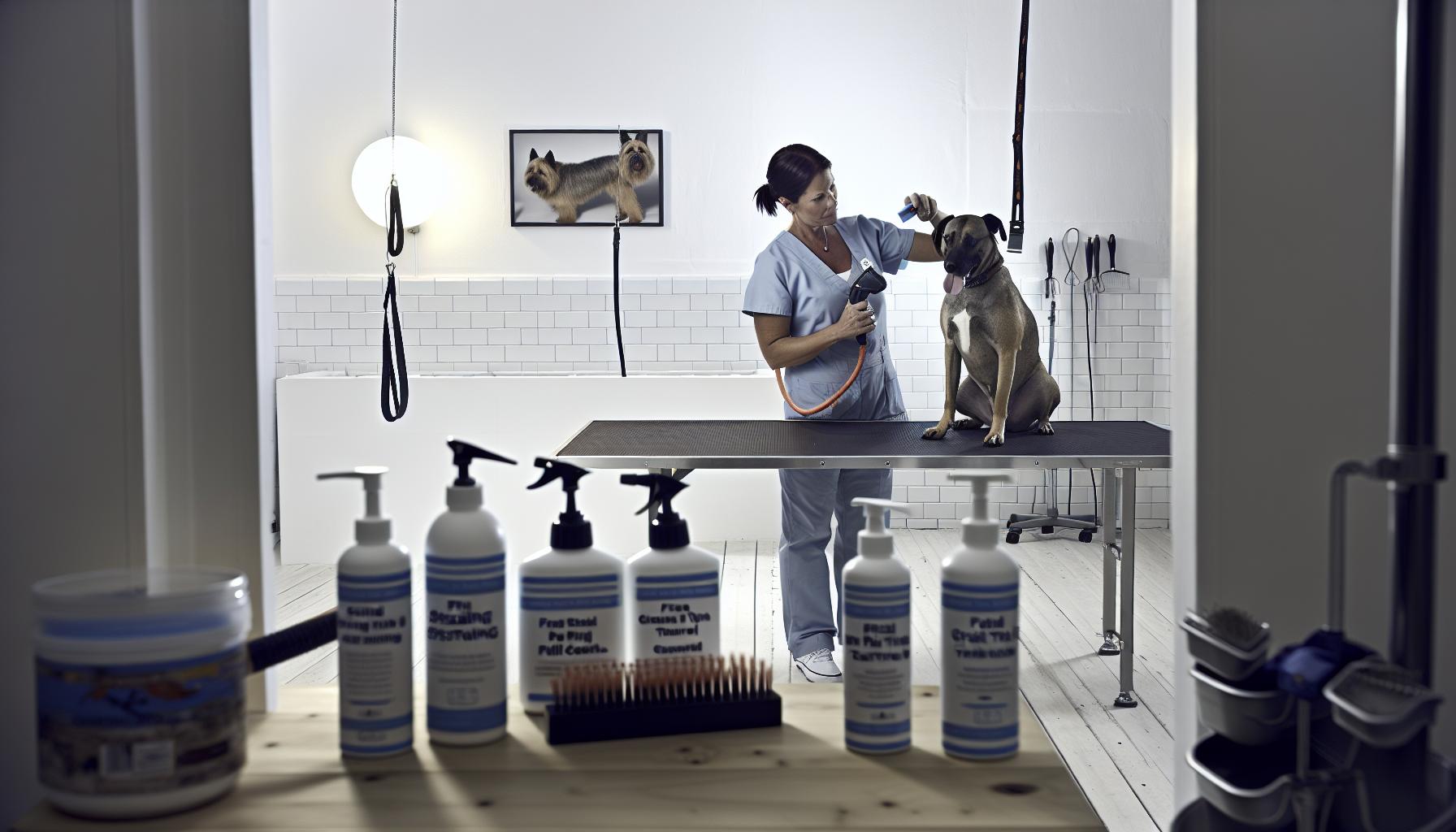
Creative Styling, Creative cuts, and Breed-Specific Grooming
A well-executed groom can do much more than just keep your dog looking tidy-it can highlight their unique personality and respect the natural traits of their breed. Creative grooming and breed-specific cuts require understanding each dog’s coat type, growth patterns, and health considerations. Whether it’s the classic plush teddy bear trim on a Poodle or the sleek, elegant styling of a Greyhound, these customized approaches enhance both form and function, ensuring your pup feels comfortable and cared for, not just pretty.
Knowing the Breed and Coat Type
Different breeds come with diverse grooming needs.Double-coated breeds like the Akita or Samoyed benefit from careful trimming that preserves their insulating fur, avoiding shave-downs that could risk sunburn or irritation. On the othre hand, curly or wiry coats-like those of Poodles or Schnauzers-need regular clipping and scissor work to prevent mats and keep that signature look. Creative cuts often combine clipping with scissoring techniques that shape and blend fur for a natural, flowing finish.
Tools and Techniques for Artistic Grooming
A refined style is built on good tools and patience.Professional groomers use detachable blade clippers with various guard lengths to craft clean lines and faded blends, perfect for dogs like the Border Collie or labrador Retriever who benefit from a sleek, low-maintenance coat. Scissors-straight, curved, and blending shears-are the final touch, shaping ears, paws, and faces softly without harsh edges. Such as, a “puppy cut” may use blending shears to achieve that soft, fluffy look that’s both functional and adorable.
Personalized Styling for Comfort and Confidence
Creative grooming isn’t just about aesthetics-it’s about making your dog feel great every day. For anxious or older dogs, a simpler, less invasive cut can minimize discomfort, while more elaborate styles might be reserved for show dogs or special occasions. Working thoughtfully and patiently, groomers take into account the dog’s behavior and sensitivity, often breaking the grooming into calming steps to build trust.
Practical Tips for Owners
- Consult a grooming professional familiar with your dog’s breed. they can recommend styles that suit both coat type and lifestyle.
- Maintain regular grooming appointments. Creative cuts require upkeep to stay neat and healthy-waiting too long can lead to mats or uneven growth.
- be realistic about DIY trims. Some breed-specific styles are complex and need professional skill; at-home clipping is best kept to minor touch-ups.
- Always prioritize your dog’s comfort. If your pet seems stressed or irritated, ask your groomer to adapt the session or try a gentler style.
By embracing the artistry of grooming beyond simple haircuts, groomers enhance a dog’s wellbeing and charm, creating a bond built on trust and kindness. This tailored care reassures owners and nurtures dogs, reminding us that grooming is as much about health and happiness as it is about style.
Dental Care Services Offered by Groomers
Dogs’ dental health frequently enough goes overlooked, yet it plays a crucial role in their overall wellbeing. Regular dental care provided by groomers extends far beyond just keeping teeth shiny-it helps prevent plaque buildup, tartar, bad breath, and even more serious issues like gum disease or tooth loss. Many groomers now include gentle and thorough dental care as part of their service offerings, making it easy and stress-free for both pets and their owners to maintain a healthy mouth.
What Groomers Typically Offer for Dental Care
Most professional groomers provide plaque removal through gentle scaling combined with polishing techniques that smooth the teeth surface and reduce future buildup. Such as,dogs with breeds prone to dental problems-such as small breeds like Chihuahuas and Yorkshire Terriers-often benefit greatly from regular professional cleaning sessions. Groomers use specialized tools designed to be safe and comfortable, taking care to avoid causing stress or pain. The process usually includes:
- Visual dental inspection: groomers routinely check for any obvious issues like redness, swelling, or bleeding gums and alert owners if veterinary consultation is needed.
- Non-anesthetic teeth cleaning: Using hand scalers or ultrasonic tools, groomers gently remove surface tartar and plaque without the use of anesthesia.
- Breath freshening: Many groomers apply enzymatic rinses or sprays that promote a healthier oral surroundings after cleaning.
Working Within Boundaries: Groomers vs. Veterinarians
While groomers can provide excellent maintenance and early warning signs of dental issues, it’s important to remember their role is supportive-not a replacement for veterinary dental care. Groomers do not perform deep cleanings that require anesthesia or treat dental diseases.If your groomer notices anything concerning,they will recommend a veterinary checkup. This collaboration ensures your dog’s dental health is monitored safely and comprehensively.
Tips for Comfortable, Effective At-Home Dental Care
After a thorough professional cleaning, groomers often share simple, calm approaches to continue oral care at home. This might include introducing daily toothbrushing with a dog-safe toothpaste or offering dental chews and toys that help reduce plaque naturally. Starting slowly with praise and gentle praise during brushing sessions can build your dog’s comfort and cooperation. Groomers encourage owners to maintain consistency while always prioritizing their dog’s emotional wellbeing to avoid anxiety around dental care.By including dental care in grooming routines, groomers help dogs stay healthier and happier every day. This compassionate addition showcases how grooming can protect more than just your pet’s appearance-it’s an essential part of loving care that supports your dog’s comfort and longevity.—
For those in las Vegas or nearby, many groomers partner with veterinary practices or offer specialized mobile dog teeth cleaning options that use gentle, non-anesthetic methods tailored for anxious pups. These services combine convenience with expert care to maintain your dog’s smile right at your doorstep[[1]](https://animalkindnessvet.net/pet-dental-care-las-vegas-nv/),[[2]](https://nvmobiledoggroominglasvegas.com/mobile-dog-teeth-cleaning/),[[3]](https://annroadah.com/dental-care-and-teeth-cleaning/).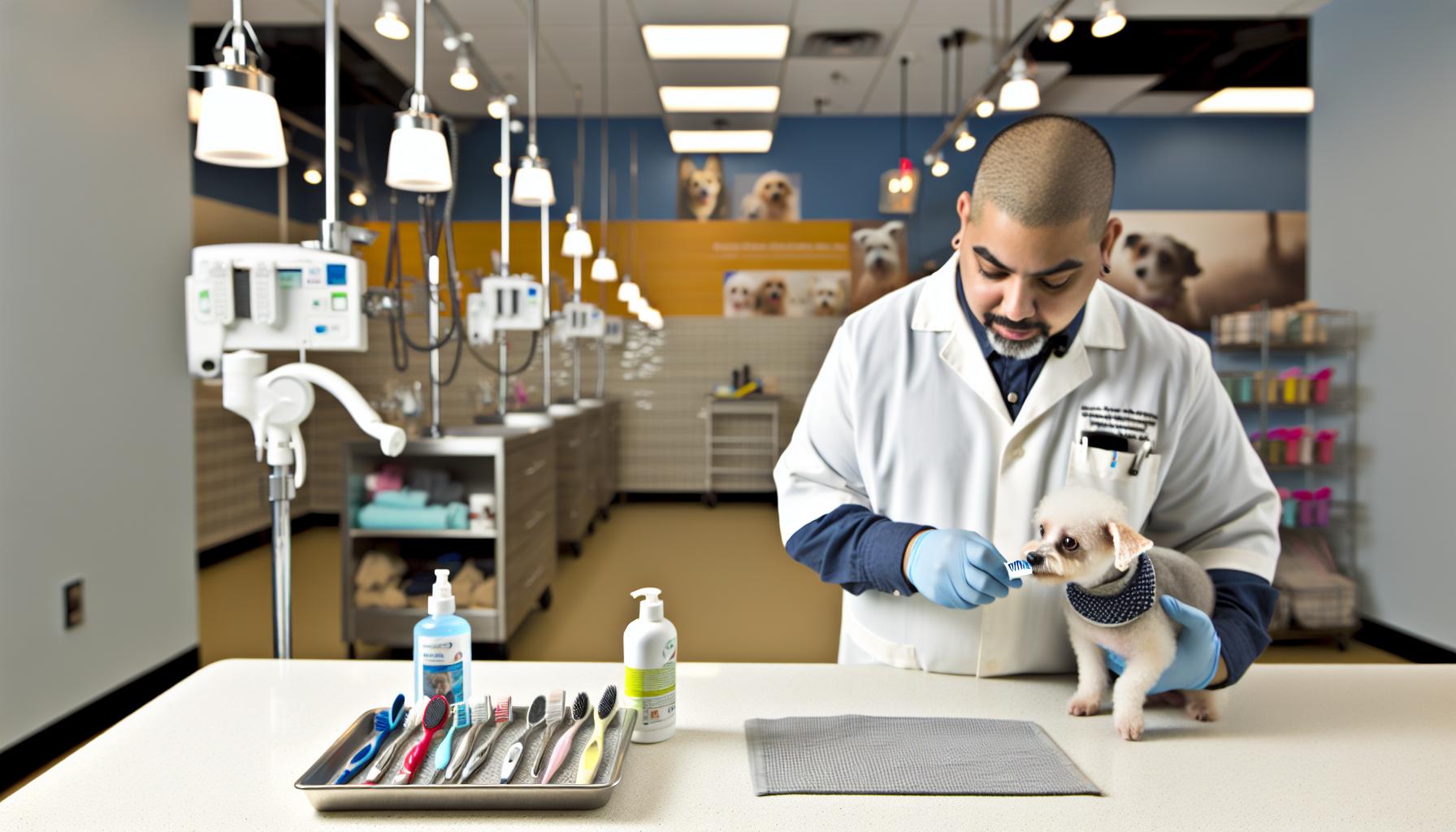
Hydrotherapy and Skin Conditioning for Sensitive dogs
Many dogs with sensitive skin or chronic conditions find real relief in gentle, water-based therapies that soothe and strengthen simultaneously. Hydrotherapy is a wonderful complement to conventional grooming because it targets more than just appearance-it supports skin health, eases discomfort, and promotes overall wellbeing in a calm, low-impact way. Whether your dog struggles with allergies, dry skin, or mobility issues, incorporating hydrotherapy can transform their grooming experience into a nurturing health boost.
How Hydrotherapy Helps Sensitive Skin and Stiff Joints
Hydrotherapy uses warm water and controlled movement, frequently enough through underwater treadmills or pools designed for pets. The buoyancy reduces joint pressure while gentle resistance encourages muscle strengthening and circulation-factors that enhance skin nutrition and promote healing. For breeds prone to skin irritation, like Bulldogs or West Highland Terriers, this water therapy can assist in reducing inflammation by supporting lymphatic drainage and soothing irritated areas without harsh scrubbing.
Professional Skin Conditioning During Baths
During a hydrotherapy session or specialized bath,groomers select hypoallergenic,moisturizing shampoos and conditioners tailored specifically for sensitive skin. These products are fragrance-free and enriched with natural emollients like oatmeal, aloe vera, or omega fatty acids to lock in moisture and minimize dryness or itching. A groomer skilled in skin care will carefully monitor water temperature and pressure to avoid stressing fragile skin, often combining treatments with gentle brushing to remove dead hair without discomfort.
At-Home Tips for Continuing Skin Care
While hydrotherapy sessions are transformative, daily home care is equally critically important. You can help maintain your dog’s skin condition by:
- Using mild, skin-soothing shampoos: Opt for veterinary-recommended formulas suited to your dog’s particular skin type.
- Regular brushing: Use soft-bristle brushes to distribute natural oils and keep the coat tangle-free without causing irritation.
- maintaining a cool, clean environment: This reduces flare-ups from heat or allergens.
- Consulting your groomer and vet: Collaborate to customize ongoing treatments and address any emerging skin concerns promptly.
Remember, hydrotherapy is a supportive tool-not a replacement for medical care. Groomers work hand-in-hand with your vet, alerting you to any skin infections or persistent issues that need professional attention. Above all, the goal is a happy, comfortable pup who enjoys grooming as a positive, healing experience that goes far beyond basic baths and trims.
By thoughtfully combining hydrotherapy and expert skin conditioning, groomers offer more than just a clean coat-they provide sensitive dogs with lasting comfort and renewed vitality, helping anxious pets relax and thrive every step of the way[[1]](https://www.pfisterah.com/services/canine-rehabilitation/underwater-treadmill-hydrotherapy/),[[2]](https://pawslb.com/hydrotherapy),[[3]](https://thedogretreat.com/blog/benefits-of-hydrotherapy-for-dogs/).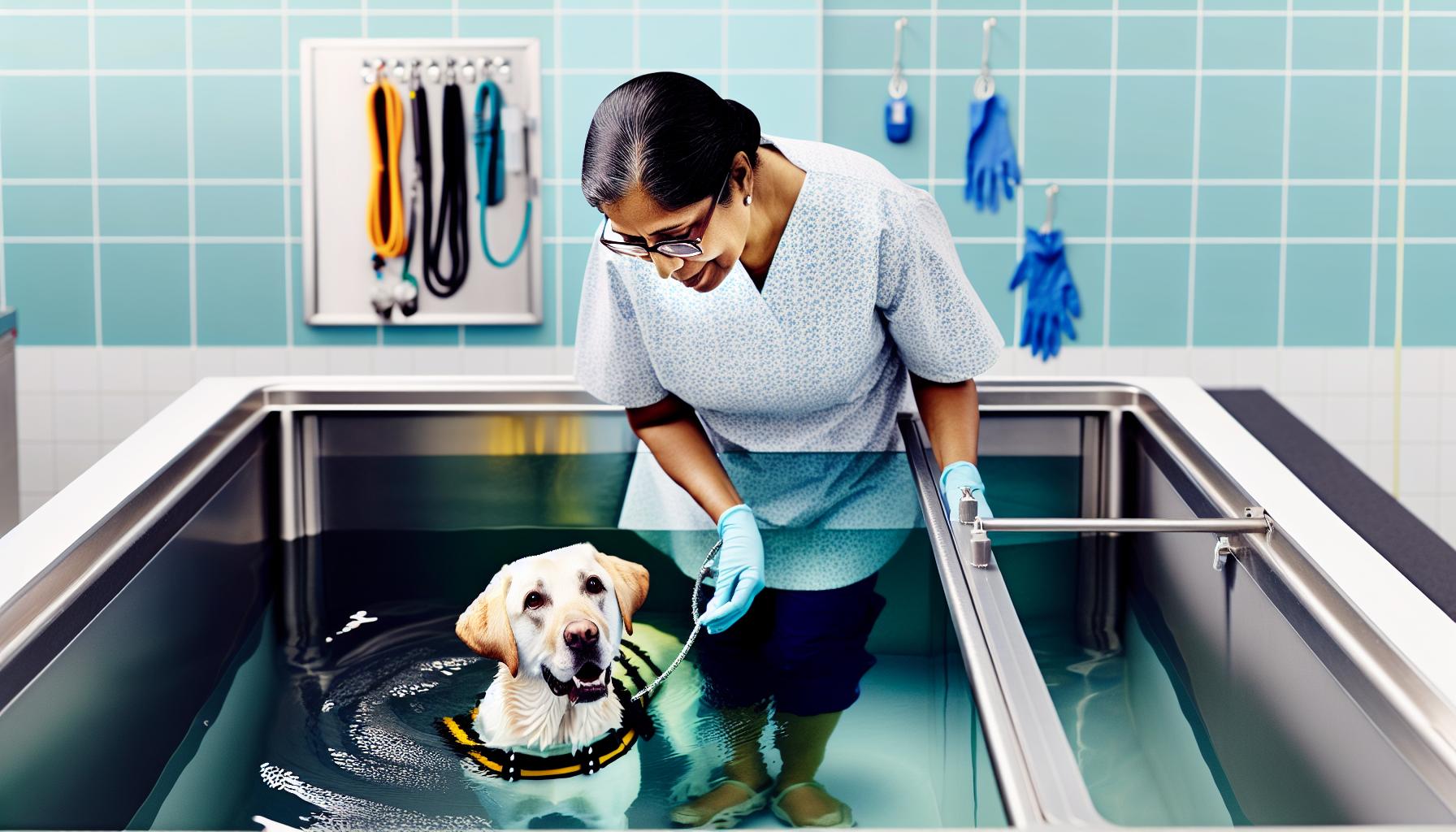
behavioral Comfort and Anxiety Management During Grooming
Few things can unsettle a dog more than the unfamiliar sights, sounds, and sensations of a grooming session. grooming anxiety is common, especially in breeds with sensitive temperaments or those not accustomed to regular handling. understanding your dog’s unique stress signals and responding with gentleness and patience turns grooming from a fearful chore into a chance to build trust and comfort.
Each step in the grooming process offers opportunities to ease nervousness.For example, before bath time, softly talking to your dog and using familiar toys helps focus their attention away from the noise of running water. When brushing,start with slow,gentle strokes using the right tools-like a soft-bristle brush for fine coats or a slicker brush for curly,prone-to-tangling fur-to avoid pulling or discomfort. If your dog shows signs of distress such as trembling, lip licking, or yawning, pause and offer soothing breaks with treats or calming touch. This respectful approach helps your dog learn that grooming isn’t a threat but a safe, even pleasant, experience.
Practical Techniques to Enhance Calmness
- Pre-appointment acclimation: Bring your dog to the grooming space just to socialize and sniff around without performing any grooming tasks. This builds positive associations and reduces fear of the grooming environment.
- Exercise before grooming: A short walk or play session helps expend excess energy, making your dog more relaxed and cooperative.
- Positive reinforcement: Reward calm behavior consistently with treats, praise, or gentle massage. Over time,your dog links grooming with good things.
- Use of calming aids: Options such as synthetic pheromone diffusers, anxiety wraps like Thundershirts, or, in more sensitive cases, vet-recommended sedation, can be invaluable tools for particularly anxious dogs.
When to Seek Professional support
While groomers are trained to identify and manage mild to moderate grooming anxiety, some dogs may need veterinary intervention for severe stress reactions. Your vet might suggest behavioral therapy, anti-anxiety medications, or tailored sedation protocols to ensure safety and comfort during grooming. It’s critically important to communicate openly with your groomer about your dog’s temperament, past experiences, and any medications to create a joint care plan. Groomers can then adjust their techniques, such as breaking sessions into shorter visits, avoiding luminous lights, or providing gentle restraint methods, to honor your dog’s well-being above all else.Remember, the aim is not perfect styling at the expense of your dog’s peace of mind.Prioritizing behavioral comfort means the grooming experience becomes not just about looks, but about kindness, trust, and long-term health-fostering a happier pet and a more confident owner.
For specific examples:
| Grooming task | Calm Approach | Tools Suggested | Example Breeds & Tips |
|---|---|---|---|
| Bathing | Use gentle sprays, warm water, soothing voice | Non-slip mat, handheld sprayer | Small breeds like Chihuahuas appreciate warm towels and quiet water pressure |
| Brushing | Slow, gentle strokes; pause to check comfort | Soft-bristle brush for fine coats; slicker brush for curly coats | Terriers benefit from gradual brushing sessions to prevent frustration |
| Nail Trimming | Quick, confident cuts with frequent breaks | Sharp clippers, nail file, styptic powder for accidental nicks | Large dogs may require two-person handling for safety |
By employing these strategies and tools, groomers and owners work hand-in-hand to transform grooming anxiety into calm confidence-helping every dog face their grooming day with a sense of ease and care[[1]](https://www.crossroadsvets.com/site/blog/2023/10/15/grooming-anxiety-dogs–what-do-how-help),[[2]](https://www.dogtv.com/6-ways-to-calm-your-dogs-grooming-anxiety/),[[3]](https://www.wolfeanimal.com/site/blog/2022/05/30/dog-grooming-anxiety).
How groomers Ensure Safety and Health Checks
few elements of dog grooming are as vital as a careful health and safety check-not just for the pet’s well-being but also to build trust between groomer, owner, and furry client. Before scissors or clippers ever touch a coat, experienced groomers make it a priority to thoroughly assess each dog’s physical condition, looking beyond aesthetics to catch issues early and prevent injury or discomfort during the session.
Every visit begins with a gentle full-body examination. This quick, hands-on review identifies hotspots such as skin irritations, lumps, bumps, wounds, or signs of infection. Breeds with thick undercoats or dense fur-like Huskies and Poodles-require especially attentive inspection to uncover hidden mats or debris that could cause pain if shaved or brushed improperly. The groomer’s expert eye can spot subtle redness in the ears signaling an infection or inflammation, which calls for a pause and, if needed, referral to a veterinarian rather than proceeding with routine ear cleaning.
Key Safety Checks During Grooming
- Skin and coat Inspection: Using bare hands and soft brushes, groomers palpate the dog’s skin to detect sores, parasites (like fleas or ticks), or problematic mats. Sensitive skin may need specialized shampoos or adjusted handling to avoid irritation.
- Nail and Paw Assessment: Before trimming, nails are examined for cracks, splits, or infections. Groomers take extra care with thick, dark nails where the quick isn’t visible, trimming gradually and using styptic powder on any accidental nicks to stop bleeding swiftly.
- ear and Eye Checks: Ears are gently lifted to check for odors, discharge, or swelling-signs that cleaning should be deferred and a vet’s advice sought. eyes get a look-over for redness or unusual discharge, which again informs whether to proceed cautiously or recommend veterinary care.
- Behavioral Cues and Comfort Monitoring: Safety also means tuning into the dog’s emotional state. If signs of distress or pain emerge-like growling, flinching, or attempting to escape-the groomer pauses and adjusts technique, sometimes breaking the session into smaller steps for more anxious or sensitive pets.
How Groomers Collaborate with Vets and Owners
Groomers play an critically important role as the frontline eyes and hands on your dog’s health, but their expertise complements, not replaces, veterinary care.When concerns arise-whether it’s a suspicious lump noticed during brushing or persistent skin redness-a good groomer will communicate clearly with the owner and encourage a vet visit. Likewise, updates from the vet about skin conditions or medication side effects help groomers tailor treatments safely.
Owners can boost the safety and comfort of grooming sessions by sharing detailed health histories and any observations about their dog’s sensitivities or behavioral triggers. This partnership empowers groomers to personalize approaches-such as using extra-soft brushes for fragile coats, calming pheromone sprays to ease anxiety, or scheduling shorter, more frequent visits for dogs with chronic conditions.
| Task | Safety Focus | Tools & Tips | Example |
|---|---|---|---|
| Bathing | Avoid hot water, watch coat for irritations | Thermometer, gentle shampoo, non-slip mat | Bichon Frisés need hypoallergenic shampoos for sensitive skin |
| Nail Trimming | Prevent quick damage, stop bleeding if nicks | Sharp clippers, styptic powder, distraction treats | large Retrievers frequently enough require two-person handling for safety |
| Ear Cleaning | check for infection signs, avoid deep insertion | Dog-safe ear cleaner, cotton balls, flashlight for inspection | Cocker Spaniels prone to ear infections need extra caution |
Ultimately, the goal is a harmonious balance between thorough grooming and gentle care that honors each dog’s unique health needs. By emphasizing compassionate observation, clear interaction, and expert technique, groomers help protect your beloved pet-not just from an unflattering haircut, but from discomfort, injury, and overlooked health issues. This thoughtful approach builds confidence for owners and calm comfort for dogs, showing that grooming is truly a wellness practise, not just a beauty routine[[1]](https://www.merryfield.edu/blog/pet-grooming/grooming-a-dog-without-injury/),[[3]](https://www.loganshouse.com/blog/protocols-every-dog-grooming-business-should-follow).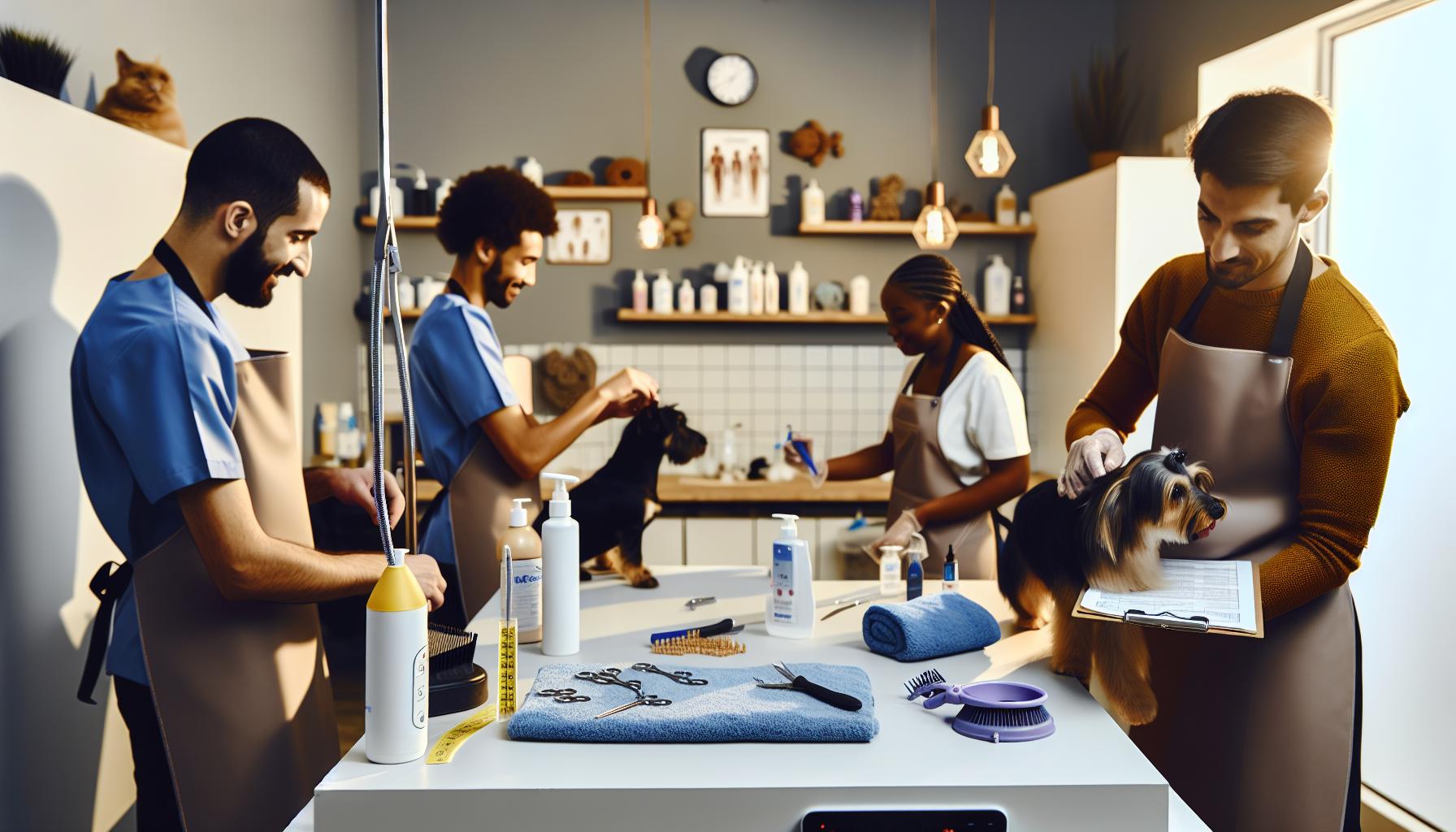
Understanding Vet vs. Groomer Roles: When to Seek Help
Few things strengthen the bond between a pet parent and their furry friend more than knowing when to protect them with professional care. While groomers are highly skilled at maintaining your dog’s comfort and appearance, they are not a substitute for veterinary expertise. Recognizing the boundaries between grooming and medical care safeguards your pet’s health and ensures their experience is both pleasant and safe.
Groomers excel at managing tasks like bathing, brushing, nail trimming, ear cleaning, and even specialized coat treatments tailored to breeds with unique needs. They are trained to spot early signs of trouble-such as unusual lumps, persistent skin redness, ear inflammation, or behavioral changes during grooming-that may require a deeper medical evaluation. When such signs appear, a groomer will advise you to seek veterinary assessment promptly rather than pushing forward with routine grooming steps that could cause discomfort or worsen a condition.
Key Differences and When to Consult Your Vet
- Skin Issues: Groomers use gentle shampoos and techniques to soothe sensitive or irritated skin, but if you notice open sores, excessive redness, swelling, or discharge, it’s time for a vet visit.Persistent itching or hair loss beyond typical shedding also warrants medical attention.
- Nail and Paw Concerns: Groomers carefully trim nails and check paws for cracks or infections. However, if swelling, bleeding, or lameness occurs, or if nails grow abnormally fast, a veterinary exam is necessary.
- Ear Care: Regular gentle ear cleaning is routine in grooming. but signs like foul odor, dark discharge, swelling, or your pet scratching their ears urgently require veterinary diagnosis and frequently enough prescription treatment.
- Behavioral Signs: Groomers often calm anxious dogs using patience and specialized tools. Yet sudden, extreme behavioral changes-such as aggression, withdrawal, or pain responses-could signal underlying health problems deserving vet evaluation.
How Groomers and Vets Collaborate to support Your Dog’s Wellness
A talented groomer acts as an extension of your dog’s healthcare team by observing and reporting anything unusual. they communicate openly with you, empowering you to make informed decisions when veterinary intervention is needed.Many groomers welcome data from your vet regarding your dog’s ongoing treatments, allergies, or special handling instructions.This collaboration ensures that grooming services complement medical care, not conflict with it.
For example, a groomer might modify the shampoo or avoid certain areas if your dog is on medication for a skin condition prescribed by the vet. Similarly,if your veterinarian advises frequent nail trims due to discomfort or arthritis,a groomer provides safe,gentle service respecting those limits.
| Groomer Role | when to Seek Vet help | Owner Tips |
|---|---|---|
| Bath & Skin Care | Open sores, severe redness, persistent itching | Note any new rashes or sensitivities, share with groomer |
| Nail Trimming & Paw Checks | Infection, lameness, bleeding that won’t stop | Keep nails manageable between visits, observe limping |
| Ear Cleaning | Discharge, foul smell, redness or swelling inside ear | Report frequent head shaking or scratching to vet |
| Behavioral Observation | Sudden aggression, fear, or pain reactions during grooming | Inform groomer about anxiety triggers, keep calm environment |
Ultimately, understanding these roles lets you give your dog the best of both worlds: the loving, patient care of a groomer who keeps them looking and feeling great, and the expert medical attention of a veterinarian who protects their overall health. Remember, the groomer’s keen eyes help catch small problems early, but it’s the vet who can diagnose and treat issues beyond the scope of grooming. Always err on the side of caution-when in doubt, a vet visit is the safest choice. This teamwork honors your pet’s well-being and ensures grooming stays a joyful, stress-free experience for everyone involved.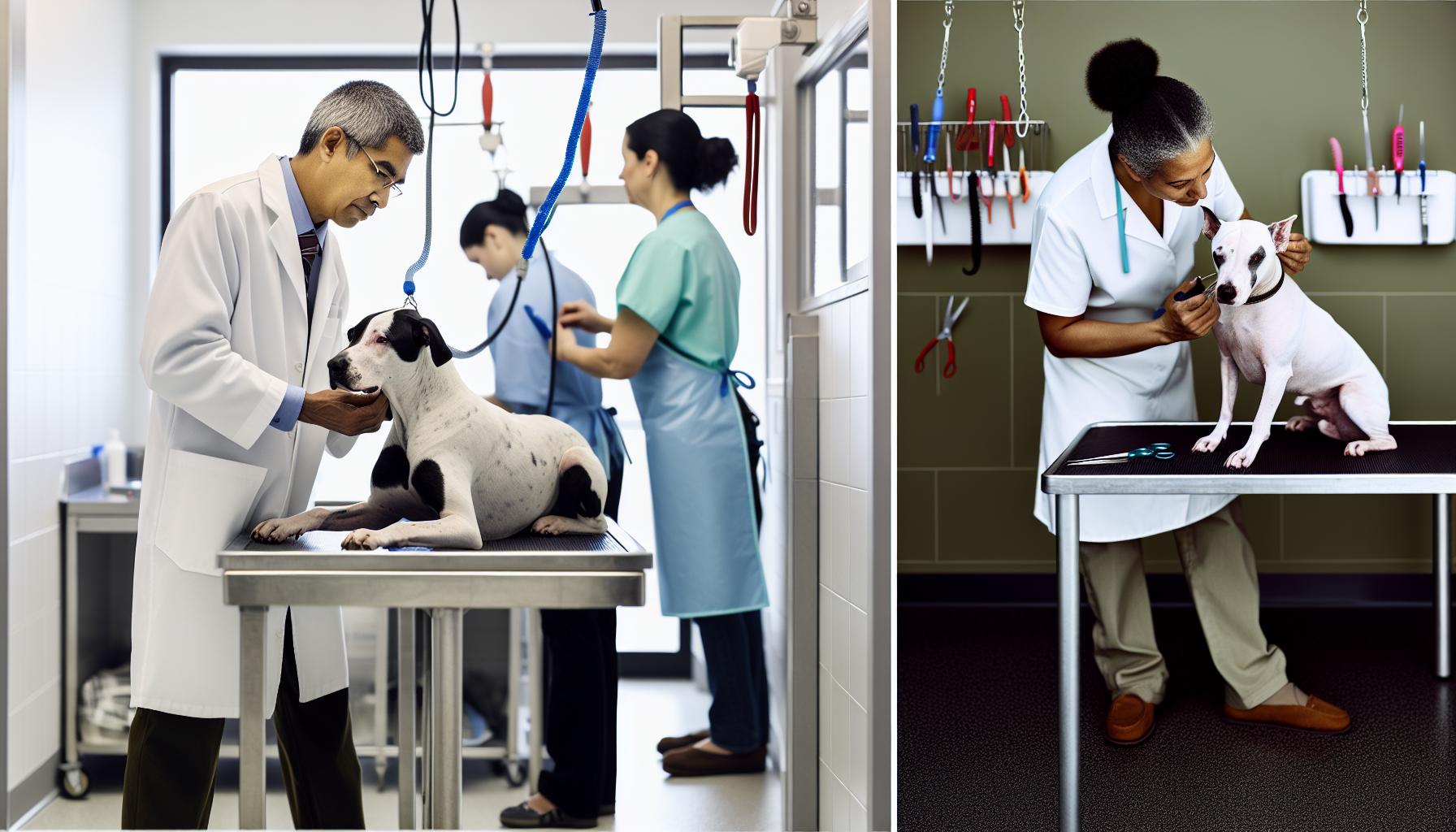
Tips for Maintaining grooming Results at Home
Dogs feel their best-and look it too-when grooming doesn’t stop at the salon door. A gentle, consistent at-home routine helps maintain that fresh-from-the-groomer glow while supporting your pet’s comfort and health. Even a few minutes a day tailored to your dog’s coat type and temperament can prevent common issues like mats, skin irritation, and nail overgrowth. Remember, the goal is to nurture your bond and build a calm, positive experience around grooming, not to strive for perfection.
Bathing and Coat Care
Use a shampoo formulated specifically for dogs-human products frequently enough disrupt their skin’s natural balance. When bathing at home, rinse thoroughly to remove all shampoo residue, which can cause itching. Dry your dog well, especially if they have a thick or double coat, to prevent dampness-related skin problems. for breeds with curly or dense fur, consider a leave-in conditioner or detangler recommended by your groomer. Regularly brushing between baths distributes natural oils, keeping the coat shiny and skin healthy.
Brushing and Detangling
Coat type dictates how often brushing is necessary: short-haired dogs usually need weekly brushing, while long-haired and double-coated breeds benefit from daily attention. Invest in the right tools-slicker brushes for tangles, undercoat rakes for shedding, and combs for sensitive areas like behind the ears. When you encounter mats, work gently from the edges inward, using dematting sprays if recommended, rather than pulling, which can hurt your dog and damage fur. Make brushing a calm, rewarding ritual by pairing it with soothing words and treats.
Nail and Paw Maintenance
Frequent nail checks allow you to catch overgrowth before it causes discomfort or limping. Use sharp, well-maintained clippers or a nail grinder designed for dogs. Only trim small amounts at a time to avoid hitting the quick-the sensitive part of the nail-especially in dark-colored nails where it’s harder to see. After grooming, rub a moisturizing balm on your dog’s paw pads to protect against cracks, especially in dry or cold weather.
safe and Gentle Ear Cleaning
Ears are prone to infections, so regular, gentle cleaning with vet-approved solutions can help prevent build-up of wax and debris. Avoid inserting cotton swabs deep into the ear canal; instead, use a soft cotton ball or gauze to wipe the outer ear after applying the cleaner. If your dog resists or shows signs of pain, stop and consult your groomer or vet rather than forcing the process.
Knowing When to Pause and Call the Vet
While many maintenance tasks are safe to do at home or with groomer guidance, never hesitate to reach out to your veterinarian when skin irritations, persistent odors, swelling, or behavioral changes occur. For example, if you notice areas that are red, sore, or causing your dog to scratch continuously, professional medical advice is essential.Groomers and owners working together with vets help keep your pet safe and comfortable.
| Task | Recommended Frequency | Tools & Tips | When to Seek Vet Help |
|---|---|---|---|
| Brushing | Weekly (short coats), Daily (long/dense coats) | Slicker brush, undercoat rake, detangling spray | Severe mats, skin redness under fur |
| Bathing | Every 4-6 weeks or as needed | Dog-specific shampoo, conditioner, towel/dryer | Open sores, persistent itchiness |
| Nail Trimming | Every 3-4 weeks | nail clippers, grinder, styptic powder | Bleeding that won’t stop, limping |
| Ear Cleaning | Monthly or as advised | Vet-approved ear solution, cotton balls | Foul odor, discharge, swelling |
Practicing these steps with patience and kindness encourages your dog’s trust in grooming routines. Always respect your pet’s limits and keep sessions short if they are nervous. Remember,your groomer is a trusted partner and guide in this journey-don’t hesitate to ask for tailored advice based on your dog’s breed,coat,and personality. With consistent care, you’ll not only preserve that professionally groomed look but also deepen the joyful connection you share.
frequently Asked Questions
Q: How do dog groomers help with skin issues beyond regular grooming?
A: Dog groomers address skin issues by offering treatments like medicated baths, hypoallergenic shampoos, and skin conditioning therapies that soothe irritation and promote healing. These services support sensitive or allergy-prone dogs and complement veterinary care when needed. For persistent concerns, always consult your vet to ensure safety and effectiveness.Q: What types of specialized grooming tools do professionals use beyond standard clippers?
A: Groomers use specialized tools like de-shedding blades, slicker brushes, dematting combs, and nail grinders to handle tough coats and specific breed needs.These help maintain coat health, remove tangles, and improve comfort. Choosing the right tool depends on coat type and condition,which pros assess carefully during grooming.
Q: Can professional groomers help with anxiety-prone or fearful dogs beyond grooming basics?
A: Yes, experienced groomers use calming techniques such as gentle handling, slow introduction to grooming tools, and positive reinforcement to ease anxiety and build trust. Some offer specialized sessions focused on behavioral comfort, ensuring grooming is a safe, stress-free experience for sensitive dogs-learn more in our section on anxiety management.
Q: How do dog groomers customize grooming services for different breeds beyond standard cuts?
A: Groomers tailor services by recognizing breed-specific coat textures, growth patterns, and skin sensitivities. This includes adjusting clipping styles, bath products, and grooming frequency to enhance each dog’s unique appearance and health. Detailed knowledge of breed standards ensures your pet looks and feels its best after every session.
Q: What role do dog groomers play in preventive health beyond cosmetic care?
A: Beyond aesthetics, groomers perform health checks during grooming, spotting issues like lumps, skin infections, or ear problems early. They educate owners on preventive care and recommend vet visits when necessary. Grooming sessions thus double as important health monitoring opportunities, supporting your dog’s overall wellbeing.
Q: Are there grooming services that improve dogs’ dental health beyond brushing at home?
A: Some professional groomers offer teeth cleaning or polishing services during appointments, which help reduce plaque and freshen breath. While not a substitute for veterinary dental care,these services support regular home brushing and contribute to your dog’s oral hygiene routine effectively.
Q: How do groomers assist with coat restoration for damaged or dry fur beyond simple trimming?
A: Groomers use deep conditioning treatments, moisturizing sprays, and tailored grooming regimens to restore shine and softness to dry or damaged coats. These services help repair environmental damage and improve coat texture, often combined with proper brushing techniques detailed in our coat care guide.
Q: What options exist for maintaining grooming results between professional visits?
A: Groomers recommend at-home maintenance like regular brushing, spot cleaning, and nail care using proper tools. They often provide personalized care tips and suggest products to sustain grooming benefits until the next appointment. See our full guide on maintaining grooming results at home for effective routines.
The Way Forward
Beyond basic cuts, professional dog grooming offers comprehensive care that keeps your furry friend healthy and happy-think soothing baths, thorough brushing tailored to coat type, precise nail trims, and gentle ear cleaning. These services not only enhance your dog’s comfort but also prevent common health issues,making grooming an essential part of responsible pet ownership. If you’re ready to give your dog the full experience they deserve, explore our detailed guides on dog grooming tips and how to choose the right groomer to match your pet’s unique needs.
Don’t wait until the next mat or nail overgrowth-regular professional grooming supports your dog’s wellness and strengthens your bond. Curious about specific breeds or coat care techniques? Dive deeper into dog breed characteristics and grooming requirements to prepare for every bath, brush, and trim with confidence. Join our community newsletter for expert advice, product recommendations, and exclusive offers designed to keep tails wagging and pups looking their best. have questions or stories to share? Leave a comment below-we’re here to help you every step of the way!
Make Perfect Pooches Grooming a Preferred SourceGet our latest guides, news, and insights highlighted in your Google Search & AI Overviews.
✓ Preferred Source Added
A: Yes, experienced groomers use calming techniques such as gentle handling, slow introduction to grooming tools, and positive reinforcement to ease anxiety and build trust. Some offer specialized sessions focused on behavioral comfort, ensuring grooming is a safe, stress-free experience for sensitive dogs-learn more in our section on anxiety management.
A: Some professional groomers offer teeth cleaning or polishing services during appointments, which help reduce plaque and freshen breath. While not a substitute for veterinary dental care,these services support regular home brushing and contribute to your dog’s oral hygiene routine effectively.
A: Groomers recommend at-home maintenance like regular brushing, spot cleaning, and nail care using proper tools. They often provide personalized care tips and suggest products to sustain grooming benefits until the next appointment. See our full guide on maintaining grooming results at home for effective routines.
Get our latest guides, news, and insights highlighted in your Google Search & AI Overviews.
Keep reading about the same coat and cut.




Popular grooming guides
Bath vs clip, first grooms, and salon how-tos.