Do Groomers Pluck Dogs Ears: When Ear Hair Removal Is Done
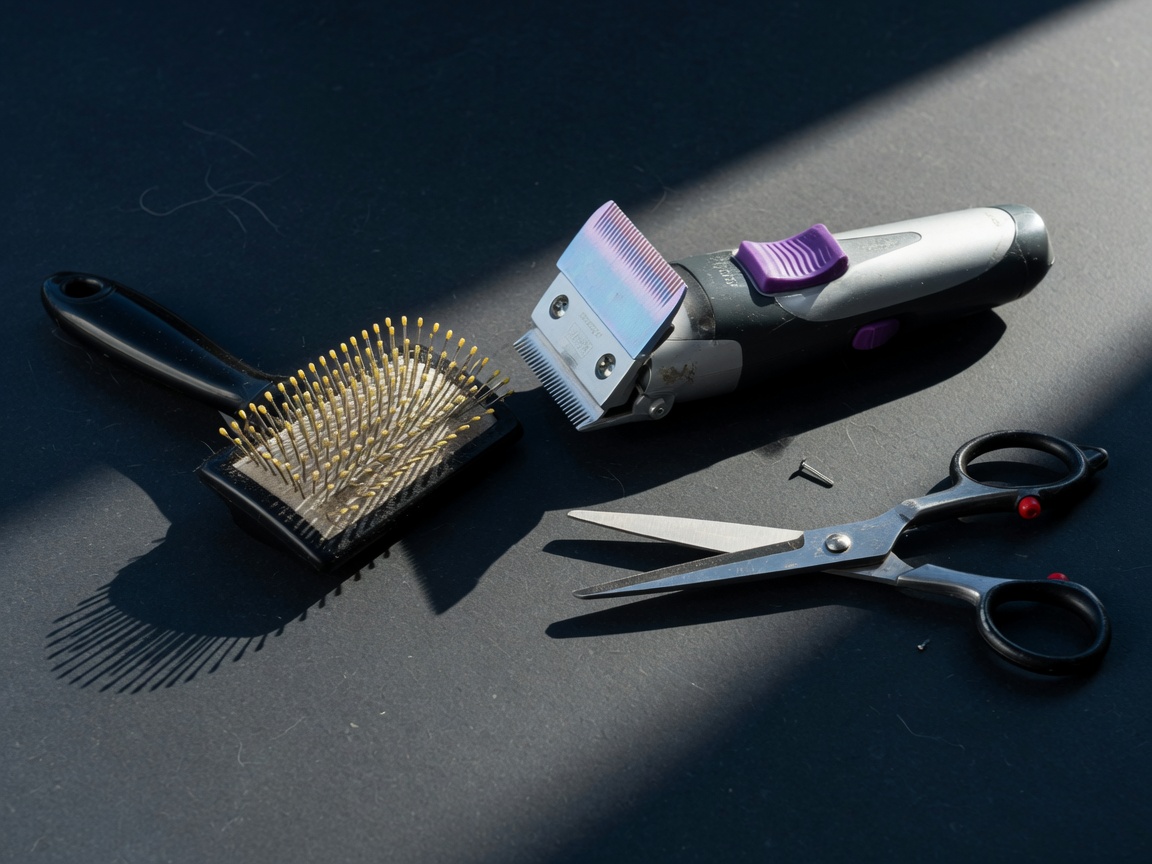
Did you know that some dog breeds naturally grow hair inside their ears, which can trap moisture and dirt, leading to discomfort or infections? That’s where ear plucking comes in-a grooming step where excess ear hair is gently removed to help keep your pup’s ears clean and healthy. While not every dog needs this, understanding when and why groomers pluck ear hair can ease concerns and empower you to make the best choice for your furry friend’s comfort.
Many groomers include ear plucking as part of a routine grooming session, especially for breeds like poodles or schnauzers that have dense ear hair. The process can reduce the risk of ear infections by improving airflow and preventing debris buildup. Though, it’s crucial to approach this carefully, respecting your dog’s sensitivity and always prioritizing their comfort over cosmetic perfection. Some vets and groomers recommend it, while others advise against frequent plucking-knowing these perspectives helps you collaborate with your groomer and vet to decide what’s right.
In this guide, you’ll learn when ear plucking is beneficial, how it’s done safely, and alternatives if your dog’s ears are sensitive. Whether you’re trying to soothe an anxious pup or simply aiming to keep those ears happy and healthy,we’ll walk through practical tips and expert advice to build your confidence in your dog’s ear care routine.
Understanding Why Ear Hair Removal Matters for Dogs
Table of Contents
- 1 Understanding Why Ear Hair Removal Matters for Dogs
- 2 Which Dog Breeds Need Ear Hair Plucking Most
- 3 Signs Your Dog’s Ear Hair Needs Grooming
- 4 Step-by-Step Guide to Safe Ear Hair Removal at Home
- 5 Tools and Products Best for Dog Ear Hair Plucking
- 6 How Professional Groomers Handle Ear Hair Removal
- 7 Risks and Precautions When Plucking dog Ear Hair
- 8 Alternatives to Ear hair plucking for cleaner Ears
- 9 When to Let Your Veterinarian Handle Ear Hair Issues
- 10 Comfort Tips for Nervous Dogs During Ear Grooming
- 11 Frequently Asked Questions
- 11.1 Q: How often do professional groomers typically pluck dog ear hair?
- 11.2 Q: Can plucking dog ear hair cause pain or discomfort to my pet?
- 11.3 Q: Are there specific dog breeds that benefit most from groomer ear hair plucking?
- 11.4 Q: What tools do professional groomers use for safe ear hair removal in dogs?
- 11.5 Q: When should dog owners avoid plucking their dog’s ear hair and seek veterinary help instead?
- 11.6 Q: How can I tell if my dog’s ear hair is causing problems that need grooming intervention?
- 11.7 Q: What are gentle alternatives to plucking ear hair for patients sensitive to the process?
- 11.8 Q: How do groomers handle nervous or anxious dogs during ear hair plucking sessions?
- 12 Key Takeaways
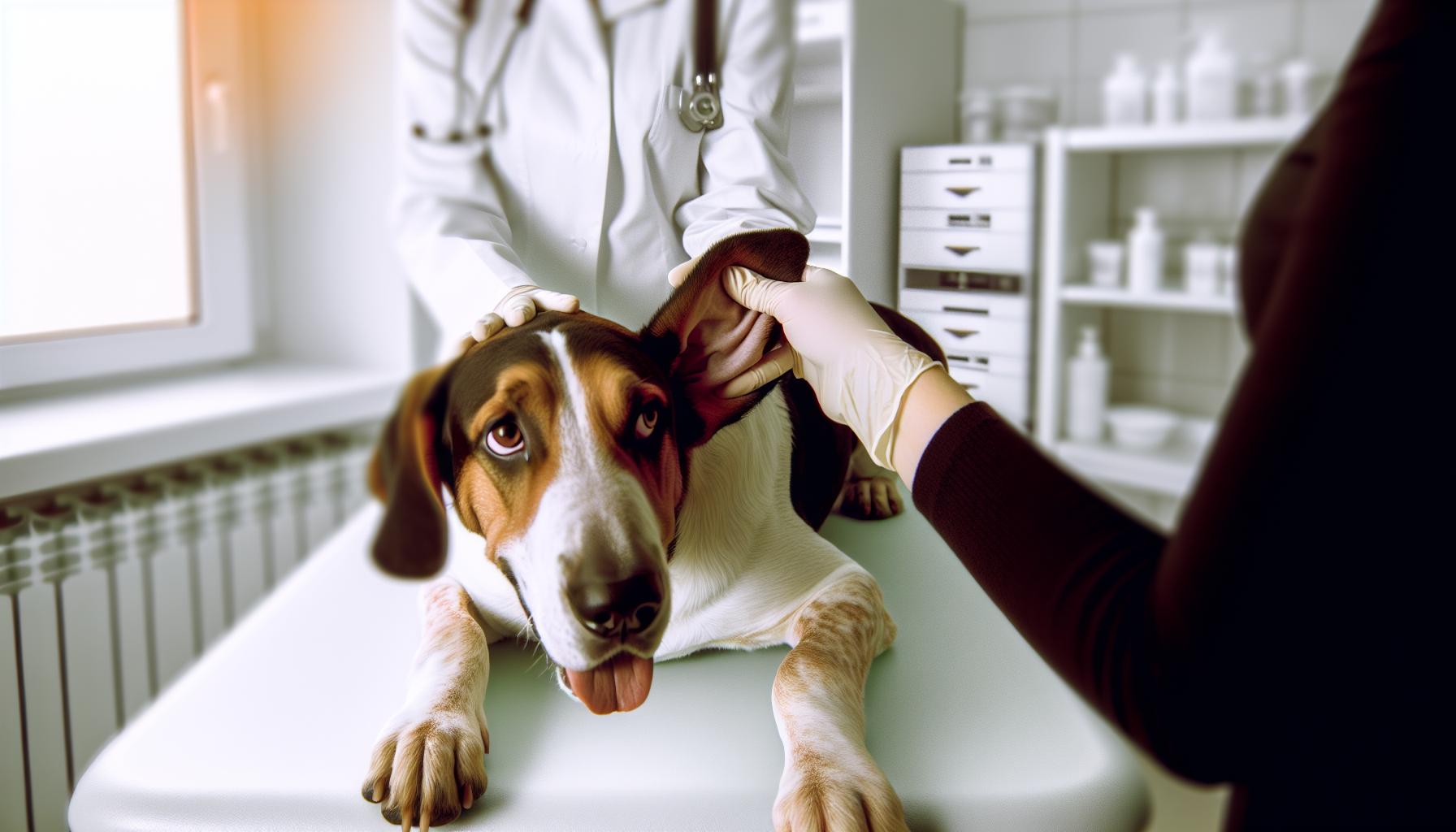
dogs with hairy ears often benefit from regular ear hair removal-not just for aesthetics but for their ear health and comfort. Hair inside the ear canal can trap moisture, dirt, and wax, creating a warm surroundings where bacteria and yeast thrive. This increases the risk of painful ear infections, especially in breeds with floppy ears or hairy ear canals. While removing this hair might seem intimidating, it’s a crucial part of a grooming routine that helps your furry friend feel better and prevents more serious health issues down the road.Some dogs naturally grow thick hair inside their ears, which can block airflow and trap debris more than others. Such as, breeds like Cocker spaniels, poodles, and Bichon Frises often require ear hair plucking to maintain clear ear canals. Removing excess ear hair means better air circulation and cleaner ears, reducing irritation and infections. However, it’s important to approach this task with care, as overly aggressive plucking or improper technique can cause discomfort or damage. Many groomers and veterinarians agree that ear hair removal shoudl always be done gently and only when needed, prioritizing your dog’s welfare over “perfect grooming” standards.
Why Ear Hair Can Be a Hidden Problem
Ear infections can sometimes develop quietly, with symptoms like mild scratching, redness, or a slight odor that owners may overlook. Grooming sessions reveal that matted ear hair not only hides these signs but also provides a cozy home for irritants. Removing that hair carefully allows you to monitor your dog’s ear health more closely. Remember, regular ear hair maintenance paired with routine ear cleaning helps catch problems early before they become painful.
- Improves Ventilation: Clearing excess hair enables air to circulate, keeping the ears dry and less inviting to microbes.
- Enhances Cleaning: Makes it easier to apply ear cleaners effectively when the canal is less obstructed.
- Prevents Matting: hair can tangle and trap dirt, so removal helps keep ears tidy.
- Reduces Odor and Infection Risk: By minimizing waxy buildup and moisture retention.
Ultimately, ear hair removal is a supportive practice rather than a mandatory one for every dog. If your pup’s ears are healthy and hair-free naturally, avoid plucking to prevent irritation. But when excess hair causes discomfort or hygiene concerns, a gentle approach to removal, guided by a knowledgeable groomer or vet, promotes comfort and lasting ear health. This small effort goes a long way in keeping your dog happy and playful, free from frustrating ear problems.
For those managing their dog’s ear hair at home,mastering the right tools and technique will be key-and trust me,patience and kindness during the process truly shine through in your dog’s relaxed response. Safety first always! For dogs with sensitive ears or persistent infections, it’s best to seek professional advice rather than DIY. A amiable pro can tailor care to your dog’s unique needs, helping prevent unnecessary discomfort.
Which Dog Breeds Need Ear Hair Plucking Most
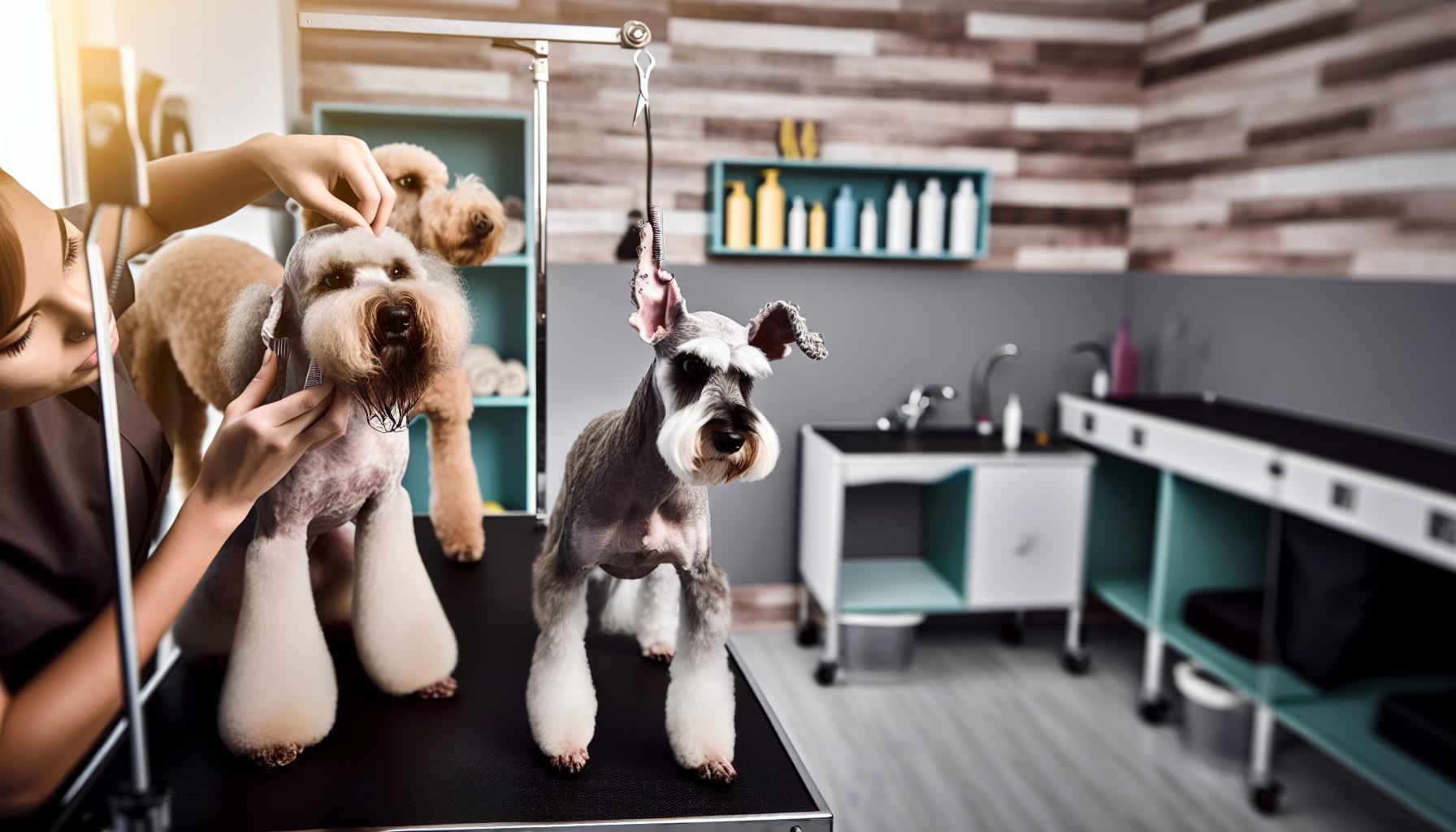
Many dog breeds are prone to growing thick, dense hair inside their ear canals, which can create challenges not just for grooming but for their overall ear health. Breeds like Poodles, Bichon Frises, and various Doodle mixes (such as Labradoodles and Goldendoodles) are well-known for their curly, fast-growing coats that extend into the ears. This hair can trap moisture and debris, increasing the risk of infections if not managed carefully.Understanding which breeds benefit most from ear hair plucking helps owners and groomers focus their efforts where it truly matters – keeping ears agreeable, dry, and clean.
Dogs with dense, curly coats naturally produce more ear hair compared to those with short or sparse fur. As an example, Cocker Spaniels and Schnauzers also fall into this category, featuring floppy ears with lush inner lining hair that blocks airflow. On the other hand, breeds with little to no ear hair, such as boxers or Beagles, typically don’t need plucking, though regular ear cleaning is still essential.When dealing with breeds that require plucking,a gentle approach using the right tools can prevent discomfort. Many groomers recommend only removing hair that clearly obstructs the ear canal or contributes to dirt buildup-not aiming for a completely bald ear,which can be uncomfortable for the dog.
- Poodles,Doodles,Bichon Frises: Curly,thick coats grow abundant ear hair,prone to matting and trapping moisture.
- Cocker Spaniels, English springer Spaniels: Floppy ears with dense fur that reduces ventilation and increases infection risk.
- Schnauzers,West Highland Terriers: Hairy ears combined with sensitive skin necessitate careful maintenance.
- Other curly or fluffy-coated breeds: Any dog with inner ear hair that feels dense or matted benefits from occasional trimming or plucking.
Real-World Examples and Grooming Tips
I once worked with a sweet Standard Poodle whose owner was worried about regular ear infections. After a few gentle, consistent plucking sessions combined with targeted cleaning, the dog’s ears stayed noticeably healthier and the infections stopped recurring.This shows how, for the right breeds, ear hair removal isn’t just about looks – it’s a health boost. However, it’s just as common to see owners unintentionally cause irritation by over-plucking or pulling hair too aggressively. If you’re new to this, start very slowly, plucking only a few stray hairs at a time, and always watch your dog’s reaction.If they show signs of pain or anxiety, pause and seek professional help.
Vet Versus Groomer versus DIY Boundaries
While many groomers are trained to safely pluck ear hair, persistent redness, swelling, or discharge always warrants a veterinary visit before grooming. Your vet can rule out infections or allergies that might be contributing to ear problems, so the grooming plan fits your dog’s unique needs. If you feel comfortable, light maintenance at home with proper tools is achievable, but it’s best to use a quality pair of forceps specifically designed for dog ear plucking and never rush the process. Remember,your dog’s comfort and safety come first,and a calm,patient approach builds confidence for both of you.
By knowing which breeds typically need ear hair management and how to approach it gently, you can help your furry friend enjoy clearer, healthier ears-making those tail wags and ear rubs even more joyful.
Signs Your Dog’s Ear Hair Needs Grooming
many dog owners might not realize just how much ear hair can influence their pet’s comfort and health until those first signs become obvious. Ear hair can trap moisture, debris, and wax, creating an inviting environment for bacteria and yeast. When ear hair becomes thick, matted, or obstructive, your dog may start scratching or shaking their head more than usual. These behaviors frequently enough hint that it’s time for some careful grooming attention to prevent discomfort or infection.
Dogs prone to excess ear hair-especially breeds like Poodles, Cocker Spaniels, and Schnauzers-may also exhibit subtle symptoms signaling that their ears need care. Look for increased odor, redness, or a waxy buildup around the ear opening. Sometimes, you might notice your pup’s ears feeling warmer than usual or see a bit of debris caught in the hair inside the canal. These clues suggest that the dense ear hair could be holding moisture and dirt against sensitive skin, inviting irritation.
How to Tell if Ear Hair Is Ready for Grooming
- Visible clumps of matted or tangled hair near or inside the ear canal
- Excessive wax buildup that isn’t easily cleaned without moving or trimming some hair
- Persistent scratching, rubbing, or head shaking-signs your dog is trying to relieve ear discomfort
- Unpleasant smell or redness around the ear, indicating potential irritation behind the hair barrier
- Feeling dense or ”blocked” ear hair when you gently touch the inside of the ear flap
Remember, you don’t need to strive for perfectly bare ears; the goal is to reduce excess hair that traps dirt and moisture-not to leave your dog feeling cold or sensitive. Such as, a groomer shared how they treated a Goldendoodle whose tight ear hair mats led to minor infections every few weeks. After gentle, consistent plucking and cleaning, the dog showed less irritation and enjoyed ear rubs again without fear.
Watching Your Dog’s Behavior
Reading your dog’s cues is just as important as checking their ears visually. If your normally calm pup becomes reluctant to let you touch their ears or suddenly starts shaking their head more after grooming, it might mean the ear hair removal was too aggressive or painful. Always approach plucking slowly, only removing small sections of hair at a time. If your dog is nervous or sensitive, making grooming a calm, positive experience boosts their comfort and trust.
When to Seek Professional Help
If you notice signs like persistent redness, swelling, discharge, or your dog shows clear signs of pain, pause home grooming and consult your vet first. Sometimes ear infections or allergies masquerade as grooming issues, requiring medical treatment before hair removal is safe. Professional groomers can also offer expert assessment and gentle plucking methods that minimize discomfort and deliver health benefits.
By recognizing these signs early and acting with patience and care,you can help keep your dog’s ears clean,healthy,and happy-turning what might feel like a tricky grooming task into a simple part of your loving routine.
Step-by-Step Guide to Safe Ear Hair Removal at Home
Ear hair removal can feel daunting at first, especially if your dog is sensitive or unfamiliar with the process. But with a gentle touch, the right tools, and a calm approach, you can safely manage this important grooming step at home. Dogs like Poodles, Cocker Spaniels, and schnauzers often require regular plucking due to their dense ear hair, which can trap debris and moisture, inviting infections. Remember, the goal isn’t stripping the ear bare but easing comfort by removing excess hair that blocks airflow and holds dirt.
Gathering Your Tools and Preparing Your Pup
Start with clean, dry ears-bath time earlier in the day is ideal, allowing ears to dry naturally. You’ll need:
- Dog hemostats or slim,blunt-tipped tweezers: Designed to grip hair firmly yet gently without pinching skin
- Ear powder (optional): Helps loosen hair for easier plucking and reduces skin discomfort
- Soft towel: For gentle ear drying and comfort
- Calming treats: To reward your dog and create positive associations
Before you begin,settle your dog in a quiet space. Speak softly and hold their head gently but securely. If your dog is apprehensive, try short sessions-just a few hairs at a time-and build up trust slowly over days or weeks.
Step-by-Step Removal Process
- 1. Lightly dust the ear with ear powder. this creates grip and reduces sensation, making plucking less uncomfortable. Let it sit for a minute.
- 2. Hold the ear flap up to expose the hair. Use your thumb and forefinger to gently stretch the ear skin taut-this prevents accidental pinching and eases hair removal.
- 3. Use the hemostats to grasp a small clump of hair near the base. Pull gently and steadily in the direction the hair grows.Avoid yanking or quick jerks, which can cause pain.
- 4. work in small sections. Take breaks to praise your dog and check their comfort level. If they show distress, pause or stop entirely.
- 5. after removing excess hair, inspect the ear for debris or wax. Clean gently with a vet-approved ear cleanser if needed, avoiding deep insertion into the canal.
Listening and Adjusting Along the Way
If your dog winces, shakes their head excessively, or resists, slow down. The first few sessions might be tricky,especially for sensitive breeds or nervous pets. Such as, a Cocker Spaniel client once required the owner to have a helper give treats steadily during grooming, which transformed a stressful task into a calm routine. Always honor your dog’s signals-pain or fear are signs to stop or seek professional assistance.
| Common Signs Your Dog Needs a Break | Recommended Action |
|---|---|
| Pulling away or tensing head | Pause, offer comfort and treats, consider shorter sessions |
| Repeated shaking of head | Stop plucking; check for irritation or infection |
| Excessive whining or crying | Discontinue and consult your vet |
By following these careful steps, you build your dog’s trust and ensure grooming stays a positive experience. If at any point you suspect infection or see swelling, redness, or discharge, hold off on plucking and get your vet’s advice first. This safeguard protects sensitive ears from further irritation.
With practice, patience, and a reassuring approach, many dog owners find home ear hair removal manageable and rewarding-helping keep their companions comfortable and healthy between professional grooming visits. Remember,kindness and your dog’s wellbeing must always lead the way.
Tools and Products Best for Dog Ear Hair Plucking
A gentle, effective plucking experience hinges on having the right tools that respect your dog’s sensitive ears while making the process as smooth as possible. For breeds like Poodles, Cocker Spaniels, and Schnauzers, whose dense ear hair can trap moisture and dirt, a careful approach to hair removal is crucial-not just for appearance, but for healthy ears and less risk of infection. using proper equipment reduces discomfort and helps build trust between you and your dog.
- Dog Hemostats or Slim, Blunt-Tipped Tweezers: These are the gold standard for ear hair plucking. Hemostats provide a firm grip without pinching the skin. Their slender,blunt tips are designed to seize clumps of hair gently yet securely.Unlike regular tweezers, which can be sharp or non-ergo-friendly, these tools minimize accidental skin pulls, offering both precision and safety. Investing in stainless steel hemostats with a good grip really pays off, especially when working on smaller or deeper ear canals.
- Ear Powder: this little gem isn’t just optional-it can be a game-changer.applying a dusting of ear powder before plucking softens and loosens hair, making it easier to pull out without tugging. It also absorbs moisture inside the ear, which can reduce irritation. Think of it as a calming buffer for your pup’s delicate skin. Choose powders formulated specifically for canine ears to avoid allergies or sensitivities.
- Ear Cleansing Solutions: Not directly for plucking, but essential for prepping and finishing the job. A vet-approved ear cleanser ensures that ears are dry, clean, and ready for hair removal, which helps prevent discomfort. After plucking, gentle cleansing removes loosened debris and wax, supporting overall ear health.
- Soft Towels and Treats: While not tools for plucking per se,these products play a huge role in comfort and behavioral conditioning. Having a soft towel on hand helps gently dry ears pre- and post-grooming, while tasty treats reward cooperation and reinforce positive associations with the process.
Tools to Avoid and Tips for Safe Handling
Avoid using regular tweezers or sharp tools that are not made for dog grooming-they can pinch or injure the delicate ear canal. If your dog shows signs of distress or you’re uncertain about the equipment, ask your groomer or vet for recommendations-they can usually steer you toward professional-grade products suited to your particular breed and coat type.
For example,one owner of a nervous Schnauzer found that pairing a soft ear powder with carefully chosen hemostats made all the difference. the powder reduced sensitivity, and the hemostats’ ergonomic design offered excellent control-turning a dreaded chore into a brief, manageable part of the grooming routine.
If you’re new to ear hair plucking, start slow: work with just a few hairs at a time, use calming treats liberally, and never rush. Your goal is a gentle, confidence-building experience-not perfect results on the first try. Always prioritize your dog’s comfort, and remember, when in doubt, professional groomers have access to superior tools and experience that may be safer than DIY attempts, especially with reactive or sensitive pets.
How Professional Groomers Handle Ear Hair Removal
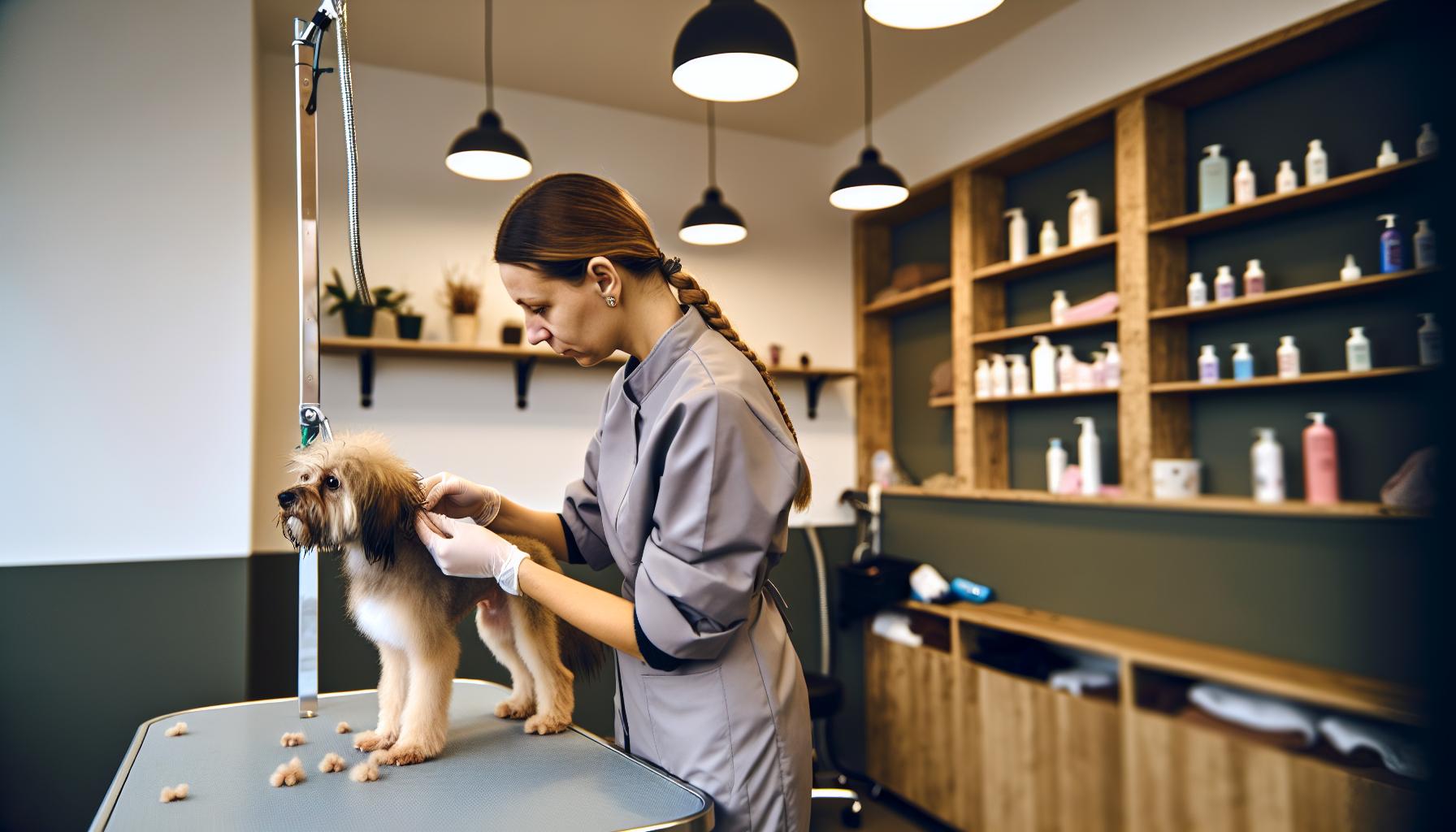
Many dog owners worry about ear hair removal because it involves a delicate part of their pet’s body. Professional groomers understand these concerns deeply and approach ear hair plucking with a blend of skill, care, and animal empathy. For breeds like Poodles,Cocker Spaniels,and schnauzers,groomers know that managing dense ear hair isn’t just about keeping ears tidy-it’s a vital step for promoting ear health and preventing infections. Their well-trained hands and specialized tools make a meaningful difference in how comfortable and effective the process can be.
Before any hair is plucked,groomers begin by carefully assessing the dog’s ears for signs of irritation,redness,or infection. If anything unusual is spotted, they’ll advise a visit to the veterinarian rather than proceeding.When all looks clear, the ears are gently cleaned to remove wax and debris, often using vet-approved ear cleansing solutions to ensure the canal is dry and ready. This prep step is crucial as it softens trapped dirt and hair,helping avoid unnecessary tugging or discomfort.
- Targeted Hair Removal with Precision Tools: Groomers rely on tools specifically designed for this purpose, such as dog hemostats or blunt-tipped tweezers. These ensure a firm yet gentle grip on the hair without pinching the tender skin inside the ear canal. Because these tools come in various sizes, professionals choose what best fits the dog’s ear shape and size, providing both accuracy and safety.
- Layered, Gentle Plucking: rather than pulling out large clumps of hair at once, groomers pluck gradually in small sections. This pacing minimizes discomfort and allows the dog time to relax. They often pause to reward the dog with treats or soothing strokes, turning the grooming session into a positive experience.
- Adjusting for Individual sensitivities: Each dog is unique-some tolerate ear hair removal very well, while others might be more sensitive or nervous.Experienced groomers read body language carefully and modify their approach accordingly. For particularly anxious dogs, they may split the job into multiple sessions or use calming techniques to lower stress.
Groomers also recognize when ear hair removal might not be the best option. Recent veterinary perspectives question the routine need for ear plucking in dogs without ear problems, noting it can sometimes cause irritation or infections if done improperly. Thus, professional groomers frequently enough collaborate with veterinarians and stay updated on best practices, offering advice that balances hygiene with welfare. If a dog shows discomfort or chronic ear issues, groomers recommend owners seek veterinary guidance rather than continuing with DIY ear hair removal.
Lastly,the periodic care by a professional uses their extensive experience to avoid common pitfalls of home plucking-pinching skin,causing micro-traumas,or agitating inflammation. The result is healthier ears, less risk of infection, and a more relaxed dog. For nervous pets, groomers emphasize a compassionate approach, combining proper tools, patience, and plenty of positive reinforcement to ensure ear care is as stress-free as possible for both dog and owner. This teamwork builds trust while protecting your dog’s sensitive ears,making the grooming routine a positive chapter in their overall health care journey.
Risks and Precautions When Plucking dog Ear Hair
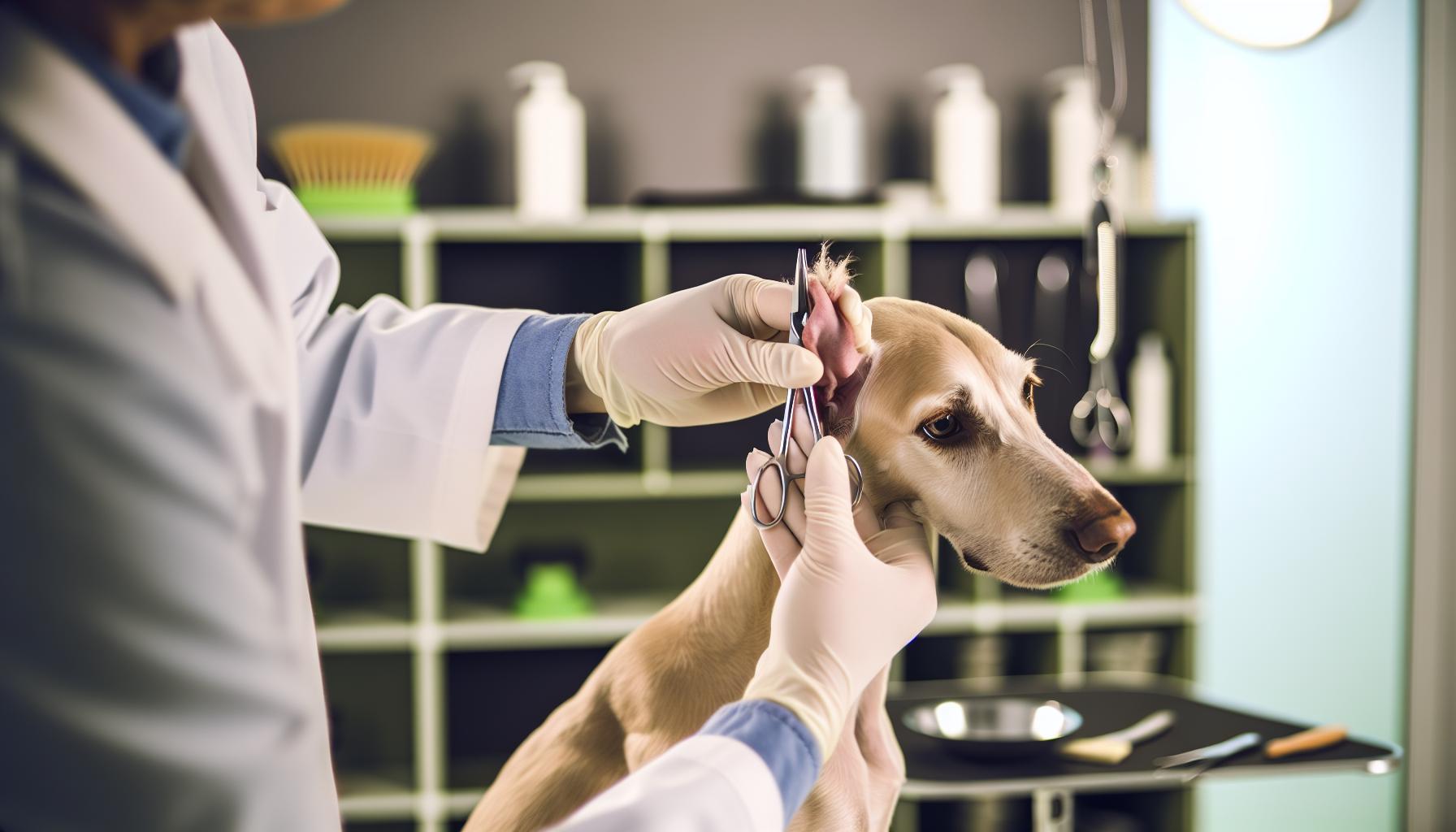
Ear hair removal can be a helpful part of maintaining your dog’s ear health, especially for breeds with thick or curly ear hair.Though, it’s critically important to approach this grooming task with care as the skin inside a dog’s ear is extremely delicate and sensitive. Improper plucking can cause more harm than good, leading to discomfort, inflammation, or even infection.
A key risk many owners overlook is accidentally tugging too hard or pulling too large a clump of hair at once. This can pinch the skin inside the ear canal, creating small wounds that increase the chance of irritation or bacterial buildup. One effective way to avoid this is to remove hair slowly, section by section, using proper tools like blunt-tipped dog hemostats or tweezers designed for ear grooming. These tools provide a secure but gentle grip without squeezing the skin harshly. Many professional groomers swear by this method as it respects the sensitivity of the ear and keeps the dog comfortable throughout the processWhat to Watch for Before and During Plucking Before you start plucking, it’s essential to inspect your dog’s ears for signs of redness, swelling, discharge, or foul odor. These symptoms may indicate an infection or irritation, making plucking unsafe at that time. If you notice any of these, consult your vet instead of proceeding-removing hair when the ear is already compromised can worsen the problem. Also, if your dog shows marked discomfort or pulls away sharply when hair is touched, it may be best to pause and seek guidance from a professional groomer or vet. Some dogs tolerate ear hair removal well, while others are more nervous or sensitive-especially pups encountering the process for the first time. Patience and gradual pacing are your best allies here.Interrupt the session to reward your dog with gentle praise and treats. Breaking the task into a few short sessions can build trust and reduce anxiety. Keep in mind, forcing a scared dog can lead to negative associations with grooming and may cause behavioral issues over time. A calm, compassionate approach makes all the difference. Recent veterinary advice suggests that routine plucking of dog ear hair isn’t always necessary and can sometimes do more harm than good. For dogs without ear problems, simply keeping ears clean and dry frequently enough suffices. over-plucking or doing it too frequently can strip the ear canal of its natural defenses, leading to dryness and making infections more likely.Trusting a professional groomer’s assessment or your vet’s advice helps ensure you’re only removing hair when it truly benefits your dog’s ear health. Every dog’s ears are unique, and so is their tolerance to grooming. prioritizing comfort and safety over cosmetic perfection not only protects their sensitive ears but also strengthens the loving bond you share during these intimate care moments. With the right knowledge and gentle technique, ear hair removal can be a safe part of your dog’s grooming routine that supports long-term ear health[1]Alternatives to Ear hair plucking for cleaner Ears Rather than pulling hair out, trimming with specialized tools can be a great option. Clippers or small scissors designed for pet grooming can carefully shorten the ear hair, reducing bulk and minimizing the chance of debris trapping inside the ear canal. For example, many poodle owners find that carefully clipping ear hair with a deft hand helps keep air flowing, cutting down on moisture buildup – all without the discomfort plucking can cause. When trimming,always hold the ear steady and use blunt-tipped scissors for safety. Avoid pushing hair deep into the ear canal and take your time to ensure your dog feels secure throughout the process[[[[[3]](https://www.poodleforum.com/threads/any-tips-for-cutting-ear-hair-rather-of-plucking.284163/). By choosing a thoughtful, patient grooming approach tailored to your dog’s personality and breed, you not only keep ears cleaner but also deepen your bond through trust and tenderness. Avoiding harsh plucking doesn’t mean compromising ear health – it just means embracing a kinder path to comfort and cleanliness. Veterinarians have the training and tools to safely examine deep inside the ear canal to assess the health of the skin and tissues. They can determine if excess hair inside the ear is contributing to moisture buildup or trapping debris, but they also know when hair plucking or removal might do more harm than good. For breeds prone to chronic ear problems-such as Cocker Spaniels, Basset Hounds, or Bulldogs-professional evaluation is crucial. In these cases, vets may recommend medicated ear drops, anti-inflammatory treatments, or specialized cleaning routines tailored to your dog’s unique needs. Veterinarians can also safely remove problematic hair or recommend alternatives if plucking is contraindicated-often opting for trimming combined with medical treatments to promote healing. They sometimes use ear scopes and special instruments unavailable to groomers or pet parents. When your dog’s comfort and health break priority, placing the task in experienced hands ensures a thorough and gentle approach. Remember, routine ear grooming is about keeping your dog comfortable and healthy-not achieving “perfect” looks at the expense of wellbeing. Working alongside your vet to manage ear hair and health helps build a safer, calmer grooming experience over the long term.If you ever feel unsure about your dog’s ears or see signs beyond routine maintenance,a vet’s guidance is your best resource for compassionate,informed care. Gentle patience is key. Start by getting your dog used to simple ear touches outside of grooming time-softly stroke around the outer ear and lift the flap calmly. Pair these touches with soothing words or favorite treats to build positive associations. for breeds like Cocker Spaniels or Bichon Frises, known for dense ear hair, building trust before even opening their ears to groom can make the actual plucking or trimming far less stressful. Avoid rushing the process; it’s perfectly fine to do ear care in short, relaxed sessions rather than all at once. In certain specific cases, ear hair removal might be best left to trusted professionals. Groomers frequently handle anxious dogs and use calming pheromones, slow handling techniques, and experience to ease nervousness. If your dog’s anxiety is severe or they display signs of pain or ear infection during grooming, a veterinarian’s guidance is essential to ensure safety and comfort. They may suggest alternative approaches or sedation for particularly sensitive dogs.Remember, the goal isn’t perfection but comfort and health. By approaching ear grooming with empathy, patience, and consistent positive reinforcement, you empower your dog to tolerate ear care with less stress. over time, what once was a fearful chore can become a routine they accept-and even tolerate-with grace. A: Alternatives include trimming ear hair short with scissors or using moisturizing ear cleansers to keep ears dry and clean.These options can reduce discomfort while managing hygiene effectively. Check our alternatives to ear hair plucking section for safe practices. Understanding when and why groomers pluck dogs’ ear hair can make a big difference in your pet’s comfort and health. While this extra step isn’t necessary for every breed or coat type, it’s often recommended for dogs with dense ear hair to reduce moisture and prevent infections.Always prioritize safe handling and use gentle tools,and remember that trained groomers know when to pluck and when to leave ear hair alone. If you’re unsure about what’s best for your dog, consulting with both your vet and groomer is a great next step. If you found this guide helpful, explore our detailed tips on [best grooming tools for sensitive skin] and [how to clean your dog’s ears safely], perfect for owners who want to maintain their pet’s health between professional visits. Don’t forget to join our newsletter for regular advice tailored to your dog’s breed and grooming needs. Got questions or personal experiences with ear hair removal? Share them below – your insights could help other pet owners make confident,compassionate choices. By staying informed, you can ensure your furry friend’s ears stay healthy and happy all year round. Get our latest guides, news, and insights highlighted in your Google Search & AI Overviews.Minimizing Discomfort and stress
Understanding When to Skip Plucking
Sometimes, removing ear hair just isn’t the best or most comfortable choice for your furry friend. Many dogs, especially those with sensitive skin or anxiety, benefit from gentler alternatives that still promote clean, healthy ears without the need for plucking. This approach respects both the unique needs of your dog’s ear anatomy and their emotional comfort, making grooming a kinder, more positive experience.Trimming Rather of Plucking
Regular Ear Cleaning With Gentle Products
Keeping ears dry and debris-free can often reduce the need for hair removal altogether. Using a vet-approved ear cleaning solution once or twice a week helps flush out wax, dirt, and allergens that might otherwise accumulate. Pair this with a soft cotton ball or cloth to gently wipe around the ear flap and entrance to the canal. Never insert cotton swabs deep into the ear. This gentle routine supports ear health naturally and can be especially effective for breeds prone to infections but sensitive to plucking.Powders and Sprays to Manage Hair and Moisture
Some groomers and owners use specially formulated ear powders that absorb moisture and help loosen ear hair, making it easier to manage without harsh pulling. These powders can also provide a numbing effect during careful hair removal attempts, easing your dog’s stress. Always choose products designed specifically for pets and check with your vet before use. In one shared experience, a groomer trimmed the fur first, then applied a gentle powder to help grip the hair for safer removal, showcasing how products can complement option techniques[[[[[2]](https://www.tiktok.com/@theswiftiekittens/video/7047501000990788911?lang=en).When to Seek Professional Help
While these alternatives work well for many, it’s perfectly okay to delegate this task to a pro. Professional groomers have trained hands and the right equipment to safely trim or manage ear hair with minimal stress.Plus, if your dog shows persistent discomfort or signs of infection, a vet visit ensures the underlying issue is treated rather than masked by repeated hair removal. Remember, saving your dog from unnecessary distress is always part of the grooming equation - and professionals can help balance hygiene with your pup’s wellbeing beautifully.When to Let Your Veterinarian Handle Ear Hair Issues
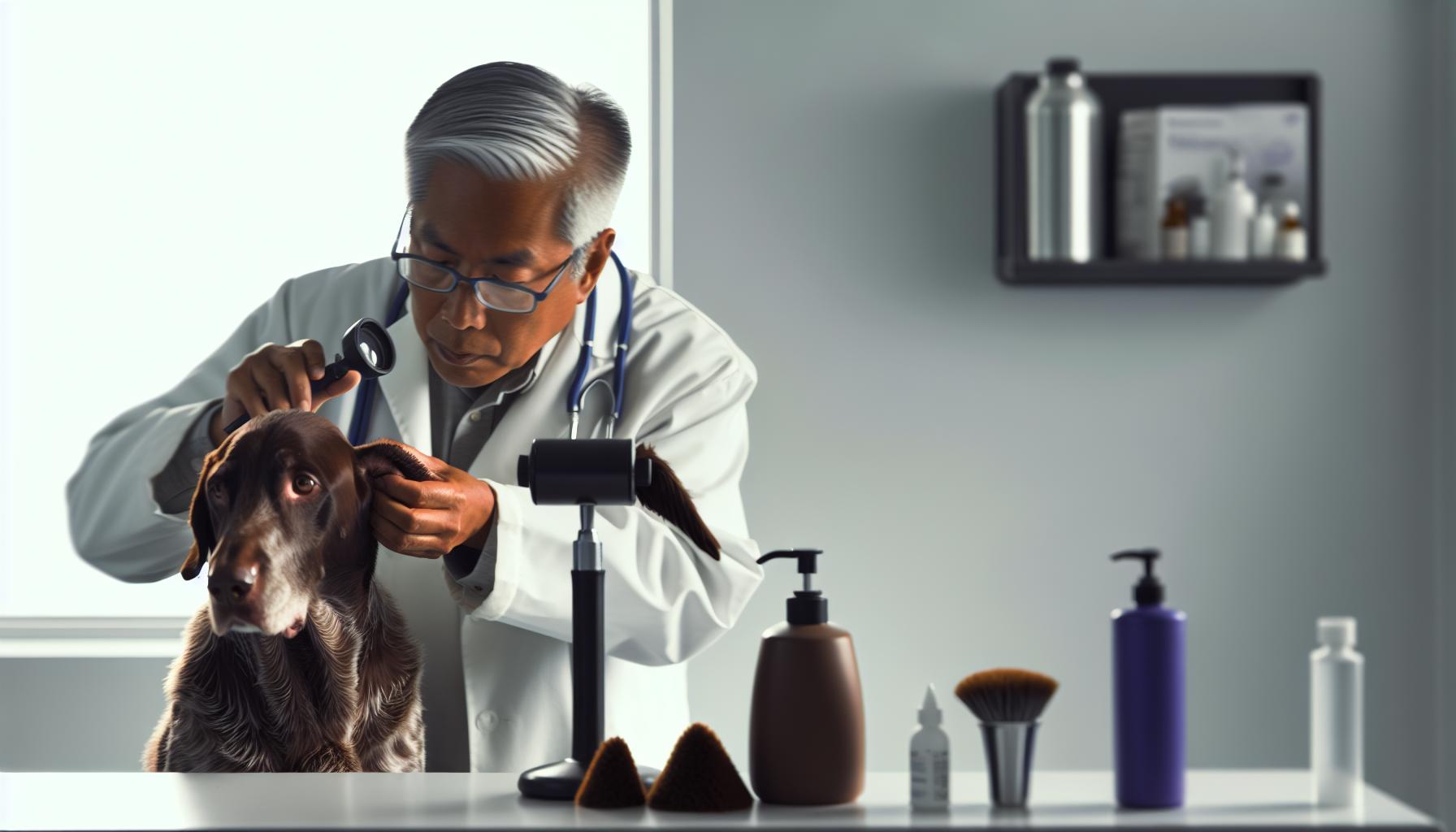
Sometimes,what starts as a simple grooming task can reveal underlying issues that require a veterinarian’s expertise. While routine ear hair management can often be handled with gentle trimming or cleaning at home,it’s important to recognize when ear problems go beyond surface-level grooming. If your dog shows signs of persistent discomfort, repeated ear infections, swelling, redness, foul odor, or unusual discharge, it’s time to let your vet take the lead. These symptoms may indicate that the ear canal or middle ear is inflamed or infected, requiring medical treatment rather than just cosmetic hair removal.When Ear Hair Removal Crosses Into Medical Care
Comfort Tips for Nervous Dogs During Ear Grooming
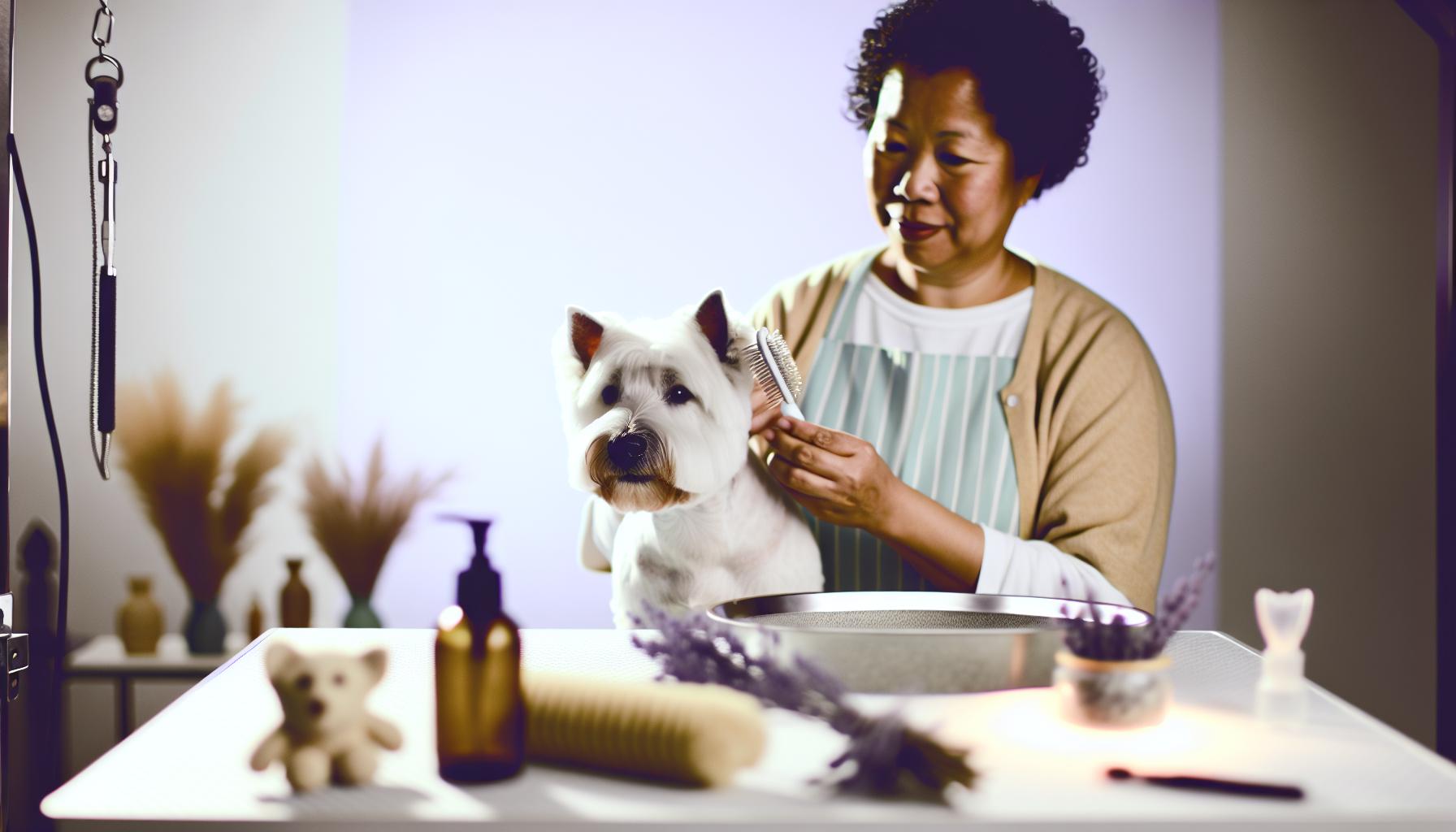
Many dogs feel uneasy about having their ears handled,especially during hair removal-a process that can cause mild discomfort or tension.Understanding and addressing your dog’s nervousness isn’t just about making grooming easier-it’s about respecting their emotional wellbeing. When your dog feels calm and safe, ear grooming becomes a gentler, more positive experience for both of you.Creating a Relaxing Environment
Step-by-Step calm Grooming
Before reaching for tweezers or scissors, warm the ear gently by rubbing it with your palm-this can relax the muscles and improve blood flow. When you begin removing hair, do it slowly, pulling only a few hairs at a time to minimize discomfort. Keep plenty of treats on hand to reward cooperation. If your dog squirms or pulls away,pause and try distraction techniques like gentle petting or a quiet command that means “stay calm.” If they continue to resist,it’s better to stop and try again later rather than force the issue.Frequently Asked Questions
Q: How often do professional groomers typically pluck dog ear hair?
A: Professional groomers usually pluck dog ear hair every 4 to 6 weeks, depending on the breed and hair growth rate. Regular sessions help prevent ear infections and maintain clean ears. For detailed timing and frequency, refer to the section on how groomers handle ear hair removal in our main guide. Q: Can plucking dog ear hair cause pain or discomfort to my pet?
A: Plucking ear hair *may cause mild discomfort* but professional groomers use gentle techniques to minimize pain. If your dog shows signs of significant pain, stop and consult a vet. Comfort tips during grooming can help ease anxious pets and protect their well-being. Q: Are there specific dog breeds that benefit most from groomer ear hair plucking?
A: Yes, breeds with thick, curly, or heavy ear hair like Poodles, Cocker Spaniels, and Bichon Frises benefit most from groomers plucking ear hair regularly to prevent moisture buildup and infections. Breed-specific advice can be found in the section on which breeds need ear hair plucking most.Q: What tools do professional groomers use for safe ear hair removal in dogs?
A: Groomers primarily use specialized forceps or tweezers designed for dog ear hair plucking, alongside trained hands and calming techniques. Using proper tools reduces risks of injury or irritation. for home care, see our recommended tools section for safe alternatives. Q: When should dog owners avoid plucking their dog’s ear hair and seek veterinary help instead?
A: Avoid plucking if the dog has ear redness, swelling, pain, or signs of infection. These symptoms require veterinary evaluation to prevent worsening conditions. Our article details when to let your veterinarian handle ear issues for optimal care decisions.Q: How can I tell if my dog’s ear hair is causing problems that need grooming intervention?
A: Signs include frequent head shaking, scratching at ears, foul odor, or visible ear discharge. These symptoms indicate that ear hair may trap moisture or debris, necessitating grooming or vet visits. Our guide on signs your dog’s ear hair needs grooming offers clear indicators.Q: What are gentle alternatives to plucking ear hair for patients sensitive to the process?
Q: How do groomers handle nervous or anxious dogs during ear hair plucking sessions?
A: Groomers use calming techniques such as slow, gentle movements, treats, and short breaks to comfort nervous dogs. Creating a relaxed environment is key to safe ear hair removal. Refer to our comfort tips for nervous dogs section for practical advice on stress-free grooming.Key Takeaways
Keep reading about the same coat and cut.




Popular grooming guides
Bath vs clip, first grooms, and salon how-tos.