Do Dog Groomers Sedate Dogs Before Grooming? What’s Safe

Many pet owners wonder, “Do dog groomers sedate dogs before grooming?” It’s a common concern-especially if your furry friend gets anxious or is difficult to handle during baths, nail trims, or haircuts. Understanding when sedation is safe, necessary, or avoidable helps you make confident decisions that prioritize your dog’s comfort and well-being.
Grooming should be a positive, stress-free experience, not a source of fear or harm. While sedation can sometimes be used under careful veterinary supervision for highly anxious or medically fragile dogs, most groomers rely on gentle handling, patience, and tailored techniques to keep pets calm and safe. From brushing different coat types to managing nail trims or ear cleaning, knowing the limits between grooming practices and medical interventions empowers you as an owner.
In this article,we’ll explore why sedation may or may not be recommended,share practical tips for easing your dog’s stress,and clarify when a vet’s involvement is essential. By focusing on compassion and safety over perfection, you’ll feel better prepared to support your dog through grooming visits-turning what can be a tough time into a calm, caring routine.
When and Why Dog Groomers Consider Sedation
Table of Contents
- 1 When and Why Dog Groomers Consider Sedation
- 2 Types of Sedation and Safety Measures Explained
- 3 Signs Your Dog Might Need Sedation Before Grooming
- 4 Risks and Side Effects of Sedating Dogs for Grooming
- 5 Alternatives to Sedation for Anxious or Difficult Dogs
- 6 How to Prepare Your Dog for a Stress-Free Grooming Visit
- 7 Vet vs. Groomer: Who Should Administer Sedation?
- 8 Essential Safety Tips for Sedation and Grooming Procedures
- 9 Understanding Legal and Ethical Guidelines in Dog Sedation
- 10 Real Stories: Grooming Without Sedation Success Tips
- 11 FAQ
- 11.1 Q: How can I tell if my dog might react badly to sedation before grooming?
- 11.2 Q: What are the safest sedation methods recommended by vets for grooming?
- 11.3 Q: Can sedation affect my dog’s long-term health if used regularly for grooming?
- 11.4 Q: What are gentle alternatives to sedation for grooming anxious dogs at home?
- 11.5 Q: Is it legal for groomers to sedate dogs without vet approval?
- 11.6 Q: How should I prepare my dog for sedation to ensure a smooth grooming session?
- 11.7 Q: What breeds or coat types are more sensitive to sedation during grooming?
- 11.8 Q: Can sedation help with grooming dogs who have had traumatic grooming experiences?
- 12 The Conclusion
Many pet parents wonder if sedation is a routine part of dog grooming, but in reality, it’s a carefully considered option reserved for specific situations. Sedation is never the first choice; it comes into play only when a dog’s stress or behavior patterns make grooming unsafe or downright impossible. Groomers deeply respect each dog’s comfort and well-being, and sedation is considered only when all gentle, patience-based strategies have been fatigued.
Dogs with extreme anxiety, severe pain, or medical conditions that cause them to resist handling-especially during nail trims or ear cleaning-may benefit from sedation to keep the experience safe and as stress-free as possible. Some breeds known for their thick, matted coats or heavy shedding, such as the Afghan Hound or Old English Sheepdog, sometimes require sedation if grooming becomes physically taxing or prolonged due to dense fur that tangles tightly. When dealing with breeds with sensitive skin or known health vulnerabilities, sedation might be used temporarily to minimize trauma. It’s also common for older dogs with arthritis or neurological issues to need sedation to reduce pain and excessive struggling.
How Groomers Decide When Sedation Might Help
- History of grooming trauma or aggressive reactions: Dogs that have had painful or stressful grooming experiences can develop fear responses that make grooming a battle zone.
- Behavioral assessment: An experienced groomer reads body language carefully. Shaking, trembling, escaping, or snapping are red flags signaling high distress.
- Physical health and coat condition: Severely matted coats often hurt the dog when brushed or clipped. Sedation can offer relief by allowing for gentle,thorough de-matting without sudden jerks or scratches.
- Owner input: Some owners notice their pets become overwhelmed at home or during vet visits. Groomers respect these insights when jointly deciding the safest approach.
As a groomer,I’ve seen dogs who previously couldn’t be handled calmly transform once sedation was safely introduced alongside compassionate handling. this is a last-resort tool-always applied with a veterinarian’s involvement-to prioritize the dog’s welfare over aesthetics. Beyond the immediate grooming, sedation can definitely help foster positive associations over time by making the session less frightening, so patience and open communication between groomer, owner, and vet are key.
Every situation is unique, and sedation is one small part of a pet-first grooming strategy that honors trust, care, and the deep bond you share with your furry friend.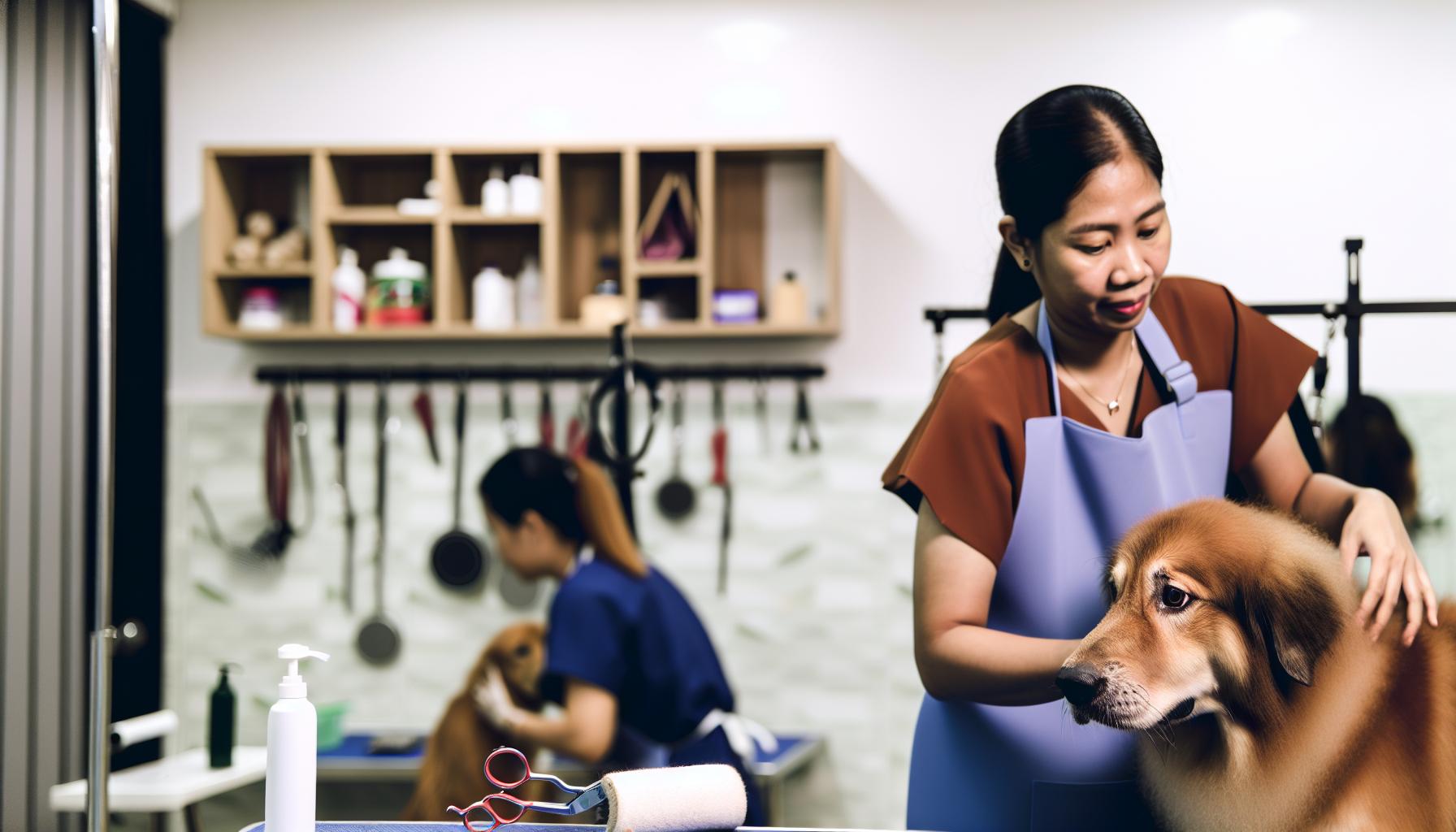
Types of Sedation and Safety Measures Explained
sometimes, when dogs become too stressed or physically unable to tolerate grooming, sedation is a compassionate tool that allows them to relax safely. But sedation isn’t a one-size-fits-all solution; it ranges from mild calming aids to deeper sedatives,each chosen carefully based on the dog’s needs,health,and the grooming challenge at hand. This nuanced approach helps ensure the dog’s comfort and safety throughout the process.
Mild Sedatives and Anxiolytics
For dogs who are nervous but not aggressive or severely distressed, mild sedatives or anti-anxiety medications might be recommended. These are frequently enough oral medications prescribed by a veterinarian, such as gabapentin or trazodone, which help reduce anxiety without deeply sedating the dog.Such as, a dog with thick mats that causes discomfort but is generally cooperative might recieve a mild anxiolytic a couple of hours before grooming to ease tension and prevent panic.These medications allow the dog to remain conscious but calmer, making grooming smoother and less traumatic.
Moderate Sedation: Injectable Options
When mild sedation is insufficient, or a dog’s behavior poses safety concerns-as a notable example, a large breed with a severely matted coat who struggles aggressively-moderate sedation might potentially be necessary. This usually involves injectable sedatives administered under veterinary supervision.Drugs like acepromazine or dexmedetomidine temporarily relax muscles and lower anxiety, while maintaining essential reflexes. this level of sedation requires close monitoring of vital signs throughout grooming to ensure the dog doesn’t experience respiratory depression or excessive drowsiness.
Deep Sedation or Anesthesia for Complex Cases
In rare and more serious cases, such as dogs with extreme behavioral challenges or invasive grooming tasks (e.g., severe mats, skin infections, or painful areas), deep sedation or general anesthesia might be recommended. This is performed strictly by a veterinarian in a clinical surroundings, with full monitoring and emergency equipment on hand. While this allows precise grooming without resistance or distress, it carries the most risk and is reserved for situations where the dog’s welfare would otherwise be compromised by prolonged, stressful handling.
Essential Safety Measures
Sedation must never be self-administered or decided solely by the groomer. A trusted veterinarian must evaluate the dog’s health history, age, breed sensitivities, and current medications before prescribing sedation. For example, brachycephalic breeds (like Bulldogs or Pugs) are more sensitive to sedation and require extra caution. Before sedation, a full physical exam is done to rule out underlying health issues that could increase sedation risks.
- Pre-sedation checks: Temperature, heart rate, and breathing are monitored, and hydration levels assessed.
- Monitoring during grooming: Groomers and vets watch for signs like irregular breathing, pale gums, or excessive salivation.
- Post-sedation care: Dogs are observed in a quiet, agreeable space until they fully recover, ensuring they don’t injure themselves as they wake.
As a groomer, I always emphasize that sedation is about enhancing safety and kindness, not convenience. It’s about making grooming a positive experience where the dog’s physical and emotional well-being come first. Open communication between owner, groomer, and vet is crucial to tailor sedation plans-and often, gentle patience combined with proper tools like detangling sprays, soft brushes, or nail grinders can reduce or eliminate the need for sedation altogether. This partnership ensures your dog stays comfortable and loved,all while looking and feeling their best.
Signs Your Dog Might Need Sedation Before Grooming
Many dogs show clear signs that grooming will be a big challenge, and recognizing these early can help you decide if sedation might be a kind, necessary step. Sometimes, dogs appear restless or fearful just at the sight of the grooming cage or tools-even before the first brush stroke. Others might have a history of resistance, such as snapping, biting, or trying to escape during nail trims or bath time. These behaviors signal high anxiety or discomfort levels where sedation can safely ease stress and prevent injury to your pet and handlers.
Certain breeds and coat types often need extra patience and care. For example,a large,dense-coated breed like an Akita or Newfoundland with thick mats can be vulnerable to painful pulling and skin irritation during grooming. If your dog balks at touch, shows signs of pain, or becomes rigid during brushing, sedation may provide relief and allow gentle handling without distress. Similarly, dogs with medical conditions-like arthritis or skin infections-may struggle to stay still, making sedation a compassionate choice to avoid additional trauma.
Behavioral Clues That Point Toward Sedation
- Excessive panting or trembling before or during grooming, indicating heightened stress
- Growling, snapping, or attempts to bite when touched, especially in sensitive areas like paws or ears
- Complete shutdown or panic, such as freezing in place or frantic escape attempts
- Unmanageable matting or severe overgrowth that causes discomfort, making grooming dangerous without sedation
- Previous traumatic grooming experiences leading to fear-based reactions
Physical Signs Indicating Comfort Challenges
Dogs who seem to associate grooming with pain or confusion may exhibit body language cues that provide early warnings. Watch for lip licking, yawning, avoiding eye contact, or tucking their tail. These subtle cues show anxiety building, so preemptive sedation or calming measures may be wise. For nail trimming, dogs that flinch sharply or pull their paws away repeatedly frequently enough benefit from sedation as it protects their fragile nails and reduces stress.
An crucial note: sedation should never be the first strategy to manage these signs, but rather part of an individualized plan developed with your veterinarian. Groomers may provide practical feedback after initial attempts,helping owners understand when sedation is truly the safest and kindest option. For your peace of mind, always explore sedation only under vet guidance, ensuring your dog’s health, breed traits, and age are carefully considered.
Real-Life Example
Consider “max,” a senior Akita with thick mats and mild arthritis. His groomer noticed he flinched and tried to bite during brushing sessions, and mats were causing skin irritation. After consultation, his vet prescribed a mild sedative before grooming appointments, which transformed the experience. Max relaxed enough for thorough,gentle grooming without pain or panic,making his coat healthier and his visits less stressful for everyone.
By tuning in to your dog’s behavior and comfort levels during grooming tasks-whether bathing, brushing, nail clipping, or ear cleaning-you can collaborate with professionals to decide when sedation is a kind, safe tool to help your furry friend feel calm and cared for throughout their grooming routine.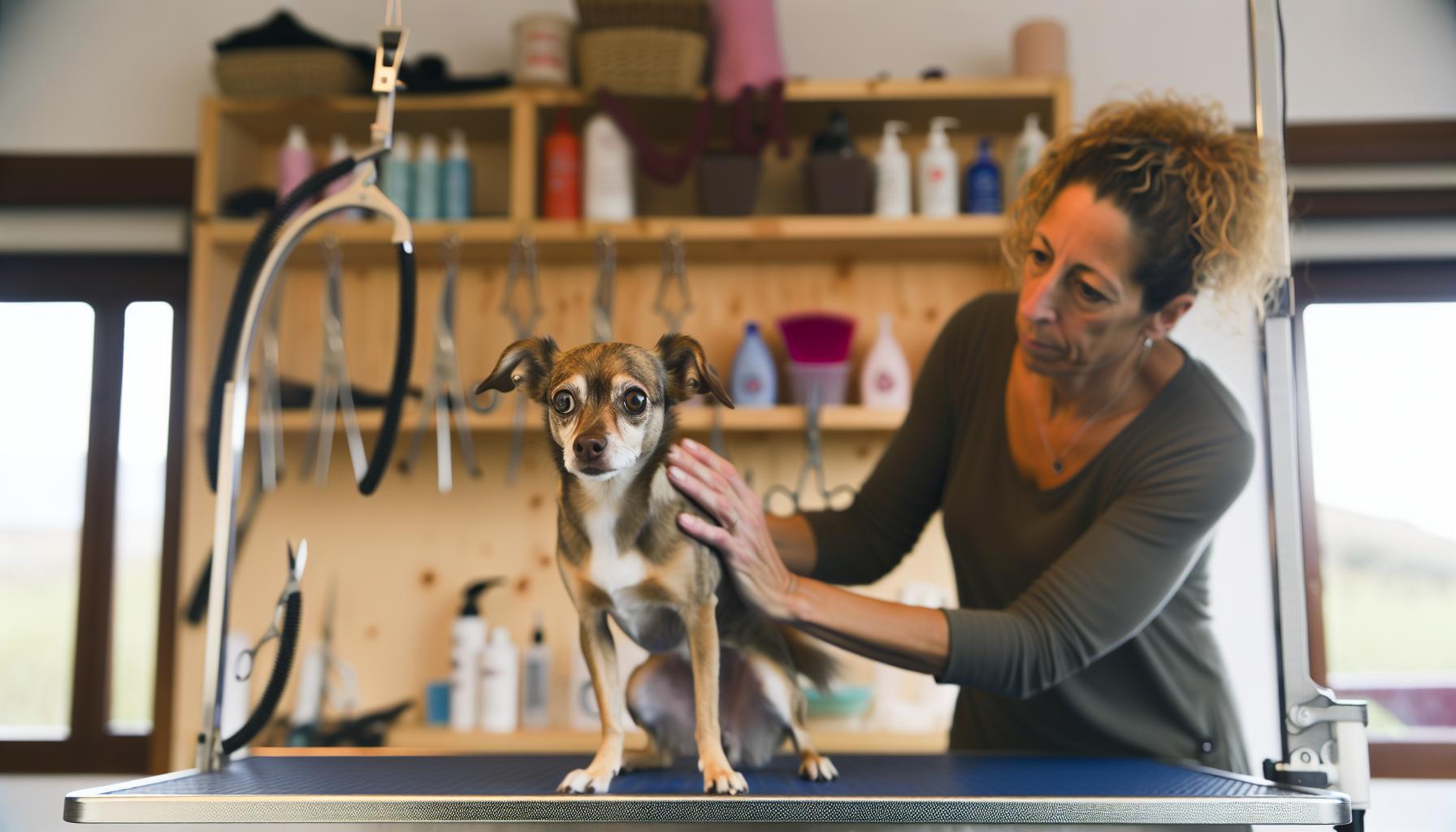
Risks and Side Effects of Sedating Dogs for Grooming
Sedating a dog before grooming can be a compassionate choice when anxiety or physical discomfort makes handling difficult,but it’s important to be aware that sedation is not without its risks. Even mild sedatives affect the nervous system, and each dog’s reaction can vary based on breed, age, health status, and individual sensitivities. Your veterinarian’s guidance remains essential to minimize complications and ensure your furry friend’s safety.
some common side effects include mild grogginess, unsteady footing, or temporary disorientation during the recovery period. These effects usually wear off within a few hours but require a calm, quiet environment afterward to avoid stress or injury. In rare cases, dogs might experience nausea, vomiting, or mild respiratory depression, especially if sedatives are not carefully dosed considering their size and health concerns. Senior dogs or those with preexisting heart, liver, or kidney conditions can be particularly vulnerable and need tailored sedation plans.
What to Watch For After Sedation
- Excessive lethargy or difficulty waking up beyond expected timeframes
- Labored or shallow breathing, which can indicate lowered oxygen levels
- persistent vomiting or drooling suggesting nausea or irritation
- Unusual agitation or confusion as some dogs may react to medication with paradoxical effects
If any of these signs appear, immediate veterinary attention is crucial. Always discuss these potential outcomes with your vet before any sedation is administered. Transparent communication enables adjustments in dosage or selection of safer sedative options suited to your dog’s particular needs.
Weighing benefits Versus Risks
Sedation should never be the first line of defence but rather a last resort-used only when gentle handling or training techniques aren’t enough to avoid harm to your dog or handler. For breeds like Akitas or Newfoundlands, whose thick coats and dense mats make grooming physically challenging, sedation can prevent painful struggles and skin damage. However, the goal is always comfort and welfare over “perfect grooming.” When sedation is done thoughtfully in a controlled environment, it frequently enough leads to less traumatic experiences for dogs that or else associate grooming with pain or fear.
working Together for Safety
Groomers provide vital feedback on your dog’s behavior and physical condition, but only veterinarians should administer sedatives or prescribe medications. This ensures proper dosing and monitoring for safety. Always prepare for sedation appointments by following vet advice: fast your dog as instructed,bring medical history,and arrange a quiet recovery space at home. These proactive steps help minimize side effects and keep your dog comfortable during and after the grooming process.
By understanding the risks and taking measures to mitigate them, sedation can be a valuable, compassionate tool-not a cause for worry-to help anxious or sensitive dogs enjoy smoother, calmer grooming visits.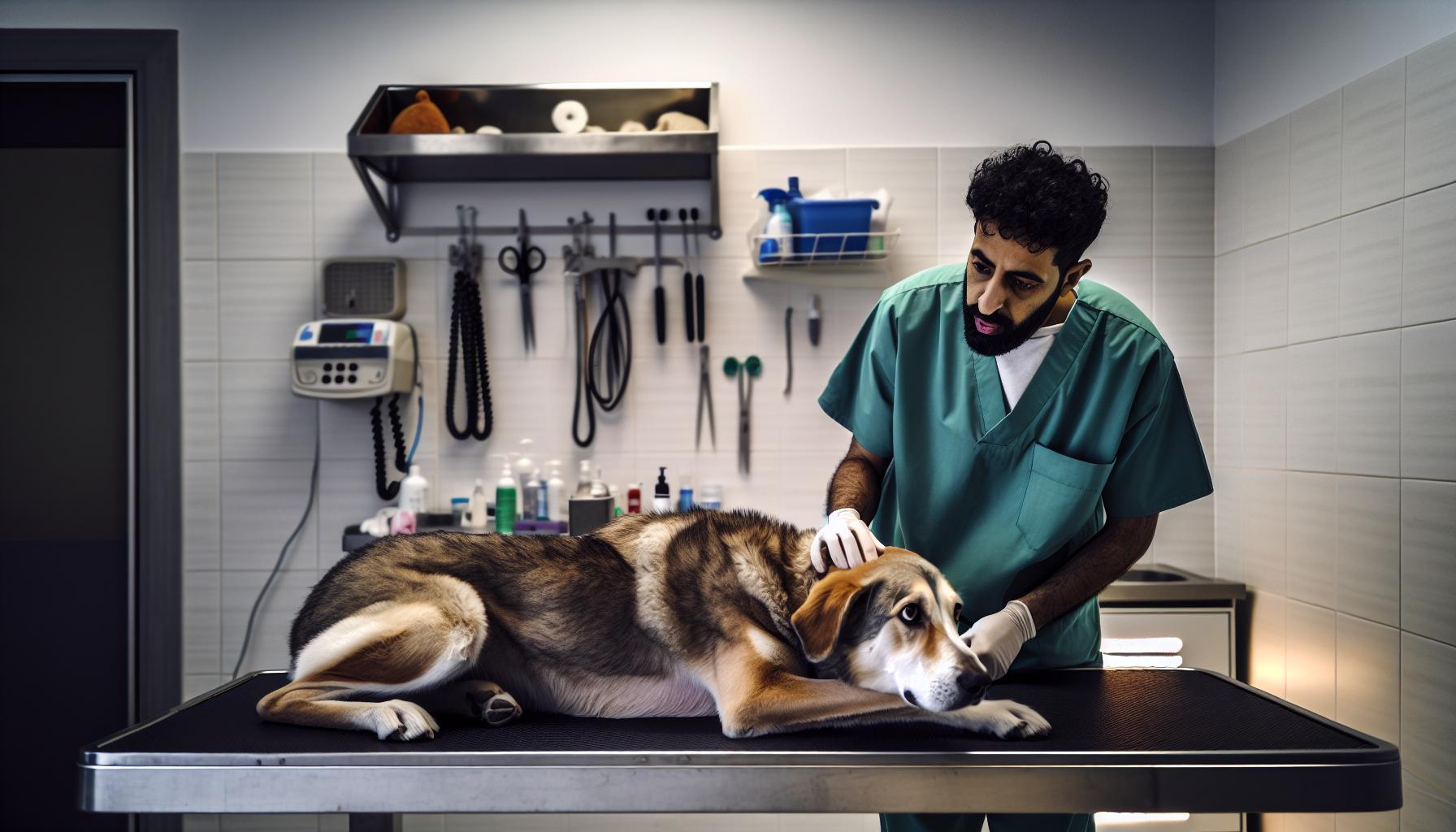
Alternatives to Sedation for Anxious or Difficult Dogs
Many anxious or difficult dogs don’t actually need sedation to have a calm, safe grooming experience. With patience, gentle handling, and the right environment, grooming can become a positive, even enjoyable routine without the risks that come with medications. It starts with understanding your dog’s unique needs-whether they’re a thick-coated breed like an Akita prone to matting,or a small,sensitive pup who’s never encountered grooming tools before-then tailoring your approach accordingly.
Building Trust Through Slow, Positive Introductions
Begin by introducing grooming tools gradually, away from the stress of a full session. Such as, start with a soft brush for dogs with dense coats, using calm voices and treats to create positive associations. Break’s important-short, frequent sessions (5-10 minutes) over a few days or weeks beat a marathon, stressful appointment every time. During nail trims or ear cleaning,use gentle restraint and distraction techniques like lick mats or food puzzles to help focus your dog’s attention elsewhere. staying calm yourself is key-dogs pick up on your energy, and a relaxed handler frequently enough means a relaxed pet.
Creating a Comfortable Environment
Whether you’re a groomer or a pet parent managing grooming at home, a quiet, warm, and non-slip space can work wonders. A rubber mat in the tub or grooming table helps your dog feel secure underfoot, reducing nervous pawing or slipping.Consider playing soft classical music or using pheromone diffusers designed to calm dogs during stressful events. Bringing along a favorite toy or blanket can also help soothe anxiety. Remember, it’s about making each step manageable and stress-free rather than rushing for perfection.
Practical Tools and Techniques for Different Grooming Tasks
- Brushing: Choose the right brush for your dog’s coat type-a slicker brush for dense, double coats, or a pin brush for curly, wavy hair. Start gently at the ends before gradually working closer to the skin to avoid discomfort.
- Bathing: Use lukewarm water and a mild, dog-safe shampoo. Minimize water near ears and eyes.Many dogs tolerate a hand-held sprayer better than a full rinse, which allows better control and less shock.
- Nail trimming: if your dog is sensitive, familiarize them with the clippers beforehand. Use quick-drying styptic powder as a backup if trimming causes minor bleeding.Distraction with chew treats or peanut butter can keep focus away from the feet.
- Ear care: Use gentle,vet-approved ear cleaners and soft cotton balls,never Q-tips. Always reward calm behavior during and after cleaning.
When to Seek Professional Behavior Support
If anxiety runs deep, consider consulting a veterinary behaviorist or certified dog trainer before scheduling grooming appointments.They can offer desensitization and counter-conditioning exercises that gradually reduce stress around handling and grooming tools. Sometimes, gentle calming supplements or anxiety wraps may help-but these should always be discussed with your vet and never replace proper training and handling techniques.
Keepsakes from Real life
Take Bella, a nervous newfoundland who dreaded baths and brushing due to her thick, matted coat. Rather of sedation, her groomer worked with Bella’s owner to brush her daily for short sessions at home, slowly building trust.in the salon, calming pheromones and breaks for cuddles helped Bella relax. Over time, she let the groomer tidy up her coat with minimal fuss. It wasn’t perfect on day one, but with patience and compassion, Bella’s grooming visits no longer felt like battles.
Always remember: sedation should be a thoughtful last resort, not the default. With kindness, time, and the right tools, most dogs can learn to face grooming calmly, keeping both their well-being and dignity intact.
How to Prepare Your Dog for a Stress-Free Grooming Visit
Many dogs find grooming stressful because it involves unfamiliar sensations, handling, and sometimes scary tools. The good news is that with thoughtful readiness, you can transform grooming into a calm, even enjoyable experience for your furry friend-no sedation needed. It begins by tailoring your approach to your dog’s breed, coat type, and personality, and by setting up each task in a way that prioritizes comfort and trust.
Getting Familiar with Tools and Tasks
Before scheduling a grooming appointment, spend short sessions introducing your dog to the specific tools you’ll be using. For example,if your dog has a dense,double coat like an Akita or Newfoundland,use a slicker brush and softly run it along their back and sides while offering treats and praise.For dogs with curly or wavy coats, a pin brush works best. Gradually increase contact area but always watch for signs of discomfort or stress. For nail trims,let your dog sniff and gently mouth the clippers,pairing this with treats or a lick mat to distract and calm them.
Bath Time Basics
Many dogs dislike baths as of the noise, water temperature, or sensation. To ease this, use lukewarm water and a mild, dog-safe shampoo. Consider a hand-held sprayer over a full rinse to control water flow and avoid frightening splashes near sensitive areas like ears and eyes. Placing a nonslip rubber mat in the tub or sink prevents slipping, which can trigger panic. Keep sessions short and pause for gentle praise or a reward break if your dog grows tense.
Managing sensitive Areas With Care
Ear cleaning and nail trimming are common stress points. Use vet-approved ear cleaners and only soft cotton balls or pads-never Q-tips. When trimming nails, have quick-drying styptic powder on hand just in case. Giving your dog a tasty distraction, like a peanut butter smear or small treats, can keep their mind off the sensations. If possible, try doing one paw or one ear at a time over successive days, so your dog doesn’t get overwhelmed.
Environment and Emotional Prep
Creating a soothing environment is just as important as prepping tools. Whether at home or in the salon, make sure the space is calm, warm, and quiet. Familiar items like a favorite toy or blanket can bring comfort. Many groomers use pheromone diffusers or soft classical music to ease anxiety during grooming.Your own energy sets the tone, so stay calm and patient-dogs are intuitive and will mirror your mood.
Real-life stories show time and again that slow, positive introductions and small wins build a foundation of trust. as a notable example, one groomer recalls how a shy Border Collie’s first few visits involved just sitting near the grooming table while receiving treats. Gradually, she accepted gentle brushing, then a mini bath, all with breaks for rest and reassurance. Patience paid off more than any sedation ever could.
By investing time before a grooming session and using these compassion-first steps, most dogs react with less fear and more cooperation. This not only protects their well-being but also fosters a lifelong partnership built on trust, making future grooming stress-free and safe for everyone involved.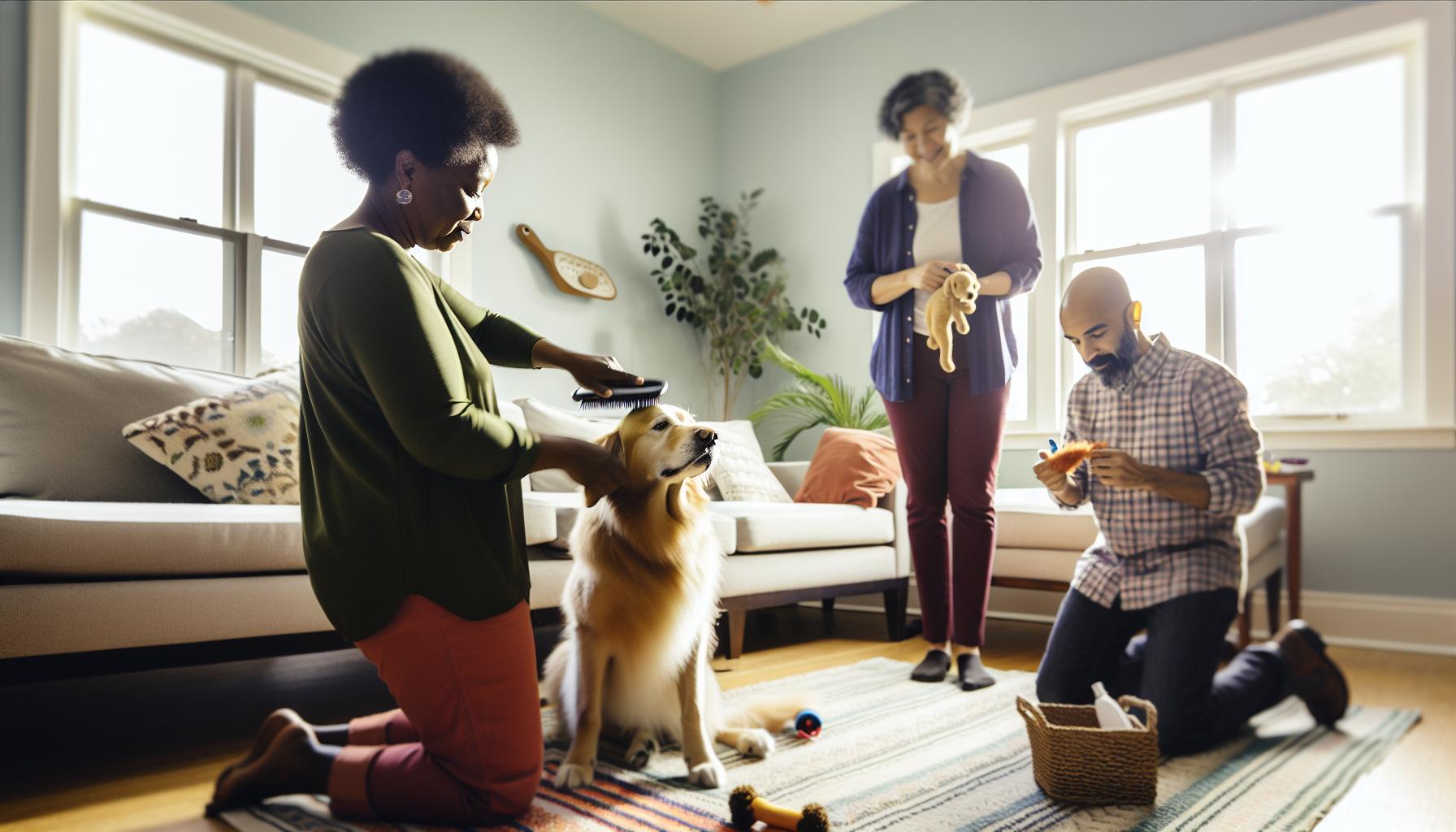
Vet vs. Groomer: Who Should Administer Sedation?
Sedation for grooming isn’t a casual decision-it involves careful consideration, especially when it comes to who administers it. While some groomers have experience handling mildly anxious dogs with calming aids, the actual administration of sedation is safest and most responsibly done by a licensed veterinarian. This is because sedation requires medical knowledge to select the right type and dosage, monitor vital signs, and respond to any unexpected reactions.
Many factors influence this, including your dog’s breed, coat type, temperament, age, and health status. For example, a large breed with a thick double coat like an Akita or Newfoundland may benefit from sedation if grooming becomes prolonged or stressful, but only after a vet evaluates their overall health. Groomers know how to work patiently with your dog on brushing, bathing, and nail trims, adjusting their approach to ease anxiety. Though,veterinarians have the training to safely sedate dogs while overseeing critically important safety protocols-something groomers are generally not licensed to do.
- vet-administered sedation ensures professional medical assessment, safer drug choice, proper dosing, and monitoring during the grooming process or recovery period.
- Groomers bring vital skills in reading your dog’s body language and using low-stress handling techniques but rely on vets when sedation is necessary.
- DIY sedation
Knowing the Boundaries: Collaboration is Key
Open communication between your groomer and veterinarian can create the safest,most compassionate plan tailored to your dog’s unique needs. For instance, if your dog struggles with nail trims or baths due to anxiety or medical conditions, your vet might prescribe a mild sedative to be administered before the appointment. The groomer can then proceed with confidence, focusing on gentle technique while your dog remains calm.
In some cases, sedated grooming happens at a veterinary clinic equipped with monitoring tools, ensuring continuous observation of your dog’s wellbeing.Groomers working in such environments can concentrate fully on their craft, knowing your pet is supported by medical care. Outside of that, reputable groomers avoid sedation themselves due to legal and ethical considerations, emphasizing patience, training, and alternative calming methods instead.
practical Tips for Pet Parents
- Always discuss sedation needs with your vet first, especially for brachycephalic breeds, senior dogs, or those with health issues.
- Choose groomers who have strong partnerships with vets and who prioritize your dog’s comfort over speed or aesthetics.
- Understand that sedation is not a replacement for thoughtful preparation; most dogs respond well to gradual desensitization and positive reinforcement.
when sedation is truly necessary, trusting your veterinarian to handle it keeps your furry friend safe and allows the groomer to do what they do best-create a calm, loving grooming experience.Together, vets and groomers form a team dedicated to the health, happiness, and dignity of your pet.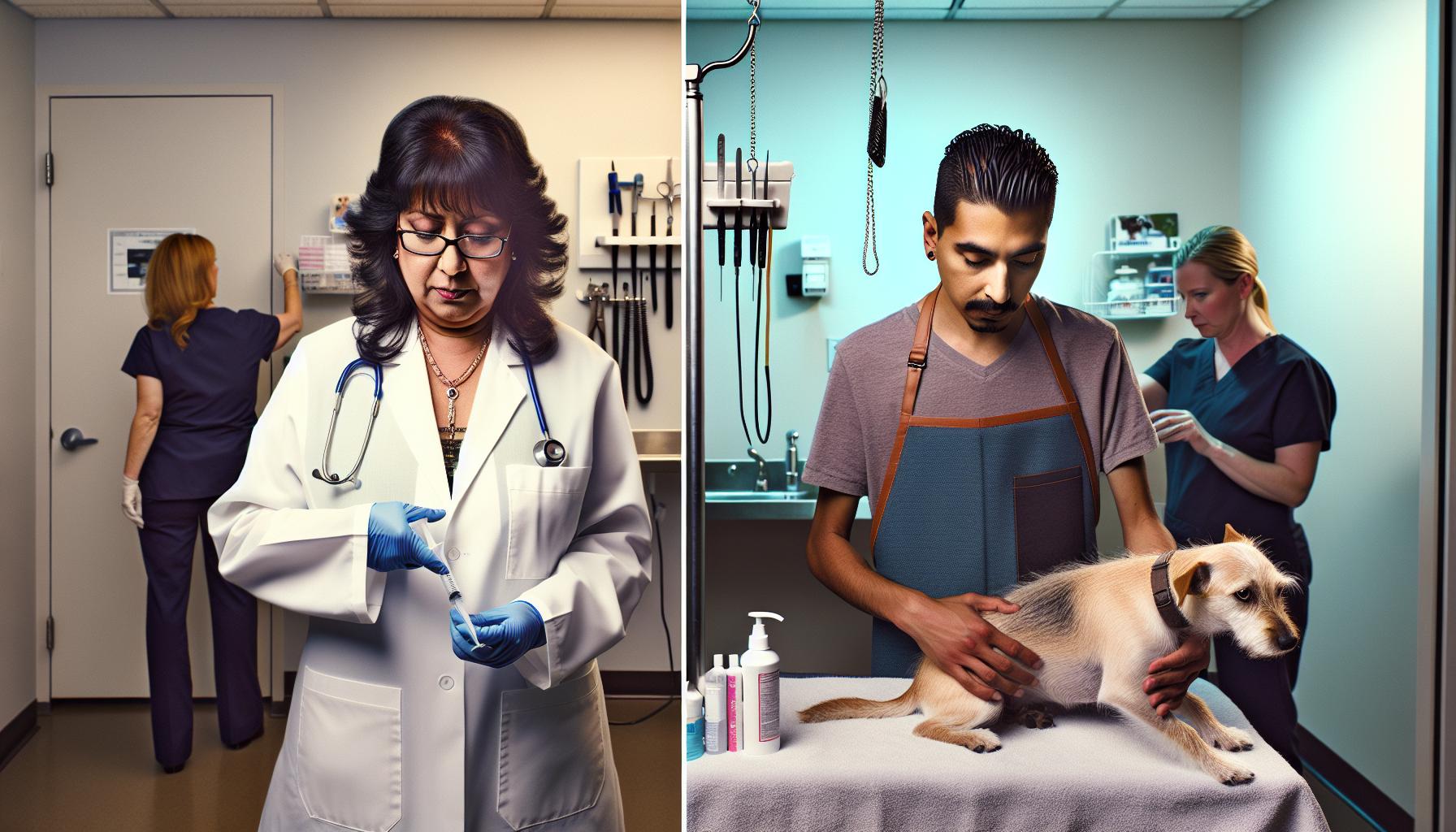
Essential Safety Tips for Sedation and Grooming Procedures
Few things are more critically important than ensuring your dog’s safety and comfort during sedation-assisted grooming. When sedation is part of the process, it’s not just about calming nerves-it’s about creating a secure environment where every moment is carefully monitored. This starts long before the grooming table and ends only when your dog has fully recovered. Safety measures and attention to detail reduce stress and prevent complications, giving you peace of mind and your dog a calm, gentle experience.
Partnering with Your Veterinarian
Sedation should always be prescribed and administered by a licensed veterinarian. Before your grooming appointment, a thorough medical checkup is essential-this includes evaluating breed-specific risks (like brachycephalic breeds prone to breathing issues), age-related sensitivities, and any underlying health conditions such as heart, liver, or kidney concerns. Your vet chooses the safest sedation type and dosage based on this assessment, then closely monitors your dog before, during, and after the process.Groomers should never try to medicate a dog themselves.
step-by-Step Safety Protocols
- Pre-sedation preparation: Follow your vet’s fasting instructions, as sedation often requires the stomach to be empty to prevent nausea or complications.
- Vital signs monitoring: Continuous observation of heart rate, respiratory rate, and body temperature during sedation is vital. This typically happens at a veterinary clinic or a groomer’s location equipped with medical monitoring devices.
- Comfort-focused handling: even sedated dogs can be startled or uncomfortable. Groomers trained in low-stress handling stay gentle, avoid sudden movements, and frequently check body language to adjust their approach.
- Aftercare and recovery: Post-grooming, your dog should rest in a quiet, warm area where their recovery can be supervised.Owners need clear instructions from the vet about signs of adverse reactions and when to seek immediate help.
Choosing the Right Tools and Techniques
Certain breeds and coat types impact grooming difficulty and sedation needs. For example, a heavy-coated Newfoundland might need prolonged brushing and trimming-time during which sedation helps reduce stress-but shorter sessions and frequent breaks lessen drug exposure. Sharp, well-maintained grooming tools minimize the chance of nicks or irritation, which could otherwise trigger sudden reactions in anxious dogs. Groomers should also prioritize calming aids like pheromone sprays, soft music, or blankets-even when sedation is used-to create a serene atmosphere.
Clear Boundaries: What Groomers Can and Cannot Do
While groomers excel at reading canine signals and applying soothing techniques, sedation administration is strictly a veterinary obligation. This legal and ethical division protects your dog from unsafe practices.Avoid any DIY sedation attempts at home-it’s risky and can have severe consequences. Instead, rely on strong communication between your groomer and vet to coordinate all aspects of sedation, ensuring everyone is informed and prepared. Together, they craft a balanced plan prioritizing your dog’s health and dignity.
Trusting the process empowers you as a pet parent. With a knowledgeable vet guiding sedation and a compassionate groomer at your dog’s side, you ensure not just a beautiful coat, but a calm heart and safe experience. It’s this teamwork, careful preparation, and shared commitment that bring out the best in every grooming visit.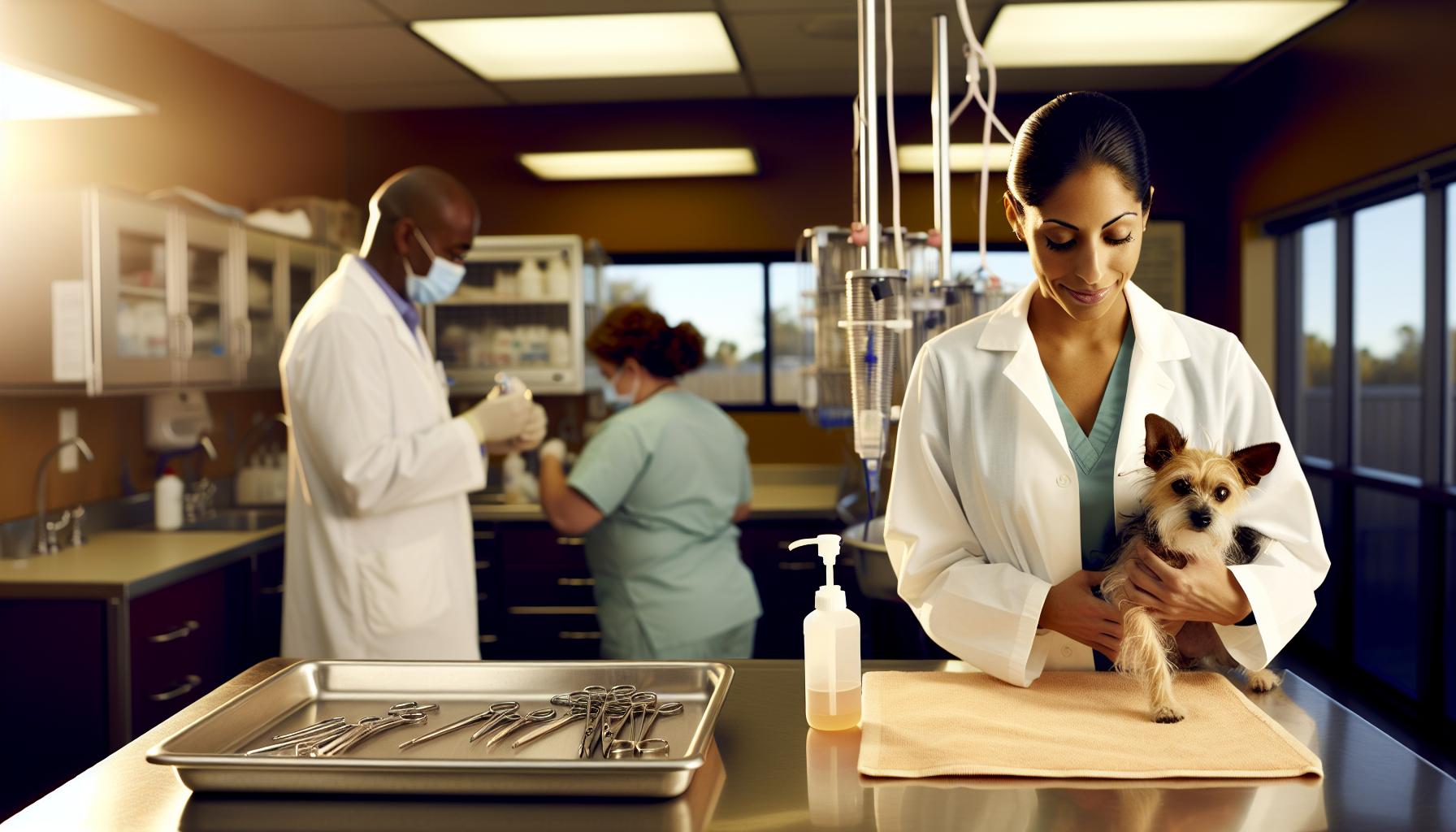
Understanding Legal and Ethical Guidelines in Dog Sedation
It’s important to remember that the decision to sedate a dog before grooming is wrapped in a careful web of legal and ethical responsibilities designed to protect your pet’s health and well-being.Sedation involves the use of prescription medications that should only be administered by licensed veterinarians.This is not just a formality – it’s a matter of safety because improper use can result in serious complications or distress for your dog, especially in breeds with special medical considerations like brachycephalic dogs or seniors with underlying health issues.
Legal Boundaries for Groomers
By law, groomers are not permitted to give any type of sedation or anesthetic drugs. This is to prevent untrained individuals from making judgment calls about dosage or suitability, which requires veterinary expertise. Groomers play a crucial role as observers and care providers,skilled in low-stress handling techniques and capable of recognizing signs of distress or discomfort-but when it comes to sedation,their job is to communicate concerns to the vet and assist with a plan that keeps your dog calm and safe.
Ethical Considerations for Your Dog’s Welfare
From an ethical standpoint, sedation should never be the default or an easy way out.Instead, it’s reserved for situations where a dog’s anxiety, pain, or fear would make grooming otherwise harmful or traumatic. Compassion means prioritizing your dog’s emotional and physical safety above a “perfect” haircut or nail trim. Experienced groomers will always explore alternatives first-such as gradual desensitization, positive reinforcement training, and the use of calming aids-before sedation enters the picture.
- Always seek veterinary guidance: Ensure any sedation protocol is overseen by your dog’s vet, who can tailor medication choices and dosages based on breed, size, age, and health status.
- Never accept on-site sedation by a groomer: if sedation is needed, it should be administered off-site or on-site only under veterinary supervision with full monitoring equipment.
- Clear communication is key: Your groomer and vet must work as a team, sharing facts openly so you know what to expect before, during, and after sedation-assisted grooming.
For example, Lily, a nervous Cocker Spaniel with sensitive skin, once needed sedation for her grooming after repeated stressful experiences.Her vet carefully recommended a mild sedative suited to her size and health, administered just before the groomer’s session, who was then able to work calmly and gently without rushing or forcing. This partnership between vet and groomer ensured Lily’s comfort and safety-showing how legal and ethical guidelines come together in real life to protect our furry friends.
Ultimately,understanding these legal and ethical boundaries empowers you as a pet owner. It ensures your dog receives care that respects their dignity and safety rather than risking quick fixes or shortcuts. Always prioritize open dialog with your vet and groomer,knowing that sedation should be a carefully considered tool used sparingly,thoughtfully,and only when it truly benefits your dog’s health and happiness.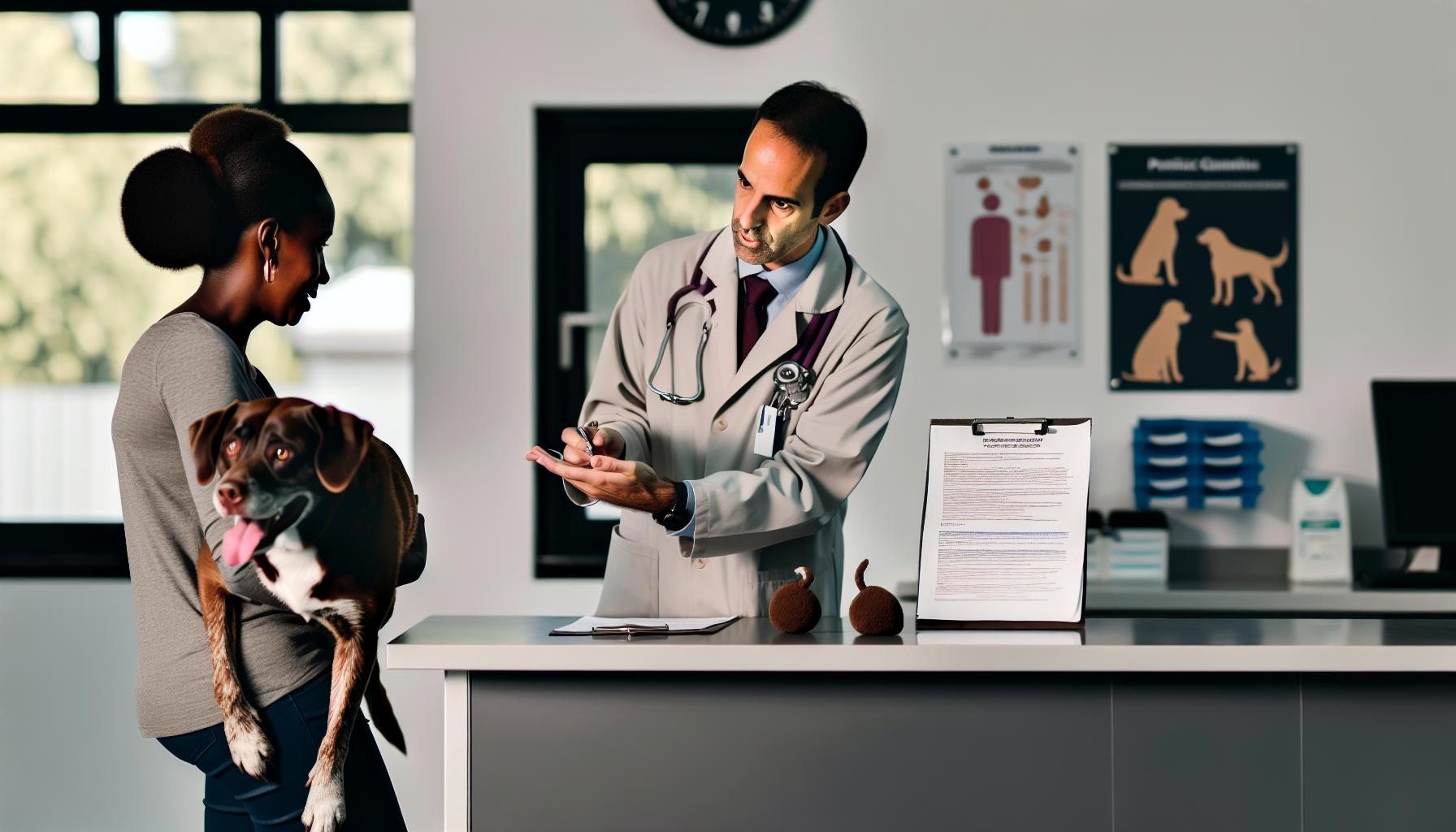
Real Stories: Grooming Without Sedation Success Tips
Few things are more rewarding than seeing a nervous dog transform into a calm, cooperative grooming client – without ever needing sedation. Many dogs who once struggled with baths, nail trims, or brushing now greet these routines with trust and ease. This is a testament to patience, understanding, and a step-by-step approach that respects each dog’s unique pace and personality, regardless of breed or coat type.
Getting Comfortable with the Basics
Start by creating a positive association with grooming tools and spaces. For example, with a medium coat dog like a Labradoodle, introduce the brush *outside* the grooming area.Let your pup sniff and explore the brush while offering gentle praise and treats. Repeat for clippers and nail files without actually using them,so the dog learns there’s nothing to fear. This gradual desensitization builds confidence and minimizes reactive behaviors on grooming day.
For baths, use lukewarm water and mild shampoo formulated for your dog’s skin type. Some dogs benefit from practicing just a quick paw dip or a slow splash session at home before a full bath appointment. Nail trims can be tricky – start by gently handling the paws during calm moments, combining it with lots of treats and praise.Tools like a slow-grind nail file rather than a clipper can ease fear in sensitive dogs.
Small Steps to Big Success
- Brush sessions: Keep initial sessions short (2-3 minutes) and always end on a positive note.
- Bath time: Use a non-slip mat, and give breaks if your dog shows stress.
- Nail care: Desensitize with gentle paw massages first, then gradually introduce the nail file.
- Ear cleaning: Use a soft cloth with vet-approved solutions, and never force if your dog resists.
Consistency is key. Daily or every-other-day practice makes grooming feel like a routine rather than an event. The calmer and more familiar your dog is with each step, the less likely sedation will even be considered.
Teamwork: owner, Groomer, and Vet
Open communication between you, the groomer, and your vet plays a pivotal role in non-sedation success. If a dog has a history of anxiety or medical issues, share this openly. Groomers trained in low-stress handling know how to modify techniques-like using shorter grooming times,quieter clippers,or even offering breaks during the session. In certain specific cases, vets might recommend natural calming supplements or pheromone products rather than medications.
Take the story of Max, a young Border Collie with thick double coat and major nail fear. Through a tailored approach – starting with owner-handling at home and slow introductions to grooming tools – Max now enjoys his grooming visits with minimal fuss. His groomer uses quieter blades and offers interactive chew toys during the bath to keep his mind occupied. This success happened over several months, highlighting that gentle patience beats quick sedation every time.
When to Seek Professional Advice
If your dog continues to show extreme fear or aggression, never force grooming. Instead, consult your vet for health screening and behavior advice. At times, sedation may still be necessary but should always be guided by a veterinarian’s expertise. Meanwhile, ensure any grooming remains safe and stress-free by practicing at home and involving trusted professionals.
remember, a calm grooming session builds your dog’s confidence, deepens your bond, and honors their welfare. With compassion, gradual training, and the right support, sedation is often avoidable-turning grooming from a nightmare into a moment of trust and care.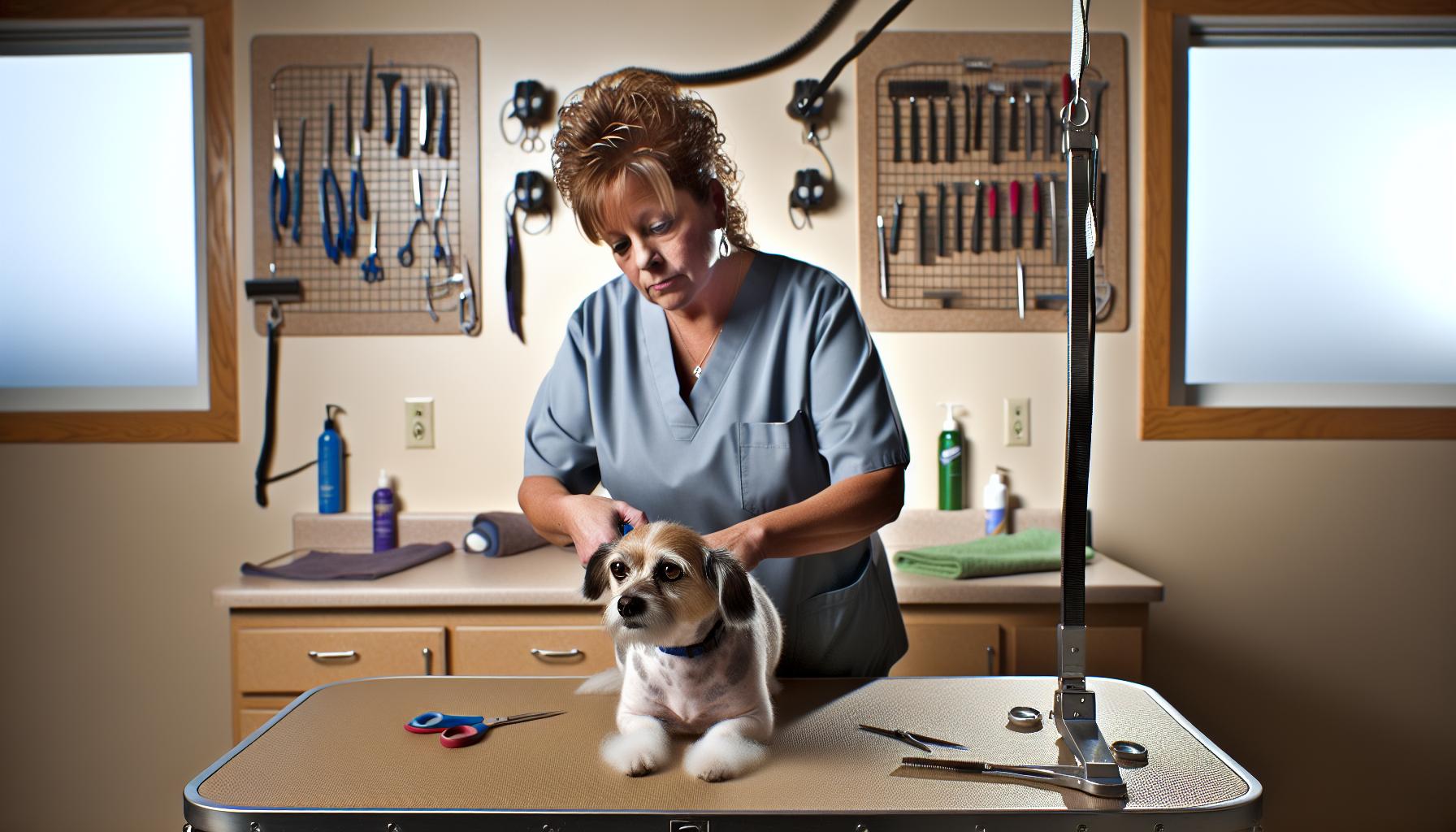
FAQ
Q: How can I tell if my dog might react badly to sedation before grooming?
A: Watch for signs like extreme anxiety, past adverse reactions to medication, or underlying health issues. Dogs with heart or respiratory problems need extra caution.Discuss your dog’s full health history with your vet before sedation to ensure safety and explore alternatives. For more, see our section on Signs Your Dog Might Need Sedation Before Grooming.
Q: What are the safest sedation methods recommended by vets for grooming?
A: Mild oral sedatives and low-dose injectable medications prescribed by a vet are safest. These are tailored to your dog’s size, breed, and health. Avoid over-the-counter human drugs or unsupervised sedation.Consult a vet for proper dosing and monitoring to ensure a calm, safe grooming experience.
Q: Can sedation affect my dog’s long-term health if used regularly for grooming?
A: Regular sedation can pose risks such as liver or kidney strain and increased anxiety. It’s best used sparingly and under vet supervision. Prioritize behavior training and anxiety-reducing techniques as longer-term solutions. Learn more in our Risks and Side Effects of Sedating Dogs for Grooming section.
Q: What are gentle alternatives to sedation for grooming anxious dogs at home?
A: Alternatives include gradual desensitization, calming sprays, pressure wraps, and pheromone diffusers. Using positive reinforcement during grooming helps reduce fear without sedation. Consult your groomer or vet about behavior strategies suited to your dog’s needs before grooming visits.
Q: Is it legal for groomers to sedate dogs without vet approval?
A: No, most regions require sedation to be administered or prescribed by a licensed vet. Groomers legally cannot sedate dogs themselves without vet involvement due to safety and legal restrictions. Always verify your groomer follows local laws outlined in Legal and Ethical Guidelines in Dog Sedation.
Q: How should I prepare my dog for sedation to ensure a smooth grooming session?
A: Follow your vet’s instructions on fasting and medication timing before sedation. Keep your dog calm en route to grooming and provide a comfortable, familiar environment. Preparation reduces risks and promotes quicker recovery. Check our article’s How to Prepare Your Dog for a Stress-Free Grooming Visit for detailed tips.
Q: What breeds or coat types are more sensitive to sedation during grooming?
A: Small breeds like Chihuahuas and brachycephalic breeds (e.g., Bulldogs) frequently enough need lower sedation doses due to sensitivity and breathing concerns. Thick or matted coats might require longer grooming, increasing sedation risk. Always inform your vet and groomer about breed specifics and coat condition.
Q: Can sedation help with grooming dogs who have had traumatic grooming experiences?
A: sedation can reduce extreme fear and stress during grooming for traumatized dogs but should be combined with behavior modification. Building trust and gentle handling increases grooming success long-term. Discuss combined strategies with your groomer for the best compassionate care.
For more detailed guidance, please explore our article sections and consult your trusted vet or groomer to prioritize your dog’s safety and comfort at every grooming visit. Your pet’s well-being is always the top priority!
The Conclusion
Understanding when sedation is truly necessary and prioritizing your dog’s comfort and safety helps make grooming a positive experience for both you and your pet. Remember, sedating dogs before grooming isn’t common practice and should always be handled by a veterinarian or in consultation with one. If your dog is nervous or has special needs, exploring gentle grooming techniques and professional advice can ease the process. For more on handling anxious pets or grooming tips tailored to specific breeds and coat types, check out our guides on Calming Anxious Dogs During Grooming and Essential Grooming Tools for different Coat Types.
Ready to create a stress-free grooming routine? Dive into our expert articles on DIY Dog Grooming Basics and consider signing up for our newsletter to get personalized tips and safety advice straight to your inbox. Your dog deserves a safe, loving grooming experience – and with the right knowledge and care, you’re fully equipped to provide it. Feel free to share your questions or experiences below; we love hearing how these tips have helped your furry friends!
keep exploring to learn more about safe grooming methods, when sedation might be appropriate, and how to make every grooming session gentle and effective. Your trust and your dog’s well-being are what drive us, so stay connected for ongoing expert guidance that puts pets first.
Get our latest guides, news, and insights highlighted in your Google Search & AI Overviews.
Keep reading about the same coat and cut.




Popular grooming guides
Bath vs clip, first grooms, and salon how-tos.