What Shampoo and Conditioner Do Dog Groomers Use? Top Picks

Did you know that the right shampoo and conditioner can transform your dog’s bath from stressful to soothing? Choosing what professional groomers use matters because these products are specially formulated to care for different coat types and sensitive skin, ensuring your furry friend feels pleasant and looks their best. Whether your dog has a silky coat, curly fur, or needs extra moisturizing, understanding the shampoos and conditioners trusted by groomers can definitely help you replicate that salon-quality care at home. In this guide, we’ll gently walk you through the top picks used by experts, explain how to select the right formulas for your pup’s unique needs, and share tips for making bath time calm and safe. Let’s empower you wiht easy, practical knowledge that prioritizes your dog’s health and happiness-as every bath should be a loving experience, not a battle.
choosing the Best Shampoo for Different Dog Coats
Table of Contents
- 1 choosing the Best Shampoo for Different Dog Coats
- 2 top Conditioner Types Professional Groomers Trust
- 3 How Groomers select Safe, Gentle Products
- 4 Shampoo Ingredients to Avoid for Sensitive Dogs
- 5 Step-by-Step Bathing Tips from Expert Groomers
- 6 When and Why Groomers use Medicated Shampoos
- 7 how Groomers Handle Stubborn Odors and Tangles
- 8 Tools and Techniques for effective Conditioning
- 9 DIY vs. Professional Groomers: Product Differences Explained
- 10 Caring for Puppies and Senior Dogs’ skin Needs
- 11 Budget-Friendly Grooming Products that Deliver
- 12 Seasonal Grooming: adjusting Shampoo and Conditioner Choices
- 13 Frequently asked questions
- 13.1 Q: How do professional groomers select shampoos for dogs with allergies or sensitive skin?
- 13.2 Q: what are the benefits of using 2-in-1 shampoo and conditioner products in dog grooming?
- 13.3 Q: When is it necessary for groomers to switch shampoos based on a dog’s coat type?
- 13.4 Q: How do groomers remove stubborn odors from dogs using shampoo and conditioner?
- 13.5 Q: What are groomers’ tips for conditioning a dog’s coat without causing buildup?
- 13.6 Q: Where can dog owners find the professional-grade shampoos and conditioners used by groomers?
- 13.7 Q: Why do groomers sometimes recommend medicated shampoos even if a dog doesn’t have visible skin issues?
- 13.8 Q: How can dog owners safely try professional grooming shampoos and conditioners at home?
- 14 The Way Forward
There’s no one-size-fits-all shampoo when it comes to dog coats. Each type, whether silky, curly, wiry, or dense double coats, demands a formula tailored to its unique needs. Choosing the right shampoo doesn’t just enhance your dog’s shine-it supports healthy skin, minimizes tangles, and helps keep their grooming routine peaceful and stress-free.
Such as,dogs with long,silky coats like Afghan Hounds or Maltese benefit from moisturizing shampoos rich in conditioners and oils that help smooth strands and reduce static. On the other hand, breeds like Poodles or Bichon Frises with curly coats need gentle, sulfate-free shampoos that maintain natural oils without stripping moisture, preventing curls from becoming frizzy or brittle.
How to Match Shampoo to Coat Type
- Short-haired breeds: Use mild,lightweight shampoos that cleanse efficiently without heavy conditioning,as too much residue can weigh down their coat and make it look dull.
- Double-coated dogs: Think Golden Retrievers, Siberian Huskies, and German Shepherds. These coats thrive with shampoos formulated to penetrate thick layers and support healthy undercoats-look for products that help control shedding and maintain skin balance.
- Wiry coats: Terriers and Schnauzers need shampoos that won’t soften their distinctive texture too much. Opt for formulas designed to preserve that coarse feel while still cleansing deeply.
- Sensitive or allergy-prone skin: Hypoallergenic, fragrance-free shampoos with soothing ingredients like oatmeal or aloe are best to avoid irritation and redness.
Real-World Tip: When working with a dog that has mats or tangles, prep the coat gently with a detangling spray or conditioner before shampooing.This reduces grooming stress by minimizing pulling and discomfort during the bath.
Professional groomers frequently enough reach for shampoo blends specifically created for the breed or coat condition they’re handling. These products balance clean, healthy skin with proper coat texture.If you’re uncertain what suits your pup best, start with gentle, all-purpose shampoos with moisturizing properties-many contain natural extracts like aloe vera or vitamin E that are safe and effective for most coats [1].
Remember, choosing the right shampoo is less about chasing the ”prettiest” result and more about maintaining your dog’s comfort and skin health over time. That patient, thoughtful approach will make bath time a moment your dog can face calmly and even enjoy.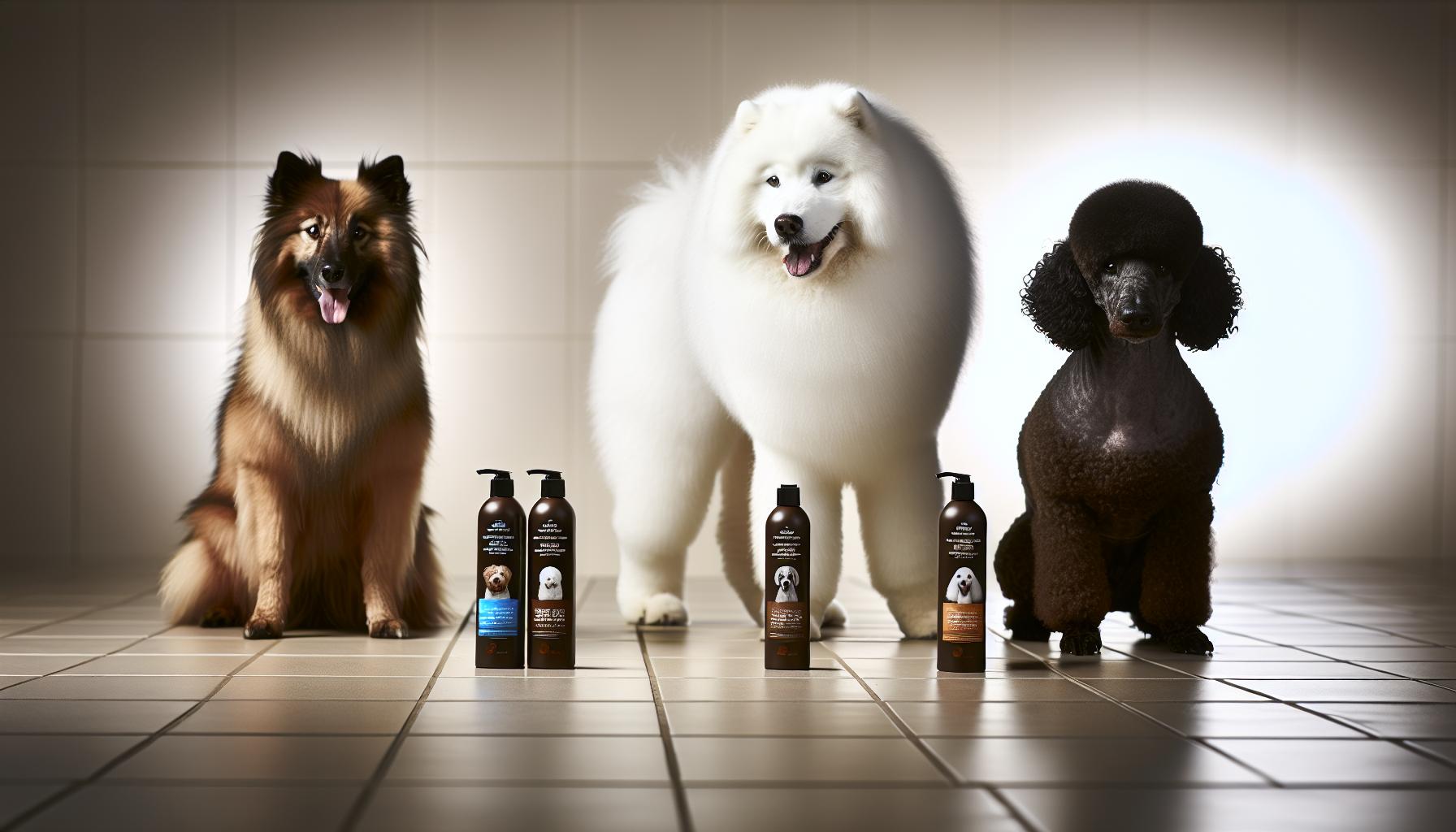
top Conditioner Types Professional Groomers Trust
Few things contribute as much to a dog’s fresh, healthy coat as the right conditioner. The magic of professional groomers’ favorite conditioners lies in their ability to soften, detangle, and protect fur without weighing it down or causing irritation-a balance that’s essential for maintaining both comfort and coat quality. Many pros swear by conditioners that combine natural moisturizers with gentle, breed- and coat-specific formulations to keep dogs looking and feeling their best.
Conditioners fall into several trusted categories, each designed to address particular coat needs or grooming challenges. Leave-in conditioners are a staple for breeds with long, silky fur like Afghan Hounds or Yorkshire Terriers. These sprays hydrate, smooth flyaways, and reduce static while allowing for easier brushing throughout the day. On the other end, deep conditioning rinses are favored for curly coats such as Poodles or Bichons; these formulas penetrate thick curls, restoring moisture and bounce without making the hair limp. Deshedding conditioners, like those enriched with coconut oil and oatmeal, are another go-to, especially for double-coated breeds like Golden Retrievers or Siberian Huskies. They help loosen dead undercoat hairs, reduce shedding, and leave the skin soothed and balanced [1].
Picking Conditioners with the Dog’s Comfort in Mind
In choosing a conditioner, groomers pay close attention to ingredients that promote skin health and coat softness while avoiding harsh chemicals. Natural emollients like shea butter, aloe vera, and cocoa butter are prized for their gentle moisturizing properties. For dogs with sensitive or allergy-prone skin, fragrance-free and hypoallergenic options reduce the risk of reaction or itching. Professional groomers also value conditioners that serve a practical purpose beyond cosmetics-like detangling sprays that make combing out mats gentle and stress-free or conditioners formulated to combat persistent odors safely.
If you have a dog prone to tangles or stubborn mats, a leave-in conditioner enriched with slippery, natural oils can make all the difference during grooming.Just apply it evenly after a bath or in between washes to ease brushing and reduce pulling. For dogs shedding heavily in seasonal transitions, conditioners that aid in loosening the undercoat can support shedding management without irritating the skin. A tip from groomers is to always work conditioners gently into the coat’s entire length, focusing on areas prone to dryness or tangling-such as behind the ears, chest, and tail-then rinse or leave in according to the product’s instructions.
Real Groomer Favorites and Why They Work
One conditioner brand frequently enough highlighted by groomers for its balance of performance and pet-amiable ingredients is TropiClean’s Deshedding Conditioner. It combines lime and cocoa butter scents with hydrating elements that soften fur and reduce shedding noticeably,making it a versatile choice for many coats.Another popular approach is to pair mild, dog-specific conditioners with natural additives like oatmeal or coconut oil, which soothe irritated skin and promote a silky, manageable finish [2]. Remember, what works wonders for one coat might not suit another-adjust your approach as you learn your dog’s unique grooming needs.
Ultimately, solid conditioning is about more than appearance. It’s a way to protect skin integrity, reduce grooming discomfort, and create a calmer, more enjoyable experience for both you and your furry friend. Mastering conditioner types and their best uses empowers you to nurture your dog’s coat close to professional standards-all with kindness and care at the heart of every sudsy session.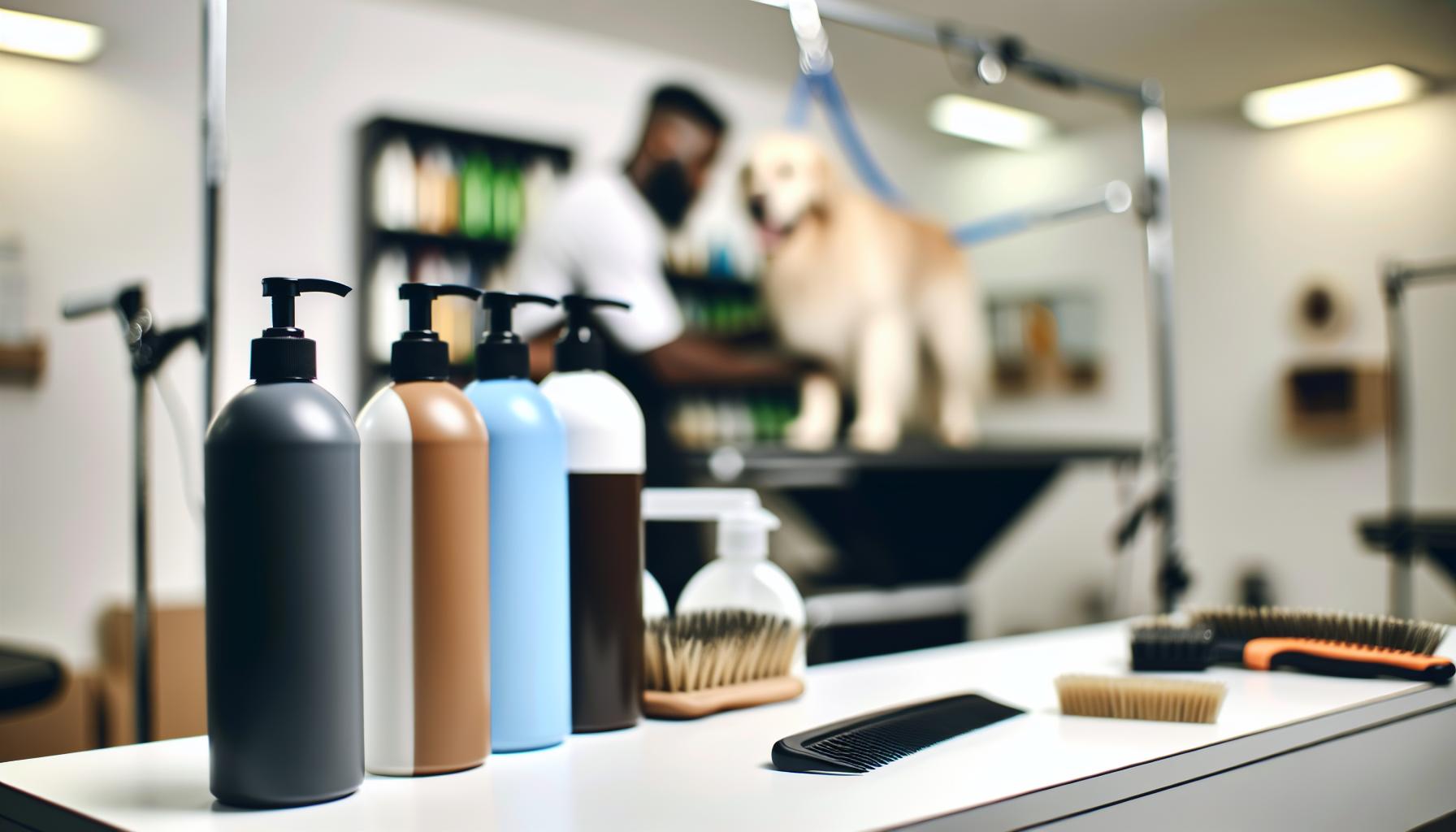
How Groomers select Safe, Gentle Products
Few elements impact a dog’s grooming experience more than the quality and safety of the products used. Professional groomers approach product selection with a passionate focus on their clients’ well-being-prioritizing gentle,effective formulations to protect sensitive skin and maintain healthy coats. Finding the right shampoo and conditioner is more than picking a pleasant scent; it’s a careful balance of chemistry, coat type, and the individual dog’s health needs.
What Guides Groomers in Choosing Safe Products?
Professional groomers rely on a few key principles when selecting shampoos and conditioners:
- Ingredient Transparency: Groomers look for products with clear, simple ingredient lists. Natural moisturizers, like aloe vera, oatmeal, and coconut oil, signal a gentle formulation. Synthetic dyes, harsh sulfates, and parabens are usually avoided because they can strip natural oils and irritate sensitive skin.
- Breed and Coat-Specific Needs: different dogs have different coats, from fine silk to thick double coats. Groomers assess the coat texture and condition to choose formulas that hydrate without buildup. For example,thick,curly coats benefit from deep conditioning rinses,while short-haired breeds may only need mild cleansing and light moisturization.
- Skin Sensitivities and Allergies: Dogs prone to allergies or irritation call for fragrance-free or hypoallergenic products. Experienced groomers frequently enough test small areas or request owner input to avoid reactions, especially with puppies, seniors, or rescue dogs with unknown histories.
Real-Life Groomer Tips for Safe Product Use
I’ve worked with nervous pets who developed redness after baths with everyday shampoos. Switching to a canine-specific, pH-balanced product made a world of difference-soothing skin and reducing post-bath scratching. Always start with:
- A gentle cleanser free from sulfates (like SLS) and artificial fragrances.
- A conditioner that supports moisture retention without weighing coat down. Products enriched with natural oils or oatmeal are favorites.
For example, popular lines like Green Groom shampoos blend natural extracts and gentle cleansing agents suitable for sensitive or allergy-prone skin. They come in varieties tailored to coat types and skin needs, helping groomers match the perfect formula to each dog’s unique requirements[[[[[2]](https://groomerschoice.com/?srsltid=AfmBOorYNJH0IWwlxxckQVyEkk60EsQC-ubxuQjM3p-ZIJ9lMps8GOib).
Balancing Safety, Comfort, and Effectiveness
Using safe, gentle products is a critical part of creating a stress-free grooming session. Products that cause irritation or discomfort can increase anxiety, making future baths a struggle. Groomers frequently enough recommend:
- Testing any new shampoo or conditioner on a small patch of skin first.
- Avoiding human shampoos or flea products unless specifically directed by a vet.
- Rinsing thoroughly to prevent residue buildup that can lead to itchiness.
Ultimately, the most trusted products are those backed by years of professional use and positive client feedback. Groomers combine this expertise with empathy, remembering that every dog is a unique soul deserving of kindness and care. Selecting the right grooming products is not just a science but an art-one that supports skin and coat health while nurturing a bond of trust.
If you’re ever unsure,never hesitate to consult your groomer or veterinarian before changing products. Their experience helps keep your furry friend comfortable, healthy, and looking their best for many joyful years to come.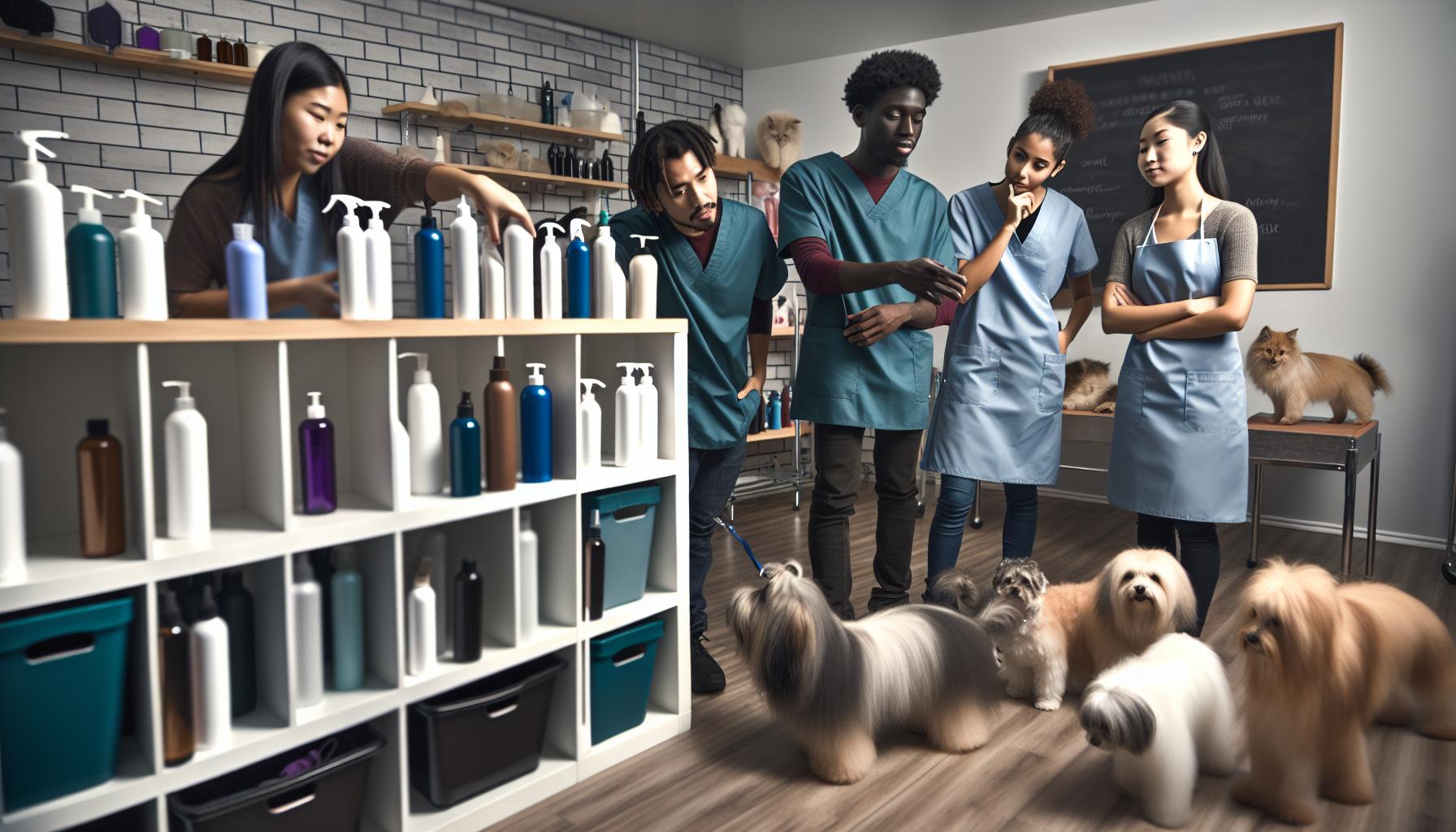
Shampoo Ingredients to Avoid for Sensitive Dogs
When dealing with sensitive skin, the products we choose make all the difference between a soothing bath and an uncomfortable experience for your dog. Many common shampoo ingredients can unintentionally cause irritation, dryness, or allergic reactions, especially in pups with delicate coats or a history of skin sensitivities. To ensure your furry friend feels comfortable and calm during grooming, it’s crucial to avoid harsh chemicals that strip natural oils or inflame skin.
Ingredients That Can aggravate Sensitive Skin
- Sulfates (like Sodium Lauryl Sulfate, SLS): These foaming agents are found in many shampoos but can be far too harsh for dogs prone to dryness or allergy flare-ups. Sulfates tend to strip away protective oils, leading to itching, redness, and dandruff.
- Artificial fragrances and Dyes: While a pleasant scent might appeal to humans, synthetic perfumes are common triggers for skin irritation. Fragrance-free or naturally scented options are safer choices for reactive skin.
- Preservatives such as Formaldehyde and Parabens: These chemicals extend shelf life but may cause allergic responses in sensitive dogs. Groomers often opt for products with natural preservatives or formulations tested for safety.
- Mineral Oils and Heavy Silicones: These can create build-up on the coat and skin, suffocating follicles and promoting irritation rather than soothing dryness.
- phthalates and Other Endocrine Disruptors: These substances can affect your dog’s overall health and exacerbate skin conditions.
Real-world experience with sensitive pets highlights how quickly these ingredients can cause discomfort. For example, I once cared for a Cavalier King Charles Spaniel with notoriously dry skin. After switching from a popular commercial shampoo rich in sulfates and synthetic fragrances to a gentle, aloe vera-based, fragrance-free formula, we saw a dramatic reduction in scratching and redness within days.
How to Choose and Test Shampoos safely
- Opt for simple, obvious ingredient lists: Look for natural moisturizers such as aloe vera, oatmeal, or coconut oil, which soothe and support skin barrier repair.
- do a patch test before full bathing: Apply a small amount of new shampoo on a limited area of the dog’s skin and wait 24-48 hours to check for reactions.
- Consult with your groomer or vet: If your dog has a history of allergies or skin disorders,professionals can recommend products specially formulated for those needs.
- Avoid human shampoos: Human pH and ingredients differ substantially from canine-specific products and can cause unintended harm.
Choosing shampoos free from sulfates, harsh preservatives, and artificial fragrances isn’t just about coat cleanliness-it’s about nurturing your dog’s comfort and well-being. by prioritizing gentle,evidence-based ingredients,you create a calm,healthy grooming ritual that both you and your pet can look forward to with confidence.
For more detailed lists of ingredients to avoid and gentle alternatives, many groomers recommend trusted brands featuring natural antibacterial agents like neem extract, which help maintain a healthy skin microbiome without irritation[[[[[1]](https://petcontrolhq.com/en-gb/blogs/news/ingredients-to-avoid-and-what-to-look-for-in-dog-shampoo?srsltid=AfmBOopIMwBOrCMK1So9OQMzlNwj3dOqjo2kR-_lqCD1kOgOVOkZuMn8) and advise steering clear of sulfates, preservatives, and mineral oils that dominate less specialized products[[[[[2]](https://hiccpet.com/blogs/dogs/top-8-worst-dog-shampoo-ingredients?srsltid=AfmBOop5K_gREWVlChzmA1YfWiOkAzGMcpu4dnVMac-n4hqWmVFvycdM).
Step-by-Step Bathing Tips from Expert Groomers
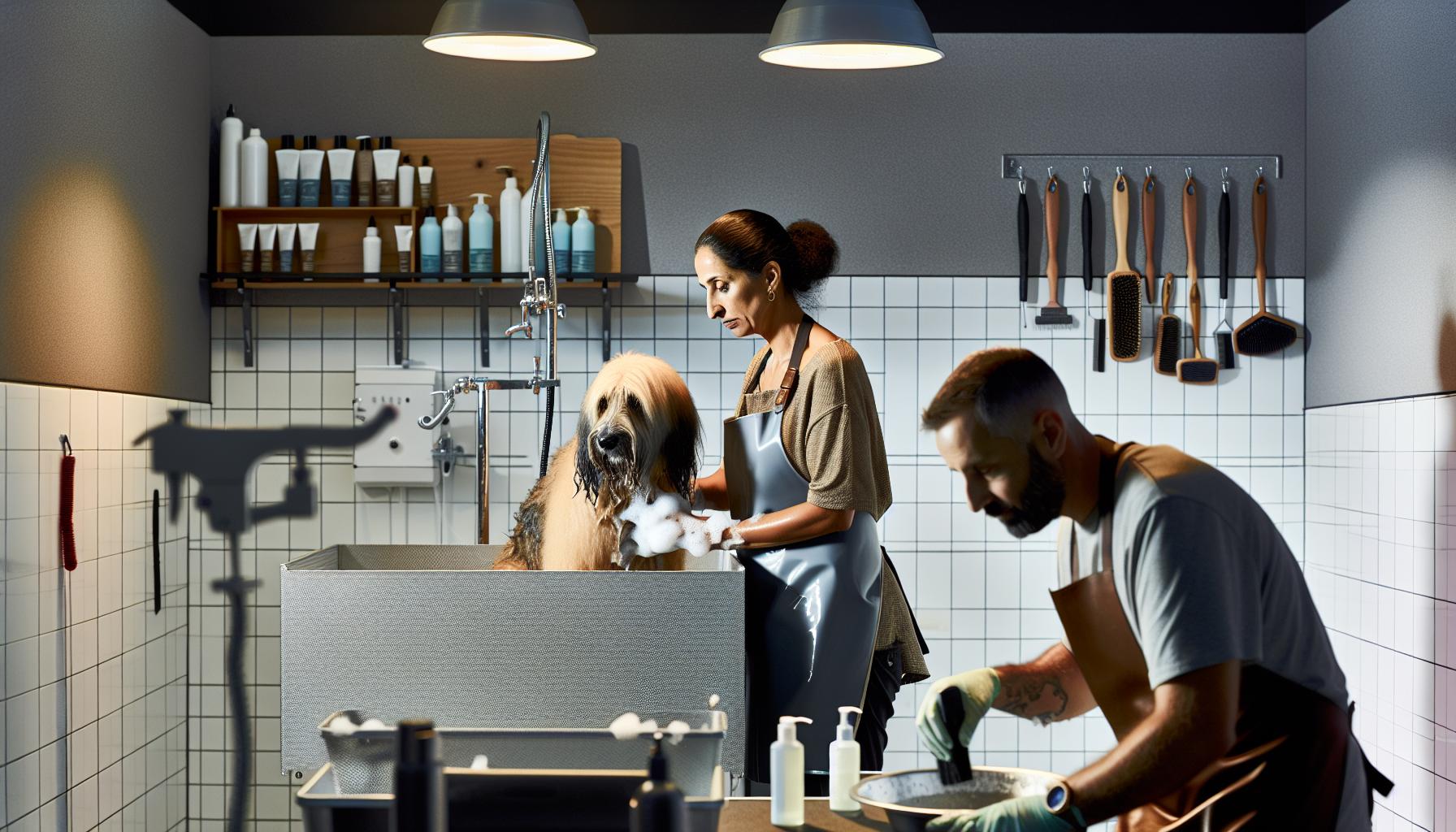
Bath time can be a bonding moment for you and your dog-when done right, it’s calming, safe, and even enjoyable for anxious pups. The secret is readiness, patience, and knowing a few simple steps that professional groomers trust to keep every coat clean, healthy, and free from stress. Whether you have a wiry Terrier or a fluffy Collie, tailoring the bath to your dog’s coat type and temperament matters just as much as the shampoo and conditioner you choose.
Preparation: Setting Up for Success
- Gather your tools: Before you bring your dog to the “spa,” have all essentials ready: a gentle dog-specific shampoo and conditioner, a detangling brush, a cup or sprayer for rinsing, several clean towels, and a non-slip mat to keep your dog steady.
- Brush first: A thorough brushing before the bath removes loose hair and tangles,making washing far easier and preventing mats from tightening in water.
- Calm your pup: Speak softly, use treats, and move slowly to ease nervousness. A calm dog is easier to handle and less likely to resist during rinsing.
Step-by-Step Bathing Routine
- Use lukewarm water: Dogs are sensitive to temperature; water that’s too hot or cold can cause discomfort or stress. Test with your wrist to find a warm but soothing temperature.
- Wet thoroughly but gently: Avoid blasting water directly into ears, eyes, or nose. Use a cup or gentle sprayer, starting from the neck down to coat, ensuring every strand is soaked.
- Apply shampoo strategically: Use a small amount of professional-grade shampoo suited to your dog’s coat type-whether it’s moisturizing for dry skin or a de-shedding formula for thick double coats. Massage gently in circular motions to stimulate the skin,working from head to tail but avoiding face areas.
- Rinse well: Leftover shampoo is a common cause of irritation, so don’t rush this step. Rinse thoroughly until no suds remain, keeping your dog comfortable throughout.
- Conditioner time: conditioners help detangle and nourish. Apply a dog-specific conditioner, focusing on mid-coat to ends, especially for longer-haired breeds. Leave it in for a few minutes if possible, then rinse out thoroughly to prevent residue buildup.
- Face and ears: Use a damp cloth to gently wipe these sensitive areas, avoiding direct product contact to prevent irritation or infections.
Finishing Touches and Troubleshooting
- Dry carefully: pat dry with towels first-never rub harshly as this can tangle the coat. If your dog tolerates it,use a low-heat,low-noise dryer keeping it moving to avoid overheating any skin spots.
- Tackle tangles and mats: For stubborn areas, use a detangling spray recommended by groomers to ease knots before brushing. Be patient and gentle-tugging hurts and creates fear around grooming.
- Watch for reactions: After bathing, if your dog shows excessive scratching, redness, or discomfort, this could signal sensitivity or allergy; consult your vet or groomer about alternative products.
For example, I once worked with a Shih Tzu who hated water and was prone to ear infections. By focusing on a calm approach-slow introduction to water, gentle wiping for ears, and soothing oatmeal-based shampoo-we transformed bath time from battle to bonding. Remember, it’s far better to keep sessions short and positive than to push your dog past their comfort.
While DIY baths are wonderful for routine care, remember that some skin or coat conditions require a groomer’s expertise or veterinary attention, especially with medicated shampoos or specialized treatments. With the right tools,products,and plenty of kindness,at-home bathing will become a trusted part of your dog’s self-care routine,keeping their coat healthy and their spirit happy.
When and Why Groomers use Medicated Shampoos
It’s surprising to many pet owners that medicated shampoos aren’t just for extreme cases-they’re often a vital part of routine grooming for dogs dealing with specific skin challenges. These specially formulated shampoos help soothe irritation, manage infections, and support the skin’s natural healing process. Unlike everyday cleansing shampoos, medicated versions contain targeted ingredients designed to combat bacteria, fungi, or parasites that aggravate your dog’s coat and skin health.
Groomers typically turn to medicated shampoos when a dog shows signs like persistent redness, itching, flaky or greasy patches, or unpleasant odors that don’t respond to regular bathing. Breeds with dense undercoats or skin folds, such as Bulldogs, Shar Peis, or cocker Spaniels, are more prone to bacterial or fungal infections and may benefit from routine use under professional guidance. For example, a groomer working with a Labrador showing early signs of yeast dermatitis might choose a soothing antifungal shampoo that calms the skin and controls the yeast’s growth without harsh drying effects.
when Groomers Recommend Medicated Shampoos
- After a vet diagnosis: It’s crucial to recognize that medicated shampoos are frequently enough part of a treatment plan prescribed by a veterinarian.Groomers will use them responsibly and usually only after being advised or given a product recommended by the vet to ensure safety and efficacy.
- To relieve chronic skin issues: Dogs with allergies, seborrhea, or recurring infections may need regular medicated baths to keep flare-ups at bay.
- Managing stubborn odors: Sometimes, persistent odors signal an underlying microbial imbalance that medicated shampoos help address, improving your dog’s comfort and smell.
- Before and after professional treatments: medicated shampoos prepare the skin for procedures like flea treatments or soothe it afterward, supporting faster recovery.
Using Medicated Shampoos with Compassion and Care
Medicated shampoos can be stronger than typical grooming products, so gentle handling is key. Start by explaining the process calmly to your dog-this builds trust and eases anxiety. Use lukewarm water and avoid sensitive areas like eyes and ears to prevent discomfort or further irritation. After application, massage shampoo in softly to stimulate circulation and absorption of active ingredients, but never force your dog if they resist. Thorough rinsing is critical to remove residue that could cause drying or itchiness.
As an example, I once worked with a Golden Retriever prone to bacterial skin infections. With patience and the right antifungal medicated shampoo, combined with regular grooming, the dog’s coat transformed from dull and irritated to soft and healthy over a few weeks. The owner felt empowered knowing that ongoing professional support combined with careful home care could keep flare-ups in check.
Remember, while some medicated shampoos are available over-the-counter, many clinic-grade shampoos contain ingredients that should only be used under veterinary or groomer supervision to avoid misuse and adverse effects[[[[[1]](https://nootie.com/products/antimicrobial-medicated-shampoo-soft-lily-passion) [[3]](https://www.businessinsider.com/guides/pets/best-medicated-shampoo-for-dogs). Whenever your dog’s skin shows unusual changes, it’s wise to consult your vet before starting any medicated regime. This team approach ensures your beloved companion gets the safest, most effective care possible-because their comfort and health are always the priority.
how Groomers Handle Stubborn Odors and Tangles
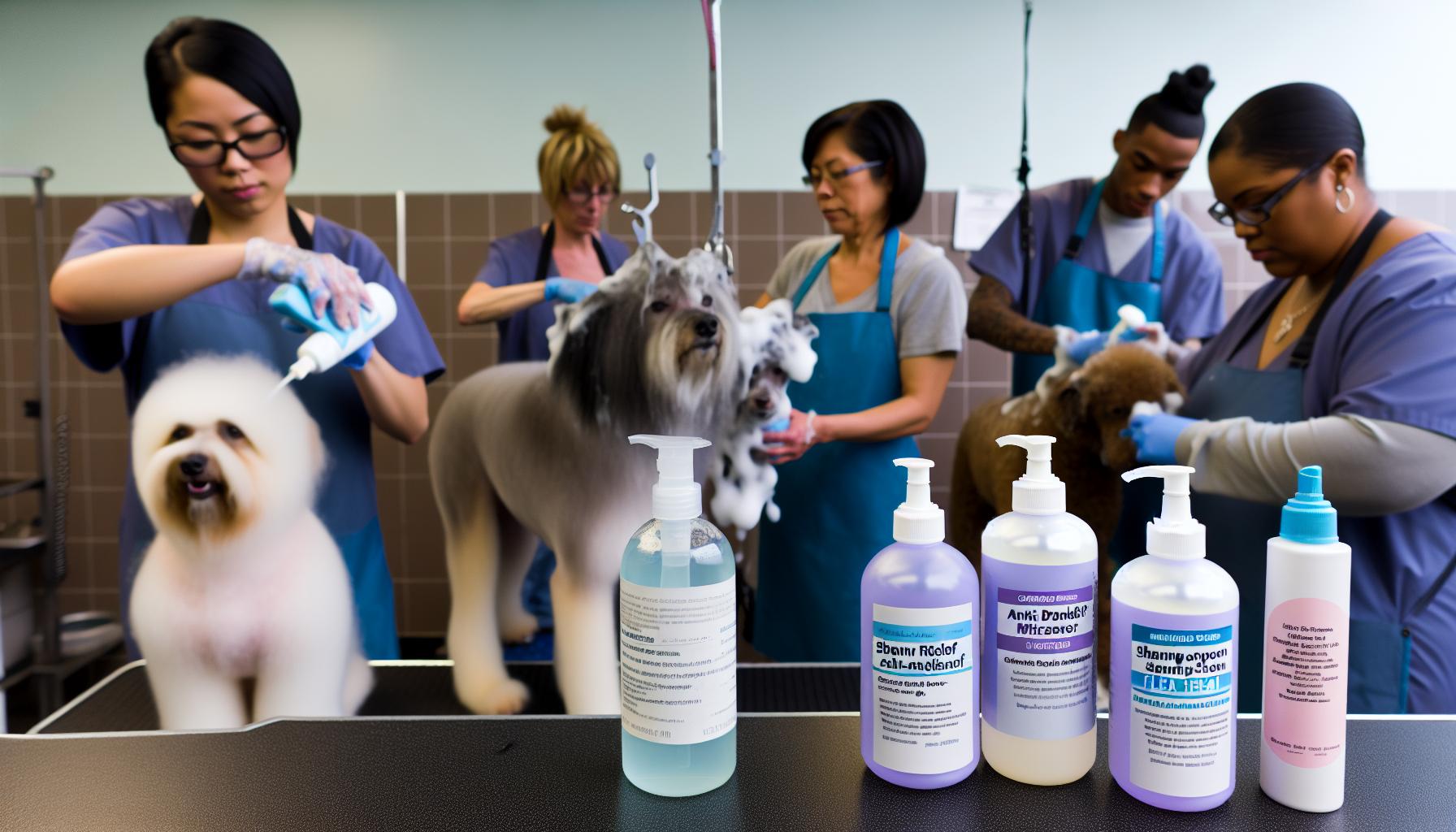
Many pet owners are surprised to learn that stubborn odors and tangles often signal deeper coat and skin needs rather than just surface dirt. For groomers, tackling these challenges is less about chasing a swift fix and more about understanding the unique textures and health of your dog’s coat.Whether your dog has a thick double coat, silky long hair, or a wiry texture, the right combination of gentle but effective products and calm, patient techniques can turn grooming from a stressful chore into a soothing routine.
Before the bath,a thorough detangling session is key to minimizing discomfort and preventing mat-related skin irritation. For breeds like Golden Retrievers, Cocker Spaniels, or Shih Tzus, that are prone to mats and tangles, groomers start with specialized dematting tools and a slicker brush to gently work through snarls. Applying a leave-in conditioner or detangling spray helps loosen stubborn knots and protects the skin beneath from scratching. If mats are severe,groomers might carefully trim them away rather than pulling,always prioritizing your dog’s comfort and safety.
Neutralizing tough Odors
Stubborn odors can persist even after a basic bath, often caused by underlying skin imbalances, oils, or allergies. Professional groomers reach for shampoos infused with deodorizing and skin-calming agents tailored to a dog’s specific coat type-oatmeal, aloe vera, or enzymatic formulas are favorites. These gentle yet effective shampoos break down odor-causing bacteria without stripping essential natural oils.For breeds like Basset Hounds or Bulldogs, who are more prone to skin folds that trap moisture and odor, groomers ensure every crevice is carefully cleaned and dried.
Step-by-Step Approach to Odors and Tangles
- pre-bath detangling: Use a comb or dematting tool on dry fur to carefully loosen knots. Spritz on a detangling spray to ease the process.
- choose the right shampoo: Opt for a deodorizing or medicated shampoo suited to your dog’s coat and skin sensitivities.
- Gentle bath technique: Use lukewarm water and massage shampoo thoroughly but softly, avoiding sensitive areas.
- Condition after shampooing: apply a conditioner designed for your dog’s coat to smooth hair cuticles and reduce future tangling.
- Dry with care: Pat dry with a towel, then use a low-heat dryer or let your dog air dry in a warm, draft-free area to prevent skin irritation and mildew odors.
Such as, I once helped a Labrador with a famously “stinky” coat due to mild yeast overgrowth. Incorporating a dermatologist-approved antifungal shampoo along with daily gentle brushing and conditioning made a world of difference in controlling odor and preventing fur mats.The dog’s owner felt relieved and more confident caring for their pet between grooming sessions.
Remember, persistent odors or severe matting might point to skin conditions needing veterinary evaluation before pursuing more intense grooming treatments. Groomers and vets together ensure the best outcomes by working within their expertise and respecting your dog’s health first.Through compassionate handling and expertise, your dog’s grooming experience becomes safe, comfortable, and even enjoyable-no more stress over unruly tangles or unwelcome smells.
Tools and Techniques for effective Conditioning
Conditioning is much more than just a finishing touch-it’s a crucial step that transforms a dog’s coat from dry, tangled, or brittle into soft, shiny, and healthy. Groomers know that effective conditioning requires the right products *and* techniques tailored specifically to a dog’s breed, coat type, and skin sensitivity.such as, thick double-coated breeds like Huskies need conditioners that penetrate deeply to loosen undercoat tangles, while fine-haired breeds like Maltese benefit from light formulations that add smoothness without weighing down the coat.
Before applying conditioner, groomers carefully rinse out all shampoo to prevent residue buildup that can irritate the skin. Then, using fingers or a wide-tooth comb, they work the conditioner evenly through damp fur, concentrating on areas prone to dryness or mats such as behind the ears, under the legs, and the tail. Leaving the conditioner on for the recommended time allows it to soften the hair cuticles and moisturize the skin thoroughly. For thicker coats, some groomers use specialized conditioning masks or leave-in sprays to provide extra hydration and ease brushing later.
Must-Have Tools for conditioning Success
- Wide-tooth Comb: Perfect for gently distributing conditioner through dense or curly fur without tugging.
- Detangling Brush or Slicker Brush: Used after rinsing conditioner to smooth the coat and help remove loose hair or debris.
- Conditioner Applicator Bottles or Sponges: These help apply the product directly where it’s needed for even coverage and less waste.
- Microfiber Towels: Ideal for blotting excess moisture before conditioning and after rinsing to reduce drying time and minimize friction.
Techniques to Enhance Conditioning Benefits
- Sectioning the Coat: Breaking the fur into manageable areas ensures no spots are missed, especially on long-haired breeds.
- Gentle Massage: Using fingertips to massage conditioner stimulates blood flow to the skin, promoting coat health and comfort.
- Warm Towels for Deep Conditioning: Wrapping a warm towel around the dog after applying conditioner can open pores and help ingredients penetrate better-this is particularly useful for dry or flaky skin.
many groomers emphasize patience and calm handling during conditioning, particularly with anxious pets who may find the process overwhelming. Soft voices, reassuring strokes, and offering breaks can make all the difference in building trust and cooperation. As an example, when conditioning a senior dog with sensitive skin, a gentle hand and a fragrance-free, hypoallergenic conditioner paired with ample rinsing avoid discomfort or irritation.
while DIY conditioning at home can be very effective with the right products, professional groomers have access to specialized conditioners crafted for specific needs, such as deshedding, medicated formulations, or intense hydration blends not typically found in retail stores[[[[[1]](https://www.lovegroomers.com/shampoo–conditioner.aspx?srsltid=AfmBOop2V-3Sv2bzxfFpWha3kL6Rg_BRwy5W5vZc7hMY7FjtvpGQ8b-d). Groomers also know when to recommend veterinary products or treatments if skin conditions don’t respond to routine conditioning, ensuring dog health remains the top priority.
With the right tools, techniques, and a patient, loving approach, conditioning transforms grooming from a chore into a bonding experience-leaving dogs feeling comfortable, cared for, and looking their very best.
DIY vs. Professional Groomers: Product Differences Explained
Professional groomers rely on shampoos and conditioners specially formulated to meet the exacting needs of different coat types and skin sensitivities, often with ingredients and blends not readily available to everyday pet owners. These products deliver deeper cleansing, targeted conditioning, and enhanced protection against common skin issues, making a noticeable difference-especially for breeds with thick undercoats, delicate skins, or ongoing dermatological concerns. While at-home grooming with retail products can be effective, the subtle but crucial differences in professional-grade products often mean better results in coat health, manageability, and overall comfort for the dog.
Many popular store-bought shampoos and conditioners are excellent for routine maintenance, but they might fall short when tackling complex needs like heavy shedding, stubborn mats, or skin allergies. Professionals use formulations with higher concentrations of conditioning agents, medically approved active ingredients, or pH levels adjusted precisely for canine skin, not human skin. For example, medicated shampoos containing antifungal or antibacterial components are administered only when prescribed or recommended by groomers in consultation with vets, ensuring safe, problem-specific care. This targeted approach eases symptoms while avoiding overuse that might cause dryness or irritation.
Advantages of Professional Products in Grooming
- Coat-Specific Formulations: from moisturizing shampoos for dry or aging skin to deshedding and whitening blends, pros select products that support the unique texture and needs of each breed-like a hydrating formula for curly-coated Poodles versus a deep-cleanse for active working dogs.
- Ingredient Authenticity & Efficacy: Professional lines often contain veterinary-grade or salon-tested ingredients such as Omega-3 fatty acids, botanical extracts, or conditioners that penetrate deeply without residue buildup.
- Enhanced Safety & Tolerance: Groomers prioritize hypoallergenic, fragrance-free, or sensitive-skin options for puppies, seniors, or pets prone to reactions. These products undergo rigorous quality control and vet approval.
- Specialized Tools & Techniques: Professionals pair these products with applicators, sprayers, and specialized brushes designed for efficient and gentle distribution, optimizing every drop of shampoo or conditioner.
In contrast, the DIY route offers adaptability and comfort for day-to-day care but comes with challenges. Retail products vary widely in quality and ingredient transparency.Some may contain harsher detergents, unnecessary fragrances, or drying alcohols that can strip essential oils or trigger sensitivities, especially if the pet has an underlying skin condition. Over-washing or improper rinsing at home can also lead to irritation or dull coat appearance. That’s why a helpful tip is to read labels carefully, pick formulas suited for your dog’s coat type (e.g., oily, dry, curly), and avoid human shampoos-which can disrupt the pH balance of canine skin.
Knowing When to Seek Professional Advice
- If your dog suffers from persistent itching, redness, or flaky skin, it’s wise to consult a groomer or vet rather than trying every product on the shelf. Professionals can recommend medicated shampoos or prescribe treatments not available over the counter.
- Challenges like tangled undercoats, severe mats, or strong odors frequently enough require a groomer’s expertise and specialized products to resolve safely without distressing your pet.
For nervous pets or first-time groomers,starting with a trusted professional’s recommended brand can build confidence in home grooming routines while ensuring the dog’s skin and coat remain protected between appointments. Remember, effective grooming is always about safety, comfort, and wellbeing-not just appearance. With patience and the right products-whether in your hands or a groomer’s-your dog’s coat will thrive and shine beautifully.
Caring for Puppies and Senior Dogs’ skin Needs
One of the most delicate stages in a dog’s grooming journey is caring for puppies and senior dogs, as their skin tends to be more sensitive and requires gentler treatment. Puppies, with their developing immune systems and fragile skin barrier, need shampoos and conditioners free from harsh chemicals or strong fragrances. similarly, senior dogs often face dry skin, reduced natural oils, and can be prone to irritations or chronic dermatological issues, demanding extra care in product choice and handling.Recognizing these unique needs can transform grooming from a stressful ordeal into a soothing, bonding experience.
choosing the Right Products for sensitive skin
When preparing for a bath, select a hypoallergenic shampoo specifically formulated for sensitive or delicate skin. Look for ingredients like oatmeal, aloe vera, or chamomile that soothe irritation and maintain moisture without stripping natural oils. Avoid sulfates,parabens,and artificial dyes that may trigger redness or itching. Many groomers prefer pH-balanced shampoos tailored for canine skin rather than human products, which can disrupt protective layers and cause discomfort.
Conditioner is equally important, especially for older dogs with dry or thinning coats. A light, moisturizing conditioner helps detangle gently and restore softness.For puppies, choose conditioners that rinse easily and avoid heavy residues that could irritate their tender skin.
Bath Time Tips Tailored to Puppies and Senior Dogs
- Preparation: Brush your dog gently before the bath to remove loose hair and prevent mats, using soft-bristle brushes or combs suited for their coat type.
- Water temperature: Use lukewarm water; too hot or cold can upset sensitive skin and make your dog uncomfortable or anxious.
- Application: Apply shampoo sparingly and gently massage to avoid over-scrubbing.For puppies, especially, keep suds away from eyes and ears.
- Rinsing: thoroughly rinse to eliminate all shampoo and conditioner, as residues can lead to itching and dryness.
- Drying: Pat dry with a soft towel or use a low-heat blower dryer on older dogs if they tolerate it, taking care to avoid over-drying which can cause flakiness.
Handling Common Challenges Comfortably
Puppies may squirm or resist baths due to unfamiliarity. Introduce grooming tools gradually, rewarding calm behavior with gentle praise or treats. Senior dogs might have arthritis or limited mobility, so consider elevated tubs or non-slip mats to reduce stress and ensure safety. If skin conditions are visible-such as redness, hotspots, or persistent dryness-consult your veterinarian or professional groomer before applying medicated products.
Collaborating with Professionals vs. DIY Grooming
While many owners manage regular baths at home, expert groomers frequently enough have access to veterinary-grade shampoos and conditioners specifically targeted for delicate skin issues. They can advise when medicated shampoos or supplements are appropriate, ensuring treatments complement veterinary care without risking overuse. For anxious puppies or seniors, professional grooming appointments provide controlled environments and skilled handlers who prioritize comfort.
In all, a patient, compassionate approach combined with gentle, skin-appropriate formulas creates positive grooming experiences that promote healthy coats and happy, relaxed dogs – from their very first bath through graceful senior years. Remember,nurturing their skin health always goes hand in hand with nurturing the trust between you and your furry friend.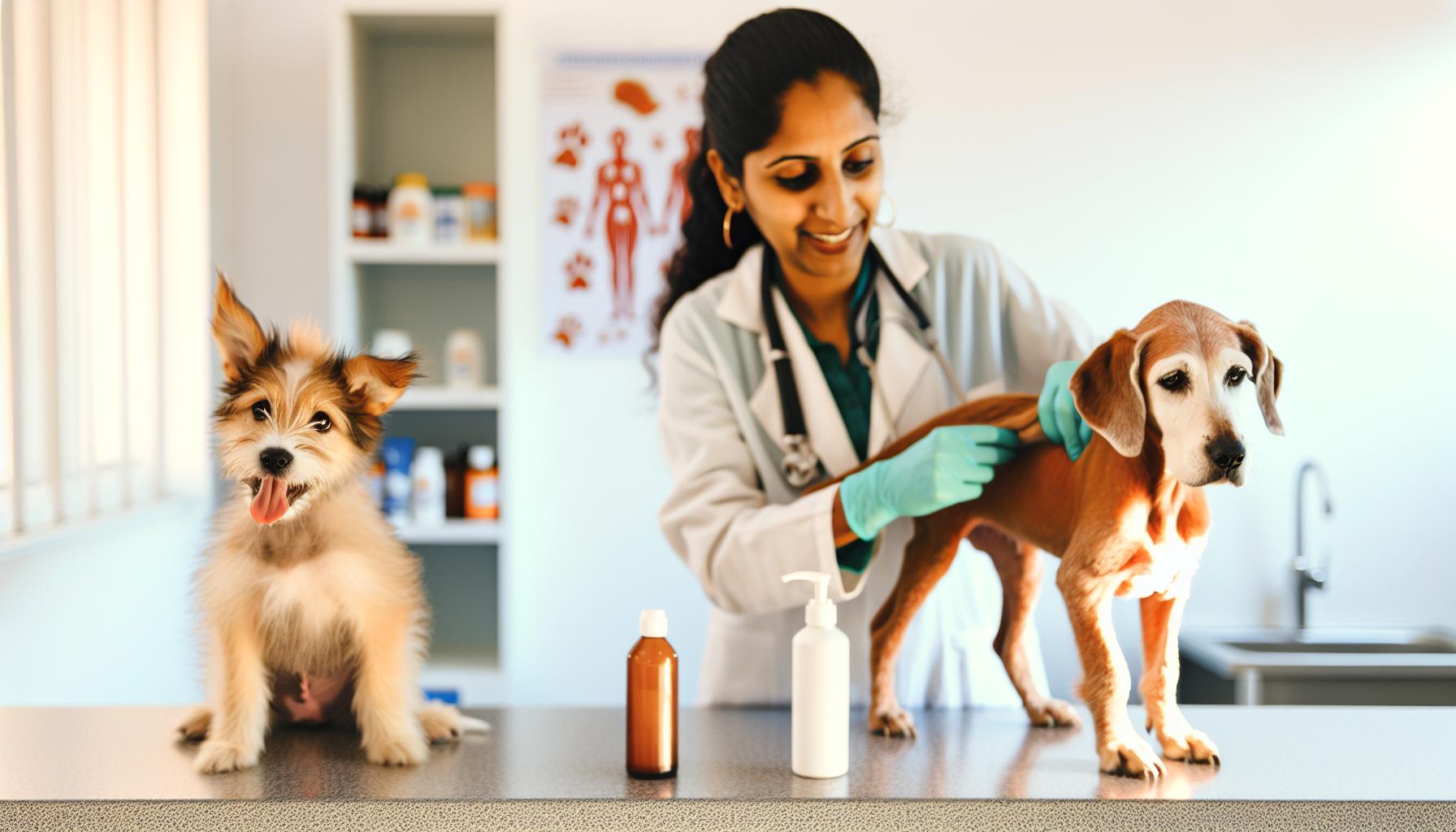
Budget-Friendly Grooming Products that Deliver
A sparkling clean coat doesn’t have to come with a hefty price tag. Many pet owners worry that quality grooming products are out of reach on a budget, but the truth is that affordable shampoos and conditioners can deliver excellent results-especially when chosen carefully to match your dog’s coat type and skin sensitivity. It’s all about smart selection,understanding key ingredients,and pairing products with practical grooming habits that safeguard your furry friend’s comfort and health.
Picking Budget-Friendly Shampoos and Conditioners That Work
Start by looking for products that focus on gentle, natural ingredients like oatmeal, aloe vera, and chamomile, which soothe the skin without irritating it.These elements also offer moisturizing benefits vital for dry or sensitive coats, common in many breeds. Products labeled as pH-balanced for dogs avoid upsetting the natural skin barrier,a feature frequently enough seen in more expensive lines but increasingly present in budget options. Brands available through retailers like Chewy,Amazon,and Petco offer a surprising variety of these gentle,effective formulas that won’t overstretch your wallet [[[[[1]].
Effective Grooming Without Extra Costs
Affordable products don’t just cover baths-they also include tools designed to keep your grooming routine smooth and simple. For example, budget-friendly slicker brushes, dematting combs, and nail clippers can make a huge difference in managing coat health, tangles, and dirt before shampooing. This pre-bath brushing reduces the shampoo amount needed and helps the conditioner penetrate better, which is especially helpful for dogs with thick, curly, or double coats. Many grooming suppliers offer starter kits that bundle these essentials at reduced prices, making it easy for daycare beginners or owners grooming multiple dogs at home [[3]].
Step-by-Step Savings That Protect Skin and Coat
- Brush first: Remove mats and loose hair to prepare the coat for cleaning. This limits the need for harsh scrubbing later on.
- Use shampoo sparingly: Apply a small amount to wet fur, focusing on dirt-prone areas. More shampoo isn’t better and can dry skin.
- Rinse thoroughly: Residue buildup causes irritation-take your time rinsing for a calm, happy dog.
- Condition with care: Choose lightweight conditioners that detangle gently and rinse easily to avoid heaviness or residue.
If your dog has specific needs like allergies or persistent odor, look out for affordable medicated or deodorizing products that still fall within budget ranges.Many online shops carry these at reasonable rates, making it possible to treat skin issues without costly vet visits unless absolutely necessary [[[[[2]].
Choosing budget-friendly grooming products is about balancing affordability with safety and efficacy. Remember, the cheapest item isn’t always the best, but thoughtful selection of well-reviewed, dog-friendly brands can give you peace of mind and a happy, fresh-smelling companion without breaking the bank. With patience and the right tools,home grooming can be a comfortable,bonding time that supports your dog’s skin and coat health year-round.
Seasonal Grooming: adjusting Shampoo and Conditioner Choices
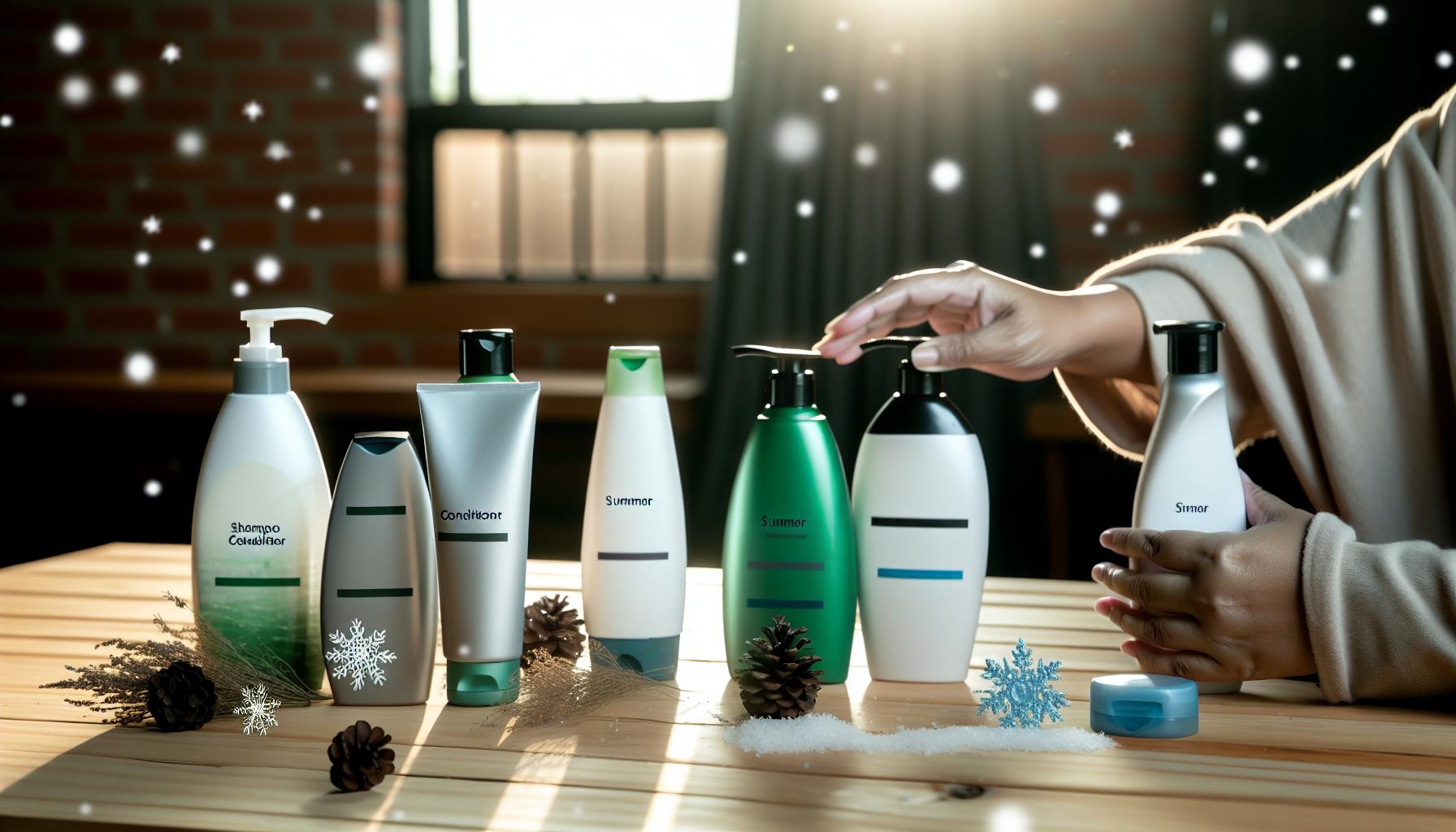
Many pet owners don’t realize just how much the changing seasons impact a dog’s skin and coat health. As the weather shifts, so do moisture levels, temperature, and even allergens, all of which affect what kind of shampoo and conditioner your furry friend needs. Such as, dry winter air can sap natural oils, leaving coats brittle and skin prone to flaking or irritation, while summer’s humidity and heat may invite excess oil and odor. Tailoring your grooming products to the season helps keep your dog comfortable, healthy, and happy all year long.
Choosing Seasonal Shampoos and Conditioners
In colder months, opt for hydrating formulas rich in natural moisturizers like oatmeal, aloe vera, or coconut oil. These ingredients help restore the skin’s moisture barrier, soothe itchiness, and prevent winter dryness.Avoid shampoos with harsh detergents or deodorizing agents that can strip essential oils. Rather, lightweight conditioning treatments work best to detangle without weighing down the coat.For thicker double-coated breeds like Huskies or Golden Retrievers, deep moisturizing conditioners are especially beneficial to maintain softness after frequent brushing to reduce shedding.
Come spring and summer, dogs often benefit from formulas designed to cleanse away pollen, dirt, and allergens that accumulate outdoors. Shampoos with gentle antibacterial or probiotic ingredients can soothe skin irritated by seasonal allergies or bugs. Also, deodorizing shampoos can definitely help keep odors at bay after beach trips or hikes in warm weather.For dogs with oily or shorter coats, lighter conditioners or leave-in sprays prevent greasy buildup and encourage quick drying, making summer baths more comfortable.
Practical Tips for Seasonal Grooming Routines
- Winter: Start with a thorough brush to remove dead hair and mats, then use a moisturizing shampoo paired with a rich but non-greasy conditioner. limit baths to avoid over-drying-every 4 to 6 weeks is usually enough.
- Summer: Increase bathtime frequency if your dog swims or gets muddy often, but choose formulas that rinse cleanly to prevent residue. A conditioner with cooling menthol or aloe can soothe sun-exposed skin.
- All Seasons: Always rinse thoroughly, paying attention behind ears, under paws, and belly areas where dirt and irritants linger.
Remember, every dog is unique-age, breed, coat thickness, and skin sensitivity influence product choice and bathing frequency. For example,a senior dog with fragile skin may need ultra-gentle,hydrating shampoos year-round,while an energetic puppy growing a dense coat might benefit from milder cleansers and conditioners adapted as they develop.
Groomers often switch products seasonally to keep dogs feeling their best without risking dryness, flakiness, or irritation. Discuss your dog’s specific needs with your groomer or veterinarian, especially if you notice increased scratching, redness, or odor outside normal patterns. Prioritizing comfort and skin health above “perfect looks” helps make grooming a joyful experience for you and your pup, whatever the season.Explore professional grooming shampoos and conditioners with probiotic, pH-balanced, and gentle moisturizing formulas trusted by groomers year-round[[[[[1]].
| Season | Recommended Shampoo Features | Conditioner Tips | Coat Examples |
|---|---|---|---|
| Winter | Hydrating,oatmeal or aloe-based,gentle cleansing | Rich moisturizers,avoid heavy build-up | Double-coated breeds,dry skin prone dogs |
| Spring/Summer | Allergen-clearing,deodorizing,probiotic support | Lightweight,cooling,easy rinse | Short coats,active outdoor dogs |
Frequently asked questions
Q: How do professional groomers select shampoos for dogs with allergies or sensitive skin?
A: Professional groomers choose hypoallergenic shampoos with gentle, fragrance-free ingredients specifically designed for dogs with allergies or sensitive skin. They avoid harsh chemicals and focus on soothing formulas containing oatmeal or aloe. For more on safer product selection, see How Groomers Select Safe, Gentle Products in our main guide. Always patch test and consult your vet if sensitivity persists.
Q: what are the benefits of using 2-in-1 shampoo and conditioner products in dog grooming?
A: Using a 2-in-1 shampoo and conditioner saves time by cleansing and conditioning simultaneously, ideal for quick grooming sessions or dogs with normal coats.However, groomers recommend these mostly for routine maintenance rather than deep conditioning, especially for dogs needing extra moisture or detangling support. Learn more in Tools and Techniques for Effective Conditioning.
Q: When is it necessary for groomers to switch shampoos based on a dog’s coat type?
A: Groomers switch shampoos when coat conditions change-such as seasonal shedding, dryness, or skin issues. For example, a dog with a thick double coat may need a moisturizing shampoo in winter and a clarifying shampoo in summer. Adjustments depend on coat health and breed specifics; see seasonal grooming: adjusting Shampoo and Conditioner Choices for detailed tips.
Q: How do groomers remove stubborn odors from dogs using shampoo and conditioner?
A: To eliminate stubborn odors, groomers frequently enough use deep-cleansing or deodorizing shampoos that target bacteria and oils causing smells. Some include natural enzymes or antimicrobial ingredients for enhanced effect. Follow with a scent-neutralizing conditioner to avoid skin irritation. Explore this further in How Groomers Handle Stubborn Odors and Tangles.
Q: What are groomers’ tips for conditioning a dog’s coat without causing buildup?
A: Groomers recommend applying conditioner sparingly, focusing on ends and avoiding the skin to prevent oily buildup. Rinsing thoroughly is essential to leave the coat soft without residue. Using light, hydrating conditioners suited for the specific coat type helps maintain balance. Tips are available in Tools and Techniques for Effective Conditioning.
Q: Where can dog owners find the professional-grade shampoos and conditioners used by groomers?
A: Many professional shampoos and conditioners are available through pet grooming suppliers like LoveGroomers or waggz, offering specialized formulas used by groomers nationwide. Look for brands such as smith&burton, Kelco, and Chris Christensen for top-quality products [1], i0sfTyPv”>[3].
Q: Why do groomers sometimes recommend medicated shampoos even if a dog doesn’t have visible skin issues?
A: Groomers suggest medicated shampoos preventatively for dogs prone to allergies, dermatitis, or recurring infections to maintain skin health. These shampoos help control itching, reduce inflammation, and strengthen the skin barrier, often as part of a maintenance routine guided by grooming professionals or vets. Learn more in When and Why Groomers Use Medicated Shampoos.
Q: How can dog owners safely try professional grooming shampoos and conditioners at home?
A: Owners should start by selecting products suited to their dog’s coat and skin type, using small trial amounts and performing a patch test to check tolerance. Follow groomers’ bathing steps from Step-by-Step Bathing Tips from Expert Groomers to avoid skin irritation. If unsure, consulting a professional groomer enhances safety and confidence.
—
For a comprehensive dive into grooming basics and product choices tailored to your dog’s unique needs, explore our full article sections and stay connected for more expert advice!
The Way Forward
Choosing the right shampoo and conditioner, just like professional dog groomers do, sets the foundation for a healthy, happy coat no matter your dog’s breed or coat type.Remember, the key is balancing gentle cleansing with nourishing care to keep your pup comfortable and looking their best. If you’re wondering about tools,dilution tips,or how to safely handle bath time,our guide on bathing basics and coat care can help you take the next calm,confident step. Don’t hesitate to explore our detailed tutorials on grooming essentials and nail care, designed for all experience levels.
Ready to upgrade your dog’s grooming routine? dive into our product reviews and expert advice pages to find the perfect shampoo and conditioner tailored specifically to your furry friend’s needs. Sign up for our newsletter to stay updated on the latest grooming tips and exclusive offers. If you have questions or want to share your grooming success stories, leave a comment below-we love hearing from fellow pet lovers! Together, we can make every bath time a stress-free, loving experience your dog will enjoy.
For more insights on maintaining that fresh, groomed look between professional visits, check out our guide on choosing the right dog shampoo and conditioner or tips for routine coat maintenance. Your journey to a healthier,shinier coat starts now-let’s keep your pup comfortable,clean,and cared for with trusted grooming essentials!
Get our latest guides, news, and insights highlighted in your Google Search & AI Overviews.
Keep reading about the same coat and cut.



Popular grooming guides
Bath vs clip, first grooms, and salon how-tos.