What Products Do Dog Groomers Use? Complete Supply List
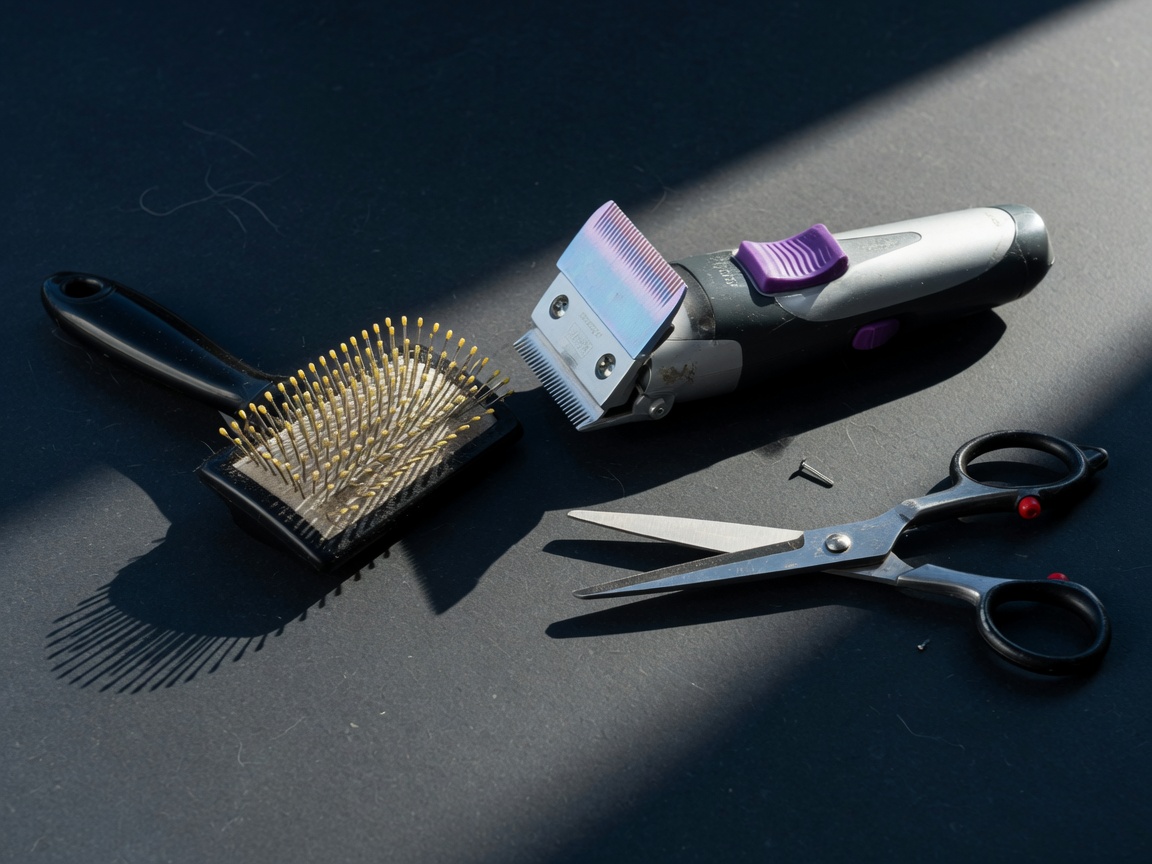
Did you know that every dog’s coat type-from silky to wiry-needs a specific grooming routine and the right tools to stay healthy and agreeable? Whether you’re a pet owner wanting to care for your furry friend at home or just curious about how professional groomers work, understanding the essential products used in grooming can make all the difference. From gentle shampoos and detangling brushes to safe nail trimmers and ear cleaners, each item plays a key role in keeping dogs happy and healthy, not just looking great. This guide walks you through the complete supply list that groomers rely on, breaking down what you need for baths, brushing, nail care, and more, with practical tips to help you choose the best products for your dog’s unique needs. By focusing on safety, comfort, and compassion, you’ll gain the confidence to support your pet’s well-being and feel more connected to their care routine. Let’s explore these must-have grooming essentials together-your dog will thank you!
Essential grooming Tools every Dog Owner Needs
Table of Contents
- 1 Essential grooming Tools every Dog Owner Needs
- 2 Choosing the Best Shampoos and Conditioners for Dogs
- 3 Top Brushes and Combs for Different Coat Types
- 4 Must-have Nail Care Supplies and How to Use Them
- 5 Ear Cleaning Products That Keep Dogs Comfortable
- 6 Safe and Effective Dematting and Detangling Solutions
- 7 Professional-Grade Dryers and Towels for Stress-Free Grooming
- 8 Specialty Products for Sensitive Skin and Allergies
- 9 using Grooming Sprays and Finishing Products Like a Pro
- 10 Sanitizing and Maintaining Your Grooming Equipment
- 11 how to Create a Complete Grooming Kit on a Budget
- 12 Faq
- 12.1 Q: How do professional dog groomers choose the right grooming products for different coat types?
- 12.2 Q: What natural or hypoallergenic products do groomers recommend for dogs with sensitive skin?
- 12.3 Q: Why do groomers use specific sprays and finishing products after bathing a dog?
- 12.4 Q: How do professional groomers ensure the hygiene and safety of their grooming tools?
- 12.5 Q: When should dog groomers use dematting tools, and how do they prevent pain during the process?
- 12.6 Q: What professional drying equipment do dog groomers prefer, and why is it important?
- 12.7 Q: How do groomers balance DIY dog grooming supplies versus professional-grade products?
- 12.8 Q: What are the best grooming products to keep a dog comfortable during nail trims?
- 13 The Way Forward
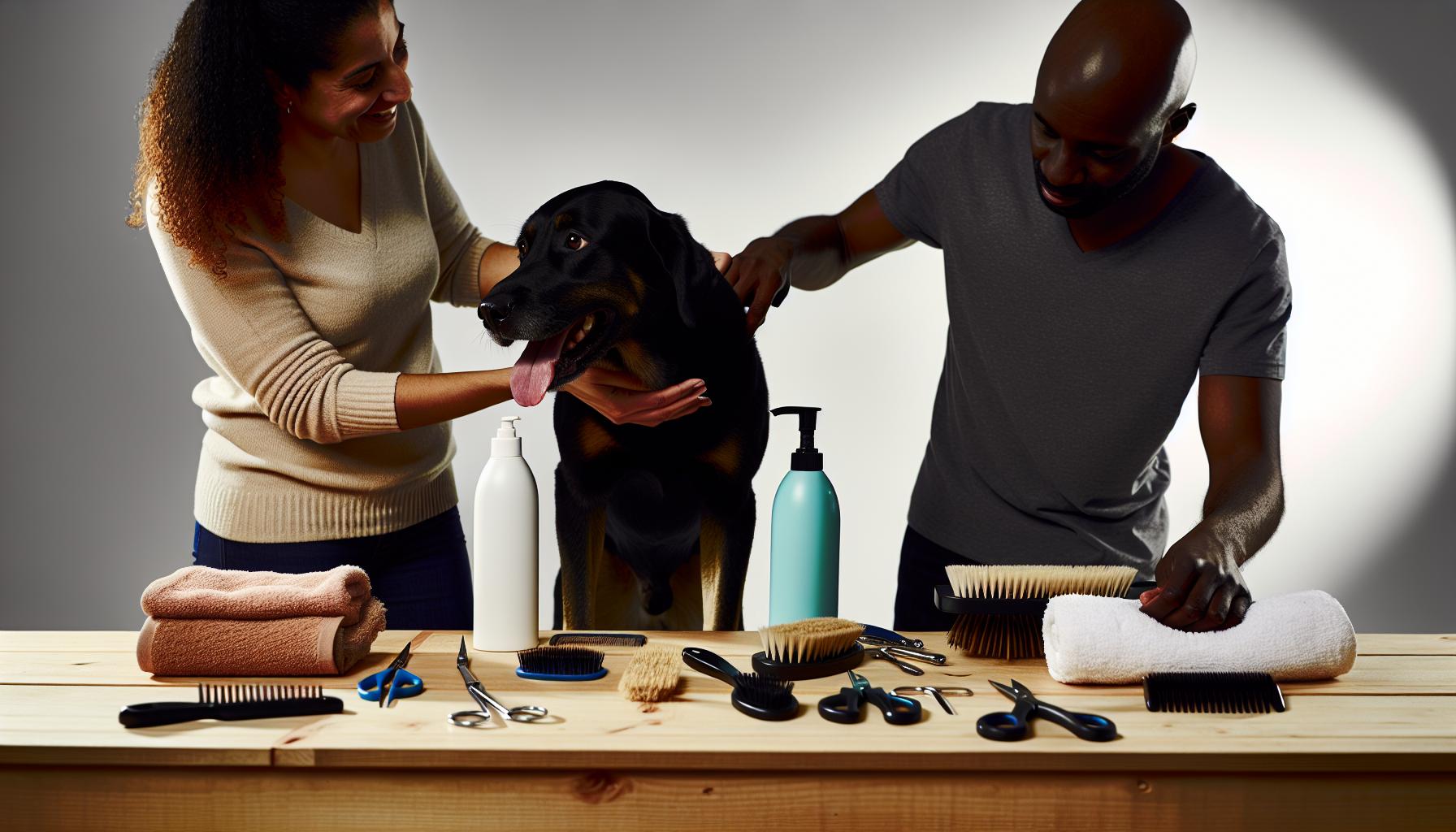
Grooming your dog at home can be a wonderfully bonding experience that also keeps your furry friend healthy and comfortable. The right tools make all the difference-not just for achieving a neat appearance, but for ensuring that grooming is stress-free and safe. Before you begin, consider your dog’s coat type and temperament; these factors will guide which essentials you need and how you use them. For example, brushing a wiry terrier requires different care than maintaining a silky retriever, and a nervous pup might benefit from gentle, slow introductions to each tool.
tools for Brushing and Dematting
- Slicker brushes are fantastic for removing loose hair and tackling tangles on medium to long coats. Their fine wire bristles quickly reach through thick fur without scratching the skin.
- Pin brushes work well for dogs with longer,softer hair such as Poodles or Bichons. The widely spaced pins gently detangle without pulling, making these brushes great for sensitive or anxious dogs.
- Undercoat rakes are indispensable for double-coated breeds like Huskies or German Shepherds. They help reduce shedding by reaching the dense underlay of fur beneath the topcoat.
- Dematting combs or tools can safely cut through stubborn mats-just proceed slowly and cautiously to avoid discomfort. For persistent mats, sometimes professional grooming or a vet consultation is best.
Bathing and Drying Supplies
Prepare for baths with a gentle,dog-specific shampoo and conditioner tailored to your pet’s skin sensitivity and coat needs. Using a mild, pH-balanced formula keeps skin healthy and helps prevent irritation. post-bath, microfiber towels absorb more water without rubbing harshly, while a low-heat, quiet pet dryer can reduce drying time and nervousness. If your dog is especially sensitive to noise, air-drying or towels alone might potentially be more soothing.
Nail Care Essentials
Nail trims are a must for comfort and health, but can be intimidating.A good nail clipper or grinder with a comfortable,non-slip grip is best for safe,precise cuts. Start slowly, trimming just the tips to avoid the sensitive fast. If your dog is anxious,break grooming into short sessions with lots of praise and treats. For dogs with darker nails, grinding is often safer because it offers more control and less risk of cutting too deep.
Ear Cleaning and Other Extras
Regularly checking and gently cleaning your dog’s ears prevents infections and discomfort. Use veterinarian-recommended ear cleaning solutions and soft cotton balls-not cotton swabs-to avoid injury. Also consider having grooming gloves, which help remove loose hair while offering a calming massage, and grooming scissors for trimming fur around paws and sanitary areas safely.
Here’s a simple checklist for gearing up your grooming kit at home:
| Tool | Purpose | Recommended for |
|---|---|---|
| Slicker Brush | Removing loose hair, tangles, light mats | Medium to long coats |
| Pin Brush | Detangling, gentle brushing | Silky, soft coats |
| Undercoat Rake | Deshedding thick coats | Double-coated breeds |
| Nail Clippers/Grinder | Safe nail trimming | All breeds, sensitive dogs |
| Dog-Safe Shampoo & Conditioner | gentle cleansing & conditioning | All coat and skin types |
| Ear Cleaning Solution | Ear health maintainance | All dogs, especially floppy-eared |
| Microfiber towels | Absorbing bath water gently | All breeds |
| Grooming Gloves | Hair removal, calming pet massage | Short and long coats, anxious dogs |
Remember, teaching your dog to enjoy grooming takes patience, calmness, and positive reinforcement. Gradually introduce each tool with gentle strokes and plenty of encouragement.If mats, nails, or skin concerns become overwhelming, don’t hesitate to consult a professional groomer or your veterinarian. A well-equipped,compassionate approach helps ensure grooming is a pleasant routine,promoting your pet’s health and happiness for years to come.
For those looking for a convenient, all-in-one option, extensive grooming kits are available with multiple tools and guidance, perfect for beginners or busy pet parents wanting professional results at home [[1]](https://pupwell.com/products/pupwell-ultimate?srsltid=AfmBOoqKOjR1u4Uxwkipsw3f7p0hhH7UIIs3iW-C-0vsp23ov1Aj_EbS). Similarly, brands like Magic Coat offer a range of professional-grade brushes and combs designed for various coat types and grooming needs [[2]](https://www.fourpaws.com/products/dog/grooming/grooming-tools). Choosing high-quality tools with ergonomic designs can make grooming sessions safer and more enjoyable for both you and your dog [[3]](https://ryanspet.com/grooming-supplies/grooming-tools?srsltid=AfmBOoqwixcPq00hhWQxOYG_y9DZ2r0fdBFzBZBVhqsXxCG_CR0f22Ws).
Choosing the Best Shampoos and Conditioners for Dogs
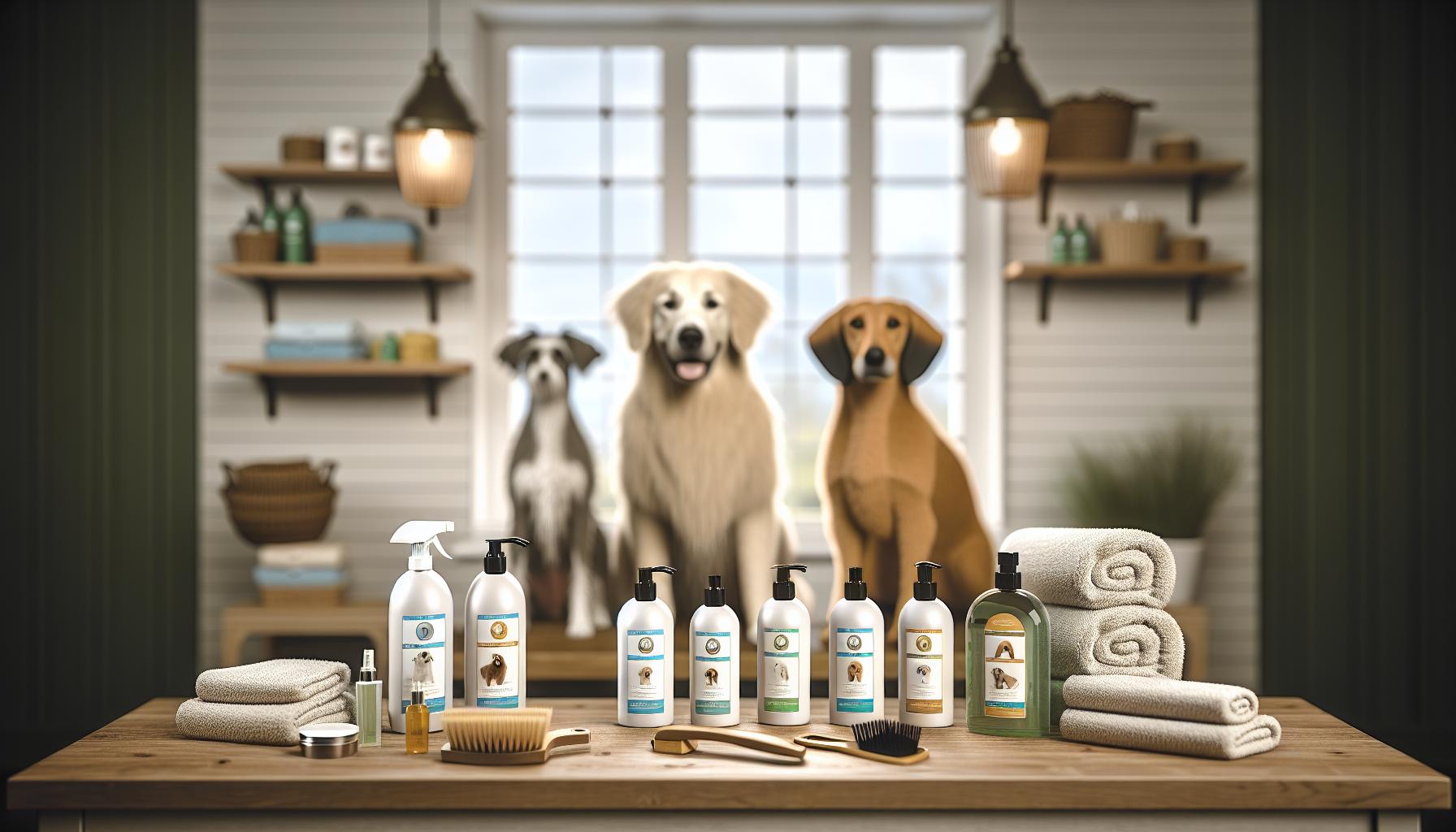
Selecting the right shampoos and conditioners is one of the most crucial steps to keep your dog’s coat healthy, shiny, and comfortable. The skin of our canine companions is delicate and different from ours, so using human shampoos can easily disrupt their natural oils and cause irritation. That’s why professional dog groomers rely on specially formulated products designed with your dog’s unique skin pH and coat type in mind. Choosing a product tailored to your dog’s specific needs not only enhances their appearance but also supports their overall skin health.
When shopping for shampoos and conditioners, start by considering your dog’s breed and coat characteristics. For example, dogs with thick double coats, like Huskies or Malamutes, benefit from a shampoo that deep-cleans while moisturizing, as it helps loosen dead hair and prevent dry skin. On the other hand, pets with fine, silky coats-like Maltese or Yorkies-need gentle, sulfate-free formulas that enhance softness and prevent tangling. If your pup has sensitive or allergy-prone skin, look for products labeled hypoallergenic, fragrance-free, and enriched with soothing ingredients such as oatmeal or aloe vera. These calm irritation and prevent flare-ups. Remember,a conditioner is almost always a good idea-it detangles the coat,making brushing easier and reducing breakage,especially after a bath.
- Regular-use shampoos provide mild cleansing and maintain healthy levels of natural oils, ideal for weekly or biweekly baths.
- Deodorizing formulas are great for odor control without stripping essential oils.
- Medicated shampoos are reserved for skin conditions like dermatitis and should be used under veterinary guidance.
- Whitening or brightening shampoos can enhance coat color for white or light-colored breeds but should be gentle to avoid dryness.
How to Choose the Right Shampoo and Conditioner
- Check ingredients: Avoid harsh detergents and artificial fragrances. Look for natural, nourishing components like coconut oil, shea butter, or chamomile.
- Patch test first: Before a full bath, apply a small amount to a limited area to check for any adverse reactions.
- Match product to coat condition: If your dog’s fur is dry or brittle, opt for moisturizing conditioners that seal in hydration.
- Consider bathing frequency: Over-bathing can strip essential oils, so tailor your routine and product strength to how often you wash your pup.
A practical tip: if your dog is nervous about bathing, choose shampoos with calming scents like lavender or chamomile, which can soothe anxiety during grooming. Always rinse thoroughly to ensure no shampoo or conditioner residue irritates the skin afterward.
Trusted Professional Choices
Multiple groomers utilize well-reviewed brands that balance effectiveness with gentle care. As an example, products like Waggz offer a full range of professional-grade shampoos and conditioners suited for different coat and skin types, from deep cleansing to moisturizing and deodorizing options [[1]](https://waggz.com/category/shampoos-conditioners/?srsltid=AfmBOoqo4ZF3GSpdm1qHdfaYKdce7KeoW4TZNjBYf78qtFcwmwNHSNhg). Using these ensures you are treating your dog’s coat with respect while achieving that fresh, healthy look.
By choosing carefully and using your shampoo and conditioner wisely, grooming becomes less of a chore and more of a caring ritual-one that fosters your dog’s comfort and strengthens your bond. If you have doubts about specific products or your dog’s skin condition, don’t hesitate to consult with your groomer or vet, striking the right balance between at-home care and professional advice.
Top Brushes and Combs for Different Coat Types
many dog owners don’t realize how much of a difference the right brush or comb can make-not just for a gleaming coat, but for your dog’s comfort and skin health. Think of grooming tools as your dog’s daily wardrobe stylists and skin protectors, carefully chosen to match their unique coat type. Whether you have a silky Maltese or a thick-coated German Shepherd, picking tools tailored to their fur’s texture and needs can turn grooming from a stressful chore into a bonding moment full of calm and care.
For dogs with short, smooth coats-like Beagles or Boxers-a simple rubber curry brush or soft bristle brush works wonders. These tools gently remove loose hair and stimulate natural oils without scratching sensitive skin. they’re also fantastic for nervous dogs who prefer a gentle touch that feels more like a soothing massage than intense grooming.
When handling medium-length coats such as those on Cocker Spaniels or Shelties, a slicker brush paired with a medium-toothed comb is essential. The slicker dislodges dirt and detangles light mats, while the comb helps you carefully work through any knots without pulling painfully. It’s a good practise to brush before and after baths-the first break up dirt and loose fur,the latter smooths and finishes the coat.
Double Coats and Thick Undercoats
Breeds like Huskies,Golden Retrievers,and Malamutes come with a dense undercoat that needs special attention to prevent matting and excessive shedding. For these dogs, invest in a deshedding tool or rake with fine teeth designed to reach through the topcoat and safely remove loose undercoat hair. A rake with flexible tines is gentler over longer sessions, helping keep your pup comfortable during seasonal blowouts. Follow up with a slicker brush to smooth the topcoat and reveal that healthy shine beneath.
Fine and Long Coats
Dogs like Shih Tzus, Maltese, and Yorkshire Terriers boast delicate, silky coats that require tender handling. Narrow-toothed combs and pin brushes with rounded tips are the best choices here. They detangle without breaking fragile hair and help prevent painful mats. If your pup has a tendency to form mats, a dematting comb or rake, used with patience and in short grooming sessions, can make all the difference. Remember to be gentle and keep stress minimal-use treats and breaks as needed.
| Coat Type | Recommended tools | Key Benefits |
|---|---|---|
| Short, Smooth | Rubber curry brush, soft bristle brush | Gentle removal of loose hair, skin stimulation |
| Medium-Length | Slicker brush, medium-toothed comb | Detangles, removes dirt, smooth finishing |
| Double Coat / Thick Undercoat | Deshedding rake, slicker brush | Undercoat removal, reduces shedding, prevents mats |
| Fine, Long Coat | Pin brush, narrow-toothed comb, dematting comb | Gentle detangling, mat prevention, preserves coat health |
An important reminder: always brush in the direction of hair growth, using slow, patient strokes, especially with anxious or sensitive dogs. If you encounter mats, never pull hard-instead, hold the base of the hair firmly and work carefully with your comb.For tough mats, it’s often best to consult a professional groomer or vet to avoid hurting your dog.
By matching your brush or comb to your dog’s coat and grooming regularly, you’re doing more than keeping them pretty-you’re ensuring their skin breathes, minimizing discomfort, and building their trust in the grooming routine. When in doubt, don’t hesitate to ask a groomer for product recommendations suited to your pup’s breed and lifestyle. Remember, a happy dog is a well-groomed dog, inside and out.
For professional-grade grooming tools trusted by experts, you can find a wide variety including slickers, combs, and deshedding tools from brands specializing in performance and comfort [2], [3]. These tools are designed not only for effective grooming but also for ergonomic ease to keep both you and your dog comfortable during each session.
Must-have Nail Care Supplies and How to Use Them
A dog’s nails aren’t just a cosmetic concern-they play a vital role in their comfort and mobility. Overgrown nails can cause aches, alter a dog’s gait, and even lead to injuries or infections.That’s why having the right nail care supplies at home is as critically important as any other grooming tool. With a few simple basics, you can keep your pup’s nails healthy and make nail trimming a calm, stress-free experience for both of you.
Essential Nail Tools
- Nail Clippers: There are various styles-scissor-style, guillotine, and electric grinders. Scissor-style clippers are great for thick nails on larger breeds, while guillotine types suit smaller paws. If your dog is nervous about clipping, an electric nail grinder can gently file down nails bit by bit, reducing the risk of cutting too deep.
- Nail grinder or Dremel: These tools smooth nail edges and are a gentle option to clipping, especially for anxious dogs. They also help avoid splitting or cracking the nail.
- Styptic Powder or Pencil: Accidents happen, and if you happen to nick the quick-the sensitive pink area inside the nail-styptic powder quickly stops bleeding and soothes discomfort.
- File or Emery Board: A simple manual option for smoothing rough edges, especially for smaller or less active dogs who don’t wear their nails down naturally.
How to Trim Nails Safely and Comfortably
start by creating a calm, quiet environment. Sit with your dog in a comfortable position and gently handle their paws to get them used to the sensation. For dogs with dark nails where the quick isn’t visible, trim small bits steadily rather than big chunks. If using clippers, angle them slightly downward, and always avoid cutting straight across.
If your dog has white or light-colored nails,look for the pink quick as a visual guide.Trim just before that to keep it safe. When in doubt, remove less rather than more-the nail will gradually wear down with regular trims.
Electric grinders work best in short bursts, allowing your dog to adjust to the vibration and sound. Use treats and praise liberally, and take breaks if your dog shows signs of stress. Remember that patience is key to building trust, transforming nail care from a fearful chore into a positive routine.
Common Challenges and When to Seek Help
Some dogs resist nail trims due to sensitive paws or past unpleasant experiences. If your dog’s anxiety is severe,start by simply touching and holding their paws during calm moments,gradually introducing tools without pressure. Using grooming wipes or calming sprays beforehand can soothe nerves.
If nails are severely overgrown, curved, or splitting, it’s wise to consult your veterinarian or a professional groomer who can safely address advanced nail problems. avoid DIY trimming in these cases to prevent injury or pain.
| Tool | Best For | Tips |
|---|---|---|
| Nail Clippers (Scissor or Guillotine) | Most breeds; thicker nails suit scissors | Trim small sections; angle downward; keep styptic powder handy |
| Nail Grinder / Dremel | Nervous dogs; smoothing nail edges | Use short bursts; keep tool moving to avoid heat build-up |
| styptic powder / Pencil | Stopping bleeding if quick is cut | Apply gently with pressure; keep it nearby during trims |
| Manual Nail File | Small dogs; final smoothing | Smooth rough edges after clipping or grinding |
By equipping yourself with these essential tools and approaching nail care with gentleness and patience,you empower your dog’s wellness and deepen your bond. Remember,frequent short sessions are better than occasional long ones. With time, nail trims can become a routine that your dog not only tolerates but trusts and even enjoys.
Ear Cleaning Products That Keep Dogs Comfortable
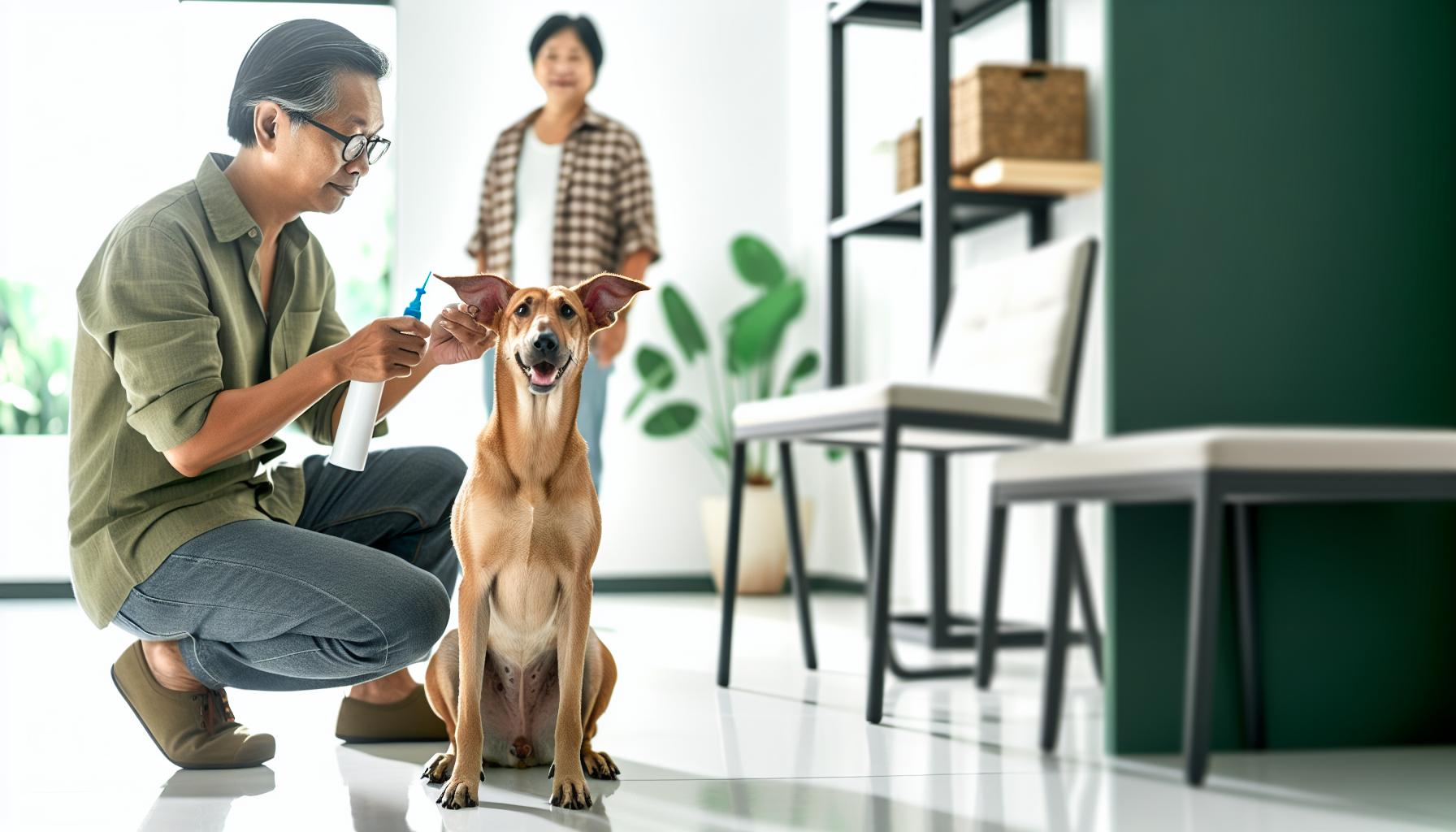
Ear health is one of the frequently enough overlooked but crucial aspects of keeping your dog comfortable and happy. Since canine ears can trap moisture, dirt, and wax, especially in floppy-eared or active breeds, regular cleaning with the right products is essential to prevent infections, odor, and irritation. Using gentle, effective ear cleaning solutions helps maintain a healthy environment inside your dog’s ears without causing discomfort or anxiety.
Choosing the right Ear Cleaner
Look for products that are specifically formulated for dogs and free from harsh chemicals like alcohol, which can sting sensitive skin. Natural, vet-approved cleaners often feature soothing ingredients and emulsifiers that gently break down wax and debris without drying out the ear canal. For example,products containing clinical-grade emulsifiers (like docusate sodium) provide a thorough clean while being kind to delicate tissues [[2](https://www.innovetpet.com/products/dog-ear-cleaner?srsltid=AfmBOor9Q3l-gV96mfXmnWPrJjRG-MNm8Rh3OYtNKRRLw5HyUNariRAC)].
How to Clean Ears Comfortably and Safely
Start by having your dog in a calm, relaxed state. Speak softly and gently hold the base of the ear to avoid sudden movements. Apply a few drops of the ear cleaner into the ear canal,allowing your dog to shake their head naturally to dislodge dirt and wax. Follow up by softly wiping the ear flap and outer canal with a clean cotton ball or soft gauze-never use cotton swabs deep inside the ear, as this risks injury.
If your dog shows signs of discomfort, pause and offer reassurance with praise or treats. It may take a few sessions to get both you and your dog comfortable with the routine. Consistency is key, and proper cleaning frequency depends on breed, activity level, and ear shape-as a notable example, dogs with floppy ears like Cocker Spaniels or heavy wax producers may need weekly care, while others only monthly.
Additional Products for Ear health
In cases where ear mites or infections are a concern,mite treatments and medicated cleansers are available to vets and groomers; never use these without professional advice. having an ear cleaning kit at home with natural serums and professional swabs can help maintain ear health and quickly address mild issues before they escalate [[1](https://hardypaw.com/collections/dog-ear-cleansers-mite-treatments?srsltid=AfmBOor4SwN8sCpYz9YaXKX4fPJPwWpMe_-rIOHNFlMb82m1yESuM0vC), [3](https://shop.welovedoodles.com/products/dog-ear-serum-kit?srsltid=AfmBOoq2ABG-XrpWPhI2-oDHj28s4e8SfEx00EfN0kZGLJWillGTnH5H)].
| product type | Best For | Tips |
|---|---|---|
| Natural Ear Cleaner | Routine cleaning; sensitive ears | Alcohol-free; gentle emulsifiers; soothe irritation |
| Ear Mite Treatments | Confirmed mite infestations | Use only under veterinarian guidance |
| Cotton Balls / Soft Gauze | Wiping outer ear after cleaning | Avoid deep ear canal probing |
| Professional Swabs | Targeted cleaning around ear folds | Shape designed to prevent injury |
Remember, if you notice persistent odor, redness, swelling, or your dog scratching and shaking their ears excessively, it’s time to consult your vet. Proper ear care is about comfort and prevention, not perfection. With patient, regular cleaning using appropriate products, you will keep your dog’s ears fresh and healthy, supporting their overall well-being and happiness.
Safe and Effective Dematting and Detangling Solutions
Every pet parent knows how frustrating and uncomfortable mats can be-not just for dogs but for the humans trying to help them. Matted fur isn’t only unsightly; it can cause skin irritation, restrict movement, and even trap moisture leading to infection. Tackling tangles safely requires patience, the right approach, and proper tools designed to respect your dog’s comfort above all.
understanding coat Types and Dematting difficulty
Not all coats are the same when it comes to tangles. Breeds with long, curly, or double coats like Poodles, Bichons, or Golden Retrievers can be more prone to matting. These mats range from surface tangles to dense, painful clumps close to the skin. For example,a lightly tangled Silky Terrier coat can often be detangled at home with gentle brushing and conditioning sprays,but severe mats in a thick-coated breed may need professional attention or careful dematting tools.
Tools that Bring Gentle Relief
Start with a dematting spray or conditioner specifically formulated to loosen mats without causing irritation. These products soften hairs and create slip for easier combing. Avoid generic human conditioners or harsh chemicals-dogs’ skin is more sensitive.Next, choose the right tool for the job:
- Dematting combs or blades: Designed to slice through mats without pulling excessively, reducing discomfort.
- Wide-tooth combs or rake brushes: Perfect for breaking up larger mats gently before moving on to finer tools.
- Pin brushes: Great for smoothing and finishing after mats are loosened.
Many groomers also reccommend using a high-velocity dryer on a low heat setting to blow out loose hair and further loosen mats before brushing,which can be a real game-changer in stubborn coats [2[2[2[2].
Step-by-Step Dematting approach
Start by bathing your dog with a moisturizing, detangling shampoo and conditioner.This helps hydrate the coat, making mats more pliable. While the coat is still damp (but not dripping), gently mist dematting spray on problem spots. Work slowly and focus on small sections, holding the coat close to the skin to minimize pulling. Use your fingers first to loosen mats before using combs or rakes.
If you encounter tight mats that can’t be gently teased apart, it’s better to carefully cut them out rather than risk hurting your dog by forcing the tool through. In extreme cases, a professional groomer or vet may recommend shaving mats to protect your dog’s comfort and health. Always prioritize your dog’s emotional and physical safety-stop frequently to offer praise, breaks, and treats so the experience stays positive.
Products and Safety Tips
| Product Type | Purpose | Tips |
|---|---|---|
| Dematting sprays & Conditioners | soften hair; ease detangling | Choose dog-safe, hypoallergenic; avoid alcohol-based |
| Dematting Combs & Rakes | Break up mats with minimal pulling | Work gently; start with wide-tooth before fine-tooth |
| High-Velocity Dryer | Blow out loose hair; fluff coat for easier brushing | Use low heat to prevent burns or stress |
| Scissors/Grooming Clippers | Cut out severe mats safely if detangling unfeasible | only for experienced groomers; never rush |
Remember, tough mats can be a sign to reconsider your grooming routine or coat care products, and prevention is always easier than correction. Regular brushing, particularly after outdoor play or swimming, keeps your dog’s coat healthier and more comfortable. If your dog is anxious or the mats are painful, trust your local groomer to guide you-professional training and scheduling regular dematting sessions can make all the difference.
By embracing a calm, stepwise approach with the right products and tools, you’ll turn dematting from a dreaded chore into a bonding moment that shows your dog just how much you care. Their comfort, happiness, and health will always be your greatest rewards.
Professional-Grade Dryers and Towels for Stress-Free Grooming
Drying your dog after a bath can be one of the most challenging parts of grooming, especially for anxious or squirmy pets. But with the right tools-professional-grade dryers and cozy towels-you can transform this often stressful moment into a calming, comfortable experience. These powerful dryers aren’t just about speed; they offer adjustable heat and airflow settings that let you customize the drying process according to your dog’s coat type and sensitivity, helping avoid overheating or scare reactions.
Long-haired breeds like Collies or Poodles benefit greatly from a high-velocity dryer with low-heat settings that blow loose undercoat and moisture away efficiently without pulling or tangling the fur. Dogs with shorter coats, such as Boxers or Beagles, usually tolerate quieter dryers on moderate settings, paired with absorbent towels, which are just as effective.Using towels made specifically for pets-super-absorbent microfiber types that reduce friction-helps remove the bulk of water without stressing the skin or fur. Just gently pressing the towel on your dog’s coat rather than rubbing vigorously prevents hair breakage and skin irritation.
How to Use Dryers and Towels Safely and Effectively
- Start with a good towel dry: Remove as much water as possible by wrapping your dog in a fluffy towel, gently squeezing and pressing instead of rubbing.Repeat with a fresh towel if needed.
- Choose the right dryer settings: For sensitive or older dogs, begin on a low airflow and temperature to allow them to adjust-watch for signs of discomfort or overheating.
- Keep the nozzle moving: Hold the dryer nozzle about 6-8 inches from the coat, sweeping evenly across the body to prevent hot spots and tangling.
- Focus on hidden spots: Areas like under the ears, armpits, and pads take longer to dry and can trap moisture, so pay gentle attention there.
Benefits Beyond Drying
Professional dryers are designed to reduce grooming time and minimize stress-not just speed up drying. They can lift and fluff coat fibers, making brushing easier and more effective, preventing future mats and tangles.Many groomers find that using these dryers after baths helps dogs feel more comfortable and relaxed, especially if the process is paired with soft praise and treats.
If a pet is overly fearful, starting with towels alone and gradually introducing the dryer in short sessions can build trust over time. Remember, the goal isn’t just a dry dog, but a calm one who associates grooming with safety and care.
| Tool | Best For | Usage Tips |
|---|---|---|
| High-Velocity Dryer | Long, thick coats; double coats | Start on low heat, keep nozzle moving, hold at safe distance |
| Quiet/Low-Speed Dryer | Short coats; sensitive or anxious dogs | Use gentle airflow, pair with towel drying, gradual exposure |
| Microfiber Towels | All coat types, especially sensitive skin | press and squeeze water out; avoid rubbing to reduce hair breakage |
Drying isn’t just a step in grooming-it’s an opportunity to comfort and connect with your dog after bath time. By investing in the right drying equipment and techniques, you’re helping ensure that grooming is a moment of kindness and calm, not stress and struggle.
Specialty Products for Sensitive Skin and Allergies
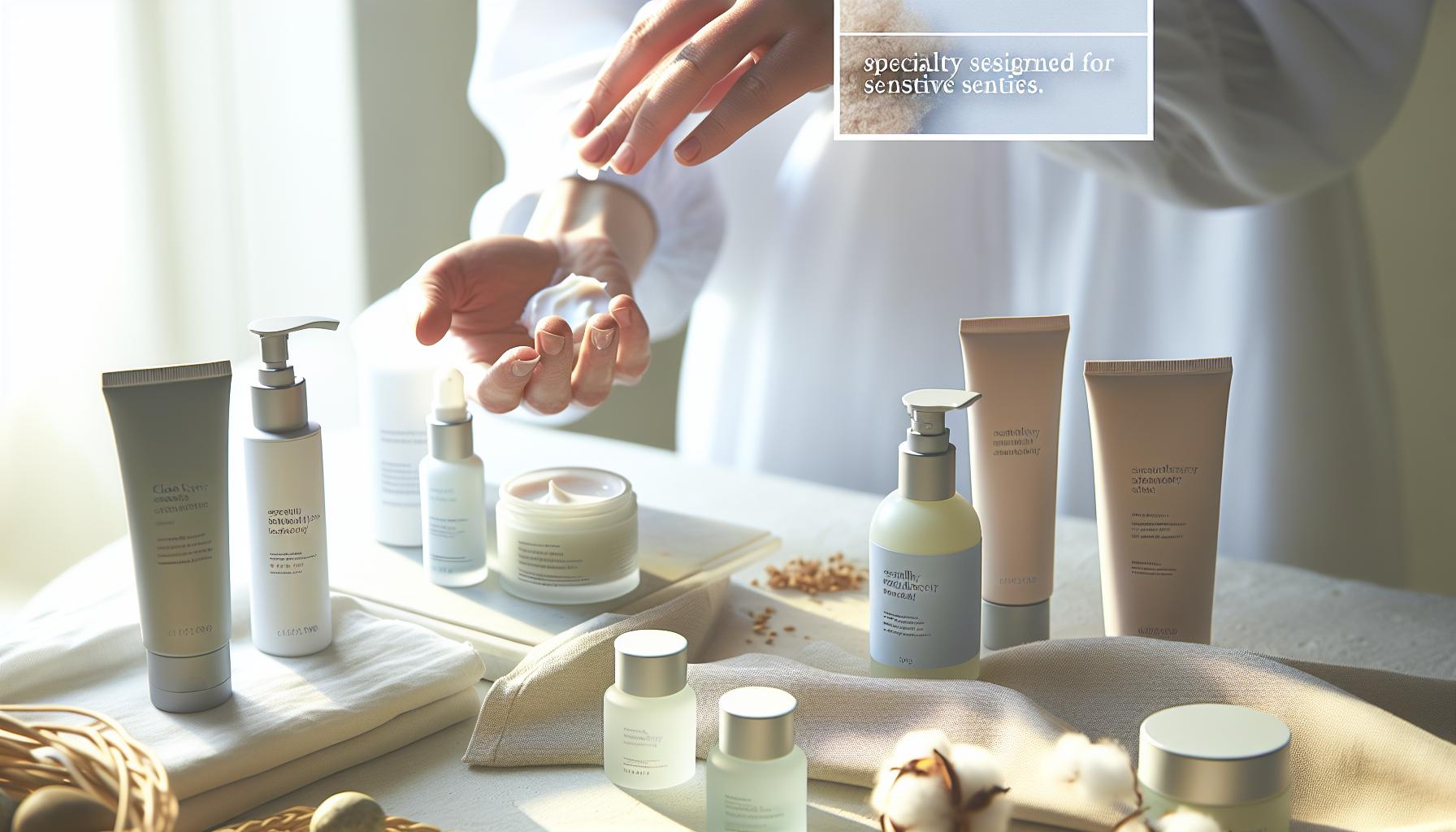
When your dog has sensitive skin or allergies, the typical grooming routine needs a little extra care and thoughtful product choices. Using harsh shampoos or sprays can worsen irritation,making bath time stressful for both you and your furry friend. Fortunately, a range of specialty products exists that focus on soothing and protecting delicate skin while keeping coats healthy and clean. These gentle formulas often avoid common allergens and ingredients that trigger flare-ups-giving nervous pups peace of mind and a more comfortable grooming experience.
Choosing the Right Bath Products
Start with shampoos and conditioners made specifically for sensitive or allergy-prone dogs. Look for products that are labeled hypoallergenic, fragrance-free, and formulated with natural soothing agents like oatmeal, aloe vera, or chamomile. These ingredients calm inflammation and help repair the skin barrier without disrupting its natural oils. For example, oatmeal-based shampoos are fantastic for dogs with dry, itchy patches and can ease discomfort during grooming. When bathing, rinse thoroughly to remove all product residue, which can cause additional irritation if left behind.
Gentle Brushes and Combs to Prevent Skin Damage
Coat care tools matter just as much as cleansers. Opt for soft-bristle or rubber grooming brushes to detangle without scraping sensitive skin. Wire or pin brushes can aggravate inflamed spots and should be avoided unless your dog’s skin is healthy and toughened. Regular, gentle brushing stimulates blood flow and evenly distributes natural oils, which supports overall coat and skin health. During brushing, watch for signs of discomfort like flinching or pulling away, and pause to soothe your pet with calm words or breaks as needed.
Easing Ear care and Nail Trimming
Ears and nails are especially prone to causing stress for sensitive dogs. Use ear cleaning solutions that are alcohol-free and designed for sensitive skin, preferably with anti-inflammatory ingredients. Apply with a soft cotton ball, never a cotton swab, and be gentle to avoid irritation. For nail care, select nail clippers with safety guards to prevent cutting too close to the quick, which can cause pain and bleeding. Some groomers recommend gradual desensitization-short, positive sessions-to help anxious dogs adapt to these necessary parts of grooming without fear.
Extra Comfort with Sprays and Conditioners
After bathing and brushing, calming leave-in sprays or conditioners formulated for sensitive skin can offer additional moisture and protection. These products frequently enough include healing botanicals and vitamins, creating a barrier against environmental irritants and reducing the chance of itchy flare-ups. Use sprays sparingly, targeting problem areas like belly and underarms, where skin is thinner and more vulnerable.
| Product Type | Best For | Key Ingredients to Look For | Usage Tips |
|---|---|---|---|
| Hypoallergenic Shampoo | Dogs with itchy, inflamed, or allergic skin | Oatmeal, aloe vera, chamomile, glycerin | Use once or twice weekly; rinse thoroughly to avoid irritants |
| Soft-Bristle Brush | Sensitive or thin-coated dogs | Gentle synthetic or rubber bristles | Brush lightly; observe for signs of irritation |
| Alcohol-Free Ear Cleaner | Dogs prone to ear infections or allergies | Witch hazel, aloe, calendula extracts | Apply gently with cotton ball; avoid deep canals |
| Leave-In Calming Spray | Dry or itchy skin; allergy flare-ups | Vitamin E, chamomile, calendula | Light mist post-bath; avoid eyes and nose |
Remember, while these specialty products greatly help manage sensitive skin issues, it’s critically important to consult your veterinarian to rule out underlying medical causes or infections.Groomers can provide excellent regular care and suggest products, but any severe allergies or persistent skin problems warrant professional diagnosis. Patience and gentle, consistent care at home go a long way toward making grooming a positive ritual rather than a dreaded chore. With the right approach and compassionate tools, dogs with sensitive skin and allergies can look and feel their best-comfortable, calm, and loved.
using Grooming Sprays and Finishing Products Like a Pro
Few finishing touches can elevate your dog’s grooming from “just done” to “professionally polished” quite like the right sprays and conditioning products. Beyond a fresh scent or shiny coat, these formulas often carry functional benefits-hydrating dry fur, easing tangles, or creating a protective barrier against dirt and environmental allergens. With so many options on the market, understanding when and how to use them can make bath time easier and more enjoyable for both you and your dog.
Choosing the Right Spray for Your Dog’s Coat and Needs
Different coat types and skin sensitivities require tailored spray choices. For example, long-haired breeds like Golden Retrievers or Shih Tzus benefit from conditioning sprays that smooth cuticles and reduce static, making brushing less stressful and minimizing breakage.On the other hand, dogs with short or wiry coats frequently enough do well with light finishing sprays that add shine without weighing fur down. When your dog has sensitive or allergy-prone skin, opt for sprays labeled hypoallergenic and free of artificial fragrances-formulas infused with botanical extracts like chamomile, calendula, or vitamin E are especially soothing and protective.
Applying Grooming Sprays like a Pro
To get the best results, spray from a distance of about 8-12 inches, covering the coat evenly but lightly. Focus on areas prone to dryness or matting, such as behind the ears, under the legs, and around the tail.Avoid spraying directly on the face, especially near the eyes and nose, to keep your dog comfortable and safe. After spraying, gently work through the coat with a wide-tooth comb or your fingers. This action not only detangles but also promotes even product distribution without pulling on delicate skin.
Multipurpose Finishing Sprays: More Than Just a Scent
Many professional groomers rely on multipurpose sprays that deodorize, condition, and even repel dirt. A great example is the popular “hydra dematting and finishing spray” mentioned by groomers in communities like reddit, praised for its great scent and ease of use during drying and brushing[[1]](https://www.reddit.com/r/doggrooming/comments/qozx9y/best_grooming_sprays/). Products like the Royal Lavender Grooming Spray combine botanical ingredients with a calming aroma, helping dogs relax while leaving them smelling fresh and looking vibrant[[3]](https://pawfumepremium.com/products/royal-lavender-grooming-spray). Using these multifunctional sprays can save time without compromising coat health.
Tips for Nervous Dogs and Gentle Grooming
If your pup is jittery or sensitive, use sprays sparingly and introduce them slowly. Try misting your hands first and gently stroking your dog to acclimate them to the scent and sensation. Always watch for any signs of skin irritation or discomfort. Remember,these products are meant to enhance your grooming routine,not stress your dog further. When in doubt, consult your groomer or veterinarian about specific product ingredients or alternatives that align with your dog’s health needs.
- Start Light: Less is more-over-spraying can cause buildup or matting.
- choose Wisely: tailor sprays to coat type and sensitivity.
- Combine Tools: Use sprays in tandem with appropriate brushes to gently detangle.
- safety First: Avoid face spraying and monitor your dog’s reaction closely.
Using grooming sprays with care and understanding can turn coat maintenance into a calming ritual that both you and your dog look forward to. With patience and the right products, even the most anxious dogs can enjoy that fresh, clean feeling of a thoroughly groomed coat. For professional-grade options and advice tailored to your dog’s unique coat and temperament, consulting with a trusted groomer is always a smart step[[2]](https://www.petedge.com/dog-shampoos-finishing/grooming-sprays?srsltid=AfmBOooViwOtFr421vHiuS8bRnK_aKzZ2ZBhFqITFeIFd108YnR8Tr29).
Sanitizing and Maintaining Your Grooming Equipment
Keeping your grooming tools clean and well-maintained isn’t just about longevity-it’s a cornerstone of your dog’s health and comfort. Dirty or dull tools can harbor bacteria, cause skin irritations, or make grooming stressful for your furry friend. Regularly sanitizing and inspecting your equipment ensures every brushing, trimming, and clipping session is a safe, pleasant experience that supports your dog’s well-being.
Why Routine Cleaning Matters
Imagine using scissors to trim your pet’s coat that still have hair and oils from previous grooming sessions. Over time, this buildup can dull blades and spread germs or fungal spores, especially if you’re working with multiple pets. Regular cleaning reduces these risks and helps prevent infections like hot spots or ear inflammations. For nervous dogs or those with sensitive skin, maintaining clean tools is part of gentle grooming that respects their comfort and reduces stress.
Simple Steps for Sanitizing Your Tools
- Brushing Equipment: Remove hair after each use by hand or with a comb cleaner. Wash brushes and combs in warm soapy water weekly, then rinse thoroughly and air dry. For metal combs, a quick wipe with isopropyl alcohol kills bacteria and dries quickly.
- Clippers and Blades: After each session, brush away excess hair from blades. Use blade wash or a gentle disinfectant spray formulated for grooming tools to clean and prevent rust. Regularly oil clipper blades to maintain sharpness and protect metal.
- Nail Care Supplies: Wipe down nail clippers or grinders with alcohol wipes after every use. Avoid soaking metal parts excessively to prevent corrosion.
- Miscellaneous Tools: ear cleaning spoons, scissors, and grooming gloves should be cleaned with mild soap and disinfected regularly. For scissors,wipe blades with alcohol after each use and sharpen as needed to avoid tugging or uneven cuts.
Maintaining Equipment for Peak Performance
While cleaning is essential, maintaining tools also means periodic inspections and timely replacements. Dull blades or worn bristles don’t just make grooming harder-they can injure your dog’s skin or frustrate anxious pets.Learn to spot when tools need sharpening or swapping out: blades that pull instead of cut,brushes that shed bristles,or clippers overheating quickly. Investing in quality sharpeners or professional servicing keeps your equipment working smoothly and makes grooming sessions calmer and more efficient.
Extra Tips for a Hygienic, Stress-Free Routine
- Create a Cleaning Schedule: Set weekly or bi-weekly reminders to deep-clean your tools, so it becomes a habit rather than an afterthought.
- Use Separate Kits: If you groom multiple dogs, consider keeping individual kits to prevent cross-contamination, especially if any pet has a skin condition.
- Storage Counts: Store tools in a dry,clean container or organizer to avoid dust and moisture buildup. Avoid humid places that promote rust or bacteria growth.
- Vet vs. Groomer Boundaries: Remember, if you notice any skin abnormalities or infections during grooming, stop and consult your vet instead of trying to manage the issue with tools or products at home.
Good grooming is gentle care, and that starts with a clean toolkit.With patience and simple habits, you’ll build a safe, soothing routine that your dog looks forward to-and that keeps them healthy from nose to tail.
how to Create a Complete Grooming Kit on a Budget
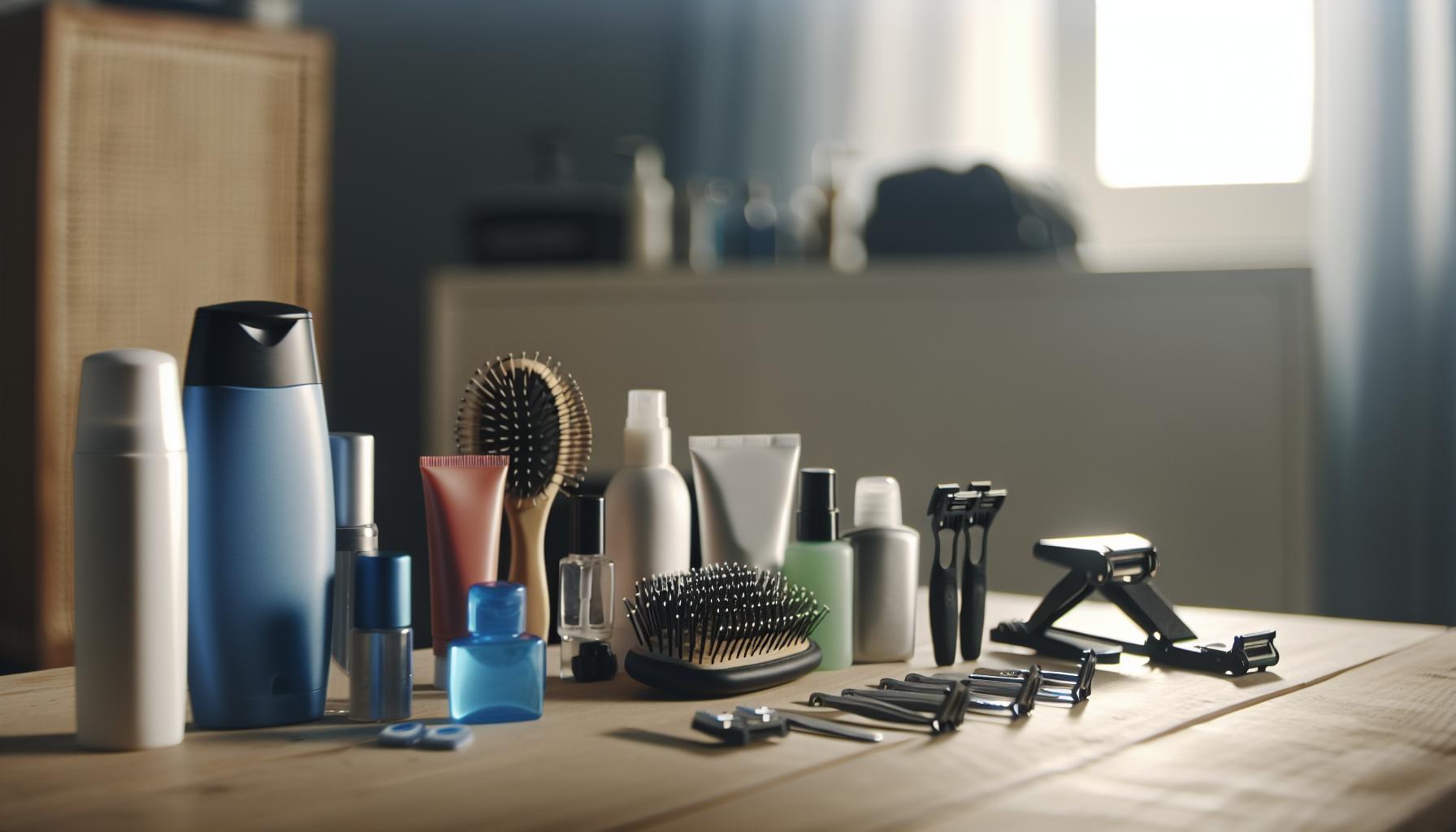
Every dog deserves a grooming experience that feels calm, safe, and loving – and building the right kit doesn’t have to empty your wallet. Even on a budget, you can assemble a thoughtfully selected set of grooming essentials that meet your dog’s coat type and personality. The key is focusing on quality basics that cover all major grooming needs without overbuying or chasing fancy brands.
Prioritize Versatile, Multi-Use Tools
Start with tools that offer the most bang for your buck. For example, a slicker brush is a great first purchase because it works well on many coat types, gently removing loose hair and tangles without irritating the skin. Pair this with a sturdy metal comb that helps handle mats or delicate areas like the face and legs. These two tools alone cover brushing, dematting, and checking for dirt or skin issues. avoid single-use gadgets until you get comfortable with your dog’s grooming needs.
- Bathing essentials: A gentle, pH-balanced dog shampoo is better than multiple specialty shampoos. Pick one formulated for sensitive skin or your dog’s coat type to reduce irritations. conditioner is optional but helpful if your dog has a long, dry coat.
- Nail care: Invest in a basic,high-quality nail clipper or grinder. Clippers are cheaper upfront, but grinders allow more control and less chance of nail splits for nervous dogs. Both tools need patience and slow introductions to keep your dog relaxed.
- Ear cleaning: A simple dog-safe ear cleaner and some gauze or cotton balls cover routine ear care without fancy sprays or gadgets.
Stretch Your Dollar with Smart Shopping
Consider buying starter kits that bundle together brushes, combs, nail clippers, and shampoos at a discount. Pet stores and online marketplaces often have seasonal sales or combo deals that provide a surprisingly full kit for less. you can also find good used tools via local groups or secondhand marketplaces-just be sure to sanitize everything thoroughly before use.
Don’t forget that many grooming tasks can be handled gently with what you already have: a clean towel can substitute for a dedicated grooming towel, and your own hairdryer on a low, cool setting can help dry your dog, though professional dryers can reduce stress by drying faster and quieter.
Keep Comfort and Safety First
Budget grooming doesn’t mean cutting corners on comfort. Always introduce new tools slowly, using treats and calm praise so grooming feels safe and positive. If your dog’s coat is especially prone to mats or they have sensitive skin, it’s worth consulting your vet or a professional groomer for recommendations on budget-amiable specialty products. Remember, a little patience and kindness go a long way in turning grooming into a bonding ritual, regardless of the tools you use.
By starting with just a handful of essentials tailored to your dog’s breed and needs, you create a grooming routine that’s easy on your budget and gentle on your best friend. Over time, as you learn more about your dog’s preferences and coat, you can add products thoughtfully-not impulsively-always with their health and happiness front and center.
Faq
Q: How do professional dog groomers choose the right grooming products for different coat types?
A: Professional dog groomers select grooming products based on coat texture, length, and skin sensitivity. For example, they use moisturizing shampoos for dry coats and detangling sprays for curly or long fur. Always match products to your dog’s breed and coat needs for the best results-refer to the section on Top Brushes and Combs for Different Coat Types for product pairing tips.
Q: What natural or hypoallergenic products do groomers recommend for dogs with sensitive skin?
A: Groomers recommend natural, fragrance-free, and hypoallergenic shampoos and conditioners to soothe sensitive skin. Ingredients like oatmeal or aloe vera calm irritation safely. Using these specialty products helps prevent allergic reactions and maintain comfort. Check the Specialty products for Sensitive Skin and Allergies section for trusted options and application advice.
Q: Why do groomers use specific sprays and finishing products after bathing a dog?
A: groomers use finishing sprays and conditioning mists to detangle fur, add shine, and leave a pleasant scent after baths. These products also help reduce static and make brushing easier. For best results, apply them on damp fur before the final blow-dry. See the Using Grooming Sprays and Finishing Products Like a Pro section for detailed techniques.
Q: How do professional groomers ensure the hygiene and safety of their grooming tools?
A: Groomers sanitize tools using disinfectants and cleaning agents after each use to prevent bacteria and fungal infections. Regular maintenance, like blade oiling and brush cleaning, keeps equipment safe and effective. The Sanitizing and maintaining Your Grooming Equipment section offers step-by-step care instructions to protect your dog’s health.
Q: When should dog groomers use dematting tools, and how do they prevent pain during the process?
A: Dematting tools are best used when tangles are tight but not deeply embedded. Groomers work slowly, using gentle strokes with detangling sprays to minimize discomfort. They avoid pulling on skin and may cut mats out if necessary. For safe dematting, review the Safe and Effective Dematting and Detangling Solutions section for professional tips.
Q: What professional drying equipment do dog groomers prefer, and why is it important?
A: Groomers prefer high-velocity dryers that quickly remove water without overheating the skin, reducing stress and drying time. Specialized grooming towels also speed up drying and calm anxious dogs. Using the right drying tools helps prevent skin issues-explore details in the Professional-Grade Dryers and Towels for Stress-Free Grooming section.
Q: How do groomers balance DIY dog grooming supplies versus professional-grade products?
A: Groomers use professional-grade products for durability and pet safety, especially on sensitive areas. At-home grooming benefits from basic tools and gentle shampoos, but it’s best to avoid harsh chemicals or improvised tools. for guidance on kits that suit home grooming, see How to Create a Complete Grooming Kit on a Budget and consult your groomer for advice tailored to your dog’s breed and coat.
Q: What are the best grooming products to keep a dog comfortable during nail trims?
A: To ensure comfort during nail trims, groomers use styptic powders for quick bleeding control and calming sprays to reduce anxiety. High-quality nail clippers designed for your dog’s size also prevent splitting. For more on tools and techniques, visit the section on Must-Have Nail Care Supplies and How to Use Them for expert recommendations.
Each answer provides clear guidance while encouraging readers to explore related sections, fostering deeper engagement and supporting SEO goals.
The Way Forward
Now that you’re familiar with the essential products dog groomers use-from breed-specific shampoos to the right brushes and nail care tools-you’re well-equipped to care for your furry friend’s unique coat and comfort. Remember, choosing the best grooming supplies tailored to your dog’s coat type and temperament not only makes grooming easier but also ensures their safety and happiness during each session. If you’re wondering how to tackle challenging grooming tasks or when to seek professional help, be sure to explore our detailed guides on grooming techniques and spotting health concerns early.
Ready to take the next step? Check out our Complete Guide to Dog Grooming Tools for deeper insights or visit our Expert Tips on Bathing and Brushing to master home grooming with confidence. Don’t forget to subscribe to our newsletter for fresh advice,exclusive product recommendations,and special offers designed just for dog lovers like you. If you enjoyed this supply list, share your grooming stories or questions in the comments below-we love hearing from passionate pet owners!
By investing in the right products and techniques, you’re giving your dog more than a clean look-you’re boosting their well-being, easing anxiety, and strengthening your bond. Keep exploring,stay patient,and remember: great grooming is all about kindness and care.
Get our latest guides, news, and insights highlighted in your Google Search & AI Overviews.
Keep reading about the same coat and cut.



Popular grooming guides
Bath vs clip, first grooms, and salon how-tos.