What Kind of Clippers Do Dog Groomers Use? Brand Comparison
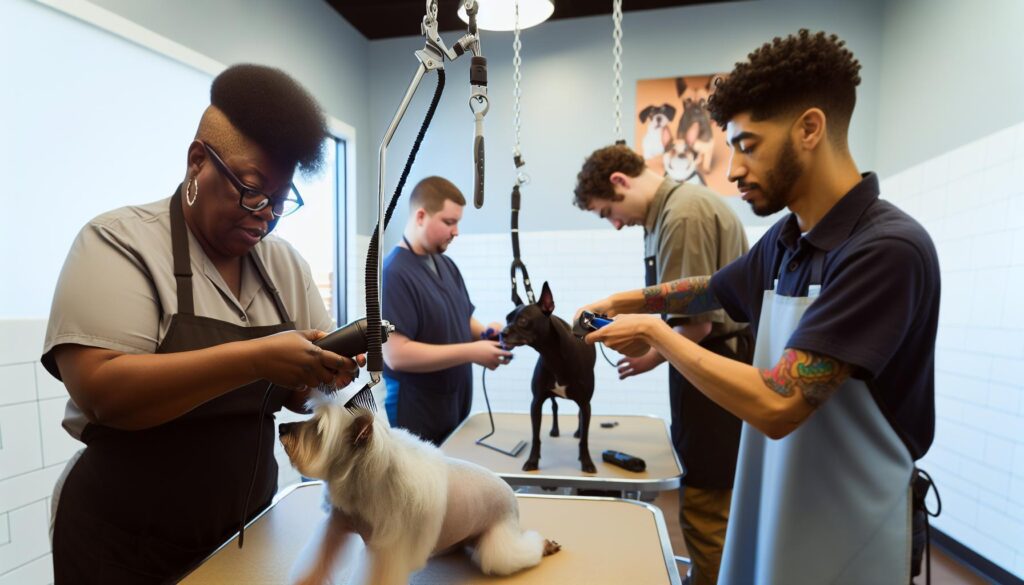
Did you know that the right clippers can make all the difference in a dog’s grooming experience? Whether your pup has a thick double coat or a fine, silky one, choosing the best clippers tailored to thier breed and coat type ensures a gentle, agreeable trim every time. In this guide, we’ll explore the top clipper brands professional groomers rely on, comparing their features to help you find tools that prioritize your dog’s safety and ease. Understanding these options can ease grooming stress-for both you and your furry friend-while empowering you to maintain their coat health between salon visits. Let’s dive into what makes certain clippers stand out and how selecting the right one supports patience, compassion, and a positive grooming routine your dog will appreciate.
Types of Dog Grooming Clippers Explained
Table of Contents
- 1 Types of Dog Grooming Clippers Explained
- 2 Top Brands Preferred by Professional Groomers
- 3 How to Choose the Right Clippers for Your Dog’s Coat
- 4 corded vs.Cordless Clippers: Pros and Cons
- 5 essential Features That Make Clippers Groomer-Approved
- 6 budget-Friendly Clippers That Don’t Sacrifice Quality
- 7 Maintenance Tips to Keep Your Clippers Running Smoothly
- 8 Troubleshooting Common Clipper Problems in Grooming
- 9 Comparing Blade Types and Their Best Uses
- 10 Safety and Comfort: Using Clippers on Nervous Dogs
- 11 When to Upgrade Your Clippers: Signs and Benefits
- 12 Frequently Asked Questions
- 12.1 Q: How do professional groomers choose clippers based on different dog breeds?
- 12.2 Q: What are the key differences between high-end and budget dog clippers used by groomers?
- 12.3 Q: Why do some groomers prefer clipper brands like Andis or Wahl over others?
- 12.4 Q: How important is clipper noise level when selecting groomer clippers?
- 12.5 Q: Can professional groomer-grade clippers be used for home grooming safely?
- 12.6 Q: What clipper attachments do groomers prefer for different grooming tasks?
- 12.7 Q: How do vibration and heat affect clipper choice among professional groomers?
- 12.8 Q: What troubleshooting tips do groomers recommend for common clipper malfunctions?
- 13 In Retrospect
Many pet owners don’t realize that the choice of clippers can make or break a grooming experience-not just for the groomer, but for your beloved dog. Different types of grooming clippers serve very specific purposes, depending on your dog’s coat type, thickness, and sensitivity. Understanding these can help ease anxiety for both you and your pet during grooming sessions while ensuring a safer, more comfortable cut.
Types of Clippers and Their Ideal Uses
- Wide Blade Clippers: These clippers come with broad blades designed to quickly remove large amounts of hair. They’re perfect for dogs with thick, heavy coats or those needing a major haircut-like huskies or malamutes. because they work fast, they reduce grooming time, which benefits anxious dogs prone to stress.
- Close-Cutting Clippers: Featuring finer, sharper blades, these are used for precise styling or trimming sensitive areas like the face, paws, and sanitary zones. For example, breeds with delicate facial hair, such as terriers, benefit from these gentle trimmers to avoid irritation.
- Detachable Blade Clippers: These versatile clippers allow switching blades on the same motor, making it easy to tackle varying coat types in one session. Groomers love these for their adaptability, especially when a dog has a mixed fur texture.
- Electric vs. Cordless Clippers: Electric (corded) clippers provide consistent power for heavy-duty jobs but may restrict movement. Cordless models offer convenience and ease, which is great for home grooming or nervous pets who need frequent breaks. Though, their battery life should be considered before a session.
Matching Clippers to Your Dog’s Coat
Think about your dog’s breed and coat when selecting clippers. Double-coated breeds with thick undercoats need blades that can handle dense fur without pulling. Single-coated breeds or dogs with fine hair usually require softer, less aggressive clipper blades to prevent discomfort.Such as, a Labrador with a smooth coat will do well with a standard wide blade clipper, while a poodle’s curly, dense fur calls for more specialized blades and slower, patient grooming.
Remember, some dogs may require a combination of clipper types throughout their grooming session – like starting with a wide blade for bulk trimming, then switching to close-cutting blades for detailed finishing touches.
Practical Grooming Tips
- Start with well-brushed fur: Tangles can clog blades and cause pulling. Take time to gently detangle the coat before clipping.
- Keep sessions calm and short: Use quieter, low-vibration clippers if your dog is sensitive to noise, which many groomers recommend for anxious pets.
- Test blades and motors: Before clipping, run the clippers near your dog’s skin to get them used to the sound and sensation. This step can build trust and reduce stress.
- Know your limits: Deep mats or skin issues may require a vet’s advice or help from a professional groomer to avoid hurting your dog.
Choosing the right type of clipper isn’t just about aesthetics; it directly impacts how comfortable and safe your dog feels during grooming. When matched thoughtfully to your dog’s coat and temperament,the right clipper type can transform grooming from a stressful ordeal into a bonding,peaceful routine for you both.
Top Brands Preferred by Professional Groomers
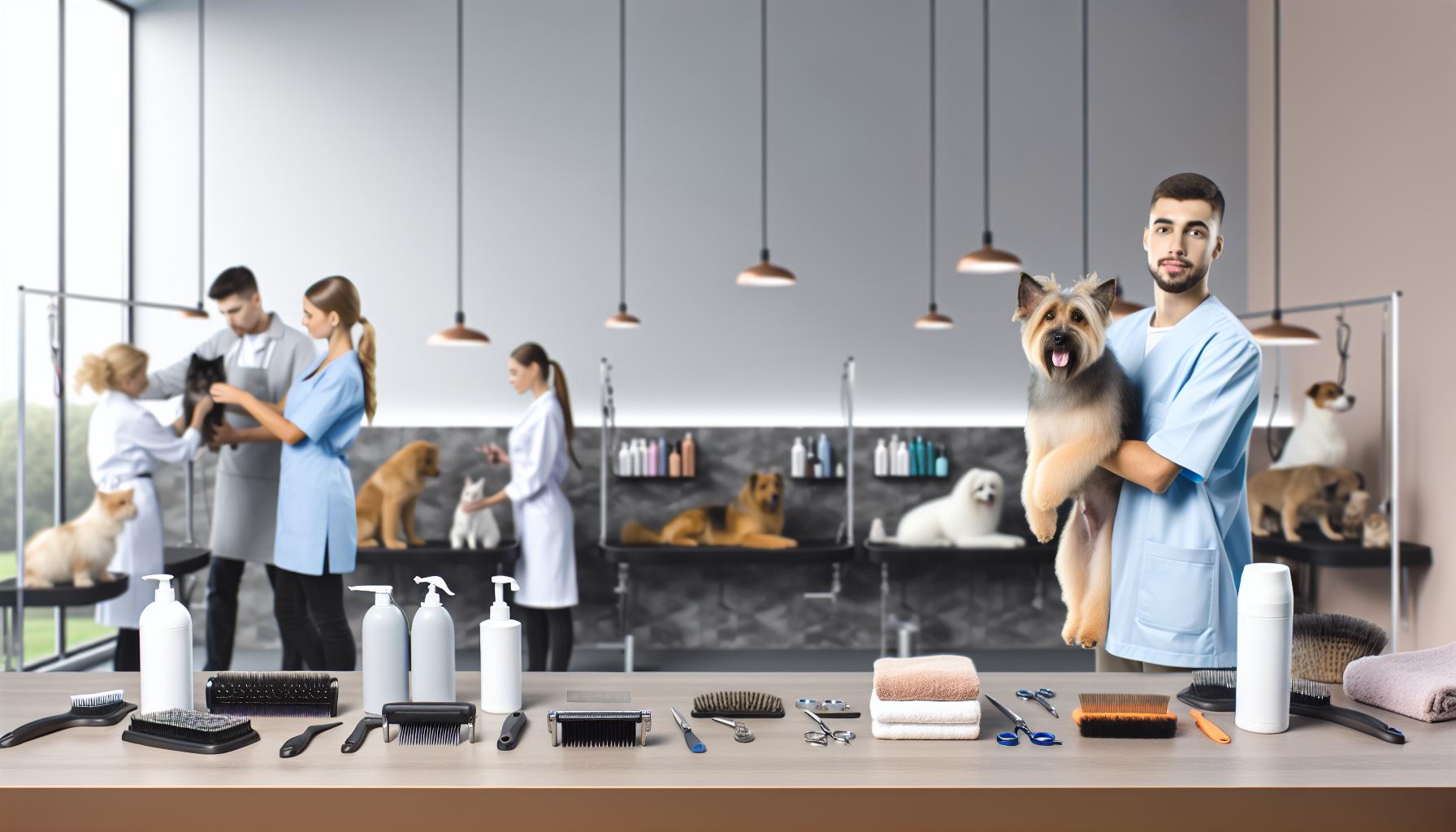
Professional groomers often rely on clippers that combine reliability, power, and gentleness-tools that can handle everything from thick double coats to fine and sensitive fur without causing distress. Knowing which brands consistently deliver on these fronts can save you time and hassle, and most importantly, help keep your dog calm and comfortable throughout the grooming process.
Brands That Command Trust in Professional Circles
- Andis: Renowned for their durable motors and sharp blades, Andis clippers are a staple in many grooming salons.Their adjustable blade models like the Andis UltraEdge offer adaptability to switch blade sizes with ease. they’re especially favored for double-coated breeds such as Huskies or German Shepherds where power without overheating is crucial.
- Oster: Oster clippers have a reputation for their robust construction and consistent performance. The Oster A5 Turbo model is a go-to for thick coats needing fast, efficient trimming, as it operates quietly and with little vibration-qualities that soothe anxious pups.Their detachable blade system makes it easier to customize the clipper for different coat textures within the same grooming session.
- Wahl: Wahl offers a wide range suitable for home grooming and professional use. their Lithium Ion-powered cordless clippers shine for smaller breeds and precision trimming around delicate areas like the face and paws-such as, terriers or Maltese breeds-as of their lightweight design and quiet operation. The Wahl Bravura model is particularly praised for its close-cutting ability and ergonomic comfort for groomers.
When choosing a brand, consider not just the motor power or blade quality but also features like noise level and ease of cleaning. For pets who get nervous easily, quieter motors and low-vibration clippers can turn a stressful task into a gentle bonding experience. For instance, a nervous Pomeranian may respond much better to Wahl cordless clippers than to louder, heavier alternatives.
Real-World Tips from Groomers
- Match the clipper to the task: many groomers keep multiple clipper brands on hand-using Andis or Oster for bulk trimming thick coats and Wahl for sensitive touch-ups-to keep pets comfortable and efficiently groomed.
- Invest in maintenance kits: Top brands frequently enough come with or recommend specific blade oils, cleaning brushes, and replacement parts. Regular upkeep not only extends the life of your clippers but also ensures a smooth, snag-free cut that feels comfortable on your dog’s skin.
- listen to your dog: If your dog flinches or seems anxious, switch to a clipper known for quieter operation or reduce grooming time with faster, wide blade clippers from these trusted brands.
by opting for clippers favored by trusted professionals, you’re not just choosing a brand-you’re embracing tools designed with your dog’s well-being in mind. With the right equipment,grooming becomes less about battling your pet’s anxiety and more about fostering a calm,caring ritual that both of you can look forward to.
How to Choose the Right Clippers for Your Dog’s Coat
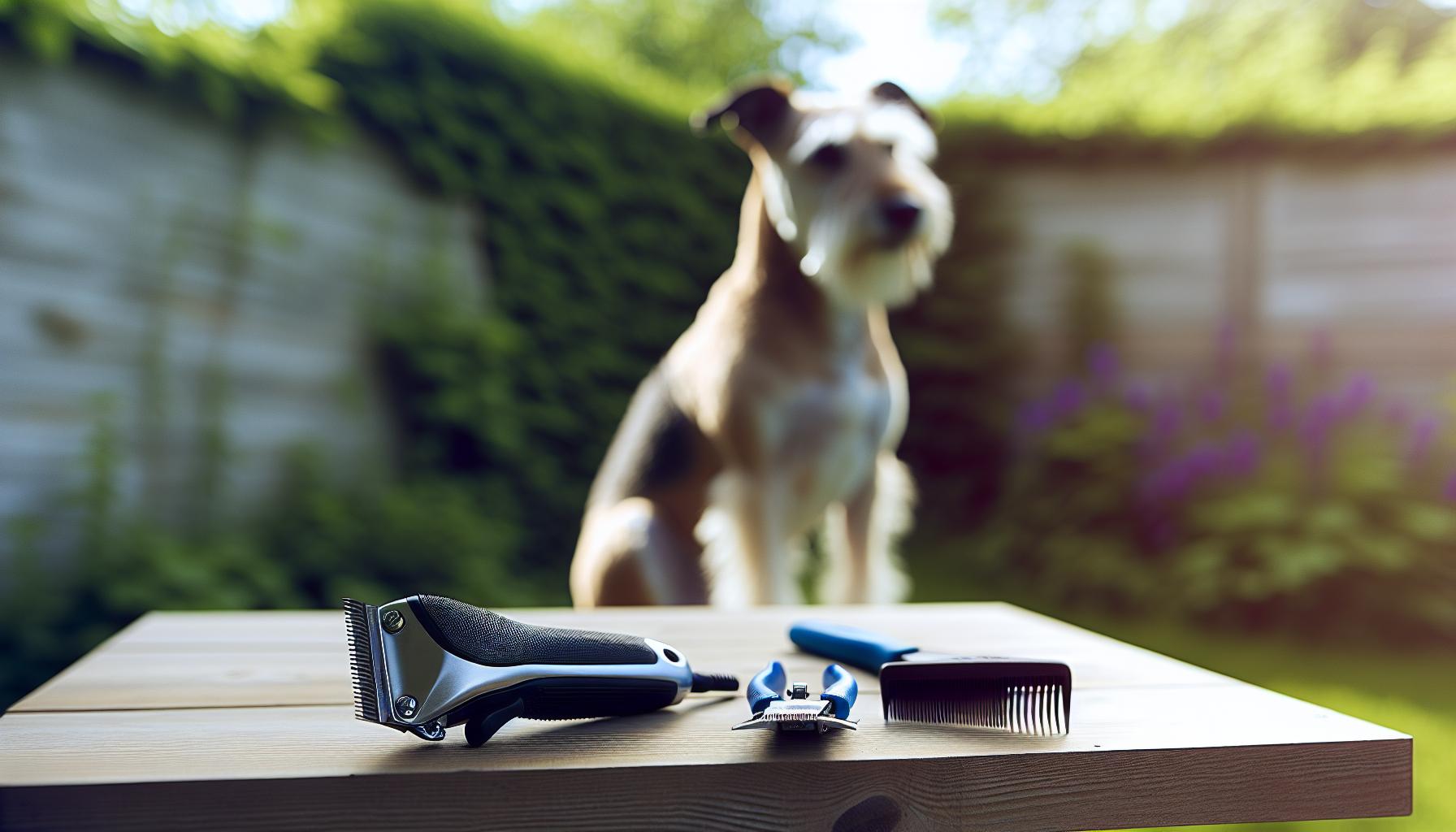
Choosing the perfect clipper for your dog‘s coat goes far beyond picking a popular brand or the most powerful motor. Each dog’s fur has its own unique texture, density, and sensitivity, and matching your clipper to these needs not only ensures a smoother grooming process but creates a more comfortable experience especially for anxious pets. Whether you have a silky-coated Maltese or a thick, double-coated Husky, understanding your dog’s coat type is the first step toward selecting the right grooming tool.
Dogs with thick, dense coats-like German Shepherds, Malamutes, or Huskies-need clippers that combine strong, durable motors with blades that won’t overheat or pull on fur. Models like the Andis UltraEdge or Oster A5 Turbo excel here, offering the power and blade adjustability needed to cut through heavy coats safely and efficiently. These clippers often feature detachable blades, allowing you to swap sizes depending on which area you’re working on, a vital feature when tackling different layers of a double coat. Conversely, dogs with finer or single-layered coats-think of breeds like Poodles, Bichons, or Terriers-respond best to lighter, quieter clippers that provide gentle yet precise trims. Wahl lithium-ion cordless models, including the bravura, are well-loved for their light touch and ergonomic design, perfect for sensitive areas like the face and paws.
Steps to Match Clippers with Your Dog’s Coat
- Identify your dog’s coat type: Is it dense and wiry, long and flowing, or fine and soft? Thick double coats often require heavy-duty, cool-running clippers, while soft coats benefit from quieter, lighter models.
- Consider blade options: Adjustable or detachable blades let you customize the cut length and tackle various coat thicknesses.Such as, a longer blade is helpful for bulk trimming thick undercoats, while shorter blades can be used for detailed area work.
- Balance power and noise level: Some dogs get stressed by loud or vibrating motors. Quiet-running clippers, such as Wahl’s cordless options, help maintain calm, especially with nervous or small dogs.
- Factor in your grooming skill level: If you’re new to clipping, lightweight and ergonomically designed models reduce hand fatigue and improve control. For professionals or experienced groomers, a robust, durable clipper with sharp blades and high motor power is essential.
Using clippers designed with your dog’s coat in mind not only improves grooming results but also reduces the chance of irritation or pulling that can create negative associations with grooming time. Remember, patience and a slow approach help-stop if your pet shows signs of discomfort and adjust your tools accordingly. If in doubt, it’s always safer to consult your groomer or vet before attempting a full trim at home.
For example, if you’re tackling a Pomeranian’s fluffy double coat, utilizing a clipper with wide blades and a motor that doesn’t overheat prevents both discomfort and skin irritation. Alternatively, for trimming the delicate face of a Yorkshire Terrier, a lightweight, quiet Wahl cordless clipper with a fine blade delivers precise, stress-free grooming.By choosing respectfully and thoughtfully, you’re not just cutting fur-you’re building trust and comfort, inviting your dog to enjoy grooming as a positive experience rather than a fearful chore.
corded vs.Cordless Clippers: Pros and Cons
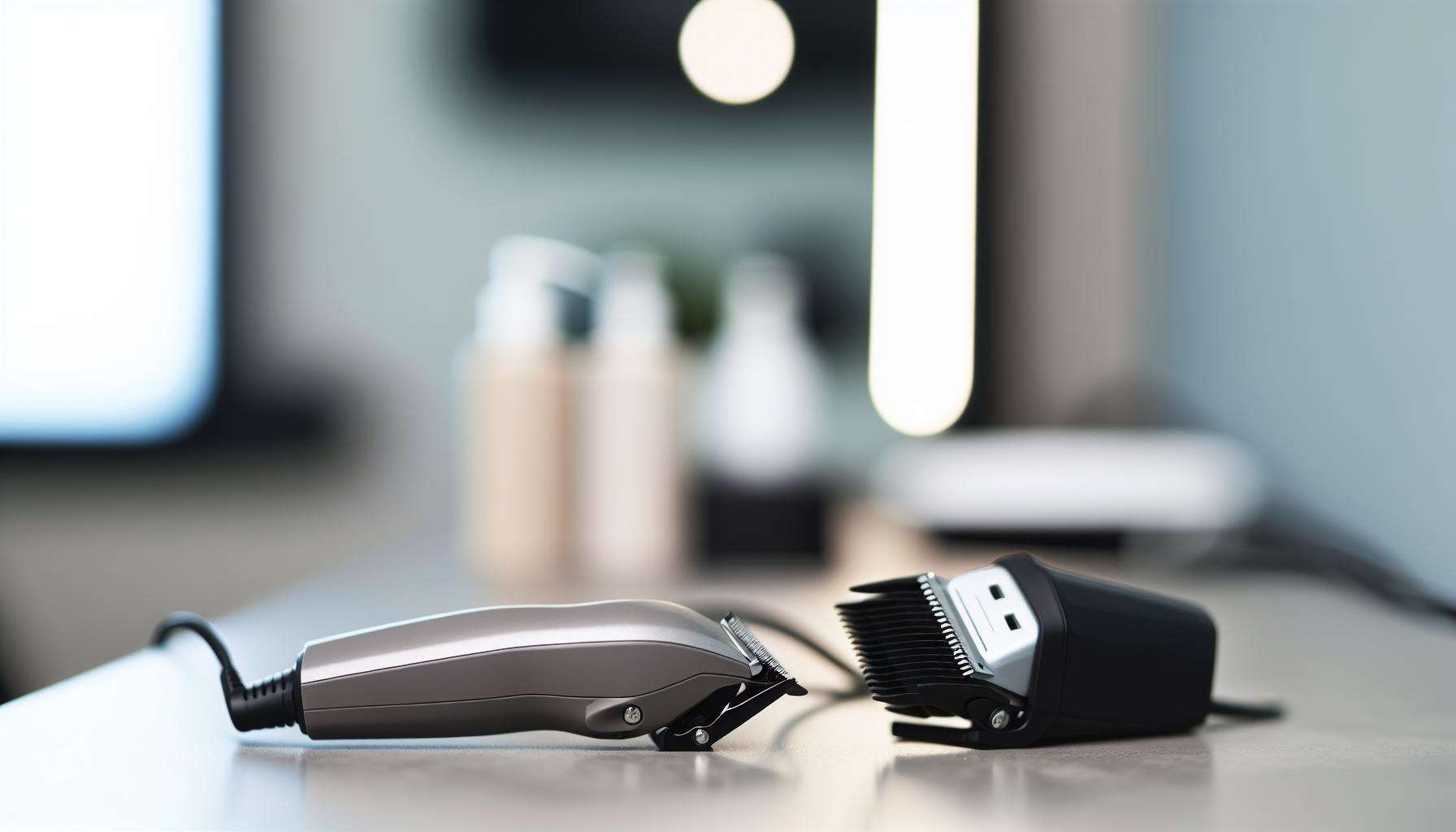
Choosing between corded and cordless clippers often feels like weighing freedom against reliability-a crucial decision for anyone grooming their dog at home or professionally. While cordless clippers offer precious mobility, especially when managing a squirmy or anxious pet, corded models hold their ground with uninterrupted power and consistent performance. Understanding the nuances of each can help you find a clipper that not only suits your dog’s coat and temperament but also fits your grooming style and habitat.
Cordless clippers shine in their convenience.Without a tethered cord, you can easily move around your dog’s body, reaching tricky spots like under the legs or behind the ears without worrying about tangling or tripping hazards. This flexibility is a true blessing when working with nervous dogs who might resist restraint or need frequent breaks. Such as, using a Wahl Bravura cordless clipper, many groomers appreciate how gentle and quiet it runs, calming fidgety pups while delivering precise trims on delicate areas. However, cordless models require regular charging and may not last through lengthy grooming sessions without backups or charging breaks. Battery life varies, so pairing your clipper with a fast charger or having a spare battery ready can avoid mid-groom interruptions.
On the other hand, corded clippers provide uninterrupted power, making them a go-to choice for thick-coated breeds or high-volume grooming days. Clippers like the Andis UltraEdge or Oster A5 Turbo are known for their robust motors that keep cool and steady, perfect for cutting dense double coats like those of Huskies or German Shepherds. With corded models, you don’t have to worry about battery drain or reduced motor speed, which means smoother, faster cuts without risking overheating or pulling. Having mentioned that, the cord can limit your movement and sometimes spook dogs who don’t like the sensation of being “tied down” during grooming.
Making the Choice: Practical Considerations
- Coat type and grooming duration: Thick, heavy coats frequently enough benefit from corded clippers with sustained power. For lighter trims or quick touch-ups on breeds like Poodles or Toy Breeds,cordless clippers offer comfort and flexibility.
- Pet temperament: Nervous or squirmy dogs may respond better to quieter, cordless clippers that allow you to move freely and calmly.
- Your grooming setup: If you groom in a fixed spot with easy access to outlets, corded is practical. If you prefer outdoor grooming or need to move around freely, cordless might be more suitable.
- Maintenance and backups: Cordless units require battery care and possibly multiple batteries, while corded clippers need cord management and careful storage to avoid damage.
Example Comparison
| Corded Clippers | Cordless Clippers | |
|---|---|---|
| Power Consistency | Uninterrupted, ideal for dense coats | Dependent on battery charge; may weaken over time |
| Mobility | Limited by cord length and placement | Free movement, ideal for detailed work and wriggly pups |
| Noise and Vibration | Varies; typically louder due to powerful motor | Often quieter; designed for sensitive or small breeds |
| Weight | Generally heavier, built for durability | Typically lighter, reducing hand fatigue |
| Maintenance | Focus on cord care and blade sharpening | battery care plus blade maintenance |
Ultimately, pairing your clipper choice with your dog’s coat, behavior, and your grooming environment ensures safety and comfort above all. For anxious dogs, it’s wise to start slow, maybe with cordless clippers to build trust, before moving to a corded powerhouse for full trims. Remember: no matter what you choose, patience and a gentle approach will make grooming a positive, nurturing experience. When in doubt, consult a professional groomer or your veterinarian-they can offer tailored advice to keep your best friend happy and healthy through every haircut.For more guidance, brands like Wahl, Andis, and Oster offer a variety of models that have been tested and loved by pros and home groomers alike, so you can find a trusted companion for your grooming kit[[[[[1]](https://thebeloveddog.com/dog-grooming-clippers-professional/) [[2]](https://aplaceforanimals.com/vetted/best-dog-grooming-clippers/).
essential Features That Make Clippers Groomer-Approved
A truly groomer-worthy clipper is more than just a powerful motor running blades. It’s a carefully balanced tool designed to make grooming smoother, safer, and more comfortable for both the dog and the person behind the scissors. Experienced groomers know that features like precision, quiet operation, and durability aren’t just “nice to have”-they can turn a stressful grooming session into a calm, even enjoyable experience for sensitive or anxious pets.
One of the most important qualities professionals look for is consistent cutting power without excess heat buildup. When tackling thick or double coats, a clipper that maintains sharp cutting performance without slowing down or warming too much protects the skin from burns or irritations. models like the Andis UltraEdge and Oster A5 Turbo have earned praise for motors that run cool despite heavy use. This reliability means fewer breaks and reduced stress for furry friends who might or else resist a long grooming.
Smooth and Silent Operation
The noise and vibration level of a clipper can make a big difference, especially for dogs who are nervous or reactive. Look for clippers designed with noise reduction in mind-quiet motors and vibration-dampening housings can soothe a jittery pet from the moment you turn them on. choosing a quieter cordless option, such as the Wahl Bravura, can help build trust during grooming sessions and makes detailed trimming around sensitive areas like ears and paws less daunting.
Comfort in Your Hand, Safety on Your Dog
Weight and ergonomics are features groomers don’t take lightly. A lightweight clipper with a comfortable grip reduces hand fatigue during long grooming sessions, allowing for gentler, more precise movements around tricky spots. Additionally, sharp, well-fitted blades that glide through the coat without snagging are essential to avoid pulling or tugging, which can quickly upset your dog. Most pro-level clippers come with blade guards or adjustable blade settings so you can customize cut length safely, preventing accidental nicks on delicate skin.
Durability and Easy Maintenance
Veteran groomers favor clippers built to last through months of regular use. Sturdy housings, components that resist wear and tear, and easily replaceable or sharpenable blades keep your tools reliable and ready. Maintenance-friendly designs that allow for effortless blade removal, cleaning, and oiling save time and keep blades performing at their best, which is crucial for both home users and professionals. remember, a clean, sharp clipper is a safer clipper.
- Adjustable blade lengths: Allows flexible trimming for different coat types and styles.
- Quiet motors: Helps calm anxious dogs and creates a stress-free grooming environment.
- Long run times or corded power: Ensures you won’t run out of juice mid-groom.
- Ergonomic design: Lightweight and comfortable to reduce hand fatigue.
- Durability: Robust build and easy maintenance for long-lasting performance.
When you equip yourself with clippers that combine these features, you’re not just choosing a tool-you’re investing in peace of mind for every grooming session. With patient handling and the right equipment,even the most hesitant dogs can look and feel their best while enjoying a calm,safe experience.
budget-Friendly Clippers That Don’t Sacrifice Quality
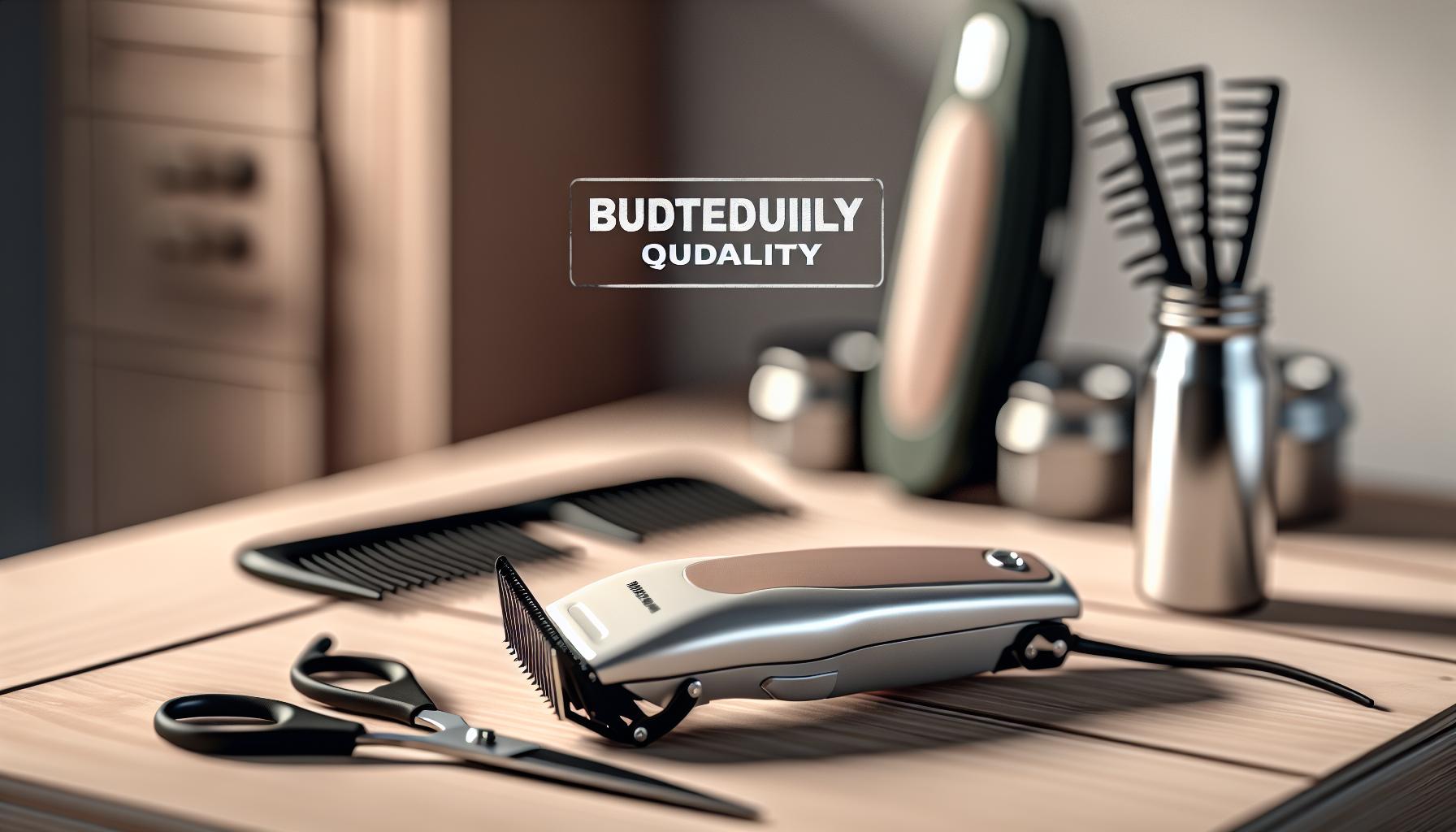
Finding high-quality dog grooming clippers on a budget doesn’t mean you have to settle for tools that frustrate both you and your furry friend. Many affordable clippers now combine essential features like quiet operation, durable blades, and ergonomic designs that make grooming both effective and gentle-especially for dogs who might be a little nervous. Even if you’re not a professional groomer, you can still choose reliable clippers that safeguard your dog’s comfort and safety without stretching your wallet.
Smart Choices for Different Coat Types
When selecting budget-friendly clippers, it’s helpful to consider your dog’s breed and coat texture first. For example, a thick double coat or curly hair often requires a clipper with a motor strong enough to avoid snagging and blades designed for smooth, consistent cutting. Good budget models-like some from Wahl and Andis-offer adjustable blade options and quiet motors, which are a blessing for sensitive dogs or those new to grooming. For instance,smaller breeds with fine coats may not need the most heavy-duty clipper but still benefit from a model that doesn’t pull or irritate the skin.
what to Look for Without Overspending
Affordable clippers that truly perform well often include these must-have features:
- Quiet, low-vibration motors: Helps reduce stress in anxious dogs, making the grooming process calmer.
- Durable, self-sharpening blades: Keeps the clipper working smoothly over multiple uses and saves you money on replacements.
- Ergonomic, lightweight design: Makes grooming easier on your hands and allows for careful handling around sensitive areas like paws and ears.
- Both corded and cordless options: Flexibility to groom indoors or on the go, depending on your setup.
- Easy blade changes and maintenance: Simple instructions and included cleaning tools keep your clippers running their best.
Look for combos or starter kits that include extra blade guards or grooming accessories-these are often a better value and help you customize trims safely for your dog’s coat style.
Putting Budget Clippers to the test
Such as, the Wahl Bravura has become a favorite among pet owners looking for quieter cordless clippers that won’t break the bank. Its lightweight feel and smooth cutting action make it especially suitable for small to medium breeds. Meanwhile,the Andis EasyClip Pro offers a corded option with strong cutting power and great durability for medium to large dogs with thicker fur. Many groomers recommend starting with something versatile enough to handle your dog’s coat needs without overwhelming beginners with overly technical features.
Remember, even the best clipper can be a source of stress if used too quickly or without patience. Take extra time during early grooming sessions: a couple of minutes with treats, slow and gentle strokes, and positive reassurance can turn a perhaps fearful dog into a relaxed grooming companion. The right tool empowers you to approach grooming as a bonding experience-something that benefits your dog’s welfare more than any perfect trim.
Quality dog grooming clippers don’t have to cost a fortune to provide safe,reliable results.By focusing on comfort, durability, and practical features, you can find budget models that support both you and your pet’s needs-helping keep grooming a positive, stress-free routine for years to come.
Maintenance Tips to Keep Your Clippers Running Smoothly
Keeping your dog grooming clippers in top shape is not just about preserving your investment-it’s about ensuring every grooming session is safe, comfortable, and stress-free for your furry friend. Well-maintained clippers run cooler, cut cleaner, and stay quieter, all of which help soothe nervous dogs who may be uneasy around noisy or snagging tools. Whether you’re dealing with a thick double coat or a soft, fine fur, a little daily care goes a long way toward extending your clipper’s life and performance.
Daily Cleaning and Oil Request
Right after each grooming session, gently remove hair clippings from the blades using a small brush or a soft cloth. This simple step prevents hair buildup that can dull blades and cause overheating. next, apply a few drops of clipper oil directly to the blade teeth before and during use. Oiling reduces friction, helping blades glide smoothly across all coat types. Many professional groomers recommend oiling every 15-20 minutes during longer grooming sessions to maintain peak performance and keep your dog comfortable. Remember, skipping this step can lead to pulling or skin irritation, which can make future grooming a challenge for both you and your pet.
Blade Sharpening and Alignment
Even the best clippers dull over time, especially when trimming dense or matted coats. If your clippers start pulling or tugging, it’s a sign the blades need sharpening or possibly realignment. While some groomers sharpen blades themselves with the right tools, most prefer sending blades to an authorized sharpening service to ensure precision.Proper blade alignment is equally crucial to avoid snagging and ensure a smooth cut without pinching your pup’s skin. Keep a regular schedule depending on your grooming volume-heavy use may require sharpening every few months, while light home use might stretch much longer[[[[[1]](https://www.abkgrooming.com/blogs/tips-tricks/maintain-pet-clippers-longer-lifespan)[[[[[3]](https://www.revivalanimal.com/learning-center/pet-clipper-care-and-blade-maintenance).
Keeping Your Clippers Cool and Protected
Clipper overheating is a common cause of discomfort and premature blade wear. During longer grooming sessions, take brief breaks to allow your clippers to cool down, especially with corded models that don’t have built-in temperature control. Using clipper cooling sprays can also help prevent heat buildup on the blades. Additionally, store your clippers in a clean, dry case or pouch to protect them from dust, moisture, and accidental drops that might misalign internal components.
- Check and replace clipper cords to prevent power surges or intermittent cutting.
- Inspect for loose screws and tighten them to avoid rattling or blade misalignment.
- Follow manufacturer’s instructions on clipper cleaning and lubrication for best results.
By incorporating these straightforward steps into your routine, you’re not just maintaining a tool-you’re nurturing a grooming ritual that respects your dog’s feelings and well-being.Patience, consistent care, and a calm approach turn grooming from a chore into quality bonding time every time you pick up your clippers[[2]](https://masterclip.co.uk/blogs/news/how-to-take-care-of-your-dog-clipper-maintenance-tips).
Troubleshooting Common Clipper Problems in Grooming
Sometimes, even the best clippers can act up right in the middle of grooming, which can create stress for both you and your dog. It’s common to encounter a clipper that won’t cut hair properly or seems to pull and snag, especially when working on thick, curly, or matted coats. Understanding the root causes behind these issues and how to resolve them with patience and care can make all the difference, turning a frustrating situation into a smooth, calm grooming session.
Common Causes and Simple Fixes
One of the most frequent reasons clippers fail to cut hair effectively is dull or misaligned blades. Blades that have lost their sharp edge don’t slice cleanly through the fur-they tug instead, which is uncomfortable for your dog and increases the chance of injury. It’s a good idea to regularly inspect your blades for dullness or damage, and either sharpen them yourself if you have the skill or send them to a trusted sharpening service. Also, ensure that blades are properly aligned; even a slight misalignment can cause pulling or uneven cutting[[[[[1]](https://www.dog-breeds-expert.com/why-wont-clippers-cut-my-dogs-hair.html)[[[[[3]](https://education.wahlanimal.com/why-wont-my-blades-cut).
Another typical issue arises from clippers overheating. When blades get too hot, they become less effective and can actually burn your pup’s skin. To avoid this, pause regularly during longer grooming sessions to let the clippers cool down, especially with powerful corded models. Using cooling sprays designed for grooming tools is also highly beneficial. Overheating is often a sign that your clipper’s motor is struggling or that hair buildup inside the blades is causing friction, so regular cleaning and oiling are essential to keep things running smoothly and quietly[[2]](https://petcosset.com/why-wont-my-clippers-cut-my-dogs-hair).
Power and Performance Troubleshooting
If your clippers suddenly lose power or stop cutting altogether, check the power source first. For corded clippers, inspect the cord for frays or loose connections-damaged cords can cause intermittent power loss, making grooming unpredictable and stressful. With cordless clippers, ensure the battery is fully charged and functioning well; batteries degrade over time, so replacement might potentially be necessary if runtime drops considerably.
Also, hair or dirt trapped between blades and the clipper body can jam the mechanism. Always brush out clippings thoroughly after each session and check for loose screws that might cause rattling or blade misalignment. Tightening these small parts can restore your clippers’ precision and prevent further damage[[[[[1]](https://www.dog-breeds-expert.com/why-wont-clippers-cut-my-dogs-hair.html).
A Patience-First Approach to Troubleshooting
Many pet owners and beginner groomers become discouraged by these problems,but remember: troubleshooting is part of learning to care for your dog at home. Start by keeping a small grooming kit handy with extra blades, oil, a cleaning brush, and a cooling spray. This way, you can quickly address minor issues before they escalate.
It’s also helpful to observe your dog’s reaction during clipping-if you notice pulling or discomfort, stop and check blade condition or alignment before continuing. Sometimes, switching to a blade better suited for your dog’s coat type or investing in a higher-quality clipper preferred by professional groomers can make all the difference in ease and results.
- If clippers won’t cut: Clean blades thoroughly, oil them, and check sharpness.
- If pulling or snagging: Realign or sharpen blades and verify proper blade installation.
- If overheating: Take breaks, use cooling spray, and limit continuous run time.
- If loss of power: Inspect cords or battery health,clean clipper internals,tighten screws.
With these steps, you’ll build confidence in solving common clipper troubles and ensure your furry friend stays calm and comfortable. Always prioritize gentle handling and take breaks when needed-your dog’s trust and ease are the best outcomes, even more than a perfectly trimmed coat.[1]
[2]
[3]
Comparing Blade Types and Their Best Uses
Every dog’s coat is as unique as their personality, and choosing the right clipper blades can make all the difference in creating a grooming experience that’s smooth, safe, and comfortable. Blades aren’t just about length-they’re about the texture, thickness, and curl of your dog’s fur.When you understand the different blade types, you gain the power to tailor each grooming session perfectly, minimizing stress for both you and your furry friend.
Understanding Blade Sizes and Cutting Lengths
Most clipper blades are numbered,with lower numbers cutting hair shorter and higher numbers leaving it longer. Such as, a #10 blade leaves hair about 1/16 inch long-great for close cuts on short-haired breeds like Boxers or Dobermans. conversely, #30 blades leave fur nearly 1/50 inch long, ideal for sanitary trims or preparing a dog for surgery. Knowing this helps you pick blades that match your dog’s coat type and the look or comfort level you want to achieve.
Those with thicker or double coats-think Golden Retrievers or Huskies-often benefit from blades like #7F or #5F, which have a “finishing” design to prevent pulling and snagging. These blades cut a bit longer but give a neat, natural appearance while being gentle on sensitive skin.
Steel vs. Ceramic Blades: Pros and Cons
Blade material plays a crucial role in performance and maintenance. Customary steel blades are durable and generally less expensive but can heat up quickly during long grooming sessions,which might cause discomfort for your pup if not managed with breaks or cooling sprays.
Ceramic blades, on the other hand, stay cooler longer, reducing the risk of hot spots and making them a preferred choice for anxious dogs or breeds with sensitive skin. They also tend to stay sharper longer but require more careful handling as they can chip if dropped. For example, a poodle owner dealing with sensitive, curly fur might find ceramic blades make grooming less stressful for their dog.
Specialty Blades for Specific Coat Types and Tasks
Some blades are designed with a narrower or wider cutting surface tailored to certain chores or coat types:
- Wide-blade options: Speed up grooming on large dogs with thick coats, like Newfoundlands, helping finish the job without putting too much pressure on any one spot.
- Narrow or curved blades: Perfect for detailed areas such as around the ears, paws, or face where precision and gentleness are key, especially for breeds like Shih Tzus or Yorkshire Terriers.
- Texturizing blades: These blades thin out thick coats without chopping off too much length, great for maintaining natural fluffiness in dogs with dense fur like Samoyeds.
Blade Maintenance and Changing for Smooth Grooming
regardless of type, keeping blades clean, oiled, and sharp is essential to prevent pulling and discomfort. Switching blades mid-grooming is common-such as, using a longer blade on the body, then swapping to a finer one for detail work around the face. having a few blades on hand allows you to adjust your approach if your dog becomes anxious or if certain areas require extra care.
| Blade Type | Best For | Cut Length | Pros | Considerations |
|---|---|---|---|---|
| #10 Steel | Short-haired breeds, sanitary trims | 1/16 inch | Affordable, versatile | Can heat up during long sessions |
| #7F ceramic | Double coats, sensitive skin | 1/8 inch | Stays cool, sharp longer | Fragile, needs careful handling |
| Narrow/Fine blades | Detail work (face, paws) | Varies | Precision, gentle | slower grooming time |
| Texturizing Blades | Thick, dense coats | Varies | Maintains volume, prevents bulk | Requires experience for best effect |
Matching blade type and material to your dog’s coat isn’t just about the cosmetic outcome-it’s about respect for their comfort and trust. For nervous pets, gentle action and quieter blades can turn grooming from a fearful chore into a relaxing bonding experience. Remember, taking time to observe how your dog reacts and choosing blades accordingly will always lead to the kind of grooming that leaves tails wagging.
Safety and Comfort: Using Clippers on Nervous Dogs
Dogs with nervous dispositions require not just skill but a thoughtful, compassionate approach during grooming. One of the biggest challenges is managing the stress caused by the noise and vibration of clippers. Fortunately, many professional groomers prefer quiet, low-vibration clippers specifically designed to create a calm environment for anxious dogs. For example,clippers that operate around 50 decibels – comparable to a soft conversation – help keep fearful pets relaxed throughout the session [1]. Choosing such equipment goes a long way toward enhancing safety and comfort.
Choosing the Right tools for Sensitive Skin and Anxious Pets
not every dog hair type or coat calls for the same blade or clipper. For nervous dogs,selecting the right blade material is crucial. Ceramic blades are popular among groomers because they stay cooler longer,reducing the chance of creating hot spots or discomfort during grooming.This is vital for dogs with sensitive skin or curly coats, like Poodles or Maltese, who may be more prone to irritation. Steel blades can heat quickly, so if used, frequent breaks and blade cooling sprays are necessary to keep your pup comfortable.
Step-by-Step Grooming Tips to Ease Anxiety
Breaking the session into short, manageable steps allows anxious dogs to build trust through positive experiences:
- Start with a calm bath; warm water and gentle massage help relax muscles and create a soothing tone.
- Use a soft brush to detangle tangles slowly, and reward your dog frequently with treats to create positive associations.
- Introduce the clippers by letting your dog sniff and see them off to the side while turned off, then turn them on at a distance to acclimate your dog gradually to the sound.
- Opt for cordless, lightweight clippers if possible, as these models usually cause less vibration and enable better maneuverability around sensitive spots like ears and paws.
- Focus on gentle handling, pausing often and speaking softly to comfort your dog throughout.
Safety Precautions for Nervous dogs
When working with perilously anxious or reactive dogs,safety extends beyond clippers to your own awareness of their body language. Signs such as lip licking, panting, or tensed muscles signal stress-pause grooming to comfort your pet or come back at another time.In some situations, a professional groomer or veterinarian may recommend sedatives or specialized approaches to ensure welfare and safety. Never rush the process. The priority is your dog’s emotional well-being, not a “perfect” cut.
| Tip | Why It Matters |
|---|---|
| Use quiet, low-vibration clippers | Reduces startling noises and vibration stress |
| Choose ceramic blades | stay cooler longer, gentle on sensitive skin |
| Divide grooming into short sessions | Keeps dog calm and gradually builds trust |
| Use treats and praise liberally | Creates positive reinforcement and comfort |
| Monitor stress signals | Prevents escalation and ensures safety |
By carefully selecting equipment designed for quiet, gentle operation and by pacing the grooming experience with patience and kindness, even the most anxious dogs can learn to tolerate-and sometimes even enjoy-being clipped. Remember: every positive experience builds your dog’s confidence and makes future grooming sessions safer and more pleasant for everyone involved.
When to Upgrade Your Clippers: Signs and Benefits
It’s easy to underestimate how much your clippers’ performance impacts your dog’s grooming experience until you notice signs that they’re just not cutting it anymore. Just like any tool you rely on daily, clippers wear down with use, affecting their power, speed, and smoothness. For dogs with sensitive skin or anxiety, using dull or malfunctioning clippers can make a grooming session uncomfortable and even frightening, undermining all the patience and care you put into each cut.
Many groomers, both professional and at-home, find that upgrading their clippers can feel like a breath of fresh air-smoother operation, quieter motors, and sharper blades reduce stress for pets and handler alike. You might start to notice it’s time for a change if your clippers:
- Overheat quickly despite proper lubrication and cooling, risking hot spots on your dog’s skin.
- Press harder just to cut through thick or matted coats, which can create uncomfortable pulling or uneven cuts.
- Produce excessive noise or vibration, making nervous dogs more reactive and harder to calm.
- Have inconsistent blade speed or stall during use, signaling worn motors or internal parts.
- show visible signs of wear such as cracked casing, frayed cords, or blades that no longer align smoothly.
Upgrading isn’t just about aesthetics or convenience-it’s about prioritizing your dog’s comfort and safety while also making your grooming routine more enjoyable and efficient.
Benefits That Go Beyond Better Grooming
Investing in clippers designed for your dog’s specific coat type and temperament often means quieter motors and low vibration, which are game changers for anxious or sensitive dogs. For breeds like Shih Tzus or Bichons with delicate skin, new ceramic blades offer cooler cutting that prevents heat buildup and irritation. Lightweight cordless models improve maneuverability, especially in hard-to-reach areas, and reduce your wrist fatigue, leading to calmer, more precise trimming sessions.
Many newer clipper models also come with features groomers swear by, including adjustable blade speeds and easy-to-change blades suited for a variety of coats. These innovations save time and reduce stress-for you and your pet.
How to Decide If It’s Time to Replace
Look at your grooming toolset like you would your dog’s health: regular check-ins and preventive care pay off. If you find yourself making frequent repairs or constantly lubricating just to get through a grooming session, upgrading is not only practical but kinder to your dog. Also consider the type and frequency of grooming you do; a small breed with fine hair may get by longer with basic clippers, but large breeds with thick double coats require more powerful, professional gear.
Remember, your choice to upgrade is a form of compassionate care. Better tools mean smoother, faster grooming and a happier experience for your dog-a gift that makes each session something to look forward to rather than dread.
| Common Signs You Need New Clippers | Why It Matters |
|---|---|
| Overheating despite maintenance | Prevents burns; maintains skin comfort |
| Increased noise/vibration | Reduces stress for nervous pets |
| Dull blades causing pulling | keeps cuts even and pain-free |
| Frequent stalling or loss of power | Ensures smooth, continuous grooming |
| Visible wear or broken parts | Guarantees safety and reliability |
Taking the step to invest in new clippers frequently enough feels intimidating, but think of it as an investment in your dog’s wellbeing and your peace of mind. Compassionate grooming is about more than just looks-it’s about trust, comfort, and care, and the right equipment plays a quiet yet powerful role in making that happen.
Frequently Asked Questions
Q: How do professional groomers choose clippers based on different dog breeds?
A: Professional groomers select clippers by matching the blade type and motor strength to the dog’s breed and coat texture. As an example, heavy-duty clippers with powerful motors suit thick double coats like Huskies, while lighter, quieter models work well for fine-coated breeds such as Maltese. This ensures efficient grooming without stressing the dog. Learn more about matching clippers to coat types in our detailed guide.
Q: What are the key differences between high-end and budget dog clippers used by groomers?
A: High-end dog clippers offer stronger motors, quieter operation, longer durability, and better blade quality compared to budget options.Professionals prefer them for frequent use and varied coat types, while budget-friendly models suit occasional or home grooming. Investing in quality clippers improves grooming speed and comfort-see our budget-friendly and professional clipper sections for more insight.
Q: Why do some groomers prefer clipper brands like Andis or Wahl over others?
A: Groomers often choose brands like Andis and Wahl because of their proven reliability, wide blade availability, and durability for heavy use. These brands provide excellent motor power and quieter operation, which helps reduce dog anxiety during grooming. Exploring these brand strengths can definitely help you pick clippers tailored to your grooming style.
Q: How important is clipper noise level when selecting groomer clippers?
A: Noise level is crucial for grooming anxious or sensitive dogs. Clippers with low-vibration motors and quiet operation help keep pets calm, making grooming smoother and safer.Look for models specifically designed to minimize noise, which experienced groomers prioritize-our safety and comfort section explains this further.
Q: Can professional groomer-grade clippers be used for home grooming safely?
A: Yes, professional clippers can be used at home if you understand the features and maintenance involved. They offer better efficiency and results but may require practice and proper blade handling to ensure safety. Always prioritize your dog’s comfort and consider beginner-friendly models if you’re new to grooming. Our maintenance tips can help keep clippers safe and effective.
Q: What clipper attachments do groomers prefer for different grooming tasks?
A: Groomers use a variety of guide combs and blade attachments to adjust clip length and precision. Such as, longer guide combs for body clipping, and finer blades or no guards for detailed trimming around the face and paws. Choosing the right attachments improves grooming quality-refer to our comparing blade types section for detailed advice.
Q: How do vibration and heat affect clipper choice among professional groomers?
A: Low vibration and heat generation are top priorities for groomers to ensure pet comfort and prevent skin irritation. Clippers with advanced cooling systems and balanced motors reduce overheating, allowing longer grooming sessions without discomfort. The article’s essential features section explains what to look for when assessing clipper quality.
Q: What troubleshooting tips do groomers recommend for common clipper malfunctions?
A: Professional groomers advise regular blade cleaning, oiling, and checking for blade sharpness to avoid overheating and uneven cuts. If clippers pull hair or stall, it often signals the need for blade replacement or motor servicing. See our troubleshooting and maintenance sections to keep your clippers running smoothly for every grooming session.
For a complete understanding, consider visiting the related sections in our main article such as maintenance tips, safety and comfort, and budget-friendly clippers. Taking time to explore these helps you select and care for clippers like a professional. Stay confident and compassionate during grooming-your dog will thank you!
In Retrospect
Choosing the right clippers for your dog’s breed and coat type is essential for a safe, comfortable grooming experience. Whether you handle it yourself or trust a professional groomer, knowing which brands offer durability, precision, and ease of use can make all the difference. If you’re ready to upgrade your grooming toolkit, explore our detailed guide to dog grooming tools and tips on maintaining your pet’s coat between trims. want to dive deeper into coat-specific grooming techniques? check out our step-by-step care routines for different breeds.
Don’t wait to provide your furry friend with the gentle, effective care they deserve. Sign up for our newsletter to get expert advice, product reviews, and timely grooming tips delivered right to your inbox. If you have questions or want to share your grooming experiences,leave a comment below-we love hearing from fellow pet lovers! Remember,the right clippers combined with patience and care help ensure your dog feels safe and looks their best every time.
Get our latest guides, news, and insights highlighted in your Google Search & AI Overviews.
Keep reading about the same coat and cut.




Popular grooming guides
Bath vs clip, first grooms, and salon how-tos.