How Do Dog Groomers Cut Nails: Safe Trimming Methods

Did you know that routine nail trimming is one of the most important yet often overlooked parts of keeping yoru dog healthy and cozy? Many pet owners worry about causing pain or stress during the process, but professional groomers use safe, gentle methods tailored to each dog’s breed, nail type, and temperament. Nail trimming isn’t just about appearance-it prevents discomfort, walking difficulties, and even accidental injuries. In this guide,we’ll walk you thru how experienced groomers carefully handle anxious pups,select the right tools,and trim nails safely without stressing your furry friend. Whether your dog is a speedy runner or a couch potato, understanding these methods can empower you to maintain their paws confidently at home or know what to expect at the groomer. Ready to learn compassionate, step-by-step tips that put your dog’s comfort and safety first? Let’s dive in and make nail care a calm, positive experience for both of you.
Understanding Why Proper Nail Cutting Matters for Dogs
Table of Contents
- 1 Understanding Why Proper Nail Cutting Matters for Dogs
- 2 Essential Tools Every Groomer Uses for Safe Nail Trimming
- 3 Step-by-Step Guide to safely Trim Dog Nails at home
- 4 How Groomers Handle Anxious or Resistant Dogs During Nail Cuts
- 5 choosing the Right Nail Clippers for Different Dog Breeds and Sizes
- 6 Avoiding Common mistakes That Hurt or Stress Your Dog
- 7 Signs of Nail Problems: when to Stop and Seek Veterinary Help
- 8 How to Comfort and Reward Your Dog Before, during, and After Trimming
- 9 Expert Tips: Maintaining Healthy Nails Between Grooming Sessions
- 10 Comparing Professional Groomers, Vets, and DIY Nail Care methods
- 11 Q&A
- 11.1 Q: How do professional dog groomers manage trimming nails on dogs with dark nails safely? A: Groomers trim dark nails cautiously by cutting small amounts at a time to avoid hitting the quick, which is harder to see in dark nails. they often use grinders to gently smooth edges and rely on experience and careful observation to prevent pain or bleeding. For detailed guidance, see our section on avoiding common mistakes for sensitive grooming. Q: What techniques do groomers use to keep dogs calm during nail trimming?
- 11.2 Q: Why do groomers prefer grinding nails over clipping for some dogs?
- 11.3 Q: When should a groomer stop cutting and suggest veterinary consultation for nail issues?
- 11.4 Q: How do groomers adapt nail trimming methods for different dog breeds and sizes?
- 11.5 Q: What are groomers’ best practices for avoiding nail trimming injuries?
- 11.6 Q: How often do professional groomers recommend nail trims for optimal paw health?
- 11.7 Q: What role does paw handling training play in professional nail trimming?
- 12 Insights and Conclusions
Few things impact a dog’s comfort and health as much as the proper care of their nails. Long nails can lead to more than just an awkward walk; they affect your dog’s posture, cause joint pain, and increase the risk of painful nail breaks or infections. Imagine trying to walk with uneven,overgrown nails-that’s how your dog feels when their nails aren’t cared for correctly. Regular,safe trimming not only keeps nails at a healthy length but also supports your dog’s overall mobility and wellbeing.
Different dogs require different approaches, depending on breed, size, and nail color. For exmaple, dark nails make it harder to see the quick-the sensitive core inside the nail-so trimming must be extra cautious to avoid hurting your dog. Working breeds or those with thick,fast-growing nails usually need more frequent trims,while smaller or less active dogs might require gentler,slower sessions. Understanding these nuances helps reduce stress for both you and your furry friend.
Beyond physical health, trimming nails is an opportunity to build trust and calm cooperation. For anxious dogs, a rushed or rough approach often leads to resistance or fear, making future trims more arduous. That’s why professional groomers emphasize patience, gentle handling, and positive reinforcement. they use techniques that prioritize your dog’s comfort, such as trimming nails in little steps or stopping whenever the dog signals discomfort.This compassionate strategy promotes a positive nail-trimming experience and reinforces a calm association with grooming.
With the right knowledge and empathy, trimming your dog’s nails becomes an act of care-not a chore. Ensuring they stay comfortable, safe, and stress-free throughout the process makes all the difference in supporting their long-term health and happiness.
Why Regular, Proper Nail Care Matters
- Prevents Pain and Injury: Overgrown nails can curl or split, causing bleeding, infections, or paw pad injuries.
- Supports Proper Movement: Nails that are too long alter your dog’s gait, which can strain joints and muscles over time.
- Enhances Comfort: Well-trimmed nails reduce discomfort when walking on hard or uneven surfaces.
- Minimizes Behavioral Issues: dogs often become nervous or reactive if nail trimming is painful or scary, leading to long-term challenges.
Balancing safety with Compassion
Knowing when to trim, how much to cut, and how to recognize your dog’s signals are as critically important as the tools you use. A skilled groomer always blends technical expertise with a gentle touch, adapting to each dog’s comfort level. This careful balance ensures nail trimming is safe, effective, and a stress-free part of your dog’s routine care-something every dog deserves.
Essential Tools Every Groomer Uses for Safe Nail Trimming
Cutting your dog’s nails safely starts with having the right tools at hand-equipment that’s not only effective but designed with your dog’s comfort and safety as a top priority. Every experienced groomer knows that tools are extensions of their hands and kindness; using the best tools helps ensure a smooth, pain-free experience, even for the most anxious pets.
- Quality Nail Clippers: Sharp, well-made clippers are essential to make clean cuts without splintering the nails. Professional groomers often prefer guillotine-style or scissor-style clippers, depending on the dog’s size and nail thickness. For large breeds with thick nails, heavy-duty clippers like the Andis Pet Nail Clipper provide strong cutting power and control. Smaller dogs benefit from clippers with a finer, precise blade, such as JW Pet Grip Soft Deluxe models, which allow for gentle but confident trims [[3]](https://www.businessinsider.com/guides/pets/best-dog-nail-clippers).
- Nail Grinders: Some groomers use electric nail grinders to smooth sharp edges and gradually file down tough nails. Grinders are particularly handy when dogs are sensitive to clippers or have very thick nails. They’re slower but reduce the risk of cutting too deeply and causing bleeding. Though, they require patience and a calm dog familiar with the buzzing sound.
- Styptic Powder or Pencil: Accidents happen,and even the best groomers may nick the quick-the sensitive blood vessel inside the nail. Having styptic powder or a styptic pencil ready allows for immediate response to stop bleeding and soothe the dog, turning potential stress into reassurance.
- Proper Lighting and Restraint Aids: Especially for dogs with dark nails where the quick isn’t visible, a bright, focused light will help groomers cut just enough without causing pain. Gentle restraints or calming aids-like comfy grooming tables with harnesses or non-slip mats-keep your dog safe and steady but never forced or stressed.
Choosing Tools with Your Dog’s Unique Needs in Mind
No two dogs are alike, and recognizing which tools fit your dog’s breed, size, and temperament makes grooming easier and less stressful. Such as, a working dog with fast-growing, thick nails will need more frequent trims using sturdier clippers and perhaps a grinder for fine finishing. In contrast, a small breed with delicate nails will benefit from lightweight, ergonomic clippers that feel less intimidating.
Many groomers advise owners to avoid dull or cheap nail clippers, as these can cause cracking or uneven cutting leading to discomfort.Investing in sharp, reliable tools not only protects your dog’s paws but boosts your confidence during home trims, turning a potential chore into a bonding experience.
Remember, tools only work as well as the hands that use them. Combining the right equipment with patience, calmness, and attentiveness is the true key to safe, compassionate nail care. Armed with these essentials, both groomers and pet owners can protect your dog’s paws and foster trust-one gentle clip at a time.
Step-by-Step Guide to safely Trim Dog Nails at home
Many dog owners find nail trimming daunting, but with the right approach, it can become a calm, routine part of your pet’s care that strengthens your bond. It’s important to remember that trimming is not about perfection-it’s about keeping your dog comfortable, healthy, and pain-free. starting with a relaxed environment and some planning can make all the difference.
- Gather your tools and set up a calm space. Choose sharp, appropriate clippers or a nail grinder suited for your dog’s size and nail type. Have styptic powder nearby just in case. Pick a quiet, well-lit spot where your dog feels safe-many owners find sitting on the floor with their dog in their lap or beside them works well to maintain gentle control without stress.
- Acclimate your dog gently to the process. Before you even touch the nails, let your dog sniff and explore the tools.If your dog is nervous, try touching their paws briefly during calm moments, rewarding with treats and praise. This builds positive associations and reduces anxiety during trimming.
Trimming in Small, Confident Steps
Start by holding one paw gently but firmly. Spot the quick-the pink, sensitive part inside the nail-especially if your dog has light-colored nails.For dark nails where the quick is hidden, trim tiny bits off gradually to avoid cutting too deep. Cut or grind the nails at a slight angle to mimic their natural shape, stopping before you reach the quick.
- Use short, quick snips rather than one big cut. This reduces splitting or crushing the nail and gives you exact control.
- Trim a few nails, then take a break. It’s better to do multiple mini sessions over days than stress your dog (or yourself!) with one long attempt.
- Watch your dog’s body language. Signs like pulling back, whimpering, or sudden movements are cues to pause, soothe, and assess whether to proceed or try again later.
Finishing Up with Care
If you nick the quick, don’t panic-apply styptic powder or a pencil to stop bleeding and comfort your dog with calm words and gentle petting. Always reward your dog with praise and a favorite treat after each successful session, even if you only trimmed a few nails. This positive reinforcement builds trust and cooperation over time.
Remember,some dogs will always need a professional groomer or vet for nail care,especially if they’re very anxious or have thick,fast-growing nails.But for most, loving owners armed with patience, proper tools, and a gentle approach can accomplish safe, stress-free nail trimming right at home, keeping your dog happy and healthy every step of the way.
for detailed visual guidance, watching trusted pet-care channels can reinforce your confidence – many groomers demonstrate gentle techniques that put both pet and owner at ease [[2]](https://www.youtube.com/watch?v=sccDR8n3yOY).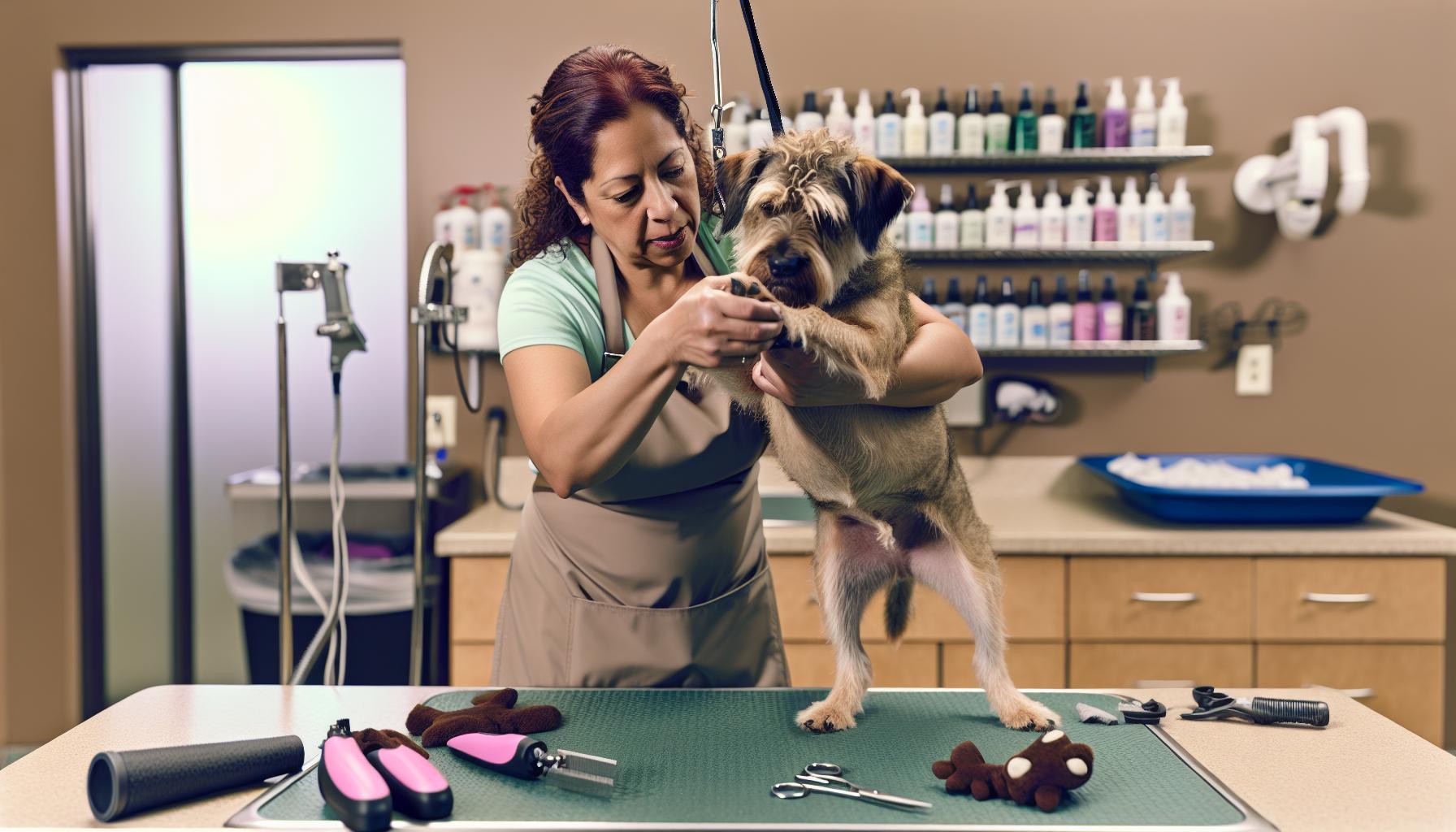
How Groomers Handle Anxious or Resistant Dogs During Nail Cuts
Nail trimming can be one of the most stressful parts of grooming for both dogs and their owners, especially when a dog is anxious or resistant. Experienced groomers know that patience and empathy are crucial, and rushing the process frequently enough backfires. Instead, the goal is to create a calm, cooperative environment where the dog feels safe and understood, turning a potentially stressful experience into one where trust grows.
One common strategy is to break the session into small, manageable steps rather than attempting to trim all nails at once. Groomers often start by simply handling the dog’s paws without clipping, rewarding calm behavior with soft praise or treats. This helps build positive associations. For fearful dogs,groomers might use gentle restraint techniques that avoid causing anxiety-such as sitting beside the dog rather than standing over them,or using a soothing voice and slow,purposeful movements.in certain specific cases, a familiar blanket or toy can provide comfort. For dogs with sensitive skin or a nervous temperament, groomers may incorporate desensitization exercises over multiple visits before even touching the nails.
Tools and Techniques Tailored to Sensitive Dogs
Groomers frequently rely on quieter, less intimidating tools, like nail grinders instead of clippers, since they feel less like a sudden snip and allow gradual reduction of the nail length. Clipper choice also matters-using sharp, well-maintained blades reduces discomfort. For dogs that resist, trimming just one or two nails per session can be more effective, slowly building tolerance over time.
If a dog becomes agitated or tries to pull away, good groomers know when to pause. Signs like paw withdrawal, tail tucking, or vocalizations are respected signals to take a break.During these pauses, groomers will soothe the dog, offer treats, and allow a moment for relaxation before retrying gently. This careful pacing helps prevent fear escalation and reinforces that nail care isn’t a threat.
When Professional Help Is Best
Sometimes, no matter how gentle and patient the approach, the dog’s anxiety level or nail condition calls for veterinary attention or sedation. Groomers collaborate closely with vets in such cases, prioritizing the animal’s well-being above all. If your dog has particularly thick,overgrown nails or special medical issues,a vet’s specialized tools and expertise may be necessary to trim safely without causing pain.
Ultimately, the cornerstone of handling anxious dogs is compassion combined with smart techniques-mixing gradual familiarization, positive reinforcement, appropriate tools, and a willingness to stop and try again later. this approach empowers owners and professionals alike to turn nail trims from a fearful chore into an opportunity for gentle care and growing confidence.
—
- Start Slowly: Begin with touch and positive reinforcement before clipping.
- Use Quiet Tools: Nail grinders can be gentler for sensitive dogs.
- Take breaks: Watch body language,pause if stressed.
- Comfort Items: Familiar blankets or toys can help soothe nerves.
- Know When to Seek Help: Vets can assist with difficult cases or sedation.
choosing the Right Nail Clippers for Different Dog Breeds and Sizes
Nail clipping isn’t one-size-fits-all-choosing the right clippers tailored to your dog’s breed and size makes all the difference in comfort and safety. A tool that’s clumsy or too small can cause uneven cuts or even break the nail, while one that’s too big might feel intimidating or hard to control, especially for smaller pups. The right clipper lets you work smoothly and confidently, keeping your dog calm and relaxed throughout the grooming session.
For tiny breeds like Chihuahuas or Yorkies, delicate and precise cutters with a small, sharp blade are ideal. These “scissor-style” or small guillotine clippers provide control and minimize nail splintering, which is crucial because their nails are thin and fragile. Medium dogs like Beagles or Cocker Spaniels benefit from sturdy guillotine clippers that can handle thicker nails without excessive force. Large breeds such as Labradors or German Shepherds, with their hefty, tough nails, require heavy-duty clippers with a strong steel blade and a comfortable grip, often featuring a safety guard to prevent over-cutting.
Specialized Tools and Why They Matter
Sometimes, the breed’s coat and temperament call for alternative tools.For example, dogs with sensitive skin or anxious personalities often do better with quiet, less startling devices like nail grinders. These slowly file down nails without the sharp snap of clippers,greatly reducing stress.Grinders also give you finer control for trimming just a bit at a time - a helpful feature for smaller breeds or those prone to nail splitting.
If your dog has black nails,where it’s hard to see the quick,clippers with a built-in safety stop or adjustable blade are invaluable. They help prevent accidental cuts into the sensitive area, ensuring safer trimming sessions and fewer painful mishaps.
- Small breeds: Scissor-style or small guillotine clippers for precision.
- Medium breeds: Durable guillotine clippers with sharp blades.
- Large breeds: Heavy-duty clippers with safety guards and ergonomic grips.
- Anxious dogs: Nail grinders to reduce noise and sudden pressure.
- Black nails: Clippers with safety stops to avoid quick injury.
Veterinary clinics and professional groomers often have a variety of clippers on hand. If your dog’s nails are unusually thick or worn unevenly,vets might use specialized instruments designed for tough trimming,offering an extra layer of safety that isn’t always feasible at home. Groomers share this expertise, recommending the best tools for your individual pet and guiding you on their use to keep your home grooming routine safe and stress-free.
Remember,choosing the right clipper doesn’t just mean safer nails-it’s about making the entire experience gentler for your dog. A comfortable tool in your hand helps you trim calmly and confidently, which your pup will feel, making nail care a team effort in kindness and care.
Avoiding Common mistakes That Hurt or Stress Your Dog
Trimming your dog’s nails is an act of care that, when done wrongly, can unwittingly cause pain or heighten anxiety. One of the most common pitfalls is rushing the process, which often leads to cutting too much nail or clipping too close to the quick-the sensitive blood supply inside the nail. This not only causes immediate discomfort and bleeding but can also make your dog dread future nail care sessions.Patience and a gentle pace are your best tools for avoiding these mistakes.
Another frequent error is using inappropriate tools, such as dull blades or clippers not suited to your dog’s size and nail thickness. For example, small breeds with fragile, thin nails need precise, sharp scissors-style clippers, while larger breeds require heavy-duty clippers with safety guards. Using the wrong tool can result in jagged cuts,nail splitting,or crushing,all of which are painful for your dog and create negative associations with nail grooming. Always select equipment designed for your dog’s breed and nail texture to ensure smooth,clean cuts that avoid injury.
Common Trimming Mistakes and How to Avoid Them
- Cutting too far into the quick: This is the most painful mistake. when unsure, trim little by little. For dogs with dark nails, where the quick isn’t visible, take extra caution or opt for a nail grinder for gradual filing.
- Using forceful clipping: Trying to cut thick nails in one quick motion can splinter or break nails. Instead, apply steady, gentle pressure and, if needed, cut in smaller increments.
- Ignoring your dog’s body language: Signs of stress or discomfort,like pulling away,whining,or stiffening,signal it’s time to pause. Forcing clips when your dog resists can cause trauma and fear.
- Skipping regular trims: Infrequent nail care lets nails grow too long, making trims more difficult and uncomfortable. Regular trims every 3-4 weeks keep nails manageable and reduce stress for both of you.
Building Positive Experiences
One groomer I work with tells the story of a fearful terrier who once yanked away mid-trim, causing an accidental quick cut that left both owner and dog wary for weeks. The key to rebuilding trust was slow reintroduction with just the tools, no clipping, combined with calm praise and treats. Over time, the dog learned to tolerate-and eventually enjoy-the gentle attention. This example shows why compassion and reading your dog’s signals are essential, rather than pushing for “perfect” trims.
When to Seek Professional Help
If your dog’s nails are unusually thick,cracked,or painful,or if they react strongly to basic handling,it’s wise to consult a professional groomer or a vet. These experts have specialized tools and techniques to manage difficult trims safely and reduce your dog’s stress.Remember, nail trimming is about your dog’s comfort and health, not just cosmetic appearance.
taking a calm, empathetic approach-paired with the right tools and timing-will transform nail trimming from a dreaded chore into a routine of loving care. Your dog will feel that kindness,making each trim a step toward trust and well-being.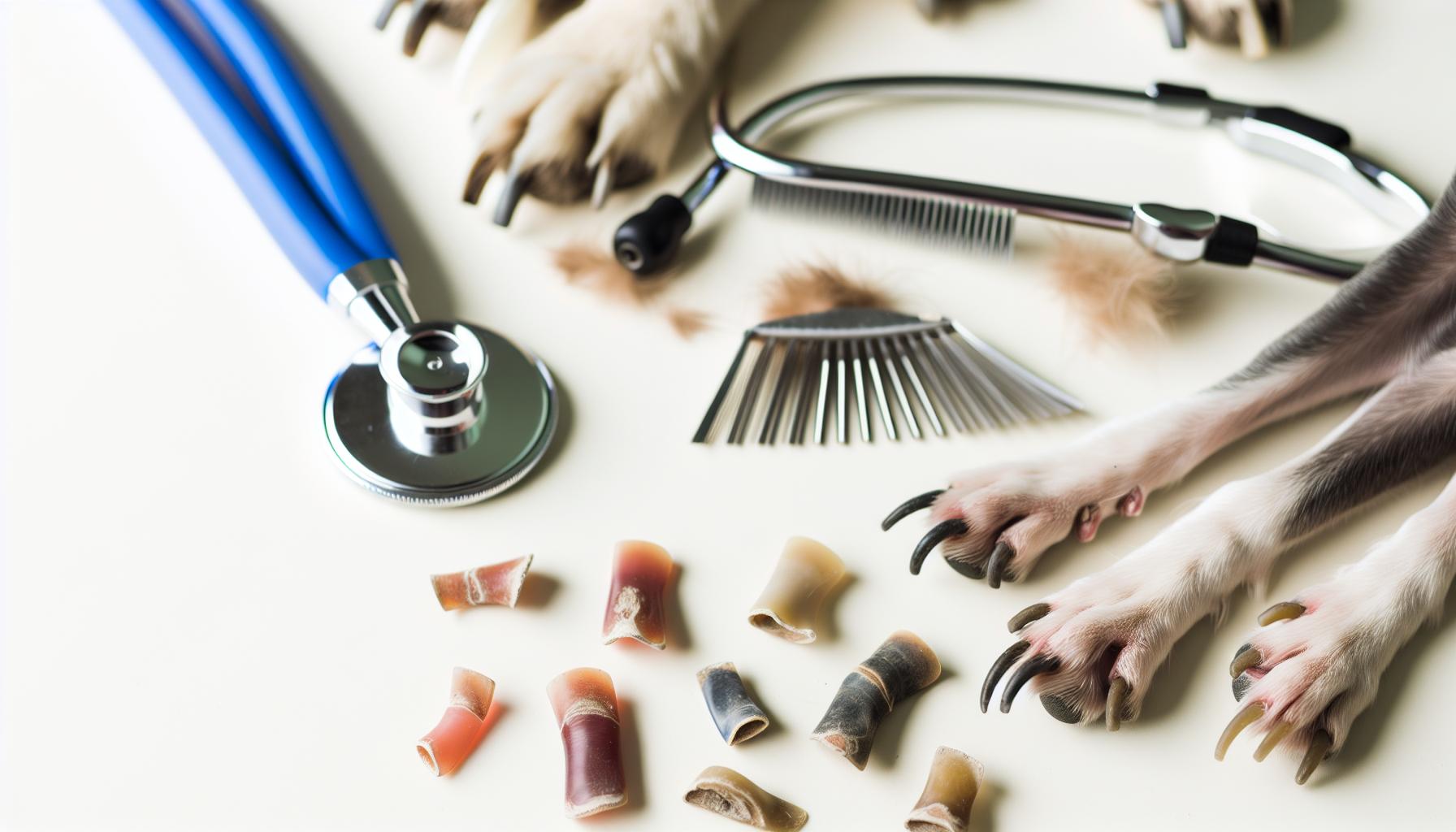
Signs of Nail Problems: when to Stop and Seek Veterinary Help
Trimming your dog’s nails should always feel like a safe and positive experience for both of you. Though, sometimes signs in your dog’s nails suggest that a simple trim isn’t enough-and that it’s time to pause and get expert help. Detecting these signals early can prevent discomfort, infections, and more serious problems down the road. As someone who cares deeply about your dog’s well-being, I encourage you to watch closely for unusual changes or behaviors that indicate distress or nail health issues.
- Persistent Breaking or Splitting: If nails repeatedly crack or break during trimming, this could signal brittleness usually caused by dietary deficiencies, dehydration, or underlying health issues. Healthy nails should trim cleanly without splintering or crumbling easily. When nails are brittle,forcing a clip can cause pain or even infection,so consulting your veterinarian will guide you toward proper diagnosis and treatment [[2]].
- Visible Signs of Infection or Inflammation: Look closely for redness, swelling, pus, or discharge around the nail bed. These symptoms often indicate bacterial or fungal infections that require veterinary intervention. Infections can cause critically important pain and may worsen if trimming continues without treatment. never hesitate to stop and allow a vet to prescribe appropriate medications and care [[3]].
- Abnormal Nail Shapes or Misshapen Growth: Nails growing in unusual curves,or that seem overly thick and misshapen,aren’t just cosmetic concerns. They can interfere with walking and lead to painful foot issues. If you notice a nail curving toward the paw pad or nails that look dramatically different from your dog’s normal, it’s time to seek a professional assessment. specialized trimming tools and sometimes medical treatment are needed to safely manage these issues [[[[[1]].
- Severe Sensitivity or Resistance to Handling: While it’s normal for some dogs to be nervous during nail trims, intense reactions such as yelping, aggressive attempts to escape, or extreme withdrawal often mean there’s underlying pain. This could stem from nail damage, infection, or even arthritis affecting foot comfort. A vet or professional groomer trained in gentle handling techniques can assess your dog and recommend pain management or specialized care.
Why Professional Help Matters
Veterinarians and experienced groomers have access to diagnostic tools and treatments that go beyond basic trimming. They can safely manage nail infections, perform pain-free nail debridement, and provide advice on nutrition and supplements to improve nail health. Sometimes, chronic nail issues signal systemic diseases that need medical attention. Taking this step ensures your dog’s comfort and long-term wellness, turning nail care into a stress-free routine rather than a fearful event.
Remember, your calm, gentle approach combined with timely expert support will protect your dog’s paws and build lasting trust-making every trim a small festivity of care and comfort. If ever you feel unsure, stopping and checking in with a professional is the kindest choice you can make.
How to Comfort and Reward Your Dog Before, during, and After Trimming
Few things build trust between you and your dog like making nail trimming a truly positive experience. Many dogs feel anxious because nail care can be unfamiliar or uncomfortable, so setting a calm, reassuring tone before you even touch the clippers makes all the difference. Simple gestures-like gentle petting,soft praise,or letting your dog sniff the equipment-help them feel safe and involved rather than threatened.
Preparing your Dog with Comfort and Calm
Start by creating a quiet, cozy environment. Choose a familiar spot with minimal distractions where your dog can relax.Sit or kneel at their level to maintain a comforting presence, speaking in a soft, upbeat voice. If your dog is particularly nervous, gradually introduce your hand to touch their paws long before trimming begins. Slowly massage each paw to associate touch with pleasure rather than stress. Use small, tasty treats during these moments-such as soft kibble or tiny bits of cooked chicken-to create positive associations with paw handling.
Making the Trim a Team Effort
during the actual nail cutting, keep your approach steady and confident but gentle. Pause after clipping each nail to reward success with enthusiastic praise and a favorite treat. This reinforces that good things happen during the process. If your dog flinches or pulls away,do not rush. Rather, pause and soothe with petting, reassuring words, or a brief break. Using a calm, patient tone can ease fear and keep your dog engaged. some groomers advise working with a helper who can gently hold and comfort the dog, making the experience feel safer.remember, even small progress is a win-the goal is long-term comfort, not perfection in one session.
Aftercare Rewards and Relaxation
Once nails are trimmed, celebrate your dog’s bravery with extra affection and more high-value treats. Playtime or a relaxed walk soon after can help release any lingering tension and reinforce a sense of normalcy. Consider incorporating brief brushing or a gentle massage into post-trim bonding-it signals “care” beyond just the nail clippers. If you notice signs of stress like panting or pacing, give your dog time to decompress before jumping to the next grooming step. Patience here builds a positive cycle of trust for future trims.
- Use soft, small treats: Keep them bite-sized to avoid distractions and encourage focus.
- Offer plenty of praise: Your tone and body language matter just as much as words.
- Take breaks when needed: Even a short pause helps reduce anxiety and increase cooperation.
- Stay consistent: Regular, gentle exposure makes trims routine rather than scary.
For dogs who remain very anxious or resistant despite your best efforts, consider professional groomers experienced in gentle handling or a consult with your vet for behavioral support. Knowing when to pause or ask for help is part of good pet care, prioritizing your dog’s emotional and physical safety above all. Your calm presence paired with thoughtful rewards transforms nail cutting from a dreaded chore into another way you show love.
Expert Tips: Maintaining Healthy Nails Between Grooming Sessions
Nail health doesn’t begin and end with the grooming table-it’s a continuous care routine that, when done thoughtfully, keeps your dog comfortable and confident every day. Just like brushing teeth or regular baths, maintaining your dog’s nails between trims prevents overgrowth, reduces cracking, and helps avoid painful splits or infections. Dogs who stay active on hard surfaces naturally wear down their nails, but for indoor or less active pups, dedicated upkeep makes a big difference.
simple Daily Checks and Gentle Maintenance
Make it a habit to gently inspect your dog’s nails every few days. Look for signs like uneven wear, splitting, or cracks that might indicate the need for a trim or professional care. Use this moment to softly handle their paws, turning nail maintenance into a positive bonding experience rather than a stressful interruption. If you notice your dog constantly snagging their nails on carpets or if their nails are clicking on hard floors, it’s a good cue for more frequent trimming.
For dogs with lighter nails, keep a small nail file or sanding tool handy. Carefully smoothing the edges between trims can prevent sharp tips that bother your dog or snag on fabrics. If using a file, always work slowly with light pressure to avoid causing stress or accidental injury.
Lifestyle and coat Considerations
Breed, age, and lifestyle affect nail wear and health. Active dogs running on pavement or gravel often need less frequent trimming than those primarily indoors or walking on soft grass.For smaller breeds or dogs with dark nails where the quick is harder to see,more frequent,lighter trims reduce the risk of cutting too close and causing discomfort.
Coat type also plays a role: dogs with long fur between their toes can trap moisture, leading to nail bed irritation or infections.Regular brushing of fur around the paws and drying after baths helps maintain healthy nails and paws. Adding gentle moisturizing paw balms formulated for dogs can soothe dry skin but avoid applying near the nail quick.
DIY Upkeep vs. Professional Care: Finding Your Balance
You don’t have to be a professional groomer to keep nails healthy between sessions, but respecting your limits is key. If your dog is especially anxious or has thick, fast-growing nails, leaving complex trims to a groomer or vet is safest. Meanwhile, light filing and gentle paw massages at home maintain comfort and build trust.
| care Task | frequency | Recommended By |
|---|---|---|
| Visual nail inspection | Every 3-5 days | Groomers & veterinarians |
| Nail filing (light smoothing) | Weekly or as needed | Groomers, recommended for sensitive dogs |
| Professional nail trims | Every 3-6 weeks, depending on activity | Groomers or vets |
| Paw fur trimming and cleaning | Monthly or as needed | Groomers |
Keep the Connection Positive
Above all, maintain a calm, reassuring approach during all nail-related care. Small moments of praise,a soothing voice,and gentle handling make your dog feel safe and loved. Incorporate nail care into your dog’s regular grooming routine-brushing, ear cleaning, and bathing-so it becomes familiar rather than frightening. When your dog associates paw maintenance with comfort and kindness, you’re not just caring for nails; you’re strengthening the unique bond that makes grooming a joy rather than a chore.
If in doubt, always reach out to your groomer or vet for advice tailored to your dog’s specific needs. Together, you can ensure healthy nails that support happy paws long after the grooming session ends.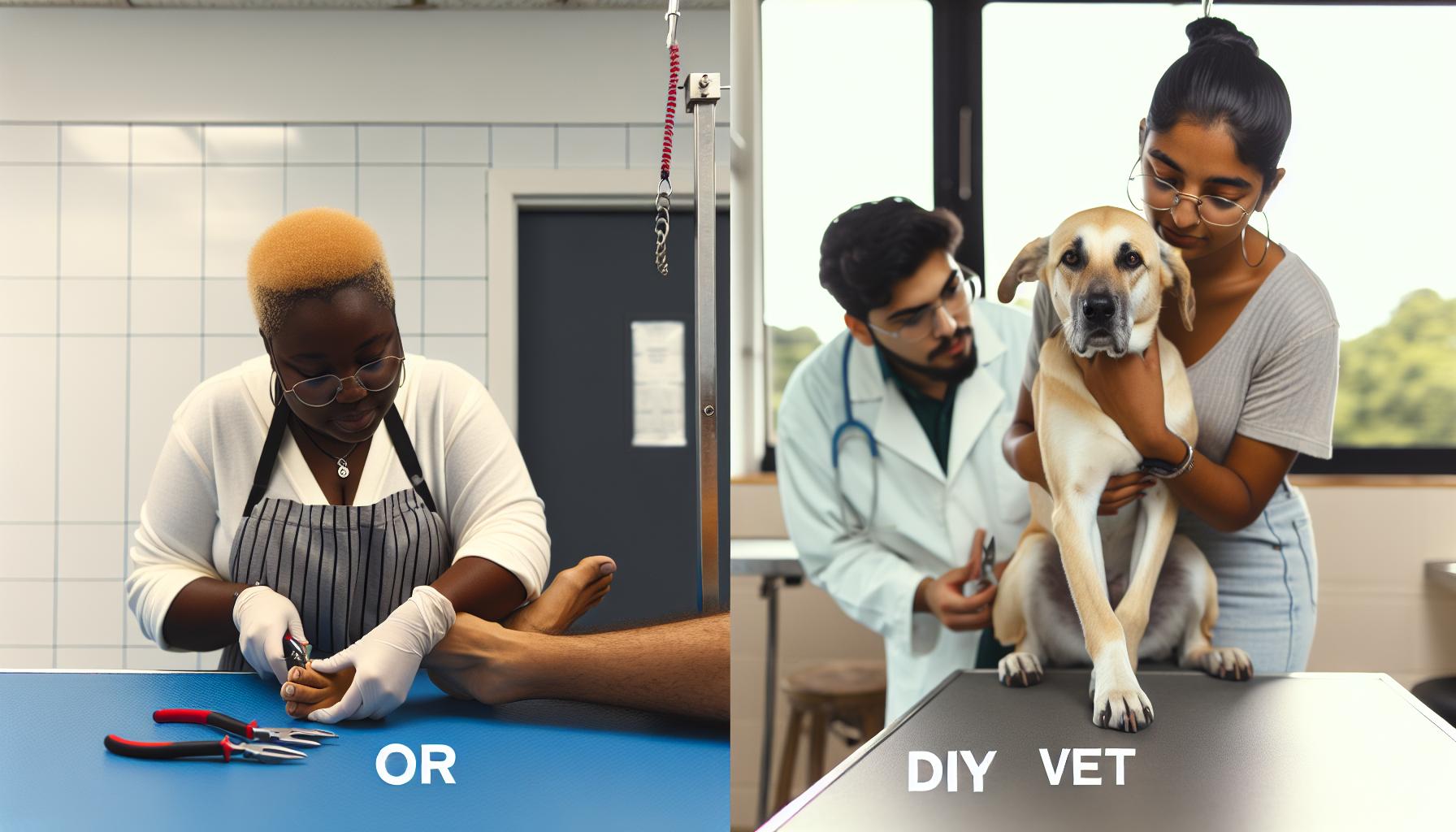
Comparing Professional Groomers, Vets, and DIY Nail Care methods
Nail care is one of those tasks that can feel straightforward in theory but quickly becomes a delicate dance of patience, skill, and trust in practice. Whether you opt for professional groomers, a veterinarian, or caring for your pup’s nails yourself, each route plays a unique role in keeping your dog comfortable and healthy.Understanding their differences helps you make confident decisions tailored to your dog’s breed, temperament, and lifestyle.
Professional groomers bring specialized tools and experience that are especially valuable for dogs with thick or fast-growing nails, dark nail beds where the quick is hard to see, or those who are shy or anxious. Groomers often use a combination of sharp guillotine clippers, grinding tools, and calming techniques to trim nails cleanly and safely. As groomers regularly handle paws and have a keen eye for spotting nail issues early, they also trim fur around the paw pads and keep the entire foot neat, reducing the risk of infections or irritations. Their expertise means they can frequently enough trim nails efficiently in a single session, making the experience less stressful for your dog.
Veterinarians tend to be the go-to for more complex situations-such as infected nails, painful overgrowth, or when a dog has underlying health conditions affecting their paws. Vets are equipped not just with tools but also with medical knowledge to address nail-related problems like ingrown nails or trauma. They can sedate anxious or resistant dogs if necessary to ensure safety for both pet and person, which is something groomers generally cannot do. If you notice swelling, bleeding, or limping, it’s a signal to seek veterinary care rather than DIY or basic grooming.Taking care of your dog’s nails at home empowers a gentle, ongoing bonding experience and works well for routine maintenance between professional trims. DIY nail care works best with the right tools-such as sharp clippers designed for your dog’s breed and size, a good nail file for smoothing edges, and styptic powder just in case. Starting early with puppies accustomed to having their paws handled can reduce anxiety. At home, shorter, more frequent trims or light filing can prevent overgrowth and keep nails from splitting. However, if your dog is very resistant, fearful, or if the nails are overgrown and risky to trim, leaving advanced trims to a groomer or vet is safest.
Balancing Care Approaches for Your Dog’s Best Comfort
- Breed and size matters: Large, powerful breeds might need sturdy clippers and professional expertise, while smaller dogs frequently enough do well with home trimming using scissors-style clippers.
- Anxiety and behavior: Calm dogs may thrive with at-home care, but nervous or fidgety pets benefit hugely from a groomer’s trained hands and a calming environment.
- Health considerations: Dogs with diabetes,arthritis,or paw infections should have their nails trimmed by professionals who understand potential complications.
- Tools and technique: Even the best clippers can’t replace experience; learning to spot the quick, using gentle restraint, and knowing when to stop are essential skills.
| Care Provider | Strengths | When to Choose | Potential Limitations |
|---|---|---|---|
| Professional Groomer | Expert handling, specialized tools, calms anxious dogs | Routine trims, anxious or resistant dogs, grooming prep | May require appointments, not medical treatment |
| Veterinarian | Medical expertise, sedation if needed, addresses nail injuries | Infections, trauma, complex nail conditions | Higher cost, less frequent, clinical setting |
| DIY/Home Care | Convenience, frequent maintenance, bonding experience | Regular minor trims, comfortable, cooperative dogs | Risk of injury if inexperienced, limited with anxious dogs |
Integrating these approaches based on your dog’s needs helps maintain healthy, happy paws.For example, many owners find that doing light filing and inspections at home between groomer appointments keeps nails comfortable and prevents sudden overgrowth. Meanwhile, a trusted groomer handles thorough trims every few weeks, and the vet steps in if there’s a problem beyond simple care. This team approach combines the best of all worlds-professional skill, medical safety, and loving familiarity-that brings peace of mind to both owners and dogs alike.
Always prioritize your dog’s comfort by observing their reactions and adjusting care accordingly. Whether you trim nails yourself or entrust the task to professionals, patience and kindness are key. When your dog feels safe, nail care transforms from a chore into a shared moment of trust and warmth.
Q&A
Q: How do professional dog groomers manage trimming nails on dogs with dark nails safely?
A: Groomers trim dark nails cautiously by cutting small amounts at a time to avoid hitting the quick, which is harder to see in dark nails. they often use grinders to gently smooth edges and rely on experience and careful observation to prevent pain or bleeding. For detailed guidance, see our section on avoiding common mistakes for sensitive grooming.Q: What techniques do groomers use to keep dogs calm during nail trimming?
A: Groomers use gentle handling, positive reinforcement, and break the trimming into small steps to reduce stress.Familiarizing dogs with paw handling beforehand and offering treats or praise helps maintain calmness throughout the process. Learn more in our comfort and reward strategies section.
Q: Why do groomers prefer grinding nails over clipping for some dogs?
A: Nail grinding provides more control, especially for dogs with brittle or thick nails. It reduces the chance of splitting or cutting too deeply into the quick, making it a safer alternative for sensitive dogs. Check the essential tools part of the article for recommended grinders.
Q: When should a groomer stop cutting and suggest veterinary consultation for nail issues?
A: Groomers stop trimming instantly if nails bleed, show signs of infection, swelling, or unusual tenderness. Persistent nail problems or abnormalities warrant a vet visit for diagnosis and treatment, as outlined in our signs of nail problems section.
Q: How do groomers adapt nail trimming methods for different dog breeds and sizes?
A: Groomers select nail clippers or grinders suited to a dog’s breed and size-using larger, sturdy tools for big breeds and precision tools for small or toy breeds. They adjust trimming speed and restraint techniques to ensure comfort and safety. See the choosing the right nail clippers section for details.
Q: What are groomers’ best practices for avoiding nail trimming injuries?
A: Groomers trim nails slowly, avoid cutting too close to the quick, and keep tools sharp and clean to prevent splitting or infections. They also maintain a calm environment to reduce dog movement and stress, which helps avoid accidental cuts. Explore more in avoiding common mistakes section.
Q: How often do professional groomers recommend nail trims for optimal paw health?
A: Most groomers recommend trimming every 3-4 weeks depending on the dog’s activity level and nail growth. Regular trims prevent discomfort and maintain healthy paws.For tips on timing and maintenance, refer to our expert tips on maintaining healthy nails section.
Q: What role does paw handling training play in professional nail trimming?
A: Positive paw handling helps dogs tolerate nail trims stress-free. Groomers begin by gently touching and holding paws before clipping, encouraging relaxed behavior. This technique is key to managing anxious dogs and is detailed in our how groomers handle anxious or resistant dogs section.
For more expert advice on safe nail trimming methods, explore the full guide sections linked above to empower you with calm, confident dog grooming skills!
Insights and Conclusions
Knowing how professional dog groomers safely trim nails gives you the confidence to care for your dog’s paws with patience and precision.Whether your pup has delicate tiny nails or thicker ones from a larger breed, the right tools and gentle techniques ensure comfort and avoid pain. If you’re ready to try nail trimming at home or wont to understand when to seek a groomer or vet’s help, our detailed guides on dog grooming basics and at-home grooming tools are perfect next steps.
Remember, regular nail care supports your dog’s health and mobility. Don’t wait until nails get too long-starting today with safe, stress-free trimming routines can make all the difference. For more tips on calming anxious pets or tackling tricky grooming tasks like ear cleaning, check out our expert resources. Share your experiences or questions below and stay connected by signing up for our newsletter to receive ongoing advice and grooming insights from trusted professionals who care deeply about your dog’s well-being.
Explore more about safe nail trimming, ideal grooming schedules, and breed-specific care to keep your furry friend happy and healthy. Your pet’s comfort is our priority-let’s make grooming a positive, loving experience every time.
Make Perfect Pooches Grooming a Preferred SourceGet our latest guides, news, and insights highlighted in your Google Search & AI Overviews.
✓ Preferred Source Added
A: Nail grinding provides more control, especially for dogs with brittle or thick nails. It reduces the chance of splitting or cutting too deeply into the quick, making it a safer alternative for sensitive dogs. Check the essential tools part of the article for recommended grinders.
A: Most groomers recommend trimming every 3-4 weeks depending on the dog’s activity level and nail growth. Regular trims prevent discomfort and maintain healthy paws.For tips on timing and maintenance, refer to our expert tips on maintaining healthy nails section.
Get our latest guides, news, and insights highlighted in your Google Search & AI Overviews.
Keep reading about the same coat and cut.




Popular grooming guides
Bath vs clip, first grooms, and salon how-tos.