Do Dog Groomers Go to School? Certification Requirements
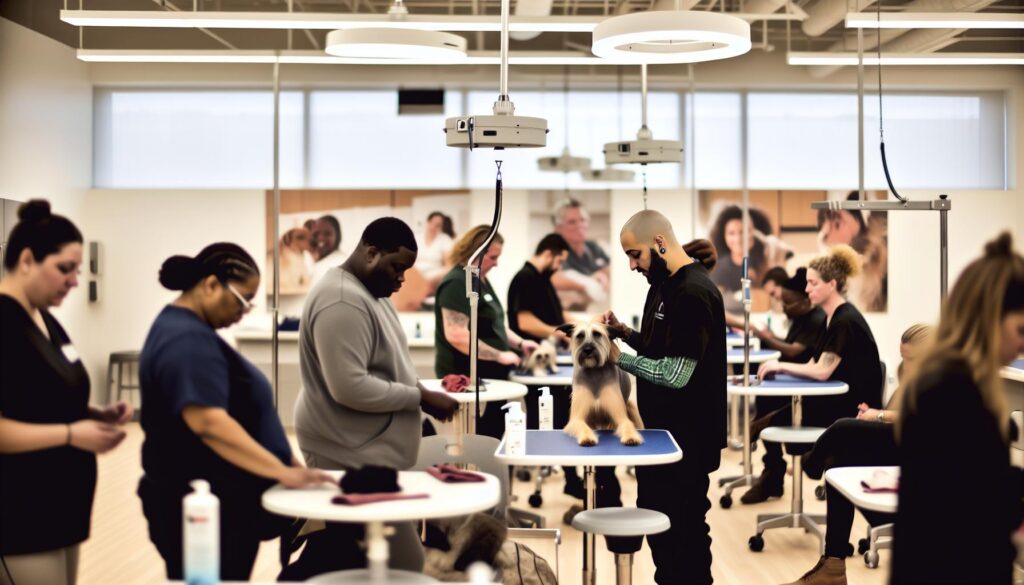
Did you know that while many dog groomers are passionate animal lovers, not all start their career by attending formal schooling? Understanding whether dog groomers go to school and what certification requirements exist can give you peace of mind as a pet owner. Proper training ensures groomers know how to safely handle different breeds, coat types, and grooming tools, prioritizing your dog’s comfort and health over just appearance. In this guide, we’ll explore how groomers gain their skills-whether through hands-on experience, specialized programs, or recognized certifications-and why these credentials matter. Knowing the path your groomer has taken helps you feel confident they can handle everything from basic baths and nail trims to breed-specific styles, all while keeping anxious pets calm and safe. Whether you’re curious about what qualifications to look for or considering grooming as a career, this overview will clarify what education and certifications realy mean in the world of pet care and why they benefit your furry friend.
Understanding dog grooming Education: Do Groomers Attend School?
Table of Contents
- 1 Understanding dog grooming Education: Do Groomers Attend School?
- 2 Different Types of Dog Grooming Training Programs Explained
- 3 Certification vs. Licensing: What Dog Groomers Need to Know
- 4 Essential Skills and knowledge Covered in Grooming courses
- 5 How to Choose the Right Dog Grooming School or Program
- 6 Hands-On Experience: Why Practical Training Matters Most
- 7 Common Certification Bodies and Industry Standards for groomers
- 8 Costs and Time Investment for Dog Grooming Certification
- 9 Continuing Education and Advanced Grooming Certifications
- 10 Legal Requirements and Regulations for Professional Dog Groomers
- 11 How Certification Impacts Your Career and Client Trust
- 12 Alternatives to formal Schooling: Self-Learning and Apprenticeships
- 13 Faq
- 13.1 Q: How long does dog grooming school usually take to complete?
- 13.2 Q: Are there recognized professional organizations for dog groomer certification?
- 13.3 Q: Can someone become a dog groomer without formal schooling through apprenticeships?
- 13.4 Q: What are the key safety practices dog groomers must learn during certification?
- 13.5 Q: How do grooming certifications affect job opportunities and pay rates?
- 13.6 Q: Are there continuing education requirements to maintain dog grooming certification?
- 13.7 Q: What should I look for when choosing an online dog grooming school?
- 13.8 Q: Does dog grooming certification include learning about different dog breeds and coat types?
- 14 Closing Remarks
Dog grooming is a delicate mix of art, science, and genuine care-more than just a haircut, it’s about the pet’s health, comfort, and well-being. Many wonder if professional groomers attend formal school to master their craft. While there isn’t a worldwide “dog grooming school” requirement, attending specialized programs can vastly improve a groomer’s skills, confidence, and understanding of canine care.Formal training often includes both theoretical knowledge and hands-on practice, covering everything from breed-specific coat types and health considerations to the safe use of grooming tools.Some groomers choose to learn on the job through apprenticeships, but online academies and in-person courses have grown popular, offering flexible ways to learn these vital skills. For example, programs like the Professional Dog Grooming Academy provide comprehensive curricula that guide students through grooming section-by-section, focusing on safety, patience, and breed standards all within a pet-first philosophy[[1]](https://www.pdga.online/). This structure helps groomers master the practical steps of bathing, brushing, nail care, and styling while being sensitive to anxious or nervous animals.Understanding when and why to pursue formal education helps one appreciate that grooming is more than a hobby-it’s a profession where learning safe handling techniques and canine behavior is crucial.A groomer trained through structured courses can better identify health issues like skin infections or ear problems, know when to recommend a vet, and ensure every pet’s day at the salon is calm, safe, and as stress-free as possible. Whether grooming curlier coats that need frequent detangling or managing the grooming needs of a double-coated breed, education equips groomers with the confidence to adapt their approach thoughtfully.
If you’re considering becoming a groomer yourself or are simply curious about how professionals attain their expertise, know that formal schooling-especially those programs emphasizing practical skills and animal welfare-is a great way to build a solid foundation. This helps groomers not only deliver a beautiful trim but also become trusted caretakers who prioritize safety and comfort for every dog that comes through their door.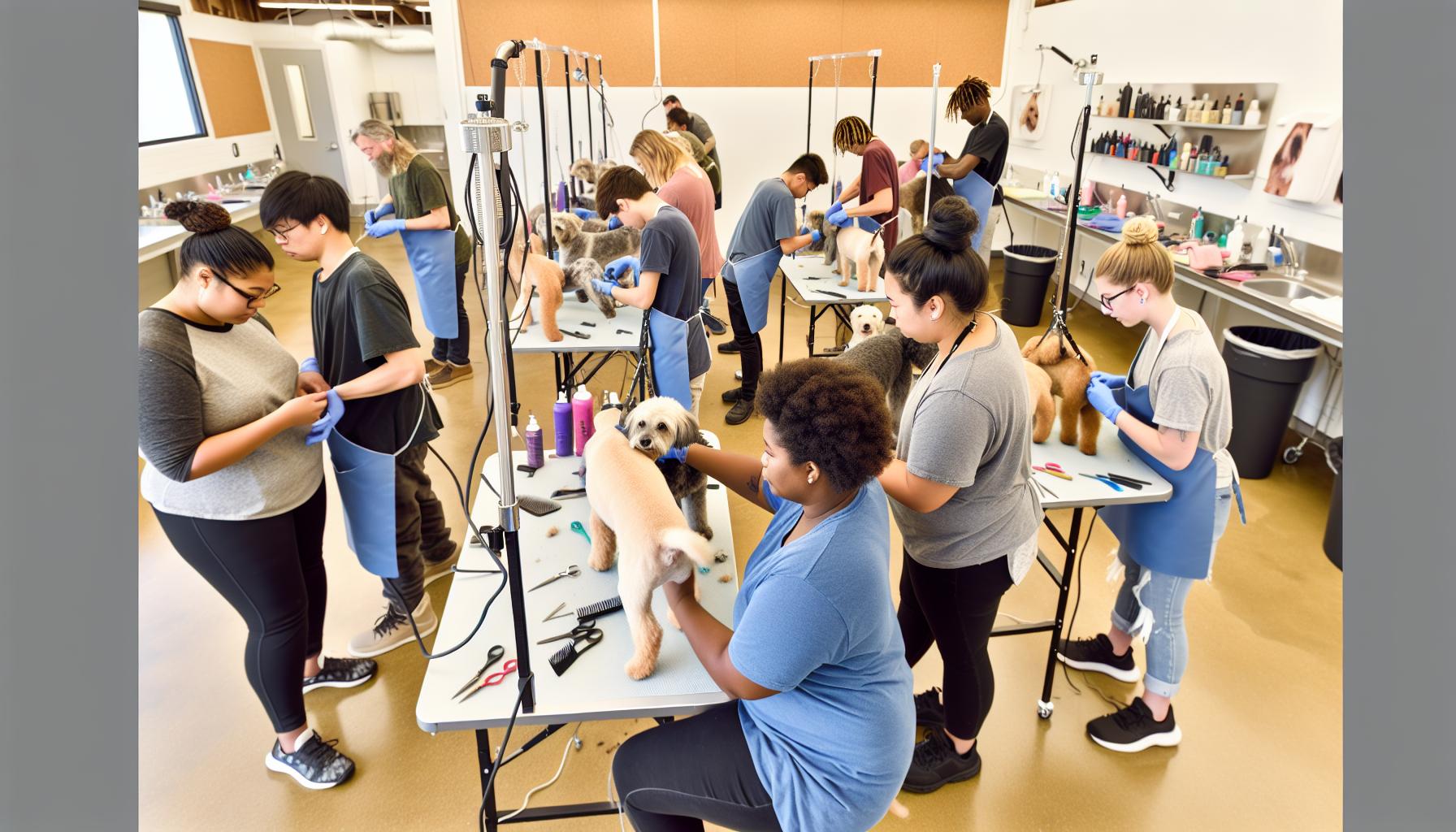
Different Types of Dog Grooming Training Programs Explained
dog grooming training programs come in a variety of shapes and formats, each designed to meet different learning styles, schedules, and career goals. Whether you thrive in a hands-on classroom surroundings or prefer the flexibility of online learning, there’s a path for you to build essential skills while prioritizing the comfort and safety of every pet in your care. With the right program,you’ll gain more than just grooming techniques-you’ll learn to read a dog’s body language,recognize health concerns,and tailor your approach to breed-specific coat types.
In-Person Grooming Schools
Customary grooming schools offer immersive, classroom-based instruction, frequently enough paired with real animal handling sessions. these programs are ideal if you learn best through face-to-face interaction and immediate feedback. Schools like the canine Kingdom in Naperville, Illinois, focus on pet stylist certification and prepare students for industry standards with hands-on practice, covering everything from bathing and clipping to creative finishing touches[[2]](http://www.thecaninekingdom.com/grooming-school/naperville-il).You’ll have the chance to work directly with different breeds, understanding subtle coat differences-from the thick double coat of a siberian Husky to the tight curls of a Poodle.
Online Grooming Academies
For those who need flexibility or live far from established schools, online programs such as the Professional Dog Grooming Academy provide comprehensive training accessible from home[[3]](https://www.pdga.online/). These courses break down grooming into manageable sections-bath, brush, nails, ears-so you can master each step thoroughly. Video tutorials paired with detailed theory lessons about canine health and breed standards help you progress at your own pace. A big advantage here is rewatching complex techniques, like safely deshedding double-coated breeds or managing anxious dogs with calm handling methods, which builds confidence before you groom in real life.
Apprenticeships and Mentorships
Some groomers choose an apprenticeship route, learning directly under a seasoned professional in a salon setting. This on-the-job training allows you to absorb practical knowledge through daily experience. You’ll witness real-world challenges like managing a nervous rescue dog or adapting grooming tools for senior pets with sensitive skin. Apprenticeships emphasize safety and compassion, teaching not just how to style but also when to recognize signs that a vet should be consulted instead of proceeding with grooming.
Certification preparatory Programs
Certain schools and academies focus specifically on preparing you for recognized professional certifications. These programs combine theory, practical skills, and mock exams to get you ready for certification tests that validate your expertise. For instance, many groomers choose courses that cover breed-specific grooming standards-a necessity for official certification bodies-and include guidance on client consultation and ethical practices.Certification boosts your credibility,assuring clients that your training upholds high welfare standards and safety.
- Key skills learned: breed coat types,safe grooming tool use,handling anxious pets
- Format options: full-time,part-time,in-person,online,hybrid
- Focus areas: basic to advanced trims,health & behavior awareness,breed standards
- Tools introduced: clippers,scissors,grooming tables,nail trimmers,dematting tools
Practical tip: If you’re just starting,look for programs that emphasize patience and welfare over achieving “perfect looks.” Grooming should always be a positive experience, especially for nervous or senior dogs. Knowing when to slow down, choose quieter tools, or even pause for a break can make a huge difference in a dog’s comfort and your long-term success.
By understanding these training options, you can select a path that suits your lifestyle and builds your skills progressively. Whether it’s the camaraderie of a grooming school, the convenience of online lessons, or hands-on mentorship, each program type contributes uniquely to making you a confident, caring professional.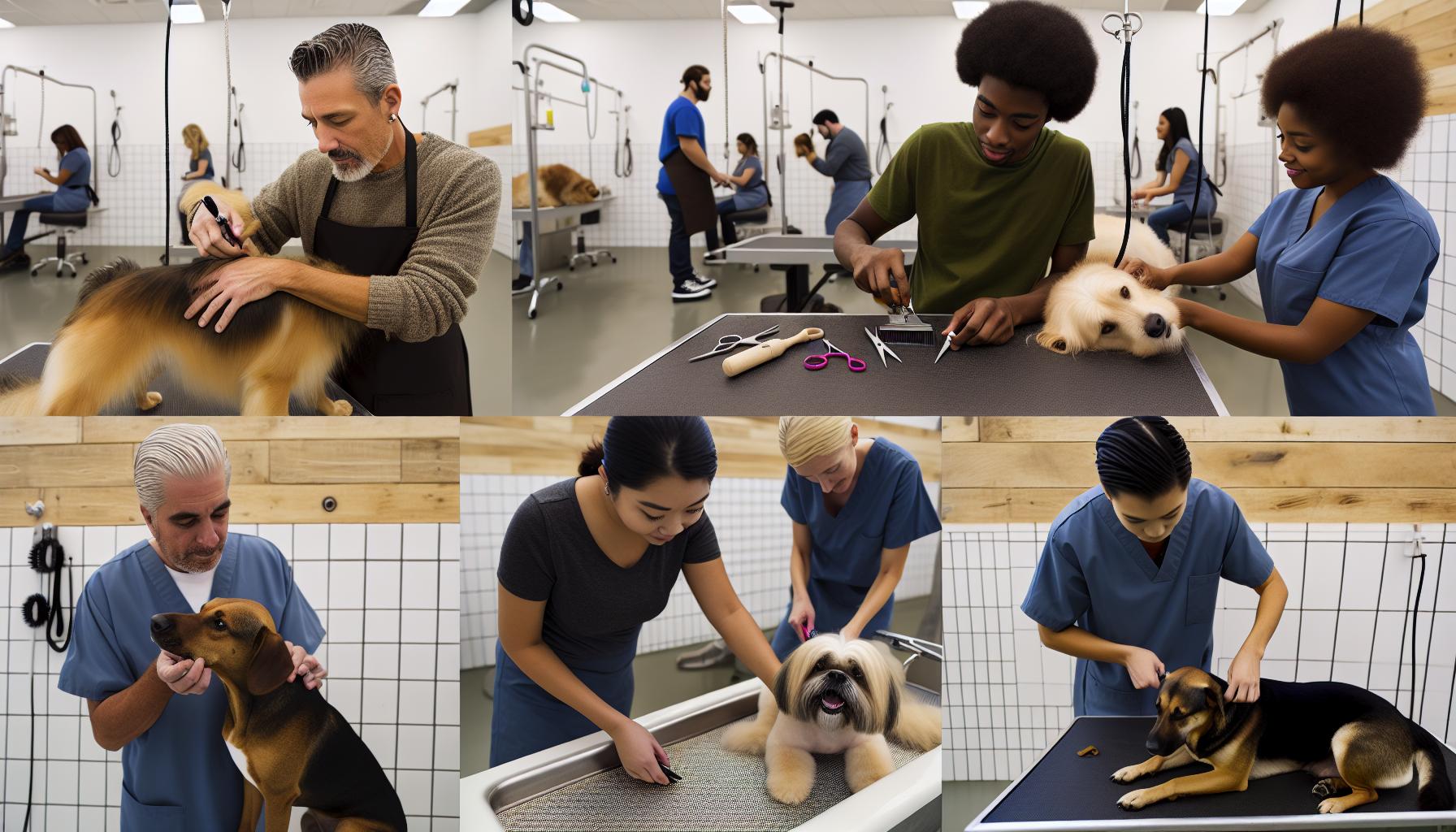
Certification vs. Licensing: What Dog Groomers Need to Know
Sometimes, the difference between certification and licensing can feel confusing, but understanding it is key to starting your journey as a professional dog groomer confidently. While both aim to ensure groomers have the skills needed to care for pets safely and effectively, they serve different purposes and come with unique requirements depending on where you live and work.
Certification is usually a voluntary process where you prove your skills and knowledge through examinations or coursework from recognized organizations or schools. Such as, a certification program might test your ability to groom specific breeds, safely use grooming tools, recognize signs of distress in anxious dogs, and understand health and hygiene standards.It’s a powerful way to demonstrate your expertise to clients and employers, showing that you’ve dedicated time to mastering your craft beyond just “on-the-job” experience. Many groomers find that certification opens doors to higher-paying jobs or specialized work like styling show dogs or working with rescue animals who need gentle handling.
Licensing, on the other hand, is frequently enough a legal requirement mandated by state or local governments before you can operate professionally. Some places require you to pass a test or register your business as a groomer to ensure all pet care providers meet minimum safety and welfare standards. Licensing regulations can vary widely-in states like Michigan, you might need specific licenses or hours of training completed, while other states like West Virginia or Wisconsin don’t regulate pet grooming at all[[2]](https://www.vocationaltraininghq.com/dog-grooming-michigan/) [[3]](https://www.onlytradeschools.com/pet-groomer-license-requirements-by-state/). Checking your local requirements early on is essential becuase operating without a required license could lead to fines or even closure.
Why Both Matter for You and Your Clients
Even if licensing isn’t required in your area, getting certified can be a real boost to your credibility. It sends a reassuring message that you prioritize the comfort and welfare of each furry client. Imagine a nervous poodle or a senior dog with delicate skin-knowing your groomer is certified means they understand how to approach sensitive situations with care, patience, and the right tools without rushing or causing discomfort.Certification programs typically emphasize this compassionate approach, teaching groomers to read canine body language and recognize when a pause, or even a vet referral, is needed.
- Certification ensures: Verified skill level,advanced knowledge,and ethical grooming practices.
- Licensing ensures: Compliance with local laws, safety standards, and professional accountability.
If you are just starting out, balance your time between gaining hands-on experience and pursuing relevant certifications that fit your state’s licensing laws. This dual approach not only keeps you on the right side of regulations but also builds trust with pet parents nervous about leaving their beloved companions in your care.
Real-World Example
A groomer in Michigan,for instance,can attend a grooming school to get certified,making them more competitive for jobs,while also applying for any state-required licenses before opening their own salon. Meanwhile,a groomer in a state without grooming licenses may still pursue certification to reassure clients and grow their skills,focusing on continuing education to stay updated on best practices.
By understanding the distinction and complement between certification and licensing, you can create a solid foundation for a rewarding career, centered on kindness, safety, and professional growth-three pillars that every dog groomer should uphold.
Essential Skills and knowledge Covered in Grooming courses
Dog grooming courses teach much more than just scissoring and styling; they build a foundation rooted in compassion, safety, and animal welfare. Groomers learn to understand the unique needs of each breed and coat type,ensuring that every pooch is treated with care and respect. From the moment a dog walks in, it’s about reading their body language, spotting signs of anxiety or discomfort, and adapting grooming techniques accordingly – as a calm dog makes for a safer and more pleasant grooming session.
Foundational Grooming Tasks and Tools
courses begin with the basics: selecting and using the right equipment for each coat type.Different brushes, combs, clippers, and scissors are covered in detail, along with when and how to use them effectively. Students learn how to approach common grooming tasks:
- Bathing: Proper shampoos and conditioners for skin health, gentle handling to reduce stress, and safe drying methods.
- Brushing and Dematting: Techniques to gently remove tangles and mats without hurting the dog, which is especially crucial for curly or double-coated breeds like Poodles or Golden Retrievers.
- Nail Trimming: Recognizing the fast (the sensitive part inside the nail) and preventing bleeding or pain, with techniques to calm fidgety paws.
- Ear Cleaning: Safely removing wax and checking for signs of infection or irritation, knowing when to refer to a veterinarian.
each section emphasizes patience and the dog’s well-being over rushing through a “perfect” style. For example, a groomer trained in these programs knows it’s okay to pause if a dog is stressed or to reschedule if a pet shows signs of illness. This attentiveness builds client trust and keeps pets healthy.
Understanding Canine Health and Behavior
Certification programs also include essential health care education.Groomers learn to recognize common skin conditions, allergies, infections, and parasites-knowledge that may help owners get veterinary care sooner. This training empowers groomers to become vigilant stewards of pet health, able to spot things owners might miss.
behavior education is equally crucial. Understanding dog body language-like subtle signals of fear, aggression, or discomfort-helps groomers adjust their approach. For example, a dog showing “whale eyes” (the whites of their eyes) and tucked tail is signaling fear, so adjusting handling techniques or using a calming voice can ease the experience.
Styling by Breed & Ethical Grooming Practices
Courses provide insight into styling standards for various breeds, explaining how coat textures affect grooming difficulty and tool choice. A wiry-coated Schnauzer requires different clipping than a silky Maltese, and groomers practice these distinctions hands-on. Importantly,ethical grooming is emphasized-avoiding fad trims that harm a dog’s coat or skin,and respecting natural breed characteristics.
vet vs. Groomer vs. DIY: Knowing Your Limits
A hallmark of quality courses is clear boundaries between grooming and veterinary care. Groomers are taught not to diagnose or treat medical conditions but to know when to refer pets to vets. For example,if a groomer spots a suspicious lump,inflamed ear,or severe matting causing discomfort,they should advise a vet visit rather than attempting risky interventions. This respect for professional limits ensures pets receive the best care.
grooming courses build confident professionals who prioritize pet comfort and safety above all. They teach practical skills – from bathing and brushing to breed-specific cuts – combined with knowledge of health and behavior that transforms grooming into a positive experience for every dog and owner. This compassionate approach sets the foundation for a triumphant career rooted in trust and well-being.
—
For those interested, programs like the Penn Foster Pet Grooming Certificate cover these essential topics and skills in depth, preparing students for a thoughtful, skilled approach to pet care[[1]](https://www.pennfoster.edu/programs/veterinary/pet-grooming-certificate). Similarly, industry courses like the Professional Dog Grooming Academy provide step-by-step video training to master both theory and hands-on techniques[[3]](https://www.pdga.online/).
How to Choose the Right Dog Grooming School or Program
Choosing the perfect dog grooming program can feel overwhelming, especially with so many options promising the best training. What truly matters is finding a school that not only teaches technical skills but also nurtures a gentle, caring approach to each dog’s unique needs. Remember, grooming is more than perfect cuts-it’s about safety, comfort, and recognizing canine behavior to reduce stress.
Start by considering the types of breeds and coat types you want to specialize in. Some programs offer focused training on specific coat textures-like curly Poodles or double-coated Shepherds-while others cover a broader range. Knowing this upfront helps you pick a curriculum that matches your goals and prepares you for the real-world variety you’ll meet in a salon.
Curriculum and Hands-On Practice
A strong program balances theory and hands-on work. Look for schools that include detailed lessons on essential grooming tasks:
- Bathing: Proper shampoo selection and gentle drying techniques tailored to coat types.
- Brushing and Dematting: Safe methods to remove tangles without causing pain.
- Nail Trimming: Identifying the quick and techniques for calming nervous dogs.
- Ear Cleaning: Safe wax removal and spotting signs that require veterinary attention.
Practical experience is crucial sence dogs rarely behave like polished models-the ability to adjust on the spot ensures safety and pet comfort. Schools offering live practice with various breeds, or video demonstrations if online, help build confidence.
Reputation, Certification, and Support
Don’t underestimate the power of community and ongoing support. Research what certifications the school offers and if they align with recognized industry bodies. Certified groomers often enjoy better client trust and job prospects.Also, read reviews or seek recommendations from graduates to learn about their real experiences. Some programs include mentor guidance or advanced training opportunities,valuable for continuous growth.
Practical Considerations: cost and Flexibility
Training can be a significant investment, both in time and money. In-person programs often range upward of several thousand dollars and may take months to complete, while online courses offer more flexibility but usually require self-discipline. Consider your learning style, budget, and schedule. Some schools even offer payment plans or scholarships-don’t hesitate to ask.
By focusing on these essentials-breed and coat focus, thorough curriculum with hands-on practice, reputable certification, and practical logistics-you’ll find a grooming school that feels like a supportive place to grow. Your gentle approach and patience will flourish there, helping you become a confident groomer who prioritizes each dog’s well-being every step of the way.
For more details on selecting programs that fit your needs, exploring options like the Penn Foster Certificate or online platforms with step-by-step video lessons can be great starting points[[1]](https://www.theacademyofpetcareers.com/blog/best-dog-grooming-schools/)[[3]](https://splashanddashfranchise.com/top-5-online-dog-grooming-schools-every-sd-owner-know/).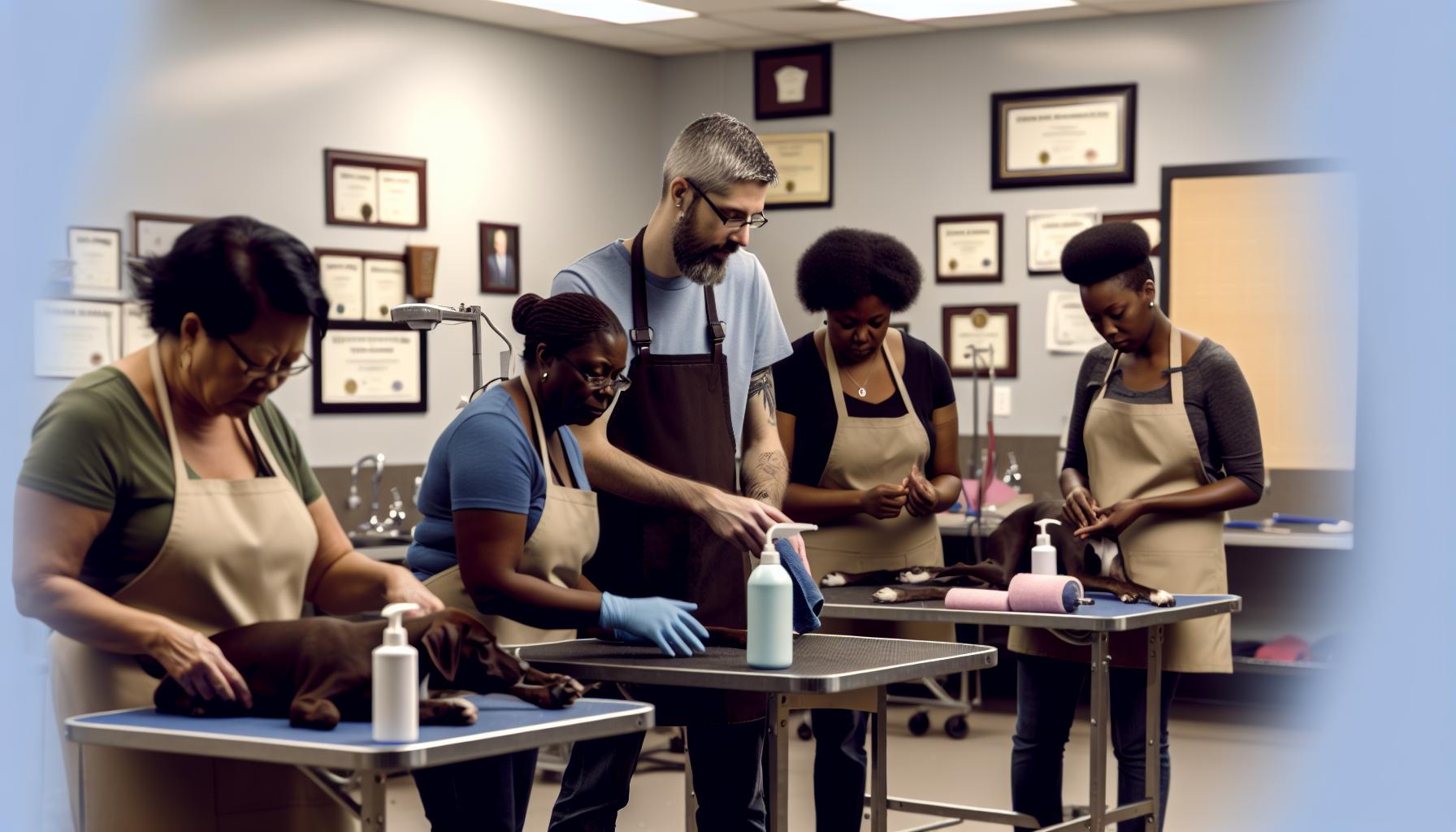
Hands-On Experience: Why Practical Training Matters Most
Few skills in dog grooming become truly confident without hands-on practice; seeing, feeling, and responding to a dog in real time creates a foundation no textbook can offer. When you work directly with dogs-each with their own unique coat types, temperaments, and health quirks-you develop intuition and adaptability that separate good groomers from great ones. For example, a double-coated breed like a Siberian Husky needs a very different brushing and bathing approach from a curly-coated Poodle. Practical training teaches you how to choose the right tools and techniques for each case and,importantly,how to observe a dog’s body language to keep stress low and safety high.
Building Confidence with Real Dogs
Imagine trying to trim nails on a squirmy Chihuahua or detangling a stubborn mat on a Golden Retriever. Hands-on experience helps you learn calming methods, like gentle restraint and soothing tones, to ease anxiety. You’ll also practice spotting subtle signs-such as ear flicking or lip licking-that flag discomfort before it escalates.This awareness is key for protecting both you and the pet during everything from bathing to blow-drying.
Step-by-Step Skill Development
Face practical tasks one at a time to master them calmly and thoroughly:
- Bathing: Understand how coat type influences water temperature and shampoo choice. For example, delicate skin may require hypoallergenic shampoo, while a heavy undercoat might need a degreasing formula.
- Brushing and Dematting: Learn gentle techniques to avoid pulling painful tangles, such as working from the ends toward the skin and using detangling sprays.
- Nail Trimming: Practice identifying the quick to avoid bleeding, plus how to settle nervous dogs using treats or brief pauses.
- Ear Cleaning: Recognize when wax buildup is normal versus a sign of infection, knowing when to refer a pet to a vet instead of trying to treat yourself.
Each skill builds upon the last, culminating in a well-rounded approach that balances the dog’s comfort with effective grooming.
Why In-Person Practice Frequently enough Trumps Video Learning
Though online grooming courses offer valuable foundational knowledge, nothing replaces the feel of handling live dogs, whose unpredictable behaviors teach you compassion and patience. Many grooming schools integrate mentorship or working alongside professionals, allowing you to ask questions, practice under supervision, and receive immediate feedback. This live guidance is essential for refining techniques and building the calm confidence all pet owners appreciate.
By investing time in hands-on work, you not only hone your technical skills but develop a respectful, loving connection with each dog. This approach reassures nervous owners, knowing their pets are in safe, caring hands-and builds your reputation as a groomer who values welfare above appearance.
Common Certification Bodies and Industry Standards for groomers
Dog grooming might seem like a straightforward task, but stepping into the industry professionally comes with a spectrum of standards aimed at safeguarding pet welfare and promoting best practices. Several respected organizations offer certification programs to help groomers demonstrate their knowledge, skill, and commitment to safety. These certifications not only reassure pet owners but also set a baseline to elevate the craft beyond simple aesthetics-with a focus on comfort, health, and compassionate handling.
Industry-Leading Certification Organizations
One of the most widely recognized bodies is the National Dog Groomers Association of America (NDGAA), which provides a tiered certification process from beginner to master groomer levels. Their programs include written exams and rigorous hands-on evaluations, confirming skills across breed standards, coat care, and animal behavior. Earning an NDGAA certificate signals both competence and professionalism-a mark many groomers take pride in.
Similarly, the International Professional Groomers, Inc. (IPG) supports groomers with comprehensive education and testing designed to enhance practical knowledge. Their certifications encourage groomers to continually refine techniques while prioritizing safety and gentle handling.
Another important program with a safety-first focus is the AKC® S.A.F.E. dog Grooming Program offered by the American Kennel Club. Rather than focusing solely on styling,it emphasizes salon safety protocols,pet comfort,and health awareness.Completing this course and passing the assessment can earn groomers a trusted AKC® S.A.F.E. Dog groomer title, showcasing dedication to owner and pet well-being as well as grooming excellence[3].
What Industry Standards Mean in Everyday Grooming
Certification bodies focus on much more than creating pretty pets. They teach about:
- Breed-Specific Coat Care: Knowing that a curly-coated Poodle needs different cutting and detangling approaches than a double-coated husky helps avoid coat damage and discomfort.
- Animal Handling and Stress Reduction: Spotting signs of stress like lip licking or yawning helps groomers pause work to calm the dog before proceeding.This attention prevents fear or injury.
- Safety Protocols: From avoiding over-clipping to maintaining clean, sharp tools, certified groomers reduce risks like cuts, nicks, or skin irritation.
- Health Awareness: recognizing when to stop or refer a pet to a veterinarian-for example, noticing ear infections or skin lesions-is paramount to responsible grooming.
Every certification demands that groomers balance artistry with pet health science, ensuring the dog’s welfare governs each decision.
Certification as a Trust Builder
For pet owners, a groomer’s credentials offer peace of mind. A certified groomer is more likely to understand diverse coat types, behavior signals, and hygienic practices that prevent common issues like matting or infections. When you see certificates from recognized bodies displayed in a salon-or digital badges on a website-it reflects ongoing education and adherence to evolving best practices.
Certification programs also inspire groomers to upgrade their skills with continuing education, adapting to breed trends, new grooming tools, and updated safety guidelines. This dedication to growth translates into calmer, happier pets and reassured owners.
By choosing a groomer with certification from respected industry groups like NDGAA, IPG, or AKC® S.A.F.E., you support a community that values care, gentleness, and expert technique-giving you confidence that your furry family member is in compassionate hands.
For those interested in becoming groomers, seeking programs endorsed by these organizations not only enhances your learning but helps build credibility in a competitive field. Whether you’re bathing a stubborn Terrier or trimming the delicate ears of a scared Cocker Spaniel,these standards guide you toward safe,loving,and skilled grooming every step of the way.
Costs and Time Investment for Dog Grooming Certification
Dog grooming certification is a valuable career investment that typically involves both a financial and time commitment. Many aspiring groomers find that understanding the costs and duration upfront helps them plan wisely, balancing their passion for animals with practical considerations. certification programs can range from a handful of weeks to several months, allowing students to learn at their own pace or through more intensive, full-time courses.
Financial investment: What to Expect
Costs vary widely depending on the type of program, certification body, and whether classes are online, in-person, or a hybrid format. Basic foundational courses, such as those preparing you for the Certified Professional Pet Groomer (CPPG) credential, often start around $1,000 but can rise depending on the depth of curriculum and included materials. Such as:
- Online certificate programs, like the one from penn foster, provide flexibility and typically cost between $1,200 and $2,000, including study materials and exams[2].
- Specialized certifications such as the AKC® S.A.F.E. Dog Grooming Program focus on safety and professionalism and may have separate fees in the range of a few hundred dollars, plus course time[3].
- Programs offered by industry bodies like the National Dog Groomers Association of America (NDGAA) or International Professional Groomers, Inc. (IPG) often include tiered exams with increasing fees and time requirements for advanced levels.
Don’t forget to budget for grooming tools and supplies if not provided by the school. Investing in quality shears, brushes, clippers, and safety equipment is essential and can cost several hundred dollars upfront. though,these tools are lifelong investments critical for learning and professional success.
time Commitment: Balancing Theory and Practice
Many grooming programs blend classroom learning with hands-on practice, which is crucial to develop confidence and skill. A typical foundational grooming course might span:
| Program Type | Duration | Hours per Week |
|---|---|---|
| Online Certificate | 3 to 6 months | 5 to 10 |
| In-Person Intensive | 4 to 8 weeks | 20 to 40 |
| Apprenticeships | 6 months to 1 year (variable) | Varies with employer |
Because grooming involves hands-on skills like safely clipping a nervous dog’s coat or trimming nails without causing pain, quality practical experience is non-negotiable.Many find that balancing class time with real-world grooming sessions-whether in a salon or through supervised apprenticeships-speeds skill mastery and builds confidence.
real-World Example: Managing Costs and Time
Take Sarah,a groomer who chose an online program paired with weekend apprenticeships. She invested about $1,500 for the course and $400 for tools over six months, dedicating roughly 8 hours weekly to studying and hands-on practice. her flexible schedule allowed her to care for her own dogs during the week, reducing stress and reinforcing learning with real pet interactions.
This approach highlights that while certification requires effort and expense, it can be tailored to individual circumstances-whether you’re starting fresh, changing careers, or supplementing skills.
Tips for Planning Your Certification Journey
- Research your preferred certifying bodies early to understand their exam requirements and ongoing education policies.
- factor in grooming supplies-quality tools influence grooming safety and success, especially for complex coat types like double-coated or curly breeds.
- Balance course pace with your lifestyle-choose between hands-on intensives if you want fast results or part-time online options that fit around other commitments.
- Seek programs with strong support-mentors,community forums,or local grooming groups can help ease nerves around handling anxious pets.
Ultimately, investing the right amount of time and money into certification cultivates not just skills but the compassion and patience essential for gentle, responsible grooming. This dedication assures pet owners that their companions are in trustworthy hands.
Continuing Education and Advanced Grooming Certifications
Continuing to grow as a dog groomer goes far beyond initial certification-it’s about nurturing patience, confidence, and deep knowledge to meet every pet’s unique needs. Many groomers find that learning never really stops. Advanced certifications and ongoing education open doors to mastering specialized techniques,understanding breed-specific challenges,and staying current on wellness and safety innovations. This ongoing journey not only sharpens your skill set but also strengthens the trust clients place in you as a compassionate professional who prioritizes pets’ well-being above all.
Why Keep Learning After Certification?
Just like dogs come in all shapes, sizes, and coat types-from the dense double coat of a Siberian Husky to the delicate curls of a poodle-grooming skills must be tailored accordingly. Advanced training helps you confidently handle complex grooming requests,such as creative styles,show cuts,or therapeutic grooming for senior or anxious pets. Many grooming programs offer specialty courses focusing on topics like skin and coat health, using grooming tools safely, or even salon business management. This ensures you’re ready for nearly any pet or situation. Plus, the world of grooming is always evolving, with new equipment and products to explore that can improve comfort and efficiency.
Expanding Your Expertise: Practical Tips
Consider pursuing certifications from established organizations like the National Dog Groomers Association of America (NDGAA) or industry-recognized programs such as the AKC® S.A.F.E. Dog Grooming program, which emphasizes safety and professionalism. These certifications often require periodic renewal based on continuing education hours, which encourages groomers to stay sharp and informed.
- Attend workshops and seminars: Hands-on clinics or breed-specific grooming classes can boost your confidence in handling particular coat types or temperaments.
- Engage with mentors: Connecting with experienced groomers through forums or local groups offers valuable insights and problem-solving tips.
- Practice specialty trims: Take your time mastering breed standards or creative cuts, remembering that gentle handling and respecting a pet’s comfort are key.
Real-Life Benefits for You and Your Clients
Take Lisa, such as, a groomer who initially earned basic certification but then pursued advanced courses focusing on senior dog grooming and skin care. This knowledge transformed her approach with older dogs, allowing her to spot early signs of discomfort and adapt grooming techniques accordingly. Her clients noticed the difference, praising her genuine care and gentle touch-a testament to how continuing education fosters compassionate grooming that respects each pet’s wellbeing.
Invest in yourself with ongoing learning. It’s not just about perfecting the look-it’s about becoming the caring, knowledgeable professional that every dog deserves. Giving your clients confidence in your skills and approach helps build lasting relationships grounded in trust, respect, and love for their furry family members.
Legal Requirements and Regulations for Professional Dog Groomers
Professional dog grooming involves much more than scissors and shampoos-it’s a craft intertwined with safety, health, and legal responsibility. While formal schooling and certification greatly enhance a groomer’s knowledge and skill, navigating the legal landscape is equally essential for building a trustworthy, compliant practice that safeguards both pets and people.
Regulations for dog grooming vary widely depending on your location, but several common threads exist everywhere. Many states or local jurisdictions require groomers,especially those operating a business,to comply with health and safety codes that protect animals from harm and prevent the spread of disease. This often covers proper sanitation protocols like disinfecting tools between clients and maintaining clean grooming stations to minimize risks of infections or parasites[[1]](https://www.akc.org/groomer-hub/education-standards/). for example, tools such as clippers and combs must be sprayed with appropriate disinfectants after each use.Grooming tables and kennels require routine cleaning to maintain a hygienic environment[[2]](https://www.reddit.com/r/doggrooming/comments/7wp8hg/what_are_the_regulations_for_privately_owned_shops/).
Beyond sanitation, some regions require business licenses or permits for grooming services, along with compliance with occupational safety laws designed to protect groomers themselves-uber-important when you consider the physical demands of the job and the unpredictable nature of our furry clients. These rules ensure that groomers work in environments that are safe and well-equipped, reducing the risk of injury or accidental harm to both pets and groomers[[3]](https://www.protectivity.com/knowledge-center/dog-grooming-business-legislation/).
Prioritizing Safety Through Standards
Even if your state doesn’t require formal licensing, following established industry standards can elevate your professionalism and client trust. Organizations like the American kennel Club have developed comprehensive guidelines focused on pet safety and sanitation such as their *National Core Professional Dog Grooming Educational Standards*[[1]](https://www.akc.org/groomer-hub/education-standards/). These include best practices such as:
- Routine sanitization: Use tool-specific disinfectants between every dog to prevent cross-contamination.
- Safe handling techniques: Always consider the pet’s behavior, breed, and fear or anxiety levels to avoid stress or injury.
- Environment hygiene: Clean grooming tables and kennels thoroughly to maintain health standards and keep animals agreeable.
This professional approach not only meets or often exceeds legal requirements but reflects the true spirit of compassionate grooming-providing care tailored to every pet’s unique needs.
Take Jennie, who runs a small boutique grooming shop. When a nervous senior dog arrives, she applies techniques learned from certified courses-not just how to cut the coat but how to monitor skin condition and recognize signs of discomfort early. She also strictly follows sanitation practices, like wiping down surfaces and disinfecting tools, meeting local regulations and keeping her salon a safe haven. Her clients appreciate this extra layer of care, which boosts their confidence in her expertise and professionalism.
Steps to Stay Compliant and Confident
If you’re considering formal education or starting your grooming business, here are some practical tips to navigate legal requirements with ease:
- Research local laws: Regulations can differ greatly by city, county, or state. Check with local health departments or licensing boards.
- Implement sanitation protocols: create a routine to disinfect all tools and clean workstations between clients.
- Obtain any necessary permits or licenses: Avoid surprises by securing your business credentials upfront.
- Invest in safety training: Learning how to handle difficult pets gently and safely protects you and your clients’ pets.
- Stay updated: Laws and standards evolve. regularly review requirements and pursue continuing education.
By blending solid training,hygiene discipline,and legal awareness,you demonstrate not only your skill but a heartfelt commitment to every dog and owner you serve. It’s this blend that transforms routine grooming into a truly caring experience-where safety, comfort, and respect always come first.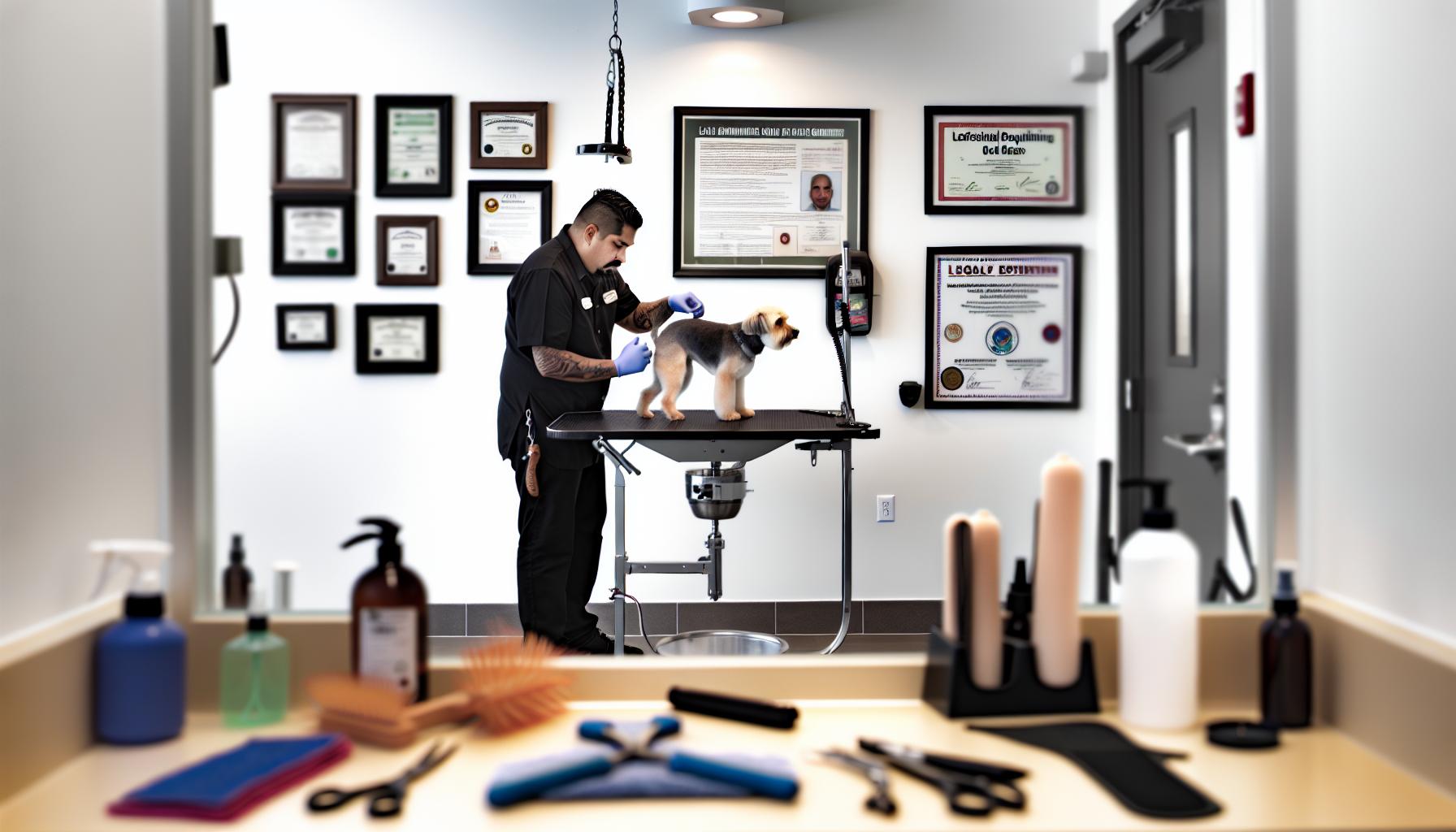
How Certification Impacts Your Career and Client Trust
A professional certification in dog grooming often marks the difference between a basic haircut and a truly skilled grooming experience that prioritizes every pet’s health and comfort. For pet owners,seeing that a groomer is certified instantly builds trust-it signals that the groomer has met established standards in safety,handling,and breed-specific grooming techniques.This trust is especially critically important when clients bring in anxious dogs, senior pets, or those with special needs. When you’re certified, you’re not just cutting fur-you’re demonstrating that you understand coat types, skin sensitivities, and behavioral signals that protect pets from stress or injury.
Certification also impacts your career by opening doors to better opportunities. Many employers and high-end salons prefer or require groomers who have completed accredited programs,like those offered through recognized schools or organizations (such as the Paragon School of Pet Grooming or the AKC S.A.F.E. Dog Grooming Program)[[1]][[3]]. These programs teach practical skills and theory, from proper bathing to breed-standard styling, and provide mentorship-giving you confidence and credibility. Certified groomers tend to command higher rates, enjoy a broader client base, and frequently enough find themselves recommended for specialized grooming roles.
Helping Clients Feel Confident and Calm
Imagine a nervous poodle owner wondering if their beloved companion will be handled gently and competently.When a groomer can explain their certification journey-sharing that they’ve studied breed-specific coat care,nail trimming techniques that avoid pain,and signs of skin issues that might need vet attention-that reassurance goes a long way. Certified groomers know how to communicate clearly and compassionately with worried owners, providing step-by-step explanations about the process and setting realistic expectations. This transparency fosters calmness for both pet and person, turning grooming day from a source of anxiety into a positive experience.
Practical Tips to Showcase Your Certification
- Frame your certificate visibly: Display your credentials in your workspace or on your website to boost client confidence.
- Explain your training: briefly highlight what your certification involved, emphasizing safety, handling, and health knowledge.
- Stay current: Pursue continuing education or advanced certifications to show dedication to ongoing professional growth.
- Share success stories: Use examples where your training helped identify a health concern early or calmed a fearful dog.
In a crowded market, certification distinguishes you as a groomer who genuinely cares for pets, combining skill, safety, and empathy. That combination isn’t just good for careers-it’s what builds lasting relationships with clients who know their dogs are in capable and loving hands.
Alternatives to formal Schooling: Self-Learning and Apprenticeships
Many skilled groomers find their start outside traditional classrooms, embracing self-learning and apprenticeships as effective paths toward professional success. These hands-on options can be especially appealing for those who thrive in real-world environments or are eager to learn at their own pace while building practical confidence. Instead of beginning with textbooks, apprenticeships immerse you directly in the grooming world – working alongside experienced groomers, observing techniques, and gradually taking on more responsibility under patient guidance.
learning by shadowing a pro helps you understand key aspects like breed-specific coat types,brushing challenges,and gentle nail trimming-skills that theory alone can’t fully convey. for example, mastering how to calm a fearful terrier during bath time or safely handle a senior dog with sensitive skin requires watching, asking questions, and practicing with expert support.Apprentice programs may vary but often combine technical instruction with hands-on work, offering a competency-based approach that balances skill-building and animal welfare[[1]](https://prestigepetgrooming.net/apprenticeships).
Self-Learning: A Flexible Path with Real Pitfalls
For naturally curious groomers, self-study through books, online tutorials, and videos offers vast resources. Though, it’s crucial to approach self-learning with a strong foundation in safety and animal behavior to avoid common pitfalls like nail cutting errors or stress-inducing handling techniques. Start small and focus on mastering essentials:
- Bathing: Use breed-appropriate shampoos, ensure water temperature is comfortable, and keep sessions calm and brief.
- Brushing: Know your dog’s coat type – curly vs. straight hair requires different tools and strokes.
- clipping and trimming: Always prioritize slow, confident movements to prevent injury and nervous reactions.
- Health checks: Learn to spot signs of skin irritation or lumps and understand when to refer to a vet.
While self-learning offers flexibility,pairing it with feedback from seasoned groomers,attending workshops,or participating in grooming forums can bridge experience gaps and build confidence. Remember, no matter the learning style, your goal is always to keep each pet safe and comfortable first.
What Apprenticeships Offer That Books can’t
Apprenticeships go beyond technique to develop your ability to read a dog’s mood and body language, an essential skill that only grows with hands-on exposure. Many programs involve a commitment-sometimes over one to two years-to work closely with a mentor, gaining experience grooming hundreds of dogs of various sizes, ages, and coat requirements[[3]](https://www.reddit.com/r/doggrooming/comments/k9umpk/grooming_apprenticeship). This long-term relationship fosters patience, empathy, and adaptability.You’ll also get insight into the business side, including client dialog and scheduling, which formal classes may only briefly cover.
If you choose this path, look for apprenticeships that offer structured curricula emphasizing animal welfare, grooming safety, and practical health knowledge, so your skills grow in tandem with your compassion and professionalism.
Keeping It Safe and Successful
Whatever path you take, always remember the boundaries between what a groomer can safely do versus when a pet requires veterinary care. Grooming isn’t just about appearance; it’s about wellness and respect. If you notice persistent skin problems, unusual lumps, or behavioral changes, gently advise owners to seek veterinary advice while reassuring them about your commitment to their pet’s comfort.
Careful self-learning, guided apprenticeships, and ongoing practice build the foundation for a career centered on kindness, confidence, and competence-qualities every pet deserves when they step into your grooming space.
Faq
Q: How long does dog grooming school usually take to complete?
A: Dog grooming programs typically last from 4 weeks to 6 months, depending on the course intensity and format. Intensive full-time courses offer quicker certification, while part-time or online options allow flexible pacing. Check the program duration to fit your schedule and career goals; see our section on Costs and Time Investment for Dog Grooming certification for details.
Q: Are there recognized professional organizations for dog groomer certification?
A: Yes, organizations like the National Dog Groomers Association of America (NDGAA) and the International Professional Groomers Inc. (IPG) provide industry-recognized certifications. These bodies set grooming standards and offer exams that boost your credibility and client trust. Learn more about Common Certification Bodies and industry Standards for Groomers in our guide.
Q: Can someone become a dog groomer without formal schooling through apprenticeships?
A: Absolutely,many groomers start through apprenticeships or on-the-job training without formal schooling. This hands-on learning builds experience and skills but may limit access to advanced certifications. combining apprenticeships with courses enhances your qualifications-explore our Alternatives to Formal Schooling section for practical guidance.
Q: What are the key safety practices dog groomers must learn during certification?
A: Certified groomers are trained in safe handling techniques, proper tool use, and recognizing pet stress signals to ensure animal welfare. They learn to prevent injuries during baths, trims, and nail clipping. Prioritizing safety enhances pets’ comfort and builds client confidence. For detailed protocols, see Essential Skills and Knowledge Covered in Grooming Courses.
Q: How do grooming certifications affect job opportunities and pay rates?
A: Holding professional grooming certifications typically improves job prospects and can increase earning potential by demonstrating your expertise and commitment. Certified groomers often attract more clients and higher pay. See How Certification Impacts Your Career and Client Trust to understand this advantage fully.
Q: Are there continuing education requirements to maintain dog grooming certification?
A: Many certification bodies require groomers to complete continuing education hours to stay current with new techniques and safety standards. This keeps skills sharp and certifications valid. Continuous learning also supports career growth-review Continuing Education and Advanced Grooming Certifications for options.
Q: What should I look for when choosing an online dog grooming school?
A: Choose an online program with comprehensive video tutorials, hands-on practice opportunities, and instructor support. Verify if it prepares you for certification exams and offers practical training tips.The How to Choose the Right Dog Grooming School or Program section has detailed advice to help you decide wisely.
Q: Does dog grooming certification include learning about different dog breeds and coat types?
A: Yes, professional grooming courses cover a variety of dog breeds and coat types, teaching specialized grooming techniques for each. Understanding this ensures proper care and styling tailored to your pet’s unique needs. For more info, see Essential Skills and Knowledge Covered in Grooming Courses-a must-read for groomers aiming for excellence.
For a deeper dive into dog grooming education and certification requirements, feel free to explore the linked sections of the main article. Your journey to becoming a compassionate, skilled groomer starts with the right knowledge and practical experience-keep learning and caring!
Closing Remarks
Understanding the certification requirements for dog groomers is essential-not just for professionals aiming to build trustworthy careers, but also for pet owners seeking confident, compassionate care for their furry friends. Whether you’re curious about formal schooling, hands-on training, or licensure, knowing these steps helps ensure safe, stress-free grooming tailored to every breed and coat type. If you’re ready to explore the next steps, check out our guide on essential dog grooming tools and techniques for beginners to help you start right at home or prepare for a professional path.
For those passionate about pet wellness, diving deeper into the distinctions between vets, groomers, and DIY grooming can empower your decisions-take a look at our article on when to consult a vet versus a groomer to keep your pet happy and healthy. Don’t forget to subscribe to our newsletter for expert tips, real-life grooming troubleshooting, and updates on certification trends. Have questions or experiences to share? Drop a comment below-your insights help build our caring community and support others on their grooming journey. Together, we can prioritize safety, comfort, and kindness in every grooming session.
Get our latest guides, news, and insights highlighted in your Google Search & AI Overviews.
Keep reading about the same coat and cut.




Popular grooming guides
Bath vs clip, first grooms, and salon how-tos.