How Do Groomers Restrain Cats: Gentle Handling Methods
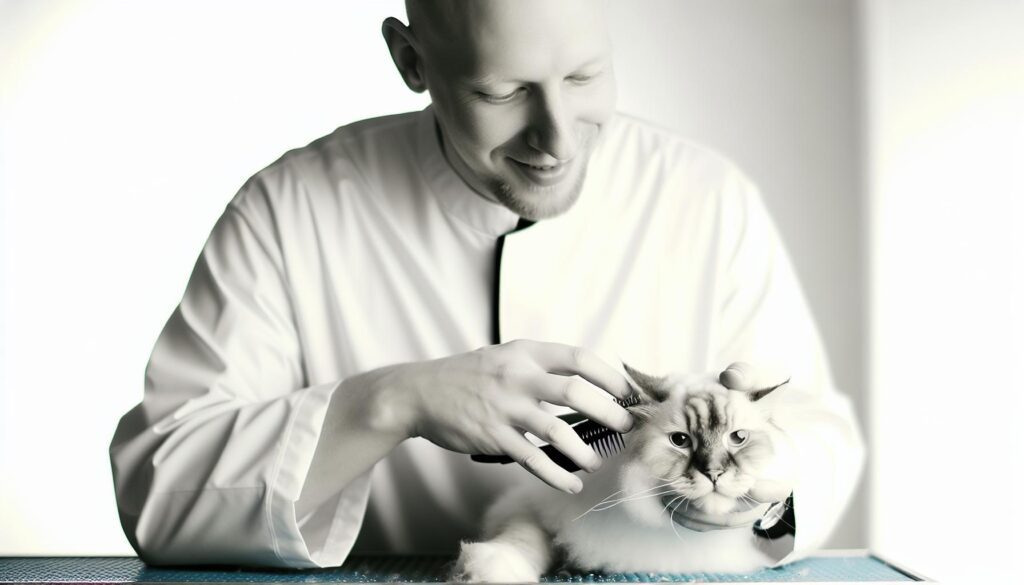
Did you know that gentle restraint techniques can transform a stressful grooming session into a calm, even pleasant experiance for your cat? Many owners worry about how groomers safely handle anxious or squirmy cats, but the truth is that skilled groomers use patient, compassionate methods tailored to each cat’s personality and needs. This focus on gentle handling not only protects your cat’s comfort and wellbeing but also makes grooming more effective and less frightening for future visits. Whether your cat has a delicate coat, sensitive skin, or a cautious temperament, understanding how groomers approach restraint can empower you to prepare better and feel confident about the process. In this article, we’ll explore the thoughtful, step-by-step ways groomers handle cats-with kindness, safety, and calm care at the heart-so you can definitely help your feline friend stay relaxed, healthy, and happy during every bath, brush, nail trim, and ear cleaning.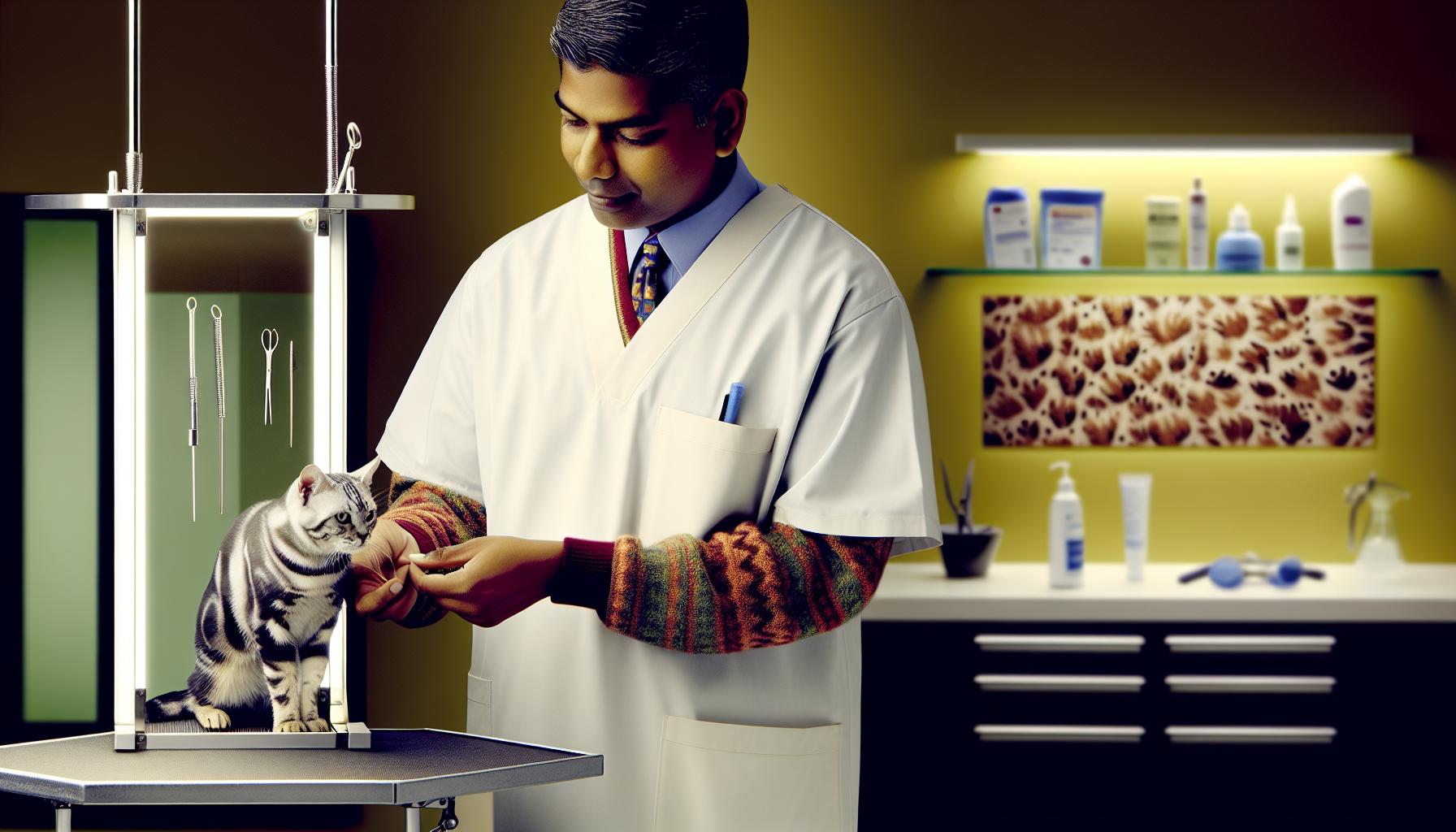
How to Calm Your Cat Before Grooming
Table of Contents
- 1 How to Calm Your Cat Before Grooming
- 2 Essential Tools for Gentle Cat Restraint
- 3 Step-by-Step Guide to Safe Cat Holding Techniques
- 4 Using Towel Wraps to Comfort and Control Cats
- 5 Effective Handling Tips for Brushing different Coat Types
- 6 gentle Methods for Nail Trimming Without Stress
- 7 How to Restrain Cats During Bath Time Safely
- 8 Soothing Ear and Eye cleaning Techniques
- 9 Recognizing Signs of Stress and When to Pause
- 10 When to Seek Professional Grooming Help
- 11 Building Trust to Improve Grooming Cooperation
- 12 faq
- 12.1 Q: How do groomers use body language to keep cats calm during restraint?
- 12.2 Q: What alternative restraint tools do groomers use besides towels?
- 12.3 Q: Why is minimal restraint important in gentle cat grooming?
- 12.4 Q: How do groomers handle aggressive or fearful cats gently?
- 12.5 Q: What role does the grooming environment play in gentle cat restraint?
- 12.6 Q: How can owners practice gentle restraint techniques at home safely?
- 12.7 Q: When should chemical restraint be considered in cat grooming?
- 12.8 Q: How do groomers adapt restraint methods for different cat breeds or coat types?
- 13 Key Takeaways
Cats have a finely tuned sense of awareness and can often sense when grooming time is approaching,which might trigger anxiety. The key to easing this tension lies in creating a calm, positive atmosphere well before any grooming tools come out. Many experienced groomers emphasize the importance of a gentle, patient approach that respects the cat’s boundaries and comforts their unique personality, whether they’re a nervous Persian or a feisty Bengal.
Start by choosing a quiet, familiar space where your cat feels safe and free from sudden noises or distractions. Spending a few minutes engaging your cat in soft petting or play helps redirect their focus onto something pleasant, setting a relaxed tone.Such as, a slow session of gentle strokes behind the ears or under the chin can release calming endorphins. Using soothing, reassuring tones-almost like a gentle “cat whisperer”-builds trust and signals that nothing unpleasant awaits.
- Use pheromone diffusers or sprays: Products like Feliway mimic natural cat calming signals and can reduce stress before grooming sessions.
- Offer treats strategically: Rewarding calm behavior prior to grooming creates a positive association that your cat will remember, making future sessions easier.
- Keep sessions short and sweet: Early grooming attempts should be brief to avoid overwhelming your cat, gradually increasing duration as comfort grows.
A real-World Example
One groomer shared how she always lets a shy kitty explore the grooming area with no pressure to be touched.During this “inspection time,” she talks softly and rewards curiosity with treats. When the cat is ready, she gently introduces a brush, allowing the cat to sniff it first. This slow introduction removes fear by making the grooming tools seem less threatening and more like part of a routine, rather than a sudden chore.
Building calm before you begin also includes reading your cat’s body language. Signs like relaxed ears, slow blinking, or gentle purring indicate comfort, while twitching tails, flattened ears, or growling warn it’s time to pause and regroup. Always prioritize your cat’s emotional well-being-after all, a calm cat makes grooming safer, smoother, and ultimately a bonding experience rather than a source of stress.
Essential Tools for Gentle Cat Restraint
Few things help grooming calmness like having the right tools at your fingertips-not instruments for restraint that stress your cat, but aids designed to support gentle, safe handling that respects your cat’s comfort and boundaries. Each cat’s personality, breed, and coat type can influence which tools work best, so having a versatile, thoughtful kit allows you to adapt and keep your feline friend feeling secure throughout grooming.Soft cotton towels or microfiber cloths are a cornerstone of gentle restraint. They provide a warm, comforting barrier that feels familiar rather than intimidating. When wrapped correctly, towels gently limit excessive movement without pressure, soothing nervous cats and even helping reduce scratching. For long-haired breeds like Persians or Maine Coons, the fabric’s softness also prevents mat pulling and skin irritation during brushing sessions.
Consider a high-quality harness or a snug but breathable cat calming wrap designed expressly for pets. These wraps can apply gentle, reassuring pressure, mimicking a calming hug that eases anxiety. Brands such as “ThunderShirt” have been triumphant for some cats, helping them to relax before and during grooming. However, always introduce such tools gradually, offering treats and positive reinforcement to build your cat’s trust.
- Grooming gloves: Perfect for cats who shy away from brushes, gloves allow you to stroke and massage gently, providing tactile comfort and gentle control.
- Non-slip grooming mat: Placing your cat on a stable surface reduces slipping and helps them feel more secure, minimizing stress-induced squirming.
- Lightweight grooming loops or collars: If used carefully, these can guide a cat’s movement without force, but they should always be paired with hands-on gentle support.
Practical Tips from the Grooming table
One seasoned groomer shares that before any grooming session, she gathers a simple toolkit: a soft towel, grooming gloves, calming pheromone spray, and a favorite treat. She never rushes. When faced with a particularly wiggly Bengal,such as,she uses the towel wrap method to gently limit movement,rather than clamping down. This approach preserves the cat’s dignity and keeps stress levels low.
Remember, the goal of restraint is not to dominate, but to create a safe moment of stillness so grooming can proceed gently and efficiently. Always observe your cat’s reaction to tools; if a particular item heightens anxiety, pause and try an alternative. When combined with calm handling techniques, these essential tools empower you to maintain control with kindness and respect for your cat’s wellbeing.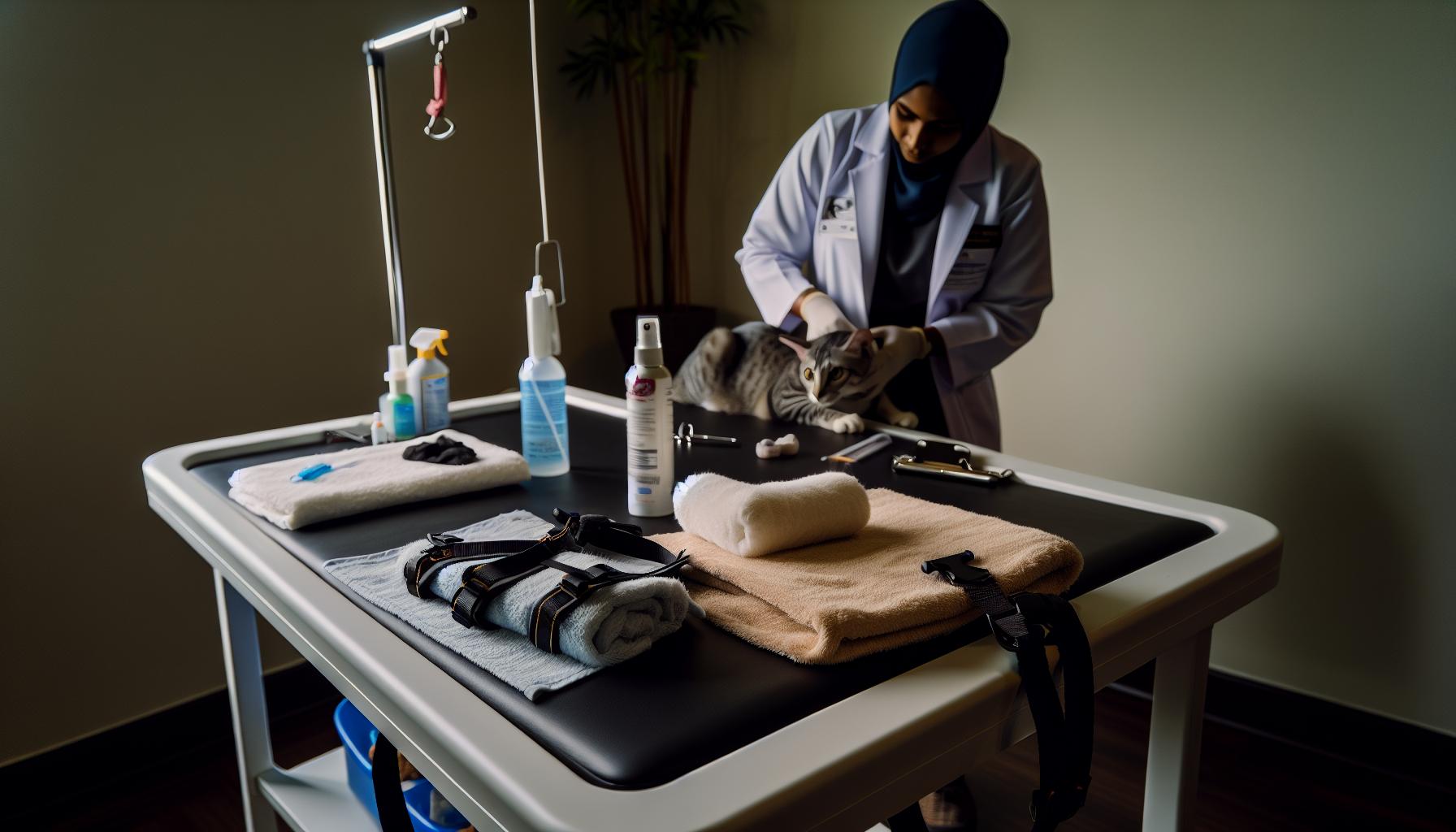
Step-by-Step Guide to Safe Cat Holding Techniques
Cats often seem like mysterious creatures when it comes to handling,yet with the right approach,you can make holding your feline friend comfortable and safe for both of you.Successful restraint hinges on respect, patience, and reading your cat’s body language-never force, rush, or overwhelm. Whether you’re brushing a fluffy Persian or clipping the nails of a nervous Siamese,gentle,confident techniques create a calming surroundings that encourages cooperation and trust.
Begin by choosing an appropriate spot-a non-slip surface like a grooming mat on a table or your lap works well-and make sure your cat feels secure. Before lifting, quietly talk to your cat, letting them sniff your hands and allowing time to settle. When picking up your cat,use one hand to support the chest firmly but gently,sliding the other hand beneath their hindquarters. This evenly distributed support prevents discomfort or startling sudden movements. Hold your cat close to your body to offer warmth and security, minimizing their urge to squirm or leap away.
- For short grooming sessions: A simple cradle hold works wonders-cradling your cat against your chest or lap, allowing a free front with one hand keeping the shoulders steady and the other ready for brushing or trimming.
- For more involved tasks: Such as nail trimming or ear cleaning,the ”football hold” might potentially be best. Tuck your cat under one arm, with their body lengthwise along your forearm, their head supported near your elbow. This gently limits movement while enabling your free hand to work safely.
- If your cat becomes restless: try briefly wrapping them in a soft towel before resuming-this “kitty burrito” reduces flailing and provides a cocoon of comfort, especially helpful for anxious or wriggly cats.
troubleshooting and Tips
You may notice some cats resist being held at first-this is normal! Taking slow, patient steps is key. If your cat stiffens or tries to leap away, pause and allow some quiet time before reattempting. Speaking softly, blinking slowly, or offering a gentle pet on the head can reassure your cat you’re a safe presence. Remember, never grip too tightly or chase after escaping cats, as this damages trust.
Breed and coat types influence how you adjust your hold. Long-haired cats may require lighter pressure and extra attention to their delicate fur to avoid tangling. Short-haired or muscular breeds might tolerate firmer support, but always remain gentle and observant of individual preferences.Holding your cat safely is as much about your attitude as your technique.Calm confidence, slow movements, and respect for your cat’s signals build a foundation where gentle restraint supports grooming-not stress. When in doubt or if your cat becomes overly distressed, professional groomers and veterinarians are invaluable allies who can handle more challenging holds and procedures with skill and care.
Using Towel Wraps to Comfort and Control Cats
Cats frequently enough find grooming sessions stressful as they feel vulnerable with too much movement or exposure. Wrapping a cat snugly in a soft towel works wonders to reduce anxiety and prevent sudden escapes or scratches. This gentle “kitty burrito” technique not only calms nervous felines by mimicking the comforting warmth and security they associate with their mother’s presence but also gives you safe, controlled access for grooming tasks that require stillness, such as nail trimming or ear cleaning.
- Choose the right towel: Opt for a medium-weight, soft cotton towel that is large enough to fully wrap your cat but not so bulky that it’s hard to manage. Avoid towels that are scratchy or rough, as they may increase stress or discomfort.
- Prepare your cat calmly: Sit in a quiet area and softly talk to your cat before handling. Let them sniff the towel to reduce any fear of new objects.
- Wrapping technique: Gently place your cat in the center of the towel, with their back toward you if possible.Fold one side snugly over their body, tucking it underneath to avoid loose ends.Then fold the other side,enveloping their legs and body securely but not too tightly-your cat should be snug,not restrained like a straightjacket.
When and How This Helps
Towel wraps are especially helpful with cats that are highly anxious or prone to quick defensive reactions during grooming sessions. Long-haired breeds, like Maine Coons or Persians, may find the secure wrap soothing as it decreases the chance to thrash and cause matting or tangling. For short-haired cats who dislike nail trimming, the towel keeps paws accessible and prevents clawing. The wrap also creates a comforting cocoon during bath time, minimizing splashing and panic.
Try to keep the cat’s head free when possible, allowing them to breathe easily and see you, which helps maintain trust. If your cat resists the first attempt, pause and try again later, satisfying their need for control and reducing the feeling of being overwhelmed.
Troubleshooting and Tips
- resistant cats: If your cat wriggles excessively, use a lighter wrap and shorter grooming intervals. Always allow breaks and reward calm behavior with soft praise or treats.
- Temperature awareness: Use a dry towel for brushing or nail trimming, but a damp towel may help during bathing to add soothing warmth.
- Safety first: Never wrap so tightly that your cat cannot breathe or move a little. Wrapping should restrict large movements but keep your cat comfortable and stress-free.
Remember, towel wrapping is a tool to increase comfort and control-not to force or punish. Over time, with patience and positive associations, many cats come to accept, even enjoy, the gentle security this method offers. If your cat remains highly stressed despite towel wraps, consulting a professional groomer or veterinarian for specialized handling techniques is always a wise step.
Effective Handling Tips for Brushing different Coat Types
Cats’ coats vary widely, and brushing techniques must adapt accordingly to keep grooming a soothing experience rather than a stressful chore.Long-haired cats like Persians or Maine Coons demand gentle patience and specific tools to avoid painful mat pulling, whereas short-haired breeds need less intense maintenance but still benefit from regular brushing to promote healthy skin and fur. Recognizing these differences empowers you to tailor your approach for your cat’s unique coat, making grooming smoother and more enjoyable for both of you.
- Long-Haired Coats: These require brushes that glide easily through dense fur, such as wide-toothed combs or slicker brushes with fine, flexible wires.Start by gently teasing apart tangles at the ends, working slowly toward the roots. Be vigilant for mats, which should never be pulled free abruptly. Instead, softly separate them with your fingers or use a dematting rake designed especially for cats.Divide the coat into manageable sections,wrapping your cat in a towel if needed to minimize squirming and protect against scratches.
- Medium to Short-Haired Coats: Regular use of a bristle brush or rubber curry brush works wonders to remove loose hair and stimulate natural oils. Short-haired cats typically tolerate brushing better, so quick, calm strokes suffice. Avoid vigorous motions near sensitive areas like the belly unless your cat is very relaxed.If your feline friend tends to get anxious, try brushing in short bursts, rewarding calm behavior with soft praise or treats.
Handling and Positioning Tips
Keeping your cat comfortable and secure during brushing dramatically improves cooperation. Many groomers gently cradle a cat’s body against their chest or lap, while using the free hand to hold the brush steadily and calmly. For more sensitive or resistant cats, wrapping them lightly in a towel helps control movement and simulates the calming hug they instinctively seek. Always prioritize leaving the cat’s head and neck free, so they can breathe easily and maintain visual contact, which strengthens trust.
Troubleshooting Common Challenges
If your cat suddenly pulls away or shows signs of discomfort, pause and check your technique. Sometimes mats signal underlying skin irritation or tightness-if you notice redness or sores, consult your vet before proceeding.For cats prone to stress, break grooming into several short sessions rather than one long encounter. Employ gentle, slow strokes rather of fast brushing, and speak softly to reassure your pet. A calming pheromone diffuser nearby can also help ease anxiety.
| Coat Type | Recommended Brushes | Handling Tips | Common issues |
|---|---|---|---|
| long-Haired | Slicker Brush, Wide-Toothed Comb, Dematting Rake | Section coat; use towel wrap if needed; gentle detangling | Mats, tugging sensitivity, longer grooming sessions |
| Medium-Haired | Bristle Brush, Slicker Brush | Steady strokes; calm positioning; reward cooperation | Light tangles, occasional restlessness |
| Short-Haired | bristle Brush, Rubber Curry | Quick, gentle strokes; allow breaks; target loose fur | Skin sensitivity, aversion to belly brushing |
Remember, grooming is about reinforcing your bond just as much as maintaining physical health. If your cat consistently resists brushing despite gentle attempts, a professional groomer or veterinarian can provide tailored strategies to minimize stress without compromising coat care. Patience and compassion transform these moments into opportunities for trust and comfort, helping your cat feel safe and cherished throughout their grooming routine.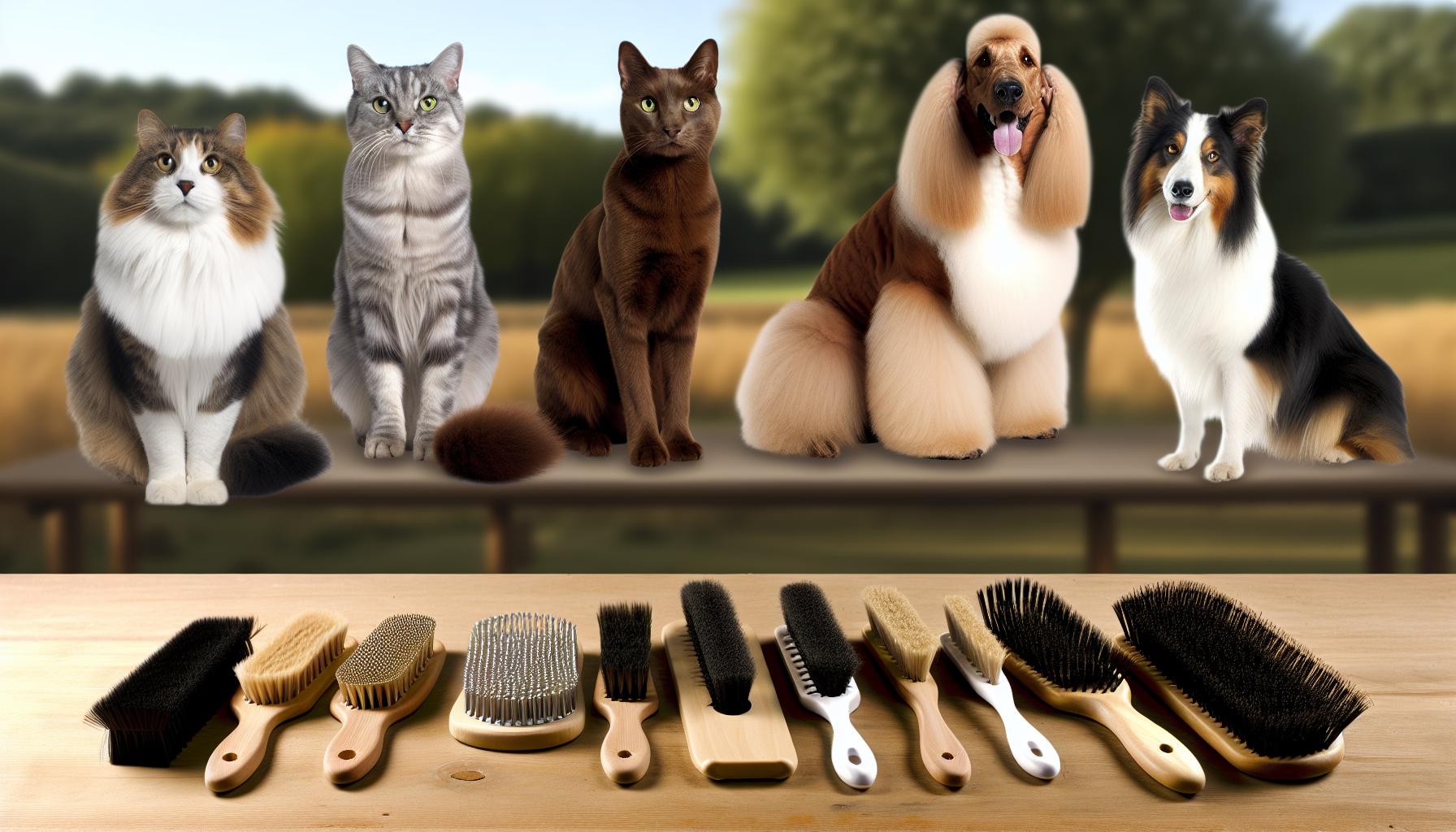
gentle Methods for Nail Trimming Without Stress
Many cat owners find nail trimming to be a challenging task, as cats can easily become anxious or resistant when their paws are handled. however, with gentle restraint techniques and a compassionate approach, nail care can transform from a stressful chore into a calm, manageable routine. Key to success is creating a safe,quiet environment where your cat feels secure and supported throughout the process.
Preparation and Tools
Start by selecting the right tools: a pair of sharp, cat-specific nail clippers or a rotary grinder designed for delicate nails. Avoid using scissors or human nail clippers,as these can cause splitting or discomfort. Before you begin,it helps to acclimate your cat by gently handling their paws during play or petting sessions,rewarding calm behavior with treats or soft praise. This builds positive associations and reduces resistance when it’s time to trim.
Step-by-Step Handling for Comfort and Control
- Secure but Gentle Hold: Sit comfortably in your lap or at a table. If your cat is small or particularly wiggly, wrapping them gently in a towel with one paw exposed can keep them calm and prevent sudden movements. Always ensure their head is free, allowing them to breathe easily and feel less confined.
- Expose One Paw at a time: Slowly and softly press the pad between your thumb and forefinger to extend the nail. Speak in soothing tones, taking care not to rush.
- Trim with Precision: Cut only the sharp tip of the nail, avoiding the quick-the pink area containing blood vessels and nerves-to prevent pain and bleeding.
- Pause and Reward: After each paw, offer gentle praise or a small treat. Short,positive sessions help your cat build tolerance without overwhelming stress.
Practical Tips and Troubleshooting
If your cat resists strongly, breaking the process into very short sessions over several days can definitely help. Some cats prefer nail grinding over clipping, as it feels less like a sudden snip.In any case, remain calm and patient-your energy influences how your cat responds. If accidental bleeding occurs, gently apply styptic powder or cornstarch to stop it and reassure your cat with quiet affection.Avoid forcing your cat or holding them too tightly, as this can escalate fear or aggression.
For cats with medical issues, thickened nails, or extreme anxiety, consulting a professional groomer or veterinarian is wise. These experts have the experience and tools to perform nail care safely and can demonstrate restraint techniques tailored to your cat’s temperament.
Through compassionate, stepwise handling and respect for your cat’s comfort, nail trimming becomes a nurturing ritual rather than a battleground-protecting both your feline’s well-being and your bond.
How to Restrain Cats During Bath Time Safely
Bath time can be one of the moast stressful grooming moments for both cats and their owners. Unlike dogs, many cats naturally dislike water, making gentle restraint and a calm approach essential for their comfort and safety. The goal is to minimize fear and struggle, keeping your cat feeling secure without feeling trapped or overwhelmed.
Preparing Your Space and Tools
Before starting, ensure all bath supplies are within arm’s reach: a shallow tub or sink with a non-slip mat, lukewarm water, mild cat shampoo, a soft washcloth, and towels for drying. A quiet, warm room with minimal distractions helps keep your cat calm. Some longhaired or thick-coated breeds require a bit more patience due to their dense fur, so setting realistic expectations based on your cat’s coat type is crucial.
Step-by-Step Gentle Restraint
- Start with a Calm Introduction: Let your cat explore the bathing area dry first. speak softly and offer gentle pets or treats to build positive associations.
- Use Towel Wraps for Security: For cats prone to panic, partially wrapping them in a large, soft towel before placing them in water provides a sense of security and limits frantic movements. When wet,towel wraps also prevent sudden scratches and help maintain warmth.
- Support the Body Firmly but Softly: Hold your cat close,with one hand under the chest and the other supporting the hindquarters. Avoid pressing too tightly-your cat needs to feel supported, not restrained like a prisoner.
- Water Level and Temperature: Only fill the tub or sink with a few inches of lukewarm water (around 100°F/38°C).A high water level increases anxiety and risk; remember, most cats prefer just enough water to wet their paws and belly gently.
Practical Tips to Stay Safe and Soothed
Many cats react defensively during baths due to fear, not aggression, so patience is critical. Speak softly throughout and move slowly to avoid startling them. A gentle rinse using a handheld cup or sprayer positioned away from the face minimizes stress. If your cat resists too much, pause and try again later rather than forcing the issue.
In some cases, especially in large or very anxious cats, grooming professionals or veterinarians may recommend mild sedation for baths, but this is always a last resort. For routine at-home baths,repetitive positive experiences paired with treats and affection reinforce calm behavior.
Always prioritize your cat’s emotional well-being over perfection. A quick,gentle cleanse is far better than pushing for a spotless coat at the expense of their trust or safety. When in doubt, consulting a professional groomer experienced with cats ensures your pet receives expert care tailored to their unique temperament.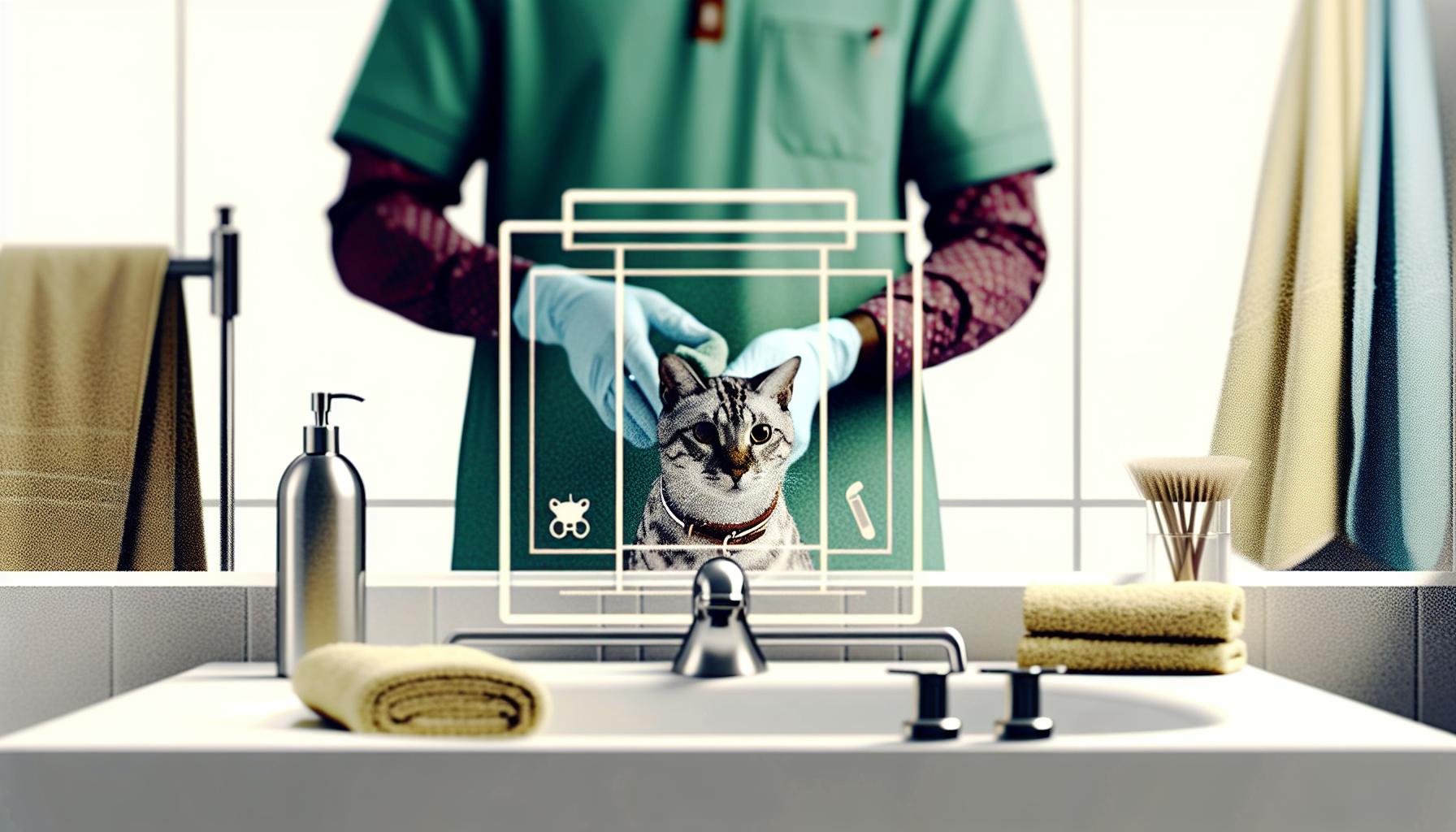
Soothing Ear and Eye cleaning Techniques
Many cats are incredibly sensitive around their ears and eyes, making these delicate areas a common challenge during grooming. Approaching cleaning with gentleness and patience is essential to ensure your cat feels safe and relaxed. Instead of rushing, take a few moments to create a calm environment-dim lighting, quiet space, and soft voices help put even the most nervous cats at ease.
Preparing the Right Tools
Keep a small collection of supplies handy: unscented, vet-approved ear and eye wipes, cotton balls or pads, and a gentle saline solution for the eyes. Avoid cotton swabs, which can cause injury if your cat moves suddenly. A soft towel and treats also make a big difference in helping your cat stay comfortable and cooperative.
Step-by-step Cleaning Approach
- Hold Securely but Comfortably: position your cat on a stable surface, wrapping them gently in a towel if needed to limit flailing. Support their head with one hand, cradling the chin to keep movement minimal while maintaining a calm grip.
- Start with the Eyes: Moisten a cotton pad with saline and gently wipe from the inner corner outward. Use a fresh pad for each wipe to prevent transferring debris or infection. Go slow, observe your cat’s reactions, and pause if stress signs appear.
- Move to the Ears: Use a vet-recommended ear cleaner applied to a cotton ball or pad-not directly into the ear canal. Clean around the outer ear and visible folds carefully. Avoid deep ear probing to protect the delicate ear drum and canal.
Recognizing When to Stop or Seek Help
If your cat resists strongly, tenses up, or shows signs of pain, it’s perfectly okay to stop and try again later.Sometimes, multiple short sessions over days build tolerance better than one long attempt. Persistent ear discharge, redness, or excessive dirt warrants a professional veterinary check, as these may indicate infection or mites.
Gentle ear and eye care not only keeps your cat healthy but deepens the trust between you.Praise their cooperation with soft words and treats after each step. Remember, patience and kindness always triumph over perfection in maintaining your feline friend’s wellness and comfort.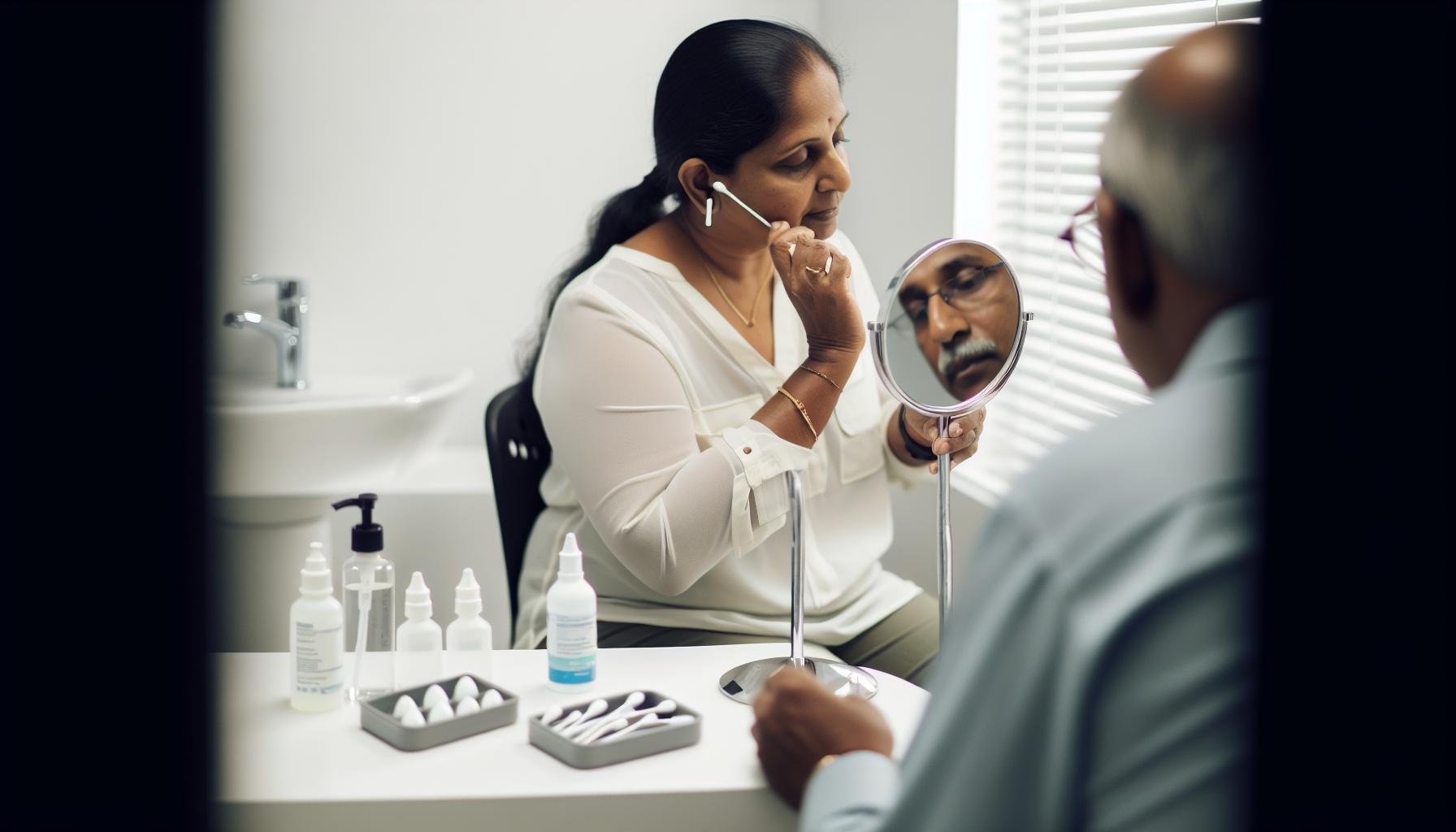
Recognizing Signs of Stress and When to Pause
Cats communicate their discomfort and stress during grooming in subtle and unmistakable ways. Recognizing these signals early not only prevents escalation but also shows your cat that their feelings are respected. This gentle attentiveness helps maintain trust and fosters cooperation, turning a potentially stressful experience into a calm routine over time.
Some common signs to watch for include stiffening of the body, wide or dilated pupils, flattened ears, tail flicking or lashing, heavy panting, and vocalizations like hissing or growling. You might also notice rapid blinking or attempts to squirm away. Even a seemingly calm cat may suddenly tense or pull back when a sensitive area is touched.Knowing these cues helps you decide when to gently pause and offer reassurance rather than pushing forward.simple ways to respond:
- Pause and breathe: Stop the grooming session at the first sign of distress. Give your cat space to relax, using a soothing voice and soft strokes if they allow it.
- Short sessions work best: Break grooming into multiple brief encounters rather than one long ordeal. This reduces overwhelm and builds positive associations.
- Use treats and praise: reward calm behavior liberally with your cat’s favorite snacks and gentle words to reinforce cooperation.
- Adjust restraint techniques: If your cat stiffens under towel wraps or holding, try loosening the wrap or switching to a gentler hold. Some cats respond better to being groomed on the floor rather than elevated surfaces.
Signs That Signal an immediate Stop
Recognizing when the stress level exceeds what your cat can comfortably handle is crucial.If you notice:
- Growling, hissing, or swatting
- Tensed muscles to the point of rigidity or struggling to escape
- Rapid, heavy breathing or open-mouth panting
- Excessive vocalizing or dilated pupils that don’t settle
- Overt signs of pain like yelping when touched
these are clear red flags demanding an immediate pause for your cat’s safety and emotional well-being. Continuing beyond this point risks injury or severely damaging your bond.
When to Shift from Home Grooming to Professional Help
Some cats, especially those with long or dense coats, health challenges, senior age, or anxiety, may require specialized restraint tools and techniques only groomers or veterinarians can safely provide. Persistent stress during grooming, recurring matting, or skin irritation are signs that professional care is needed. Groomers trained in gentle handling know how to read stress signals accurately and employ calming methods that keep your cat safe.
Remember, restraint is never about control through force but thoughtful, supportive positioning tailored to your cat’s unique temperament and comfort. Patience and understanding will get you much farther than trying to “power through” an anxious or frightened cat’s grooming needs.
With practice, observation, and kindness, you’ll gain the confidence to read your cat’s cues and create grooming sessions where both you and your furry friend feel safe and respected. this empowers you to keep their coat healthy and spirit bright without unneeded stress.
When to Seek Professional Grooming Help
Sometimes, despite all your gentle efforts and patience, certain grooming tasks become too challenging or risky to manage at home. Cats with thick, long, or matted coats frequently enough require specialized tools and experienced hands to safely remove tangles without causing pain or injury. Older cats or those with medical conditions may experience discomfort or stress that can escalate quickly, making professional intervention the safest and kindest choice.
Professional groomers bring years of training in understanding feline body language and mastering gentle restraint techniques. They frequently enough use soft muzzles, calming wraps, or sedation (under veterinary guidance) when necessary-never to control by force, but to prioritize the cat’s emotional and physical well-being. These grooming sessions are paced according to your cat’s needs, allowing breaks and using soothing touch to maintain calmness throughout.If your cat shows signs of extreme anxiety, persistent squirming, or aggressive resistance during nail trimming, ear cleaning, or baths, it’s a strong signal to hand off the task.
- Persistent matting or skin issues: Attempting to cut out mats on your own risks cutting or irritating sensitive skin. Groomers have special tools like dematting combs and thinning shears that minimize stress and trauma.
- Anxiety and behavioral challenges: If your cat’s nervousness escalates to hissing, growling, or aggressive swatting, professional groomers know how to work with these behaviors gently and safely, sometimes consulting with veterinarians for sedation or anxiety management.
- Health concerns or mobility problems: Animals with arthritis,obesity,or chronic illness often need careful restraint to avoid pain. Grooming professionals can adapt their techniques to accommodate these challenges comfortably.
Understanding the Limits of DIY Grooming
While home grooming builds trust and can be fulfilling,it’s important to recognize when it’s time to seek expert help. Professionals serve as valuable partners-not just for tough grooming jobs but also for teaching you safe handling methods tailored to your cat’s personality. When you feel overwhelmed, or your cat’s stress levels spike despite your gentlest approach, reaching out is a compassionate and wise step.
Remember, seeking professional help is a sign of love and respect for your cat’s comfort-not a failure. It ensures grooming remains a positive part of your cat’s life and preserves the special bond you share. With expert support, you’ll gain confidence and knowledge to better care for your furry family member in between visits.
Building Trust to Improve Grooming Cooperation
Building trust with your cat is the cornerstone of creating a calm and cooperative grooming routine. Cats are sensitive creatures who quickly pick up on our emotions,so cultivating a peaceful environment and approach can turn grooming from a stressful ordeal into a bonding experience. Start by introducing grooming tools-like brushes or nail clippers-in a relaxed setting, allowing your cat to sniff and explore them without pressure. Pairing these introductions with gentle praise, treats, or playtime helps your cat associate grooming with positive experiences rather than fear or restraint.
Consistency is key. Short, frequent sessions work better than long, infrequent ones. For example, brushing a few minutes daily-even if just a few strokes-helps your cat become familiar with being handled and touched in vulnerable spots. This gradual approach reduces anxiety and builds tolerance. Pay close attention to your cat’s unique personality and breed; a long-haired Maine Coon will need a different pacing and tool set than a short-haired Siamese. Using soft bristle brushes or grooming gloves tailored to your cat’s coat type not only makes grooming more comfortable but also enhances your cat’s trust in you handling them gently.
- Respect your cat’s limits: If your cat shows signs of discomfort-ears back, tail flicks, or attempts to escape-pause and offer reassurance before continuing.
- Use calm, soothing tones: Speak softly and avoid sudden movements to maintain a relaxed atmosphere.
- Incorporate favorite treats or toys: Reward your cat intermittently during grooming sessions to reinforce cooperation.
Real-world success stories frequently enough highlight how patience pays off. As a notable example, one owner shared that her shy cat, initially terrified of nail trims, gradually accepted short handling sessions paired with soft spoken encouragement and treats over several weeks, eventually allowing full trims with minimal fuss.Similarly, cats with touch sensitivities may benefit from starting with just ear cleaning or face brushing, slowly adding more contact areas as they grow more comfortable.
Knowing When to Adapt or Seek Help
It’s important to recognize when building trust at home isn’t enough or the grooming needs become too complex or stressful. Some cats-especially those rescued from trauma or with anxiety disorders-may require professional support. Groomers trained in gentle handling methods can offer specialized techniques, such as slow introduction to handling, custom calming wraps, or vet-approved sedation when necessary.Remember, seeking help is not about surrendering your bond but enhancing it by prioritizing your cat’s well-being and comfort.
Your ongoing efforts to build trust lay a foundation not just for better grooming cooperation but for a deeper, more empathetic relationship with your cat. With patience, kindness, and the right tools, grooming can transform from a dreaded chore into a cherished ritual that leaves both of you feeling safe, respected, and connected.
faq
Q: How do groomers use body language to keep cats calm during restraint?
A: Groomers use *calm, slow movements* and avoid direct eye contact to reduce a cat’s anxiety during restraint.Gentle vocal tones and minimal sudden gestures help maintain a peaceful environment. Learning these non-verbal cues improves handling and supports *stress-free grooming*, as detailed in calming strategies before grooming sessions.
Q: What alternative restraint tools do groomers use besides towels?
A: Besides towels, groomers may use *soft cat mittens*, harnesses, or specially designed grooming bags that limit movement without causing discomfort. These alternatives offer gentle restraint for anxious cats during nail trims or baths, complementing traditional towel wraps for safe, compassionate handling.
Q: Why is minimal restraint important in gentle cat grooming?
A: Minimal restraint is crucial because it *reduces stress and the risk of injury* for both cat and groomer.Allowing natural movements within safe limits helps build trust and cooperation, enhancing the grooming experience. This aligns with techniques from sections on safe holding and recognizing stress signals.
Q: How do groomers handle aggressive or fearful cats gently?
A: Groomers use *slow desensitization and positive reinforcement* with fearful cats, starting with brief, low-impact contact and gradually increasing as comfort grows. They avoid force, opting for breaks and calming aids to ensure gentle restraint without escalating fear, as discussed in the sections on recognizing stress and when to pause.
Q: What role does the grooming environment play in gentle cat restraint?
A: A quiet, secure environment with minimal distractions helps cats feel safe, making restraint easier and gentler.Groomers often use non-slip mats and controlled lighting to reduce agitation. Creating this calm setting supports effective handling techniques, especially during baths or nail trims.
Q: How can owners practice gentle restraint techniques at home safely?
A: Owners can practice by *using soft towels for gentle wraps and offering treats* to build trust before edging into grooming tasks. Always prioritize short sessions and watch for stress signs. Refer to the article sections on calmin and safe holding techniques for step-by-step guidance that empowers pet parents safely.
Q: When should chemical restraint be considered in cat grooming?
A: Chemical restraint, such as sedation prescribed by a vet, should be considered only for exceptionally aggressive or highly stressed cats when gentle manual restraint isn’t safe. This is a last resort after all gentle options are tried, and it must be supervised by professionals to prioritize cat welfare.
Q: How do groomers adapt restraint methods for different cat breeds or coat types?
A: Groomers tailor restraint based on breed temperament and coat-long-haired cats may need softer, more frequent towel wraps, while short-haired breeds tolerate quicker handling. Understanding coat-specific needs ensures gentle grooming and safe restraint,as highlighted in brushing and nail trimming techniques sections.
—
For more detailed guidance, explore the article’s step-by-step safe holding techniques and building trust sections to improve your cat’s grooming experience with compassionate care.
Key Takeaways
Understanding gentle handling methods helps ensure every grooming session is calm and safe for your cat, no matter their breed or coat type. Whether you’re prepping for a bath, brushing thick fur, trimming nails, or cleaning ears, prioritizing comfort and patience makes all the difference. If challenges arise, remember that professional groomers, vets, and at-home care each have their roles, so never hesitate to seek expert advice when needed.
Ready to deepen your skills? Explore our guides on Calming Cats During Grooming, Choosing the Right Grooming Tools, and DIY Cat Nail Care Tips to make every session stress-free. Don’t forget to join our newsletter for expert tips and exclusive offers tailored to feline wellness. Your cat’s comfort and safety come first-we’re here to support you every step of the way.
Have questions or success stories about gentle restraint you want to share? Drop a comment below or connect with our community for ongoing support.Together, we can make grooming a loving, confident ritual that strengthens your bond and keeps your cat happy and healthy.
Get our latest guides, news, and insights highlighted in your Google Search & AI Overviews.
Keep reading about the same coat and cut.
Popular grooming guides
Bath vs clip, first grooms, and salon how-tos.