What Soap Is Safe for Cats? Feline Bathing Ingredients & pH Guide
✨ This article was AI edited. Editorial responsibility: Perfect Pooches Grooming.
Produced with AI. This article was artificially generated. Editorial responsibility: Perfect Pooches Grooming.
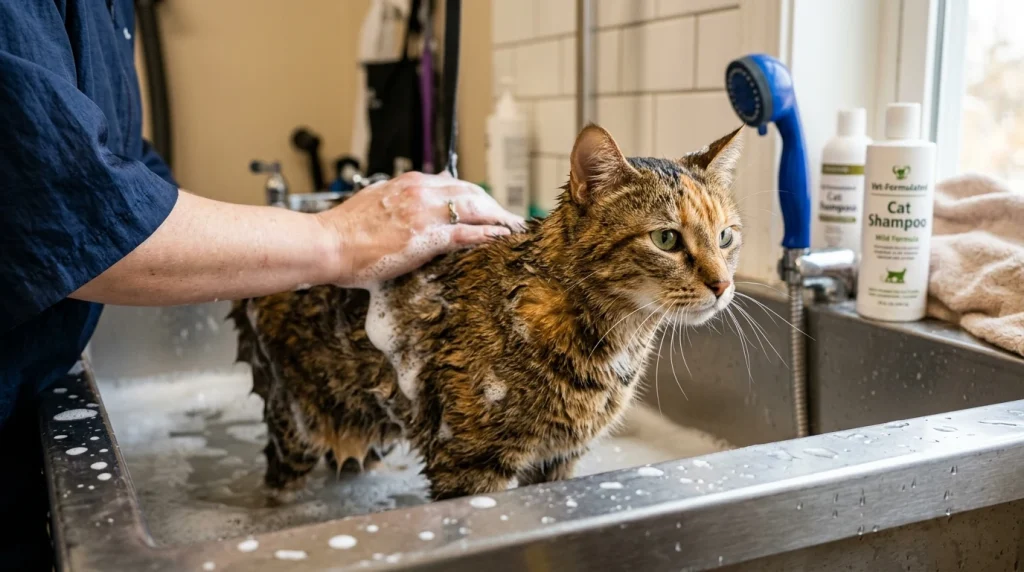
Safe soaps for cats are pH-balanced (6.0–6.8), fragrance-free, sulfate-free veterinary cleansers specifically formulated without essential oils, parabens, or permethrins. Because cats ingest up to 50% of topical residues during self-grooming, safe feline shampoos utilize gentle plant-derived surfactants such as colloidal oatmeal, aloe vera, and cocamidopropyl betaine.
Feline skin physiology differs dramatically from both human and canine integumentary systems. A cat’s epidermis is only 2 to 3 cell layers thick (compared to 10 to 15 layers in humans) and possesses a neutral-to-slightly-acidic pH. Using inappropriate household detergents, human body washes, or dog shampoos on cats can trigger severe chemical contact dermatitis, toxic systemic ingestion, and life-threatening organ failure.
Feline Skin pH and Why Human / Dog Shampoos Cause Harm
Table of Contents
Understanding the biochemical differences between species highlights why dedicated feline formulations are mandatory:
| Parameter | Feline Skin & Grooming | Canine Skin | Human Skin |
|---|---|---|---|
| Epidermal pH | 6.0 – 6.8 (Neutral) | 6.8 – 7.5 (Slightly Alkaline) | 5.2 – 5.8 (Acidic Acid Mantle) |
| Epidermal Thickness | 2–3 cell layers (Very delicate) | 3–5 cell layers | 10–15 cell layers (Thick) |
| Hepatic Glucuronidation | Deficient / Absent | Fully functional | Fully functional |
| Post-Bath Grooming Ingestion | High (Licks coat obsessively) | Low to Moderate | None |
| Reaction to Human Soap | Severe dryness, scaling, chemical burns | Dryness, dandruff, itching | Normal cleansing |
Toxic Ingredients Every Cat Owner Must Avoid
Cats lack crucial liver enzymes (specifically glucuronyl transferase) necessary to metabolize and detoxify phenolic compounds and terpenes commonly found in standard cleansers:
- Essential Oils (Tea Tree, Citrus, Pine, Peppermint, Eucalyptus): Highly toxic to felines; causes acute hepatic necrosis, hypothermia, ataxia, and seizures upon dermal absorption or grooming ingestion.
- Permethrin and Pyrethroids: Frequently added to canine flea shampoos; causes lethal feline neurotoxicity within hours of exposure.
- Artificial Fragrances & Phthalates: Disrupts feline olfactory signaling and causes severe respiratory irritation and allergic dermatitis.
- Sulfates (SLS / SLES): Harsh ionic detergents that strip the delicate lipid barrier, causing chronic pruritus and secondary bacterial infections.
- Coal Tar and Selenium Sulfide: Used in human anti-dandruff products; acutely toxic to feline bone marrow and liver tissue.
- Benzalkonium Chloride: Common in household antibacterial wipes; causes severe oral ulceration and chemical burns when cats groom their paws.
Veterinary-Approved Safe Ingredients for Feline Bathing
When selecting a commercial cat shampoo or emergency cleanser, look for these soothing, non-toxic ingredients:
- Colloidal Oatmeal (Avena sativa): Forms a protective hydrophilic film over the stratum corneum, locking in moisture and neutralizing inflammation.
- Organic Aloe Vera Gel (Purified Leaf Juice): Provides rapid cooling relief and enzymatic soothing for irritated skin folds without toxic aloin.
- Hydrolyzed Oat & Wheat Proteins: Binds moisture to the feline hair cortex, reducing static and detangling fine undercoats naturally.
- Gentle Coconut-Derived Glucosides: Mild non-ionic cleansers (such as decyl glucoside) that lift grease and dirt without irritating eyes or mucous membranes.
- Chamomile & Calendula Extracts: Plant-based anti-inflammatory extracts that accelerate superficial cellular regeneration without chemical residues.
- Ceramides & Phytosphingosine: Dermal lipids that actively repair damaged skin barriers in cats suffering from allergic dermatitis.
Step-by-Step Low-Stress Feline Bathing Protocol
Bathing a cat requires calm, methodical preparation to minimize fear and avoid accidental scratch injuries:
- Towel Grip Surface: Place a folded towel or rubber non-slip mat inside the sink or tub so your cat feels stable footing rather than slippery porcelain.
- Tepid Water Temperature: Use lukewarm water (around 38°C / 100°F)—never hot or cold. Use a gentle handheld cup or low-pressure sprayer.
- Avoid the Head & Ears: Never spray water directly onto a cat’s face or ears. Use a damp microfiber cloth to gently wipe the face and chin.
- Thorough Rinsing: Rinse the coat with clean water three consecutive times until water runs completely clear to prevent post-bath licking of soap residue.
- Warm Towel Burrito Dry: Wrap your cat snugly in pre-warmed dry towels to absorb maximum moisture before using an ultra-quiet, low-velocity ambient dryer if tolerated.
Frequently Asked Questions (FAQ)
Can I use baby shampoo or Dawn dish soap on my cat?
Human baby shampoo is formulated for acidic human skin and will dry out feline coats with repeated use. Dawn dish soap should only be used as a one-time emergency rescue treatment for removing motor oil or heavy toxins, never as a regular grooming cleanser.
How often should cats be bathed?
Most healthy indoor cats groom themselves effectively and rarely need full baths. Bathing is typically reserved for instances of severe dirt, parasite treatment, or elderly/arthritic cats that cannot groom their hindquarters.
What can I use to clean my cat if they are terrified of water?
Waterless no-rinse foam cleansers, grooming wipes formulated for cats, and dry cat shampoo powders allow thorough hygiene maintenance without the stress of water immersion.
Can I use dog conditioner on my cat?
No. Canine conditioners often contain fragrances, silicones, or botanical essential oils safe for dogs but highly toxic to felines if ingested during self-grooming.
What should I do if my cat accidentally ingests tea tree shampoo?
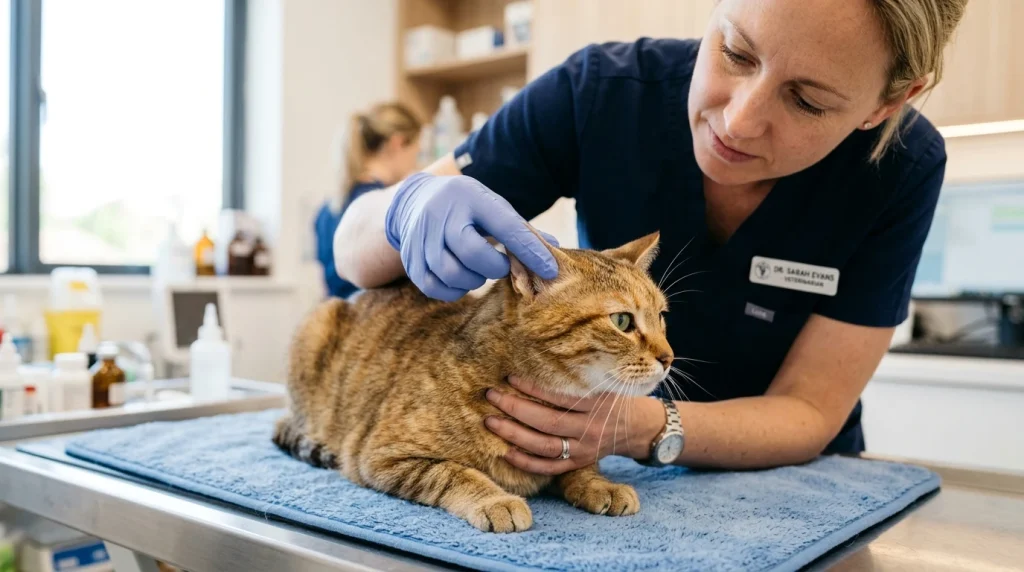
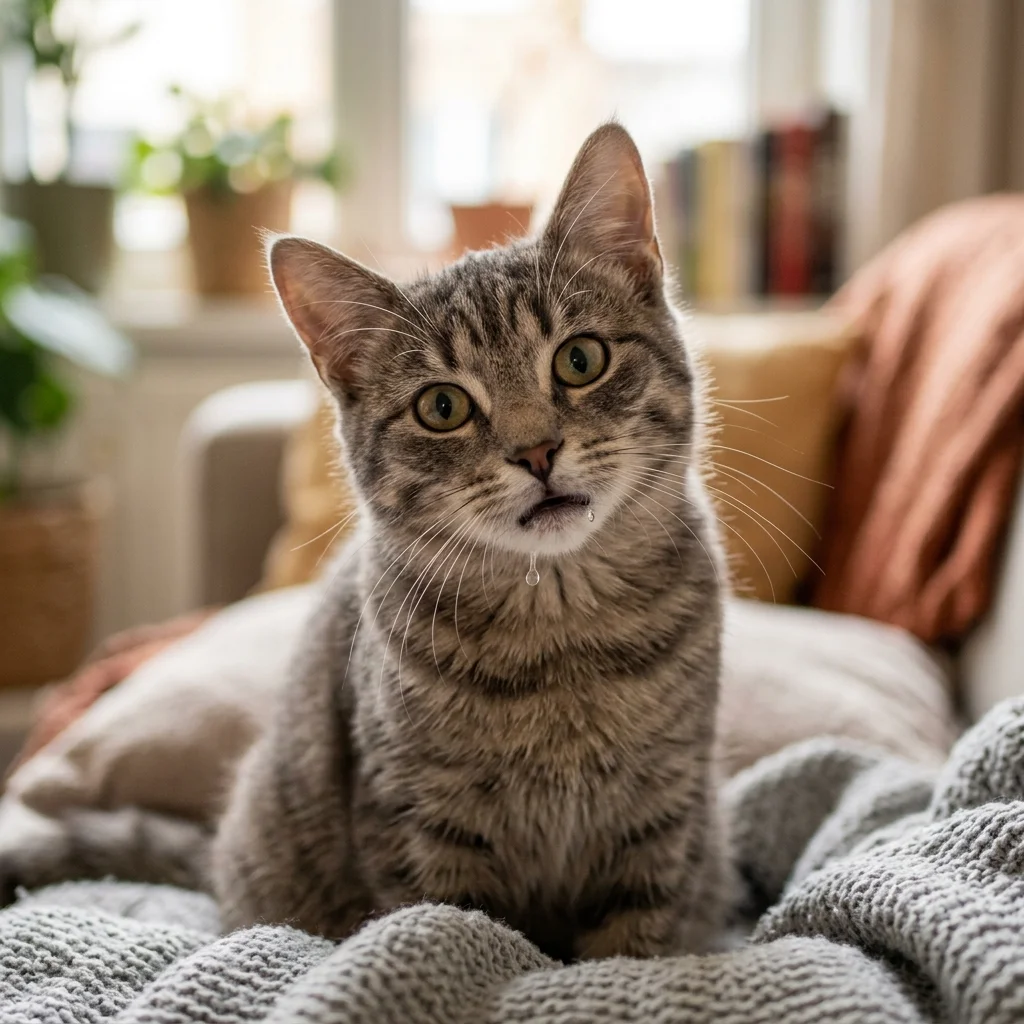
Seek immediate emergency veterinary medical attention. Do not induce vomiting at home. Bring the product bottle to the clinic for rapid toxicological assessment.
Get our latest guides, news, and insights highlighted in your Google Search & AI Overviews.
Keep reading about the same coat and cut.
Popular grooming guides
Bath vs clip, first grooms, and salon how-tos.