What happens if cat hair goes inside your stomach?

Have you ever wondered what would happen if you accidentally ingested cat hair? While it may seem like an unlikely scenario, pet owners frequently experience swallowing cat hair through airborne shedding, close cuddling, or contaminated food. While human gastric enzymes cannot break down animal keratin, small amounts of ingested fur generally pass harmlessly through the gastrointestinal tract without causing clinical complications.
What Happens After Swallowing Cat Hair: Digestion, Health Risks, and Trichobezoars
Table of Contents
For pet parents who share close living spaces with heavy-shedding felines, swallowing cat hair is a common accidental occurrence. Understanding human digestive physiology and potential health considerations provides clear medical reassurance:
| Health Factor | Biological Mechanism in Humans | Clinical Risk Level | Medical Guidance / Precaution |
|---|---|---|---|
| Keratin Breakdown | Human stomach acid (HCl) cannot dissolve insoluble keratin protein | Zero / Benign | Strands pass intact through the small and large intestines within 24–48 hours |
| Trichobezoar Formation | Massive accumulation of entangled hair fibers forming a dense mass | Extremely Rare in humans | Typically occurs only in individuals with compulsive hair-eating disorders (trichophagia) |
| Allergen Exposure (Fel d 1) | Feline saliva proteins coating the hair shaft | Low to Moderate | May cause mild oral tingling or throat tickles in highly sensitized cat-allergic individuals |
| Parasite Transmission | Microscopic tapeworm eggs (Dipylidium caninum) via ingested fleas on fur | Very Low | Maintain veterinary-prescribed monthly flea and tick spot-on preventatives |
What is Cat Hair?
Cat hair refers to the fine, soft fur of cats. It is made up of three layers: an outer guard coat, a middle awn coat, and an inner down coat. Guard hairs are the longest hairs and provide the cat with protection from the elements. Awn hairs are coarser and are usually the most visible. The down hairs are the shortest and softest of the three.
Cats shed their fur throughout the year and the amount of shedding varies from cat to cat. Shedding is a natural process that helps cats maintain their coat, but it can be a nuisance for pet owners. It is important to regularly groom cats to prevent excess shedding and to help keep the coat healthy and free of mats and tangles.
What Happens if Cat Hair Goes Inside Your Stomach?
It is possible for cat hair to end up in your stomach if you swallow it, however it is unlikely that anything serious would happen if this did occur. Cat hair is made up of a protein called keratin, which is not particularly harmful to humans. In most cases, the hair will pass through the digestive system without incident.
However, it is possible that the hair could cause an obstruction in the digestive tract if ingested in extraordinarily massive quantities over years. This could lead to abdominal pain, nausea, vomiting, and constipation. If these symptoms occur, it is important to seek medical attention as soon as possible.
Can Cat Hair Be Harmful?
Although cat hair is not inherently toxic, it can carry allergens such as dander, saliva, and urine that can cause allergic reactions in some people. If you are allergic to cats, it is important to take steps to reduce the amount of cat hair in your environment. Vacuuming regularly with HEPA filtration, washing bedding and upholstery, and using air purifiers can help to reduce the amount of allergens in your home.
What Are the Best Ways to Avoid Swallowing Cat Hair?
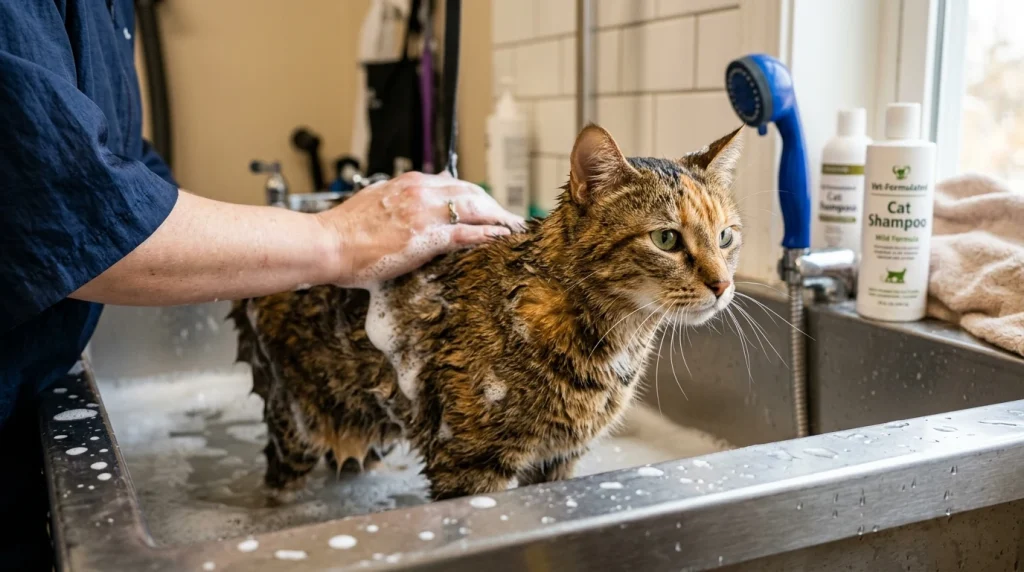
The best way to avoid swallowing cat hair is to reduce the amount of fur in your environment. Regular brushing can help to reduce shedding, as can regular bathing with cat-safe deshedding shampoos. Additionally, vacuuming regularly and washing bedding and upholstery can help to reduce the amount of fur in your home.
Frequently Asked Questions (FAQ)
What happens if you accidentally swallow cat hair?
Accidentally swallowing a few strands of cat hair is harmless. The insoluble keratin strands pass naturally through your digestive system without causing injury.
Can swallowing cat hair cause a human hairball?
No. Normal incidental ingestion does not accumulate into hairballs in humans. Hairballs (trichobezoars) only occur in cases of chronic psychological hair ingestion (trichophagia).
Can cat hair carry bacteria into your stomach?
Strong human gastric acid (pH 1.5–2.0) rapidly destroys common environmental bacteria present on ingested pet fur.
Get our latest guides, news, and insights highlighted in your Google Search & AI Overviews.
Keep reading about the same coat and cut.


Popular grooming guides
Bath vs clip, first grooms, and salon how-tos.