Do You Stay With Your Dog at the Groomers: Drop-Off Protocol
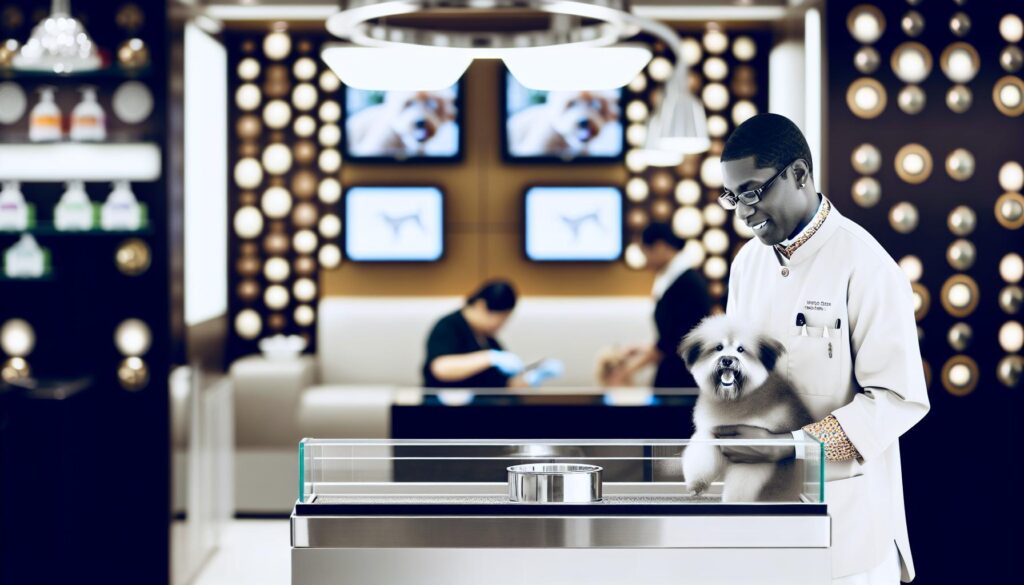
Did you know that how you handle your dog’s drop-off at the groomer can make all the difference in their comfort and stress levels? Whether you have a lively French Bulldog, a fluffy Poodle, or a sensitive Shih Tzu, deciding if you should stay or leave during grooming affects both you and your furry friend. This guide will walk you through the best practices for drop-off, helping you feel confident and calm while ensuring your dog’s well-being comes first. Together, we’ll explore practical steps for a smooth visit-from easing anxiety to understanding the groomer’s routine-so your dog can leave looking great and feeling happy. Let’s take the mystery out of drop-off protocol and make grooming a positive experience for everyone involved.
Why Some Owners Choose to Stay During Grooming
Table of Contents
- 1 Why Some Owners Choose to Stay During Grooming
- 2 How Staying Affects Your Dog’s Grooming Experience
- 3 Understanding Groomer Drop-Off Policies and Procedures
- 4 Signs Your Dog Benefits from Owner Presence
- 5 Step-by-Step Guide to a Smooth Drop-Off Process
- 6 How to Prepare Your Dog for Grooming Visits
- 7 Communicating Your Dog’s Needs to the Groomer
- 8 Managing Separation Anxiety for Dogs and Owners
- 9 When to Trust the Groomer and Let Go
- 10 Troubleshooting common Drop-Off Challenges
- 11 Balancing Safety, Comfort, and efficiency at the Groomers
- 12 Tips for Building a Positive Groomer-Owner Relationship
- 13 Faq
- 13.1 Q: How can I tell if staying with my dog at the groomer will reduce their stress?
- 13.2 Q: What are the best practices for leaving my dog confidently at the groomer?
- 13.3 Q: When is it inappropriate or unsafe to stay with my dog during grooming?
- 13.4 Q: How can I prepare my dog mentally for drop-offs when I cannot stay?
- 13.5 Q: What should I do if my dog shows separation anxiety immediately after drop-off?
- 13.6 Q: How do different coat types influence whether I should stay during grooming?
- 13.7 Q: Can staying with my dog at the groomers affect grooming efficiency?
- 13.8 Q: How do groomers prefer owners handle drop-off and pick-up times?
- 14 The Conclusion
Sometimes, staying with your dog during grooming feels like the best way to provide comfort and reassurance-not just for your pet, but for you as an owner. Dogs, especially those with anxious or sensitive temperaments, can experience stress or confusion when left alone in unfamiliar surroundings. Being nearby allows you to observe how your dog responds to the environment and the groomer’s handling, giving you peace of mind that their well-being is prioritized. This presence can become a bridge of calm, gently reassuring a nervous pet through eye contact or a soothing tone, which can be especially critically important for breeds with high sensitivity or rescue backgrounds.
That said, certain breeds and coat types often require more specialized tools and focused attention, such as a Poodle’s dense curls or a Shih Tzu’s long, fine hair. for these dogs, staying close can help you notice early signs of discomfort like skin sensitivity or matting hotspots. Being present may also enable you to communicate subtle cues to the groomer about your dog’s reactions-whether it’s holding a paw a little too firmly or an ear that needs extra care. In these moments, your calm and familiar presence can reduce your dog’s stress and help the grooming process flow more smoothly.
When Presence Supports Better Grooming Outcomes
- Young puppies learning to tolerate bathing, nail trims, or ear cleaning benefit from gradual exposure paired with owner support.
- Rescue dogs or those with past trauma often feel safer and more secure with a trusted person nearby, reducing fear-based reactions.
- Dogs new to grooming feel less overwhelmed when their owner stays through the initial sessions, building a positive association.
- Pets recovering from medical procedures may require gentle handling and reassurance during grooming, which a caring owner can definitely help facilitate.
Feeling empowered to stay doesn’t mean you’re micromanaging or doubting your groomer’s skills-it’s about partnering for your dog’s comfort. Though, before deciding to remain in the grooming room, it’s wise to check the salon’s policies and discuss your dog’s needs with the groomer. Sometimes a quiet, reassuring presence behind the scenes is best, while other times, stepping out briefly allows the groomer to perform tasks more efficiently and safely. Either way, your involvement signals to your dog that they are loved and cared for, setting the stage for positive grooming experiences now and in the future.
How Staying Affects Your Dog’s Grooming Experience
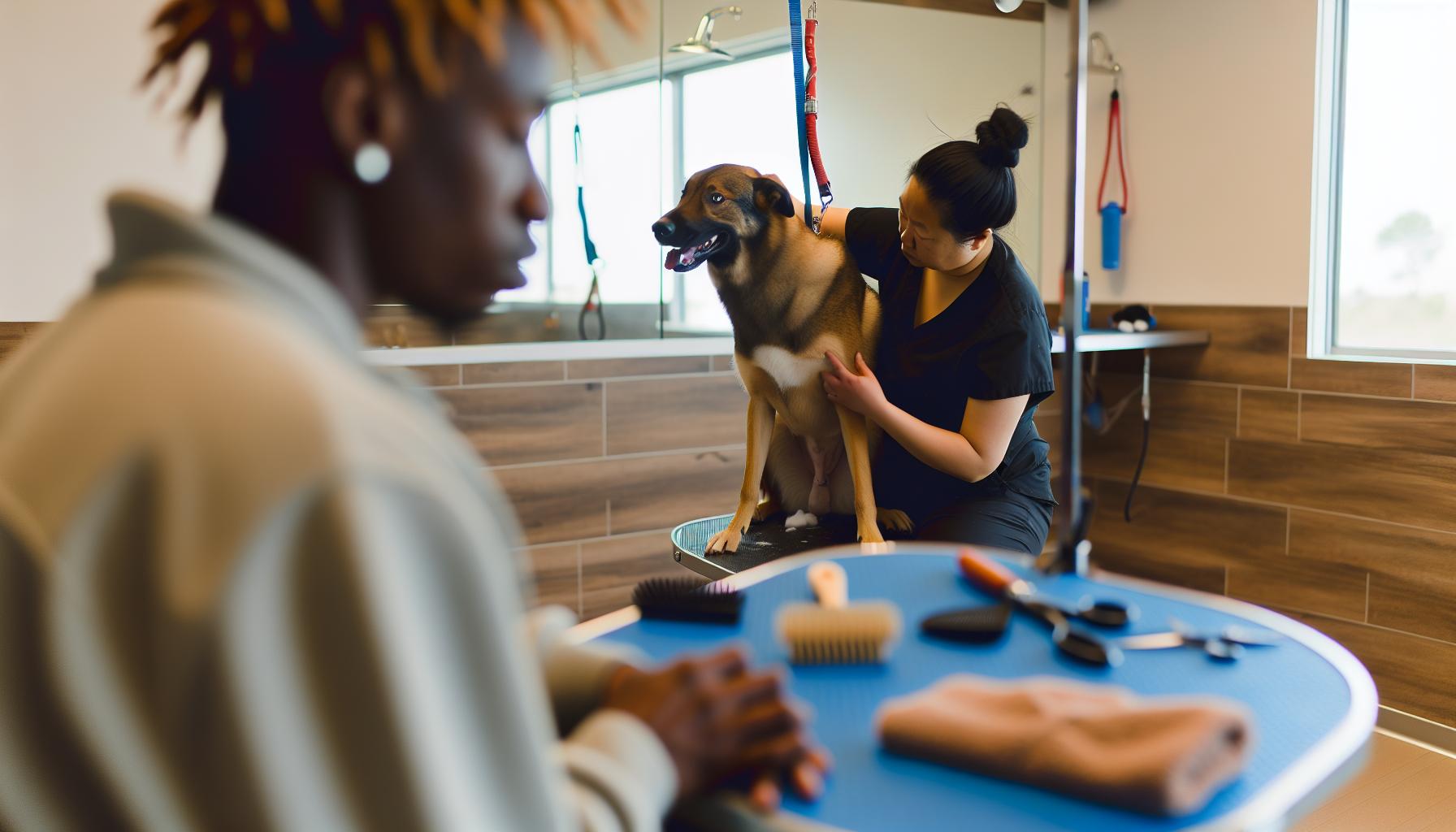
Dogs are incredibly perceptive to their owner’s presence, and this connection can profoundly influence their grooming experience. When you stay during grooming, your familiar voice, calm demeanor, and reassuring touch can act like a comfort anchor. For anxious dogs, this reassurance helps reduce stress hormones, making their time in the grooming chair less daunting. Imagine a nervous Shih Tzu with delicate facial hair-your steady presence can signal safety as the groomer carefully navigates sensitive areas. This reduces sudden flinching or resistance that sometimes complicates grooming sessions.
staying isn’t just about emotional support-it can also lead to a more tailored and attentive grooming session. Owners frequently enough notice subtle signs of discomfort that might escape professional eyes when they’re juggling multiple pets. For example, you may spot a small mat behind an ear or a tender spot that the groomer can gently work around or address with extra care. This collaboration lets the groomer focus on quality handling over speed, creating a more relaxed pace suited to your dog’s unique needs.
How Staying Helps During Specific Grooming Tasks
- Bathing: Your calm voice and gentle touch can soothe anxious dogs who dislike water or shampoo. You can help encourage them to relax or hold steady.
- Brushing: For thick or curly coats, like those of Poodles or Bichons, your presence helps monitor discomfort from tugging or pulling, allowing quick communication about sensitive spots.
- Nail trims: A fearful dog may freeze or jerk. Seeing you nearby helps them focus on your reassurance rather than panic, easing this often stressful step.
- Ear cleaning: This can be ticklish or unsettling. Your presence keeps your dog calm,especially if they associate this with prior vet visits or ear infections.
Of course, staying should never obstruct the groomer’s work or safety protocols. It’s a gentle partnership where your role is to comfort, not micromanage. If your dog is very nervous, try offering quiet encouragement rather than physical intervention unless invited.this approach has helped many anxious pets gradually build positive grooming memories with minimal stress.
Ultimately, your involvement balances emotional support with practical benefits, making grooming a gentler, more personalized experience. The goal isn’t “perfect grooming” at any cost-it’s a confident, calm dog leaving the salon both looking and feeling better.
Understanding Groomer Drop-Off Policies and Procedures
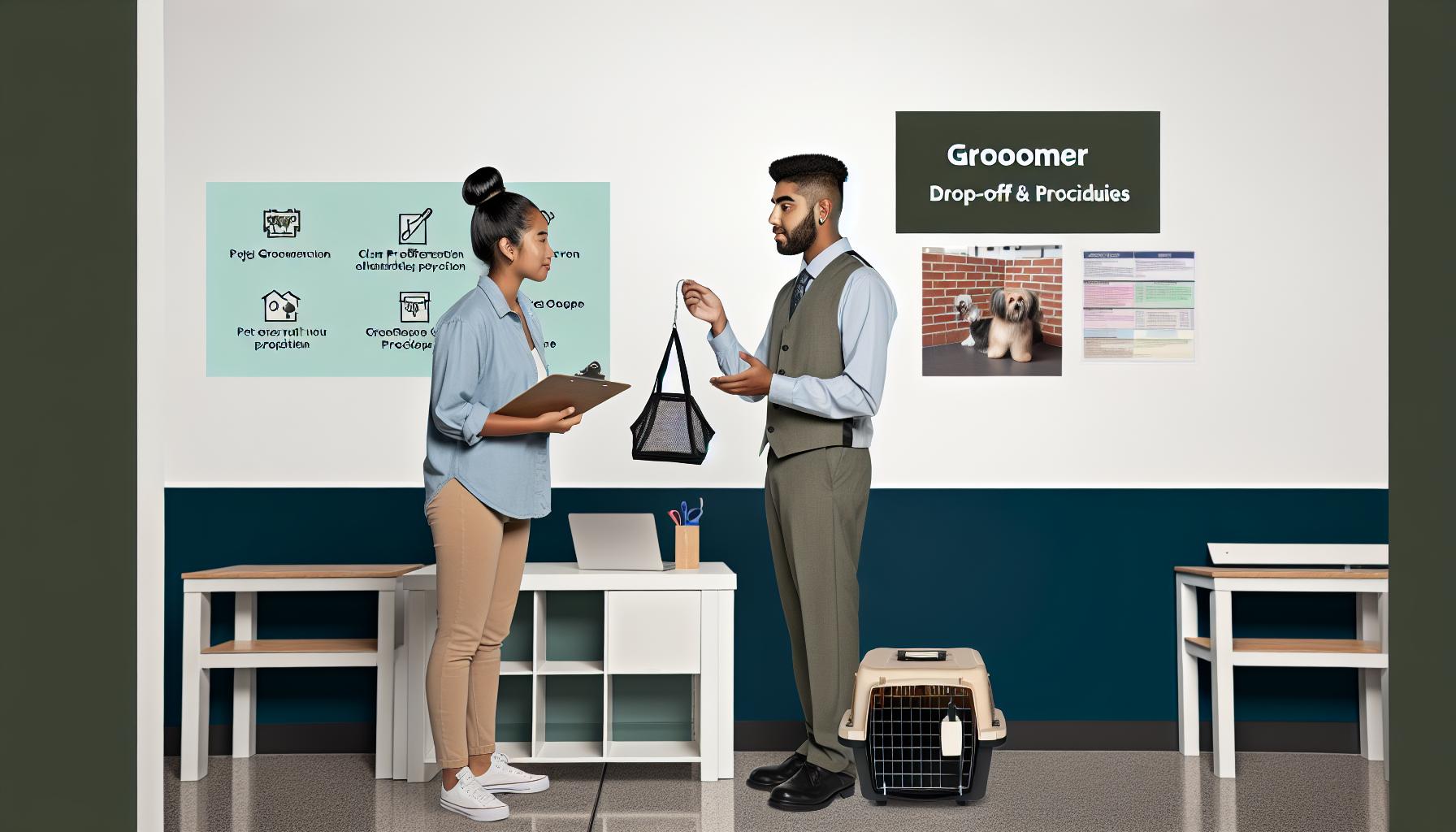
Many pet owners find the drop-off moment at the groomer to be one of the most challenging parts of the grooming experience. Understanding common policies and protocols can empower you to feel more confident and help your dog transition smoothly. Most groomers have clear procedures designed not only to keep the grooming process efficient but, importantly, to maintain a calm, safe environment for every pet in their care.
Groomers generally ask owners to briefly hand over their dog at the reception or greeting area to avoid overcrowding in the grooming room. This protocol helps minimize distractions and stress for dogs already in the grooming process. while it can be hard to step away, this policy often allows groomers to focus fully on your dog without sudden interruptions or the added pressure of owners observing every step. Some salons offer a short briefing at drop-off, where you can share key details like your dog’s sensitivity to certain tools, behavioral triggers, or preferences for handling.
Key aspects to consider when dropping off your dog:
- Arrive on time: Punctuality ensures your appointment starts smoothly without delays. It also reduces waiting times that can heighten your dog’s anxiety.
- Share specific concerns upfront: If your dog has a mat behind the ears, sensitive paws, or history of anxiety during nail trims or ear cleaning, mention it directly. This helps the groomer plan the handle method and schedule extra time if needed.
- Follow health and vaccination policies: Many groomers require dogs to have up-to-date vaccinations for the safety of all pets. They may refuse or postpone grooming if vaccination records aren’t current.
- Understand the no-stay rule: Even when hard, giving the groomer space can reduce separation anxiety for your dog. A quick, calm goodbye signals confidence, which many dogs pick up on positively.
handling last-minute nerves and surprises
Sometimes, a dog may resist at drop-off, especially if they’ve had prior stressful grooming experiences. Groomers are trained to handle these situations gently,using calming techniques and slow introductions to the environment. If your dog has strong separation anxiety, ask if the groomer offers “meet and greet” sessions or shorter trial visits that build trust over time.
In rare cases,if your dog’s behavior poses safety concerns (like aggressive biting or severe panic),groomers might ask for additional support such as muzzles,sedation (veterinary prescribed),or specialized handling tools. Communicate openly about any such needs well before the appointment to avoid surprises on drop-off day.
Example of a smooth drop-off conversation
You: “She’s a standard poodle, about 40 pounds, and gets really nervous with nail trims. The last groomer took it slowly, and it helped a lot. Also, she’s sensitive behind her ears where the hair tangles up.”
Groomer: “Thanks for sharing. We’ll start with some gentle brushing around the ears and take frequent breaks during nails.I’ll give you a quick update onc she’s settled.”
This kind of dialogue sets clear expectations and reassures you that your dog’s individual needs are understood.
Remember, every groomer’s policies aim for a balance of safety, comfort, and quality service. Being familiar with these procedures reduces stress for you and your dog, making grooming a positive, routine part of pet care. With time, the drop-off routine becomes easier, supported by clear communication and trust in your groomer’s expertise.
Signs Your Dog Benefits from Owner Presence
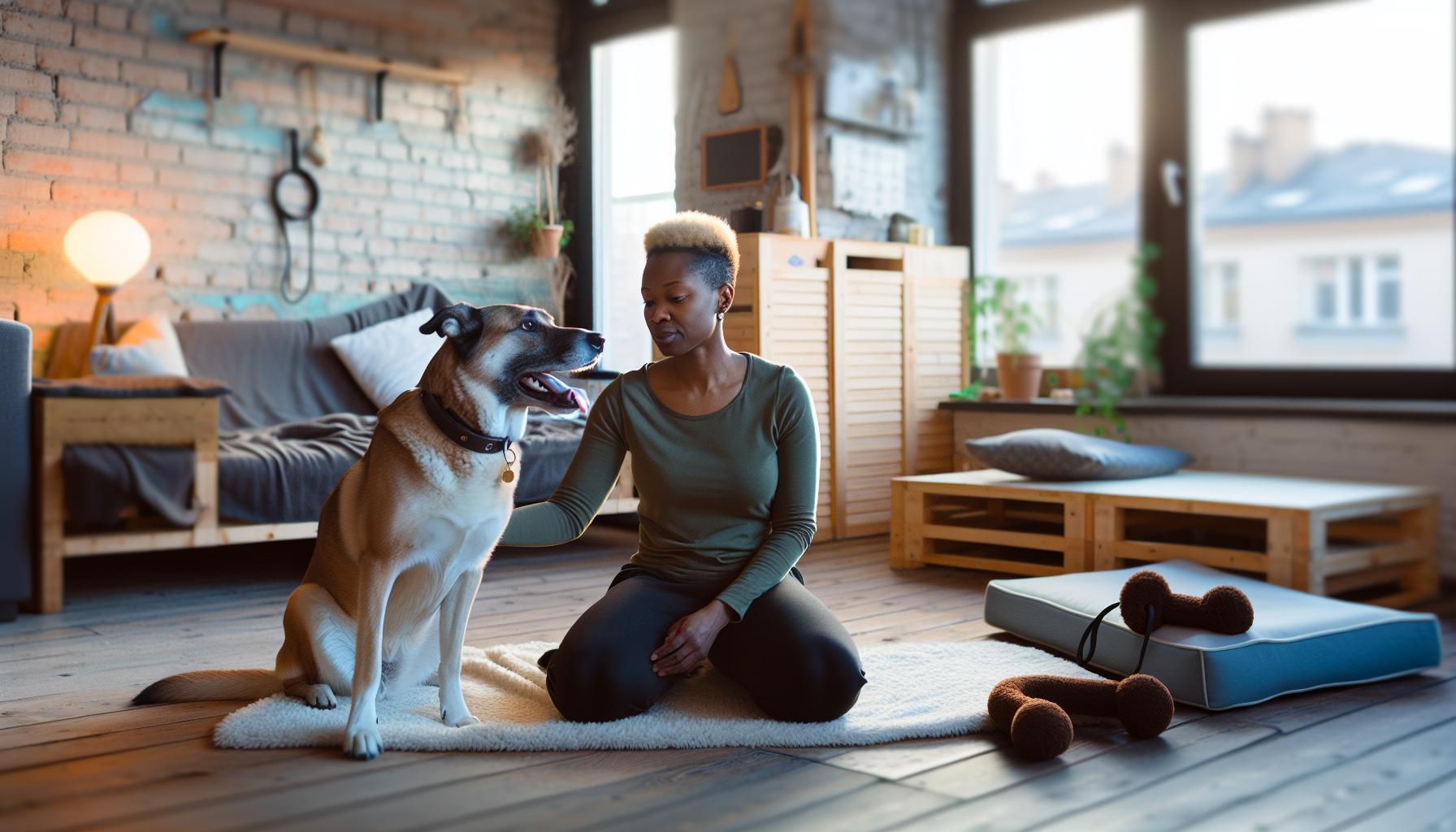
It’s often surprising how much a dog’s comfort level can hinge on the presence of their owner during grooming, especially for pups with particular temperaments or experiences. Some dogs simply feel safer and more grounded when their person is close by, turning an otherwise stressful event into a calm and manageable one. This is most commonly seen in breeds or individual dogs with sensitive natures, histories of trauma, or strong attachment bonds. Whether it’s a tiny, nervous Maltese needing extra reassurance during a nail trim or a large, strong-coated Akita prone to anxiety around unfamiliar handling, your presence can be a powerful source of stability.
Who typically benefits from having their owner stay?
- Dogs with separation anxiety: If your dog visibly panics, whines, or shows signs of distress when you leave, being nearby during grooming can definitely help reduce their stress. Your calm demeanor serves as a reassuring anchor.
- Dogs new to grooming or socialization: Puppies or newly adopted dogs who aren’t accustomed to the sounds,smells,and sensations of grooming frequently enough do better with their owner present to offer gentle encouragement.
- dogs with medical sensitivities or fearfulness: Sensitive skin breeds like the Chinese Crested, or dogs with painful conditions, sometimes require gentler, slower handling. Watching you nearby frequently enough reassures them that they are safe.
- Dogs with behavioral triggers: Some dogs react to specific grooming tools-nail clippers, brushes, or dryers-and watching you may lessen fears or negative associations.
Signs your dog is more cozy when you stay
you might notice subtle or obvious clues indicating your pet truly benefits from your presence:
- Relaxed body language only when you’re in sight
- Eager eye contact or seeking physical closeness
- Reduced trembling, whining, or barking compared to previous visits
- More cooperative behavior during sensitive tasks like ear cleaning or paw care
For example, one long-haired poodle client used to hide under the grooming table and tremble until the owner sat quietly nearby holding her paw. After a few sessions of this shared presence, she became calmer and more trusting even when left alone.
Balancing your presence with professional boundaries
While being near is comforting, it’s essential not to crowd the groomer or add to your pet’s sensory overload. most groomers recommend staying in the greeting or waiting area, out of the grooming room, allowing you to step in if needed but also giving your dog some space to settle. If your dog becomes clingy or overly anxious when you hover too close,it may create the opposite effect.
Being prepared to communicate your dog’s specific needs-such as sensitivity spots or favorite calming cues-at drop-off allows the groomer to build trust with your dog faster. over time, many dogs who initially benefit from owner presence gradually learn that the groomer is a safe, caring professional even when you aren’t in the room.
By recognizing these signs and embracing a flexible approach, you empower yourself and your dog to transform grooming from a stress-filled event into a peaceful, bonding experience centered around comfort and care.
Step-by-Step Guide to a Smooth Drop-Off Process
Few moments are as pivotal to a dog’s grooming experience as the drop-off. How you approach it can set the tone for comfort, cooperation, and calm throughout their appointment. The goal is a gentle handover that reassures your dog while giving the groomer everything they need to provide expert care. Whether your dog has a thick double coat, a delicate sensitive skin, or behavior quirks around certain tools, a thoughtful drop-off process fosters trust from the very first minute.
Arrive Prepared and calm
Before entering the salon, gather essentials such as your dog’s leash, any calming aids (like a favorite toy or blanket), and info about their grooming history or sensitivities. Keep your own energy calm and steady – dogs easily mirror emotional cues. If your pup is a large,heavy-coated breed like an Akita,early arrival allows time for gradual acclimation to the environment. For fragile breeds with skin issues like the Chinese crested, a quick rundown of problem spots to the groomer can save undue discomfort later.
Introduce Your Dog on Your Terms
Let your dog approach the groomer at their own pace. Keep leash slack but controlled; a tense collar or tight grip can increase anxiety. If your dog shows hesitation, kneel to their level and use soft, reassuring tones. A nervous Maltese might need extra permission to accept new hands-offer gentle pats rather than sudden reaches.Remember, the initial handshake is more than polite-it’s your dog’s first message that they’re in safe hands.
briefly but thoroughly communicate your dog’s quirks, sensitivities, or triggers. Do they hate nail clippers but tolerate grinders? Is ear cleaning painful or off-limits due to recent vet work? Honest details help groomers tailor their approach. For example, if your dog shies away from dryers, the groomer might opt for air drying or gently stepping away during this phase. Convey your preferred contact method during grooming should any questions or unexpected issues arise.
Settle Into the Transition Smoothly
if you plan to stay nearby, discuss the best waiting location with the groomer to avoid overstimulation or crowding.Often, sitting quietly just outside the grooming room helps your dog feel visible yet independent. If leaving your dog, say a brief, confident goodbye without lingering or dramatics-dogs pick up on hesitation. Some owners tell stories of success by practicing short drop-offs at home beforehand to build separation comfort. Always ask the groomer about check-in policies and expect updates, especially with anxious or special-needs dogs.
- Bath: Communicate sensitivities like preferred water temperature or known shampoo allergies.
- Brushing: Note matted areas early so the groomer can plan gentle detangling.
- Nails: Mention if your dog requires slow clipping or breaks due to stress.
- Ears: Highlight if ears are sensitive or prone to infection.
By embracing a stepwise, conscious approach, you ease your dog into grooming with confidence and care. The result is not just a well-groomed pup but a partner in feeling safe and understood-from your home right into the groomer’s hands.
How to Prepare Your Dog for Grooming Visits
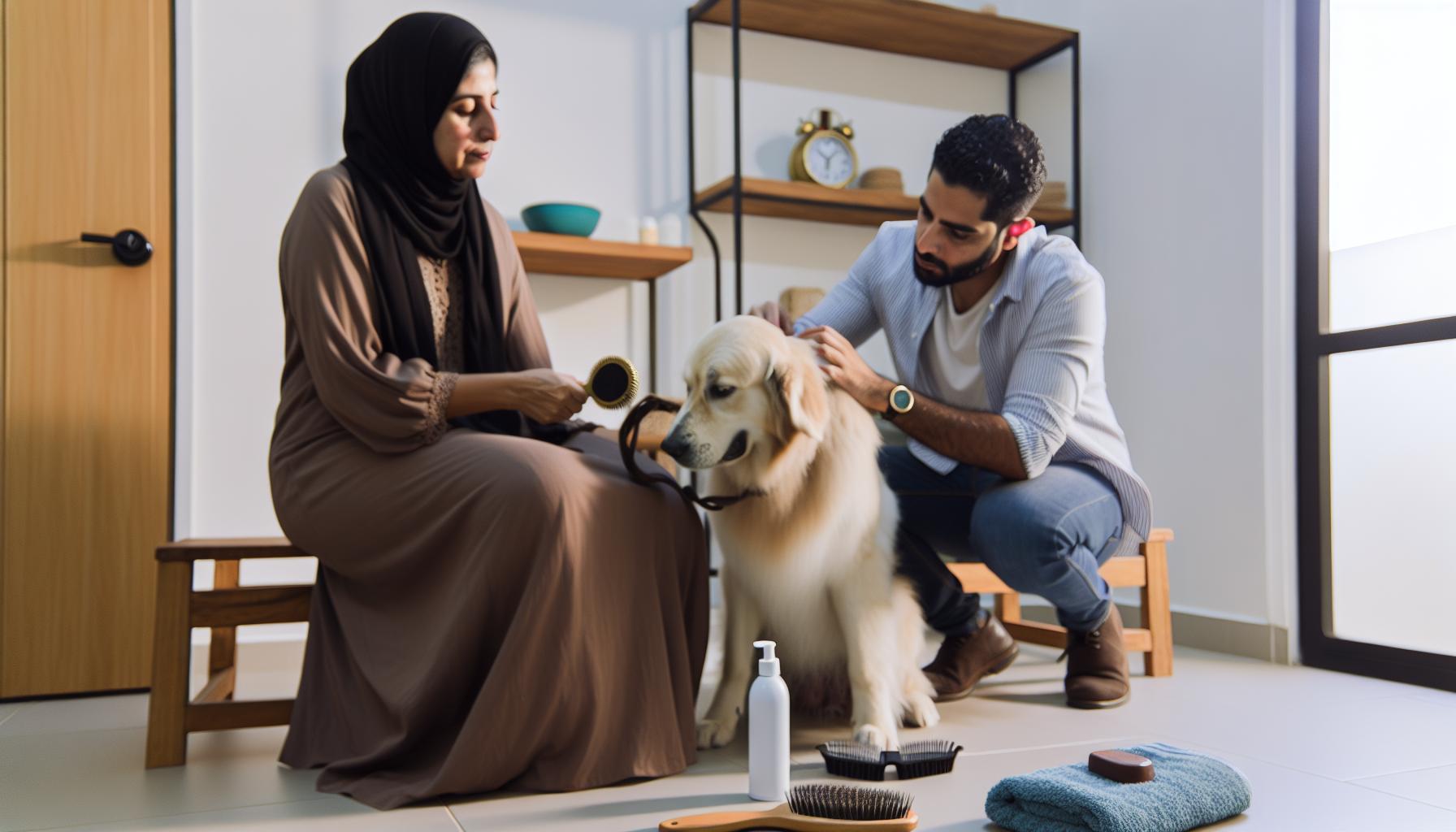
Few things influence your dog’s grooming experience more than how you prepare them beforehand. A well-prepared pup arrives confident, comfortable, and ready to cooperate, turning what can be a stressful event into a gentle routine that supports their wellbeing. Preparation isn’t about perfection-it’s about kindness, patience, and setting your dog up for success at every step.
understanding Your Dog’s Unique Needs
Each breed, coat type, and personality brings specific grooming requirements and sensitivities. For example, a dense-coated Akita will need extra time for thorough brushing and drying, while a delicate breed like a Chinese Crested demands careful handling and hypoallergenic products. Think of grooming as a partnership: the better you know your dog’s preferences and challenges, the more thoughtfully you can prepare both them and the groomer.
Start by gently familiarizing your dog with grooming tools at home. Let them sniff clippers or brushes while you reward calm behavior. Short, positive sessions building comfort with touch around sensitive areas like paws and ears can make a tremendous difference. Remember, the goal is to reduce surprise and create calm associations, not to rush or force compliance.
Practical Steps for a Calm Visit
- Bath time prep: Use lukewarm water yourself first to check temperature comfort. Avoid strong shampoos if your dog has sensitive skin or allergies-ask the groomer in advance what products they use or bring your own recommended by your vet.
- Brushing: Tackled daily or every other day depending on coat type, this prevents painful mats and tangles. Such as, a Maltese’s fine coat benefits from gentle combing, while a thick-coated Collie needs robust brushing sessions. Note problem spots so you can alert the groomer-they’ll appreciate the heads-up and know where to be extra gentle.
- Nail care: If your dog tends to resist clipping, introduce nail handling gradually at home. Use treats and patience to create a calm,positive experience. Inform your groomer if your dog prefers grinders or nail clippers, and whether breaks might be needed to avoid stress.
- Ear attention: Check for redness, odor, or excess wax before visits. Sensitive or infected ears should be mentioned to both your vet and groomer, as certain cleaning methods should be avoided. Regular gentle cleaning at home can reduce discomfort during grooming.
Building Routine and Building Trust
Practice short mock grooming sessions at home to build familiarity with the process. Let your dog experience a gentle “bath” with a wet cloth or quick brushing while you talk in reassured tones. This practice builds emotional resilience and can reduce separation anxiety at the groomer’s salon.
Additionally, talk to your groomer about any health concerns or behavioral quirks, especially if your dog is prone to anxiety or is elderly. Knowing these details in advance allows them to plan appropriate accommodations,like breaks or quieter spaces.
Ultimately, preparing your dog means prioritizing safety and comfort over speed or style. A calm, well-informed approach reassures both you and your dog, setting the stage for a grooming visit that builds confidence rather than fear. This foundation helps your dog see grooming not as a chore but as a trusting, caring experience-a vital first step whether you choose to stay during the appointment or trust the groomer to work independently.
Communicating Your Dog’s Needs to the Groomer
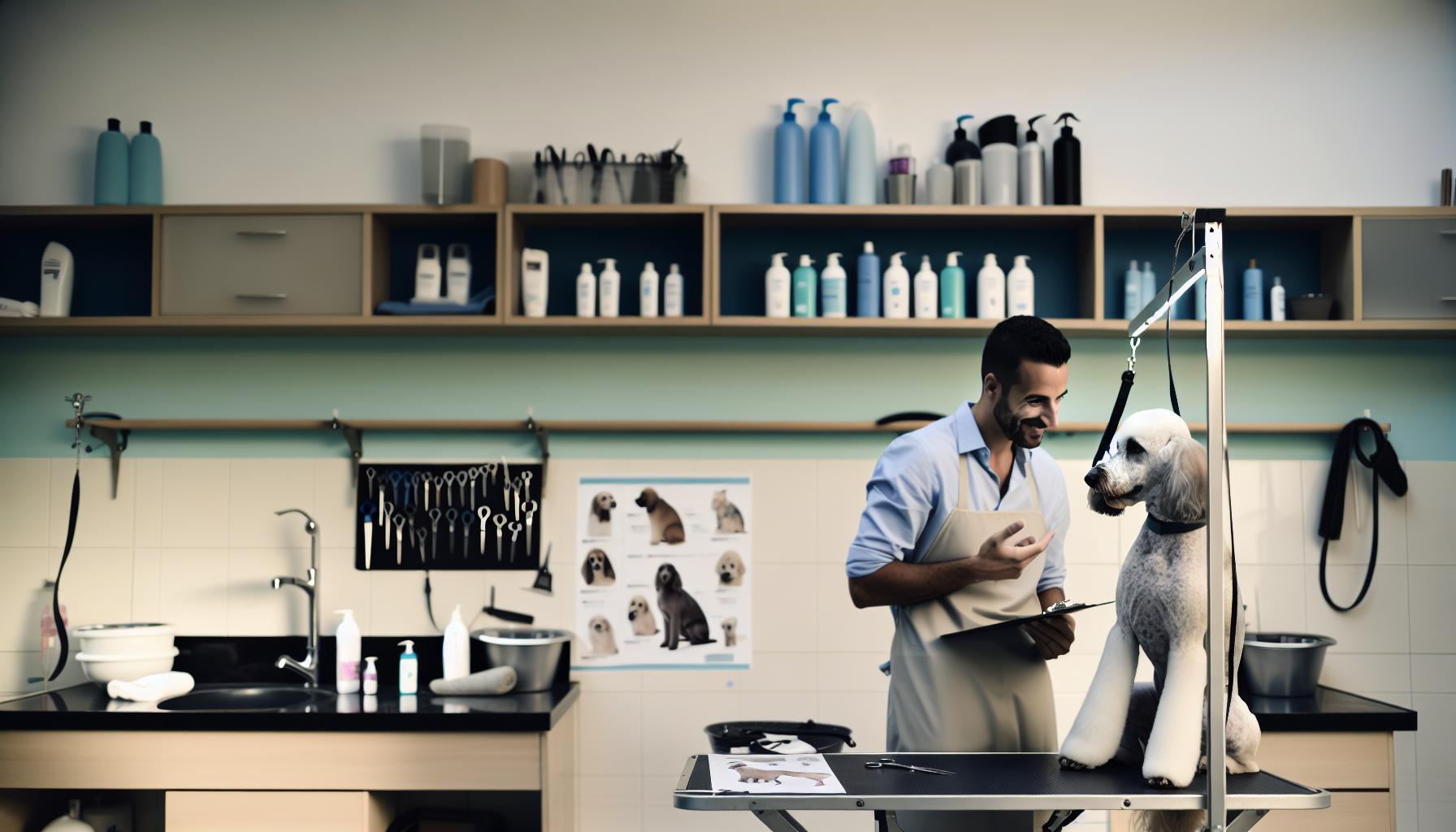
Dog groomers rely heavily on clear, detailed communication from you to tailor their care to your dog’s unique needs. Sharing specific information upfront transforms a routine grooming session into a compassionate, positive experience. Whether your dog has a thick coat that mats easily, a sensitive skin condition, or a history of nervousness around grooming tools, these insights help your groomer adjust techniques and pacing to keep your pup comfortable and safe.
- Breed and Coat Type: Different coats need different treatments-a curly poodle coat requires regular detangling versus a short-haired breed that might only need a quick trim. Mention any coat quirks, like seasonal shedding or spots prone to matting.
- Behavioral Tendencies: Is your dog timid, reactive, or excitable? For example, some dogs startle easily around clippers or nail trims. Telling your groomer helps them proceed calmly and may prompt use of extra soothing measures or breaks.
- Health Concerns: Lesions, skin allergies, ear infections, arthritis, or previous injuries can all influence grooming. Clearly point these out so your groomer can avoid aggravating sensitive areas.
- Preferred Grooming Tools & Products: If your dog does better with a nail grinder rather than clippers, or requires hypoallergenic shampoo, this info lets your groomer prepare the right supplies and environment.
- Comfort and Handling Strategies: Share what works best for your dog when being touched or restrained. Some dogs feel safer on a non-slip mat, others prefer gentle massage before brushing to relax muscles.
Practical Tips to Make Communication More Effective
Before drop-off, consider writing a short note or checklist covering these points. This can supplement verbal instructions which, understandably, might be hurried in a busy salon. For dogs prone to anxiety,a brief “comfort profile” with calming phrases your dog responds to can be invaluable.For instance, “Speak softly and take time with paws,” or “Loves belly rubs before nail trims.” Groomers appreciate these insights-it helps them build trust quickly.
If you choose to stay during grooming, observe and gently remind the groomer of any special needs as the session begins. If you leave your dog, try to connect with them briefly and calmly discuss your dog’s quirks during drop-off-your calm tone reassures both groomer and pet.
Understanding Boundaries and Collaboration
Remember, groomers are experts but not veterinarians; if you notice signs of potential health issues-persistent skin irritation, unusual bumps, or infections-it’s best to consult your vet first. Always inform your groomer of any vet diagnoses or treatments. This collaboration ensures your dog’s safety and well-being remain the top priority, avoiding any accidental harm during grooming.
Ultimately, effective communication is an ongoing partnership. Regular feedback after sessions helps groomers fine-tune their approach, so your dog’s grooming visits become increasingly comfortable and stress-free. Transparency and kindness go a long way in building that vital trust between you, your dog, and their groomer, whether you stay during the appointment or not.
Managing Separation Anxiety for Dogs and Owners
Many dogs-and their owners-experience stress when parting at the groomer’s. Separation anxiety isn’t just about the dog feeling alone; owners frequently enough worry about leaving their beloved pet in unfamiliar hands. Recognizing this shared tension helps ease the process and sets up a positive grooming experience. The key is to approach drop-offs with calm, consistent routines that build trust and reduce uncertainty for both parties.
creating a Calm Departure Routine
Consistency is a powerful tool. Before drop-off, take a few quiet moments to calmly engage your dog with gentle petting or soft praise, keeping your tone soothing yet cheerful. Avoid drawn-out goodbyes that can heighten anxiety. instead, use simple, reassuring phrases like, “See you soon!” and leave on a positive note. This signals to your dog that grooming is a normal, safe part of their day rather than a stressful event.
- Practice short separations at home to build resilience,such as leaving your dog in another room for a few minutes with a favorite toy.
- Bring a familiar item like a blanket or toy that carries your scent; familiar smells can comfort nervous dogs in new environments.
- Consider timed visits initially to acclimate your dog gradually before longer grooming sessions.
Supporting Your Dog During Grooming: The Owner’s Role
Some dogs genuinely benefit from owner presence during grooming, especially if they have a history of anxiety or are sensitive to handling. However, staying doesn’t always guarantee less stress-it can sometimes prolong the goodbye or make the dog more clingy. Communicate openly with your groomer about your dog’s temperament. Experienced groomers can often use calming techniques such as gentle massage, breaks, and quiet reassurance. your role is to empower them with key details and remain a calm anchor, whether you stay or step away.
Recognizing Signs of Separation anxiety-and When to Get Help
Watch for repeated pacing, whining, destructive behavior, or refusal to eat after grooming visits. If these signs persist, it may indicate stronger anxiety needing extra support.Collaborate with your groomer and vet to create a tailored plan-this might include anti-anxiety wraps, pheromone sprays, or professional behavioral therapy.Remember, groomers are specialists in handling stressed pets but not veterinary behaviorists. Early intervention preserves your dog’s well-being and makes grooming smoother over time.
Empowering Yourself Through Preparation
To reduce your own stress,prepare for each visit by:
- Writing a detailed note about your dog’s needs and quirks-this alleviates last-minute worries and ensures clear communication.
- Scheduling at calmer times in the salon’s day, avoiding rush hours to allow a more relaxed environment.
- Practicing mindfulness or deep breathing before drop-off to model composed energy your dog can pick up on.
A calm owner breeds a calm dog. Remember, grooming is a collaborative journey-every step you take to ease separation anxiety boosts your dog’s comfort, safety, and happiness at the groomer.With patience and trust, the once-daunting drop-off can become a routine both you and your pup approach with confidence and peace.
When to Trust the Groomer and Let Go
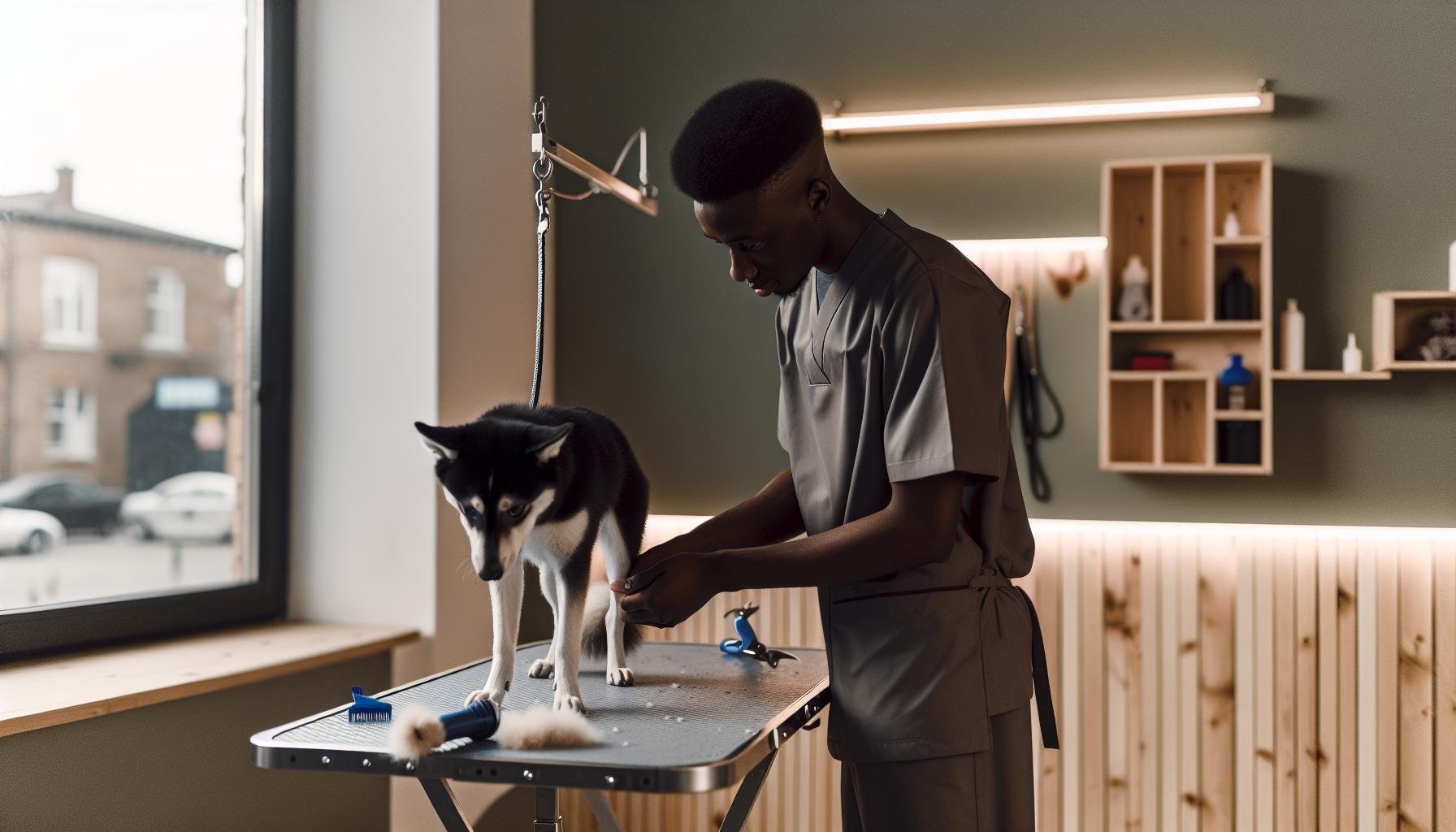
Few moments trigger more worry than leaving your dog in someone else’s care, especially when handing them over for grooming-a process that can feel vulnerable for both pet and owner. Trusting a groomer to manage everything from bathing and brushing to nail trimming requires recognizing the expertise grooming professionals bring and understanding when it’s best to step back and let them work their magic.
Experienced groomers are trained to read dogs’ body language and adjust handling techniques accordingly. Whether your pup has a thick double coat like a Siberian Husky,delicate skin as seen in some toy breeds,or breed-specific grooming needs such as hand-stripping in terriers,professional groomers tailor their approach for your dog’s safety and comfort. Such as, calm, slow deshedding brushes, gentle shampoos formulated for sensitive skin, and careful ear cleaning are standard practices that help prevent discomfort or injury. By allowing the groomer to take the lead, you enable them to maintain focus and flow without interruptions or added anxiety that can come from an owner’s hovering presence.
Knowing When to Hand Over Control
Some dogs cling more to their owners and can feel heightened stress if you linger. If your dog becomes overly fixated on you or shows signs of clinginess that delay the grooming process-like refusing to settle or reacting when you try to leave-that’s a clear sign trust should shift to the professional groomer. Similarly, if your dog has been groomed multiple times with positive feedback, routines have been established, and the groomer knows your dog’s quirks thoroughly, it’s often a smooth, safe transition to let go completely.
Consider dividing grooming tasks based on difficulty and your dog’s temperament:
- Bath & Rinse: Groomers use controlled water pressure, temperature adjustments, and gentle massage to calm nervous dogs.
- Brushing & Dematting: Tools like slicker brushes and combs are selected carefully depending on coat length and density to minimize pulling.
- Nail Trims & Ear Care: These sensitive areas are handled with steady hands and specialized tools, with pauses or breaks as needed.
If your dog has specific medical conditions (like skin allergies or ear infections), communicate these clearly so the groomer can liaise with your vet as necessary. Groomers are not veterinarians but are skilled in observing signs requiring medical attention and can alert you promptly.
Building Confidence through Experience and Communication
Trust builds over time. Start by scheduling shorter visits, ask questions about techniques, and observe the groomer’s approach. Most groomers appreciate detailed notes on behavior, sensitivities, or preferences so they can tailor care that respects your dog’s welfare. Open dialogue allows you to feel confident in their skills and that your dog’s comfort is prioritized over cosmetic results. If the groomer notices signs of distress, they may recommend modifications or suggest breaks, which only enhances your dog’s overall experience.
Ultimately, stepping back doesn’t mean you care less-it means you respect the groomer’s expertise and put your dog’s comfort first. You can always be involved by providing pre-visit care at home and post-grooming praise, creating a positive association that eases future drop-offs. This balance of trust, patience, and clear communication creates a grooming routine where everyone-from the owner to the groomer to the dog-feels safe and supported.
Troubleshooting common Drop-Off Challenges
Few experiences test both owner and pet quite like the moments leading to a grooming drop-off. Dogs, especially those with sensitive or anxious temperaments, can react unpredictably when separated from their trusted human companions. This stress can manifest in behaviors like trembling, refusal to enter the grooming area, or vocalizing distress. understanding these common challenges-and having practical strategies on hand-can smooth the transition and reduce stress for everyone involved.
Handling Resistance at Drop-Off
Some breeds with strong bonds to their owners-like smaller toy breeds or highly sensitive sporting dogs-may show hesitation or outright refusal to stay behind. To ease this, try a calm, confident approach: speak softly, avoid rushed body language, and give a familiar toy or blanket scented with your smell. This gentle reassurance provides comfort and a tangible reminder that you’ll return. If your dog tends to cling, a quick, affectionate goodbye paired with a cheerful tone helps avoid escalating panic.
Managing Separation Anxiety Symptoms
Signs of separation anxiety can include pacing, whining, drooling, or destructive behavior just before or during grooming. Share this information openly with your groomer. Many professionals are skilled at adapting techniques-such as shorter grooming sessions, extra breaks, or quieter environments-to accommodate anxious pets.Over time, gradual exposure with positive reinforcement can build your dog’s confidence. For dogs with severe anxiety, veterinary advice or the use of calming aids (approved by your vet) might be necessary to ensure safety and comfort.
Troubleshooting Specific Grooming Tasks
- Bath & Rinse: Some dogs fear water or the sound of running taps. Using lukewarm water, gentle sprays, and slow movements helps. Offering treats before and after the bath can create positive associations.
- Brushing & Dematting: Coats like those of double-coated breeds (e.g., Huskies or Malamutes) require patience. When mats cause pain, groomers may use detangling sprays or carefully trim problem areas, prioritizing comfort over speed.
- Nail Trims: Many dogs dislike nail trims due to sensitive quicks or past negative experiences. Groomers often use distraction techniques, special clippers, or even light sedation in extreme cases-always with owner consent.
- Ear Cleaning: Dogs prone to infections or sensitive in this area might resist touch. A skilled groomer applies slow, gentle cleaning and knows when to recommend a veterinary checkup if discomfort persists.
Setting Boundaries: Groomer,Vet,and DIY
Remember,groomers are experts in canine handling and hygiene but are not substitutes for your veterinarian.If a skin condition, infection, or unusual behavior arises, the groomer will alert you to seek veterinary care. Meanwhile, avoid attempting complex grooming tasks at home without training; mistakes can cause injury or worsen issues.Rather, communicate openly with your groomer and vet to create a safe, manageable plan tailored to your dog’s needs.By focusing on trust, communication, and realistic expectations, many drop-off hurdles transform into opportunities for your dog to gain confidence and enjoy their grooming visits. Patience and kindness-not perfection-are always the best tools in this journey.
Balancing Safety, Comfort, and efficiency at the Groomers
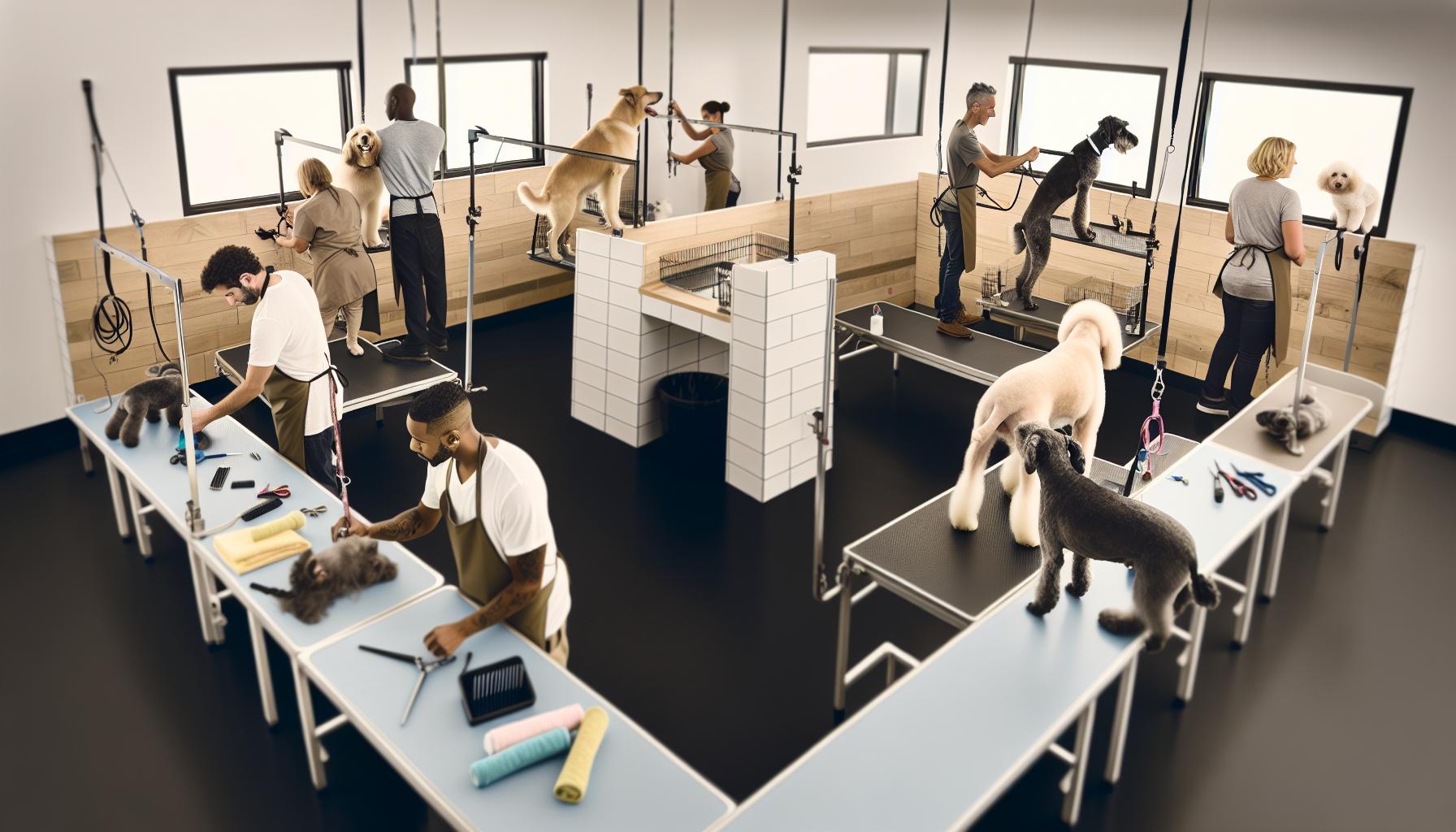
Few things are as important in grooming as finding the delicate balance between keeping your dog safe, comfortable, and ensuring the process moves efficiently. Groomers are trained to handle a variety of coat types and temperaments, but every dog’s needs differ-and understanding this can empower you to make the best choices when you drop off your furry friend. A well-managed grooming session respects your dog’s emotional and physical boundaries while maintaining a pace that keeps stress low and quality high.
Prioritizing Safety Without Rushing
Safety always comes first.Dogs with thick, double coats like Malamutes require gentle, slow brushing to avoid pulling painful mats, while fragile toy breeds need careful handling to prevent injury. Groomers use specialized tools-such as dematting combs, blunt-nosed scissors, and quiet dryers-to reduce discomfort. Take, such as, a small terrier prone to nail sensitivity. A skilled groomer will slow the process, use distraction techniques, and carefully avoid the quick to prevent bleeding. This approach may take more time, but rushing often leads to fear or worse, injury.
Comfort Through Familiarity and Environment
Comfort goes beyond physical safety-it’s about emotional ease too. Groomers frequently enough create calm atmospheres with soft music, non-slip mats, and plenty of breaks.Letting your dog bring a favorite toy or blanket can bridge the gap when you’re not there. Such as, a nervous spaniel might relax more with a familiar scent present, making clipping and bathing smoother. If your dog struggles with water, groomers might use gentle hand-held sprayers and lukewarm water instead of harsh jets, paired with positive reinforcement like treats. Small adjustments like these show compassion and help build trust.
Efficiency Through Clear Communication and Flexibility
Efficiency doesn’t mean rushing; it means using time wisely. A groomer who understands your dog’s unique triggers can anticipate trouble spots and tailor their method-for example, scheduling a quick, initial bath and drying session before a more elaborate haircut on a subsequent visit if anxiety is high. Sharing your dog’s history before drop-off allows the groomer to plan effectively. Open communication about prior sensitivities-such as ear infections or nail issues-ensures there are no surprises, safeguarding both dog and groomer. When the process flows smoothly, stress decreases for everyone.
- Bathing: Use lukewarm water, gentle sprays, and avoid loud noises.
- Brushing: Employ breed-specific brushes; slowly detangle knots.
- Nail Trimming: Utilize distraction and confirm quick position; avoid hurried clipping.
- Ear Cleaning: Proceed gently; know when to suggest vet follow-up.
| Task | Comfort Tips | Safety Focus | Efficiency Strategy |
|---|---|---|---|
| Bathing | Lukewarm water,gentle spray | Avoid excess water in ears/eyes | Pre-soak coat for easier cleaning |
| Brushing/dematting | Slow,patient strokes; detangle sprays | Minimize coat pulling; prevent skin injury | Focus on problem areas first |
| Nail Trimming | Distraction treats,calm voice | Avoid cutting quick; use proper clippers | Trim regularly to keep nails short |
| Ear Cleaning | Soft applicators; gentle wiping | stop if irritation or pain | Check and clean only as needed |
Keeping this balance requires teamwork between owner and groomer. When in doubt, opting for a slower, gentler approach is always safest. Your groomer’s skill combined with your knowledge of your dog’s likes and dislikes creates a positive cycle-leading to stress-free visits, healthier coats, and a happier pup. Remember, perfect grooming isn’t about speed or style alone-it’s about care, kindness, and confidence that your dog is truly in good hands.
Tips for Building a Positive Groomer-Owner Relationship
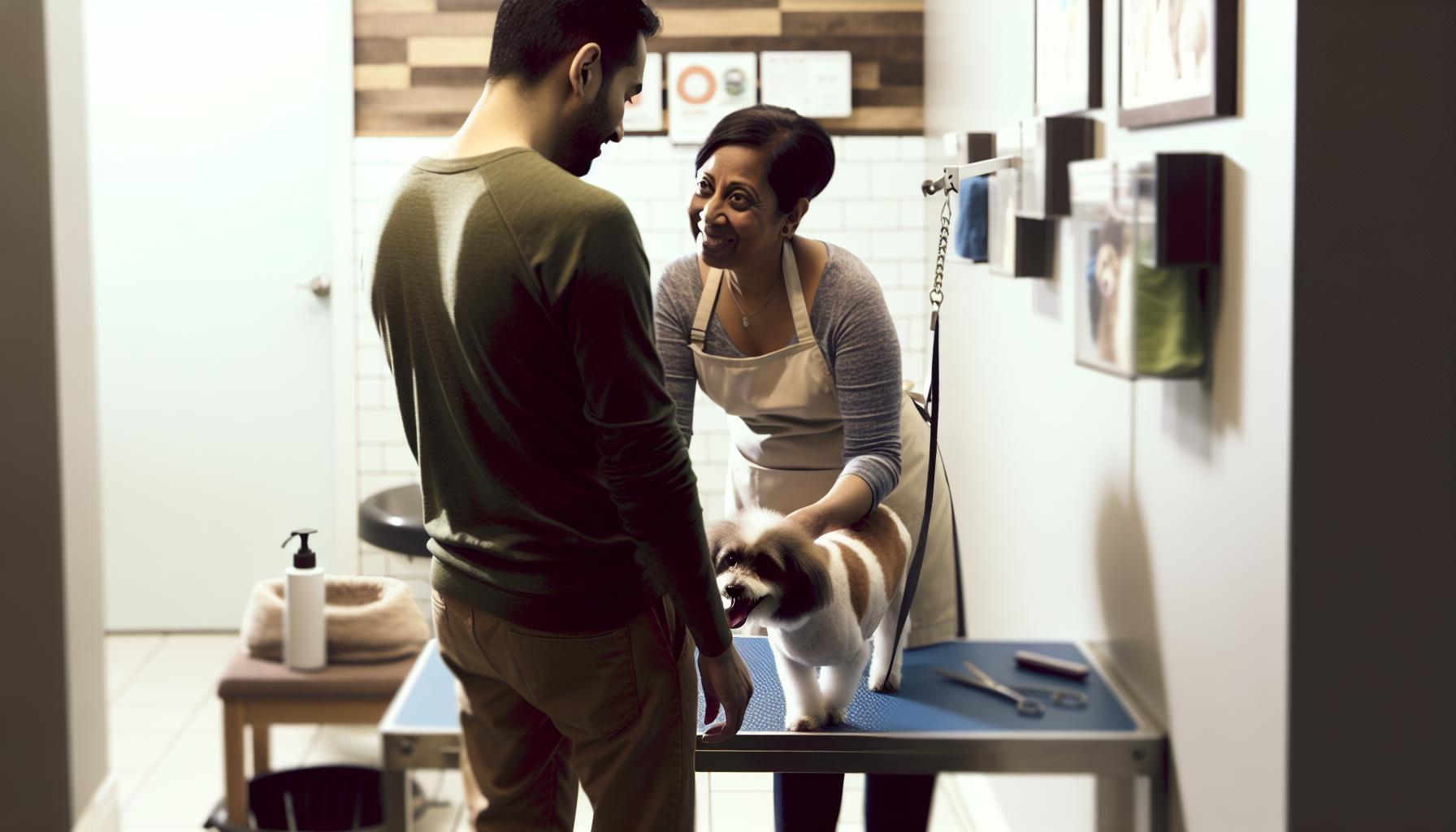
It’s a special kind of trust that forms when you hand over your dog to a groomer. This relationship thrives on open dialogue, mutual respect, and a shared commitment to your pet’s comfort and wellbeing. Whether your dog has a thick double coat that requires slow, careful dematting, or is a sensitive toy breed needing gentle handling during nail trims, establishing a positive connection with your groomer can transform grooming from a stressful event into a calming routine.
Clear Communication Builds Confidence
Start by sharing detailed information about your dog’s coat type, temperament, and any past grooming challenges. For instance, if your Labrador retriever tends to get anxious around water, mention this upfront-it helps the groomer prepare by using gentle sprayers and lots of positive reinforcement.Don’t hesitate to talk about health concerns, such as recent ear infections or skin sensitivities. This transparency allows your groomer to customize their approach, ensuring safety without sacrificing efficiency.
Respect and Flexibility Create a Team Effort
A groomer-owner partnership flourishes when both parties respect their shared roles. While groomers are experts in handling coats, nails, and baths, you know your dog’s unique signals best. Letting your groomer take the lead while you offer reassurance from a distance often helps anxious dogs settle quicker. Though, if your pup benefits from your presence, discuss this beforehand so everyone’s expectations align. Flexibility-such as adjusting appointment lengths or splitting grooming into multiple visits-can make a world of difference for sensitive dogs.
Positive Reinforcement Extends Beyond the grooming Table
Celebrate each accomplished session with rewards that your dog loves, whether it’s a favorite treat or an extra walk. Sharing this kind of positive feedback with your groomer encourages ongoing patience and kindness,reinforcing a calm and trusting environment. If your dog is prone to separation anxiety, ask the groomer to use soothing tones or distraction treats during nail trims or baths. These small gestures show empathy and build your dog’s confidence, which benefits grooming now and in future visits.
- Bathing: Ask if they use breed-appropriate shampoos and lukewarm water to avoid skin irritation.
- Brushing/Dematting: Encourage slow, patient strokes and point out sensitive areas to prevent discomfort.
- Nail Trimming: Confirm the use of proper clippers and gentle distraction techniques-especially important for small or anxious breeds.
- Ear Cleaning: Make sure there’s a clear understanding of when to stop and recommend veterinary care if needed.
| Aspect | Owner role | Groomer Role |
|---|---|---|
| communication | Provide detailed history; express concerns openly | Listen attentively; tailor services accordingly |
| Handling | observe dog’s reactions; offer calming influence if present | Employ gentle,breed-specific tools and techniques |
| Trust Building | Allow groomer space to work; offer positive reinforcement | Use patience,empathy,and clear explanations |
Remember,your groomer is not just a stylist-they are a partner in your dog’s health and happiness. Building a relationship grounded in compassion, patience, and clear communication lays the foundation for stress-free visits that leave tails wagging and coats shining. This teamwork cultivates not only a beautiful appearance but a thriving, relaxed pet you both can feel proud of.
Faq
Q: How can I tell if staying with my dog at the groomer will reduce their stress?
A: Staying with your dog can reduce stress if they show anxiety signals like trembling or whining during past drop-offs. Observe their behavior and consult your groomer to decide.For calmer dogs, *trusting the groomer* often helps build independence and reduces anxiety over time. See more on managing separation anxiety in our drop-off guide.
Q: What are the best practices for leaving my dog confidently at the groomer?
A: To leave confidently, keep goodbyes short and calm, and provide familiar toys or comfort items. communicate your dog’s needs clearly with the groomer beforehand. This helps your dog feel secure and creates a positive drop-off experience-refer to *Communicating Your Dog’s Needs to the Groomer* for detailed tips.
Q: When is it inappropriate or unsafe to stay with my dog during grooming?
A: It’s often unsafe to stay if your dog becomes overly protective or reactive, or if local regulations prohibit owner presence for safety.In such cases, *trust the professional groomer* to handle your dog gently and communicate any concerns beforehand to ensure comfort.
Q: How can I prepare my dog mentally for drop-offs when I cannot stay?
A: Prepare your dog by practicing short separations at home and creating positive associations with grooming tools. Regularly visit the groomer for brief,calm visits without full grooming. This gradual exposure helps reduce anxiety-see our section on *How to Prepare Your Dog for Grooming Visits* for step-by-step advice.
Q: What should I do if my dog shows separation anxiety immediately after drop-off?
A: If your dog shows anxiety after drop-off, try leaving familiar-smelling items with the groomer and request updates during grooming. Gradual desensitization and positive reinforcement at home also help. Review *Managing Separation Anxiety for Dogs and Owners* for practical strategies to ease distress.
Q: How do different coat types influence whether I should stay during grooming?
A: dogs with sensitive or matted coats often benefit from calm,experienced groomers and a smooth drop-off.Staying may help initially, but gradually allowing the groomer to work independently builds your dog’s confidence. Refer to our *Step-by-Step Guide to a Smooth Drop-Off process* for coat-specific grooming prep.
Q: Can staying with my dog at the groomers affect grooming efficiency?
A: Staying can slow the grooming process if your dog becomes clingy or distracted, but some dogs actually groom better with owner presence. Assess your dog’s comfort and discuss with the groomer to balance *efficiency and emotional well-being* for the best outcomes.
Q: How do groomers prefer owners handle drop-off and pick-up times?
A: Groomers usually prefer swift, calm drop-offs and on-time pick-ups to maintain a smooth schedule and reduce dog anxiety. Arriving early or late can disrupt workflow; communicate any scheduling issues in advance. Learn more in *Troubleshooting Common Drop-Off Challenges* for smooth timing tips.
—
*For a thorough understanding,explore our in-depth guides on grooming drop-off protocols and anxiety management to help your furry friend enjoy every visit.*
The Conclusion
Remember, trusting your groomer and understanding the drop-off protocol ensures your dog’s comfort and safety during every visit. Whether your pup has a sensitive coat, needs a quick nail trim, or a full bath and brush, clear communication and preparation make all the difference.If you’re still unsure about when to stay or leave, or how to ease separation anxiety, exploring our detailed guides on [Calming Anxious Dogs at the Groomers] and [Essential Grooming Tools for Pet Parents] can provide helpful next steps.
To keep your dog’s grooming experience positive and stress-free, consider signing up for our newsletter where you’ll get expert tips, personalized advice, and exclusive offers. Have questions or stories about your own grooming drop-off routines? Share them in the comments below – your insights help build a supportive community of caring pet owners. For tailored support,don’t hesitate to book a free consultation with one of our certified groomers. Your dog deserves calm confidence and compassionate care every time they visit the groomer, and we’re here to help make that happen.
Explore more about grooming safety, DIY care tips, and helping your dog thrive during visits by checking out our related articles. Staying informed helps you take the best next steps, reduces stress, and builds trust – all while keeping your furry friend cozy and happy.
Get our latest guides, news, and insights highlighted in your Google Search & AI Overviews.
Keep reading about the same coat and cut.




Popular grooming guides
Bath vs clip, first grooms, and salon how-tos.