Finding the Right Dog Groomer: Complete Professional Safety & Evaluation Guide
✨ This article was AI edited. Editorial responsibility: Perfect Pooches Grooming.
Produced with AI. This article was artificially generated. Editorial responsibility: Perfect Pooches Grooming.
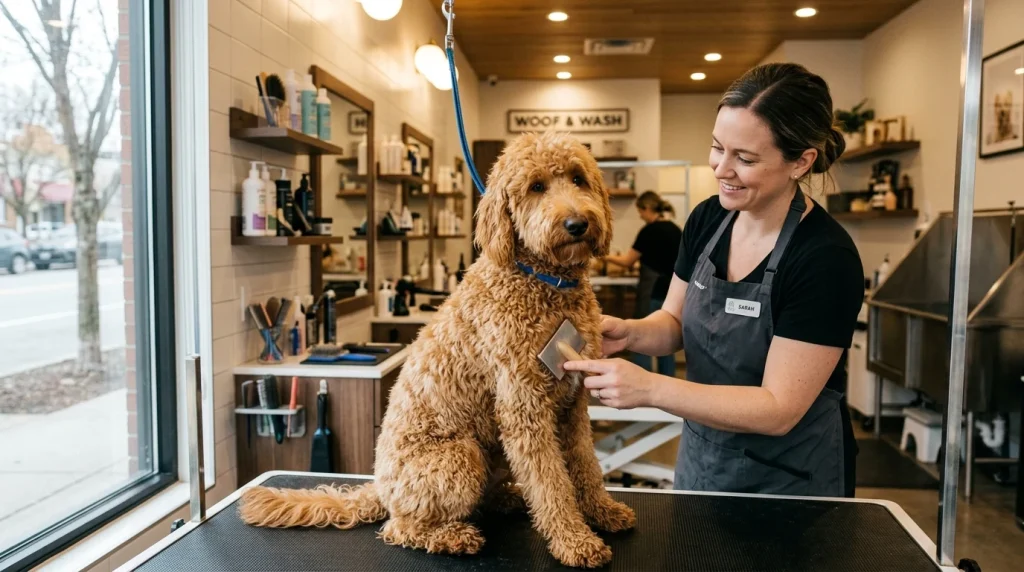
Finding the right dog groomer involves selecting a certified, insured professional whose sanitation standards, animal handling methodologies, and stress-reduction protocols align with your dog’s physiological and behavioral needs. Key evaluation criteria include facility cleanliness, transparent grooming areas, CPR certifications, and clear safety checks for skin, ear, and coat health.
Entrusting your beloved canine companion to a professional pet stylist is a critical healthcare and welfare decision. Professional dog grooming encompasses far more than aesthetic trimming; it serves as a frontline preventive health assessment where skilled practitioners identify early signs of dermatological lesions, otitis externa, external parasites, and musculoskeletal discomfort.
Essential Qualifications and Professional Accreditations
Table of Contents
- 1 Essential Qualifications and Professional Accreditations
- 2 Facility Safety, Air Quality, and Hygiene Standards
- 3 Step-by-Step Vetting Process: Questions Every Pet Owner Should Ask
- 4 Pricing, Service Breakdown, and Etiquette
- 5 Red Flags to Avoid When Choosing a Grooming Facility
- 6 Frequently Asked Questions (FAQ)
While the pet grooming industry is not federally regulated in many jurisdictions, top-tier practitioners pursue voluntary accreditation through recognized bodies such as the National Dog Groomers Association of America (NDGAA), International Professional Groomers (IPG), or the City & Guilds qualification framework. These certifications demonstrate rigorous training in canine anatomy, breed standard scissor work, pathogen containment, and humane handling techniques.
| Certification / Accreditation | Issuing Organization | Key Focus Areas Tested | Importance Level |
|---|---|---|---|
| Certified Master Groomer (CMG) | NDGAA / IPG | Advanced breed styling, canine anatomy, safety protocols | Highest / Elite Tier |
| Fear Free Certified Professional | Fear Free Pets | Low-stress handling, behavioral pacing, fear reduction | Essential for Anxious Pets |
| Pet First Aid & CPR | American Red Cross / PetTech | Cardiovascular resuscitation, choking, heatstroke prevention | Mandatory Safety Baseline |
| AKC S.A.F.E. Groomer | American Kennel Club | Facility sanitation, equipment inspection, ethical standards | Standard Commercial Benchmark |
Facility Safety, Air Quality, and Hygiene Standards
Before booking your dog’s inaugural styling session, schedule a preliminary consultation to evaluate the physical salon environment. Observe how the staff interacts with pets, the organization of equipment, and the ambient noise levels.
- Sanitation and Disinfection Protocols: Verify that grooming tables, clippers, shears, and bathing tubs are sanitized with hospital-grade, pet-safe disinfectants (such as accelerated hydrogen peroxide solutions) between every appointment.
- Drying Equipment Safety: Inquire specifically about their drying procedures. Ensure the salon utilizes high-velocity ambient blowers or temperature-controlled cage dryers equipped with automatic timers and shutoff mechanisms to prevent hyperthermia.
- Secure Enclosures and Non-Slip Flooring: Confirm that holding areas feature secure latching mechanisms and individual water bowls, with anti-fatigue, non-slip rubber matting across bathing and grooming stations.
- Emergency Medical Protocols: Ask what protocol the salon follows if a medical emergency arises, including immediate veterinary partner affiliations and owner notification procedures.
- HVAC and Air Turnover: Professional grooming facilities generate significant pet dander and airborne moisture. Ensure the facility utilizes commercial air purification systems with HEPA filtration to maintain respiratory health for pets and staff alike.
Step-by-Step Vetting Process: Questions Every Pet Owner Should Ask
- “How do you handle dogs experiencing acute grooming stress or separation anxiety?” Ethical groomers implement positive reinforcement, frequent rest breaks, or request veterinary collaboration rather than force.
- “What is your protocol for senior dogs or pets with underlying orthopaedic conditions?” Look for accommodations such as hydraulic low-entry tables, supportive sling harnesses, and expedited express grooming options.
- “Are clients allowed a visual view into the styling area?” Transparent operations with observation windows foster accountability and trust.
- “What products do you use for sensitive or allergic skin?” The salon should stock hypoallergenic, fragrance-free, sulfate-free shampoos and conditioners.
- “What is your policy on matting removal?” Humane salons prioritize comfort over vanity, choosing compassionate shave-downs over painful de-matting when severe pelted coats occur.
Pricing, Service Breakdown, and Etiquette
Professional dog grooming fees reflect the stylist’s technical expertise, overhead expenses, salon sanitation, and the physical labor required to groom dogs safely. Standard full-service packages typically include a deep cleansing bath, blowout, ear cleaning, sanitary trim, nail clipping, gland expression, and full-body scissor styling.
| Service Tier | Included Procedures | Average Time Required | Typical Cost Range |
|---|---|---|---|
| Bath & Tidy | Bath, blowout, brush-out, nail trim, ear cleaning, sanitary trim | 45–75 minutes | $40 – $75 |
| Full Groom / Breed Cut | Full bath package plus custom breed scissor styling and body clip | 90–150 minutes | $65 – $140+ |
| De-Shedding Treatment | Undercoat shampoo, high-velocity blowout, specialized carding | 60–90 minutes | $55 – $110 |
| Express / Solo Service | Direct one-on-one styling without cage drying or waiting | 60–90 minutes | $80 – $160 |
Red Flags to Avoid When Choosing a Grooming Facility
Protect your dog’s emotional and physical wellbeing by identifying these critical red flags during facility tours:
- Reluctance to Show Grooming Areas: Salons that refuse to let you view bathing and table areas often conceal inadequate sanitation or overcrowding.
- Overwhelming Chemical or Ammonia Smells: Strong odors indicate substandard ventilation and infrequent waste removal.
- Aggressive or Impatient Handling: Watch for handlers who jerk leashes, yell, or display visible frustration with fearful animals.
- No Proof of Vaccinations Required: Reputable salons strictly enforce Rabies, Distemper, Parvovirus, and Bordetella requirements to prevent infectious disease transmission.
Frequently Asked Questions (FAQ)
How often should my dog visit a professional groomer?
Most canine breeds require professional grooming every 4 to 8 weeks depending on coat type, shedding patterns, and lifestyle. Double-coated breeds benefit from 6-to-8-week deshedding cycles, while continuous-growth coats like Poodles and Doodles require 4-to-6-week maintenance.
What should I do if my dog is terrified of grooming?
Begin with short “happy visits” where your dog visits the salon solely for treats and positive socialization without undergoing grooming procedures. Select a Fear-Free certified groomer and consult your veterinarian regarding situational calming nutraceuticals if necessary.
How much should I tip my dog groomer?
Standard etiquette in the pet grooming industry is a gratuity of 15% to 20% of the total service charge, reflective of the physical labor, technical precision, and patient handling provided.
Can I stay with my dog during grooming?
Most salons request owners remain in the reception area or leave during the appointment. Dogs frequently experience heightened excitement or anxiety when they see their owners, which can cause sudden movement near sharp shears and clippers.
Get our latest guides, news, and insights highlighted in your Google Search & AI Overviews.
More grooming guides
Other how-tos people open after this one.

Browse by breed
Jump into a breed desk if you came here for a specific coat.