How to Prepare Aggressive Dogs for Groomers: Training Tips
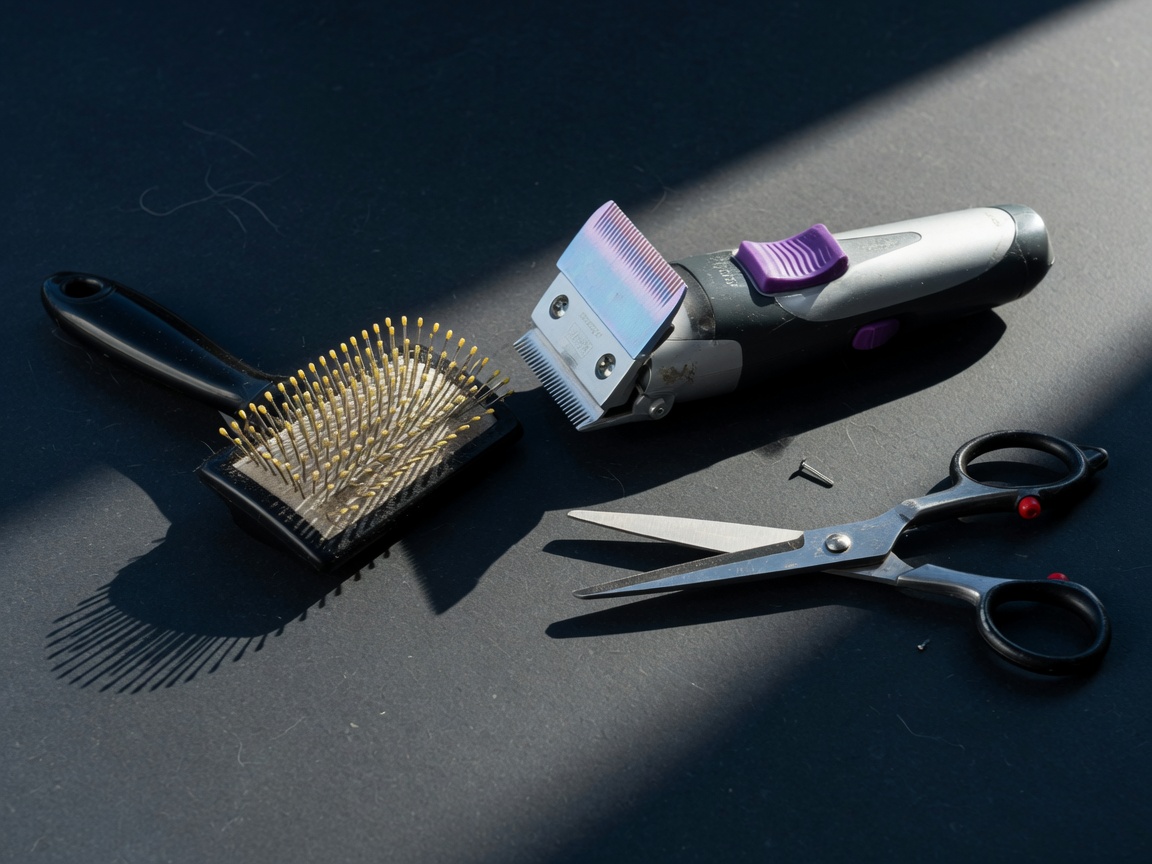
Many dog owners face teh challenge of preparing aggressive or fearful pets for grooming sessions-a task that requires more than just scissors and shampoo. Whether your dog has a thick, curly coat or a short, sensitive one, helping them feel safe and calm during grooming is essential for their well-being and yours. This guide focuses on gentle, step-by-step training techniques designed to ease anxiety, build trust, and teach your dog how to comfortably tolerate baths, brushing, nail trims, and ear cleaning. understanding your dog’s specific triggers and dialog style is key to preventing stress and potential injury. Wiht patience and compassion, you’ll learn practical tips that empower you to confidently prepare your dog for grooming visits, ensuring a safer, more pleasant experience for everyone involved. Let’s make grooming a positive routine rather than a fearful ordeal-because every dog deserves to be cared for with kindness and respect.
Understanding Aggression in Dogs: Key Causes and Signs
Table of Contents
- 1 Understanding Aggression in Dogs: Key Causes and Signs
- 2 Preparing Your Dog Mentally for Grooming Visits
- 3 Essential Tools for Grooming Aggressive Dogs Safely
- 4 Step-by-Step Training to Build Grooming Tolerance
- 5 How to Desensitize Dogs to Baths, Brushes, and Clippers
- 6 Calming Techniques to Reduce stress During Grooming
- 7 Teaching Nail Trimming Without Fear or Struggle
- 8 Safe Handling Strategies for Professional Groomers
- 9 When to Use Professional Help vs. DIY Grooming
- 10 Creating a Positive Grooming Routine at Home
- 11 Troubleshooting Common Challenges with Aggressive Dogs
- 12 Building Long-Term Trust Between Dog and Groomer
- 13 Frequently Asked Questions
- 13.1 Q: how can owners safely introduce grooming tools to an aggressive dog at home?
- 13.2 Q: What are effective ways to recognize early signs of stress in aggressive dogs during grooming?
- 13.3 Q: When is it appropriate to use a muzzle for grooming an aggressive dog?
- 13.4 Q: How can I create a stress-free grooming environment for an aggressive dog?
- 13.5 Q: What breed-specific behaviors should be considered when grooming aggressive dogs?
- 13.6 Q: How can owners collaborate with professional groomers to handle aggressive dogs effectively?
- 13.7 Q: Why is positive reinforcement crucial when training aggressive dogs for grooming?
- 13.8 Q: How can veterinarians support owners with aggressive dogs struggling to groom at home?
- 14 concluding Remarks
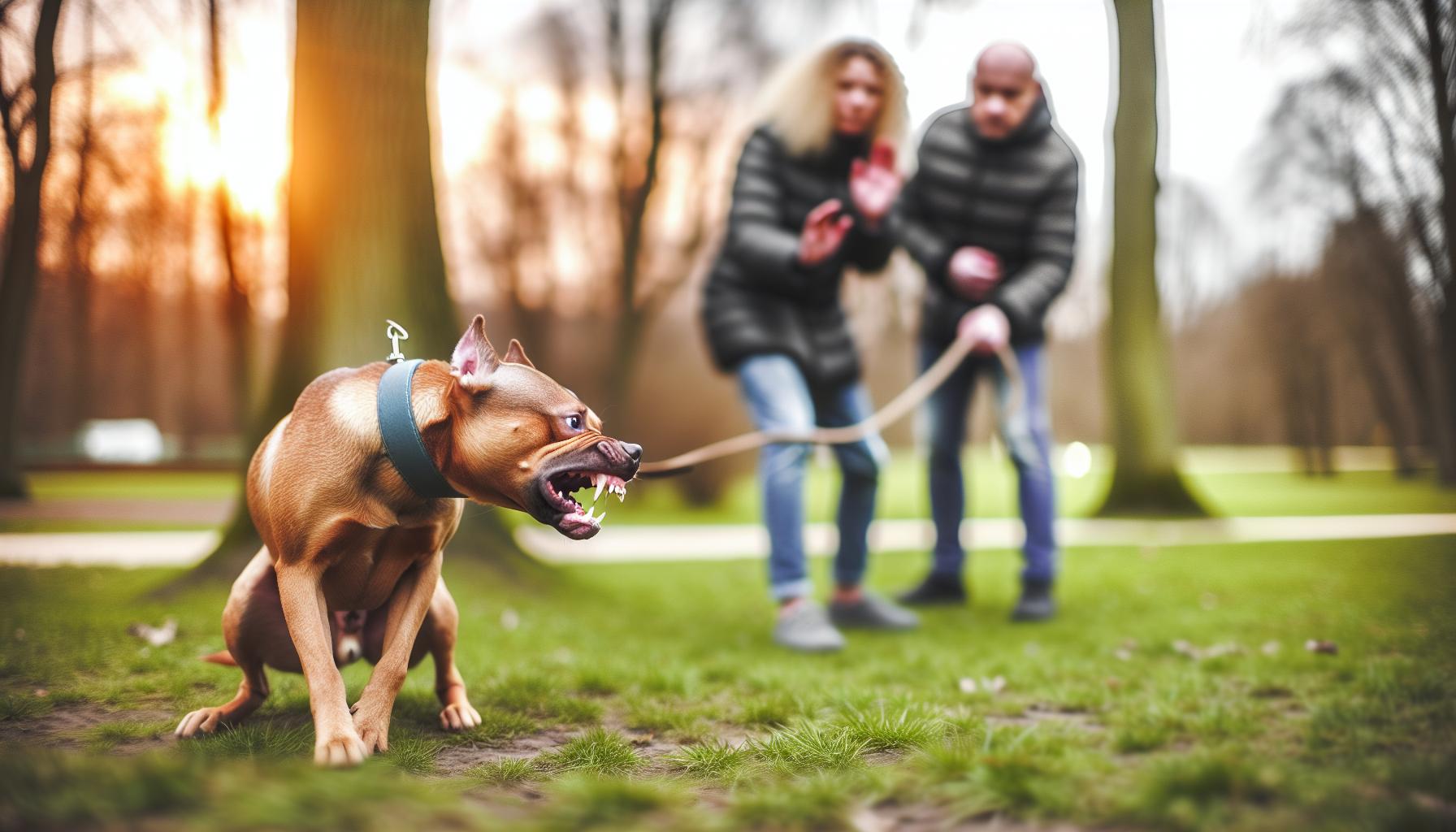
Many dogs who show aggressive behaviors during grooming aren’t simply “bad dogs” or naturally hostile-they’re often reacting to fear, discomfort, or past negative experiences. recognizing the root causes behind aggression can transform your approach and open the door to gentle,effective training. It’s crucial to remember that aggression is a form of communication.Dogs use growls, snaps, or stiff body language to say, “I’m uncomfortable” or “Please stop.” Your goal as an owner or groomer is to interpret these signals with empathy and respond with calming, patient methods.
Common triggers for grooming-related aggression include:
- Pain or Sensitivity: Dogs with skin conditions, arthritis, or injuries might lash out when touched in tender spots.
- Fear and Anxiety: The unfamiliar sounds of clippers, restraint during grooming, or being handled by a stranger can provoke defensive reactions.
- Lack of Early Handling: Puppies not habituated to grooming tools or human touch may perceive grooming as threatening.
- Previous Negative Experiences: Dogs who associate grooming with punishment or discomfort often build anticipatory stress.
Signs to recognize before aggression escalates: subtle cues often go unnoticed but help prevent bites or struggles:
- Avoiding eye contact or turning the head away
- Yawning, lip licking, or slow blinking (stress signals)
- Stiff posture, raised hackles, growling, or baring teeth
- Tail tucked or held rigidly
Understanding Breed and coat Considerations
certain breeds with double coats or dense fur-like Huskies or Terriers-require more extensive grooming, increasing their discomfort and resistance if not properly accustomed. Conversely, breeds with sensitive skin or thin coats may react sharply to even gentle handling. Knowing your dog’s coat type helps tailor gentle approaches to minimize discomfort and aggression.
Empathy and Patience: Your Best Tools
When preparing an aggressive dog for grooming, patience is key. Reacting with force or frustration can exacerbate fear and perpetuate the cycle of aggression. Rather, focus on slow, low-pressure introductions to tools and touch. Celebrate small wins, such as allowing a brief brush or standing calmly near the tub. Over time, these positive experiences help rebuild trust and ease anxiety.
Remember, safety and comfort always come frist. If your dog’s aggression feels unsafe, consider consulting a professional behaviorist or groomer experienced with reactive dogs. they can recommend specialized training and handling techniques that protect everyone involved while ensuring your dog’s dignity and wellbeing.
Preparing Your Dog Mentally for Grooming Visits
It’s a common misconception that grooming is just a fast, surface-level task, but for dogs prone to stress or aggression, mental planning is the secret ingredient to success. Your dog’s emotional state before a grooming session can make all the difference in whether it’s a calm experience or a battle. Imagine walking into a new salon for the first time-the unfamiliar sounds, smells, and people can feel overwhelming. By laying a foundation of positive, low-pressure experiences at home first, you’re helping your dog build confidence and trust.
Start by becoming familiar with your dog’s unique needs based on breed, coat type, and past experiences. For example, Huskies with their thick double coats require more frequent brushing, which if rushed, can cause discomfort or resistance. Conversely, sensitive-skinned breeds like boxers or Greyhounds may react sharply to even gentle touch. Understanding these nuances directs how gently and gradually you introduce grooming tools.
Fostering Calmness Through Simple, Daily Routines
Before introducing any grooming tool, spend several days or even weeks building calm tolerance. This could mean playing with a brush near your dog’s resting place, allowing them to sniff it freely, then giving a gentle stroke if they remain relaxed. Gradually increase touch on different body parts, always watching for signs of discomfort like lip licking or stiffening. Use soft praise and treats liberally to create a positive connection.
- bath introductions: Run warm water gently over paws or legs without any shampoos initially while speaking softly, so baths become a familiar, safe event.
- Clipper desensitization: Turn the clippers on at a distance,reward calmness,then briefly bring it closer over a few sessions without direct contact.
- nail handling: Touch and hold paws regularly, rewarding every cooperative moment to reduce fear before trimming even begins.
Real-World Example
A fearful Terrier named Max once shook at the sight of his grooming brush. By dedicating a few minutes daily to simply sitting with Max while holding the brush, offering treats and gentle pets, he eventually allowed a slow, short brushing session. Over several weeks, his anxiety visibly decreased, transforming grooming from dread into a moment of bonding.
When to Seek Professional Guidance
Your goal is to achieve relaxed participation, not “perfect” grooming in one go-patience is your greatest tool. However, if your dog’s anxiety or aggression remains high despite gradual efforts, consider collaborating with a professional behaviorist or groomer experienced in handling reactive dogs. They can guide you with specialized strategies ensuring safety and dignity for your dog, while relieving owner stress.
By preparing your dog mentally, you’re planting the seeds of trust that blossom into a calmer, more cooperative grooming experience-one that honors your dog’s feelings as much as their appearance.
Essential Tools for Grooming Aggressive Dogs Safely
Grooming an aggressive dog safely starts long before the first brush stroke – the tools you bring into the process can either build trust or increase stress. Choosing the right equipment tailored to your dog’s breed, coat type, and sensitivity is essential.such as, dogs with thick double coats like Malamutes need slicker brushes that detangle without pulling, while short-haired breeds may do better with rubber grooming mitts that soothe the skin. Selecting quiet, lightweight clippers with adjustable speeds can prevent startling noise and vibrations for sensitive dogs, helping maintain calmness throughout the session.
When preparing for baths, a non-slip mat placed in the tub keeps your dog secure and less anxious about slipping. Use gentle, hypoallergenic shampoos to avoid skin irritation, which can trigger defensive reactions. For nail trimming, a quiet, sharp clipper designed specifically for dogs – such as guillotine or scissor-style clippers – helps ensure clean cuts and reduces discomfort. pair these with a nail file to smooth rough edges, making the process less invasive and stressful.
- Brushes & Combs: Slicker brush for thick or matted fur; bristle brush or grooming mitt for short-haired breeds.
- Clippers: Quiet, adjustable-speed models to minimize noise and vibration.
- Bath Essentials: Hypoallergenic shampoos,non-slip mats,ear cleaners safe for dogs.
- Nail tools: Low-vibration nail clippers, distraction treats, nail files.
- Safety Gear: Soft muzzles or head halters (if recommended by a professional), grooming restraints that do not constrict or frighten.
Quiet,Gentle Tools Foster Cooperation
Empathy for an anxious dog is just as critically important as the tools chosen. Such as, investing in a quiet dryer or turning on the dryer outside the grooming area before slowly introducing it can help avoid sensory overload. Owners frequently enough find success using treats and soft praise to associate each tool with positive outcomes. A fearful Labrador named Bella once resisted nail trimming so intensely that her owner switched from noisy, heavy clippers to a quieter, lightweight set – combined with short, frequent sessions - which transformed the experience from panic to tolerance over weeks.
Safety and Comfort Above All
While home grooming tools are indispensable, knowing when to seek professional help is crucial. Professional groomers not only have a wider range of specialized equipment – like hydraulic grooming tables, no-pull harnesses, and veterinary-approved sedation options – but also the experience to manage aggressive or frightened dogs safely.If your dog’s resistance surpasses safe handling limits or causes injury risk, deferring to the expertise of pros preserves your dog’s welfare and your peace of mind.Being equipped with the right tools and a gentle approach helps create a calm atmosphere where even the most anxious dogs can gradually accept grooming. Remember: each equipment choice is a building block in a bridge of trust between you and your furry friend.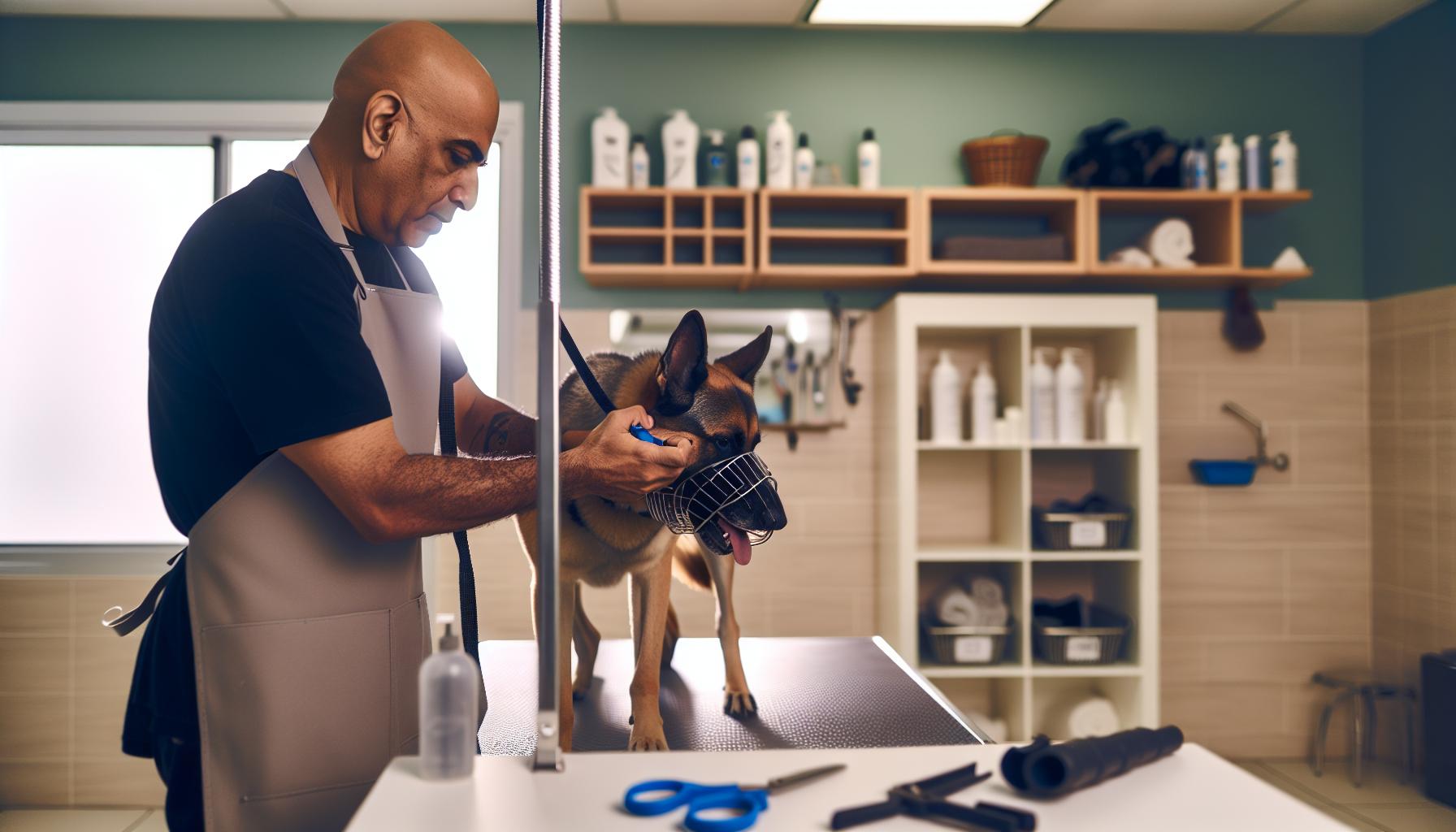
Step-by-Step Training to Build Grooming Tolerance
Dogs that initially resist grooming often respond best to a calm, patient, and consistent training approach tailored to their unique sensitivities. Each small success builds confidence and transforms grooming from a stressful ordeal into a well-tolerated routine. Start by creating positive associations with the grooming habitat and tools, using short, relaxed sessions that respect your dog’s comfort level while gradually increasing duration and complexity.
Begin with gentle handling exercises at home, especially for breeds with thick or sensitive coats, such as Malamutes or golden Retrievers. Sit quietly with your dog, softly touching paws, ears, and coat while rewarding calm behavior with high-value treats and praise. Introducing a soft brush or grooming mitt during these calm moments encourages curiosity without pressure. Remember, short, frequent sessions work better than longer, more demanding ones – even just a minute or two of brushing a day can make a big difference over weeks.
Breaking Grooming Into Manageable steps
- Bath Preparation: Acclimate your dog to water sounds and bath areas by leading with exploratory sessions-allow them to sniff and step into a dry tub or basin. Use treats and gentle reassurance to build a positive connection.
- Brush Introduction: Slowly present brushes and combs one at a time, pairing each with treats. Brush areas where your dog enjoys being touched first, avoiding mats or sensitive spots initially, to prevent discomfort-based resistance.
- Clipper Conditioning: Turn on clippers in another room, rewarding curious looks or relaxed behaviors.Gradually move the clippers closer in subsequent sessions without touching your dog, until they are agreeable hearing the sound near them.
- Nail Handling: Begin by gently holding paws and touching nails, rewarding calmness. Use a file first to introduce nail care less intrusively before progressing to quiet, sharp clippers designed for your dog’s nail size and temperament.
Consistent Rewards and Recognizing Limits
Always use positive reinforcement-treats,a soothing voice,and gentle petting-to encourage cooperation rather than relying on force or punishment,which worsens anxiety and aggression. Identify early signs of stress such as yawning, lip licking, or turning away, and pause the session to let your dog relax. If progress stalls or fear escalates, it’s wise to consult a professional groomer or veterinary behaviorist who can assess whether medication or specialized desensitization techniques are needed.
Real-World Success Story
Consider Charlie, an anxious Border Collie mix who panicked when clippers approached.By dedicating two weeks to just playing with the clippers-letting Charlie sniff and examine them without noise or restraint-and rewarding every calm moment, his owner saw remarkable progress. When the buzzing was finally introduced, Charlie accepted brief touches with the clipper on non-sensitive areas, and eventually, full grooming became routine. This gradual,stepwise teaching fostered trust,minimized fear,and empowered both dog and owner.
By breaking grooming tasks into clear, bite-sized steps and prioritizing your dog’s emotional wellbeing, you lay a strong foundation for safe, stress-minimized grooming that benefits everyone involved. Consistency, kindness, and appropriate pacing are the keys to unlocking grooming tolerance in even the most sensitive or reactive dogs.
How to Desensitize Dogs to Baths, Brushes, and Clippers
Many dogs resist grooming as unfamiliar sensations and noises can feel overwhelming-or even frightening. The key to easing these fears lies in gradual, gentle exposure paired with positive experiences. Start with your dog’s unique breed and coat type in mind; such as, thick double coats like those of Huskies need slow acclimation to brushes, while short-haired breeds may be more sensitive to bath water temperature. Every dog’s journey to comfort is different, but patience and party of small wins pave the way to grooming success.
Introducing Baths as a Positive Experience
Make baths inviting by inviting your dog to explore the bath area when it’s dry. Let them sniff and step in freely without any pressure. Use warm water-never too hot or cold-to avoid discomfort, and keep sessions brief initially. if your dog is especially sensitive to sound or water sensations, start with just gently wetting their paws or belly while rewarding calm behavior with treats or soothing voice tones. Over days or weeks, gradually increase water contact and the time spent in the bath. Remember to use shampoos formulated for your dog’s skin type to prevent irritation.
Gently Familiarizing Your Dog With Brushes
Brushes can be intimidating, particularly metal combs or stiff bristle brushes that might tug or scratch.Begin with the softest tool you own-a grooming mitt or soft-bristled brush-and present it as a novel plaything linked with treats. Let your dog sniff and mouth it without pressure. Then, during calm moments, lightly stroke areas your dog enjoys, such as the chest or back, avoiding mats or sensitive regions at first. Short daily sessions of one to two minutes can transform brushing from a chore into a comforting ritual.
Making Clippers Less Frightening
clippers and their buzzing noises are a top source of anxiety but can become familiar with careful conditioning. Start by placing clippers in your dog’s environment turned off, paired with tasty rewards for any calm sniffing or relaxed glances. Next, turn on the clippers at a distance and reward relaxed or curious reactions without attempting to touch your dog. Gradually bring the clippers closer over several sessions, never forcing proximity or contact. When your dog willingly approaches the clippers, softly brush them near the skin in easy areas like the side of the neck. Patience is essential, as rushing can reinforce fear or aggression.
- Tip for breeds prone to sensitivity: Use quieter rotary clippers or deshedding tools to reduce noise impact.
- safety reminder: Always ensure blades are sharp and clean to avoid pulling or discomfort.
These steps foster trust and control in grooming situations, reducing aggression linked to fear.if at any point your dog shows signs of escalating stress-cowering, growling, or snapping-pause and return to the previous triumphant step, or seek help from a professional groomer or behaviorist. remember, creating a calm, reward-rich environment empowers your dog and builds a lasting positive bond with grooming tools and procedures.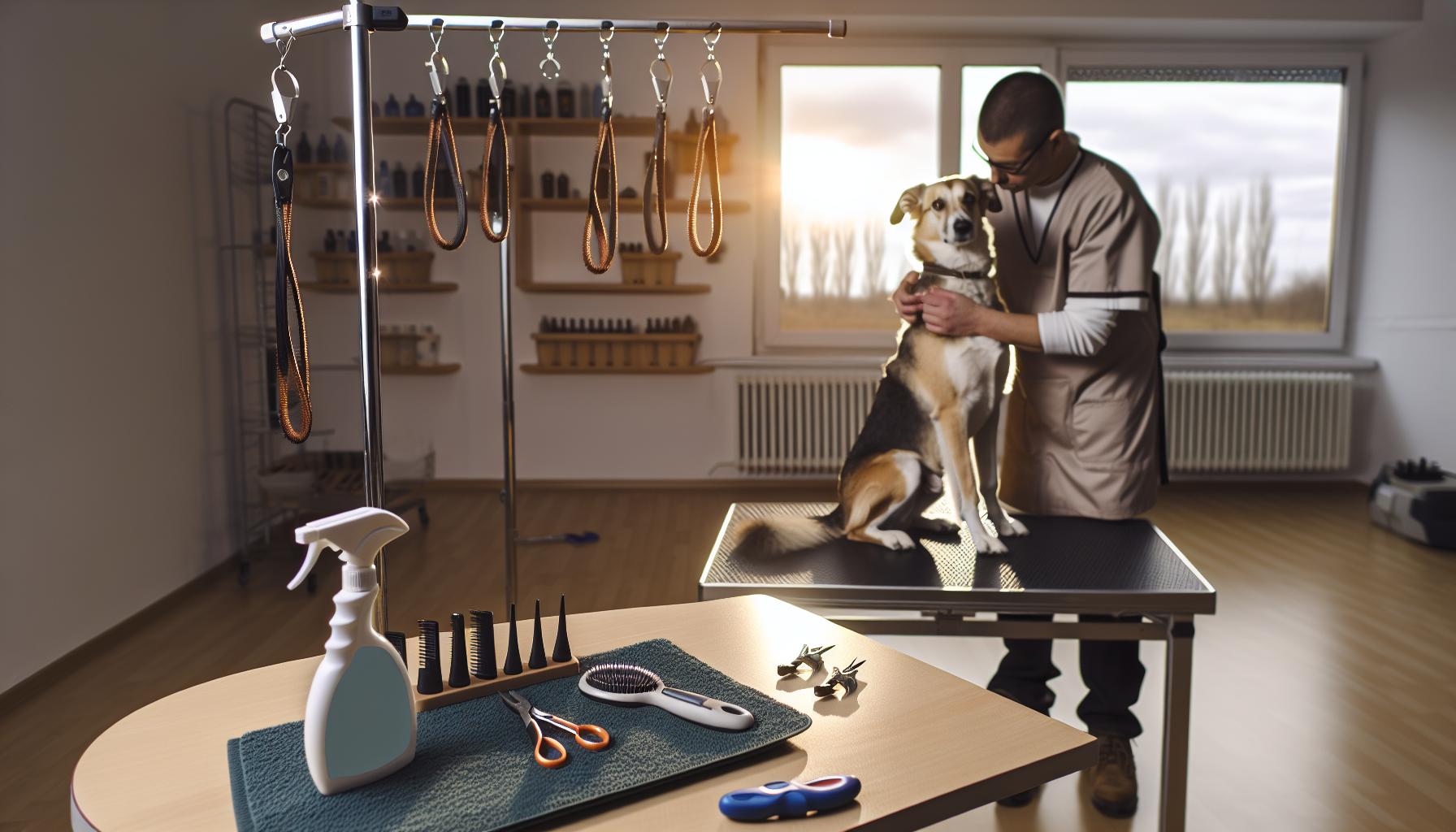
Calming Techniques to Reduce stress During Grooming
Stress during grooming can trigger a dog’s flight-or-fight response,often leading to resistance or aggression. The key to easing this tension lies in creating an environment that feels safe, predictable, and comforting for your dog. A calm demeanor from the handler is the first soothing ingredient-dogs are incredibly intuitive and will mirror your energy. Approaching grooming with intentional slow movements, gentle touch, and a reassuring voice builds trust, turning a potentially threatening situation into one your dog can endure, or even enjoy.
Set Up a soothing Atmosphere
Environmental factors can dramatically affect your dog’s stress levels. Choose a quiet room free of sudden noises or distractions, with non-slip mats to secure footing-unstable surfaces can heighten anxiety. Soft lighting and a comfortable ambient temperature tailored to your dog’s coat type (e.g., cooler for thick-coated breeds like Malamutes, warmer for short-haired breeds) make a big difference. Consider playing low-volume classical music or white noise to mask the unsettling sounds of clippers or dryers, which can be distressing for noise-sensitive dogs.
Use Calming Touch and Massage
Incorporating gentle massage and pressure touch prior to and during grooming sessions can activate your dog’s parasympathetic nervous system, helping them relax. Focus on areas where your dog enjoys being petted, such as behind the ears, along the neck, or over the chest. use long, slow strokes instead of quick or tap-like touches. This not only eases tension but also redirects their attention away from grooming tools or procedures that might provoke defensive reactions.
- Real-world tip: An owner of a fearful Shih Tzu used a “pressure wrap” technique-lightly wrapping a stretchable bandage or anxiety wrap around the torso during grooming. This gentle compression helped calm the dog’s nerves, reducing shaking and lip-licking.
- Try calming pheromone sprays or diffusers: Products that mimic natural dog-appeasing pheromones can subtly lower anxiety before and during grooming.
Reward Calm Behavior Consistently
Positive reinforcement is the cornerstone of reducing grooming stress. Train your dog to associate grooming activities with pleasant outcomes by pairing every calm moment with high-value treats, soft praise, or brief play breaks. This builds a positive feedback loop, encouraging relaxation instead of resistance. Keep sessions short and manageable-multiple brief visits beat one long,stressful marathon.
Simple Calming Techniques by Task
| Grooming Task | calming Strategy | Examples |
|---|---|---|
| Baths | Warm water,slow introduction,and counterconditioning | Start wetting paws only,reward calmness,gradually increase water exposure |
| Brushing | Soft brush,gentle strokes,pairing with treats | Stop before mats,focus on preferred body zones first |
| Clipping/Nail Trimming | Noise desensitization,treats during tool introduction | Start with tool turned off,reward relaxed examination |
Taking time to understand your dog’s unique triggers,and responding with empathy and tailored calming techniques,shifts grooming from struggle to opportunity for connection. Keep safety front and center by recognizing signs of escalating stress and knowing when it’s time to pause or seek professional help. remember, the goal isn’t a perfect groom on the first try-it’s a confident, trusting dog who feels safe through every step of the grooming journey.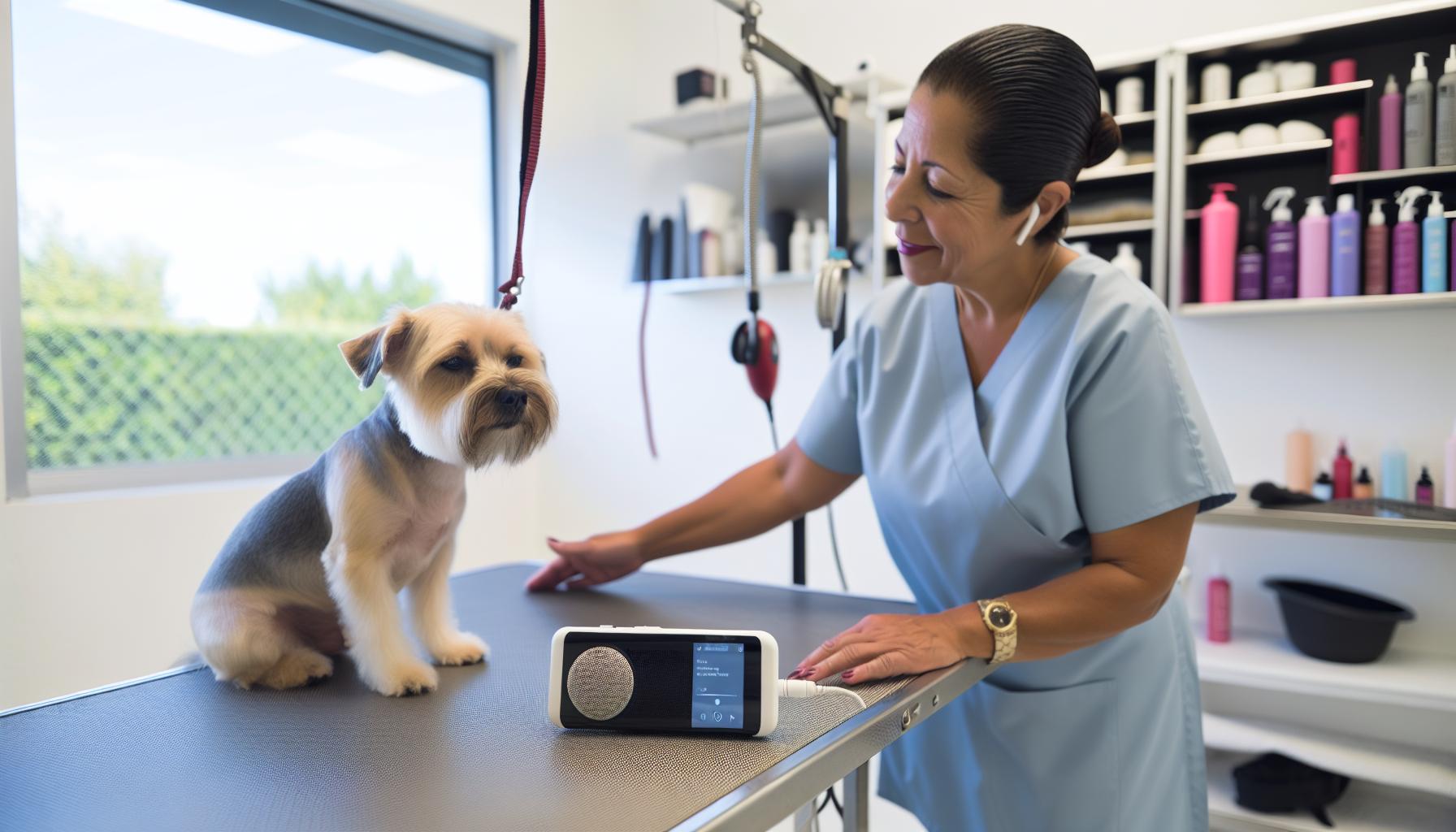
Teaching Nail Trimming Without Fear or Struggle
Nail trimming frequently enough ranks high on the list of challenges for many dog owners, especially when dealing with aggressive or fearful dogs. it’s not just about clipping nails-it’s about transforming what can feel like a frightening experience into a calm, manageable routine. The secret lies in laying a gentle foundation filled with patience and positive associations, which can gradually shift your dog’s mindset from anxiety to acceptance.
Begin by introducing the tools without pressure.Let your dog see and sniff the nail clippers or grinders while turned off. Offer treats and soft praise, creating a bridge between the unfamiliar objects and something pleasant.This initial step is crucial for dogs prone to defensive reactions.Once your dog approaches the tools calmly, lightly touch their paws during relaxed moments, rewarding stillness instantly. Slowly build up to holding the paw in a natural,stress-free way,always watching for signs of tension or discomfort.
Start Small and Celebrate Every Success
Avoid jumping straight into clipping. Focus on short, simple interactions that build trust bit by bit:
- Paw handling: Briefly touch paw pads and nails, then reward with treats.
- Desensitize to noise: Turn the grinder or clippers on at a distance,rewarding calm observation.
- Touch-and-release: Gently hold a nail as if preparing to trim, then immediately stop and reward.
These steps can take days to weeks depending on your dog’s history and temperament. Consistency over speed wins the day.
Use the Right Tools and Techniques
choosing what’s best for your dog’s breed, coat thickness, and temperament makes a notable difference:
– For nervous dogs, a nail grinder can be less intimidating than sharp clippers; it smooths rather than cuts abruptly.
– quiet, ergonomic clippers reduce noise and risk of accidental snips.
– Keep styptic powder or cornstarch on hand to quickly address any accidental nail bleeding, which can heighten fear.
Real-world owner stories reveal that dogs fearful of clipping noise often respond well when adjustments like muffling background sound with gentle music are used.
When to Seek professional Help
If your dog’s aggression escalates despite gradual training, safety comes first. Professional groomers or veterinarians experienced with fearful or aggressive dogs have specialized handling techniques and tools. They may also recommend strategies like sedation for nail trimming in extreme cases to ensure your dog’s well-being and your safety.
| Training Step | Action | Reward/Outcome |
|---|---|---|
| Tool Introduction | Show and handle clippers or grinder off | Quiet curiosity, reduced fear |
| Paw Touching | Touch paws/nails briefly, release | Comfort with handling, trust |
| Tool Noise exposure | Turn tool on at a distance | Desensitization to sound |
| Simulated Trim | hold nail without clipping | Calm acceptance |
| Actual trim | Clip or grind few nails gradually | Positive grooming association |
Remember, the goal is progress, not perfection. Every tiny step forward is a victory, building your dog’s confidence and reducing fear.Keep your voice soothing, your movements deliberate, and always prioritize your dog’s comfort.Over time, nail trimming can shift from a dreaded chore to a shared moment of care and connection.
Safe Handling Strategies for Professional Groomers
Handling an aggressive dog during grooming requires a calm, confident approach rooted in safety and respect for the animal’s emotional state. Professional groomers know that aggression frequently enough stems from fear or pain, not defiance, so the first priority is always to minimize stress while maintaining control. Understanding your dog’s specific breed traits, coat type, and temperament helps tailor handling strategies that reduce discomfort and the risk of injury-for both the dog and groomer.
- Assess before you act: Spend initial moments observing the dog from a distance to read body language cues. tension, lip licking, or avoidance signals that restraint or additional calming time is needed.
- Gentle restraint techniques: Use non-restrictive tools like grooming loops or soft muzzles when necessary, avoiding harsh physical holds. A skilled groomer employs minimal restraint and integrates touch with slow, soothing movements to build trust.
- Segment the grooming session: Break the process into manageable parts-bath, brush, nail trim-allowing breaks to prevent overwhelming the dog. Praise and reward calm behavior throughout to create positive associations.
- Eye-level communication: Avoid looming over the dog; instead, get down to their level to appear less threatening.Speak in a warm, low tone and move deliberately to convey reassurance.
Tools and Environment Matter
for aggressive or anxious dogs, quieter, ergonomically designed tools can drastically reduce triggers. for example, nail grinders often cause less noise and vibration than clippers, lessening defensive reactions.Keeping grooming spaces quiet and uncluttered with dimmed lighting can also soothe nervous pets. Real-world groomers share stories where simply introducing calming pheromones or playing soft classical music transformed once combative dogs into cooperative clients.
Knowing When to Seek Help
Sometimes, despite best efforts, a dog’s aggression requires professional intervention beyond standard grooming. Collaborating with veterinarians skilled in sedation or behavioral consultation is vital for the dog’s safety and welfare. Groomers who build such partnerships demonstrate compassion and professionalism, ensuring even the most challenging dogs receive appropriate care without trauma.
| Handling Strategy | Purpose | Practical tip |
|---|---|---|
| Soft Muzzle Use | Prevents biting gently, reduces fear through safe boundaries | Introduce muzzle with treats and short wearing intervals before grooming |
| Segmented Grooming | Prevents overstimulation and stress buildup | Schedule multiple short sessions rather than one marathon appointment |
| Calming Aids | Soothes anxiety in the grooming environment | Use pheromone sprays or calming music specifically designed for dogs |
| Body Language Monitoring | Detects rising stress levels early | Look for yawning, lip licking, pinned ears as warning signs |
Above all, patience and empathy guide successful handling. Each dog’s history and personality shape how they respond to grooming challenges.As a groomer, balancing gentle firmness with kindness reassures not only the dog but also their anxious owner. This partnership builds trust that ensures grooming serves as an act of care and healing-not just maintenance. By prioritizing emotional well-being alongside physical safety, professional groomers can transform aggressive dogs into willing, even happy, clients over time.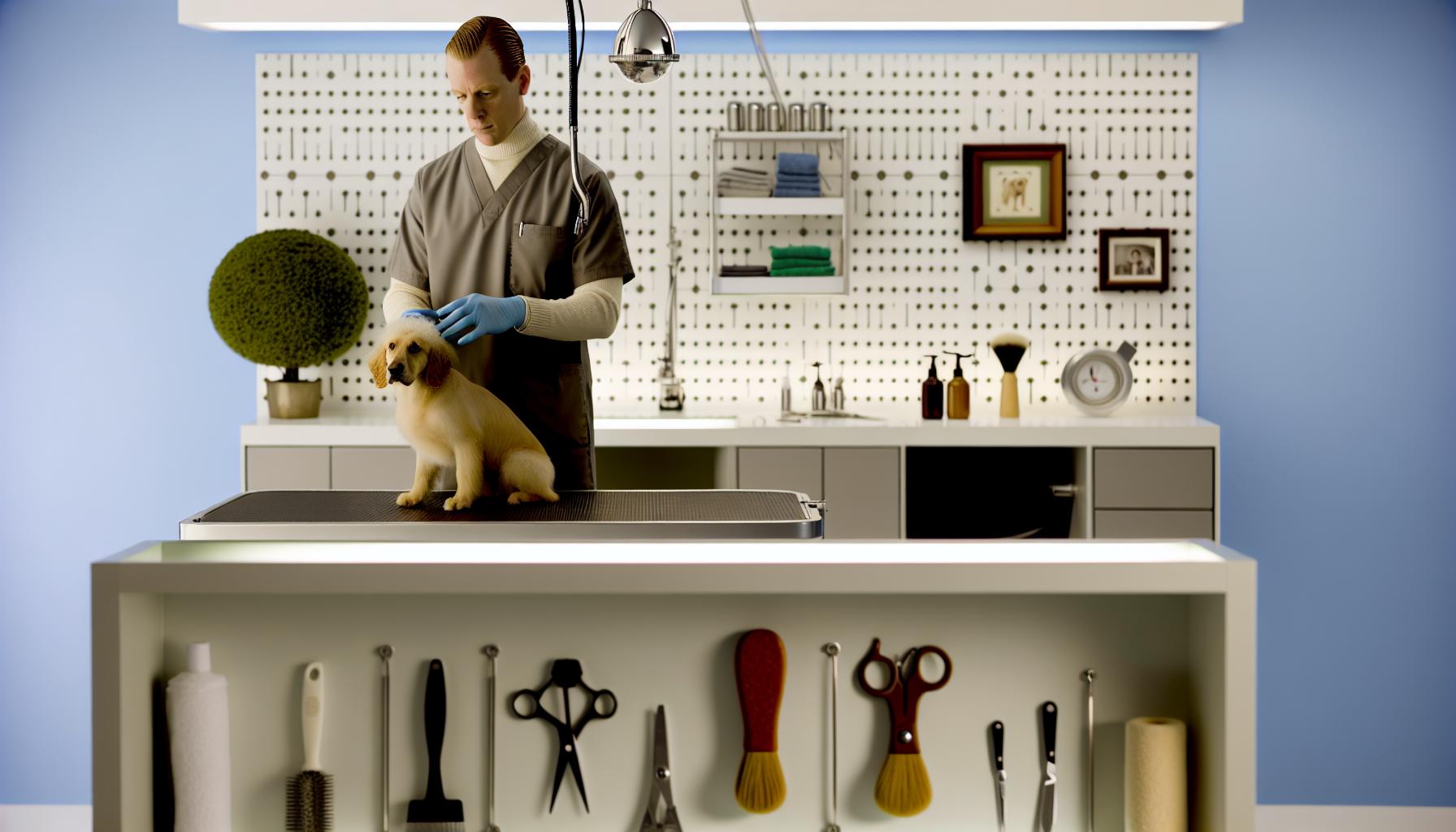
When to Use Professional Help vs. DIY Grooming
Every dog-and every grooming situation-is unique. Knowing when to handle grooming sessions yourself and when to bring in professional help can make all the difference in your dog’s comfort, safety, and overall experience. For many dogs with mild anxiety or manageable behaviors, DIY grooming with the right preparation and tools can work well. However, when aggression stems from deep fear, medical issues, or complex behavioral challenges, professional intervention is not just wise-it’s necessary.
Assess the breed,coat type,and individual temperament first. Some breeds, like terriers or spaniels with thick, dense coats, require specialized tools (e.g., slicker brushes, dematting combs) and techniques that can be tough for beginners. others with shorter or low-maintenance coats might be more tolerant of basic bathing and brushing at home. But temperament always matters most. If your dog shows repeated signs of stress-growling, snapping, or cowering-even with gentle handling, professional groomers trained in behavior and safety protocols should step in.
- Bathing: It might seem simple but can be overwhelming for an aggressive dog. If your pup flinches at water or bolts from the tub, try calming desensitization techniques at home first. If fear escalates into biting or escape attempts, scheduling baths with professionals equipped with secure setups, non-slip tubs, and calming aids is ideal.
- Brushing and Dematting: Matted fur can hurt your dog, but aggressively tackling mats at home risks injury and stress. Professionals have experience with gentle dematting tools and techniques that minimize discomfort. If your dog resists strongly, leave the toughest mats to the pros.
- Nail Trimming: Perhaps the most common source of struggle. Some dogs easily tolerate clipping; others associate it with pain or restraint. If your dog growls, wags the tail tensely, or tries to bite during nail care, consider professional groomers who use quiet grinders, muzzles, and slow, reassuring touch.
Recognizing When Medical Assistance Is Needed
aggression linked to pain or discomfort always calls for a vet check first. Ear infections, skin allergies, arthritis, or dental issues can cause sudden resistance to grooming. When medical factors are present,veterinarians may recommend sedation for grooming or behavioral specialists to develop a long-term plan. DIY grooming in these cases can worsen injuries or escalate fear.
Collaborating with Professionals Builds Confidence
Many pet parents worry about “giving up” if they bring their dog to a groomer, but asking for help is a compassionate choice. A skilled groomer doesn’t just trim fur-they’re calm, patient partners who adapt their methods to your dog’s needs.They often share tips to continue positive grooming experiences at home. This teamwork reduces stress for everyone and, over time, can transform fearful or aggressive dogs into more comfortable clients.
| Grooming Task | Signs DIY might Be Unsafe | When to Choose Professional Help |
|---|---|---|
| Bathing | Dog panics near water, repeatedly tries to escape, shows biting risk | Persistent fear despite desensitization; requires physical restraint or calming aids |
| Brushing/Dematting | Dog yelps, growls at brush, or becomes highly agitated | Severe mats requiring special tools or experience; high stress levels during grooming |
| Nail Trimming | Repeated attempts to bite or withdraw limbs; fearful association with nail tools | Use of muzzles, grinders, sedation advised based on risk |
Remember, your dog’s emotional and physical wellbeing come before a “perfect” groom. Starting small, celebrating calm moments, and knowing when expert support is necessary empowers you to provide care that feels safe and loving. The goal is always a grooming routine that builds trust and keeps tails wagging-with professional help serving as an important part of that journey when needed.
Creating a Positive Grooming Routine at Home
Dogs most comfortable with grooming are those whose routine starts in the calm of home, paced to suit their individual needs. Establishing a positive grooming routine before professional sessions creates a foundation of trust and eases anxiety, especially for dogs prone to stress or aggression. Understanding that each dog’s breed, coat type, and personality affect their tolerance helps tailor a routine that feels safe and manageable, not overwhelming.
Start Small and Celebrate Calm
Begin with short, gentle sessions that don’t push your dog beyond their comfort zone. As a notable example, if you have a thick-coated Spaniel prone to matting, start by brushing only a few minutes in an easily accessible spot. Use treats and soothing tones to reward calm behavior immediately. even dogs uneasy about touch can learn to associate grooming tools-like brushes or nail clippers-with positive experiences if introduced gradually. Remember, the goal is less about a perfect groom and more about building trust and cooperation.
Bathing Made Easier
Bath time can be stressful but breaks down into manageable parts. Introduce your dog to the bathing area slowly – let them explore the bathroom or tub while offering praise and treats before water touch. Use lukewarm water and a non-slip surface to boost stability and comfort.Speak softly and take breaks if your dog shows signs of panic or resistance.Over several sessions, gently increase water exposure and shampooing, watching closely for signs of fear or aggression. if your dog avoids water or becomes aggressive despite these steps, it’s best to leave baths to professionals equipped with safe restraint methods and calming tools.
Practical Brushing and Nail Care
Dogs with sensitive skin or painful mats often resist brushing. Use a soft brush or a special dematting tool suited to your dog’s coat, and keep sessions brief but consistent. Watch for body language cues-ears pinned back, growling, or stiffening-and stop to calm or redirect attention with favorite toys or treats. For nail trimming, handle paws gently outside of clipping time to build confidence. Rub each paw and touch nails daily, rewarding calm tolerance. When it’s time to trim, use quiet grinders if clipping causes alarm, and trim only a few nails per session to prevent overwhelm.
- Tip: If your dog growls or pulls away, pause and switch to desensitization exercises that focus on paw touching and tool introduction without clipping.
- Tip: Use a calm voice and remain relaxed-dogs pick up on tension, which can heighten their stress.
When to Rely on Professional Guidance
doesn’t mean struggling alone. If your dog’s behavior includes biting attempts, extreme fear, or if pain may be a factor, seek advice from a professional groomer who understands aggressive or fearful dogs. Veterinarians should be consulted first to rule out medical causes behind aggression. A groomer skilled in low-stress handling can teach you tailored strategies and may recommend sedation or specialized tools when necessary, ensuring grooming remains safe and humane.
| Grooming Step | Home Routine Tips | Signs to Seek Help |
|---|---|---|
| Bathing | Slow introduction to water, use treats, short sessions, non-slip mats | Consistent panic, biting or escape attempts |
| Brushing | Frequent gentle touch, use breed-appropriate tools, reward calmness | excessive growling, snapping, or pain responses |
| Nail Care | Daily paw handling, quiet grinders, trim a few nails at a time | Repeated biting attempts or fearful resistance |
Fostering patience and kindness throughout the home grooming routine empowers you and your dog. Every small success lays the groundwork for future visits to the groomer and nurtures a lifelong bond based on trust-not just trimming fur.Your calm confidence is your dog’s biggest comfort.
Troubleshooting Common Challenges with Aggressive Dogs
Sometimes, despite your best efforts, grooming sessions can hit bumps-especially with dogs who show aggressive behaviors out of fear, pain, or past trauma. When a dog growls, snaps, or resists strongly, it’s often their way of communicating discomfort or anxiety. Understanding these signals and adjusting your approach is key to turning challenges into breakthroughs. Remember,no two dogs are alike: breeds with dense coats like Newfoundlands may get mat-related discomfort,while sensitive skin breeds like Greyhounds might flinch at touch,each requiring tailored patience and tools.
Bath Time Resistance
If your dog lunges or freezes at bath time, try breaking down the process into even smaller steps. Let your dog explore the bathing space without water, rewarding every calm interaction. Next, use a damp cloth instead of a full bath to slowly build tolerance. Some dogs, especially certain terriers or nervous rescues, dislike water sounds or slippery tubs. Adding a non-slip mat and using lukewarm water reduces their physical discomfort and fear. If you notice clawing or biting when shampoo touches certain areas,it’s wise to consult your vet to rule out skin infections or pain before continuing. Then, progress at your dog’s pace, always rewarding calm behavior with treats or praise.
Brushing and Dematting Troubles
aggression during brushing often signals discomfort-either from sensitive skin or painful knots. Use the gentlest tools suited for your dog’s coat-slicker brushes for curly coats,soft bristle brushes for smooth coats-and keep sessions brief. If your dog growls or stiffens, pause and switch to a calmer activity like gentle paw rubs or eating treats. Gradually reintroduce the brush by letting them sniff and explore it outside of grooming time, helping build familiarity. For dogs prone to mat-related pain, a dematting tool used carefully, combined with positive reinforcement, can slowly ease their tolerance. Remember to avoid force-focused, gentle grooming always wins trust.
Handling Nail Care Challenges
Nail trimming can be a high-stress task for many dogs, especially those with a history of sharp nails or sensitive paws. start by touching and holding your dog’s paws regularly without clipping,rewarding calmness with treats,so they associate paws with positive feelings. Using quiet grinders instead of noisy clippers may reduce fear. Clip only a couple of nails per session to prevent overt stress. If your dog yanks away or growls, back off and return to desensitization exercises-like just touching the nail clipper near the paw without trimming. Frequent, gentle exposure builds confidence over time.
- Tip: Keep your voice soft and your movements slow-dogs pick up on your energy, and your calmness can soothe their fears.
- Tip: If aggression escalates to biting attempts or extreme panic, seek help from a groomer trained in low-stress handling or a veterinary behaviorist to ensure safety and well-being.
| common Challenge | Practical Solution | When to Seek Professional Help |
|---|---|---|
| Bath Refusal / Panic | Slow introduction, non-slip mats, water introduced gradually, treat rewards | Persistent avoidance, biting attempts, severe panic |
| Brushing Aggression | Short sessions, breed-appropriate tools, positive reinforcement, desensitization | Repeated growling, snapping, or pain signs |
| Nail Trimming Fear | Frequent gentle paw handling, clip few nails at a time, use quiet grinders | frequent biting, fearful resistance despite training |
when grooming challenges arise, it’s a sign to slow down, reassess, and listen closely to your dog’s needs. Compassionate, step-by-step training will win your dog’s trust long term-creating grooming experiences that are as comfortable as they are confident. If worry or risks grow, don’t hesitate to partner with professionals who specialize in fearful or aggressive dogs for guidance tailored just to your furry friend.your dedication and calm presence are the greatest gifts in this journey.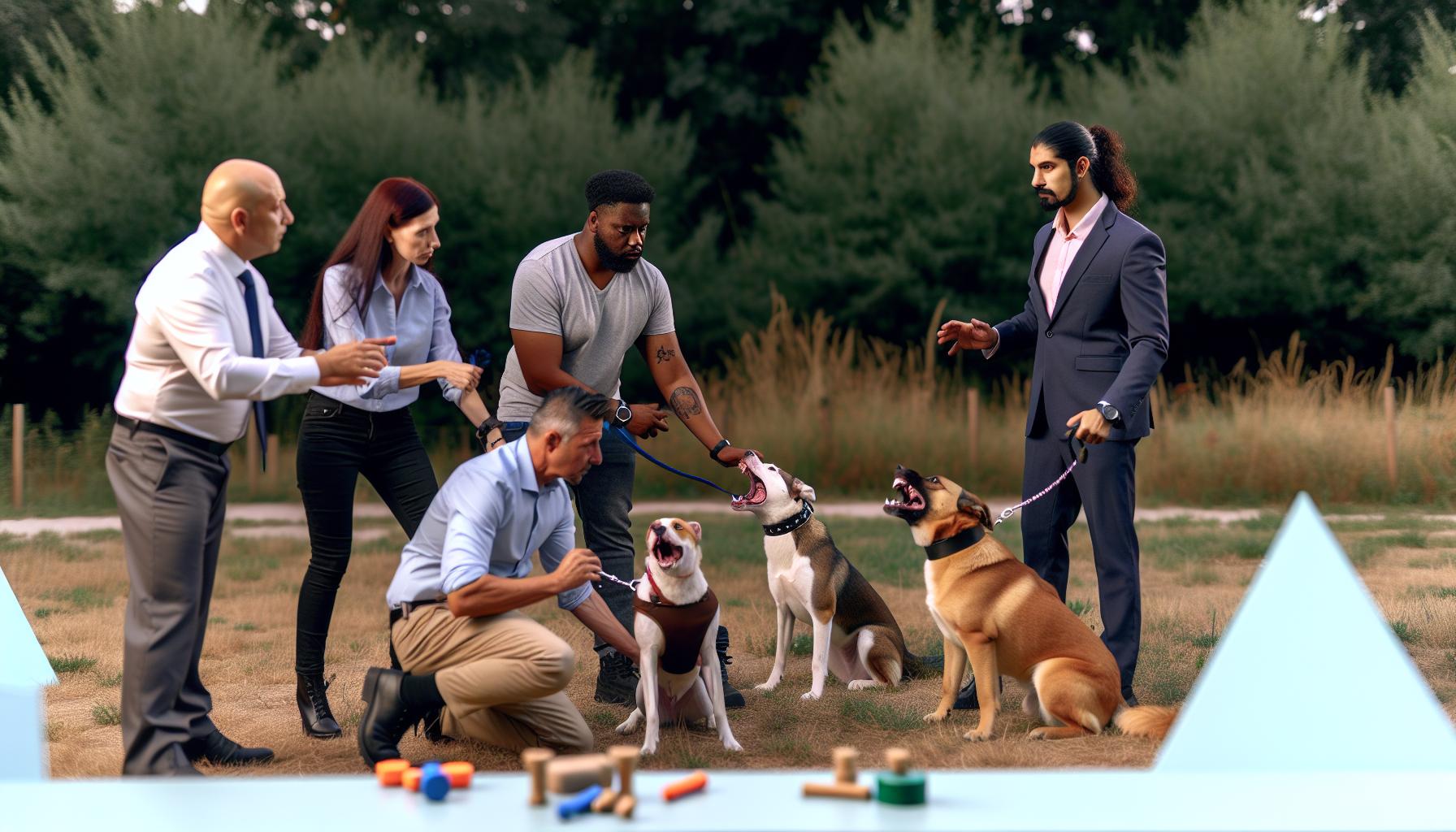
Building Long-Term Trust Between Dog and Groomer
Building a lasting bond of trust between a dog and their groomer is often the secret ingredient to transforming fearful or aggressive grooming experiences into moments of calm cooperation. Trust is not granted overnight; it’s carefully earned through patience, consistency, and respect for the dog’s emotional and physical limits. Many dogs, especially those with a history of trauma or heightened sensitivity, need to feel safe and valued before they relax enough to accept handling, whether it’s a bath, brushing, or nail trim. The groomer’s energy-their calmness and kindness-becomes a powerful signal that the dog picks up on far more than we realize.
Establishing trust begins even before the first clip or brush touches fur. Familiarizing the dog with the grooming environment helps reduce anxiety. Let your dog explore the space in relaxed moments, perhaps during short visits without any grooming, paired with treats and praise. This gentle introduction creates positive associations not tied directly to the grooming tools, which can feel threatening initially. For breeds with thick coats like Newfoundlands or hair that mats easily such as Shih Tzus, it’s especially critically important to break down grooming into manageable segments, so the dog never feels overwhelmed or trapped by lengthy sessions. Short, frequent visits build a rhythm of predictability and safety.
Consistency and Clear Communication
Dogs thrive on structure. A consistent routine, where grooming happens regularly and in a predictable sequence, reassures your dog that there is order and that no surprises lurk behind the brush. Split sessions into small, clear steps such as “touch paws,” “brush one flank,” or “clipping two nails,” always pausing to reward calm behavior. This stepwise approach communicates clearly to the dog and reduces stress signals before they escalate into fear or aggression.Using a soft tone, slow deliberate movements, and pausing before each new task communicates that the groomer respects the dog’s boundaries and comfort levels.
Real-world examples highlight the importance of recognizing individual needs. A Greyhound, known for sensitive skin and nervousness around touch, might benefit enormously from frequent “non-grooming” touch exercises-gentle petting or massage mimicking bath strokes-to build positive tactile memories. In contrast, a dense-coated Newfoundland prone to mat-related pain may require extra patience during dematting, where short, careful strokes combined with praise and breaks prevent the dog from associating brushing with discomfort. These tailored strategies turn what can be a stressful chore into a shared, trust-building ritual.
Empowering Owners and Groomers Together
Owners play a crucial role in this trust-building process. Teaching owners how to read subtle signs of stress-like lip licking, yawning, or stiffening-prevents pushing the dog too far too fast. Groomers can guide owners on preparatory training at home and reinforce that grooming is more about welfare than achieving a “perfect look.” For example, if a dog resists nail trims, owners can practice gentle paw handling exercises between appointments, so the groomer encounters a more relaxed dog and the dog doesn’t view nail care as a singular threatening event.
When challenges exceed manageable limits, professional groomers trained in low-stress handling techniques or veterinary behaviorists become invaluable partners. They can design personalized plans that incorporate desensitization protocols and safe handling tools to ensure both dog and groomer stay safe. Remember, building trust is a marathon, not a sprint-and every small positive interaction plants seeds for smoother future visits.
- Start early: Introduce tools and grooming spaces gradually without expectation.
- Keep sessions short: Frequent, stress-free visits reinforce routine and reduce anxiety.
- Observe and respond: Tune into your dog’s signals and adapt your approach immediately.
- Celebrate small wins: Reward calm moments with treats, praise, and gentle petting.
- Partner with professionals: Seek expert advice if aggression or fear persists.
Building trust is ultimately about putting the dog’s emotional well-being ahead of any grooming goal. When dogs feel safe, respected, and understood, even the most challenging grooming tasks become manageable moments of connection and care.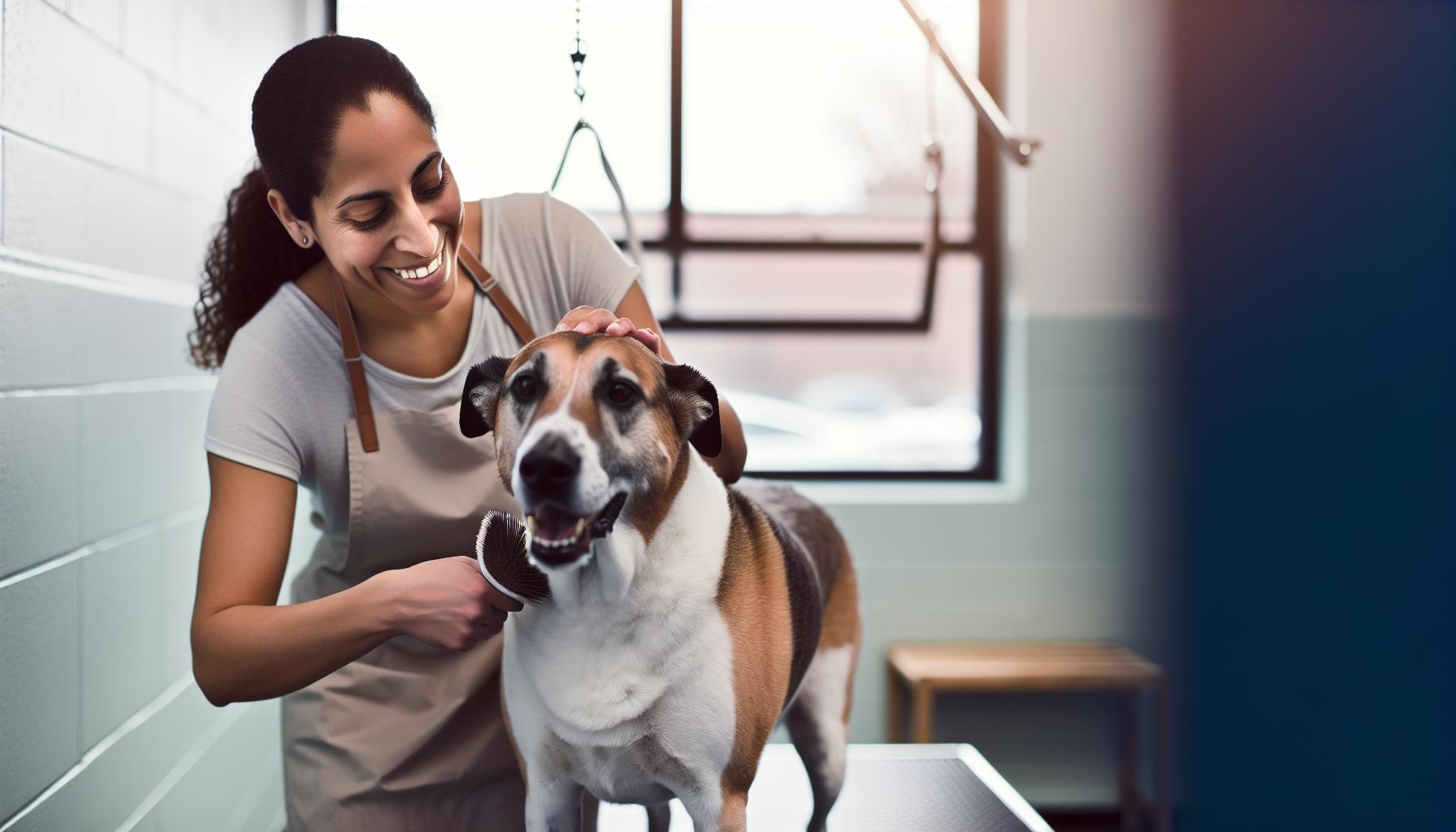
Frequently Asked Questions
Q: how can owners safely introduce grooming tools to an aggressive dog at home?
A: Start by gradually exposing your dog to grooming tools like brushes and nail clippers in a calm environment. Allow them to sniff and explore tools before touching their coat.Use positive reinforcement like treats and praise to build comfort. This approach supports the training outlined in our Step-by-Step Training to Build Grooming Tolerance section.
Q: What are effective ways to recognize early signs of stress in aggressive dogs during grooming?
A: Early stress signs include lip licking, yawning, tucked tail, and avoidance behaviors. Identifying these helps prevent escalation by pausing grooming and using calming techniques. Recognizing stress fits into Calming Techniques to Reduce Stress and ensures safer, more controlled sessions.
Q: When is it appropriate to use a muzzle for grooming an aggressive dog?
A: Use a muzzle only when safety risks are high and the dog cannot be calmed by other means. Introduce muzzle training gradually with treats to avoid added fear. This measure complements Safe Handling Strategies and is a last-resort tool rather than a go-to solution.
Q: How can I create a stress-free grooming environment for an aggressive dog?
A: Minimize noise, use non-slip mats, and have all tools ready before grooming starts. Incorporate calming scents or white noise if possible.A controlled environment enhances Calming Techniques and helps your dog feel safer, reducing aggressive reactions.
Q: What breed-specific behaviors should be considered when grooming aggressive dogs?
A: Some breeds have sensitivity or guarding traits affecting grooming tolerance. Research breed tendencies and tailor your training accordingly, focusing on mental preparation for grooming visits and customizing approaches to coat type and temperament for better results.
Q: How can owners collaborate with professional groomers to handle aggressive dogs effectively?
A: Share your dog’s triggers, calming cues, and progress from home training with the groomer. Consistent communication ensures strategies from Building Long-Term Trust Between Dog and Groomer continue professionally, creating a unified care approach.
Q: Why is positive reinforcement crucial when training aggressive dogs for grooming?
A: Positive reinforcement builds trust and encourages calm behavior by rewarding good reactions during grooming activities. This method reduces fear and aggression, aligning with Creating a Positive Grooming Routine for stress-free grooming experiences.
Q: How can veterinarians support owners with aggressive dogs struggling to groom at home?
A: Vets can assess underlying medical causes of aggression and advise on anxiety management or sedation if needed. Collaboration with professionals helps define When to Use Professional Help vs. DIY Grooming, ensuring safety and comfort for your dog.
For more detailed insights, consider reviewing our full guide sections on mental preparation and safe handling strategies to build a calmer grooming experience. Your patience and compassion create the foundation for success!
concluding Remarks
Preparing aggressive dogs for grooming takes patience, the right tools, and a clear, gentle approach tailored to your dog’s breed and coat type. Remember, starting with simple tasks like brushing and gentle nail care builds trust, easing stress for both pet and groomer. Prioritize comfort over perfection and know when to seek professional help versus safe DIY care to ensure your dog’s well-being.
To deepen your understanding,check out our guides on safe Nail Trimming Techniques,Calming Anxious Pets During Grooming,and Choosing the Right Grooming Tools for Aggressive Dogs. These resources offer step-by-step tips and examples to empower you on this journey. Don’t wait-begin these training steps today to create a calmer grooming experience and keep your furry friend happy and healthy.If you found this helpful, subscribe to our newsletter for expert advice, or reach out for a personalized consultation. Share your progress or questions below-we love hearing your stories and supporting your pet-first grooming journey. Together, we can make grooming safer and more comfortable for every dog and owner.
Get our latest guides, news, and insights highlighted in your Google Search & AI Overviews.
Keep reading about the same coat and cut.




Popular grooming guides
Bath vs clip, first grooms, and salon how-tos.