Do Groomers Clean Dogs Ears: What to Expect During Grooming
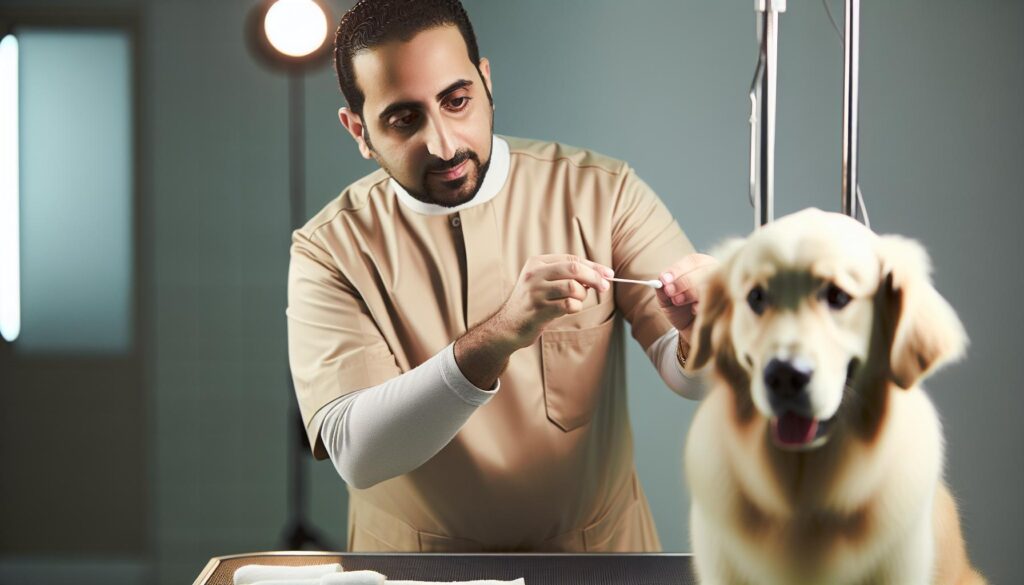
Pet owners scheduling a professional grooming appointment or bath package often wonder about salon ear hygiene and ask: are groomers supposed to clean my dogs ears after a bath as standard practice? Certified Master Groomers (CMG) and veterinary dermatologists confirm: YES, professional dog groomers are supposed to thoroughly clean and dry your dog’s ears after every bath as a standard component of a full groom or bath package; groomers use astringent, alcohol-free ear cleaners and soft cotton pads to dissolve canal wax, remove trapped water from bathing, pluck or trim inner ear canal hair (for poodle/doodle breeds), and prevent post-bath Malassezia yeast and bacterial otitis externa infections.
Professional Grooming Hygiene: Are Groomers Supposed to Clean My Dogs Ears After a Bath Thoroughly?
Table of Contents
- 1 Professional Grooming Hygiene: Are Groomers Supposed to Clean My Dogs Ears After a Bath Thoroughly?
- 2 Do Professional Groomers Clean Dog Ears? What’s Included in Grooming Services
- 3 Why Dog Ear cleaning Is Important for Health and Comfort
- 4 How Groomers Safely Clean Different Dog Ear types
- 5 Signs Your Dog’s ears Need Grooming Attention
- 6 Tools and Techniques Groomers Use for Ear Cleaning
- 7 What Groomers Don’t Do: When to see a Veterinarian
- 8 Step-by-Step: What to expect During Your Dog’s Ear Cleaning
- 9 Tips to Prepare Your Dog for Ear Cleaning at the Groomer
- 10 How to Maintain Clean Ears Between Grooming Visits
- 11 Common Ear Problems Groomers Watch For and How They Handle Them
- 12 Cost Factors: Does Ear Cleaning Add to Grooming Prices?
- 13 DIY Ear Cleaning vs. Professional Grooming: What You Should Know
- 14 FAQ
- 14.1 Q: How often should a professional groomer clean my dog’s ears?
- 14.2 Q: Can groomers detect early signs of ear infections during cleaning?
- 14.3 Q: What materials do groomers use to safely clean dog ears?
- 14.4 Q: Are there specific dog breeds that require special ear cleaning during grooming?
- 14.5 Q: how can I prepare my dog’s ears before taking them to the groomer?
- 14.6 Q: Is ear cleaning included in standard dog grooming packages or an extra service?
- 14.7 Q: Can groomers clean ears if my dog shows signs of ear pain or sensitivity?
- 14.8 Q: What are some signs I should watch for after a groomer cleans my dog’s ears?
- 15 Future Outlook
Ear care is an indispensable part of routine bath and styling services. When clarifying are groomers supposed to clean my dogs ears after a bath and what standard protocols apply, review this professional salon hygiene checklist:
| Ear Care Procedure | Standard Salon Protocol | Health & Infection Prevention Benefit | When to Refer to Veterinarian |
|---|---|---|---|
| Post-Bath Canal Drying | Apply drying cleanser; wipe with soft cotton pads | Removes trapped bath water; prevents yeast blooms | If canal shows red swelling or purulent fluid |
| Wax & Debris Cleansing | Flush with veterinary ear wash; gentle ear-base massage | Dissolves dark cerumen wax and environmental dirt | If ear emits pungent sour or rotten-sweet odor |
| Ear Canal Hair Removal | Gentle hair plucking with ear powder or precision scissor trim | Increases airflow; prevents wet matting in canals | If plucking causes extreme pain or bleeding |
| Visual Health Inspection | Examine ear flap (pinna) and visible canal opening | Catches early ear mites, hematomas, and grass awns | Groomer informs owner immediately of infection signs |
Did you no that regular ear cleaning is a key part of keeping your dog healthy and comfortable? many pet owners wonder whether groomers clean dogs’ ears during a grooming session and what to expect if they do. understanding this can ease your mind, especially if your dog is prone to ear infections or has sensitive ears. Groomers frequently enough include a gentle ear check and cleaning as part of the grooming routine, using tools and techniques suited to your dog’s breed, coat type, and temperament. This helps prevent buildup of wax and debris that can lead to discomfort or infection. If you’ve ever been unsure about when or how to clean your dog’s ears safely, or whether it’s a task for a vet, groomer, or you at home, you’re definitely not alone. In this article, we’ll walk you through exactly what groomers do during ear cleaning, how it benefits your dog, and practical tips to keep those ears happy between appointments. With patience and gentle care, you’ll feel confident in ensuring your furry friend’s ears stay healthy and irritation-free.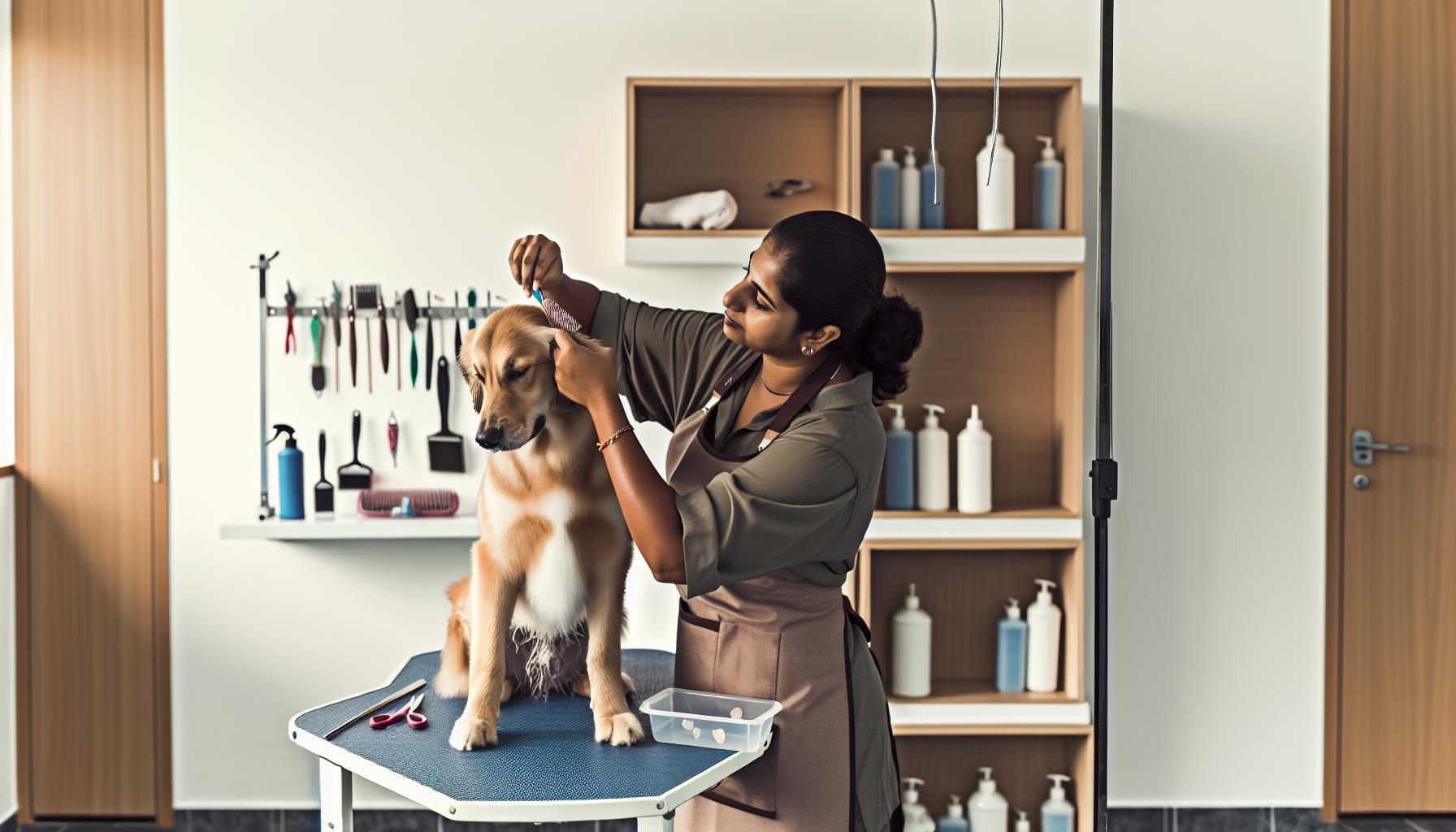
Do Professional Groomers Clean Dog Ears? What’s Included in Grooming Services
Ears often reveal a lot about a dog’s health and comfort, so professional grooming usually includes careful attention to them. Most groomers do clean your dog’s ears as part of a full grooming session, but the extent and method depend on your dog’s breed, ear shape, and specific needs. Think of ear cleaning as one essential step like bathing or nail trimming-done gently and with your pet’s well-being as a top priority.
During a typical grooming appointment, ear care involves inspecting the ears for signs of dirt, wax buildup, or infection. For breeds like Cocker Spaniels or Basset hounds, whose floppy ears can trap moisture and debris, groomers pay extra attention to keep the area dry and clean. Dogs with upright ears, such as German Shepherds or Siberian Huskies, may require less frequent cleaning but still benefit from a routine check for irritation or parasites. Groomers use specialized ear-cleaning solutions designed to dissolve wax without stinging, followed by careful wiping with soft cotton or gauze-never cotton swabs, which can harm delicate ear canals.
What’s included in a Professional Grooming Service
- Ear Inspection and Cleaning: Each ear is examined for redness, odor, discharge, or discomfort. When safe, groomers gently remove loose dirt and excess wax.
- Bathing and Drying: Proper drying of ears after a bath helps prevent infections, especially for dogs prone to ear problems.
- Hair Trimming: Some breeds grow hair inside their ear canals, which can trap debris and moisture. Groomers carefully trim this hair to encourage airflow without causing irritation.
- Overall Health Check: while groomers are not vets, they often notice early signs of ear infections or mites and advise owners to seek veterinary care if needed.
Many dog owners find peace of mind knowing their groomer watches for ear issues and handles routine cleaning safely and effectively. Suppose your dog is nervous or sensitive around their ears.In that case, experienced groomers use patience and positive reinforcement, breaking the process into small steps over multiple sessions if necessary. This gentle approach ensures ear care feels like a comforting part of the grooming experience rather than a stressful chore.
By understanding what’s included in grooming services, you can prepare your dog (and yourself) for the appointment. Sharing any ear sensitivities or past issues with your groomer beforehand helps tailor the care – for example, switching to a milder cleaner or adjusting the cleaning frequency. This collaboration ensures your dog’s ears stay healthy and comfortable between vet visits, highlighting the vital role groomers play in your pet’s ongoing wellness.
Why Dog Ear cleaning Is Important for Health and Comfort
Ears are more than just adorable features on your dog; they’re delicate organs that need regular care to stay healthy and comfortable. When ear cleaning is done thoughtfully and gently, it helps prevent common problems like wax buildup, unpleasant odors, and infections that can cause pain or irritability. Consider breeds with floppy ears-like Cocker Spaniels or basset Hounds-where trapped moisture and debris create a cozy environment for bacteria or yeast. For these dogs,ear cleaning becomes a key part of their wellness routine,helping to avoid discomfort and potential vet visits.Many dogs don’t show obvious signs when their ears bother them until the issue becomes quite advanced. that’s why a professional groomer’s trained eye is so valuable. By inspecting ears during grooming,they catch subtle clues like redness,swelling,or unusual odors early on. Regular cleaning also removes excess wax and dirt gently, reducing the risk of inflammation or painful ear infections. This proactive approach not only keeps your dog comfortable but boosts overall well-being as ear health affects balance and even behavior.
Comfort Benefits Beyond Cleanliness
- Relief from itchiness: Softening and removing built-up wax soothes irritated skin inside the ear canal.
- Better airflow: For breeds with hair inside the ear, trimming as part of grooming allows air to circulate, preventing dampness.
- Clear hearing: Keeping ears clean can improve hearing sensitivity, especially if debris blocks the ear canal.
- Calm demeanor: Dogs with chronic ear discomfort often show restlessness or head shaking; regular care supports their peace of mind.
Watching your dog tolerate ear cleaning with patience and care is part of what makes a groomer special. They tailor their approach based on your dog’s ear type and personality-knowing,for instance,that sensitive or shy dogs benefit from short,gentle sessions and positive reinforcement. This patient approach transforms ear care from a source of anxiety into a calm, reassuring experience. remember, while groomers keep your dog’s ears comfortable and clean, some conditions need a vet’s expertise-these include persistent redness, strong odors, or discharge. Knowing when to seek medical advice ensures your dog’s ears stay happy and healthy between and beyond grooming visits.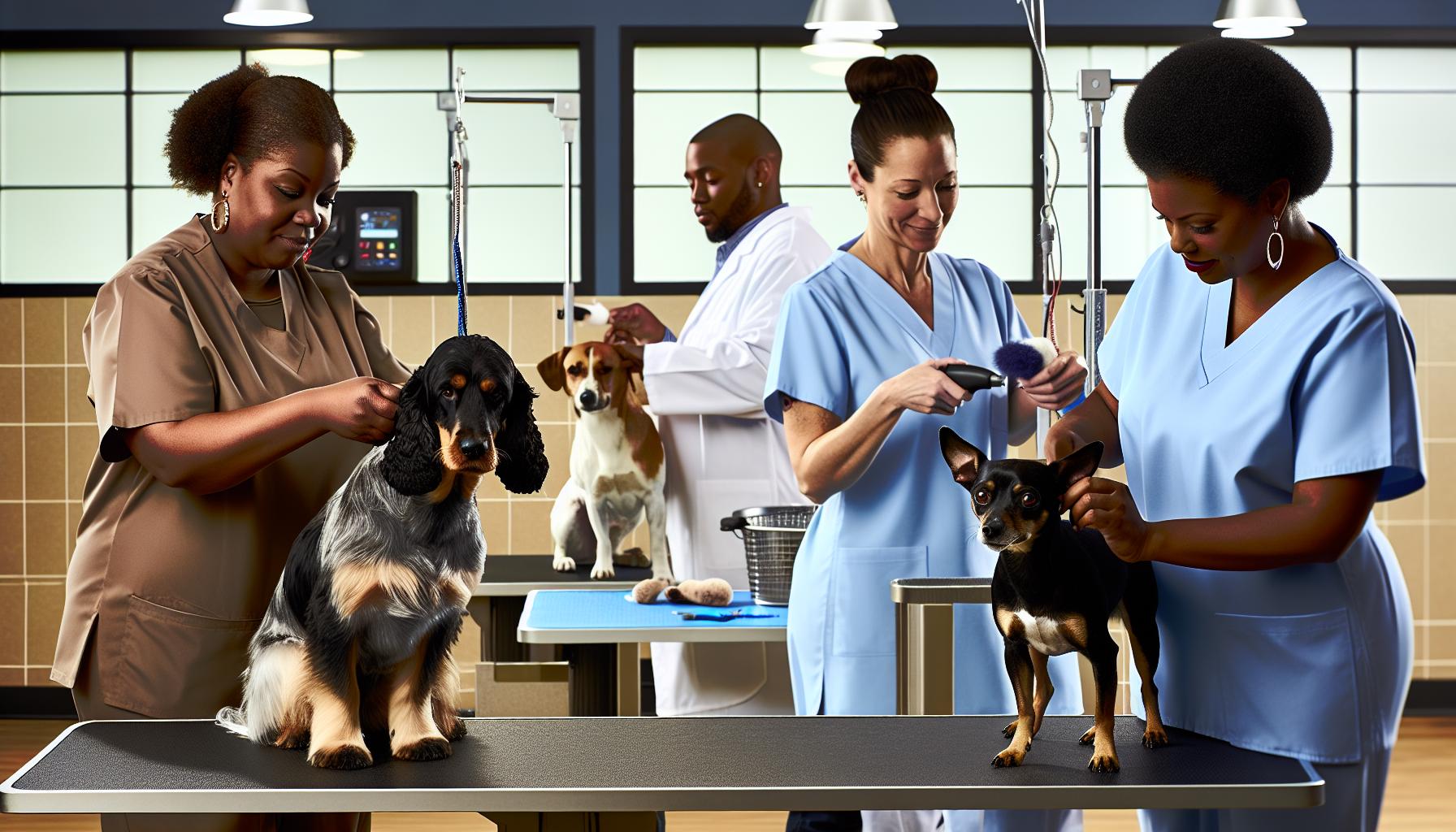
How Groomers Safely Clean Different Dog Ear types
Every dog’s ears are beautifully unique, and that means a one-size-fits-all approach just won’t do when it comes to cleaning. Groomers know this well and tailor their techniques carefully, respecting each dog’s ear shape, coat type, and temperament to make the experience safe and stress-free.
Dogs with floppy ears, like Cocker Spaniels or Basset Hounds, often collect more moisture and debris because their ear canals don’t have as much airflow. For these pups, groomers focus on gentle wiping with a soft, damp cloth or a veterinarian-approved ear cleaner that helps dissolve wax without harsh chemicals. The groomer will lift the ear flap carefully to access the ear canal’s opening but avoids probing deeply-a just-right clean near the surface is safest. Because these dogs may have thicker hair inside the ear, trimming excess hair or plucking (done very selectively and gently) improves ventilation and reduces dampness, which cuts down on irritation and infections.
Handling upright Ears and Hairy Ear Canals
Dogs with upright ears, such as German Shepherds or Akitas, usually have less wax buildup but can develop dry debris or ear mites, especially in active dogs who spend time outdoors. Here, groomers use cotton balls moistened with ear cleansing solution to wipe the visible canal gently, mindful never to insert anything deep inside.For breeds like Poodles or schnauzers that have hairy ear canals, careful plucking of the inner ear hair might potentially be part of the routine. This is done with precision tools and a gentle touch to minimize discomfort and reduce the risk of trapping moisture or dirt.
Adjusting Technique for Sensitive or Anxious Dogs
No matter the ear type, the groomer’s approach is always tuned to your dog’s comfort level. Dogs who react nervously may benefit from shorter,slower sessions,coupled with calm verbal reassurance and treats to create positive associations. Such as, a shy Cockapoo might have ear cleaning broken into small steps across several visits, building trust gradually. Groomers also keep an eye out for any redness, swelling, or unusual discharge that signals the need to pause and recommend veterinary care rather than continue cleaning.
- floppy ears: Wipe with soft cloth, trim excess hair for ventilation
- Upright ears: Clean with cotton balls, avoid deep probing
- Hairy ear canals: Gentle plucking to reduce debris buildup
- Sensitive dogs: Short, gentle sessions with positive reinforcement
by customizing the cleaning process according to ear type and personality, groomers ensure your pet’s ears stay healthy, comfortable, and free from painful irritations. This thoughtful care keeps tail wags coming long after the grooming table.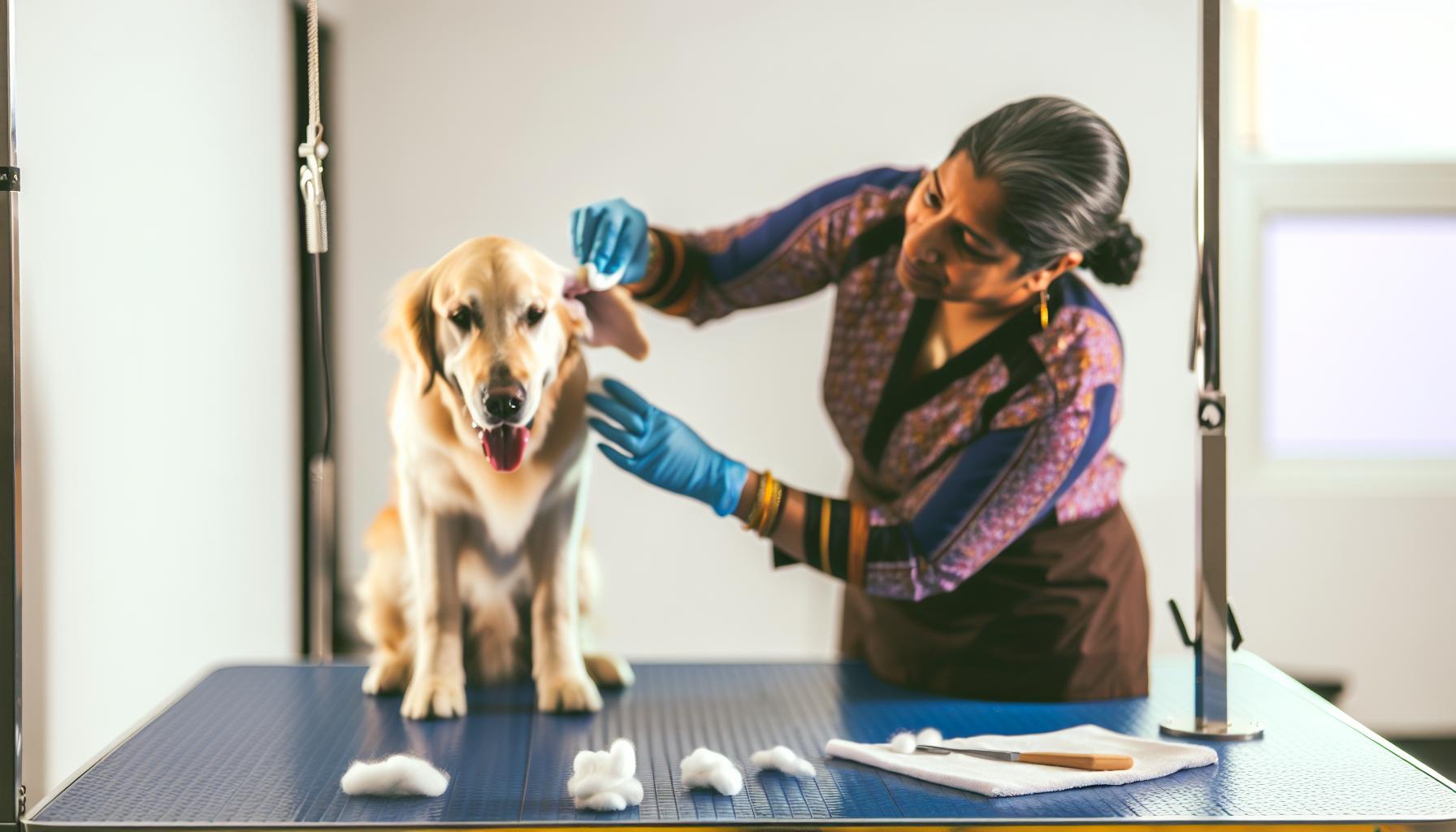
Signs Your Dog’s ears Need Grooming Attention
Few things signal that it’s time for a closer look at your dog’s ears quite like subtle changes in behavior or appearance. Since ears can easily hide issues until they become uncomfortable or painful, being alert to early signs can save your furry friend from unnecessary discomfort and vet visits. Groomers often spot these indicators during routine visits, helping catch problems before they escalate.
You might notice your dog scratching or rubbing their head more than usual, or shaking their head vigorously. These actions often mean irritation or a buildup of wax and debris that needs careful removal. Some breeds, especially those with floppy ears like Cocker spaniels or Basset Hounds, tend to trap moisture and dirt, making them more prone to such issues. Dogs with hairy ear canals, like Poodles or Schnauzers, may also harbor hidden debris caught in the hair, which groomers gently pluck to improve airflow.
Visual cues are equally important. Look out for redness, swelling, or discharge – anything from a waxy yellowish tint to dark brown spots can signal a problem. A noticeable odor, even a faint musty or sour smell, is another strong sign that your pet’s ears need professional attention. Groomers are trained to notice these subtle changes and carefully assess whether cleaning is appropriate or if a veterinarian’s examination is warranted.
What your Dog’s ears might potentially be Telling You
- Excess scratching or head shaking: Frequent irritation frequently enough means wax buildup, debris, or possible irritation from moisture.
- Visible redness or swelling: Early inflammation can indicate an infection starting or skin sensitivity that needs gentle care.
- Unusual discharge: yellow, brown, or black wax that seems excessive or has changed texture calls for grooming evaluation.
- odor from ears: Musty or sour smells suggest bacteria or yeast growth, a cue to seek professional cleaning or vet advice.
- Head tilting or discomfort: If your dog appears off balance or sensitive when touching ears, this signals deeper issues beyond a typical groomer’s scope.
Remember, some signs overlap with conditions that require vet intervention rather than grooming. A groomer’s role is to support ear health through safe cleaning and observation but never to diagnose or treat infections or serious problems. If your dog shows signs of pain, persistent discharge, or swelling, your groomer will recommend a prompt vet visit.Staying proactive with regular checks – especially for breeds prone to ear troubles – helps keep your dog happy and comfortable year-round.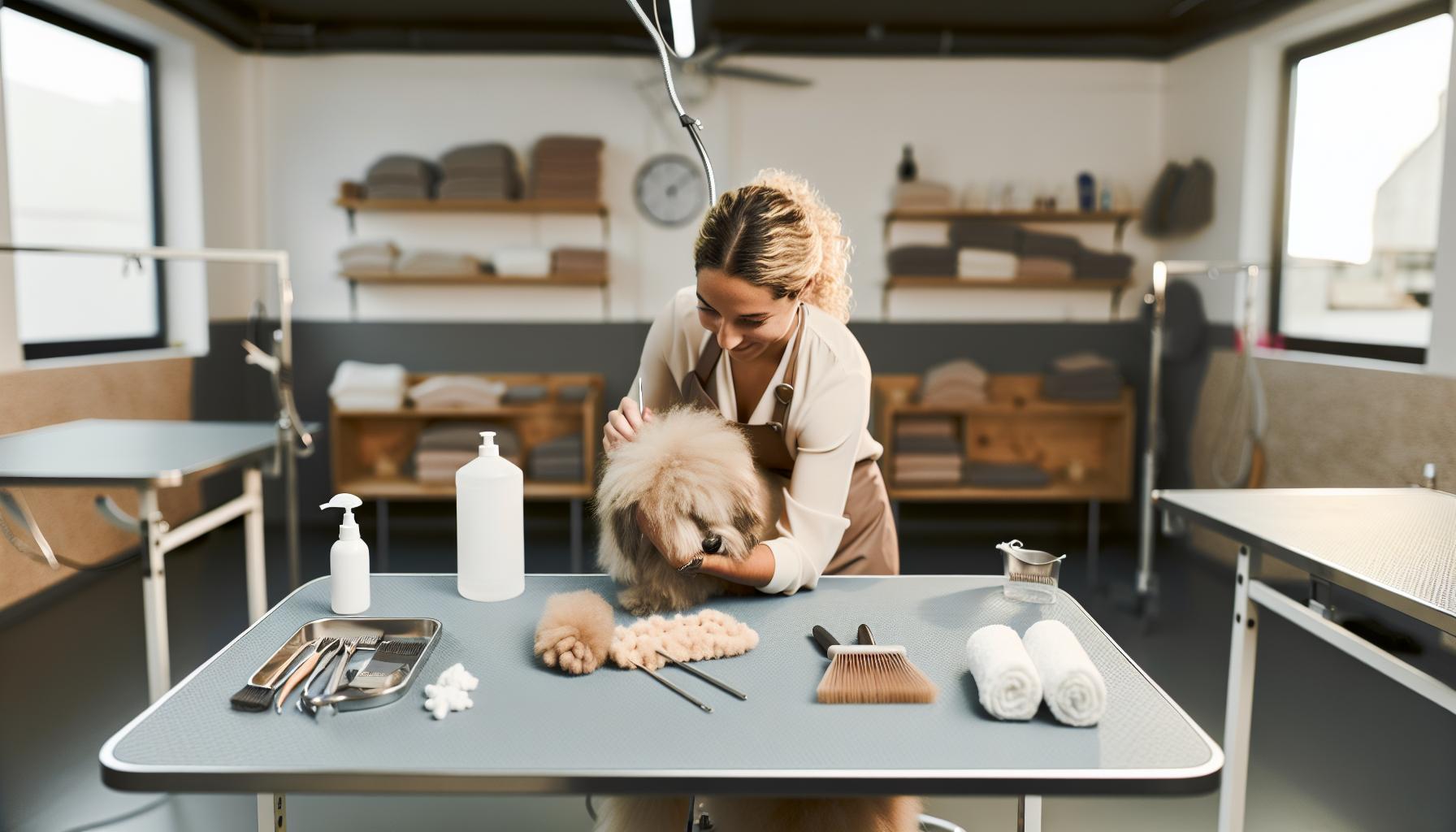
Tools and Techniques Groomers Use for Ear Cleaning
Cleaning a dog’s ears is an art as much as it is a crucial health step, especially since ear anatomy and grooming needs vary widely by breed.Groomers approach this task with a gentle touch and a toolkit selected to match your dog’s ear type – whether they sport floppy ears that tend to trap moisture or hair-filled canals prone to debris buildup. Each step is designed to prioritize your dog’s comfort and safety, as ear care isn’t just about appearance, it’s about keeping infections, irritation, and discomfort at bay.
Common Tools Used for ear Care
- Specialized Ear cleaning Solutions: These are formulated to safely dissolve wax and remove debris without causing irritation.Groomers always use pH-balanced, veterinary-approved cleaners-not harsh household products-to protect the delicate skin inside the ear.
- Cotton Balls or Pads: Soft, breathable cotton is preferred for wiping out loosened wax and moisture. Avoid cotton swabs deep in the ear canal, as these can push debris further and risk injury.
- Curved Hemostats or Tweezers: for breeds with dense ear hair like poodles or Schnauzers, groomers gently remove tangled hairs that can trap dirt and prevent airflow, reducing infection risks.
- Disposable Gloves: These keep the process hygienic and protect both the groomer and dog from cross-contamination.
Techniques Tailored to Your Dog’s Ears
Each dog’s ear cleaning routine varies based on breed and sensitivity. For example, a Cocker Spaniel’s floppy ears require careful drying and cleaning to prevent moisture buildup in the folds. A groomer begins by gently lifting the ear flap and applying a small amount of cleaner. They massage the base of the ear to help loosen wax, then use a cotton ball to wipe away loosened debris, working only as far as the visible ear canal. In dogs with hairy ear canals, after cleaning, the groomer may carefully pluck excess hair to improve airflow and reduce dirt buildup-but only if the dog tolerates it well.
Patience is key. Groomers read your dog‘s body language closely,pausing to soothe or calm anxious pets. This gradual,respectful approach builds trust and ensures ear cleaning is a positive experience rather than a stressful one. If any redness, discharge, or odor is encountered, the groomer will stop and advise a veterinarian visit rather than risk worsening an infection.
Troubleshooting and Safety Tips
- Never force the ear flap or push deep inside the ear canal. Groomers only clean the accessible parts visible during the grooming session.
- Look for signs your dog tolerates the process. Ear cleaning should never cause pain; if your dog flinches or pulls away, the groomer adjusts techniques or stops.
- For anxious dogs, acclimation over multiple visits helps. Sometimes, groomers break the procedure into short steps, rewarding calm behavior with gentle praise or treats.
By combining proper tools with compassionate, skillful handling, groomers do more than clean ears-they support your dog’s overall well-being. Remember, routine professional ear care complements your at-home upkeep and helps nip potential problems in the bud, making every grooming visit a comfort and care boost for your furry friend.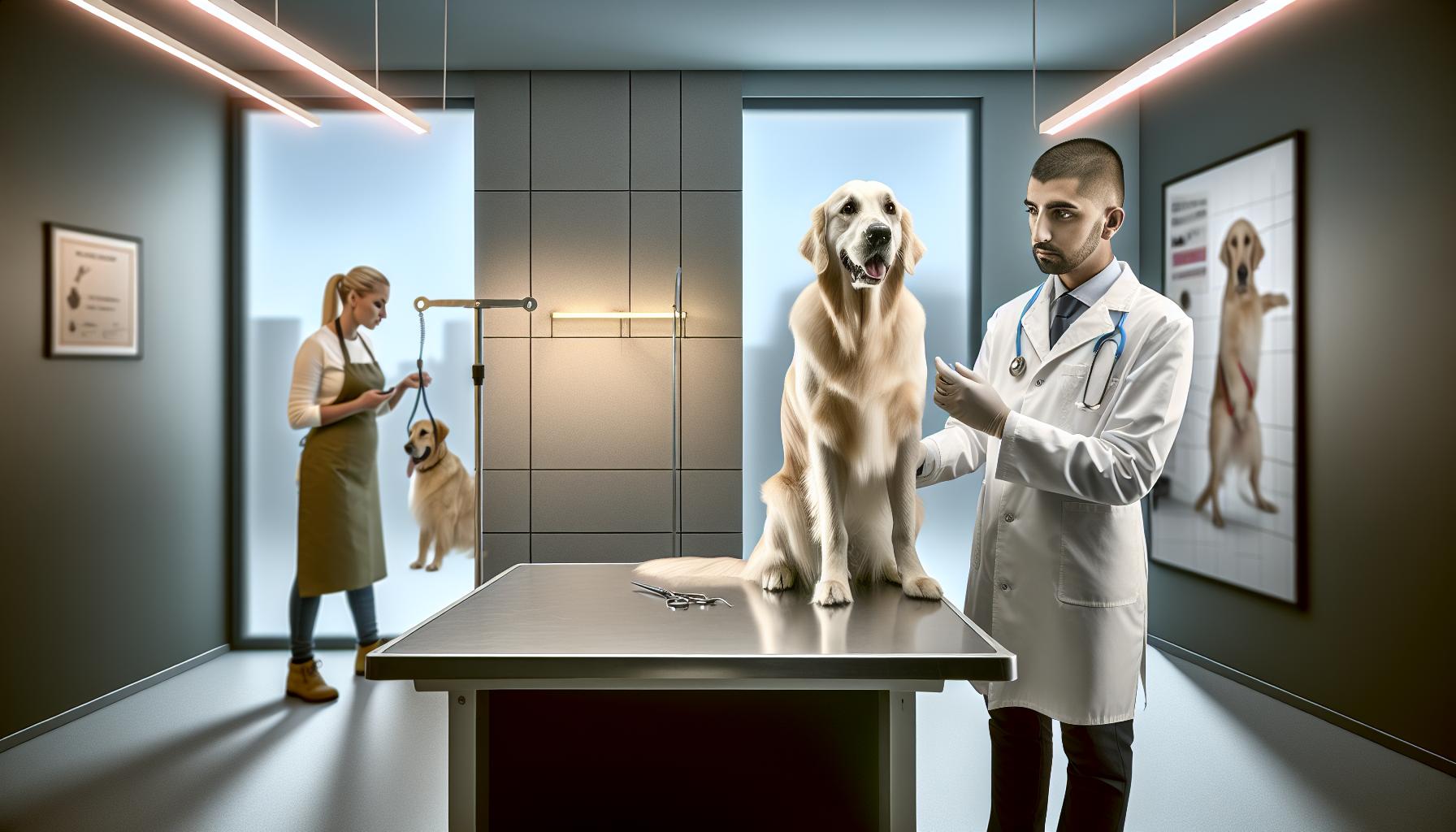
What Groomers Don’t Do: When to see a Veterinarian
It’s important to recognize that while professional groomers are trained to keep your dog’s ears clean and healthy-looking, their role has natural limits-especially when it comes to medical concerns. Groomers are skilled at routine maintainance and catch early signs of trouble, but they are not veterinarians, nor do they perform medical treatments or diagnose complex ear issues. Knowing when to seek veterinary care can make all the difference in your dog’s long-term comfort and well-being.
Some signs suggest your dog’s ears need more than a gentle cleaning. If your furry friend shows persistent redness, swelling, foul odors, discharge, intense scratching, head shaking, or obvious discomfort during ear care, these symptoms often indicate infections, mites, allergies, or other underlying problems requiring professional medical evaluation. A groomer will pause the grooming session and recommend a veterinary visit to ensure proper treatment, rather than risk worsening the situation with improper handling or harsh products.
Why Groomers Step Back When Medical Issues Arise
- Safety First: Groomers focus on what’s safe to treat with standard tools, avoiding deep canal cleaning or manipulation that could aggravate pain or injury.
- Lacking Medical Training: Detecting subtle ear diseases involves diagnostic skills and specialized equipment only vets have, such as otoscopes and microscopes.
- Medication and Treatment: groomers don’t prescribe or apply antibiotics, antifungals, or anti-parasitic medicine-these require a veterinarian’s expertise and prescription.
- Proper Diagnosis: Ear troubles sometimes mimic simple wax buildup but may stem from allergies, growths, or systemic illness-vets are essential to pinpoint causes.
For example, a groomer might notice a Schnauzer’s ears are unusually inflamed and filled with thick debris, a clear red flag beyond routine grooming. Instead of forceful cleaning, the groomer kindly informs the owner to consult a vet who can conduct tests and prescribe treatment, ensuring your dog’s ears heal safely.
How You can definitely help Your Groomer and Vet Collaborate
Providing your groomer with updates on any past ear infections or ongoing treatments can help tailor the grooming session to your dog’s comfort and safety. Likewise, if your vet prescribes a treatment plan, inform the groomer, so they can avoid interference during grooming visits.This teamwork of owner, groomer, and vet sets your dog up for the best overall ear health.
Remember, routine ear cleaning by a professional groomer supports healthy ears, but serious signs always deserve a vet’s attention. This partnership keeps your dog happy, comfortable, and infection-free, making every grooming session a chance for positive, preventive care.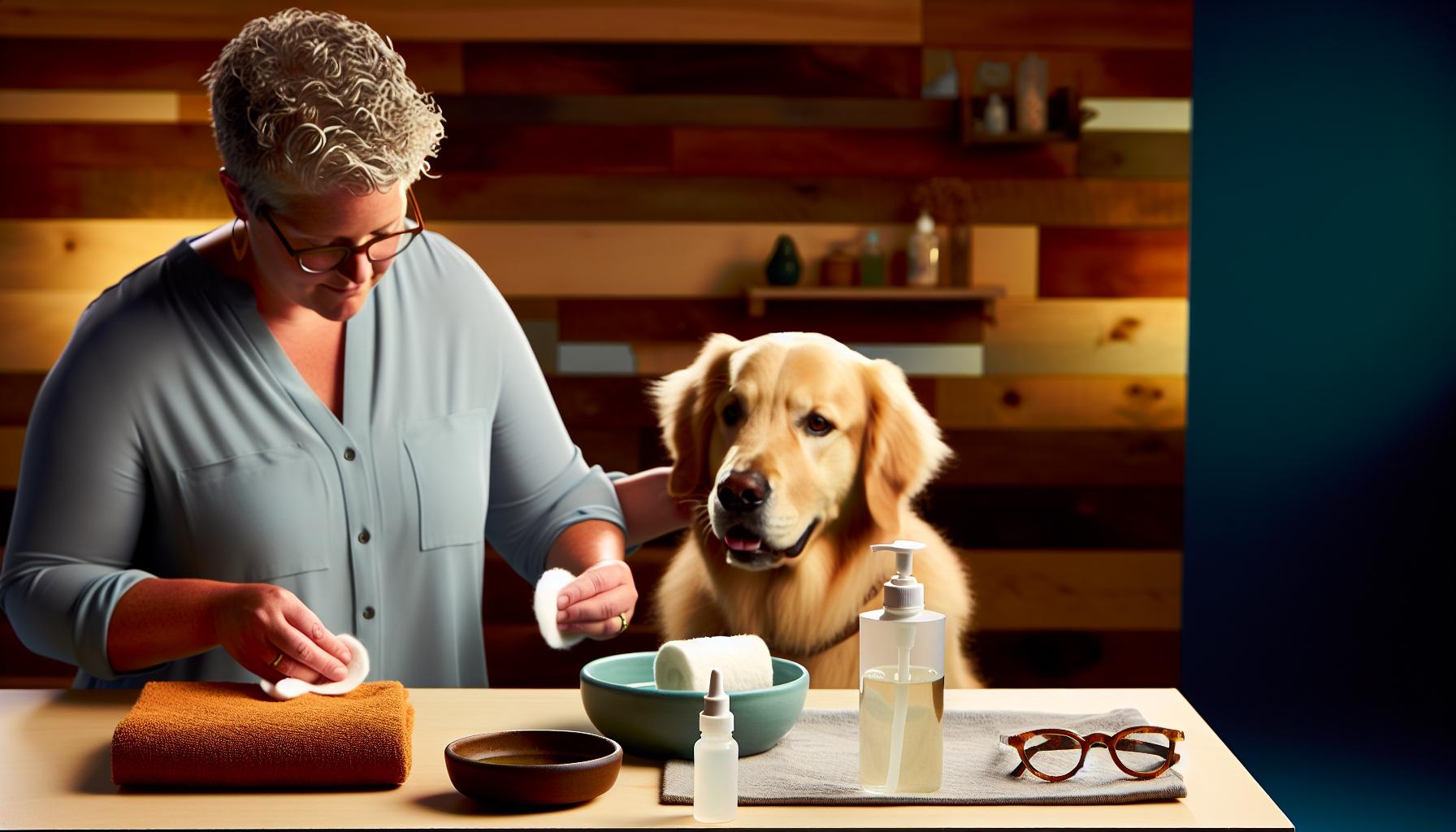
Step-by-Step: What to expect During Your Dog’s Ear Cleaning
You might be surprised to learn just how gentle and mindful professional groomers are when cleaning your dog’s ears. It’s a process designed to promote comfort and health without stress, tailored to your dog’s breed, coat type, and temperament. Groomers understand that sensitive ears require a calm approach combined with the right tools, making this part of grooming as soothing as possible for anxious pups and busy owners alike.
Initial Assessment and Calming your Dog
Before any cleaning begins, the groomer will gently inspect your dog’s ears for visible debris, redness, swelling, or signs of irritation, all without causing discomfort. This speedy check helps ensure your dog’s ears are healthy enough for routine cleaning, or if they might need a vet’s attention instead. During this time,groomers use soft voices,reassuring touch,and sometimes short breaks to calm dogs that might be nervous or sensitive to ear handling.
Step-by-Step Cleaning Process
- Gathering the Right Supplies: The groomer will use a mild, dog-safe ear cleansing solution suited to your dog’s specific ear type-floppy, upright, or hairy inner ears each call for slightly different care.
- Application of Cleaner: With your dog comfortably secured, a small amount of ear cleaner is gently applied inside the ear canal opening, avoiding pushing anything deep or hard.
- Massage to Loosen Debris: The groomer will softly massage the base of the ear; this helps break up wax and dirt, encouraging it to rise to the surface for easy removal.
- Wiping the Outer Ear: Using a clean, soft cotton ball or gauze, the groomer carefully wipes away loosened debris from the ear flap and canal entrance. Importantly, cotton swabs are avoided inside the ear canal to prevent injury.
- Final Comfort Check: After cleaning, the groomer checks how your dog is feeling, watching for any signs of discomfort or sensitivity.
Such as, a groomer working with a Cocker Spaniel-known for floppy ears prone to wax buildup-might spend extra time massaging the base and carefully cleaning between folds, ensuring no moisture or wax lingers to cause irritation.
When the Groomer Hesitates
If at any point the groomer notices unusual inflammation, foul odor, or your dog shows pain or excessive scratching, the cleaning will stop instantly. Groomers prioritize your dog’s safety and will recommend scheduling a vet visit rather of continuing with possibly harmful manipulations.
Post-Cleaning Care
Once the ears are clean, the groomer may advise you on gentle at-home maintenance and recommend how often ear cleaning should be done based on your dog’s breed, lifestyle, and ear health history. This helps keep your dog comfortable between grooming visits and reduces the risk of infections.
Knowing the process ahead of time allows you to prepare your dog for a calm, positive experience. Professional groomers combine expertise, patience, and gentle techniques to make ear cleaning a stress-free part of your dog’s wellness routine-always putting your dog’s comfort and safety first.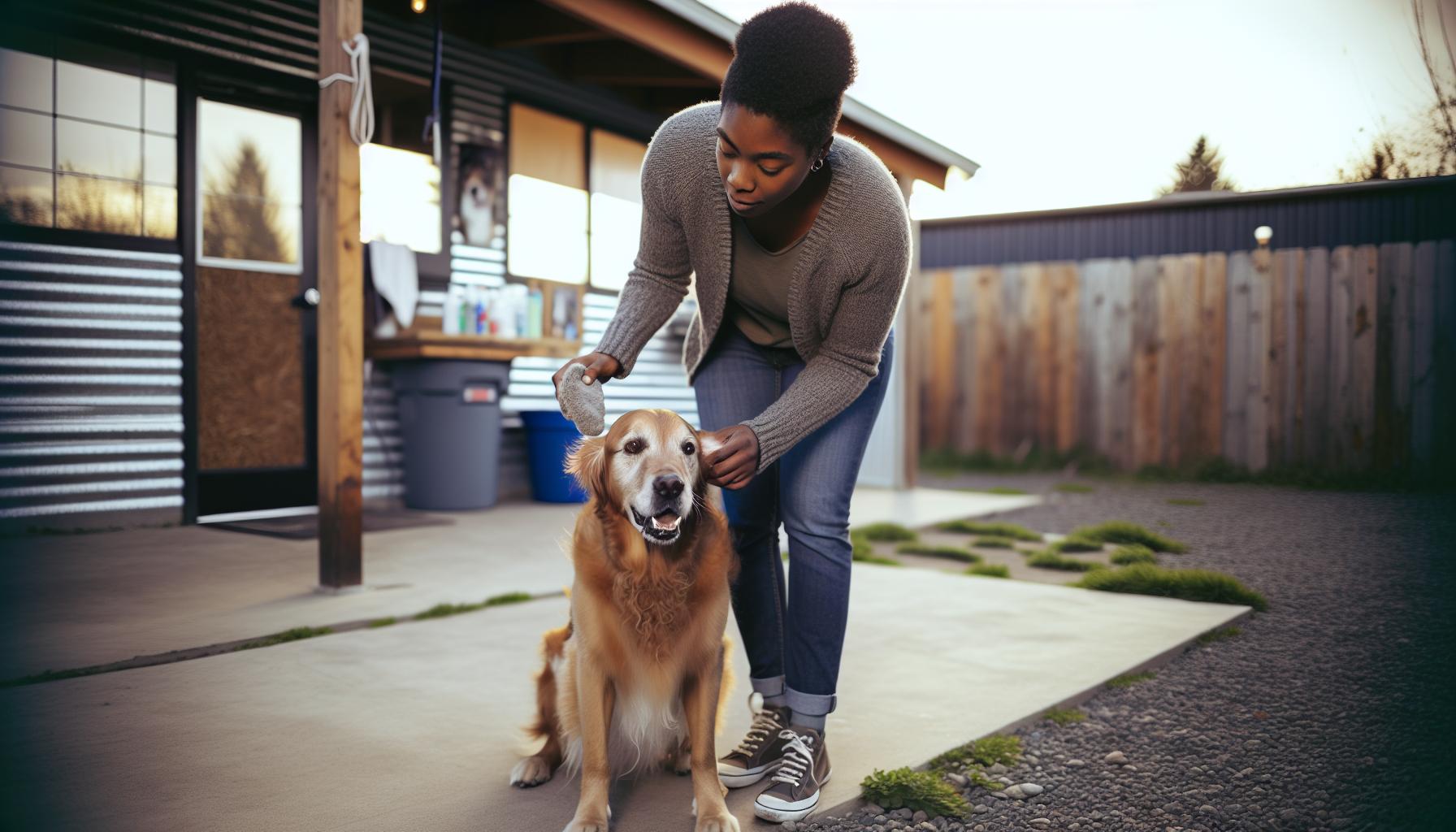
Tips to Prepare Your Dog for Ear Cleaning at the Groomer
Many dogs feel uncertain or uneasy about having their ears touched-after all, ears are sensitive and personal! Helping your dog feel comfortable before their grooming appointment can make a huge difference in how smoothly the ear cleaning goes.Starting with gentle and positive handling at home builds trust and familiarity,so your dog knows ear care doesn’t have to be scary or uncomfortable.
Fostering Comfort Through Gentle Handling
begin by softly touching and massaging your dog’s ears regularly in a calm environment. Use treats and soothing words to create a pleasant association with having ears touched. For breeds with floppy ears like Cocker Spaniels or Basset Hounds, you might gently lift and examine the folds to mimic what a groomer will do, helping your dog get used to the sensation. For dogs with hairy inner ears, slow, purposeful movements signal care and patience, reassuring nervous pups.
practice Ear Cleaning Motions at Home
You don’t need to use a full ear cleaner to prepare for grooming. Simply wiping your dog’s outer ears with a soft, damp cloth can acclimate them to having that area handled. If your dog tolerates it well, introduce a few drops of ear-safe solution recommended by your vet, followed by gentle massages at the base of the ear-replicating the groom’s process. Keep sessions short and upbeat, always rewarding calm behavior with praise or a favorite treat.
Communicate Special Needs to Your Groomer
Before the appointment, let your groomer know about your dog’s temperament, ear sensitivity, and any past ear issues. if your dog becomes especially anxious or has a history of ear infections, this helps the groomer tailor their approach-for example, by taking extra breaks or using particular calming techniques. Groomers appreciate informed owners because it helps make ear care safer and less stressful for everyone.
Preparing Physically and Logistically
- Brush and Bathe First: If your dog’s coat is clean and free of mats,ear cleaning is easier to access and more effective.
- Choose the Right Time: Schedule grooming when your dog is naturally relaxed-perhaps after a gentle walk or play session.
- Bring Favorite Comforts: A favorite toy or blanket can provide reassurance in the grooming environment.
With planning rooted in patience and kindness, your dog is more likely to accept ear cleaning as part of a caring routine, setting the stage for stress-free visits and healthier ears overall.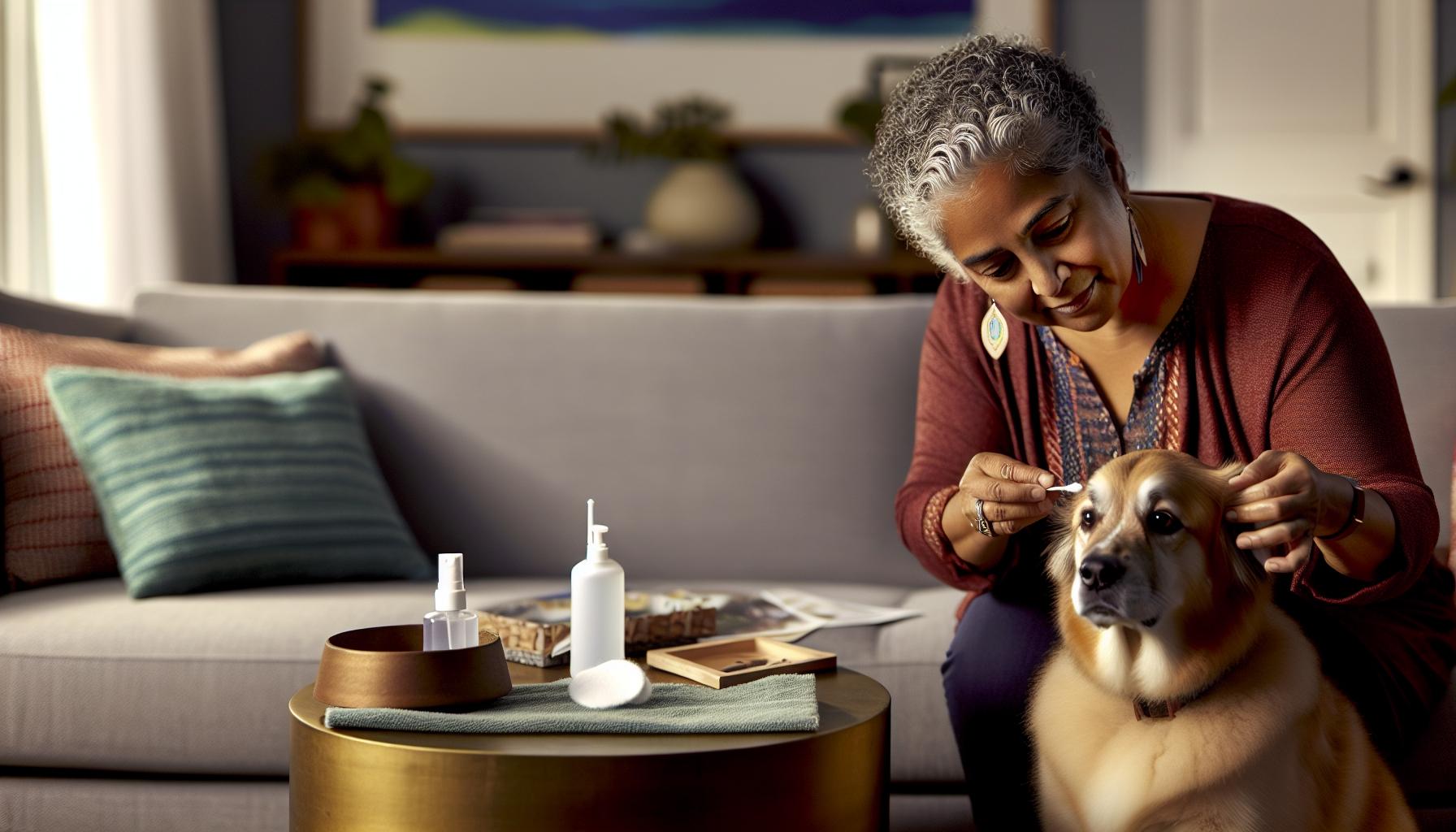
How to Maintain Clean Ears Between Grooming Visits
Keeping your dog’s ears clean between grooming visits is one of the best ways to support their ongoing comfort and health. Regular at-home attention not only reduces the risk of infections but also familiarizes your dog with gentle handling, making professional cleanings far less stressful. Whether your dog has floppy ears that trap moisture or more open,upright ears prone to debris,a little consistent care goes a long way toward preventing common ear problems.
Simple Daily Checks and Gentle Wiping
Make it a habit to visually inspect your dog’s ears a few times a week,looking for redness,swelling,odor,or excessive wax buildup.Using a soft, damp cloth or a pet-safe wipe, gently clean the outer ear and folds where dirt or hair oils collect. Avoid probing deep into the ear canal; this can irritate sensitive tissue or push debris further inside.For breeds with hairy ear canals such as Poodles or Shih Tzus, you might need to carefully trim excess hair or ask your groomer or vet to do so to improve airflow and reduce wax accumulation.
Using Ear-Kind Solutions Safely
If your veterinarian has approved an ear cleaner for your dog, incorporate it into your routine only as recommended-often just once a week or after activities like swimming or muddy walks. Apply the product sparingly, followed by a gentle massage at the ear base to help loosen debris and wax without causing discomfort.Listen to your dog’s cues throughout; if they pull away or show distress, pause and try again later with slower, more soothing motions.
Keep Baths and Drying in Mind
Moisture can quickly lead to irritation and infections in your dog’s ears. After baths or outdoor play, especially in wet conditions, make sure to carefully dry your dog’s ears with a soft towel. pay special attention to floppy-eared dogs, whose ear folds can trap moisture. If water tends to linger, ask your groomer for tips on using drying powders or sprays designed to keep ears dry without irritation.
When to Seek Professional Advice
If you notice persistent scratching, head shaking, foul odors, or redness despite your efforts, avoid over-cleaning or self-treating with home remedies-these signs often mean a veterinarian needs to get involved to diagnose and manage potential infections or allergies. Groomers excel at maintaining normal ear hygiene but are not doctors; professional medical care is essential if problems arise beyond routine maintenance.
- Tip: Always keep your dog calm by rewarding patient, gentle ear handling with treats and soothing praise.
- Tip: Certain breeds like Cocker Spaniels, Basset Hounds, and Labrador Retrievers require extra vigilance as of their ear shape and tendency toward infections.
- Tip: Consistency and kindness are key. A few minutes of ear care each week prevents surprises and builds trust long before the groomer’s next visit.
By weaving these simple steps into your pet care routine, you turn ear cleaning from a dreaded chore into a shared moment of connection and wellness. This steady stewardship not only supports your dog’s physical health but also deepens your bond,making future professional grooming sessions more comfortable and effective for everyone involved.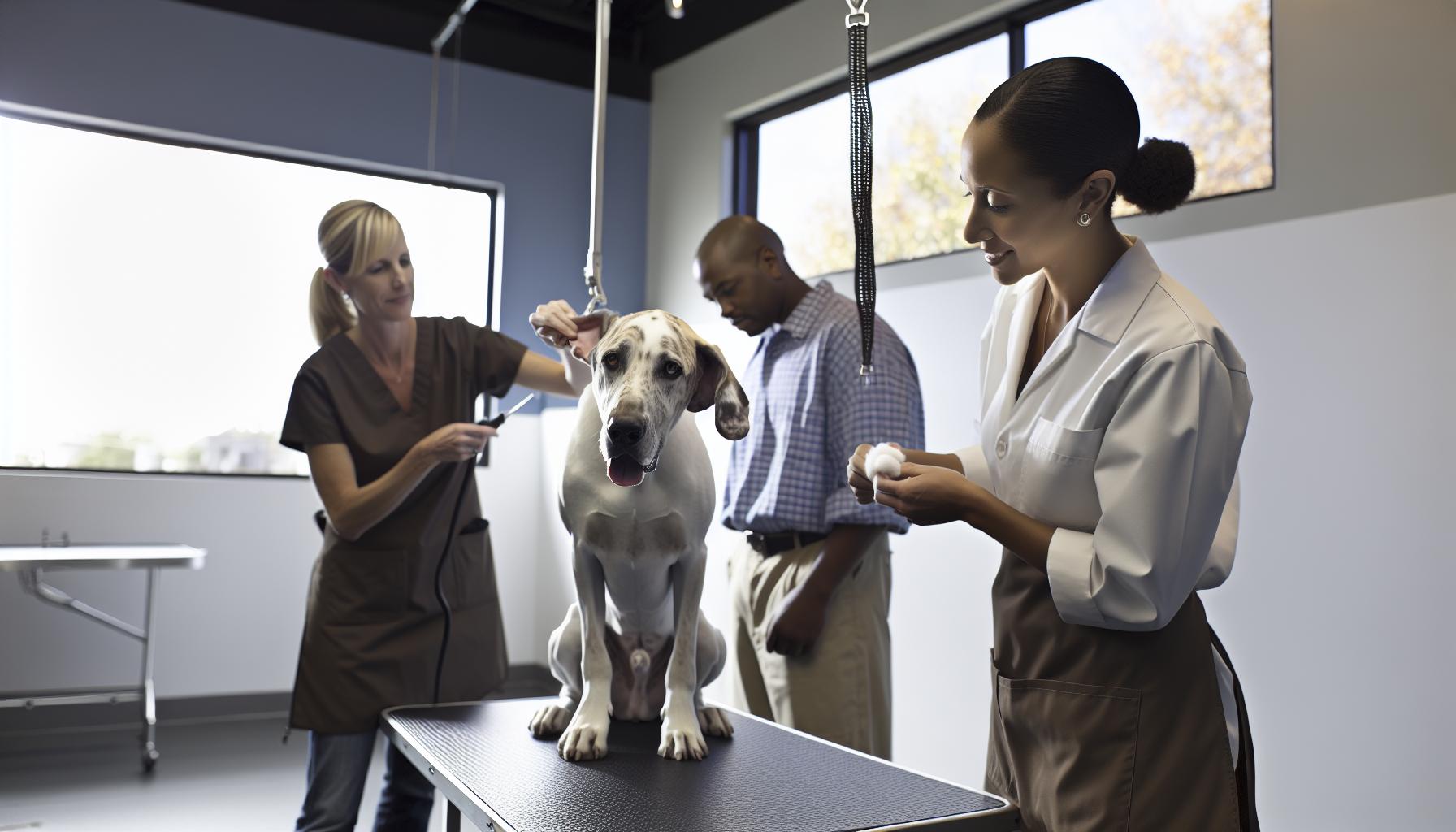
Common Ear Problems Groomers Watch For and How They Handle Them
Dogs’ ears are complex little ecosystems, making them prone to a handful of common issues that professional groomers are trained to spot early-long before they become serious problems. whether your dog has silky drop ears like a Cocker Spaniel or perky, upright ears like a German Shepherd, each ear type brings unique challenges that can affect cleanliness and health. Groomers watch carefully for subtle signs such as redness, unpleasant odors, or thick wax buildup, which may signal infections, allergies, or parasitic invasions like ear mites.
Recognizing Early Signs with Compassion and Care
A sharp-eyed groomer will notice if your dog’s ears show slight swelling or if your pet flinches or pulls away when touched. These small clues are key in preventing discomfort from progressing.For example,in breeds with hairy ear canals (such as Poodles or Shih Tzus),excess hair can trap moisture and debris,creating an ideal environment for yeast or bacteria to flourish. In these cases, gentle trimming during grooming helps improve airflow and reduce irritation. Groomers handle these tasks with patience and understanding, always ensuring your dog feels safe.
Common issues Groomers Monitor and How They Manage Them
- Wax buildup: Routine cleaning removes excess wax,preventing blockages that can cause itching or infections.
- Yeast and bacterial infections: Characterized by a musty smell or dark discharge, these conditions require cessation of grooming ear cleaning and prompt referral to a veterinarian for medical treatment.
- Ear mites: These tiny parasites cause intense itching and debris that looks like coffee grounds; groomers detect them visually but do not treat-veterinary care is essential here.
- Allergic reactions: Redness or swelling might indicate allergies. Groomers report these signs so your vet can explore underlying causes.
- Physical trauma or foreign bodies: Pain or unusual ear positioning may suggest injury or debris lodged inside; groomers proceed cautiously and suggest veterinary evaluation.
Groomers know their boundaries and prioritize your dog’s comfort and health above all. They avoid aggressive manipulation or deep canal probing to prevent damage. Rather, they focus on safe cleaning of visible areas using specially designed, gentle cleansers suited to your dog’s ear type. When necessary, they communicate clearly with you about any concerns that require veterinary attention, ensuring seamless teamwork in your dog’s care.
example of Handling a Floppy-Eared Dog
For breeds like Basset Hounds, whose long, floppy ears can trap moisture and debris, a groomer might carefully clean the ear folds and recommend more frequent at-home drying after baths or walks. They might also demonstrate how to gently lift and air out the ear to prevent infections, empowering you to maintain your dog’s ear health between visits.
By partnering with you, groomers help catch trouble early, making grooming a cornerstone of preventive pet health. Their blend of knowledge, gentle technique, and empathy creates a trusting environment where your dog’s ears aren’t just cleaned-they’re cared for with love.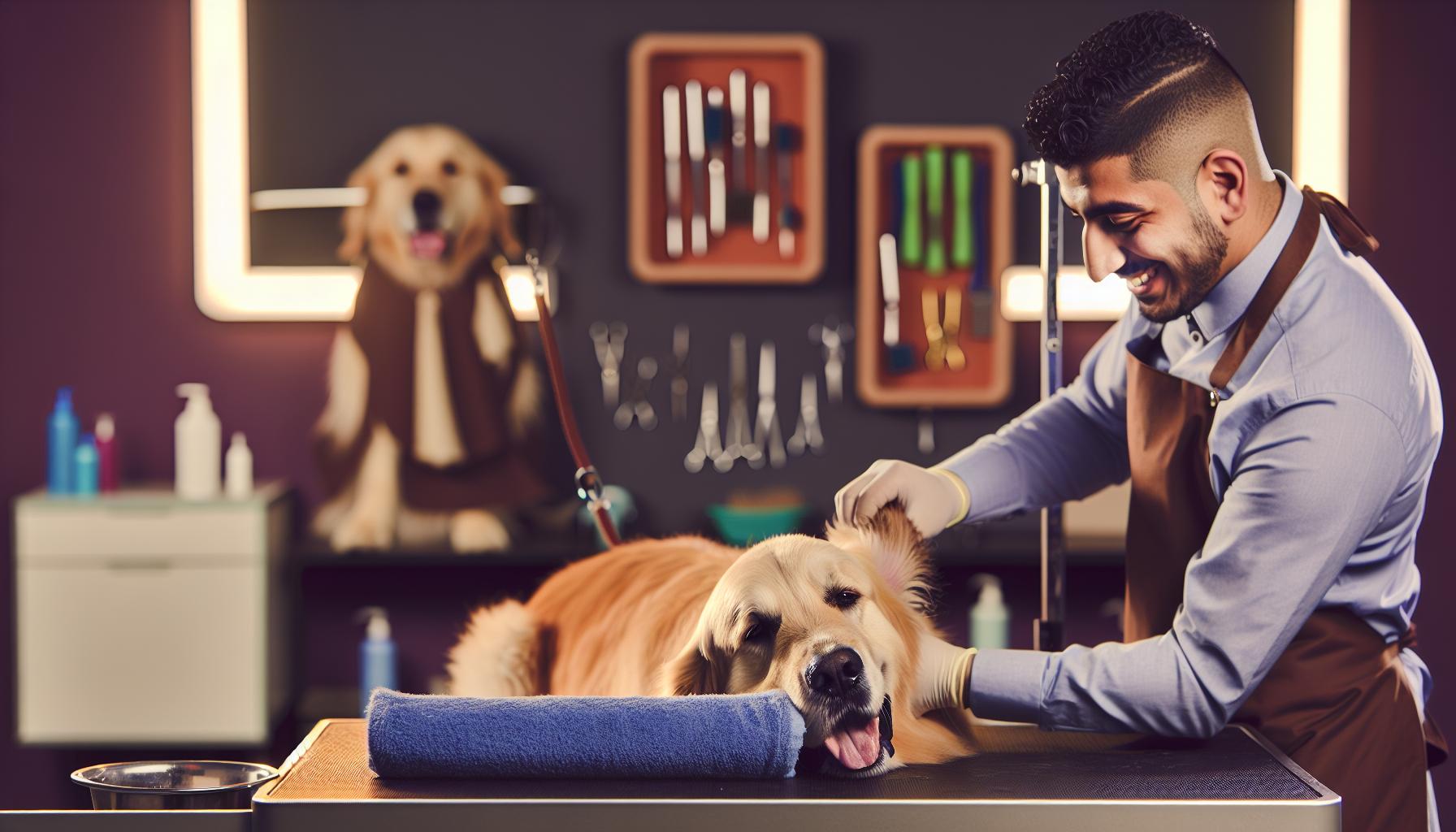
Cost Factors: Does Ear Cleaning Add to Grooming Prices?
A fresh, clean pair of ears isn’t just a cosmetic touch-it’s a vital part of your dog’s overall health and comfort. Many pet owners wonder if ear cleaning adds an extra charge during professional grooming sessions. the good news is that for most groomers, basic ear cleaning is included as part of a full grooming package, especially for breeds prone to ear buildup or infections. However, the exact price can vary depending on factors like your dog’s breed, coat type, and the complexity of the ear care required.
Dogs with floppy ears or heavy hair growth inside the ear canal-like Cocker Spaniels, Basset Hounds, or Poodles-typically need more thorough ear cleaning. Groomers may need to trim excess hair to improve airflow and reduce moisture buildup, which requires extra time and skill. This additional detail sometimes results in a small surcharge or premium grooming fee. On the other hand, breeds with short, upright ears often require quicker, simpler ear cleaning that fits neatly into the usual grooming timeline-and cost.
- Breed and Ear Type: Breeds with long, floppy ears or thick ear hair usually mean longer cleaning time and extra trimming tools.
- condition of the Ears at Arrival: If your dog’s ears have heavy wax buildup or mild debris, groomers might spend extra time gently cleaning which can influence cost.
- Additional Services: Some owners opt for add-ons like medicated ear treatments or deeper cleaning if recommended by the vet, which typically come with extra fees.
Transparent Pricing and What You’re Paying For
Most groomers are happy to explain how they price their services. The key element is their expertise and patience-especially with nervous or sensitive pets. ear cleaning isn’t just about wiping out wax; it’s a careful process of assessing ear health, trimming hair carefully without discomfort, and using gentle, dog-safe cleansers. This specialized care protects your dog from irritation or injuries during the process. You’re investing not only in a cleaner ear but in peace of mind-knowing ears that can otherwise harbor infections are being monitored regularly.
Balancing Cost with Your Dog’s Wellbeing
If your dog requires professional ear cleaning frequently due to breed predisposition or ongoing issues, talk openly with your groomer about maintenance plans or package deals. Many salons offer bundled grooming visits that include routine ear care at a reduced rate. Remember,small investments in regular professional care can help you avoid costly veterinary bills later caused by untreated infections or ear problems.Ultimately, understanding these cost factors ensures you’re prepared and confident when scheduling grooming. And if ever your dog’s ears show signs of discomfort or infection,a professional groomer will always recommend you seek veterinary care – because some ear conditions require medical treatment beyond the grooming table. Your pup’s comfort and safety will always come first.
DIY Ear Cleaning vs. Professional Grooming: What You Should Know
Ear cleaning is a task that many dog owners feel comfortable doing at home, but it’s important to understand when DIY methods are appropriate and when professional grooming truly shines. while basic routine cleaning can be safely managed by most owners-especially for dogs with low-maintenance ears-there are several nuances that make a professional groomer’s touch invaluable, particularly for certain breeds and ear types.
- Breed and Ear Anatomy: Dogs with floppy ears or those prone to excess hair growth inside the ear canal, like Cocker Spaniels, Basset Hounds, and Poodles, frequently enough need more than just a basic wipe-down at home. Groomers expertly trim obstructive hair and thoroughly clean the ears to prevent moisture buildup, which can trap bacteria and cause infections.
- Tools and Expertise: At home,owners typically use cotton balls or soft pads with gentle ear cleaners. Groomers, however, wield specialized tools like blunt-ended cotton swabs, hair thinning shears for precise trimming, and medicated solutions suited to sensitive ear tissue. Their experience means they can clean deeply without causing irritation or damage.
- Recognizing When to Stop: One of the greatest benefits of professional grooming is the groomer’s trained eye. They can spot subtle signs of ear issues-like redness, foul odor, or discharge-that indicate an underlying problem requiring a vet’s attention. Owners doing DIY cleaning might miss these red flags, risking progression to painful infections.
Setting Realistic Expectations at Home
If you choose to clean your dog’s ears yourself, keep the process simple, gentle, and consistent. Avoid pushing debris deep into the canal, and never use cotton swabs meant for humans that can be too small and cause injuries. For breeds with thicker ear hair, home trimming can be challenging and potentially traumatic for your pet, so it’s often best left to a groomer’s steady hands and specialized equipment.
When Professional Grooming Is Especially Recommended
– Dogs with chronic ear infections or sensitive skin benefit from groomers‘ gentle yet effective cleaning techniques.
– nervous or squirmy dogs pose a risk of sudden movement during home cleaning, which can lead to accidental injuries.
– Seasonal grooming appointments give a chance for thorough ear inspections beyond what is feasible during brief at-home cleans.
Ultimately, think of professional grooming as a safe, thorough, and stress-minimized investment in your dog’s ear health. It complements your home care routine by addressing issues before they escalate and teaching you proper ear maintenance techniques. When in doubt, partnering with your groomer for regular, skilled ear cleaning ensures your furry friend stays comfortable and infection-free-because keeping those ears happy is about more than just looks, it’s about wellbeing too.
FAQ
Q: How often should a professional groomer clean my dog’s ears?
A: A professional groomer typically cleans a dog’s ears every 4 to 6 weeks during regular grooming sessions. However, frequency depends on your dog’s breed, ear shape, and activity level. Dogs with floppy ears or prone to infections may need more frequent cleanings. Discuss with your groomer for personalized care tips [[main article]].
Q: Can groomers detect early signs of ear infections during cleaning?
A: Yes, groomers are trained to spot early signs of ear infections such as redness, swelling, odor, or discharge.If detected, they will notify you and recommend veterinary consultation. Early detection helps prevent painful or serious ear problems, supporting your dog’s health between veterinary visits [[main article]].
Q: What materials do groomers use to safely clean dog ears?
A: Groomers use gentle, vet-approved ear-cleaning solutions, cotton pads, or soft gauze to safely clean a dog’s ears. They avoid cotton swabs to prevent damage.These tools effectively remove dirt and wax without causing discomfort, ensuring a clean and soothing experience [[main article]].
Q: Are there specific dog breeds that require special ear cleaning during grooming?
A: Yes, breeds like Cocker spaniels, Basset Hounds, and Shar Peis with floppy or hairy ears need careful ear cleaning. Groomers pay extra attention to these breeds, using specialized techniques to prevent infections and ear hair matting. Always inform your groomer about your dog’s breed for tailored care [[main article]].
Q: how can I prepare my dog’s ears before taking them to the groomer?
A: Prepare by gently checking and wiping your dog’s ears at home with a damp cloth to reduce debris. Avoid inserting anything deep to keep ears safe.Calm your dog with a quiet routine and treats before the appointment. This helps your groomer perform ear cleaning smoothly and stress-free [[main article]].
Q: Is ear cleaning included in standard dog grooming packages or an extra service?
A: Ear cleaning is often included in standard grooming packages but can be an additional service depending on the groomer or your dog’s needs. Always confirm with your groomer beforehand. Adding ear cleaning improves hygiene and comfort, making it a valuable part of comprehensive grooming [[main article]].
Q: Can groomers clean ears if my dog shows signs of ear pain or sensitivity?
A: Groomers will proceed with caution or avoid cleaning if your dog shows pain or sensitivity in the ears. They recommend a veterinary exam first to diagnose and treat any infection or injury. Prioritizing safety and comfort protects your dog and ensures proper ear care [[main article]].
Q: What are some signs I should watch for after a groomer cleans my dog’s ears?
A: After grooming, watch for redness, swelling, foul odor, or excessive scratching, which may indicate irritation or infection.Mild sensitivity is normal, but persistent symptoms need veterinary attention. Communicate with your groomer about any concerns to keep your dog comfortable between visits [[main article]].
—
For more detailed guidance on ear cleaning techniques and safety, explore our full article sections on grooming tools and signs your dog’s ears need attention. Keeping your furry friend’s ears healthy ensures a happy, comfortable companion!
Future Outlook
Caring for your dog’s ears is an critically important part of their overall grooming routine, tailored to breed, coat type, and individual sensitivity. Whether you choose professional groomers or prefer home care, understanding what to expect during ear cleaning helps ease any worries and ensures your pup’s comfort and safety. Remember,groomers expertly handle ears as part of a full-service grooming session-along with baths,brushing,and nail trims-using gentle tools and techniques designed to prevent irritation or injury.
Ready to take the next step? Explore our guides on DIY dog grooming basics or when to consult your vet about ear health to keep your furry friend happy and healthy. Don’t forget to subscribe to our newsletter for expert tips and seasonal care reminders. Have questions or stories about your dog’s grooming experience? Share them below-the community and I love hearing from you! Keeping up with regular ear cleanings and professional grooming not only promotes wellness but also strengthens that special bond between you and your pet.
For more detailed advice on grooming tools, specialized cuts, or nail care, check out our related articles to extend your knowledge and help your dog look and feel their best year-round.Your dog’s comfort and safety come first-let’s continue this journey together with compassion and confidence.
Get our latest guides, news, and insights highlighted in your Google Search & AI Overviews.
Keep reading about the same coat and cut.




Popular grooming guides
Bath vs clip, first grooms, and salon how-tos.