What Nail Clippers Do Dog Groomers Use? Pro Recommendations
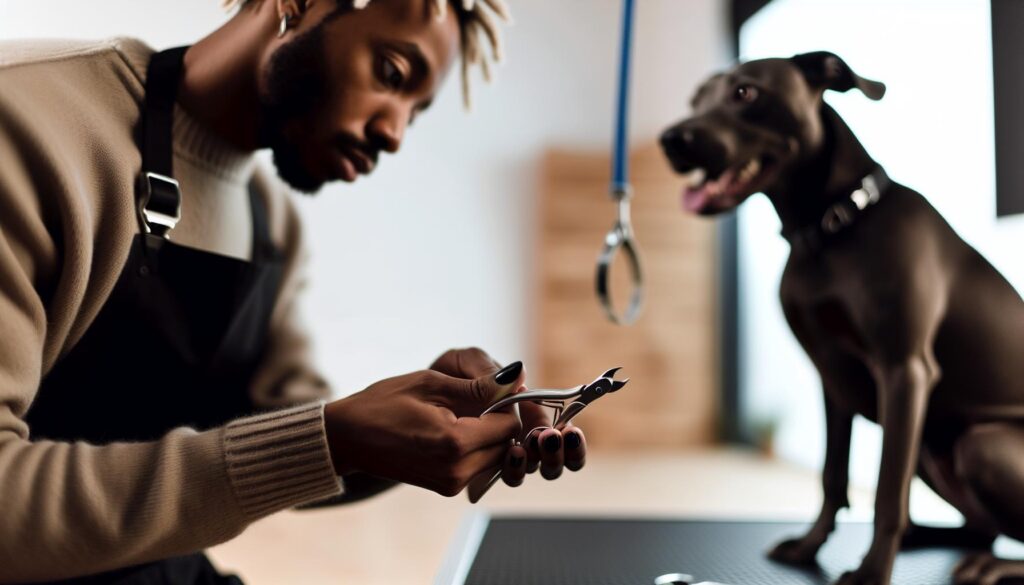
Did you know that trimming a dog’s nails isn’t just about keeping paws looking neat-it’s essential for their comfort and health? Choosing the right nail clippers can make all the difference, especially if your pup is nervous or fidgety. In this guide, we’ll explore what professional dog groomers use to safely and effectively trim nails across breeds and coat types. Whether you’re an anxious pet parent eager to learn at-home care or looking to understand the tools behind expert grooming, understanding the best nail clippers empowers you to keep your dog pleasant and calm. From ergonomic designs that reduce slipping to sharp blades perfect for different nail thicknesses, we’ll break down the must-have features and offer practical tips for confident, stress-free nail trims. let’s take the mystery out of nail care and help you feel calm and prepared every step of the way-a happy dog starts with happy paws.
What Professional Dog Groomers Look for in nail Clippers
Table of Contents
- 1 What Professional Dog Groomers Look for in nail Clippers
- 2 Top Types of Nail Clippers Used by Groomers
- 3 How to Choose the Best Nail Clippers for Your Dog’s Size and Breed
- 4 The Pros and Cons of Guillotine,Scissor,and Electric Nail Clippers
- 5 Essential Features That Make Nail Clippers Groomer-Approved
- 6 Step-by-Step Guide to Using Nail Clippers Safely and Comfortably
- 7 How Groomers Handle Stressful Nail Trims with Anxious Dogs
- 8 Maintenance Tips to Keep Nail Clippers Sharp and Hygienic
- 9 Vet vs. Groomer: When to clip Nails Yourself or Seek Professional help
- 10 recommended Brands and Models Trusted by Expert Groomers
- 11 Troubleshooting Common Nail Clipper Issues and How to Fix Them
- 12 Frequently asked questions
- 12.1 Q: How do professional dog groomers prevent nail clipping accidents?
- 12.2 Q: Why do groomers prefer stainless steel nail clippers for dogs?
- 12.3 Q: When should dog owners switch from scissor-type to electric nail grinders?
- 12.4 Q: What nail clipper size is best for small dog breeds?
- 12.5 Q: How can nail clippers reduce stress for anxious dogs during grooming?
- 12.6 Q: What features make a nail clipper ‘groomer-approved’ for professionals?
- 12.7 Q: How often should professional groomers replace their dog nail clippers?
- 12.8 Q: Where can I find top-rated professional dog nail clippers recommended by groomers?
- 13 Future Outlook
A quality pair of nail clippers in a professional groomer’s toolkit is more than just a cutting tool-it’s a trust-builder between the groomer and the pet. Nail trimming can be a source of anxiety for many dogs, so groomers prioritize tools that offer precision, comfort, and safety to minimize stress for furry clients. When selecting nail clippers, experienced groomers focus first on how well the clippers protect against painful nail splits or accidental cuts, because a calm, comfortable dog makes for a smoother grooming session.
Groomers look for clippers with sharp,durable blades that provide clean,effortless cuts without crushing or splintering the nail. This often means stainless steel or high-carbon steel blades that keep their edge longer and resist rust. Comfortable, non-slip handles are another must-have, as grooming sessions can be delicate and sometimes lengthy, especially with dogs who are nervous or fidgety. Ergonomic grips help maintain control without hand fatigue, allowing for steadier cuts that respect each dog’s unique nail shape and thickness.
Beyond blade quality and handle comfort, groomers frequently enough prefer clippers that offer clear visibility of the cutting edge and nail, ensuring thay avoid the sensitive rapid-the blood vessel inside the nail. Some professional models include built-in safety guards or adjustable blades so the clipper won’t remove too much nail at once. This feature is a lifesaver with breeds that have fast-growing or dark-colored nails, where the quick is harder to see. Groomers often share that this attention to detail fosters trust with hesitant dogs and reassures owners that the nail trims are both precise and gentle.
- Durability and blade sharpness: Long-lasting, sharp blades reduce nail trauma and speed up grooming time.
- Safety features: Built-in quick guards and adjustable blades prevent accidental over-cutting.
- Ergonomic design: Comfortable, slip-resistant grips protect groomer’s hands and improve precision.
- Visibility: Clear blade design or angled blades enhance sightlines to the quick, which is crucial for nervous or dark-nail dogs.
One groomer I know swears by a pair of premium scissor-style clippers with a spring mechanism-perfect for dogs with medium to large nails-as it blends power with finesse, offering controlled cuts without stressing the dog. Meanwhile, another emphasizes the importance of having smaller, precision clippers on hand for tiny breeds or puppies. Each choice is shaped by respect for the dog’s comfort above all.
At the heart of selecting nail clippers, professional groomers combine technical qualities with a compassionate approach. The right tool helps transform nail care from a dreaded chore into a humane, calm experience-something every dog deserves.
Top Types of Nail Clippers Used by Groomers
Few grooming tools spark more nervous anticipation than nail clippers-but choosing the right type can make all the difference in keeping your dog calm and safe. Professional groomers rely on specific styles of clippers tailored to different nail shapes, sizes, and temperaments. Each clipper design offers unique advantages, helping groomers deliver smooth, precise trims with minimal discomfort or stress for the dog. Understanding these top options will help you feel confident in selecting and using the best tool for your furry friend.
Scissor-Style Clippers
These are the classic go-to for many groomers, especially for medium to large dogs with thick or tough nails.Featuring large, sharp blades that resemble scissors with a spring mechanism, they provide strong, clean cuts without crushing the nail. Their ergonomic handles reduce hand fatigue during longer sessions, and the wide opening allows trimming bigger nails comfortably.Scissor clippers excel at controlled, gentle cuts, making them a favorite when finesse is key. For example, groomers often recommend this type for breeds like Golden Retrievers or Boxers with sturdy nails that need steady pressure rather than quick snips.
Guillotine Clippers
Guillotine clippers are popular for small to medium-sized dogs and even cats due to their convenience and speed.Their design features a hole where the nail is placed, then a blade slices across it like a guillotine blade.They work well for thin or medium nails but require careful handling to avoid crushing, especially on thicker nails. Many groomers keep a pair on hand for quick trims between full grooming sessions or for anxious dogs who need swift, gentle clipping. However, visibility can be tricky with darker nails, so these are best used when you can clearly see the quick.
Electric Nail Grinders
More groomers are embracing electric grinders-not exactly clippers but an effective alternative. Grinders use a rotating sanding surface to file down nails gradually, which greatly reduces the risk of cutting the quick accidentally. They offer a gentle, quiet way to smooth nails, ideal for dogs fearful of clippers or with very dark nails that hide the quick. This method requires patience and some acclimation for dogs new to the sensation but can be a game-changer for sensitive pets. Groomers often combine grinders with clippers for a polished,stress-free finish.
- Example: A nervous Chihuahua with dark nails might benefit from a small pair of precision scissor-style clippers for careful cuts, followed by a gentle grinder session to smooth edges.
- Tip: Always introduce grinders slowly, rewarding calm behavior to build positive associations before full use.
Hybrid Approaches and professional Highlights
Many groomers don’t rely on a single type of clipper but maintain a versatile toolkit. They might use scissor clippers for sturdier nails,guillotine clippers for quick trims,and grinders to finish or desensitize anxious dogs. Some professional models feature adjustable safety guards or enhanced blade visibility, specifically designed to protect the quick and increase ease of use-features that savvy groomers appreciate. Having multiple tools means groomers can adapt to breed differences, nail conditions, and dog temperaments with care and confidence.
in short, the best nail clippers for professional groomers are those that respect the dog’s comfort while delivering sharp, safe cuts. Whether it’s the precision of scissor-style blades, the quickness of guillotine clippers, or the gentleness of a grinder, each tool has a valued place in expert hands-always with the well-being of the dog as the top priority.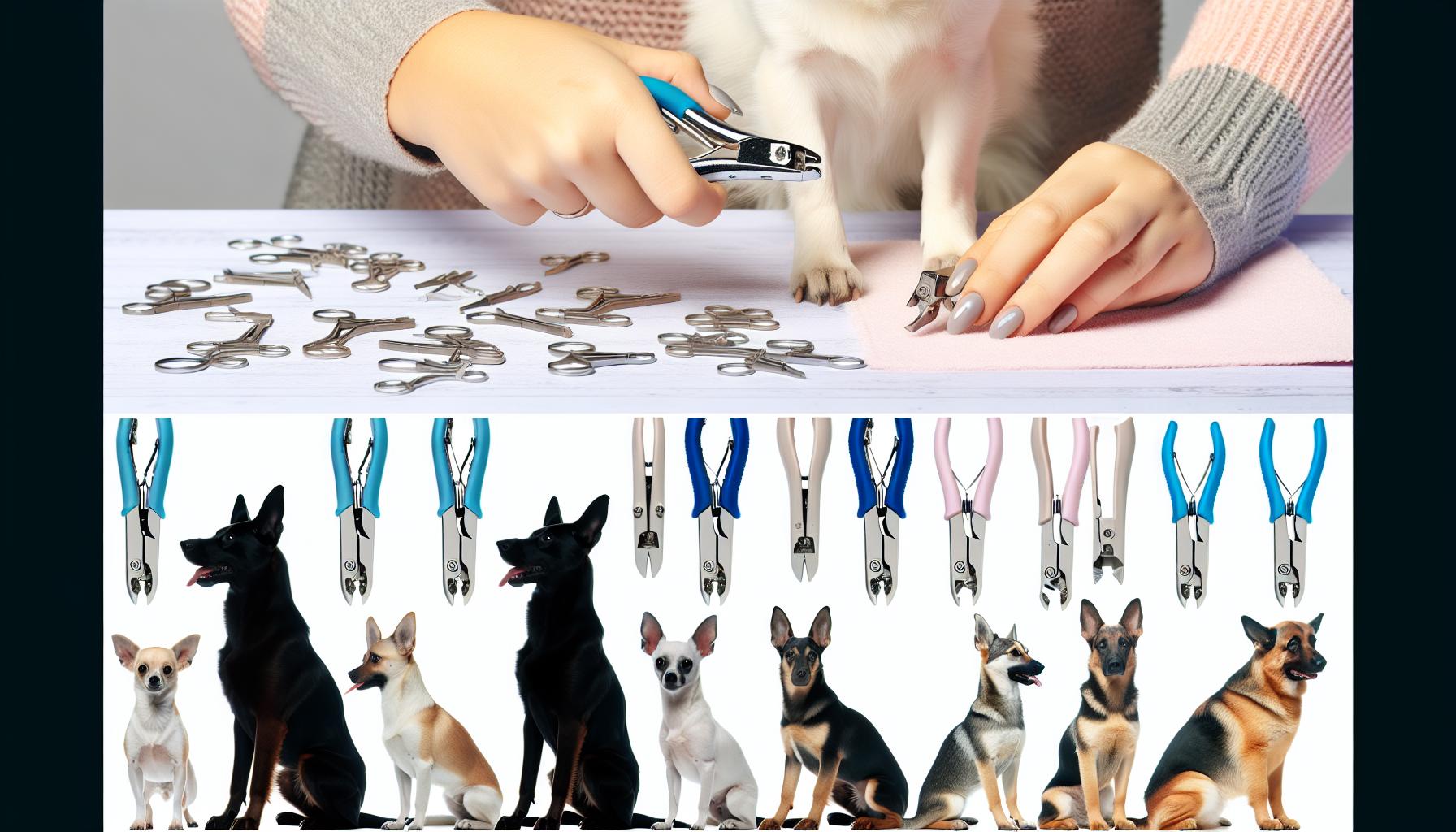
How to Choose the Best Nail Clippers for Your Dog’s Size and Breed
Choosing nail clippers that match your dog’s size and breed can transform a nail-trimming session from a stressful chore into a calm, comfortable experience. Dogs’ nail thickness,shape,and sensitivity vary widely-not just between breeds,but sometimes even between toes-so selecting tools suited to your furry friend’s unique needs is a key step in safe grooming.
Smaller breeds with delicate, slender nails, like Chihuahuas or Yorkshire Terriers, generally do best with compact, precise clippers such as guillotine or small scissor-style models. these give you the finesse required for tiny nails without risking splits or crushing. In contrast,larger breeds like Labradors or German Shepherds frequently enough have thick,tough nails that benefit from strong scissor-style clippers with sharp,sturdy blades and ergonomic handles to reduce hand fatigue during careful,controlled cuts. Electric grinders can also be an excellent choice here, especially to smooth rough edges after clipping.
matching Clippers to Nail Characteristics
- Thin, delicate nails: Go for smaller blades and avoid guillotine clippers if the nail is thick; delicate scissor clippers or grinders help gently trim without cracking.
- Thick, strong nails: Sturdy scissor-style clippers or heavy-duty guillotine clippers with safety features prevent crushing and provide clean cuts.
- Dark nails: Since the quick is harder to see, electric grinders offer gradual filing with less chance of injury, while clippers with built-in safety guards add extra protection.
Breed and Temperament Considerations
Some breeds have nails that grow quickly or are prone to splitting-for example, active terriers or retrievers-making frequent trims essential and the right clippers indispensable. Groomers often adapt their choices depending on the dog’s comfort level: anxious dogs respond better to slower, quieter tools like grinders, while calm dogs tolerate quicker trimming with scissors or guillotines. Remember, it’s about your dog’s comfort first, not pressure to achieve a ”perfect” nail length or shape.
Practical tips for Selecting Your Clippers
Before purchasing, try to handle the clippers to check grip comfort-ergonomic, non-slip handles make a huge difference when trimming a wriggly pup. also, consider clippers with clear blade visibility or adjustable safety stops if you’re new to nail care. For multi-dog households, keeping at least two types-a pair designed for small nails and one for larger, tougher nails-ensures you’re always ready. And don’t forget: regular nailcare sessions help nails stay healthy and reduce trimming stress over time.
Here’s a simple guide to get you started:
| Dog Size/Breed Example | Suggested Clippers | Key Benefits |
|---|---|---|
| Small Breeds (e.g., Chihuahua, Maltese) | small scissor-style or lightweight guillotine clippers | Precision cuts, reduced chance of crushing, easy to maneuver |
| Medium Breeds (e.g.,Beagle,Cocker Spaniel) | Standard scissor-style or guillotine clippers with safety guards | Balanced strength and control,versatile for nail thickness |
| large Breeds (e.g., Golden Retriever, German Shepherd) | Heavy-duty scissor-style clippers or electric grinders | Strong blades for thick nails, ergonomic design for comfort, gradual filing to avoid accidents |
Ultimately, the best tool respects your dog’s anatomy and temperament, making nail care safer and more relaxed for both of you.If you’re unsure about your dog’s nail health or clipping routine, don’t hesitate to reach out to your groomer or vet for personalized advice. Remember: confident, compassionate handling is the heart of happy grooming.
The Pros and Cons of Guillotine,Scissor,and Electric Nail Clippers
Many dog owners hesitate when it comes to trimming their pet’s nails,and choosing the right tool can make all the difference in turning that nervous moment into a smooth,calm experience. Professional groomers often weigh the benefits and drawbacks of the three main types of nail clippers – guillotine, scissor, and electric - tailoring their choice to the dog’s size, temperament, and nail condition. Each style shines in different situations, and understanding these nuances empowers you to handle nail care confidently while prioritizing your dog’s comfort and safety.
Guillotine Clippers: Precise but with a Learning Curve
Guillotine clippers operate by sliding the dog’s nail into a hole where a blade swiftly slices through with a single squeeze. They’re highly favored for small to medium dogs with slender nails as the design allows very precise cuts.Their compact size makes them great for dogs who are fidgety or have tiny toes. However, their effectiveness depends heavily on positioning - if the nail isn’t fully inserted or if applied unevenly, there’s a risk of crushing the nail or causing discomfort. Additionally, thicker or tough nails can blunt the blade faster, requiring frequent sharpening or replacement. For some nervous dogs, the quick “snip” sound might cause anxiety, so gentle desensitization helps.
Scissor Clippers: Robust Strength with Control
Scissor-style nail clippers resemble standard scissors but with reinforced, sharp blades designed to cut through thick, strong nails cleanly and efficiently. These are ideal for medium to large breeds like German Shepherds or Golden Retrievers, whose nails need a more powerful cut to avoid crushing or splitting. The ergonomic handles reduce hand fatigue during longer groomings, which is a big plus for professionals or owners with multiple dogs. one subtle benefit is control – the user can adjust pressure and angle easily to accommodate nail curves and varying thicknesses. However, beginners might find them a little bulky or intimidating at first, and improper use can cause splitting if the blades dull.
Electric Grinders: Gentle and Gradual,but not Always Quick
Electric grinders,also called dremels,offer a different approach by gradually filing down the nail instead of clipping it all at once. This method is especially comforting for dogs with dark nails where the quick can’t be easily seen as the gradual process lowers the risk of accidental cuts. Grind tools are quieter and can reduce the initial stress associated with the sharp snap of clippers.They also smooth the nail edges nicely, preventing snags or cracks. on the downside, electric grinders require patience – trimming can take longer than with clippers, and some dogs may be unsettled by the vibration or noise at first. Proper introduction and short sessions build tolerance over time.Regular maintenance of the grinding bit is essential to keep it effective.
Choosing What works best for You and Your Dog
- guillotine clippers offer precision for small nails but demand steady hands and practice to avoid nail damage.
- Scissor clippers deliver strong, clean cuts suitable for robust nails, favored for larger breeds or nails that are arduous to clip.
- Electric grinders provide a gentle filing option, perfect for sensitive or dark nails, though the process takes more time.
When I work with anxious dogs, I often combine tools – using clippers to shorten most of the nail quickly, then finishing with a grinder to smooth edges and reduce sharpness.This combo respects the dog’s comfort and prevents overhandling.And remember,no matter which tool you choose,the key is compassion and patience. Nail trimming should never feel like a battle for your dog. Instead, with the right clippers and calm, confident handling, it can be a moment of gentle care that strengthens your bond.
Essential Features That Make Nail Clippers Groomer-Approved
Choosing the right nail clippers isn’t just about the type or style; it’s often the little features that separate a good tool from a groomer‑approved essential. Professional groomers rely on tools that help them trim efficiently while keeping dogs comfortable and safe-as every dog deserves gentle handling during this sometimes stressful task. Tools that foster confidence, minimize slipping, and provide precision make all the difference-not only for the groomer’s hands but also for the dog’s nail health and temperament.
- Sharp, high-quality blades: Sharpness is non-negotiable. Dull blades crush rather of cut, causing discomfort and split nails. Groomers prefer stainless steel or high-carbon steel blades that stay sharp longer and resist rust.Some clippers come with replaceable blades, which is a bonus for long-term use.
- Comfortable, ergonomic handles: Long grooming sessions demand clippers that feel good in the hand. Groomers look for cushioned, non-slip grips that reduce fatigue and hand strain-especially when trimming multiple dogs or tough nails. Ergonomic design means better control and steadier cuts, which dogs definitely appreciate.
- Safety guards or adjustable stops: These features prevent clipping too close to the quick (the sensitive inner part of the nail), reducing the chance of painful cuts and bleeding. For anxious dogs, this safeguard can turn nail trimming into a calmer experience for everyone.
- Right size and shape for the dog’s nails: Groomers tailor their tools to the dog’s breed and nail thickness. Clippers made for small breeds have smaller, more precise cutting areas, while heavy-duty models suit large breeds with tougher nails. this fit helps avoid crushing or splitting.
- quiet operation: While not all clippers are silent,groomers often choose quieter tools or electric grinders with low noise output to ease dogs’ nerves. Noise-sensitive pets respond far better when tools don’t startle them.
Real-World Groomer Tips
Such as, with a timid Beagle, I might reach for guillotine clippers that offer precise, single-squeeze cuts and have a safety stop to avoid overcutting. But for a large Rottweiler, I switch to scissor-style clippers with cushioned handles and reinforced blades that power through thick nails cleanly. Some anxious dogs respond better when I follow the clipper with a gentle electric grinder to smooth sharp edges-showing how versatile features work together.
When testing new clippers, always check for blade alignment and smooth action before your first nail trim. A well-aligned blade means cleaner cuts and less nail trauma. groomer-approved tools also tend to have easy blade maintenance-because a sharp tool is a safe tool.
Remember, being gentle and patient comes first, but the right clippers simplify the process, helping even nervous dogs feel more secure. Investing in tools designed with these essential features gives every dog owner and groomer the confidence to make nail care a positive part of their pup’s routine.
Step-by-Step Guide to Using Nail Clippers Safely and Comfortably
Sometimes, the thought of trimming your dog’s nails can feel intimidating-not just for you but for your furry friend as well. Yet, with the right approach and gentle handling, what once seemed stressful can become a calm, even bonding experience. The secret lies in taking it slow, knowing your dog’s anatomy, and using groomer-approved techniques that prioritize safety and comfort at every step.
Prepare Your Space and Tools
Make sure you have everything within reach-a sharp, well-maintained clipper suited to your dog’s size and nail thickness, styptic powder for accidental nicks, and treats for positive reinforcement. Sit in a quiet, well-lit area where your dog feels relaxed.For nervous dogs, wrapping them gently in a towel or enlisting a helper to gently hold them can provide security without restraint.
Get Comfortable Holding Your Dog’s Paw
Before you even bring out the clippers, spend a few minutes stroking and gently massaging your dog’s paws. This familiarizes them with touch and reduces sensitivity. When ready, hold the paw firmly but gently-supporting it from underneath helps control movement. If your dog has dark nails, trim in small increments so you don’t get too close to the quick (the sensitive inner part). For dogs with lighter nails, you can usually see the quick as a pink area and cut just before it.
Clip with Confidence and Care
Use smooth, decisive squeezes rather than jerky motions. If you’re using guillotine clippers, position the nail carefully in the blade opening; for scissor-type clippers, open wide and close slowly to avoid crushing. Always trim a little at a time-if you need to cut more, you can always trim again in another session.Keep an eye on your dog’s reaction to sense discomfort early. If your dog pulls away, pause and reward calm behavior before trying again.
Smooth and Reward
After clipping, some groomers like to follow with a low-noise electric grinder to ease sharp edges and provide a smooth finish. This can be especially soothing for dogs prone to scratching or snagging. Of course, keep this optional-many pups prefer just a well-done clip. Always end with a gentle praise session and a favorite treat, reinforcing that nail care is a positive event.
- Remember: Patience is key. Break the session into short, manageable steps if needed.
- Safety first: Never force a struggling dog; if nerves escalate, stop and try again later or seek professional help.
- Keep a steady hand: Proper grip and calm energy promote smoother cuts and less stress.
By practicing regularly and treating nail trims like a caring ritual, you’ll build trust with your pet and make nail care something both of you can handle with ease and confidence.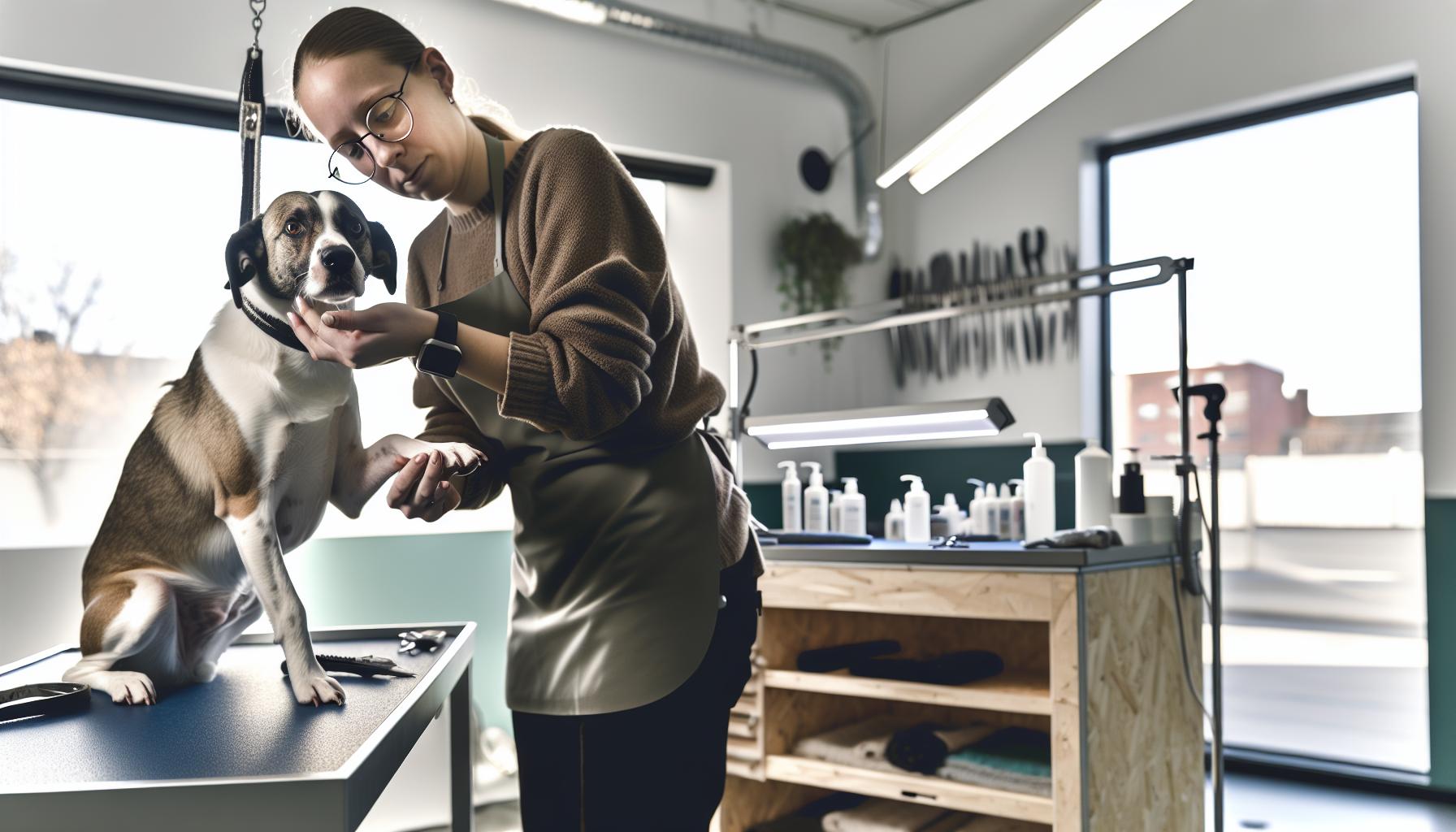
How Groomers Handle Stressful Nail Trims with Anxious Dogs
It’s no secret that nail trimming ranks high among many dogs’ “least favorite” activities, especially for anxious pups who may associate clippers with discomfort or past unpleasant experiences. Professional groomers know that the key to easing this stress isn’t forcing the trim but building trust through gentle, patient handling and small, manageable steps tailored to each dog’s temperament and needs. Understanding each dog’s personality, breed disposition, and past nail care experience guides how a groomer approaches a tense trim.
Creating a Calm Surroundings and Gentle Introductions
Before even touching the clippers, groomers carefully set the stage-choosing a quiet, familiar space with minimal distractions. Soft voices and calming gestures replace rushed or loud commands. Instead of diving right into clipping, groomers spend time simply handling paws with gentle massages and slow, reassuring strokes.This tactile introduction helps many dogs relax and associate paw handling with comfort rather than fear. For highly nervous dogs, wrapping them snugly in a soft towel or having a trusted assistant gently hold the dog can provide a cocoon of security that prevents sudden jerks or anxiety-driven escapes.
Breaking Tasks Into Tiny Steps
Rather than attempting a full nail trim in one go, groomers segment the process into short, manageable intervals-trimming one or two nails at a time, followed by a pause for soothing praise and treats. This incremental approach prevents overwhelm; dogs often respond well when they’re given “breaks” to reset. For example, a notably flighty terrier might receive just one quick clip per session at first, combined with a favorite chew toy or a gently spoken cue like “good job.” Over multiple sessions, this creates positive memories around nail trimming.
- Use of High-Quality, Sharp Clippers: Sharp, well-maintained guillotine or scissor-type clippers allow for one clean cut, minimizing noise and vibration that might frighten sensitive dogs.
- Optional Electric Grinders: Some groomers finish with quiet, low-speed grinders to smooth sharp edges, which can help anxious dogs avoid the instant “ouch” reaction that comes from snagging jagged nails afterwards.
- Positive Reinforcement: Treats, praise, and gentle petting are given liberally at every sign of calm behavior, reinforcing that nail care leads to rewards, not pain.
Knowing When to Pause or Call in Backup
Experienced groomers are skilled at reading a dog’s body language. Rapid tail tucking, growling, or attempts to flee signal it’s time to stop and regroup rather than forcing the issue. Sometimes, this pause is as simple as stepping away for a few minutes or calming the dog with soothing talk and stroking. Other times, a short session might be called off with plans to retry another day. for owners and groomers alike,recognizing when stress exceeds what’s safe is vital. In certain cases-especially dogs with a history of trauma or severe anxiety-it’s best to consult a veterinarian or professional trainer who can recommend behavior modification strategies or even mild sedatives to ensure safe, stress-free nail care.
Empowering Owners with Gentle Techniques
Groomers often share helpful tips with owners to practice paw handling daily, long before nails need trimming. this can include short sessions of holding paws, gently extending nails, and pairing the experience with treats or play. Such familiarization prevents last-minute battles at the grooming table. Equip yourself with a good pair of clipper styles that suit your dog’s nail thickness and size-guillotine or scissor clippers work best for small to medium dogs, while electric grinders can be excellent for finishing touches, reducing sudden noises that spook skittish pups.
Every dog is unique, and there’s no one-size-fits-all solution. but with empathy,calm confidence,and the right tools,even the most anxious dog can learn to tolerate-and eventually trust-the nail trimming process. After all, it’s not about a perfect cut but a positive, safe bonding moment that sets the foundation for healthy nail care throughout your dog’s life.
Maintenance Tips to Keep Nail Clippers Sharp and Hygienic
Keeping nail clippers in top shape isn’t just about getting a clean cut-it’s about ensuring every grooming session is as comfortable and safe as possible for your dog. Dull or dirty blades can pinch or shatter nails, causing pain or anxiety, especially for sensitive pups. Regular maintenance not only extends the life of your tools but also builds trust with your furry client by making nail trims smooth and speedy.
Cleaning and Sanitizing After Each Use
Pet nails can carry dirt, oils, and bacteria, so wiping clippers clean after every session is essential. Start by removing hair, nail dust, and debris with a soft brush or cloth. Then, apply a pet-safe disinfectant or 70% isopropyl alcohol on the blades, wiping thoroughly to prevent rust and cross-contamination. Avoid harsh chemicals that could damage metal or harm your dog’s skin if residue remains. This routine keeps blades hygienic and prevents the spread of infections between grooming appointments or pets.
Sharpening and Blade Care
Even the best clippers lose their edge over time. Professional groomers frequently enough use a sharpening stone or a specialized clipper sharpener to maintain that razor-sharp precision. Such as, after every few months of regular trimming, gently run the clipper blade along a sharpening stone at the manufacturer-recommended angle. If you notice tugging or uneven cuts, it’s a sign the blades need attention. A sharp clipper requires less pressure, reducing noise and vibration-both of which can alarm nervous dogs.If sharpening feels intimidating, many grooming salons offer blade maintenance services or can recommend local experts.
Lubrication for Smooth Action
Regular oiling prevents rust and keeps the clipper’s moving parts gliding smoothly. Apply a drop of clipper oil to the pivot point and blade edges before or after trimming sessions, then run the clippers briefly to distribute the oil evenly. Avoid using heavier oils or household lubricants that can attract dirt or damage the blades. consistent lubrication lengthens the life of your clippers and ensures quieter, safer trims-something every anxious pup will thank you for.
Safe Storage and Handling Tips
When you’re done trimming, store your clippers in a clean, dry place to avoid moisture and accidental damage. Consider a protective case or pouch to prevent blades from dulling or bending, especially if you travel with your tools. Always handle nail clippers gently; dropping them or forcing the jaws open can misalign blades, ruining their sharpness.Keeping your tools well-maintained isn’t just a matter of convenience; it’s part of a grooming routine that shows you care for your dog’s comfort and well-being every step of the way.
- Daily: Wipe blades with a dry cloth and disinfectant after use.
- Weekly: Check and oil the blades and pivot points.
- Monthly or as needed: Sharpen blades or replace when dull.
- storage: Keep in a dry, padded container away from dust and moisture.
By taking these simple, thoughtful steps to maintain your nail clippers, you’re not only protecting your investment but also ensuring every nail trim is a calm, painless experience that strengthens your bond with your dog. Remember, a well-cared-for tool reflects the care you give your furry friend.
Vet vs. Groomer: When to clip Nails Yourself or Seek Professional help
Nail trimming can quickly become a source of stress-for both dogs and their humans-if the right timing and setting aren’t chosen. While many pet parents confidently clip their dog’s nails at home, others find that professional help provides peace of mind and safety. Knowing when to reach out to a groomer or vet versus handling this task yourself can make all the difference in creating a calm, stress-free experience that keeps your pup comfy and healthy.
Smaller breeds, dogs with dark nails (where it’s harder to see the quick), or anxious pups often benefit from the steady hands and expertise of professional groomers. Groomers aren’t just skilled with the tools-they’re trained in handling wiggly or nervous pets gently and efficiently, minimizing stress and accidental cuts. If your furry friend gets stressed easily or you aren’t sure how to navigate tricky nails, a groomer can be your best ally. Using professional-grade clippers designed for your dog’s size and nail type, they cut precisely without pinching or splintering.
On the other hand, if your dog is calm, cooperative, and you’ve mastered the basics, clipping nails yourself can be convenient and rewarding. Just remember to use the right clipper style (scissor types for small dogs, guillotine or electric for larger ones) and keep safety at the forefront-always trim a little at a time and stop if you see any signs of discomfort. Groomers often suggest gradually desensitizing your dog to the clippers by pairing nail trims with treats and praise-that way, over time, the process feels less scary.Veterinarians usually come into the picture when there are medical issues complicating nail trims. For example, dogs with infections around the nail bed, severely overgrown nails, or underlying health problems like bleeding disorders should have their nails clipped by a vet or under veterinary supervision to avoid injury. Vets can also sedate particularly fearful or painful patients, ensuring nail care is safe and stress-free. If your dog hasn’t had a nail trim in a long time or has developed thickened, cracked nails, scheduling a vet visit might be the wisest choice.
When to Clip at Home vs. Professional Groomer or Vet
- Clip at Home if: Your dog is calm, nails aren’t too dark, you have the proper tools, and you’re comfortable with basic trimming techniques.
- Visit a Groomer if: Your dog is anxious or resistant, nails are prone to splitting, or you want a quick, expert trim with professional equipment.
- See a Vet if: Nails are severely overgrown, infected, or your dog has health issues making trimming tricky or dangerous.
Real-World Tips from Groomers
“One of my clients’ biggest breakthroughs was using slow, steady strokes while talking softly during nail trims,” shares a groomer experienced with nervous rescues. “We always keep styptic powder nearby just in case, so pet parents don’t panic if the quick gets nicked.” Another pro suggests getting your dog used to having their paws handled throughout daily routines. This simple prep work can save anxiety down the road.
Remember: Whether DIY, groomer, or vet, the goal is a safe, gentle nail trim for your dog’s comfort and health. Never hesitate to ask for professional help if the stress or risk feels too high-your dog’s welfare comes first, always. With patience, the right tools, and proper guidance, many pet owners build confident skills to keep nails neat between professional visits.
By knowing your dog’s unique needs and respecting the boundaries of your comfort and experience, you empower yourself to make the best choice for happy, healthy paws every time.
recommended Brands and Models Trusted by Expert Groomers
It might surprise many pet parents, but the right nail clipper can transform a nail trim from a stressful chore into a calm, comfortable experience for your dog. Groomers rely on tools that not only deliver precise, clean cuts but also feel comfortable in their hands through long grooming sessions. Over the years, a few brands have earned a loyal following in the professional grooming community because of their durability, ease of use, and safety features designed with our furry friends’ wellbeing in mind.
Top Brands That Groomers Trust
- Millers Forge: Known for their heavy-duty, sturdy construction, millers Forge nail clippers are favored for medium to large dogs. Their sharp blades flow through nails smoothly, reducing the chance of splintering or crushing. The ergonomic handles help maintain control, especially useful when working with anxious or fidgety pets.
- Safari Professional Nail Trimmers: These clippers shine for small to medium-sized breeds. Professionals praise their precise guillotine-style blades that minimize nail trauma, plus a built-in safety guard that helps prevent overcutting-a huge plus when dealing with dark nails where the quick is unseen.
- Dremel 7300-PT: While technically a grinder rather than a clipper, many groomers combine it with customary clippers for dogs with very thick or brittle nails. The cordless design adds convenience, and the variable speeds help safely smooth nail edges without overheating or causing discomfort.
- Epica Premium Nail Clippers: A newer favorite for sensitive pups, these clippers combine sharp stainless steel blades with cushioned handles to reduce hand fatigue. Their precision cutting system ensures clean cuts for dogs of all sizes, making them a versatile addition to any grooming kit.
Choosing the Right Model Based on Your Dog’s Needs
For tiny puppies or toy breeds,the key is a gentle tool with smaller blades,like Safari’s scissors-style clippers or small Epica trimmers. Larger breeds with tougher nails require something more robust, such as Millers Forge’s heavy-duty guillotine or plier designs. If your dog has thick, quickly growing nails, incorporating a Dremel or similar grinder post-trim can soften rough edges and reduce snagging on carpets or furniture.
Pro Tip: Safety and Comfort First
One groomer chuckled,”I never go anywhere without styptic powder and high-value treats-they can save the day.” Many pro models include a built-in safety guard to avoid cutting too close to the quick, but nothing replaces a steady, patient hand and knowing your dog’s comfort signals. Maintenance matters too; routinely sharpening or replacing blades keeps trimming smooth and stress-free. Investing in tools that feel good in your hand will help keep your dog relaxed and make grooming sessions something you both look forward to.
| Brand | Best For | Key Features | Why Groomers Prefer It |
|---|---|---|---|
| millers Forge | Medium to large breeds | Heavy-duty steel, ergonomic grips | Durability, clean cuts, comfort on long sessions |
| Safari Professional | Small to medium breeds | Guillotine style, safety guard | precision, prevents overcutting |
| Dremel 7300-PT | All sizes (especially thick nails) | Cordless, variable speed grinder | Safe smoothing, reduces splintering |
| Epica Premium | Small to large breeds | Sharp blades, cushioned handles | Comfort, precision, versatility |
Ultimately, picking the best nail clipper or grinder depends on your pup’s size, nail condition, and temperament. Start with one tried and true by groomers and pair it with positive training to create a nail care routine that’s safe, gentle, and even enjoyable. Remember – your calm confidence and the right tools make all the difference in keeping your dog’s paws happy and healthy.
Troubleshooting Common Nail Clipper Issues and How to Fix Them
Few things can be more frustrating than having your nail clippers snag, crush, or simply fail in the middle of a trim. Even the best groomers run into these hiccups, but knowing how to troubleshoot common nail clipper problems can save time, stress, and keep your dog comfortable.Whether your dog is a tiny toy breed or a large, active companion, mastering these fixes will boost your confidence and ensure every session goes smoothly.
Blades Not Cutting Cleanly or crushing Nails
One of the most common issues is dull or misaligned blades causing crushed, splintered nails instead of a clean cut. This not only looks unpleasant but can cause pain and bleeding. if you notice this happening:
- Sharpen the blades: Many professional groomers keep a sharpening stone or a clipper-specific sharpener handy to restore blade edges quickly. even a few light passes can make a big difference.
- Check alignment: Blades that shift out of place can pinch or grab the nail unevenly. Loosen screws slightly, realign blades, and retighten firmly to maintain proper cutting edges.
- Replace worn parts: Some models use replaceable blades or cutting heads.if sharpening isn’t enough, swapping in a fresh set restores smooth performance.
Maintaining sharp, well-aligned blades isn’t just about ease; it directly affects your dog’s comfort and trust in grooming sessions.
Clipper Handles Feel Stiff or Hard to Use
Using nail clippers that feel stiff or resist opening and closing easily can fatigue your hands and add stress to nail trims, especially with squirmy pups. To improve this:
- Lubricate the pivot: A drop of light machine oil or clipper lubricant on the hinge keeps motion smooth and prevents wear.
- Check for debris: Hair, dust, and nail dust can get stuck in joints. Regular cleaning with a small brush or compressed air helps maintain smooth operation.
- Adjust tension screws: Some clippers have adjustable tension. Loosening or tightening to a comfortable resistance reduces hand strain while maintaining cutting control.
A relaxed grip and smooth clipper action help you stay calm – which your dog will feel instantly.
Nails Partially Cut or Clippers Not Closing Fully
Sometimes the clippers won’t fully close around the nail or only nip the edge,leaving you frustrated and risking uneven nails. This often results from improper clipping angle or debris blocking the blades.
- Check positioning: Hold your dog’s paw steady and angle clippers perpendicularly to the nail. Guillotine styles often require a slight upward twist to ensure full blade closure.
- Clean blades regularly: Nail dust can accumulate and act like a wedge. Wipe blades clean mid-session with a soft cloth to keep them sharp and free-moving.
- don’t rush: If your dog moves suddenly, pause and reposition to avoid partial cuts and accidental pinches.
Taking time to reposition and ensuring your tools move freely is worth the calm, safer trims.
Clippers Slip or Don’t Grip the nail Properly
Handling nervous or wiggly dogs can make clippers slip and increase the chance of cuts near the quick.To prevent this:
- Choose ergonomic grips: Clippers with cushioned,non-slip handles (like Epica Premium) give you better control even with sweaty or anxious hands.
- Use safety guards: Many professional models (Safari Professional) include guards designed to catch nails and prevent overcutting, especially helpful with dark nails where the quick is hidden.
- try distraction and comfort tools: Use treats, gentle praise, or even a helper to gently hold your dog’s paw steady during clipping.
A steady hand with good gripping tools coupled with compassionate handling turns a challenging trim into a trust-building moment.
Clipper Won’t Cut Due to Thick or Brittle Nails
Certain breeds grow thick, dense, or brittle nails that can challenge even professional clippers. When blades can’t handle the job:
- Incorporate a grinder: Electric tools like the Dremel 7300-PT can safely file down tough nails with variable speed control, preventing splintering.
- Trim incrementally: Take smaller cuts rather than one big clip to reduce nail cracking.
- Regular maintenance: Routine trims prevent overgrown nails from becoming too tough or cracking when clipped.
Combining tools and gentle technique keeps your dog’s nails healthy without discomfort or damage.
| Common Issue | cause | Quick Fix |
|---|---|---|
| Dull or crushing blades | Blades worn or misaligned | Sharpen, realign, or replace blades |
| Stiff clipper handles | Pivot dirty or dry | Clean joint and lubricate pivot |
| Partial nail cuts | Angle wrong or blade blocked | Adjust angle, clean blades often |
| Slipping clippers | Poor grip or nervous dog | Use cushioned handles, safety guards, and calm techniques |
| thick nails too tough to cut | Unsuitable blades or no grinder | Use a nail grinder, trim in small increments |
By understanding these common issues and approaching them with patience and the right tools, even nervous pet parents can build positive nail care routines. Remember, it’s always okay to seek guidance from a professional groomer or vet if difficulties persist. Your dog’s comfort and safety come first, and with a little know-how, nail trimming can become a bonding experience that keeps paws healthy and happy.
Frequently asked questions
Q: How do professional dog groomers prevent nail clipping accidents?
A: Professional groomers prevent accidents by using clippers with safety guards or quick stops, trimming small amounts at a time, and having a steady grip. they remain calm and gentle, watching for the quick inside the nail to avoid bleeding. Learn more in our guide on using nail clippers safely and comfortably to build confidence during trims.
Q: Why do groomers prefer stainless steel nail clippers for dogs?
A: Groomers prefer stainless steel nail clippers because they are durable, rust-resistant, and maintain sharpness longer, ensuring clean cuts. This quality reduces trauma to the dog’s nails and improves clipping efficiency. For maintenance tips on keeping clippers sharp and hygienic, see our maintenance tips section.
Q: When should dog owners switch from scissor-type to electric nail grinders?
A: Owners should switch to electric nail grinders when their dog has thick, hard nails or is sensitive to clipping noise. Grinders file nails smoothly, reducing the risk of cutting the quick and are great for finishing tough nail edges. This balances safety and comfort, covered in our pros and cons of electric clippers section.
Q: What nail clipper size is best for small dog breeds?
A: For small breeds, groomers use compact, precision scissor or guillotine clippers designed for delicate nails to avoid crushing or splitting. Clippers with comfortable grip handles also aid in control and reduce stress for both pet and owner.Find detailed size recommendations in the choosing clipper size section.
Q: How can nail clippers reduce stress for anxious dogs during grooming?
A: Nail clippers reduce stress by being quiet, fast-cutting, and having ergonomic grips to enable gentle, confident handling. Groomers often combine clippers with calming techniques and frequent breaks. See our in-depth handling stressful trims with anxious dogs section for step-by-step tips to keep pets calm.
Q: What features make a nail clipper ‘groomer-approved’ for professionals?
A: Groomer-approved clippers typically have sharp, replaceable blades, safety guards, non-slip grips, and ergonomic designs for prolonged use. These features enhance precision, safety, and comfort when trimming various dog breeds, detailed further in the essential features section of our article.
Q: How often should professional groomers replace their dog nail clippers?
A: Professional groomers usually replace nail clippers every 6 to 12 months, depending on frequency of use and wear. Regular sharpening and cleaning extend lifespan,but dull blades increase nail damage risk. Visit our maintenance and troubleshooting section for tips on timely replacement and care.
Q: Where can I find top-rated professional dog nail clippers recommended by groomers?
A: Top-rated groomer-approved nail clippers are available at pet specialty stores and online retailers like Amazon. Brands such as Millers Forge, Safari, and Safari are favorites for quality and durability. For detailed product recommendations, check the recommended brands and models section of our guide to make an informed choice.
Future Outlook
Choosing the right nail clippers can make all the difference in keeping your dog’s paws healthy and comfortable. Whether you’re a professional groomer or a pet parent learning at home, the right tools, patience, and safety-first approach are key. If you’re ready to upgrade your grooming routine, explore our detailed guides on best dog grooming tools and step-by-step nail trimming tips to build confidence and reduce stress during every session.
Remember, nail care is just one part of your dog’s overall wellness. For advice on brushing, bathing, or ear cleaning, check out our complete resources so you’re fully prepared for every coat type and breed. Don’t hesitate to reach out via comments or subscribe to our newsletter for expert updates and exclusive grooming hacks that professionals trust. Start today-your furry friend will thank you with every happy, healthy step!
Looking for more expert recommendations or product reviews? Dive into our curated list of top-rated dog grooming essentials and keep your pup comfortable and stylish all year round. Together, we’re making pet care easier, safer, and more joyful-one clip at a time.
Get our latest guides, news, and insights highlighted in your Google Search & AI Overviews.
Keep reading about the same coat and cut.




Popular grooming guides
Bath vs clip, first grooms, and salon how-tos.