Do Dog Groomers Express Glands: What’s Included in Your Appointment
Did you know that expressing your dog’s anal glands can be an significant part of their grooming routine, yet many pet owners aren’t sure if groomers provide this service? Anal gland expression helps prevent discomfort, odor, and even infections in dogs who can’t naturally empty these glands themselves. If you’ve ever noticed your dog scooting or licking their rear more than usual, this might be why-and it’s something professional groomers can safely handle as part of your dog’s appointment.
Understanding what’s included in a grooming visit, especially when it comes to sensitive tasks like gland expression, can ease your mind and help your pup stay cozy and healthy. Groomers skilled in this area use gentle, evidence-based techniques tailored to your dog’s breed, coat type, and temperament. They prioritize your dog’s welfare above all, ensuring every step-from bath and brush to nail care and gland expression-is done with compassion and care. curious about how this service fits into a typical session and how it differs from veterinary care? Keep reading to learn what to expect and how to keep your furry friend feeling their best.
What Are Anal Glands and Why Do They Matter?
Table of Contents
- 1 What Are Anal Glands and Why Do They Matter?
- 2 How Professional Groomers Safely Express Dog Glands
- 3 Signs Your Dog Needs Gland expression During Grooming
- 4 Step-by-step Gland Expression: What to Expect
- 5 Gland Expression vs. Veterinary Care: When to See a Vet
- 6 Tools and Techniques Used by Groomers for Gland Care
- 7 Breed and Coat Types that Affect Gland Expression Needs
- 8 Common Gland Problems and How Groomers Help Prevent Them
- 9 DIY Gland Expression: Risks and When to Avoid It
- 10 How Groomers Include Gland Care in Standard Appointments
- 11 Tips for calming Anxious Dogs During Gland Expression
- 12 Costs and Scheduling: Adding Gland care to Grooming Visits
- 13 FAQ
- 13.1 Q: How frequently enough should dog groomers express anal glands during regular appointments?
- 13.2 Q: Are gland expressions included automatically in all dog grooming packages?
- 13.3 Q: Can groomers safely handle gland expression on small or nervous dogs?
- 13.4 Q: What should I watch for after my dog’s glands are expressed at grooming?
- 13.5 Q: How do groomers decide if gland expression is necessary during a grooming session?
- 13.6 Q: Do groomers use special tools or only manual methods to express dog glands?
- 13.7 Q: Is there a risk of injury if groomers frequently express my dog’s anal glands?
- 13.8 Q: Can I ask my groomer to skip gland expression during grooming appointments?
- 14 Future Outlook
most dog owners have little idea that tucked just beneath their pup’s tail lie two small, sac-like structures called anal glands-or anal sacs-that play an critically important role in canine interaction and health. These tiny glands produce a distinct, oily secretion that dogs use to mark territory and send scent messages to other dogs.While they might seem inconspicuous, their proper care is essential because, when these glands get clogged or infected, they can cause genuine discomfort and lead to more serious problems.
Dogs naturally express these glands when they have a bowel movement, which helps keep them clear. However, some dogs-especially certain breeds and those with thick or long coats around the hindquarters-may struggle to empty their anal glands fully. This can result in fullness, swelling, and sometimes irritation or even painful abscesses. That’s where regular gland care during grooming appointments becomes a game-changer, offering a chance to catch and relieve buildup early, long before your dog feels any discomfort.
Why Anal Gland Health Matters
- Comfort and wellness: Full or impacted glands can lead to scooting, licking at the rear, or signs of pain. Proactive care keeps your dog happy and comfortable.
- Hygiene: when glands leak or become infected, they create unpleasant smells and messes. Groomers can gently clean and express these glands, maintaining fresh hygiene around the tail area.
- Breed and coat considerations: Breeds like Corgis, beagles, and Bulldogs, as well as dogs with dense undercoats, tend to have more frequent gland issues, making professional monitoring key.
Understanding your dog’s anal glands isn’t just about addressing occasional odor-it’s about recognizing a vital element of their health. Experienced groomers combine kindness, careful technique, and observation to keep this sensitive area well cared for, which benefits both your dog’s comfort and your peace of mind.
How Professional Groomers Safely Express Dog Glands
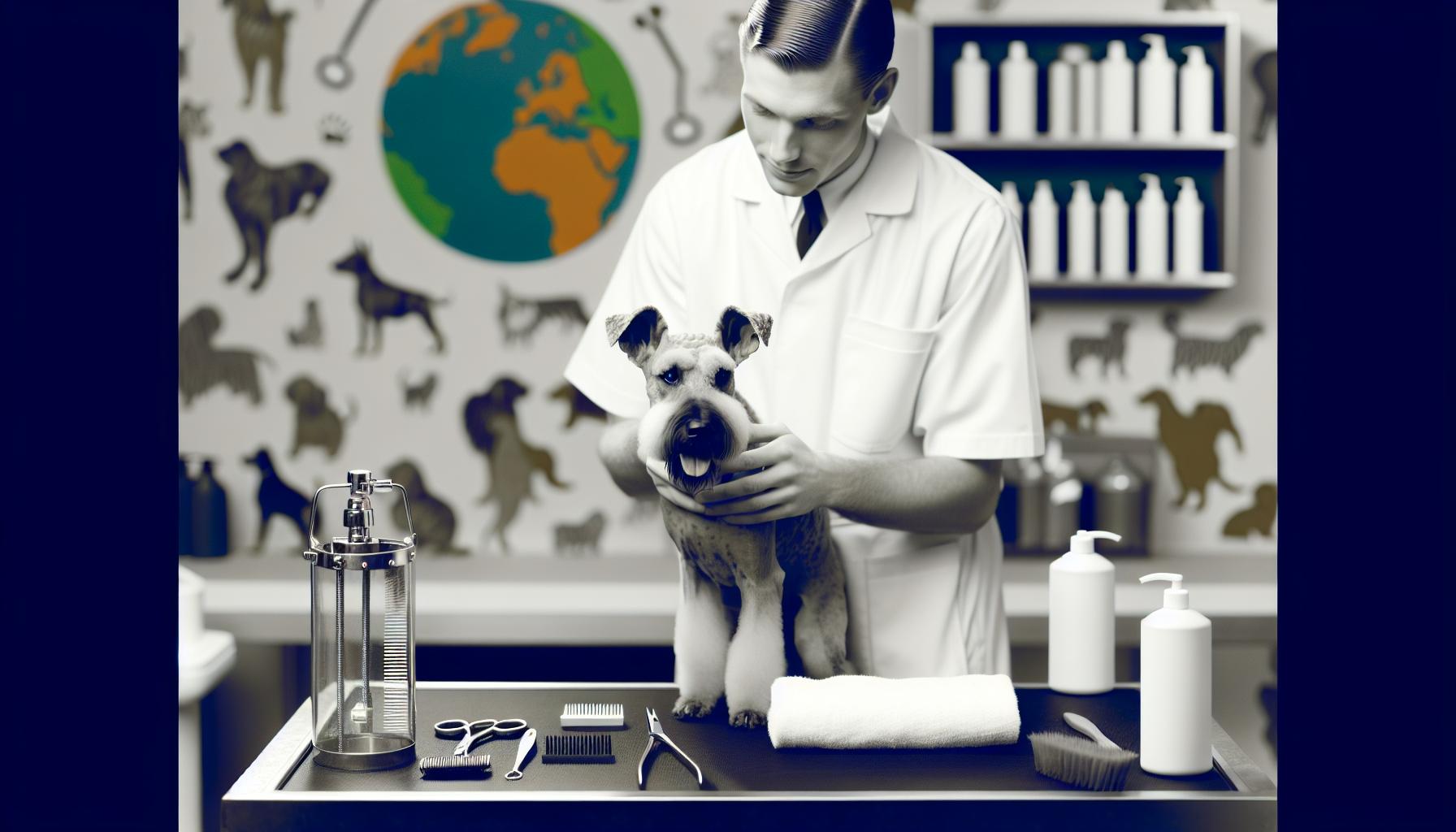
It might surprise many dog owners that expressing anal glands isn’t just a fast squeeze-it’s a careful, gentle process tailored to each pup’s unique needs.Professional groomers excel at this because they combine experience with a calm, reassuring touch, ensuring the dog feels safe and comfortable throughout. Dogs with certain builds or thick rear coats, like Corgis or Bulldogs, may require more frequent checks, so groomers’re especially attentive to subtle signs that glands need expressing before discomfort sets in.
Before starting, groomers always assess your dog’s temperament and physical condition, often incorporating this task into a relaxed grooming routine that includes brushing and bathing. Using disposable gloves and sanitary wipes, they locate the small sacs just inside the anus, gently applying pressure in a specific direction to release built-up secretion.This prevents causing pain or irritation-technique matters immensely here.For instance,some groomers prefer the external method (expressing from outside) because it’s less invasive and usually less stressful for the dog. If a dog shows signs of pain, swelling, or infection, the groomer knows to pause and recommend veterinary care, respecting that some issues are beyond grooming alone.
- Key breeds to watch: Beagles, Corgis, and Bulldogs often benefit from routine gland checks due to their anatomy.
- Coat considerations: Long or thick hair around the tail area may hide symptoms and require extra grooming care alongside gland expression.
- Tools used: Gloves, gentle wipes, and occasionally lubricant to ease the expression process.
Many groomers emphasize that a gentle approach and clear communication with the owner build trust. When a dog relaxes in the groomer’s hands, the expression goes smoothly and painlessly. Groomers often share tips on signs to watch for at home, educating owners and dispelling common fears about this sometimes misunderstood procedure. They encourage owners to see gland expression not as a scary medical intervention but as an essential wellness step-just like brushing teeth or trimming nails-that keeps dogs happy and healthy.
Signs Your Dog Needs Gland expression During Grooming

It’s often the little signs that tell us when a dog’s anal glands need expressing-and the sooner these signs are recognized, the more comfortable your dog will be during grooming and beyond. Some breeds, like Beagles, Corgis, and Bulldogs, are especially prone to gland issues due to their anatomy. Groomers keep a close eye on these breeds, especially if the dog has thick or long fur around the rear, which can hide early symptoms.
A common indicator is when a dog starts scooting-dragging their rear along the floor-a clear signal they’re trying to relieve pressure or irritation. You might also notice persistent licking or biting at the tail base or the anal area, which shows discomfort. Sometimes, a subtle but telltale smell, described by owners as fishy or musky, signals glands are full or infected. Groomers are trained to spot these signs early, even if the dog doesn’t show obvious distress.
Subtle Clues to Watch for at Grooming Time
- Tail tucking or reluctance: Dogs uncomfortable around grooming or reluctant to have their rear touched might be guarding a sensitive area.
- Visible swelling or redness: Any swelling near the anus can indicate impacted glands or infection, which requires careful handling.
- Discharge or staining: Dark or bloody spots on fur or bedding near the tail may mark a gland problem.
Such as,a gentle brushing or bath might reveal irritation you didn’t notice when the coat was dry and unmanipulated. Groomers frequently enough combine the gland check with these routine tasks, easing dogs into the process and spotting issues early. If your pup flinches or tries to move away at this stage, it’s a clue that gland expression should be handled with extra care-or deferred to a vet if pain or infection is suspected.
When to Alert Your Groomer and Vet
If your dog’s behavior changes around grooming visits-more anxious than usual near the tail or showing reluctance to sit comfortably-mention these changes when booking your appointment. Groomers appreciate this info to prepare accordingly and can adjust techniques or call for veterinary advice when needed. Remember, routine expression is a soothing wellness step, but painful symptoms or swelling mean it’s time for vets to step in and rule out infections or deeper issues.
By staying attentive to these early signs and partnering with your groomer,you empower your dog’s health and comfort-turning perhaps stressful visits into calm,reassuring experiences for everyone involved.
Step-by-step Gland Expression: What to Expect
Many dog owners don’t realize that expressing anal glands is a gentle, routine part of professional grooming, especially for breeds like Beagles, Corgis, or Bulldogs that are prone to gland issues. during a grooming appointment, this process is done with patience and care, ensuring your pup feels safe and comfortable every step of the way. Knowing what to expect ahead of time can ease any worries and help you understand how groomers prioritize your dog’s well-being alongside their appearance.
Initial Assessment and Preparation
Before any gland expression begins, your groomer will assess your dog for signs of discomfort, swelling, or infection around the anal area. this includes watching for behaviors like scooting, tail tucking, or frequent licking.For dogs with thick or long coats near the rear, gentle brushing helps reveal hidden symptoms and creates a clean working area. Some groomers may soften the area with a warm, damp cloth to relax the glands and surrounding muscles, making expression easier and less stressful for the dog.
The Expression Process
The groomer will generally wear disposable gloves and have clean, pet-safe wipes ready. There are two main methods: external manual expression and, less commonly, internal expression, which should only be performed by trained professionals.
- External Expression: Your groomer will gently place a thumb and finger on either side of the anus and apply steady, gentle pressure inward and upward to release the gland fluid. This technique minimizes discomfort and is usually sufficient for most dogs.
- Internal Expression: In rare cases where external pressure isn’t effective, a groomer or vet may insert a lubricated finger carefully to apply direct pressure. This is trickier and must be done with extra caution to avoid causing pain or injury.
The fluid expressed varies by dog but often has a strong,musky odor. Your groomer cleans the area instantly afterward to keep your dog comfortable and prevent staining.
Aftercare and Observation
Once the glands are expressed, your groomer will observe your dog’s reaction-signs of relief versus discomfort. If the glands are impacted, inflamed, or if your dog shows signs of pain, the groomer will recommend veterinary attention rather than repeat attempts in future appointments. Groomers always prioritize comfort and will stop the process if your dog seems anxious or distressed. Frequently enough, gland expression is combined with other grooming tasks like bathing, nail trimming, and ear cleaning in a calm sequence, helping your dog stay relaxed.
Helpful Tips and Troubleshooting
Dogs with sensitive skin or thick rear coats may need extra brushing or trimming around the area to prevent future gland blockages. For nervous or sensitive dogs, gentle reassurance, slow movements, and positive treats make a world of difference. If your dog is new to gland expression or shy about the procedure, your groomer may suggest breaking the session into shorter visits to build trust gradually.
By understanding the detailed, stepwise care your dog receives during gland expression, you can feel confident that professional groomers balance skill with kindness, fostering healthier, happier pups in every appointment. Always communicate openly with your groomer about your dog’s comfort, and don’t hesitate to ask questions-your partnership is key to a smooth, stress-free grooming experience.
Gland Expression vs. Veterinary Care: When to See a Vet
Few things can make a groomer more cautious than noticing subtle signs that your dog’s anal glands may need more than just a routine expression. While professional groomers are skilled in safely expressing glands to ease minor fullness and discomfort, there are situations where veterinary care is the crucial next step. Recognizing when your dog’s glands are inflamed, impacted, or infected can protect them from pain and prevent complications like abscesses.
When Groomers Handle It
For most healthy dogs, especially those prone to gland issues (like Corgis, Beagles, or Bulldogs), groomers use gentle external techniques with care and patience.They observe your dog’s behavior closely-signs such as mild scooting, a faint odor, or slight swelling may indicate that expression during grooming visits is enough. Groomers also rely on simple tools: gloves, warm compresses, and pet-pleasant wipes to keep the process clean and comfortable. This approach helps maintain gland health between veterinary visits and is frequently enough part of regular grooming without causing stress or pain.
When Veterinary Care Is Necessary
If your dog’s glands are consistently swollen, painful to the touch, or leaking blood or pus, these are red flags for infection or abscess formation. veterinary intervention becomes essential when:
- Repeated Expressing Fails: If glands refill quickly despite regular expression, it may indicate a blockage that groomers cannot safely resolve.
- Signs of Infection: Swelling, redness, foul odor beyond the usual musky scent, or your dog showing pain or reluctance to sit can signal infection requiring antibiotics or drainage.
- Behavioral Changes: Sudden irritability, lethargy, or your dog scooting excessively or biting at the area are calls for a vet’s exam, not a groomer’s session.
- Underlying Health Issues: Sometimes gland problems hint at allergies,obesity,or anal gland tumors,all needing professional diagnosis.
Veterinarians have tools and medications groomers don’t, such as sedatives for anxious dogs during deeper gland work, culturing fluids to guide antibiotic choice, or minor surgery if abscesses form. Attempting advanced expressions or treatments without veterinary supervision can cause pain or worsen infections.
Finding balance: Groomer Care Vs. Vet Care
Think of groomers as your dog’s first line of defense in maintaining anal gland health. They provide ongoing care that prevents minor issues from escalating. However, they’re also vigilant advocates-if your dog shows any signs of distress or abnormal symptoms, a groomer will gently step back and recommend a vet visit. This teamwork ensures your dog gets expert care without unnecessary discomfort.
Keep communication open: if your groomer flags an issue, don’t delay veterinary evaluation. Early treatment frequently enough means less discomfort and faster healing. meanwhile, maintain regular grooming visits to keep glands expressed in a non-stressful way, especially for breeds prone to blockages.
Examples and Owner Tips
One client’s Bulldog, as an example, showed frequent scooting and redness shortly after a grooming session. The groomer paused further gland expression and advised veterinary care, where the dog was treated for an abscess with antibiotics and minor drainage. After recovery, regular groomer visits helped keep the glands healthy and pain-free.
If your dog is nervous during gland care or has a thick coat, ask your groomer about gentle brushing or trimming around the rear end to improve comfort and reduce blockages. Remember, your groomer aims for kindness and safety above all-never hesitate to share any changes you notice at home during your dog’s next visit.
By understanding these boundaries,you empower yourself to know when a groomer’s skilled hands are enough and when your dog needs the added expertise of a veterinarian to stay happy and healthy.
Tools and Techniques Used by Groomers for Gland Care
Sometimes, the difference between a calm grooming session and an uncomfortable one comes down to the right touch and tools when managing your dog’s anal glands. Groomers rely on a blend of gentle techniques and specific supplies to ensure this sensitive care is handled safely and comfortably. The goal is always to ease your dog’s discomfort without causing stress or pain-especially for breeds prone to frequent gland issues, like Corgis, Beagles, or Bulldogs.
- Gloves: This is a non-negotiable for hygiene and safety. Disposable gloves keep the process clean for your dog and the groomer alike, preventing any bacterial spread.
- Warm Compresses: These are often used before and after expression to relax the muscles around the glands. Warmth helps soften the glands’ contents,making expression smoother and less stressful for your dog.
- Pet-Safe Wipes or Cleansing Towelettes: After expression, groomers carefully clean the area to prevent irritation or infection. Gentle wiping also helps remove any residual odor that can be bothersome to both pet and owner.
Techniques That Prioritize Comfort
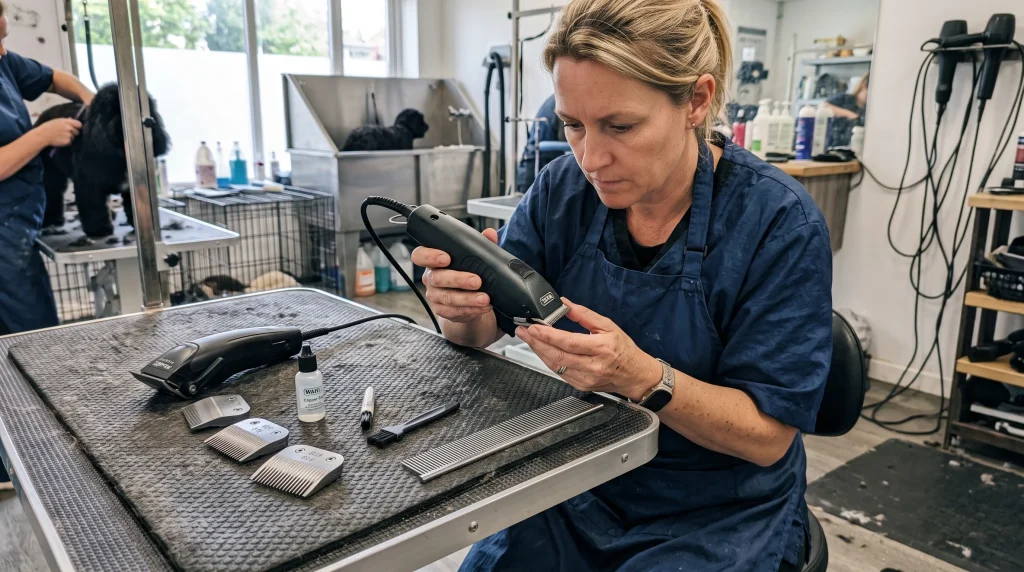
Most groomers apply an external expression method. This involves using their thumb and forefinger to gently press around the anus from the outside, avoiding any internal probing unless specifically trained and authorized. This skillful approach minimizes discomfort and respects your dog’s boundaries. For dogs with thick coats or sensitive skin, groomers often first trim or brush the fur around the rear end to provide clear access and reduce the chance of pulling hairs during the process.
Timing and positioning also matter: groomers often work when your dog is relaxed-sometimes after a bath or during a quiet moment-and position the dog standing or lying on their side, ensuring maximum comfort and safety.
When Tools Meet Technique: Real-World Grooming Tips
An experienced groomer knows that every dog is different. For example, a nervous Pomeranian might benefit from a slow introduction to the process, letting them sniff the gloves and wipes first, while a Bulldog with recurrent gland issues might require more frequent expressions and careful monitoring for irritation.
To prevent complications, groomers always watch for signs that gland expression may be needed more regularly or if veterinary evaluation is necessary. They avoid forceful expression when glands feel overly firm or painful, which could indicate infection or blockage requiring vet care.
Ultimately, the right combination of simple tools and a calm, confident approach makes all the difference in happy, healthy gland maintenance. If you’re anxious or unsure about the process, don’t hesitate to discuss any concerns with your groomer-they’re partners in your dog’s wellbeing, ready to educate and support you every step of the way.
Breed and Coat Types that Affect Gland Expression Needs
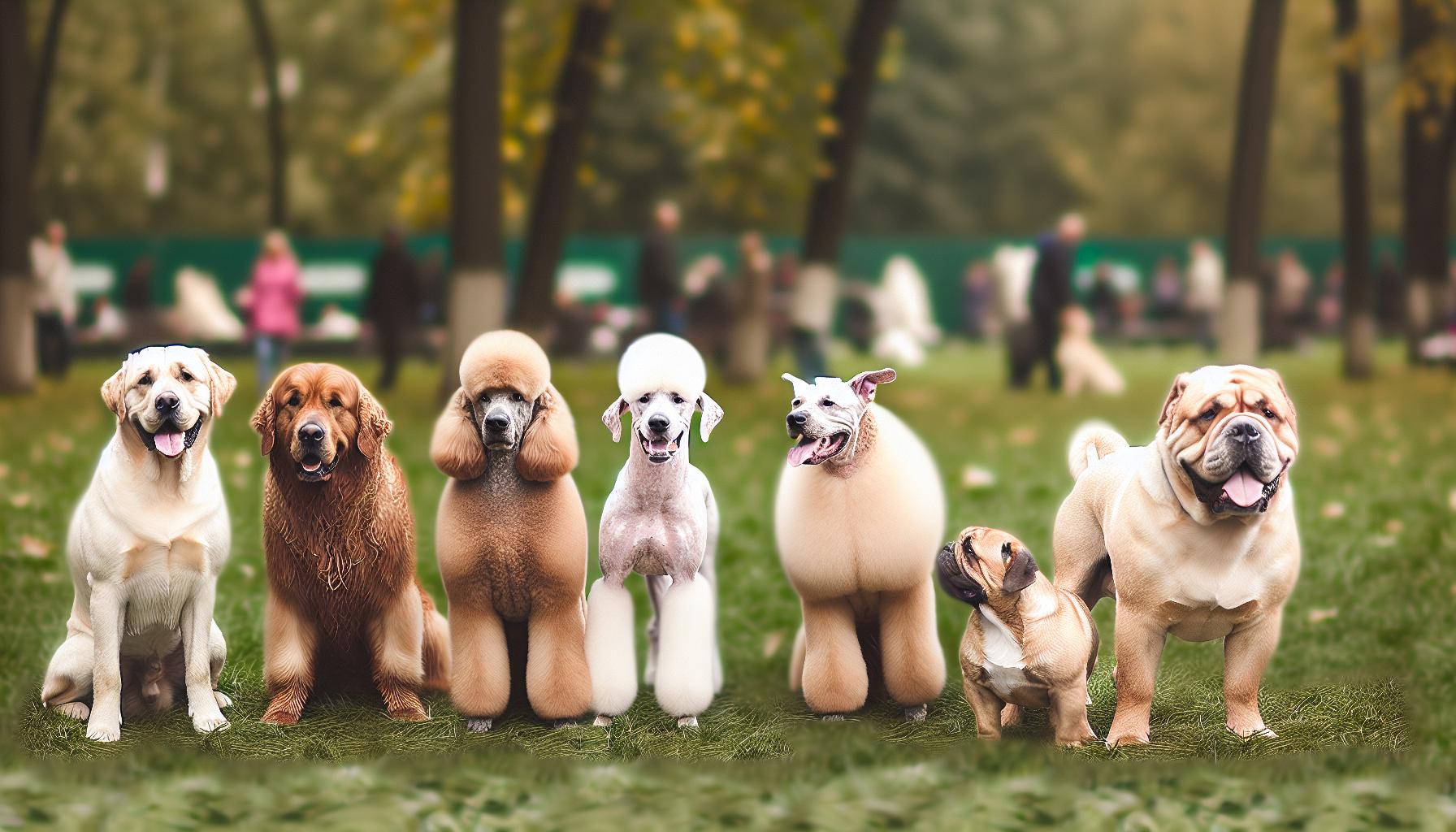
Dogs come in all shapes and sizes, and their breed and coat type can play a surprisingly significant role in how frequently enough and how easily their anal glands need to be expressed during grooming visits. Some breeds are naturally more prone to gland fullness or impaction, while thick or long coats can make accessing and expressing the glands a bit trickier, requiring a gentle but precise approach.Breeds like Corgis, Beagles, Bulldogs, and other small to medium-sized dogs frequently enough have more sensitive or prone anal glands. This means they may need more frequent expression than larger or more muscular breeds, especially if they tend to have softer stool or digestive upset. These breeds benefit greatly from groomers who know to watch for discreet signs, like slight scooting or tail chasing, and are experienced in handling these glands without causing stress or discomfort.
Coat Types Influence Access and Technique
Thick-coated breeds-like Pomeranians,Samoyeds,or Afghan Hounds-may require some extra prep before gland expression. Groomers usually trim or carefully brush the fur around the rear to provide clear visibility and prevent pulling hairs, which can cause unnecessary discomfort. In contrast, short-haired breeds (like Boxers or Dobermans) allow for easier external gland expression due to better access.
Curly or dense coats can trap gland secretions, increasing the chance of odor or irritation, so groomers often include gland expression as a standard part of hygiene for these dogs. This helps prevent buildup that can lead to discomfort or infection. For breeds with very fine or sensitive skin, groomers may proceed with extra caution, using warm compresses and gentle wipes post-expression to soothe any tenderness.
Practical Tips for Groomers and Owners
- Observation is key: Knowing your dog’s breed tendencies helps you spot early signs of gland trouble.
- Plan grooming prep: For long or thick coats, schedule time for trimming around the rear before expression.
- Comfort matters: Warm compresses before expression work wonders, especially for breeds prone to tight or firm glands.
Remember, while professional groomers are trained to safely express glands in most breeds and coat types, some dogs with chronic gland issues or unusual anatomy require veterinary assessment. Consistent communication between groomer,owner,and vet can ensure your dog’s comfort with gland care tailored to their unique needs.
By understanding these breed and coat nuances, groomers help keep your dog comfortable and fresh, turning a potentially sensitive part of grooming into a routine wellness check. This ensures your furry friend leaves every appointment feeling happy and relieved-something every pet parent can appreciate.
Common Gland Problems and How Groomers Help Prevent Them
Many dog owners don’t realize just how common anal gland issues can be, but these small sacs play a big role in your pup’s comfort.When these glands don’t empty naturally, secretions can build up, leading to discomfort, odor, or even infection. Experienced groomers regularly check and manage these glands during appointments, catching problems early before they escalate.
Dogs prone to gland troubles frequently enough show subtle signs-scooting their rear on the floor, licking or biting around the tail, or experiencing occasional odor. Groomers who are familiar with breed-specific tendencies, such as Corgis or Beagles, stay vigilant for these indicators and use gentle techniques to express the glands without causing stress.By incorporating gland checks into routine grooming, these professionals help keep your dog comfortable and reduce the risk of painful impactions or abscesses.
How Groomers help Prevent Common Gland Issues
- Regular Monitoring: Groomers are trained to recognize changes in gland fullness and consistency. Early detection means less buildup and fewer infections.
- Frequency Tailored to Your Dog: Some dogs naturally require more frequent expression. Groomers work with owners to develop a schedule suited to their pet’s needs.
- Breed and Coat Considerations: Thick or curly coats can hide gland secretion odors, so a careful clean and trim around the rear facilitates monitoring and hygiene.
- Comfort-Focused techniques: Warm compresses before expression and gentle wiping afterward soothe sensitive skin, promoting relaxation and reducing inflammation.
When Groomers Know to Refer to Veterinarians
While groomers can handle most routine gland expressions safely, persistent problems warrant a vet’s attention.Signs like swelling, redness, bleeding, or persistent pain indicate a possible infection or abscess that needs medical treatment. Groomers serve as an important first line of defense, helping owners identify when the glands are beyond home or grooming care and require professional veterinary intervention.
Consider the example of a small Bulldog client with chronic gland impaction.Their groomer noticed frequent scooting and a bad odor despite regular expression. The groomer recommended a vet visit, where dietary changes and medication successfully resolved the issue. This kind of teamwork ensures the best outcomes, combining preventative grooming care with timely veterinary support.
By entrusting your groomer to include gentle gland checks in your dog’s hygiene routine, you’re not just maintaining a clean coat-you’re supporting your dog’s health and comfort every step of the way. Remember, consistent care, observation, and open communication with your groomer and vet shape the happiest, healthiest grooming experience possible.
DIY Gland Expression: Risks and When to Avoid It
Few things are as delicate-and important-as properly caring for your dog’s anal glands, especially when considering whether to handle it yourself at home. While some owners feel confident trying to express their dog’s glands, this task requires knowlege, care, and experience to avoid causing pain or injury. It’s essential to understand when DIY gland expression might be safe and when it’s better left to a professional groomer or vet.
- Know Your Dog’s Breed and Sensitivities: Certain breeds like Corgis, Beagles, or Bulldogs are more prone to gland issues, sometimes requiring more frequent, gentle attention. These dogs often have more sensitive skin and gland openings that can be easily damaged if pressed improperly.
- Tools Matter: Having the right gloves,gentle wipes,and warm compresses can make a big difference. Using rough materials or bare hands without understanding anatomy can cause discomfort or introduce infection.
- Risk of Injury: Anal glands are delicate, and forcing expression can lead to bruising, tearing, or worsening inflammation. This is especially true if the glands are severely impacted or infected-signs that need veterinary care rather than home treatment.
When Saying “No” to DIY is Actually Saying “Yes” to your Dog’s Comfort
If your dog shows signs like swelling, redness, a painful response during touching, or persistent scooting and odor, it’s best not to attempt expressing at home. These symptoms often point to infections, abscesses, or other complications that require medical intervention. Even mild discomfort or resistance by your dog is a clear cue to pause and consult a professional. Groomers trained in gland expression use gentle, practiced techniques that keep your dog calm and safe while avoiding injury.
Balancing DIY with Professional Support
If you decide to try expressing your dog’s glands yourself, consider beginning only under the guidance of your groomer or veterinarian. Many groomers can demonstrate safe techniques during appointments and recommend the frequency suitable for your dog’s individual needs. Remember, this is a skill that takes practice and patience, and rushing can cause more harm than good.
In the meantime, boosting your dog’s fiber intake through diet and ensuring regular exercise can definitely help promote natural gland emptying-frequently enough reducing the need for manual expression. Ultimately, partnering with your groomer and vet ensures you provide your dog with the safest, most comfortable care possible, keeping “do-it-yourself” efforts supportive, not stressful or risky, for your beloved pet.
For more in-depth facts on the signs and care of anal glands, you can visit sources such as PetMD and the PDSA’s pet health hub which highlight best practices and reasons to seek professional help[[[1]](https://www.pdsa.org.uk/pet-help-and-advice/pet-health-hub/conditions/blocked-anal-glands-in-dogs) [[3]](https://www.petmd.com/dog/general-health/dog-anal-glands).
How Groomers Include Gland Care in Standard Appointments
Many dog owners don’t realize that anal gland care frequently enough happens quietly in the background during a typical grooming session-but it’s a vital part of keeping your dog comfortable and healthy. Experienced groomers assess your dog’s needs as part of their overall check-up, incorporating gland expression seamlessly with tasks like bathing, brushing, and nail trims. This integrated approach helps prevent discomfort,odor issues,and potential infections before they become serious.
- Observing and Assessing: Right from the start, a groomer skilled in gland care looks for signs such as scooting, odor, or swelling that might indicate the glands need attention. Breeds prone to gland problems, like Corgis, Bulldogs, and Beagles, are given gentle extra focus.
- Gentle Preparation: Before expression, the area is usually cleaned carefully using soft wipes or a mild spray to reduce the chance of irritation or infection. This step not only keeps your dog comfortable but also makes the procedure smoother and safer.
- Safe and Skilled Expression: Using gloves and anatomical knowledge, groomers express glands gently, applying just enough pressure to relieve buildup without causing pain. If a dog shows signs of distress or the glands feel unusually hard or inflamed, the groomer will stop and recommend a veterinary evaluation instead.
How Gland Care Fits Into Your Grooming Routine
including gland expression in a full grooming appointment frequently enough saves you extra trips and keeps your dog relaxed by building positive salon experiences. For dogs with thicker or longer coats, groomers may take special care to remove mats and tangles near the rear end before proceeding. This helps avoid trapping debris or bacteria after the glands are emptied. During bath time, the groomer’s hands often stay alert for signs that might prompt expression-even if you didn’t specifically request it.
Communication and Customization Are Key
Groomers understand that every dog is different. Some pets require gland expression every visit, while others may only need it occasionally. Open communication helps you and your groomer track your dog’s comfort and health over time. It’s also common for groomers to demonstrate safe at-home care tips or recommend dietary changes to support healthier gland function naturally. By partnering together, you help your furry friend feel confident and cared for, with hygiene needs met efficiently without stress or discomfort.
If you’ve ever worried about whether anal gland care is included or how it’s done,rest assured that professional groomers treat this sensitive job with kindness,patience,and expertise-always putting safety and comfort first in every appointment. This gentle routine care helps keep your dog happy between vet visits and reduces the chance of painful complications down the road.
Tips for calming Anxious Dogs During Gland Expression
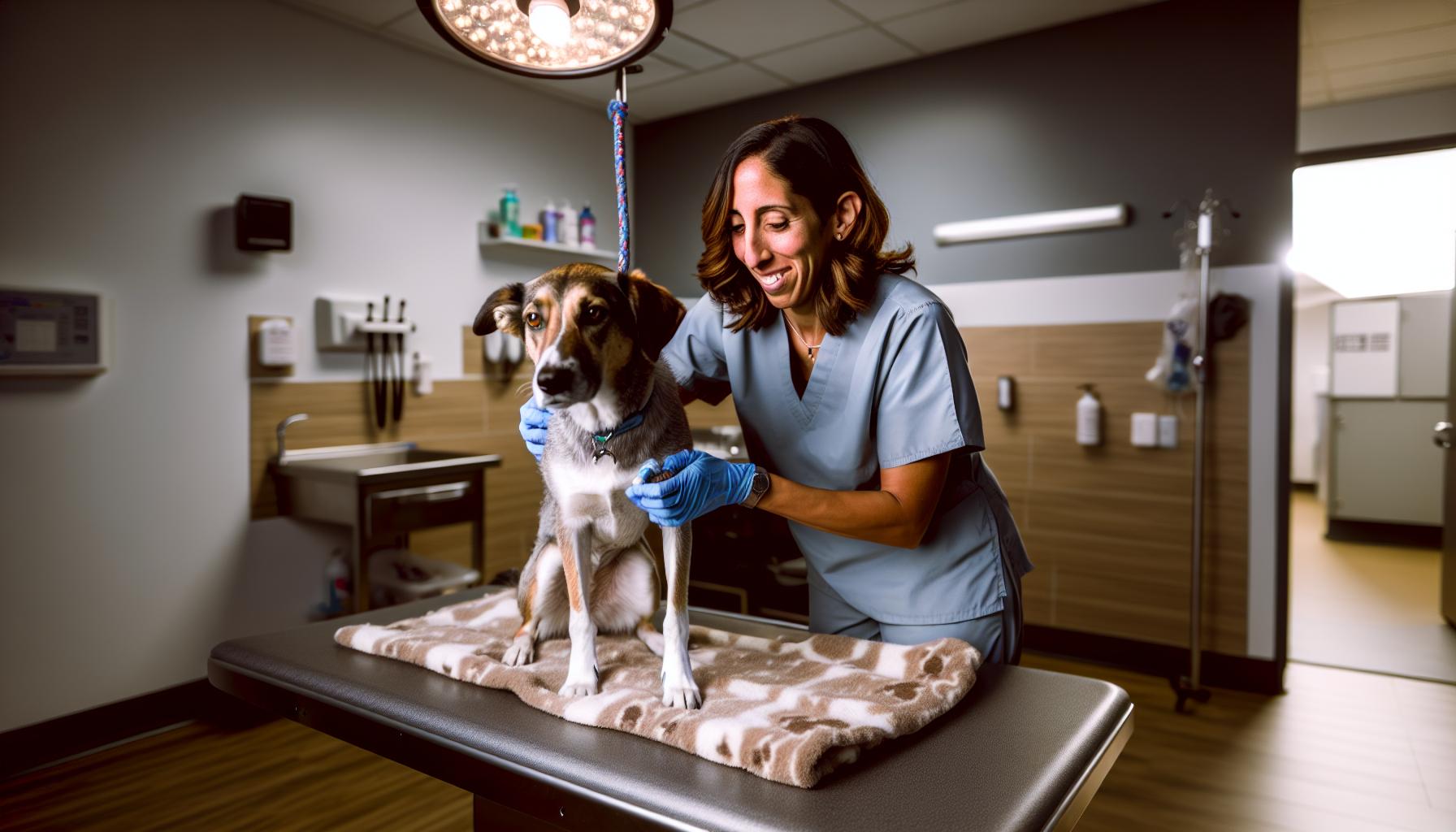
Few things test a dog’s patience like unfamiliar sensations near sensitive areas, so it’s natural for some dogs to feel anxious when approaching gland expression. The key is to create an habitat where your furry friend feels safe, understood, and supported.With calm confidence and patient hands, groomers can transform gland care from a stressful event into a moment of gentle reassurance.
Setting the Stage for Comfort
Start by giving your dog plenty of time to acclimate to the grooming space. A quiet, distraction-free area with familiar scents and soft, reassuring voices helps reduce stress. For breeds known to be nervous-like small terriers or toy breeds-or dogs with thick double coats that may trap heat, extra patience is vital. Before even touching the area, groomers frequently enough engage in gentle petting and soothing words, allowing dogs to relax and build trust.
Simple Steps to Ease Anxiety
- Slow Introductions: Use a calm, stepwise approach by first cleaning the area gently with warm, hypoallergenic wipes.This not only reduces discomfort but helps your dog get used to your hands near sensitive spots.
- Positive Reinforcement: Pair the procedure with tasty treats or praise. Even small rewards can turn an unpleasant experience into a positive one over time.
- Comforting Restraint: Instead of rigid holds, groomers employ gentle, supportive positioning that keeps the dog secure but comfortable. For example, softly cradling a dog in the lap or using a padded grooming table reduces fear and offers stability.
Addressing Signs of Stress Before They Escalate
Careful groomers watch closely for early signals like lip licking, yawning, or subtle body stiffening. If a dog becomes visibly distressed or attempts to flee, it’s wise to pause, give them a break, and try some calming techniques such as deep pressure touches or even a brief walk. In some cases, especially if the glands feel inflamed or painful, the best choice is to defer to veterinary care and avoid forcing expression.
By tuning into your dog’s unique reactions and making gland expression part of a loving, low-stress routine, groomers help build confidence and reduce anxiety over time. This compassionate touch ensures every dog leaves the salon feeling more comfortable-not just cleaner.
Costs and Scheduling: Adding Gland care to Grooming Visits
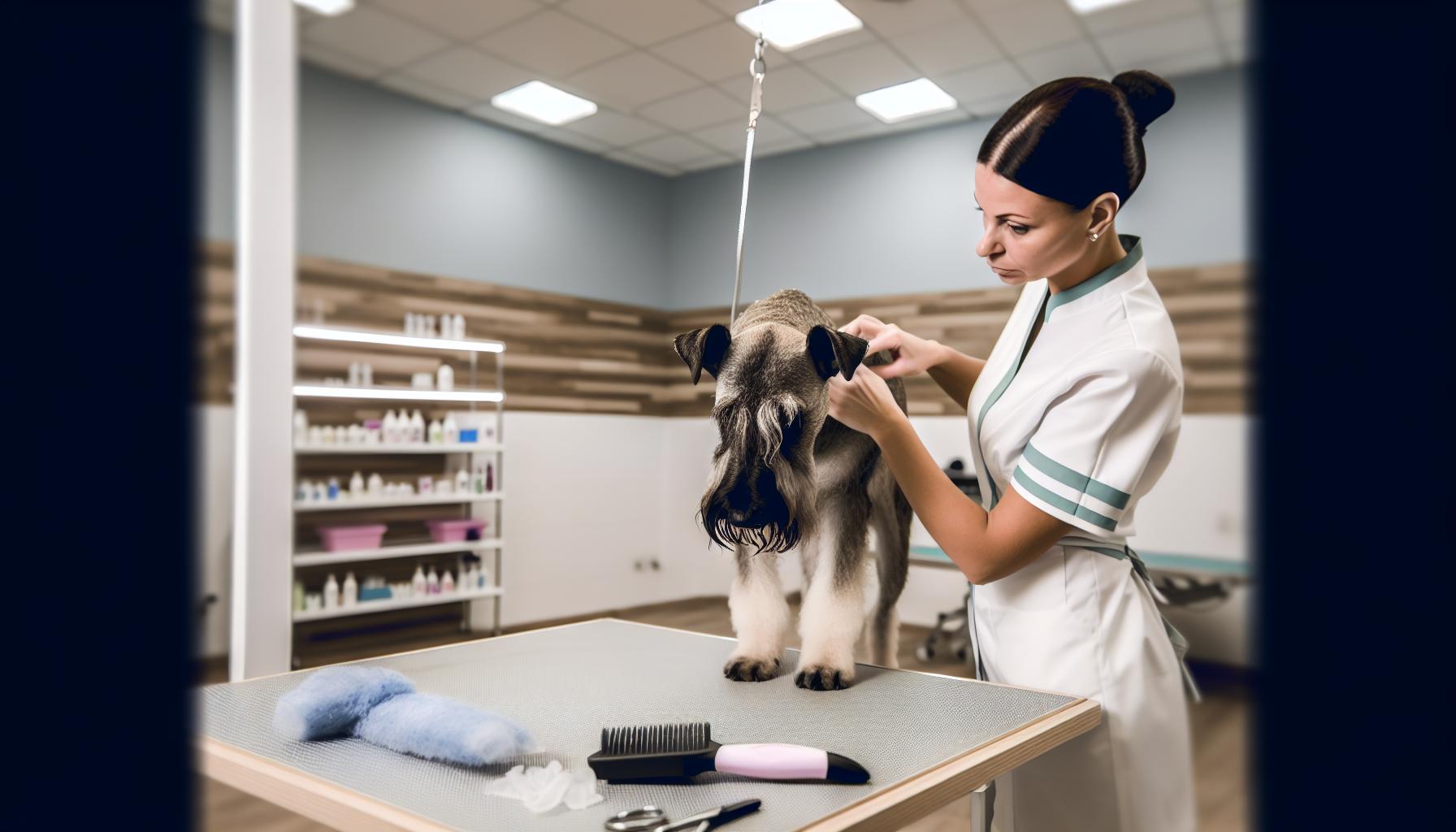
It’s surprising how often anal gland expression is a quiet but essential part of a grooming visit, yet many pet parents aren’t fully aware of what it entails or how it influences scheduling and costs. Since gland care varies by breed, coat thickness, and individual dog needs, understanding what to expect can help you plan better and feel confident about adding this service.
Most groomers include a quick gland check as part of a standard grooming appointment-especially for breeds prone to gland issues like small terriers, Cocker Spaniels, or dogs with thick double coats that may trap moisture and cause blockages. If your dog routinely needs expression, this step is frequently enough incorporated seamlessly during or right after baths, when the glands are softer and easier to express. Consider it part of the overall wellness maintenance, much like nail trims or ear cleaning.
Though, if your furry friend has chronic gland problems, appearances of irritation, or a history of impaction or infection, groomers might recommend scheduling dedicated sessions focused on gland care.This specialized attention can sometimes carry an additional fee, typically ranging from $10 to $25, depending on your location and the groomer’s policies. Because gland expression requires gentle technique,patience,and sometimes additional tools like hypoallergenic wipes and gloves,this fee covers both the extra time and care your dog deserves.
Finding the Right Timing for Gland Expression
- Routine Grooming Visits: Many dogs benefit from gland checks every 4 to 6 weeks, aligned with their regular grooming. This frequency fits well for breeds prone to secretion buildup.
- Watch for Symptoms: If you notice scooting, licking, or discomfort between visits, scheduling a mid-cycle gland session can prevent bigger issues.
- Plan for Seasonal Changes: Increased humidity or heavy shedding can sometimes influence gland activity, meaning a groomer’s advice on timing might shift slightly to match your dog’s unique needs.
Making Grooming Days Easier on Everyone
Booking gland expression alongside baths means less disruption and lowers overall visits, which many pet owners find convenient and less stressful for their dog.inform your groomer beforehand if your dog is nervous or has a history of gland issues-experienced groomers use calming techniques and can adjust the pace to keep your dog comfortable. Remember, if the glands feel inflamed or painful, your groomer will always advise veterinary care first rather than forcing expression during your appointment.
Here’s a simple table that can give you a quick overview of typical cost ranges and scheduling notes:
| Service Type | Typical Cost | Recommended Frequency | Notes |
|---|---|---|---|
| Included with Regular Grooming | Usually no extra charge | Every 4-6 weeks (breed/individual basis) | Quick check and expression if needed |
| Dedicated Gland Expression Session | $10 – $25 extra | As required for chronic issues or discomfort | More thorough, gentle, and slow-paced |
| Veterinary Gland Expression | Varies widely, often $50+ | When signs of infection or severe impaction occur | Medical treatment recommended when glands are inflamed |
By scheduling gland care thoughtfully and openly communicating with your groomer, you’re setting up a routine that supports your dog’s comfort and health. Most importantly, keep an eye on how your dog reacts to each visit and don’t hesitate to ask your groomer questions. Their experience combined with your attentive care means your dog’s sensitive needs are met with compassion and expertise every time.
FAQ
Q: How frequently enough should dog groomers express anal glands during regular appointments?
A: Dog groomers typically express anal glands only when signs indicate a need, such as scooting or discomfort. Routine expression isn’t always necessary and depends on breed and health. Discuss your dog’s specific needs with your groomer to avoid over-expressing,which can cause irritation. See our section on signs for timing tips.
Q: Are gland expressions included automatically in all dog grooming packages?
A: Gland expression is frequently enough an optional add-on, not automatically included in every grooming package. Many groomers offer it if requested or if they notice gland issues during the appointment.Always clarify with your groomer beforehand to ensure it’s part of your dog’s grooming service.
Q: Can groomers safely handle gland expression on small or nervous dogs?
A: Yes, professional groomers are trained to express glands safely, even for small or anxious dogs. They use gentle restraint and calming techniques to reduce stress. Inform your groomer of your dog’s temperament so they can adjust their approach accordingly for a comfortable grooming experience.
Q: What should I watch for after my dog’s glands are expressed at grooming?
A: After gland expression, monitor for signs like redness, swelling, or continued scooting, which indicate irritation or infection. It’s normal for some mild odor or slight discomfort briefly. If symptoms persist, consult your vet promptly. Groomers can help identify issues early-see our guide on vet vs. groomer roles.
Q: How do groomers decide if gland expression is necessary during a grooming session?
A: Groomers assess for behaviors like tail chasing,scooting,or visible swelling near the anus. They may also check gland fullness during the grooming. If signs are present, they’ll perform expression or recommend a vet check. This assessment ensures gland care is provided only when truly needed.
Q: Do groomers use special tools or only manual methods to express dog glands?
A: Most groomers use manual expression with gloved hands and gentle pressure. Some may use absorbent materials to catch fluid. Tools are minimal because manual expression is safest and most effective. Learn more about groomer techniques in our detailed tools and methods section.
Q: Is there a risk of injury if groomers frequently express my dog’s anal glands?
A: Frequent, unnecessary gland expression can cause soreness or damage. That’s why groomers balance care with caution and recommend vet visits for chronic issues. Proper evaluation helps avoid over-expressing-refer to our section on common gland problems and prevention.
Q: Can I ask my groomer to skip gland expression during grooming appointments?
A: Absolutely! Gland expression is optional and should be based on your dog’s comfort and health status. Communicate with your groomer about preferences, especially if your dog reacts nervously.Regular grooming can still keep your dog clean and comfortable without gland expression if not needed.
For more guidance, explore our sections on Signs Your Dog Needs Gland Expression and How Groomers Include Gland Care in Standard Appointments to feel confident about your dog’s grooming care. Always prioritize safety and patience!
Future Outlook
Understanding what’s included in your dog groomer’s appointment-especially whether gland expression is part of the service-can make a real difference in your pet’s comfort and health. since not every groomer routinely expresses glands, knowing what to expect can prevent discomfort or issues for your furry friend. If you have a dog with sensitive skin or a busy schedule,a professional groomer can safely handle this task,using the right techniques and tools tailored to your dog’s breed and coat type.For more tips on keeping your dog happy between visits, check out our guides on DIY grooming basics and how to choose the right grooming products. If you’re unsure whether gland expression is needed for your dog or want to explore veterinary options versus groomer services, these resources can definitely help clarify next steps. Don’t wait until your pup shows signs of discomfort-book your next grooming appointment today, and subscribe to our newsletter for expert advice delivered right to your inbox. Have questions or personal experiences? Share in the comments-we’d love to hear from you!
Get our latest guides, news, and insights highlighted in your Google Search & AI Overviews.
Keep reading about the same coat and cut.


Popular grooming guides
Bath vs clip, first grooms, and salon how-tos.