How Do Dog Groomers Make Dogs Smell So Good: Product Tips

Did you know that the secret behind a groomer’s ability to make dogs smell irresistibly fresh lies in the right products and techniques tailored to each coat type? Whether your furry friend has a silky, curly, or wiry coat, understanding how professional groomers select shampoos, conditioners, and odor eliminators can make all the difference in keeping your dog clean, agreeable, and smelling delightful between visits. Many pet owners worry about using the wrong products or stressing their dogs during home baths, but with the right guidance, you can confidently support your pup’s hygiene without overwhelm. In this article, we’ll gently walk you through the key product choices and tips groomers rely on-covering everything from gentle cleansing to managing sensitive skin or stubborn odors.You’ll gain clear, compassionate advice that puts your dog’s well-being first, so bath time becomes less of a chore and more a bonding experience. Let’s explore how these expert secrets can definitely help you keep your best friend smelling as good as they look, safely and effectively.
How Professional Dog Groomers Choose Their Scented Products
Table of Contents
- 1 How Professional Dog Groomers Choose Their Scented Products
- 2 step-by-Step Grooming Routine for a Fresh-Smelling Dog
- 3 Top ingredients That Keep Dogs Smelling Clean and Healthy
- 4 How Coat Types Influence the Best Grooming Scents and Products
- 5 Brushing and Bathing Tips to Maximize Long-Lasting Freshness
- 6 DIY Tricks Groomers Use to Neutralize Odors Safely at Home
- 7 The Role of Conditioning Sprays and Deodorizers in grooming
- 8 Managing Common Smell Triggers: Ears, Paws, and Teeth Care
- 9 How Groomers Address Sensitive Skin and Allergies with Gentle Scents
- 10 Tools and Techniques for Stress-Free Grooming and Comfort
- 11 When to Trust a Vet vs. Groomer for Odor and Skin Issues
- 12 FAQ
- 12.1 Q: How do groomers select scented products that suit different dog breeds?
- 12.2 Q: What are effective natural deodorizing ingredients groomers use?
- 12.3 Q: Why do some grooming sprays and conditioners keep dogs smelling fresh longer?
- 12.4 Q: How do groomers handle odor issues in sensitive areas like ears and paws?
- 12.5 Q: Can a dog’s diet affect how good they smell after grooming?
- 12.6 Q: How often should professional grooming be scheduled to keep dogs smelling fresh?
- 12.7 Q: What grooming tools help maximize lasting fragrance on dogs?
- 12.8 Q: How do groomers ensure scents are safe for dogs with allergies or sensitive skin?
- 13 Future Outlook
Choosing the right scented products is a thoughtful process for professional dog groomers, blending an understanding of canine sensitivities with a passion for keeping each pup comfortable and fresh. It’s not simply about picking the most fragrant spray; it hinges on selecting formulas designed to be gentle, safe, and complementary to a dog’s unique coat and skin health.Groomers often prioritize products that are hypoallergenic, alcohol-free, and free from harsh chemicals to avoid irritation, especially since many dogs have sensitive noses and skin.
Considering Coat Type and Skin Sensitivities
Many groomers choose scented sprays and shampoos based on the dog’s breed and coat type. For example, thick double coats like those on Huskies require lighter, non-greasy products that don’t weigh the fur down. On the other hand, curly or long hair breeds benefit from colognes with conditioning ingredients that help detangle and add moisture, extending the scent’s longevity. Groomers will usually ask about any known allergies or skin conditions before applying scented products, opting for gentle, fragrance formulations such as those free from artificial dyes or alcohol, wich are common irritants.
Selecting Scented Products with Functional Benefits
The best picks do double duty: they not only impart a fresh scent but also have conditioning and deodorizing properties.For instance, products like PAWFUME Dog Perfume Spray are popular for their hypoallergenic, alcohol-free formulas that freshen without drying the coat or skin.Groomers often rely on such balanced products because they boost coat health while maintaining a pleasant aroma all day long [[1]](https://www.amazon.com/Best-Sellers-Dog-Colognes/zgbs/pet-supplies/2975365011).Seasonal scent options are also favored – lighter, marine-inspired fragrances in summer and warmer, comforting notes during cooler months - helping pups smell fresh year-round without overwhelming their sensitive noses [[2]](https://www.reddit.com/r/doggrooming/comments/1dj6uel/whats_your_favorite_after_groom_perfume_scent/).
Practical Groomer Tips for Product Use:
- Always test a small amount on a patch of fur to ensure the dog isn’t sensitive to the product before full request.
- Use sprays sparingly– a light mist is enough to refresh the coat without causing buildup or residue.
- Pair scented products with proper grooming tools, like appropriate brushes and combs, to distribute product evenly and enhance shine.
- Communicate with pet owners about the scent choice and ingredients,emphasizing hypoallergenic options for sensitive pets.
Scented products are a thoughtful finishing touch in grooming sessions, but professional groomers always prioritize each dog’s comfort and health above all. When in doubt, they steer clear of overpowering perfumes and select products with known safety profiles, ensuring every dog leaves smelling fresh and feeling happy.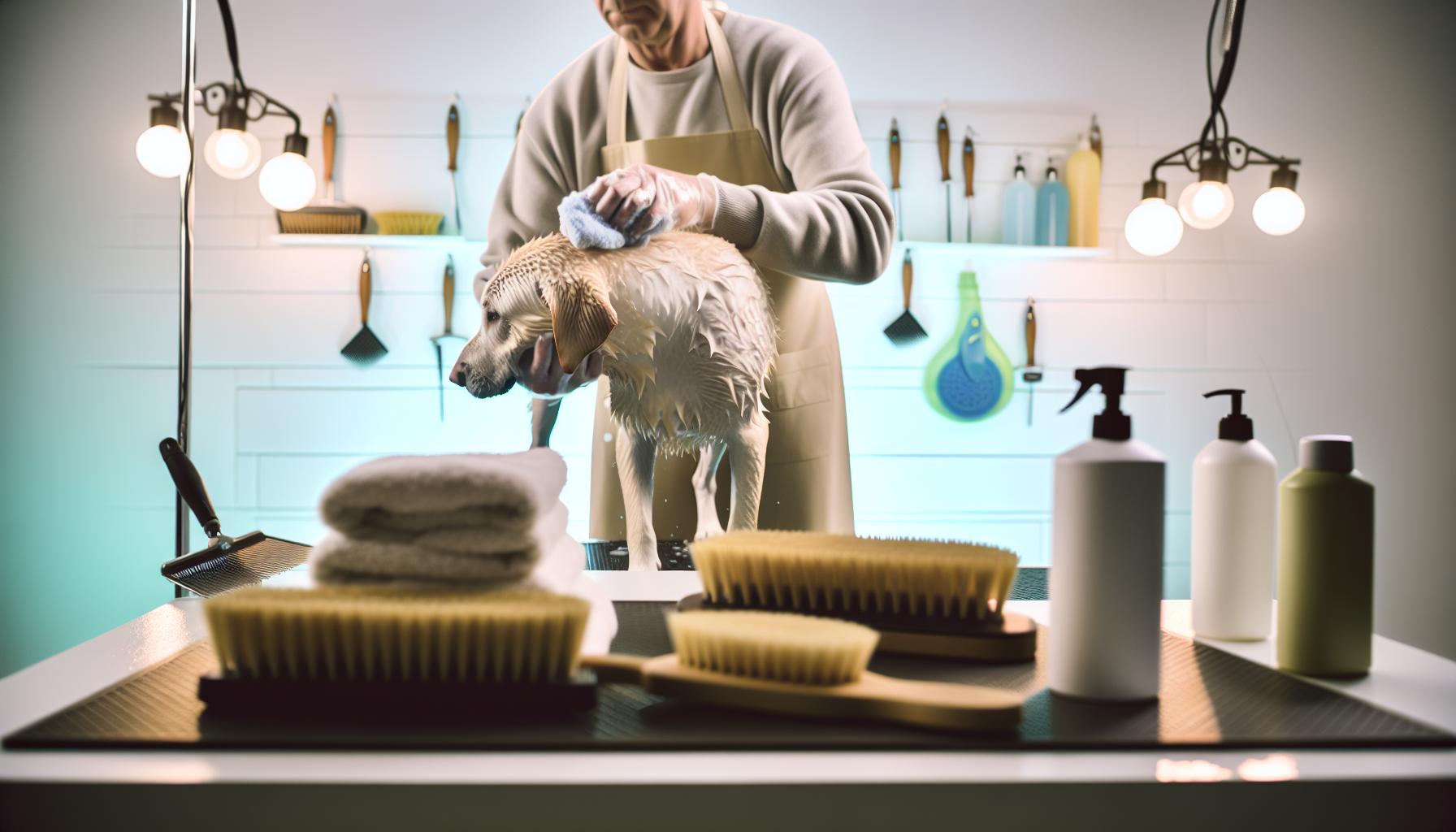
step-by-Step Grooming Routine for a Fresh-Smelling Dog
Few things are as satisfying as a fresh-smelling dog coming out of a grooming session, radiating health and happiness. Achieving that delightful scent starts well before any scented spray touches the coat. It’s a step-by-step process that balances care, patience, and the right products tailored to your pup’s needs. Whether you’re working with a thick-coated Labrador or a curly-haired Poodle, this routine helps maintain cleanliness and enhances a naturally pleasant aroma.
Start with a gentle Brush-Out
Before bath time,gently brush your dog’s entire coat to remove loose hair,dirt,and tangles. Use tools suited to the coat type-slicker brushes for curly or thick fur, bristle brushes for short-haired breeds-to prevent breakage and irritation. This step not only promotes healthy skin by increasing blood flow but also removes surface odors trapped in the fur. For mats or stubborn tangles, approach slowly and patiently, using dematting tools or finger-combing to keep your dog comfortable.
Bathing Using Dog-Safe, Scented Shampoos
Choose a gentle, hypoallergenic shampoo formulated for dogs; avoid human shampoos as they can disrupt the natural pH balance of your dog’s skin. wet the coat thoroughly with lukewarm water, then apply shampoo evenly. Massage it in with care, paying special attention to areas prone to odor, such as under the collar, paws, and around the ears, but avoid harsh scrubbing which can irritate sensitive skin. Rinse completely to remove all residue, as leftover shampoo can cause itching and dullness.
Condition and Rinse Well
After shampooing, use a conditioner or detangler suitable for your dog’s coat type to lock in moisture and add softness that holds scent longer. Conditioning also helps minimize static and tangles, making the coat easier to manage, especially for longer or curlier fur. Again, rinse thoroughly-any leftover product can trap dirt and contribute to unpleasant smells.
Drying with Care to Retain Freshness
Pat your dog gently with a soft towel to remove excess water, then blow-dry on a low, cool setting if your dog tolerates it. Avoid high heat which can dry out skin and strip natural oils. A well-dried coat smells fresher longer and feels silky to the touch. Brush the fur again during drying to keep it smooth and to evenly distribute natural oils that carry subtle, pleasant scents.
Final Touch: Scented Sprays and Deodorizers
Once fully dry, lightly mist a dog-safe, hypoallergenic scented spray-or a deodorizer designed to neutralize odors-over the coat.Less is more here; a fine, even mist avoids buildup and keeps the scent natural and subtle. Incorporate sprays containing conditioning ingredients that also nourish the coat. Avoid overpowering perfumes or products with alcohol, which can irritate sensitive noses and skin.
Routine Extras to Address Key Smell Culprits
Don’t forget regular ear cleaning, nail care, and teeth brushing-areas that can contribute to odor if overlooked.Use vet-approved ear solutions and dog-specific toothpaste. Cleaning paws after walks, especially if your dog has been in wet or muddy areas, helps prevent lingering odors.
Helpful Tools to Keep at Hand:
- Brush suited to coat type (slicker, bristle, comb)
- Dog-specific shampoo and conditioner, fragrance-free or lightly scented
- Soft towels and a pet-safe blow dryer
- Hypoallergenic scented sprays or deodorizers
- Ear cleaning solution and cotton balls
- Dog toothbrush and toothpaste
Remember, each dog is unique. If you notice persistent foul odors despite grooming, or signs of skin irritation, consult a veterinarian before experimenting further. A vet can definitely help rule out infections, allergies, or other medical causes that require treatment beyond grooming care. Through consistent, compassionate grooming routines and mindful product choices, your dog will not only look great but smell absolutely wonderful-making each cuddle even sweeter.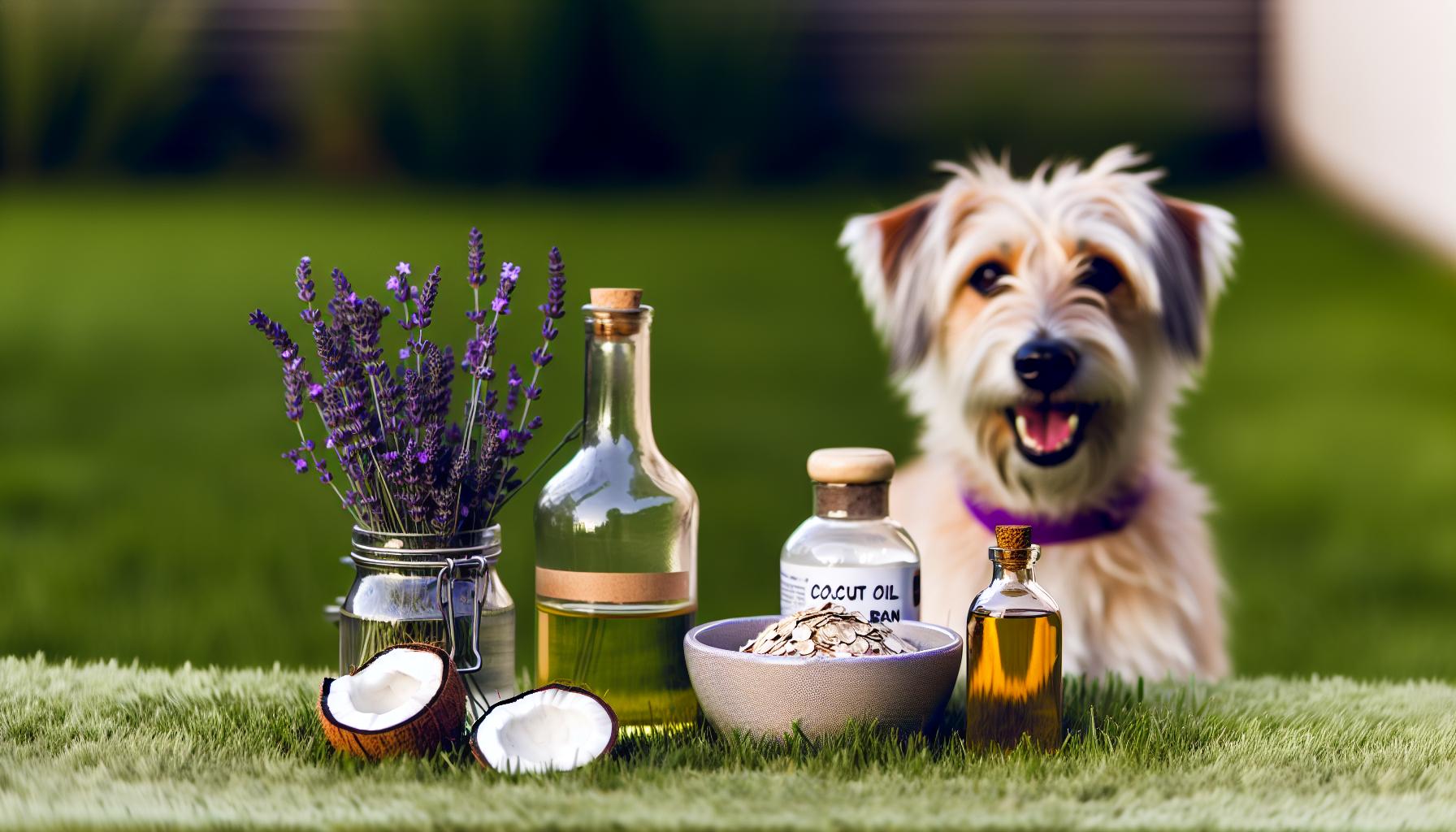
Top ingredients That Keep Dogs Smelling Clean and Healthy
A dog’s fresh, clean scent starts deep within the ingredients that go into their grooming products-not just with a speedy spritz of perfume at the end. Selecting shampoos and conditioners with carefully chosen,natural ingredients can gently cleanse,soothe,and protect your pup’s skin,while keeping odors at bay. Many professional groomers favor formulas that focus on nourishment and wellness rather then overpowering fragrances, as a healthy coat naturally smells better and lasts longer between baths.
Soothing Botanicals and Moisturizers
Ingredients like oatmeal and aloe vera are treasured favorites for sensitive or allergy-prone skin. Oatmeal naturally exfoliates and calms irritation, helping to reduce the underlying causes of odor such as itchy, flaky skin. Aloe vera adds gentle moisture and supports skin healing, contributing to a soft, supple coat that retains a clean scent without harsh chemicals. Groomers often rely on these botanical ingredients when working with nervous or older dogs that need extra gentle care. Many high-quality oatmeal and aloe shampoos are pH-balanced and soap-free, which means they clean effectively without stripping natural oils that keep skin healthy [1].
Natural Deodorizers and Essential Oils
While synthetic fragrances can overwhelm or irritate sensitive noses, certain essential oils in low concentrations add a subtle, fresh aroma and natural deodorizing properties. Ingredients such as lavender, chamomile, and tea tree oil are common in pet grooming products, but it’s essential they are used sparingly and formulated specifically for dogs.Lavender and chamomile help calm anxious pets during grooming and leave a gentle herbal scent that isn’t overpowering. Conversely, tea tree oil is antimicrobial and can help manage odor-causing bacteria, but must be diluted appropriately to avoid skin sensitivity. Groomers carefully choose products with these safely balanced oils or add a few drops of specially formulated, dog-safe blends to conditioning sprays for that extra touch of freshness.
Hydrating Oils and Fatty Acids
Hydrating ingredients like coconut oil, jojoba oil, and vitamin E not only boost shine but also create a protective barrier that locks moisture in the coat and skin. these oils prevent dryness and flaking, which are common culprits behind doggy odors. For example, a thick-coated breed like a German Shepherd benefits from a conditioner rich in jojoba oil to break down dirt and sebum buildup between baths. Groomers often recommend home grooming routines that include weekly conditioning treatments containing these oils to maintain a healthy, naturally fresh-smelling coat.
Safe Surfactants and Preservatives
Effective cleansing depends on gentle surfactants that don’t dry out or irritate the skin. Professionals avoid harmful ingredients like formaldehyde-based preservatives and harsh detergents, which can cause itching and lead to persistent odor problems [3]. Rather, shampoos with naturally derived surfactants (from coconut or corn sugars) are top picks-they gently lift dirt and oil without compromising the skin barrier. Groomers frequently enough check ingredient lists to ensure at least 95% of components are natural-based, balancing safety with performance [2].
remember: Every pup is different.What works wonders for a silky, long-haired Spaniel might not be ideal for a short-coated Bulldog.Choosing ingredients suited to your dog’s skin type, coat characteristic, and any sensitivities is key to keeping them smelling fresh and healthy naturally-not masking problems with strong scents. As always, if new irritations or odors appear consistently, a vet visit can uncover underlying issues beyond grooming care. With the right ingredients in hand, you’ll be well-equipped to support your dog’s wellness from skin to scent.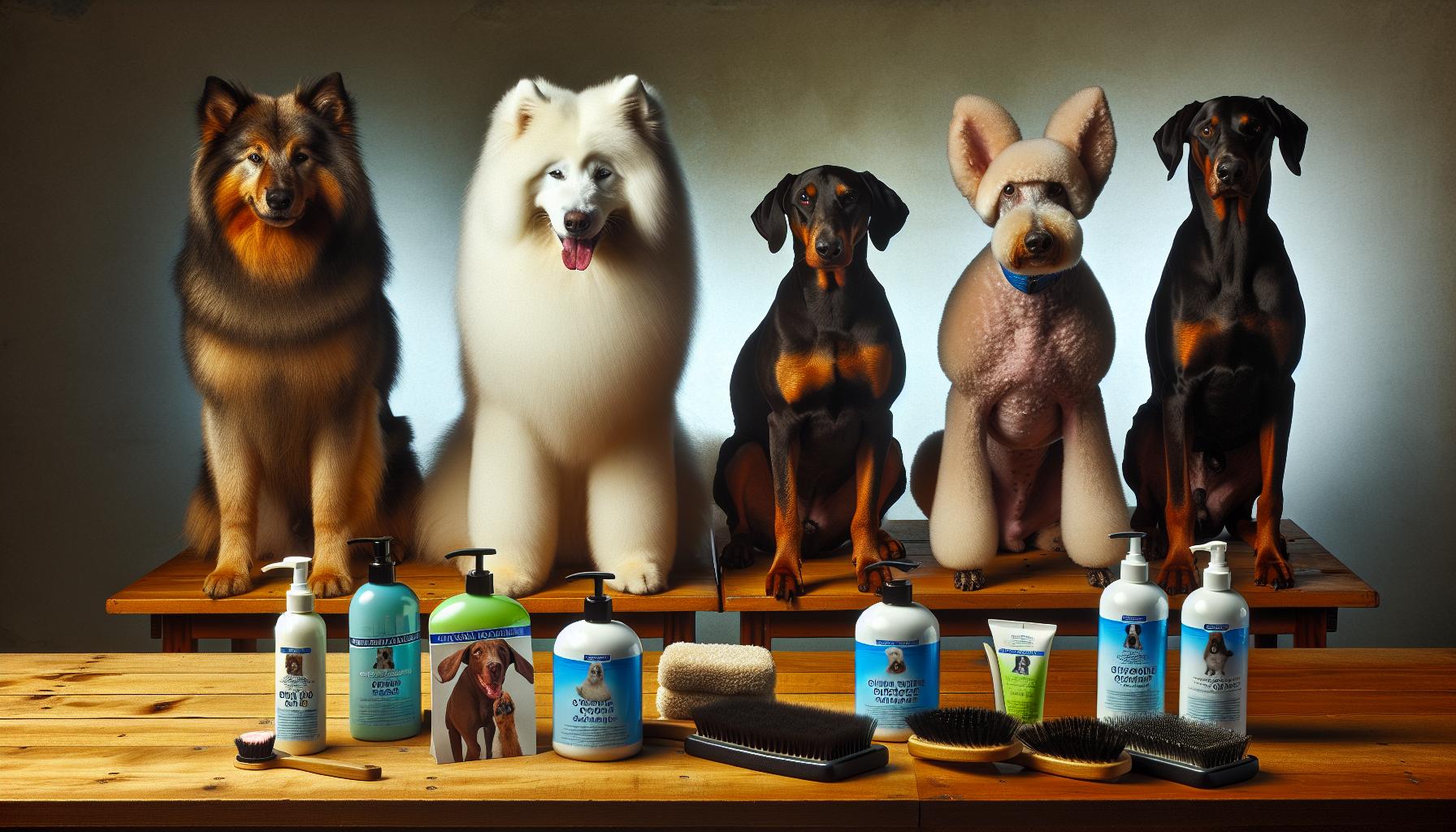
How Coat Types Influence the Best Grooming Scents and Products
Every dog’s coat is as unique as their personality,and understanding these differences is key to choosing the right grooming products that not only keep them smelling fresh but also support their skin and fur health. The type and texture of a dog’s coat influence everything-from how dirt and oils accumulate to how scents interact and linger. For example, thick double coats, like those of Huskies or Golden Retrievers, tend to trap moisture and odors beneath the top layer, requiring grooming products that deeply cleanse without stripping natural oils.
For dogs with dense or coarse fur, shampoos and conditioners enriched with hydrating oils such as jojoba or coconut oil work wonders. These ingredients penetrate the hair shaft,soften the coat,and create a subtle barrier that holds scent longer without becoming overpowering. Groomers frequently enough pair these rich conditioners with gentle, natural deodorizers like lemongrass and verbena, which refresh heavy coats without masking natural glandular scents.On the other hand,short-haired breeds like Boxers or Beagles benefit more from lightweight,quick-rinse formulas that cleanse effectively but rinse out fully,preventing residue buildup that can weigh down their finer coats and cause unwanted odor traps.
Matching Grooming Tools and Products to Coat Type
- Long, Silky Coats: Breeds such as Afghan Hounds or Shih Tzus need products that detangle and moisturize together. Conditioners containing natural slip agents help manage tangles, allowing groomers to apply scented sprays that lightly coat the hair, enhancing scent without compromising softness.
- Curly or wavy Fur: Poodles and Portuguese Water Dogs require shampoos designed to maintain curl integrity while moisturizing deeply. Groomers favor mild, sulfate-free cleansers with added fatty acids and gentle botanicals to reduce odor-causing dry skin.
- Short Coats: For breeds like dachshunds and French Bulldogs, less is often more. Simplified grooming products with minimal fragrance and moisturizing ingredients prevent irritation and avoid lingering chemical smells that can stress sensitive noses.
Seasonal Coat Changes and Scent Selection
Many dogs go through seasonal shedding, which impacts how grooming scents perform. during heavy shedding periods, a de-shedding shampoo combined with freshening sprays can greatly reduce dander and the musty odors it causes. Many groomers suggest switching to lighter scents such as aquatic or herbal blends in warmer months-think sea breeze or lemongrass-to avoid overwhelming the dog and owner with heavy fragrances.In cooler months, warm, cozy scents with hints of vanilla or chamomile provide a soothing effect, especially for anxious pets during bath time.
Remember that scent longevity also hinges on coat condition. Healthy,hydrated fur naturally retains pleasant aromas longer,while dry,brittle coats may lose scent rapidly or harbor unpleasant odors. Regular conditioning treatments, matched to coat type and skin sensitivity, balance moisture and fragrance for the best, most natural-smelling results.
Example Table: Coat types and Recommended Grooming Products
| Coat Type | Key Grooming Product Features | Recommended Scents | Notes |
|---|---|---|---|
| Thick / Double Coats | Deep cleansing; hydrating oils (jojoba,coconut); de-shedding formula | Natural herb blends (lemongrass,verbena),light floral | focus on blade grooming + conditioning to prevent matting and odors |
| Long,silky Coats | Tangling prevention; slip conditioners; gentle moisturizing | Subtle vanilla,chamomile,soft musk | Regular brushing essential to maintain scent longevity |
| Curly / Wavy Fur | Sulfate-free cleansers; fatty acid enriched conditioners | Light citrus,lavender | Use conditioner sprays sparingly to avoid curl weight down |
| Short Coats | Fast rinse; minimal fragrance; soothing botanicals | Cucumber-melon,mild aloe | Focus on gentle skin care to avoid irritation |
By tailoring scent choices and product formulations to coat type,groomers ensure dogs not only smell amazing but stay comfortable and healthy. This thoughtful approach respects each dog’s individual needs,making grooming a positive experience that owners can replicate at home with confidence and calm.
Brushing and Bathing Tips to Maximize Long-Lasting Freshness
A fresh-smelling dog starts with proper brushing and bathing routines that work in harmony to remove dirt, oils, and odor-causing debris while preserving the natural oils that keep coats soft and fragrant. Groomers know that skipping or rushing either step can leave behind residues or mats where unpleasant smells can hide, so patience and gentle handling are essential-especially if your pup is anxious or new to grooming.
Brushing: the Foundation for Freshness
Before jumping into the bath, a thorough brushing session is crucial. For dogs with thick or long coats, tools like slicker brushes and wide-tooth combs help remove tangles, loose fur, and surface debris that can trap odors. Short-haired dogs benefit from rubber curry combs or soft bristle brushes to stimulate natural oils and spread them evenly, which naturally boosts scent retention. Regular brushing creates airflow through the coat, reducing moisture buildup and preventing the “doggy smell” that starts when fur stays damp or matted. Groomers often brush in sections,starting from the neck down to the tail,to ensure no area is missed.
- Tip: For curly or wavy coats, use a detangling spray and finger-comb first to avoid breakage.
- Calming Approach: Praise and treats during brushing help nervous dogs relax and associate grooming with positive experiences.
Bathing: Cleanse Without Stripping
Once the coat is prepped, bath time is next. Groomers select shampoos and conditioners tailored to coat type and skin sensitivities, always favoring gentle formulas free of harsh sulfates or strong perfumes that can irritate and dry out the skin. For thick coats like Golden Retrievers, a deep-cleansing shampoo rich in moisturizing oils (such as jojoba or coconut) lifts dirt without stripping essential oils. For delicate short coats,lightweight,fast-rinse shampoos help avoid product buildup.
- Water Temperature: Use lukewarm water to avoid chilling or overheating-a nervous dog calms quicker when comfortable.
- Thorough Rinse: residue left behind can trap odors, so rinsing until the water runs clear is non-negotiable.
Follow shampooing with a conditioner to lock in moisture and scent. Groomers often recommend leave-in sprays or conditioners that add slip, making final brushing easier and boosting scent presence without overwhelming. If you notice persistent odors after bathing, focusing on undercoats and “hidden” areas like armpits and groin with targeted sprays helps keep freshness longer.
Maintenance Between Baths
To extend that fresh-from-the-salon aroma, groomers advise regular brushing between baths to distribute oils and remove dander. Spot cleaning with pet-safe deodorizing wipes or sprays can refresh the coat without full baths, which is kinder to the skin. For example, sprays with natural botanicals like lemongrass or verbena offer subtle fragrances that complement the dog’s natural scent rather than overpower it.
Remember, frequent bathing or over-brushing can dry out skin and strip natural protection, creating the opposite effect and inviting odors or irritation. When in doubt, consult your groomer or vet to adjust routines based on coat condition or skin health.
Summary of Tools & Tips by Coat Type
| Coat Type | Brushing Tools | Bathing Focus | Extra Tips |
|---|---|---|---|
| Thick/Double Coat (e.g. Husky) | Slicker brush, undercoat rake | Deep cleansing, hydrating shampoos, thorough rinsing | Brush pre- and post-bath; target undercoat drying |
| Long/Silky Coat (e.g. Shih Tzu) | Wide-tooth comb, detangling spray | Slip conditioners, gentle moisturizing | Finger-comb curls gently; frequent brushing prevents mats |
| Curly/Wavy Fur (e.g. Poodle) | Detangling spray, finger comb | Sulfate-free, moisturizing shampoos | Avoid heavy conditioners; detangle carefully |
| Short Coat (e.g. Boxer) | Rubber curry,soft bristle brush | Lightweight,fast-rinse shampoos with mild fragrance | Avoid over-bathing; spot clean as needed |
Embracing a calm,step-by-step approach and paying close attention to each dog’s unique coat needs help keep them comfortable and irresistibly fresh between trips to professional groomers.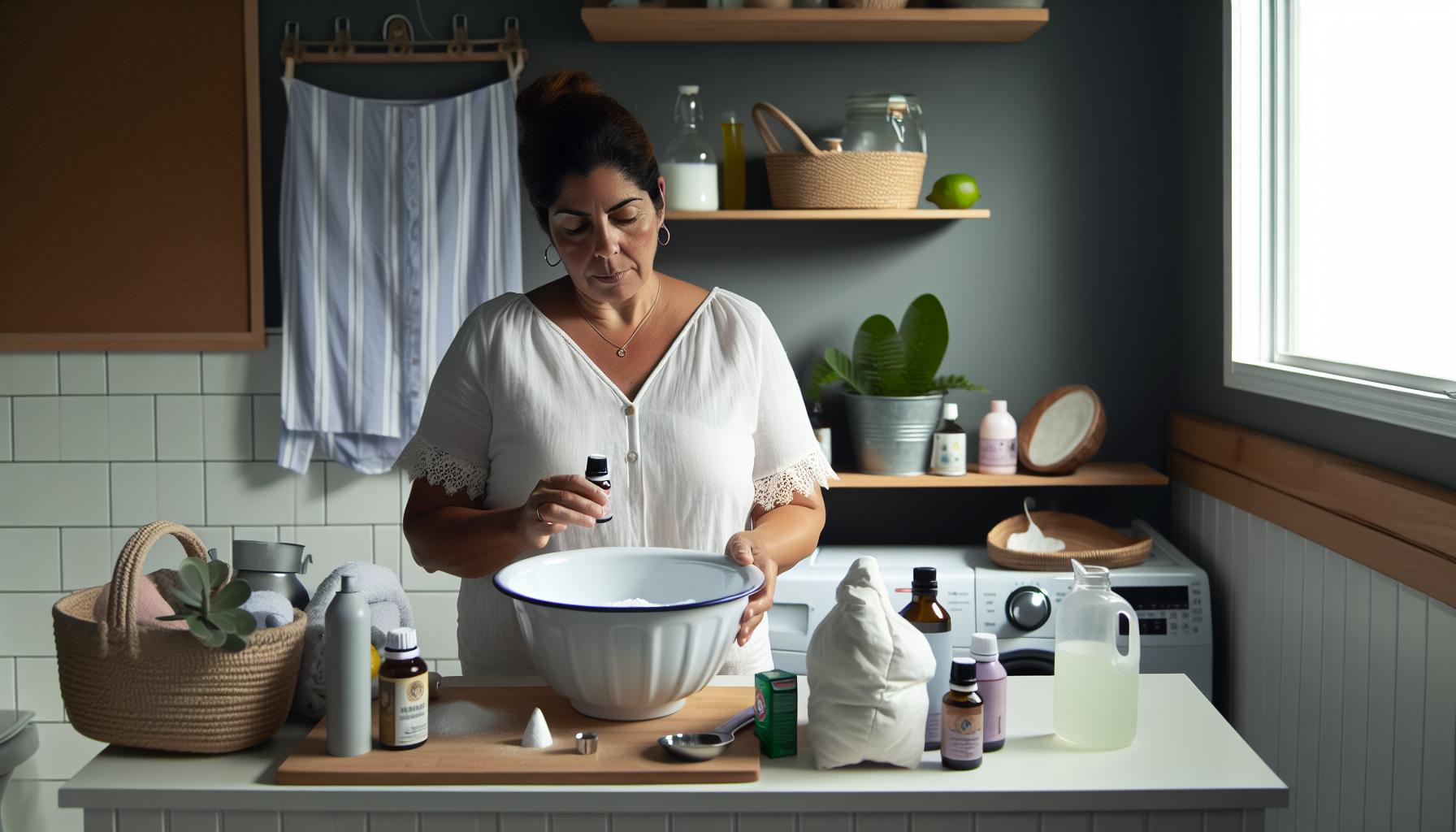
DIY Tricks Groomers Use to Neutralize Odors Safely at Home
There’s nothing quite as rewarding as that fresh, clean scent that lingers after a professional groom-yet you don’t always need a full salon visit to maintain it between appointments. Many groomers rely on a few simple, safe tricks at home to keep odors at bay, especially when life gets busy or your pup isn’t thrilled by frequent baths. These methods prioritize gentle ingredients and proper technique, helping you care for your dog’s coat and skin without risking irritation or masking problems temporarily.
Balancing Deodorizing and Skin Safety
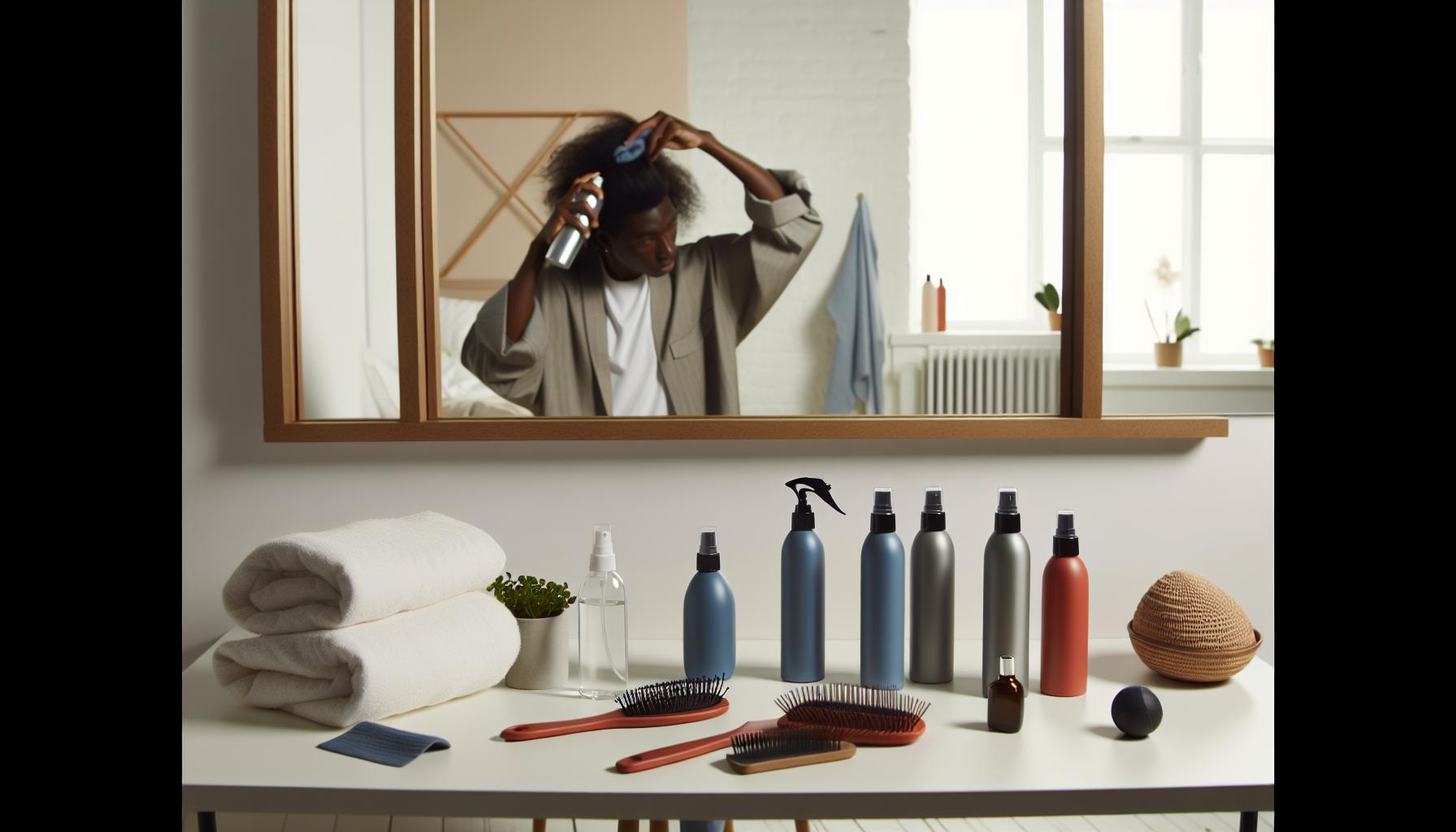
When tackling odors at home, avoid harsh chemicals, artificial fragrances, or straight-up human products. Rather, groomers frequently enough use mild, pet-safe sprays or homemade solutions with natural ingredients like diluted apple cider vinegar, baking soda, or gentle essential oils (like lavender or chamomile)-all known for neutralizing odors without drying out the skin. For example, a light spritz of a DIY mixture made with distilled water, a teaspoon of apple cider vinegar, and a drop of lavender oil (properly diluted for dogs) can refresh your dog’s coat after a play session outdoors [[1]].
Spot Cleaning and Brushing In Between Baths
Rather of bathing too frequently enough-which can strip natural oils and cause skin dryness and smell-groomers recommend targeted spot cleaning. Use pet-safe wipes or sprays to clean underarms, paws, and folds where moisture and dirt accumulate. Following spot cleaning, a gentle brush tailored to your dog’s coat type helps lift loose fur and promote healthy oil distribution, which naturally keeps odors down. For thick or double coats,a slicker brush used carefully prevents mats that trap smells,while short-haired dogs benefit from a rubber curry brush to stimulate the skin and coat.
Quick At-Home Deodorizer Sprays
Many groomers create their own quick-deodorizing sprays for clients to use between washes. Here’s a simple formula to try:
- 1 cup distilled water
- 1 tablespoon baking soda (helps neutralize acids causing odor)
- 5-6 drops dog-safe essential oil (lavender or chamomile preferred)
Mix these ingredients in a spray bottle and shake gently before each use. lightly mist your dog’s coat, avoiding eyes and sensitive areas, then run a soft brush through. This method freshens fur and helps break down stubborn smells safely. Make sure to do a patch test first and discontinue use if any irritation appears [[[[[3]].
Keep an Eye on Hidden Smell Triggers
Just as grooming pros inspect ears, paws, and dental health to address odors, you can incorporate gentle at-home care. Cleaning ears with vet-approved wipes or solutions can prevent wax buildup linked to smell, while wiping paws after walks helps remove dirt and allergens. Regular teeth brushing with canine-safe toothpaste reduces “doggy breath” that often contributes to overall odor. Using safe deodorizing sprays on these spots occasionally can also support freshness without replacing regular veterinary checks.Remember, these tricks are meant to complement-not replace-regular grooming or vet care, especially if persistent or unusual odors arise. Patience, gentle hands, and using safe, vet-recommended products are the keys to keeping your best friend smelling their best while feeling comfortable and loved.
By combining mindful grooming rituals with these in-home odor-neutralizing tips, you’ll create a calm, effective routine that supports both your dog’s health and that wonderful, fresh-from-the-groomer scent you adore.
The Role of Conditioning Sprays and Deodorizers in grooming
Few pleasures rival the delight of cuddling a dog whose coat feels silky and smells fresh without overwhelming fragrances or heavy chemicals. Conditioning sprays and deodorizers play a subtle but crucial role in achieving that perfect balance. These products not only enhance the scent but also contribute to coat health, manage static, and ease brushing-especially important for dogs with longer or denser fur.
Many professional groomers select conditioning sprays that are lightweight, alcohol-free, and enriched with soothing botanicals such as aloe vera or chamomile. These ingredients moisturize the coat and skin while providing gentle scent layering that doesn’t mask or irritate. This approach respects the dog’s sensitive skin barrier and prevents dryness or itchiness, which can lead to odor issues if left unchecked.Alcohol-free mist sprays are favorites since they refresh the coat between baths without stripping natural oils or causing discomfort.
Picking the Right Conditioning Sprays for Your Dog
the choice frequently enough depends on your dog’s coat type:
- long or double coats: Sprays with detangling properties make brushing easier and keep mats, a common odor trap, at bay. Conditioning sprays help maintain softness and reduce static cling, which can attract dust and outdoor debris.
- Short coats: Lightweight sprays that hydrate skin and add subtle sheen are ideal. they enhance natural oils while supporting a fresh scent,without leaving any residue.
- curly or wiry coats: Formulas that tame frizz and define texture are useful, often including light moisturizing agents that smooth the fur and reduce odor-harboring knots.
How Deodorizers Complement Conditioning Sprays
While conditioning sprays nurture the coat’s health and manage texture, deodorizers directly neutralize odors. Many groomers appreciate pet-safe deodorizing mists that balance effectiveness with skin-amiable ingredients-these are frequently enough pH-balanced, alcohol-free, and contain natural enzymes or odor-neutralizing probiotics to break down odor-causing bacteria rather than just masking the smell.
For example, certain products include Bacillus spores, which actively reduce odors between baths without harsh chemicals or artificial scents. using a deodorizer spray after conditioning or brushing freshens up the coat gently and can be a lifesaver for dogs who enjoy outdoor adventures or have mild ”doggy smell” that builds between washes [[[[[3]].
Easing Your at-Home Routine
Here’s a simple, practical step-by-step to integrating these products with your dog’s grooming:
- After bath: Lightly towel dry, then mist conditioning spray evenly through the coat while it’s still slightly damp.This locks in moisture and preps fur for easy brushing.
- Brushing: Use the appropriate brush for your dog’s coat type. The conditioning spray aids in detangling and reduces static that can trap odors.
- Between baths: Use a refreshing deodorizer spray to neutralize any developing odors. Avoid spraying around sensitive areas like eyes and nose, and always monitor your dog’s skin reaction.
By combining conditioning sprays and deodorizers, groomers and owners alike craft a layered defence against odors that sustains a fresh, comfortable coat. It’s about nurturing your dog’s skin health, respecting individual sensitivities, and fostering a grooming experience that’s soothing and effective for both pet and person.when trying new products, especially for dogs with allergies or sensitive skin, patch testing is key.If your dog shows any signs of irritation,discontinue use and consult your vet. Remember, these sprays support your grooming routine but are not substitutes for thorough baths or veterinary care when needed.
For a quick at-home option, some groomers use alcohol-free, fragrance-free mists enhanced with natural odor-neutralizers and moisturizing agents-simple, safe, and perfect for maintaining that fresh-from-the-salon scent between grooming sessions [[1]].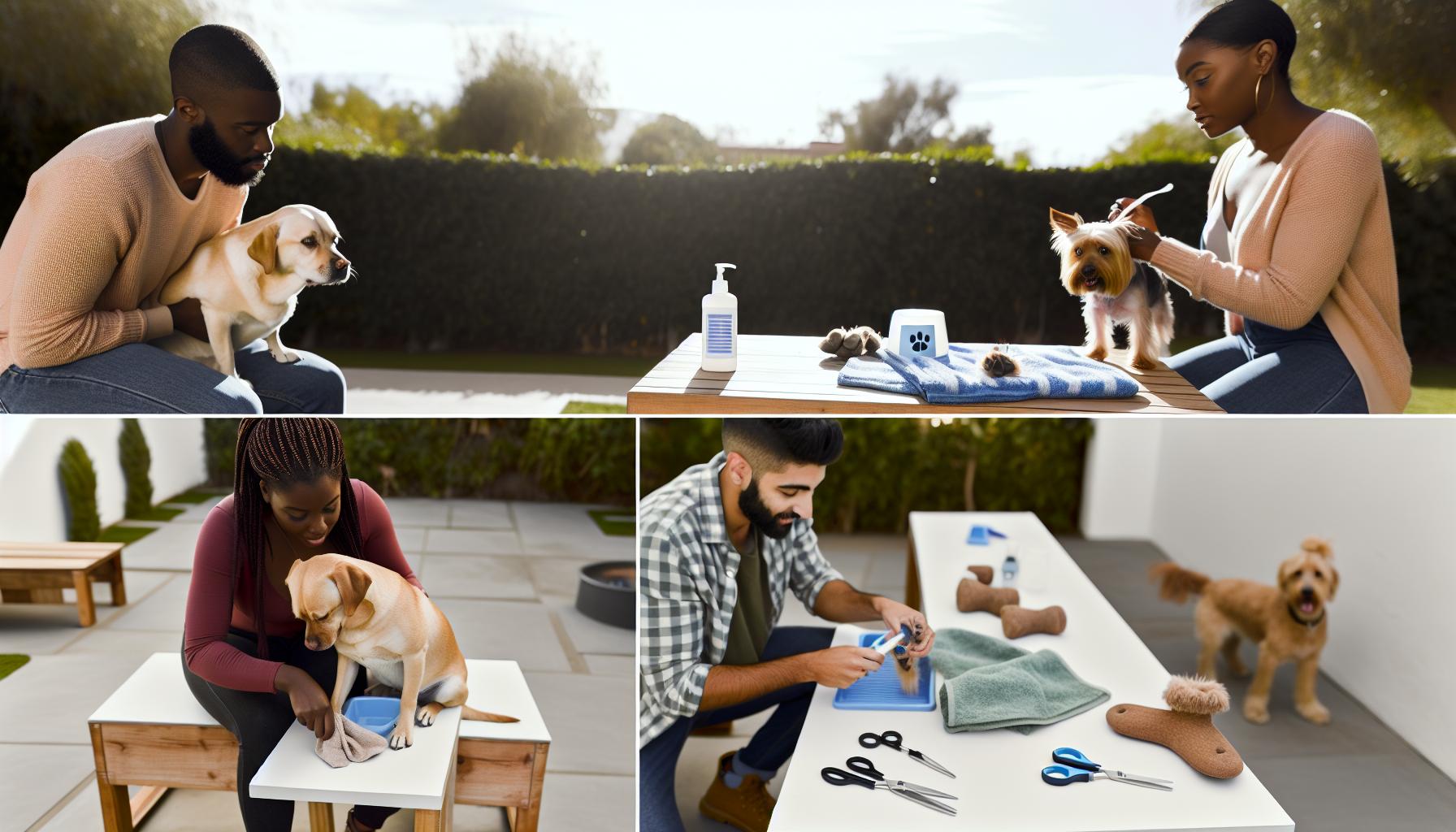
Managing Common Smell Triggers: Ears, Paws, and Teeth Care
Dogs can develop odors from places you might not promptly suspect-ears, paws, and teeth are frequently enough silent culprits behind a less-than-fresh scent. These common trouble spots trap moisture, dirt, and bacteria, which can lead to lingering smells despite regular baths. Caring for these areas with patience and the right techniques creates a foundation for not only a fresher-smelling pup but a healthier and happier one too.
Ears: Gentle Care to prevent Odor Build-Up
The ears are warm and moist environments, perfect for yeast and bacteria growth, especially in floppy-eared breeds like Basset Hounds or Cocker Spaniels. To manage odors:
- Use vet-approved ear cleaners: After grooming or when the ears feel waxy, gently wipe the visible ear canal with a soft cotton ball soaked in a solution made for dogs. Avoid using Q-tips deep inside to prevent injury.
- Check for infection signs: Redness, swelling, or a foul odor may indicate an infection needing veterinary attention. Professional groomers know when to alert owners to these issues rather than trying to treat them at home.
- Dry ears thoroughly: After baths or swimming, gently dry ears with a soft cloth to reduce moisture build-up that fuels odor-causing microbes.
Paws: tackling Sweat, Dirt, and Bacteria
Paw pads and interdigital spaces are hidden repositories for grime and sweat, frequently enough underestimated in odor control. Dogs that spend time outdoors or in humid climates especially need this area monitored.
- Regular wiping: Use pet wipes or damp cloths to clean between the toes after walks, removing dirt and allergens.
- Dry thoroughly: Moisture retention can cause a “cheesy” paw smell. After bathing or wet weather exposure, gently pat dry between toes and pads.
- Trim hair between toes: Longer fur traps moisture and debris. Professional groomers carefully trim this hair to improve airflow and reduce odor traps without hurting the sensitive skin.
- Observe nail and pad health: Cracked pads or overly long nails can alter gait and cause discomfort, indirectly contributing to licking behaviors and paw odors.
Teeth and Breath: Freshening with Consistency
Bad breath can be a major contributor to an overall smelly dog impression, and it’s often caused by tartar, plaque, or dental disease. Groomers might not perform full dental cleanings but often help owners maintain oral hygiene between vet visits.
- Daily brushing: Introducing a toothbrush and pet-safe toothpaste early creates a fresh foundation. Even short, gentle sessions reassure anxious dogs.
- Dental chews and toys: these encourage chewing that helps mechanically reduce plaque buildup and stimulate gums.
- Monitor for persistent bad breath: Foul or unusually strong odors may signal dental or systemic health problems, requiring a vet’s diagnosis.
Remember, while groomers provide expert cleaning and odor control outside the coat, some persistent or strong smells need veterinary evaluation to rule out infections or underlying health issues. At-home care following gentle, consistent grooming routines fosters comfort and trust-key ingredients in keeping your dog fresh and joyful.
How Groomers Address Sensitive Skin and Allergies with Gentle Scents
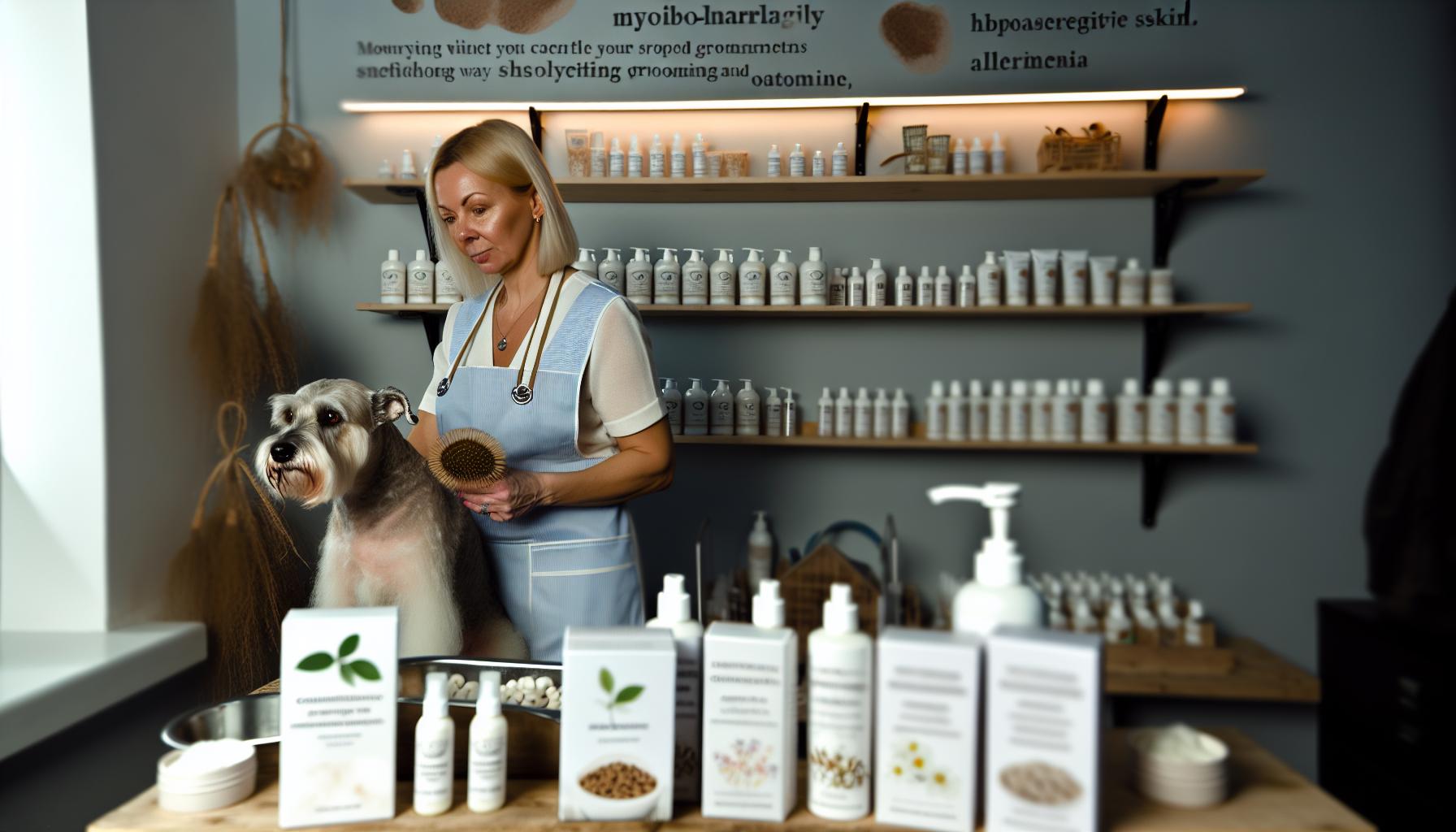
It’s a common misconception that all fragrant grooming products are equally safe for every dog. In reality, dogs with sensitive skin or allergies require an especially gentle touch-not only in handling but also in the scents and ingredients used during grooming. Professional groomers learn quickly that the key to keeping these pups fresh and comfortable is to lean toward hypoallergenic, fragrance-free, or very mild scent profiles that soothe rather than irritate.
many breeds prone to allergies-like West Highland Terriers, Bulldogs, or Golden Retrievers-tend to have more reactive skin. For these dogs, we choose shampoos and sprays formulated without harsh chemicals, dyes, or artificial perfumes. Rather, botanical extracts like chamomile, aloe vera, and oatmeal are frequently enough incorporated for their calming and moisturizing effects. This approach avoids aggravating flare-ups of redness, itching, or dryness that can happen when strong fragrances or sulfates are introduced.
Selecting Safe, Gentle Scents
When it comes to scented products, a “less is more” philosophy often wins. Many groomers opt for fragrance-free or lightly scented colognes made specifically for dogs with sensitive skin. These alternatives often use natural, non-irritating essential oils such as lemongrass or verbena in very mild concentrations. Such as, Bio-Groom’s Natural Scents Lemongrass & Verbena Cologne is a popular choice because it offers a fresh clean smell without overwhelming the dog’s senses or skin [[2]](https://biogroom.com/product/natural-scents-lemongrass-verbena-dog-cologne/?srsltid=AfmBOop-DGlYBIr6iPnLejNyX0gVGxj7EoeP_vXktc8pnMhIeevtlfGw). always test any new product on a small patch of skin before full use, watching for redness or irritation over 24 hours.
Bathing Tips That prioritize Comfort
For the bath itself, we use gentle, tear-free shampoos that rinse clean without leaving heavy residues, which can trap dirt and cause itching. Applying a moisturizing conditioner designed for sensitive skin helps restore the natural oils that keep the coat shiny and odor-free. Many groomers follow with a light mist of a conditioning spray or deodorizer tailored for allergy-prone pups-products that not only add a subtle, pleasant aroma but also maintain the skin’s balanced pH.
Patience and Observation Are Key
Throughout every step of grooming, staying mindful of the dog’s reactions is crucial.If a pup shows signs of discomfort-scratching, shaking, or avoidance-groomers pause and adjust techniques or products as needed. This individualized attention helps avoid exacerbating sensitivities. And when persistent skin issues or allergies are suspected beyond routine care,experienced groomers will encourage owners to seek veterinary advice rather than attempt further treatment at home.
- Use mild, hypoallergenic shampoos and conditioners free of harsh dyes and sulfates
- Choose lightly scented or fragrance-free grooming sprays formulated for sensitive skin
- Incorporate soothing botanical ingredients like oatmeal, aloe, or chamomile
- Perform patch tests before full applications to monitor for reactions
- Prioritize gentle handling and observe signs of discomfort throughout grooming
- Consult vets when chronic itching or rashes appear, rather than relying solely on groomer treatments
With these thoughtful strategies, groomers help keep dogs with delicate skin not only smelling fresh but feeling healthy and cared for. Calm, compassionate care paired with smart product choices creates a positive grooming experience for even the most sensitive pups-turning possibly stressful baths into a nurturing routine.
Tools and Techniques for Stress-Free Grooming and Comfort
Few things influence a dog’s grooming experience as much as the environment, tools, and techniques used to keep their comfort front and center. Grooming can be nerve-wracking for many dogs, especially those unfamiliar with the process or with anxious tendencies. Professional groomers understand that gentle handling and smart tool choices not only ease stress but also enhance the lasting freshness of a dog’s coat and overall well-being.
Setting the Stage: Calm Environment and Patient Approach
Before even touching the dog, a calm, quite space helps reduce anxiety. Soft lighting, white noise machines, or classical music can soothe sensitive pups.Groomers frequently enough start with soft, reassuring voice tones and slow movements to build trust. They keep sessions broken into manageable steps, allowing breaks if the dog shows signs of stress like yawning, lip licking, or tail tucking. This patience is key-rushing can turn grooming into a scary chore rather than a pampering ritual.
Brushing and Deshedding: Tools That Comfort and Clean
Choosing the right brush depends on coat type: slicker brushes or pin brushes work wonders for long or curly coats, while bristle brushes suit short-haired breeds. Undercoat rakes help remove loose fur that can trap odors. Always start brushing gently to avoid tugging or discomfort, which can frighten sensitive dogs. Groomers often use a conditioner spray before brushing to smooth tangles and impart subtle, fresh scents.This step not only feels good but helps maintain a glossy, odor-resistant coat.
Bathing Techniques for Maximum Ease
A lukewarm bath with tear-free, hypoallergenic shampoo begins the scent-refreshing process. Spray attachments or gentle pours avoid startling noise or pressure. Groomers carefully massage shampoo while watching reactions, ensuring dogs without sensitivities enjoy a spa-like moment. Rinsing thoroughly is critical-residue can trap odors or irritate skin. After towel-drying, a blow dryer set on a low, cool setting with soft air helps complete the fresh feeling. For dogs who dislike noise,air drying or giving them extra cuddle time works well.
Nail and Ear Care Without Stress
Groomers use quiet grinders instead of clippers when possible, reducing fear for noise-sensitive dogs. For ears,gentle cotton balls with vet-approved solutions clean without poking or forcing. These small touches prevent common odor sources and promote overall health. They always monitor for signs that a dog needs a vet referral, as infections or deeper issues require professional medical care.
- Use breedspecific brushes and grooming sprays for both odor control and coat comfort
- Integrate slow, reassuring touches to help anxious dogs relax during handling
- Choose hypoallergenic shampoos and conditioners that rinse clean and scent lightly
- Break grooming into short, positive sessions with frequent praise and treats
- Replace loud clippers with quiet tools and minimize startling noises
- Recognise when vet intervention is needed for skin or odor problems beyond grooming
In short, the magic isn’t only in the products but in the thoughtful ways professionals use tools and techniques that respect each dog’s comfort level. These mindful approaches transform grooming from a stressful task into a nurturing experience – leaving your dog cleaner, fresher, and happier after every appointment.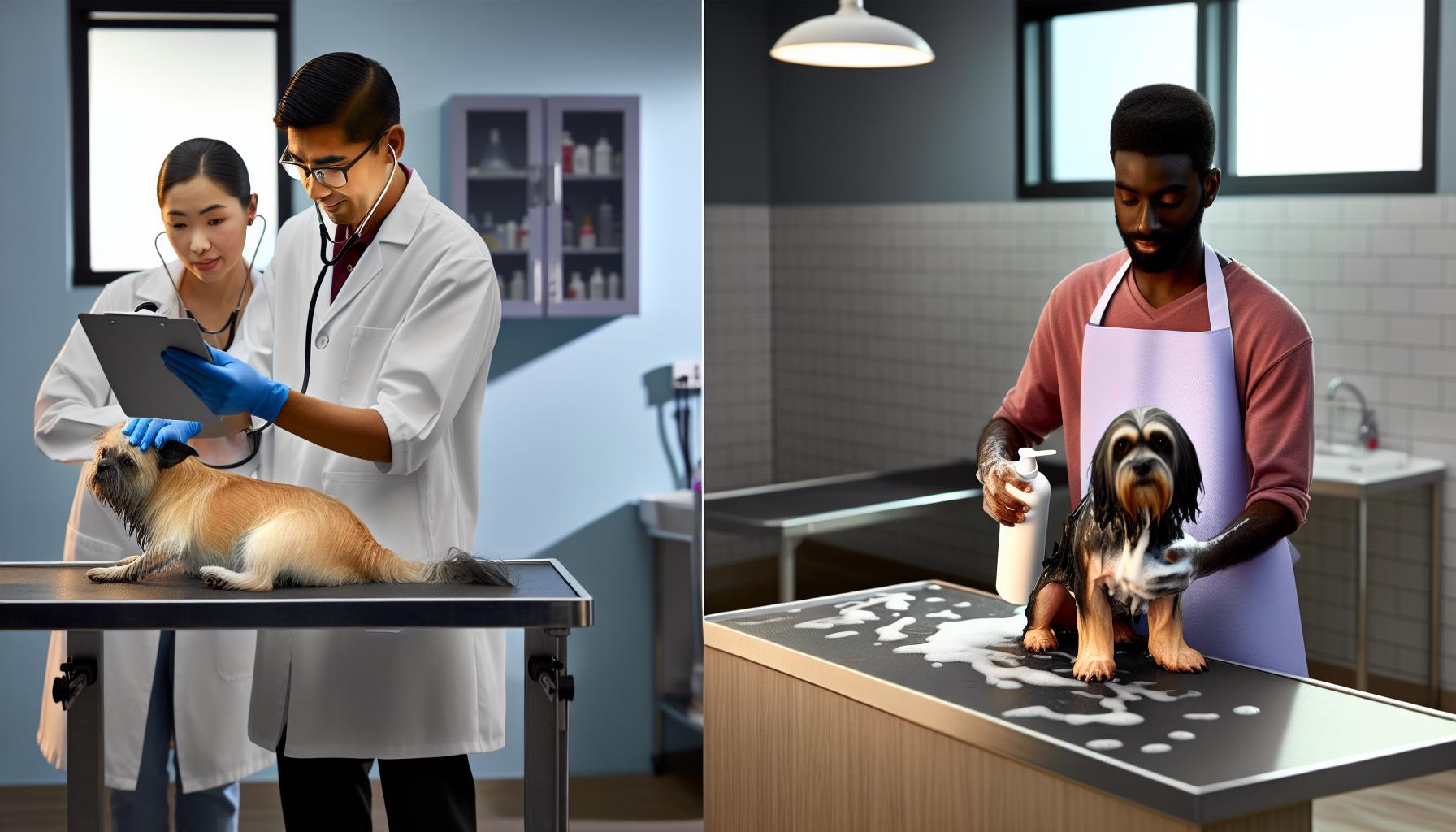
When to Trust a Vet vs. Groomer for Odor and Skin Issues
Dogs can develop unpleasant odors for many reasons, and understanding when a groomer’s touch is enough-and when a vet’s expertise is essential-can make all the difference in keeping your furry friend healthy and fresh. While groomers expertly handle routine smells caused by dirt,oils,or seasonal shedding,persistent or worsening odors often signal underlying health concerns that require medical attention.
Recognizing When Grooming Can Solve the Problem
Many common doggy odors come from surface-level causes that professional grooming products and techniques tackle beautifully. Groomers are skilled at selecting breed-appropriate shampoos, conditioners, and deodorizing sprays tailored to coat type and skin sensitivity. For example, a hypoallergenic shampoo paired with a gentle conditioner spray can refresh delicate skin without irritation. Regular baths,thorough brushing to remove loose hair and dirt,and detailed ear and paw cleaning all contribute to neutralizing typical smells that stem from environmental exposure or mild dryness. groomers also help maintain oral hygiene habits by advising on teeth brushing routines,which reduce bad breath odors.
Groomers are also trained to watch for subtle signs that odors might have a deeper cause. For instance, a foul-smelling ear combed out during grooming could mean an ear infection needing veterinary care. Similarly, a persistent “fishy” or yeasty odor frequently enough indicates bacterial or fungal overgrowth that over-the-counter grooming products alone cannot fix.
When It’s Time to Seek Veterinary Care
Certain odor issues point to conditions beyond the reach of grooming tools-such as skin infections, allergies, metabolic disorders, or internal problems. If your dog’s odor:
- Returns quickly despite frequent baths
- Is localized to one area (ears, paws, or skin folds) and is accompanied by redness, swelling, or discharge
- Is associated with excessive scratching, licking, or behavioral changes
- Is unusually strong, “fishy,” or sour-smelling
these are red flags that a vet needs to evaluate. The vet can diagnose infections, allergies, thyroid issues, or even dental disease causing malodors. Treatment might include prescription shampoos, medications, or allergy management-steps no groomer can provide but essential for your dog’s well-being.
Bridging the Gap: Teamwork Between Groomers, Vets, and Owners
Good interaction and collaboration set every pup up for success. Groomers serve as an early warning system by noticing changes in the dog’s skin and coat and recommending veterinary visits when needed. Meanwhile, owners who maintain routine grooming at home-using safe, vet-suggested products-and observe their dog’s behavior help catch problems early. Here’s how to approach odor care safely:
- Bathing: Stick to gentle, pH-balanced shampoos recommended by groomers or vets. Avoid over-bathing, which can dry skin and worsen odors.
- Ear Care: Clean ears with vet-approved solutions during grooming to prevent infections. If ears smell strongly or look inflamed, seek veterinary advice promptly.
- Paw Hygiene: Regular wiping and nail trimming prevent smell traps but watch for swelling or discharge that signal infections.
- Oral Health: Bad breath can come from dental disease; consult your vet for dental care beyond what grooming covers.
In short, professional groomers aim to keep your dog smelling fresh using safe products and techniques perfectly suited to their coat and skin type. Though, when odors persist or worsen, trusting a vet’s medical evaluation ensures your companion is both comfortable and truly healthy. Together, this team approach supports your dog’s happiness-because feeling good on the outside shines through in every wag and cuddle.
For more insight on how groomers use specific grooming products to keep dogs smelling great, check out resources exploring their careful product choices and techniques [[1]](https://vetexplainspets.com/what-do-groomers-use-to-make-dogs-smell-good/).
FAQ
Q: How do groomers select scented products that suit different dog breeds?
A: Groomers select scented products based on a dog’s breed, coat type, and skin sensitivity. Such as, curly coats like Poodles benefit from moisturizing scents, while short-haired breeds may need lighter fragrances. Matching scent strength to coat and skin health ensures a fresh, comfortable finish. Learn more in our *How Coat Types Influence the Best Grooming Scents* section.
Q: What are effective natural deodorizing ingredients groomers use?
A: Groomers often use natural deodorizing agents like oatmeal, baking soda, and essential oils (lavender, chamomile) that gently neutralize odors without harsh chemicals. These ingredients reduce bacterial buildup and soothe skin, supporting a lasting fresh scent. For DIY tips, see *DIY Tricks Groomers Use to Neutralize Odors Safely at Home*.
Q: Why do some grooming sprays and conditioners keep dogs smelling fresh longer?
A: Conditioning sprays and deodorizers often contain light emollients and odor blockers that seal the coat and trap fragrances.This *locks in moisture* and prevents odor-causing bacteria, extending that groomed scent. Proper use after bathing and brushing maximizes freshness as covered in *The Role of Conditioning Sprays and Deodorizers in Grooming*.
Q: How do groomers handle odor issues in sensitive areas like ears and paws?
A: Groomers clean and deodorize sensitive areas with specialized, gentle products to avoid irritation while preventing odor buildup from wax, sweat, or dirt. Regular maintenance of ears and paws is crucial for freshness, as explained in *Managing Common Smell Triggers: Ears, Paws, and Teeth Care*.
Q: Can a dog’s diet affect how good they smell after grooming?
A: Yes, a balanced diet rich in fatty acids and omega-3 supports healthy skin and reduces natural body odors.Groomers sometimes recommend dietary adjustments alongside topical care to maintain a fresh-smelling dog long-term.For more grooming insights, explore *When to Trust a Vet vs. Groomer for Odor and Skin Issues*.
Q: How often should professional grooming be scheduled to keep dogs smelling fresh?
A: Most dogs benefit from grooming every 4-6 weeks to remove dirt, oils, and odor-causing bacteria effectively. Frequency depends on breed, coat type, and lifestyle. Regular appointments combined with home care maintain peak freshness. Our *Step-by-Step Grooming Routine* offers guidance on timing and upkeep.
Q: What grooming tools help maximize lasting fragrance on dogs?
A: Tools like slicker brushes, de-shedding combs, and microfiber towels help remove dead hair and distribute scented products evenly. Consistent brushing post-bath enhances coat health and scent retention. Check out *Brushing and Bathing Tips to Maximize Long-Lasting Freshness* for tool-specific advice.
Q: How do groomers ensure scents are safe for dogs with allergies or sensitive skin?
A: Groomers use hypoallergenic,fragrance-free,or naturally derived products with minimal irritants. Patch testing new scents and choosing gentle formulas protect sensitive skin while keeping your dog fresh. Refer to *How Groomers Address Sensitive Skin and Allergies with Gentle Scents* for safe product tips.
—
Feel free to explore these FAQs for detailed tips and visit our full article sections to empower your grooming routine with expert, compassionate care. your pup’s comfort and confidence are our top priorities!
Future Outlook
Keeping your dog smelling fresh and clean is all about the right products, gentle techniques, and understanding your pet’s unique coat and skin needs. Whether you have a fluffy Golden Retriever or a sleek Dachshund, using professional-grade shampoos, conditioners, and finishing sprays can make a world of difference-just like the pros do. Remember, consistency and patience are key, and prioritizing your dog’s comfort ensures a stress-free grooming experience every time.
Ready to take your grooming skills further? Explore our guide on DIY dog grooming tips for a step-by-step approach tailored to different breeds and coat types.Curious about choosing the best grooming tools? Check out our essential grooming kit recommendations to make every session easier and safer.If you wont expert help, consider booking a consultation to get personalized advice on products and techniques that suit your furry friend’s needs.
Don’t forget to share your grooming success stories or ask questions in the comments-we love hearing from fellow pet lovers! Sign up for our newsletter to get fresh tips, product reviews, and exclusive offers delivered straight to your inbox. With the right grooming routine, your dog can sport that irresistible fresh scent and feel happy and healthy all year round.
Get our latest guides, news, and insights highlighted in your Google Search & AI Overviews.
Keep reading about the same coat and cut.



Popular grooming guides
Bath vs clip, first grooms, and salon how-tos.