How Do Groomers Express Dogs Glands: Anal Gland Care Explained
Did you no that many dogs rely on their groomer to help keep their anal glands healthy and pleasant? expressing a dog’s anal glands is a gentle, important care step that prevents discomfort, odor, and potential infections. If you’ve ever noticed your dog scooting, licking excessively, or showing signs of irritation, it might be due to full or impacted glands-wich is where professional grooming support can make a real difference.In this guide, we’ll walk you through how groomers carefully and compassionately express these glands, explaining why this simple yet crucial task plays a key role in your dog’s overall well-being. Whether you’re a new dog parent or have faced this issue before, understanding what goes on during anal gland care helps you support your furry friend with confidence and calmness. We’ll cover which breeds might need more frequent attention, how groomers handle the process safely, and ways to know when to involve your vet.This balanced, pet-first approach means your dog stays comfortable, happy, and healthy-because their care is our top priority.
Understanding Anal Glands: What They Are and Why They Matter
Table of Contents
- 1 Understanding Anal Glands: What They Are and Why They Matter
- 2 signs Your Dog Needs Anal Gland Care: Watch for These Symptoms
- 3 How Groomers Safely Express Anal Glands: Step-by-Step Process
- 4 Essential Tools and Techniques for Comfortable Gland Expression
- 5 When to Leave Anal gland Care to a Professional Groomer or Vet
- 6 DIY Anal Gland Expression: safety Tips and Common Mistakes to Avoid
- 7 Preventing Anal Gland Issues: Diet, Exercise, and Regular Grooming
- 8 Troubleshooting anal Gland Problems: Infections, Impactions, and More
- 9 Managing Sensitive or Nervous Dogs During Gland Care
- 10 Natural Remedies and Supplements to Support Anal Gland Health
- 11 Frequently asked questions
- 11.1 Q: How often should groomers express dogs’ anal glands during regular grooming sessions?
- 11.2 Q: What breeds are more prone to needing anal gland expression by groomers?
- 11.3 Q: Can stress affect how dogs respond to anal gland expression during grooming?
- 11.4 Q: Why do some groomers use gloves and lubricant when expressing anal glands?
- 11.5 Q: How can dog owners tell if professional groomers are expressing anal glands correctly?
- 11.6 Q: When should anal gland problems warrant a veterinarian’s attention rather than groomer care?
- 11.7 Q: can groomers detect early signs of anal gland infections during routine expression?
- 11.8 Q: what aftercare should owners follow post-anal gland expression by groomers?
- 12 In Conclusion
Dogs have a unique little system tucked just beneath their tails that often goes unnoticed until it causes discomfort-anal glands. These tiny sacs sit on either side of the dog’s anus and produce a strong-smelling fluid. in the wild, this secretive scent acts like a dog’s personal signature, used to mark territory and communicate with other dogs. For our pets, however, these glands mainly help with the natural, subtle signals during walks or interactions. When everything is working well, they express themselves naturally during bowel movements, keeping your dog comfortable and healthy.
However, not all dogs have the same ease with this process. Breeds with smaller frames, like French Bulldogs and Chihuahuas, or those with thick, curly coats around their rear ends, may experience blocked or impacted glands more frequently. The fluid can become trapped, causing discomfort, a scooting behavior, or even an unpleasant odor. Understanding what these glands are and why they sometiems need a little extra care helps you act confidently and compassionately when your dog shows signs of distress.
Why Proper Anal Gland Care Matters
Taking proper care of your dog’s anal glands isn’t just about preventing smells-it’s about ensuring their comfort and preventing infections. When these glands don’t empty naturally,they can become full,inflamed,or infected,leading to pain and sometimes more serious complications like abscesses.Regular monitoring, especially for dogs prone to issues, helps catch problems early. Groomers play a crucial role here, using gentle, patient techniques to express the glands safely and comfortably, always prioritizing your dog’s well-being.
Spotting Differences Between Normal and Problematic Glands
Normal anal gland secretions vary from dog to dog-some may have a subtle earthy scent, others a stronger musk. When the glands aren’t emptied properly, you might notice:
- Scooting or dragging their rear across the floor.
- Frequent licking or biting around the tail or rear end.
- an unusual or foul odor noticeable even from a distance.
- Discomfort when sitting or signs of pain during bathroom time.
Recognizing these clues helps you decide when a professional groomer or vet’s involvement is necessary, ensuring your dog stays comfortable without unnecessary stress or discomfort.
By keeping this foundation of knowledge, you’re better equipped to support your dog’s health with calm confidence-knowing when to monitor, when to assist gently at home, and when to seek expert care. Your compassionate attention helps your furry friend stay happy, healthy, and comfortable from behind the scenes.
signs Your Dog Needs Anal Gland Care: Watch for These Symptoms
Dogs are masters at hiding discomfort, but when their anal glands need attention, subtle signs frequently enough pop up to gently (or not so gently) alert us. Paying close attention to these early symptoms can prevent messy,painful situations later. It’s especially critically important to be extra watchful with small breeds like French Bulldogs or those with thick rear-end coats, as they tend to get blocked glands more frequently enough.If your dog is showing signs of distress around their behind, it’s a cue for compassionate care rather than worry.
- Scooting: You might catch your dog dragging their rear across the floor or carpet in an almost comical, desperate attempt to relieve itching or pressure. This classic sign often signals irritated or full anal glands.
- Excessive licking or biting: Dogs may obsessively lick or nibble at their tail base or backside to soothe discomfort.Watch for persistent grooming in these spots beyond normal hygiene.
- Offensive odor: A pungent, fishy, or musky smell lingering around your dog’s hindquarters-even if you can smell it across the room-is often a sign the glands need release or have become infected.
- Discomfort sitting or during bowel movements: If your dog shifts restlessly when sitting, whines, or shows sensitivity during bathroom time, their glands may be swollen or painful.
These signs don’t mean you should panic but rather approach the situation with calm readiness. Small dogs and those with dense rear fur may benefit from more frequent checks or grooming sessions. For example, a groomer familiar with breeds like a Puggle or Pomeranian will gently part thick hair and look for swelling or discharge. At home, observe your dog’s behavior and keep dialog with your groomer or vet open.
When to Consult a Professional
If your dog exhibits any of these signs regularly or seems to be in pain, it’s time to involve a skilled groomer or veterinarian. Experienced groomers use gentle techniques and proper tools to safely express glands without causing stress or injury. Avoid trying to express glands yourself unless carefully instructed by your vet-incorrect or aggressive attempts can cause swelling, pain, or infection. Remember, your goal is your dog’s comfort and health, not a fast fix.
Recognizing early symptoms builds your confidence in managing anal gland health proactively. With patience,observation,and a caring team,you help your dog avoid discomfort and maintain happiness behind the scenes. Always prioritize gentle care and know you’re doing a great job watching out for your furry friend’s well-being.
How Groomers Safely Express Anal Glands: Step-by-Step Process
Few grooming tasks require as much gentle care and precision as expressing a dog’s anal glands. Done correctly,this simple procedure can provide immediate relief from discomfort and prevent more serious problems like infections or impactions. Groomers approach this with a calm, patient demeanor and a clear focus on the dog’s comfort, which helps even the most nervous pups feel safe throughout the process. Whether your dog has a thick coat like a Pomeranian or belongs to a smaller breed prone to gland issues, understanding how groomers safely perform this task can boost your confidence in their care.
preparation and Comfort First
Before beginning, the groomer ensures the dog is calm and secure, frequently enough using a comfortable grooming table with a non-slip surface. A soothing tone and gentle petting help reduce anxiety. For breeds with dense rear fur, the groomer carefully trims or parts the hair around the anus to allow clear visibility and easy access without causing discomfort. Gloves are worn for hygiene, and a mild disinfectant or wipes may be used to clean the area, reducing the risk of spreading bacteria.
Step-by-Step Gland Expression
- Positioning: The dog is held gently but firmly-sometimes standing or lying on their side-to minimize movement. A second person may assist if the dog is fidgety or nervous.
- Locating the glands: using clean fingers, the groomer locates the two small anal sacs roughly at the 4 and 8 o’clock positions around the anus. feeling for slight swelling or fullness informs the pressure needed.
- Expressing the glands: With gentle but steady pressure, the groomer squeezes inward and upward against the sac’s wall. This manually empties the fluid, which is usually released as a small amount of thick, often smelly liquid. Groomers know to pause or stop instantly if the dog shows discomfort, adjusting their technique as needed.
- Cleaning afterward: Once expressed, the area is wiped clean to remove any discharge. Sometimes,if fluid is thick or the dog has a mild irritation,a vet-recommended antiseptic is applied.
Why Leave It to a Pro?
Experienced groomers recognize that not all glands produce fluid or need expression every visit. Overexpressing can cause irritation, so they rely on signs such as swelling or client reports of symptoms.Additionally, they are trained to spot early signs of infection, abscess, or other complications requiring veterinary care. For example, a groomer working with a French Bulldog-a breed prone to frequent gland issues-knows the importance of gentle handling and when to refer to a vet.
Using the right approach and technique ensures the dog experiences relief without added stress. for nervous or sensitive dogs, groomers often combine patience, reassurance, and familiar routines to keep sessions as calm as possible. By entrusting your dog’s anal gland care to someone skilled, you support both their physical health and emotional well-being in a safe, compassionate way.
Essential Tools and Techniques for Comfortable Gland Expression
Few grooming tasks require a carefully chosen toolkit as much as expressing anal glands – the right combination of tools and soothing techniques can make all the difference for your dog’s comfort and ease. Whether you’re a groomer working with a fluffy Samoyed or a short-haired Chihuahua prone to gland issues, having the essentials on hand helps the process go smoothly and gently every time.
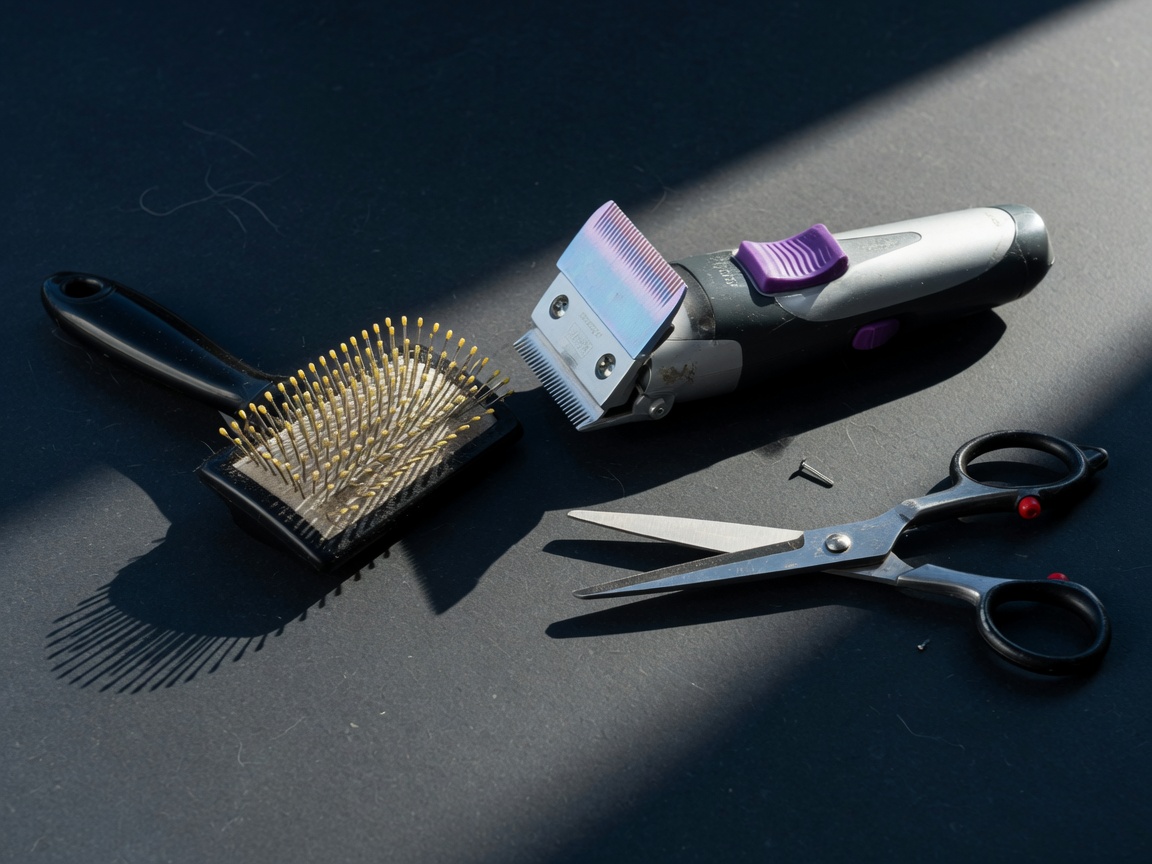
Essential tools start with gloves, ideally latex or nitrile,to maintain sanitation and protect both the dog and the handler from any bacteria or fluid contact. Cleanliness is crucial because the anal gland fluid can be thick and pungent. Next, a good quality pair of grooming scissors or clippers is necessary to carefully trim or part the hair around the rear end – this not only provides clear visibility but also reduces the chance of fur getting caught or uncomfortable during expression.
Comfort-Boosting Techniques to Use Alongside Tools
Keeping your dog calm and physically supported is as critically important as the tools themselves. A grooming table with a non-slip surface ensures the dog feels secure and stable, eliminating sudden movements that could cause discomfort. Using a gentle touch and maintaining a calm, reassuring voice throughout helps build trust-especially important with breeds known for nervousness around grooming, like the Italian Greyhound or Maltese.
When it’s time to express, position your fingers precisely at the 4 and 8 o’clock positions around the anus. applying gentle pressure inward and upward mimics the natural way dogs release these glands during defecation, minimizing stress. If the fluid is unusually thick or resistant, softened wipes or a tiny amount of warm water on a cloth can gently loosen the area without causing irritation.
Practical Extras for a Smoother Session
- Disposable wipes or mild antiseptic solutions: Used after expression to clean the area and reduce bacteria.
- Styptic powder: Handy for controlling any slight bleeding, especially if the skin is sensitive.
- Distraction items: having treats or a favorite toy nearby can focus your pup’s attention and reward calm behavior.
For dogs with thick or long coats, like Pomeranians or Shih Tzus, keeping the hair trimmed at the rear regularly can prevent matting which itself can stress the skin around the glands. An experienced groomer knows when to call in a vet-for instance, if swelling, redness, or pain is apparent despite gentle expression.This ensures your dog’s health always comes first without risk of exacerbating infection or impaction.
By thoughtfully combining hygienic tools with patient handling and tailoring your method to your dog’s breed and coat type, you create an environment of comfort and care. This approach empowers owners and groomers alike to manage anal gland health confidently, helping dogs feel safe and much more comfortable in the long run.
When to Leave Anal gland Care to a Professional Groomer or Vet
Anal gland care can quickly shift from a simple grooming step to a delicate health matter, and knowing when to pass the baton to a professional is key for your dog’s wellbeing. While many owners and groomers feel confident with routine expression, certain signs and situations warrant professional intervention to ensure safety and comfort. Remember,your pet’s experience and health always come first-never hesitate to seek expert help when needed.
Some dogs, especially small breeds like Chihuahuas, Dachshunds, or Cocker Spaniels, are prone to recurrent anal gland problems that may require skilled hands. if your dog shows persistent scooting, swelling around the anus, redness, or obvious discomfort despite gentle attempts to express glands at home or in a grooming session, it’s time to consult a professional groomer or, better yet, your veterinarian. These symptoms can indicate gland impaction or infection, conditions that need careful diagnosis and possibly medical treatment.
Recognizing When a Professional Groomer Is Enough
Experienced groomers who are well-versed in anatomy and handling techniques can effectively manage most routine gland expressions, especially in cooperative dogs. They have the training to avoid causing pain and to recognize early signs of trouble. Groomers also have access to professional-grade tools and a calming environment suited for dogs that may be apprehensive at home. For dogs with thick or long coats-think Pomeranians, Shih Tzus, or Spaniels-where fur can hide problems or complicate the procedure, a groomer’s expertise in trimming and expressing together is invaluable.
when to Head Straight to the Vet
Certain signs clearly signal the need for veterinary care, such as:
- Swelling or a lump near the anus: Could be an abscess or cyst needing drainage or antibiotics.
- Bleeding that doesn’t stop: could mean injury or infection requiring medical attention.
- Strong, foul odor combined with signs of pain: Frequently enough indicative of infection or severe impaction.
- Fever, lethargy, or loss of appetite: These systemic symptoms call for immediate veterinary evaluation.
A vet can perform a thorough examination and may prescribe anti-inflammatories, antibiotics, or even recommend procedures under sedation to manage severe cases safely. Attempting to force expression under these conditions at home or in a grooming salon can cause harm or worsen discomfort.
Balancing DIY, Groomer, and Vet Roles
Many owners start with simple DIY expressions as a preventive measure, but it’s crucial to respect each step’s boundaries. Groomers are perfect allies for regular maintenance with trained techniques and tools. simultaneously occurring, vets serve as the highest safety net for diagnosing and treating gland-related health issues beyond simple expression.
Whenever you feel uncertain about your dog’s condition or your ability to express glands without distress, lean on professionals. This not only protects your pup’s health but also reduces anxiety for you both-making future grooming a more positive, stress-free experience.
Approach anal gland care as a partnership where you, groomers, and vets work as a team. This way, every scoop, squeeze, or trim happens with empathy, expertise, and your dog’s comfort firmly in mind.
DIY Anal Gland Expression: safety Tips and Common Mistakes to Avoid
Expressing your dog’s anal glands at home can feel daunting, but with a calm approach and proper technique, many owners find it a helpful part of their pet’s routine care. It’s important to remember that this is a sensitive area, and rushing or using too much force can cause discomfort or injury. Start by assessing whether your dog’s breed, size, and coat type make DIY expression manageable-small breeds like Chihuahuas or Cocker Spaniels frequently enough need more frequent attention, but they also can be more nervous about the process. Always prioritize your dog’s comfort over speed or perfection.
Set Up Your Space and Gather Tools
Choose a quiet, well-lit spot where your dog feels secure. Have on hand:
- Disposable gloves for hygiene
- Paper towels or clean cloths to catch secretions
- Gentle pet-friendly wipes or warm water for cleaning
- Optional: barrier cream if the skin seems irritated afterward
Avoid using strong chemicals or harsh soaps near this delicate area. If your dog has a long or thick coat, trimming around the tail and rear end beforehand can help you see and access the glands more easily.
practical Expression Steps and Safety Tips
Before you begin, familiarize yourself with the anatomy: the anal glands sit roughly at 4 o’clock and 8 o’clock around the anus. Gently lift your dog’s tail and place your gloved thumb and forefinger just below the anus on either side. Using gentle, steady pressure, squeeze inward and upward toward the opening-not hard or fast. You want to coax out a small, frequently enough smelly, brown fluid. If nothing happens after a couple of tries, pause rather than forcing; sometimes the glands aren’t full or may be impacted.
Dog reactions vary widely. If your buddy shows signs of stress like trembling, trying to escape, or growling, stop and try again another time or seek a groomer’s help. Never attempt expression if you notice swelling, bleeding, or extreme discomfort-these are signals to consult your vet.
Common Pitfalls and How to Avoid Them
- overexpressing: Forcing glands too often or too hard can irritate the tissue or cause inflammation.
- Inadequate restraint: trying to do this without a helper can increase risk for both you and your dog.
- Skipping hygiene steps: Cleanliness prevents infection; always wash hands and tools afterward.
- ignoring signs of trouble: Persistent foul odor, blood, or swelling should stop DIY attempts and prompt professional care.
Learning to express your dog’s anal glands yourself can save trips to the groomer while fostering a deeper bond built on trust. Remember, it’s perfectly okay to ask for guidance – many groomers offer demonstrations and coaching.Always err on the side of patience, kindness, and safety. When in doubt, your veterinarian is the best resource for advice tailored to your pup’s unique needs.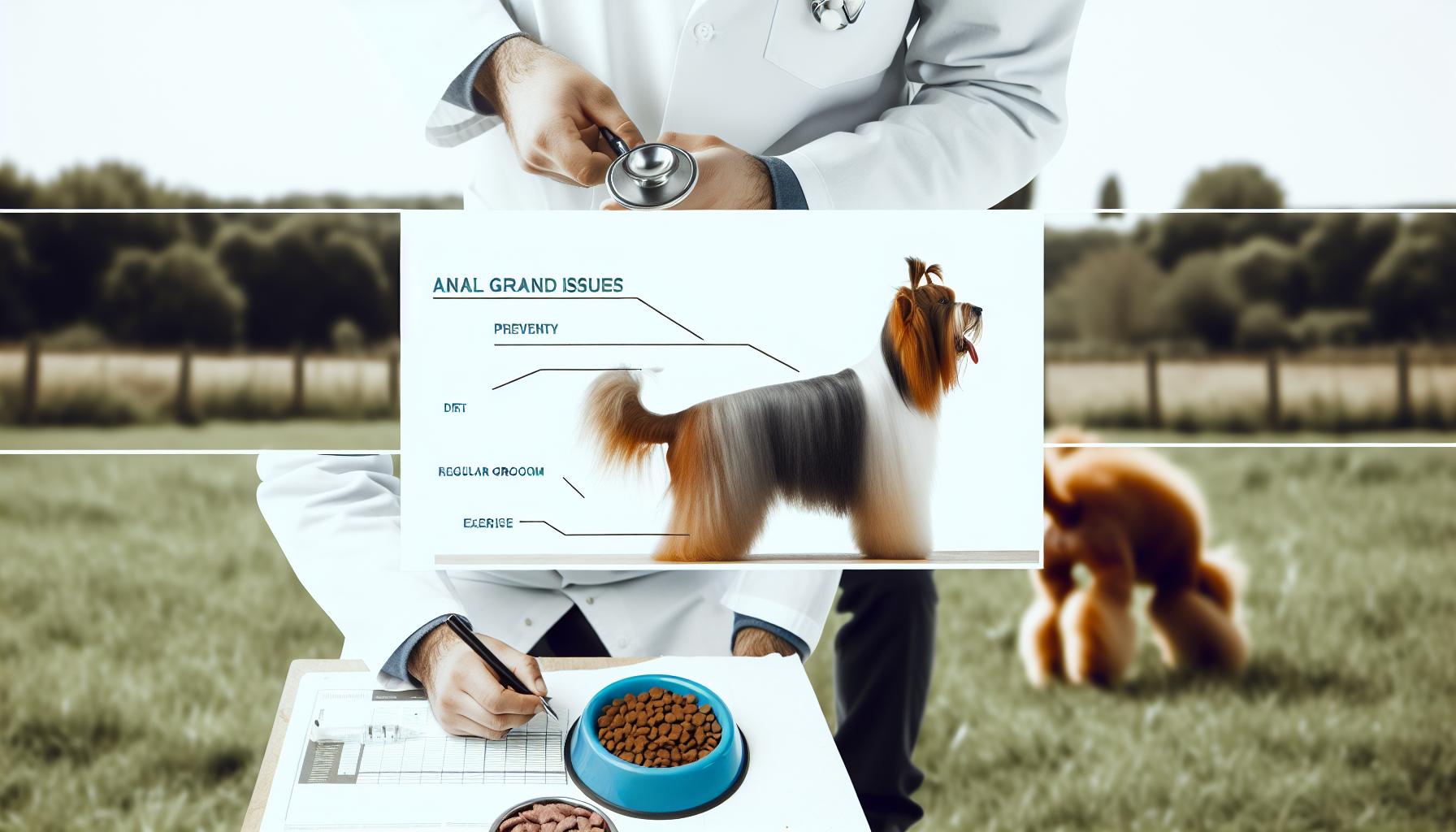
Preventing Anal Gland Issues: Diet, Exercise, and Regular Grooming
Anal gland issues can sneak up on even the most attentive pet parents, but the good news is that a few thoughtful lifestyle choices often keep these little glands happy and healthy.Just like we care for our own digestive health through diet and activity,dogs benefit enormously from balanced meals,regular movement,and consistent grooming routines that encourage natural gland expression without discomfort.
feed for Firm Stools and Gland Health
A diet rich in fiber is one of the simplest ways to support your dog’s anal glands. Firm stools act like a natural squeeze mechanism during bowel movements, helping to empty the glands regularly. Consider high-quality kibble or fresh foods that include digestible fibrous ingredients-pumpkin, green beans, or sweet potatoes are gentle, natural options. Avoid excessive table scraps or diets high in processed fillers, which can lead to softer stools and irregular gland emptying. Such as, small breeds like Dachshunds or Poodles often benefit from fiber supplements if they tend toward loose stools. Always transition diets gradually and check with your vet before adding supplements.
Movement Encourages Natural Expression
Regular exercise isn’t just good for muscles and mood-it also helps maintain normal digestive function, reducing the risk of anal gland problems. Daily walks, playtime, and mental stimulation keep your dog’s system running smoothly. Movement promotes healthy bowel contractions which naturally massage the glands, reducing buildup.Breeds prone to gland issues, such as Cocker Spaniels or Bulldogs, frequently enough show improvement when consistent physical activity becomes part of their routine. Even gentle activities like short leash walks or indoor play can be sufficient for older or less active pets.
Grooming As a Gland Health Habit
Consistent grooming offers a chance to monitor and support your dog’s anal glands regularly. For dogs with thick or long coats, trimming hair around the rear end can help prevent matting that traps moisture and bacteria near the glands, lowering the risk of irritation or infection. During grooming sessions, a quick visual and gentle tactile check can alert you to any unusual swelling, redness, or foul odors.Bathing with mild, pet-safe shampoos a few times a month keeps the area clean without stripping natural oils. If your dog has had past issues, a groomer skilled in anal gland expression can combine this with regular care to keep problems at bay-providing comfort and peace of mind for both you and your furry friend.
- tip: Regular nail trims improve posture during walks, encouraging natural defecation posture and effective gland emptying.
- Tip: Avoid over-bathing, which can dry and irritate sensitive skin around the glands.
By blending thoughtful feeding habits, daily activity, and gentle grooming, you nurture your dog’s overall health and reduce the likelihood of uncomfortable anal gland issues. Remember, while you can promote prevention at home, some dogs-especially those with sensitive skin or recurrent problems-may still need professional grooming or vet visits for expert gland care.Compassionate patience and consistent care create the safest path to happy, healthy tails.
Troubleshooting anal Gland Problems: Infections, Impactions, and More
Anal gland troubles can sneak up quietly, but when discomfort or visible signs arise, prompt care makes all the difference for your dog’s comfort and health. These little sacs can sometimes become blocked (impactions), inflamed, or infected, causing pain, swelling, and unusual odors. understanding the warning signs and knowing when to seek help can spare your pup unnecessary stress and prevent minor issues from becoming serious complications.
Common Challenges: Identifying Impactions and Infections
Impacted anal glands occur when the fluid inside thickens or fails to empty naturally during bowel movements. You might notice your dog scooting their rear along the floor, licking the area excessively, or showing signs of discomfort sitting down.infections often develop if impactions go untreated,with symptoms like swelling,redness,warmth,and sometimes a foul,fishy smell. in severe cases, abscesses may form, leading to oozing or bleeding, which definately warrants prompt veterinary attention.
- Breeds at higher risk: Small or overweight dogs like Cocker Spaniels, Chihuahuas, and Bulldogs often face recurring anal gland issues due to gland size or stool softness.
- coat considerations: Thick or long coats around the rear end can trap moisture, heightening irritation or infection risks, so routine trimming plays a crucial role in prevention.
Practical Steps to Address Minor Problems at Home
If you catch signs early-like mild scooting or licking-there are simple, safe steps to soothe your dog and encourage natural gland emptying. Start with a gentle bath using mild, pet-safe shampoo to clean the area and reduce bacteria. Follow up with careful brushing to remove loose hair and dry the skin completely. A soft, warm compress held briefly near the glands can definitely help encourage natural fluid flow by relaxing tissues.
However, it’s essential to approach any expression gently. Without proper technique or lubrication, DIY efforts risk causing pain or damage. If your pup resists or if swelling and discomfort worsen,stop and consult your groomer or vet promptly.
Knowing When to Call in the Experts
Groomers skilled in anal gland expression use specialized techniques and tools to safely relieve impactions without causing anxiety or injury. They can combine this with hair trimming and skin checks to keep infections at bay. Simultaneously occurring,veterinarians are critical for treating infected or ruptured glands,prescribing antibiotics or minor surgery when needed.
| Situation | Recommended Care | Who to Contact |
|---|---|---|
| Mild discomfort, scooting | Gentle bathing, brushing, observe closely | Owner, Groomer consultation if persists |
| impacted glands, no infection signs | Professional gland expression with proper tools | professional Groomer or Vet |
| Swelling, redness, foul odor | Veterinary evaluation, antibiotics | Veterinarian immediately |
| Abscess or bleeding | Emergency veterinary care | Veterinarian – urgent |
By staying vigilant and compassionate, you empower your dog through each stage of gland health. Remember, no matter how well-intentioned, trying to force expression without skill can worsen discomfort. Partnering with your groomer and vet builds a support team dedicated to gentle, effective care and restoring your companion’s happiness. After all, comfort and trust come before everything else in every grooming session.
Managing Sensitive or Nervous Dogs During Gland Care
Dogs frequently enough pick up on their owner’s emotions, and when it comes to anal gland care-a procedure unfamiliar and sometimes uncomfortable-those who are naturally sensitive or nervous may become particularly anxious. building trust and creating a calm environment are the first vital steps before any handling begins. A patient, gentle approach combined with familiar routines can transform a potentially stressful experience into one where your dog feels safe and understood.
Setting the Stage with Calm and Comfort
Before starting, spend a few moments speaking softly to your dog, using a calm tone to reassure them. If possible, work in a quiet, familiar space free from distractions. Keeping sessions brief and positive helps maintain a feeling of safety. Using treats or their favorite chew toy can redirect attention and reward calm behavior. For dogs with thick or long coats around the rear, make sure the area is clean and dry to avoid extra discomfort during handling.
Step-by-Step Handling Tips to Ease Anxiety
- Begin with gentle petting: Slowly stroke the back and sides to relax muscles and build trust.
- Use unscented, hypoallergenic wipes or a damp cloth: Clean the area gently to reduce bacterial presence without causing irritation.
- apply a warm compress: Hold it lightly near the glands for 2-3 minutes. This often helps relax the tissues and decrease tension.
- Communicate clearly during the procedure: Continue speaking calmly; your voice helps ground your dog in the moment.
If your dog exhibits signs of distress-such as trembling, whining, snapping, or trying to escape-pause immediately. Sometimes taking breaks or spreading the session over multiple days works best for especially sensitive dogs.
Tools and Environment That Promote Comfort
Using soft gloves can prevent accidental discomfort when expressing glands, while gentle lubrication (like a small amount of sterile petroleum jelly) eases pressure and minimizes friction. Short,clipped nails on handlers also reduce risk of scratching,which can increase anxiety. Maintaining a warm room temperature ensures the dog isn’t cold, which can cause muscle tension and increased unease.
Knowing When Professional Help Is the Best Choice
Certain breeds, like Chihuahuas or Bulldogs, can be especially sensitive due to their anatomy or prior negative experiences. When nerves run high or if the dog resists fully, seeking a groomer experienced in gentle anal gland care is often the best route. Groomers bring specialized training, calming techniques, and professional tools that reduce stress and help prevent injury. Additionally, if discomfort coincides with swelling or odors, your veterinarian’s evaluation ensures the health issue is managed safely.
remember,patience and a calm demeanor go a long way toward comfort. This is about your dog’s welfare, not rush or perfection. Working in partnership with trusted professionals can empower you to support your furry friend’s health with confidence and kindness.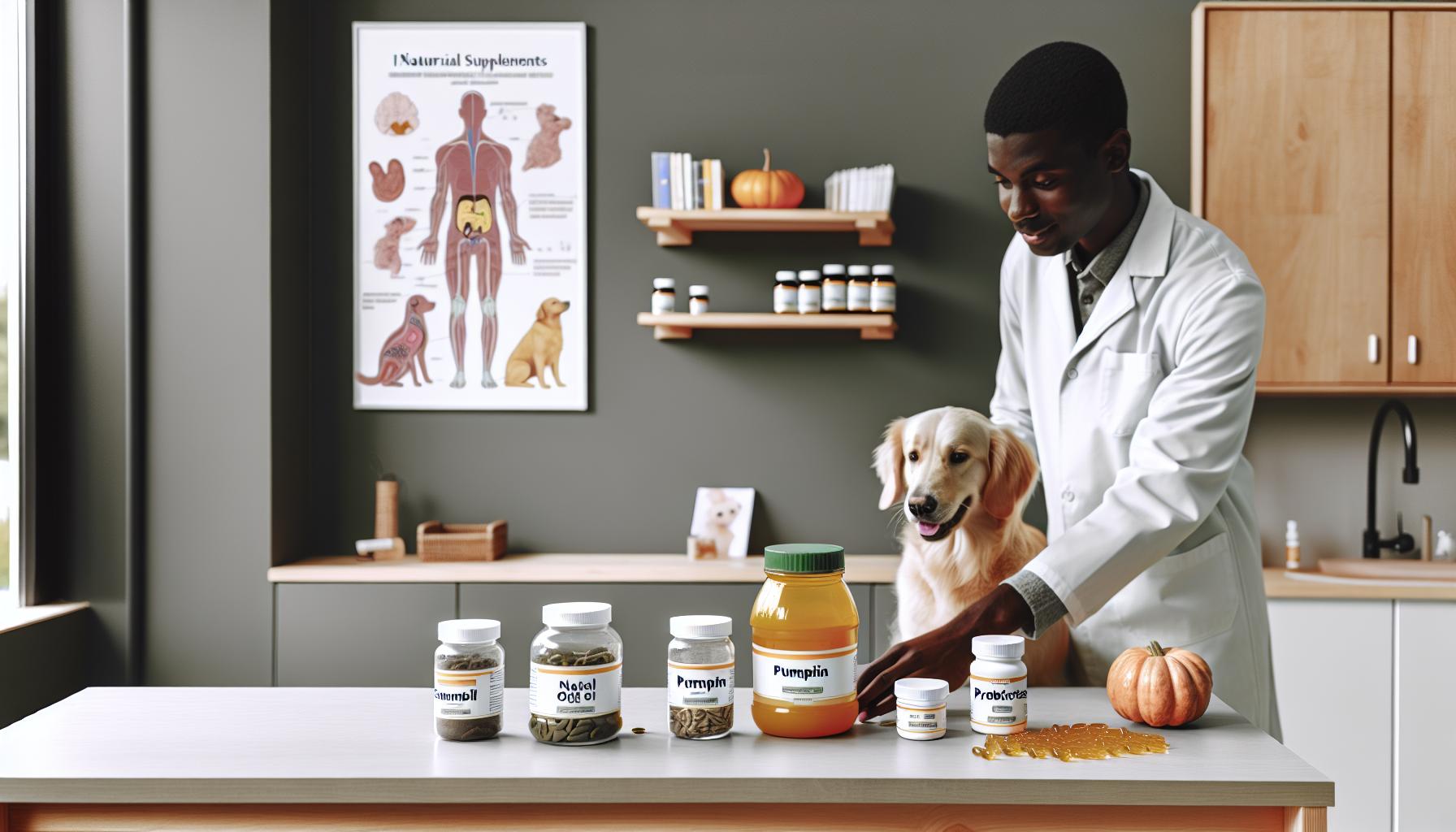
Natural Remedies and Supplements to Support Anal Gland Health
Many dog owners are surprised to learn that simple, natural steps can often support their pet’s anal gland health, easing discomfort and reducing the frequency of expressing. While professional care remains essential for many dogs, especially those prone to gland problems, incorporating gentle remedies and supplements can create a healthier foundation from the inside out. These approaches focus on improving digestion, reducing inflammation, and naturally encouraging proper gland function-so your dog feels better and you feel more confident in their care.
Diet Adjustments to Promote Regularity and Healthy glands
One of the most effective natural strategies is optimizing your dog’s diet.fiber-rich foods or supplements help firm up stool, making it easier for the anal glands to naturally express during bowel movements. Adding a moderate amount of pumpkin (plain, canned-not spiced) or psyllium husk can be a gentle way to increase fiber intake. Probiotics also support digestive health by balancing gut bacteria, which may indirectly reduce anal gland issues by improving overall bowel regularity. Always introduce dietary changes gradually and consult your veterinarian to tailor supplements to your dog’s breed and health needs.
Herbal Support and Anti-Inflammatory Agents
Certain herbs and natural anti-inflammatories can soothe irritated tissue and minimize swelling around the anal area. For example, chamomile and calendula have soothing properties that may help calm mild inflammation when applied topically as diluted washes or included in baths. Omega-3 fatty acids, found in fish oil supplements, are famed for their anti-inflammatory benefits and coat support, which can be especially useful for breeds with sensitive skin or those prone to recurring gland problems.Remember, topical applications should be vet-approved and safe for your pet to avoid any adverse reactions.
Helpful Home Practices That complement Natural Remedies
Regular exercise encourages healthy digestion and stimulates bowel movements, naturally assisting the expression process. Maintaining thorough grooming-especially around the rear end-prevents hair matting that can trap bacteria or cause irritation. Simple hygiene routines with gentle cleansing wipes or warm compresses can soothe minor discomfort and keep the area clean. If your dog is nervous about anal gland care, incorporating these gentle natural supports can build trust and reduce stress before professional or DIY expression attempts.
- Ensure fresh water is always available: Hydration is key to softer stools and easier gland emptying.
- Introduce fiber or probiotic supplements slowly: Watch for changes in stool consistency over several days.
- Use vet-approved herbal or fish oil supplements: Quality and dosage matter for safety and benefits.
- Keep exercise consistent: Regular walks or playtime assist natural bodily functions.
By combining these compassionate, natural strategies with professional grooming and veterinary care, you can definitely help reduce anal gland discomfort while supporting your dog’s overall wellness. Always prioritize gentle handling habits and never hesitate to seek expert advice when in doubt. Natural remedies are splendid allies, but the comfort and safety of your furry friend come first above all.
Frequently asked questions
Q: How often should groomers express dogs’ anal glands during regular grooming sessions?
A: Groomers typically express anal glands every 4 to 6 weeks,depending on the dog’s breed and health.Regular expression prevents discomfort and blockage. discuss your dog’s specific needs with your groomer, and refer to the Essential Tools and techniques section for optimal timing guidance.
Q: What breeds are more prone to needing anal gland expression by groomers?
A: small breeds like Chihuahuas, Bulldogs, and Terriers frequently enough require more frequent anal gland care due to narrow ducts.Understanding your dog’s breed helps groomers tailor care,as covered in Signs Your Dog Needs Anal Gland Care. Share breed-specific concerns with your groomer for the best results.
Q: Can stress affect how dogs respond to anal gland expression during grooming?
A: Yes, stress can make dogs resistant or anxious during gland expression. Groomers use calm, gentle techniques and sometimes low-stress handling strategies to ease nervous dogs.See the Managing Sensitive or Nervous Dogs During Gland Care section for tips to keep your pet comfortable.
Q: Why do some groomers use gloves and lubricant when expressing anal glands?
A: Gloves and lubricant protect both dog and groomer by maintaining hygiene and reducing friction.This ensures a gentle, safe gland expression and prevents irritation, which is explained in detail under Essential Tools and Techniques for Comfortable Gland Expression.
Q: How can dog owners tell if professional groomers are expressing anal glands correctly?
A: Correct expression involves gentle pressure just inside the anus, avoiding force, and no pain signs from the dog. Professional groomers communicate throughout the process,as outlined in the How Groomers Safely Express Anal Glands section. Owners should notice relief and no post-care discomfort.
Q: When should anal gland problems warrant a veterinarian’s attention rather than groomer care?
A: If your dog shows pain, swelling, bleeding, or persistent scooting, consult a veterinarian. Vets handle infections, abscesses, or surgical needs that go beyond routine grooming, discussed in When to Leave Anal Gland Care to a Professional Groomer or Vet.
Q: can groomers detect early signs of anal gland infections during routine expression?
A: Experienced groomers often spot early signs like foul odor, unusual discharge, or swelling during expression. Early detection allows prompt treatment recommendations and prevents complications, tying into Troubleshooting Anal Gland Problems from the main guide.
Q: what aftercare should owners follow post-anal gland expression by groomers?
A: Aftercare includes monitoring for irritation, keeping the area clean, and possibly applying vet-approved soothing ointments. Regular grooming and appropriate diet support long-term anal gland health, detailed in Preventing Anal Gland Issues: Diet, Exercise, and Regular Grooming. Always follow your groomer’s specific advice for your dog.
In Conclusion
Maintaining your dog’s anal gland health is essential for their comfort and well-being, and knowing when and how professional groomers express glands can prevent discomfort and infections. If you notice scooting, excessive licking, or unusual odors, don’t hesitate to seek expert care or discuss safe at-home options with your veterinarian. Remember, while DIY gland expression can be helpful in certain cases, professional grooming offers the expertise and gentle approach your dog deserves to stay safe and stress-free.
For more hands-on pet care tips, be sure to explore our guides on Basic Dog Grooming Techniques and Understanding Your Dog’s Health Needs, where you’ll find practical steps tailored to different breeds and coat types. Ready to take the next step? Sign up for our newsletter to get regular expert advice delivered straight to your inbox and join a community of caring pet owners committed to their dogs’ happiness and health.
Have questions or personal experiences with anal gland care? We’d love to hear from you-share your story in the comments below or join the conversation on social media.Keeping your furry friend comfortable is a journey,and together,we make every step compassionate and confident.
Get our latest guides, news, and insights highlighted in your Google Search & AI Overviews.
Keep reading about the same coat and cut.


Popular grooming guides
Bath vs clip, first grooms, and salon how-tos.