Why Do Dog Groomers Express Glands? Health Benefits Explained
Did you know that many dogs benefit from having their anal glands expressed regularly? It’s a small but important part of grooming that helps prevent discomfort, infections, and embarrassing odors. While it might sound odd, expressing these glands supports your dog’s health by relieving built-up pressure that some pets can’t clear on their own.
As a caring dog owner, you want to keep your furry friend happy and comfortable, and understanding why groomers express glands can give you peace of mind. Not all dogs need this done frequently enough, but breeds like small dogs, those with sensitive skin, or dogs prone to gland issues may require regular attention. Professional groomers are trained to do this safely and gently, helping avoid irritation or injury, unlike DIY attempts that could cause harm.
In this guide, we’ll walk you through the why, when, and how of gland expression-with clear, practical advice to feel confident about this health-focused step in your dog’s grooming routine. Whether you’re new to grooming or looking to deepen your knowledge,understanding this often overlooked task can make a big difference in your dog’s well-being and your peace of mind.
What Are Dog Anal Glands and Their Purpose
Table of Contents
- 1 What Are Dog Anal Glands and Their Purpose
- 2 Signs Your Dog Needs Gland Expression
- 3 How Groomers safely express Dog Glands
- 4 Health Benefits of Regular Gland Care
- 5 Common Problems from Neglected Anal Glands
- 6 DIY Gland Expression: When to try and When to Avoid
- 7 Differences Between Vet and Groomer Gland Care
- 8 Tools and Techniques Used by Professional Groomers
- 9 Breed and Coat Types Prone to Gland Issues
- 10 Calming Nervous Dogs During Gland Expression
- 11 How to Spot Gland Infection or Impacted Glands
- 12 Preventing Gland Problems with Diet and Hygiene
- 13 Faq
- 13.1 Q: How frequently enough should a dog’s anal glands be expressed by a groomer?
- 13.2 Q: Can certain dog breeds benefit more from professional gland expression?
- 13.3 Q: What are the risks if anal glands are expressed incorrectly by a groomer?
- 13.4 Q: Can regular anal gland expression by groomers improve a dog’s overall hygiene?
- 13.5 Q: How do groomers handle nervous or anxious dogs during anal gland expression?
- 13.6 Q: Are there signs that indicate it’s time to switch from DIY gland expression to professional grooming?
- 13.7 Q: Why do some dogs need anal gland expression even with a healthy diet?
- 13.8 Q: What tools do groomers use for expressing anal glands and why are they important?
- 14 To Wrap It up
Many dog owners find themselves curious-or sometimes uneasy-about those tiny sacs located just under the skin near their dog’s rear end. These are the anal glands, small but mighty glands that play a surprisingly important role in your pup’s health and interaction. Every dog has two anal glands situated on either side of the anus, and they naturally produce a dark, pungent fluid. This fluid acts as a uniquely identifying scent marker-think of it as your dog’s personal signature in the canine world.
When your dog has a healthy lifestyle and diet, these glands usually empty on their own during normal bathroom routines. But sometimes, the fluid can thicken or the glands don’t express properly, causing discomfort or even infection. Knowing the purpose and function of these glands helps owners be more empathetic to their dog’s needs, especially if you notice behaviors like scooting, licking, or tail chasing. Those are signs your dog might be trying to tell you something isn’t quite right back there.
Understanding these glands also empowers owners to make informed decisions about grooming care. For exmaple, small or short-haired breeds like Chihuahuas or toy breeds often manage just fine without intervention. However, breeds with thick coats or those prone to digestive issues, such as Cocker Spaniels or Beagles, might need regular checks to keep those glands healthy. Groomers trained in expressing anal glands do so gently and safely, improving your dog’s comfort and hygiene without stress-always prioritizing your dog’s welfare above all else.Key points to remember about anal glands:
- They store a natural scent fluid used for communication and marking territory.
- Normal gland function means fluid expresses naturally during bathroom visits.
- Some breeds and diets can influence whether glands need occasional assistance.
- When full or impacted, glands can cause discomfort, leading to signs like scooting or excessive licking.
- professional groomers carefully express glands to promote health, relieve discomfort, and prevent infection.
By approaching anal gland care with kindness and knowledge,you set your dog up for comfort and confidence,even in this sensitive area. Remember, it’s a small but meaningful part of their overall wellness routine.
Signs Your Dog Needs Gland Expression
Sometimes our furry friends try to tell us something’s bothering them-but their signs might be subtle unless you know what to look for. When it comes to anal glands, a dog’s discomfort often shows through behaviors that tug at our attention, like scooting their rear end across the floor or repeatedly licking the area beneath their tail. These aren’t just quirky habits; they’re often clear messages from your dog that their glands need some help expressing.
Keep an eye out for:
- Scooting: While it can occasionally be playful or itchy, frequent scooting is a classic indicator that the anal glands feel full or irritated.
- Excessive licking or biting: If your dog is obsessively grooming the rear area, this is usually a sign of discomfort or inflammation from impacted glands.
- Unpleasant odors: A strong, fishy smell emanating from your dog’s rear is often due to gland secretions that have built up and need releasing.
- Difficulty or pain sitting: Notice reluctance to sit, or signs of pain when doing so? Full or infected glands can cause sensitivity when pressure is applied.
- Tail chasing or unusual postures: Sometimes dogs will chase their tails or show postural changes trying to alleviate discomfort in the anal region.
Why Some Dogs Need More Help Than others
Certain breeds like beagles, Cocker Spaniels, and smaller or overweight dogs may experience more frequent issues with anal glands due to genetics or lifestyle factors. Dogs with thicker coats might hide these signs longer, making routine checks by groomers or vets important. Groomers trained in safely expressing glands can provide relief during your pet’s regular grooming sessions, preventing more serious problems like infections or abscesses.
When to Call in the professionals
If you notice any of the above signs, especially persistent scooting or a worsening odor, it’s a good idea to book an appointment with your groomer or veterinarian. They can assess whether your dog’s glands are just full or if an infection might be present-something that requires professional care beyond a basic expression. Remember, trying to express glands at home without experience can cause discomfort or injury.
Empowering yourself with this knowledge helps ensure your dog stays comfortable and happy. Observing these signs early means you can get ahead of problems before they become painful, making grooming days a positive, caring experience for your beloved companion.[[2]] [[1]]
How Groomers safely express Dog Glands
Few grooming tasks require as much gentle care and specialized skill as expressing a dog’s anal glands. While this procedure might sound intimidating, professional groomers know how to handle it with both sensitivity and confidence, ensuring your dog stays comfortable throughout the process. Dogs who are prone to gland issues-such as small breeds like cocker Spaniels or overweight pups-benefit greatly from regular checks that can prevent discomfort and more serious infections down the line.
Before beginning, a groomer will thoroughly observe your dog’s behavior and physical cues to assess whether gland expression is necessary. This avoids unneeded handling, which can stress an anxious dog. Tools are minimal-usually just disposable gloves, lubricant, and paper towels or gauze-but the true art lies in technique and knowing when to stop. most groomers prefer to express the glands externally by gently squeezing them from the outside, a less invasive and safer method for pets compared to internal expression, which is typically reserved for veterinary professionals.
- Preparation: The groomer will calmly secure your dog on a grooming table or in a comfortable position, often using gentle restraint or allowing the dog a soothing familiar touch from their owner.
- Identification: With clean gloves, the groomer locates the small sacs on either side of the anus and assesses whether they feel full or impacted before proceeding.
- Expression: using firm but careful pressure, the fluid inside is released onto a disposable surface. The groomer watches the fluid’s color and consistency as these can indicate health concerns.
- Aftercare: The area is cleaned thoroughly, and the groomer observes your dog’s response to ensure no signs of pain or distress.
Prioritizing Comfort and Safety
Groomers often encounter dogs that are nervous or squirmy around this procedure. To ease anxiety, many professionals use gentle voice tones, treats, and allow breaks if the dog is tense. for thick-coated breeds, careful trimming around the area beforehand can improve visibility and cleanliness, reducing irritation during expression. Importantly, groomers will never force gland expression if the dog shows severe discomfort, instead recommending a vet visit if an infection or abscess is suspected.
Groomer vs. Vet vs. DIY: When to Know the Boundaries
Professional groomers are trained to identify normal secretions versus problematic signs like pus or blood that require veterinary intervention. They provide routine maintenance but never replace medical diagnosis or treatment.Conversely, expressing glands at home without experience can inadvertently cause pain or damage. Groomers fill a vital middle ground by offering safe, regular relief during grooming visits and educating owners about when veterinary attention is necessary.
By combining compassion, expert technique, and a well-paced approach, groomers create a positive experience out of what might otherwise be an uncomfortable chore-keeping your dog healthy, happy, and feeling their best long after the grooming session ends.[[1]] [[2]]
Health Benefits of Regular Gland Care
Many dog owners are surprised to learn that regular care of anal glands does more than just prevent unpleasant odors-it plays a crucial role in keeping their furry friends comfortable and healthy. When these glands are expressed properly and routinely, discomfort caused by fullness or blockage is minimized, which can make a noticeable difference in a dog’s well-being and behavior. For breeds predisposed to gland issues-such as small dogs, overweight pups, or certain spaniels-this simple step in grooming can be a game changer.
Comfort and Prevention Through Routine Care
Anal glands naturally fill with a distinctive secretion that helps dogs mark territory, but when the fluid doesn’t express naturally during bowel movements, it can become impacted. This often leads to irritation, inflammation, and even infection. Regular gland expression by a skilled groomer gently removes this buildup before it causes problems. Dogs often stop scooting, licking, or biting the area, which are typical signs of discomfort linked to full glands. Early intervention means less stress for your dog and fewer emergency vet visits for you.
Collaborative Health Monitoring
Every grooming session offers an opportunity for groomers to detect subtle changes in the glands’ size, scent, or the fluid’s appearance. Changes like thickened, bloody, or pus-like discharge can signal infection or abscess, pointing owners toward timely veterinary care. This collaboration between groomer and pet owner ensures health issues are caught early, often before they become painful or expensive to treat. Groomers serve as frontline caretakers who provide respite from discomfort and act as trusted guides in your dog’s overall health journey.
- breed-specific benefits: Small breeds, especially those with short legs or soft stools, can struggle to empty glands naturally, making regular expression vital.
- Coat maintenance synergy: For long-haired breeds,regular expression combined with trimming in the anal area helps keep the skin clean,reducing irritation and odor buildup.
- Anxiety reduction: Routine, gentle handling during gland care helps dogs acclimate to the process, making it less stressful over time for both pet and owner.
Supporting Overall hygiene and Comfort
Beyond preventing infections, expressing anal glands supports your dog’s hygiene. Excess fluid can soil fur and cause unpleasant smells that shampoo alone won’t fully resolve. Regular gland care complements bathing and brushing routines to keep your dog’s rear clean and fresh-a simple step that boosts your pet’s comfort and your home’s atmosphere alike. When groomers combine careful gland expression with other grooming tasks, they create a holistic approach that respects each dog’s unique needs.remember, while some dog owners feel tempted to express glands at home, this should only be done with proper training to avoid harm.Groomers and veterinarians provide the right balance of skill and care, ensuring the procedure is as safe and stress-free as possible.When guided by empathy, patience, and expertise, regular gland care truly enhances your dog’s quality of life.[[1]] [[2]] [[3]]
Common Problems from Neglected Anal Glands
Regularly overlooked by many, anal glands can quickly become a hidden source of discomfort and health issues for dogs when neglected. These small sacs,located near the anus,can fill with thick,oily secretions that,if not expressed naturally or through grooming care,may lead to a cascade of problems.Left unattended, impacted glands can cause your furry friend to experience persistent discomfort, sometimes even altering their behavior in ways that hint at distress but are easy to miss.
Impaction and Blockage: The Starting Point of Discomfort
When glands fail to empty, the fluid inside thickens and hardens, creating a blockage that builds pressure. Dogs may show signs like scooting on carpets or frequent licking of the rear end-clear cries for help from our frequently enough silent companions. Small breeds, overweight dogs, and those with soft stools are particularly prone as their natural ability to empty these glands during bowel movements can be compromised. Early grooming interventions can alleviate these issues gently before they escalate.
Infections and Abscesses: When Delay Causes Pain
Untreated impaction often progresses to infection. Bacteria trapped inside the blocked gland can cause painful swelling, redness, and even abscess formation. This infection can make dogs reluctant to sit, run, or play comfortably and may require antibiotics or in severe cases, surgery. groomers who regularly express glands serve as frontline detectors, spotting abnormal smells, unusual color changes, or pus-like discharge-warning signs that prompt a speedy veterinary visit and prevent prolonged suffering.
Behavioral Changes as a Warning Signal
Because dogs can’t tell us with words,their behavior changes are vital clues. If your dog suddenly seems anxious when sitting or has increased scooting, biting, or tail-chasing behaviors, these may be indirect indications of gland trouble. Groomers who handle gland expression with compassion and patience frequently enough help dogs overcome anxiety linked to the discomfort,making this critically important health step part of a positive grooming routine that strengthens trust.
- Watch for: Scooting, licking, odor, swelling near the anus, difficulty defecating.
- Target breeds: Small dogs (like Chihuahuas, Dachshunds), overweight pets, and dogs prone to soft stools.
- Groomer role: Routine checks and gentle expression to prevent complications.
Remember, frequent problems from neglected anal glands don’t just impact your dog’s comfort-they can disrupt your family’s daily life with stress, mess, and unexpected vet visits. Partnering with a skilled groomer who understands these risks helps keep your dog happy, clean, and free from preventable pain, empowering you to focus on joy and companionship without worry.[[1]] [[2]]
DIY Gland Expression: When to try and When to Avoid
Many dog owners feel compelled to try expressing their pet’s anal glands at home, especially when faced with signs of discomfort or urgency. While taking a hands-on approach can seem empowering-and it sometimes is-a careful understanding of when to step in and when to seek professional help is key to protecting your furry friend’s health and wellbeing. The glands are delicate and located in a sensitive area, so patience, the right technique, and knowing your limits can make all the difference.
When it’s Okay to Try Expressing at Home
If your dog is prone to mild gland fullness but hasn’t shown signs of pain, swelling, or infection, gentle at-home expression may offer quick relief. Small breeds like Chihuahuas and terriers sometimes struggle to empty glands naturally, especially if their stools are soft.In these cases, regular, gentle checks can help prevent issues from building up. Before attempting, gather these essentials:
- Gloves: Medical or disposable gloves to maintain hygiene.
- Paper Towels or Wipes: To clean glands and catch fluid.
- Calm Habitat: Choose a quiet spot where your dog feels safe.
Start with softening the area by wiping gently, then carefully apply gentle, steady pressure with your thumb and forefinger positioned around the 4 and 8 o’clock positions near the anus.If fluid is released easily without resistance or signs of discomfort, you’re likely helping maintain routine gland health. Keep sessions brief and always praise or reward your dog for cooperation-this can turn a stressful moment into a trust-building exercise.
When to Step Back and Seek Expert Help
Some situations clearly call for a professional’s care rather than DIY attempts. If you notice any of the following, pause and consult your groomer or vet immediately:
- Signs of infection: Redness, swelling, pus, or foul odor
- Severe discomfort: Your dog is yelping, biting, or aggressively resisting touch in that area
- Impacted glands: Hard, painful lumps that don’t relieve with gentle pressure
- Repeated issues: Chronic problems suggest underlying health factors that only a vet can diagnose
Attempting to express inflamed or infected glands without professional training risks causing injury, increasing pain, or pushing infection deeper. Groomers skilled in safe gland expression use specialized techniques and are trained to recognize warning signs early. Vets can perform thorough exams, prescribe antibiotics, or recommend medical treatments if needed.
Helpful Tips for Success and Safety
Whether trying at home for the first time or prepping for a visit, keep these in mind:
- Stay calm and gentle: Your dog picks up on tension; a relaxed approach helps minimize fear.
- Observe closely: if fluid looks thick, bloody, or smells extremely foul, stop and seek professional advice.
- Don’t force it: If glands don’t express easily,don’t apply more pressure-this could cause damage.
- hygiene is key: Clean hands, gloves, and disposal materials prevent infection spread.
By knowing exactly when to try and when to pause, you safeguard your dog’s comfort and wellbeing. Remember, regularly partnering with your groomer or vet not only manages gland health safely but also reduces the need for stressful DIY interventions. Compassion and patience always win in creating positive experiences and happier, healthier dogs.
Differences Between Vet and Groomer Gland Care
It’s quite common for dog owners to wonder who is best suited to handle their pet’s anal gland care: the groomer or the veterinarian. Both professionals play essential roles, but the key differences lie in their training, tools, and scope of care, which can definitely help you decide where to turn based on your dog’s specific needs.Professional groomers are skilled at performing routine anal gland expression during regular grooming sessions, especially for breeds prone to fullness or discomfort, such as small terriers or dogs with soft stools. Groomers typically use gentle, hands-on techniques, applying steady, light pressure around the anal area to relieve normal buildup without causing pain. They also have the advantage of frequent contact with your dog,which allows them to notice subtle changes over time. As they work in a calm, familiar environment, groomers can reduce stress by building trust through patience, treats, and soothing handling. Though, groomers focus primarily on maintenance and early-stage issues, not medical treatments.
Veterinarians, on the other hand, provide a deeper level of care reserved for elaborate or painful cases. They have the medical knowledge and diagnostic tools to detect infections, abscesses, or impacted glands that require antibiotics, draining, or more advanced interventions. Vets can perform thorough physical exams, order lab tests, or even sedate the dog to safely express or treat glands that are inflamed or severely impacted. This means serious health problems, such as anal sac tumors or chronic infections, are best handled by your vet. Their clinical setting also enables them to monitor for systemic signs and prescribe medications when necessary.
Guiding You on When to Choose Each Professional
- Regular upkeep and mild fullness: Groomers are ideal for routine expression as part of baths or haircuts, especially in dogs that are nervous or need gentle handling.
- Signs of pain, swelling, or infection: These require prompt veterinary assessment. If your dog yelps, shows redness, pus, or foul odor, a vet’s exam and treatment are essential.
- Recurrent or chronic gland issues: Persistent problems often indicate underlying health or dietary concerns needing vet diagnosis and a tailored treatment plan.
Tools and Techniques: Simple Versus Clinical
While groomers usually rely on gloved hands and soothing restraint, vets may use sterile instruments or sedation to safely access glands in tough cases. Groomers prioritize comfort and confidence-building, often combining gland expression with grooming services for a positive routine. Vets focus on healing and preventing complications through medical interventions.
Maintaining clear boundaries between groomer care and veterinary treatment empowers you as a pet parent. If ever in doubt, starting with your groomer for routine maintenance is a gentle, effective choice-but don’t hesitate to involve your vet at the first sign of distress. This partnership ensures your dog receives both the tender touch and the medical expertise necessary for optimal anal gland health.By understanding these differences, you can approach gland care confidently, knowing when a soothing grooming session is enough and when your best friend needs the focused care of a vet. Your dog’s comfort, safety, and happiness are the true priorities guiding every decision.[1] | [3]
Tools and Techniques Used by Professional Groomers
Expressing a dog’s anal glands is a delicate task that requires both the right tools and a gentle, well-practiced technique. Professional groomers approach this with kindness, patience, and an acute awareness of each dog’s comfort. Most groomers rely primarily on their hands-clean, gloved, and steady-because nothing beats the control and sensitivity needed to release gland fluid safely and effectively without causing discomfort or injury.
- Gloves and Gentle restraint: Wearing medical-grade gloves protects both the groomer and the dog, promoting cleanliness and preventing irritation.Gentle restraint is key-often a calm helper or the groomer’s soothing hands can keep a nervous dog steady without causing fear.
- Lubricants: Sometimes a small amount of water-based lubricant is used to ease the expression process if the glands feel dry or the skin around the area is sensitive.
- Disposable Wipes or Towels: To keep the area clean, groomers prepare with wipes or towels ready to catch any discharge, maintaining hygiene and reducing mess.
Step-by-Step Technique Overview
Groomers usually express glands from the outside rather than inside the rectum, applying gentle, consistent pressure at the four and eight o’clock positions around the anus. This technique minimizes distress and avoids any soreness.By combining this with positive reinforcement-calm voice, treats, and breaks-groomers make the experience far less scary, especially for dogs with anxious temperaments.
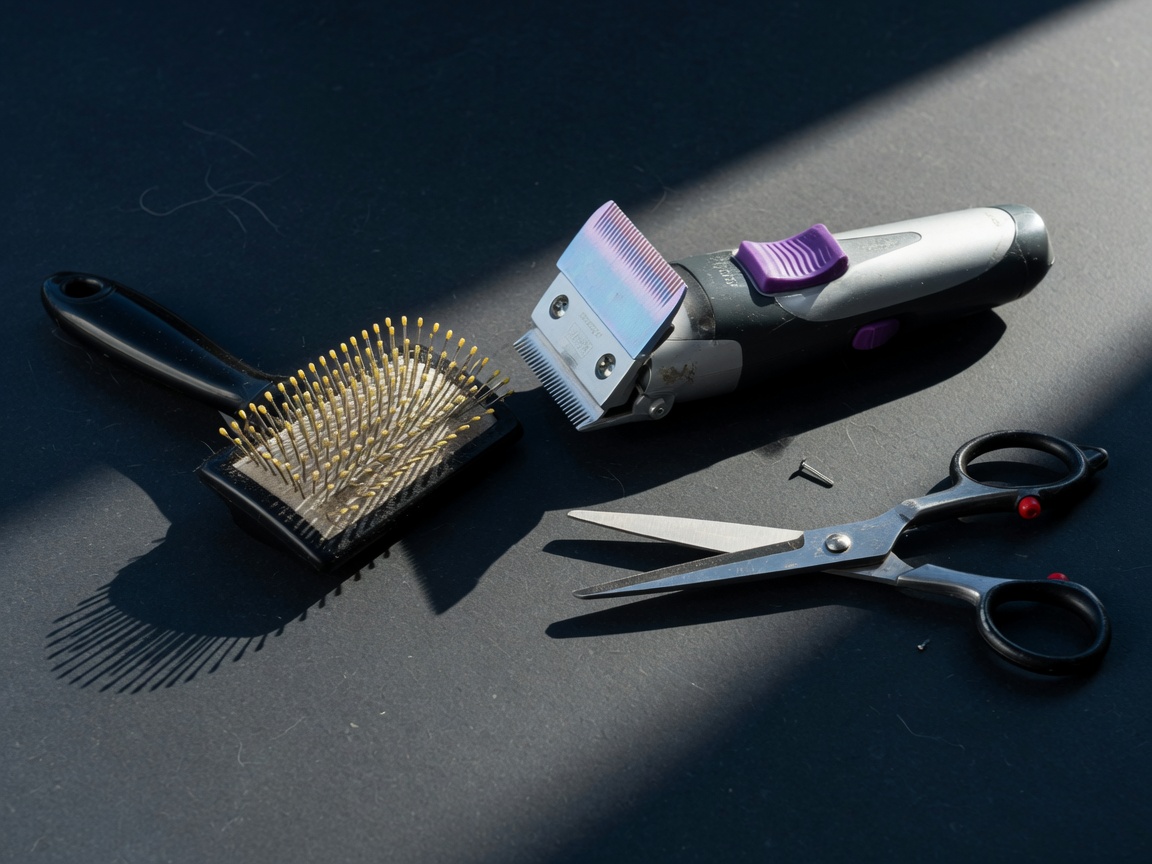
For dogs prone to frequent gland fullness or those with thicker coats where detection is trickier, groomers might use specific combs or brushes such as slickers or rakes during grooming to check for subtle swelling or irritation signs. This early detection frequently enough spares owners from emergency vet visits and shows the groomer’s role in ongoing health monitoring.
Recognizing When to Pass to the veterinary Professional
Despite groomers’ expertise and calm handling skills, some situations require medical intervention-extreme swelling, bleeding, or signs of infection call for the vet’s sterile instruments and sometimes sedation. Groomers don’t typically use tools beyond their hands for expression,focusing on comfort and routine care rather than clinical treatment. This boundary keeps your dog safe and comfortable while ensuring professional health care when needed.
Ultimately, the right technique and tools in a groomer’s hands make anal gland expression a routine, stress-free part of your dog’s grooming care-helping keep your best friend comfortable and your bond strong.[1] | [2]
Breed and Coat Types Prone to Gland Issues
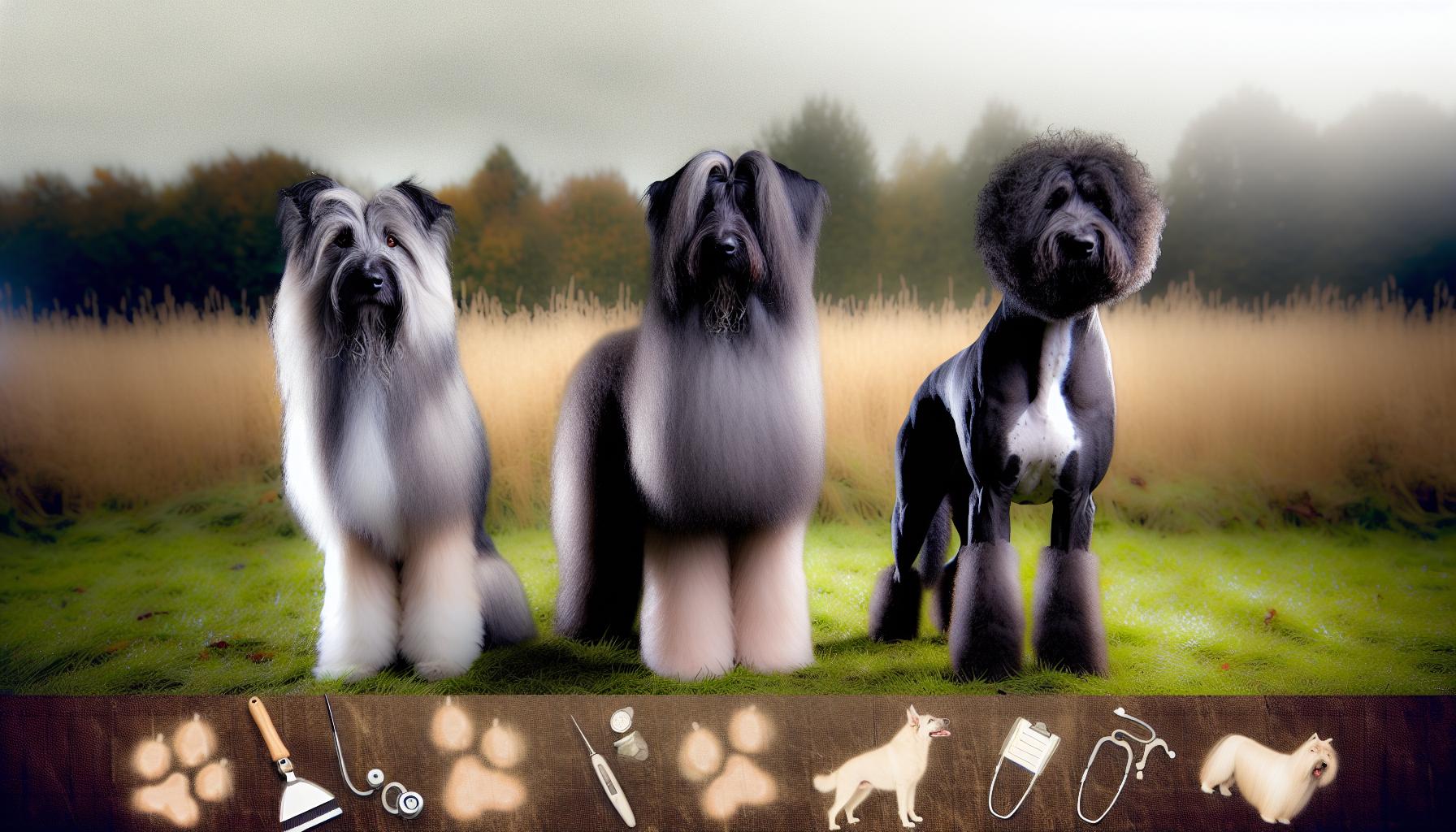
Some dogs are naturally more prone to anal gland issues due to their breed characteristics, body shape, or coat type. For example, smaller breeds like Chihuahuas, Dachshunds, and Cocker Spaniels often experience more frequent gland problems. Their narrower frames and stool consistency sometimes don’t provide enough natural pressure to fully express the glands during bowel movements, which leads to accumulation and discomfort. Similarly, dogs with thick, long, or dense coats-such as Shih Tzus, Poodles, or Golden Retrievers-can be harder to assess for hidden gland fullness or irritation as the hair can mask swelling or odor. This makes regular checks by a groomer especially valuable.
How Coat Type influences Gland Care
coats that are curly or dense require extra attention during grooming, not just for aesthetics but for overall hygiene. Thick fur around the rear end can trap gland secretions, which might cause irritation or bacterial growth if not cleaned properly. Groomers skilled with curly and long-haired breeds often use specific tools like slicker brushes or rakes to gently part the fur and inspect the area. This extra step helps detect early signs of discomfort or swelling before it turns into infection.
Practical Tips for managing gland Health in at-Risk Breeds
- Maintain regular Grooming: Schedule appointments every 4-6 weeks to keep the coat trimmed and clean, especially near the tail and rear.
- Monitor Stool Quality: Soft or irregular stools reduce natural gland expression. Ask your vet about adding fiber supplements if needed.
- Be Observant: Watch for symptoms like scooting, licking, or unusual odors, especially in breeds known for gland issues.
- Ask for Professional Help: If you’re unsure how to check or express anal glands safely, consult your groomer or vet first rather than attempting DIY expression.
Many groomers develop a special rapport with these sensitive breeds, applying calm reassurance and gentle restraint to keep anxious dogs comfortable during expression. For example, a groomer familiar with nervous Cocker Spaniels might use extra breaks, soothing voice tones, and positive treats to ease the experience.If persistent gland problems arise despite care, your vet can provide further treatments, including medication or advice on diet to minimize recurrences.breeds with compact bodies or dense fur benefit greatly from regular, attentive gland care-both to prevent discomfort and to maintain overall cleanliness. working closely with your groomer to create a tailored routine empowers you and your dog to stay comfortable and healthy, making every grooming session a positive experience.
Calming Nervous Dogs During Gland Expression
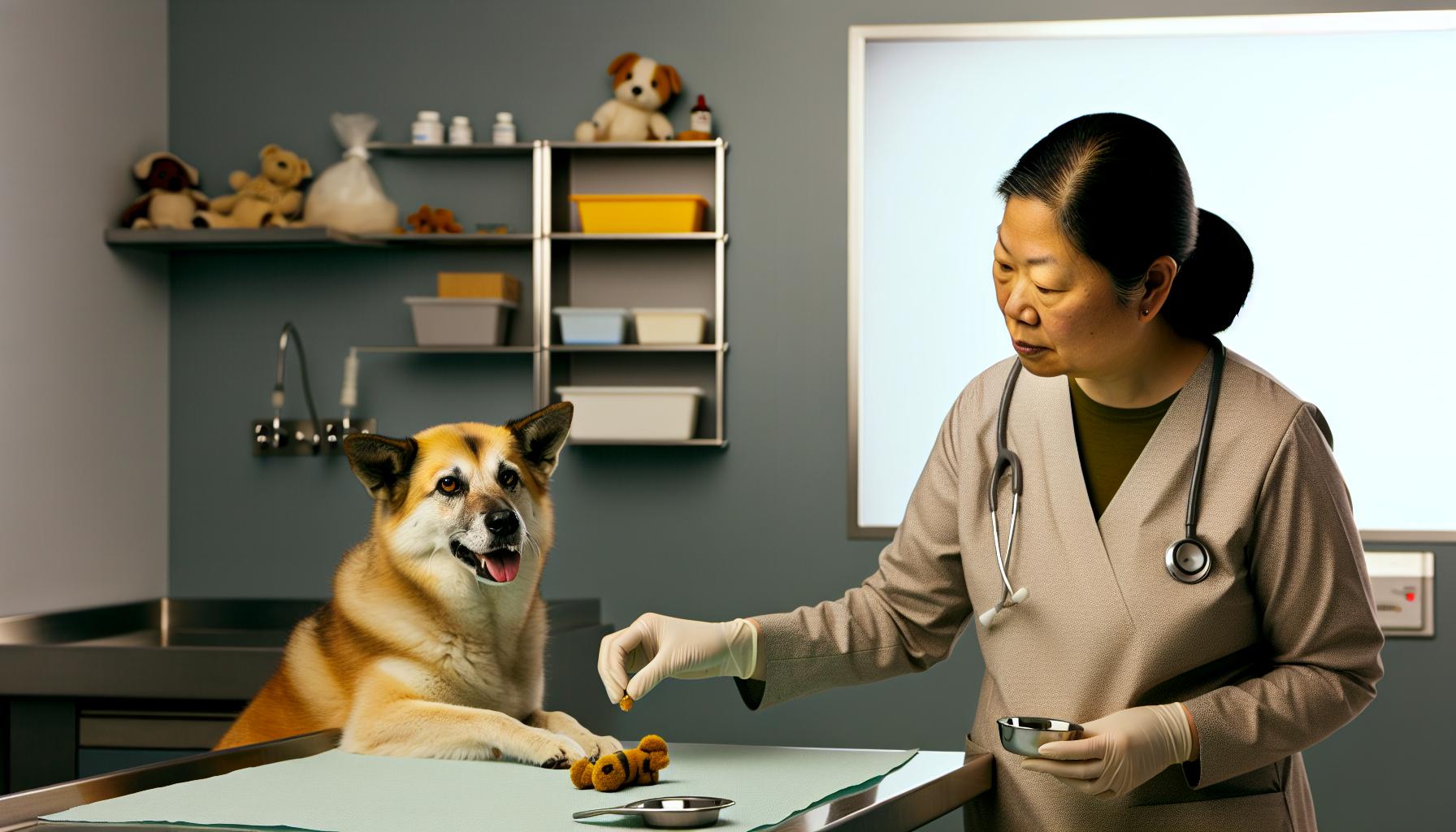
Many dogs find anal gland expression uncomfortable or even a bit scary at first, especially if they have a sensitive temperament or have not been handled gently in previous experiences. Knowing how to help your furry friend stay calm during this process can make all the difference-turning a potentially stressful moment into one of trust and ease. The key is to approach gland care with patience, empathy, and consistent positive reinforcement, tailored to your dog’s unique personality and needs.
- Set the Mood with Calm Energy: dogs are especially attuned to our emotions. Speak softly and use slow, reassuring movements. Before starting,spend a few minutes offering gentle petting or massage around the neck and back to relax their muscles.This helps lower stress and creates a peaceful environment.
- Use Treats and Praise Strategically: Positive reinforcement is invaluable. Have small, tasty treats ready to reward your dog at different stages-when they sit calmly, tolerate handling near the rear, or cooperate through the expression. Over time, this builds a positive association with the experience.
- Keeps Sessions Short and gentle: For dogs with long or dense coats like Poodles or Golden Retrievers, extra grooming around the rear area beforehand can reduce discomfort and make inspection easier.Break the process into small steps if needed, allowing your dog to reset between attempts. For nervous breeds such as Cocker Spaniels or Chihuahuas,a few slow,gentle strokes may be enough initially.
- Create a Secure Positioning: Many groomers use a “standing or leaning” position that feels safe and minimizes struggling. At home, supporting your dog on a non-slip surface or having a helper gently hold them can prevent accidental injury and ease anxiety. Use calming protocols your dog already responds to, like gentle “massage” pressure on the shoulders or steady eye contact.
Practical Example: Helping a Nervous Cocker Spaniel
One groomer shared how she calms a particularly anxious cocker Spaniel by playing soft classical music in the grooming room and using an “express-and-treat” routine. She pauses regularly, offers soothing words, then rewards with tiny bits of cooked chicken or cheese. This approach not only reduces resistance but builds lasting trust that makes future visits smoother.
When to Seek Professional Support
If your dog is extremely fearful or shows signs of pain, it’s important to stop and consult with your veterinarian or a professional groomer experienced with anxious pets. They may use mild calming techniques or sedation when necessary. Remember, while home expression can be safe for some dogs, a vet or groomer has the training to manage discomfort and complications without stress to your dog.
By embracing compassion over speed or perfection, and by carefully reading your dog’s responses, you create a supportive grooming routine that honors their welfare first. Over time, even the most nervous dogs can learn to tolerate-and sometimes even enjoy-the benefits of regular gland care.
How to Spot Gland Infection or Impacted Glands
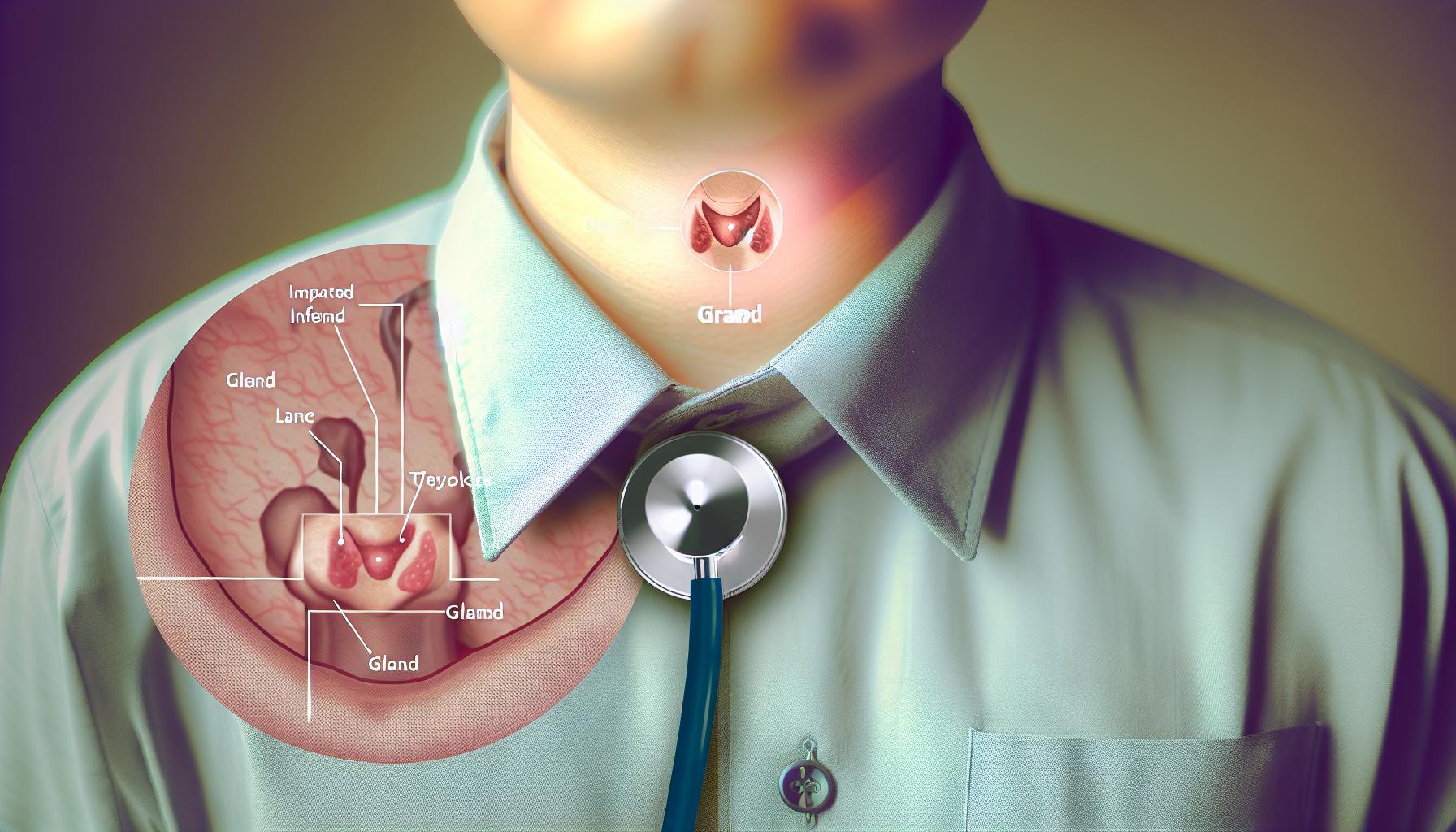
Dog anal glands usually express naturally when your dog poops,but sometimes they can become impacted or infected,leading to discomfort and other signs that you and your groomer should watch closely. Recognizing these warning signs early can prevent pain and more serious complications-a key reason groomers routinely check this area during visits.
You might notice your dog scooting their bottom on the floor or licking and biting at the rear more than usual. These behaviors often indicate irritation caused by full or blocked glands. Additionally,if you smell a particularly strong,fishy odor after your dog sits down or moves,that’s a clue their glands might potentially be overfilled or starting to get infected. Some dogs become restless or appear uncomfortable when sitting or walking, showing subtle signs that something is wrong even if they don’t vocalize distress.
- Visible swelling or redness: Glands that are impacted or infected can cause swelling around the anus. for some breeds with dense or long coats (like cocker Spaniels or Poodles), parting the fur gently can help you spot inflammation or discharge.
- Unusual secretions: healthy gland fluid is normally a thin, brownish liquid with a distinct but mild odor. Thick,pus-like,bloody,or foul-smelling discharge often points to infection and needs veterinary attention.
- Signs of pain: Your dog may flinch, whine, or try to pull away when the area near the glands is touched-especially if infection or severe impaction is present.
When to Involve Your Vet or Groomer
If you see any redness, swelling, or your dog clearly seems uncomfortable, it’s best not to attempt expressing the glands yourself. Impacted or infected glands require professional care as forcing expression can cause pain or worsen the problem. Groomers are trained to assess gland health and can gently express normal fluid, but if infection is suspected, your vet might prescribe antibiotics or recommend other treatments.
keep Calm and Take Notes
If you’re working with a nervous dog or new groomer, calmly point out any signs you’ve noticed and describe changes in behavior or odor. Groomers appreciate when owners share observations-it helps identify potential issues before they worsen. And remember, patience is key: some dogs with sensitive temperaments need more gentle handling or extra time to feel secure during gland checks.
By trusting trained professionals to examine and express your dog’s glands regularly, and staying alert to these early signs, you can help keep your furry friend comfortable and healthy. It’s a team effort built on compassion, clear communication, and knowing when to leave care to the experts.
Preventing Gland Problems with Diet and Hygiene
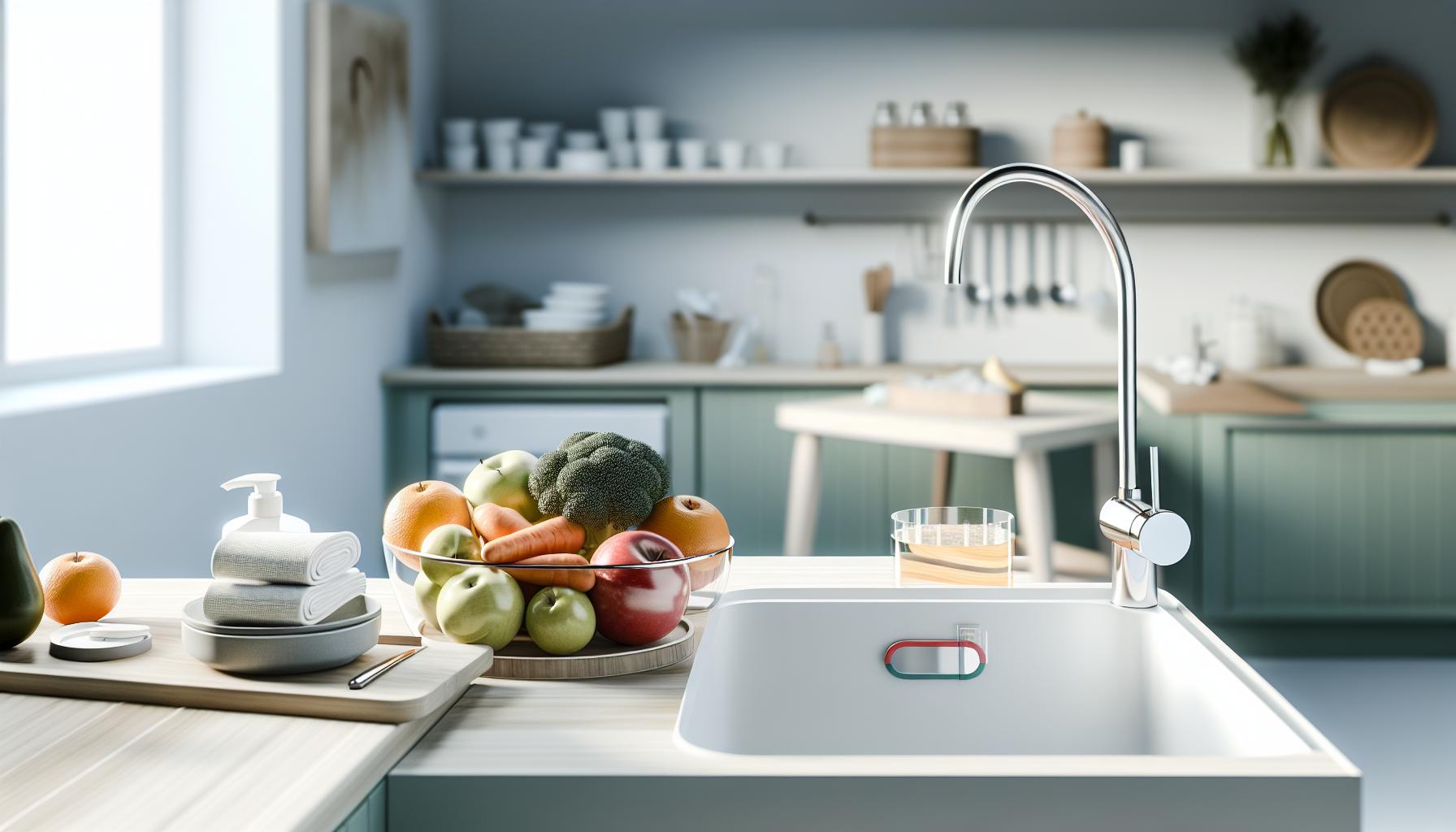
Few things influence your dog’s anal gland health as much as what they eat and how well they stay clean. Balanced diet and good hygiene go hand in hand to keep those glands functioning smoothly-reducing the risk of blockages,discomfort,and infections that often bring anxious pups to the groomer’s table.Small but consistent habits at home can make a big difference in your dog’s comfort and overall well-being.
A diet rich in fiber is a wonderful first step to naturally encourage regular, firm bowel movements. Firm stools naturally help express the anal glands each time your dog goes potty, preventing buildup and blockages. Consider adding plain canned pumpkin (never the pie filling!) or fiber supplements designed for dogs if your pup tends to have loose stools. Avoid excessive fatty treats or overly processed foods that can disrupt digestion or cause irregular bowel habits, as inconsistent stool quality often leads to incomplete natural gland expression.
daily Hygiene: The Small Steps that Matter
Just like we keep our intimate areas clean, your dog benefits from gentle, regular grooming focused around the rear. For dogs with longer or denser coats-such as Cocker Spaniels or shih Tzus-carefully trimming fur around the anus helps reduce irritation and prevents hair from trapping gland secretions or dirt. While bathing, using a mild, dog-safe cleanser to gently clean this area can prevent bacteria buildup that might lead to infections. Be sure to thoroughly dry the area afterward to avoid moisture-related skin problems.
- tailored brushing: Brush or comb near the hindquarters gently, removing dirt and debris that can cause discomfort or mask gland symptoms.
- Check frequently: Look for scooting, licking, or redness as early signs that your dog’s glands might need attention-and bring these concerns to your groomer or vet promptly.
- Gentle wipes for freshening up: In situations where a full bath isn’t possible, pet-safe wipes can help keep the area clean without irritation.
Partnering with Professionals
While diet and hygiene form your front lines of defense, regular gland check-ups with your groomer or vet are also key. Groomers bring a trained eye to notice subtle changes before problems become painful or persistent, especially for breeds prone to gland issues. Remember, if you spot signs of infection or swelling, it’s always safest to seek professional care rather than trying to express glands yourself. These pros will use the right techniques and tools to ease discomfort while protecting your dog’s delicate skin.By weaving these thoughtful, easy steps into your dog’s routine-with patience and kindness-you empower yourself to support gland health confidently and compassionately. Healthy glands mean happier dogs, less scooting and irritation, and a smoother grooming experience for everyone involved.
Faq
Q: How frequently enough should a dog’s anal glands be expressed by a groomer?
A: Most dogs only need their anal glands expressed when showing signs of discomfort or during regular grooming every 4 to 6 weeks. Over-expressing can cause irritation, so consult with your groomer to find the best schedule for your dog’s breed and health needs. For more on timing, see our section on Signs Your Dog Needs Gland Expression.
Q: Can certain dog breeds benefit more from professional gland expression?
A: Yes, smaller breeds and dogs with thick coats often experience more anal gland problems. Breeds like Corgis, Chihuahuas, and Bulldogs may need more frequent care due to their anatomy or weight. A groomer familiar with breed-specific gland issues can provide safer, tailored care to prevent complications.
Q: What are the risks if anal glands are expressed incorrectly by a groomer?
A: Incorrect expression can cause pain, injury, or infections such as abscesses. Professional groomers use safe techniques and tools to minimize risks. Always choose a groomer trained in anatomy and hygiene to protect your dog’s health. See How Groomers safely Express Dog Glands for more details.
Q: Can regular anal gland expression by groomers improve a dog’s overall hygiene?
A: Absolutely. Regular gland expression prevents unpleasant odors, redness, and irritation around the tail area. It helps maintain clean skin and reduces the chance of infections, making grooming sessions more comfortable and your dog happier. Learn more in the Health Benefits of Regular Gland Care section.
Q: How do groomers handle nervous or anxious dogs during anal gland expression?
A: Skilled groomers use calming techniques like gentle handling, verbal reassurance, and breaks during the process.Some may use treats or mild sedation under vet guidance. Creating a stress-free environment is key for safe, comfortable gland care. See Calming Nervous Dogs During Gland Expression for tips.
Q: Are there signs that indicate it’s time to switch from DIY gland expression to professional grooming?
A: Yes, signs such as repeated swelling, bleeding, or foul smell suggest professional care is needed. If you’re unsure or uncomfortable, a groomer or vet can provide safer, more effective gland expression and advice. Refer to DIY Gland expression: When to Try and When to Avoid for guidance.
Q: Why do some dogs need anal gland expression even with a healthy diet?
A: Some dogs naturally have smaller or malformed glands, making natural emptying difficult regardless of diet. Obesity, inactivity, or allergies can also contribute. Regular grooming helps manage these issues even when diet isn’t the cause. Check Breed and Coat Types Prone to Gland Issues for specifics.
Q: What tools do groomers use for expressing anal glands and why are they important?
A: Groomers use gloves, lubricants, and gentle manual pressure or specialized tools to express glands safely. These tools reduce discomfort, prevent injury, and maintain hygiene. Proper tools and technique ensure effective expression and are detailed in the Tools and Techniques Used by Professional Groomers section.
For deeper insights and step-by-step guidance, explore our full article sections and feel confident discussing your dog’s gland care with your trusted groomer or vet.
To Wrap It up
Understanding why dog groomers express glands helps keep your furry friend healthy and comfortable, preventing common issues before they start. Whether you have a small breed prone to gland problems or a larger dog with different needs, regular grooming including safe gland expression is key to your pet’s wellbeing. If you’re ever unsure about when or how this should be done, consulting a professional groomer or your vet ensures the best care tailored for your dog’s breed and coat type.Ready to dive deeper into pet care? Check out our guides on how to safely bathe your dog, essential brushing techniques for all coat types, and nail trimming tips that help anxious dogs relax. These resources will give you practical, step-by-step advice to keep your pet healthy and happy. Don’t forget to join our newsletter for expert tips and updates-as showing love through proper grooming starts with confident, compassionate care.
Have questions or personal experiences about gland expression? Share them in the comments below-we love hearing from fellow dog lovers! Together, we can make grooming safe, simple, and stress-free, ensuring every dog feels their best inside and out.
Get our latest guides, news, and insights highlighted in your Google Search & AI Overviews.
Keep reading about the same coat and cut.


Popular grooming guides
Bath vs clip, first grooms, and salon how-tos.