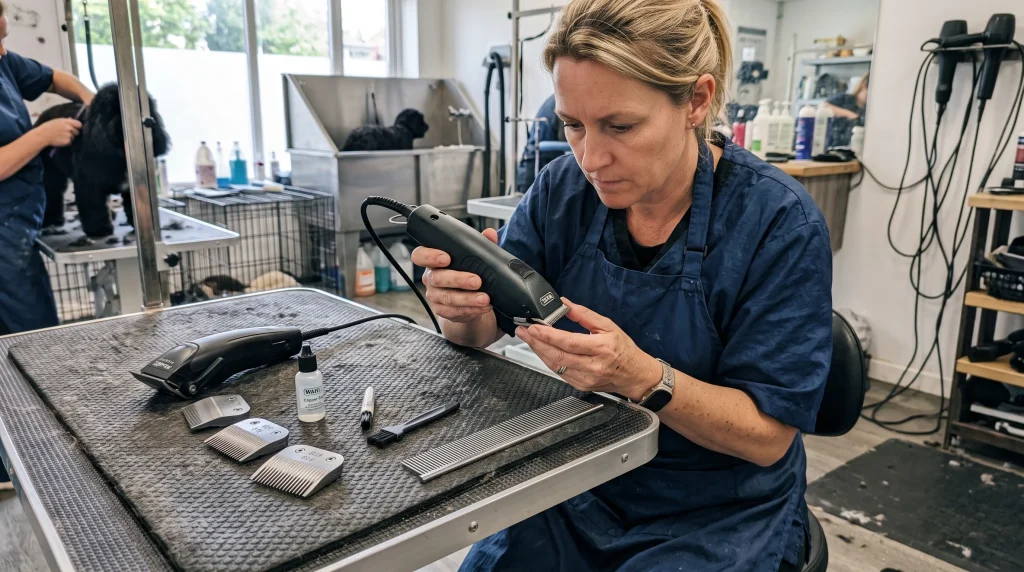
Why Do Dogs Hate the Groomers? Fear & Anxiety Solutions
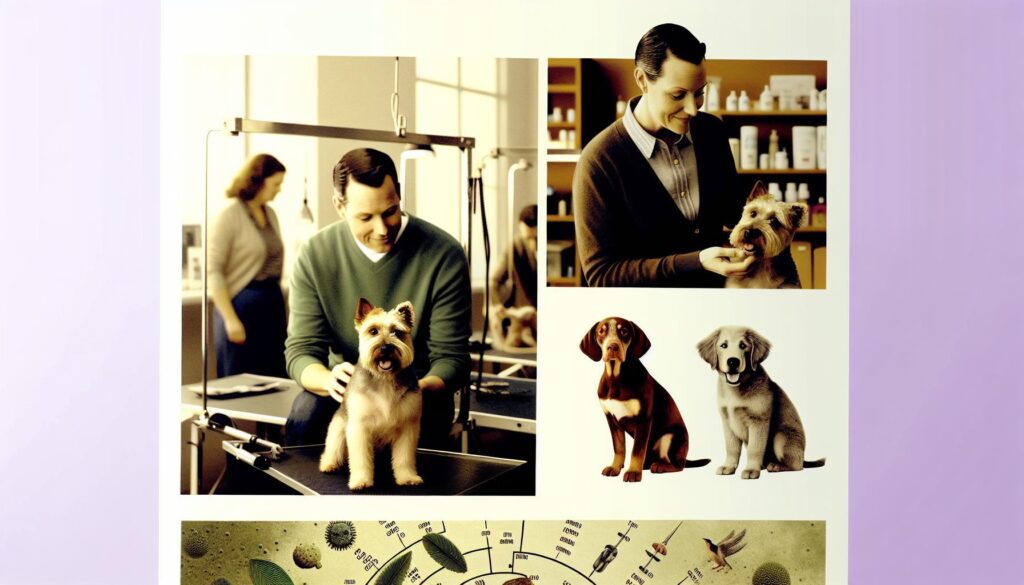
Many dogs dread grooming sessions, not because they dislike being clean, but because grooming can trigger fear and anxiety. from unfamiliar tools to strange smells and sounds, the experience can overwhelm sensitive pups, making it a stressful event for both dog and owner. Understanding why dogs hate the groomer-and how to ease their worries-is key to turning grooming into a calm, even enjoyable part of their routine.
If you’ve noticed your dog trembling or trying to escape during nail trims or bath time, you’re not alone. Anxiety around grooming is common, but with gentle techniques like gradual desensitization, positive reinforcement, and creating a quite, agreeable environment, it’s possible to help your furry friend feel safe and relaxed. Whether your dog has a sensitive coat, a nervous temperament, or past bad experiences, this guide will walk you thru practical, compassionate steps to reduce fear and build trust.Plus, you’ll learn when to seek professional help and how to choose the right grooming approach for your dog’s unique needs. Let’s explore how to transform grooming from a source of stress into a moment of care and connection for you and your pet.
Understanding Why Dogs Fear Grooming Visits
Table of Contents
- 1 Understanding Why Dogs Fear Grooming Visits
- 2 Common Triggers of Grooming Anxiety in Dogs
- 3 Recognizing Signs of Stress and Fear During Grooming
- 4 how Breed, Age, and Past Experiences Affect Grooming Behavior
- 5 Safe and Gentle Grooming Practices for Anxious Dogs
- 6 At-Home Techniques to Ease Grooming Fear and Build Trust
- 7 Choosing the right Groomer for Sensitive Dogs
- 8 Using Calming Tools and Products to reduce Anxiety
- 9 Training Tips to Prepare Your Dog for Grooming Sessions
- 10 When to Consult Your Vet About Grooming-Related Anxiety
- 11 balancing Professional Grooming and DIY Care for Nervous Dogs
- 12 Faq
- 12.1 Q: How can I tell if my dog’s fear of the groomer is due to past trauma or just unfamiliarity?
- 12.2 Q: What’s the best way to introduce grooming tools to a nervous dog without causing stress?
- 12.3 Q: Are certain coat types more likely to cause grooming anxiety in dogs?
- 12.4 Q: How does mobile grooming help dogs that hate traditional grooming salons?
- 12.5 Q: can calming scents or sprays actually reduce my dog’s grooming anxiety?
- 12.6 Q: When is sedation a safe option for grooming-anxious dogs?
- 12.7 Q: How often should I schedule grooming sessions for a dog with grooming anxiety?
- 12.8 Q: What are simple grooming steps I can do safely at home without stressing my anxious dog?
- 13 In Summary
Many dogs see grooming visits as a puzzling and sometimes frightening experience. imagine being taken to a strange place where unfamiliar people touch you in sensitive spots, hold you still, and use odd noises and tools. It’s no wonder some dogs respond with fear or resistance. This reaction often comes down to a mix of sensory overload, lack of control, and past experiences that made grooming feel overwhelming or even uncomfortable.
Understanding that every dog is unique is key. Factors such as breed, coat type, and previous handling play a huge role in how your dog perceives grooming. For example, a thick-coated breed like a Newfoundland requires a lot of brushing and careful handling, wich can be physically demanding and sometimes uncomfortable if done too roughly or quickly. On the other hand, short-haired breeds may dislike bathing or nail trims due to sensitivity in certain areas. A dog new to grooming or one who has had a negative encounter-perhaps rough clipping or a loud dryer-may associate grooming with unpleasant sensations or loss of freedom.
Why Grooming Can Trigger Fear
- Unfamiliar environments and sounds: The buzzing of clippers, the hum of dryers, or echoing noise in grooming salons may startle dogs unaccustomed to these stimuli.
- Physical restraint: Being gently held or positioned to groom ears,trim nails,or clean fur might feel invasive or alarming,especially for sensitive dogs.
- Sensory sensitivities: Wetness during baths, clipping vibrations, or the smell of grooming products can heighten discomfort or nervousness.
- Lack of gradual introduction: Suddenly exposing a dog to all grooming steps without incremental adaptation often leads to stress and fear associations.
For instance,I once worked with a small terrier mix who froze at the sight of clippers. She had been rushed through grooming visits before, which made her anxious. By taking time to slowly introduce each tool during quiet, short sessions at home, combining gentle touch and rewarding calm behavior, she eventually relaxed enough to enjoy her grooming days. This step-by-step compassion fosters trust and turns grooming from a fearful chore into a pampered experience.
remember, patience and empathy are the foundations. With understanding and the right approach, even the most reluctant dogs can learn to face grooming visits without fear, ensuring their health and happiness along the way.
Learn more about managing grooming anxiety with mobile grooming options that bring calm and comfort right to your door.[1]
Common Triggers of Grooming Anxiety in Dogs
For many dogs, the grooming experience is a whirlwind of unfamiliar sensations that can quickly build anxiety. It’s not just about the haircut or bath; it’s how these elements combine in ways that overwhelm your dog’s senses or make them feel out of control. Knowing what commonly sets off these fears can definitely help you better prepare and support your furry friend through the process.
Sounds and Sensory Overload
Imagine standing in a noisy room filled with buzzing clippers, whirring dryers, and echoes-none of which you recognize or control. Loud or sudden sounds are one of the biggest stress triggers for dogs during grooming. Clippers produce a strange vibration that can scare sensitive pups, while hair dryers frequently enough sound and feel like a roaring wind. Added to this are the wetness of baths, unfamiliar smells from shampoos, and sometimes unfamiliar hands touching sensitive spots like paws or ears.Together, these can create a sensory cascade that triggers anxiety.
Physical Restraint and Handling
Even gentle physical restraint needed for safe grooming can feel invasive to a dog. Holding a paw steady for nail trimming or cleaning ears might seem routine to us,but to a dog,it can feel like a loss of control-especially if the handling is rushed or the dog isn’t used to being touched in those areas. Dogs who aren’t accustomed to calm, positive touch can find grooming stressful because it involves sustained contact that feels restrictive. For breeds with sensitive or painful joints (like older dogs or those with arthritis), these moments can be downright uncomfortable if the groomer doesn’t take extra care.
Lack of Gradual Exposure
Jumping into a full grooming session all at once can shock a dog’s system. many dogs become anxious simply because they haven’t been gradually introduced to the tools, sounds, and sensations involved. Without slow,positive acclimation,each new step-whether it’s the bath,the brush,or the nail clippers-may feel like a confusing or frightening surprise. Regular at-home handling sessions paired with calm, rewarding experiences can help bridge this gap.
- Breed and coat factors: Thick double-coated breeds like Huskies or Newfoundlands might find lengthy brush-outs uncomfortable if mats tug or if they’re sensitive to long sessions.
- Past negative experiences: Dogs previously scared by rough clipping,sharp tools,or harsh restraint frequently enough expect the worst and may react with fear or avoidance.
- Environment: Busy grooming salons with many animals, strangers, and unfamiliar smells can overwhelm especially shy or sensitive dogs.
Take Luna, a gentle Golden Retriever who once panicked at the sight of clippers as a noisy dryer had startled her in a past grooming visit. By working slowly-introducing one tool at a time at home while pairing it with treats and praise-she now approaches grooming calmly and even seems to enjoy the attention. This example shows that understanding and patience go a long way in turning triggers into tolerable or even positive experiences.
By identifying and respecting your dog’s triggers, you can advocate for kinder, gentler grooming sessions-whether at home or with a professional groomer-giving your dog confidence and comfort throughout the process.
Learn more tips on calming your dog during grooming with expert advice[1] and consider mobile grooming services that reduce stress by bringing a calm environment right to your doorstep.[3]
Recognizing Signs of Stress and Fear During Grooming
Dogs frequently enough communicate their discomfort and fear in subtle ways during grooming, especially when they feel overwhelmed or unsure. Recognizing these signs early-not just barking or growling but quieter or less obvious signals-can make all the difference in managing their stress and keeping the session safe and positive. For anxious breeds like Chihuahuas with sensitive coats or older dogs with joint discomfort, knowing what to watch for allows you to step in gently before anxiety snowballs.
Body Language That Speaks Volumes
- Tense muscles and stiff posture: A dog that suddenly freezes, holds its tail low or tucked, or stiffens may be bracing itself against something it finds threatening.
- Avoiding eye contact or turning the head away: This subtle “please don’t” gesture signals discomfort or a desire to disengage from what’s happening.
- Licking lips, yawning, or panting without exertion: These are classic calming signals dogs use to calm themselves and those around them when stressed.
- Whining, trembling, or restlessness: Vocalizations or repetitive movements, like paw lifts or pacing in the grooming area, indicate rising anxiety.
- Growling or snapping: Though frequently enough seen as “bad behavior,” these are warning signs a dog feels unsafe and may escalate if not addressed calmly.
These behaviors can change throughout the grooming session; some dogs start anxious and gradually relax, while others may tolerate the bath but become fearful at nail trimming. For example, a timid Cocker spaniel might happily tolerate the bath but become stiff and start lip-licking during nail clipping-a reminder that different parts of grooming carry different stressors tied to a dog’s personal sensitivities.
Reading Signs by Specific Grooming Tasks
Understanding which grooming activities trigger anxiety in your dog helps tailor strategies to ease them through those moments:
- Bathing: Watch for paw-stepping, attempts to escape, and trembling – common when dogs dislike water or the feeling of being confined.
- Brushing: Sensitive spots can trigger flinching or sudden moves; dogs with mats or thick coats may resist long brush-outs due to discomfort.
- Nail Trimming: Freezing, pulling away, or growling are signs some dogs find paw handling and clipping notably stressful or painful.
- Ear Cleaning: Shaking the head, scratching ears, or sudden snap reactions can indicate discomfort or sensitivity around the ears.
Adjusting the pace of the session, using plenty of praise and treats, and breaking tasks into shorter steps can definitely help reduce these stress responses.
When to Pause and Seek Help
Sometimes, signs of stress point to a larger issue. For example, a dog who panics at grooming may have had a past negative experience-or even an underlying medical problem, like ear infections or arthritis, that makes grooming painful. if you notice repeated snapping, refusal to move, or extreme trembling, it’s time to consult with your vet or a professional groomer experienced in fearful dogs. They can advise whether sedation, pain relief, or a specialized approach is needed.
Ultimately, paying close attention to your dog’s subtle cues empowers you to lead each grooming session with compassion and respect, turning what used to be a fearful ordeal into a more comfortable, even enjoyable routine.
how Breed, Age, and Past Experiences Affect Grooming Behavior
Every dog carries a unique grooming story shaped by their breed characteristics, age, and past experiences-factors that deeply influence how they feel about being handled and pampered. As an example, breeds with dense double coats, like Huskies or Golden Retrievers, often require longer, more thorough grooming sessions that can be physically demanding and sometimes uncomfortable if mats or shedding build-up aren’t addressed gradually. This differs vastly from short-haired breeds like Beagles, which may tolerate brushing more readily but could be sensitive to nail trims. Knowing your dog’s breed-specific coat type and grooming needs helps you anticipate problem areas and adjust your approach accordingly.
As dogs grow older, their physical comfort during grooming can change considerably. Senior dogs may develop arthritis or other joint issues that make standing on grooming tables or certain handling positions painful. An older Labrador Retriever that once loved baths might become fearful simply because the experience now triggers discomfort. Recognizing these signs early means modifying techniques-perhaps using softer surfaces,shorter sessions,or gentle handling-to accommodate mobility and pain concerns. Similarly, puppies or young dogs who have not yet been introduced to regular handling may find even simple touches unfamiliar or scary, which calls for a calm, step-by-step desensitization process to build trust without rushing.
how Past Experiences Shape Reactions
A dog’s history with grooming is just as significant as their breed or age. A pet that’s had a frightening or painful grooming session in the past can carry lasting fear, associating grooming tools or certain sounds with that trauma. Such as, a dog that was clipped too close might flinch at scissors or become evasive when the nail clippers appear, even years later. In contrast, dogs accustomed to gentle, positive sessions tend to enter grooming with a calmer mindset.
When working with a dog showing fear due to prior experiences, patience is key. Allow the dog to explore grooming tools at their own pace before any actual work begins. Offering treats, soothing talk, and frequent breaks can help rewrite negative associations over time.Collaborating with a groomer experienced in anxious or sensitive dogs can make all the difference, as they employ specialized techniques and pacing aligned with each dog’s comfort level.
Practical Tips for Managing Breed, Age, and History Factors
- For thick-coated breeds: Schedule regular brushing to prevent mats; break sessions into shorter chunks to avoid fatigue and discomfort.
- Older dogs: use gentle, low-stress handling; consider grooming at home or with mobile services to reduce travel stress; consult your vet regarding pain management if needed.
- For dogs with traumatic grooming pasts: Begin with scent and sight desensitization to tools; employ reward-based training and slow exposure; avoid rushing tasks.
- Puppies and young dogs: Incorporate grooming handling into everyday bonding from early on, using positive reinforcement to build lifelong positive associations.
Understanding the intersection of breed traits, life stage changes, and prior grooming encounters empowers you to tailor both professional and at-home care approaches. The goal is always clear: nurture your dog’s trust and comfort above cosmetic perfection, turning grooming time into an possibility for connection and confidence.
Safe and Gentle Grooming Practices for Anxious Dogs
Many anxious dogs can transform grooming from a fearful ordeal into a calming ritual with the right approach. Key to this transformation is prioritizing your pet’s comfort over speed or cosmetic perfection.When we focus on gentle, slow techniques tailored to each dog’s breed, coat type, and individual sensitivities, grooming becomes less about control and more about connection. For example, thick-coated dogs like Newfoundlands benefit from pre-brushing to gently detangle mats before a bath, avoiding pulling or discomfort. meanwhile, short-haired breeds might need careful but quicker brushing that respects their lower tolerance for lengthy sessions.
Bath Time with Compassion
Use lukewarm water and mild, tear-free shampoos formulated for dogs. Shy or sensitive pups often respond well to cup or handheld sprayers instead of intimidating overhead showers. Keep water pressure gentle and always avoid water in ears and eyes. It can help to place a non-slip mat in the tub or sink so your dog feels stable, not scared of slipping. speak softly and reward frequently with treats or praise to build positive associations.
Brushing & Detangling
- Choose the right tools: Slicker brushes for thick or curly coats, rubber curry combs for sensitive skin, and soft bristle brushes for short hair.
- Work in sections: Break grooming into small, manageable chunks. This prevents overwhelm and allows breaks when your dog shows stress signs.
- Begin slowly: Start brushing areas your dog tolerates best,frequently enough the back or sides,then gradually move toward sensitive spots like the belly or legs.
- Use gentle strokes: Avoid force or sudden movements that may startle anxious pets. If mats are present, apply detangling spray and patiently work through knots with fingers or mat-splitting tools.
Nail Care & Ear Cleaning with Extra Caution
Nail trims can be a major stress source. Try trimming after exercise when nails are softer and your dog is calmer. Use sharp clippers or a quiet rotary grinder to prevent painful crushing or vibration. Never rush-trim one nail at a time and reward your dog between each.If your dog pulls away or shows fear, gradually desensitize their paws over time by touching, holding, and gently handling nails outside of grooming sessions.
For ears, use vet-recommended gentle ear cleaners with a cotton ball-never cotton swabs. Check for signs of infection that might make your dog sensitive here. Keep sessions short and soothing with ongoing praise.
When to Seek Help and How to Collaborate
Remember, safety and emotional wellbeing are paramount. If your dog’s anxiety is intense or triggers aggression, professional groomers experienced with anxious pets or veterinary behaviorists can offer individualized techniques and even calming aids. Mobile groomers can reduce stress by grooming in familiar environments, eliminating travel anxiety altogether. This combination of patience, respect, and appropriate expertise creates a grooming experience where your dog feels cared for-not coerced, building trust one gentle session at a time.
At-Home Techniques to Ease Grooming Fear and Build Trust
Many dogs resist grooming because the experience is unfamiliar or overwhelming, but with gentle, consistent at-home care, you can turn these moments into opportunities for trust and calm. Creating a peaceful routine that respects your dog’s pace and preferences is the key. This means breaking grooming down into bite-sized, positive steps and always pairing touch and tools with rewards, soothing voices, and plenty of praise. Remember, some breeds and coat types need more frequent, gentle handling to build tolerance, while others respond better to shorter, focused sessions.
Establishing a Low-Stress Bath routine
Use lukewarm water and a mild, dog-specific shampoo. For fearful dogs, skip the customary tub sprays and opt for a gentle cup or handheld sprayer - this lets you control water flow more precisely and reduces noise. Make sure your dog feels secure by placing a non-slip mat in the tub or sink. Keep bath sessions brief and speak in a calm, reassuring tone throughout. Hand-feeding treats between steps helps your dog build positive associations with water and touch, transforming bath time from a chore to a comforting ritual.
brush with Patience and Purpose
Matching the right brush to your dog’s coat makes all the difference.Soft-bristle brushes work well for short-coated breeds, whereas slicker brushes or rubber curry combs gently work through mats on thick or curly coats without causing pain. Start brushing in areas your dog is most comfortable with-usually the back or shoulders-and work slowly toward sensitive spots like the belly and legs. If your dog resists, break the session into short intervals and use treats or play breaks to prevent overwhelm. For stubborn mats, apply a detangling spray and carefully use fingers or mat-splitting tools rather than pulling harshly.
Gentle Nail and Ear Handling Techniques
Nail trimming and ear cleaning are frequently enough the most challenging for nervous dogs, but gradual desensitization can definitely help. Post-exercise nail trims are easier because nails soften slightly. Use sharp clippers or a low-vibration rotary grinder and trim one nail at a time,rewarding your dog liberally after each. Outside of grooming, gently touch and hold your dog’s paws regularly with treats to build comfort. For ears, choose a vet-approved gentle cleaner applied with cotton balls; never use cotton swabs. Always check for irritation or infection, and keep sessions calm and short.
Building Trust Through Routine and Positive Associations
Consistency is magic. Regular, low-pressure grooming sessions teach your dog that grooming tools are safe and that they are in control. Spend time simply petting, massaging, and handling your dog with no grooming tools involved to build trust. Use a quiet, familiar space and keep lighting soft to avoid sensory overload. Sometimes, inviting your dog to explore grooming tools by letting them sniff or play with them beforehand can reduce fear. If your dog shows signs of stress, pause and redirect with a favorite toy or treat before gently resuming. Over weeks and months, these cautious steps will reshape the grooming experience into a bonding time, not a battle.
With patience, compassion, and a focus on your dog’s emotional wellbeing first, the ordeal of grooming can gently transform into a comforting routine you both look forward to. When needed, don’t hesitate to partner with professional groomers who specialize in anxious pets or to consult your vet for behavioral support or calming aids. The goal is always a happy, healthy dog who feels safe and loved every step of the way.
Choosing the right Groomer for Sensitive Dogs
Few experiences are more distressing for a nervous dog than an impersonal, rushed grooming session. Finding a groomer who truly understands sensitive dogs can be transformative-not just for your pet’s coat and comfort, but for their emotional wellbeing too. The right professional will prioritize patience and kindness over speed or “perfect” styling, turning grooming into a calm, positive experience that builds trust rather than fear.
Look for experience with Sensitive or Anxious Dogs
Not every groomer has specialized training or experience working with fearful pets,so it’s vital to ask upfront about their approach. A skilled groomer will adapt their techniques and timing based on your dog’s breed, age, and known sensitivities. For example, some long-coated breeds need gentle detangling sessions broken into short increments, while short-coated breeds may benefit from calm handling and slower nail trims. You can request groomers who use low-stress handling methods, soft voices, and positive reinforcement such as treats and praise throughout the appointment.
Mobile Grooming Vs. Salon Visits
Consider mobile grooming options if your dog is particularly anxious about new environments or noisy salons. Mobile groomers work one-on-one in a familiar setting-often right at your doorstep-which can dramatically reduce anxiety caused by travel and other pets. Since the grooming environment is quieter and less crowded,your dog feels less trapped or overwhelmed. Several pet owners report their sensitive dogs respond better to this personalized attention and lower-stress atmosphere, which can be worth the sometimes higher cost.
questions to Ask Before Booking
Before scheduling, it’s important to have a conversation regarding:
- Breed-specific needs: Does the groomer understand your dog’s coat type and breed-specific sensitivities?
- Handling approach: Do they use gentle restraint techniques and breaks as needed?
- Tools and products: Are they prepared with calming shampoos or ergonomic brushes suited for fragile skin and sensitive areas?
- Experience with behavioral issues: Have they handled dogs with known grooming anxiety before?
- Emergency protocol: How do they manage stress-induced reactions or injuries during grooming?
A reputable groomer will be obvious, compassionate, and open to accommodating special requests-for instance, extending grooming time to avoid rushing your dog or offering a preliminary “meet and greet” visit to build familiarity.
Partnering With Your Groomer
Finding the perfect groomer is really the start of a partnership.Share insights about your dog’s likes, fears, and triggers with the groomer. Some dogs respond well to gentle music, natural calming scents, or the presence of the owner during sessions.You might also coordinate visits to gradually increase your dog’s tolerance, beginning with simple nail trims or brushing, advancing to full baths and trims.This customized approach fosters a trusting environment.
Remember, your veterinarian and groomer serve complementary, but distinct, roles. A vet can address underlying medical or behavioral issues contributing to grooming stress and may recommend calming medications or therapy when needed. The groomer’s job is to safely execute grooming tasks in a way that honors your dog’s emotional limits while promoting healthy skin and coat. When these two professionals work in tandem-and with your dedicated involvement-a positive grooming routine becomes possible, no matter how sensitive your dog may be.
By focusing on compassion, expertise, and clear interaction, you empower yourself and your dog to move past fear toward calm, confident grooming visits. A great groomer won’t just enhance your dog’s appearance-they’ll support their happiness, health, and trust.
[Patient groomers for anxious dogs] | [Mobile grooming benefits] | [Managing grooming anxiety with professionals]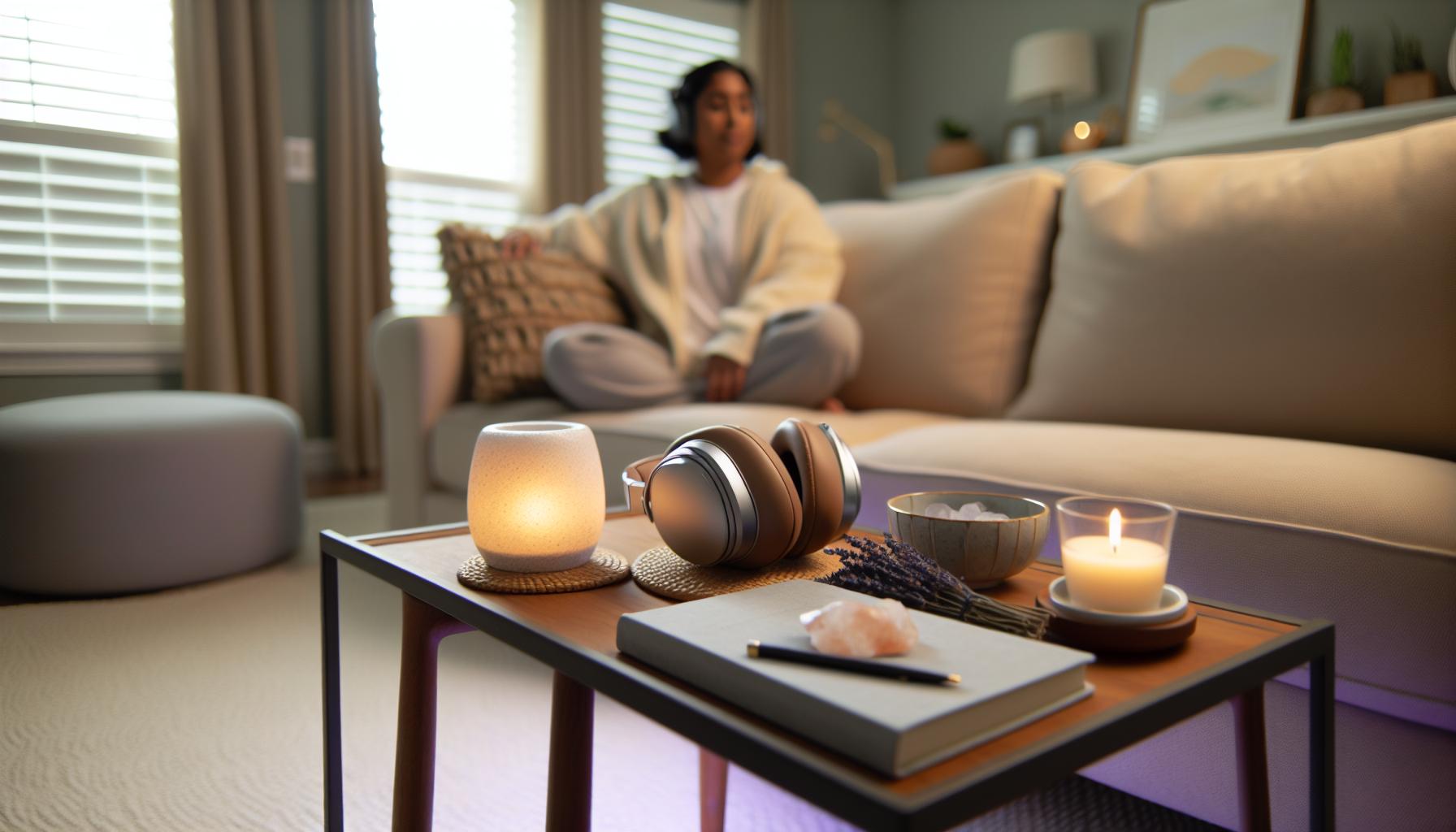
Using Calming Tools and Products to reduce Anxiety
There’s a comforting power in thoughtfully chosen tools and products that can truly transform a grooming session from a stressful ordeal into a calm, manageable experience for anxious dogs. the right calming aids don’t just mask anxiety; they create an environment where trust can grow, helping your dog feel safe and protected throughout every step-from bath time to nail trims.
Gentle Shampoos and Sprays to Soothe Sensitive skin and Nerves
Start with mild, hypoallergenic shampoos infused with natural calming ingredients such as chamomile, lavender, or oatmeal. These components gently ease itchy, sensitive skin while emitting subtle scents that naturally relax dogs. Avoid harsh detergents or overpowering fragrances, which can overwhelm sensitive noses and add stress. many groomers also recommend using calming sprays or mists containing pheromones like Adaptil, which mimic a mother dog’s comforting signals and help reduce fear before and during grooming.
Tools designed for comfort and Confidence
When brushing or trimming, use ergonomic brushes with soft bristles or combs suited to your dog’s coat type-whether dense double coats or fine, silky fur. Tools that slip or tug can quickly frustrate a nervous dog, so selecting the right tool is crucial. In the case of nail care, grinders often cause less distress than clippers since they file nails gradually without sudden pressure or sound. If your dog is sensitive to sound, consider quieter, low-vibration tools or use noise-cancelling headphones to block out grooming equipment noises.
Creating a Calming Atmosphere
Light background music with low frequencies or classical tunes can have soothing effects during grooming. Combine this with natural elements like diffusers releasing lavender or vetiver oils placed strategically out of reach, creating a peaceful environment your dog will associate with relaxation. Some groomers also use weighted blankets or anxiety wraps like the ThunderShirt during visits to apply gentle pressure, boosting comfort and lowering stress hormones.
- Before the bath: Spray calming mist on a towel and gently rub it around your dog’s ears, neck, and chest.
- During brushing: use treats to reward calm behavior and maintain a soft, reassuring voice as you handle sensitive areas.
- Nail trimming: Start with touch desensitization and pair gentle grinding with praise to build positive associations.
Remember, while these products and tools can make a big difference, they work best paired with patience and empathy. Choosing products free of dyes and irritants limits discomfort, while supportive handling and the gradual introduction of grooming rituals help your dog learn that groomers-and grooming itself-are safe places. Always consult your veterinarian if anxiety remains pronounced or if you’re considering calming supplements or medications, as they can provide guidance tailored to your dog’s specific health needs.
By thoughtfully combining calming products, appropriately gentle tools, and a nurturing approach, you empower every grooming session to become a stepping stone toward greater trust and less fear-because your dog’s peace of mind is the true goal behind every brush, bath, and trim.
[Gentle grooming methods] | [Managing grooming anxiety with products] | [Calming grooming techniques in practice]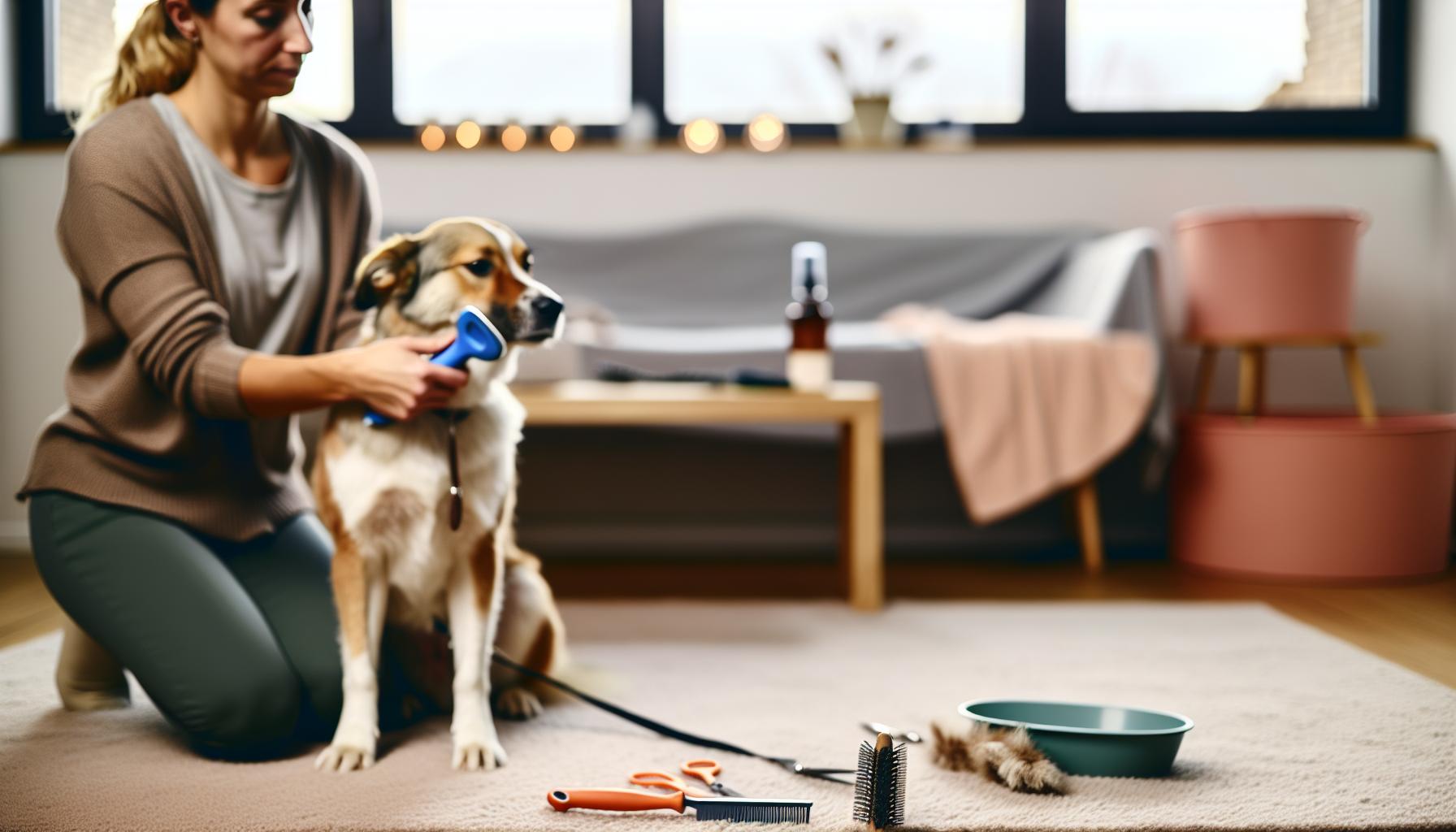
Training Tips to Prepare Your Dog for Grooming Sessions
introducing grooming as a positive and predictable routine can completely change how your dog feels about their next appointment. Many dogs experience fear simply because grooming is unfamiliar or associated with unpleasant surprises-so the key is gentle, gradual training that builds comfort and trust. Start by breaking down grooming into easy, bite-sized steps that you practice regularly at home, long before heading to a professional groomer. This not only reduces anxiety but empowers you to stay calm and confident, setting the tone for success.
Familiarize Your Dog with Tools and Touch
Spend short, daily sessions introducing your dog to grooming tools like brushes, combs, or nail grinders. let them sniff and explore these objects while giving treats to create positive associations. When brushing, mimic the motions without pressure at first, praising calm behavior. For nail care, gently touch paws and nails and reward your dog with treats or a favorite toy. Repeat this over days or weeks until your dog accepts handling without stress. This builds tactile tolerance and helps dogs feel safe with touch-sensitive areas.
Desensitize Bath Time and Noise
Baths can be overwhelming due to unfamiliar sensations and sounds. begin by bringing your dog into the bathing area and rewarding calmness. Use a non-slip mat and warm water to increase comfort. Hairdryers and clippers often produce anxiety-inducing sounds-introduce these noises gradually, starting from a distance or at low volumes while rewarding relaxation. Playing soft classical music or white noise during practice sessions can help mask harsh grooming noises over time.
Implement Reward-Based Grooming Rituals
Reward is the most powerful motivator for anxious dogs. Combine grooming gestures with high-value treats, gentle praise, and soothing tones. Create a routine: such as, treat before brushing each section of fur, or after a nail trim. This teaches your dog that good things happen during grooming, making future visits less daunting. Consistency is key, so keep sessions short and end positively, always matching grooming efforts to your dog’s tolerance and personality.
- Coat type tip: Long or curly coats require more patience and gradual brushing to prevent pulling discomfort.
- Breed considerations: Sensitive or brachycephalic breeds may need extra breaks and slower progress.
- Difficulty scaling: Start with easy areas like the back before moving to paws, ears, or face, where dogs are frequently enough more guarded.
Know When to Seek Professional Help
Some dogs need a team approach. If your dog shows extreme fear, aggression, or has a history of traumatic grooming experiences, a professional groomer experienced in handling anxious pets or a veterinary behaviorist might be the best support. Incorporating gentle grooming during veterinary check-ups helps your dog tolerate handling in multiple settings, reinforcing calmness.
Training your dog to embrace grooming isn’t about perfection-it’s about patience and compassion. Each positive interaction builds your dog’s confidence and forms the foundation for stress-free grooming visits in the future. With love,clear communication,and thoughtful preparation,grooming can become a welcome part of your dog’s self-care journey.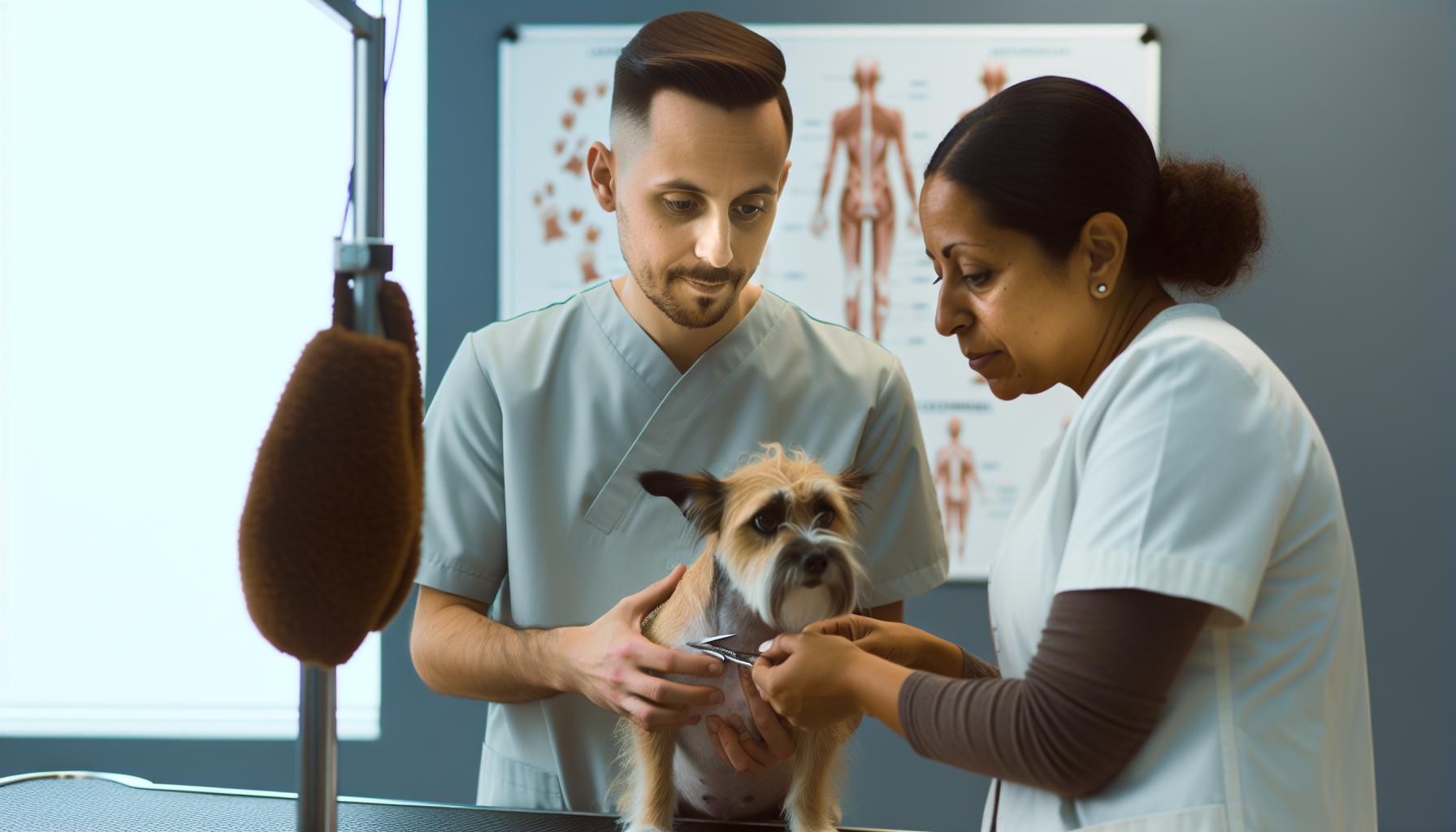
When to Consult Your Vet About Grooming-Related Anxiety
Many dogs experience a level of grooming stress that can feel overwhelming-not just for them, but for their owners too. While gentle handling and consistent positive experiences frequently enough manage mild anxiety, there are times when the fear runs deep and professional guidance is essential. If grooming sessions consistently end in panic, resistance, or even aggression despite your best efforts, it’s a clear sign to seek veterinary advice. Your vet can uncover underlying issues that might be contributing to your dog’s stress, ensuring every grooming experience prioritizes health and emotional well-being.
Some dogs may show extreme sensitivity due to pain, past trauma, or medical conditions like skin infections, arthritis, or sensory decline, which can make touch uncomfortable or frightening. For example, a senior dog with arthritis might flinch or growl during nail trims or brushing over sore joints, escalating their fear response. In these cases, a vet can perform a thorough health evaluation, recommend pain management, or suggest strategies like specialized grooming tools or modified techniques that reduce discomfort. Sometimes, medications or calming supplements prescribed by your vet can ease anxiety enough to make grooming doable without distress.
Signs It’s Time to Consult Your Veterinarian
- Persistent aggressive behavior: Growling, snapping, or biting during grooming, especially if sudden or unexpected.
- Physical signs of stress or pain: Whining, trembling, excessive panting, or avoidance behaviors.
- Worsening anxiety despite training: When positive reinforcement and gradual desensitization don’t reduce fear.
- Health concerns linked to grooming: Repeated skin issues, infections, or difficulty standing still due to discomfort.
- Past traumatic grooming experiences: History of forceful handling that complicates current care.
Beyond just managing anxiety, your vet can guide you on how to work hand-in-hand with groomers or behaviorists to develop a personalized plan. This might include counter-conditioning exercises, pheromone therapies, or controlled exposure routines done under professional supervision. Never hesitate to share your observations and concerns openly; your vet is a vital partner in ensuring grooming is as safe and stress-free as possible for your pet.
Collaborative care: Vet, Groomer, and Owner Roles
It’s critically important to recognize the boundaries of care: groomers excel at practical skill and patience, owners provide daily comfort and consistency, while vets address medical and behavioral health. Together, they form a support team focused on your dog’s full well-being. For example, if anxiety stems from a medical issue, no amount of training alone will ease the fear until pain or discomfort is treated. Conversely, a vet’s support can empower you and your groomer with tools and techniques to make grooming a positive experience.
Remember,prioritizing your dog’s emotional health over perfect grooming outcomes builds long-term trust and happiness. Patience, compassion, and knowing when to seek expert advice turn fearful grooming encounters into opportunities for calm connection and care.
balancing Professional Grooming and DIY Care for Nervous Dogs
Sometimes, the best grooming care for a nervous dog is a thoughtful blend of professional help and gentle at-home routines. Professional groomers bring experience, proper tools, and trained hands, especially for tricky tasks like full haircuts, nail trimming, or ear cleaning in breeds with complex coats. Yet, DIY care can play a vital role in maintaining comfort, building trust, and reducing grooming-related anxiety outside of salon visits. Finding that balance empowers you as a pet parent to keep your dog healthy and happy without overwhelming stress.
Understanding Your Dog’s Coat and Needs
Before diving into grooming tasks, consider your dog’s breed, coat type, and sensitivity level. For example, a Shih Tzu with dense, long hair requires frequent brushing at home to prevent matting between professional trims, while a short-haired lab might only need occasional baths and nail checks. Knowing this helps you focus your efforts safely and effectively:
- Coat type: Long,curly,or double coats usually demand more frequent brushing and professional de-matting as DIY tools can struggle with deep tangles.
- Skin Sensitivity: Dogs prone to allergies or skin conditions benefit from gentle shampoos and avoiding over-bathing, which professionals can guide you on.
- Temperament: Highly anxious dogs may tolerate slow, short brush sessions at home better than long professional appointments – working gradually builds tolerance.
Simple At-Home Techniques That Make a Big Difference
Breaking down grooming into manageable daily or weekly steps reduces overwhelm-for both you and your dog. for example:
| Grooming Task | Tools Needed | Tips for Stress Reduction |
|---|---|---|
| Brushing | Slicker brush, comb, dematting tool (if needed) | Keep sessions under 5 minutes; use treats; focus on calm praise; stop if stress signs appear |
| Nail Trimming | Dog nail clippers or grinders, styptic powder for quick stops | Gradually introduce tools; trim one nail/session; do on soft surfaces; reward instantly |
| Ear Cleaning | Vet-approved ear cleaning solution, cotton balls | Be gentle; never insert anything deep; wipe only visible areas; pause for breaks |
| Bathing | Mild dog shampoo, non-slip mat, towel | Use lukewarm water; avoid eyes/ears; keep bath calm with soft voice and treats |
Even a few minutes of calm touch and care regularly builds your dog’s comfort over time. Importantly,don’t chase perfection – the goal is to keep your dog relaxed and safe.
When to Rely on Your Groomer-and How to Partner With Them
Despite our best at-home intentions,some tasks really need professional expertise and equipment. groomers handle trimming mats without painful pulling, nail grinding safely near the quick, and provide stress-mitigated baths with behavior-aware staff. For anxious dogs, communicating openly with your groomer about your dog’s history and sensitivities is key. Many groomers specialize in working with nervous pets and can adapt by:
- Using calming pheromone sprays or relaxing music
- Scheduling shorter, more frequent visits rather than long sessions
- Offering a quiet, low-stimulation environment
- Working with your vet’s recommendations for calming aids if approved
Remember, working as a team with your groomer ensures a consistent routine that respects your dog’s needs. Such as, if you notice nail trimming provokes fear at home, your groomer might focus on positive experiences first and forward progress over multiple visits.
Respecting Boundaries: When to Seek Vet or Behaviorist Advice
If your dog shows extreme reactions during grooming-even at home-it’s important to recognize when professional medical or behavioral help could improve their quality of life. Pain from arthritis or skin issues can make handling unbearable, and deep anxiety or past trauma often require specialists to guide you through gradual desensitization or treatment plans.
Establishing a balanced approach-where vet, groomer, and owner each fulfill their role-creates a nurturing circle of care that helps turn grooming from a fearful ordeal into a soothing routine.The key is patience, kindness, and knowing every small step counts toward your dog feeling safe and cared for in every brushing, bath, and nail trim.
Faq
Q: How can I tell if my dog’s fear of the groomer is due to past trauma or just unfamiliarity?
A: Dogs fearful from past trauma often show intense signs like trembling or avoiding touch,while unfamiliarity may cause mild nervousness. Observe your dog’s body language and reaction to grooming tools at home to differentiate. Gradually introduce grooming steps to build comfort, as outlined in our At-Home Techniques to Ease Grooming Fear section.
Q: What’s the best way to introduce grooming tools to a nervous dog without causing stress?
A: Start slow by letting your dog sniff and explore each tool calmly, rewarding with treats and praise. Pair grooming tools with positive experiences using gentle petting and short sessions. This desensitization builds trust, as detailed in the Training Tips to Prepare Your Dog for Grooming Sessions part.
Q: Are certain coat types more likely to cause grooming anxiety in dogs?
A: Yes, dogs with thick, curly, or matted coats often experience more discomfort during grooming, increasing anxiety. These breeds need extra patience, gentle handling, and specialized tools to reduce stress, which you can learn under Safe and Gentle Grooming Practices for Anxious Dogs.
Q: How does mobile grooming help dogs that hate traditional grooming salons?
A: Mobile grooming reduces stress by providing a quiet, familiar environment at home, minimizing exposure to crowds and loud noises. This approach often soothes anxious dogs, making grooming a calmer experience, similar to benefits explained in Choosing the Right Groomer for Sensitive Dogs.
Q: can calming scents or sprays actually reduce my dog’s grooming anxiety?
A: Yes, anxiety-reducing sprays with natural calming ingredients like lavender or chamomile can definitely help relax your dog during grooming. Use them alongside soft music and a gentle voice for the best effect, as mentioned in Using Calming Tools and Products to Reduce Anxiety.
Q: When is sedation a safe option for grooming-anxious dogs?
A: Sedation is a safe option only under a veterinarian’s supervision when anxiety prevents essential grooming care. Always consult your vet first to discuss medication and safe handling, as advised in When to Consult Your Vet About Grooming-Related Anxiety.
Q: How often should I schedule grooming sessions for a dog with grooming anxiety?
A: Frequent, short grooming sessions-weekly or biweekly-help build familiarity and reduce anxiety over time. Consistency is key to creating a positive routine, as detailed in Training Tips to Prepare Your Dog for Grooming Sessions.
Q: What are simple grooming steps I can do safely at home without stressing my anxious dog?
A: Start with gentle brushing, wiping paws, and light ear cleaning using soft tools in a calm environment. Keep sessions short and reward your dog often.Refer to At-Home Techniques to Ease Grooming fear and Build Trust for detailed step-by-step guidance.
For more insights on easing your dog’s grooming fears, explore our full guide on safe grooming and anxiety solutions.
In Summary
Understanding why dogs often fear the groomer is the first step toward easing their anxiety and making grooming a calmer experience for both you and your pet. Remember, gentle handling tailored to your dog’s breed, coat type, and sensitivity-whether it’s a soothing bath, careful brushing, or nail trims-builds trust over time. If you’re wondering how to choose the right tools or when to seek professional grooming advice versus vet care, our guides on DIY dog grooming tips and managing pet anxiety during vet visits offer helpful next steps.
Don’t wait to take action-small changes now can transform grooming from a stressful chore into a positive routine. Ready to deepen your understanding? Explore our calming techniques for anxious dogs or subscribe to our newsletter for expert tips delivered straight to your inbox. Share your experiences or questions below; your insights help create a supportive community for nervous pet owners just like you. Together, we can prioritize your dog’s comfort and wellbeing, making every grooming session a confident, compassionate success.
Get our latest guides, news, and insights highlighted in your Google Search & AI Overviews.
Keep reading about the same coat and cut.


Popular grooming guides
Bath vs clip, first grooms, and salon how-tos.