Can Groomers Remove Dog Knots? Matting Solutions That Work
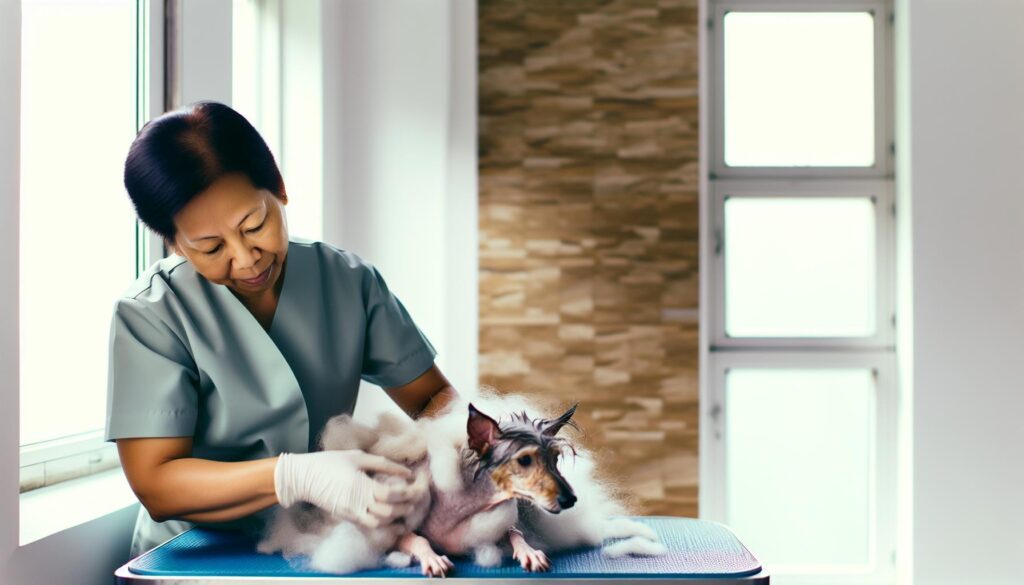
Did you know that mats and knots in your dog’s coat don’t just look untidy-they can actually cause discomfort and skin problems if left untreated? For many pet owners, the question “Can groomers safely remove dog knots?” is top of mind, especially when coats range from fine silky fur to thick, curly curls.In this guide, we’ll explore practical, compassionate matting solutions that prioritize your dog’s well-being above all else. Whether you’re dealing with stubborn tangles behind the ears or widespread mats in longer coats,understanding how professional groomers approach this challenge can ease your worries and help you choose the best care for your furry friend. With step-by-step tips, breed-specific advice, and clear boundaries between what groomers, vets, and owners should handle, you’ll gain confident insight into keeping your dog agreeable and happy-because every companion deserves gentle, patient grooming that respects their unique needs and personality.Let’s unravel the mystery of knots together and find solutions that truly work for you and your dog.
Understanding Dog Matting: Causes and Risks
Table of Contents
- 1 Understanding Dog Matting: Causes and Risks
- 2 How Professional Groomers Remove dog knots Safely
- 3 DIY Techniques for Detangling Knots at Home
- 4 Best Tools and Products for Tackling Dog Matted Fur
- 5 Coat Types that Are Prone to Matting and Knots
- 6 When to Seek Veterinary or Groomer Help for Severe Matting
- 7 Step-by-Step Guide: Bathing and Brushing Matted Dogs
- 8 Preventing Future Mats: grooming Tips and Maintenance
- 9 Troubleshooting Common Challenges with Knot Removal
- 10 How Groomers Tailor Knot Removal by Breed and Coat Texture
- 11 Q&A
- 11.1 Q: Can groomers safely remove severe mats without shaving my dog?
- 11.2 Q: How do groomers handle knots in sensitive areas like ears and underarms?
- 11.3 Q: what professional tools do groomers use that I can’t easily get at home?
- 11.4 Q: When is it better to get professional help rather than DIY knot removal?
- 11.5 Q: How do groomers customize mat removal strategies based on breed or coat texture?
- 11.6 Q: What signs show that knots in my dog’s fur need immediate professional attention?
- 11.7 Q: How long does mat removal typically take during a professional grooming session?
- 11.8 Q: Can groomers help prevent mats from forming again after removal?
- 12 Wrapping Up
Few things frustrate a loving dog owner more than discovering their furry friend has developed painful mats and knots. These dense, tangled clumps don’t just spoil the coat’s beauty; they can cause real discomfort and even health concerns if left untreated. Matting happens when strands of fur twist and lock tightly, often trapping loose hair, dirt, and dead skin cells-almost like a traffic jam in your dog’s coat.It’s especially common in breeds with long, dense, or curly hair, but any dog can develop mats under the right (or wrong) conditions.
What leads to matting? Several factors contribute, and knowing them helps you stay one step ahead:
- Coat type and texture: Dogs with thick double coats, curly fur, or long silky hair-including breeds like Poodles, Golden Retrievers, and Shih Tzus-are naturally more prone to mats because their strands easily cling together.
- Friction zones: Areas like behind the ears, under the collar, behind the legs, and around the tail often rub during movement, encouraging tangles to form.
- Infrequent grooming: Less frequent brushing or bathing allows loose hair and dirt to build up, tightening mats as the fur intertwines over time.
- Health issues: Parasite infestations, skin infections, or underlying conditions can increase the likelihood of matting by causing inflammation or excess shedding.
- environmental factors: Outdoor play in wet, muddy, or brushy areas can easily snag fur and start tangles that grow worse if not addressed promptly.
Understanding these causes helps owners act with compassion and confidence. mats aren’t just cosmetic-tight mats can pull painfully on your dog’s skin, restrict movement, and trap moisture, which leads to sores or infections. Because mats often hide skin beneath them, attempting to tug them out without care can cause cuts or irritate sensitive areas. A well-meaning owner brushing vigorously or using blunt tools may unintentionally harm an already distressed pup. This is why a gentle,strategic approach-often with the guidance of professionals-is the safest way to handle dog knots.
Real-world example
Consider Lucy, a playful Cocker Spaniel whose thick ears often rub against her collar. Over a few weeks, small mats started forming behind her ears. Lucy’s owner noticed she was scratching more and pulling at her ears, signs of discomfort. Instead of brushing harder and risking hurting Lucy, the owner took her to a groomer experienced in detangling delicate ear areas. the groomer used specialized combs and soothing sprays to carefully loosen the knots, ensuring Lucy felt calm and safe throughout. This prevented further matting and gave Lucy relief from irritation.
By recognizing the risks and early signs of matting, owners like Lucy’s can prioritize their dog’s comfort and avoid the more elaborate treatments needed for severe mats. With patience, regular care, and the right tools, mats can be managed effectively-preserving your dog’s well-being and the joy they bring into your home.
Learn more about key matting facts from Happy Dog Baltimore and how friction plus coat type create common “problem spots.” For situations involving parasites or severe skin conditions, consult your vet promptly to keep your dog happy and healthy [[1]](https://www.happydogbaltimore.com/happy-dog-blog/2023/8/4/3-things-you-need-to-know-about-dog-hair-matting?srsltid=AfmBOopUZkWyeb-P2dkA55_vC82LG7AlP5wirbjrGS_M6T4lwnW7i_6j).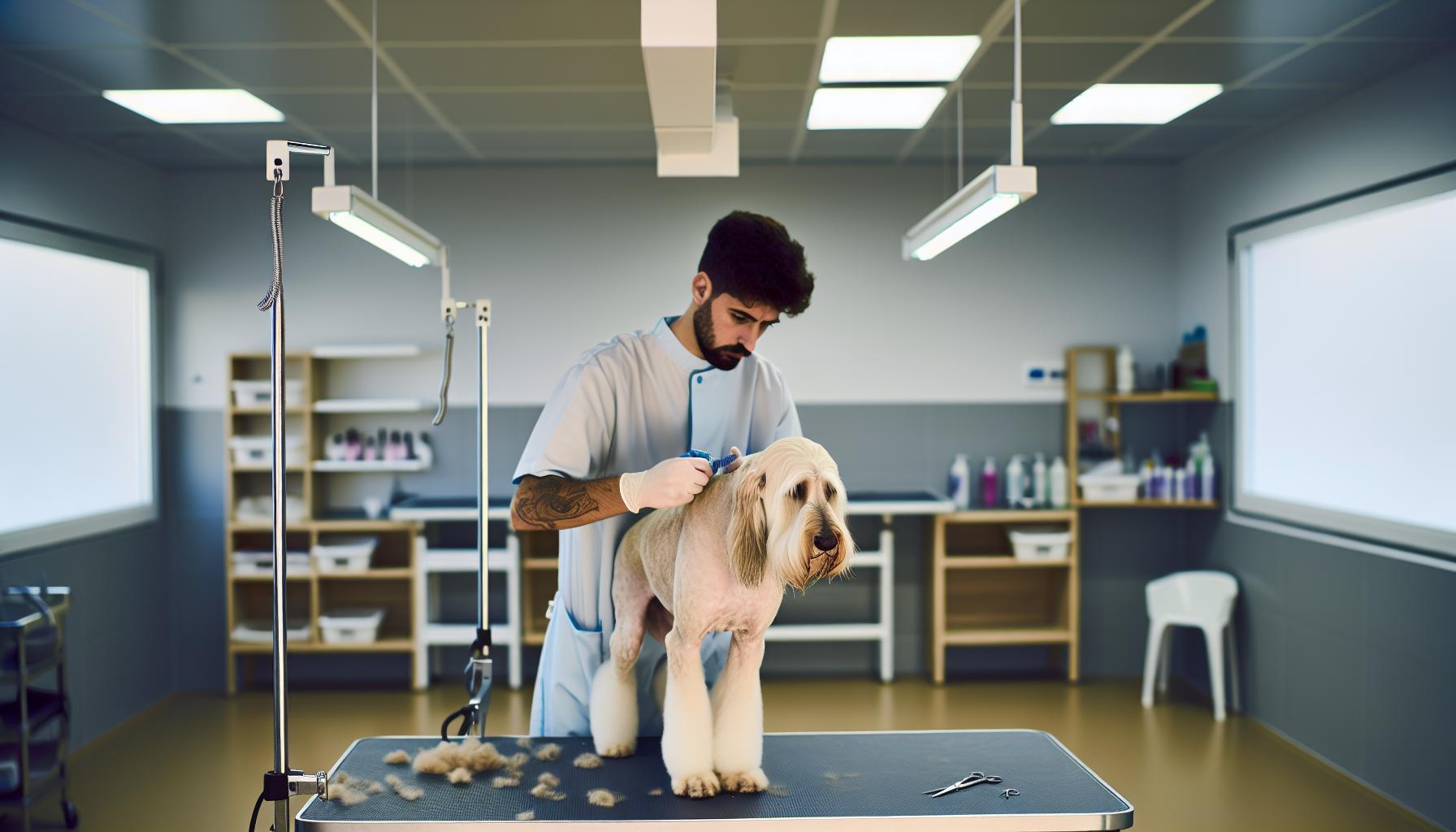
How Professional Groomers Remove dog knots Safely
Removing mats and knots from a dog’s coat is a delicate art that professional groomers master through patience, skill, and compassion. Unlike a quick fix, safely detangling requires a thoughtful approach tailored to each dog’s breed, coat type, and temperament. For example, curly coats like those of Poodles may need gentle comb-throughs with slicker brushes combined with detangling sprays, while dense double coats-common in breeds like Golden Retrievers-often require careful sectioning and softer tools to avoid skin irritation.
Step-by-step: the Groomer’s Gentle Approach
- Assessment: A thorough examination of the coat helps identify mat severity,sensitive areas,and any hidden skin problems. Groomers always look for signs of redness or sores beneath mats before proceeding.
- Preparation: A calming environment and slow introduction to tools ease anxious dogs.Groomers frequently enough use soothing sprays or special conditioners to loosen knots and add slip to the fur.
- Detangling: Starting with fingers or a dematting comb, knots are teased apart gently from the edges inward, avoiding pulling sharply on the skin. Using smaller sections keeps the process manageable and kind to your pup.
- Clipping if Needed: For mats that simply won’t budge without pain, careful clipping close to the skin is sometiems the safest option. This is done with precision scissors or clippers designed to protect skin, especially in sensitive zones such as behind ears and under legs.
- Post-detangling Care: Following knot removal, a gentle bath helps flush away loose hairs and debris.Drying and a final brush-through restore comfort and coat health.
Real-life example
Take max, a lively Shih tzu whose thick, long fur developed small mats on his chest and legs after a rainy week of outdoor play. His owner brought him to a groomer who took time brushing out the less dense mats with a specialized dematting rake and treated tougher tangles with a detangling spray. The groomer paused frequently to reassure Max, keeping stress levels low and earning his trust. Where a mat was too tough to brush out, a quick, pain-free trim saved Max discomfort later. Max left calm, clean, and comfortable-proof that skilled grooming goes far beyond aesthetics.
Knowing when to Leave It to the Pros
It’s vital for dog owners to recognize when mats are too deep or extensive for home care. Severe matting can trap moisture and create painful sores or infections – situations where a groomer or even a vet might need to intervene.Professional groomers are trained to catch these red flags early and frequently enough work with vets to provide safe, effective care. Trying to force out tough mats at home can hurt your dog and cause long-term damage to their skin and coat.
Ultimately, a professional groomer’s work balances technical skill with heartfelt care. They understand that knot removal isn’t just about making your dog look good-it’s about restoring comfort and health with kindness first. For every dog and situation, compassion guides every stroke of the brush and trim of the scissors.
DIY Techniques for Detangling Knots at Home
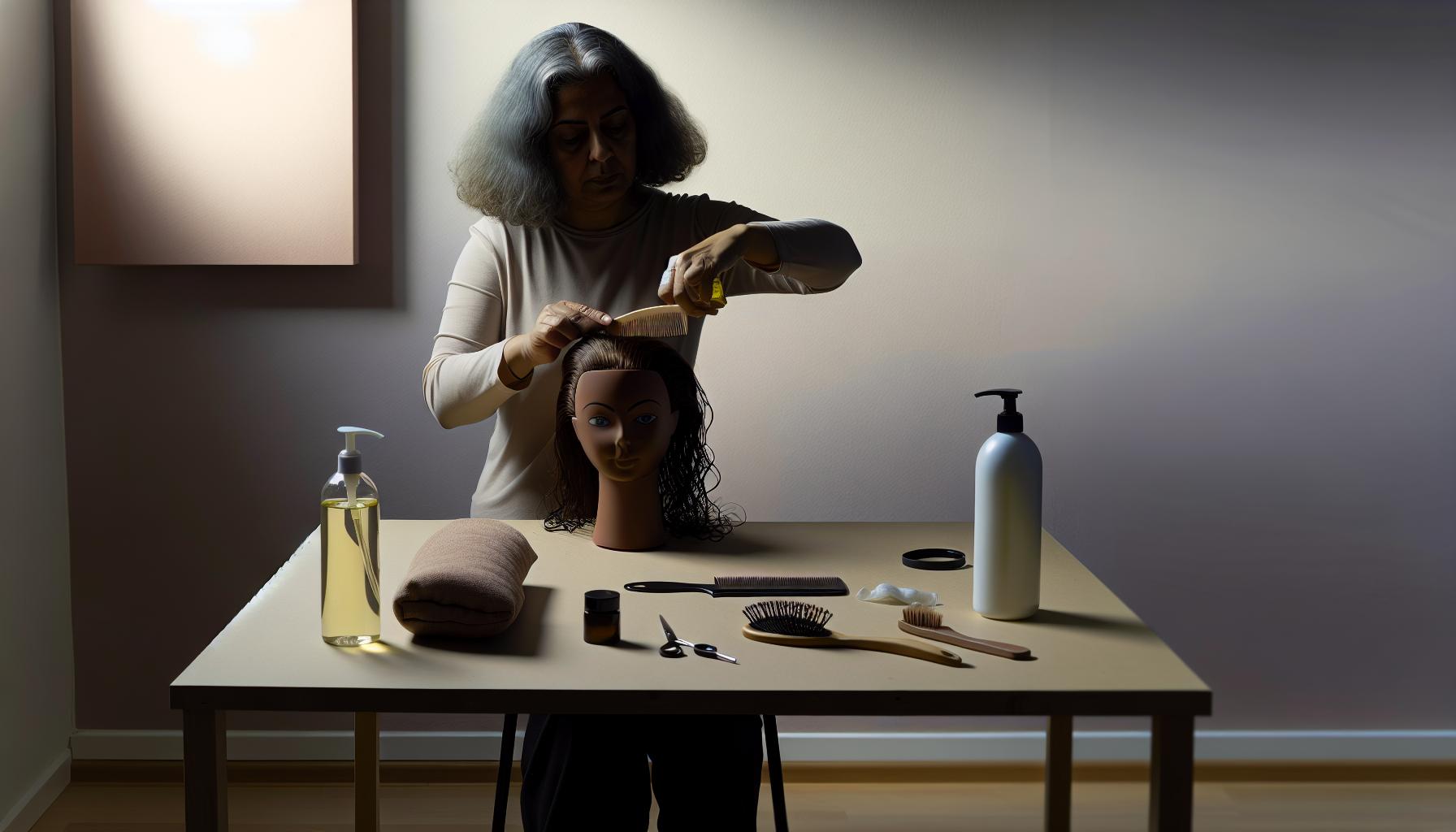
Detangling your dog’s knots at home can feel like a daunting task, but with the right patience, approach, and tools, it’s absolutely possible to ease your furry friend’s discomfort while strengthening your bond. Remember, the goal isn’t perfection but gentle progress-every little knot you untangle is a victory for both your pup’s comfort and coat health. Keep in mind that coat type matters: long-haired or curly-coated breeds like Shih Tzus and Poodles often require more care and special products, while dogs with shorter or denser coats might onyl need light brushing to prevent mats from forming.
Getting Started: preparation Sets the Tone
- Choose a calm, distraction-free environment. Creating a safe, quiet space helps your dog stay relaxed. Using treats or soft praise along the way encourages cooperation.
- gather gentle tools. A slicker brush, dematting comb, and quality detangling spray designed for pets make a big difference. Detangling sprays can add slip to tough knots and nourish the coat, making combing easier and less painful [[1]](https://www.amazon.com/Pet-Detangling-Spray/s?k=Pet+Detangling+Spray).
- Inspect your dog’s coat carefully. Run your fingers gently through the fur to locate mats and evaluate their size and sensitivity. Be extra cautious near skin folds, ears, tail, and under legs, where mats like to hide.
step-by-Step Knot Removal
- Start with your fingers. whenever possible, loosen knots gently by teasing them apart with your fingertips before introducing tools. This keeps pressure off the skin and reduces pain.
- Apply a detangling spray. Lightly mist the affected area, allowing the product to penetrate and soften mats. This reduces friction and helps drying time after a bath [[3]](https://www.hollywoodfeed.com/p/99598/pure-and-natural-pet-dog-detangling-spray?srsltid=AfmBOoodeDBoMlXJaA_HxKzNwgDGKKHQz1l3ZI1HqVCsyB0NymauM1HH).
- Use the right brush or comb. For tighter mats, a dematting rake or a dual-tooth detangling brush – where longer teeth reach deeper undercoats and shorter teeth smooth the topcoat – works wonders [[2]](https://us.tangleteezer.com/products/detangling-brush). Work slowly and patiently, brushing small sections at a time from the outer edges inward, never forcing knots as pulling can hurt your dog and damage the coat.
- Break big mats into smaller sections. If a mat is stubborn,try to gently tease apart smaller strands rather than powering through. When knots resist after gentle attempts, it may be safer to seek professional help to avoid injury.
Bathing and Aftercare
Once most knots are loosened, give your dog a gentle bath using a mild shampoo formulated for their coat type. Bathing softens remaining tangles and washes away dirt that can worsen matting. After tub time, carefully towel-dry your pet, then softly brush the coat again while it’s still damp to ensure no mats are missed. Regular conditioning sprays applied post-bath help keep fur hydrated and less prone to tangling in the future.
Knowing Your Limits
While many owners can manage light to moderate knots at home,severe or painful mats often require professional grooming or even veterinary attention,especially if skin irritation or sores are present. Never hesitate to pause and consult a groomer if the knots seem too tight or your dog becomes distressed. Your pup’s comfort is the top priority, and there’s no shame in calling in the experts to help safely restore a happy, healthy coat.
Best Tools and Products for Tackling Dog Matted Fur
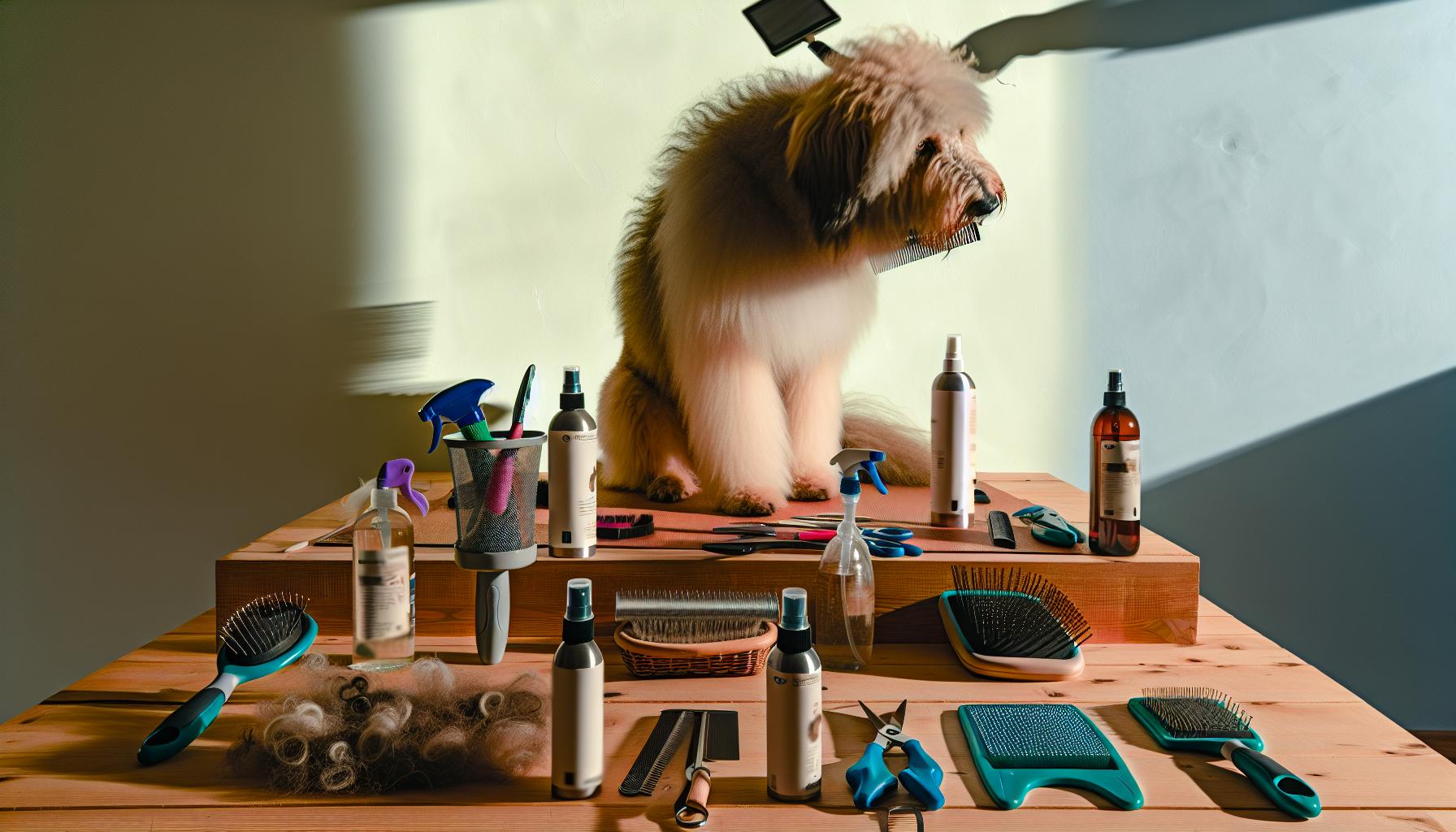
untangling matted fur can sometimes feel like trying to solve a knotty puzzle-but with the right tools and products, this task becomes much gentler and more manageable for both you and your dog. Different coat types and mat sizes call for a thoughtful approach, and thankfully, a well-chosen toolkit can make a world of difference, helping to minimize discomfort and keep your pup’s coat healthy along the way.
Essential Grooming Tools for Mat Removal
- dematting Rake or Comb: this is your go-to for breaking up thicker mats and tangles, especially in long or curly coats like those of Poodles or Shih Tzus. The blade helps to separate clumps of fur without pulling too harshly on the skin.
- Slicker Brush: Ideal for smoothing the coat both before and after dematting, a slicker brush with fine wire bristles detangles lighter knots and removes loose hair gently.
- Detangling or Conditioning Spray: A spray designed specifically for pets can transform stubborn mats into easier-to-manage tangles by adding slip and moisture while nourishing the fur.Look for natural, non-toxic formulas that soothe the skin as well [[1]](https://www.amazon.com/Pet-Detangling-Spray/s?k=Pet+Detangling+Spray),[[3]](https://www.hollywoodfeed.com/p/99598/pure-and-natural-pet-dog-detangling-spray?srsltid=AfmBOoodeDBoMlXJaA_HxKzNwgDGKKHQz1l3ZI1HqVCsyB0NymauM1HH).
- wide-Tooth Comb with Dual Length Teeth: This type of comb reaches deep into the coat to handle undercoats while concurrently smoothing the topcoat,a helpful feature for double-coated breeds.
Choosing the Right Products and Tools by Coat type
If your dog has fine, silky hair that tangles easily, such as a Maltese or Yorkshire Terrier, focus on lightweight detangling sprays and gentle brushes to prevent breakage. For curly or dense coats-think Poodles or Bichon Frises-a richer conditioning spray combined with a sturdy dematting rake is often necessary to loosen mats without causing discomfort. Short-coated dogs, like Boxers or Beagles, generally don’t require heavy-duty tools but benefit from regular brushing to keep the coat healthy and mat-free.
Tips From Groomers: Patience and Safety First
- Always start slow: Lightly mist the tangled areas with a detangling spray and allow it to soak in for a few minutes. This softens the fur and lowers resistance.
- Work in sections: Tackling small patches one at a time reduces stress on your dog and prevents overwhelming both of you.
- Know when to stop: if a mat feels tight or your dog shows signs of pain or distress, pause and consider consulting a professional groomer. Attempting to pull out severe mats can injure your pet’s sensitive skin.
Remember, the goal is gentle progress, not aggressive perfection. using the right tools carefully will make a world of difference in maintaining your dog’s comfort and coat health over time. When in doubt, professional groomers have specialized equipment and experience to tackle arduous mats safely, often preserving your dog’s happiness and wellbeing.
Coat Types that Are Prone to Matting and Knots
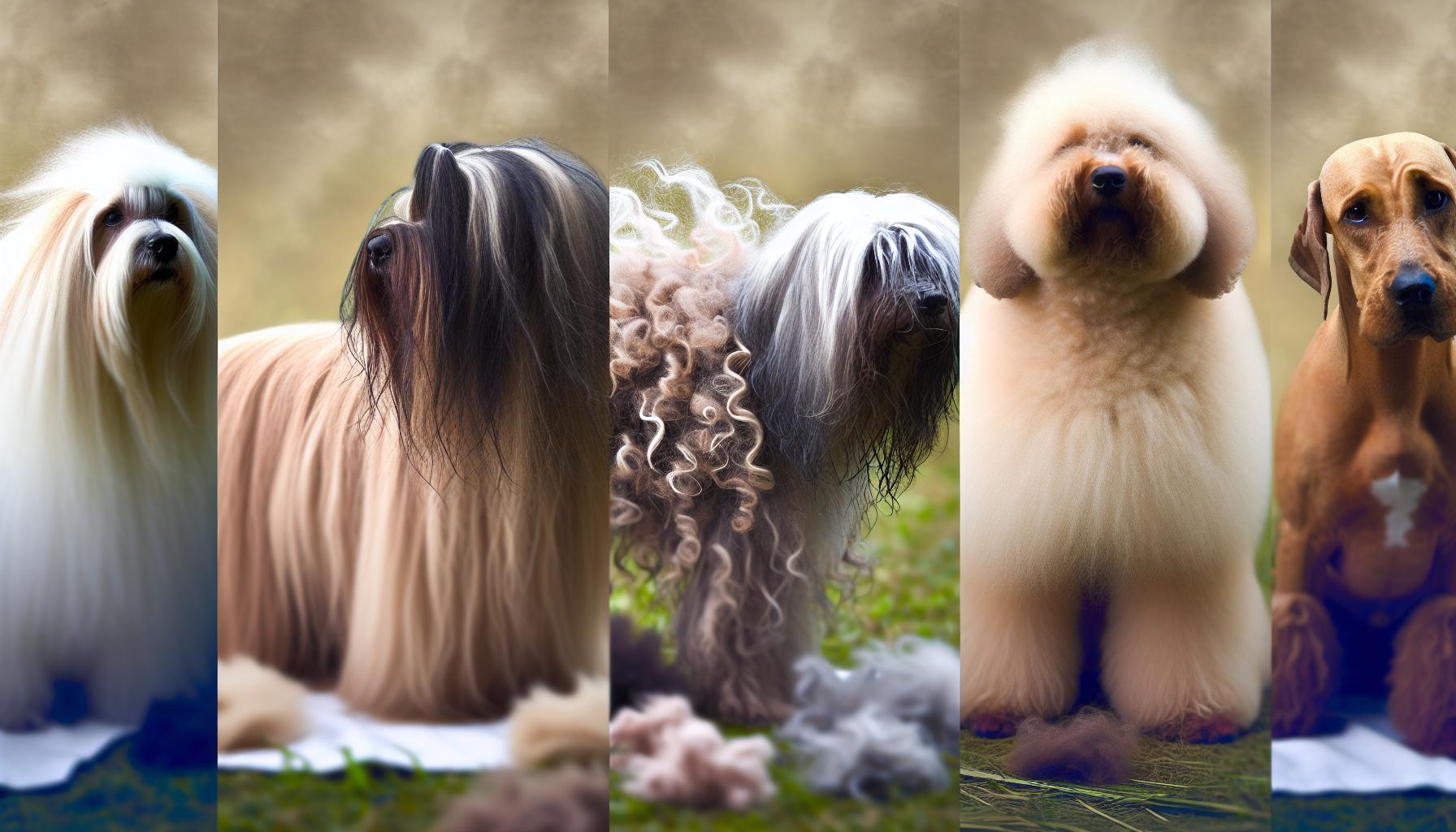
Certain coat types have a natural tendency to tangle and mat more easily, and understanding these nuances can save you and your dog lots of stress. Long, dense, or curly fur often hides early mats, allowing knots to build up unnoticed. Breeds like Poodles, Bichon Frises, and Shih Tzus slip frequently into this category-they have thick, curly coats that trap moisture and debris, creating the perfect environment for mats to form if grooming is inconsistent.
Double-coated breeds, such as Golden Retrievers, Australian Shepherds, or Siberian Huskies, pose a different challenge. Their soft undercoat sheds seasonally but can cling stubbornly beneath a topcoat of longer hair.When the soft undercoat intertwines with the outer fur, mats develop close to the skin, making detangling delicate and sometimes tricky.Tools with dual-length teeth or wide-tooth combs work well here, gently separating layers without causing pain.
Fine, silky coats like those of Maltese or Yorkshire Terriers, despite their smooth appearance, also require daily attention. These thin, delicate hairs knot easily, especially around ears, behind legs, and under the collar. They need lightweight detangling sprays and soft brushes to prevent breakage or skin irritation during grooming sessions. On the other hand, short-haired breeds such as boxers or Beagles typically mat less often, but mats still appear if dirt builds up or there is heavy friction from collars and harnesses.
Tools and Techniques Tailored by Coat Type
- Curly/dense Coats: Use a sturdy dematting rake and rich conditioning sprays to soften layers before gently working through knots.
- Double coats: Employ wide-tooth combs with care, separating layers gradually, and schedule grooming sessions around shedding seasons for best results.
- Fine/Silky Hair: Rely on gentle slicker brushes and light leave-in sprays to keep hair smooth and prevent early tangling.
- Short Hair: Maintain regular brushing routines even if mats are rare, focusing on cleanliness and skin health.
It’s important to remember that each dog’s coat is unique, so tailoring your grooming approach is key. When mats become tight or irritated,or if your dog resists brushing,consulting a professional groomer ensures safe removal without causing pain or skin damage. Embracing patience and compassion during grooming builds trust, helping nervous or sensitive dogs feel more comfortable over time.
When to Seek Veterinary or Groomer Help for Severe Matting
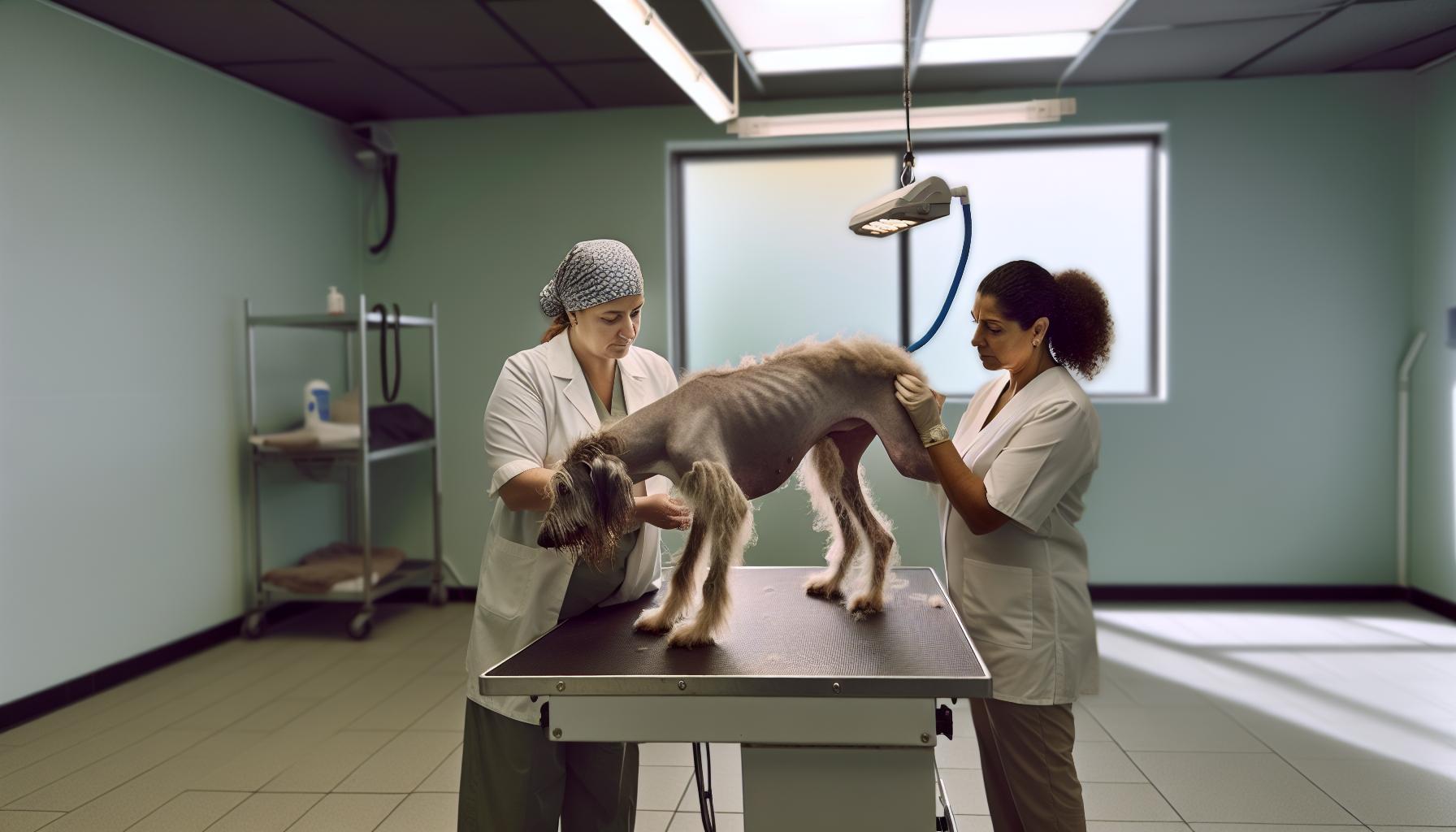
Severe matting isn’t just an aesthetic issue-it can create meaningful discomfort and even health problems for your dog. When mats are deeply tangled and close to the skin, they can restrict movement, cause painful pulling, trap moisture, and lead to skin infections. If you notice your dog avoiding touch,flinching during brushing,or developing redness and sores beneath mats,it’s a clear sign professional intervention is needed.
Attempting to cut out or detangle severe mats at home without proper tools and experience can unintentionally injure your dog. Dogs with dense, curly coats like Poodles or Bichon Frises, or double-coated breeds such as Huskies, frequently enough develop tight mats that require specialized dematting tools and gentle techniques only skilled groomers provide. Groomers know how to read your dog’s body language, use calming touches, and work patiently around sensitive areas to ensure a safe, stress-minimized process.
when to Turn to a Professional Groomer
- Mats are painful or pull on your dog’s skin: If your pet resists grooming or you observe signs of discomfort, professional groomers have experience using soothing handling methods and can decide whether careful cutting or slow detangling is best.
- Mats cover large areas or are matted close to the skin: Such mats need special dematting tools like rake combs combined with conditioning sprays to soften the coat before removal.
- Your dog has sensitive skin or pre-existing skin conditions: Groomers can identify when mats have caused sores or infections and tailor treatments accordingly, sometimes coordinating with a vet’s care plan.
When Veterinary Assistance is Essential
- Skin infections or severe irritation under mats: Vets must address infections first with medication before any grooming to prevent worsening the condition.
- Mats cause mobility issues or deep wounds: If mats are so advanced they impact your dog’s movement or have caused open sores, professional medical evaluation and pain control are urgent.
- Behavioral signs of extreme anxiety or pain during grooming: Sometimes sedation may be necessary,which only a vet can safely administer.
For example,a client brought in a Golden Retriever with a thick double coat heavily matted around the hind legs and belly. The dog was reluctant to be touched, and closer inspection revealed irritated skin beneath the mats. The groomer began with gentle detangling and conditioning, but the dog’s discomfort indicated underlying infection. The vet provided antibiotics, and together they developed a plan prioritizing comfort and gradual coat restoration.
Professional groomers in McKinney, TX, or Plano, TX, like those at Petbar or Hound Therapy, have the expertise, tools, and compassionate approach to manage tough mats safely and comfortably, supporting both you and your dog through the process [[1]][[2]][[3]].
Guidance for Owners Considering DIY Detangling
If mats are mild and your dog is comfortable during grooming, home detangling with the right tools and calm patience can be effective. Though, if you encounter resistance, tight mats, or skin sensitivity, it’s best to pause and consult a professional.Taking this compassionate step prevents accidental injury and preserves trust between you and your furry friend.
Step-by-Step Guide: Bathing and Brushing Matted Dogs
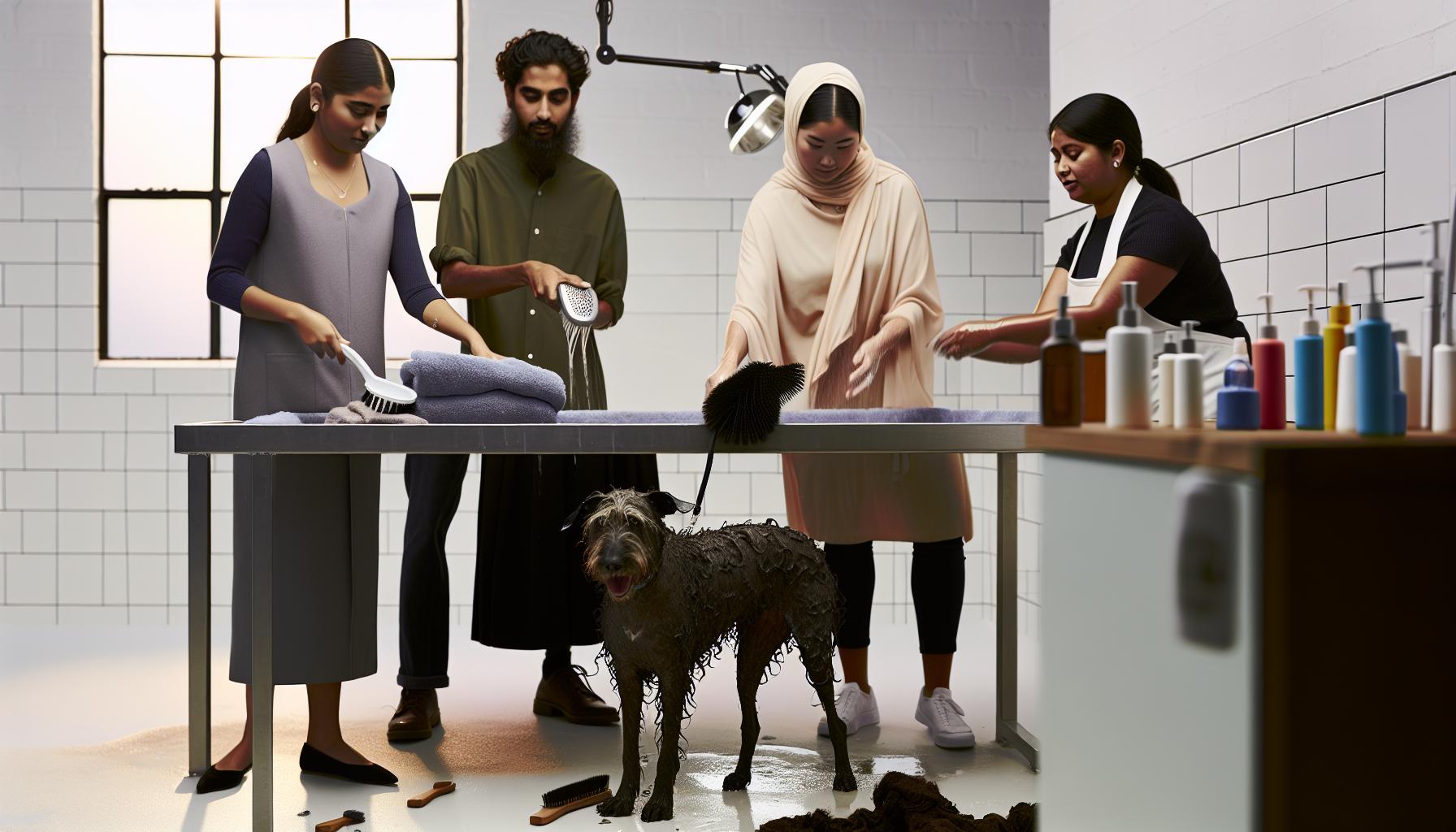
Sometimes,a bath can work wonders before tackling those stubborn mats. Clean, damp fur softens tangles and helps loosen dirt, making the detangling process more comfortable for your dog. But keep in mind: bathing should come only after you’ve assessed the mat severity and your dog’s comfort level. For heavy mats, start with gentle soaking and conditioning-not a full wash-to avoid stressing your dog or irritating sensitive skin. And remember, a calm environment is key: talk softly, give treats, and take breaks to keep your pup relaxed throughout.
Preparing for Bathing Matted Dogs
- Tools needed: dog-amiable detangling spray, a gentle shampoo formulated for sensitive skin, a wide-tooth comb, slicker brush, and a towel or blow dryer on a low, cool setting
- Coat considerations: double coats (like Golden Retrievers) dry slower, so gentle drying is essential; curly coats (Poodles, Bichons) benefit from thorough conditioning to reduce tangling
- Environment: quiet space, non-slip surface, and water temperature lukewarm-not hot-to avoid discomfort or skin flare-ups
steps for Bathing and Brushing Matted Dogs
- step 1: Pre-bath dematting spray – Lightly mist detangling spray onto matted areas to soften knots. Avoid soaking the entire coat, especially close mats that trap moisture.
- Step 2: Gentle soaking – Use lukewarm water to wet the fur around mats. Avoid rubbing harshly; instead, let water seep into the tangles to loosen debris.
- Step 3: Mild shampoo submission – Apply shampoo sparingly and gently lather, focusing on non-matted areas to prevent mats tightening or skin irritation.
- Step 4: Thorough rinsing – Remove all shampoo residue, as leftover soap can exacerbate matting by drying out the skin.
- Step 5: careful towel drying – Pat dry, don’t rub.For thicker coats, a low-heat or cool blow dryer aids in drying hair without causing heat stress.
- Step 6: Brushing and dematting – Start with a wide-tooth comb on less troublesome areas, then move to matted spots using a slicker brush or dematting rake. Hold the base of the hair close to the skin to minimize pulling and discomfort.
Troubleshooting & Tips
- If your dog resists grooming: Take breaks, use calming strategies like treats, massage, or gentle praise, and consider an assistant to keep your pet comfortable.
- For stubborn mats: Rather of forcing combs through tight tangles, use your fingers to gently tease out mats bit by bit. Try additional spritzes of conditioning spray.
- Avoid using scissors unless trained: Cutting mats risks accidental skin injury. Let professionals handle cutting when necessary.
- Consult a professional: If mats are close to the skin or cause pain, seek a groomer or vet. Some mats need medical attention before grooming.
An example: A client’s Cockapoo with tight knots near the hind legs nearly panicked during brushing. We paused, applied a soothing dematting spray, and switched to finger detangling while offering gentle reassurances. After a slow, steady bath and careful drying, gradual brushing became easier, resulting in less stress and a refreshed coat. with patience and the right tools, even tricky mats become manageable-and your dog will thank you for your gentle care.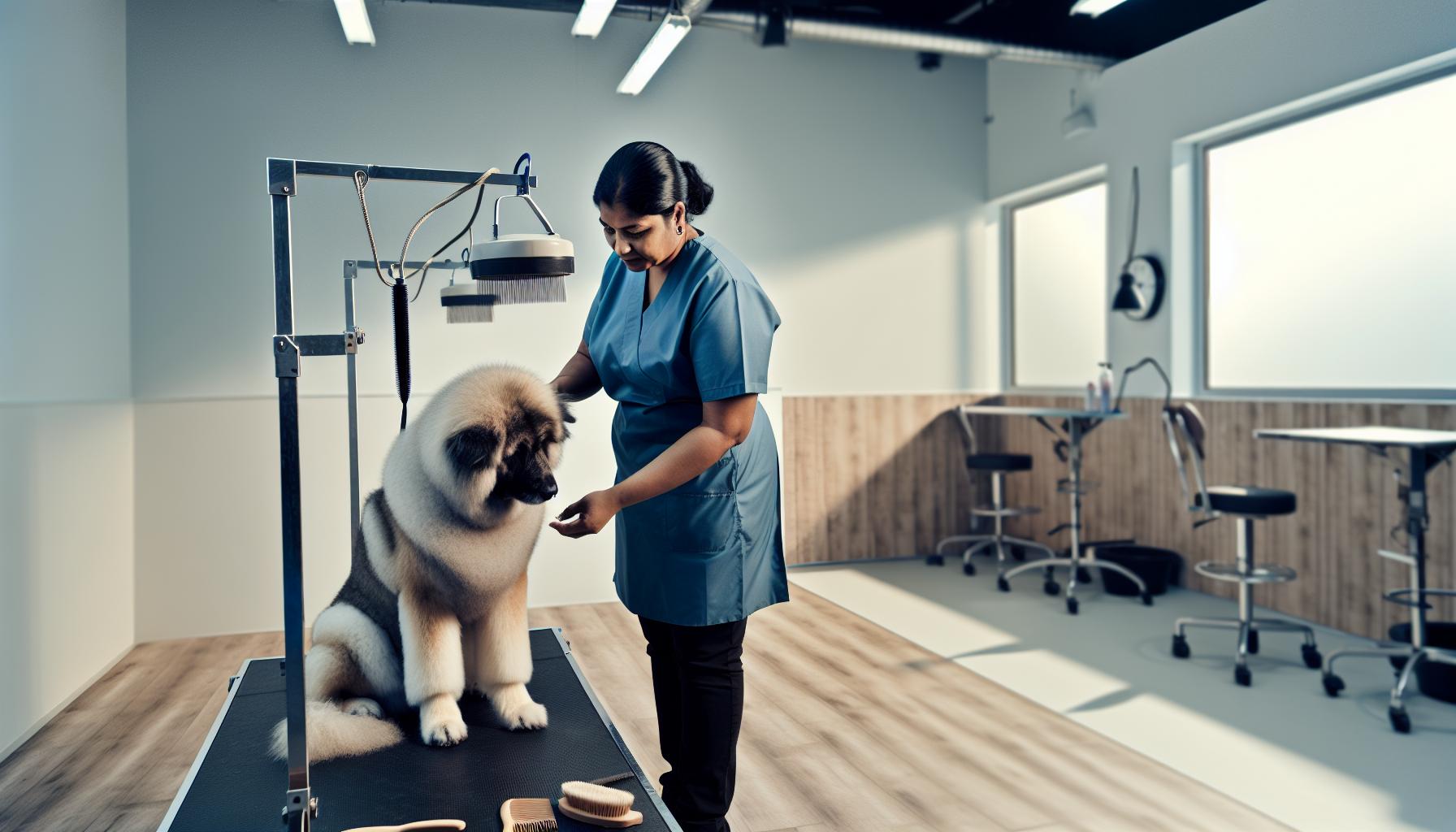
Preventing Future Mats: grooming Tips and Maintenance
One of the most effective ways to keep your dog free from painful mats is to build a consistent grooming routine tailored to their coat type and lifestyle. Regular attention not only keeps tangles at bay but also strengthens your bond with your furry friend. Remember, mats don’t appear overnight-they sneak up when coats are left unattended. By staying proactive, you help your dog feel comfortable and look their best without the stress of intense detangling sessions.
Creating a Daily or Weekly Brushing Habit
Depending on your dog’s breed and coat, brushing frequency can range from daily for curly or long-haired dogs (like Poodles or Shih Tzus) to a few times a week for shorter coats. Use a slicker brush or dematting rake for thick,prone-to-tangle areas such as behind the ears,under the legs,and around the collar. For example, a client’s Cockapoo responded wonderfully when we moved to a gentle nightly brush and applied a leave-in conditioner afterward-knots became less frequent and softer. Always hold the hair close to the skin while brushing to minimize discomfort, and break sessions into short, positive intervals if your dog feels anxious.
Bathing and Conditioning as Prevention
Maintain a bathing schedule using shampoos and conditioners formulated for your dog’s skin sensitivity. Clean, conditioned fur resists tangling better than dry or dirty coats. For dogs with curly or double coats, thorough conditioning is key-it helps hair slip past potential snags. Skip harsh shampoos or products with heavy oils that can cause residue build-up,leading to matting. After baths, towel dry gently and finish with a low-heat blow dryer to prevent moisture pockets that encourage mats. Remember, a calm, comforting environment during bath time reduces stress, making your dog more cooperative next round.
Tools and Techniques That Make a Difference
Having the right tools at hand makes touch-ups easier and less intimidating.A combination of a wide-tooth comb and a slicker brush tackles various knot sizes, while specialized detangling sprays can soften stubborn tangles before brushing. Keep grooming sessions upbeat-with treats, praise, and lots of patience. If you ever spot small mats forming, start dematting gently with fingers or a comb as soon as possible; early removal prevents painful mat buildup. When in doubt, collaborating with a professional groomer keeps your approach safe and effective-especially for tough mats near sensitive areas.
Regular Checkpoints and Professional Support
Check your dog’s coat routinely, especially in mat-prone spots like their chest, underarms, behind ears, and tail base. Catching mats early reduces the chance of them tightening and causing skin irritation. If your dog has thicker, longer, or curly fur, schedule periodic grooming appointments (every 6-8 weeks) with an experienced groomer to maintain coat health. they can safely remove mats that are too advanced for home care without causing pain or injury. Also,if your dog seems uncomfortable,restless,or shows signs of skin irritation,consult your vet before grooming,as underlying skin issues can contribute to mat formation.
By investing time in calm, gentle grooming and knowing when to ask for help, you give your dog a happy, mat-free coat and a confident, trusting grooming experience.With a little patience and consistency,mats become fewer,and grooming becomes a moment both of you look forward to.
Troubleshooting Common Challenges with Knot Removal
Sometimes, even the best intentions and tools can’t prevent challenges during knot removal. Matted fur frequently enough hides delicate skin underneath, and pulling too hard can cause discomfort or even injury. Many dog owners tell me how their furry pals shy away or stiffen the moment a stubborn knot is tackled – this is a clear sign to slow down, use extra care, and prioritize your dog’s emotional comfort.
Recognizing and Managing Sensitive Areas
Mats that form behind the ears, around the collar, or under the legs are especially tricky because the skin there is thin and tender. I recommend starting with these areas by softly separating knots with your fingers before introducing combs or brushes. Use a detangling spray or conditioner to lubricate the fur – this helps prevent tugging. When your dog shows signs of stress, pause frequently and offer treats or gentle praise.these small breaks can work wonders in building trust and cooperation.
tools That Help When Knots Resist
Not all brushes or combs are created equal. For dense matting, a wide-tooth comb, combined with a specialized dematting rake, is often the best approach. These allow you to work from the edges inward, gently loosening mats without yanking. Finger detangling is another invaluable tool – it gives your dog a break from sharp comb or brush edges and lets you feel exactly what’s happening beneath the fur. Remember, patience is key here: aggressive combing only tightens mats and makes things worse.
When to Call in the pros or visit the Vet
Sometimes mats are so severe they can’t be safely removed at home without causing pain. In these cases, professional groomers have experience with specialized tools and techniques like thinning shears or clippers to remove mats painlessly. Additionally, if your dog shows signs of skin irritation, infection, or extreme anxiety during grooming, a vet visit is essential to rule out underlying medical issues contributing to mat formation. Trusting experts helps keep your pet safe and their coat healthy.
- Tip: Begin early by gently separating small tangles with your fingers daily to prevent full mats.
- Tip: Include short, positive grooming sessions with breaks to avoid overwhelming your dog.
- Tip: Use calming aids like wraps or pheromone sprays if your dog is especially anxious.
Every dog and coat type presents unique challenges. For example, breeds like the Golden Doodle can develop dense undercoats that mat quickly and require slow, methodical detangling, while breeds with silky hair like Maltese may need softer tools and more frequent brushing. The key is tuning into your dog’s responses, adjusting your technique, and remembering that comfort and connection are just as important as a knot-free coat.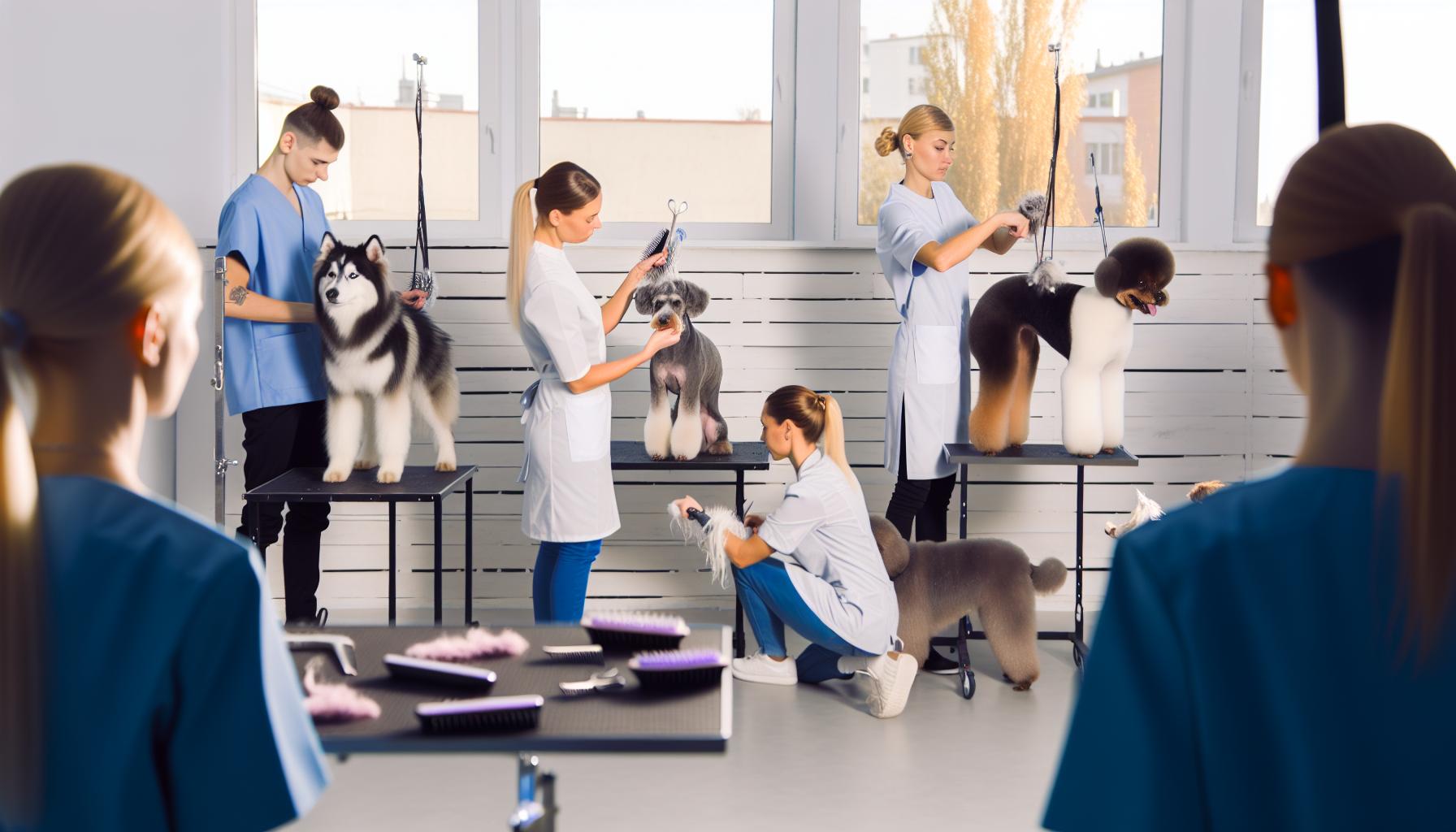
How Groomers Tailor Knot Removal by Breed and Coat Texture
Matted fur isn’t a one-size-fits-all challenge-each breed and coat texture calls for a unique touch that ensures your dog stays comfortable and safe during knot removal. Professional groomers start by carefully assessing the coat type as what works wonders for a fluffy Poodle might be too harsh for a delicate Maltese.When a dog’s coat demands specialized care, the groomer’s approach shifts from a quick fix to a gentle, tailored strategy.
Take, as a notable example, dogs with thick double coats like Golden Retrievers or Huskies. These coats are prone to dense mats that wind tightly around both the coarse guard hairs and the soft undercoat. Here, groomers frequently enough use a combination of dematting tools-such as wide-tooth combs and mat splitters-paired with soothing detangling sprays to lubricate the fur. Patience is key; rather of yanking at tangles, groomers work in small sections from the edges inward. They also prioritize thorough bathing beforehand to soften the mats, making them easier to separate. For these breeds, frequent brushing and routine maintenance between grooming appointments reduce the chance of painful mats returning.
On the other hand, silky-coated breeds like Maltese or Shih Tzus require a more delicate hand. Their fine hair can tangle easily but is also more vulnerable to breakage. Groomers will often rely more on finger detangling initially-this not only minimizes pulling but allows the groomer to feel the tension and the dog’s skin beneath. Gentle slicker brushes with softer bristles and conditioning sprays enrich the hair’s texture while easing knot removal. With these breeds, shorter, frequent grooming sessions help keep mats at bay without overwhelming a sensitive pup.
Practical Tips Groomers Use by Coat Type
- Curly or dense coats (e.g., Poodles, Bichons): Use dematting combs combined with thinning shears for cutting through tough mats if necessary; add leave-in conditioners to maintain elasticity.
- double coats (e.g., German Shepherds, Huskies): Prioritize deshedding tools and slow, consistent brushing with long breaks to avoid stress.
- Silky, fine coats (e.g., Maltese, Yorkshire Terriers): Emphasize finger detangling and gentle, soft brushes; avoid harsh tools that snag or cause breakage.
- Wire-haired breeds (e.g., Wire Fox Terrier): Combine hand stripping techniques with careful use of dematting rakes to preserve coat texture.
Recognizing when a coat is too matted for at-home care is essential. If knots are embedded near the skin or cause your dog pain, a groomer’s expertise becomes indispensable. They know when to switch to clippers or thinning shears safely, preventing injury while maintaining the dog’s natural coat look. Ultimately, a compassionate groomer listens to your dog’s reactions, adjusts tools and methods accordingly, and focuses on the pet’s welfare over speed or aesthetics.
Remember, every grooming session can double as a bonding experience-one where your dog feels valued and calm rather than stressed. By understanding and respecting your dog’s unique coat needs, groomers offer not just knot removal but a path to healthier, happier fur that you and your beloved pet can enjoy.
Q&A
Q: Can groomers safely remove severe mats without shaving my dog?
A: Yes, experienced groomers can often safely remove severe mats using specialized tools and gentle detangling techniques. However, if mats cause discomfort or skin damage, shaving may be necessary to protect your dog’s skin. Always discuss options openly with your groomer for the best, safest matting solutions tailored to your dog’s coat type.
*Explore more on professional removal and when shaving is needed in our [How Professional Groomers Remove Dog Knots Safely](#) section.*
Q: How do groomers handle knots in sensitive areas like ears and underarms?
A: Groomers use gentle combs and dematting tools specifically designed for delicate zones. They prioritize slow, patient detangling and may apply conditioning sprays to soften hair. this careful approach minimizes discomfort, prevents skin irritation, and ensures thorough removal even in hard-to-reach or sensitive areas.
*Learn detailed step-by-step care in [Step-by-Step Guide: bathing and Brushing Matted Dogs](#).*
Q: what professional tools do groomers use that I can’t easily get at home?
A: Groomers frequently enough use high-grade dematting combs, electric clipper blades designed for mats, and slicker brushes with specific bristle patterns. they also have access to conditioning sprays and detangling products with professional-grade formulas that soften knots effectively. Investing in these tools can reduce grooming time and discomfort.
*Check out [Best Tools and Products for Tackling dog Matted Fur](#) for recommendations you can try at home.*
Q: When is it better to get professional help rather than DIY knot removal?
A: Professional grooming is recommended when knots become thick, widespread, or close to the skin, causing pain or skin issues. If your dog is anxious or if DIY attempts create frustration, a groomer’s experience and tools ensure safe, efficient knot removal. Severe mats sometimes require grooming or vet assistance to avoid injury.
*See [When to Seek Veterinary or Groomer Help for Severe Matting](#) for guidance.*
Q: How do groomers customize mat removal strategies based on breed or coat texture?
A: Groomers tailor approaches by assessing coat thickness, curl, and growth patterns. Such as, double-coated breeds need careful undercoat detangling, while curly-coated dogs require moisture and stretching techniques. This customization prevents damage while effectively removing mats, improving coat health long-term.
*Read about breed-specific care in [How Groomers Tailor Knot Removal by Breed and Coat Texture](#).*
Q: What signs show that knots in my dog’s fur need immediate professional attention?
A: Immediate professional help is needed if knots cause redness, skin sores, hair loss, or if your dog shows signs of pain when touched. Other red flags include foul odor or swelling under the mats.prompt grooming prevents infections and discomfort, ensuring your dog stays healthy and happy.
*For more, refer to [Understanding Dog Matting: Causes and Risks](#).*
Q: How long does mat removal typically take during a professional grooming session?
A: The time for mat removal varies from 30 minutes to several hours depending on mat severity, dog size, and coat type. Groomers work patiently to minimize stress, frequently enough breaking the process into multiple sessions for extreme cases, ensuring safety and comfort.
*Explore timing and tips in [Troubleshooting common Challenges with Knot Removal](#).*
Q: Can groomers help prevent mats from forming again after removal?
A: Absolutely. Groomers provide personalized maintenance plans including regular brushing schedules, recommended tools, and grooming intervals suited to your dog’s coat type. consistent upkeep dramatically reduces future matting and keeps your dog’s fur healthy and comfortable.
*See effective maintenance tips in [Preventing future Mats: Grooming Tips and Maintenance](#).*
—
For best results, always engage a groomer experienced with your dog‘s specific breed and coat. Feel free to explore our full guide for compassionate, step-by-step knot removal and prevention strategies to keep your dog happy and mat-free!
Wrapping Up
Dealing with dog knots doesn’t have to be overwhelming-whether your furry friend has a wiry terrier coat or a thick poodle curl, professional groomers use specialized tools and gentle techniques to safely remove matting without stress. Remember, regular brushing and timely trims can prevent knots before they form, keeping your dog comfortable and healthy. If you’re wondering when it’s best to consult a groomer versus trying DIY detangling at home, prioritize your dog’s safety and emotional well-being above all.
Ready to keep your pup’s coat knot-free and shining? Explore our complete Guide to Dog Grooming Tools and learn simple daily care tips in How to brush Your Dog’s Coat Effectively. For those facing stubborn mats,check out our Expert Tips for Handling Severe Matting. Don’t wait-schedule a consultation for personalized advice or sign up for our newsletter to get timely grooming reminders and pet care insights. Your dog deserves comfort and care, and with the right approach, matting solutions are within reach.
We’d love to hear your grooming stories or questions-drop a comment below or share this article with fellow pet parents. Together,we can keep tails wagging and coats knot-free!
Get our latest guides, news, and insights highlighted in your Google Search & AI Overviews.
Keep reading about the same coat and cut.




Popular grooming guides
Bath vs clip, first grooms, and salon how-tos.