British Shorthair Grooming
British Shorthair Grooming features a specialized plush double-coat feline grooming protocol dedicated to dense undercoat extraction, hairball prevention, rubber curry finishing, and calm low-restraint handling.
Foundational Guides & Core Pillars
Is it OK to leave a kitten alone for 8 hours?
Kitten developmental independence, enrichment routines, and setting up daily grooming habits.
How long do kitten zoomies last?
Managing evening energy surges, burning pent-up stimulation, and choosing calm times for grooming.
How smart is a British Shorthair?
Calm, dignified breed temperament and utilizing low-restraint methods during salon sessions.
What should you not do when petting a cat?
Feline petting sensitivity zones: avoiding overstimulation at the base of the tail and respect for personal space.
British Shorthair Coat Science: Dense Plush Double Coats, Seasonal Molting & Undercoat Carding
The British Shorthair features one of the most distinctive coats among pedigree cats: a remarkably dense, plush, ‘crisp’ double coat described in breed standards as having the texture of thick wool velvet. Unlike sleek, close-lying shorthairs, the British Shorthair’s coat stands slightly off the body due to the sheer density of its supporting undercoat. This plush texture provides excellent insulation but holds an immense volume of shedding fur that can quickly choke the skin if neglected.
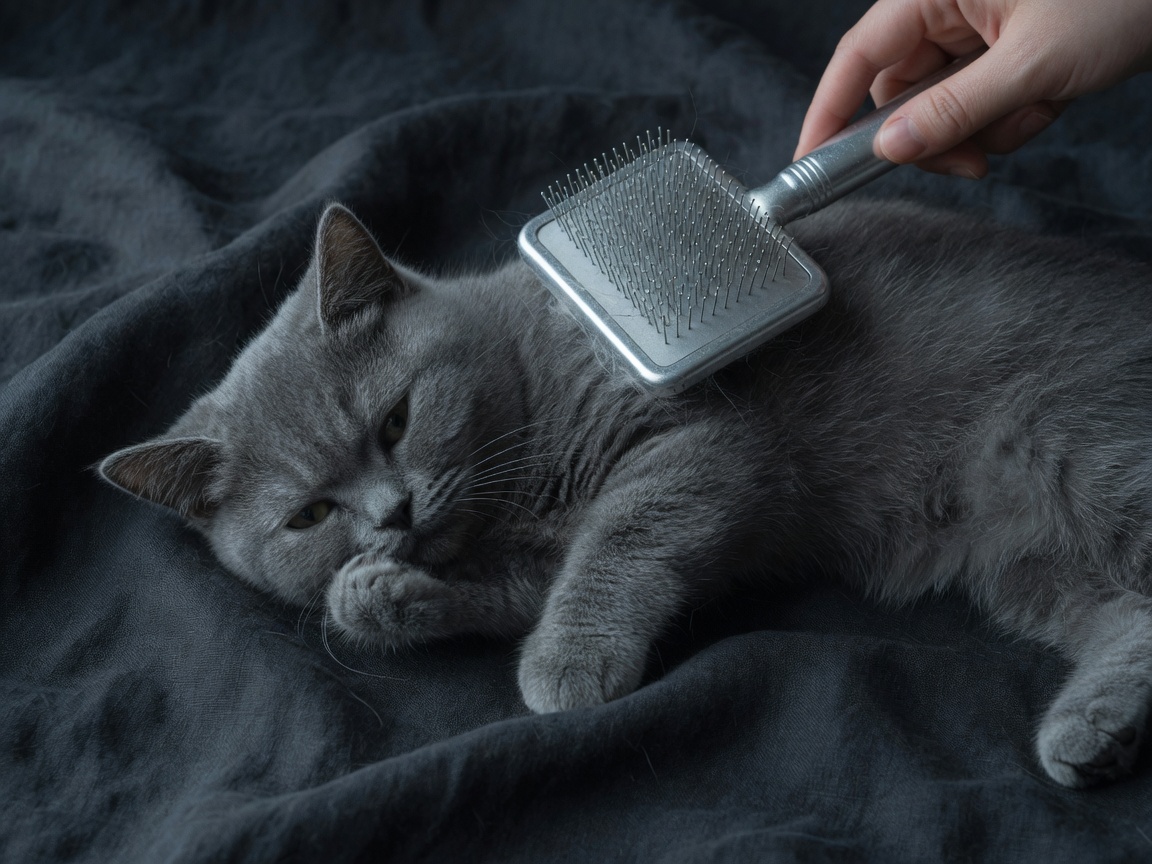
During the spring and autumn seasonal molts, British Shorthairs shed copiously. Groomers utilize a dual-pronged approach: fine metal carding tools or slicker brushes gently lift dead undercoat from the follicle roots, followed by a rubber curry glove to remove loose surface hairs. Because the cat ingests loose fur during routine tongue cleaning, failure to remove this shedding undercoat leads to frequent vomiting and intestinal hairball blockage.
British Shorthairs are dignified, independent felines known for their four-paws-on-the-ground preference. They generally dislike being picked up or tightly restrained. Grooming should be conducted while the cat is resting comfortably on a non-slip rubber surface, using firm, rhythmic strokes along the back and flanks, rewarded with favored treats to reinforce a calm, cooperative grooming dynamic.
| Grooming Routine / Area | Specialized Instrument | Standard Frequency | Feline Health & Coat Benefit |
|---|---|---|---|
| Plush Undercoat Carding | Fine Slicker Brush & Dual Metal Comb | 2–3x Weekly (Daily in spring) | Extracts dense dead undercoat; prevents severe hairballs and dander impaction |
| Rubber Curry Finish | Silicone Grooming Mitt / Rubber ZoomGroom | Weekly Routine | Captures loose surface guard hairs; stimulates cutaneous capillary circulation |
| Claw Trimming & Inspection | Scissor Feline Nail Clipper | Every 2–3 Weeks | Blunts needle tips; prevents destructive furniture scratching and pad overgrowth |
| Facial & Eye Hygiene | Moistened Sterile Eye Wipe | Every 2 Weeks | Cleans tear discharge from round cheeks; prevents bacterial staining around muzzle |
| Dry Foam Dander Cleanse | pH 6.5 Waterless Feline Shampoo Foam | Monthly (Seasonal) | Freshens plush coat without the high stress and terror of water immersion |
Topic Directory & Specialized Workflows
Kitten Routines, Zoomies & Handling Boundaries
Attention Needs, Vocalization & Temperament
Plush Coat Carding, Deshedding & Claw Care
Frequently Asked Questions: British Shorthair Grooming
Do British Shorthair cats shed a lot?
Yes. British Shorthairs have an extremely dense plush double coat that sheds heavily, especially during spring and autumn coat blowouts. Brushing 2 to 3 times weekly is necessary to manage undercoat shedding.
What brush is best for a British Shorthair?
A soft-pin slicker brush combined with a metal Greyhound comb is best for working through their dense plush coat. A rubber ZoomGroom or curry mitt is fantastic for finishing and lifting surface hairs.
Do British Shorthairs need to be bathed?
Water baths are rarely necessary for British Shorthairs unless they become heavily soiled. Regular brushing and occasional waterless cleaning foam will keep their plush velvet coat in peak condition.
How do you handle a British Shorthair that hates being held for grooming?
Keep all four paws on a non-slip mat or grooming table. Never pick them up or pin them down tightly. Use gentle, rhythmic brush strokes and stop before they show signs of tail-flicking overstimulation.
 Is it OK to leave a kitten alone for 8 hours?
 How long do kitten zoomies last?
 How smart is a British Shorthair?
 What should you not do when petting a cat?
 Do British Shorthairs need a lot of attention?
 Why do British Shorthairs meow a lot?
 Can you crate a cat while at work?
 How many times a day should you feed a British Shorthair?
 Is Febreze harmful to cats?
 How long do British Shorthair cats sleep?
Plush British jacket and an indoor dense coat
British Shorthairs wear a crisp, plush jacket. They are indoor cats for most households. The coat looks short and still dumps seasonal undercoat. Vocal and alone-time questions sit next to the coat pages because this breed is often left as a quiet apartment cat.
- Are British Shorthairs high maintenance?
- Coat work is light. Weekly brushing during shed weeks is enough for most jackets. British Shorthair maintenance.
- Are British Shorthairs good indoor cats?
- Yes. They suit indoor life when you manage shed and weight. Indoor British Shorthairs.
- Are British Shorthairs ok to be left alone?
- They tolerate solo hours better than a clingy longhair. Still plan play, not a weekend void. Leaving a British Shorthair.
Next read
Keep going with guides, puppies, or cats.