Maine Coon Grooming
Maine Coon Grooming features an extensive heavy semi-longhair feline care protocol focused on belly mat prevention, deep line combing, snowshoe paw pad hygiene, and degreasing bath maintenance.
Foundational Guides & Core Pillars
Do Maine Coon cats shed a lot?
Detailed analysis of Maine Coon seasonal shedding, coat density, and managing high undercoat volume in large cats.
Will Maine Coon cats walk on a leash?
Outdoor leash walking, environmental burr/dirt accumulation, and post-adventure grooming inspections.
How big do full grown Maine Coons get?
Massive skeletal size (15–25 lbs), grooming table stability, and reaching deep belly and britches zones.
What kind of food is best for Maine Coon cats?
Omega-3 and omega-6 fatty acid nutrition for coat gloss, dermal hydration, and hairball digestion.
Maine Coon Coat Management: Heavy Semi-Long Coats, Belly Mat Prevention & Tufted Paws
The Maine Coon is the gentle giant of the cat world, sporting a massive, rugged, water-resistant semi-long coat developed to survive severe northeastern winters. The coat features a heavy, frontal ruff framing the neck, an uneven shaggy body length that flows longer along the stomach and rear britches, tufted ears, and an enormous, bushy tail. The texture is smooth and glossy, with a light insulating undercoat beneath a protective water-shedding guard layer.
Because of their substantial size (often reaching 18 to 25 pounds) and profuse fur, Maine Coons present distinct grooming challenges. The primary friction zones—the armpits (‘pant pockets’), groin, belly, and behind the ears—mat easily if not systematically combed. When dead undercoat gets trapped in these areas, walking friction causes the hairs to twist into tight, painful mats that pull directly against the skin.
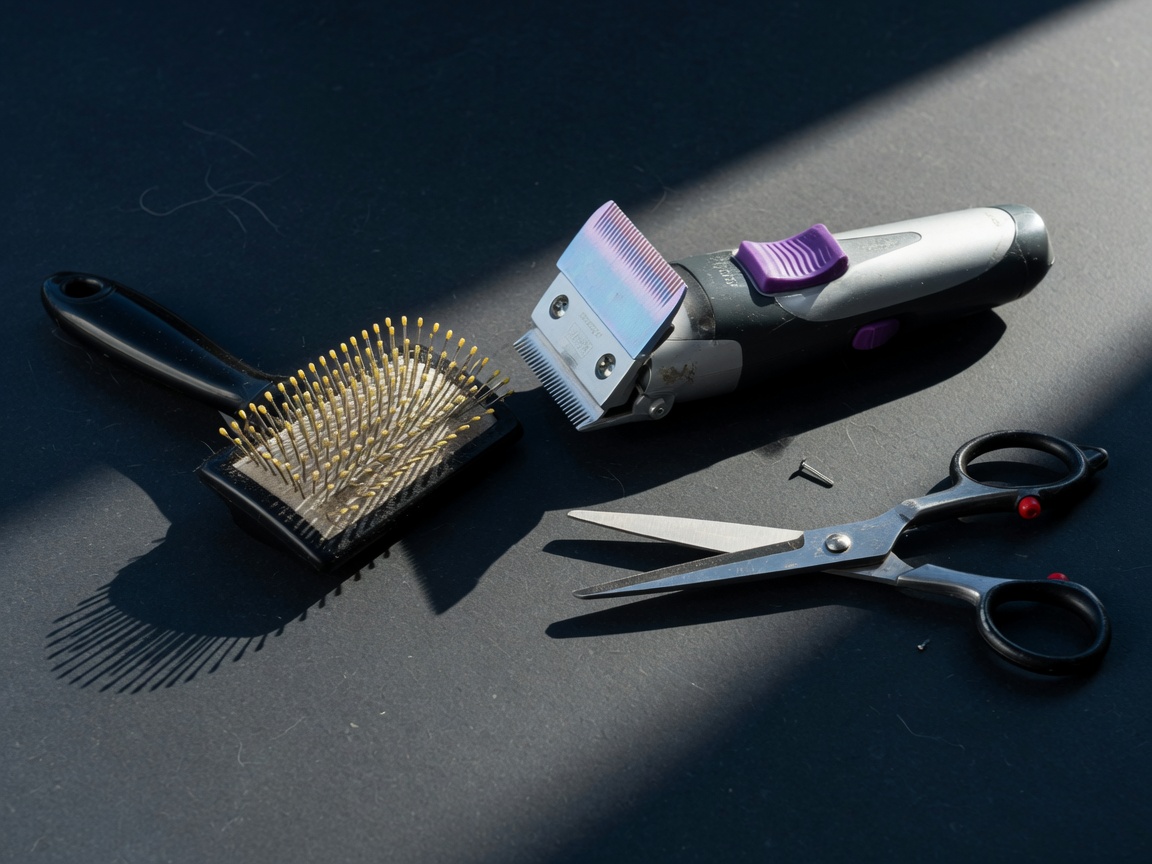
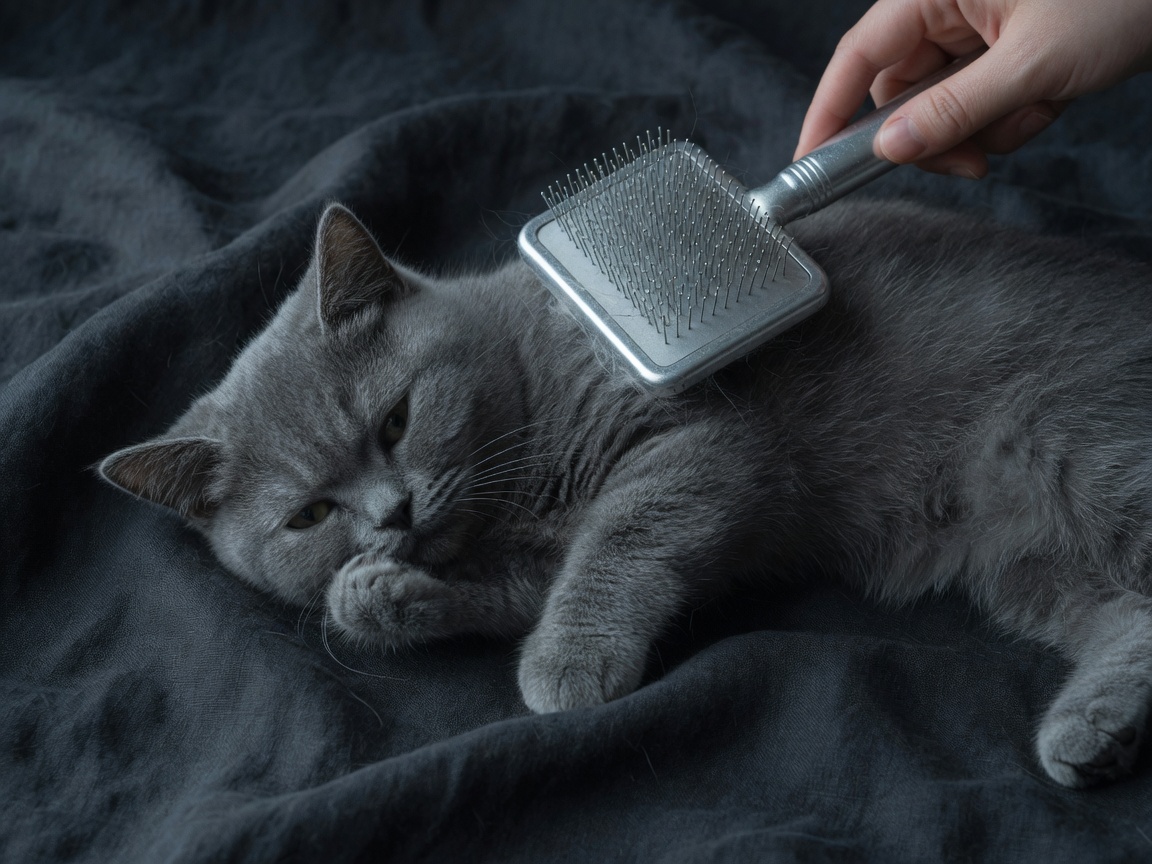
Grooming a Maine Coon requires a wide-toothed metal Greyhound comb and a large slicker brush. The groomer line-combs the coat section by section, ensuring the teeth touch the skin surface. Paw pad inspection is essential: Maine Coons possess thick tufts of hair extending between their toes (evolved as natural ‘snowshoes’), which can trap litter granules, ice, or dried feces that must be gently trimmed clear.
| Grooming Routine / Focus | Specialized Instrument | Optimal Cadence | Clinical Benefit & Conformation Standard |
|---|---|---|---|
| Line Combing to Dermis | Long-Tooth Stainless Steel Greyhound Comb | 3 Times Weekly / Daily in Shed | Releases trapped undercoat; halts painful friction mats in armpits and belly |
| Belly & Armpit Dematting | Mat Splitter & Fine Dematting Rake | Weekly Inspection | Safely slices emerging tangles before they felt into skin-restricting pelts |
| Snowshoe Toe-Tuft Tidying | Mini Ball-Tip Curved Safety Scissors | Every 3–4 Weeks | Clears litter and debris from paw pad leather; prevents slippage and mud balling |
| Bushy Plume Tail Combing | Wide-Tooth Metal Comb | Weekly Routine | Maintains glorious tail volume; checks for stud tail sebum buildup at base |
| Degreasing Bath & Blowout | Cat Degreasing Shampoo & Force Dryer | Every 2–3 Months | Removes heavy grease and sebum from large coat; leaves fur fluffy and clean |
Topic Directory & Specialized Workflows
Shedding Volume, Leash Walks & Giant Size
Feeding Nutrition, Forehead Markings & Health
Belly Matting, Greyhound Combing & Snowshoe Paws
Frequently Asked Questions: Maine Coon Grooming
How often should a Maine Coon be brushed?
At least 3 times a week, and daily during the heavy spring and fall shedding seasons. Focus especially on high-friction areas like the armpits, belly, and rear britches where mats form rapidly.
Do Maine Coons shed a lot?
Yes. Maine Coons have a double coat with a dense undercoat and long guard hairs. While their coat is silkier than that of a Persian, they still shed heavily, especially as seasons transition.
How do you prevent mats on a Maine Coon’s belly?
Gently comb the stomach in small sections using a metal Greyhound comb while the cat lies relaxed on their side. Ensure the comb reaches all the way to the skin to catch loose undercoat before it felts.
Can you bathe a Maine Coon?
Yes! Maine Coons often enjoy water more than other breeds due to their water-resistant coat heritage. Bathing every 2 to 3 months with a cat-safe degreasing shampoo keeps their coat clean, fluffy, and oil-free.
 What kind of food is best for Maine Coon cats?
 Will Maine Coon cats walk on a leash?
 How many times a day should you feed a Maine Coon cat?
 How big do full grown Maine Coons get?
 Do Maine Coon cats shed a lot?
 Do all Maine Coon cats have an M on their forehead?
 Should Maine Coons be kept in pairs?
 How do Maine Coons show affection?
 Do Maine Coons need a scratching post?
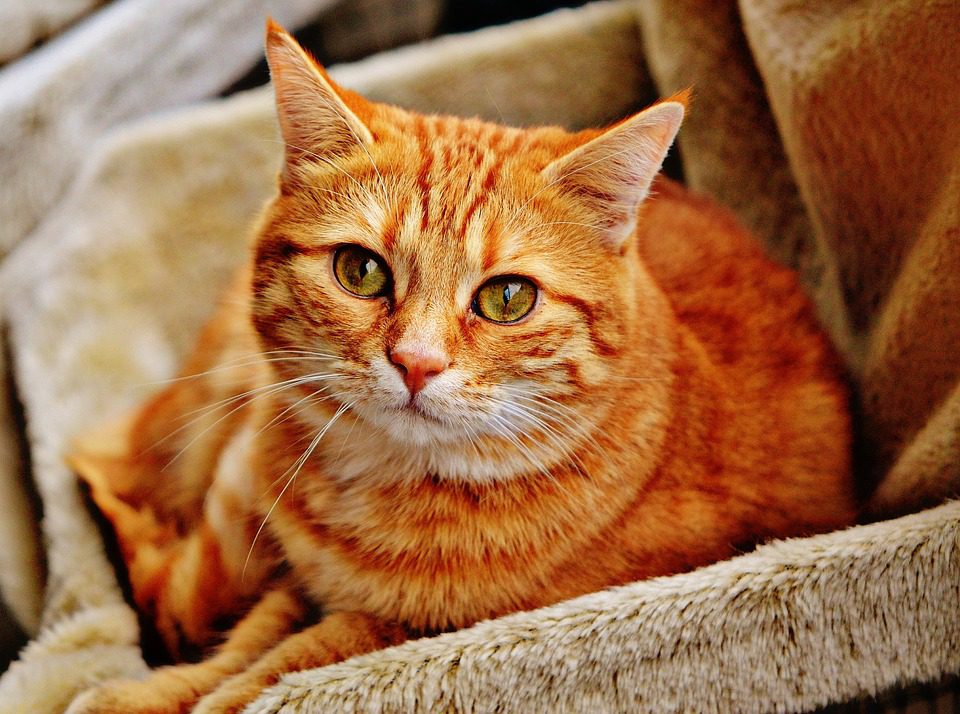 How do I keep my Maine Coon from matting?
Ruff, breeches, and a water-ready Maine Coon comb
Maine Coons carry a shaggy ruff and heavy breeches. Water beads on a healthy coat. The grooming job is combing the trousers and mane, not a weekly salon clip. Indoor life still needs mat checks behind the ears.
- Can a Maine Coon be an indoor cat?
- Yes. Indoor coats still mat in the ruff and breeches. Indoor Maine Coon.
- Do all Maine Coons get a mane?
- Most adults grow a ruff. Males often look heavier in the mane. Maine Coon mane.
- Are Maine Coons clingy?
- Many follow people from room to room. That does not replace combing the trousers. Clingy Maine Coons.
Next read
Keep going with guides, puppies, or cats.