When Should You Take Puppy to Groomers? First Cut Timing

Did you know that a puppy’s first grooming experiance can shape how they feel about grooming for life? Knowing when to take your puppy to a professional groomer-and what to expect-helps ensure this milestone is positive and stress-free. This guide breaks down the best timing for that first haircut, tailored to your puppy’s breed and coat type, and covers the tools and steps involved. Whether your pup has a curly coat needing gentle trims or a short-haired breed that requires minimal fuss, understanding when and how to start professional grooming will ease your worries and keep your puppy cozy and safe. together, we’ll explore practical tips for bath time, brushing, nail care, and ear cleaning, making the grooming journey as smooth as possible for both you and your furry friend. Let’s help your puppy build happy grooming habits from the very beginning.
When Is the Ideal Age for Puppy’s First Grooming Session
Table of Contents
- 1 When Is the Ideal Age for Puppy’s First Grooming Session
- 2 How Puppy Breed and Coat Type Affect Grooming Timing
- 3 Preparing Your Puppy for That First Visit: What to Expect
- 4 Essential Tools for Safe At-Home Puppy Grooming
- 5 Step-by-Step guide to Your Puppy’s First bath and Brush
- 6 Nail Trimming Tips for Puppy’s First Grooming Experience
- 7 How to Clean Puppy’s Ears Safely Before Grooming
- 8 Spotting Signs Your Puppy Needs a Professional Groomer
- 9 Balancing Vet care and Groomer Visits for Puppies
- 10 Common First Grooming Challenges and How to Calm Your Puppy
- 11 How Often Should You Schedule Puppy Grooming sessions?
- 12 Building a Positive Grooming Routine That Lasts a Lifetime
- 13 FAQ
- 13.1 Q: How can I tell if my puppy is ready for their first professional haircut?
- 13.2 Q: What is the best way to introduce my puppy to grooming tools before their first salon visit?
- 13.3 Q: Why does my puppy’s breed affect the timing of their first grooming appointment?
- 13.4 Q: Can I trim my puppy’s hair at home before their first professional grooming session?
- 13.5 Q: How can I reduce stress for my puppy during their first groomer visit?
- 13.6 Q: Is it necessary to wait until my puppy has had all vaccinations before their first groomer visit?
- 13.7 Q: How often should I schedule grooming sessions after my puppy’s first haircut?
- 13.8 Q: What signs should prompt me to take my puppy to a professional groomer sooner than planned?
- 14 Final Thoughts
Puppies are bundles of joy and curiosity, but their first grooming experience can be a delicate milestone.Most experts agree that the ideal age for a puppy’s first grooming session is around 8 to 12 weeks old, provided they have completed their initial vaccinations and are healthy. At this age, puppies are usually better equipped to handle the gentle handling and new sensations of grooming, and their immune systems have started to strengthen. Early introduction helps set a positive tone for future grooming visits, turning them into a calm and even enjoyable routine rather than a stressful ordeal.
However, the timing can vary based on your puppy’s breed and coat type. For example, puppies with thick, long, or curly coats-like Poodles, Shih Tzus, or Bichon Frises-may require an earlier grooming start to prevent matting and tangles that can cause discomfort. in contrast, breeds with shorter coats or minimal grooming needs might wait a little longer before their first professional trim. Meeting your groomer early for advice and planning tailored grooming care is a smart step. Some owners start with basic at-home care before the first professional session to help puppies get used to touch and handling.
- Consider the Puppy’s Vaccination Status: Ensure your vet has approved that your pup’s vaccination series is on track, to avoid exposing them to risks at the grooming salon.
- Age Isn’t Everything: Puppies should also be emotionally ready-meaning they can handle gentle restraint and are not overly anxious.
- Familiarize with Handling: Before heading to the groomer, start gently brushing, touching their paws, ears, and mouth daily. This prepares your pup’s comfort levels during their first cut or bath.
Remember, the first grooming session isn’t about achieving a “perfect” look but about building trust, positive associations, and your puppy’s comfort with the process. Many groomers recommend starting with a calm, brief session focused on low-stress activities like a gentle bath, brushing, and nail trimming. This helps reduce anxiety for both the puppy and owner, making future visits smoother and more enjoyable.
In short, aiming for that sweet spot around 8 to 12 weeks gives your puppy a great head start to develop good grooming habits while ensuring their health and comfort are prioritized. when in doubt, talk with your trusted veterinarian and professional groomer-they can tailor advice to your puppy’s unique needs and help you feel confident every step of the way.
How Puppy Breed and Coat Type Affect Grooming Timing
Every puppy’s coat carries its own story, and understanding how breed and coat type influence grooming schedules is key to setting your puppy up for comfort and confidence in each visit. Some breeds bring a beautiful but complex texture that may require sunsetting the grooming routine earlier for their little fur-bundles to stay healthy and happy. Recognizing these differences lets you plan a grooming timeline that prioritizes your puppy’s well-being over a “perfect” trim.
Puppies gifted with long, thick, or curly coats-think of Poodles, Shih Tzus, Bichon Frises, or Maltese-often benefit from starting professional grooming as early as 8 weeks old. Their dense fur is prone to tangles and mats that can quickly become uncomfortable or painful. Early grooming helps prevent tight mats that trap dirt, irritate the skin, and cause itching.In addition, frequent brushing at home combined with timely trips to the groomer builds your pup’s tolerance for handling and reduces grooming stress as they grow.
On the other hand,breeds with short,smooth coats or single-layer fur,such as Beagles,Boxers,or Dobermans,usually have less urgent grooming needs. Their first professional grooming session can typically be delayed until around 12 weeks or even later,focusing mainly on nail trimming,ear cleaning,and a basic bath. While their coat doesn’t demand frequent trimming, regular brushing at home is still essential for skin health and bonding moments with your puppy.
Tailoring Grooming to Coat Types
- Curly and Dense Coats: Require early introduction to regular clipping,bathing,and thorough brushing. Use slicker brushes and dematting combs to gently work through the fur. Start with mild shampoos that hydrate and soothe sensitive puppy skin.
- Double Coats: Common in breeds like Huskies or Golden Retrievers. These coats shed heavily and need consistent brushing to remove loose undercoat. Begin grooming sessions before the puppy starts heavy shedding to accustom them early.
- Short, Smooth Coats: Benefit most from nail care, ear checks, and occasional baths. Brushing with a rubber curry brush works great and introduces puppies gently to touch without overwhelming them.
- Wire or Harsh Coats: Like terriers might need specialized grooming techniques such as hand-stripping, which can be introduced slowly with professional advice.
Patience is your greatest tool when working with puppies that have more challenging coats. Starting grooming in smaller steps at home helps build your puppy’s comfort. For instance, if you have a curly-coated pup, introduce short brushing sessions daily, gradually lengthening time spent grooming. A professional groomer’s role is invaluable here-they can provide guidance tailored to your puppy’s coat and breed needs, balancing safety and gentle techniques.Always keep communication open with your veterinarian and groomer about your puppy’s breed-specific needs, skin sensitivities, and emotional readiness. By embracing your puppy’s unique coat requirements with compassionate and tailored care, you pave the way for peaceful, positive grooming experiences throughout their life.
Preparing Your Puppy for That First Visit: What to Expect
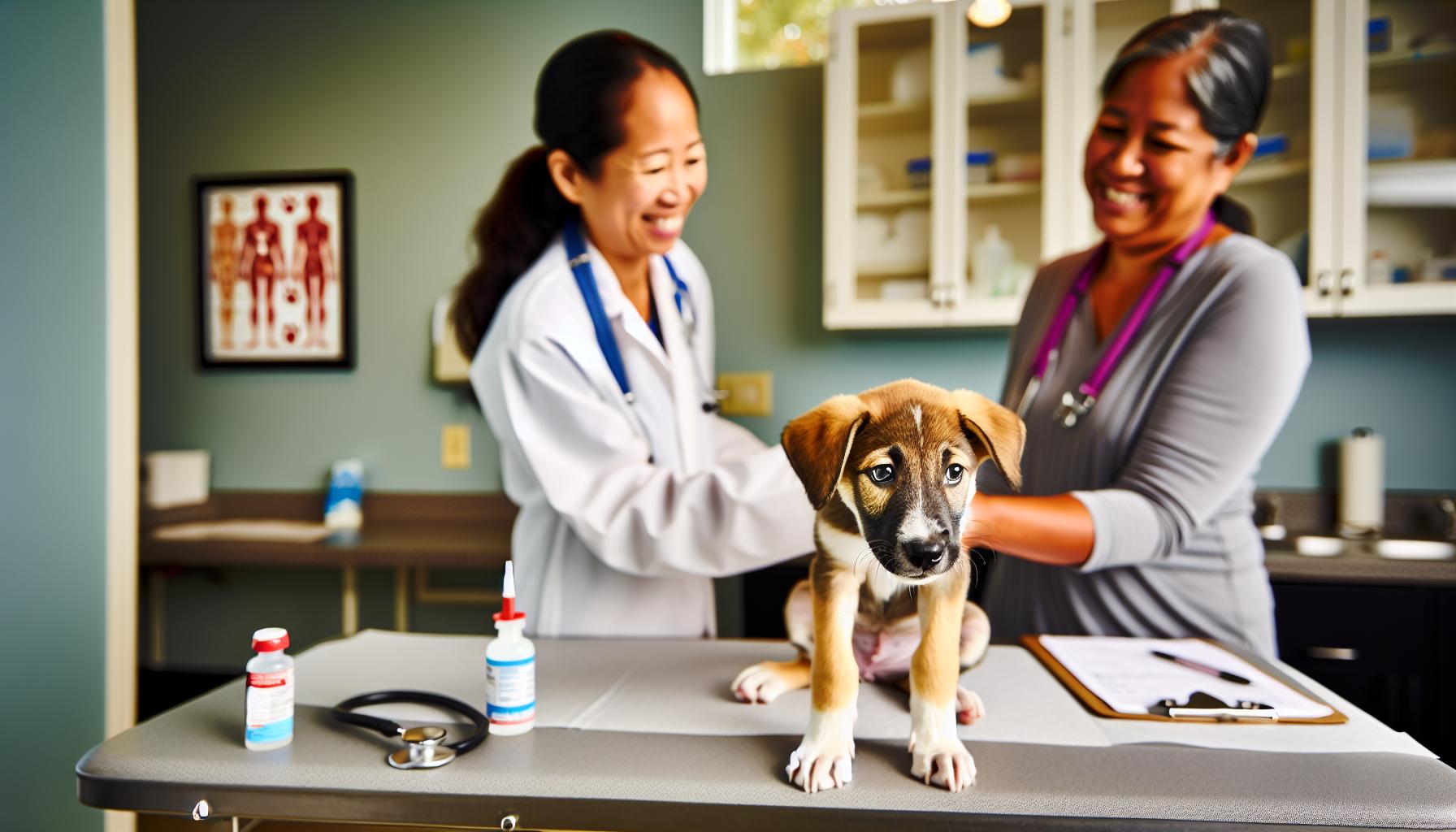
It’s perfectly normal for both puppies and their owners to feel a bit nervous before the first grooming visit.But with the right preparation and mindset, this milestone can become a gentle, positive experience that sets the tone for a lifetime of good grooming habits. Remember, the goal at this stage isn’t a flawless haircut but building your puppy’s comfort with touch, smells, and sounds in a calm surroundings. Understanding what happens and what to expect before you walk in the door can ease anxiety and empower you to support your pup with confidence.
What Happens During the First Grooming Visit?
The very first appointment usually focuses on getting your puppy used to being handled by a professional, rather than an extensive cut or complex styling. Depending on breed and coat type,the groomer will gently introduce basic procedures such as:
- Bathing with gentle,puppy-safe shampoo to nourish sensitive skin
- Light brushing to detangle and introduce positive tactile experiences
- Nail trimming to keep tiny paws comfortable and prevent scratching
- Ear cleaning to maintain hygiene without causing irritation
- Checking overall coat health and advising on at-home maintenance
It’s usual for the groomer to take it slow,with frequent breaks if the puppy shows signs of stress or fatigue. A groomer familiar with puppies will use soft voices and gentle handling to build trust. This initial session is often shorter to keep the experience positive and avoid overwhelming your little one.
Practical Tips to Prepare Your Puppy at Home
Before the visit, try to simulate some grooming steps in short, playful sessions at home. For example:
- Practice gentle brushing with a suitable brush for your puppy’s coat type
- Touch their paws and ears regularly, rewarding calm behavior with treats
- Introduce them to the sound of clippers or nail trimmers at a low volume, if possible
- Keep baths short and warm, using tear-free and hypoallergenic puppy shampoos
These little habits can make the professional session feel familiar instead of scary. Also, bring your puppy’s vaccination records and any special care instructions to the groomer. This helps ensure safety and tailored care, especially if your puppy has sensitive skin or health considerations.
knowing the Limits: Vet vs. Groomer vs.DIY
Understanding when to call the vet,rely on the groomer,or do it yourself is crucial. Groomers focus on cleanliness, coat care, and comfort. If your puppy shows signs of skin infection, wounds, or unusual behavior, always consult the vet first. For simple brushing and light baths, home grooming helps build your bond. But professional groomers can handle detailed trims and safely manage difficult tasks like ear hair plucking or hand-stripping.
By prioritizing your puppy’s emotional comfort and physical safety above all, you’ll help create a calm atmosphere that turns grooming from an overwhelming chore into a nurturing routine. With patience and positive reinforcement, even the most hesitant pups can learn to enjoy being pampered and cared for.
Essential Tools for Safe At-Home Puppy Grooming
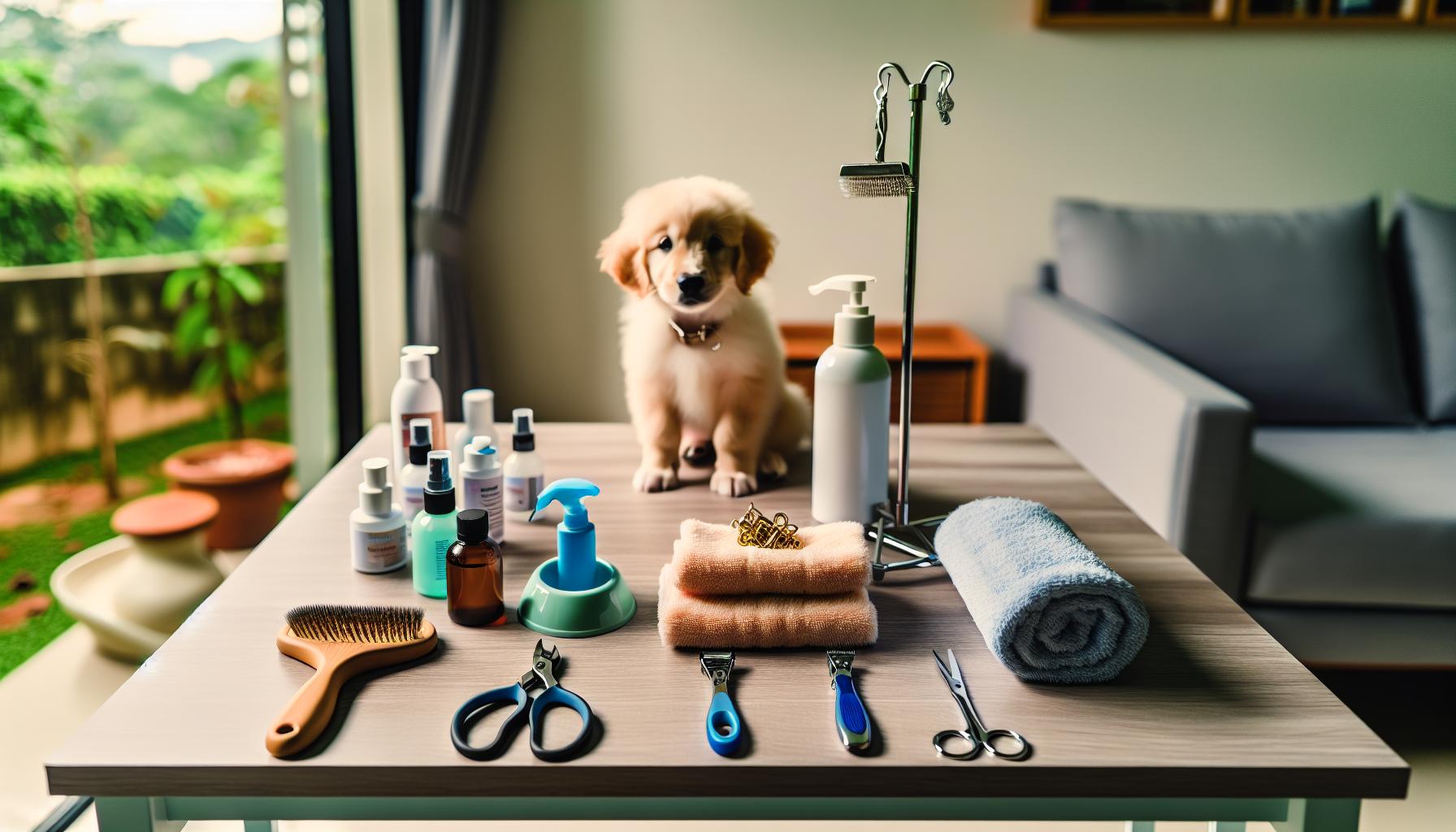
Starting home grooming with your puppy can be a joyful bonding experience, but having the right set of tools tailored to your puppy’s breed and coat type makes all the difference. Choosing equipment that’s gentle, safe, and appropriate can transform grooming from a fearful chore into a calm, comfortable routine your puppy anticipates. Remember, at this early stage, it’s less about perfection and more about familiarizing your puppy with touch and different sensations.
Bathing Essentials
Opt for a mild, tear-free puppy shampoo designed for delicate skin, because puppies are prone to irritation with harsh chemicals. A non-slip mat in the sink or tub gives your pup steady footing, reducing stress from slipping. Use a gentle sprayer or a cup to wet and rinse-vigorous water spray can be startling. Keep towels soft and absorbent for a swift, cozy dry-off. Warm water is key; cold water might cause discomfort, while hot water risks burning.
Brushing Tools by Coat Type
- Short-haired breeds benefit from soft-bristle brushes or rubber grooming mitts that stimulate the skin and remove loose hair without overwhelming sensitive puppy skin.
- Medium to long coats often need a slicker brush with fine wire bristles to gently detangle without pulling,alongside a wide-tooth comb for delicate areas.
- Curly or woolly coats require firm bristles or pin brushes specifically designed to reach through dense curls and prevent matting early on.
Always brush gently, watching your puppy’s reactions, and reward calm behavior to create positive associations.
Nail Care Essentials
A small, sharp pair of guillotine-style nail clippers or a rotary nail grinder designed for puppies makes trimming easier and less intimidating. some pups may find the vibration of grinders unsettling at first, so ease them in with brief sessions and plenty of praise.Always have styptic powder on hand to quickly stop any accidental bleeding, reassuring nervous owners that small mishaps are manageable.
Ear Cleaning Essentials
Use a gentle, vet-approved ear cleaner and cotton balls or soft gauze. Avoid cotton swabs-they can push debris further and harm delicate ear canals. keeping ears free from excess wax or dirt helps prevent infections, which can be uncomfortable and require veterinary care. Be calm and slow, as ears are sensitive zones for many puppies.
Setting Safe Boundaries: When to DIY and When to Visit the Groomer
Simple brushing, bathing, and nail trims are perfect for home bonding.However, if your puppy’s coat is prone to matting, or you’re dealing with stubborn tangled fur, professional groomers have specialized tools and know-how to avoid discomfort and skin damage. for any skin abnormalities, persistent odor, or behavioral changes, consulting your vet before grooming is essential.
By equipping yourself with breed-appropriate tools and approaching each grooming step with compassion and patience, you set the stage for a happy, confident puppy who thrives under your care. The right tools, combined with gentle handling and positive reinforcement, will empower you to create a safe and loving grooming routine that grows with your puppy’s needs.
Step-by-Step guide to Your Puppy’s First bath and Brush
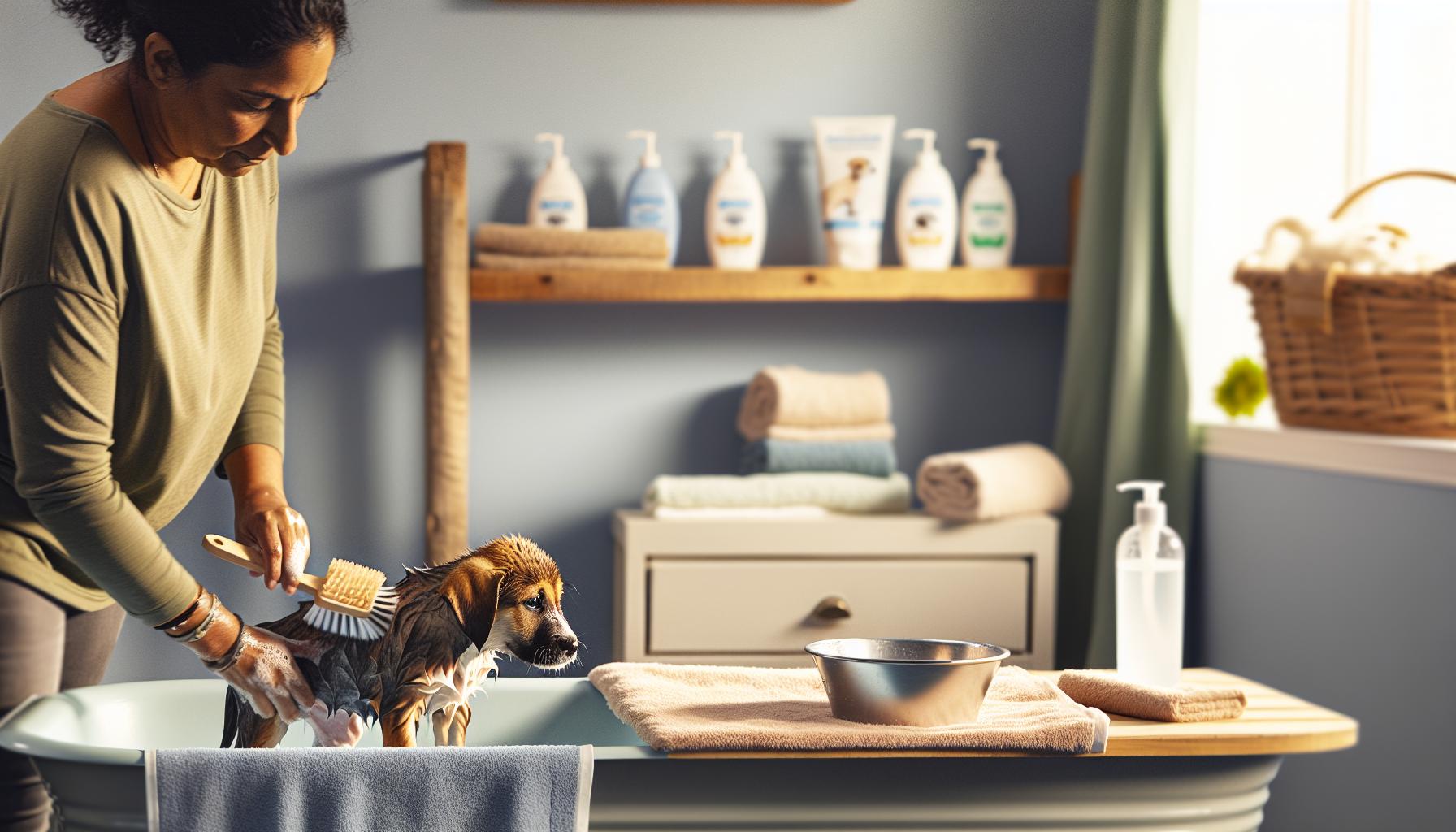
Bath time and the first brushing session can be a defining moment in your puppy’s grooming journey. Done right, it builds trust and sets a calm, enjoyable tone for all future care routines. Keep in mind your puppy’s breed, coat type, and sensitivity levels as you prepare – what works for a smooth-coated pup will differ greatly from a fluffy, curly-coated bundle of energy. Patience and gentle handling are your best tools to help your puppy feel secure and even look forward to these special moments together.
Start by creating a comfortable, slip-resistant space-a kitchen sink or a shallow tub works well for small puppies. Introduce your pup slowly to the feel of water with a warm, gentle spray or a soft cup pour. Use a mild,tear-free puppy shampoo to protect delicate skin and avoid irritation. Take your time lathering, talking softly, and offering praise, which reassures a nervous pup.Be mindful to keep water away from the eyes and ears as much as possible to prevent discomfort. Rinsing thoroughly but gently is key; leftover shampoo can cause itching or flaking.
Brushing: Tailored to Your Puppy’s Coat
Once your puppy is clean and towel-dried, the next step is brushing-an essential part of good grooming hygiene and a fantastic way to bond. Use a brush suited for their coat type:
- Short-haired breeds: Soft rubber grooming mitts or soft-bristle brushes work wonders by massaging the skin and removing loose fur without overwhelming sensitive areas.
- Medium to long coats: A slicker brush combined with a wide-tooth comb helps gently untangle and smooth the fur without painful pulling.
- Curly or woolly coats: Firm bristle or pin brushes designed for dense curls help prevent mats early and keep the coat healthy.
Always brush gently in the direction of hair growth to avoid discomfort. Pay attention to your puppy’s reactions and sprinkle in lots of praise or tiny treats when they stay calm. If you encounter tangles, use your fingers or a comb first before brushing to ease knots out carefully.
Practical Tips for a Stress-Free Session
Remember, your first few baths and brushes should focus less on perfection and more on creating positive associations.If your puppy seems anxious, pause and comfort them rather than pushing through. Short, frequent sessions gradually build confidence and reduce stress.
If your pup is especially squirmy or the coat is difficult to manage,it’s okay to take breaks or seek professional grooming support to avoid injury or frustration for both of you. Also, always separate grooming from vet care-if you notice persistent skin issues, odors, or unusual behaviors, a vet visit should come first before any grooming.By taking these gentle, breed-appropriate steps, you’ll nurture not only your puppy’s coat but also their trust and comfort during grooming - laying a foundation for joyful care that lasts a lifetime.
Nail Trimming Tips for Puppy’s First Grooming Experience
Nail trimming is often one of the trickiest parts of a puppy’s first grooming experience, but with the right approach, it can become a calm, even enjoyable ritual. Young puppies tend to have small, soft nails, which might seem delicate but can grow surprisingly fast-and if left unchecked, they can cause discomfort or even injury. Starting nail care early helps your puppy get used to the sensation, easing future trims and building trust between you.
Choosing the Right Tools for Your Puppy’s Nails
Invest in nail trimmers that suit your puppy’s size and nail thickness. For tiny breeds or small puppies, a small guillotine-style clipper is often easiest to handle and safer for precision. Larger puppies might do better with scissor-style or high-quality rotary nail grinders that smooth edges gently without sharp cuts. always have styptic powder or cornstarch nearby to quickly stop any minor bleeding if you accidentally trim to close to the rapid-the sensitive pink tissue inside the nail.
Gentle, Step-by-Step Nail Care Routine
Make your puppy comfortable by gently handling their paws in calm, quiet moments.Before trimming, try lightly massaging the paws to relax their muscles and get them used to touch. Start by trimming just the very tip of one nail, praising and rewarding your pup immediately afterward with a treat or gentle petting. Keep sessions short-even clipping one or two nails initially is a win. Over time, increase the number as your puppy gains confidence.
If your puppy has dark nails where the quick isn’t visible, trim very small amounts at a time to avoid injury. Using a rotating nail grinder can be a gentler option here, allowing you to wear down the nail gradually and safely.
- Tip: Never force a squirrely puppy-pause and comfort them, then try again later.Patience prevents stress and builds positive associations.
- Tip: linking nail trims with treats or play can ease anxiety and reinforce good behavior.
Knowing When to Seek Professional Help
If nail trimming feels overwhelming or your puppy becomes overly stressed, consider booking a professional groomer’s help. Experienced groomers have the tools and skill to safely handle difficult pups and can demonstrate techniques you can try at home later. Remember, regular vet visits are essential if nails become infected, cracked, or if your puppy seems to favor a paw.
Integrating nail care into your puppy’s grooming routine early and with kindness will not only protect their paws but also set the stage for a smooth haircut experience when the time comes. Your calm, confident handling is the key to turning a daunting task into a gentle bonding moment.
How to Clean Puppy’s Ears Safely Before Grooming
Cleaning a puppy’s ears before grooming is a delicate but essential routine that helps prevent infections and keeps your little friend comfortable. Puppies, especially those with floppy ears or hair that grows inside the ear canal (like Cocker Spaniels or Poodles), are prone to ear wax buildup and moisture retention, which can lead to irritation or infection. Gently cleaning their ears at home before a grooming session not only keeps them fresh but also prepares them for professional grooming without stress.
Gathering the right Supplies
Before you begin, ensure you have the right tools on hand: a vet-approved ear cleaning solution (never use alcohol or hydrogen peroxide), soft cotton balls or gauze, and some treats to reward your puppy’s good behavior. Avoid cotton swabs-they can damage the ear canal or push debris deeper inside. If you’re new to this, consult your veterinarian for a recommended ear cleaner suitable for your puppy’s breed and any existing conditions.
Step-by-Step Cleaning Process
Start by finding a comfortable, quiet spot where your puppy feels safe. Hold your puppy gently but firmly-using treats and a calm voice helps reduce anxiety. Lift the ear flap to expose the ear canal opening. Apply a few drops of the ear cleaning solution into the ear canal, following the product’s instructions. Avoid forcing the cleaner deep into the ear. Then, softly massage the base of the ear for about 20-30 seconds; this loosen debris and wax inside.
Next, allow your puppy to shake their head-this natural reflex helps expel the loosened grime.Use a cotton ball or gauze to wipe away any visible dirt or cleaner from the outer ear and ear canal entrance. Do not insert anything deep into the ear canal, as this can cause injury. If you notice a strong odor, excessive redness, swelling, or your puppy suddenly shows signs of discomfort during cleaning, pause and consult your vet before proceeding.
Tips for Success and Safety
- Breed Considerations: Breeds with heavy hair inside the ear canal often require gentle hair removal by a groomer or vet to improve airflow and reduce infection risk.
- Routine and Patience: Make ear cleaning a short, positive experience with gentle praise and treats. Starting early helps your puppy build comfort and trust around this necessary care.
- Knowing When to Seek Help: If your puppy resists cleaning, has chronic ear issues, or you spot discharge or bleeding, professional groomers or vets should evaluate and help treat underlying problems.
approaching ear care with warmth and patience creates a soothing ritual your puppy will accept easily,setting the stage for comfortable,stress-free grooming visits. Remember,healthy ears are key to your puppy’s overall well-being and happiness.
Spotting Signs Your Puppy Needs a Professional Groomer
Sometimes, the first time your puppy needs a professional groomer arrives sooner than you might expect-not just for style, but for health and comfort. Puppies, especially those with thick, curly, or rapidly growing coats like Poodles, Bichon Frises, or Shih Tzus, can develop mats or tangles quickly. These can pull at their skin, cause discomfort, and even hide skin irritations or infections. if you find your puppy struggling against daily brushing or if tangles resist your best efforts, that’s a clear sign it’s time to seek professional help.A groomer has the expertise and specialized tools to gently remove mats without hurting your puppy, making the experience far less stressful.
- Coat condition: Tough mats, heavy shedding, or greasy, dirty fur that home grooming can’t easily resolve.
- Behavior During Grooming: If your puppy becomes overly anxious or aggressive during brushing, trimming nails, or baths, a professional’s calm yet skilled approach can help ease fear and build positive associations.
- Health Indicators: Unusual odors, excessive scratching, flaky skin, or visible dirt in hard-to-reach areas like ears and under the collar.
Knowing What Tools and Techniques Are Needed
Home grooming can handle many tasks,but some breeds require specific clipper styles,thinning shears,or delicate handling that only experienced groomers provide. For instance, a puppy with a double coat like a Golden Retriever needs different tools and trimming techniques to avoid cutting too close and damaging the undercoat-this is why understanding your puppy’s breed and coat type is essential. When you’ve tried gentle home brushing but still see persistent mats or skin problems,it’s not a failure-it’s your puppy calling for professional support to stay healthy and happy.
when Vet Care and Grooming Intersect
Sometimes, what looks like a grooming problem needs a vet’s attention first. Redness, swelling, or discharge around paws, the belly, or ears may signal infection or allergies. In these cases, it’s best to consult your vet before heading to the groomer. Many groomers work closely with vets and will advise you when the condition requires medical treatment rather than just a haircut. Coordinating care optimizes your puppy’s comfort and safety during the grooming process.
Remember, early visits to a kind, patient groomer help your puppy become comfortable with the experience, making a lifetime of grooming calm and stress-free.Rather than aiming for a ”perfect” look on your puppy’s first cut,focus on gentle handling,reassuring touch,and a positive atmosphere.This builds trust and confidence in your puppy, turning grooming into a highlight of their care routine rather than a dreaded chore.
By paying attention to these signs and acting with empathy and patience, you’ll not only keep your puppy looking good but help them feel their very best from day one.
Balancing Vet care and Groomer Visits for Puppies

It’s not uncommon for new puppy owners to wonder when a health concern requires a vet visit rather than just a grooming session. While groomers are experts in coat care, bathing, nail trimming, and ear cleaning, they are not veterinarians. Recognizing the boundaries between grooming and veterinary care is essential to ensure your puppy’s wellbeing and comfort. Such as, persistent redness, swelling, unusual odors, or discharge around ears, paws, or skin can indicate infections, allergies, or other medical issues that need prompt veterinary diagnosis and treatment before grooming appointments. Attempting to groom over an untreated problem may worsen your puppy’s discomfort or cause infection.
Many professional groomers understand this delicate balance and collaborate closely with vets. When you bring your puppy for a first grooming,a skilled groomer will perform a gentle health check,noting skin conditions,potential masses,or unusual symptoms. They can advise you if some concerns are beyond grooming-for instance, painful skin irritations or hot spots that require veterinary intervention first. Groomers can also communicate with your vet if ongoing skin or coat issues need a combined care approach, such as medicated baths prescribed by vets that the groomer can administer safely.
When to Prioritize Vet Care
- Signs of infection: Red, inflamed, or swollen areas, oozing wounds, or foul smells require veterinary attention.
- behavioral changes: Excessive scratching, licking, or signs of pain during handling could be due to underlying medical causes.
- Chronic skin problems: Conditions like dermatitis, mange, or allergies frequently enough need diagnosis and treatment before grooming.
Conversely,grooming supports health by keeping your puppy comfortable and clean,preventing issues like mats that trap dirt or moisture and cause skin irritation. When your puppy experiences these minor problems without underlying health conditions, a groomer can definitely help maintain coat quality, ease discomfort, and teach your puppy to tolerate regular handling – a vital step for lifelong wellness.
Practical Tips for Coordinating Vet and Groomer Care
Clear communication between you,your groomer,and your vet is key. share any health concerns upfront with your groomer and inform your vet about upcoming grooming sessions, especially if your puppy has sensitive skin or a medical condition.Let your groomer know if your vet has recommended specific shampoos or treatments. Together, they can tailor the grooming routine that aligns with medical needs, ensuring safety and comfort.
always err on the side of your puppy’s comfort and safety. If in doubt, consult your veterinarian first. Early vet intervention often makes grooming easier and more pleasant for your puppy. With compassionate care and teamwork between vet and groomer, you can help your puppy look and feel their best from day one-building trust, reducing stress, and nurturing a happy grooming routine.
Common First Grooming Challenges and How to Calm Your Puppy
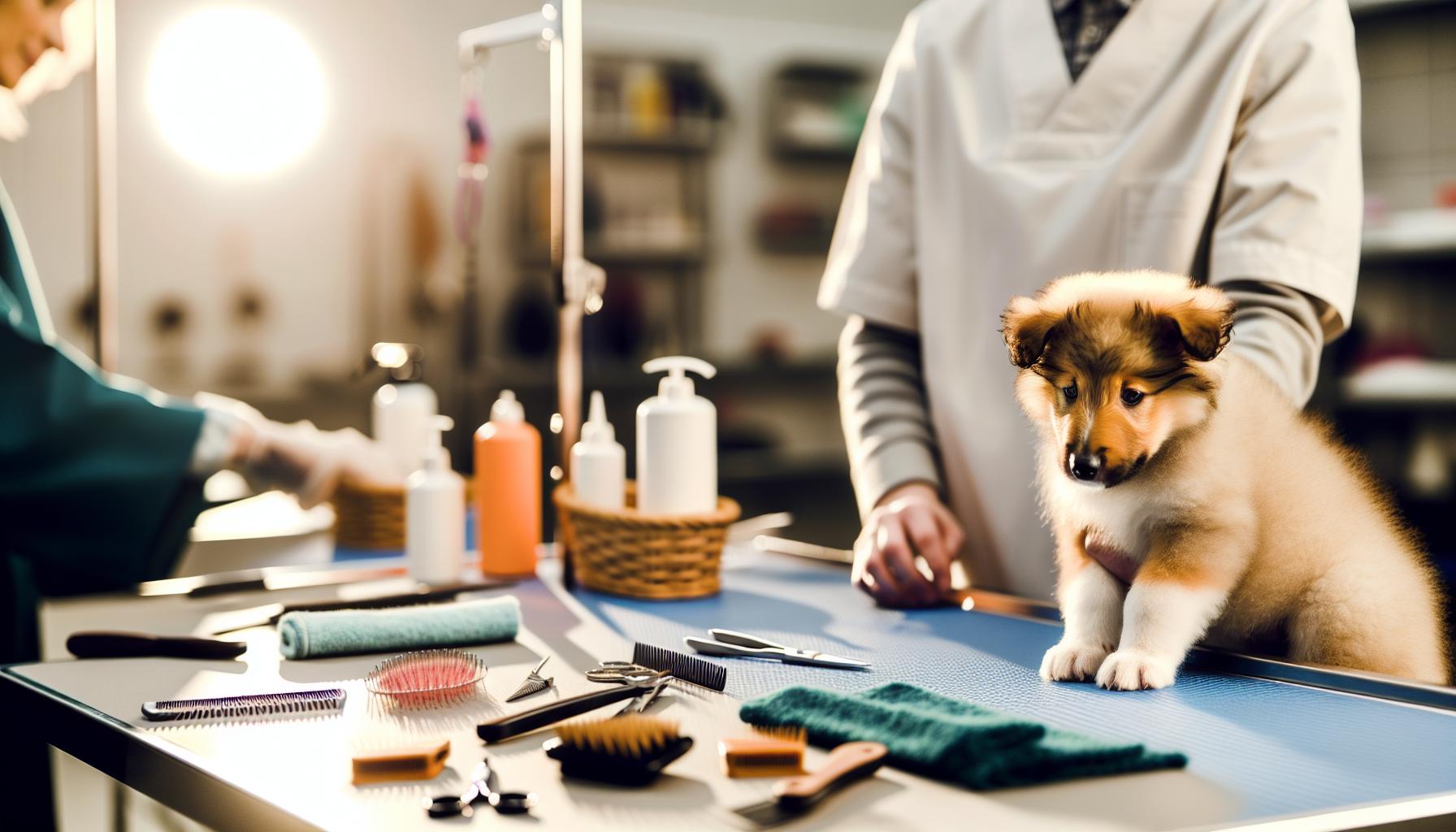
Many puppies experience some nervousness during their first grooming session, which is fully normal. New sights, sounds, smells, and unfamiliar handling can feel overwhelming to little pups who aren’t used to being touched this way. The key to a smooth first groom is building trust with gentle, calm interactions-remember, your puppy’s comfort is far more important than a perfect trim on day one.
Before the appointment, help your puppy get used to grooming tools at home. Let them sniff and explore brushes, nail clippers, and towels without any pressure. Keep initial exposure short and rewarding with treats and praise. start with gentle brushing sessions in a quiet space. Some breeds with thicker or curlier coats (like Poodles or Shih Tzus) may need extra time to adapt to brushing due to more sensitive skin or easily tangled fur. For short-haired breeds, less brushing is needed, but puppies still need to get used to touch all over their body.
Common Challenges and Gentle Solutions
- Resistance to Bathing: Warm water and calm voices help soothe anxious pups. Use a non-slip mat in the tub and a handheld sprayer for gentle rinsing. Always keep the water temperature lukewarm and avoid getting water in ears and eyes.
- Fear of Nail Trimming: Many puppies initially dislike having paws handled. Introduce paw handling slowly, rewarding calm behavior. Use quiet, sharp nail clippers, and clip just the tips to avoid hurting the quick. If the puppy resists, stop and try again later to build tolerance.
- Ear Cleaning Sensitivity: Use a vet-approved gentle ear cleaner and cotton balls, never cotton swabs. Let your puppy sniff the cleaning solution first. Keep movements slow and calm, stopping if they pull away or show discomfort.
- Clipper Noise or Vibration: For breeds needing haircuts,clippers can be noisy and scary. turn them on away from your puppy at first, then gradually bring the sound closer while offering treats.Let your puppy touch and explore the tool before grooming begins.
Patience, pace, and Positive Reinforcement
Taking breaks is crucial. If your puppy shows signs of stress-whining, freezing, or trying to escape-pause the session. Offer treats,gentle petting,and words of reassurance. This positive association makes future grooming easier. Consistency is key: frequent short grooming sessions at home teach puppies that brushing, baths, and nail trims aren’t scary but normal and pleasant parts of life.Remember, grooming is not just about aesthetics but your puppy’s health and happiness. Your role as a calm, confident leader helps them feel safe during these new experiences. Never hesitate to consult your groomer or veterinarian about particular fears or skin sensitivities. Working as a team ensures your puppy’s first grooming sets the foundation for a lifetime of comfort and care.
How Often Should You Schedule Puppy Grooming sessions?
Puppies grow quickly, and their grooming needs evolve just as fast. Finding the right rhythm for grooming sessions early on helps your pup stay comfortable,clean,and happy without feeling overwhelmed. The frequency depends largely on your puppy’s breed, coat type, lifestyle, and how well you keep up with at-home grooming between professional visits.
For breeds with thick, curly, or long coats-like Poodles, Shih Tzus, or Bichon frises-regular trims and professional grooming every 4 to 6 weeks keep mats at bay and maintain coat health. These pups often need more frequent clipping and specialized attention than short-haired breeds, which might only require a professional bath and trim every 8 to 12 weeks. However, even if your puppy has a short coat, regular brushing at home remains essential to remove loose hair and stimulate healthy skin.
- Initial Phase: After the first few grooming appointments, which focus on introducing your puppy gently to the process, scheduling sessions every 6 weeks is a reasonable starting point.
- Adjusting Frequency: Observe your puppy’s coat condition, skin health, and behavior-if mats appear frequently, their coat feels greasy, or they start scratching, it might be time to visit more often.
- Lifestyle Considerations: Puppies active outdoors may need baths and clean-ups more frequently to keep dirt and allergens in check.
Balancing Professional Grooming and At-Home Care
Professional grooming serves functions beyond cleanliness-like precise trimming, ear cleaning, and nail care-and your groomer can spot early signs of skin issues. But between visits, establishing a gentle routine of brushing, wiping paws, and ear inspections makes professional appointments smoother and less stressful for your puppy.
Example Schedule by Coat Type
| Coat Type | recommended Professional Grooming | At-Home Maintenance |
|---|---|---|
| Curly or Long (e.g.,Poodle) | Every 4-6 weeks | Daily or every other day brushing,weekly bath |
| medium Length (e.g., Golden Retriever) | Every 6-8 weeks | Brushing 2-3 times per week |
| Short Coat (e.g., Beagle) | Every 8-12 weeks (mainly baths & nails) | Weekly brushing, regular ear checks |
Remember, your puppy’s comfort and health come first. If your pup shows signs of stress around grooming or develops skin sensitivities, slow the pace down, focus on rewarding calm behavior, and communicate openly with your groomer and veterinarian. A personalized grooming schedule that respects your puppy’s needs and temperament will build trust and make grooming a positive experience for years to come.
Building a Positive Grooming Routine That Lasts a Lifetime

puppy grooming is much more than a chore-it’s a wonderful opportunity to build trust,comfort,and a lifelong bond between you and your furry friend. Starting with gentle, positive experiences ensures your pup sees grooming as a nurturing activity rather than a stressful ordeal. When you approach grooming with patience and kindness, your puppy learns valuable lessons in calmness and cooperation, leading to smoother sessions as they grow.
Start Gentle, Build Gradually
Begin by introducing simple routines like softly brushing your puppy’s coat for just a few minutes daily.Use treats and soothing tones to create positive associations. Let your pup sniff and explore grooming tools like brushes and nail clippers before using them.This helps reduce fear and builds familiarity. Such as, if your puppy has a curly or long coat, brush in short, gentle strokes to avoid discomfort, while a short-haired puppy benefits from lighter strokes that stimulate skin without pulling. Always watch your puppy’s cues-if they seem uneasy, pause and comfort them.
Setting Up a Calm at-Home Routine
Creating a predictable grooming rhythm at home prepares your pup perfectly for professional visits. here’s a simple structure to follow:
- Brushing: Daily or every-other-day, depending on coat type. Soft-bristled or slicker brushes work well, especially for long or curly coats.
- Bathing: Once every few weeks, or as needed if your puppy gets dirty. Use gentle, puppy-formulated shampoos and lukewarm water.
- Nail Care: Check nails weekly and trim carefully to prevent overgrowth. Use a quiet, sharp clipper designed for puppies.
- Ear Cleaning: Inspect ears weekly with a veterinarian-approved cleanser and cotton balls, never inserting anything deep into the ear canal.
These simple, consistent habits give your puppy a sense of security and normalize handling in sensitive areas, making professional grooming days less intimidating.
Focus on Compassion Over Perfection
It’s important to remember grooming is not about flawless appearance, but about your puppy’s well-being. Every pet is unique-in temperament, tolerance levels, and needs. Some pups may never enjoy grooming fully,and that’s okay.Celebrate small wins, like your puppy allowing nail trims or standing calmly for a few minutes of brushing. Praise and reward are your best tools to reinforce good experiences. If your puppy shows signs of anxiety, slowing the pace and breaking tasks into tiny, manageable steps can make a huge difference. For instance, a nervous puppy might need multiple short sessions rather than one long grooming.
Knowing when to Seek Professional Help
While daily grooming at home sets a great foundation, certain tasks are best left to trained groomers or vets. Professionals can handle more intricate trims, detangle stubborn mats, or check for early skin conditions. But your consistent at-home care keeps these visits less stressful and more effective as your puppy already trusts touch and handling.Communicating openly with your groomer about your puppy’s behavior and preferences helps tailor appointments that maintain positivity and comfort.Remember, safety always comes first-for example, do not attempt nail grinding or clipping if your pup is struggling; instead, pause and seek advice.By weaving these compassionate practices into your daily routine, you’re not just grooming your puppy-you’re building a partnership rooted in trust and care.This thoughtful approach ensures grooming becomes a positive experience that your puppy looks forward to throughout life, strengthening both their health and your bond.
FAQ
Q: How can I tell if my puppy is ready for their first professional haircut?
A: Your puppy is ready for their first haircut when their coat looks unruly or matted,usually between 8 to 16 weeks old depending on breed and coat type. Look for signs like excessive tangling or discomfort. Starting early helps build a positive grooming routine. For detailed prep tips, see *Preparing Your Puppy for That First Visit* section.
Q: What is the best way to introduce my puppy to grooming tools before their first salon visit?
A: Introduce grooming tools gradually by letting your puppy sniff and explore brushes,clippers,and nail trimmers at home. use treats and calm praise to create positive associations. Short, gentle sessions improve comfort ahead of the first professional groom. Refer to *Essential tools for Safe At-Home Puppy grooming* for guidance.
Q: Why does my puppy’s breed affect the timing of their first grooming appointment?
A: Different breeds grow coats at varying rates and have unique grooming needs. Long-haired or double-coated breeds frequently enough require earlier grooming to prevent mats, while short-haired breeds may need less frequent trims. Tailoring timing to breed ensures comfort and coat health-see *How puppy Breed and Coat Type Affect Grooming Timing* for specifics.
Q: Can I trim my puppy’s hair at home before their first professional grooming session?
A: It’s best to wait for professional grooming before the first full haircut to avoid uneven results and accidental cuts. Though, you can maintain coat cleanliness with gentle brushing and baths at home. Learn safe handling tips in our *Step-by-Step Guide to Your Puppy’s First Bath and Brush* section.
Q: How can I reduce stress for my puppy during their first groomer visit?
A: To reduce stress, schedule a calm, quiet appointment; bring familiar toys or blankets; and stay positive and calm yourself.Brief initial visits are ideal to build confidence. Use gentle rewards and positive reinforcement as explained in *Common First Grooming Challenges and How to Calm Your Puppy*.
Q: Is it necessary to wait until my puppy has had all vaccinations before their first groomer visit?
A: Yes, most groomers recommend waiting until your puppy’s vaccinations are complete to reduce health risks. Discuss timing with your vet to balance safety and grooming needs. For coordinating vet care with grooming, see *Balancing Vet Care and Groomer Visits for Puppies*.
Q: How often should I schedule grooming sessions after my puppy’s first haircut?
A: After the first haircut, scheduling grooming every 4 to 8 weeks helps maintain a healthy, mat-free coat. Frequency depends on breed, coat type, and activity level. Establishing a consistent routine, as outlined in *How Frequently enough Should you Schedule Puppy Grooming Sessions?*, supports long-term coat health.
Q: What signs should prompt me to take my puppy to a professional groomer sooner than planned?
A: take your puppy to a groomer earlier if you notice tangled mats, foul odors, excessive shedding, skin irritation, or difficulty with at-home grooming tools. Early professional care prevents discomfort and skin issues. See *Spotting Signs Your puppy Needs a Professional Groomer* for more indicators.
—
For a smooth first grooming experience, remember to prioritize your puppy’s comfort and safety. Explore our full guide sections to confidently prepare and maintain your puppy’s grooming routine with ease!
Final Thoughts
Knowing the right time to take your puppy to the groomer ensures a comfortable, stress-free first cut while protecting their sensitive coat and skin.Whether you have a curly-coated breed needing regular trims or a short-haired pup requiring basic nail and ear care, prioritizing safety and patience makes all the difference. Remember, starting early builds trust and creates positive grooming experiences that last a lifetime.
If you’re wondering about grooming tools, at-home care tips, or how to balance vet visits with professional grooming, explore our guides on Puppy Grooming Basics, Choosing the Right Groomer, and DIY Puppy Care Essentials. Taking action now not only keeps your pup looking great but supports their health and happiness-so don’t wait to schedule that first appointment!
Feel free to share your puppy grooming stories or questions in the comments below-we love hearing how every pup’s unique personality shines through with gentle, expert care.Stay connected by signing up for our newsletter,where we share expert tips and timely advice to help you and your furry friend thrive together.
Get our latest guides, news, and insights highlighted in your Google Search & AI Overviews.
Keep reading about the same coat and cut.


Popular grooming guides
Bath vs clip, first grooms, and salon how-tos.