How Much Do Dog Groomers Make: Real Salary Data and Career Outlook
Did you know that the demand for professional dog groomers is growing faster then many other pet care jobs? if you love working with animals and wonder how much you can earn turning your passion into a career, you’re in the right place. This guide breaks down real salary data and career outlook for dog groomers, helping you understand what to expect financially while highlighting the rewarding nature of caring for pets’ well-being. Whether you’re considering a new career or just curious about the profession, learning about the income potential and job growth can give you the confidence to take the next step. Here,we’ll share honest insights on average earnings-from entry-level to experienced groomers-plus tips on navigating this pet-first role with compassion and skill. Let’s explore how making furry friends cleaner and happier can also provide a fulfilling and stable livelihood, all while prioritizing safety and comfort for every anxious pup that sits in your grooming chair. Keep reading to discover the true picture behind the numbers and what a future in dog grooming could look like for you.
Dog Groomer Salary Breakdown: Average Pay and Variations
Table of Contents
- 1 Dog Groomer Salary Breakdown: Average Pay and Variations
- 2 Factors Impacting Dog Groomers’ Earnings: Location, Experience & More
- 3 in-Demand Skills that Boost Groomer Income
- 4 How Certification and Training Affect Salary Potential
- 5 Full-time vs Part-Time Groomer Pay: What to Expect
- 6 Top Employers and Work Settings for Dog Groomers
- 7 Additional Income Opportunities: Tips, Commissions, and Upselling
- 8 Career Growth Path: From Groomer to Salon Owner or Specialist
- 9 Job Market Outlook: Demand Trends for Dog Groomers
- 10 How to Negotiate Your Dog Grooming Salary Confidently
- 11 FAQ
- 11.1 Q: How does seasonal demand impact dog groomers’ income throughout the year?
- 11.2 Q: What are common hidden costs that affect a dog groomer’s net salary?
- 11.3 Q: How do dog groomers typically handle taxes as independent contractors versus employees?
- 11.4 Q: What role does social media marketing play in a dog groomer’s career growth and earnings?
- 11.5 Q: How do grooming specialty areas, like show dog grooming, influence a groomer’s salary potential?
- 11.6 Q: When is the best time to switch from part-time to full-time dog grooming for maximum salary growth?
- 11.7 Q: Why do location and salon type affect dog groomers’ salaries more than experience in some cases?
- 11.8 Q: What are the first steps to take to increase my dog grooming salary within my current job?
- 12 to sum up
Few careers blend a love for animals with practical skills quite like dog grooming, and knowing what you might earn in this heartfelt profession can feel as critically important as choosing the right brush for a curly-coated poodle. While the average salary for dog groomers varies across regions and experience levels, expect to see a general range from approximately $26,000 to nearly $48,000 annually, depending on several key factors.
Understanding the Pay Range and What Influences It
In many parts of the U.S.,entry-level groomers frequently enough start closer to the $20 per hour mark,which translates to around $26,000 a year if working full time. Such as, in The Woodlands, TX, pet groomers earn about $20.24 per hour on average, reflecting local demand and cost of living standards[[1]](https://www.indeed.com/career/pet-groomer/salaries/The-Woodlands–TX). As groomers gain experience, develop specialized skills, or work in high-end salons, salaries can climb significantly. Industry reports noted that seasoned professionals in well-established salons may make upwards of $40,000 annually, with some advanced groomers reaching close to $48,000 per year or about $23 hourly[[2]](https://www.theacademyofpetcareers.com/blog/how-much-do-dog-groomers-make/) [[3]](https://www.quora.com/How-much-money-does-a-professional-pet-groomer-make-in-one-year).
How Job Settings Shape Earnings
groomers working in busy urban salons or veterinary clinics typically earn more than those in smaller towns or mobile setups, where client volume and specialized services might be limited. Additionally, commissions or tips can supplement base wages, especially in upscale areas where clients expect customized grooming for breeds with challenging coats like Maltese, Bichon Frise, or Afghan Hounds.
Practical Tips for Maximizing Your Income
- Specialize in complex coat types: Helping anxious pets with sensitive grooming needs or mastering breed-specific cuts can justify higher fees and attract loyal clients.
- Invest in certifications: Credentials not only build trust but often lead to better pay or opportunities to work in premium salons.
- Provide added value: offering nail care, ear cleaning, or skin and coat health advice boosts income and client satisfaction.
By focusing on thorough, compassionate care while honing your skills, you’ll find the financial rewards grow steadily-just like the wagging tails of every happy dog you work with.
Factors Impacting Dog Groomers’ Earnings: Location, Experience & More
Nothing influences a dog groomer’s paycheck quite like *where* they work and *how* much experience they bring to the grooming table.Such as, a groomer practicing in a bustling metro area like Houston, TX, might earn an hourly rate upwards of $26, while someone in a small town could see rates closer to $15 or $18 per hour.This variation stems from local demand, cost of living, and competition among salons. In places with a high number of dog owners who value professional grooming, prices-and ultimately groomer pay-tend to be higher. Plus, urban centers frequently enough support more specialized, luxury services, which can boost income beyond basic trims.
Experience adds another vital layer to earnings. Entry-level groomers typically start near $20 per hour, translating to around $26,000 yearly for full-time work. But as groomers hone their skills-learning to manage sensitive or anxious pets, mastering breed-specific cuts, or mastering complex coat types like the curly Poodle or silky Maltese-their value jumps. Experienced professionals in well-established salons may regularly bring in $40,000 or more, with some seasoned stylists reaching nearly $48,000 annually or about $23 an hour[[1]](https://www.theacademyofpetcareers.com/blog/how-much-do-dog-groomers-make/) [[2]](https://www.quora.com/How-much-money-does-a-professional-pet-groomer-make-in-one-year).
Other Key Factors at Play
- Specialized skills: Groomers adept at handling nervous or tough dogs often command higher rates, as patience and gentle techniques reduce stress for pets and owners alike.
- Working environment: Salons with heavy foot traffic, veterinary clinics, or upscale pet spas typically offer higher pay and client tips compared to mobile groomers or small neighborhood shops.
- Client base and breed variety: Serving clients with diverse breeds means constant learning and adaptability, which can reflect positively on your compensation.
Ultimately, your earnings grow as you build trust, expand your skillset, and connect with pet owners who appreciate your careful, empathetic approach. Remember,income isn’t just about speed or style-it’s about creating positive experiences that pet parents come back for,season after season.
in-Demand Skills that Boost Groomer Income
few skills impact a groomer’s earnings as much as the ability to blend technical expertise with genuine empathy. Understanding different breeds’ coat types, their maintenance needs, and how to use the right tools is essential-not just for style, but for the dog’s comfort and health.Such as, mastering the trim on a double-coated breed like a Siberian Husky requires knowing not to shave too close, which can harm their natural insulation. Meanwhile, handling a curly-coated Poodle calls for different shears and frequent detangling with quality brushes to prevent mats.These breed-specific skills make clients feel confident you’ll care for their pets safely and lovingly.
Mastering Handling and Behavioral Skills
One of the most sought-after talents is the ability to calmly and compassionately work with nervous, energetic, or anxious dogs. Income frequently enough rises for groomers who can ease fearful pets using gentle restraint techniques, calm voices, and patience-as stressed dogs need extra care and time, which justifies a higher service fee. Learning to read canine body language lets you intervene before situations escalate,ensuring safety and trust.As an example, a groomer noticing subtle signs of stress before bath time can adjust their approach, avoiding trauma and improving the overall experience for both dog and owner.
Technical Grooming Skills that Set You Apart
Beyond breed-specific cuts,developing proficiency in specialized services can boost your pay significantly. These include:
- Dematting and De-shedding: Skillfully tackling tough mats takes time and care-and a client’s gratitude, often resulting in tips or premium charges.
- Nail Trimming & Paw Care: Confidently handling this can be a stress point for pets and owners alike. Using proper grinding tools and knowing when to stop prevents injury, earning trust and repeat business.
- Ear Cleaning: Gentle cleaning that respects a dog’s sensitivity helps avoid infections, a service many owners are happy to pay extra for.
Adding these competencies demonstrates your commitment to pet wellness, opening doors to higher-paying clientele who want more than just a basic trim.
Effective Dialog & Client Education
A groomer’s job extends beyond scissors and shampoo-it’s about building lasting relationships. Skillful communication helps you educate owners on proper at-home care, recognize signs that require veterinary attention (like skin issues), and suggest personalized grooming intervals. When clients feel informed and empowered,they’re more likely to trust and value your expertise,which can translate directly into stronger earnings through referrals and loyalty.
Ultimately, the skills that increase your income are ones rooted in kindness and competence. Remember, it’s not about rushing to finish but about creating a safe, soothing experience that pets-and their parents-will come back for time and again.
How Certification and Training Affect Salary Potential

Many dog groomers find that investing time and effort into certification and formal training can open the door to higher pay and more fulfilling career opportunities. Certification not only signals professionalism and commitment to pet welfare but also equips groomers with specialized knowledge that directly impacts their confidence and competence in handling a broad range of breeds and grooming challenges. For example, a groomer who has completed a comprehensive course will understand important nuances-like safely dematting a double-coated breed or selecting appropriate tools for sensitive skin-that set them apart in a crowded market.
Structured Learning Builds Expertise and Client Trust
certification courses, often provided by reputable institutions or programs, cover essential topics such as canine anatomy, breed-specific grooming techniques, hygiene protocols, and safe handling practices. These programs typically blend theory with hands-on practice, which helps groomers refine their skills in controlled settings before working solo. Groomers with these qualifications tend to command higher hourly rates or service fees as clients recognize their dedication to quality care and safety. As a notable example, a groomer certified through a school like The Academy of Pet Careers or new Skills Academy can highlight their credentials confidently, reassuring nervous pet owners that their beloved animals are in expert hands[[1]](https://newskillsacademy.com/course/dog-grooming-certification)[[3]](https://www.theacademyofpetcareers.com/dog-grooming-school/).
Certification Enhances Skill Diversity – A Key to Increasing earnings
Specialized training frequently enough includes learning advanced techniques such as:
- Dematting and De-shedding: Requires skill and patience to protect the dog’s coat and skin, allowing premium pricing.
- Safe Nail Grinding and paw Care: Reduces stress and injury risks, fostering repeat clients and referrals.
- Gentle Ear Cleaning: Prevents infections and builds owner trust.
Each additional qualification can be marketed as a premium service. This diversification frequently enough translates to a more robust income stream, as clients seek groomers capable of addressing complex grooming needs without having to visit multiple specialists.
Training Bridges the Gap Between Passion and Professionalism
Beyond technical skills, certification programs frequently emphasize animal behavior, stress reduction techniques, and communication with anxious pet owners. Groomers who master these soft skills can manage difficult appointments more effectively,reducing cancellations and earning a reputation that leads to higher tips and loyal clients. For example, calmly handling an anxious dog needing a bath may justify a higher fee, as it involves extra time and care that uncertified groomers might hesitate to offer.
Considering your own career growth, formal education can also qualify you for roles beyond grooming, such as salon management or pet care instruction, further improving salary potential. the investment in training is therefore not just about skill acquisition but expanding your professional toolkit to adapt and thrive in the evolving pet care industry.
—
By prioritizing certification, you’re signaling a true commitment to compassionate, skilled grooming. This dedication frequently enough transforms nervous pet parents into confident clients, all while positioning yourself for better pay and career advancement. For those eager to deepen their expertise, starting with a reputable online or in-person certification course can be a game-changer[[1]](https://newskillsacademy.com/course/dog-grooming-certification)[[3]](https://www.theacademyofpetcareers.com/dog-grooming-school/).
Full-time vs Part-Time Groomer Pay: What to Expect
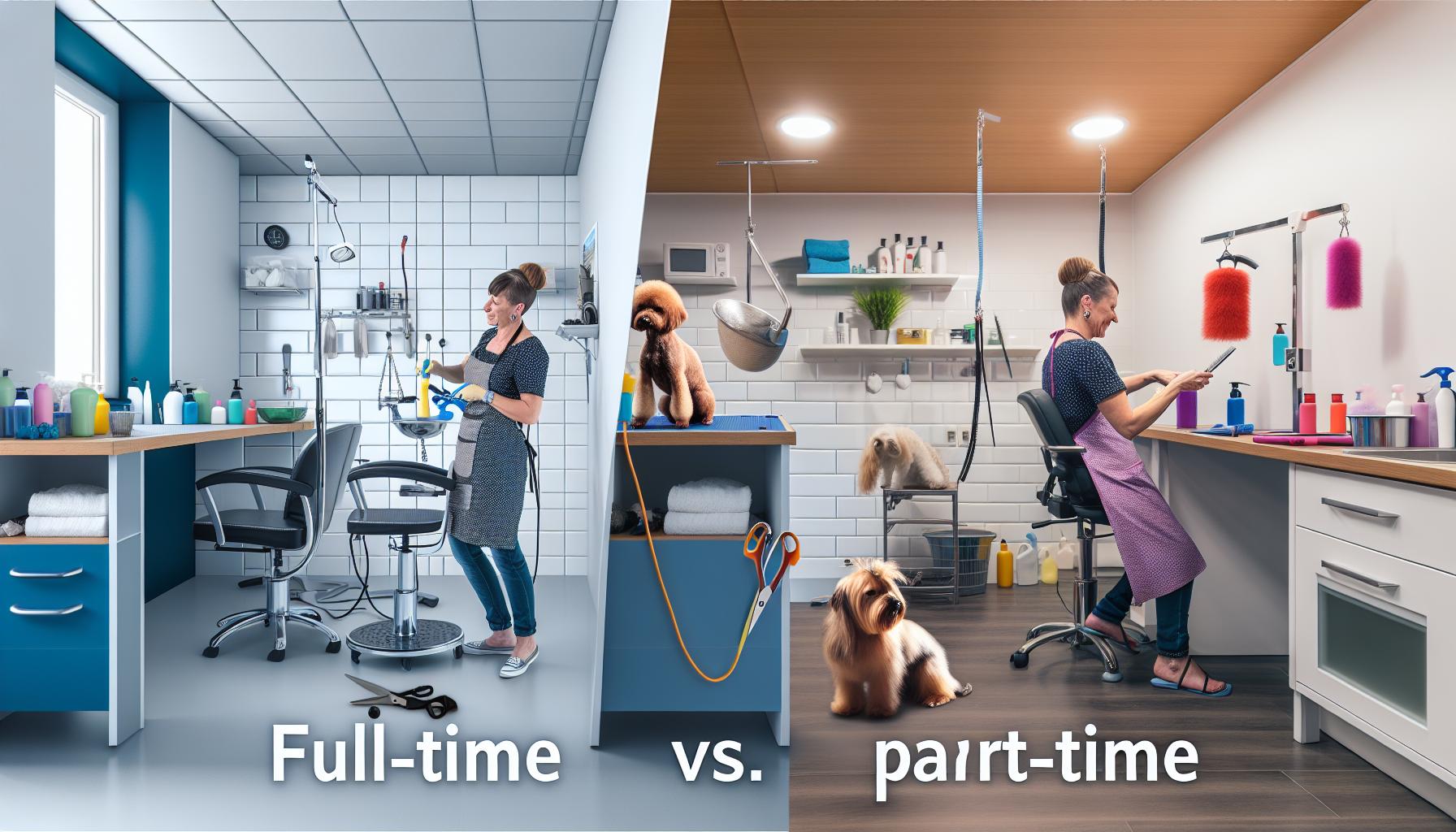
Many dog groomers find that their pay fluctuates quite a bit depending on whether they work full-time or part-time. Full-time groomers usually enjoy a steadier income along with benefits like health insurance and paid time off. In contrast, part-time groomers frequently enough work more flexible hours, which can be a blessing for those balancing other commitments but might come with less financial security and fewer-or no-benefits. Understanding these differences helps groomers choose the best path for their lifestyle while planning their finances wisely.
Steady Pay vs. Flexible Earnings
Full-time groomers typically work a set schedule, maybe 35-40 hours a week, which translates to consistent paychecks. Some salons offer hourly wages, while others pay by commission or a blend of both. For example, a full-time groomer in a busy urban salon might earn about $19 per hour on average, translating to roughly $39,000 annually[[1]](https://www.salary.com/research/salary/alternate/dog-groomer-salary). Alongside salary, full-time positions often come with benefits that add value and stability to income, such as paid sick days and retirement plans.
Part-time groomers, however, might work only a few days or weekends, earning per appointment or hourly pay without benefits. This model offers freedom to choose hours, which is ideal for students, parents, or second-job holders. But the trade-off is that income can be unpredictable,especially in quieter seasons or when reliant on walk-in clients. Mobile groomers,who often work part-time,sometimes charge convenience fees,which can boost earnings despite fewer hours[[2]](https://dailydogfinds.com/how-much-does-a-dog-groomer-get-paid/).
How Client Volume and Appointment Types Affect Pay
Busy salons with lots of appointments can provide full-time groomers a steady stream of work, allowing them to hone skills across dog breeds like thick-coated Shepherds or delicate-skinned Terriers. Groomers experienced with complex tasks like dematting or specialty cuts frequently enough book longer sessions, justifying higher prices. For part-time groomers, focusing on select styles or services (like nail trims or ear cleaning) can maximize income per hour when total hours fluctuate.
- Track your hours and appointments carefully: Know how much you make per service, so you can spot when part-time work is or isn’t covering your expenses.
- Consider combining roles: Some groomers balance part-time salon work with mobile grooming for extra income and flexible scheduling.
- Communicate clearly with your employer: Ask about commission, bonuses, or tip policies upfront to avoid surprises.
Many groomers eventually find that full-time hours help build client loyalty and boost earnings through repeat customers and upselling services like de-shedding treatments. Simultaneously occurring, starting part-time is a great way to test the waters, develop skills, and nurture a network of clients with less pressure. No matter your schedule, approaching each pet with patience and care remains the heart of a rewarding grooming career.
| Employment Type | Average hourly Rate | Income Stability | Benefits | Ideal For |
|---|---|---|---|---|
| Full-Time | $15 – $28 per hour | Steady | Frequently enough includes health, paid leave | Career-focused groomers needing stability |
| Part-Time | $12 – $25 per hour (variable) | Unpredictable | Usually none | Flexible schedules, side-income seekers |
Top Employers and Work Settings for Dog Groomers

Whether you’re just starting in dog grooming or looking to grow your career, the environment where you work can make all the difference-not just in your paycheck, but in the quality of care you provide. Groomers thrive in workplaces that balance a calm atmosphere with efficient, well-fitted tools. These settings also prioritize the comfort and safety of every pet, from the smallest, shy Chihuahua to the largest, thick-coated Shepherd. Understanding who employs groomers-and where you might best fit-will help you find a role that suits your skills and lifestyle while maximizing income potential.
Many groomers find steady, reliable pay in established grooming salons or pet spas. These venues often have regular clientele and a full schedule, allowing groomers to sharpen specialized skills like dematting, breed-specific styling, or skin-sensitive bathing. Larger salons may offer hourly wages combined with commissions or bonuses for upselling services such as teeth cleaning or flea treatments.Groomers working here should be cozy with a fast, organized pace and able to handle a variety of breeds and coat types efficiently. The social aspect can also be rewarding: working alongside a team offers opportunities to learn and share knowledge on handling difficult dogs or new grooming techniques.
Working under a veterinary clinic or pet hospital is another path, ideal for groomers who specialize in pets with health concerns or require gentle handling. Clinics frequently enough pay slightly higher rates due to the technical knowledge required, such as recognizing signs of skin infections or dealing with anxious animals. Here,collaboration with vets and techs ensures pet safety is front and center,but the pace may be slower than a bustling salon. This environment is perfect if you appreciate a calm, clinical setting and prefer a deeper connection with pets needing extra care, such as elderly or recovering dogs.
Mobile grooming has surged in popularity, especially for groomers who value flexibility and direct client relationships. Driving to clients’ homes with all tools onboard requires sound time management and adaptability, working on various coat types and temperaments in different environments. Mobile groomers can charge convenience fees, often pushing earnings beyond the average salon rate despite fewer appointments. Pet owners appreciate the low-stress, personalized experience provided at home, and groomers enjoy the autonomy-but must be self-motivated and well-organized to juggle schedules and maintain equipment on the go.
Key Work Settings at a Glance
| Work Setting | Typical Pay Range | Work Environment Traits | Best For |
|---|---|---|---|
| Grooming Salons / Pet Spas | $15 – $25 per hour | Fast-paced, team-oriented, varied breeds | Groomers who enjoy social collaboration and steady clientele |
| Veterinary Clinics / Animal Hospitals | $18 – $28 per hour | Calm, medically informed, specialized care | Groomers comfortable with health-focused handling |
| Mobile Grooming | $20 - $30+ per hour | Flexible, independent, client-focused | Self-driven groomers who value autonomy and convenience charges |
| Pet Retail Chains (e.g., Petco, PetSmart) | $12 - $22 per hour | Corporate structure, training provided, commission options | Entry-level groomers or those seeking structured career paths |
Tips for Choosing the Right Employer
- Evaluate the Salon’s client volume: A busy salon means more appointments but less downtime. If you’re new, a slower pace with fewer dogs can help you grow confidence safely.
- Prioritize Animal Welfare Policies: Look for employers committed to pet safety-well-maintained equipment, gentle handling protocols, and proper breaks for dogs.
- Consider benefits and Stability: Full-time roles in clinics or large salons can offer health insurance and paid leave, which adds long-term peace of mind.
- Ask About Commission and Bonus Structures: Understanding how your pay breaks down can help you plan your income and consider upselling services ethically.
No matter which setting fits your personality and goals, the key is to stay patient with each pet, continuously improve your techniques, and communicate kindly with owners. This approach not only ensures happy animals but builds trust-and that trust often translates directly into better earnings and a fulfilling career.
Additional Income Opportunities: Tips, Commissions, and Upselling
Many dog groomers find that their base wages only tell part of the story when it comes to total income.Supplementing hourly pay with tips, commissions, and upselling can significantly boost earnings – and, just as importantly, enhance the overall pet care experience. These income streams work best when groomers approach them with empathy, focusing on each pet’s unique needs and gently guiding owners through all the valuable services available.
Tipping with Heart and Skill
Tipping remains a meaningful way clients express gratitude, often reflecting the groomer’s patience, kindness, and handling of nervous or fidgety pets. For example, a groomer working with a shy or anxious breed-like a small, easily stressed Chihuahua-who takes extra time and care to soothe the dog before bath and trim may earn tips that rival or surpass their hourly wage. Encouraging owners to tip is about building trust: a calm description of the grooming process, attentive care for sensitive spots (like ears or nails), and simple after-care advice often motivate grateful clients to show their appreciation. Always prioritize the pet’s comfort over speed or perfection, and tips will naturally follow.
Smart Upselling: more Than Just Sales
Upselling services like teeth cleaning, flea/tick treatments, or specialty shampoos isn’t just about adding to the bill; it’s about enhancing pet wellness. A fluffy Golden Retriever, for example, benefits hugely from regular dematting and oatmeal-based baths that soothe sensitive skin. When groomers gently explain why these extras improve the pet’s comfort, coat health, or odor control, owners usually respond positively-and it helps the groomer increase their income with purpose. Introduce upgrades naturally during booking or while chatting post-groom, sharing how these simple extras prevent common issues and keep pets happy between visits.
Commission and Bonus Structures: Know What to Ask
Many salons and retail chains offer partial commissions on products or premium services sold during appointments. Understanding these financial components can make a big difference for groomers eager to grow their earnings. For instance, recommending a hypoallergenic shampoo or special conditioner to a customer whose dog has dry skin may earn you a commission while directly benefiting the dog. Ask your employer about any bonus programs tied to customer retention or meeting certain sales targets-some salons reward groomers for repeat clients or adding dental care packages, encouraging a win-win situation for pet and groomer alike.
- Keep recommendations pet-specific: Align all upsells with what’s genuinely best for each dog’s coat type,skin condition,and health.
- Communicate clearly and kindly: Use simple language and avoid pressure; informed owners feel respected and confident to add services.
- Document what you observe: Notes on coat quality or skin irritations help justify suggestions and improve ongoing care.
By welcoming these additional income opportunities with compassion and expertise,groomers empower both themselves and pet parents,fostering a nurturing grooming experience that’s mutually rewarding. It’s a cycle where care breeds trust, trust encourages generosity, and generosity supports a sustainable, joyful career.
Career Growth Path: From Groomer to Salon Owner or Specialist
Many dog groomers discover that the true potential of their career extends well beyond the grooming table. with dedication, patience, and a genuine love for animals, it’s entirely possible to evolve from a skilled groomer into a respected salon owner or a sought-after specialist. This path blends hands-on expertise with growing business acumen, empowering you to shape not only pets’ well-being but also your own professional future.
Building a Strong Foundation
Before stepping into ownership, gaining well-rounded experience is key.This means mastering breed-specific grooming techniques, understanding coat types-from curly Poodles requiring precision clipping to double-coated huskies needing gentle deshedding-and refining soft skills like client communication and animal handling. Working in diverse settings such as veterinary clinics,mobile grooming units,or busy salons can expose you to varied challenges,boosting confidence and problem-solving ability. For example, calming a reactive terrier during a nail trim showcases patience, a trait invaluable for future leadership.
Learning the Business Side
Transitioning to salon ownership or a specialist role demands more than technical skill. It involves understanding the operational and financial sides: budgeting, marketing, scheduling, and staff management. Starting small by managing appointments or assisting with inventory can provide hands-on learning without overwhelming pressure. Many groomers find mentorships or business courses especially helpful, offering insights into customer retention strategies and effective upselling that honor pet welfare while enhancing revenue. Remember, a restful environment, clear pricing, and clear policies build trust-a cornerstone of lasting success.
Exploring Specialist Roles
Specializing can be another rewarding avenue, whether focusing on breeds with complex grooming needs or offering niche services such as canine massage, coat therapy, or creative grooming artistry. Certification programs, like those from the National Dog Groomers Association of America, can elevate credibility and open doors to higher pay or exclusive clientele. As an example, becoming an expert in dematting techniques can set you apart in areas with many long-coated breeds, making your service indispensable.
- Step-by-step skill expansion: Take on progressively challenging grooming tasks, tracking your progress and client feedback.
- Invest in continuing education: Certifications and workshops deepen expertise and signal professionalism.
- Network within the pet care community: Collaborate with vets and trainers to provide holistic care options.
- Develop leadership and communication skills: Essential for managing a team or consulting with pet parents.
Every step on this path must prioritize the pets’ comfort and safety. Such as, when delegating work as an owner, ensure all staff comprehend how to handle nervous or elderly dogs compassionately.It’s this thoughtful approach that nurtures loyal clients and fosters a thriving business.
Taking the leap from groomer to salon owner or specialist is a journey of growth intertwined with care.By focusing on continuous learning, business savvy, and empathy, you can build a fulfilling career that benefits both you and every furry friend you serve.
Job Market Outlook: Demand Trends for Dog Groomers

The demand for skilled dog groomers continues to grow, making this a promising career path for those who truly care about animal well-being.As more pet owners prioritize regular grooming for health and comfort-instead of just aesthetics-the importance of experienced professionals rises. For example, breeds with dense coats, like Golden Retrievers or shih Tzus, frequently enough need specialized care that only learned groomers can provide, boosting demand in many communities.
shifting trends Supporting Groomer Demand
Several factors contribute to this upward trend. urban areas and growing suburban neighborhoods often see increased pet ownership, especially among young professionals and families who want their dogs to look and feel their best. Additionally, heightened awareness of grooming’s role in preventing issues like matting, skin infections, or ear problems has pet parents turning to professionals more regularly. Mobile groomers and boutique salons offering gentle, personalized services are especially popular, as they appeal to anxious pets and owners seeking stress-free experiences.
Location Matters, but Possibility Is Widespread
While markets like Houston and The Woodlands, TX show average pet groomer wages around $20 to $26 per hour-which reflects increased local demand and cost of living-smaller towns and rural areas can also offer steady work with fewer competitors[[2]](https://www.indeed.com/career/pet-groomer/salaries/Houston–TX)[[3]](https://www.indeed.com/career/pet-groomer/salaries/The-Woodlands–TX). Seasonal fluctuations occur-groomers may see spikes before holidays or warm months when shedding peaks-so flexibility and strong client relationships help maintain a smooth workflow year-round.
Positioning Yourself for Success
Building a career that thrives within this market means blending compassion, patience, and technical skill. As a notable example, understanding breed-specific coat challenges upfront reduces stress for nervous pets and encourages trusting repeat visits. Consider the following practical steps:
- Stay informed on pet care trends: knowledge about hypoallergenic breeds, breed-specific cuts, or natural product lines can set you apart.
- Expand your client base gradually: Provide gentle handling tips to anxious dog owners and share grooming maintenance advice so pets stay comfortable between visits.
- Prepare for various coat types: Tools like slicker brushes, de-matting combs, and nail grinders suit different fur textures and temperaments.
- prioritize pet comfort: Use calm tones, breaks during grooming, and safe restraint to make each session a positive experience, encouraging loyal customers.
By aligning your services with what pet owners value-health, happiness, and safety-you tap into a steady, growing demand that not only supports a stable income but also enriches the community of animal lovers and caregivers you serve.
How to Negotiate Your Dog Grooming Salary Confidently

Negotiating your salary as a dog groomer can feel a bit like approaching a nervous pup for the first time-it’s all about timing, confidence, and gentle communication. Knowing your worth starts with understanding the value you bring beyond just shaping coats. Grooming isn’t just about looks; it’s about improving pets’ comfort, health, and well-being. When you step into a salary discussion, letting your employer know that you prioritize pet safety and quality care sets you apart from someone who’s merely rushing through appointments.Before the conversation, research the local market rates for groomers with your level of experience and certification.For example, groomers in busy urban centers may command between $20 to $26 per hour, while smaller towns might offer less but come with less competition[[2]](https://www.groomersu.com/blog/is-dog-grooming-a-good-career-in-2025-salary-demand-and-job-outlook). Knowing these figures arms you with realistic expectations and shows employers that your ask is based on solid data,not guesswork.
Prepare Your Case with Specific Examples
Make a list of your key skills and recent successes to share during negotiations. highlight breed-specific expertise (like working with dense coats of Golden Retrievers or delicate grooming for anxious small breeds), specialized tools you master (slicker brushes, nail grinders), or certifications you’ve earned. For instance,you might say,”Since I began using de-matting techniques and gentle restraint,I’ve reduced grooming time by 15%,which improves pet comfort and client satisfaction.” These concrete examples demonstrate how your skills save the salon time and create happier customers, both great reasons for a raise or better pay.
Practical Tips to Keep the Conversation Smooth
- Choose your timing wisely: Aim for negotiations during performance reviews, after successful busy seasons, or when you’ve taken on extra responsibilities.
- Keep the tone collaborative: Frame requests as a way to continue contributing your best to the team, rather than a demand.
- Be ready to discuss flexibility: Accepting additional duties or offering to cover weekend shifts can justify higher pay.
- Know your non-salary perks: Benefits like paid training, flexible hours, or commissions for upsells can add real value.
Remember, just like pets need time to build trust, employers often appreciate openness and patience in salary talks. practicing what you plan to say, staying calm, and showing enthusiasm for your work helps you negotiate confidently-allowing you to focus on what matters most: caring for pets and supporting their families with pride and compassion.
FAQ
Q: How does seasonal demand impact dog groomers’ income throughout the year?
A: Seasonal demand can cause dog groomers’ earnings to fluctuate,with peak times like spring and holidays bringing higher appointment rates and tips. To maximize income, groomers should plan bookings during busy seasons and offer promotions or packages year-round. Learn more about optimizing earnings in the *Additional Income Opportunities* section.
A: Hidden costs such as supplies, equipment maintenance, liability insurance, and continued education can reduce a groomer’s take-home pay. Tracking expenses and deducting eligible costs on taxes improves financial clarity. For a deeper dive, see *Factors Impacting Dog Groomers’ Earnings* for budgeting tips.
Q: How do dog groomers typically handle taxes as independent contractors versus employees?
A: Independent contractor groomers are responsible for self-employment taxes and must track all income and expenses diligently, while employees have taxes withheld by the employer. Understanding your status helps optimize deductions and avoid surprises. Refer to *How to Negotiate Your Dog Grooming Salary* for contract negotiation advice.
A: Effective social media marketing can boost a groomer’s client base and increase appointments,directly raising income. Sharing before-and-after photos and client testimonials builds trust. Explore *Career Growth Path* strategies to integrate marketing skills into your branding efforts.
Q: How do grooming specialty areas, like show dog grooming, influence a groomer’s salary potential?
A: Specializing in areas like show dog grooming frequently enough demands advanced skills and commands premium pricing, significantly increasing salary potential. Pursuing certifications linked to niche grooming enhances credibility. Check the *In-Demand Skills That Boost Groomer Income* section for certification options.
Q: When is the best time to switch from part-time to full-time dog grooming for maximum salary growth?
A: Transitioning to full-time is ideal once you have a steady client base and solid grooming skills, allowing you to leverage consistent appointments and tips.This shift often leads to better benefits and higher overall earnings. Review *Full-Time vs Part-Time Groomer Pay* to plan your timeline effectively.
Q: Why do location and salon type affect dog groomers’ salaries more than experience in some cases?
A: location demand and salon prestige can outweigh experience because high-traffic urban areas and upscale salons charge premium rates and pay groomers more. Strategically choosing where to work can enhance income quickly. Insights are detailed in the *top Employers and work Settings* section.
Q: What are the first steps to take to increase my dog grooming salary within my current job?
A: Start by enhancing your skills through certification, asking for feedback, upselling services, and documenting your contributions to negotiate a raise confidently. Demonstrating value aligns with strategies in *how to Negotiate Your Dog Grooming Salary Confidently.* Implement these to see measurable salary growth.
—
Each answer is designed for swift understanding and actionable insights, perfect for featured snippet placement and voice search. for more detailed strategies, explore related sections linked above to continue growing your dog grooming career.
to sum up
Understanding how much dog groomers make opens doors to a rewarding career in pet care. Whether you’re considering starting as a groomer or aiming to grow your skills, knowing the real salary data helps you set clear goals and expectations. To deepen your grooming knowledge, explore our guides on Essential Grooming Tools and Handling Different Coat Types Safely-these resources offer practical tips to boost both confidence and comfort for you and your furry clients.
Ready to take the next step? Sign up for our newsletter to receive career advice, industry updates, and exclusive access to expert consultations. If you’re still weighing options, check out our detailed breakdown of Dog Groomer vs. Vet Services to understand where your skills shine best. Remember,mastering grooming isn’t just about looks-it’s about patience,compassion,and ensuring pet well-being every step of the way. Feel free to share your thoughts or questions below; we love hearing from fellow dog lovers and grooming professionals!
Get our latest guides, news, and insights highlighted in your Google Search & AI Overviews.
Keep reading about the same coat and cut.


Popular grooming guides
Bath vs clip, first grooms, and salon how-tos.