How Much Do Dog Groomers Make an Hour: Hourly Wage Guide

Did you know that the average dog groomer in Houston earns between $15 and nearly $22 an hour, depending on experience and location? Understanding how much dog groomers make hourly is significant whether you’re considering a career in pet care or want to appreciate the skill and patience it takes to keep our furry friends happy and healthy. Grooming isn’t just about looks-it’s about safety, comfort, and wellbeing, especially for anxious pets. This guide breaks down the typical earnings of groomers and offers insights that help you value their dedication and expertise. If you’ve ever wondered what shapes a dog groomer’s pay or how they balance their love for animals with professional care, you’re in the right place to learn more with kindness and real-world advice.
Dog Groomer Hourly Wage Overview and Industry Standards
Table of Contents
- 1 Dog Groomer Hourly Wage Overview and Industry Standards
- 2 Factors Influencing Dog groomers’ Hourly Pay
- 3 Geographical Pay Differences for Dog Grooming Jobs
- 4 How experience and Certification Boost Hourly Rates
- 5 Comparing salaries: Salon Groomers vs. Mobile Groomers
- 6 Freelance vs. Employed Groomers: Hourly Earnings Explained
- 7 How Tips and Bonuses Impact Groomers’ Income
- 8 Essential Skills That increase Your Grooming Pay
- 9 typical Work Hours and Their Effect on Earnings
- 10 understanding Benefits and Perks Beyond Hourly Wage
- 11 How to Negotiate a Higher hourly Rate as a Groomer
- 12 Future Trends Affecting Dog Grooming Salaries
- 13 Frequently Asked Questions
- 13.1 Q: How do different dog breeds affect a groomer’s hourly rate?
- 13.2 Q: What role does seasonal demand play in dog groomers’ hourly wages?
- 13.3 Q: Can offering specialized grooming services increase a groomer’s hourly wage?
- 13.4 Q: How does working for a high-end salon impact a dog groomer’s hourly pay compared to smaller shops?
- 13.5 Q: What common challenges affect how much dog groomers make per hour?
- 13.6 Q: How can dog groomers balance speed and quality to maximize their hourly income?
- 13.7 Q: Do mobile dog groomers typically earn more per hour than salon groomers?
- 13.8 Q: When is the best time for a dog groomer to negotiate a higher hourly rate?
- 14 To Wrap It Up
It’s fascinating how the art of dog grooming blends creativity, patience, and skill – all woven together with a deep love for our furry friends. When it comes to earnings, dog groomers typically see an hourly wage that reflects not just their technical ability but also their dedication to animal comfort and well-being. On average, dog groomers in busy metropolitan areas like New York City earn around $25 per hour, a figure that offers a solid baseline but can fluctuate based on several industry standards and personal growth factors [[1]].
The hourly wage often mirrors the complexity of the breeds groomed. Such as, a poodle’s dense, curly coat or a bichon frisé’s delicate fur require distinct tools like slicker brushes, dematting combs, and specialized shears. groomers who master these challenging coat types tend to command higher rates because their expertise reduces the stress and discomfort pets might otherwise endure. Grooming isn’t just about fluff and style; it’s a careful balance of safety and calm reassurance-something experienced groomers embody at every step, from gentle nail trims to stress-free ear cleaning.
- Industry Norms: Most dog groomers operate within a range of $15 to $30 per hour depending on location and clientele.
- Service variety: Basic baths and nail trims pay less than breed-specific cuts or handling anxious dogs, which require more skill and time.
- Pet Welfare Priority: Prioritizing comfort and patience can sometimes extend appointment times but often earns loyal customers willing to pay a premium.
For those just starting, it’s helpful to know that wages often improve with certification and demonstrated experience, which are widely respected industry standards. Certified groomers who invest in continuing education frequently see their hourly pay inch upwards, reflecting their enhanced skill set and ability to safely manage nervous or reactive pets. Patience and compassion,combined with technical know-how,not only create better experiences for animals but build trust with owners-this trust frequently enough translates into consistent bookings and better income over time.
Practical Insights for Groomers
Consider this: a groomer working in a high-demand city storefront might earn $24 to $25 per hour, according to recent data, while those in smaller towns might find rates closer to $15 to $20 an hour. But outside the numbers is the human-animal bond that professional groomers foster-a connection that can justify a higher rate simply because owners know their pets are safe and loved in skilled hands. Building that reputation takes time and sincere care, but it’s the foundation of enduring success in this rewarding career [[3]].
Whether you’re encountering a timid terrier for the first time or taming a show-standard poodle, the hourly wage you receive mirrors both your technical expertise and your ability to soothe anxious pets-and that kind of care is priceless to every client who walks through the door.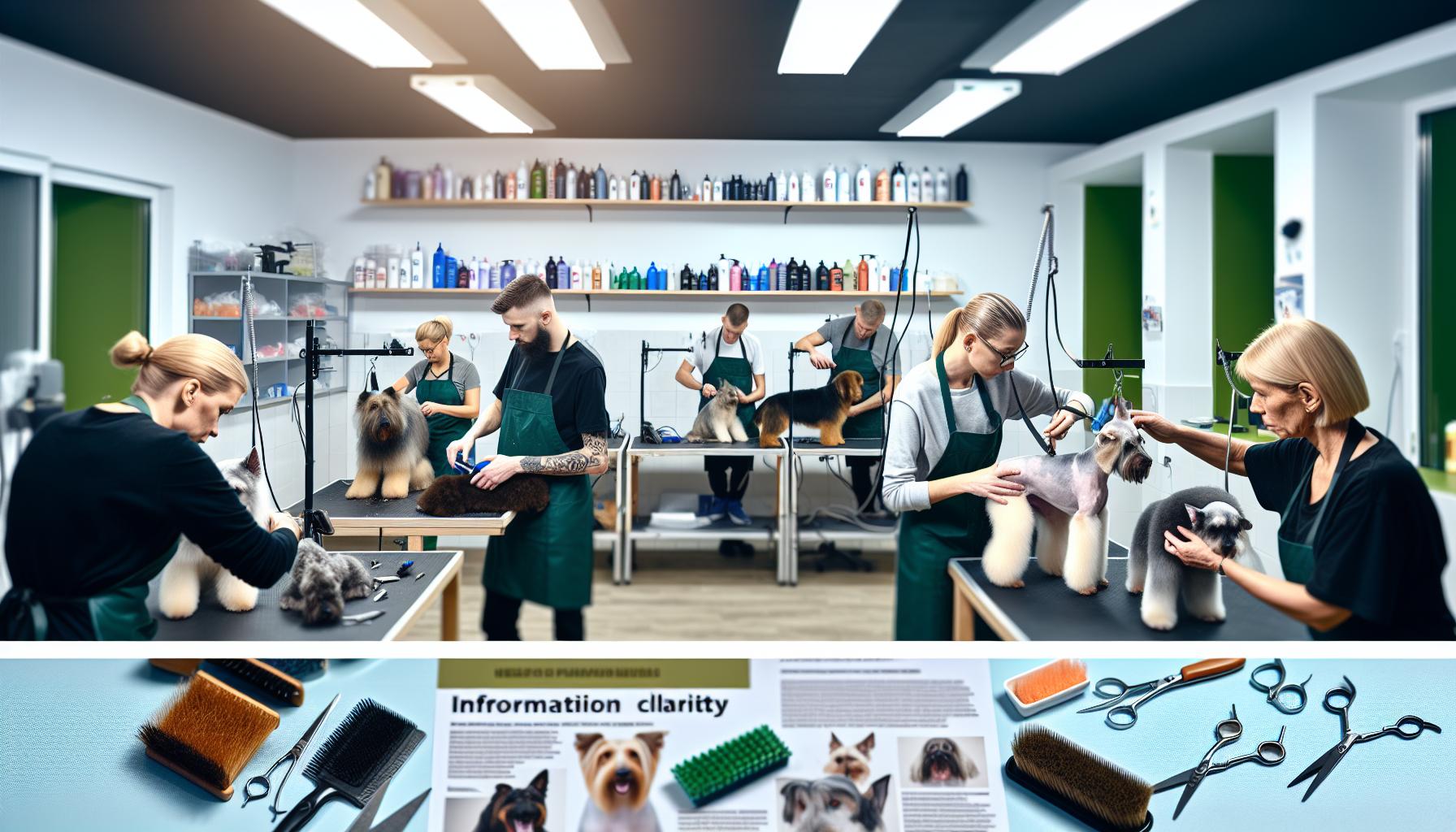
Factors Influencing Dog groomers’ Hourly Pay
Dog groomers’ hourly pay is influenced by a variety of factors that go beyond just clipping fur or trimming nails. One of the biggest elements is the type of breed and coat you’re working with. Some coats, like the curly, dense fur of a poodle or the delicate silkiness of a Maltese, demand special tools-like slicker brushes, dematting combs, and precise shears-and a gentle, patient touch. Grooming these breeds takes more time and skill,and clients are willing to pay more because they want their pets to feel cozy and look their best without stress.
- Breed & Coat Complexity: Grooming a double-coated German Shepherd differs greatly from a simple bath for a short-haired Beagle.Thick mats, undercoats, or delicate skin require extra care, extending the grooming session.
- Tools & Techniques: Specialized equipment and knowledge of breed standards raise the level of service. Experienced groomers who invest in quality tools and training often command higher hourly rates.
- Client Needs & Pet Temperament: Handling anxious or reactive dogs safely is a vital skill. It demands patience, calm communication, and sometimes extra hands. Such situations can justify premium pricing, reflecting the groomer’s dedication to animal welfare.
Another critical influence is the scope of services provided. basic bathing and nail trimming often carry a different pay scale than full grooming packages that include breed-specific cuts, ear cleaning, or flea treatments. Groomers who expand their skill set to offer custom styles, soothing handling techniques, or health checks alongside grooming tend to boost their earnings. Additionally, the ability to educate and reassure nervous pet owners adds intangible value. Communicating clearly about what’s safe to do at home vs. what needs professional care often prevents unneeded vet visits and builds trust that keeps clients coming back.Experience and certification also play major roles. Groomers who have completed professional programs or hold credentials show higher reliability and proficiency. This not only enhances their ability to tackle challenging grooming scenarios but provides confidence to owners, who are often willing to pay more for certified care. For example, a groomer skilled in safely clipping nails for dogs with arthritis or elderly pets adds invaluable comfort that often translates into repeat bookings and steady income.
By understanding the needs of each furry client-from the breed’s coat quirks to the pet’s personality-and pairing that with ongoing education and the right tools,groomers can set fair and competitive hourly rates that reflect the true heart and skill of their work. This combination of compassion for pets and professional pride is what ultimately shapes a groomer’s earning potential.
Geographical Pay Differences for Dog Grooming Jobs
Dog groomer pay rates can vary quite a bit depending on where you practice your craft, reflecting local economies, demand for pet care, and community pet ownership culture. For example,a groomer working in a bustling urban area with a higher cost of living is generally able to command higher hourly wages than one in a smaller town or rural setting. This difference arises not just from economic factors, but also from how pet owners in those areas value premium pet care services and their willingness to invest in professional grooming that prioritizes animal comfort and well-being.
- Cost of living & Local Economy: Cities like New York, san Francisco, or seattle typically offer higher hourly pay-often ranging from $25 to $35-because groomers need to cover their own business expenses and living costs. In smaller markets, the going rate might be closer to $15 to $20 hourly, which can influence the scope of services offered and the pace of appointments.
- Competition & Service Demand: Regions with many pet grooming salons and mobile groomers mean clients have more options, which sometimes pushes prices down. However, if a groomer can specialize in handling nervous or senior dogs, or breed-specific cuts, they may still maintain a premium rate, especially where the client base appreciates those skills.
- Seasonal and Cultural Trends: Some areas experience surges in demand-like coastal towns during summer or ski resorts in winter-allowing groomers to boost hourly earnings temporarily. Groomers aware of these rhythms can plan accordingly, advising pet owners when early booking is best and ensuring dogs get timely care without stress.
If you’re establishing your grooming career or considering relocation, researching local market rates will give you a real sense of what you can expect. Websites like Glassdoor and ZipRecruiter collect salaries by location, showing, for example, that the national average hourly wage for groomers hovers around $22.90, with top earners in metropolitan areas reaching $34 or more [[1]](https://www.ziprecruiter.com/Salaries/Dog-Groomer-Salary) [[3]](https://www.glassdoor.com/Salaries/dog-groomer-salary-SRCH_KO0,11.htm).
- Adapt your services: If you work in a rural area with lower pay averages, adding mobile grooming or offering specialty treatments might help balance earnings.
- Build reputation locally: Compassionate handling of anxious or elderly pets builds trust and word-of-mouth-sometimes more powerful than advertising in communities where personal referrals matter most.
- Adjust pricing thoughtfully: Consider local pet owner income when setting rates, but also recognize that owners prioritize their pet’s comfort and health, which supports fair pay for specialized care.
Ultimately, whether you find yourself clipping coats by the beach or trimming nails in a mountain town, your hourly wage will reflect not just where you are but how you align your skills with the local community’s unique needs-with trust, patience, and kindness always at the core of that valuable service.
How experience and Certification Boost Hourly Rates
It’s frequently enough said that experience is the best teacher-but in dog grooming, pairing hands-on practice with formal certification transforms your craft and your paycheck. Many pet owners are willing to pay a premium when they know their groomer has proven skills, especially for breeds with complex coats like Poodles or Shih Tzus, or when handling anxious or senior dogs who need extra care. A groomer who understands coat types, sensitivities, and individualized needs creates a calm, safe environment that owners trust deeply-and that confidence naturally justifies higher hourly rates.
Certification programs offer more than just a piece of paper-they equip you with evidence-based techniques, the latest grooming tools knowledge, and insights into animal welfare that set you apart from hobbyists or those learning solely on the job. For instance, courses that teach gentle detangling without causing pain, or efficient nail trimming that avoids stress, help keep pets comfortable and reduce appointment times. This combination of faster, quality work and compassionate handling often results in repeat clients and referrals, both key to boosting your income.
- experience expands your toolkit: After mastering basics like bathing,brushing,ear cleaning,and nail trimming,skilled groomers can tackle breed-specific cuts,medicated baths,or dematting sessions-services that usually command a higher hourly fee.
- Certification signals professionalism: Some groomers earn formal credentials through organizations such as the National Dog Groomers Association of America (NDGAA),which validates their commitment to excellence and ongoing learning.
- Handling challenging cases with confidence: When groomers demonstrate calm patience with anxious pets, owners notice-a groomer who knows how to ease stress without forcing the animal builds loyalty and can justify premium pricing.
Think of certification and years of practice as a way to build trust and credibility so that your hourly rate reflects not only the time spent but also the quality of care you provide. clients are paying for peace of mind: that their beloved pet is safe, comfortable, and receiving breed-appropriate grooming. Investing in your education isn’t just good for the animals-it’s a smart financial move that aligns your passion with professional respect and better earnings [[2]](https://www.theacademyofpetcareers.com/blog/how-much-do-dog-groomers-make/).
Comparing salaries: Salon Groomers vs. Mobile Groomers
Many pet owners love the convenience of having a groomer come right to their doorstep, but how does this choice affect the groomers themselves-especially when it comes to pay? Mobile grooming offers a unique blend of adaptability and personalized service that often translates to differences in hourly earnings compared to salon-based groomers. Understanding these distinctions can help aspiring groomers or clients appreciate the demands and rewards of each setup.
Mobile groomers usually command higher hourly rates,frequently enough as they bring their services directly to the pet’s home,which requires extra skills and responsibilities beyond just grooming. Operating a fully equipped grooming van involves handling logistics like driving safely between appointments, maintaining equipment on the go, and sometimes managing appointments solo.For this reason, their pay often reflects the increased autonomy and overhead. For instance, the average annual salary for a mobile pet groomer in the U.S. hovers around $54,000, translating roughly to a higher hourly income than many salon groomers earn [[1]](https://www.glassdoor.com/Salaries/mobile-pet-groomer-salary-SRCH_KO0,18.htm).
In contrast, salon groomers may have more predictable schedules and access to a team environment, which can ease workload stress and provide support during challenging grooming tasks. With a professional workstation at hand, salons are well-suited for handling complex coat types or multi-pet households efficiently. Though, salon groomers frequently enough experience a wider range of pay scales, sometimes starting lower per hour but benefiting from steady clientele and occasional employer-provided perks. Plus, salons can help buffer costs for supplies and maintenance, making them more budget-amiable for groomers early in their careers.
- Mobile grooming perks: Higher hourly rates, independence, personalized service, flexible hours.
- Salon grooming perks: Steady workflow, team support, access to specialized equipment, potential benefits.
- Challenges for mobile groomers: Vehicle upkeep, travel time between clients, weather considerations.
- challenges for salon groomers: Fixed schedules, possible customer walk-ins, less pricing control.
Consider a mobile groomer working with a shy senior dog who feels anxious outside the home. Their gentle, patient approach-combined with the comfort of the familiar home environment-may justify their premium hourly fees. Meanwhile, a salon groomer dealing with breed-specific cuts like a Poodle’s show-style clip can leverage professional tools and team consultation to maintain efficiency while delivering expert results. Both settings require compassionate handling and safety focus, but the context shapes how groomers set their rates.
Ultimately,choosing between salon and mobile grooming comes down to personal preference,lifestyle,and financial goals. Groomers who value independence and can manage the practical challenges of travel and self-marketing may enjoy the financial upside of mobile grooming. Those who thrive in a collaborative environment with stable hours might prefer the salon route. Both contribute invaluable care to each pet’s well-being-and understanding their unique roles helps owners make informed decisions that best suit their furry friends.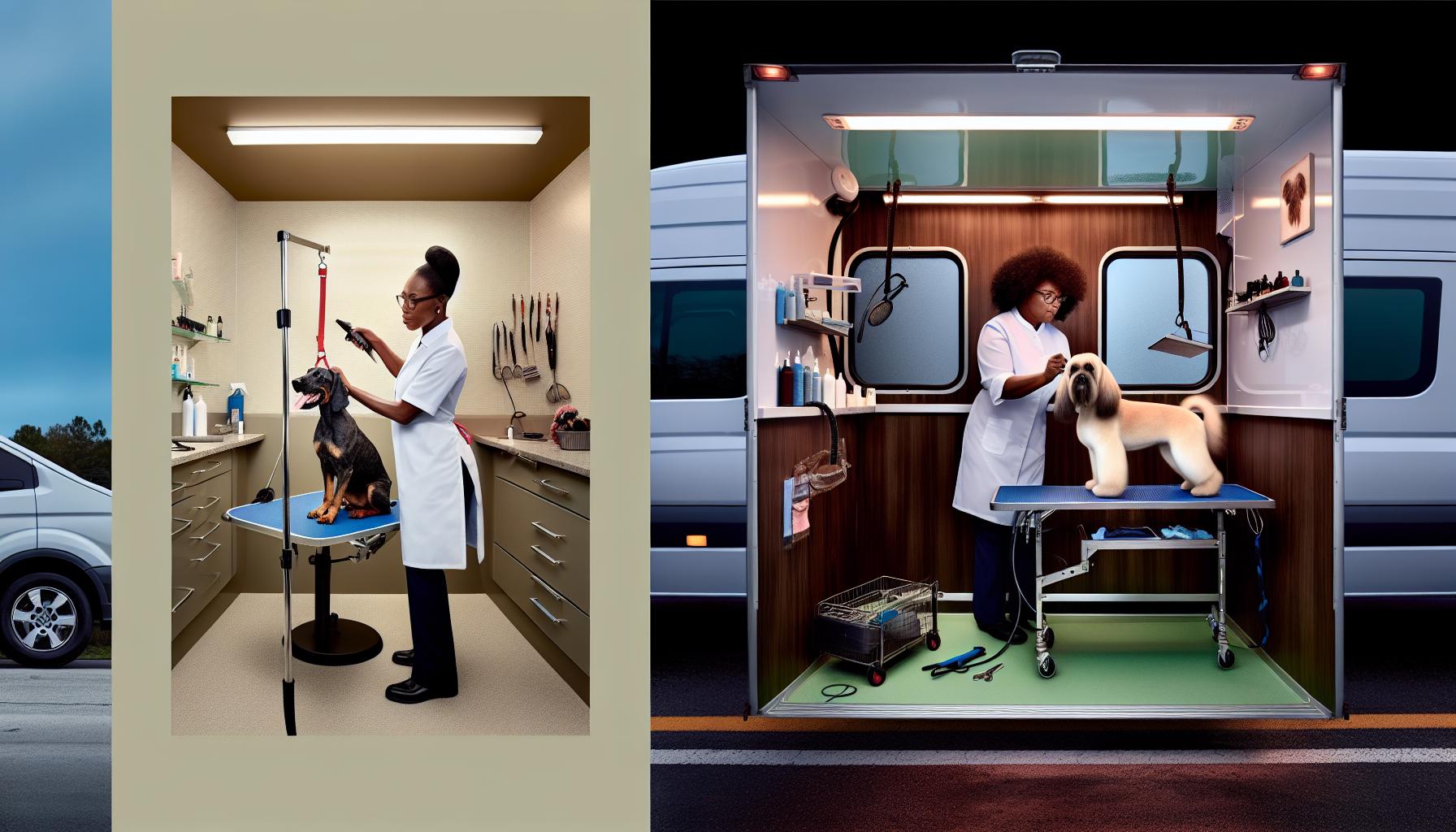
Freelance vs. Employed Groomers: Hourly Earnings Explained
Many dog groomers face an critically important choice early in their careers: whether to work as a freelance groomer or to join a salon or pet care establishment as an employee. Each path shapes not only the day-to-day experience but also how hourly earnings accumulate, influenced by factors like client volume, autonomy, and overhead costs. Understanding these differences empowers groomers to find the right fit for their lifestyle, financial goals, and personal approach to pet care.
Freelance groomers often enjoy greater control over their schedules and rates. When working independently-whether mobile or from a home setup-they set prices mindful of the dog’s breed, coat condition, and grooming complexity. For example, a thick double-coat like a Siberian Husky may require more time and specialized tools (dematting rakes, high-velocity dryers), prompting higher charges than a fast bath for a short-haired Chihuahua. Freelancers typically cover their own expenses-including grooming supplies,insurance,and travel-so their hourly rate must account for these hidden costs. However,many find that this risk translates to higher average hourly income,especially when building a loyal clientele willing to pay for personalized,patient service that considers an anxious pet’s comfort.
In contrast, employed groomers benefit from the structure and stability of working in a salon or pet store. Their hourly wage or salary is usually fixed or commission-based but often lower per hour than freelancers might charge.Still,salon work brings perks such as supplied grooming stations,regular client flow,and reduced business risk. Seasonal slowdowns or emergency cancellations are softened by employer buffers, granting a steadier income overall. For nervous pups struggling with intricate cuts or sensitive handling, the support of teammates and access to specialized tools (clippers, grooming tables with adjustable height, breed-specific scissors) can enhance both service quality and job satisfaction.
- Freelancers: Set own prices,bear all costs,flexible schedule,higher earning potential but variable income.
- Employed groomers: Fixed or commission wages, supplied environment, steady hours, potentially lower but more predictable hourly pay.
Real-world example:
Imagine a freelance groomer offering home visits in a suburban area. They charge $60 for a full groom on a medium-sized dog with a curly coat, which takes about two hours including bath, blow-dry, nails, and ear cleaning. factoring in travel and supply costs, their effective hourly earnings are around $25-$30. Conversely, a salon-employed groomer might receive a $15 hourly wage but with access to professional equipment and a solid client base, allowing more dogs to be groomed in the same time, potentially balancing earnings overall.
Nonetheless of the route, truly compassionate grooming prioritizes animal welfare above all. For example, a groomer-freelance or employed-who gently handles a fearful rescue dog, pausing often to build trust and reduce stress, may spend more time and thus earn less per hour on paper. Yet this priceless care improves the pet’s experience and strengthens client trust. This balance of patience, skill, and communication often leads to better tips and long-term business growth.
By weighing the trade-offs between financial freedom, stability, personal safety, and pet-first care, groomers can make informed choices that nurture both their passion and paycheck.
How Tips and Bonuses Impact Groomers’ Income
many dog groomers find that tips and bonuses can make a meaningful difference in their overall take-home income, frequently enough supplementing base wages or freelance fees in rewarding ways. Since grooming is a hands-on, personalized service that directly impacts a pet’s comfort and a client’s satisfaction, thoughtful tips often reflect recognition for patience, gentleness, and attention to detail. For groomers, understanding how to encourage and manage these extra earnings can boost both morale and financial stability.
Why Tips Matter
Unlike fixed hourly wages, tips offer immediate feedback and tangible rewards for remarkable care. For example, a groomer working with a high-maintenance breed like a Poodle-requiring careful scissoring, coat shaping, and de-matting-may spend extra time calming a nervous dog. This extra effort, patience, and kindness toward anxious pets frequently enough lead to generous tips. A small,calm Yorkshire Terrier may be a quick job,but a fearful rescue dog needing gentle reassurance during nail trims may result in longer sessions that clients recognize through tipping.Encouraging clients to tip respectfully and explaining that tips help cover unexpected needs (such as special shampoos or extra time) can gently normalize this as part of the grooming experience.
Bonuses: Recognizing Hard Work and Skill
Some salons or mobile grooming services offer bonuses based on client volume,customer ratings,or handling particularly challenging dogs. Bonuses motivate groomers to bring their best skills forward while reinforcing the value of kindness and expertise. For instance, a groomer who earns a bonus for maintaining a 5-star client review average benefits both financially and in reputation, inviting more referrals and repeat business. freelancers may negotiate their own bonus structures like loyalty discounts applied inversely, where loyal clients pay a small premium to secure priority bookings and special attention.
maximizing Earnings From Tips and Bonuses
- Build trust and communicate openly: Explain each grooming step patiently to owners and pets. This transparency often encourages appreciation and tips.
- Offer small extras when feasible: Gentle ear cleaning, nail filing, or light de-matting without extra charge can increase client satisfaction, leading to better tips.
- Maintain a calm,reassuring environment: Pets that relax easily allow faster,stress-free grooming,which clients recognize and reward.
- Keep records of tips and bonuses: tracking these earnings helps manage income expectations and identify peak seasons or popular services.
In real terms, a groomer earnestly working with a timid Belgian Malinois requiring careful nail trimming and stress breaks may receive a $5-$10 tip per session on top of their standard rate. Over time, these sums add up impressively, sometimes matching or exceeding the hourly wage itself. This extra income also empowers groomers to invest in better grooming tools and pet-safe products, benefiting both pets and their comfort.
Ultimately, tips and bonuses remind groomers their compassion and skill don’t go unnoticed. With gentle care as the foundation, these extras reinforce a virtuous circle of client trust, pet welfare, and personal fulfillment-all quietly weaving into a healthier paycheck.
Essential Skills That increase Your Grooming Pay
A skilled dog groomer brings more than just shears and shampoo to the job-they bring expertise in understanding each dog’s unique coat, temperament, and needs. Mastering these essential skills not only improves the quality of your service but directly increases your earning potential. Clients deeply appreciate groomers who are gentle and confident, who can reduce a nervous pet’s stress, and who know how to tackle tough coats efficiently without sacrificing safety or comfort.
Understanding Coat Types and Choosing the Right Tools
Different breeds present very different grooming challenges. For example, a long-haired Afghan Hound requires careful detangling and a slow drying process to avoid matting, while a short-coated Boxer needs a quick, efficient bath and a close trim.Knowing which brushes, clippers, and grooming products work best for each coat type speeds up your workflow and improves results. For instance:
- Double coats (like Golden Retrievers) need special undercoat rakes to remove lose fur without irritating the skin.
- Curly coats (such as Poodles) require precise scissoring and knowledge of breed-specific trimming styles.
- Thick mats and tangles call for gentle de-matting tools and patience, prioritizing the dog’s comfort first.
Clients notice when you handle their pet’s specific coat expertly-and they’re often willing to pay premium rates or tip generously for that care.
Calm Handling Techniques Build Trust and Speed
A calm, reassuring approach can turn a stressed dog into a cooperative companion, improving the grooming experience and reducing session times. This is especially important for anxious or rescue dogs. Use gentle touch, soothing voice tones, and frequent breaks when needed. For example, when clipping nails, take small, slow strokes, offering treats and praising the dog to create a positive association. These skills develop over time but pay off with repeat clients and higher tips. Remember, a peaceful pet is easier and safer to groom-and clients appreciate a groomer who puts their pet’s welfare first.
Broad Knowledge: Beyond Haircuts
Groomers who offer additional services increase their hourly value.This includes:
- Ear cleaning: Removing wax and checking for infections requires a gentle technique and basic knowledge of canine ear health.
- Nail trimming: Proper clipping helps prevent injuries and discomfort-skills that fearful dogs especially benefit from.
- Skin and coat assessments: Spotting signs of irritation, allergies, or parasites and advising owners accordingly adds tremendous value.
- Safe product knowledge: Choosing shampoos free of harsh chemicals can reassure nervous owners and improve pet skin health.
While these tasks may seem small, they demonstrate professionalism and complete care, building client confidence-and a willingness to pay for a groomer who does ”more than just a haircut.”
Time Management Without Rushing
Balancing thoroughness with efficiency is key to maximizing your hourly earnings. Skilled groomers learn to read each dog’s limits, customizing the pace and deciding when a longer session boosts quality versus when a speedy finish keeps client satisfaction high. Knowing how to prioritize grooming tasks-like focusing on mat removal before bath time or scheduling tricky breeds for quieter parts of the day-makes your salon work smoother and often increases the number of dogs you can comfortably handle per day, translating into higher pay.
These foundational abilities-knowledge of coat types and tools, compassionate handling, comprehensive service offerings, and smart time management-are not just skills but investments in a rewarding career. They empower groomers to command better rates, earn more tips, and build lasting relationships with happy clients who return again and again.
typical Work Hours and Their Effect on Earnings
Time on the clock doesn’t just mark the passing hours-it directly shapes a groomer’s earning potential and work-life balance. Many groomers find that the length and scheduling of their workdays impact not only their hourly wage but the overall satisfaction of both pet and professional.Longer shifts might seem like they lead to more income, but careful pacing and well-structured hours often yield better results for anxious pets and happier clients-and that means repeat business and steady pay.
- Morning vs. Afternoon Sessions: Most dogs are calmer earlier in the day. Booking high-maintenance breeds with thick or curly coats in the morning can reduce stress for both groomer and pet, leading to smoother sessions and fewer breaks. Working efficiently during these prime hours can boost hourly earnings without rushing.
- Breaks and Pet Welfare: Grooming isn’t just about speed. Small, frequent breaks to soothe a nervous dog or trim nails carefully can extend session times but prevent accidents and build trust. These moments may reduce the number of appointments per day but often result in higher tips and client loyalty,subtly increasing your income.
- Peak Days and Appointment Planning: Many groomers arrange more appointments on Fridays and weekends when clients are more available. However, a packed schedule without buffer time can lead to burnout. A balanced timetable with realistic time slots-for example, 90 minutes for a standard bath and trim or up to 3 hours for heavily matted dogs-helps maintain quality care and steady earnings.
Balancing Quantity and Quality
It’s tempting to cram as many dogs into a day as possible, especially when hourly pay hovers around $20 to $25 in many areas like Pittsburgh and Greensburg, PA [[1]](https://www.ziprecruiter.com/salaries/Dog-groomer-Salary-in-Greensburg,PA)[[2]](https://www.glassdoor.com/Salaries/pittsburgh-dog-groomer-salary-SRCH_IL.0,10_IC1152990_KO11,22.htm). Still,pushing too hard can undermine your ability to provide the gentle,comprehensive care clients expect. For nervous or older pets, allowing extra time can prevent stress-related behavior, reducing the risk of injury and fostering a calm environment, which brings more rewarding interactions-and frequently enough better pay.
How Part-Time and Flexible Hours Affect Pay
Many groomers choose part-time or flexible schedules to manage personal wellbeing or family needs. While fewer hours may mean less guaranteed income upfront, it offers the opportunity to charge premium rates during peak times or specialize in niche services like mobile grooming or particular breeds. Clients value punctuality and quality care, so scheduling during high-demand slots can enhance hourly income beyond a typical full-day wage.
By thoughtfully managing the rhythms of the workday, groomers create a enduring career that honors both their passion for animal welfare and their financial goals. Ultimately,it’s not just about the number of hours worked but how those hours are used,with mindfulness and care leading to better outcomes for pets and professionals alike.
understanding Benefits and Perks Beyond Hourly Wage
caring for dogs goes well beyond the hour clocked in behind the grooming table. While wages are an essential part of the equation, many groomers find that the true value of their work frequently enough lies in the benefits and perks that come with the profession-both tangible and intangible. These extras not only enrich a groomer’s daily experience but also contribute to job satisfaction, professional growth, and ultimately, a more stable income over time.
Many grooming salons offer perks such as discounted or free services for your own pets, which is a heartfelt bonus for those who treat their furry friends like family. Access to quality grooming tools and premium products frequently enough comes with the job, removing the need for hefty personal investments in the start-up phase. Then there’s the chance to learn on the job-working alongside experienced colleagues who can share breed-specific tips, coat care tricks, and handling techniques that you won’t find in textbooks. This mentorship can accelerate your skill set and raise the level of care you provide, often opening doors to higher-paying specialties or certifications.
how Perks Support Your Wellbeing and Craft
- Flexible Scheduling: Some employers recognize that groomers need to balance their work hours with personal energy levels and family needs.Flex schedules or part-time options allow you to manage your day to prevent burnout, which is crucial when working with anxious or high-maintenance breeds.
- Continued Education: employers may cover or subsidize training workshops, certification courses, or industry conferences. These investments not only sharpen your grooming techniques but also boost confidence and professionalism-key factors in negotiating better pay.
- Client Relationship Building: Time allowed for handover chats with owners creates trust and can lead to repeat business and generous tips.These interactions often go unmeasured in hourly wage calculations but are a steady source of supplemental income and professional fulfillment.
- Mental and Physical Health Resources: Because grooming requires physical stamina and emotional patience, some workplaces provide access to wellness programs or ergonomic tools to help reduce fatigue and injury risk.
Why These perks Matter More Than You Might Think
When you work as a dog groomer, your earning potential is tied to far more than just your clocked hours and base rate. Access to quality tools, ongoing learning opportunities, and a supportive work environment can dramatically improve the quality and efficiency of your service. This means less stress, happier pets, and clients who are willing to pay a premium for your expertise and kindness. Such as, a groomer who understands how to safely manage double-coated breeds or severely matted dogs not only protects the pet’s health but also times the appointment better, reducing unnecessary stress on both sides.
Consider also the value of networking within your salon or professional community. Building connections might lead to referrals or freelance gigs that pay above average, often accompanied by flexible hours or specialty work that enhances your reputation and earnings. Embracing these perks encourages your career longevity-keeping the joy and passion alive, which is as vital as any paycheck.
By recognizing and leveraging the benefits beyond hourly wages, groomers can create a more fulfilling, sustainable profession-one where the love for animals and the rewards of skilled craftsmanship grow hand in hand.
How to Negotiate a Higher hourly Rate as a Groomer
Grooming dogs is as much an art as it is a skilled trade, and knowing your worth can feel daunting. Yet, confidently negotiating a higher hourly rate isn’t just about numbers-it’s about clearly communicating the value you bring to each furry client and their family. Start by recognizing that every coat, breed, and temperament demands a tailored approach, requiring your specialized knowledge, patience, and gentle care. Owners deeply appreciate a groomer who prioritizes their pet’s comfort and wellbeing, and this should be at the heart of any discussion on rates.
Gather and Showcase Your Strengths
Before initiating a conversation about pay,gather evidence of your skills and accomplishments. Consider creating a portfolio or a simple record that highlights:
- Breed-specific expertise: Whether you expertly handle double-coated breeds like Huskies or work calmly with anxious or senior pets, these are valuable skills.
- Specialty services: If you offer nail trims,ear cleaning,dematting,or handle grooming for challenging coat types,these justify higher compensation.
- Certifications and continued education: Point out any formal training or workshops you’ve completed that enhance your grooming techniques and safety practices.
- Client feedback and repeat business: Positive reviews, regular clients, and tip trends demonstrate your trustworthiness and value.
when you speak to your employer or potential clients, use these concrete examples to explain how your work benefits not just the pet but the overall grooming experience and reputation of the business.
Timing and Tone Matter
Choose a moment when your work is being recognized-after successfully managing a difficult grooming, receiving praise from a customer, or completing a certification. Approach the negotiation calmly and positively. Frame the conversation around mutual benefit, such as how your enhanced skills lead to better services and client satisfaction. For example, say:
“I’ve noticed that my specialized coat care reduces grooming times and stress for pets like poodles and spaniels. I’d love to discuss adjusting my rate to better reflect these skills.”
This shows you understand the business side while keeping the pet’s welfare front and center.
Be Ready to Propose Flexible Options
Sometimes, employers might hesitate to increase base hourly wages. Offering alternatives frequently enough opens doors:
- Request performance-based bonuses or commissions on specialty services or upselling grooming packages.
- Suggest a trial period where your rate increases temporarily, with a review after a set number of appointments.
- Offer to take on additional responsibilities, like training new groomers, managing appointments, or maintaining tools. These roles add value and justify pay hikes.
Negotiating pay is not just about asking for more money; it’s about demonstrating your commitment, skills, and understanding of how compassionate grooming isn’t a rushed chore but a trusted care ritual. When you convey this mindset clearly and kindly, employers and clients alike will be more inclined to meet your requests with respect and appreciation.
Future Trends Affecting Dog Grooming Salaries
Dog grooming is evolving rapidly, and with these changes come new opportunities to enhance your hourly earnings. One of the biggest shifts is the growing demand for mobile grooming services. Busy pet owners increasingly seek the convenience of having their dogs groomed right at home, which often allows groomers to charge premium rates. Investing in a mobile grooming setup can be a wise step, not only boosting your income but also giving pets a calmer experience by keeping them in familiar surroundings. This trend is reshaping how groomers work and the value they can command per hour.
Technology is playing an ever larger role, too. From online booking platforms to specialized grooming tools and apps that help manage appointments, groomers who embrace digital solutions frequently enough save time and reduce stress. This efficiency means you can fit more appointments into your day without rushing – directly supporting increased hourly pay. Groomers who stay up-to-date with the latest equipment, such as quieter clippers designed for noise-sensitive dogs, are demonstrating a commitment to compassionate care, which clients notice and appreciate.
Growing Importance of Certification and Specialization
As more groomers enter the field,standing out through professional certifications and specialty skills becomes crucial. Whether you’re Fear Free™ certified or trained in handling senior, anxious, or special-needs pets, these qualifications allow you to offer tailored services that justify higher wages. Continuing education workshops and advanced courses not only improve your grooming quality but show clients and employers your dedication. This investment often leads to repeat clients and better tips,both adding to your hourly income.
Eco-Friendly and health-Conscious Grooming Services
Pet owners are increasingly mindful of the products and methods used in grooming.Offering eco-friendly shampoos, natural flea treatments, and hypoallergenic options can set you apart. These services often come with premium pricing and attract health-conscious customers who value gentle, safe care over quick fixes. Emphasizing this approach in your conversations with clients boosts the perceived value of your services-and your hourly earnings.
- Consider exploring hypoallergenic grooming for sensitive breeds.
- Promote stress-reducing techniques for anxious dogs to enhance client trust.
- Leverage eco-certified products to appeal to environmentally aware pet owners.
By actively adapting to these future trends, you’re not only improving your skills and the well-being of the pets in your care but also positioning yourself to earn more per hour-reflecting the true worth of your compassionate, expert grooming.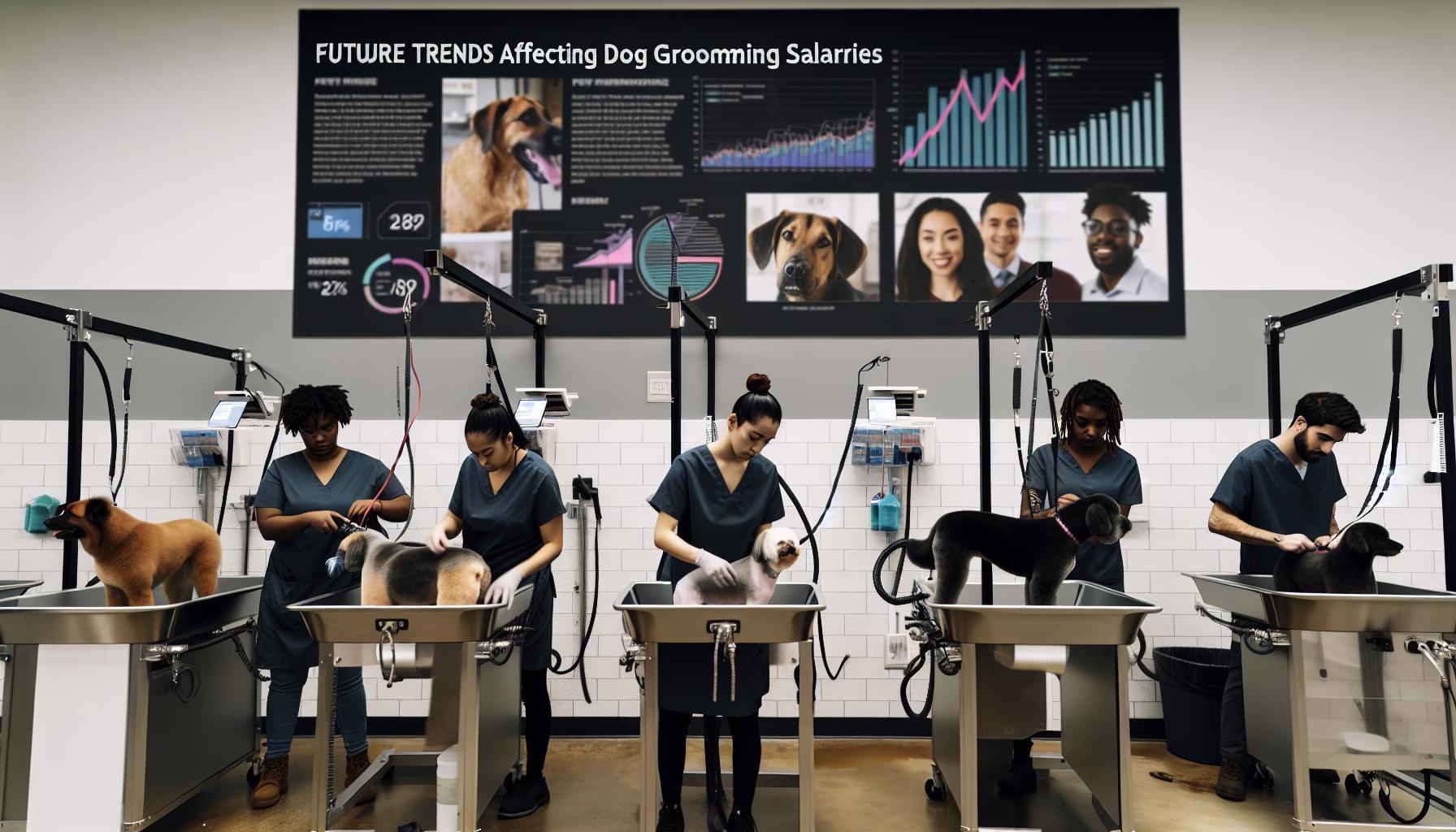
Frequently Asked Questions
Q: How do different dog breeds affect a groomer’s hourly rate?
A: different dog breeds influence a groomer’s hourly rate as breeds with thick,long,or curly coats typically require more time and specialized tools. For example, grooming a poodle may cost more than a short-haired breed due to intricate styling. Understanding breed-specific needs helps groomers set fair prices and improve their hourly earnings.See the *Essential Skills That Increase Your Grooming Pay* section for more details.
Q: What role does seasonal demand play in dog groomers’ hourly wages?
A: Seasonal demand can increase dog groomers’ hourly wages, especially during peak times like summer or holidays when grooming appointments surge. Groomers often earn more by working extra hours or charging higher rates during busy seasons. Planning your schedule around these periods boosts income and client retention. Refer to *Typical Work Hours and Their Effect on Earnings* for strategy tips.
Q: Can offering specialized grooming services increase a groomer’s hourly wage?
A: Yes, offering specialized services like de-shedding, flea treatments, or creative grooming styles can raise a groomer’s hourly wage.These niche skills attract clients willing to pay premium prices. Investing in certifications and advanced tools helps groomers stand out and command higher rates. Explore *How Experience and Certification Boost Hourly Rates* for more insights.
Q: How does working for a high-end salon impact a dog groomer’s hourly pay compared to smaller shops?
A: Working for a high-end salon generally increases a dog groomer’s hourly pay as of the higher service prices and client expectations. Groomers in upscale salons frequently enough receive better tips and bonuses as well. Though, demands for precision and client service might potentially be higher. Learn more in the section on *Comparing Salaries: Salon Groomers vs. Mobile Groomers*.
Q: What common challenges affect how much dog groomers make per hour?
A: Common challenges include managing difficult pets, staying updated with trends, and handling inconsistent appointment volumes. These can limit hourly earnings if not addressed. Groomers who build strong client relationships, maintain skill growth, and optimize scheduling usually see steadier wages. Check *Essential Skills That Increase Your Grooming Pay* to overcome these challenges.
Q: How can dog groomers balance speed and quality to maximize their hourly income?
A: Balancing speed and quality involves efficient workflow, using the right tools, and understanding breed-specific needs to avoid rework. This allows groomers to complete more appointments while maintaining client satisfaction,directly increasing hourly income. Review *Factors Influencing Dog Groomers’ Hourly Pay* for practical time management tips.
Q: Do mobile dog groomers typically earn more per hour than salon groomers?
A: Mobile dog groomers often earn more per hour because they save clients travel time and provide convenience, justifying higher rates. However, expenses like travel costs can offset wages. Successful mobile groomers focus on customer service and efficient scheduling to boost net income. See *Freelance vs. Employed Groomers: Hourly earnings Explained* for a detailed comparison.
Q: When is the best time for a dog groomer to negotiate a higher hourly rate?
A: The best time to negotiate a higher hourly rate is after gaining significant experience, earning certifications, or demonstrating consistent positive client feedback. Bringing data on local pay trends and your specialized skills strengthens your case. For negotiation strategies, refer to *How to Negotiate a Higher Hourly Rate as a Groomer*.
—
*For more personalized tips or to explore how skills impact your earnings, check out the full guide sections linked above. Keeping pet safety and comfort your priority is key to long-term success and better pay!*
To Wrap It Up
Understanding how much dog groomers make an hour gives you a clearer picture of this rewarding career’s financial potential and the skills involved.Whether you’re considering a future in pet care or simply curious about the industry, knowing the hourly wage range helps you set realistic expectations and plan your next steps confidently. Ready to dive deeper? Explore our detailed guides on grooming techniques and tools to sharpen your skills and increase your value as a grooming professional.
Don’t wait to take action-start by visiting our resources on essential grooming tasks like bathing, brushing, and nail care to build your expertise and boost your earning potential. For personalized advice, check out our consultation pages or subscribe to our newsletter for the latest tips and industry insights. Have questions or success stories? Share them below and join a community passionate about pet care and professional growth. Keep exploring related topics like dog grooming certifications and pet safety to stay inspired and informed-your journey toward a fulfilling dog grooming career begins here.
Get our latest guides, news, and insights highlighted in your Google Search & AI Overviews.
Keep reading about the same coat and cut.


Popular grooming guides
Bath vs clip, first grooms, and salon how-tos.