What Clippers Do Dog Groomers Use: Professional Equipment Guide
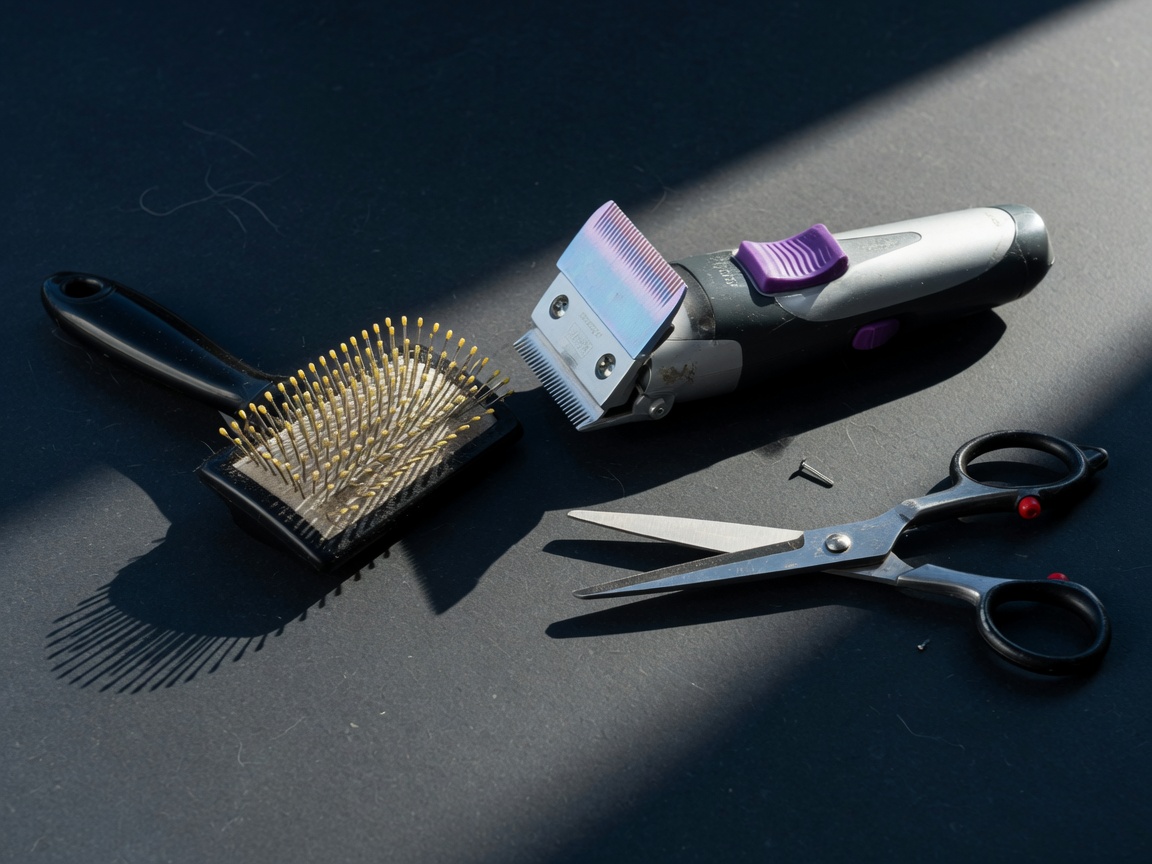
Did you know that the right clippers can transform a dog’s grooming experience from stressful to soothing? Whether your furry friend has a thick double coat or a fine, silky texture, professional groomers rely on specific clippers designed to handle every coat type with care adn precision. Understanding what clippers the experts use helps you choose tools that prioritize your dog’s comfort and safety, while making grooming at home or in the salon much easier. In this guide, we’ll walk you through the best professional clipper options, explaining how they work with different breeds and coat styles, and sharing practical tips to keep your pup calm and happy during every snip. whether you’re a nervous pet owner or a budding groomer eager to improve your skills,knowing the right equipment is the first step toward confident,compassionate grooming that puts your dog’s well-being first. Let’s explore the tools that make all the difference and help you achieve safe, stress-free results every time.
Best Clippers for Different Dog Coat Types
Table of Contents
- 1 Best Clippers for Different Dog Coat Types
- 2 Essential Features of Professional Dog Clippers
- 3 Top Brands Used by Expert Dog Groomers
- 4 How to Choose Clippers for Sensitive or Anxious Dogs
- 5 Blade Types and Their Grooming Purposes explained
- 6 Maintenance Tips for Long-Lasting Clippers
- 7 corded vs. Cordless Clippers: Pros and Cons
- 8 Budget-Friendly Clippers That Deliver Professional Results
- 9 Troubleshooting Common Clipper Problems
- 10 Safety Tips for Using Clippers on Nervous Pets
- 11 Faq
- 11.1 Q: How do professional dog groomers adjust clipper speed for different coat types?
- 11.2 Q: what clipper blades do groomers use for puppy fur?
- 11.3 Q: Can professional clippers be used for trimming around a dog’s sensitive areas?
- 11.4 Q: Why do some dog groomers prefer corded clippers over cordless ones?
- 11.5 Q: How often should groomers change or sharpen clipper blades?
- 11.6 Q: What makes a clipper suitable for professional dog grooming competitions?
- 11.7 Q: How do groomers prevent overheating during long grooming sessions?
- 11.8 Q: Are there specialized clippers for grooming double-coated breeds?
- 12 Wrapping Up
Every dog’s coat is unique, demanding clippers tailored to their specific texture and thickness to keep grooming safe and cozy. Choosing the right clipper isn’t just about trimming fur-it’s about respecting your dog’s natural coat and ensuring a calm grooming experience, especially for those sensitive or anxious pups. For example, a Poodle’s dense, curly coat requires different tools than a short-haired Beagle or a double-coated Husky. getting this right makes grooming smoother and more enjoyable for both pet and owner.
Coat Type and recommended Clippers
- Curly or Dense Coats (Poodles, Bichon Frises): Opt for powerful, high-torque clippers with adjustable speeds. These clippers prevent tugging and avoid overheating, which can scare sensitive dogs.Look for blades that handle thick curls, like ceramic or cryo-cooled blades, providing a smooth cut while staying cool.
- Double Coats (Golden Retrievers, Huskies): These require blades strong enough to cut through undercoat without irritating the skin. Medium-speed, robust clippers with detachable blades allow you to adjust cutting length, which is ideal for thinning mats without shaving off the entire coat. Patience and a comb attachment can definately help reduce pulling.
- Silky or Fine Coats (Yorkshire Terriers, maltese): Gentle, lightweight clippers with fine blades prevent snagging fragile hair. Slower speeds are preferable to maintain control and avoid frightening sensitive dogs. Smaller clippers make it easier to navigate delicate areas like ears and paws.
- Short or Smooth Coats (Boxers, Beagles): These are simpler to trim and respond well to clipper models with standard blades and moderate speed. Because there’s less resistance, you can focus on precision grooming without worrying much about blade heat or coat thickness.
Example Tools for Different Coats
| Coat Type | Clipper Features | Blade Type | Why It Works |
|---|---|---|---|
| Curly & Dense | High torque, adjustable speed | Ceramic or cryo-cooled blades | Prevents pulling, stays cool during long grooming sessions |
| Double Coat | Robust motor, detachable blades | Clipper blades with guard combs | Allows thinning and undercoat trimming, protects skin |
| Silky & fine | Lightweight, slower speed | Fine blades, small-size clippers | Prevents snagging and discomfort |
| Short & Smooth | Standard motor, mid-speed | Standard blades | Efficient, easy to manage without heat build-up |
No matter the coat, always observe your dog’s comfort and be ready to pause or adjust methods if they show signs of stress. Such as, if you notice flinching or shaking, switch to slower speeds or shorter grooming sessions. Also, maintain the clipper blades well-they cut more cleanly and prevent uneven pulls or snags. Remember, the goal is a calm, gentle experience that protects your pup’s skin and spirit while keeping them looking and feeling their best.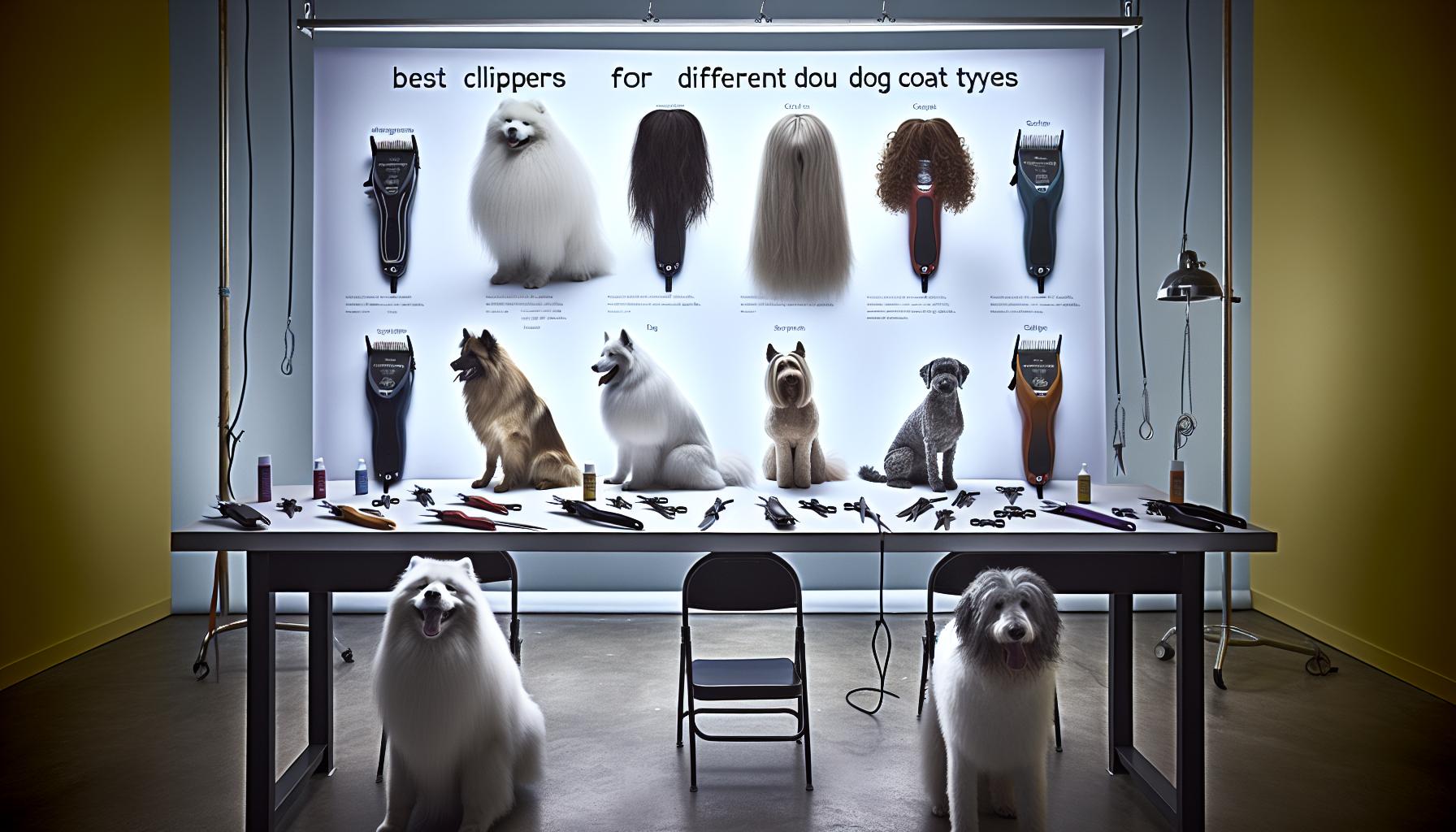
Essential Features of Professional Dog Clippers
A well-chosen pair of professional dog clippers transforms grooming from a stressful chore into a calm, confident routine. Beyond raw power, the best clippers balance smooth performance with gentle handling to protect your dog’s skin and ease anxiety. This harmony is what seasoned groomers look for: tools that respect every coat’s unique texture and every pet’s temperament.
First and foremost, a strong yet quiet motor is essential. High torque means clippers can slice through thick or curly coats without tugging,avoiding painful pulling that can frighten your dog. But that power needs to come with low noise and minimal vibration-sharp sounds and buzzing can easily spook sensitive pups, making grooming more arduous. Professional-grade clipper models are thoughtfully engineered to run smoothly and quietly,providing that reassuring hum rather than a harsh roar.
Adjustable speed settings are a game changer, especially for multitasking groomers who work on diverse breeds or anxious pets. Slower speeds help gently guide fine or delicate hair without snagging, while faster speeds tackle dense or matted areas efficiently. This versatility lets you customize the experience to your dog’s coat type and comfort level, building trust one stroke at a time.
Durability is another must-have. Professional clippers are built from resilient materials to withstand hours of repeated use and stay cool during long sessions.This leads to steady, clean cuts that reduce heat buildup-a key factor in preventing skin irritation. Features like ceramic or cryo-cooled blades excel at maintaining blade temperature, sparing your dog from uncomfortable heat and helping you groom patiently without rushing.
Key Features to Look For:
- Quiet operation: Protects sensitive dogs from noise stress.
- Variable speed: Adjust to coat type and pet temperament.
- Cooling technology: Ceramic or cryo-cooled blades to prevent heat buildup.
- Ergonomic design: Lightweight body to reduce hand fatigue during longer grooming sessions.
- Detachable blades: Enables speedy blade changes for versatile grooming styles and easy cleaning.
- strong battery life (for cordless options): Ensures uninterrupted grooming without sudden power loss.
Consider this: a Bichon Frise with a curly coat will need a clipper that combines high torque with adjustable speeds and heat-resistant blades, while a timid Yorkshire Terrier will benefit from a lightweight, low-noise model with fine blades and gradual speed control. This targeted approach safeguards your pet’s wellbeing and builds positive grooming experiences over time.
The right clipper feels like an extension of your caring hands-careful, effective, and patient. When shopping,focus on these performance features more than just brand names. Investing in clippers with thoughtful design changes your grooming sessions from something your dog tolerates into a nurturing ritual they can trust.
Top Brands Used by Expert Dog Groomers
Few tools in a groomer’s arsenal are as trusted and celebrated as the clippers they choose to work with daily.These aren’t just gadgets; they are the gentle hands that help shape your dog’s comfort and confidence during every grooming session. Expert dog groomers rely on specific brands that have proven their mettle in balancing power, precision, and pet-friendly operation. Their choices reflect a deep understanding of canine coat diversity and the need for calm, patient handling, especially for shy or anxious pets.Many professionals turn to brands like andis, Oster, and Wahl, which have built loyal followings through consistent performance and reliability. As an example, Andis clippers are highly regarded for their well-designed motors that slice through dense coats without pulling, while maintaining a quiet hum that is far less likely to startle sensitive dogs. Oster models frequently enough shine in salons where versatility and durability are essential; they frequently feature detachable blade systems making them ideal for busy groomers who need to switch between breeds and coat types seamlessly. Wahl, simultaneously occurring, offers remarkable cordless options with strong battery lives, prized for their ergonomic designs that reduce hand fatigue during long grooming sessions.
What Makes These Brands Stand Out?
- Consistent Quiet Performance: Groomers frequently enough work with nervous dogs whose first reaction can be fear due to noise. Clippers from these brands are engineered for low vibration and gentle operation.
- Adaptability: From a silky-coated Maltese to a thick-coated Bernese Mountain Dog, the blade options and speed controls in these clippers allow tailormade grooming approaches.
- Durability Under Pressure: Hours of grooming can stress lesser tools.Top brand clippers are made with durable materials that endure heat build-up and maintain precision cut after cut.
- Repair and Support: A practical consideration often overlooked by pet parents and beginners is after-sale service. The availability of replacement parts and professional repair options helps groomers keep their favorite tools in top shape.
Veteran groomers frequently swear by their personal experience with these brands, especially when tackling challenging tasks like grooming a double-coated Husky or calming a skittish Spaniel. For example,when working on a dog prone to anxiety,choosing a clipper known for whisper-quiet operation and smooth blade transitions can turn a perhaps stressful session into a bonding moment between pet and groomer.
Investing in well-known, expert-approved clipper brands doesn’t just mean buying the best hardware – it means choosing tools that actively respect your dog’s comfort and safety through every snip.This empowers pet owners and professional groomers alike to approach grooming with calm confidence and kindness-as every dog deserves a gentle touch.
How to Choose Clippers for Sensitive or Anxious Dogs
Many dogs experience grooming as a stressful event, especially those with sensitive temperaments or anxious personalities. Choosing the right clippers can transform these tense moments into calm, cooperative sessions that build trust rather than fear. It’s critically important to look beyond just cutting power; the tool’s noise level, vibration, and ease-of-use directly influence how comfortable your dog feels throughout grooming.
Prioritize Quiet, Smooth Operation
Sensitive dogs are easily startled by loud, high-pitched noises and heavy vibrations. Clippers with whisper-quiet motors and low vibration-like those from Andis or Wahl-are ideal choices. These models keep noise well below the threshold that triggers canine anxiety, helping your dog stay relaxed instead of reactive. Additionally, choosing clippers with variable speed settings allows you to start slow and gentle, building your dog’s confidence before increasing pace on easier areas.
Select Blades and Attachments Tailored to Coat and Comfort
Understanding your dog’s coat type is key.For example, fine-haired breeds like maltese or Shih tzus need clippers with sharp, precise blades that glide effortlessly without tugging. For thick or double coats (think Huskies or Golden Retrievers), durable blades that cut efficiently without pulling are a must, but you’ll want to keep sessions short and reward your pup frequently to prevent stress. Detachable blade systems make it easier to swap tools without disturbing your dog for long periods.
Consider Ergonomics and Cord vs. Cordless Options
Long grooming sessions can wear out both your dog’s patience and your hands. Lightweight, ergonomically designed clippers reduce hand fatigue, meaning you maintain steady, gentle handling throughout. Cordless clippers offer freedom of movement, especially useful if your dog fidgets or tries to move during grooming. But keep a backup corded clipper handy for uninterrupted sessions. Always test your equipment before you begin to ensure smooth functionality.
Calm Preparation and Positive Reinforcement
Pair the right tools with patient, gentle handling. Introduce the clippers in a quiet room,letting your dog sniff and explore them turned off before gradually powering them on. Use treats and soothing words to create positive associations.If your dog shows signs of distress, pause frequently enough, and never rush.Remember, it’s better to clip in multiple short sessions than one long, stressful ordeal.This approach respects your dog’s comfort and safety-always the top priority.
- Tip: For especially sensitive dogs, consider “silent” or ultra-quiet clippers designed with noise insulation technology.
- Quick Fix: Applying a noise-dampening cover or performing the grooming in a familiar, low-traffic area can reduce anxiety.
- Safety Check: Regularly inspect blades to prevent pulling or snagging, which can heighten fear and discomfort.
By selecting clippers with anxiety-friendly features and coupling them with thoughtful, paced handling, grooming can become a positive ritual rather than a dreaded chore. Your dog’s trust grows when you provide a calm environment supported by appropriate equipment-making every grooming session smoother and more enjoyable for both of you.
Blade Types and Their Grooming Purposes explained
Every dog’s coat tells its own story, and the blades you choose can either celebrate that unique texture or turn grooming into a tugging, stressful ordeal. Clippers don’t just cut hair-they’re the gentle tools that shape comfort and confidence during grooming. Knowing how different blade types work helps you tailor your approach, so you can keep your dog calm while achieving the best results.
Understanding Blade Numbers and Lengths
Blades are numbered to indicate the length of hair left after cutting-the lower the number, the closer the cut. As an example, a #10 blade is a favorite for a close shave, leaving about 1/16 inch of fur, great for sanitary trims or hot-weather coats. Meanwhile, a #7 blade leaves roughly 1/8 inch, ideal for breeds that need a neat but not overly short finish, like poodles or terriers. For thicker coats,a #4 blade or higher maintains more length and softness,which is especially critically important for double-coated breeds like Huskies to avoid cutting too close and damaging their natural insulation.
Selecting Blades Based on Coat Texture
- Fine, Silky Coats: blades with sharper, thinner cutting edges glide smoothly across delicate hair, minimizing pulling. These suit breeds like Maltese or Shih Tzus. A blade designed for precision and smooth cutting reduces stress on sensitive follicles.
- Thick, Double Coats: Choose robust, wider blades. Models with ceramic or high-carbon steel blades hold an edge longer and can slice through dense undercoats without snagging. Blades like #4 or #5 are common here to preserve enough coat for protection while tidying the overall look.
- Curly or Wiry Coats: blades with a slightly more aggressive tooth pattern prevent “matting” as you cut and handle resistance better. Combining clippers with special comb attachments can also ease grooming for wire-haired breeds such as Terriers or Poodles, reducing tug and making the experience more comfortable.
The Advantage of Detachable vs. Adjustable Blades
Many professional groomers prefer detachable blade systems.This setup lets you swiftly swap blades for different coat areas or coat types without switching tools, saving time and avoiding unnecessary handling that could upset your dog. For example, you might start with a #7 blade along the body, then switch to a #10 blade for finer trimming on sensitive areas like the face or paws.Adjustable blades allow on-the-fly changes within a range, which is convenient but can sometimes mean more vibration or less precision than dedicated blades, so weigh your dog’s comfort when choosing.
Practical Tips for Safe and Gentle Use
- Always check that blades are sharp and well-oiled-dull blades tug and cause discomfort, amplifying fear in anxious dogs.
- For highly sensitive pets, start with a slightly longer blade length than usual; you can always go shorter gradually once trust is established.
- Keep a quiet, steady pace. Pressing too hard or rushing invites pulling and skin irritation.
- Practice on less sensitive coat areas first to warm up your dog to the sensation.
- If your dog’s coat is matted, detangle with a slicker brush before clipping; never clip right over mats, as this can pinch and hurt.
By choosing blade types that respect your dog’s unique coat and temperament, you’re not just trimming hair-you’re nurturing trust. Remember, grooming isn’t about perfection but about kindness and patience, making each clip a step toward a happy, healthy relationship.
Maintenance Tips for Long-Lasting Clippers
clippers are hardworking tools that deserve gentle,consistent care to keep them sharp and reliable-just like any trusted grooming partner. Just as you wouldn’t want a tugging clipper causing discomfort for a nervous dog, neglecting your equipment can lead to dull blades, overheating, and uneven cuts that stress both you and your furry friend. with a few simple rituals built into your grooming routine, you can extend the life of your clippers and preserve the smooth, calm grooming experience your dog deserves.
Daily Cleaning and Oiling
After every grooming session, remove trapped hair with a soft brush or compressed air-especially between the blades. Hair buildup not only dulls the blades but also strains the motor. Once clear, apply a few drops of clipper oil directly onto the blade teeth and the moving parts. This reduces friction and heat, which can cause blades to dull prematurely or irritate your dog’s skin. Use manufacturer-recommended oils for best results. Remember, a well-oiled clipper feels smoother and sounds quieter, helping to soothe anxious pets during grooming.
Blade Sharpening and Replacement
Even with careful maintenance, blades dull over time. A dull blade pulls on hair rather of cutting cleanly, which is uncomfortable and can scare sensitive dogs. If you notice increased tugging or heat buildup despite oiling, it’s time to sharpen or replace your blades. Many professional groomers keep a few sets of blades on hand, swapping them out as needed-this both saves time and ensures your equipment is always prepared for any coat type or sensitive patch. For detachable blade systems, this is especially convenient and can make a huge difference in grooming ease.
Cooling and Storage
Clippers can heat up quickly, especially during thick or dense coat trims. to prevent overheating-which risks burning your dog‘s skin and prematurely damaging the motor-take short breaks every 15-20 minutes to let your tools cool. Some groomers keep a spray bottle of blade coolant nearby to quickly refresh the blades without stopping. after your session, always store your clippers and blades in a dry, dust-free case to avoid rust and mechanical issues later on.
Electrical Care and Cord Management
Whether you use corded or cordless clippers, protect the wiring and battery life with mindful handling. Avoid twisting or tightly coiling cords, which causes internal damage over time. For cordless models, follow charging guidelines carefully-overcharging or letting the battery drain completely can shorten lifespan. Regularly inspect cords and plugs for frays or damage; replacing these promptly keeps you and your pet safe from electrical hazards.
Example Maintenance checklist
| Task | Frequency | Tools Needed | Why It Matters |
|---|---|---|---|
| Remove hair debris | After each use | Brush or compressed air | Prevents blade clogging and motor strain |
| Oil blades | After each use | Clipper oil | Reduces friction, keeps blades cool |
| Inspect blades for dullness | Weekly or biweekly | Visual check, test cuts | Ensures comfortable, smooth cutting |
| Cool down breaks | Every 15-20 minutes during grooming | Blade coolant spray (optional) | Prevents overheating, protects dog skin |
| Store clippers properly | After each use | Protective case | Prevents rust and dust buildup |
| Check cords and batteries | Monthly | Visual inspection, charger | Maintains safety and tool longevity |
with these little habits, your grooming clippers can stay sharp and gentle-ready to make grooming a calm, comfortable experience for any dog, no matter how sensitive or nervous. Patience in maintenance shows your pet you care, fostering trust one clip at a time.
corded vs. Cordless Clippers: Pros and Cons
A groomer’s choice between corded and cordless clippers frequently enough comes down to the balance between freedom of movement and uninterrupted power – two factors that affect both the grooming outcome and your pet’s comfort. For nervous dogs especially, a smooth and steady clip is key, so understanding the strengths and limitations of each type can help you feel confident in choosing the right tool for your furry friend.
- Corded Clippers: These provide continuous power without the worry of a battery running low mid-groom. For thick,dense coats like those of Newfoundlands or Huskies,corded clippers maintain a strong,consistent motor speed that can tackle heavy trimming without bogging down. This reliability is especially helpful when grooming multiple pets or performing longer sessions. However, the cord can limit your movement and may pose a tangling risk if your dog moves suddenly or is particularly anxious around objects near their body.
- Cordless Clippers: On the othre hand, cordless models offer excellent maneuverability and reduced noise from not having a plugged-in cord, which can soothe pets prone to stress. Imagine grooming a small, fidgety terrier or a wary senior dog – being able to move freely without worrying about entangling a cord makes the experience less intimidating for both of you. Plus, many higher-end cordless clippers now rival corded versions in power and battery life, with quick-charging batteries and detachable blades that allow for seamless switching if a battery does start to run low.
Practical Tips for Using Each Type
If you opt for corded clippers, keep them well-managed by securing loose cables away from your dog’s paws and body. This reduces accidental tugs or chewing, which can distress an anxious pet. Use gentle restraint techniques and create a calm environment with soft treats or breaks especially if your pup’s coat demands longer handling.For cordless clippers, always keep an eye on battery levels before starting. A sudden loss of power can cause uneven cuts and increase your dog’s discomfort. Carry a spare battery or choose a model with quick charge capability to minimize interruptions.
| Clipper Type | Key Benefits | Potential Challenges |
|---|---|---|
| Corded | Uninterrupted power, strong motor for thick coats, reliable consistency | Movement restricted by cord, risk of tangling, less convenient for travel |
| Cordless | Freedom of movement, less noise, easier handling for sensitive or small dogs | Battery limits session length, possible power drop, needs charging management |
Remember, the ultimate goal is your dog’s comfort and safety. If your pup is particularly anxious, prioritizing a quieter, less restrictive tool like a cordless clipper can ease stress. In contrast, when tackling large or heavy coats, corded clippers might save time and frustration with their continuous power. Many professional groomers keep both options on hand, switching depending on breed, coat type, and the individual dog’s temperament. By knowing your equipment’s strengths and weaknesses, you can create calm, positive grooming experiences that build trust – one gentle clip at a time.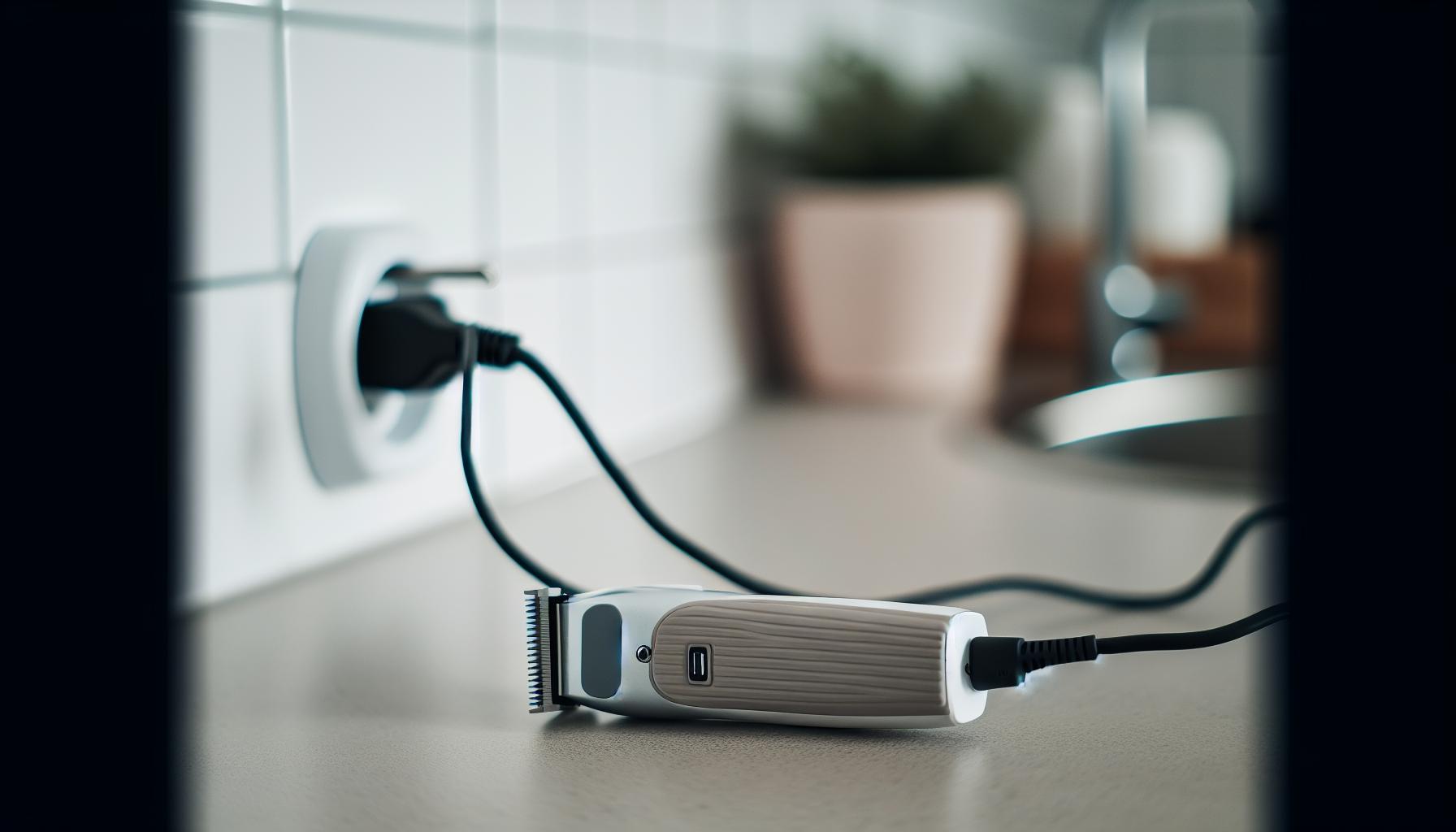
Budget-Friendly Clippers That Deliver Professional Results
Finding clippers that offer professional-quality results without breaking the bank is not only possible-it’s a smart choice for many pet owners and groomers starting out. Even when working with thick or curly coats, there are budget-friendly options that combine durability, power, and ease of use while prioritizing your dog’s comfort.The key is focusing on essential features rather than premium bells and whistles that may not add value to your specific grooming needs.
What to Look for in Affordable Clippers
When selecting economical clippers, look for a model with a reliable motor strong enough to handle your dog’s coat type. For example,a medium-sized poodle with a curly,dense coat will need a clipper that won’t bog down or pull hairs. Many budget-friendly clippers come with detachable blades or adjustable blade guards, giving you flexibility without extra spending. Also, pay attention to noise levels; some affordable options incorporate quieter motors, which can significantly reduce stress for anxious dogs.
Practical Picks for Different Coats and Budgets
- Thicker Coats (labradors, Golden Retrievers): Corded clippers with a powerful motor frequently enough deliver the best continuous performance. Brands offering entry-level models with cooling systems and ergonomic grips provide a surprisingly smooth experience at lower prices.
- Curly or Fine Coats (Poodles, Bichons): Lightweight, cordless clippers with gentle blade speeds help avoid skin irritation or clipping too close, especially for sensitive skin or older dogs. These models are often budget-friendly and rechargeable.
- Short or Thin Coats (Boxers,Beagles): Simple clippers with fewer speed options can be enough. They tend to be quieter and easier to handle for short grooming sessions, which is ideal for nervous or fidgety dogs.
Making the Most of Your Clippers
Invest a bit of time in proper maintenance-cleaning blades after each use, oiling regularly, and sharpening when needed. This care can extend the life of even the most affordable clippers and keep the cutting smooth,reducing tugging that worries anxious pets. For example, a nervous Cavalier King Charles Spaniel will appreciate the difference between a dull, pulling blade and a sharp, smooth-running one.
| Feature | Why It Matters | Budget-Friendly Indicator |
|---|---|---|
| Motor power | Handles thick or matted coats without bogging down | Look for clipper models with 10,000+ strokes per minute |
| Noise level | Calms anxious dogs, reduces stress | Quieter motors or “low noise” feature indicated |
| Detachable blades | Allows easy blade changes and cleaning | Often included in models under $100 |
| Corded vs. Cordless | Cordless offers freedom; corded offers power | Many budget cordless with decent battery life now available |
Choosing budget-friendly clippers doesn’t mean compromising your pup’s safety or comfort. Aim for tools that provide steady, gentle clipping and are easy for you to manage. If you notice your clipper tugging or your dog flinching, pause and reassess-sometimes investing a little more upfront can save stress and frustration down the road. And remember: your calm, patient approach is as crucial as the tools themselves in creating a positive grooming experience, especially for nervous or sensitive pets.
Troubleshooting Common Clipper Problems
Sometimes, even the best clippers can misbehave, turning a grooming session into a source of stress-for both you and your dog. Whether your furry friend has a thick Lab-like coat or a delicate Poodle‘s curls, hiccups like uneven cutting, pulling, or overheating can happen. The good news? Most clipper troubles are fixable at home with a little know-how and patience, helping you keep grooming positive, safe, and comfortable.
Uneven or Tugging Cuts
If your clipper pulls hair or leaves patches, it’s often a sign the blades are dull, dirty, or misaligned. This can be especially uncomfortable for dogs with sensitive skin, like Cavalier King Charles Spaniels or older pets. First, unplug corded models or switch off cordless ones. Carefully remove the blades and clean out trapped hair and dirt using a soft brush. A built-in cleaning brush or a small toothbrush works well here. Then, lubricate the blades with clipper oil-running the clipper for a minute helps evenly distribute the oil.if uneven cutting persists, it may be time to replace or professionally sharpen the blades. Remember, dull blades tug, which increases your dog’s anxiety and can make future sessions harder.
Clippers Overheating or Shutting Off
Heat buildup is a common clutch point, particularly with thicker coats such as Retrievers or double-coated breeds. Overheated clippers can cause your dog discomfort or even burn the skin. To prevent this, groom in short sessions, frequently wiping blades with a cool, damp cloth, and always oil blades before and during use. Check air vents for hair clogging, which reduces cooling efficiency. If your cordless clipper shuts off unexpectedly, the battery might potentially be low or aging. Keeping a second, charged battery handy or using corded clippers for extended grooming can solve this. For rechargeable models, follow manufacturer charging recommendations to maintain battery health over time.
Noise and Vibration troubles
A loud, vibrating clipper can quickly upset a nervous dog. If your clipper sounds unusually harsh, it might signal loose parts or worn internal components. Gently tighten any external screws and ensure the blade is correctly seated and locked. For dogs with sound sensitivity, like those with thin coats (Beagles, Boxers), quieter clippers designed with low-noise motors can make a world of difference. If you notice your pet flinching or trying to escape, pause, take a soothing break, and start again with calm reassurance.
Clipper Won’t Start or Runs Inconsistently
Sometimes clippers won’t turn on at all or cut out mid-use, which can be frustrating. First, check the power source-ensure a secure outlet connection for corded clippers or a fully charged battery for cordless models. Inspect cords for damage or fraying, as exposed wires can be risky and cause malfunction. For loose wiring or persistent electrical problems, professional servicing or replacement is safer than DIY fixes. Also, avoid using clipper cleaners or sprays that can cause residue buildup inside the motor-stick to blade oil and gentle cleaning tools.
| Problem | Likely Cause | Easy Fix |
|---|---|---|
| Pulling or tugging hair | Dull or dirty blades | Clean, oil, sharpen or replace blades |
| Overheating blades | Blocked vents or inadequate lubrication | Clean vents, oil blades, groom in short sessions |
| Loud noise/vibration | Loose screws or misaligned blade | Tighten screws, reseat blade securely |
| Clipper won’t start | power/battery issues | Check power source, charge or replace battery |
When you hit a snag, your first tool is patience. Speak soothingly,take breaks,and listen to your dog’s cues-your calm presence reassures more than strong-handed persistence. For stubborn mats or very thick coats that stall your clipper repeatedly, it’s frequently enough safer to seek professional groomer or vet assistance rather than risking skin injury or heightened fear. Remember, perfect grooming is less about flawless clips and more about the welfare and comfort of your cherished companion.
Safety Tips for Using Clippers on Nervous Pets
It’s a common misconception that all dogs tolerate clippers the same way. In truth, many pets, particularly those with sensitive temperaments or noise sensitivities such as small breeds like Chihuahuas or gentle seniors, experience significant stress during grooming. recognizing this emotional barrier is the first step to ensuring a safe, calm, and positive clipping experience. The goal isn’t a perfect cut on the first try but building trust and making the grooming session as comfortable as possible, minimizing fear and discomfort every step of the way.
Preparing Your Dog and Environment for Success
Start by creating a quiet, warm space free from distractions and harsh lighting. If your dog is new to clippers, let them explore the tools first-allow them to sniff the clipper (while it’s turned off) and observe it calmly. Use soft, reassuring tones to build confidence, and never rush. If your dog is naturally anxious or prone to snapping, a professional groomer or veterinarian may be necessary, especially for thick or matted coats, to avoid injury.
- Desensitization sessions: Turn on the clipper away from your dog for a few seconds daily, gradually increasing the duration while rewarding calm behavior.
- Calming aids: Natural remedies such as lavender sprays, pheromone diffusers, or anxiety wraps can be helpful adjuncts but never replace gentle handling.
- Comfort items: have a favorite toy or blanket nearby to provide emotional security during grooming.
choosing and Using Clippers Mindfully
Quieter, lightweight clippers with low vibration are game-changers for pets sensitive to noise or touch. As a notable example, toy breeds with fine, thin coats (like Maltese or Yorkshire Terriers) need blades that glide smoothly to prevent pulling. always check that blades are clean and sharp before use; dull blades not only tug at hair but rapidly increase your dog’s stress.
When clipping, use slow, steady strokes in the direction of hair growth. Avoid pressing too hard – this can pinch the skin or cause discomfort. Short breaks every few minutes allow your dog to relax and reset emotionally.Speak softly and reward frequently with small treats-this builds a positive association that encourages cooperation next time.
Respecting Limits and Knowing When to Seek Help
Not all grooming belongs in a DIY setting, especially for anxious dogs with thick mats or health concerns like skin infections or arthritis. If you notice your pet is trembling excessively, growling, or trying to escape repeatedly, it’s a clear sign to pause. Prolonged forcing can cause lasting fear and even injury.
Here’s a simple guideline:
| Grooming Situation | DIY Safe? | Recommended Action |
|---|---|---|
| Mild anxiety, thin or moderately thick coat | Yes | Use low-noise cordless clippers, take breaks, reward often |
| Severe anxiety, very thick or matted coat | No | Seek professional groomer or vet assistance |
| Health conditions (skin irritation, wounds, joint pain) | No | Consult vet before grooming |
Even seasoned groomers focus on the dog’s emotional state above all. Remember, patience and compassion aren’t just words-they’re the foundation for safe grooming that builds lasting trust between you and your pet. By recognizing your dog’s limits and adjusting your approach, clipping can become a calm, even enjoyable ritual rather than a dreaded chore.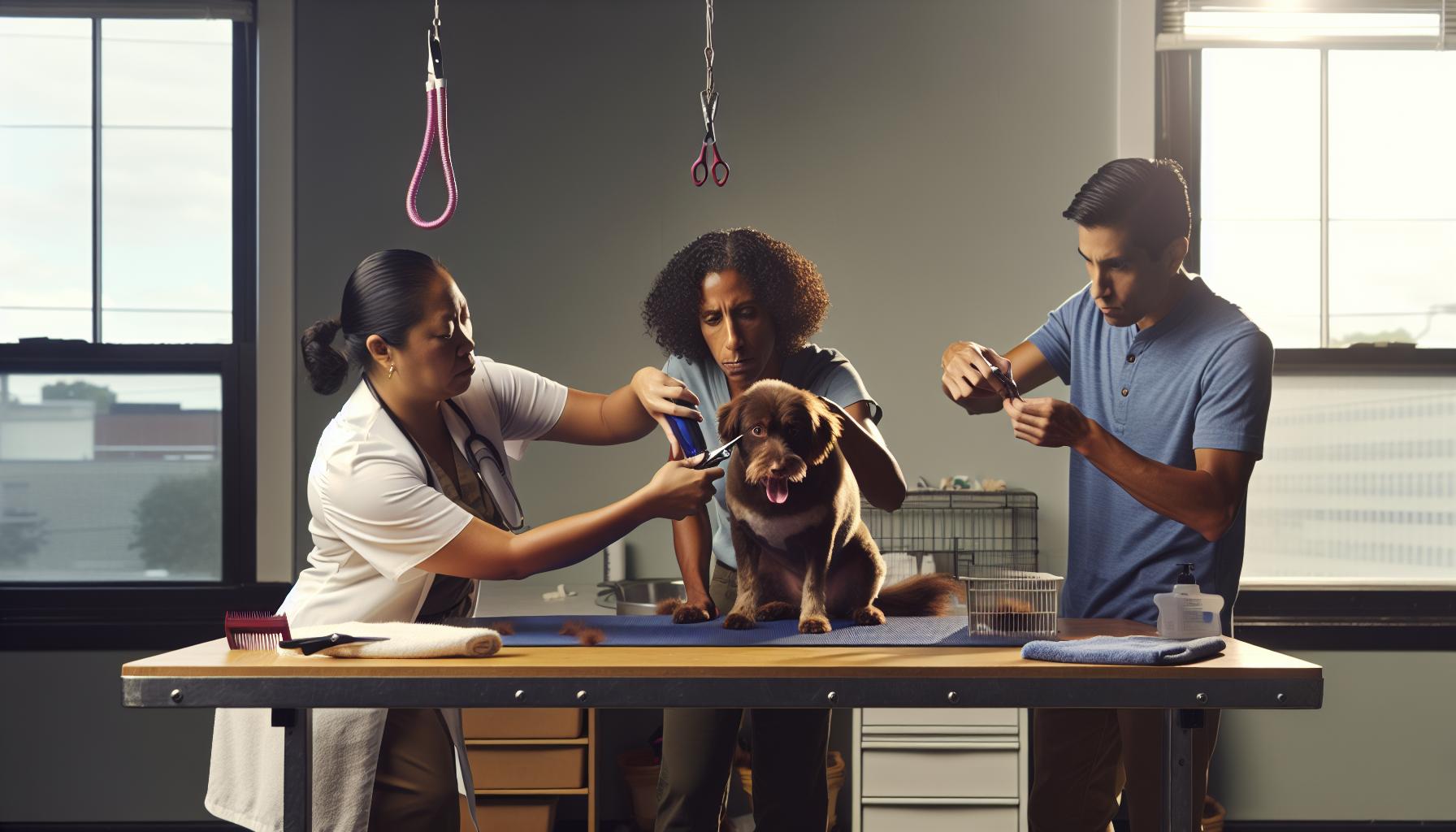
Faq
Q: How do professional dog groomers adjust clipper speed for different coat types?
A: Professional groomers adjust clipper speed by selecting tools with variable speed settings, allowing gentle grooming on sensitive or fine coats and faster, more powerful cuts on thick or matted fur. using the right speed prevents skin irritation and ensures a smooth, even trim. For detailed guidance, see our section on Best clippers for Different Dog Coat Types to match speed with coat needs.
Q: what clipper blades do groomers use for puppy fur?
A: Groomers typically use fine or surgical-grade blades (sizes 40 or 50) for puppy fur, as these blades are sharp and gentle, minimizing pulls or discomfort. Puppy fur is often soft and thin, so using quieter, slower-speed clippers with these blades helps keep young dogs calm and safe during grooming.
Q: Can professional clippers be used for trimming around a dog’s sensitive areas?
A: Yes,professional clippers with precision blades and adjustable guards are ideal for trimming sensitive areas like paws,ears,and the face. Groomers choose quieter, lower vibration models with fine blades to ensure comfort and safety, as also detailed in our How to Choose Clippers for Sensitive or Anxious Dogs section.
Q: Why do some dog groomers prefer corded clippers over cordless ones?
A: Many groomers prefer corded clippers due to their consistent power output, which allows uninterrupted grooming sessions without battery drain. Corded models usually offer stronger motor performance, ideal for thick or matted coats. Though, cordless clippers offer convenience and mobility, as discussed in Corded vs. Cordless Clippers: Pros and Cons.
Q: How often should groomers change or sharpen clipper blades?
A: Groomers should generally sharpen or replace blades every 4-6 grooming sessions or sooner if blades pull hair or overheat. sharp blades deliver cleaner cuts, reduce grooming time, and prevent pet discomfort. Regular maintenance routines are crucial for long-lasting clippers, explained further in Maintenance tips for long-Lasting Clippers.
Q: What makes a clipper suitable for professional dog grooming competitions?
A: Clippers suitable for competitions are ultra-quiet, lightweight, with adjustable speed controls and precision blades. They offer high motor power for fast, accurate trims without disturbing the dog. Look for models favored by expert groomers as noted in Top Brands Used by Expert Dog Groomers to achieve show-quality results.
Q: How do groomers prevent overheating during long grooming sessions?
A: Professional groomers prevent clipper overheating by using clippers with high-quality motors and cooling vents, frequent breaks during grooming, and regular blade oiling. Switching blades or using cooling sprays also helps maintain safe temperatures, avoiding burns and ensuring pet comfort, detailed in Troubleshooting Common Clipper Problems.
Q: Are there specialized clippers for grooming double-coated breeds?
A: Yes, groomers use heavy-duty clippers featuring powerful motors and sturdy blades designed for double-coated breeds. These clippers handle dense undercoats without clogging or pulling hair. Consult the Best Clippers for Different dog coat Types section to find models specifically suited for breeds like Huskies or Golden Retrievers.
For more expert tips on professional dog grooming tools and techniques, be sure to explore our main guide sections. Your furry friend’s comfort and safety always come first!
Wrapping Up
Choosing the right clippers is key to making every grooming session safe, comfortable, and effective-whether you’re working with a curly-coated poodle or a thick-coated shepherd. Remember, professional dog grooming tools aren’t one-size-fits-all; your breed, coat type, and the specific grooming task each call for tailored equipment and gentle techniques. If you’re ready to elevate your grooming game, start by exploring recommended clipper models and essential accessories to match your pet’s unique needs.
For more guidance, check out our detailed Dog Grooming Basics and Coat-Specific Grooming Tips to build confidence step-by-step-covering everything from baths and brushing to nail care and ear cleaning. Don’t hesitate to subscribe to our newsletter for insider tips and special offers, or reach out for personalized advice tailored to your furry friend. Your pet’s comfort and well-being come first, and with the right tools and approach, every groom can be a calm, positive experience.
Feel free to leave a comment sharing your favorite clippers or questions-we love helping pet parents and professional groomers alike. Keep exploring, keep caring, and rely on trusted, evidence-based advice to keep your dog happy and looking their best!
Get our latest guides, news, and insights highlighted in your Google Search & AI Overviews.
Keep reading about the same coat and cut.




Popular grooming guides
Bath vs clip, first grooms, and salon how-tos.