Do Dog Groomers Clip Nails: Standard Services Included
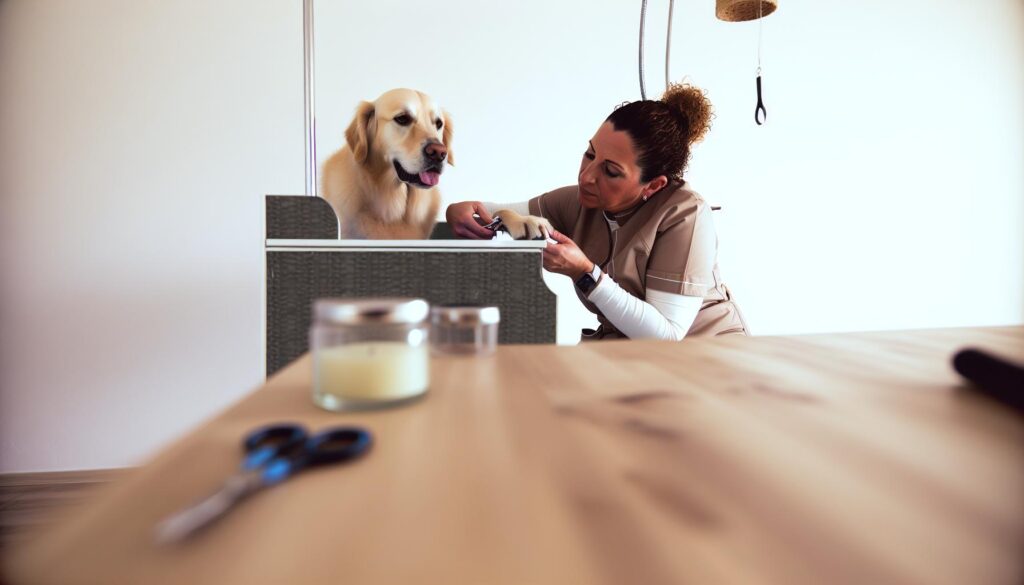
Did you know that regular nail trimming is just as crucial as a clean bath or brush when it comes to your dog’s grooming routine? Many pet owners wonder if nail clipping is part of the standard services groomers provide-and the answer is yes. Keeping your dog’s nails at a healthy length prevents discomfort, reduces the risk of injury, and supports overall paw health. Whether you have a small breed with delicate nails or a larger dog with tough, fast-growing claws, professional groomers use the right tools and techniques to trim nails safely and comfortably. This is especially helpful if your furry friend is anxious or squirmy during nail care. Understanding what’s typically included in grooming sessions empowers you to make informed decisions about your pet’s wellbeing. By learning how groomers approach nail clipping with care and patience,you can feel confident about trusting the experts or even trying certain steps at home. Let’s explore why nail clipping is a key part of grooming and how it fits smoothly into your dog’s regular care routine.
Understanding Dog Nail Clipping: Why It Matters in Grooming
Table of Contents
- 1 Understanding Dog Nail Clipping: Why It Matters in Grooming
- 2 What Nail Clipping Services Do Groomers Typically Offer
- 3 How Groomers Safely Handle Nail Trimming for Anxious Dogs
- 4 Tools and Techniques Professional Groomers Use for Nails
- 5 Signs Your Dog Needs a Nail Trim before Grooming
- 6 Differences Between Groomer, Vet, and Owner Nail Care
- 7 Common Nail Clipping Challenges and How Groomers Overcome Them
- 8 How Often Should Your Dog’s Nails Be Trimmed by a Groomer?
- 9 What to Expect During a Nail Trim Appointment
- 10 Tips for preparing Your Dog for Their Nail Clipping Session
- 11 Addressing nail Care for Different Dog Breeds and Coat Types
- 12 When to Seek Veterinary Help Beyond Groomer Nail Services
- 13 FAQ
- 13.1 Q: Do dog groomers include nail clipping in regular grooming packages?
- 13.2 Q: Can professional groomers trim the nails of dogs with very dark or thick nails?
- 13.3 Q: Why might some groomers charge extra for nail clipping during grooming?
- 13.4 Q: How do groomers handle nail clipping for highly anxious or fearful dogs?
- 13.5 Q: Is nail clipping by groomers safer than trimming dog nails at home? Why?
- 13.6 Q: How do groomers adjust nail clipping techniques for different dog breeds and coat types?
- 13.7 Q: When should pet owners request a professional nail clipping separate from full grooming?
- 13.8 Q: What should owners communicate to groomers regarding nail clipping preferences or concerns?
- 14 Wrapping Up
Many pet owners underestimate just how important nail care is for a dog’s overall health and comfort until they notice their furry friend limping or their furniture bearing fresh scratches. Nails that are left too long can cause pain, affect a dog’s gait, and increase the risk of injury. This is why professional groomers prioritize nail clipping as part of their standard services-it’s not just about aesthetics but about maintaining your dog’s wellbeing.
Dogs rely on healthy nails for proper traction and balance, whether they’re sprinting after a ball or leisurely exploring the backyard. Overgrown nails can eventually lead to cracking, splitting, or nail bed infections.By including regular nail trims in grooming sessions, groomers help prevent these issues, ensuring dogs remain comfortable on their paws while also enhancing their overall grooming experience.
Why Professional Nail Trimming Goes Beyond Looks
Experienced groomers don’t just clip nails to a short length; they consider each dog’s individual needs such as breed, nail color, thickness, and activity level. For example, dogs with darker nails require extra caution to avoid cutting into the quick-the sensitive part containing blood vessels-while dogs with lighter nails allow for a bit more visible trimming margin. Groomers use specialized tools and techniques to safely and efficiently remove excess length without causing stress or injury.
Building Trust and Comfort During Nail Care
For many dogs, nail clipping can be an anxious experience. Skilled groomers understand this and employ patient, gentle handling to create a calm surroundings. Some practitioners use distractions like lick mats with peanut butter or take breaks between nails to build the dog’s tolerance gradually. This thoughtful approach allows for a safer, less stressful experience that encourages owners to maintain regular nail care at home alongside professional visits.
- Healthy nails support joint alignment and prevent painful walking habits.
- Regular trims reduce the chance of nail-related infections and injuries.
- Professional groomers adjust techniques based on breed-specific nail growth and texture.
- Anxiety-aware approaches ensure a stress-free experience that benefits both dog and owner.
Integrating nail clipping into routine grooming not only keeps your dog looking neat but also promotes their physical comfort and confidence. This holistic focus highlights why nail trims are an essential, non-negotiable part of professional dog grooming services.
What Nail Clipping Services Do Groomers Typically Offer
when you bring your dog to a professional groomer, nail clipping is more than a quick snip-it’s a carefully tailored service designed to support your pet’s comfort and health. Most groomers include nail trimming as a standard part of their grooming packages, recognizing that well-maintained nails help prevent pain, injury, and behavioral issues related to discomfort. From small breeds with delicate, translucent nails to larger dogs with thick, challenging nails, groomers adjust their approach to meet each dog’s unique needs.
Typically, the nail clipping service includes:
- Precise trimming: Groomers skillfully trim nails to the appropriate length, avoiding the quick-the sensitive area inside the nail that can bleed and hurt if cut. For dogs with dark nails where the quick isn’t visible, the groomer trims cautiously and incrementally to protect the nail bed.
- Optional nail grinding: Some salons offer a smoothing step using a nail grinder after clipping.this gently buffs sharp edges, reduces the chance of snagging or splitting, and can even help desensitize anxious dogs over time.
- Pad and toe inspection: Groomers don’t just look at the nails; they check between toes and pads for debris, irritation, or infections, alerting owners if any issues emerge.
- Handling anxious or sensitive dogs: Extra care is given to pups who fear nail trims. Groomers might trim just a few nails per session or use calming aids like gentle restraint, soft talk, and distractions to make the process stress-free.
Personalized Care Based on Breed and activity
Different breeds have distinct nail growth rates and nail toughness. Active dogs who run on hard surfaces may naturally wear down their nails more than indoor or less active pets. Groomers take these factors into account, ensuring nails don’t get too short for dogs that need better traction or too long for couch potatoes prone to nail-related issues. For example, a greyhound’s slender nails require a delicate touch, while a Labrador’s thicker nails might need more robust tools and techniques.
Veterinarians focus on medical nail issues or injuries, but groomers provide regular maintenance to keep nails healthy and functional.While many owners can trim their dog’s nails at home, professional groomers bring expertise, proper tools, and calm handling to minimize mistakes, such as over-clipping or causing pain. Groomers also offer advice on how to handle nail care at home and when a vet visit might be necessary due to infection or trauma.
nail clipping services at the groomer’s combine precision trimming, comfort-focused handling, and breed-specific adjustments-giving your dog safer, stress-free nail care that supports their overall wellbeing. If your dog is a nervous nail trimmer or a difficult clip candidate, don’t hesitate to mention this to the groomer ahead of time to ensure a gentle, patient experience.
How Groomers Safely Handle Nail Trimming for Anxious Dogs
Many dogs experience stress or fear around nail trimming, turning what should be a quick and simple part of grooming into a challenging scenario. Professional groomers know that anxiety isn’t just about being “difficult”-it’s a real emotional response that needs patience, gentle handling, and thoughtful techniques to keep your dog calm and safe throughout the process. Tackling nail trimming anxiety with kindness creates a foundation of trust that can make future sessions easier for both dog and owner.
Groomers approach anxious dogs with a step-by-step, individualized plan. They ofen start by building positive associations with nail care through touch desensitization-gently handling paws outside of trimming time, rewarding calm behavior with treats and praise. During the session, they trim just a couple of nails at a time instead of all at once.This paced approach prevents overwhelming the dog and allows breaks so your pet can relax between clips. Using soft voices, slow movements, and reassuring touch helps create a soothing environment where your dog feels secure.
- Gentle restraint techniques: Instead of forceful holding, groomers use careful positioning or have an assistant help to hold a squirmy dog comfortably. Towel wraps or calming wraps are sometimes employed to provide a snug,reassuring feeling.
- Distraction and enrichment: Some groomers use peanut butter smeared on a lick mat or engaging toys to distract the dog’s focus from the trimming.
- Tools chosen thoughtfully: Clippers that operate quietly and smoothly reduce startling noises; nail grinders can be introduced gradually when dogs tolerate touch better but still find clipping stressful.
Interaction with you, the owner, is also a vital part of managing anxiety. A skilled groomer will ask about your dog’s past experiences, sensitivities, and comfort triggers. This info informs their approach and helps them know when to proceed slowly or when it might potentially be best to split nail trims across multiple sessions. For particularly fearful dogs, groomers may also reccommend working with a professional trainer creating positive builds to nail trimming routines at home, so the dog becomes more comfortable over time[[1]](https://www.reddit.com/r/doggrooming/comments/10ivchc/anxious_dog_wont_let_anyone_cut_his_nails/) [[2]](https://www.facebook.com/groups/327575727335701/posts/9705378906221956/).By prioritizing comfort over speed or perfect aesthetics, groomers emphasize welfare above all else. This compassionate, patient mindset means every dog, no matter how nervous, receives the care they need with respect and kindness, making nail trimming a safer, less stressful experience for everyone involved.
Tools and Techniques Professional Groomers Use for Nails
Nail care might seem straightforward, but professional groomers know the difference the right tools and techniques make-not just for a clean cut, but for your dog’s comfort and safety. the best groomers match their approach to each dog’s breed, nail thickness, and temperament, ensuring a gentle experience tailored to your furry friend’s needs. Whether your dog has tough, dark nails or delicate, brittle ones, a skilled groomer uses a combination of carefully selected equipment and tried-and-true methods to minimize stress and avoid injury.
- Choosing the Right Clippers: Groomers typically use one of three main types of nail clippers: plier-style, guillotine, or scissors. Pliers are sturdy and great for larger breeds with thick nails. Guillotine clippers work well on small to medium dogs with thinner nails, offering more precision, while scissors-style can be useful on nails with a softer texture. Many groomers own clippers that operate quietly and smoothly to avoid startling sensitive pups-a considerate detail that helps reduce anxiety during trimming.
- Introducing nail Grinders: A quieter, more gradual alternative gaining popularity is the nail grinder. instead of chopping nails at once, grinders gently file the nail down in layers. for dogs who flinch or resist clippers,grinders can be presented slowly to ease them into the sensation. Grinding also smooths sharp edges,reducing the chance of scratching after the trim.
- Safety and comfort Tools: Groomers often use calming wraps or towels to gently restrain squirmy dogs, creating a sense of security without tight holds. Distraction aids, like lick mats smeared with peanut butter or engaging toys, help focus attention away from the paws. These little comforts create a supportive environment where dogs feel seen and soothed, not trapped.
Step-by-Step Gentle Trimming Techniques
Before clipping, groomers carefully examine each nail to locate the quick-especially critically important on dark nails where the quick isn’t visible. They trim just a small amount at a time, making several short clips rather than one big cut. This patient approach prevents cutting into the quick, avoiding pain and bleeding. Breaks between nails let the dog relax, reducing overall tension. A calm voice and slow, intentional motions also signal safety to your pet.
In practice, a groomer might start by gently massaging the paws to build positive associations, then clip a few nails, reward with a treat, and pause.For highly nervous dogs, nail care might potentially be split across multiple sessions, allowing your pup to gradually build comfort and trust. This thoughtful process emphasizes welfare over speed, ensuring every dog walks away feeling secure and cared for.
| Tool | Best For | notes |
|---|---|---|
| Plier-Style Clippers | Large breeds, thick nails | Strong leverage, can handle tough nails |
| Guillotine Clippers | Small to medium dogs | Precise cuts, quick action |
| Scissors-Style Clippers | Delicate nails, puppies | Controlled cuts, less pressure |
| Nail Grinders | Dogs sensitive to clippers | Gradual smoothing, reduces sharp edges |
While some owners trim nails comfortably at home, groomers bring professional expertise in recognizing subtle signs of nail issues and adjusting techniques on the spot. They balance tools, patience, and gentle handling to keep every session safe and stress-free. Understanding these thoughtful choices can give you confidence in the care your dog receives and guide you in supporting their nail health between appointments[[1]](https://www.thesprucepets.com/best-dog-nail-clippers-4152969) [[3]](https://www.petsmart.com/dog/grooming-supplies/nail-clippers-and-grinders).
Signs Your Dog Needs a Nail Trim before Grooming
Frequently enough, the subtle signs that your dog’s nails need trimming can be easy to overlook, yet they play a crucial role in your pet’s comfort and overall health. Overgrown nails don’t just affect appearance-they can lead to pain,altered gait,and even injuries. Before your grooming appointment,spotting these cues helps ensure your dog’s nail care session is safe and stress-free.
One clear indication is when you hear clicking noises as your dog walks on hard floors. This sound often means nails have grown too long and are tapping the surface rather than resting naturally. Another important signal is when your dog’s nails visibly curl or start touching the ground even while standing. Nails touching the surface like this can push into the paw pads,causing discomfort or even infections if left unattended.Dogs might also show behavioral signs such as reluctance to walk or sudden limping, wich can be a reaction to painful, ingrown nails. Pay attention to how your dog places their paws-if they’re holding them awkwardly or frequently shaking their feet, nails might be the culprit. Similarly,when your dog tends to scratch furniture or carpet with more force than usual,it may be an unconscious effort to “file down” excessively long nails.
Before the Grooming visit: What to Check
- Visual Length and Shape: Take a good look at your dog’s nails from the side. are they extending beyond the toe pad? Are any nails crooked or splitting? These are key signs for trimming.
- Walking and Posture: Watch how your dog moves. Hesitation, limping, or shifting weight away from a paw can hint at nail-related discomfort.
- Paw Inspection: look for redness, swelling, or signs of infection around the nail beds, which point to possible nail problems requiring professional attention.
knowing your dog’s breed and coat type also helps anticipate nail growth patterns. Such as, active dogs on rough outdoor surfaces frequently enough wear their nails down naturally, while small breeds or indoor pups may need more frequent trims. Groomers are trained to tailor their approach accordingly, but having this awareness helps you communicate effectively and collaborate on your dog’s care plan.
If you notice severe symptoms like bleeding, cracked nails, or obvious pain, this might potentially be a time to seek veterinary advice rather than a routine grooming trim. Groomers excel at basic and regular nail clipping, but vets can handle medical issues beyond routine maintenance.
Taking a little time to observe these signs before your dog’s grooming appointment empowers you to support their comfort and safety. It also makes the session smoother for everyone involved-your pup, the groomer, and you.Remember, gentle, attentive nail care is about wellness, not just neatness. Your calm attention and partnership with the groomer create a positive experience that can help even the most anxious dogs feel secure and cared for.
Differences Between Groomer, Vet, and Owner Nail Care
When it comes to caring for your dog’s nails, understanding the distinct roles between groomers, veterinarians, and pet owners can make a real difference in ensuring your furry friend’s comfort and health. While all three contribute to nail care, each plays a unique part shaped by training, tools, and context-knowing these helps you make informed choices about when and how to seek help.
Professional groomers are experts in routine nail trimming as part of extensive grooming sessions tailored to your dog’s breed, coat, and temperament. They use specialized tools like sharp clippers and grinders designed for precision and safety, frequently enough paired with calming techniques to ease anxious dogs. Groomers focus on keeping nails at a comfortable length to prevent overgrowth and splitting, frequently assessing nail condition during each visit. Such as, a groomer working with a small, indoor dog may recommend trims every 3-4 weeks, while an active sled dog on rough terrain might need less frequent maintenance. Groomers excel at making nail care a stress-free, regular part of your dog’s wellness routine and are skilled at recognizing when nails require closer inspection or medical attention.
Veterinarians step in when nail health crosses into the medical realm. They are trained to manage complications such as infected nail beds, severely cracked or bleeding nails, or painful ingrown nails that may need antibiotics or specialized treatment. Vets can also sedate nervous dogs when trimming is or else unsafe, which groomers typically avoid due to the inherent risks.Additionally, vet visits often include a deeper focus on your dog’s overall foot health, checking for underlying issues such as arthritis or tumors impacting nail growth and comfort. If your dog has any wounds, persistent licking, or obvious signs of pain around the paws, a veterinary exam is the best first step rather than a grooming trim.
As a pet owner,you hold the vital role of daily caretaker and first responder. Regularly checking your dog’s nail length, behavior, and walking comfort gives you early clues about when a trim is needed. Trimming nails at home is entirely manageable with the right tools (proper clippers, grinders, and styptic powder) and patient technique, especially if you start slowly and keep sessions positive. Simple actions like familiarizing your dog with being handled on their paws and rewarding calm behavior can reduce nail trim anxiety over time. However, owners should recognize their limits-if your dog resists severely, has black nails making it hard to trim safely, or shows signs of discomfort, it’s better to call a professional. Mismanaged DIY clipping runs the risk of cutting too short and causing pain or bleeding.
- Groomer Expertise: Regular trims, stress-free handling, breed-appropriate approaches, professional-grade tools
- veterinary Care: Medical nail issues, sedation for difficult dogs, infection treatment, diagnostic expertise
- Owner Role: Daily observation, light home trims, building comfort and trust, knowing when to defer to pros
You might think of this partnership as a safety net-owners provide attentive daily care; groomers maintain routine trims with care and efficiency; vets address health problems when nails become more than a cosmetic concern. This teamwork creates a balanced approach to maintain your dog’s paws healthy, happy, and free from discomfort-all while respecting your dog’s personality and welfare. remember, no one expects perfect nails, just nails trimmed safely, patiently, and compassionately. If ever in doubt, consulting your groomer or vet ensures your supporting your dog with the best care possible.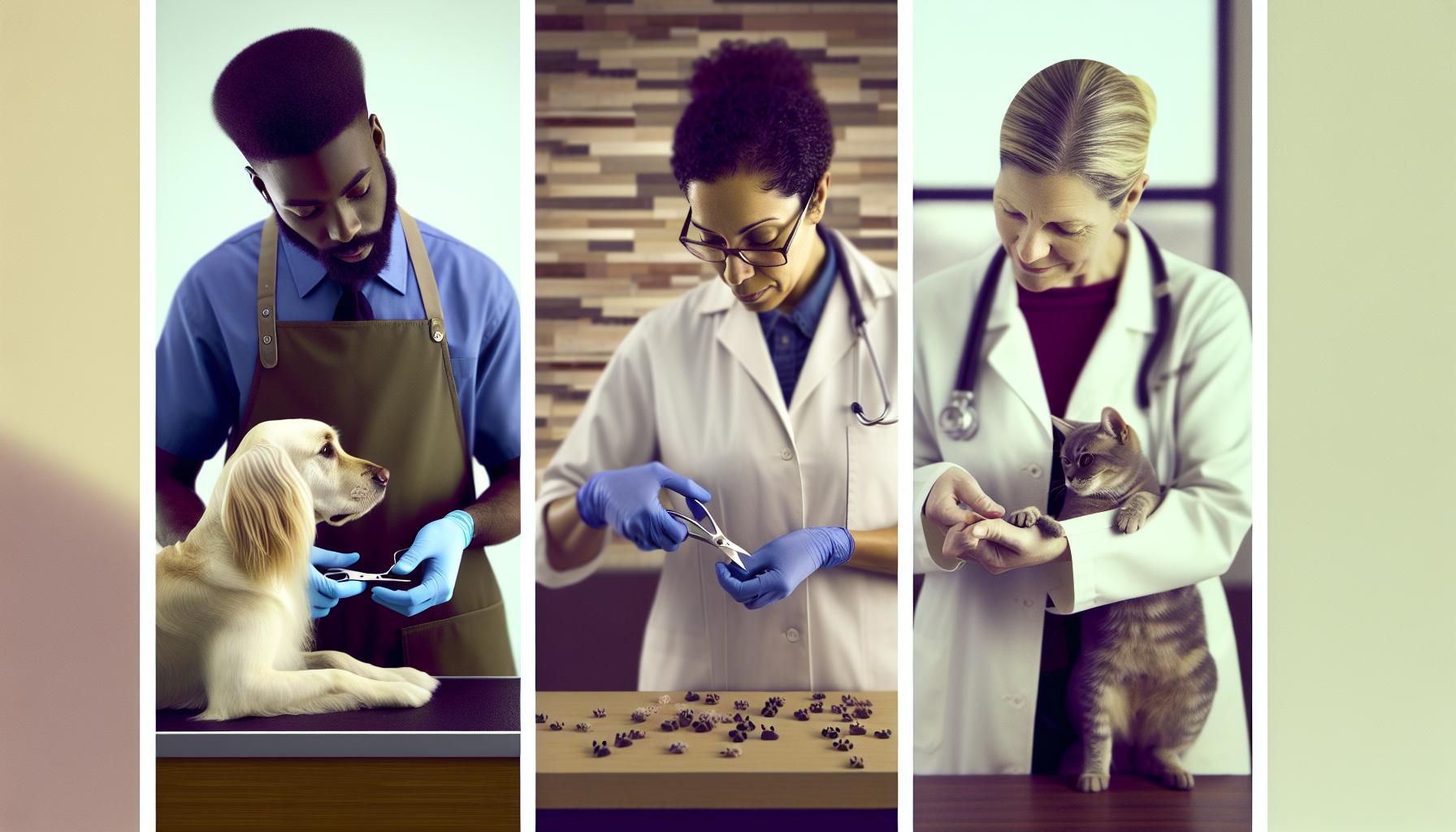
Common Nail Clipping Challenges and How Groomers Overcome Them
Nail trimming might seem straightforward, but every groomer knows it comes with its unique hurdles. From squirmy pups to tricky nail anatomy, the challenges can test even the most experienced hands. Yet, through patience, specialized tools, and gentle techniques, groomers turn what could be a stressful event into a calm, safe experience – ensuring both dog and owner feel confident and cared for.
Common Obstacles and Calming Strategies
Many dogs aren’t thrilled about nail trimming because their nails contain sensitive quicks rich in nerves and blood vessels. if nails are dark or long, it’s harder to see where the quick ends, increasing the risk of accidental cuts. Groomers often face resistance from anxious or fidgety pets, who may try to pull away or paw at the clippers. This is especially true for nervous rescues or small breeds with delicate nails.
to help calm anxious dogs, groomers rely on a multi-step approach, including:
- desensitization: Gradually handling paws and rewarding calm behavior over several visits to build trust.
- Secure positioning: Gentle restraint through slings or wraps that keep movement minimal without causing distress.
- Distraction techniques: Using treats, soothing voices, or gentle massage during trimming to ease anxiety.
Tailored Tools for Tackling Tough Nails
The right tools make all the difference. For small or fragile nails, groomers favor sharp, precision clippers that reduce crushing and splitting. For thick, rough nails common in working breeds or senior dogs, grinders allow slow, controlled filing, minimizing heat and sudden pressure. Some groomers use LED nail grinders or clippers with safety guards to avoid cutting too deeply.
When nails grow too long and curl back painfully, a simple clip isn’t enough. Groomers then take incremental trims over multiple appointments to shorten the nail safely without hitting the quick. This careful process prevents bleeding and discomfort, showing compassion over quick fixes.
Every dog’s nail care journey is unique.such as,a Terrier with black nails and a high-energy temperament may require more frequent,gentle trims to avoid overgrowth and stress buildup. In contrast, a large Golden Retriever‘s nails may clip easily but need extra attention to scaling and smoothing rough edges.
Groomers recognize when a nail’s condition suggests a veterinary check-such as bleeding that won’t stop, swelling, or deep cracks. Rather than pushing through, they encourage owners to consult their vet to address underlying health concerns. This collaboration between groomer and vet prioritizes safety and long-term wellbeing.
For nervous owners worried about hurting their dog or causing drama, professional groomers offer reassurance and guidance. They emphasize that nails don’t have to look “perfect”-the goal is safe, comfortable lengths that keep paws happy and active. By sharing tips and encouraging gradual at-home care where possible, groomers empower pet parents to feel calm, confident, and connected through nail routine.
- Remember: Patience, respect for your dog’s personality, and proper tools create a positive experience.
- When in doubt: Always reach out to a professional groomer or veterinarian.
- Celebrate progress: Even small wins in nail handling build trust over time.
Together, these thoughtful approaches overcome the common nail trimming challenges, turning a necessary chore into an act of loving care.
How Often Should Your Dog’s Nails Be Trimmed by a Groomer?
Nail length isn’t just about appearance-it directly affects your dog’s comfort and mobility. While some dogs naturally wear down their nails through activity, many rely on regular trims to prevent overgrowth, splitting, or painful curling. How often nails need clipping varies widely and depends on factors like breed, activity level, age, and even the surfaces your dog walks on daily. Groomers tailor their approach to meet your dog’s individual needs, helping maintain healthy paws and avoiding stressful overgrowth.
Small breeds with slower nail wear, like Chihuahuas or Dachshunds, often benefit from nail trims every 3 to 4 weeks, since their nails can grow quickly and easily become too long. Larger, active breeds-think Labrador Retrievers or Border Collies-that walk or run regularly on hard surfaces might only need trims every 6 to 8 weeks because natural abrasion keeps nail length in check. Senior dogs or those less active can also need more frequent trims as their nails grow faster but receive less natural filing through movement. Groomers keep these variables in mind, adjusting appointments accordingly and recommending schedules that fit your dog’s lifestyle.
Making Sense of different Trim Frequencies
- Active large breeds: Every 6-8 weeks is often sufficient when natural wear occurs.
- small or less active dogs: Every 3-4 weeks helps prevent painful overgrowth and splits.
- Dogs with dark or thick nails: Closer inspections and recounts by a pro ensure the quick isn’t cut.
- Rescues or anxious dogs: More frequent, gentle trims build comfort and trust with grooming sessions.
For example, a sprightly Terrier with dark nails might need quarterly trim appointments plus at-home touch-ups because their quick can be tricky to see and nails grow fast. In contrast, a calm senior Golden Retriever may only need professional trims every two months, assuming some at-home care.
When Groomer vs. Vet or Owner Trimming Makes Sense
Regular trims at the groomer’s keep nails manageable and your dog comfortable, but it’s not always a strict schedule. Groomers excel at safe,efficient clipping and smoothing rough edges,especially when handling challenging nails or anxious pets. Though, if you notice signs like persistent bleeding, swelling, or odd nail shapes, a vet’s exam is crucial to rule out infections or other health issues. At home, owners can maintain nail length between visits by gently grinding or clipping as advised by the groomer, but professional trims remain a cornerstone for safety and thorough care.
Tips for Maintaining Nail Health Between Appointments
- Keep an eye on nail length: When nails start clicking on floors, it’s time for a trim.
- Schedule trims alongside baths or brushing: This creates a consistent grooming routine.
- Communicate with your groomer: Share any concerns like nail splitting or resistance so they can tailor care.
- Use positive reinforcement: Reward calm behavior during trims to reduce anxiety and foster cooperation over time.
Ultimately, your groomer’s expertise supports not just precise trimming but also a schedule that fits your dog’s unique paw care needs.This thoughtful timing helps keep nails at a safe, comfortable length-so your furry friend can walk, play, and snuggle without worry.

What to Expect During a Nail Trim Appointment
It’s remarkable how much a simple nail trim can contribute to your dog’s overall well-being-comfort,mobility,and even mood are all impacted. When you bring your dog in for a professional nail trim,the process is designed to be smooth,stress-free,and tailored to your pet’s unique needs. Expect warm, gentle handling that prioritizes your dog’s safety and emotional comfort throughout the appointment.
What Happens Step-by-Step During a Nail Trim
Upon arrival,the groomer will usually begin with a quick health check of your dog’s paws and nails. This helps identify any sensitive nails, cracks, or signs of infection that might require extra care or veterinary attention. Each dog is different-some breeds have thick, dark nails that need closer inspection, while others have more delicate or translucent nails that are easier to trim without risking the quick (the sensitive, blood-rich core inside each nail).
next, your dog will be gently restrained in a way that feels secure yet comfortable-frequently enough while sitting or laying down-in preparation for the clipping. Many groomers use specialized nail clippers or grinders suited to your dog’s nail size and type.clippers allow for quick, precise cuts, while grinders smooth edges gradually, which can be less stressful for some pets. The groomer works carefully, trimming bit by bit to avoid cutting too short and causing pain or bleeding.
- for anxious dogs: The groomer may trim just a few nails at a time,offering breaks filled with praise,treats,or even a calming lick mat.
- For thick or fast-growing nails: Multiple passes with gentle checks ensure safety and clean results.
- For small or squirmy dogs: extra patience and calm handling help keep stress minimal.
After the Trim: Finishing Touches and Owner Guidance
Once clipping is done, groomers typically smooth nails to avoid sharp edges that can snag or cause discomfort.They also clean the paws if needed,removing any debris or dirt. Before your dog leaves, the groomer often provides advice on nail care at home, offering tips like regular easy trims or safe grinding to maintain healthy nails between appointments.
If any problems were found, such as inflammation or possible infections, the groomer will recommend you consult your vet. This is crucial-while groomers are skilled in nail care, veterinarians are best equipped to handle medical issues that affect nails or surrounding tissue. Your groomer’s role includes knowing these boundaries and guiding you accordingly.
Helpful Tips to Feel Confident About the Appointment
- Bring your dog’s usual leash or harness: Familiar items help your pet feel secure.
- Share your dog’s nail history: Let the groomer know about sensitivity,past bleeding,or anxiety.
- Ask about tools they use: If noise or sensation bothers your dog, inquire about grinders as an alternative to clippers.
- Schedule nail trims with other grooming services: Combining tasks like brushing or baths helps your dog settle into the routine.
Remember, your dog’s safety and emotional comfort are at the forefront. Professional nail trims at groomers are not about achieving a “perfect” look, but about maintaining healthy paws and a happy, pain-free pet. With each session, your dog will learn to trust the process a little more-and you can feel confident knowing they are in caring, capable hands.
Tips for preparing Your Dog for Their Nail Clipping Session
Nail clipping can be a source of anxiety for many dogs, but with thoughtful preparation, you can definitely help your furry friend approach their grooming appointment with greater ease and calm. One helpful starting point is to get your dog comfortable with having their paws handled well before the day of the trim. Gently touch and hold their paws during playtime or quiet moments, pairing this with soothing praise or treats. This builds positive associations and reduces sensitivity, especially critically important for breeds with thick coats or nervous tendencies.
Approaching the appointment, consider your dog’s unique needs and personality. Small or squirmy dogs often benefit from shorter, calmer trips to the groomer, ideally scheduled alongside other grooming services like brushing or bathing to establish a familiar routine.For dogs with a history of nail sensitivity or previous discomfort,communicate this openly with the groomer-sharing details helps them prepare the right tools,such as quieter grinders rather of clippers,which some dogs find less startling. Bringing along your dog’s favorite leash, harness, or a beloved toy provides a comforting scent and sensation, anchoring them amidst the new environment.
- Practice positive interactions with nail tools: If possible, introduce your dog to clippers or grinders at home by letting them sniff and investigate while offering treats, creating a positive connection without pressure.
- Keep sessions brief and rewarding: Short handling and nail touching exercises can be repeated several times a day, gradually increasing your dog’s tolerance and confidence over time.
- plan for post-trim rewards: Coordinate with your groomer to have a tasty treat or praise waiting after the clip, reinforcing calm behavior and making future trims something to look forward to.
If your dog is particularly anxious, remember that professional groomers are trained to work patiently and safely. They frequently enough take breaks during the session, trimming only a few nails at a time to minimize stress. As an owner, ensure your house is calm and comfortable before and after the appointment to help your dog decompress. Lastly, understand that while grooming professionals excel in regular nail care, any abnormal signs like bleeding, infection, or paw pain should be discussed with your veterinarian to protect your dog’s health fully. With these steps, you weave trust and comfort into every nail clipping experience, paving the way for happier, healthier paws throughout your dog’s life.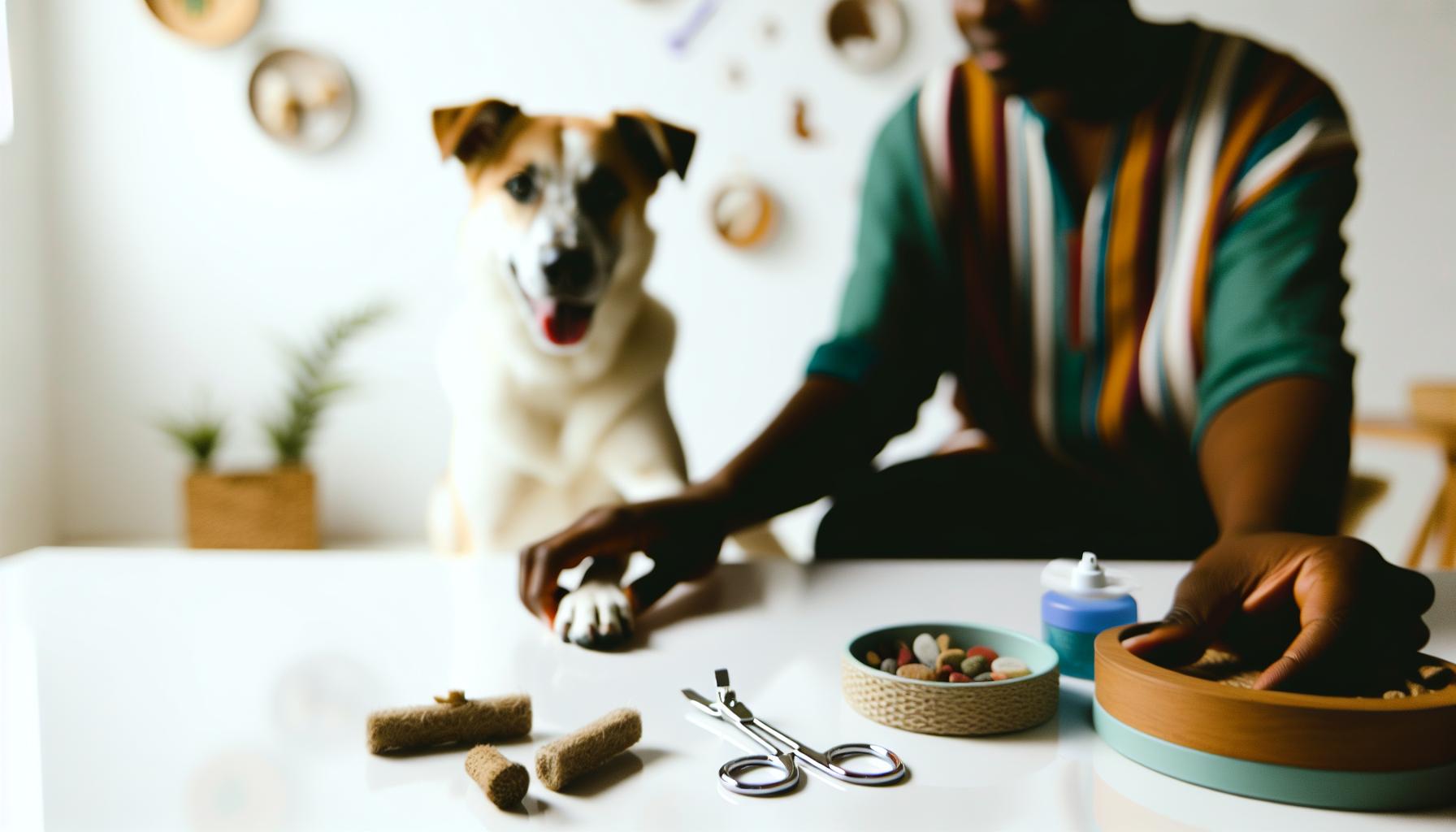
Addressing nail Care for Different Dog Breeds and Coat Types
Nail care isn’t a one-size-fits-all task, especially when you consider the wonderful variety of dog breeds and coat types out there. Different breeds not only wear down their nails at different rates but also have unique paw shapes, nail thicknesses, and sensitivities that influence how groomers approach trimming. For example, a nimble Greyhound with thin, delicate nails demands a different touch compared to a sturdy Bernese mountain Dog whose thick nails may require heavier-duty clippers or grinders to ensure a smooth, safe finish.
Coat type also plays a subtle but important role. Breeds with dense or long fur-think Afghan Hounds, Newfoundlands, or some Spaniels-frequently enough have fur that grows between and around their toes. This can hide nail length and sometimes cause matting close to the nail bed. Groomers carefully clear these areas first to get full visibility and prevent pulling or discomfort during clipping. For breeds with shorter coats, nails can be more visible and easier to assess, but these dogs may still have quicks that extend unusually far, especially in puppies or dogs that don’t get regular trims.
Tools Tailored to Breed and coat
Professional groomers select their equipment thoughtfully based on these factors. For tiny breeds like Chihuahuas or Yorkshire Terriers, precision scissors or small nail clippers help avoid splitting or crushing slender nails. Larger or working breeds – like Labradors or German Shepherds – frequently enough benefit from sturdy guillotine-style clippers or electric grinders that allow for controlled shaping without cracking the nail. Electric grinders have the added advantage of letting the groomer smooth callused or rough edges, which is especially helpful for breeds prone to dry, brittle nails.
Patience and Technique for Sensitive Paws
Some breeds come with more sensitive or anxious personalities,and their response to nail clipping can be influenced by past experiences or natural temperament. For example, Toy breeds and brachycephalic dogs (like Pugs or Bulldogs) sometimes have a lower tolerance for restraint. Experienced groomers work slowly and gently, frequently enough trimming a few nails in one session and using positive reinforcement to build trust. They will often integrate calming techniques such as gentle paw massages or brief breaks between nails.
- Clear communication: Groomers encourage owners to mention any breed-specific tendencies or past nail-related difficulties ahead of time.
- Pre-trim inspection: By assessing nail color, thickness, and length, groomers can avoid cutting into the quick, especially important in dark nails where the quick isn’t visible.
- Customized approach: Sometimes switching from clippers to grinders or slowing the pace can make a big difference in comfort and safety.
Being aware of these differences empowers both groomers and owners. While groomers are expertly trained to adapt their techniques for each dog’s needs, owners should also understand when a vet’s involvement is necessary-especially in cases of infections, nail disease, or severe overgrowth. By respecting the unique paw and personality traits of each breed and coat type, nail care becomes a compassionate, confident routine that helps every dog step lighter and feel cared for deeply.
When to Seek Veterinary Help Beyond Groomer Nail Services
Nail trimming is a routine part of grooming for most dogs, but there are important times when a groomer’s skills have limits-and that’s exactly when a veterinary professional should take over. Recognizing these moments can prevent discomfort, pain, or worsening of underlying problems, ensuring your furry friend receives the best care possible.Sometimes, nails can become more than just a grooming challenge-they can signal health issues that require a vet’s expertise. As a notable example, if your dog’s nails are severely overgrown, splitting, or curling into the paw pads, routine trimming may not be enough. Overgrown nails can cause abnormal gait, pain, or even infections in the skin around the nails, which professional groomers aren’t equipped to treat. if you notice redness, swelling, discharge, or a foul odor near the nail bed, these are signs your dog needs a veterinary exam promptly.
Dogs with certain medical conditions-like nail bed infections (paronychia), fungal diseases, tumors, or injuries such as cracked or torn nails-also require veterinary attention. Groomers are trained to spot these abnormalities during nail inspection and will usually advise owners to seek vet care when problems look more than cosmetic.Additionally, if your dog reacts with intense pain, bleeding, or swelling after a nail trim, it’s critically important to have a vet evaluate to rule out infections or other complications that might require medication or specialized treatment.
- Persistent limping or favoring a paw after nail trimming is a red flag.
- Excessive bleeding that doesn’t stop in a few minutes signals a need for professional care.
- Nail deformities such as unusual thickening, discoloration, or rapid growth can indicate systemic health issues or fungal infections.
- Chronic nail overgrowth despite regular trims might potentially be linked to metabolic or nutritional problems requiring a vet’s diagnosis.
Understanding the Boundaries: groomer vs.Vet vs. Owner
professional groomers excel at maintaining your dog’s nail health through regular trims, using breed- and coat-appropriate tools, and employing gentle techniques that minimize stress. However, they are not equipped to diagnose or treat medical conditions. This clear boundary helps keep nail care safe and effective. Likewise, while many owners successfully clip nails at home, serious nail problems require veterinary evaluation to avoid causing harm.
If you or your groomer notice something unusual, don’t hesitate to schedule a vet visit. This partnership between groomers and veterinarians ensures your dog’s paws stay both lovely and healthy, combining compassionate care with professional expertise.
In short, always trust your instincts and your groomer’s advice. If nail care ever feels more elaborate than a simple trim, seeking veterinary help is the best way to protect your dog’s comfort and wellbeing-for happy paws today and every day to come.
FAQ
Q: Do dog groomers include nail clipping in regular grooming packages?
A: Yes, nail clipping is typically included in standard dog grooming packages unless otherwise specified. Groomers consider it a basic care step because trimmed nails prevent discomfort and enhance overall paw health.Always confirm with your groomer beforehand to understand the full scope of included services for your dog’s breed and coat type.
Q: Can professional groomers trim the nails of dogs with very dark or thick nails?
A: Absolutely,professional groomers are trained to safely trim dark or thick nails using specialized tools and techniques. They carefully avoid cutting the quick (the sensitive area inside the nail) by trimming gradually and may use files if clipping is difficult. For more details, see the section on tools and techniques used by groomers.
Q: Why might some groomers charge extra for nail clipping during grooming?
A: Some groomers charge separately for nail clipping if your dog has excessively long nails, nail damage, or behavioral challenges. Extended trimming time or additional care to calm anxious dogs can justify this fee. Discuss pricing in advance to avoid surprises, linking to common challenges groomers overcome for a better understanding.
Q: How do groomers handle nail clipping for highly anxious or fearful dogs?
A: Groomers use gentle restraint, calming techniques, and patience when clipping nails of nervous dogs. They may take breaks, offer treats, or involve owners to reduce stress.This approach prioritizes safety and comfort, as described in the section on safely handling nail trimming for anxious dogs.
Q: Is nail clipping by groomers safer than trimming dog nails at home? Why?
A: Nail clipping by groomers is frequently enough safer due to their experience, professional-grade tools, and knowledge of dog anatomy. They minimize risks like cutting too short or causing infection. Regular visits also help monitors nail health, linked to the comparison of groomer, vet, and owner nail care.
Q: How do groomers adjust nail clipping techniques for different dog breeds and coat types?
A: Groomers tailor nail clipping by considering breed-specific nail growth rates, paw structure, and coat characteristics. for example, active breeds with quick-wearing nails require less frequent trims, while thick-coated breeds may need careful handling. See the section on breed-specific nail care for tailored advice.
Q: When should pet owners request a professional nail clipping separate from full grooming?
A: Owners should book a separate nail clipping if their dog’s nails grow quickly or become uncomfortable between grooming sessions. Also, if nails are damaged or splitting, a focused nail appointment ensures prompt care. Learn more in signs your dog needs a nail trim before grooming.
Q: What should owners communicate to groomers regarding nail clipping preferences or concerns?
A: Owners should share any past nail clipping experiences, dog sensitivities, or behavioral triggers with groomers. Clear communication helps groomers customize techniques to keep your dog comfortable and safe. preparing your dog for nail care, as covered in preparation tips before nail clipping, improves the experience.
For additional expert tips on safely trimming dog nails and grooming essentials, explore our full guide sections and feel confident scheduling your pup’s next grooming session.
Wrapping Up
Now that you know nail clipping is a standard part of professional dog grooming, you can feel confident trusting your pet’s comfort and safety in experienced hands. Whether your dog has a thick coat needing regular brushing or delicate nails that require gentle care,groomers use the right tools and techniques tailored to your pup’s breed and needs. If you’re curious about other grooming essentials like bathing,ear cleaning,or coat maintenance,explore our detailed guides to keep your furry friend happy and healthy.
ready to make your next grooming appointment or learn how to safely trim nails at home? Check out our step-by-step tutorials and expert tips on dog grooming basics to become your dog’s best wellness partner. Don’t forget to subscribe to our newsletter for fresh advice and seasonal tips that keep your pup looking and feeling their best. Have questions or stories about nail care? Share them in the comments below – we love hearing from fellow dog lovers!
For more on maintaining your dog’s overall wellbeing, visit our sections on small breed grooming and professional vs. DIY care to keep every paw perfectly pampered. With patience, compassion, and trusted knowledge, you’re well on your way to stress-free grooming that benefits both you and your beloved companion.
Get our latest guides, news, and insights highlighted in your Google Search & AI Overviews.
Keep reading about the same coat and cut.



Popular grooming guides
Bath vs clip, first grooms, and salon how-tos.