How Do Groomers Clean Dogs Ears: Safe Cleaning Process
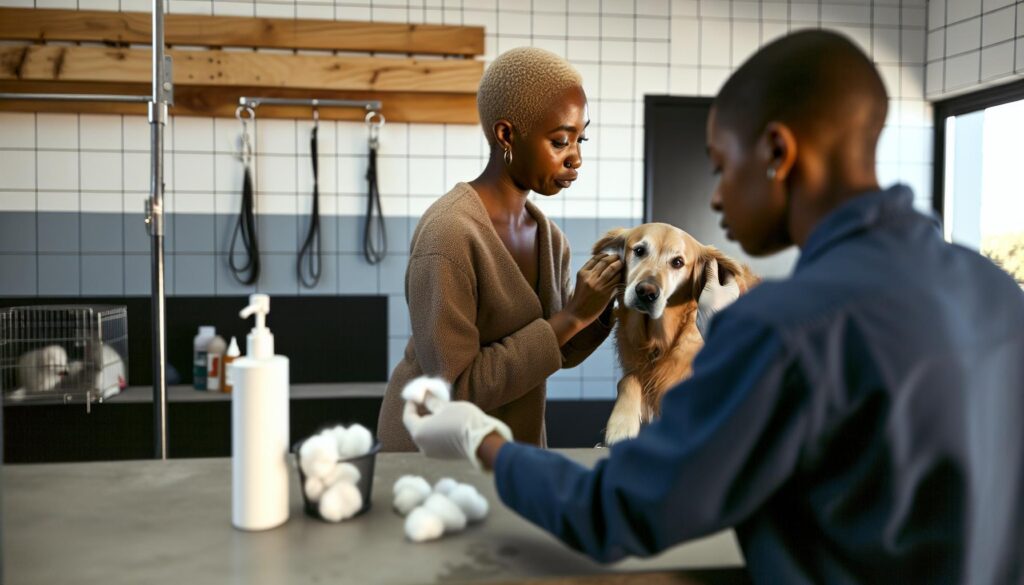
Did you know that regular ear cleaning is one of the top ways to keep your dog healthy and agreeable, especially for breeds with floppy ears or thick coats? Groomers use a gentle, step-by-step process tailored to your dog’s breed and ear type, ensuring dirt, wax, and hair are safely removed without causing stress or irritation. This vital care helps prevent infections and discomfort, which many owners might not spot early. If you’re concerned about how to keep your furry friend’s ears clean or worried about doing it yourself, understanding the professional cleaning process can ease your mind and help you support your pet’s health between visits. Let’s explore how groomers safely and compassionately care for your dog’s ears, with practical tips and clear boundaries between what’s best left to the pros and what you can confidently handle at home. This knowlege empowers you to maintain your dog’s well-being with patience and care, making ear care a positive part of your grooming routine.
Understanding Why Safe Ear Cleaning Matters for Dogs
Table of Contents
- 1 Understanding Why Safe Ear Cleaning Matters for Dogs
- 2 Identifying Signs Your Dog’s Ears Need Cleaning
- 3 Essential Tools Groomers Use for Gentle Ear care
- 4 Step-by-Step Groomer’s Ear Cleaning Routine
- 5 How Groomers Handle Sensitive or Anxious Dogs’ Ears
- 6 Common Mistakes to Avoid When Cleaning Dog Ears
- 7 Differences Between Groomer, Vet, and Owner ear Care
- 8 Tips for Maintaining your Dog’s Ear Health at Home
- 9 When to Seek Professional Help for Ear Problems
- 10 Natural solutions and Products Groomers Trust for Ear Cleaning
- 11 Q&A
- 11.1 Q: How do groomers safely remove stubborn ear wax from a dog’s ears? A: Groomers use gentle ear cleaners and soft cotton or pads to carefully loosen and wipe away stubborn wax without pushing debris deeper.They avoid cotton swabs to prevent injury. For tough buildup, they may apply a vet-approved ear solution and let it sit briefly before gentle cleaning. This process prioritizes safety and comfort-see the Step-by-Step Groomer’s Ear Cleaning Routine for details. Q: What precautions do groomers take to avoid ear infections during cleaning?
- 11.2 Q: Can groomers clean inside a dog’s ear canal, or only the outer ear?
- 11.3 Q: How do groomers handle dogs that resist ear cleaning or show anxiety?
- 11.4 Q: What ingredients do groomers look for in safe dog ear cleaning products?
- 11.5 Q: How frequently enough should professional ear cleaning be scheduled for dogs prone to ear issues?
- 11.6 Q: Why do groomers avoid using cotton swabs inside dogs’ ears?
- 11.7 Q: Are groomer ear cleaning services effective for preventing ear infections?
- 12 To Wrap It up
Dogs rely on their ears not only for hearing but also as a vital part of their overall health and well-being. However,their ear canals are ofen warm and moist – the perfect environment for dirt,wax,and bacteria to accumulate.This makes gentle, safe ear cleaning a cornerstone of good grooming as it helps prevent discomfort, infections, and even hearing issues. When done correctly, it’s a soothing experience that supports your dog’s health rather than causing stress or injury.
Some breeds need a little extra care hear. Dogs with floppy ears like Cocker Spaniels or breeds with hairy ear canals such as Poodles naturally trap more moisture and debris inside their ears. This can easily lead to infections if not addressed safely. Experienced groomers know just how delicate these areas are – they use specialized tools and pet-friendly cleaning solutions chosen not only for their effectiveness but also for their gentleness. This approach keeps ears clean without drying out the skin or causing irritation.
Why Rushing or Using the Wrong Products Can Hurt Your Dog
Ear cleaning isn’t about getting a rapid scrub; it’s about patience and tuning in to your dog’s comfort signals. Using harsh chemicals or digging too deeply inside the ear canal can cause pain, inflammation, and even worsen problems. Groomers are careful to avoid these common pitfalls by sticking to light wiping motions in the outer ear and using vet-approved, pH-balanced cleaners that remove wax and debris without stripping natural oils.This balance maintains the ear’s healthy environment and protects the sensitive skin lining the canal.
Empowering Owners with Confidence and Care
Many dog parents worry about hurting their pets when cleaning their ears at home.Seeing a groomer perform a calm, step-by-step ear care routine often reassures them that it’s a safe and manageable task. Starting early, being gentle, and choosing the right tools can turn ear cleaning from a dreaded chore into a bonding moment.with clear guidance and a focus on safety, owners gain the confidence to maintain their dog’s ear health between professional visits, helping to spot problems early and reduce the risk of painful infections.
- Keep breed-specific needs in mind: Dogs with hair inside their ears or floppy ears may need more frequent, gentle cleaning.
- Prioritize comfort over speed: Use slow, soothing motions and reward calm behavior to make ear care a positive experience.
- Use groomer- or vet-recommended cleaners: These products safely remove debris without disrupting natural balance.
Caring for your dog’s ears is about more than cleanliness-it’s a vital part of their overall happiness and health, done best with a kind hand, the right knowledge, and a patient heart.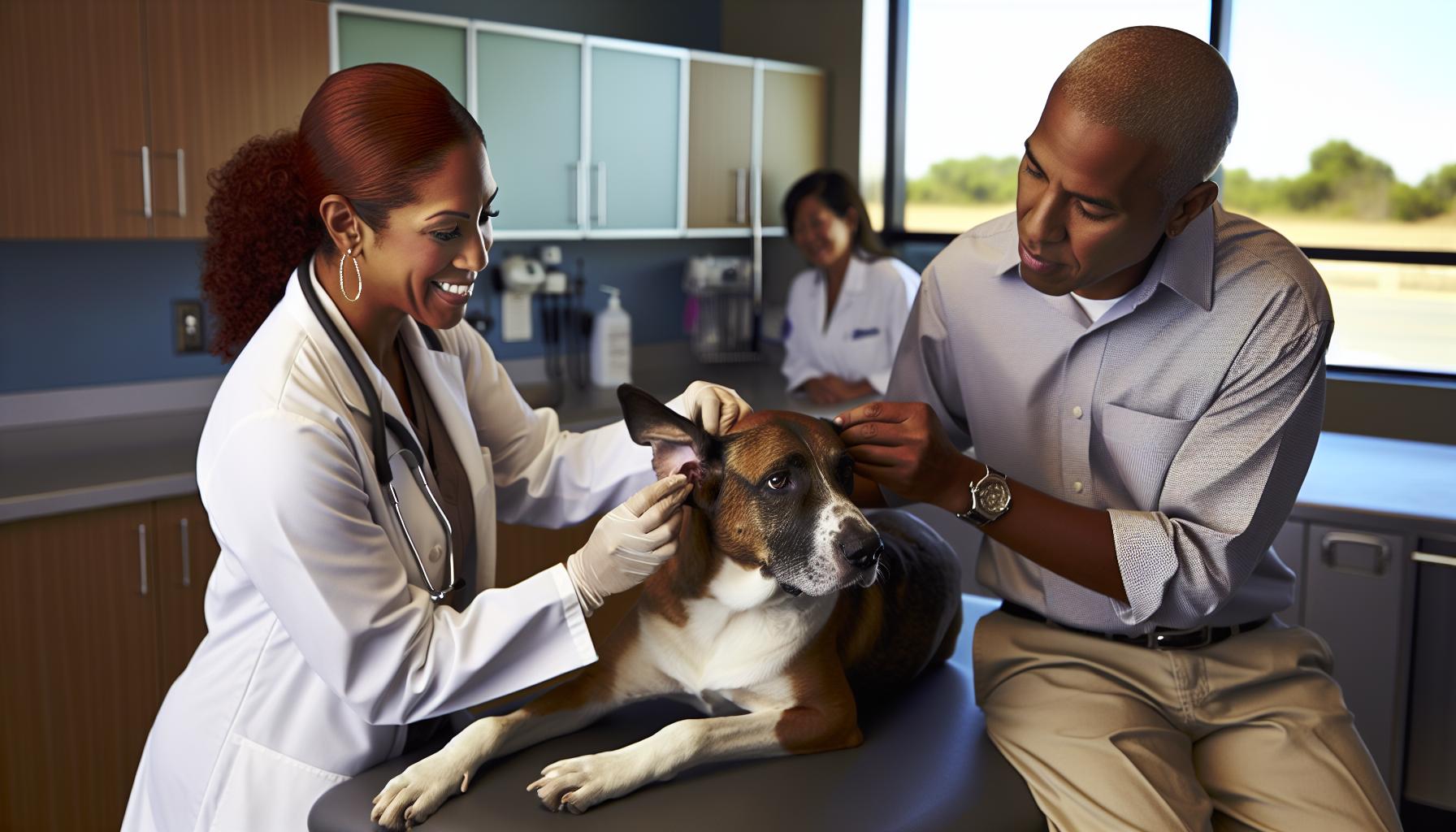
Identifying Signs Your Dog’s Ears Need Cleaning
Sometimes, the earliest signs that your dog’s ears need attention are subtle-but tuning into these signals can save your pet from discomfort or infection. Dogs can’t tell us when their ears feel itchy or sore, so it’s up to us to watch closely for clues. Even if your pup isn’t rubbing furiously or shaking their head, gentle daily checks can reveal early signs that professional or gentle home cleaning is needed.
dogs with floppy ears like Basset Hounds or Cocker Spaniels, and also those with hairy ear canals like Poodles or Schnauzers, are naturally prone to trapping moisture and debris. This creates a cozy environment for bacteria and yeast, which frequently enough manifest as redness, swelling, or a dark, waxy buildup. If you notice any of these signs-especially accompanied by a foul odor or your dog showing signs of discomfort when you touch their ears-it’s time to take action. Don’t wait for frantic scratching or head shaking; these habits indicate irritation that’s already progressed.
Key Signs to Watch For
- Visible wax or debris buildup: A clean ear canal should be pale pink, not clogged or dark.
- Unpleasant smell: Healthy ears have little to no odor; any sour or musty scent means bacteria or yeast might potentially be growing.
- Excessive scratching or pawing at ears: These behaviors suggest itching or pain.
- Redness or inflammation: The ear flap or inside canal appearing irritated or swollen.
- Discharge or crusting: Yellowish, reddish-brown, or pus-like discharge is a sign of infection.
- Behavioral changes: Sudden irritability or reluctance for touch around the head area.
Some dogs hide their discomfort well,so if your pet seems off,lethargic,or is shaking their head more than usual,consider this an early warning. Groomers are trained to spot these signs before they become severe. For example,a golden retriever might come in for a routine grooming with only slight wax buildup and some redness. The groomer’s gentle inspection and cleaning can prevent an ear infection from developing,sparing the dog from vet visits or medication.
When to Let Professionals Step In
While many signs indicate it’s time for a simple cleaning, certain symptoms-like persistent redness, swelling, or discharge-should prompt a trip to the vet. groomers focus on safe, superficial cleaning, but deeper infections or painful conditions require veterinary diagnosis and treatment. Recognizing this boundary empowers owners to keep their dogs comfortable and healthy without overstepping.
No matter the breed or coat type, early recognition and a calm, caring approach make ear cleaning a stress-free routine that supports your dog’s overall happiness. When you see these signs, don’t hesitate-gentle care today can prevent painful problems tomorrow.
Essential Tools Groomers Use for Gentle Ear care
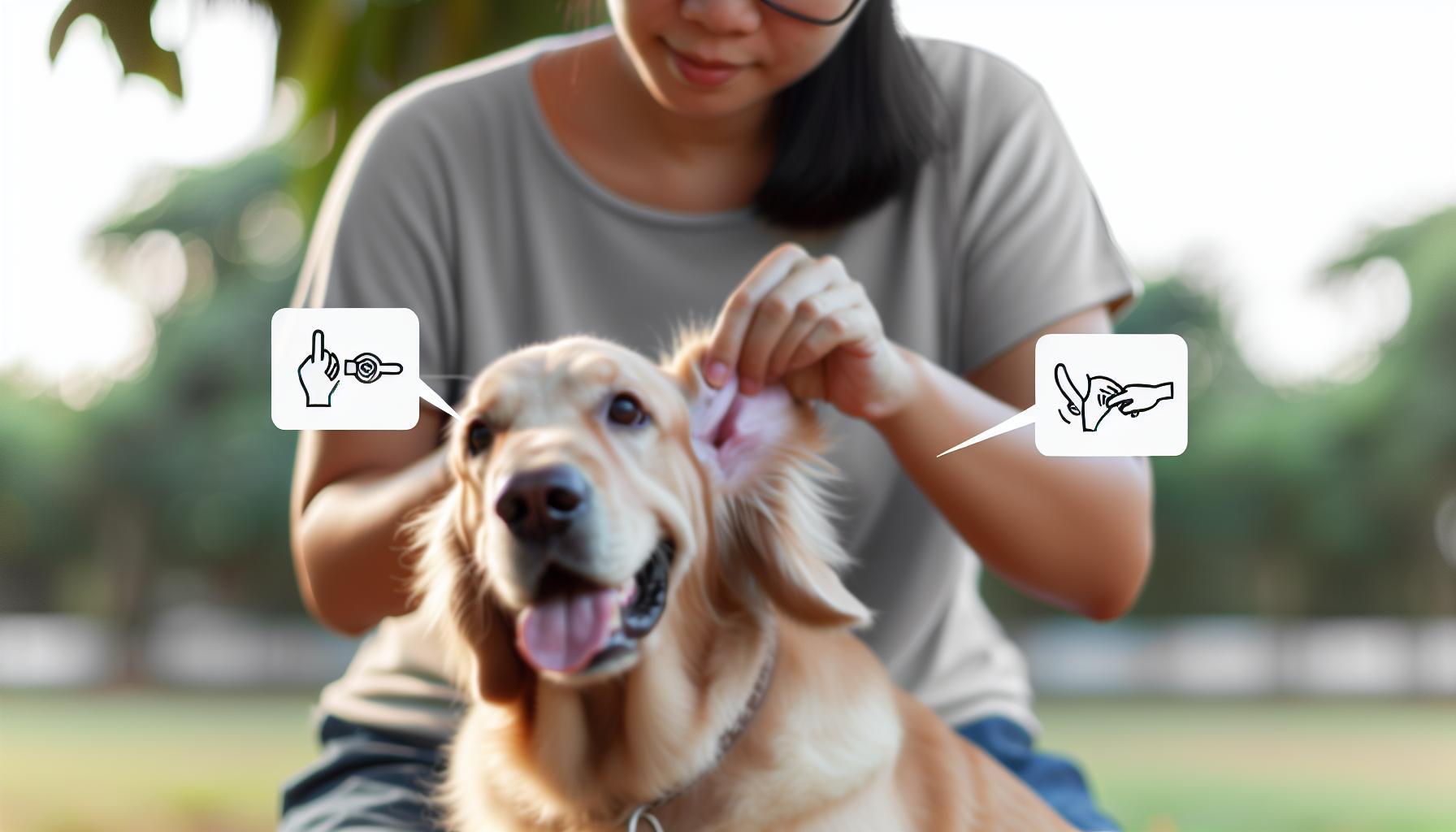
Did you know that the right tools make all the difference in keeping your dog’s ears clean, comfortable, and free from irritation? Groomers rely on a carefully selected set of gentle yet effective instruments to handle everything from removing excess hair to clearing out debris safely.these tools are chosen not just for their function, but for how well they respect the sensitive nature of a dog’s ear canal-especially in breeds with floppy ears or lots of ear hair, like Cocker Spaniels and Poodles, which can trap moisture and debris more easily.
One of the most common and indispensable tools in a groomer’s kit is the dog hemostat, a small stainless steel instrument used to grip and gently pluck excess ear hair without pulling or tugging harshly.This is especially helpful for breeds with hairy ear canals, where trapped hair can create an environment ripe for infections. Using ear powder alongside the hemostat helps the hair come out smoothly, minimizing discomfort. This tool serves as a safer alternative to scissors or rough plucking, reducing stress for anxious dogs while maintaining cleanliness[1].
Alongside hair removal tools, groomers use dual-purpose ear grooming tools that combine a hair puller with a wax cleaner. These stainless steel instruments allow for both hair removal and careful scraping of wax or dirt accumulation without scratching the sensitive skin inside the ear canal.Using a single, well-designed tool simplifies the process and reduces handling, which can be calming for dogs who might potentially be nervous about ear care[2].
When it comes to cleansing, gentle, vet-approved ear cleaning solutions play a vital role. These liquids are formulated to dissolve wax and debris without causing irritation. Groomers frequently enough use cotton balls or specialized wipes to apply the solution safely inside the ear flap and outer canal-never deep inside to avoid damage. Tweezers may assist with removing any stubborn debris that the cleaning solution loosens[3]. Always, the priority is to keep the dog calm and comfortable, working slowly and pausing when needed.
Tools Groomers Swear By for Comfortable Ear Care
- Dog Hemostats: For safe, precise removal of excess ear hair.
- Dual-function Ear Grooming Tools: Combine gentle hair pulling with wax/dirt cleaning in one handy implement.
- Vet-Approved ear Cleaners: Soften wax and clear debris without irritation.
- Cotton Balls or Pads: For wiping the ear flap and outer canal gently.
- Tweezers: Carefully extract loose debris, never used deep in the canal.
Groomers adapt this toolkit based on coat type and temperament. For example, a nervous poodle with a hairy ear canal will often need extra patience and a slower pace, using ear powder and hemostats with soft reassurance. simultaneously occurring, a retriever with minimal ear hair might require mostly gentle cleaning solution and cotton balls. By selecting the right combination of tools, groomers always prioritize your dog’s safety and comfort over speed or perfection-your dog’s wellbeing is the real goal.
Step-by-Step Groomer’s Ear Cleaning Routine
Cleaning a dog’s ears may seem straightforward, but when done thoughtfully, it transforms into a nurturing experience that keeps your furry friend comfortable and healthy. Groomers know this well and approach each ear cleaning with a gentle hand and an attentive eye, especially becuase ear health varies widely depending on breed, coat type, and temperament. Such as, a Cocker Spaniel’s floppy ears trap moisture and debris differently from a short-eared terrier, so the process adapts accordingly.
The routine begins by ensuring your dog is calm and relaxed. This is key: a tense dog can make any grooming step stressful or unsafe. Soft verbal reassurances and a few tasty treats prime your pup mentally before any touching.Once your dog feels safe, the groomer will carefully lift the ear flap to inspect the canal for any redness, odor, or excess wax – a quick visual check to decide how deep cleaning needs to go.
Preparing the Ear
- Hair Removal (if necessary): For dogs with hairy ear canals, such as Poodles or Cockers, loosen trapped hair using ear powder. Then, using a dog hemostat-a small, delicate stainless steel tool-groomers gently grasp and remove excess hair with slow, steady pulls, minimizing discomfort and avoiding any tugging that might cause irritation.
- Cleaning Solution Request: Next,a vet-approved,gentle ear cleaning solution is applied. This isn’t poured deep in the canal but rather into the outer ear flap and opening, ensuring it safely dissolves wax and debris without irritating delicate inner skin.
Cleaning and Wiping
The groomer then massages the base of the ear for about 20-30 seconds to help the solution loosen any stubborn wax or dirt inside. After this, using a soft cotton ball or a special grooming wipe, they carefully wipe away the softened debris from the ear flap and accessible canal areas. It’s significant to avoid pushing too deep-groomers never insert anything like cotton swabs into the ear canal,to prevent damage.
If debris remains stuck, gentle tweezers might be employed to extract it, but only with great care and never deep inside the ear.Throughout this step, the groomer checks for signs of discomfort and pauses to soothe the dog as needed-a calm dog makes every movement safer and more effective.
Finishing Touches and comfort
Once the ear is clean, the groomer may apply a light layer of an ear-protective powder or spray designed to reduce moisture and prevent future infections. a loving pat and positive reinforcement let the dog know the experience was safe and even enjoyable.
Throughout the process, groomers adjust their pace and tools based on the dog’s breed and temperament. As an example, a shy poodle who’s sensitive around ears may need quiet patience, extra breaks, and lots of praise, while an easygoing retriever might breeze through with minimal fuss.
By trusting this calm, structured approach, groomers safeguard not just ear health, but also your dog’s comfort and well-being, setting a wonderful example for owners to emulate at home.
—
| Step | Purpose | Tools Used | Tips/Warnings |
|---|---|---|---|
| Initial Inspection | Assess ear health and determine cleaning needs | Visual check, gentle lifting of ear flap | Look for redness, swelling, odor - refer vet if uncertain |
| Hair Removal | Remove excess hair to prevent infections | Dog hemostat, ear powder | Use slow, gentle pulls; stop if dog resists |
| Cleaning Solution Application | Dissolve wax and debris safely | vet-approved ear cleaner, cotton balls | Apply only to outer ear; never insert deep |
| Massaging & Wiping | Loosen debris, clean accessible canal | Cotton balls/pads, wipes | Use gentle motions; avoid Q-tips or irritants |
| Debris Removal | Extract stubborn debris safely | Tweezers (optional) | Only shallow use; watch for irritation |
| Finishing Comfort | Protect ears post-cleaning | Ear powder/spray | Keep dog calm; reward generously |
How Groomers Handle Sensitive or Anxious Dogs’ Ears
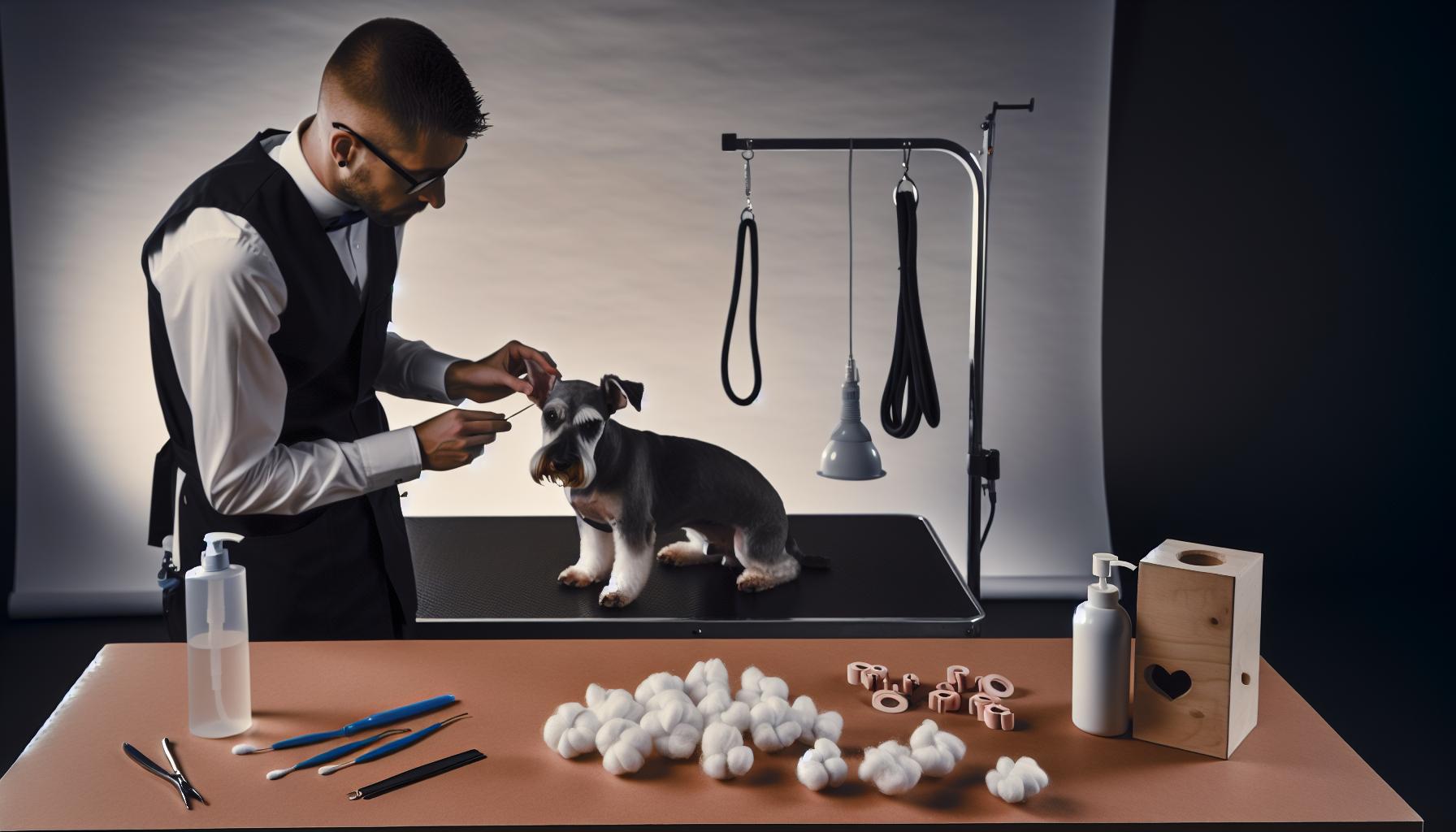
It’s common for some dogs to feel uneasy or even fearful when their ears are touched-those sensitive flaps and canals can be a source of discomfort or anxiety, especially if they’ve had past irritation or infections. Groomers understand this deeply and treat each wavering or nervous pup with a gentle rhythm, slowing down, breaking the process into small, reassuring steps that build trust rather than push boundaries. A calm, confident approach frequently enough transforms fear into curiosity over time.
Creating a Calm Environment
Before any cleaning begins,groomers work to set up a peaceful atmosphere. This might mean speaking softly, using slow, deliberate movements, and even letting the dog sniff the cleaning tools so nothing feels threatening. For sensitive breeds like Shih Tzus or nervous mixes, the groomer may:
- Use warm towels to softly cradle the head, providing gentle physical support.
- Apply light massage around the neck and ears first, easing muscle tension before handling the ear itself.
- Bring in favorite treats tucked just out of sight to reward cooperation, reinforcing positive associations.
Sometimes, simply allowing a few moments of quiet bonding-stroking the ears lightly without any cleaning action-helps the dog accept touch more readily.
Adjusting Tools and Techniques for Sensitive Ears
For dogs with anxiety or extra sensitivity, groomers carefully select tools that minimize discomfort. Instead of aggressive hair pulling or vigorous swabbing, they rely on softer methods:
- Ear powders to gently loosen ear hair before removal without tugging harshly.
- Vet-approved, mild cleaning solutions applied sparingly on the outer ear, avoiding deep canal contact that might startle.
- Soft cotton balls or microfiber wipes rather than Q-tips, preventing any risk of pushing debris deeper or causing pain.
If the dog shows signs of stress-lip licking, whining, or trying to pull away-the groomer pauses and engages in quiet reassurance or a short break. This patient pacing is frequently enough key to completing the cleaning without escalating anxiety.
When Extra Support Is Needed
some dogs may need even more particular handling-especially those rescued from trauma or with chronic ear conditions. In these cases, groomers sometimes partner closely with owners and veterinarians, using sedative shampoos or calming pheromone sprays under professional guidance. Groomers remind owners that ear cleaning in such dogs is a delicate collaboration and that pushing too hard risks injury or worsening fear.
By focusing on empathy and flexibility, groomers not only keep ears clean but also nurture your dog’s emotional comfort. This builds a pattern of positive care that owners can replicate at home, making ear maintenance an easier, less stressful routine for all involved.
—
| Strategy | Purpose | Tools or Techniques | Tips |
|---|---|---|---|
| soft Ear Handling | Reduce anxiety and discomfort | warm towels, gentle massage, slow ear lifts | Observe body language; stop if stressed |
| Gradual Desensitization | Build trust over multiple visits | Light touch, positive treats, short sessions | Keep sessions short and positive |
| Comfort Tools | Soothe nerves and improve cooperation | Calming pheromone sprays, favorite treats, quiet environment | Use only vet-approved calming aids |
| Adjust Cleaning Depth | Prevent pain, avoid irritation | Mild cleansers, cotton balls, no deep canal access | never insert Q-tips deep into ear canal |
| Breaks and Reassurance | Maintain calm throughout cleaning | Pauses, gentle petting, verbal praise | Monitor for signs of agitation continuously |
Common Mistakes to Avoid When Cleaning Dog Ears
Few things can cause more discomfort or frustration-both for dogs and their owners-than improperly cleaned ears. It’s a delicate area that demands patience, gentleness, and the right approach to keep your furry friend comfortable and healthy. Many well-meaning owners and even some experienced groomers sometimes fall into common traps that can do more harm than good, so understanding these pitfalls is essential.
Forcing or Rushing the Process
Attempting to clean your dog’s ears quickly or without coaxing can backfire dramatically. Dogs with sensitive ear canals or past negative experiences frequently enough become fearful or resistant if pressured too much.Groomers know this well and rather break the routine into calm, manageable steps, pacing themselves in tune with the dog’s mood.If you notice signs like head shaking, whining, or trying to escape, it’s a clear cue to pause and soothe before continuing. Rushing often leads to poor cleaning, injury, or ruined trust.
Using the Wrong Tools or Techniques
One of the biggest mistakes is using cotton swabs deep inside the ear canal. Despite their popularity, Q-tips can push wax and debris further in, risking damage to the delicate ear drum. Groomers opt for vet-approved ear cleaning solutions that are pH balanced and gentle, combined with soft cotton balls or microfiber cloths. For breeds like Cocker Spaniels or Poodles, with hair inside the ear canal, groomers first use specialized ear powders to safely loosen hair before removal, avoiding painful yanking or skin irritation.
Ignoring Your Dog’s Natural Ear Shape and Coat Type
Not all dog ears are created equal.Floppy-eared dogs like Basset Hounds trap moisture and dirt more than erect-ear breeds, making them more prone to infection. Similarly, dogs with thick fur around their ears need more careful grooming to prevent mats that can harbor bacteria. groomers tailor their cleaning approach by considering breed-specific factors, such as trimming excess hair gently and using drying techniques to prevent moisture buildup. Overlooking these details can lead to persistent problems, despite regular cleaning.
Neglecting When to Seek Veterinary Advice
Owners sometimes try to manage ongoing ear smells, redness, or discharge themselves, risking worsening infections or missing underlying conditions. Groomers recognize the limits of routine cleaning and advise when a vet’s diagnosis is essential-especially if the ear is inflamed, painful, or has a foul odor. Professional ear care is a team effort; groomers clean and maintain, but vets diagnose and treat medical issues.
| mistake | Why It’s a Problem | Better Approach |
|---|---|---|
| Rushing the cleaning | Causes stress, resistance, and incomplete removal of debris | Take breaks, use calm voice, proceed slowly with gentle touch |
| Inserting Q-tips deep inside ears | Risk of injury and pushing wax deeper | Use cotton balls or wipes, clean only the outer ear canal |
| Using harsh products | Irritates skin and disrupts natural ear balance | Use vet-approved, pH-balanced solutions |
| Ignoring breed-specific needs | Leads to persistent infections from trapped moisture or mats | Trim excess hair, dry ears thoroughly, adjust routine per breed |
| Self-treating infections without vet consult | Delays proper diagnosis and effective treatment | Seek veterinary advice when symptoms worsen or persist |
Building confidence around ear care comes with informed choices and respect for your dog’s limits.When in doubt, follow a gentle, evidence-based approach like professional groomers use daily-prioritizing your dog’s well-being, comfort, and trust over speed or “perfect” appearance. With time and kindness,you’ll transform ear care from a chore into a caring ritual both of you can feel good about.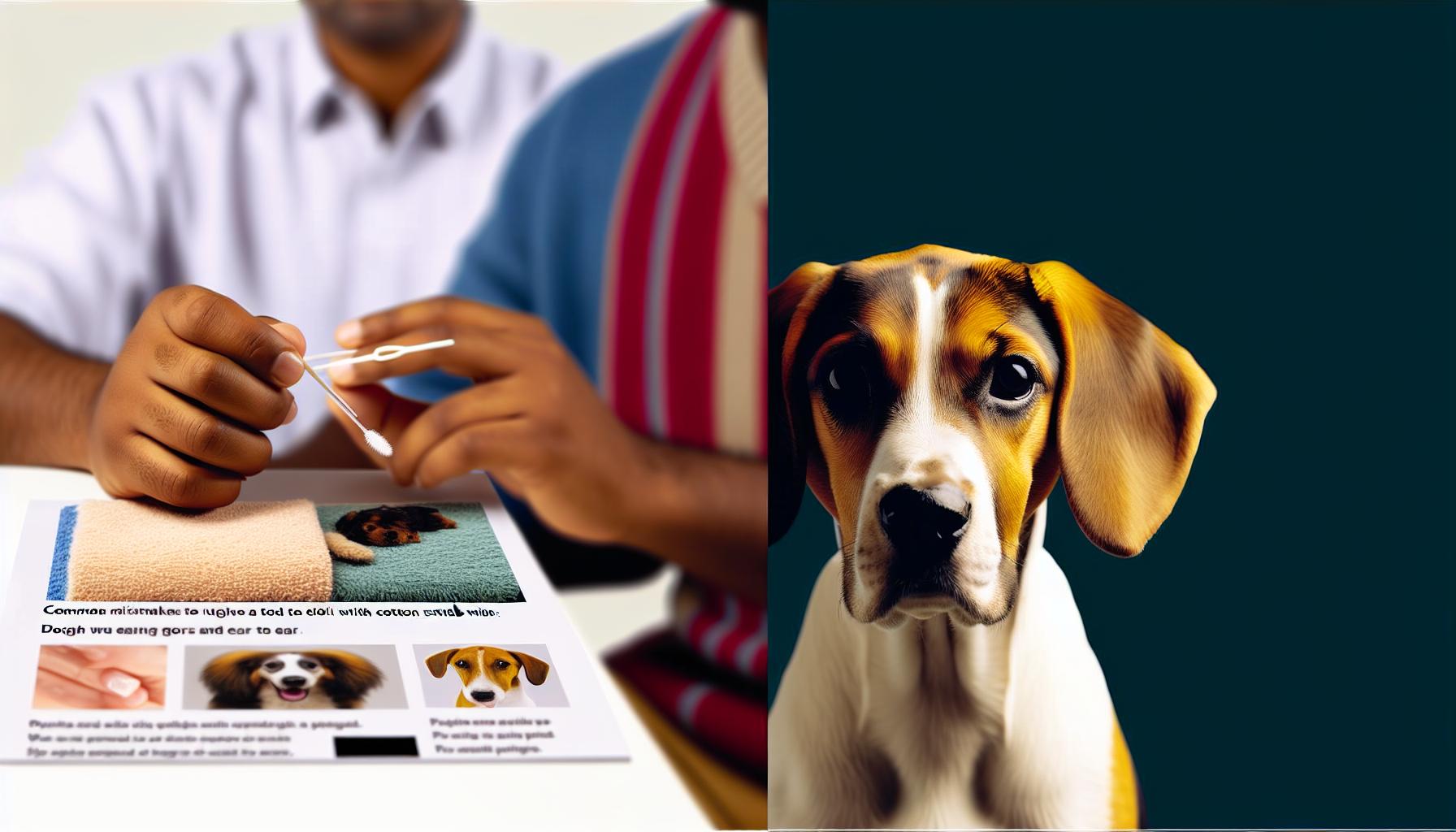
Differences Between Groomer, Vet, and Owner ear Care
Some of the best care for your dog’s ears comes from knowing exactly when to step in yourself, when to rely on a professional groomer, and when it’s time to call the vet. Each role plays a unique part in maintaining ear health, and understanding their differences helps you provide the safest, most comfortable experience for your furry friend.
Owners are the first line of defense. routine ear checks and gentle cleanings at home keep ears fresh and prevent buildup before it becomes a problem.Since we spend the most time with our pets, owners notice subtle changes like scratching, head shaking, or unpleasant odors early. Using simple tools like vet-approved ear cleansers, cotton balls, and soft cloths, owners should focus on the outer ear canal, avoiding deep probing that might push debris further in. It’s a gentle, watchful routine-perfect for breeds with upright ears or low ear hair, where regular maintenance is easier. If your dog is reluctant or the ear looks red,smelly,or painful,that’s a sign it’s time for more expert help.
What Groomers Offer
Professional groomers bring specialized experience and tools designed to tackle more challenging ear care scenarios. They often care for dogs with thick ear hair like Poodles or Cocker Spaniels, breeds prone to mats and debris accumulation deep in the ear folds. Groomers use techniques such as:
- applying ear powders to loosen stubborn hair safely before gentle plucking or trimming.
- Using pH-balanced, vet-approved solutions to loosen built-up wax and debris.
- Employing soft cotton or microfiber cloths to wipe the ear canal area carefully.
- Adjusting their pace and approach to sensitive or anxious dogs, breaking cleaning into short, calm steps.
This controlled environment allows groomers to remove grime owners might struggle with at home, improving ear hygiene and reducing infection risks, but always within limits-they won’t diagnose or treat infections. Their role is maintenance and comfort, not medical intervention.
When vets Step In
veterinarians are the specialists for anything beyond surface cleaning-especially when signs of infection, inflammation, or chronic issues appear. If your dog’s ear shows redness, swelling, discharge, foul odor, or persistent discomfort, only a vet can safely diagnose and treat:
- Ear infections (bacterial, yeast, or parasitic)
- Underlying allergies or skin conditions affecting the ears
- Foreign bodies lodged deep inside the ear canal
- Severe or chronic ear diseases needing prescription meds or professional medical cleaning (ear irrigation)
Some ear problems may even require sedation for proper cleaning or cultures to identify the right treatment-steps that are clearly outside the groomer’s toolbox.
| Role | Scope of Ear Care | Tools & Techniques | When to Seek Help |
|---|---|---|---|
| Owner | Routine checks, gentle cleaning of outer ear canal | Vet-approved single-use wipes, cotton balls, mild cleaners | Minor debris, routine maintenance, early signs of irritation |
| Groomer | Thorough cleaning, hair removal, surface debris control | Ear powders, pH-balanced solutions, cotton, gentle drying | Regular grooming appointments, manageable sensitivity, no active infection |
| Vet | Diagnosis, medical cleaning, treatment of infections & disorders | Advanced cleaning (irrigation), medications, sedation if needed | Redness, swelling, discharge, foul odor, pain, chronic conditions |
Knowing your limits as an owner, yet recognizing when to trust a groomer’s hands or a vet’s expertise, ensures your dog’s ears stay clean and healthy without distress. Remember, groomers maintain and enhance ear hygiene safely but never replace veterinary care when a problem requires diagnosis and treatment. Each works as part of a caring team focused on your dog’s comfort and well-being, so lean into their strengths, stay observant at home, and prioritize your dog’s feelings above all. that’s how truly safe and happy ear care begins.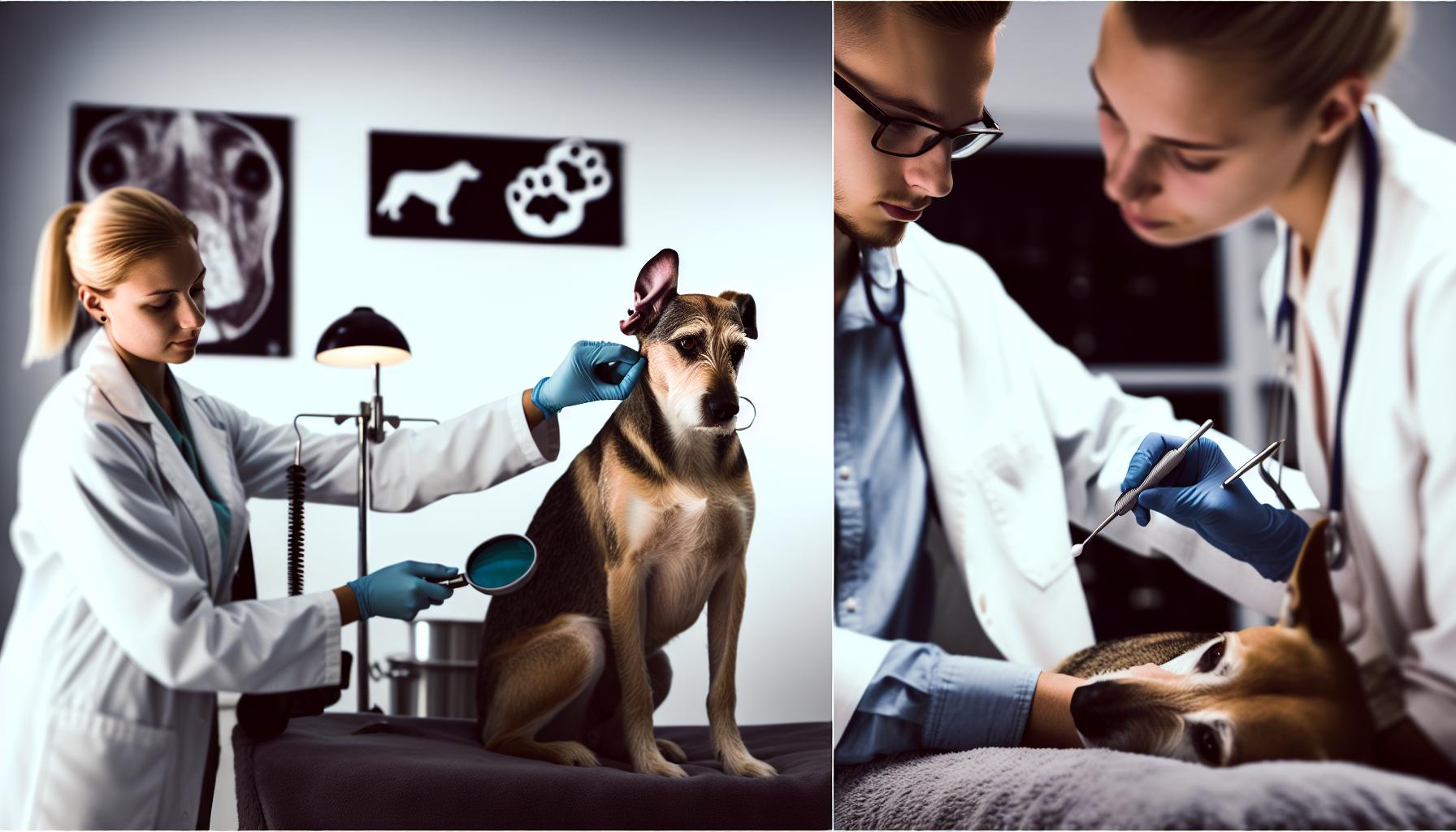
Tips for Maintaining your Dog’s Ear Health at Home
A dog’s ears are delicate ecosystems where moisture, wax, and debris can easily accumulate, potentially leading to discomfort or infection if overlooked.Regular,gentle attention at home goes a long way in keeping ears healthy and happy,especially for breeds with floppy ears or dense ear hair that traps moisture. The key is to stay consistent and keep the routine stress-free-for both you and your furry friend.
Gathering the Right Tools
Before you start,have everything handy to make the process smooth: vet-approved ear cleaning solution,soft cotton balls or pads (avoid cotton swabs deep inside the ear),and a clean towel. For dogs with thick ear hair,occasional trimming or gentle plucking between professional visits can help air flow and reduce debris buildup-but only if you feel comfortable doing so.Always opt for products designed specifically for dogs, as human ear cleaners can irritate sensitive skin.
Developing a Calm Routine
Creating a positive association with ear care is crucial. Consider incorporating ear checks into your dog’s regular grooming or cuddle time. Begin by softly massaging the base of the ear and giving gentle praise or treats. When it’s time to clean,moisten a cotton ball with the ear cleanser and carefully wipe just the outer ear and visible canal areas. Never force the ear flap or push anything deep inside; rather, let gravity and gentle wiping do the work. If your dog resists, take breaks and try again later-patience is your best tool.
Key Signs and Frequency to Watch For
How frequently enough you clean depends on your dog’s breed, lifestyle, and ear condition. Dogs that swim frequently enough or have floppy ears might need weekly checks, while others may only require monthly attention. Look out for signs like:
- Excess wax buildup visible in the outer ear
- Odor or redness indicating possible irritation
- Scratching or shaking that hints at discomfort
If you notice any of these, ease up on cleaning and consult a vet to rule out infection.Over-cleaning can strip natural oils, causing dryness or irritation, so balance is key.
Understanding Your Limits and When to Seek Help
While routine home cleaning supports ear health, it’s critically important to recognize when professional groomers or vets should take over. Groomers offer thorough cleaning with specialized tools and experience, especially for breeds predisposed to ear issues, while vets handle medical diagnoses and treatments. If your dog’s ears seem painful, swollen, or have discharge, trust that vet care-not DIY cleaning-is the safest course.
remember, the goal at home is comfort and prevention, not perfection. By approaching ear care with gentle hands,the right tools,and an attentive eye,you empower your dog to enjoy healthier ears-and happier days by your side.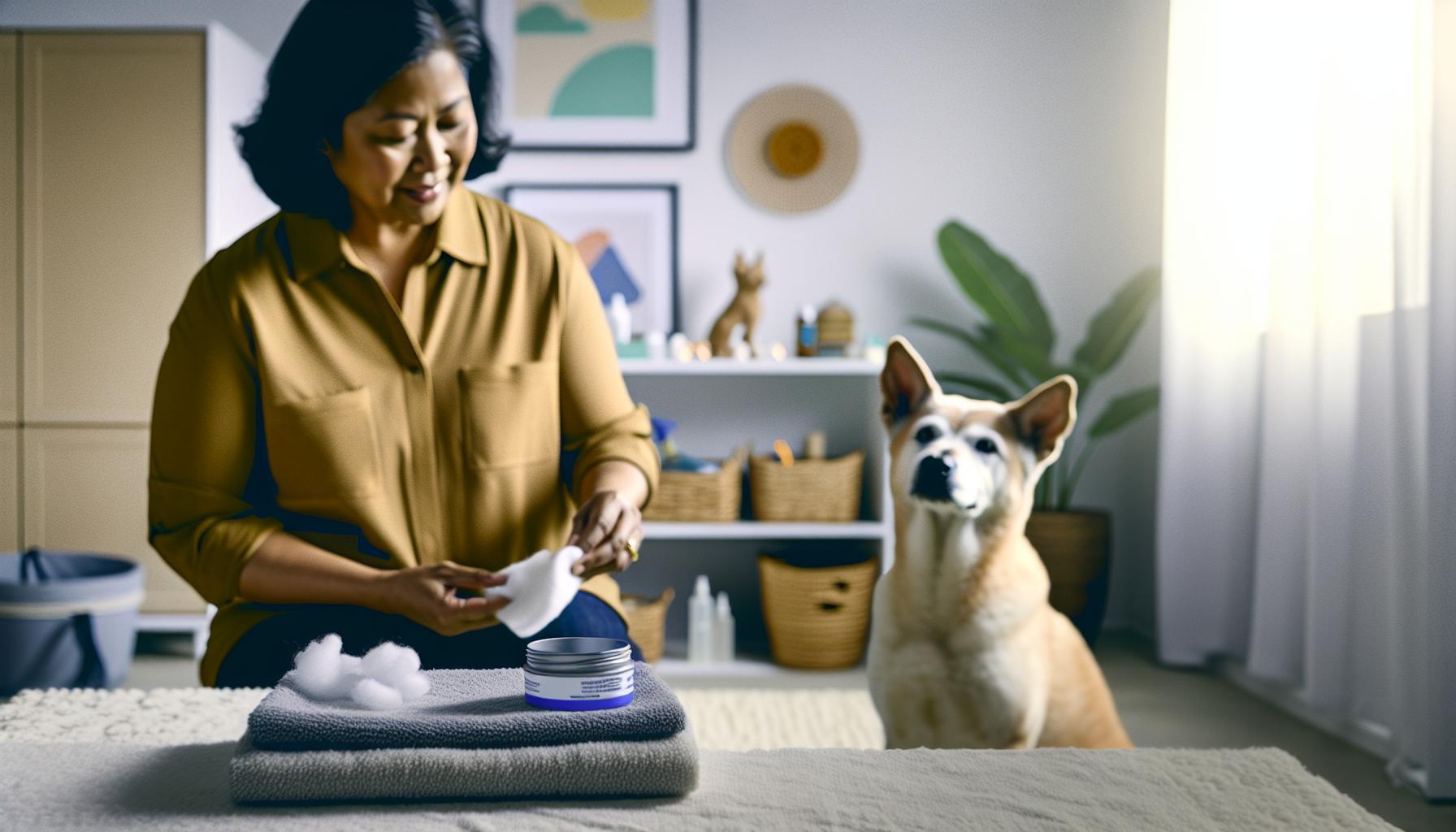
When to Seek Professional Help for Ear Problems
Sometimes, even with the gentlest cleaning at home, a dog’s ears can need a higher level of care that only professionals can provide. Knowing when to step back and seek expert help is one of the kindest things you can do for your furry friend’s comfort and health. Groomers and veterinarians each have unique roles, and understanding the signs that point beyond routine care can save your dog from needless discomfort or complications.
Many groomers are well-equipped to manage typical ear cleaning with specialized tools and gentle techniques tailored to breeds prone to ear challenges-like cocker Spaniels, Bassets, or any dog with floppy, hairy ears that can trap moisture and debris. They use vet-approved cleansers, cotton pads, and careful trimming around ears to keep things clear and airy, preventing infections before they start. However, if your dog shows more than just slight wax buildup-such as persistent redness, swelling, foul odor, bleeding, or discharge-it’s time to pause the home or groomer care and consult a veterinarian without delay. These symptoms can signal infections, mites, allergies, or more serious issues that require diagnosis and medical treatment rather than just cleaning.
Here’s a handy way to think about when to consult a pro:
- Regular Groomer Care: for routine wax removal, minor debris, and keeping ears fresh, especially in healthy dogs without pain or strong odors.
- Vet Intervention Needed: Signs like itchiness combined with swelling, ongoing scratching causing skin damage, blood or pus discharge, or behaviors showing discomfort (like head shaking or sensitivity to touch around ears).
Remember, pushing too hard with at-home cleaning in these cases can worsen irritation or hide underlying problems. When you bring your dog to a groomer, they will gently inspect the ears and refer you to a vet if anything suspicious appears. their training helps them recognize the limits of safe cleaning and the signs warranting medical care.
One example might be a Golden Retriever who had unusually dark, sticky debris and a sour smell despite regular ear cleaning at home. The groomer noticed mild redness and recommended a veterinary check.The vet diagnosed a yeast infection and prescribed appropriate medication. This quick action prevented painful inflammation and long-term damage.
It’s also comforting to know that both groomers and vets prioritize your dog’s calm and comfort. Groomers often spend extra time helping anxious dogs feel secure and relaxed during ear care,using gentle handling,breaks as needed,and positive reinforcement. If your dog is especially wary or sensitive, professional groomers can be invaluable partners who balance thorough cleaning with emotional reassurance-a balance that can be tough to achieve alone.
By recognizing these cues and collaborating with experienced professionals, you empower yourself to keep your dog’s ears not only clean but truly healthy, avoiding stress and pain for your beloved companion.
Quick Reminder: Key Signs to Watch For
| Symptom | Recommended Action |
|---|---|
| Minor wax/debris, no odor, no redness | Routine cleaning at home or by groomer |
| Redness, odor, excessive scratching, shaking | Pause cleaning; consult groomer and consider vet if persists |
| Discharge, bleeding, swelling, pain | Immediate veterinary care needed |
Natural solutions and Products Groomers Trust for Ear Cleaning
It’s amazing how much a gentle, natural approach can do to keep a dog’s ears healthy and comfortable. Groomers frequently enough prefer using products that soothe and protect while effectively clearing away dirt and wax-especially for breeds with sensitive or sensitive-prone ears, like spaniels, retrievers, and breeds with floppy or hairy ears. These natural solutions not only reduce the risk of irritation but also support the ear’s own defenses, helping to maintain a balanced environment less inviting to infections.
Many trusted ear cleaners chosen by professionals are alcohol-free and avoid harsh chemicals,focusing instead on gentle,plant-based ingredients. For example, solutions with soothing aloe vera, eucalyptus oil, or chamomile help calm itchiness and reduce inflammation without stinging or drying out the delicate skin inside the ear canal. These ingredients work quickly to dissolve wax and debris, making the cleaning process easier and more comfortable for anxious dogs.
What Groomers Look For in Natural Ear Cleaning Products
- Non-Irritating Formula: Alcohol-free and non-foaming to prevent dryness or discomfort.
- Anti-Microbial and Anti-Inflammatory: Natural botanicals like tea tree, eucalyptus, or calendula that fight bacteria and calm irritation.
- Safe for Regular Use: Gentle enough for routine maintenance without disrupting the ear’s healthy microbiome.
- Easy Application: Liquid formulas or pre-soaked wipes that simplify cleaning, especially for nervous pups.
One popular example includes small-batch formulations that dissolve wax gently while neutralizing odors naturally. As an example, a groomer might choose a product like “Clean ears” by kin+kind, which harnesses natural oils without water or alcohol, so it won’t sting or encourage bacterial growth-a big plus for dogs who dislike ear handling[[2]](https://kin-kind.com/products/12-fl-oz-dog-ear-cleanser?srsltid=AfmBOorgq9MhD46nONWeBWvS1sTSM5Rowaa8i1FDm7IMojs64-LkGu6W).
Balancing Groomer Expertise and Natural Care
While these natural solutions work wonders for routine cleaning,professional groomers complement them with expert techniques like careful trimming of excess ear hair and using gentle cotton pads rather of cotton swabs,which can push debris deeper or cause micro-injuries. This combination ensures safety, comfort, and thoroughness-a balance you rarely get with DIY attempts alone. A groomer’s touch also adapts to how your dog reacts, slowing down or pausing when needed to keep stress low.
Always remember that natural cleaners are fantastic for day-to-day care but aren’t a substitute when your dog shows signs of infection or severe irritation. In those cases, veterinarians provide targeted medical treatment that safe ear cleaning alone can’t replace. Your groomer will be happy to recommend these products for ongoing maintenance and will advise if it’s time to visit the vet rather.
Tips for Choosing and Using Ear Cleaning Products
- Ask about ingredients: Avoid anything with alcohol, peroxide, or artificial fragrances.
- Start slow: Introduce any new product gradually, especially if your dog is sensitive or anxious.
- Use as directed: Follow instructions to help dissolve wax without overwetting or irritating the ear canal.
- Combine with gentle handling: Pair products with a calm, reassuring touch to build positive associations.
When it comes down to it, the best ear cleaning routine is one that respects your dog’s comfort and health. Natural cleaners trusted by groomers provide a safe and effective way to support ear wellness-helping your furry friend feel happy, relaxed, and free of irritating buildup.
—
sources for trusted natural ear cleaners include brands like Natural Rapport’s alcohol-free formula designed specifically for dogs [[1]](https://nattyrap.com/products/the-only-ear-cleaner-dogs-need?srsltid=AfmBOooM68Eb9SSwJE6JjMFRaEzMafgm51PFpddlxBB_96he9NYQNOlf) and kin+kind’s Clean Ears product [[2]](https://kin-kind.com/products/12-fl-oz-dog-ear-cleanser?srsltid=AfmBOorgq9MhD46nONWeBWvS1sTSM5Rowaa8i1FDm7IMojs64-LkGu6W).Additionally, some groomers rely on veterinarian-recommended wipes infused with aloe vera and eucalyptus to combine ease and comfort during sessions [[3]](https://www.amazon.com/dog-ear-cleaner/s?k=dog+ear+cleaner).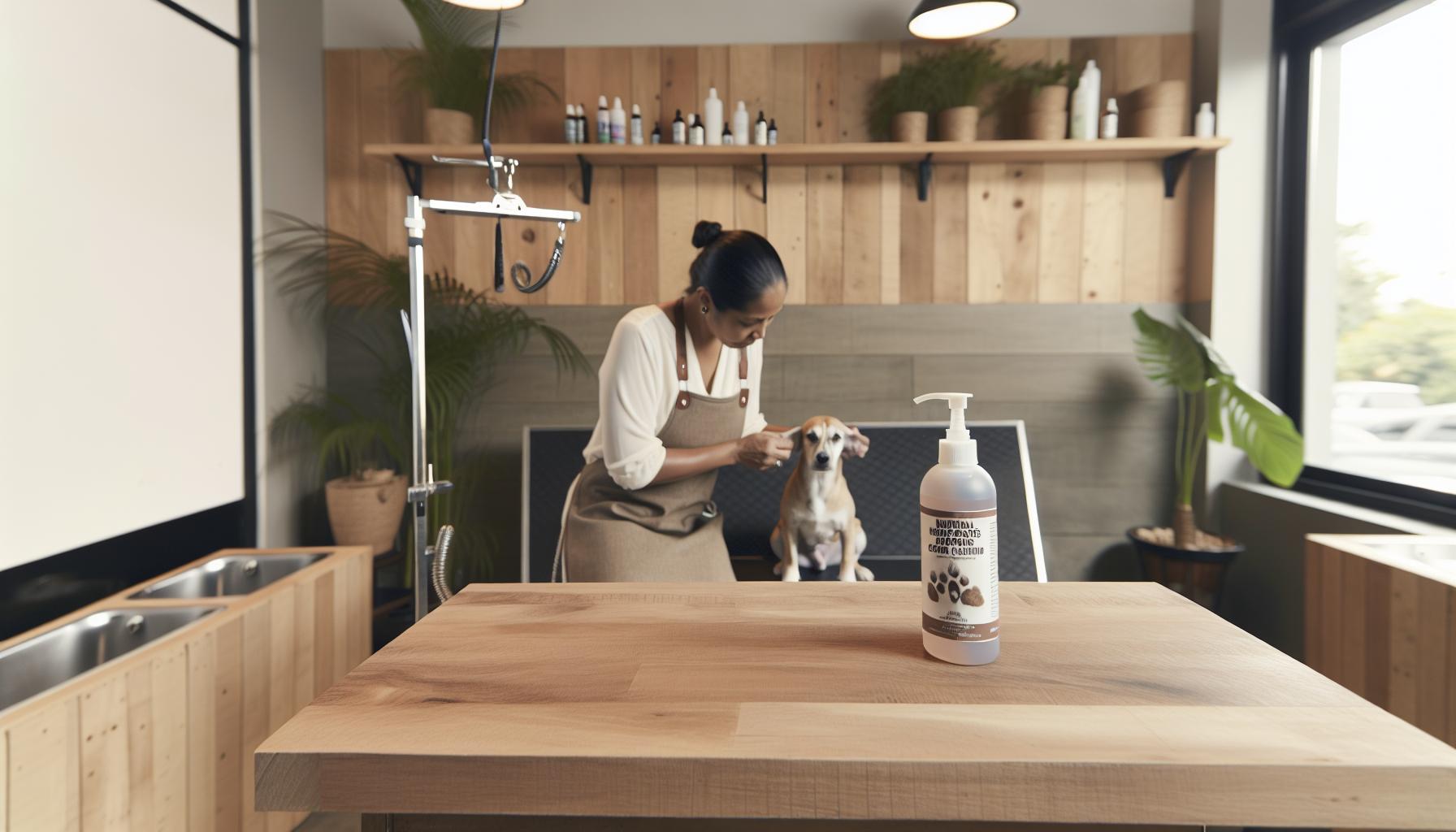
Q&A
Q: How do groomers safely remove stubborn ear wax from a dog’s ears?
A: Groomers use gentle ear cleaners and soft cotton or pads to carefully loosen and wipe away stubborn wax without pushing debris deeper.They avoid cotton swabs to prevent injury. For tough buildup, they may apply a vet-approved ear solution and let it sit briefly before gentle cleaning. This process prioritizes safety and comfort-see the Step-by-Step Groomer’s Ear Cleaning Routine for details.Q: What precautions do groomers take to avoid ear infections during cleaning?
A: Groomers ensure ears are dry and debris-free, as moisture can promote infections. They use hypoallergenic, ear-safe cleaning solutions designed to deodorize while drying the ear canal. Groomers also check for irritation signs and stop cleaning if an infection is suspected, advising a vet visit. Learn how to recognize signs in When to Seek Professional Help for Ear Problems.
Q: Can groomers clean inside a dog’s ear canal, or only the outer ear?
A: Groomers typically clean only the outer ear and the accessible part of the ear canal using safe wipes or solutions. Deep ear canal cleaning or irrigation is reserved for vets due to risks of damage or infection. Always follow groomers’ advice on Differences Between Groomer, Vet, and Owner Ear Care for safe practices.
Q: How do groomers handle dogs that resist ear cleaning or show anxiety?
A: Groomers use calm, patient handling and may break ear cleaning into short steps to reduce stress.They use gentle touch and positive reinforcement,sometimes scheduling multiple sessions if needed. Groomers may recommend at-home ear care routines to complement professional services, detailed in How groomers Handle Sensitive or Anxious Dogs’ ears.
Q: What ingredients do groomers look for in safe dog ear cleaning products?
A: Groomers prefer ear cleaners with natural, non-irritating ingredients like aloe, chamomile, and mild antiseptics that remove wax and neutralize odor without drying out sensitive skin. Avoid harsh chemicals or alcohol-based products. Trusted brands and natural options are explored in Natural Solutions and Products Groomers Trust for Ear Cleaning.
Q: How frequently enough should professional ear cleaning be scheduled for dogs prone to ear issues?
A: Dogs prone to ear problems often benefit from professional cleanings every 4 to 6 weeks, but frequency varies by breed and ear type (e.g., floppy vs.erect ears). Groomers advise personalized schedules and teach owners maintenance between visits-see Tips for Maintaining Your Dog’s Ear Health at Home for practical advice.
Q: Why do groomers avoid using cotton swabs inside dogs’ ears?
A: Groomers avoid cotton swabs because they can push debris deeper, cause ear canal damage, or irritate sensitive skin. Rather, groomers use specially designed wipes or solutions applied with cotton balls or soft cloth to clean safely and effectively. This safety tip is highlighted in Common Mistakes to Avoid When Cleaning Dog Ears.
Q: Are groomer ear cleaning services effective for preventing ear infections?
A: Yes, routine ear cleaning by professional groomers helps remove excess wax and debris, reducing infection risk. Regular care combined with at-home maintenance supports overall ear health. If infections or persistent issues arise, groomers refer to vets for appropriate treatment. Learn more in When to Seek Professional Help for Ear Problems.
For more detailed care steps and tips, explore the main article sections on Step-by-Step Groomer’s Ear Cleaning Routine and Tips for Maintaining Your Dog’s ear Health at Home. Your dog’s comfort and safety are always the top priority, so feel free to reach out with questions or schedule a professional grooming ear clean for the gentlest care possible!
To Wrap It up
Keeping your dog’s ears clean is essential for their comfort and health, and professional groomers make the process safe, gentle, and effective by using the right tools and techniques tailored to your dog’s breed and coat type. If you’re ready to try safe ear cleaning at home or want to learn more,explore our detailed guides on ear care basics and preventing common ear infections to build your confidence step-by-step. remember,when in doubt,consulting your vet ensures your pup’s well-being remains the top priority.
Don’t wait for discomfort to arise-regular, careful ear cleaning is the best way to maintain your dog’s ear health and happiness.Dive deeper into grooming essentials like bathing and nail care, or sign up for our newsletter to get expert tips delivered right to your inbox. Got questions or tips from your own experience? Share them in the comments below and join our community of caring pet owners who prioritize safety and compassion every time they groom.By staying informed about the safe ear cleaning process and grooming best practices, you’re giving your dog the care they deserve. Keep exploring our resources,and let’s make every grooming session a positive,stress-free experience that keeps tails wagging!
Make Perfect Pooches Grooming a Preferred SourceGet our latest guides, news, and insights highlighted in your Google Search & AI Overviews.
✓ Preferred Source Added
A: Groomers use calm, patient handling and may break ear cleaning into short steps to reduce stress.They use gentle touch and positive reinforcement,sometimes scheduling multiple sessions if needed. Groomers may recommend at-home ear care routines to complement professional services, detailed in How groomers Handle Sensitive or Anxious Dogs’ ears.
Get our latest guides, news, and insights highlighted in your Google Search & AI Overviews.
Keep reading about the same coat and cut.




Popular grooming guides
Bath vs clip, first grooms, and salon how-tos.