Should Groomers Pluck Dogs Ears? The Truth About Ear Hair
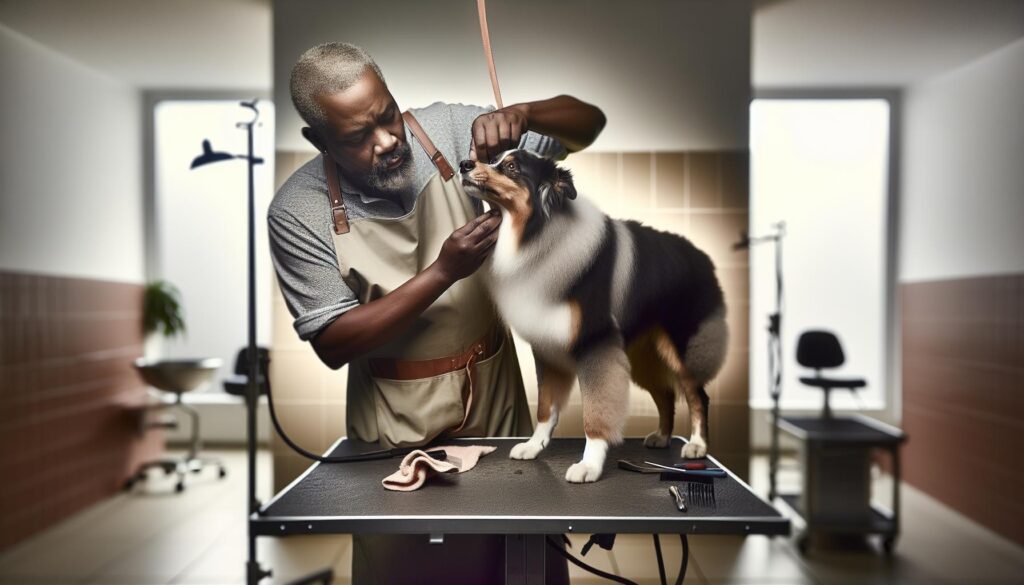
Did you know that some dog breeds naturally grow hair inside their ears, which can trap moisture and debris? This leads many pet owners and groomers to ask: should groomers pluck a dog’s ear hair? Understanding when and how to safely manage ear hair is essential-not just for a tidy appearance but to prevent discomfort and infections. as a caring groomer who values your dog’s well-being, I’ll guide you through the reasons behind ear hair plucking, which breeds might actually benefit, and how to keep your pup comfortable during grooming. Together, we’ll explore practical tips, the right tools, and when it’s best to leave ear care to your vet. Whether you’re worried about your dog’s ear health or simply want to know what’s best, this insight will help you confidently care for those precious ears with kindness and safety at the forefront.Let’s dive into the truth about ear hair and what it means for your furry friend’s comfort and health.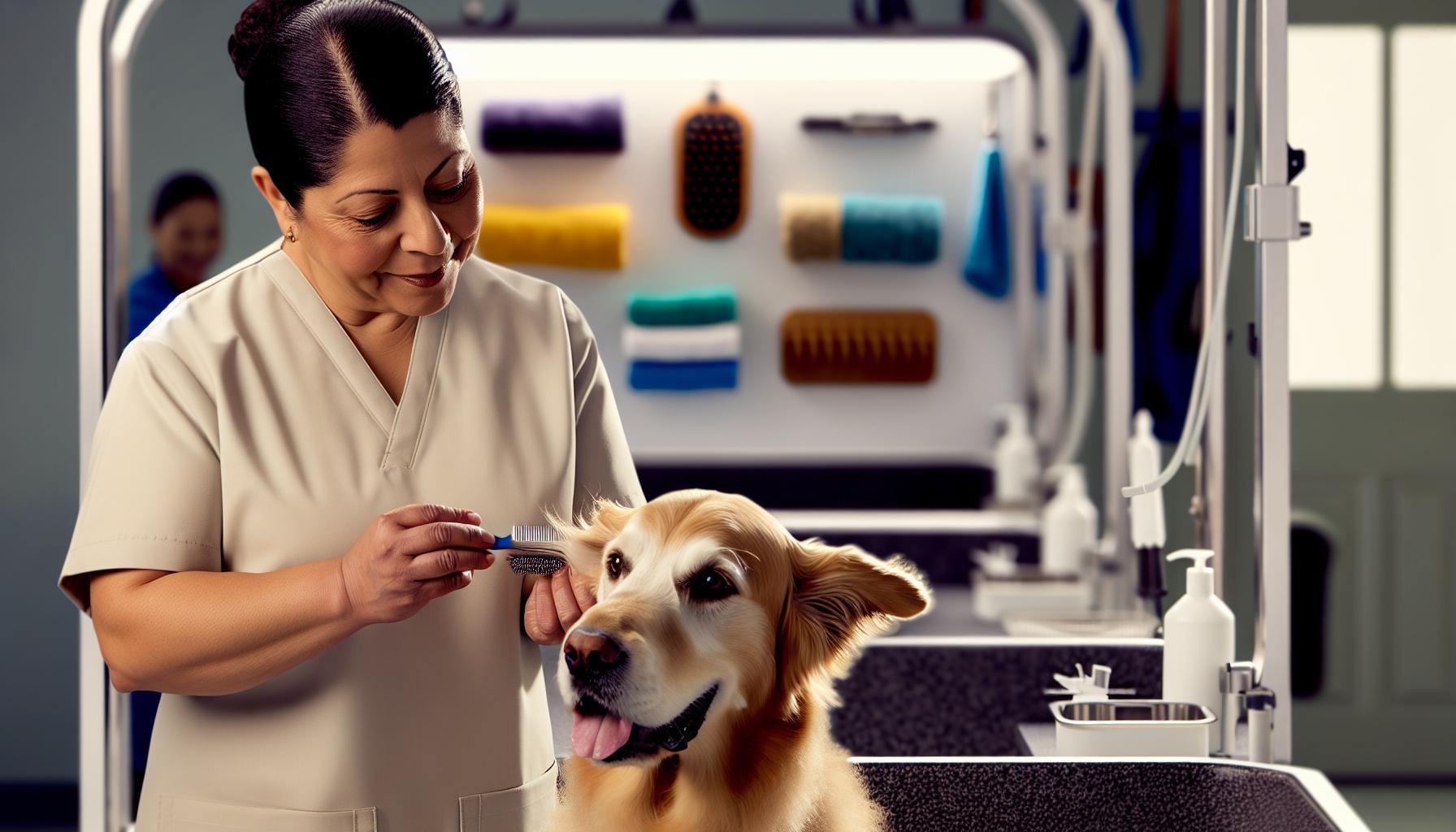
What Does Ear Hair Do for Dogs and Why It Matters
Table of Contents
- 1 What Does Ear Hair Do for Dogs and Why It Matters
- 2 Signs Your Dog’s Ear Hair Needs Attention
- 3 Step-by-Step Guide to Safely Plucking Dog Ear Hair
- 4 Tools and Techniques for Gentle Ear Grooming
- 5 Breed-Specific Needs: Which Dogs Benefit Most from Ear Hair Removal
- 6 Common Risks and How to Protect Your Dog’s Ears
- 7 Vet vs. groomer vs. DIY: Who Should Manage Ear Hair?
- 8 how to Soothe Your Dog During Ear Grooming Sessions
- 9 Aftercare Tips to Keep Your Dog’s Ears Healthy and Comfortable
- 10 Troubleshooting Ear Hair Problems: When to Seek Professional Help
- 11 FAQ
- 11.1 Q: How often should groomers pluck ear hair in dogs to maintain ear health?
- 11.2 Q: Can plucking ear hair cause ear infections or irritation in dogs?
- 11.3 Q: Which dog breeds are most likely to need ear hair plucking by professionals?
- 11.4 Q: What are safer alternatives to plucking ear hair for dogs prone to ear problems?
- 11.5 Q: When should a veterinarian perform ear hair removal instead of a groomer?
- 11.6 Q: How can pet owners soothe anxious dogs during ear hair plucking sessions at the groomer?
- 11.7 Q: What signs indicate that a dog’s ear hair removal went to far or caused problems?
- 11.8 Q: Can regular ear plucking improve my dog’s hearing or comfort inside the ear canal?
- 12 To Wrap It Up
Dogs’ ear hair plays a surprisingly critically important role in their overall ear health and comfort, beyond just being another part of their coat. This hair helps create a natural barrier that protects the delicate ear canal from dirt, debris, and even insects that could cause irritation or infection.Think of it as your dog’s little built-in filter system. For breeds like poodles, schnauzers, or cocker spaniels, where dense ear hair is common, this protective layer is notably notable as their floppy or heavily furred ears trap moisture more easily, increasing the risk of ear problems.
However, while ear hair can serve this protective function, it sometimes becomes a double-edged sword. Excessive or matted hair can trap wax and moisture, which may create a warm, damp surroundings where bacteria and yeast thrive. This is why regular monitoring is vital-not all ear hair is meant to be plucked without discretion. The key is balancing protection and cleanliness to avoid discomfort or infections without stripping away nature’s own safeguards.
- Protects against foreign particles: Ear hair blocks dust,pollen,and small insects from entering the canal.
- controls airflow and moisture levels: The hair helps regulate air circulation, preventing excess moisture buildup.
- Buffers against friction: Cushions the ear canal during normal movement or while scratching.
Such as, a friend’s cocker spaniel had recurring ear infections that disappeared once they started carefully managing the ear hair rather than over-plucking it. Ear hair should be viewed as part of your dog’s natural defense system-not a cosmetic flaw. Every dog’s needs differ, and understanding how ear hair functions will help you make thoughtful grooming decisions that prioritize your dog’s comfort and health over a perfectly tidy look.
Key Takeaway
Instead of automatically removing ear hair, assess if the hair is contributing to discomfort or health issues. If it’s clean and allows air circulation, it’s best left alone. When trimming or plucking becomes necessary, gentle care and proper technique preserve the benefits ear hair provides while lowering infection risks. Always approach ear grooming with patience, knowing that a happy, healthy pup hears best when their ears are comfortable-not necessarily bare.
Signs Your Dog’s Ear Hair Needs Attention
Sometimes, the ear hair that usually serves as a natural shield can signal that it’s time for a little extra attention. You might not notice right away, but subtle signs often let you know your pup’s ears could benefit from gentle grooming or a closer look. Watching for these clues early helps prevent discomfort and ear issues before they escalate, making grooming a stress-free experience for both you and your dog.
If you spot your dog frequently scratching, shaking their head, or tilting it to one side, these behaviors may point to irritation caused by excessive or tangled ear hair trapping moisture and wax. Look closely inside the ear flap-hair that’s matted or densely packed, especially in breeds like poodles or cocker spaniels, can block airflow and create a warm, damp environment perfect for bacteria or yeast to grow. Another red flag is an unusual odor, redness, or discharge coming from the ear; these often accompany infections sparked by trapped debris within thick ear hair.
Regularly check for changes such as flaky skin, buildup of wax clumps around the base of the hair, or signs your dog winces when the ear is touched. These subtle cues are your gentle reminder that the natural ear barrier has morphed into a problematic trap. Taking note of these signs early supports your dog’s comfort and ear health, allowing for safe and compassionate grooming interventions when needed.
How to Tell When Grooming Is Needed
- Persistent scratching or shaking: A clear sign of discomfort related to ear hair or underlying irritation.
- Visible mats or dense hair blocking ear canal: Especially critically important for breeds with long, floppy ears.
- Unpleasant smells or wax buildup: Indicates moisture and debris trapped by ear hair.
- Redness, inflammation, or sensitivity: Shows irritation that may require attention-but avoid harsh plucking if these signs are present; consulting a vet might be best.
- behavior changes during ear touch: flinching or pulling away suggests discomfort that shouldn’t be ignored.
Not every dog with thick ear hair needs plucking or trimming – sometimes a gentle brush or vet-approved cleaning is enough. If you’re unsure, don’t hesitate to ask your groomer or vet. They can help gauge whether the ear hair is protecting nicely or turning into a hidden troublemaker, and advise the safest way to manage it. The goal is always your dog’s comfort and health,not perfection.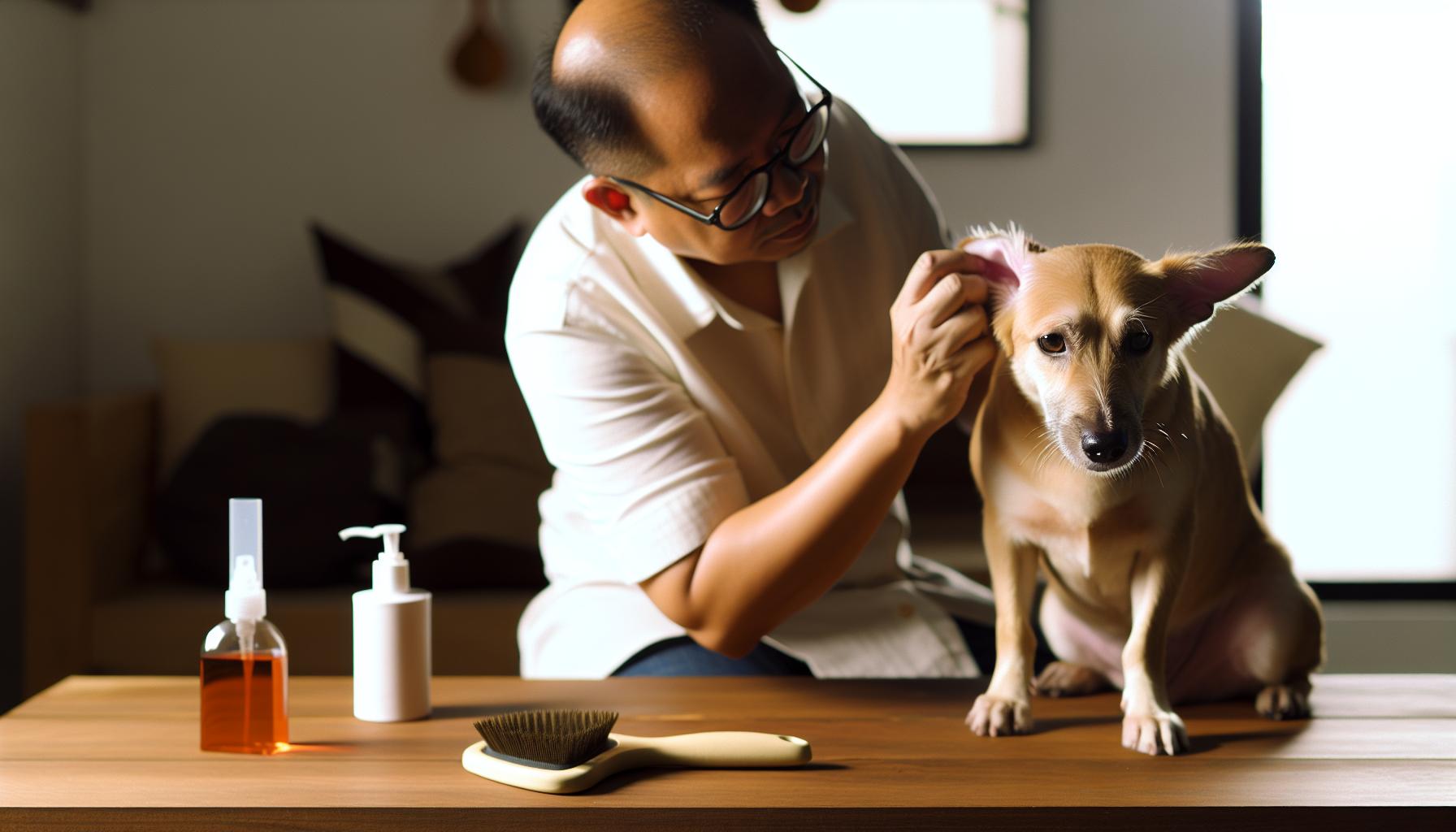
Step-by-Step Guide to Safely Plucking Dog Ear Hair
Ear hair can sometimes become a hidden culprit behind your dog‘s ear discomfort, especially in breeds with thick or curly coats. Carefully plucking excess ear hair helps improve airflow, reduce moisture buildup, and can prevent infections-but it’s a task that requires patience and gentleness to avoid causing pain or irritation. Think of it like delicate flower pruning: the goal is to tidy up without hurting the plant.
Getting Ready: Tools and Setup
Before you begin, gather these essentials: clean, rounded-tipped tweezers designed for pet grooming, a good light source, some calming treats, and perhaps a helper to gently hold your dog if needed. It’s best to work in a calm, quiet space where your dog feels safe. Starting with freshly cleaned ears (using vet-approved ear wipes) can make the plucking smoother and more comfortable.
Step-by-Step Approach
- Step 1: Calm and Assess – gently lift your dog’s ear flap and examine the hair inside. If the hair is sparse or your dog shows any signs of ear sensitivity (redness, discharge, or flinching), stop and consult your vet. Plucking is best for dogs with thick, dense hair like poodles or cocker spaniels.
- Step 2: Grip Hair Gently – Using your tweezer, softly grasp a small bunch of hair near the base-not deeply inside the canal. Pull slowly and steadily in the direction of hair growth. Swift or rough tugs can cause pain or damage delicate ear tissues.
- Step 3: Small Batches Only – Work in small sections, removing only a few hairs at a time. This helps keep your dog comfortable and allows you to monitor for any signs of discomfort.
- Step 4: Reward and Reassure – Frequent breaks with praise and treats build positive associations, helping even nervous dogs relax for future grooming.
Helpful Tips and Pitfalls to Avoid
– never pluck if the ear is red, swollen, or shows signs of infection; this can worsen the problem.
– If your dog squirms or pulls away, pause and try again later; forcing can lead to negative experiences.- Some dogs have very little ear hair and don’t need plucking; always tailor this step to your dog’s unique ear traits.
– Groomers often perform plucking because they can spot subtle signs that warrant it; as an owner,it’s okay to ask them to do it or to check with your vet before attempting yourself.
Remember, the goal isn’t to remove every hair but to maintain ear health with compassionate care. When done thoughtfully, plucking small amounts of dog ear hair can be a gentle part of your grooming routine that keeps your furry friend happier and itch-free.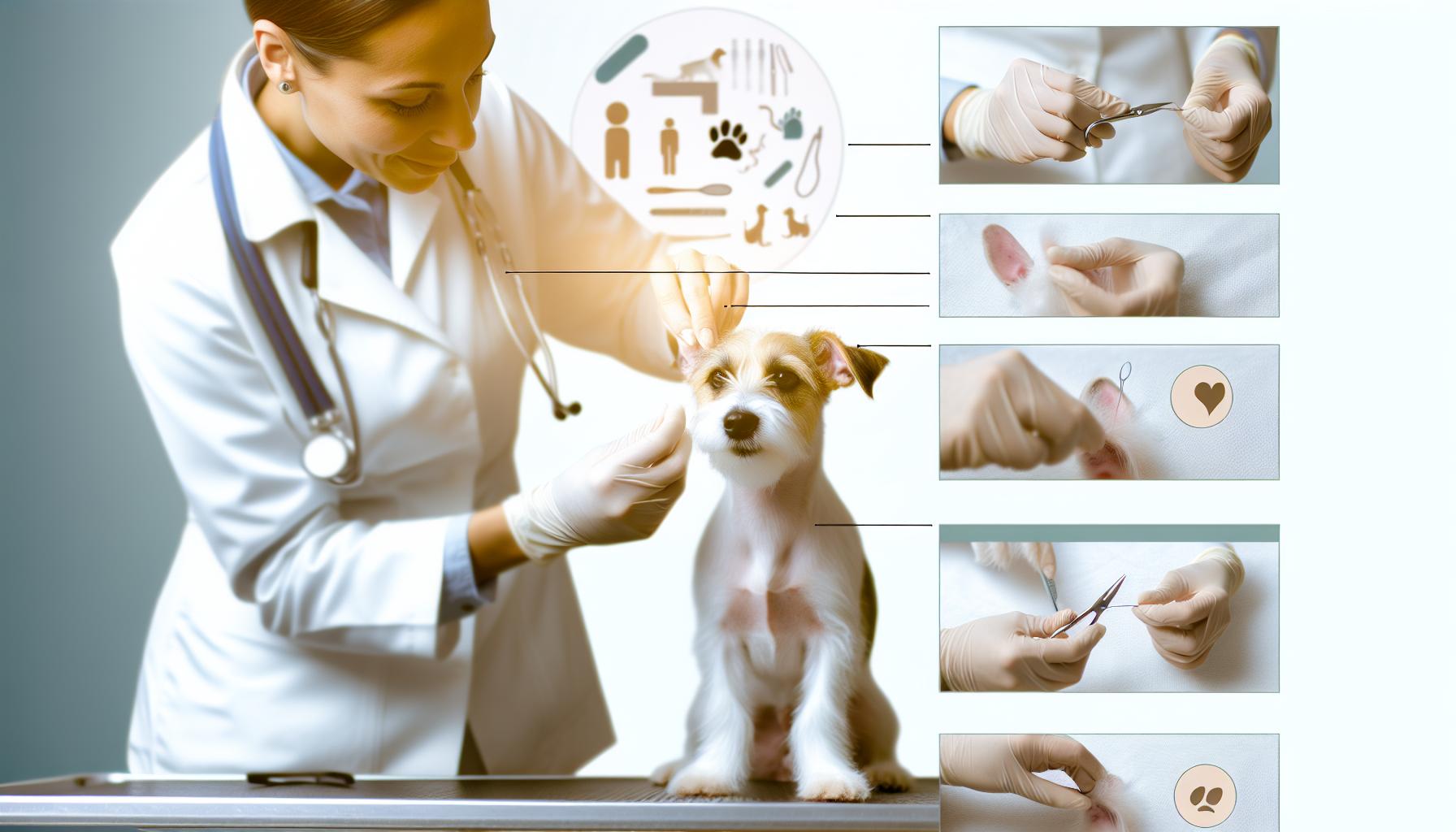
Tools and Techniques for Gentle Ear Grooming
Ear grooming for dogs,especially when it involves managing ear hair,is an art grounded in patience and gentle care. For breeds with dense or curly ear hair-think poodles or cocker spaniels-the right tools combined with soft, steady techniques can transform what might be a stressful chore into a calm bonding moment. The key is to prioritize your dog’s comfort at every step while maintaining ear health rather than chasing a “bare” look.
Essential Tools for Gentle Ear Grooming
- Rounded-Tip tweezers: these are designed specifically for pet grooming to prevent accidental pokes or scars inside the delicate ear canal. The rounded tips offer more control and safety than standard tweezers.
- Bright Light Source: A well-lit area or a portable,adjustable LED light helps you clearly see the ear canal and hair. This minimizes guessing and unnecessary tugging.
- vet-approved Ear Wipes or Solutions: Starting with freshly cleaned ears removes dirt and wax buildup,making hair removal smoother and reducing irritation.
- Calming Aids: Soft treats, gentle praise, and a quiet environment are invaluable. Consider pheromone sprays or natural calming supplements if your dog tends to be anxious.
Techniques That Make a Difference
Begin each session by allowing your dog to sniff and explore the tools-this builds trust and reduces surprise. When plucking ear hair, always hold the ear flap firmly but gently, supporting the area to avoid pulling sensitive skin.Grasp only small bunches of hair near the base, avoiding deep inside the canal where nerves and delicate skin abound.
Use slow, deliberate motions following the hair growth direction to minimize discomfort. If your dog squirms or shows signs of distress, pause immediately to reassure them with a soothing voice or a break for a treat. Remember, frequent short sessions work far better than a single prolonged attempt.
Additional Tips and Real-World Wisdom
For example, one groomer shared how brushing a Cockapoo’s ears daily with a soft-bristle brush before plucking dramatically reduced matting and made hair removal easier. Others find that using a helper to gently hold their dog provides the extra stability needed for a calm grooming session.
If your dog has little ear hair, there’s no need to pluck-sometimes less is more. When in doubt, it’s perfectly fine to ask a professional groomer or your vet for advice or to perform the hair removal, especially if your dog has had ear infections or is particularly sensitive.
Practice and gentle care will help you and your dog approach ear grooming with confidence, maintaining comfort and preventing common ear issues before they arise. It’s about nurturing your furry friend’s wellbeing, one gentle pull at a time.
Breed-Specific Needs: Which Dogs Benefit Most from Ear Hair Removal
Dogs with naturally dense or curly ear hair benefit the most from thoughtful management, and knowing which breeds are prone to ear hair buildup can save you from common ear health issues down the line. Breeds like Poodles, Cocker Spaniels, Bichon Frises, Schnauzers, and Maltese frequently enough have those lush, sometimes wiry, ear coats that trap moisture and debris-setting the stage for infections if not properly tended to.Managing ear hair in these breeds doesn’t just improve comfort; it can be a crucial part of preventing painful ear canal problems.
Targeting Specific Breeds with Dense or Curly Ear Hair
- Poodles and Poodle Mixes: Their signature curly coats extend into the ear canal, where hair can create a warm, damp environment perfect for yeast and bacterial growth. Regular and gentle plucking paired with careful cleaning helps maintain ear health.
- Cocker Spaniels: Known for long,floppy ears and thick feathering,cockers benefit from ear hair removal to improve air circulation and reduce the risk of infections. Daily brushing around the ears reduces matting, making hair plucking easier and less stressful.
- Bichon Frise and Maltese: these breeds have fine but abundant hair in their ears. Without regular grooming, this hair can trap dirt and moisture. Gentle plucking, combined with regular ear checks, supports cleaner, healthier ears.
- Schnauzers: With their wiry coats and prominent ear furnishings, schnauzers require routine ear hair maintenance to prevent blockages and irritation.
Balancing Hair Removal and Comfort
It can be tempting to aim for fully hair-free ears, but for many breeds, a bit of ear hair actually provides a protective barrier. Instead of removing all the hair, focus on thinning dense patches to improve airflow while avoiding irritation. Using the right tools-such as rounded-tip tweezers-and working slowly ensures your dog stays comfortable throughout. Such as, a groomer shared that trimming around the ear canal edges combined with selective plucking dramatically reduced their Cockapoo’s ear infections without leaving the ears overly bare.
when to Leave It to the Pros
If your dog belongs to one of these breeds but shows sensitivity, or if you notice redness, swelling, or repeated infections, it’s wise to consult a veterinarian or professional groomer. both can assess whether ear hair removal is appropriate and demonstrate safe techniques tailored to your dog’s needs.Remember, expert guidance is especially critically important for puppies, anxious dogs, or breeds with narrow ear canals where even gentle plucking requires skill and care.With the right approach, managing ear hair can transform from a daunting task into a routine that protects your dog’s ears, boosts comfort, and strengthens your special bond-always prioritizing their health and happiness over a “perfect” look.
Common Risks and How to Protect Your Dog’s Ears
Sometimes, what seems like a simple grooming task-plucking ear hair-can carry unexpected risks if done without care.The delicate skin inside a dog’s ear canal is especially sensitive. Overzealous plucking or using improper tools may cause irritation, tiny abrasions, or even trigger inflammation.This not only leads to discomfort but can open the door for infections, which are often more challenging to resolve.For breeds with naturally narrow or hairy ear canals, such as Poodles or Cockers, these risks become even more significant and demand a gentle, thoughtful approach.
Understanding risks and Staying Ahead
- Irritation and Redness: Frequent or aggressive plucking can inflame ear skin.Watch for persistent scratching or head shaking after grooming-these are signs your dog might be uncomfortable.
- Infection Risk: Damaged skin creates an entry point for bacteria or yeast. Since trapped moisture inside furry ear canals already encourages microbial growth, scrupulous care is crucial.
- Pain and Aversion: Negative experiences during ear grooming can make your dog fearful or resistant. This anxiety may complicate future grooming sessions, so building trust with gentle handling is essential.
- hearing Impact: Though rare, excessive hair removal or injury to the ear canal may affect your dog’s hearing. always avoid deep or aggressive extraction close to the ear drum.
Protecting Your Dog’s ears: Practical Tips
Choose the Right Tools: Opt for rounded-tip tweezers or specialized grooming scissors designed to minimize accidental nicks. Avoid sharp or rusty implements that could hurt skin.
go slow and Be Gentle: Work in a calm, relaxed environment. Take breaks if your dog seems uneasy.Pluck only a few hairs at a time to reduce discomfort and allow skin to adapt.
Know When to Stop: If your dog’s ears appear red, swollen, or painful, pause plucking and consult a veterinarian. Sometimes hair thinning rather than full removal is safer, preserving natural protection.
Keep Ears dry and Clean: After grooming,make sure ears are dry to limit moisture buildup. Regularly check for unusual odor or discharge-early signs of infection.
Involve Professionals Wisely: Some dogs with sensitive ears or chronic issues benefit from professional groomers or vets who have experience handling ear hair safely. Don’t hesitate to ask for their advice or demonstrations to improve your technique.
Example: A Cocker Spaniel Story
One owner shared how their cocker Spaniel became resistant during ear grooming after a rough self-taught plucking attempt led to soreness. By switching to a skilled groomer who used gentle brushes and selective hair thinning combined with positive reinforcement, the dog’s ears stayed healthy-and the grooming sessions turned from stressful to bonding moments.
When it comes to managing ear hair, prioritize your dog’s comfort over appearance. A patient, low-stress approach coupled with the right knowledge keeps those precious ears happy and infection-free for years to come.
Vet vs. groomer vs. DIY: Who Should Manage Ear Hair?
Ear hair management frequently enough sparks debate among dog owners: should you tackle it yourself at home, rely on professional groomers, or leave it to the vet? The reality is, each option has its place depending on your dog’s breed, temperament, and medical history. Understanding who is best suited to care for your dog’s ears empowers you to make decisions that keep your pup safe and comfortable.
For many owners of breeds with naturally dense ear hair-like Poodles, Cocker Spaniels, and bichon Frises-ear hair removal can be an essential part of grooming. however,the task requires precision and a gentle touch.Professional groomers usually excel here due to their experience, proper tools (such as rounded-tip tweezers), and calm handling techniques that help reduce your dog’s stress. Groomers also know when to stop,minimizing irritation or damage to the delicate ear canal skin. For example, a groomer who’s familiar with selective hair thinning rather than full plucking can protect natural ear defenses while reducing risks.
Still, not every dog needs or benefits from ear hair removal, and the process can sometimes lead to soreness or infection if done incorrectly.This is where veterinarians become invaluable. If your dog has a history of ear infections, sensitive skin, or shows signs of persistent discomfort, the vet’s expertise is vital. Vets can evaluate the health of your dog’s ears before recommending or performing hair removal, sometimes combining it with medical treatment if infections or inflammations are present.They can also demonstrate safe techniques for you to use at home, bridging the gap between medical care and routine grooming.
For confident owners of low-risk breeds or dogs with minimal ear hair, home care can be a practical option-but only with the right knowledge. If you decide to manage your dog’s ear hair yourself, focus on gentle, patient sessions. Use specialized tools designed to minimize nicks and irritation. Always watch your dog’s reaction closely-if they seem uncomfortable or their ears become red or swollen, step back and consult a professional. Starting small, perhaps under professional guidance at a groomer’s or vet’s office, can build your confidence and help your dog adapt to the process.
Weighing the Options: Practical Advice
| Caregiver | Best For | Tools/Skills Needed | Key Benefits | Potential Challenges |
|---|---|---|---|---|
| Veterinarian | Dogs with medical issues (ear infections,chronic inflammation) | Medical knowledge,sterile equipment | Professional diagnosis; safe,thorough ear care; medical treatment if needed | Less frequent routine visits; higher cost |
| Professional Groomer | Breeds needing regular ear hair maintenance; anxious dogs requiring gentle handling | proper grooming tools; experience with ear sensitivity | Consistent,gentle grooming; stress reduction; hair removal without injury | Quality varies by groomer; costs accumulate with regular visits |
| DIY Owner | Low-risk breeds,owners with time and patience | Rounded-tip tweezers/scissors; calm environment; knowledge | Convenience; control over grooming frequency; bonding chance | Risk of irritation or infection if done improperly; requires learning and patience |
Ultimately,choosing who should manage your dog’s ear hair is not “one-size-fits-all.” Prioritize your dog’s emotional comfort and ear health.When in doubt, lean on professionals-whether vet or groomer-and use those experiences to guide any home care you provide. Remember, gentle touch and patience go a long way in keeping your dog’s ears happy and healthy.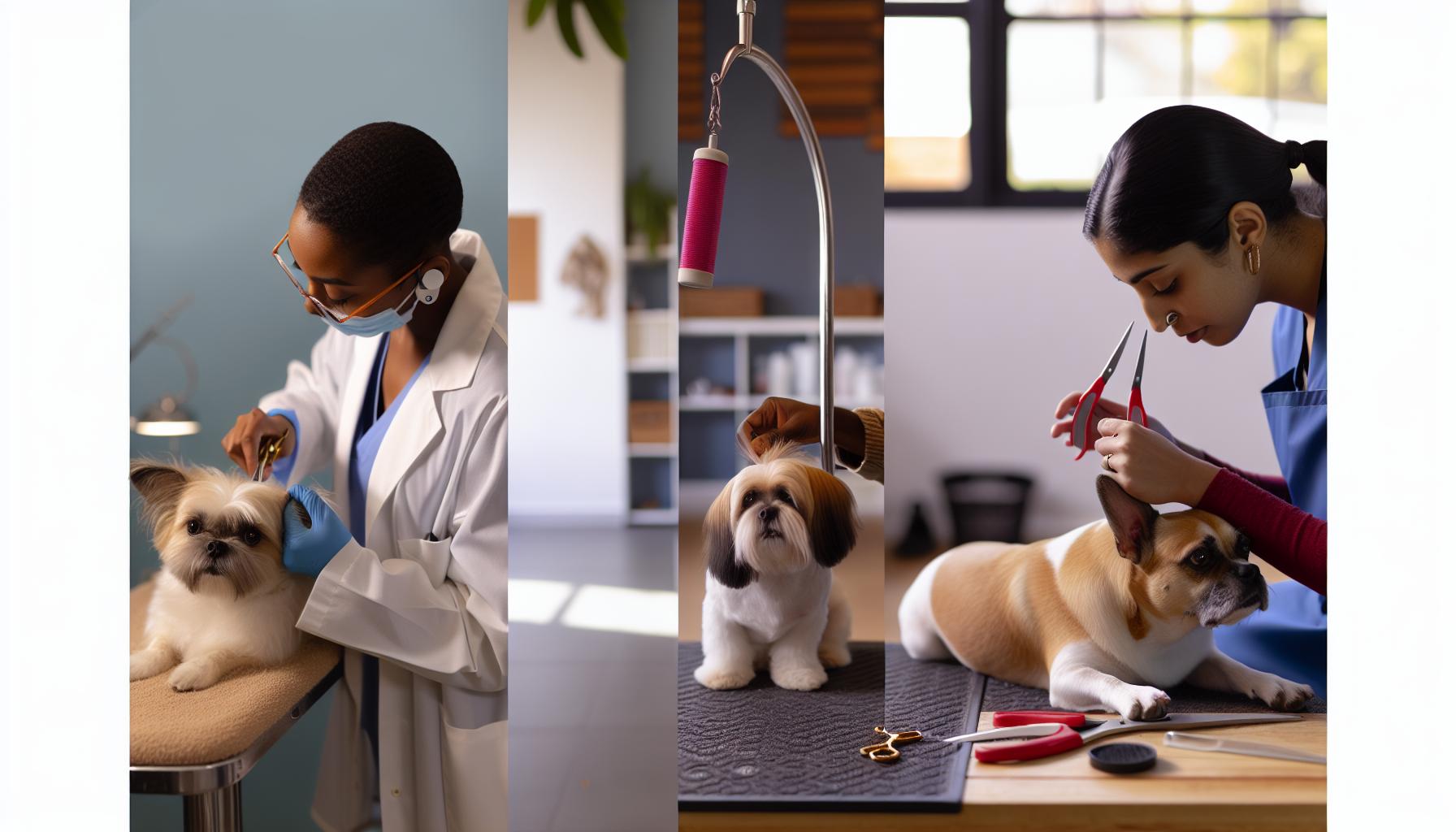
how to Soothe Your Dog During Ear Grooming Sessions
Few grooming tasks evoke as much anxiety-for dogs and their owners-as tending to sensitive ear hair.Yet, with a patient approach and thoughtful techniques, ear grooming can become a calm, even bonding, experience. Understanding your dog’s individual comfort signals and pacing the session to their needs is key to transforming what might feel like a hassle into a gentle routine.
Preparation Is Everything
Start by creating a peaceful environment. Choose a quiet spot free from distractions, where your dog feels secure. Gather all your tools beforehand-rounded-tip tweezers, soft cloths, and ear-cleaning solution, if recommended by your vet or groomer. Having everything within reach prevents rushing, which can quickly increase your dog’s stress. For breeds with dense ear hair like Poodles, Bichons, or Cocker Spaniels, keep sessions brief but regular to avoid overwhelming your pup.
Use Calm interaction and Positive Reinforcement
Soft, reassuring talk and gentle petting before and during ear grooming help soothe nerves. Use your dog’s name and a calm voice to keep their focus and build trust. Reward small cooperative moments with treats or favorite toys immediately, reinforcing positive associations. Such as, if your dog tolerates one gentle pull, reward right away instead of waiting until the end of the session. This short,steady approach reduces resistance and fosters cooperation over time.
Step-by-Step Handling Tips
- Start by gently massaging the base of the ear-this relaxes muscles and familiarizes your dog with the touch.
- Slowly move to plucking or trimming only a few hairs at a time, focusing on comfort rather than speed.
- Watch closely for signs of discomfort: pulling away, ear flicking, or whining indicate it’s time for a break.
- If your dog resists, pause and switch to gentle ear rubs or a favorite chew toy.Resume later with less intensity.
Know When To Call In Support
Some dogs,especially those with prior ear infections,skin sensitivities,or anxious temperaments,may require professional handling by a groomer or vet. Remember, ear grooming is more than just aesthetics; it’s about comfort and health. If your dog becomes overly stressed-even with the gentlest of care-trust that seeking professional assistance is the kindest choice. Groomers frequently enough employ calming pheromone sprays or specialized handling techniques,while vets can combine grooming with medical treatment for a safer,pain-free experience.
Every dog is unique. With patience, kindness, and a slow pace, ear grooming sessions can become opportunities for trust and care rather than fear. Embrace the small victories, listen to your dog’s cues, and celebrate the comfort you create together.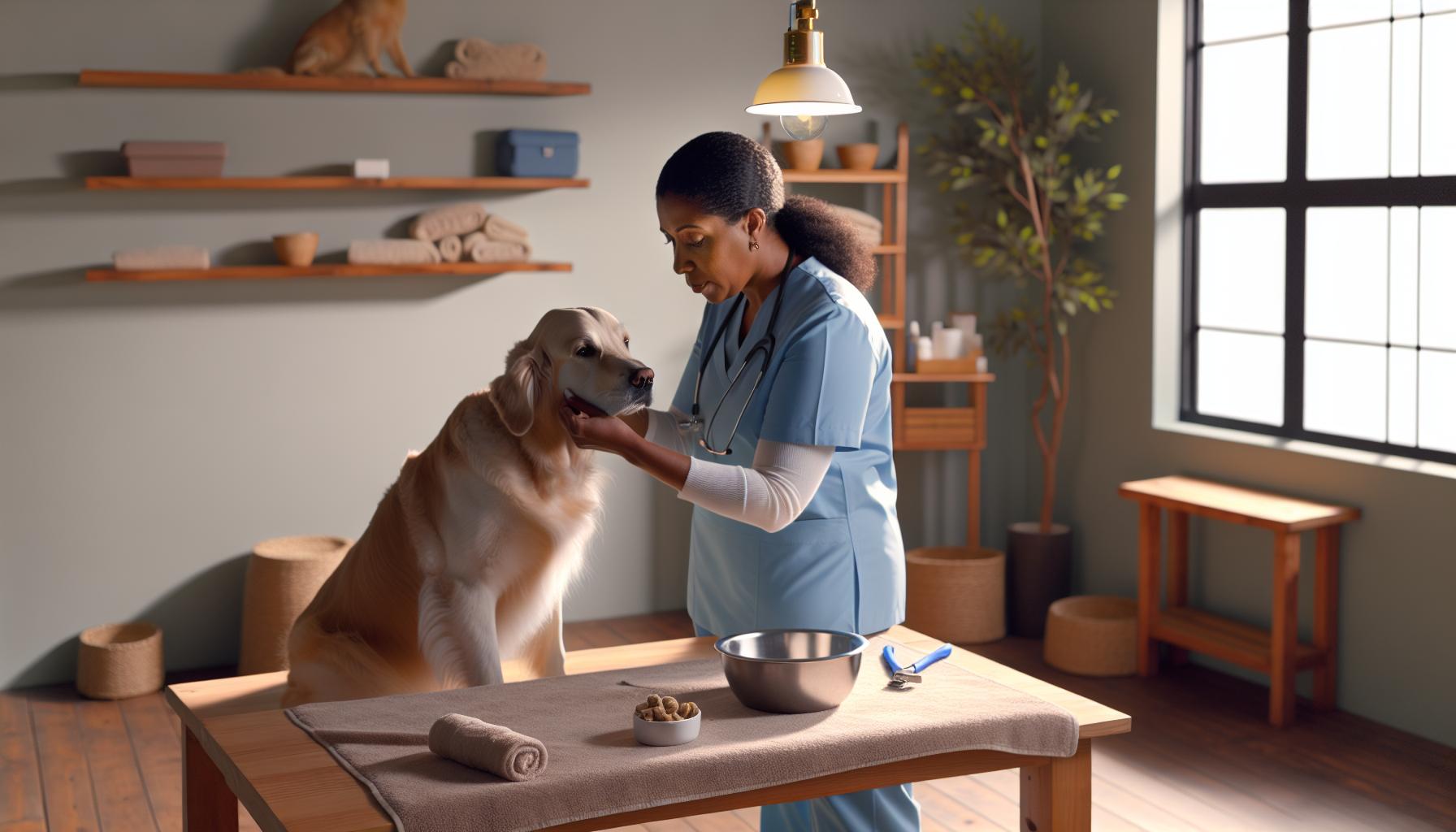
Aftercare Tips to Keep Your Dog’s Ears Healthy and Comfortable
Ear grooming is only the beginning-the care you provide your dog’s ears after plucking is just as important in maintaining their health and comfort.Gentle ear aftercare helps prevent irritation, infection, and discomfort, especially for breeds prone to dense ear hair like Cocker Spaniels, Bichons, and Poodles. A calm, consistent routine encourages your dog to feel safe and relaxed during future grooming sessions.
Keep Ears Clean but Never Overdo It
After plucking, the ear canal may be a bit sensitive, so avoid harsh or frequent cleaning. Use a vet-recommended, gentle ear cleaner applied with a soft cotton ball or cloth-never insert anything deep into the ear canal. Lightly wipe the inside ear flaps and the accessible ear canal entrance to remove loosened hair, wax, and debris. over-cleaning can strip natural oils, leading to dryness or irritation, so aim to clean ears only when visibly dirty or as advised by your vet.
Monitor for Redness and Irritation
Keep a daily eye on your dog’s ears for signs of redness, swelling, odor, or any discharge, which could indicate irritation or early infection. It’s normal for the skin inside the ear to be slightly pink after plucking,but persistent redness or your dog frequently shaking their head or scratching their ears calls for a professional checkup. Prompt attention prevents minor discomfort from escalating.
Hydrate and Soothe the Skin
Sometimes the skin can become dry or flaky after hair removal-applying a small amount of dog-safe moisturizing ear drops can soothe dryness and maintain skin elasticity. avoid human skin products, as they may cause allergic reactions. If your dog shows sensitivity or your vet advises it, natural oils like calendula or chamomile-infused solutions can provide relief and promote healing.
Encourage Calmness with Positive Associations
Since ear grooming can be a stressful experience, reinforce positive memories afterward. Use gentle praise, favorite treats, or a short play session to reward your dog’s patience.Keeping ear care a positive experience helps reduce anxiety next time you groom and supports your bond.
Simple Aftercare Checklist
- Use a gentle, vet-approved ear cleaner sparingly.
- Dry ears thoroughly but gently after any moisture exposure.
- Watch for signs of irritation or infection daily.
- Apply dog-safe ear moisturizers if recommended.
- Avoid inserting cotton swabs or sharp tools into the ear canal.
- Reward calm behavior with treats and affection.
Remember,each dog’s ears are as unique as their personality. If you ever feel uncertain, a groomer or vet can offer personalized advice tailored to your dog’s breed and ear health history. Thoughtful aftercare supports not only ear hygiene but also your dog’s comfort and trust-key ingredients for happy, healthy ears.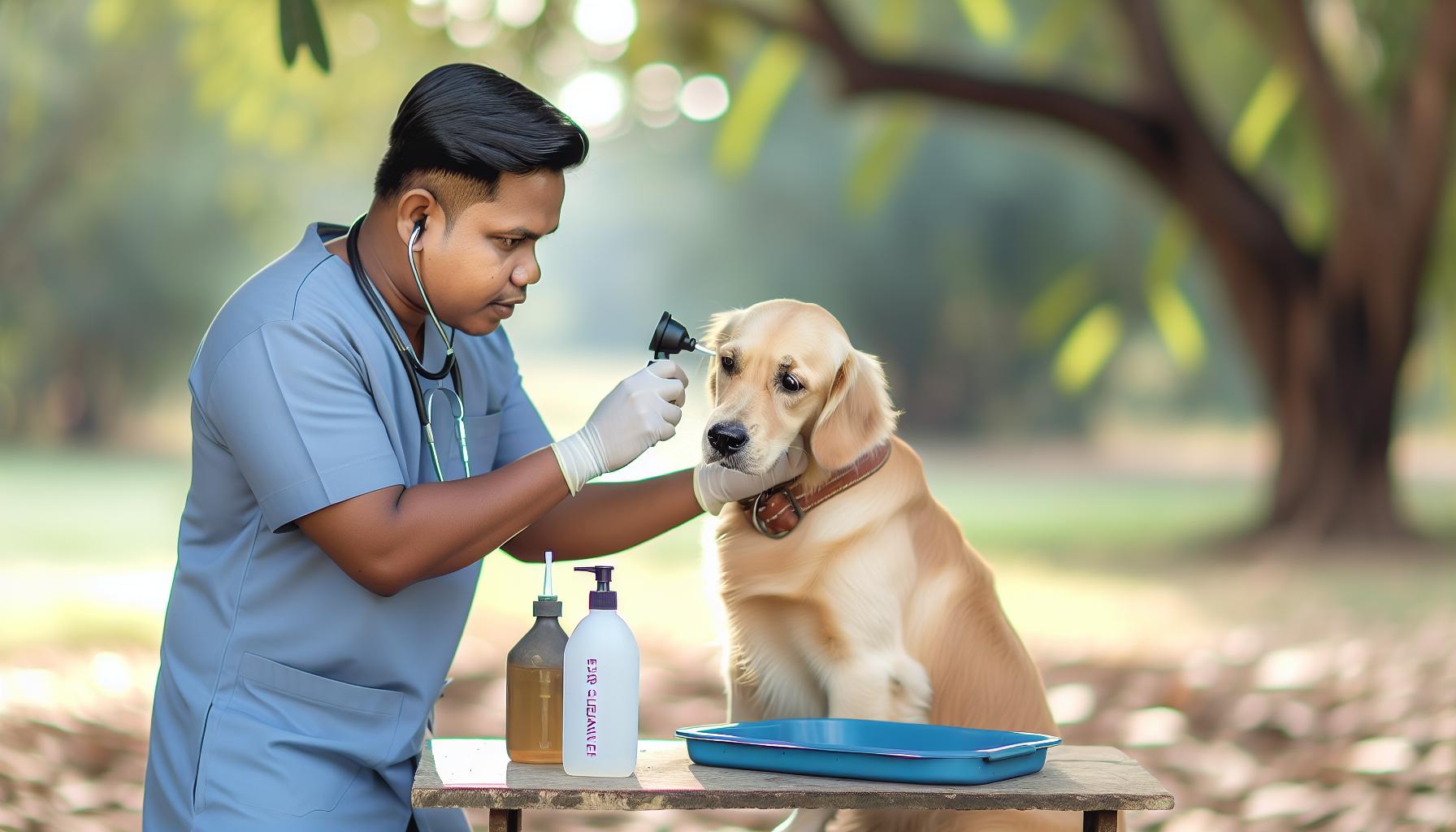
Troubleshooting Ear Hair Problems: When to Seek Professional Help
Sometimes, despite our best efforts, managing ear hair can become more intricate than expected. When your dog shows signs of discomfort like persistent scratching, head shaking, or redness inside the ear, it’s a signal that professional help may be needed. Not every ear hair issue can or should be handled at home-knowing when to step back and seek expert care is essential for your dog’s safety and well-being.
Certain breeds, such as Cocker Spaniels, Bichons, and Poodles, are especially prone to dense ear hair that traps moisture and debris, creating the perfect environment for infections. If you notice your dog’s ears have developed a foul odor, discharge, swelling, or if the skin appears raw after plucking attempts, it’s time to consult a veterinarian or experienced groomer. Attempting to fix these problems yourself could worsen the situation, risking pain or injury.
Common signs That Indicate Professional Intervention Is Needed
- Repeated or aggressive scratching and head shaking, indicating irritation or itchiness underneath the surface.
- redness, swelling, or heat around the ear flap, signs of inflammation or infection.
- Discharge that’s yellow,green,or foul-smelling, frequently enough linked to bacterial or yeast infections requiring treatment.
- bleeding or raw patches from over-plucking or scratching, which need gentle care beyond routine cleaning.
- Resistance or extreme anxiety during grooming sessions, which could indicate pain or fear that needs patient handling.
Vet vs.Groomer vs. DIY: Clear Boundaries for Ear Care
While gentle ear hair removal can be part of regular grooming for many breeds, complex issues call for professionals. A skilled groomer can safely pluck ear hair and clean ears without causing trauma,especially if they’re familiar with your dog’s breed-specific needs. However, veterinarians are the best resource when infections, allergies, or injuries arise since these require medical diagnosis and possible prescriptions for antibiotics or anti-inflammatories.
For example, if your Poodle’s ears turn persistently red and inflamed despite routine grooming, a vet visit will ensure proper treatment rather than risking worsening the condition with DIY methods. At-home care is best reserved for maintenance and minor cleaning using vet-approved products-with no digging or excessive plucking.
Empowering You to Know When to Ask for Help
Playing detective with your dog’s ears means observing subtle changes daily.If plucking causes sudden pain or bleeding, stop immediately and let a professional evaluate the situation. Remember, your dog’s comfort is paramount-forcing grooming can damage trust and cause fear of future ear care.
safe, effective ear grooming means recognizing your limits and working with trusted groomers or vets proactively. When handled with compassion and expertise, your dog’s ears stay healthy, irritation-free, and happy. Don’t hesitate to reach out if you’re ever unsure-your dog will thank you with wagging ears and a calmer demeanor.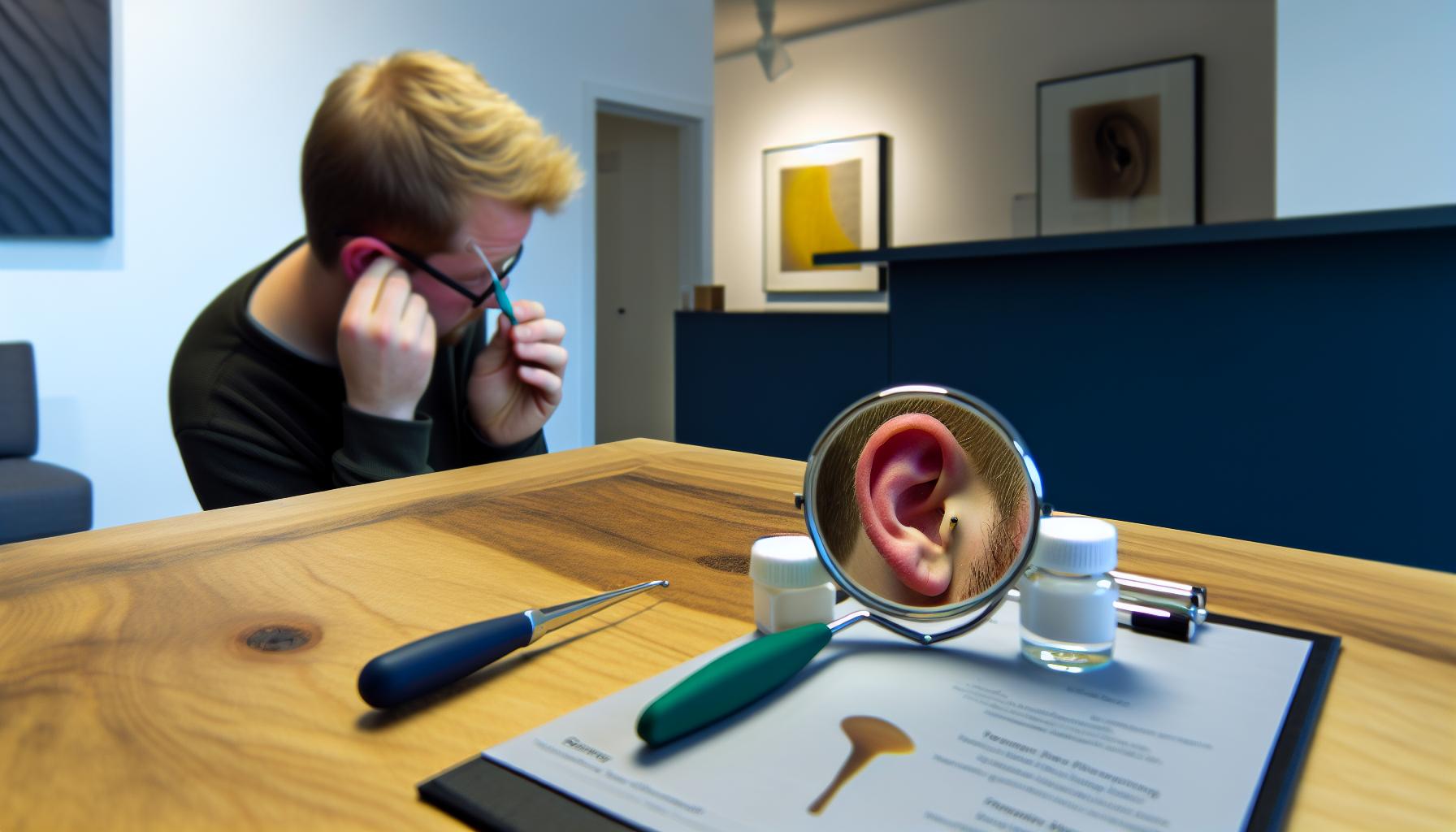
FAQ
Q: How often should groomers pluck ear hair in dogs to maintain ear health?
A: Groomers should pluck ear hair only as needed, usually every 4-6 weeks, depending on your dog’s breed and ear hair growth.Over-plucking can irritate the ear canal, so regular checks and gentle maintenance are key. For detailed timing and safety, see our aftercare tips section.
Q: Can plucking ear hair cause ear infections or irritation in dogs?
A: When done correctly, plucking ear hair does not cause infections, but improper or aggressive plucking may irritate the ear canal and increase infection risk. Always ensure tools are clean, and pluck gently. Check our common risks and protection guide for safe practices to keep ears healthy.
Q: Which dog breeds are most likely to need ear hair plucking by professionals?
A: Breeds with hairy or floppy ears like Cocker Spaniels, Poodles, and Bichon Frises benefit most from professional ear hair plucking to reduce moisture and debris buildup. These breeds are prone to ear infections without proper grooming. Visit our breed-specific needs section to learn more.
Q: What are safer alternatives to plucking ear hair for dogs prone to ear problems?
A: For sensitive dogs, trimming or thinning ear hair with scissors or thinning shears is a safer option than plucking. Regular ear cleaning and drying also help prevent infections without hair removal. Explore our tools and techniques section for gentle grooming methods.
Q: When should a veterinarian perform ear hair removal instead of a groomer?
A: A vet should handle ear hair removal if your dog shows signs of infection, chronic irritation, or has sensitive ears. Vets can safely manage underlying issues and provide treatments alongside hair removal. See the vet vs. groomer vs. DIY comparison for guidance.
Q: How can pet owners soothe anxious dogs during ear hair plucking sessions at the groomer?
A: To calm anxious dogs, groomers and owners can use gentle handling, positive reinforcement, and breaks during plucking. Familiar toys or treats help. For step-by-step soothing techniques, check our guide on how to soothe your dog during ear grooming.
Q: What signs indicate that a dog’s ear hair removal went to far or caused problems?
A: Signs include redness, swelling, discharge, bad odor, or excessive scratching after grooming. these indicate irritation or infection and need prompt care. Refer to our troubleshooting ear hair problems section and consult a vet if symptoms persist.
Q: Can regular ear plucking improve my dog’s hearing or comfort inside the ear canal?
A: Ear hair plucking does not improve hearing but can increase comfort by reducing moisture and debris, lowering infection risk. Proper grooming keeps ears clean and ventilated, supporting overall ear health. Learn more in our article’s importance of ear hair section.
For more tips on dog ear health and grooming safety, explore our full article where we cover breed-specific care and step-by-step techniques to keep your pup comfortable and happy!
To Wrap It Up
Deciding whether groomers should pluck your dog’s ears comes down to safety, comfort, and individual needs. Remember, regular ear care is essential-whether it’s gentle cleaning, trimming, or knowing when to consult a vet about excess ear hair. For dogs with thick or long coats, like Poodles or Spaniels, careful maintenance can prevent infections without unnecessary plucking.Always prioritize your pup’s well-being over aesthetics.
If you’re curious about the best grooming tools, step-by-step ear care routines, or how to manage other grooming tasks like brushing or nail trimming, explore our detailed guides on dog grooming basics and breed-specific care. Staying informed helps you protect your dog’s health while keeping them comfortable and happy. Don’t forget to subscribe to our newsletter for expert tips and exclusive resources delivered straight to your inbox.
Your dog’s ears deserve gentle,knowledgeable care-feel free to share your experiences or questions in the comments below. for personalized advice or to learn more about safe grooming practices, check out our consultation services and product recommendations designed with your furry friend’s safety in mind. Together, we can keep those ears healthy and wagging!
Get our latest guides, news, and insights highlighted in your Google Search & AI Overviews.
Keep reading about the same coat and cut.




Popular grooming guides
Bath vs clip, first grooms, and salon how-tos.