When Do Dog Groomers Open? Hours & Booking Tips
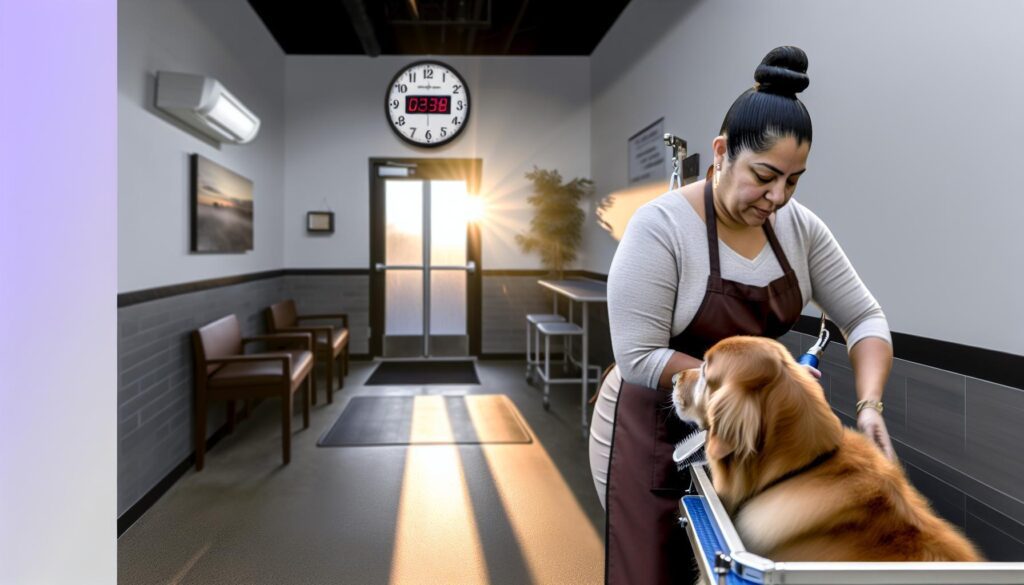
Did you know that knowing your dog groomer’s hours can save you from last-minute stress and help keep your furry friend calm? Scheduling grooming appointments at the right time matters-a lot. Whether your pup has a thick coat that needs regular brushing or sensitive skin that requires gentle care, understanding when groomers open and how to book can make the entire experience smoother for both you and your pet. This guide will walk you through typical grooming hours, smart booking tips, and how to choose the best time to visit, all with your dog’s comfort and safety in mind. By the end, you’ll feel confident about planning grooming sessions that fit your schedule and your dog’s unique needs-because calm, compassionate care always comes first. Let’s dive in and make grooming a stress-free experience from start to finish.
When Dog Groomers Typically open and Close
Table of Contents
- 1 When Dog Groomers Typically open and Close
- 2 How Seasonal and Location Differences Affect Hours
- 3 Understanding Peak Times and Best Days to Book
- 4 How to Easily Schedule Your Dog Grooming Appointment
- 5 Tips for Booking Last-Minute Grooming Sessions
- 6 Finding Emergency or After-Hours Grooming Services
- 7 What to Expect During Your Dog’s First Grooming visit
- 8 how to Prepare Your Dog for Grooming Day
- 9 Common Scheduling Mistakes and How to Avoid Them
- 10 How Grooming Needs Vary by Breed and Coat Type
- 11 Saving Time and stress with Regular Grooming Plans
- 12 Frequently asked questions
- 12.1 Q: Why do some dog groomers open later on weekends compared to weekdays?
- 12.2 Q: How can I find a dog groomer with flexible hours near me?
- 12.3 Q: What should I do if I need grooming services outside normal buisness hours?
- 12.4 Q: How early should I book a dog grooming appointment to get my preferred time?
- 12.5 Q: Are there differences in groomers’ hours based on breed or coat type?
- 12.6 Q: Can I book a dog grooming appointment online, and is it reliable?
- 12.7 Q: Why do grooming appointment wait times increase during certain seasons?
- 12.8 Q: How can I communicate my time preferences to a dog groomer effectively?
- 13 Future Outlook
Many dog grooming salons open their doors bright and early, often starting around 8:00 or 9:00 a.m.,to accommodate busy pet parents who want to drop off their furry friends before heading to work or other daily activities. Typically, grooming businesses close by mid to late afternoon, around 5:00 or 6:00 p.m. This schedule balances the need for focused, attentive grooming sessions with reasonable working hours for the groomers, who carefully handle everything from bathing and brushing to nail trimming and ear cleaning. Early appointments often mean a calmer surroundings, as fewer pets are present, and groomers can dedicate more time and patience to each dog, especially those who get nervous or require extra TLC.
typical Daily Hours
| Day | Opening Time | Closing Time |
|---|---|---|
| Monday - Friday | 8:00 a.m. – 9:00 a.m. | 5:00 p.m. – 6:00 p.m. |
| Saturday | 8:00 a.m. – 10:00 a.m. | 2:00 p.m.- 4:00 p.m. |
| Sunday | Closed or by appointment onyl | closed or by appointment only |
Weekdays are the main workhorses for groomers, with plenty of slots available but also likely to fill up faster during mornings and early afternoons. Weekend hours tend to be shorter, often reflecting a more relaxed pace or limited staffing, so planning ahead for weekend grooming can save you stress-especially for your pet’s first visit or any service requiring extra time.
If your dog has a thick double coat like a Siberian Husky or a curly coat like a Poodle, you might want to book during less busy times, such as the first appointments in the morning. This ensures your groomer has ample time to complete the meticulous brushing, detangling, and careful drying that thes breeds need without feeling rushed.Conversely, small breeds like Chihuahuas or Maltese often require shorter sessions, making midday slots perfectly fine.
Pro Tip: Many groomers recommend booking your appointment at least a few days in advance to secure your preferred time. Early mornings are especially valuable if your dog tends to be anxious-they often feel calmer before the salon fills with activity. If your schedule is tight, some groomers now offer early drop-offs or limited after-hours appointments by request, although these tend to be less common and may come with an additional fee.
By understanding typical grooming hours, you can better plan your dog’s care around your lifestyle, ensuring the experience is as smooth and comforting as possible for your beloved companion. Remember, the best time to groom is when your dog feels relaxed and safe – whether that’s the quiet start of the day or a gentle afternoon session, your groomer is there to tailor the experience with kindness and care.
How Seasonal and Location Differences Affect Hours
Many pet owners don’t realize just how much the seasons and local climate can sway grooming schedules. As temperatures shift and daylight hours fluctuate,groomers frequently enough adjust their hours to better suit the unique needs of pets and their owners. For example, in colder regions, salons might open a bit later during winter months when mornings are darker and chillier, allowing pets time to wake up comfortably before their grooming appointment. Conversely, in warm climates or during hot summer days, grooming shops may start earlier to beat the heat and avoid stressing dogs with thick coats under hot lights or in stuffy salons.
Location also plays a big role in when and how long grooming services are available.Urban areas with a high demand for pet care might offer extended hours, sometimes including early drop-offs or weekend availability to accommodate busy city lifestyles. In contrast, smaller towns or rural communities often have shorter hours or close earlier as there may be fewer appointments throughout the day. In both cases, groomers balance their scheduling to maintain calm, unrushed sessions that keep pets comfortable and safe, especially during peak seasons when allergies, shedding, or coat mats are more common.
- Winter adjustments: Expect shorter days, possible midday closures, and a focus on gentle drying, since some dogs’ skin can be sensitive to dry indoor heat or chilly drafts.
- Summer scheduling: Earlier morning or late afternoon slots help protect pups from heat exhaustion and reduce anxiety from overcrowded waiting rooms.
- Geographic differences: High-humidity areas might require more frequent bathing and brush-outs, influencing how groomers space out appointments and their opening hours.
Practical Tip: If you live in an area with extreme weather-such as heavy snowfall or intense heat-call your groomer ahead of time to check if their hours shift seasonally. Planning around these changes means your pup won’t miss vital grooming sessions, which are crucial not just for appearance but for skin health and comfort all year round. Open communication also helps you and your groomer find the most peaceful, stress-free times for your dog’s care.
Understanding Peak Times and Best Days to Book
Sometimes, the busiest grooming days catch owners by surprise, leading to longer wait times or limited appointment slots. Grooming salons frequently enough see a rise in bookings at the start of the week and just before weekends, as pet parents aim to have their furry friends looking fresh for workdays or social events. If your dog has a thick double coat-like many Akitas or Pomeranians-or is prone to shedding or matting, these peak times can fill up even faster, making early planning essential.
When Are Groomers the Most Popular?
- Monday to Wednesday mornings: Surprisingly, these slots can be less busy.Many owners wait until later in the week, giving you a calmer, less rushed session perfect for sensitive or anxious pets.
- Fridays and weekends: Expect peak demand. Groomers are often fully booked, especially before holidays or special seasons when pets need that extra sparkle. Consider booking these days weeks in advance if possible.
- Seasonal spikes: Spring and fall trigger shedding and coat changes. Groomers typically book quickly during these months, so keeping regular appointments can definitely help you snag prime times.
Choosing the Ideal Day and Time
Booking your dog’s grooming appointment early in the week or during midday can frequently enough translate to quieter salons and a more personalized experience. For breeds with sensitive skin or older dogs who tire easily, these less bustling times reduce stress and allow groomers to go at a gentle pace, focusing on comfort over speed.On the other hand, high-energy or thicker-coated dogs may benefit from later sessions when groomers have more uninterrupted time for thorough brushing, nail care, and drying.
If you have a multi-dog household or a breed that requires more detailed care-say, a small but dense-coated Maltese or a shedding-heavy Labrador-regularly scheduled appointments aligned with your groomer’s off-peak hours can prevent last-minute scrambles.Some groomers may even offer early drop-off or late pick-up around peak times for busy families, so don’t hesitate to ask about these options.
Speedy Tips to Secure the Best Spot
- Call or book online as soon as you spot availability. Many salons now offer text or app reminders, so signing up for alerts keeps you one step ahead.
- Be flexible with your appointment time. Sometimes a 9 a.m. weekday slot holds less stress for your dog than a rushed afternoon return on Saturday.
- Communicate your dog’s personality and grooming needs upfront. This helps groomers allocate enough time,especially in busy seasons.
Prioritizing your dog’s emotional well-being as much as their appearance ensures each grooming visit becomes a positive experience. Remember, a calm and happy pet makes the groomer’s job easier and sets the stage for smoother visits in the future.
How to Easily Schedule Your Dog Grooming Appointment
Booking your dog’s grooming appointment can be smooth and stress-free when you know the right steps and keep your pet’s comfort front and center. Many salons open early in the morning, around 8 or 9 a.m., which often offer calmer environments before the day gets busy. Taking advantage of these quieter times can be especially helpful if your dog is anxious or if it’s their first grooming visit. Setting a reminder to check availability as soon as appointments open-sometimes weeks in advance-will give you a leg up on snagging the best slots before peak days fill up.
Know Your Dog’s needs Before booking
Every breed and coat type has different grooming demands-thicker coats like those of Akitas or Pomeranians require more time for thorough brushing and drying, so make sure your groomer allocates enough time for these tasks. When scheduling, clearly share details such as breed, any skin sensitivities, temperament, and specific services needed (nail trimming, ear cleaning, deshedding).This communication allows groomers to plan accordingly, reducing rushed sessions and minimizing your dog’s stress.
Utilize Technology and Flexibility
Many grooming salons now offer online booking platforms and apps that let you see open times instantly and even sign up for text or email alerts. These tools make it easy to catch last-minute openings or cancellations.If you can be flexible-perhaps shifting from a crowded Saturday afternoon to a weekday morning-you not only increase your chances of a spot, but you give your pet a calmer, more focused groomer experience.
Ask About Drop-Off and Pick-Up Options
Busy families or owners with multi-dog households often benefit from early drop-off or late pick-up options if available. This lets your dog avoid the rush and allows groomers more focused time without worrying about the next appointment right away. It’s worth asking your groomer about these accommodations, as they can make a big difference in easing pressure on both you and your dog.
- Plan ahead: Book 2-4 weeks in advance during peak shedding seasons or holidays.
- Share specifics: Mention any behavioral quirks, medical issues, or grooming preferences upfront.
- stay connected: Use salon apps or text reminders to stay updated on appointment status.
- Be flexible: Consider midweek slots or quieter hours to reduce wait times and stress.
By focusing on clear communication, early planning, and flexibility, you empower yourself to confidently secure a grooming appointment that respects your dog’s unique needs. Prioritizing their comfort doesn’t just lead to a cleaner coat-it builds trust that helps every grooming visit become a positive,calm experience.
Tips for Booking Last-Minute Grooming Sessions
Sometimes, despite the best planning, life throws a curveball and you find yourself needing a grooming appointment on very short notice. The good news is that many groomers understand this and are willing to help,especially when you approach things thoughtfully and with a gentle touch. Flexibility and proactive communication are your best allies when securing a last-minute spot-knowing your dog’s specific grooming needs and temperament is key.
Reach Out Early and Be Clear
Call your preferred groomer as soon as you realize you need a last-minute appointment-frequently enough first thing in the morning when the salon opens. Explain your situation honestly and share details about your dog’s breed, coat type, behavior, and the specific services you’re requesting. For example, if your dog has a thick double coat like a Siberian Husky, mention that extra time might be needed for thorough drying and brushing. This helps groomers manage their schedule and avoids rushed sessions that could stress your pup.
Consider Off-Peak Timing and Weekdays
Spot openings are more likely during midweek or early morning hours when groomers have fewer bookings. If your dog is comfortable with early starts,trying to secure a slot right at opening can be a great strategy. Being flexible with the exact time (rather than insisting on a specific hour) can also increase your chances.Many salons maintain waitlists or notify customers via apps or text when last-minute cancellations roll in. Signing up for these alerts gives you a leg up in snagging an unexpected opening.
Utilize technology and Social Media
Online booking platforms aren’t just for advance planning-they often show cancellations or quick openings in real time.Salon social media channels may post last-minute availabilities as well. Watching these closely or even engaging with the groomer’s page can definitely help you jump on sudden opportunities.Some groomers even offer emergency or express appointments for simpler services, like nail trims or baths, which can ease your dog’s grooming needs without requiring a full session.
- Be honest about behavior and health: This protects your dog’s safety and helps the groomer prepare.
- Ask about shorter, focused appointments: These take less time and often fit better into a busy schedule.
- Have a backup plan: Know which nearby salons or mobile groomers might be able to help if your first choice is booked.
In all interactions, remember that groomers want the best for your pet. Approaching them with kindness and clear, respectful communication fosters cooperation even when your timing isn’t perfect. With patience and a flexible mindset, last-minute grooming can go smoothly, giving your dog the care they need without needless stress.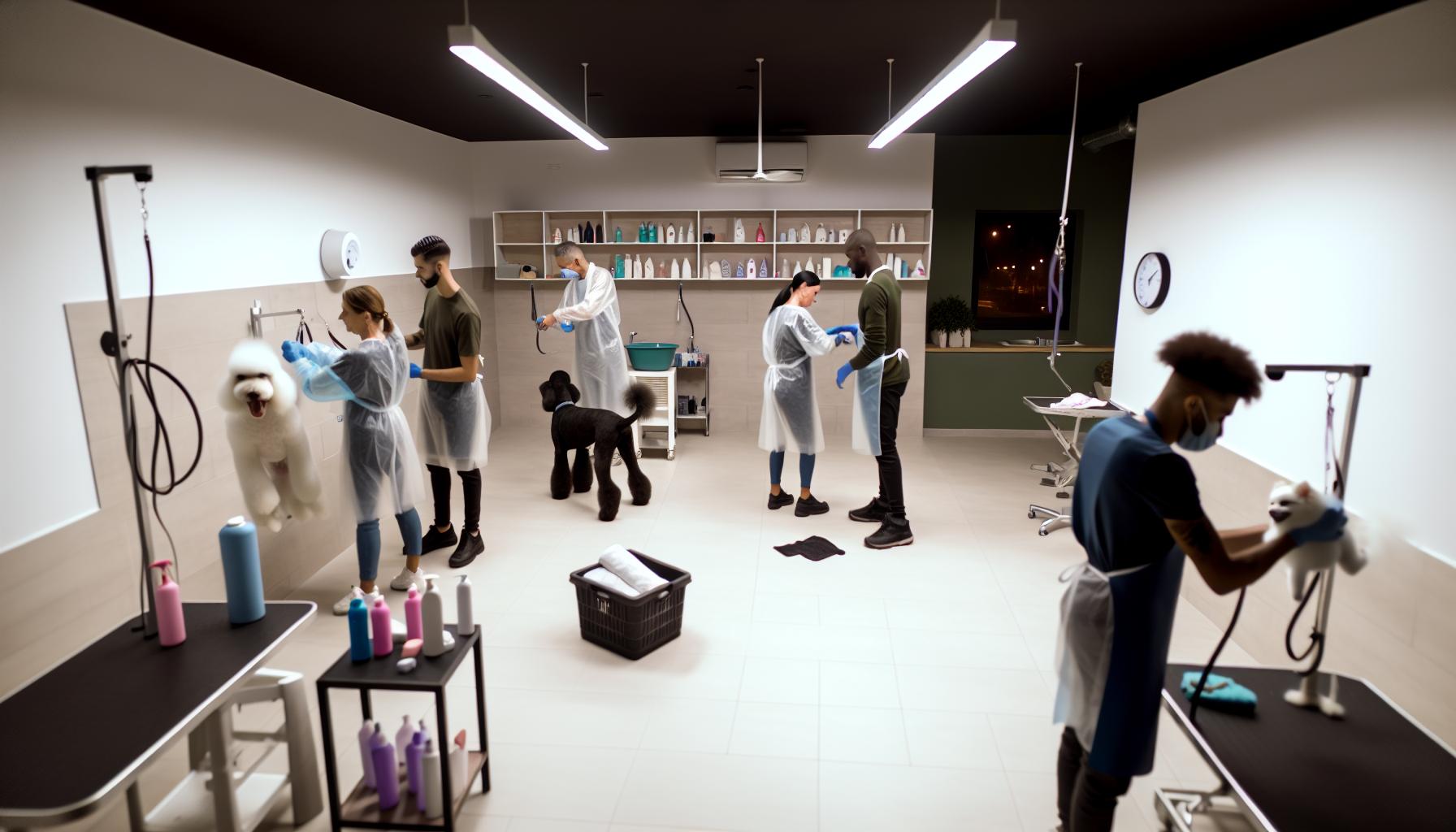
Finding Emergency or After-Hours Grooming Services
Finding grooming care when you’re outside regular salon hours can feel stressful, but more groomers than ever are offering solutions to help your pup stay clean and comfortable even in a pinch. Many emergency or after-hours grooming services exist precisely because we know that a dog’s safety and well-being don’t always follow a 9-to-5 schedule. Whether it’s a sudden mess, a nail that’s become painfully overgrown, or coat matting that can’t wait, compassionate groomers understand these urgent needs and frequently enough have ways to accommodate you.
Know Your Options: Mobile Groomers and Emergency Clinics
Mobile groomers are frequently enough the first port of call for after-hours needs. These professionals bring grooming tools directly to your home, offering flexibility that conventional salons may not. This is especially helpful if your dog has anxiety or mobility issues that make evening or weekend travel stressful. When contacting a mobile groomer, describe your dog’s breed and coat type upfront-thick or curly coats, like those of Poodles or Bichons, frequently enough require longer sessions and special tools like slicker brushes and dematting combs.
In certain specific cases where grooming concerns intersect with health-such as severe matting causing skin irritation or infected nails-veterinary clinics with grooming staff can provide urgent services beyond cosmetic care. These clinics prioritize safety and may sedate anxious or painful dogs to perform nail trims or cleaning comfortably and humanely. Always remember that a vet’s grooming scope focuses on health, so if the issue is purely aesthetic, a professional groomer is still your best bet.
Finding After-Hours Grooming
When your regular groomer isn’t available, here are some practical steps to locate emergency or after-hours options:
- Search for 24/7 pet spas or grooming salons: Some larger cities have salons that extend hours into evenings or open on Sundays to meet busy schedules.
- Check local vet emergency lines: They often maintain lists of groomers willing to take urgent appointments or can recommend mobile groomers on call.
- Use social media and community groups: Local pet owner forums and grooming Facebook pages can be goldmines for quick recommendations,especially in urgent scenarios.
- Keep a list of groomers who offer express services: Many salons provide quicker treatments like nail trims or baths outside regular appointments,which can be lifesaving in emergencies.
When Calling, Be Clear and Calm
Explain your dog’s breed (for example, a goldendoodle’s thick, curly coat) and the urgency of the situation honestly. If mats are causing discomfort or a nail is torn and bleeding, prioritize communicating these facts so groomers can prioritize safety and prepare necessary supplies like styptic powder or detangling sprays. By being upfront, you also help groomers gauge how long the appointment might take and whether sedation or vet involvement might be needed.
Some groomers maintain nightly or weekend “emergency slots” or partnerships with mobile services, so building a rapport well before you need help sets you and your dog up for success when the unexpected happens.
DIY Care Until You can Get Professional Help
While waiting for emergency grooming, you can take small steps to ease your dog’s discomfort:
- For mats: Gently work through tangles with a wide-tooth comb and detangling spray, avoiding pulling harshly.
- For nails: If nails are too long but you lack clippers,softly file them down or trim just the very tip,taking care not to hit the quick (the pink part inside the nail).
- For soiled coats: Spot clean with pet-kind wipes or a damp cloth to minimize odor or dirt buildup.
Remember, grooming isn’t about perfection-it’s about comfort and health. Approaching last-minute needs with empathy for your dog’s limits and using professional help quickly will keep your furry friend happy and safe.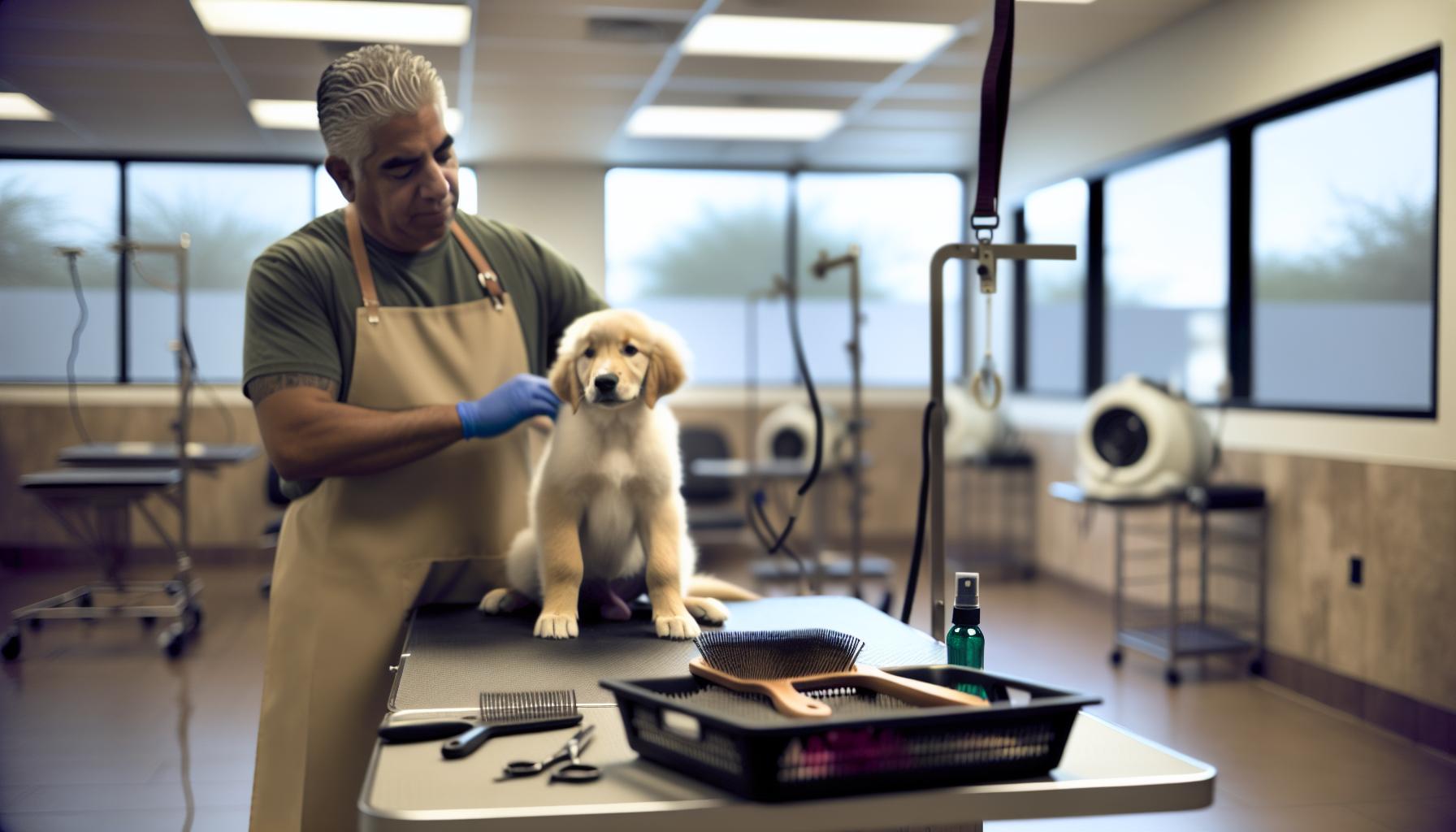
What to Expect During Your Dog’s First Grooming visit
A dog’s first grooming appointment can feel like a big step for both pet and owner, but knowing what to expect can make the experience smooth and even enjoyable. Professional groomers understand that every dog is unique-especially on that initial visit-and they prioritize patience and comfort over speed or appearance. Whether your dog has a thick double coat, curly hair, or sensitive skin, the groomer will tailor their approach to your dog’s breed and individual needs.
Arrival and Initial Assessment
when you arrive, the groomer will start by gently greeting your dog and assessing key details like coat texture, matting, nail length, and any skin issues. Such as, a Goldendoodle’s dense, curly fur requires more time detangling compared to a short-haired Beagle. This first interaction helps the groomer gauge how your dog reacts to handling and which tools will be safest and most effective, such as slicker brushes for thick coats or clippers for easy trims. Don’t worry if your pup seems nervous-calm, reassuring voices and slow movements work wonders.
The Grooming Steps Explained
What does a typical session look like? The main tasks usually include:
- Bath: Using pet-friendly shampoos tailored to coat and skin type, the groomer cleans away dirt and oils.Sensitive or allergy-prone dogs get extra gentle treatments.
- Brushing and Dematting: After drying, coats are brushed thoroughly. If mats are present, a careful, slow technique avoids discomfort while removing tangles.
- nail Trimming: Nails are trimmed or filed, with special care to avoid the quick – the sensitive part that causes pain and bleeding if clipped.
- Ear Cleaning: Groomers check ears for debris or irritation and clean gently with appropriate solutions.
- Styling or Trimming: For breeds needing haircuts or breed-specific trims,groomers shape the coat following your preferences discussed in advance.
Throughout each step, communication is key.A skilled groomer will pause if your dog shows stress and use calming techniques,allowing breaks when needed.
Realistic Expectations and Safety First
It’s important to go in expecting wellness and comfort over perfection. Initial visits might be shorter or less thorough than later ones because forging trust takes time. If your dog has medical issues or severe matting, the groomer might recommend a vet’s involvement or a multi-appointment plan. Always remember, groomers are not veterinarians but are trained to spot signs needing medical attention and will work within their safety limits.
your groomer will also guide you on aftercare – like how often to brush your dog at home or signs to watch for between visits. This partnership helps keep grooming stress low and benefits your dog’s health long term.
By approaching your dog’s first grooming with patience, gentleness, and clear communication, you set the tone for many happy, healthy grooming experiences to come. The best groomers are more than stylists-they’re caring allies in your pet’s well-being journey.
how to Prepare Your Dog for Grooming Day
Grooming day can be exciting yet a bit stressful for both you and your dog, especially if it’s their first experience or they tend to be anxious. Preparing your pup with gentle care beforehand helps make the day smoother and sets a positive tone. Start by considering your dog’s breed and coat type, as this influences the tools and time needed. For example, a long-haired breed like a Shih Tzu may need a thorough pre-grooming brush to prevent mats, whereas a short-coated dog like a Boxer benefits more from a quick wipe-down to remove loose hair.
Familiarize Your Dog with Grooming Tools
If possible, introduce your dog to grooming tools like brushes, nail clippers, or the sound of a dryer in a calm, distraction-free room before the appointment. Use treats and praise so your dog associates these items with positive experiences. For nervous dogs, keeping sessions short-just a few minutes at a time-can build confidence over days or weeks.
Pre-Grooming Hygiene and Comfort
On the morning of the appointment, give your dog a quick brush at home to remove loose fur and tangles. This reduces time spent detangling during the groom, which can sometimes cause discomfort if done abruptly. Don’t bathe them yourself right before the groom unless instructed, as groomers typically provide specialized baths tailored to your dog’s coat and skin sensitivities. Make sure your pet has had a chance to relieve themselves and had water to stay hydrated.
Calming Your Dog Before the Appointment
A relaxed dog makes the groomer’s job easier and safer. Plan to arrive at the groomer’s early or right on time to avoid stressful waits in busy lobbies. Stay calm yourself-dogs pick up on your energy. Consider a gentle walk before arrival to expend excess energy. Bring your dog’s favorite toy or blanket for comfort,and share any concerns about their behavior with the groomer ahead of time.
Health and Safety Checks
Perform a quick health check for any signs of irritation, wounds, or infections to inform the groomer. While groomers are skilled and attentive, they are not vets and will avoid grooming if they see anything that could worsen your dog’s condition. If your pet has specific health issues or recent surgeries, discuss these during booking to ensure the groomer is prepared or to get a referral for a vet-specialized grooming service.
- Before leaving home: Brush your dog to loosen mats gently.
- Bring: Any relevant vet advice, preferred grooming styles, and contact info.
- Communicate: Share temperament details (shy, nervous, protective) with your groomer.
Being thoughtful about these steps creates a partnership between you and your groomer centered on your dog’s comfort and wellbeing. This preparation reduces stress, helps keep pacing gentle, and supports a positive grooming experience every time.
Common Scheduling Mistakes and How to Avoid Them
Booking grooming appointments might seem straightforward, but even the most well-intentioned pet parents can fall into a few common scheduling traps that add unnecessary stress and delays. Awareness of these pitfalls can turn your grooming experience into a seamless, positive routine that respects your dog’s unique needs and the groomer’s workflow.
One frequent mistake is waiting too long to book. Dog groomers often fill their calendars weeks in advance, especially during busy seasons or holidays. This can leave you scrambling for last-minute openings or settling for inconvenient times. To avoid this, aim to schedule your appointments well ahead-consider your dog’s coat type and how quickly it matures. For example, breeds with fast-growing or mat-prone coats like Poodles or Shih Tzus generally need more frequent visits, so creating a regular schedule can help prevent urgent bookings that may disrupt your dog’s comfort. early booking also helps you secure preferred time slots that align with your dog’s energy levels-morning appointments tend to be less hectic and can reduce wait times, keeping anxious pets calmer.Another common issue arises from overlooking seasonal and location factors that affect opening hours. Some groomers adjust their schedules during warmer months or holidays, either opening later, closing earlier, or closing altogether on certain days. Not checking these variations in advance can mean arriving to a closed shop or missed appointments. Always confirm grooming hours close to your booking date,and consider off-peak weekday slots when salons might be less crowded. If you live in an area with extreme weather, be mindful that groomers may alter hours without much notice for safety reasons.
Clear Communication Is Key
Misunderstandings about your dog’s behavior or grooming requirements can lead to scheduling mishaps, like longer-than-expected appointments or sudden cancellations. Sharing details about your dog’s temperament, health considerations, and coat condition when booking helps groomers allocate adequate time and resources. As an example, a senior dog with sensitive skin or a nervous pup might need a slower, gentler approach that requires a longer appointment slot. Being upfront also ensures the groomer can prepare the right tools-from detangling sprays for heavy mats to specialized clippers for double coats-and the appropriate helpers if needed.
don’t Confuse Groomers with vets
It’s important to remember that groomers,while skilled,aren’t veterinarians. Booking grooming when your dog is ill or has open wounds can cause delays or cancellations. If your dog is injured or unwell, consult your vet first to determine when grooming is safe. Some grooming salons offer vet-recommended services or collaborate with animal health professionals for special needs, so ask if these options are available rather than scheduling blind.
- Book early: Lock in your spot weeks ahead, especially if your pet requires frequent grooming.
- Check hours: Always verify seasonal and holiday schedule changes.
- Provide details: Inform groomers about your dog’s temperament, health, and coat status when booking.
- Health first: Avoid scheduling grooming when your dog has medical concerns, consult your vet as needed.
- Plan for prep: Factor in time for pre-grooming care at home to smooth the groom-and keep appointments punctual.
By paying attention to these points and nurturing open communication with your groomer, you create a responsive schedule that benefits your dog’s well-being and the groomer’s ability to deliver the best care. Ultimately, avoiding scheduling pitfalls helps transform grooming from a stress-trigger to a bonding, refreshing experience for both you and your furry friend.
How Grooming Needs Vary by Breed and Coat Type
Every dog’s coat tells a unique story,and understanding those differences helps tailor grooming to keep your furry friend happy and healthy. Some breeds sport thick, double-layered coats that need consistent brushing to prevent mats, while others boast silky or curly fur requiring special trims and moisturizing baths.Scheduling grooming is not just about picking a time on the calendar - it means knowing how your dog’s coat type affects the duration and frequency of appointments and influences the tools and techniques groomers will use.
As an example, a Poodle or a Bichon Frise has curly, dense fur that can mat quickly without regular attention. These dogs often need monthly grooming sessions that include careful detangling, shaped trims, and moisturizing shampoos to prevent skin dryness. On the other hand, breeds like Labrador Retrievers have short, dense coats that shed seasonally, requiring less frequent professional haircuts but benefiting from regular baths and nail trims every 6-8 weeks. Knowing this helps avoid last-minute bookings that cram lengthy, stressful sessions into a short time or lead to uncomfortable grooming for your dog.
Coat Care Basics by Type
- Curly/Coily Coats: Frequent brushing to prevent tight mats; deep conditioning baths; longer grooming appointments due to intricacy.
- Double Coats: Seasonal blowouts to remove loose undercoat; moderate trimming; grooming timed around shedding cycles.
- Silky or Straight Coats: Regular brushing to prevent tangles; trims scheduled to maintain length and avoid split ends.
- Short Coats: Minimal trimming needed; focus on nail care, ear cleaning, and baths to keep skin healthy.
Tools and Techniques Matter
Grooming professionals customize their approach based on what your dog’s coat demands. Such as, a dog with a thick double coat like a Siberian Husky requires undercoat rakes and de-matting tools, paired with a longer appointment slot to gently remove loose hair and prevent skin irritation. Contrastingly, a Shih Tzu benefits from careful scissoring and clipper cuts with guards designed for delicate facial areas, which means your groomer must plan accordingly to allot enough time and choose the right blades.
Special Considerations and Health Checks
Certain coat types might mask underlying health issues like dry skin or allergies.Groomers can spot subtle signs during routine care and will communicate concerns to you or recommend vet consultation if needed. However, it’s key to remember that groomers focus on external care and comfort. if your dog shows signs of discomfort, excess scratching, or sores, always prioritize a vet visit before scheduling grooming.
By sharing your dog’s breed, coat condition, and any known sensitivities during booking, you empower your groomer to plan the right appointment length and bring suitable products and tools. This attention to detail means your pup’s grooming experience is as gentle,safe,and stress-free as possible – turning an essential task into a positive routine you both can look forward to.
Saving Time and stress with Regular Grooming Plans
Few things beat the peace of mind that comes with a regular grooming routine tailored to your dog’s unique needs. Consistency is key-not just for your pup’s appearance, but for their comfort and overall well-being. When grooming stays on schedule, it helps avoid the stress of long, crowded appointments and last-minute scrambles to find available slots during busy seasons or peak times. This steady rhythm allows groomers to plan appropriately around your dog’s coat type and health, making each visit smoother for everyone involved.
Building a Grooming Routine That Fits Your Dog
Start by identifying your dog’s breed and coat characteristics, then work with your groomer to determine ideal intervals. for example:
- Curly coats like those of Poodles require monthly grooming to prevent mats and tangles.
- Double-coated breeds need extra attention during seasonal shedding but can space full haircuts further apart.
- Short-coated dogs benefit from regular baths and nail trims every 6-8 weeks without intensive furcuts.
Sticking to these timelines cuts down on ”hair emergency” appointments, which often mean longer, more stressful sessions for your pet-and limited groomer availability.
How Regular Plans Reduce Hassle and Anxiety
When you book recurring appointments, your groomer can prepare in advance by allocating the right amount of time and selecting the tools best suited to your dog’s current coat condition. This is especially critically important for breeds that require delicate handling or have sensitive skin. A well-maintained coat means less tangling and fewer mats, reducing discomfort and grooming time. It also reduces the risk of accidental nicks or irritations frequently enough caused by rushed sessions trying to catch up on overdue grooming.
Practical Tips to Stay on Track
- Ask your groomer about automatic reminders or subscription grooming plans to secure your spot early, avoiding last-minute stress.
- Maintain simple grooming at home in between professional visits-like brushing,wiping ears,and checking nails-to keep things manageable.
- Communicate any changes in your dog’s behavior or coat condition before appointments so your groomer can adapt the plan accordingly.
Remember, regular grooming visits are not just about appearance-they are a gentle wellness check, helping catch potential issues like dry skin or irritation early, before they become serious. This partnership between you and your groomer nurtures your dog’s comfort and health, turning grooming day into a calm, positive experience for your whole family.
Frequently asked questions
Q: Why do some dog groomers open later on weekends compared to weekdays?
A: Many dog groomers open later on weekends to accommodate staff schedules and allow for extended weekday hours. This helps balance workload and provides convenient booking options for pet owners with weekday commitments. Planning appointments early during the week can secure your preferred time slot. For tips on scheduling, see our section on How to Easily Schedule Your Dog Grooming Appointment.
Q: How can I find a dog groomer with flexible hours near me?
A: To find local groomers with flexible hours, try searching online directories or calling multiple salons to compare availability. Many groomers offer early morning or evening appointments by request. Checking reviews and asking about last-minute availability can help you book a convenient time. Learn more in our guide on Tips for Booking Last-minute Grooming Sessions.
Q: What should I do if I need grooming services outside normal buisness hours?
A: If you need grooming outside typical hours, look for groomers offering emergency or after-hours services-frequently enough available for special cases or by appointment. Contact your groomer directly to inquire about opening times outside of regular hours. For detailed advice, see Finding Emergency or After-Hours Grooming Services in our article.
Q: How early should I book a dog grooming appointment to get my preferred time?
A: Booking at least 2-4 weeks in advance is ideal to secure your preferred time, especially during peak seasons or holidays. Early booking helps avoid common scheduling conflicts and ensures your dog’s grooming fits smoothly into your routine. For more on avoiding scheduling mistakes, visit our Common Scheduling Mistakes and How to Avoid Them section.
Q: Are there differences in groomers’ hours based on breed or coat type?
A: Groomers may vary hours or scheduling flexibility based on breed and coat type due to complexity and time needed. dogs with high-maintenance coats often require longer appointments, so booking earlier is recommended. For breed-specific grooming insights and scheduling tips, explore our section on How Grooming Needs Vary by Breed and Coat Type.
Q: Can I book a dog grooming appointment online, and is it reliable?
A: Yes, many groomers offer online booking platforms that are quick and reliable, allowing you to view available slots and receive confirmations instantly. Always double-check cancellation policies and appointment details. For step-by-step advice, see How to Easily Schedule Your Dog Grooming Appointment.
Q: Why do grooming appointment wait times increase during certain seasons?
A: Wait times rise during shedding seasons and holidays because many pets need more frequent grooming. Additionally, limited groomer availability and popular appointment times contribute. Planning ahead and regular grooming plans can reduce wait times and stress-more tips are in our Saving Time and Stress with Regular Grooming Plans section.
Q: How can I communicate my time preferences to a dog groomer effectively?
A: Clearly sharing your preferred days, times, and any flexibility helps groomers accommodate your schedule better. Mention your dog’s breed or coat type as that might affect appointment length. Confirm details when booking and reconfirm close to the appointment to avoid mix-ups. For more communication tips,check How to Easily Schedule Your Dog Grooming Appointment.
—
Feel free to explore these helpful answers alongside our main article sections to maximize your dog’s grooming experience and tailor appointments confidently!
Future Outlook
Knowing when dog groomers open and how to book effectively helps you keep your furry friend happy, healthy, and looking their best. Taking action now to schedule a grooming appointment ensures your pet stays comfortable and well cared for throughout the year. If you’re curious about grooming tools or want to try at-home care between visits, explore our guides on essential dog grooming supplies and how to maintain your pup’s coat safely.
For more tips on caring for your dog’s nails, ears, and skin, check out our detailed care routines designed for all breeds and coat types. Don’t forget to sign up for our newsletter to get expert advice, exclusive discounts, and updates on local grooming services right to your inbox. Have questions or experiences to share? Leave a comment below-we love hearing what works best for you and your pet!
By understanding groomer hours and booking tips,you’re one step closer to stress-free,effective dog care. Keep exploring, stay informed, and give your dog the loving grooming routine they deserve. For more on grooming basics or to find trusted groomers near you,visit our related articles and resources-your pup will thank you!
Get our latest guides, news, and insights highlighted in your Google Search & AI Overviews.
Keep reading about the same coat and cut.



Popular grooming guides
Bath vs clip, first grooms, and salon how-tos.