What Do Groomers Use to Deshed Dogs? Proven Techniques
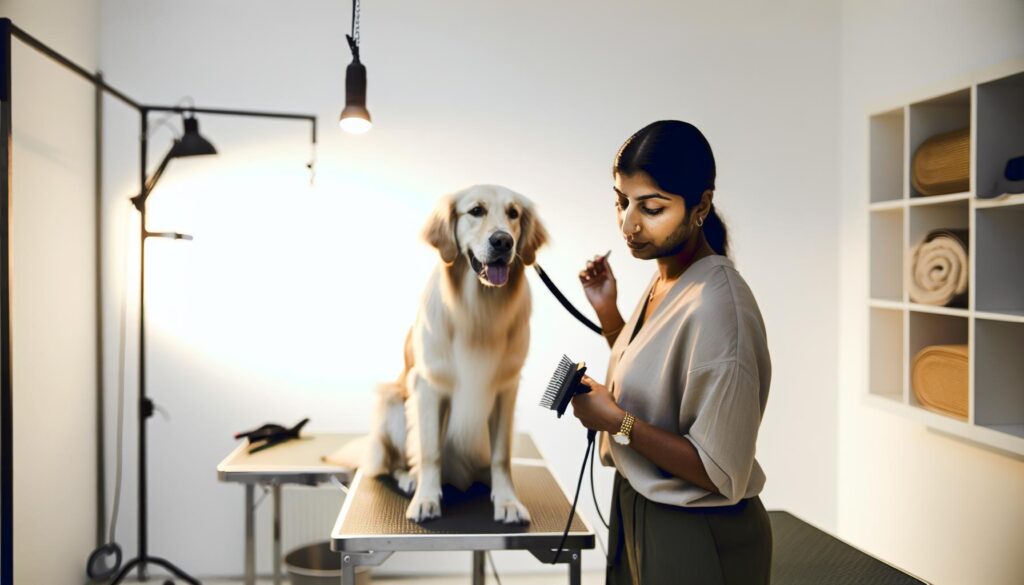
Shedding is a natural part of your dog’s life, but excessive loose hair can be a challenge for both pets and owners. Professional groomers use specific tools and techniques too gently remove that undercoat and loose fur, making dogs more pleasant and keeping your home cleaner. Whether you have a thick-coated Husky or a silky-coated Spaniel, knowing what tools pros use-and how they use them-can empower you to support your dog’s coat health safely and effectively. In this guide, we’ll explore teh best deshedding tools, the reasons behind their use, and step-by-step methods groomers trust to keep shedding under control without causing stress or discomfort. Understanding these techniques helps you make informed choices about when to visit a groomer, what you can do at home, and how to prioritize your dog’s wellbeing above all else. Let’s dive into the proven methods that balance care,compassion,and practical grooming for a happier,healthier pet.
Best Deshedding Tools Professional Groomers Use
Table of Contents
- 1 Best Deshedding Tools Professional Groomers Use
- 2 How to Choose the Right Deshedding Tool by Coat Type
- 3 step-by-Step Groomer Techniques for Effective Deshedding
- 4 Safe and Comfortable Deshedding for Anxious Dogs
- 5 Common Mistakes to Avoid When Deshedding at Home
- 6 How Bathing Boosts Deshedding results: Tips and Products
- 7 When to Consult a Groomer vs. DIY Deshedding
- 8 Maintaining Healthy Skin and Coat During Deshedding
- 9 Troubleshooting Deshedding Challenges: Matted Fur and Sensitive Skin
- 10 Understanding Seasonal Shedding Cycles and Grooming Timing
- 11 Complementary Grooming Practices to Reduce Shedding
- 12 Expert Tips to Keep Your Dog Comfortable Throughout Deshedding
- 13 Frequently asked questions
- 13.1 Q: How do groomers prepare a dog’s coat before deshedding?
- 13.2 Q: What grooming products enhance deshedding results safely?
- 13.3 Q: Why do groomers use different deshedding techniques for double-coated breeds?
- 13.4 Q: When is the best time for professional deshedding treatments?
- 13.5 Q: How do groomers handle anxious or sensitive dogs during deshedding?
- 13.6 Q: Can deshedding tools cause skin damage, and how do groomers avoid it?
- 13.7 Q: What are the signs that a dog needs professional help rather than DIY deshedding?
- 13.8 Q: How do groomers integrate nail and ear care with deshedding sessions?
- 14 Final Thoughts
Deshedding tools professional groomers reach for are carefully chosen to balance effectiveness with gentleness, ensuring your dog’s comfort while efficiently removing loose fur. One of the most trusted favorites is the Furminator-renowned for its precision edge designed to reach through the topcoat into the undercoat, pulling out dead hair without damaging the skin. This tool works especially well on breeds with thick undercoats like Siberian Huskies and Golden Retrievers, helping reduce excessive shedding while minimizing the risk of irritation.
Varieties of Tools and Their Best Use
Professional groomers often combine deshedding tools with other grooming implements tailored to specific coat types. For example:
- Undercoat Rakes: Perfect for double-coated dogs, these have wider teeth to gently detangle and pull loose fur from deep within the coat without tugging.
- Pin Brushes: While less aggressive, these brushes help loosen superficial hair and smooth the coat after deshedding, ideal for breeds like Poodles or Maltese that have fine, curly hair.
- Slicker Brushes: Useful not onyl for removing dead hair but also for breaking up mats before deshedding, slicker brushes help prep the coat in dogs prone to tangling.
Why Professional Choices Matter
Groomers prioritize tools that deliver results without stressing the dog. For example,the Furminator’s ergonomic handle helps maintain a steady grip,making long grooming sessions less tiring and keeping movements smooth-significant for anxious or sensitive dogs. Moreover, many groomers will select the blade size on deshedding tools based on the dog’s size and coat texture, adjusting pressure carefully to avoid skin redness or discomfort.
To illustrate, a groomer working with a Belgian Malinois-a breed with a short dense coat-might opt for a deshedding blade with finer teeth, whereas a groomer with a Newfoundland (thick, furry coat) usually uses a heavier-duty rake to reach the dense undercoat effectively. This attention to detail ensures not only that shedding is controlled but also that the dog enjoys the process, which encourages positive grooming routines at home.
Every effective deshedding starts with the right tool tailored to your dog’s unique coat and temperament.Investing in quality tools and using them with patience and care is the key to transforming a potentially stressful grooming chore into a bonding experience filled with comfort and kindness.
How to Choose the Right Deshedding Tool by Coat Type
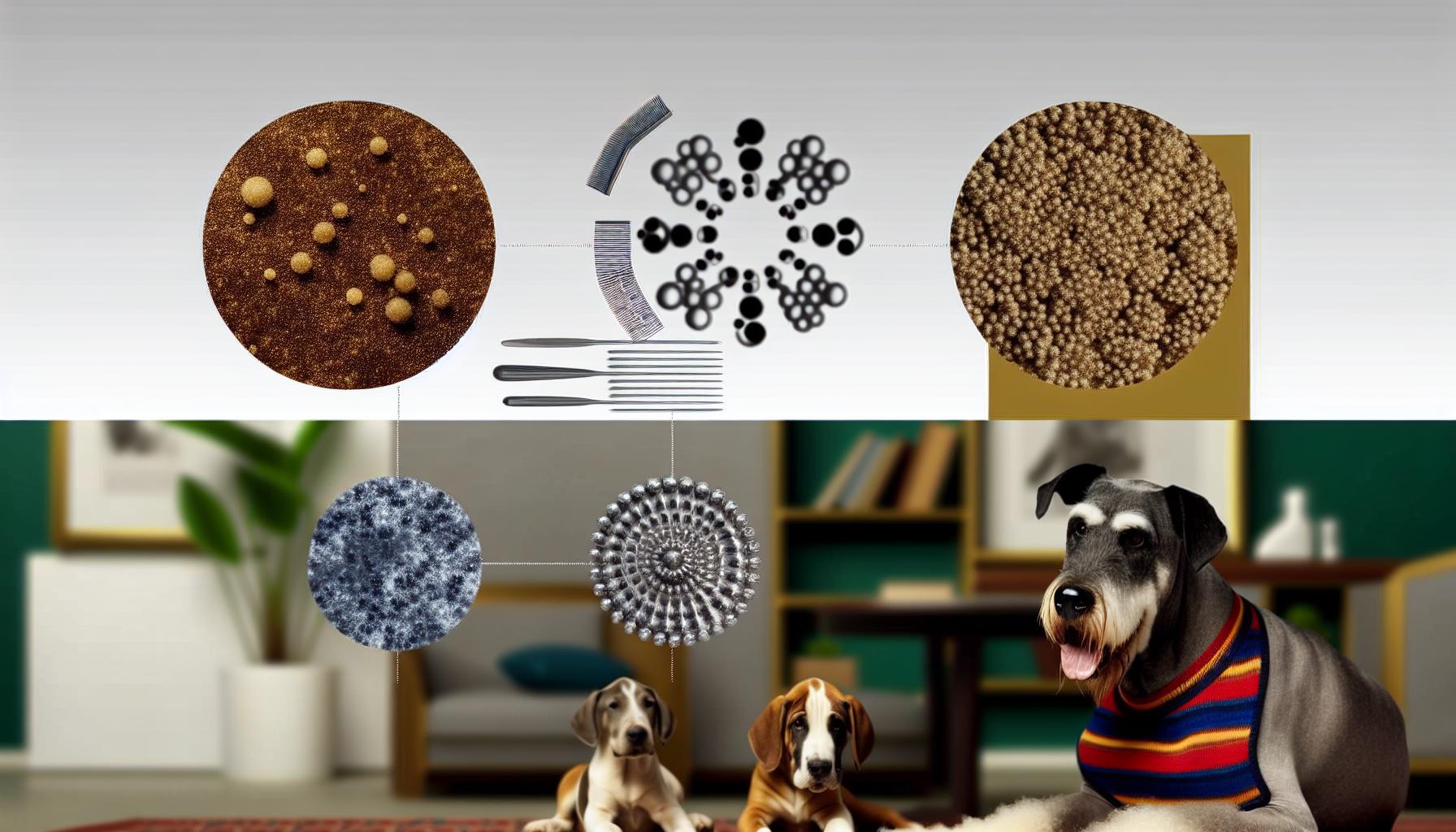
Choosing the right deshedding tool is more than just picking a popular brand-its about understanding your dog’s unique coat and what will keep them comfortable while effectively managing shedding. Each coat type demands a slightly different approach, and using the wrong tool can cause discomfort or even skin irritation, especially in anxious or sensitive dogs. Start by considering whether your dog has a single coat, a double coat, or a curly or silky coat, as this will guide your selection toward the tool that works best without unnecessary tugging or stress.For dogs with dense double coats, such as Siberian Huskies, Golden Retrievers, or German Shepherds, tools like the Furminator or undercoat rakes are excellent choices. These tools are designed to reach beneath the topcoat and gently pull out that loose undercoat hair that causes the majority of shedding. The key here is to select a tool with the right blade size and tooth spacing-larger teeth help prevent clogging and reduce pulling, while finer blades suit smaller breeds or short coats like the belgian Malinois. Remember, applying light pressure and using smooth, steady strokes will keep your dog calm and protect their sensitive skin.Single-coated breeds, such as Boxers or Dobermans, usually don’t require specialized undercoat tools as they have less fluff to remove. Rather, a rubber curry brush or a bristle brush works wonders to lift loose hairs from the surface without overworking the skin. For breeds with delicate or curly coats, like Poodles or Maltese, softer slicker brushes or pin brushes help prevent matting and gently dislodge shed hair trapped in the curls. These tools maintain coat health and stimulate natural oils, giving a lovely shine without pulling or stress.
Practical Examples and Tips
- Thick Double Coat: Use an undercoat rake or the Furminator on Huskies and Retrievers. Start with longer strokes to avoid catching mats and gradually shorten your passes as the coat loosens.
- Short Double Coat: A fine-toothed deshedding tool works best on breeds like Malinois or Australian Shepherds.Combine with a soft bristle brush afterward for a polished look.
- Single Coat: Rubber curry brushes are safe and effective to remove loose hair on breeds like Boxers. They also help distribute oils and calm sensitive skin.
- Curly or Fine Coat: Use slicker brushes or pin brushes for dogs like Poodles to gently release hair without snagging curls. Regular brushing prevents mats that block deshedding efforts.
Taking the time to match your grooming tools to your dog’s coat type not only achieves better results but builds trust and enjoyment. When you handle your dog with compassion and patience-adjusting techniques and tools as needed-deshedding becomes less of a chore and more of a loving routine that supports your dog’s skin and coat health for years to come.
step-by-Step Groomer Techniques for Effective Deshedding
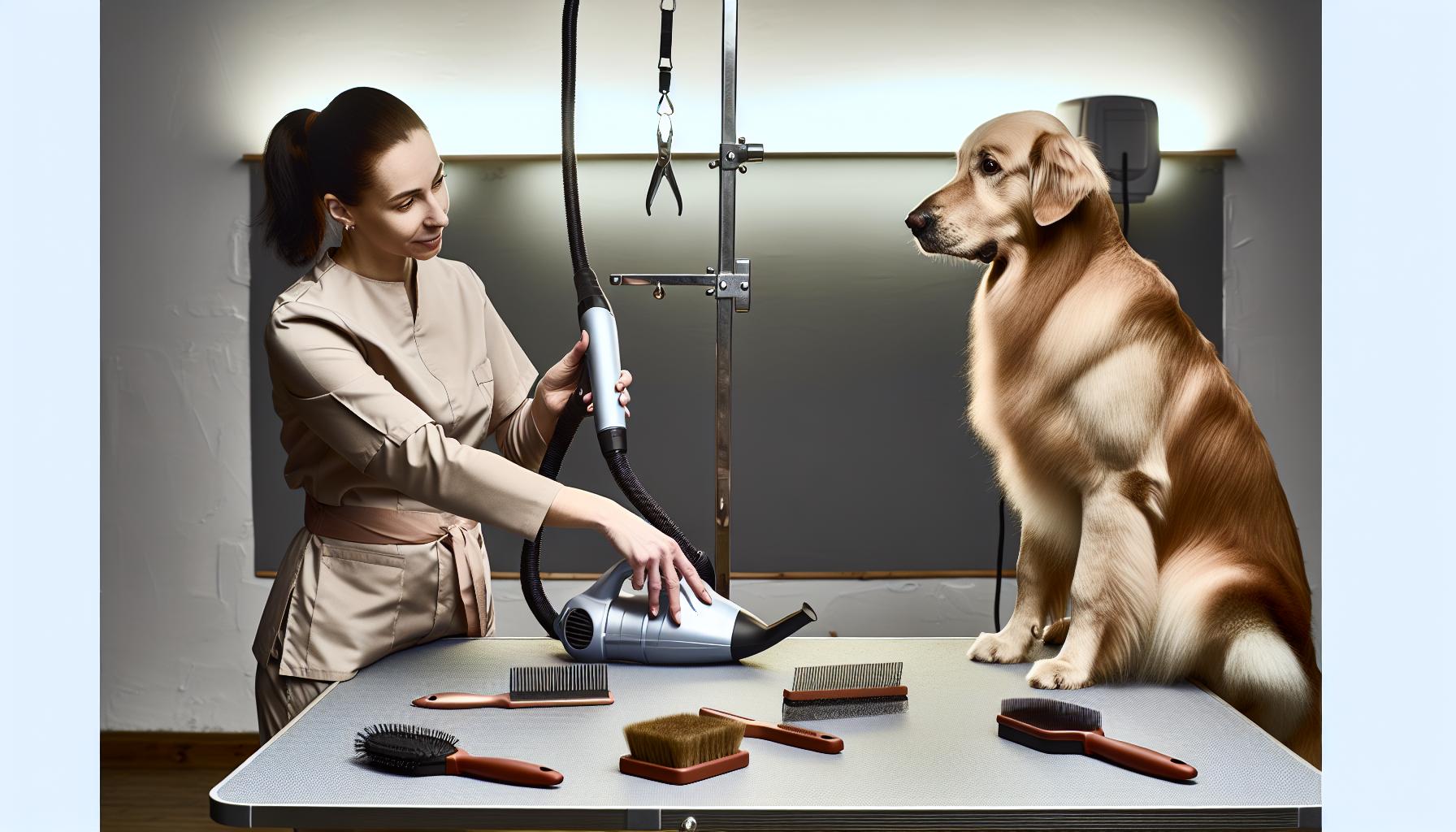
Few things feel as rewarding as seeing your dog relaxed and comfortable while shedding season passes with minimal fuss. Groomers develop a rhythm and a set of techniques that make deshedding safer, more effective, and actually enjoyable for pups of all temperaments and coat types. Whether your furry friend sports a thick double coat or gentle curls, following a calm, stepwise approach can help you manage shedding with confidence - and keep your dog’s skin happy, too.
start by ensuring your dog is settled and in a comfy spot, whether a grooming table or simply the floor. For thick double-coated breeds like Huskies or Golden Retrievers, begin with a gentle run of an undercoat rake or Furminator along the natural lay of hair-not against it-to loosen dead hair without pulling or pinching. Use long, smooth strokes and moderate pressure, gradually working from the neck toward the tail and sides. For short double coats (think Australian Shepherds), a finer-toothed deshedding tool works better, again emphasizing lightness of touch and steady pace.
Preparation and Brushing Techniques
- Pre-brushing: Before diving into deshedding tools,always start with a soft bristle or rubber curry brush to remove loose surface hairs and dirt. This primes the coat for deeper deshedding and reduces snagging risk.
- Sectioning: Divide the coat into manageable sections, especially for larger dogs or those with thick undercoats. Working section by section avoids overwhelming your dog and gives you better control.
- Breaks & Praise: Frequent short breaks with calm verbal reassurance or treats help your dog associate grooming with positive experiences, reducing stress and anxiety.
Special Considerations for Delicate and Curly Coats
For fine or curly-coated breeds like Poodles or Maltese, slicker brushes with soft, widely spaced pins are favored. begin with gentle strokes to untangle small mats that trap loose hair.Avoid pressing too hard, as this can irritate sensitive scalps. Regular maintenance brushing in between thorough deshedding sessions prevents tight mats that complicate grooming and can cause discomfort.
Troubleshooting & Safety Tips
- Matted Fur: don’t force deshedding tools through mats. Soften matted areas first with a detangling spray or conditioner and use detangling combs to carefully loosen knots before deshedding.
- Sensitive Skin: For dogs with reactive or thin skin, choose tools with rounded or protective edges, and keep strokes light and slow. if you see redness or irritation, pause grooming and gently soothe the area.
- Pacing: Notice your dog’s body language. If they become restless or show signs of discomfort, stop and give them a moment. Grooming is a partnership, not a race.
By combining knowledge of coat type, proper tool use, and gentle handling, deshedding shifts from a stressful chore into a wellness routine.Remember, every dog’s threshold for grooming differs, so approach each session with empathy and patience. this mindful, step-by-step method not only captures loose hair effectively but strengthens the bond you share with your best friend-keeping them healthy and happy through every shed.
Safe and Comfortable Deshedding for Anxious Dogs
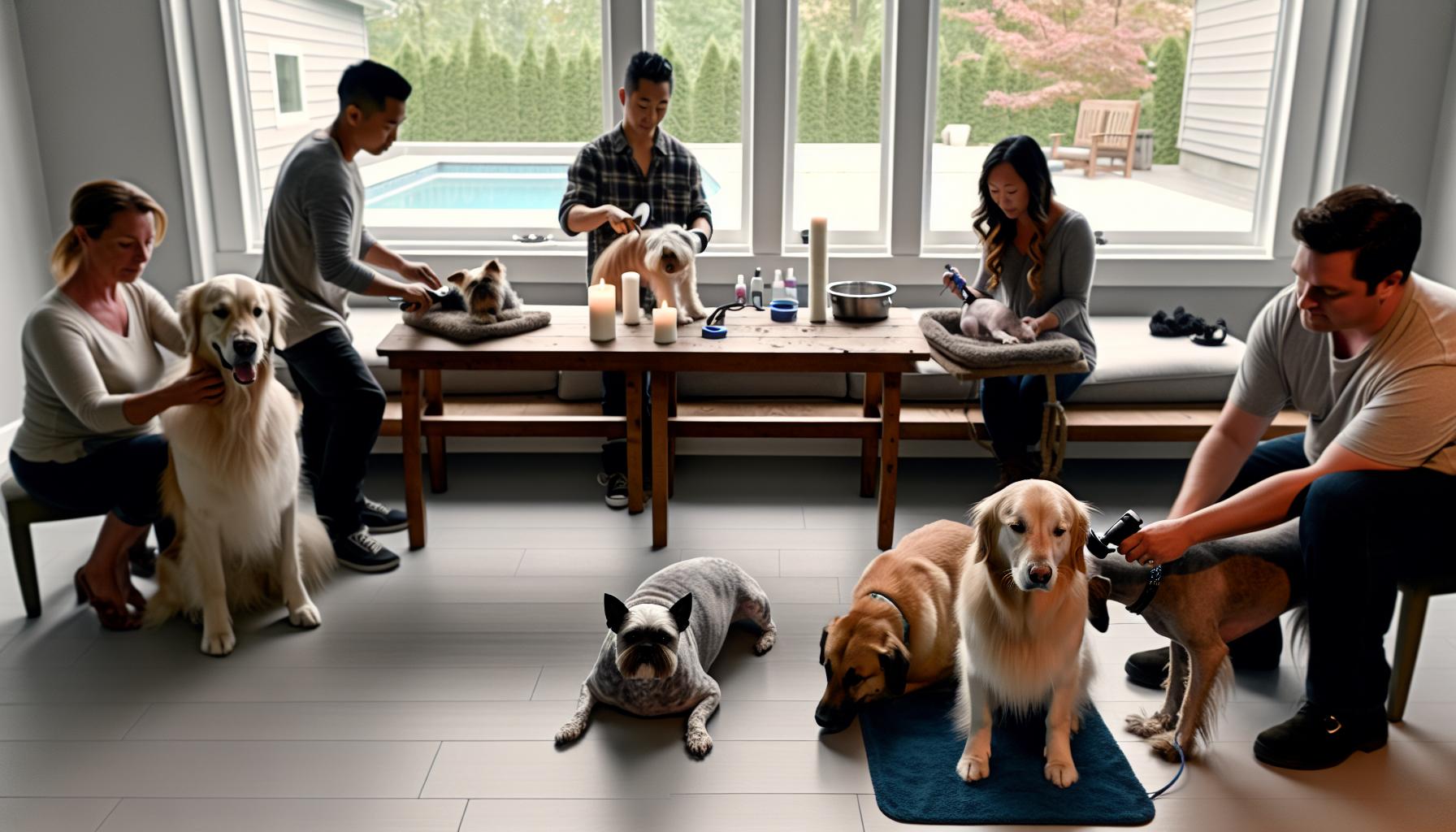
Deshedding can be a stressful experience for dogs who carry extra anxiety, but with the right approach, it can transform into a calm and even enjoyable ritual. The secret lies in patience, gentle tools, and reading your dog’s signals closely.For sensitive or fearful dogs, starting with a quiet environment and creating a cozy, safe space is essential-this sets the tone for a positive grooming experience from the get-go. Remember, anxious pups benefit most from slow, purposeful motions and short, manageable sessions rather than longer, intense brushouts.
Choosing the right tools tailored to both coat type and temperament is the next vital step.For example, dogs with fine, delicate fur like Maltese or those with double coats such as Shelties require soft-bristled brushes or deshedding tools designed to minimize tugging and skin irritation. Using a rubber curry brush initially can soothe the scalp and encourage loose hairs to rise without pressure-an excellent way to build trust. always use long, gentle strokes following the direction of hair growth, avoiding any sudden or rough movements that might startle or hurt your dog.
Creating a Calm Progression
- Warm-up with gentle petting: Before touching grooming tools, spend several minutes simply massaging and petting your dog to relax muscles and build comfort.
- Break sessions into short bursts: Five to ten minutes per session with frequent breaks filled with praise or treats helps prevent overwhelm.
- Use calming cues: Speak softly and steadily,and consider incorporating pheromone sprays or calming collars recommended by vets.
If you notice any signs of stress – such as lip licking, yawning, or shifting weight – pause and redirect attention to a soothing activity. It can definately help to alternate between brushing and cuddling or offer a favorite chew while you gently run the deshedding tool. For dogs with very reactive skin, tools with extra-smooth edges, like silicone rubber brushes or fine-toothed combs, reduce discomfort and prevent redness.
knowing when to Seek Help
while many anxious dogs can be groomed successfully at home using these methods, there are times when professional intervention is wiser. If your dog resists handling dramatically, shows aggressive behaviors, or if mats have become severe, turning to a groomer experienced in handling nervous pets ensures safe and effective care. Vets may also need to be consulted if stress triggers skin issues or if underlying health concerns exist.
Building trust and comfort is the cornerstone of deshedding for anxious dogs. With compassion, patience, and the right tools, you empower your best friend to face this routine with less fear and more ease-turning grooming from a struggle into a bonding experience that leaves both of you happier and connected.
Common Mistakes to Avoid When Deshedding at Home
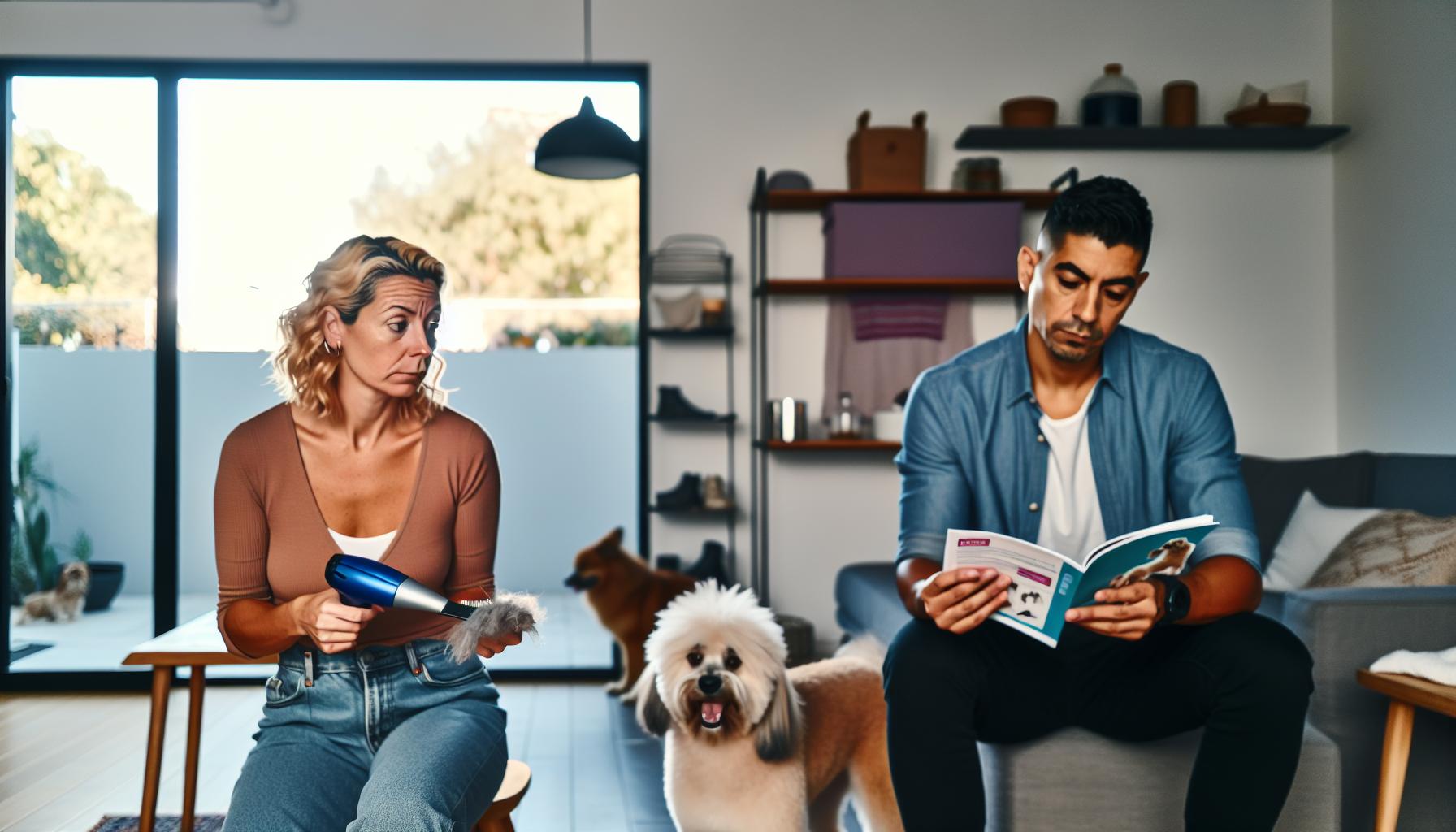
Deshedding at home can feel like a straightforward task, but small missteps often turn it into a stressful experience-for both you and your dog. One of the most frequent oversights is rushing the process or using the wrong tools for your dog’s specific coat type. For example, a slicker brush might work wonders on a Labrador’s short coat but can be harsh or ineffective on a silky, long-haired breed like a Maltese.Matching the tool to the coat not only improves results but also keeps your dog comfortable and safe from irritation or injury.
Another common pitfall is neglecting to prepare the coat properly before deshedding. Trying to remove loose hair from a dirty,tangled coat usually causes discomfort and can damage the fur. Spending a few minutes detangling mats gently with a dematting tool or comb and bathing your dog with a moisturizing shampoo suited for their skin helps loosen dead hair and makes the deshedding tool glide more smoothly. Skipping these steps often leads to pulling, which undermines your dog’s trust and willingness to cooperate.
Moving Too Fast or Applying Excessive Pressure
- Speed isn’t your friend: Speedy, rough strokes often startle sensitive pups or cause skin irritation. Rather, aim for long, gentle strokes that follow hair growth direction.
- Don’t press too hard: Deshedding tools are designed to remove loose undercoat without scraping the skin. Pressing firmly can cause redness or discomfort, especially on thin-skinned breeds like Greyhounds or Whippets.
- Signs to watch for: If your dog shows avoidance behaviors-licking lips, turning head away, or sudden wincing-pause and check your technique or tool choice.
Ignoring Your Dog’s Emotional State
many owners jump straight into deshedding without tuning into their pet’s comfort level, which can quickly escalate anxiety. Rather, try breaking grooming into several short, positive sessions peppered with treats and praise. This builds a calm association with grooming tools and reduces fear. For example, a golden retriever that once dreaded brush time learned to relax after gradually introducing a rubber curry brush during playtime before any actual brushing began. Recognizing and respecting these emotional cues is foundational to a prosperous routine.
Overdeshedding and Skipping Professional Guidance
It’s tempting to tackle shedding aggressively,especially during heavy seasonal blowouts. However, overdeshedding can strip the coat’s natural oils, leading to dry, irritated skin. For breeds like German Shepherds or Siberian Huskies, a balanced schedule combined with proper hydration and nutrition frequently enough yields better long-term coat health than frequent intense deshedding. When mats form or skin conditions arise, or when anxiety prevents effective home grooming, consulting a professional groomer or veterinarian is critical. They provide expert care, can safely handle tough mats, and offer tailored advice on deshedding frequency and tools.
By avoiding these common mistakes-rushing, poor tool choices, ignoring your dog’s feelings, and trying to do it all without a professional when needed-you set the stage for a calmer, more pleasant grooming experience. Remember, patience and gentle care always trump speed or perfection. Your dog’s comfort and trust will always be your best “tools” for deshedding success.
How Bathing Boosts Deshedding results: Tips and Products
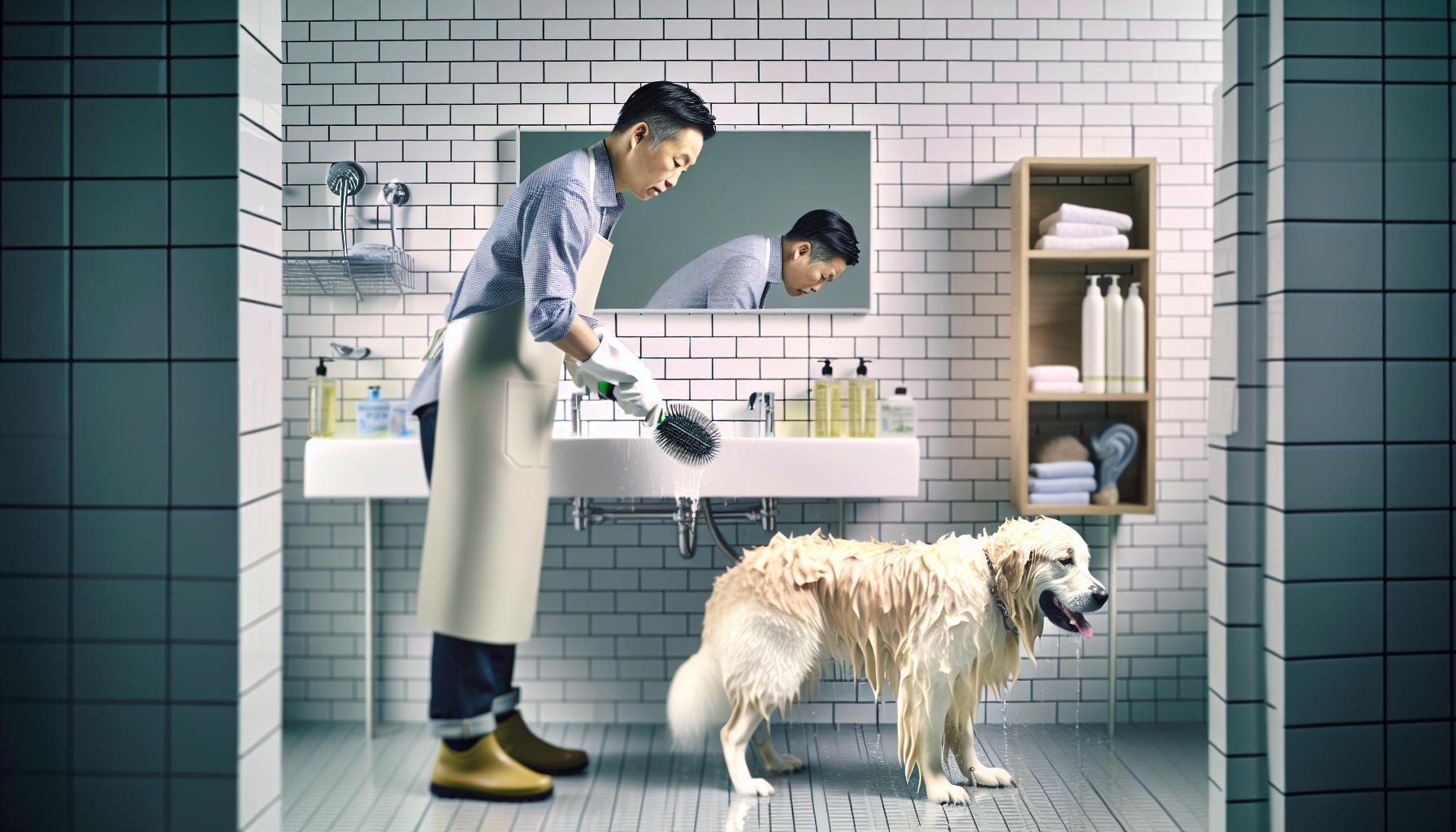
Bathing is frequently enough underestimated in the deshedding process,yet it plays a pivotal role in loosening dead hair and preparing your dog’s coat for a more effective grooming session. Clean fur reduces friction, allowing deshedding tools to glide smoothly without tugging or causing irritation.Especially for breeds with thick undercoats-like Siberian Huskies or Golden Retrievers-a well-timed bath softens the coat and brings hidden loose underhair to the surface, making removal gentler and more thorough.
Choosing the Right Shampoo and Conditioner
Selecting products tailored to your dog’s skin and coat type is crucial.Moisturizing shampoos with oatmeal, aloe vera, or omega fatty acids soothe sensitive skin while breaking down oils that trap dead hair. Avoid harsh detergents or heavily scented shampoos that can dry out the skin or trigger allergies. For dogs prone to dryness or flaky skin, a leave-in conditioner or a detangling spray can enhance fur softness, helping your deshedding tool work more effectively and comfortably.
Bathe, Dry, and Brush: Step-by-Step preparation
- start with a thorough wetting: Lukewarm water helps open up the hair cuticles, loosening dirt and dander that bind dead fur.
- Massage shampoo gently: Use your fingertips to stimulate circulation and promote healthy skin, avoiding any harsh scrubbing especially in delicate areas like the belly or ears.
- Rinse completely: Residual shampoo can cause itchiness, leading to scratching and potential skin damage.
- Apply conditioner if needed: This step helps smooth the coat and ease out minor tangles,making deshedding safer and less stressful.
- Dry strategically: Most groomers recommend towel drying followed by a low-heat blow dryer, as damp fur is easier to brush but avoid leaving your dog cold.
For example, a labrador with a dense double coat benefits greatly from a bath the day before deshedding. It softens the guard hairs and makes undercoat removal effortless, as I’ve seen with many clients-the difference in shedding volume post-bath is striking.Conversely, dogs with sensitive or allergy-prone skin might require less frequent baths and more soothing formulas, ensuring you don’t disrupt their natural oils that protect the skin.
Products That Support Deshedding
Professional groomers often recommend specific products designed to reduce shedding over time. These include gentle enzymatic shampoos that break down dander buildup, or sprays enriched with vitamin E and jojoba oil that fortify hair follicles. Additionally, incorporating a gentle scalp massage during bathing not only feels comforting but stimulates hair growth and natural oil production, which balances shedding cycles.
Remember, bathing is not just about cleanliness-it’s a foundational step that sets your dog up for a stress-free, effective deshedding session. When combined with patient grooming and the right tools, your furry friend’s coat will stay healthier, shinier, and shed less, making both of you happier through the process.
When to Consult a Groomer vs. DIY Deshedding
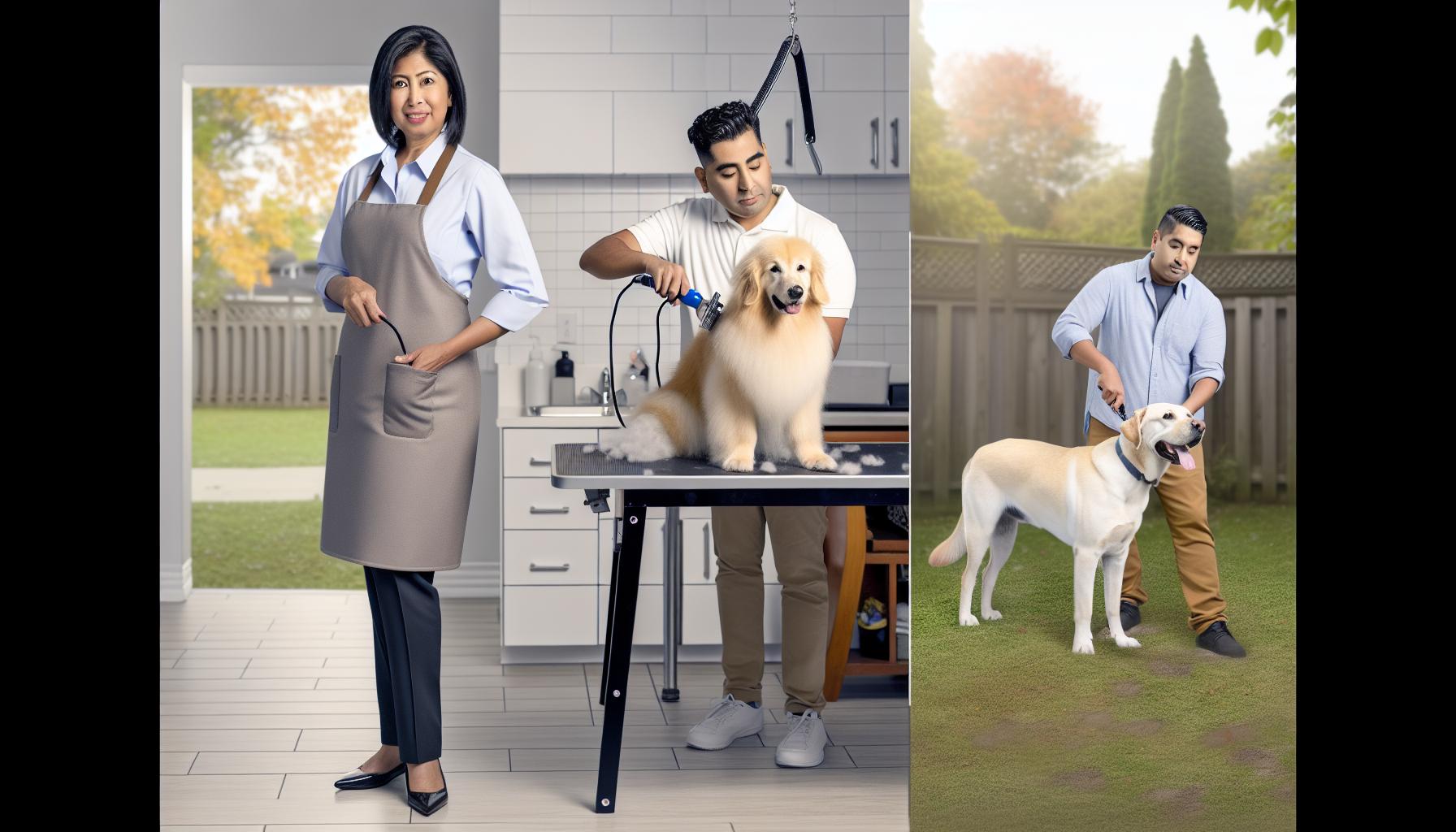
Deshedding your dog at home can be rewarding and is completely doable with the right tools and techniques. Though, there are times when calling in a professional groomer is the best choice-for your dog’s comfort and health, and your peace of mind. Understanding when to take charge yourself versus seeking expert help can save time, reduce stress, and keep your furry friend happy during shedding season.Some breeds, like Golden Retrievers, Siberian Huskies, or German Shepherds, have thick double coats that shed heavily and may develop undercoat mats if not managed properly.In these cases,if you’re facing tangled or matted fur,or if your dog gets visibly stressed during grooming,it’s wise to schedule a professional session. Groomers have specialized tools-like high-quality undercoat rakes and de-matting combs-and the experience to gently work through tough coat conditions without causing pain or skin damage. For example, a labrador with a dense double coat benefits greatly from a groomer’s precision, particularly if the shedding feels overwhelming or time-consuming at home.
On the other hand, if your dog has a single coat or short fur that doesn’t tangle easily, simple DIY deshedding routines can be very effective. Using a basic de-shedding tool appropriate for your dog’s coat type, combined with regular bathing and brushing, usually keeps shedding under control. A dog with sensitive skin or anxiety around grooming might do better with gentle, slow, and short at-home sessions that build trust. Here, choosing gentle shampoos and conditioners, and brushing with soft-bristle tools, can prevent irritation. You might want to keep the deshedding sessions brief and positive, using treats and praise to make it enjoyable.
Signs It’s Time to Call in the Groomer
- Mats or severe tangles: These can cause skin irritation or infections if DIY scrubbing risks hurting your dog.
- Excessive shedding beyond your control: If your tools remove little fur or your dog sheds constantly despite regular grooming.
- Anxiety or discomfort: Dogs that growl, snap, or hide during grooming might feel overwhelmed and need a calm professional environment.
- Specialized grooming needs: Breeds with thick undercoats, long hair, or sensitive skin may require gentle thinning or professional-grade products.
When DIY works Best
- Coats without heavy undercoats: Short-haired or single-coated dogs often benefit from consistent at-home brushing.
- Regular upkeep: Preventing mats before they form and frequent brushing can make the whole process easier.
- Calming the anxious dog: Gentle, familiar hands in a comfortable space can reduce stress during grooming.
- Building a grooming routine: learning your dog’s unique shedding pattern and preferences helps you time your efforts perfectly.
Remember, when in doubt, safety and comfort come first. If you notice redness, sores, persistent itching, or other skin problems while deshedding at home, pause and consult your veterinarian or a professional groomer. They can recommend tailored care or identify underlying health issues that influence shedding. Sometimes,combining professional grooming sessions with your ongoing at-home care creates the best results-for a happy dog and a cleaner home.
By recognizing your dog’s coat type, personality, and grooming tolerance, you can confidently decide when to DIY and when to invite a skilled groomer to assist, turning deshedding from a chore into a bonding experience that respects your dog’s well-being.
Maintaining Healthy Skin and Coat During Deshedding
Deshedding isn’t just about removing loose fur-it’s a gentle art that nurtures your dog’s skin and coat health from root to tip. healthy skin forms the foundation for a shiny, comfortable coat, so it’s crucial to be mindful of both during shedding season. Whether you’re working with a thick-coated breed like a German Shepherd or a short-haired dog like a Beagle, maintaining skin integrity helps prevent irritation, dryness, and flare-ups that can make grooming stressful for you and your pup.
Daily Care Essentials
Incorporate these simple habits into your routine to support skin wellness:
- Regular brushing: Choose the right tool-slicker brushes or undercoat rakes for dense coats, and softer bristle brushes for sensitive skin. Brushing stimulates natural oils that keep skin hydrated and spreads these oils evenly across the fur.
- Appropriate bathing: Use mild, hypoallergenic shampoos formulated for your dog’s skin type-especially if your dog suffers from allergies or dryness. Overbathing can strip oils, so aim for every 4-6 weeks unless your vet advises otherwise.
- Hydration and diet: A nutrient-rich diet with omega-3 fatty acids fosters skin elasticity and a glossy coat, reducing excessive shedding and itchiness.
Spotting Trouble Early
often, the first signs of skin stress hide beneath the fur. Look out for:
- Redness or inflammation
- Dry patches or flakiness
- Excessive scratching or licking
- Unusual odors
If you notice these warning signs during deshedding sessions, pause and evaluate. Some issues benefit from gentle grooming adjustments, like switching to a softer brush or trimming mats carefully.Others require a vet’s attention, especially if infections or allergies are suspected.
Creating a Comfortable Grooming experience
Patience and kindness go a long way. Deshedding can be uncomfortable for dogs with sensitive skin or anxiety, so:
- Work in short, calm bursts
- Use soothing motions and speak softly
- Reward good behavior with treats or praise
- Apply skincare balms or conditioners recommended by professionals to soothe the coat after grooming
Such as, when working on a Golden Retriever with a dense double coat prone to undercoat mats, gently detangling with an undercoat rake complemented by a moisturizing conditioner can keep the skin supple and pain-free.
Remember,healthy skin means better fur quality and less stress during shedding peaks. When in doubt, lean on your groomer’s expertise-they can tailor tools and techniques to your dog’s unique needs, safeguarding comfort while managing that seasonal fur blitz with skill. This partnership empowers you to keep your dog feeling great inside and out, long after the last hairbrush stroke.
Troubleshooting Deshedding Challenges: Matted Fur and Sensitive Skin
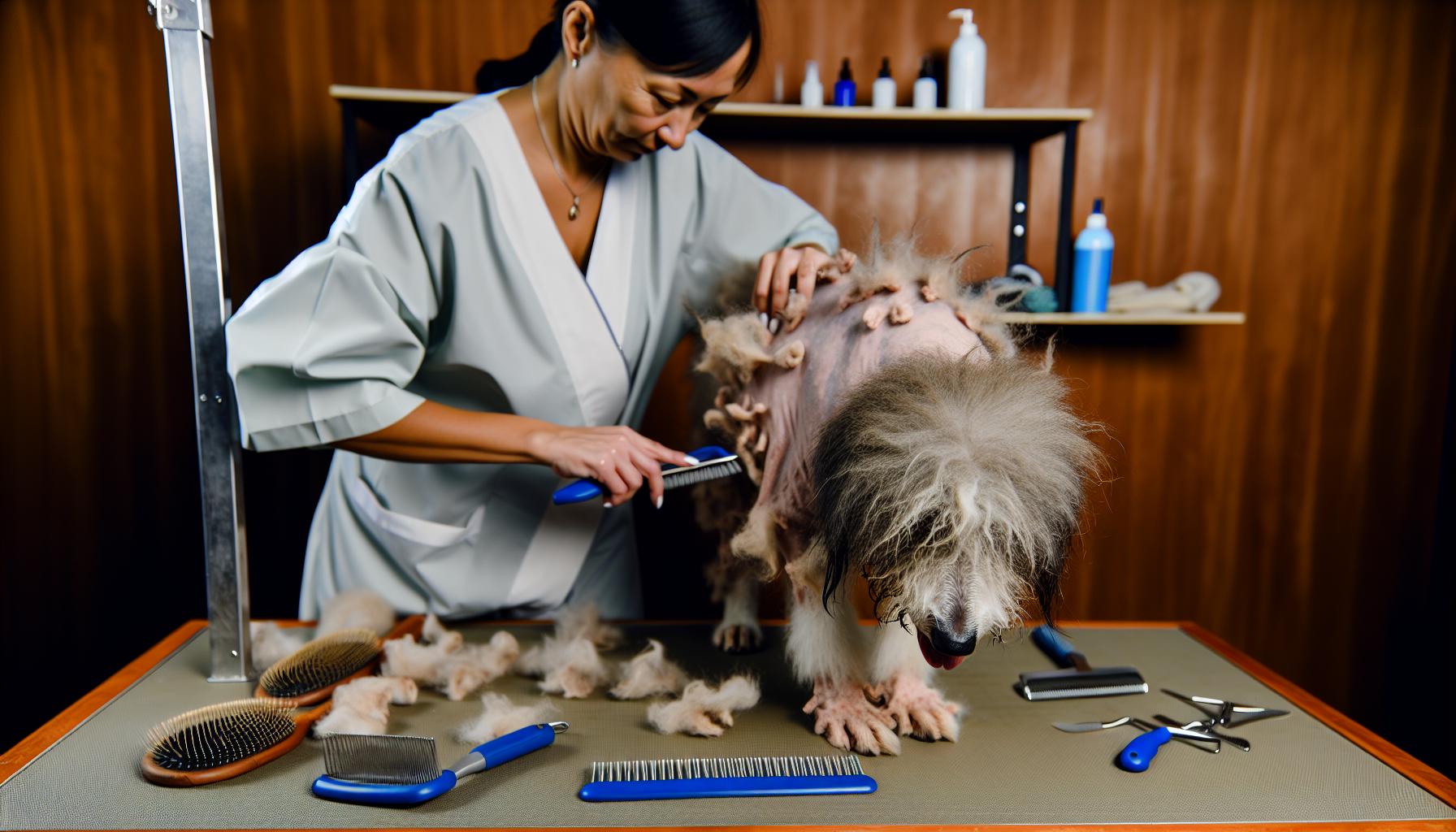
Untangling matted fur and caring for sensitive skin during deshedding can quickly become a delicate balancing act-one that calls for patience, gentle technique, and the right tools. Matted fur often develops in thick double coats like those of Golden Retrievers, Chows, or Huskies, where the undercoat tangles with the topcoat, sometimes trapping dirt and moisture. This creates not only discomfort but potential skin irritation underneath.tackling mats requires more than brute brushing; it’s about methodically loosening and removing tangles without distressing your dog or damaging the skin.
Tools and Techniques for Tackling Mats
- Undercoat rakes and dematting combs: Designed to penetrate dense fur gently, they help break up mats without pulling harshly. Start from the edges of the mat, working your way in carefully with slow, steady strokes.
- Detangling sprays or conditioners: These soften the fur fibers, easing your tool through snarls and reducing tugging discomfort. Opt for products that are hypoallergenic and vet-approved to protect sensitive skin.
- Patience and calmness: Break the grooming session into short intervals. If your dog shows anxiety or avoids the grooming area, pause and offer treats or soothing talk to rebuild trust.
Gentle Care for Sensitive Skin
Deshedding dogs with sensitive or reactive skin-common in breeds like Boxers, Bulldogs, or those with allergies-means prioritizing skin health at every step. Avoid metal brushes with sharp edges; rather, choose brushes with soft bristles or rubber grooming gloves that stimulate without scratching. Monitor for redness or flaking, which could signal irritation or an underlying condition.If you spot these signs during your grooming sessions, it might be time to switch to even gentler tools or consult your veterinarian before continuing.
Frequently, sensitive skin needs support beyond brushing. Incorporating moisturizing balms or sprays formulated for dogs can soothe and hydrate, reducing the odds of flare-ups and improving overall coat health. Remember,in cases of severe irritation or persistent matted patches,a professional groomer’s experience and a vet’s medical guidance are invaluable.
Real-World Example
Imagine working with a bernese Mountain Dog-a breed prone to thick, layered coats and mats forming behind the ears or under the legs. Starting with a detangling spray, slowly ease through stubborn knots with an undercoat rake. If the mats resist, carefully snip small sections with blunt-ended scissors rather than forcing them out. Always keep one hand beneath the mat to cushion the skin and reduce pulling pain. Short, calm sessions with plenty of breaks help your dog stay relaxed and create a positive grooming association over time.
In all cases, never rush or force the process. Prioritize your dog’s comfort over speedy results. Matted fur and sensitive skin require gentle tending backed by the right techniques and compassion. With awareness and a steady hand, you can transform challenging deshedding moments into opportunities to build trust and keep your furry friend healthy and happy.
Understanding Seasonal Shedding Cycles and Grooming Timing
Did you know that most dogs shed more predictably than you might think? Understanding your dog’s natural shedding rhythm can transform grooming from a frustrating chore into a smooth, stress-free routine. Many breeds shed seasonally, frequently enough in response to changing daylight and temperature, making timely deshedding not only more efficient but also gentler on your furry friend’s skin and coat.
Seasonal shedding typically occurs twice a year-spring and fall-as dogs shed their winter or summer coats to prepare for changing weather. Breeds with double coats, like Siberian Huskies, Golden Retrievers, and German Shepherds, experience this more noticeably.Their thick undercoat loosens and falls out in clumps, making professional-grade undercoat rakes or deshedding tools essential during these periods. Planning grooming sessions during these peak shedding seasons helps remove loose fur before it mats or clogs your home.
Recognizing Your Dog’s Shedding Patterns
- Spring shed: Dogs lose their dense winter undercoat to stay cool. This is ideal timing for thorough deshedding to prevent overheating and skin irritation.
- Fall shed: Shedding slows as the dog develops a thicker undercoat for winter warmth. Grooming now supports healthy hair growth and reduces dead hair buildup.
- Year-round shedders: Some breeds, like Labradors or short-coated breeds, shed moderately throughout the year but still benefit from increased grooming during seasons of heavier shedding.
Such as, if you have a Golden Retriever, aim to intensify grooming efforts starting in early spring. Use a tool like a Furminator or an undercoat rake combined with regular brushing and bathing to loosen and wash away dead hair. This proactive approach helps reduce shedding-related mess and protects your dog’s skin from irritation caused by trapped fur and dirt. On the other hand, that same Golden retriever will benefit from lighter grooming in midsummer to avoid overstripping the coat, which acts as natural sun protection.
Optimizing grooming Timing
Knowing when to start deshedding is just as important as how. Begin observing your dog’s coat in late winter or early spring for small tufts of loose fur or a sudden increase in hair around your home. This subtle sign means it’s time to bring out your grooming tools and give your dog a gentle but thorough session.
- Pre-shed preparation: Bath your pup with a deshedding-kind shampoo to loosen hairs and open follicles.
- Choose the right tool: For thick undercoats, undercoat rakes or dematting combs work best. For finer coats, slicker brushes or rubber grooming gloves may suffice.
- Short, consistent sessions: Instead of a marathon grooming, opt for 10-15 minute sessions over several days during heavy shedding spells to keep your dog comfortable and calm.
Remember, forcing deshedding outside of peak shedding times-like stripping a coat in summer or late fall-can actually harm the hair’s natural protective qualities and cause discomfort. When in doubt, consult your groomer about the best schedule, especially for breeds with complex coats or dogs prone to skin sensitivity.
Seasonal Shedding Snapshot
| Season | Shedding Pattern | Recommended Grooming Focus |
|---|---|---|
| spring | Heavy shedding-winter undercoat release | Deshedding tools + bathing + frequent brushing |
| Summer | Minimal shedding; coat thins naturally | Gentle brushing; avoid overstripping |
| Fall | Shedding slows; new undercoat grows | Light grooming to support coat health |
| Winter | Coat thickens; shedding minimal | Routine brushing; check for mats or dry skin |
embracing your dog’s natural rhythms makes grooming a partnership rather than a battle. Patience and timing allow you to target shedding when it’s most manageable, keeping your dog comfortable and their coat shiny and healthy year-round. When shedding patterns seem abnormal or excessively heavy, especially outside typical seasons, that’s a good moment to seek veterinary advice to rule out underlying health issues.
Complementary Grooming Practices to Reduce Shedding
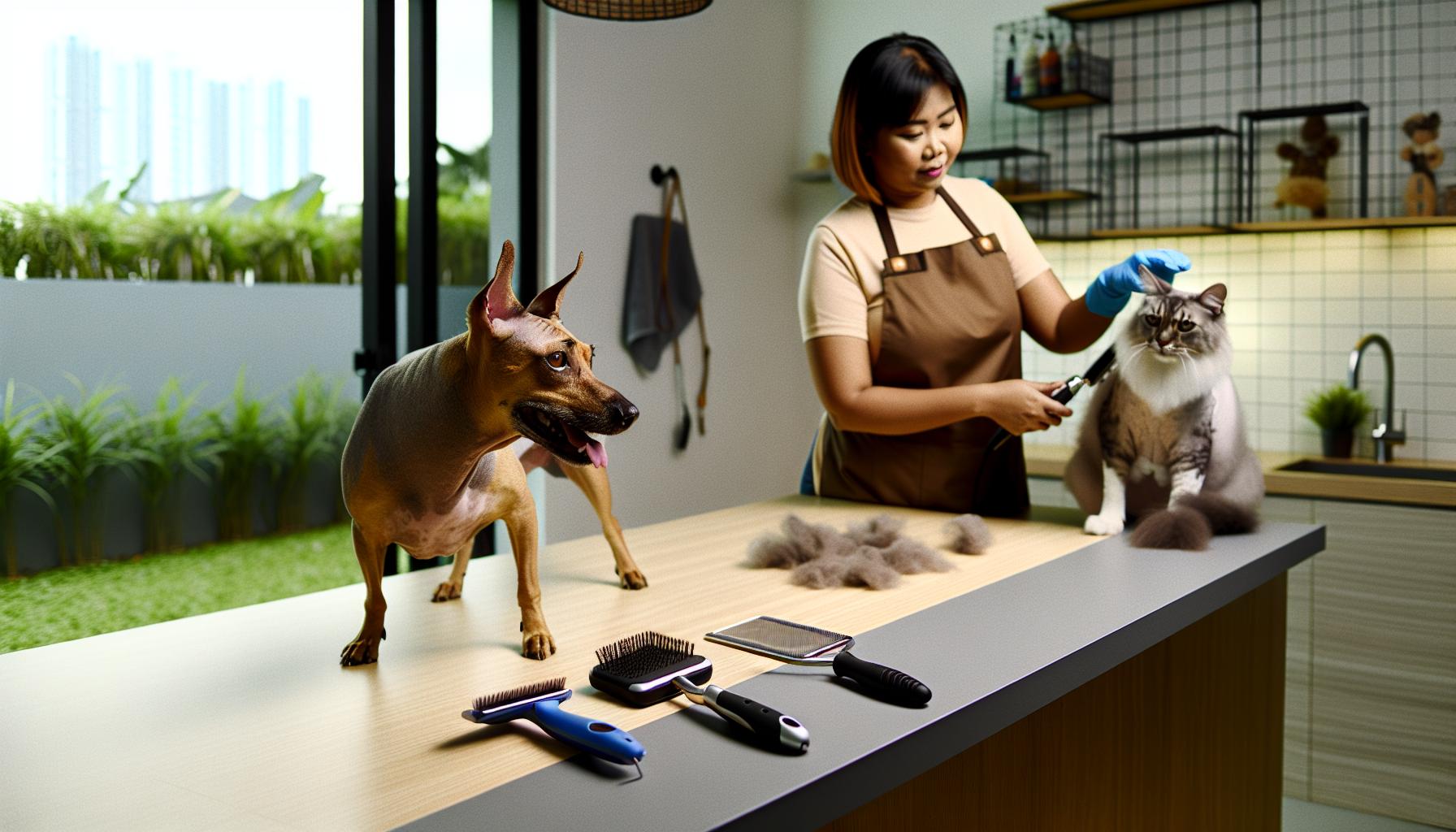
Shedding can sometimes feel like a never-ending battle,but the secret to truly managing it often lies beyond just brushing and deshedding tools. Focusing on complementary grooming practices not only enhances tool effectiveness but also supports your dog’s skin and coat health, which naturally reduces excessive shedding over time. Think of it as a holistic approach-a gentle partnership between you and your pup where care meets comfort.
Bathing and Skin Care
Regular baths with a moisturizing, deshedding-friendly shampoo help loosen dead hair and clear away dirt that can trap loose fur. Choose formulas rich in omega fatty acids or natural oils to soothe the skin and reduce dryness-a common trigger for extra shedding. After shampooing, use a conditioner tailored for your dog’s coat type to keep hairs strong and reduce breakage. Remember, bathe only as needed to avoid stripping natural oils. For example, a Golden retriever might enjoy a monthly bath during heavy shedding seasons, supplemented with frequent brushing in between.
Routine Brushing Beyond Deshedding Tools
While undercoat rakes and Furminators are invaluable during peak shedding, daily use of gentler brushes like slicker or bristle brushes, or even rubber grooming gloves, can make a huge difference in reducing loose fur. Regular brushing stimulates the skin’s natural oil production, distributes these oils evenly, and prevents matting, which traps shed hair close to the skin. For anxious dogs, starting with a soft brush and incorporating short, positive sessions keeps grooming a calming experience rather than a stressful one.
Additional Practices That Help
- Diet and Hydration: A balanced diet rich in essential fatty acids (like fish oil supplements) supports coat health from the inside out, frequently enough reducing seasonal flares of shedding.
- nail and Ear Care: While not directly linked to shedding, routine nail trimming and ear cleaning keep your dog comfortable and relaxed during grooming sessions, encouraging cooperation during deshedding.
- Managing Stress and Environment: Stress can exacerbate shedding, so creating a calm grooming space with familiar scents, toys, and patience makes a big difference-especially for shy or anxious dogs.
for example,an anxious German Shepherd may benefit from brushing sessions paired with treats and a quiet setting,combined with weekly nail trims and occasional baths,keeping their overall grooming routine a positive,complete experience. Always remember, some issues-like sudden heavy shedding or skin irritation-merit a vet’s attention rather than DIY approaches. When in doubt, your groomer or vet can advise on the best complementary practices for your dog’s breed, skin condition, and lifestyle.
Expert Tips to Keep Your Dog Comfortable Throughout Deshedding
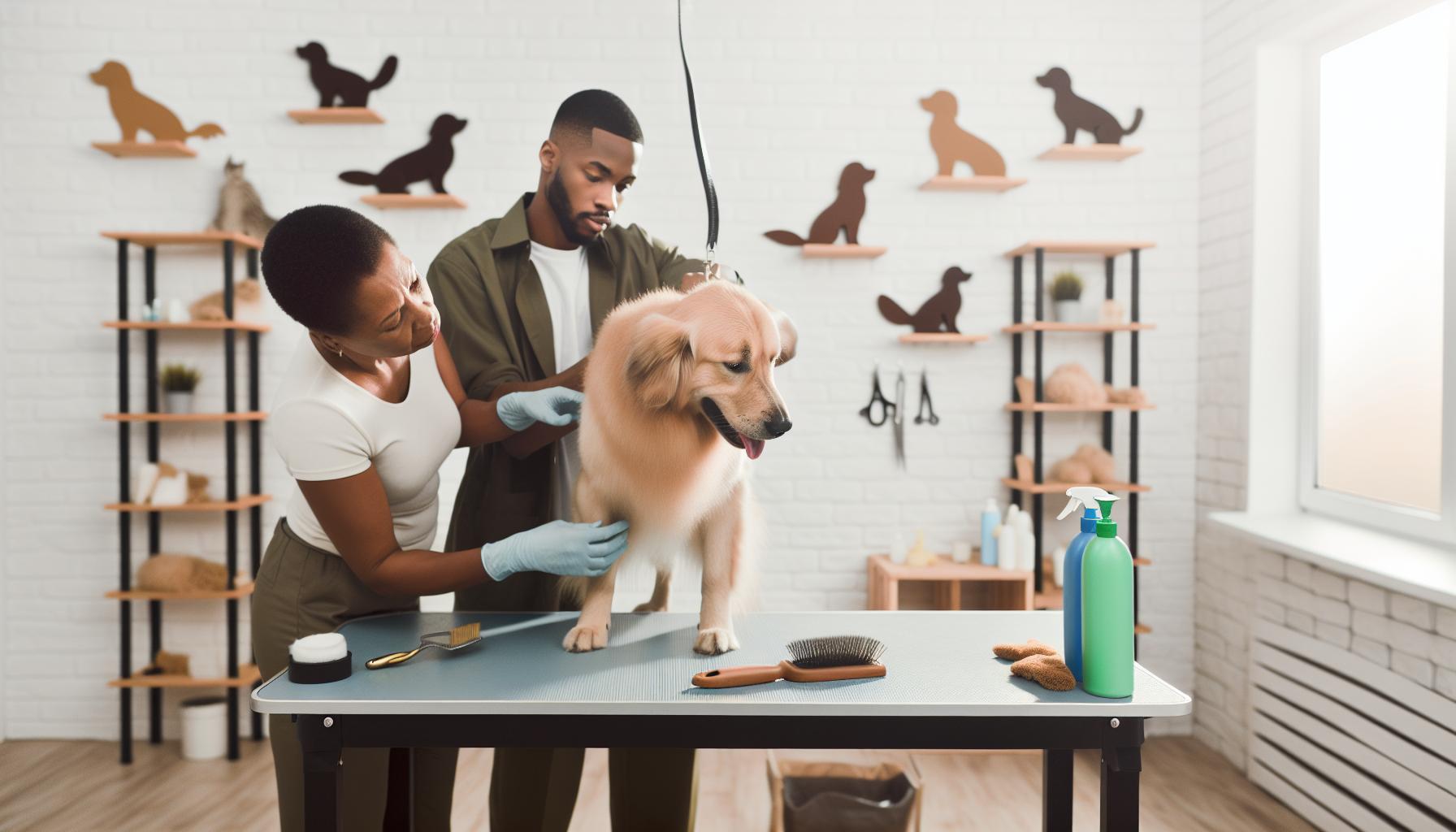
Deshedding can be a stressful experience for many dogs, especially those with sensitive skin or nervous dispositions. One key to success is tuning into your dog’s mood and body language throughout the process. If your dog appears tense, panting, or trying to escape, it’s time to pause and offer reassurance. Deshedding is a slow, gentle process-not a race. Using soothing tones, gentle strokes, and plenty of praise helps your pet associate grooming with comfort and trust.
Choose and Prepare the Right Tools
Matching the deshedding tool to your dog’s coat type is essential not only for effectiveness but also for reducing discomfort. As a notable example, dogs with thick double coats, like Huskies or Golden Retrievers, respond well to undercoat rakes or gentle Furminators that remove loose fur without pulling painfully. In contrast, acrylic bristle brushes or grooming gloves may be better for dogs with short, single coats, such as Boxers. Before starting, lay out everything you need: tools, treats, towels, and a non-slip mat to keep your dog steady.
Creating a Calm Environment
Dogs are highly sensitive to their surroundings.Preparing a quiet,familiar space with minimal distractions helps keep anxiety at bay.Consider soft background music or white noise to drown out sudden sounds. If your dog is anxious, break the grooming into short, frequent sessions rather than a single prolonged one. Integrating treats at regular intervals encourages positive reinforcement and helps divert attention from potential discomfort.
Step-by-Step Handling Techniques
Begin by gently massaging your dog’s coat using your hand to relax underlayers and stimulate circulation. Gradually introduce the deshedding tool using light pressure to avoid tugging. Pay close attention to areas prone to mats or sensitive spots like the belly and behind the ears. If your dog shows signs of distress, return to brushing calmly with your hand or a soft brush before attempting the tool again. Always keep sessions positive and end on a pleasant note with affection or a favorite treat.
- Hydrate and Nourish: Well-hydrated skin and a nutrient-rich diet strengthen your dog’s coat, making deshedding smoother and less irritating.
- Monitor Nail and Ear Care: Keeping nails trimmed and ears clean prevents overall discomfort, encouraging better cooperation during grooming.
- Know your Limits: If your dog resists or if mats and skin problems arise, consult a professional groomer or veterinarian to avoid injury or stress.
Remember, comfort is the foundation of effective deshedding. When you prioritize your dog’s well-being alongside grooming goals, the process becomes a bonding opportunity that benefits both of you over time.
Frequently asked questions
Q: How do groomers prepare a dog’s coat before deshedding?
A: Groomers start by thoroughly brushing the dog’s coat to remove surface dirt and loose fur. They often bathe the dog with a gentle shampoo to soften the hair, making deshedding tools more effective. This prep helps reduce discomfort and improves *shedding removal*, as detailed in the Bathing boosts Deshedding section.
Q: What grooming products enhance deshedding results safely?
A: Groomers use specialized detangling sprays and conditioners formulated for dogs to loosen dead hair without irritating skin. These products reduce static and make deshedding tools glide smoothly.Using products compatible with your dog’s coat type supports *healthy skin and coat maintenance* during deshedding.
Q: Why do groomers use different deshedding techniques for double-coated breeds?
A: Double-coated dogs require gentle tools and careful layering in deshedding.Groomers focus on removing loose undercoat without damaging the protective topcoat. This method prevents patchy fur and skin irritation, as explained in Choosing the right Deshedding Tool by Coat Type and Step-by-Step Grooming Techniques.
Q: When is the best time for professional deshedding treatments?
A: The optimal time is during peak shedding seasons-spring and fall-when loose undercoat accumulates. Professional groomers schedule treatments to align with seasonal cycles,minimizing heavy shedding and keeping the coat healthy. Refer to Understanding Seasonal Shedding Cycles for precise timing tips.
Q: How do groomers handle anxious or sensitive dogs during deshedding?
A: Groomers use calming techniques like gentle massage, slow brushing, and rest breaks to reduce stress. They select tools with smooth edges and apply minimal pressure to protect sensitive skin. These comfort-first strategies ensure a *safe and positive* experience, as highlighted in Safe and Comfortable Deshedding for Anxious Dogs.
Q: Can deshedding tools cause skin damage, and how do groomers avoid it?
A: Yes, if used improperly, deshedding tools can irritate or injure skin. groomers avoid damage by selecting appropriate tools for coat type and keeping blades clean and sharp. They also monitor skin condition closely and discontinue using tools on matted or inflamed areas, aligning with the Common Mistakes to Avoid section.
Q: What are the signs that a dog needs professional help rather than DIY deshedding?
A: Signs include persistent matting, skin sores, excessive discomfort, and heavy shedding despite home care. Groomers assess these issues and recommend professional treatments to prevent worsening skin or coat problems, supporting advice found in When to Consult a Groomer vs. DIY Deshedding.
Q: How do groomers integrate nail and ear care with deshedding sessions?
A: Groomers often combine deshedding with nail trimming and ear cleaning for complete grooming hygiene. This approach reduces stress by minimizing sessions and keeps dogs comfortable throughout. Learn more about coordinated care in Expert Tips to Keep Your Dog Comfortable Throughout Deshedding.
—
For more detailed guidance on deshedding techniques and supportive grooming practices, explore our in-depth sections on choosing tools, safety tips, and seasonal timing. Your dog’s comfort and coat health always come first-feel free to reach out with questions!
Final Thoughts
Understanding the right tools and techniques to effectively deshed your dog can transform grooming from a stressful chore into a calming routine. Whether your furry friend has a thick double coat or a softer single layer, using professional-grade deshedding tools combined with gentle brushing and regular baths ensures healthier skin and a shinier coat. Remember, patience and safety always come first-if you’re unsure, consulting with a trusted groomer or your vet can make all the difference.
Ready to take the next step? Explore our detailed guides on [summer grooming tips for shedding breeds] and [choosing the best brushes for your dog’s coat type] to stay ahead of seasonal shedding challenges.Don’t forget to sign up for our newsletter for expert advice, product recommendations, and exclusive grooming secrets delivered right to your inbox.Have questions or personal tips? Share them in the comments-we love hearing from fellow dog lovers dedicated to keeping pets comfy and beautiful all year round.
By mastering deshedding methods and using the right tools, you’re giving your dog the gift of comfort and your home a fresher, cleaner feel. Start today and watch the difference expert care can make. For more helpful insights, check out our [DIY dog grooming safety tips] and get confident grooming with compassion and ease.
Get our latest guides, news, and insights highlighted in your Google Search & AI Overviews.
Keep reading about the same coat and cut.




Popular grooming guides
Bath vs clip, first grooms, and salon how-tos.