How Do Dog Groomers Bathe Dogs: Professional Washing Process
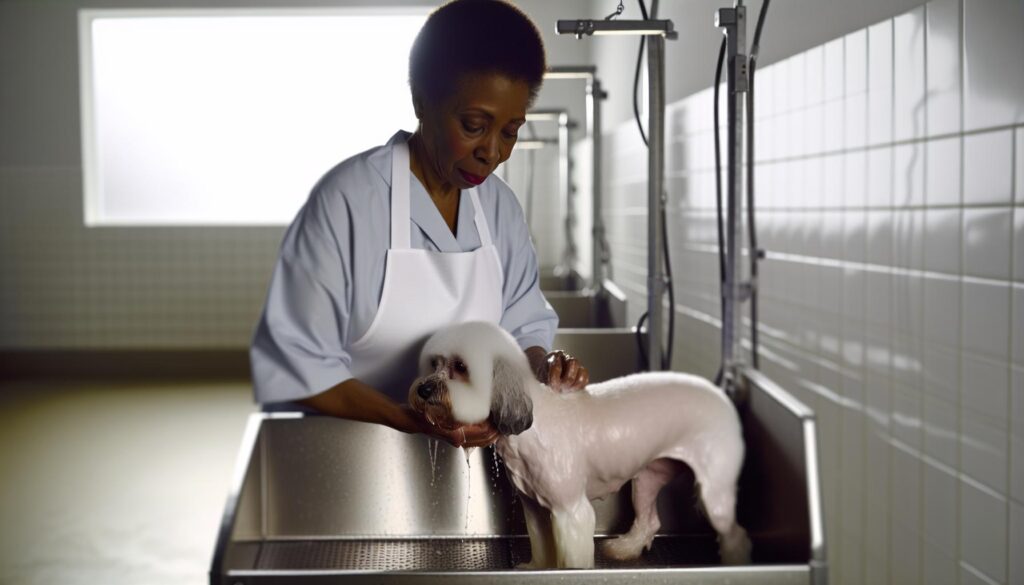
Did you know that a dog’s bath isn’t just about getting them clean-it’s a crucial step in maintaining their overall health and happiness? Professional dog groomers use a careful, step-by-step washing process tailored to each breed and coat type, ensuring your furry friend stays comfortable and safe throughout. If you’ve ever worried about how to properly wash your dog or wondered what makes a groomer’s bath different from a quick home rinse, you’re in the right place. In this guide,we’ll gently walk you through how groomers choose the right tools,shampoos,and techniques to tackle everything from stubborn dirt to sensitive skin. Weather your dog has a short, wiry coat or long, flowing fur, understanding this process can help you feel confident about your pup’s care and even improve your own at-home routine. Stay with us, and you’ll discover the compassionate, patient approach groomers use to make bath time a calm, positive experience-for both you and your beloved companion.
How Professional dog Groomers Prepare Dogs for Bathing
Table of Contents
- 1 How Professional dog Groomers Prepare Dogs for Bathing
- 2 Choosing the Right Shampoo and Products for Every Coat type
- 3 Step-by-Step Guide to the Groomer’s Bathing Process
- 4 Essential Tools and Equipment Used in Professional Dog Baths
- 5 Techniques to Calm Nervous or Anxious Dogs During Washing
- 6 How Groomers Safely clean Sensitive Areas Like Ears and Paws
- 7 Drying Methods That Keep Dogs Comfortable and Healthy
- 8 Troubleshooting common Bathing Challenges Groomers Face
- 9 When to Leave Bathing to Professionals vs. DIY at home
- 10 How Groomers Protect Dog Skin and Coat Health During Baths
- 11 The Role of Groomers in Spotting Skin Issues During Baths
- 12 Frequently asked questions
- 12.1 Q: How do groomers adjust the bathing process for different dog breeds and coat types?
- 12.2 Q: What professional techniques help reduce shedding during a dog’s bath?
- 12.3 Q: Why do groomers use lukewarm water rather of hot or cold during dog baths?
- 12.4 Q: How do professional groomers safely rinse shampoo from hard-to-reach areas on dogs?
- 12.5 Q: What signs during bathing indicate a dog may have an underlying skin condition?
- 12.6 Q: How do groomers handle dogs that resist water or baths?
- 12.7 Q: Can regular professional baths help prevent common dog skin infections?
- 12.8 Q: What are the benefits of professional drying methods over home towel drying after dog baths?
- 13 Key Takeaways
Many dogs arrive at the groomer’s with a mix of excitement and nerves, making the initial planning before any bath essential for setting a calm, safe tone. Professional groomers don’t just jump straight into wetting – they carefully assess each dog’s coat type, temperament, and health status first.This thoughtful start helps ensure the bath is a positive, stress-free experience for every pooch, no matter their breed or personality.
Before the water even flows, a thorough brushing is key. This step gently removes tangles, loose fur, dander, and debris that could cause discomfort or matting when wet. Such as, breeds with dense double coats like Golden Retrievers or Huskies require special attention to detangle undercoats without pulling on sensitive skin. Groomers use brushes and combs specifically tailored to coat type – slicker brushes for curly or wiry coats, bristle brushes for smoother coats – allowing them to work effectively while keeping the dog comfortable.
Checking for Skin and Health Concerns
Once brushed, the groomer conducts a quick but thorough skin check, which can reveal irritations, hotspots, lumps, or underlying conditions needing veterinary attention. This crucial step not only prevents aggravating skin problems during the bath but also positions groomers as allies in ongoing pet health monitoring. If any suspicious issues are found,the grooming process may be adjusted or paused,ensuring safety and comfort for the dog.
Creating a Calm Habitat and Setting Expectations
For nervous or new-to-grooming dogs, professionals often use gentle handling techniques and soothing voices to build trust. Introducing the bathing area gradually with plenty of praise, treats, and slow movements helps reduce anxiety. Groomers may also briefly let the dog explore the tub or grooming station before starting. This warm-up phase frequently enough turns a fearful dog into a cooperative and relaxed guest, making the bath smoother and more enjoyable.
- Breed and coat Assessment: Adapts prep approach based on coat length, density, and skin sensitivity.
- Pre-Bath Brushing: Essential for removing mats and loose hair to prevent discomfort.
- Health and Skin Check: identifies issues that affect shampoo choice or require veterinary consultation.
- Environment Acclimation: Builds trust through calm introduction, treats, and soothing tones.
- Safety and Comfort First: Never rush; patience helps even the most anxious dogs feel secure.
Through this patient, attentive preparation, groomers set the foundation for a successful bath that supports not only cleanliness but the dog’s overall well-being. Owners can feel confident their pets are in compassionate hands that prioritize happiness as much as hygiene.
Choosing the Right Shampoo and Products for Every Coat type
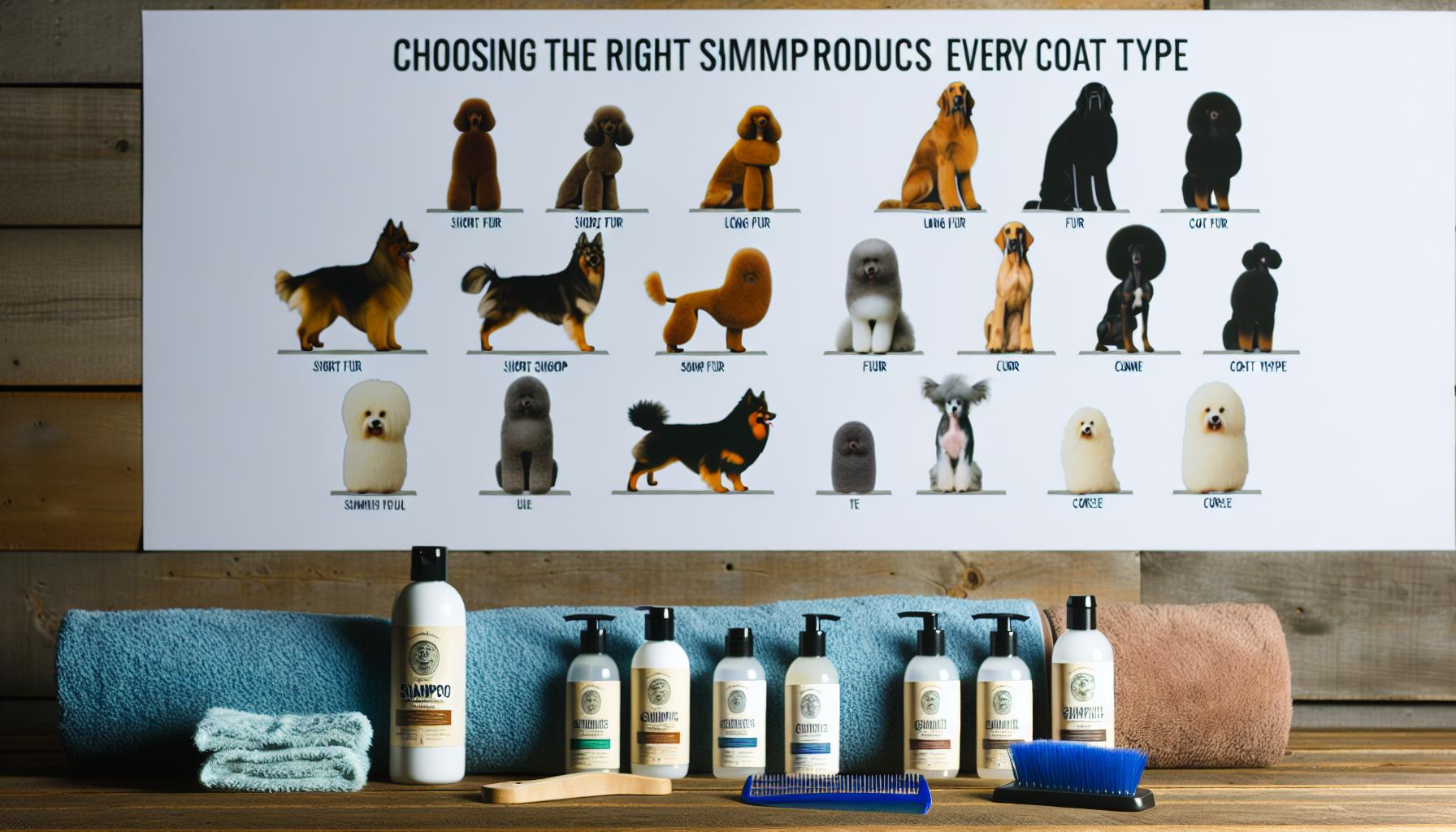
The world of dog shampoos and grooming products is vast, but selecting the right one is crucial to maintaining the health and comfort of every pup’s unique coat. Just as human skin varies, dogs’ coats differ in length, texture, oiliness, and sensitivity, requiring shampoos tailored to their specific needs. Using a shampoo designed for your dog’s coat type helps protect the skin’s natural barrier, reduces irritation, and promotes a shiny, healthy coat-without stripping away essential oils.
Breeds with oily or dense coats,like Labrador Retrievers or Cocker Spaniels,benefit from gentle clarifying or deodorizing shampoos that cleanse deeply without drying out the skin. Conversely, dogs with dry or sensitive skin, such as Greyhounds or Chinese Crested, respond best to shampoos rich in moisturizing ingredients like oatmeal or aloe vera, which soothe and hydrate while reducing itchiness. For curly or wiry coats, think about products that help define texture and manage tangles without weighing down the hair-a nourishing formula with natural conditioners frequently enough works wonders.
Understanding Coat-Specific Needs
- Double coats: Breeds like Siberian Huskies and Golden Retrievers need a shampoo that cleans undercoats thoroughly while preserving natural oils; formulations with gentle surfactants and added conditioners can support this delicate balance.
- Long,flowing coats: Afghan Hounds and Maltese dogs thrive with detangling or conditioning shampoos that prevent matting and make brushing easier post-bath.
- Short coats: Breeds such as Boxers or Beagles often tolerate simpler shampoos but still benefit from sensitive-skin formulations if prone to allergies.
- Coats prone to allergies or hot spots: Hypoallergenic shampoos free from dyes, fragrances, and harsh chemicals are essential and should be used under vet guidance when needed.
Choosing additional products like conditioners or rinses is equally vital. A lightweight conditioner can help keep curls bouncy and soft for poodles, while moisturizing sprays may assist in calming dry skin between baths. Groomers often carry a variety of professional-grade, pH-balanced shampoos and conditioners to mix and match based on what each dog needs on the day of grooming.
Practical Tips From the Grooming Table
- Always test a new shampoo on a small skin patch first to watch for sensitivity reactions.
- Balance frequency: overbathing can dry the skin; underbathing can trap dirt and oils, leading to irritation.
- When in doubt, opt for gentle, fragrance-free, and natural ingredient-based products-it’s safer for most skin types.
- Remember,medicated shampoos or treatments should only be used following veterinary suggestion-they’re powerful but not routine bath products.
Every dog is different, and professional groomers trust their experience plus thorough evaluations to pick products that support both appearance and health. When owners understand why tailored shampoos matter, they gain the confidence to make better at-home bathing choices or appreciate the expertise brought by their groomer’s hands. The key is always a gentle, patient approach that treats each pup like the beloved companion they truly are.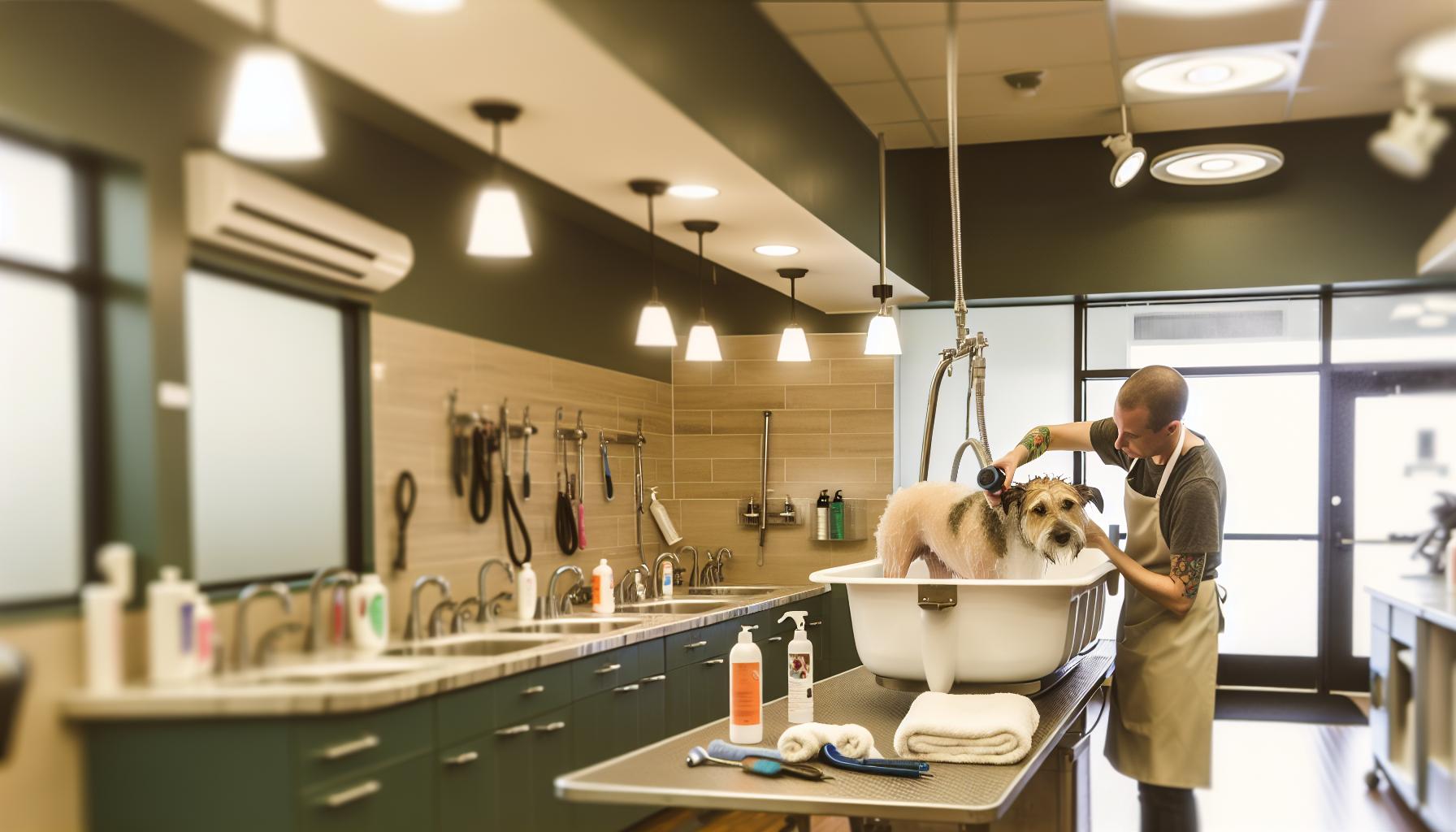
Step-by-Step Guide to the Groomer’s Bathing Process
bath time can frequently enough be a source of stress for both dogs and their owners, but professional groomers have honed a gentle, methodical bathing routine designed to put every pup at ease while delivering a thorough clean. The process starts well before the water flows, with careful preparation based on the dog’s breed, coat type, temperament, and any special health concerns. This personalized approach helps ensure the bath is safe, comfortable, and effective.
Preparation and Pre-Bath Brush Out
Before wetting the coat, groomers gently brush the dog to remove loose hair, tangles, and mats. For thick double coats (think Siberian Huskies) or long flowing hair (like Afghan Hounds), this step prevents painful matting and allows water and shampoo to reach the skin evenly. Short-coated breeds, such as Boxers, may require minimal brushing but are still checked for debris or lumps. If mats are found that can’t be loosened by brushing, trimming or dematting tools are used beforehand to avoid discomfort during the bath.
Wetting and Shampooing
water temperature is carefully monitored-lukewarm, never hot-to maintain comfort and prevent skin irritation. A handheld sprayer or bath nozzle provides controlled,gentle streams that avoid startling sensitive dogs.Groomers begin by wetting the body evenly,sparing the dog’s face,ears,and eyes at first to reduce fear. Applying shampoo in sections, they use their fingers to massage the product deep into the coat, stimulating skin circulation and loosening dirt without causing friction burns. For breeds with thick undercoats, shampoo might be applied twice to ensure full cleansing.
- Tip: For anxious dogs, using a lavender-scented or oatmeal-based shampoo can help soothe nerves during this often stressful phase.
- Challenge: Specialty coats like curly poodles require shampoos and conditioners that enhance curl definition and prevent tangling.
Rinsing and Sensitive Areas
Rinsing is thorough and patient – all shampoo residues must be removed to prevent itching or irritation. Groomers tilt a dog’s head carefully and use damp washcloths to cleanse the face and ears, avoiding water inside ear canals. Paws are rinsed gently to wash away dirt while checking for any signs of irritation or injury. Groomers frequently enough follow with an ear cleaner or cotton balls to wick moisture away safely.
Drying and Finishing Touches
After the bath, water is blotted gently with absorbent towels before moving to forced-air dryers set on low heat and quiet settings. This step is critical to avoid doggy chills or frightening noises. For sensitive or nervous pets, drying might potentially be done partially with towels and air drying to reduce stress. Once mostly dry, another brushing session smooths out the coat, eliminating any leftover loose fur and aiding in styling or clipping as needed.
This step-by-step process reflects a balance of efficiency and compassion, were grooming isn’t rushed but thoughtfully paced to honor each dog’s unique needs. Owners are encouraged to observe and ask questions, knowing that a calm, confident groomer is the best partner in making bath time a positive experience – not just for cleanliness but for lasting skin and coat health as well.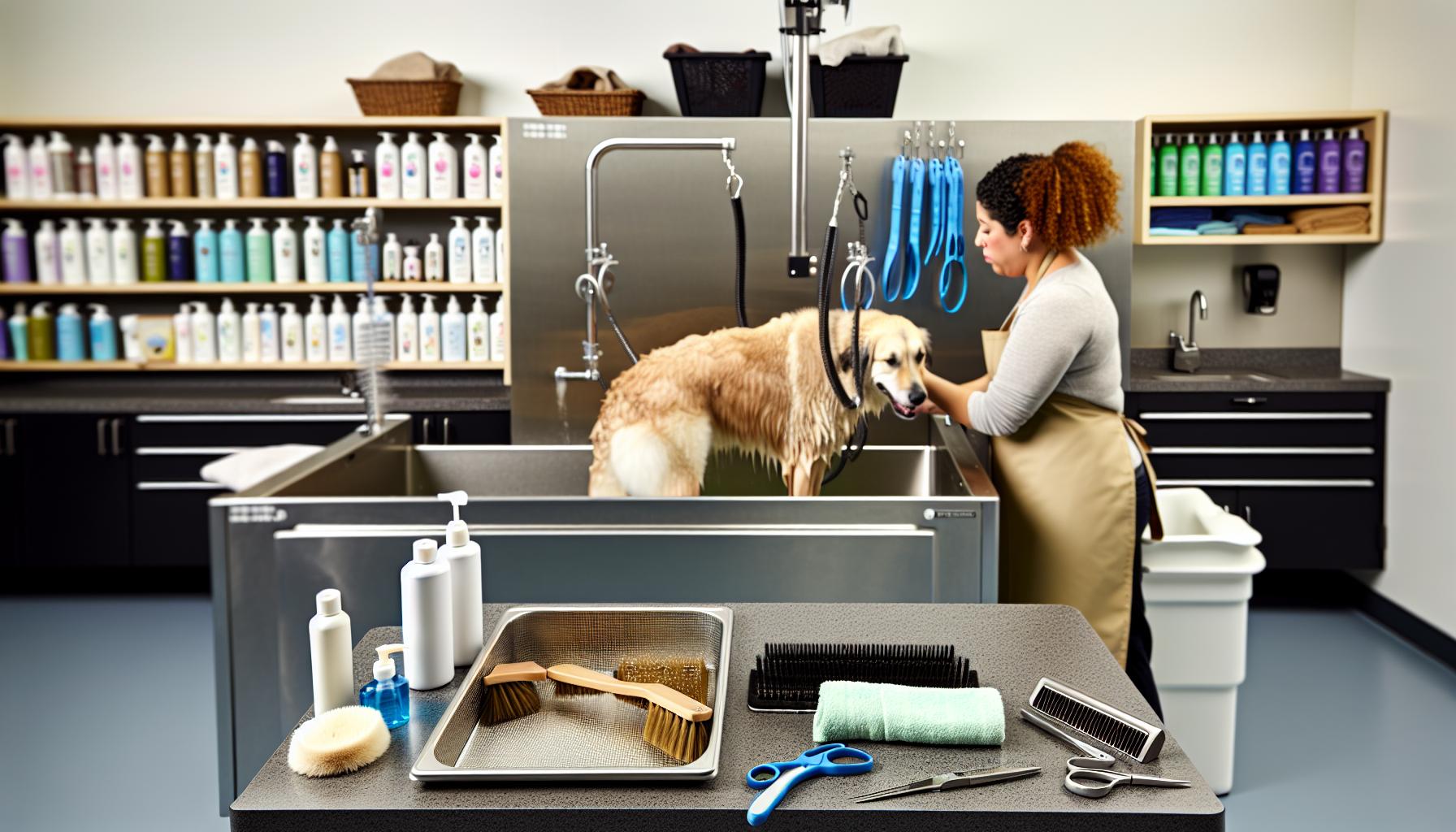
Essential Tools and Equipment Used in Professional Dog Baths
Bathing a dog professionally involves more than just soap and water-it’s a carefully orchestrated process powered by specialized tools designed to ensure safety, comfort, and superior cleanliness. These tools not only make the groomer’s life easier but also transform what might be a stressful experience for your pet into a calming, efficient routine. Equipped with the right gear, groomers can tackle everything from thick double coats to sensitive skin, tailoring their approach to each dog’s specific needs.
- Adjustable Grooming tub: This sturdy, elevated tub with non-slip surfaces gives groomers easy access while keeping pets secure. Tub height adjusts to reduce strain on the groomer’s back, and built-in drains help speed up cleaning.Smaller tubs or portable options may be used for toy or miniature breeds, while larger breeds require spacious, reinforced tubs designed to steady even the wiggliest dogs.
- Handheld Sprayers and shower Nozzles: Gentle yet effective water delivery is key. Adjustable handheld sprayers with variable pressure and spray patterns allow groomers to wet and rinse hair without frightening the dog. The ability to control the flow prevents water from invading sensitive areas like ears and eyes. For fearful dogs, a slow, mist-like spray can help acclimate them to water.
- Professional Grade Brushes and Combs: Pre- and post-bath brushing tools vary by coat type. Slicker brushes, dematting combs, and undercoat rakes specifically target loose fur and tangles. For example, a dense double coat demands a rake that reaches the undercoat without damaging the topcoat. These tools reduce matting that traps shampoo and moisture, preventing skin irritation later.
- Specialized Shampoo Applicators and Massagers: While fingers remain the primary tool for deep massage during shampooing, some groomers use silicone scrubbers or gentle massaging applicators to stimulate circulation and precisely work cleansing agents into thick fur. This can be especially helpful for dogs with thick or curly coats that require thorough cleansing.
- Ear Cleaning Supplies: Soft cotton balls, dog-safe ear cleaners, and gentle applicators allow for careful cleansing without pushing debris deeper into ear canals. Groomers avoid water exposure by wiping and drying ears meticulously to prevent infection-a concern especially for floppy-eared breeds prone to moisture retention.
- Drying Equipment: High-velocity, variable-speed dryers designed for pets are quieter and cooler than household blow dryers. Settings allow groomers to adjust airflow and temperature to avoid overheating or frightening the dog. For sensitive animals, towel drying paired with air drying provides a low-stress option. specialty drying gloves or microfiber towels absorb moisture efficiently and minimize stress during drying.
Practical Tips From the Grooming Table
As a notable example, a groomer tackling an active Border Collie will prep with a rake and slicker brush to remove loose undercoat before bathing.They’ll rely on a handheld sprayer with a gentle shower setting and an oatmeal shampoo to soothe the often-sensitive skin. drying will combine absorbent towels with a quiet blower set low to avoid startling the dog. Meanwhile, a Poodle, with its dense, curly coat, requires conditioners after shampooing to maintain smooth curls, as well as an undercoat rake and specialized combs to prevent tangles once dry.
| Breed/Coat Type | Recommended Tools | Special considerations |
|---|---|---|
| Siberian Husky (Double Coat) | undercoat rake, slicker brush, handheld sprayer, high-velocity dryer | Pre-bath dematting and double shampoo to reach skin, careful drying to avoid chill |
| Poodle (Curly Coat) | Slicker brush, conditioning treatments, detangling combs, gentle sprayer | Use conditioners post-shampoo, prevent tangles, slow and thorough drying |
| boxer (Short Coat) | Soft bristle brush, gentle sprayer, microfiber towel | Minimal brushing needed, focus on calming bath experience |
It’s worth noting that quality grooming supplies sourced from professional vendors-like Groomers Pro or Love Groomers-offer tools built specifically for these needs, ensuring durability, safety, and comfort during every bath session [[2]](https://groomerspro.com/)[[3]](https://www.lovegroomers.com/). Even simple tools designed for home use, such as the SleekEZ dog brush, mimic professional-grade design to effectively reduce shedding and maintain coat health [[1]](https://www.amazon.com/dog-grooming-tools-supplies/s?k=dog+grooming+tools+and+supplies).
remember, investing in proper tools is a form of kindness-allowing groomers to handle your beloved pet with confidence, compassion, and care every step of the way. this approach avoids unnecessary stress or injury, turning bath time into a nurturing experience rather than a chore.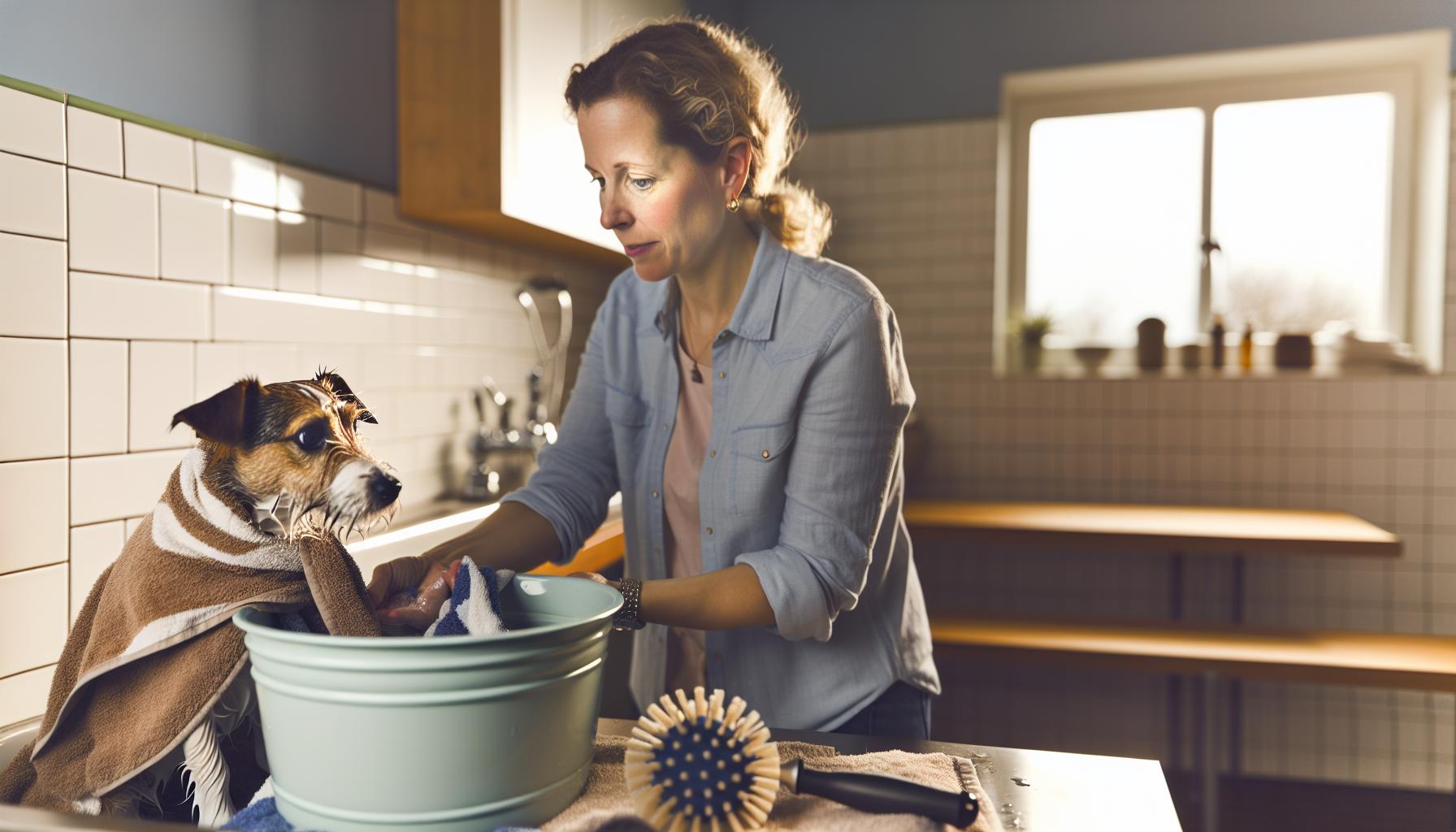
Techniques to Calm Nervous or Anxious Dogs During Washing
Bath time can be a big source of stress for many dogs, especially those who are naturally anxious or have had unpleasant experiences in the past. The key to transforming bath time into a calm,positive experience lies in patience,gentle handling,and creating an environment that feels safe and predictable. Groomers skilled in working with nervous dogs know that a soft voice,reassuring touch,and slow,deliberate movements can help build trust right from the moment the dog enters the grooming area.
For breeds like Boxers or smaller toy breeds that tend to be jumpy or wary of water, starting with dry brushing before introducing any water helps them relax and get used to being touched all over. Using a handheld sprayer with adjustable, low-pressure settings allows water to be applied gently-think of it as a soothing shower rather than a sudden downpour. Some groomers use a mist-like setting initially to acclimate dogs who find water intimidating. This gradual approach is especially helpful for dogs with short coats or sensitive skin, where a sudden splash can cause discomfort.
Creating Comfort Through Environment and Technique
- Soft verbal reassurance: Calm, encouraging words paired with gentle petting can ease a dog’s anxiety during each step, from wetting to rinsing.
- Non-slip surfaces: Secure footing is crucial; slippery tubs increase fear. Groomers frequently enough use textured mats to help dogs feel steady and confident.
- Distraction tools: Favorite treats, toys, or soothing pheromone sprays can divert attention and reward calm behavior during bathing.
- Slow introduction to water: Rather of rushing, experienced groomers wet a paw or leg first, giving time for the dog to adjust before gradually moving to othre areas.
Dogs with thick double coats, like Siberian Huskies, or curly-coated breeds like Poodles, might feel overwhelmed if water and shampoo are rushed. Groomers counter this by breaking the bath into smaller steps-pre-brushing to remove mats, slow submission of shampoo with massaging strokes, and frequent breaks to pet and praise. In some cases, allowing a short towel drying pause mid-bath helps the dog settle before continuing.
Recognizing When to Seek Additional Help
It’s important to note that some dogs’ anxiety during bathing may require the support of a veterinary behaviorist, especially if fear manifests as aggression or panic. Professional groomers are trained to spot signs of extreme stress and won’t push beyond what feels safe, always prioritizing the dog’s well-being. For highly anxious dogs, at-home baths with a familiar trusted person might potentially be gentler, but groomers bring valuable experience and tools designed to minimize stress and maximize comfort.
With kindness at the heart of every action, groomers empower owners by sharing calming techniques used during professional washes. The goal isn’t a perfectly spotless coat at any cost-but a relaxed, confident dog who approaches grooming as a pleasant part of their routine.
How Groomers Safely clean Sensitive Areas Like Ears and Paws
Few areas require as much gentle attention during a bath as the ears and paws. These sensitive spots are prone to irritation, injury, and infection if handled roughly or cleaned improperly. Groomers approach this part of the process with extra care, using calm techniques that prioritize the dog’s comfort and safety, especially for breeds with floppy ears, heavy coat around paws, or known ear sensitivities like Cocker Spaniels, Basset Hounds, or breeds prone to interdigital cysts.
When it comes to ears, avoiding water intrusion is key. Most groomers begin by carefully wiping away visible debris with a soft, damp cloth or a cotton ball-not cotton swabs, which can damage the ear canal. Using a gentle, vet-approved ear cleaner, they apply it sparingly and massage the base of the ear to help loosen dirt without causing discomfort.Drying the ear thoroughly afterward helps prevent moisture buildup that can lead to infections. For dogs with hairy ear canals, groomers may lightly pluck excess hair if the dog tolerates it, reducing places where dirt and wax collect.patience is crucial-if a dog pulls away or shows signs of irritation, breaks and soothing praise help keep stress down.
Paws also deserve tender handling. Groomers start by checking between the toes and pads for debris like grit, salt, or hidden mats in longer fur. They use a gentle rinse with warm water, avoiding high-pressure sprays that might startle sensitive dogs. Then,a mild shampoo suited to the dog’s coat type is applied carefully to the feet,followed by a thorough rinse that ensures no residue remains between the toes where irritation can develop. After washing, groomers pat dry thoroughly, paying attention to the spaces between pads, which if left damp, can cause fungal or bacterial infections. For breeds with thick feathering or long fur around paws, trimming excess hair slightly helps reduce matting and dirt buildup.
Practical Tips for Comfort and Safety
- Use warm water and low pressure: Gentle rinsing prevents surprises and discomfort on delicate skin.
- Bring treats and stay calm: Rewarding calm behavior while cleaning sensitive areas builds trust and eases anxiety.
- Avoid deep insertion: Only clean the visible outer ear carefully-deep canal cleaning is best left to the vet.
- Inspect regularly: Groomers always check ears and paws for redness, swelling, or unusual odors that might need veterinary attention.
By focusing on slow, deliberate movements and celebrating small victories with praise, groomers help dogs accept these vulnerable touches. This thoughtful approach not only ensures cleanliness but also protects the health of these delicate areas-empowering owners to continue safe care at home with confidence. When in doubt, or if an area looks inflamed, groomers recommend consulting a veterinarian to rule out infections or underlying conditions before the next bath.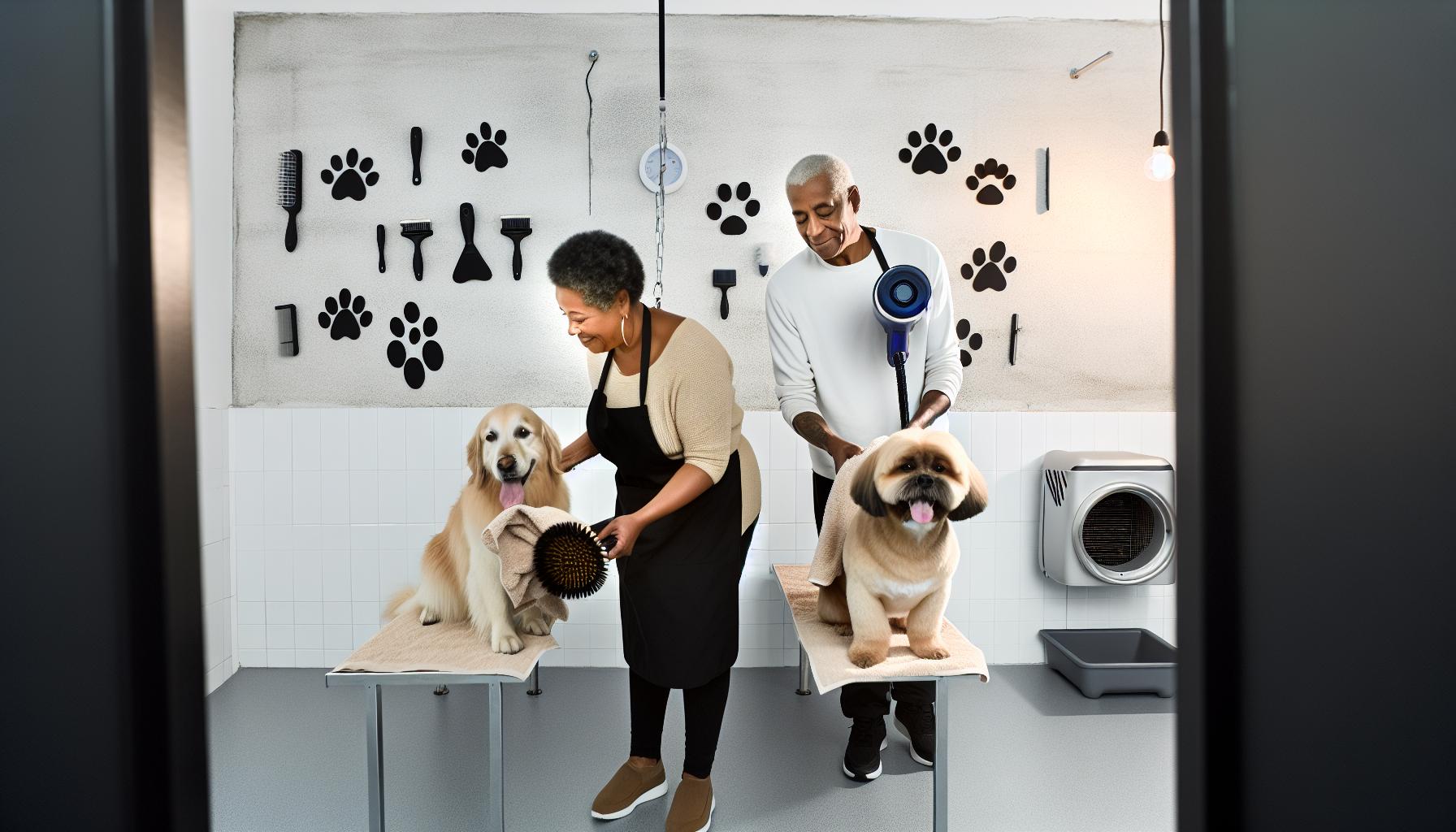
Drying Methods That Keep Dogs Comfortable and Healthy
A damp coat left to air dry can quickly turn chilly and uncomfortable for dogs, especially those with dense or long fur.Proper drying isn’t just about aesthetics-it’s essential to prevent irritation, matting, and even skin infections. Skilled groomers understand that choosing the right drying method depends on the dog’s breed, coat type, and temperament, ensuring comfort and health every step of the way.
Most groomers start by gently towel-drying the dog to remove excess moisture. Using soft, absorbent towels, they pat rather than rub to avoid tangling fine or curly fur. For example, a maltese or Poodle requires delicate handling since their coat mats easily, whereas double-coated breeds like Huskies benefit from extra patience as their thick undercoat traps more water. Towel drying also helps calm anxious dogs by giving them something familiar and soothing instantly post-bath.
After towels, professional groomers often rely on high-velocity dryers-a special tool designed to blow cool or warm air forcefully without the heat and noise of standard household dryers. These devices efficiently remove trapped water deep within thick or long coats. Importantly, the air temperature is carefully monitored, ensuring it never becomes uncomfortably hot, which could dry out skin or cause burns. For especially anxious or small dogs, groomers may opt for a quieter, gentler airflow to keep stress low.
Tips for a Calm, Safe Drying Experience
- Start low and slow: begin drying on lower air settings and at a distance to help pets acclimate.
- Use breed-specific tools: A slicker brush during drying can definitely help detangle and fluff long or curly coats, while hands-on stroking soothes sensitive dogs.
- Focus on sensitive areas last: Paws, ears, and belly can be dried gently by hand or using a low-pressure air stream to avoid irritation.
- Watch for signs of distress: If a dog curls up, whines, or tries to escape, pause, offer breaks, and provide treats to build positive associations.
- avoid over-drying: Leaving a dog’s skin too dry can cause flakiness-stopping when the coat is just dry to touch is best.
For small breeds or puppies, a simple towel wrap followed by a brief blast with a pet-safe hairdryer frequently enough suffices. Dogs with thick or dense undercoats may require extra time and patience, as trapped moisture between layers can lead to hotspots or fungal infections if not thoroughly dried. In these cases, groomers regularly inspect while drying to ensure no damp patches remain.
when drying at home, it’s best to replicate these professional steps as much as possible, using soft towels and a quiet, cool blow dryer on low fan settings. But if your dog becomes too stressed or coat drying seems insufficient, professional grooming helps take the worry off your hands while safeguarding your pet’s skin and coat health. Knowing when to call in the experts can make all the difference to your dog’s comfort and well-being.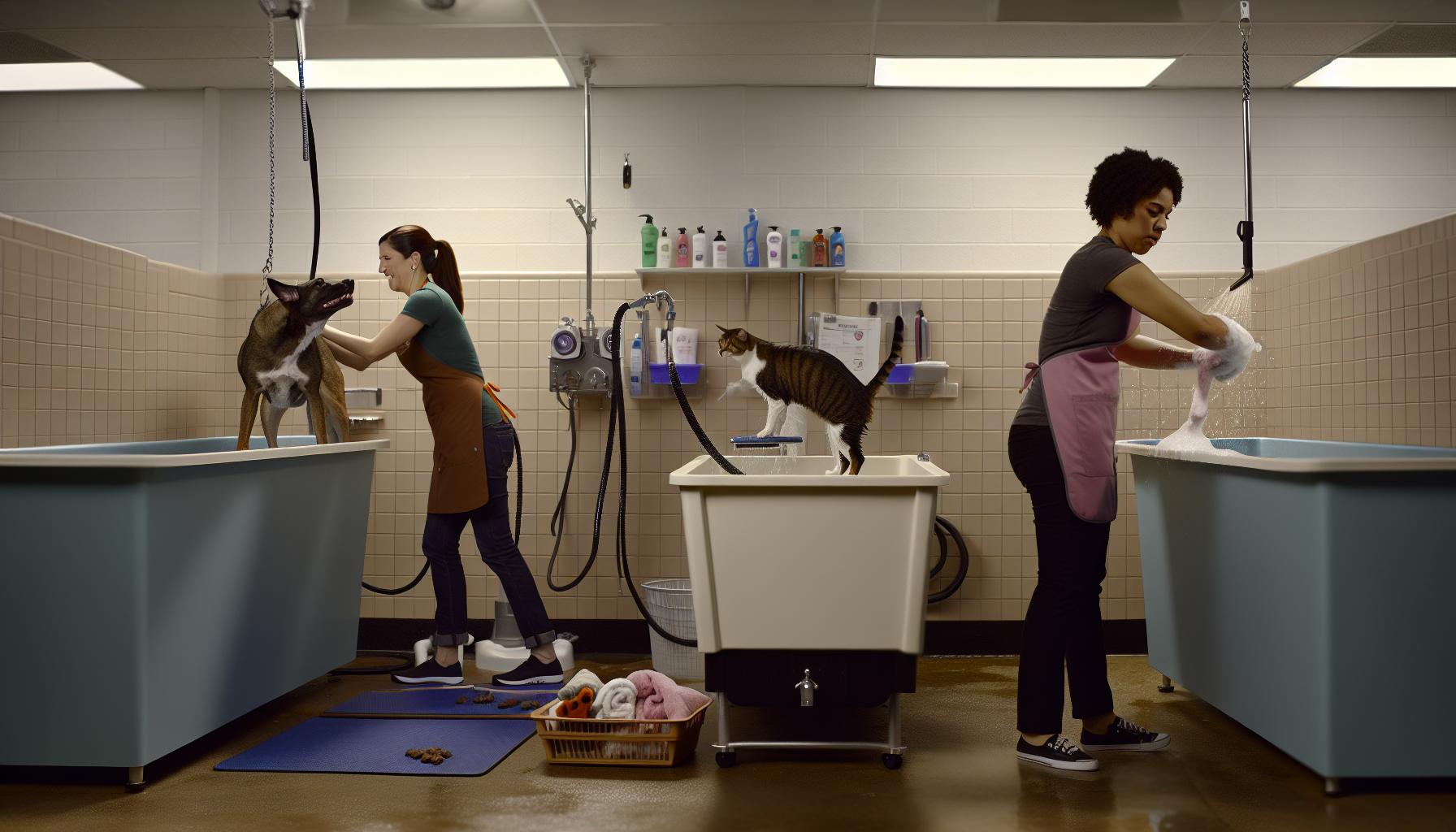
Troubleshooting common Bathing Challenges Groomers Face
Bathing dogs professionally isn’t always as straightforward as it looks. Even the most experienced groomers encounter challenges-from coat tangles to anxious pups-that require quick thinking, patience, and gentle care. Understanding these common hurdles can definitely help owners feel more at ease and recognize why groomers prioritize a calm, customized approach over rushing the process.
One frequent issue is dealing with mats and tangles before the bath. Dogs with dense, curly, or long coats like Poodles, Maltese, or Golden Retrievers often require careful pre-bath brushing to prevent painful mat pulling and uneven shampooing. Groomers use slicker brushes, detangling sprays, and sometimes special dematting tools to gently loosen these knots. This not only protects the skin from irritation but also makes rinsing and drying more effective and comfortable. If mats are too severe,groomers may recommend trimming or professional intervention rather than forcing a wash,which could cause discomfort or skin injury.Another challenge is managing dogs that feel anxious or fearful in the bathing area. Many dogs associate water or the grooming environment with stress. Groomers rely on calming techniques such as speaking softly, offering treats, and allowing dogs to acclimate slowly to water temperature and noise. For example,small breeds or puppies benefit from a hand-held sprayer with minimal pressure and lukewarm water,while more sensitive dogs might prefer sponge baths. Using non-slip mats and keeping the dog secure yet unrestrained also helps reduce fear-based reactions or sudden movements that could lead to accidents.
Common Bathing Challenges and Solutions
- Excessive Shedding or Undercoat Removal: Double-coated breeds like Huskies or Akitas trap a lot of loose fur.Groomers frequently enough perform a thorough pre-bath blowout or brushing to remove dead hair, which prevents clumping during the bath and speeds the drying process.
- Skin Sensitivities or Allergies: Some dogs show reactions to shampoos or frequent bathing. Using hypoallergenic or medicated shampoos specifically designed for sensitive skin is critically important, and groomers may suggest less frequent baths with spot cleaning rather.
- Cleaning Delicate Areas: Ears and paws are common spots for infections or irritations. Groomers carefully use gentle, vet-approved tools and often recommend regular inspection between bath days.
- Handling Uncooperative Behavior: When faced with wriggly, frightened dogs, split sessions or breaks can ease tension. Groomers might also recommend counterconditioning techniques owners can practice at home to build positive associations with bathing.
Knowing the limits between grooming and veterinary care is key. Skin abnormalities,persistent odors,or wounds seen during the bath should prompt consultation with a vet rather than attempting home remedies or grooming fixes alone. Professional groomers play a vital role by spotting these concerns early and advising owners accordingly.
remember,while DIY baths at home work fine for many dogs,persistent challenges like severe mats,anxiety,or skin issues often need the trained eye,specialized products,and gentle expertise that only a groomer can provide. Patience, compassion, and a focus on safety always come first in professional grooming, ensuring baths leave dogs clean, comfortable, and stress-free.
When to Leave Bathing to Professionals vs. DIY at home
Bathing your dog can be a rewarding bonding experience, but it isn’t always as simple as it looks-especially for dogs with specialized needs or particular temperaments.While many dogs benefit from a gentle wash at home, certain circumstances really call for the skill and care of a professional groomer. Recognizing when to hand off this task can save both you and your pup unnecessary stress and ensure the best possible care.
Some breeds, like Poodles, Shih Tzus, or any dog with thick, curly, or long coats, require thorough pre-bath preparation and expert handling to avoid painful mats or missed spots.for example, dense tangles trapped beneath the surface can cause discomfort if washed without first being properly detangled. Groomers have the right tools-a combination of slicker brushes, dematting knives, and detangling sprays-to gently prepare these coats for bathing. Attempting to DIY these without experience can sometimes worsen mats or irritate the skin.
Anxiety is another big factor. Dogs that become fearful or overstimulated in water or grooming settings often benefit from the calm, patient environment of a professional salon. Groomers know how to pace the bath, applying techniques such as slow water introduction, soothing voice tones, and controlled handling, which can be challenging to replicate alone at home. If your dog tends to panic, wriggle excessively, or exhibits signs of stress, leaving the bathing to professionals who can manage safety and comfort together is frequently enough the best choice.
Here are some signs that professional bathing might potentially be the right call:
- Coat Complexity: Dogs with thick undercoats, heavy shedding, or prone to mats require specialized brushes and procedures.
- Behavioral Challenges: Nervous, aggressive, or highly active dogs who resist bathing may benefit from groomers experienced in gentle restraint and calming.
- Skin Conditions or Sensitivities: When your dog has allergies, rashes, or infections, groomers can use medicated shampoos carefully while avoiding painful areas.
- Physical Limitations: Senior dogs,overweight pets,or those recovering from injury may need professional support to bathe safely and comfortably.
- Time and Equipment Constraints: Groomers have access to specialized tubs, water temperature control, professional dryers, and appropriate shampoos for different coat types.
That said, routine maintenance baths for many healthy dogs with straightforward coats can absolutely be done at home with the right tools and mindset. The key is to observe your dog’s comfort and skin condition closely and not push beyond what feels safe. If you find mats you can’t safely remove, a foul odor that won’t go away, or persistent scratching or redness, it’s time to consult a groomer or vet.
Ultimately, leaving baths to professionals isn’t about perfection or pampering-it’s about ensuring every dog feels safe, comfortable, and cared for. Whether you tackle bath time yourself or entrust it to a groomer, the goal is a positive experience that supports your dog’s health and happiness. With patience and empathy, you can make informed choices for your furry friend, always putting their wellbeing front and center.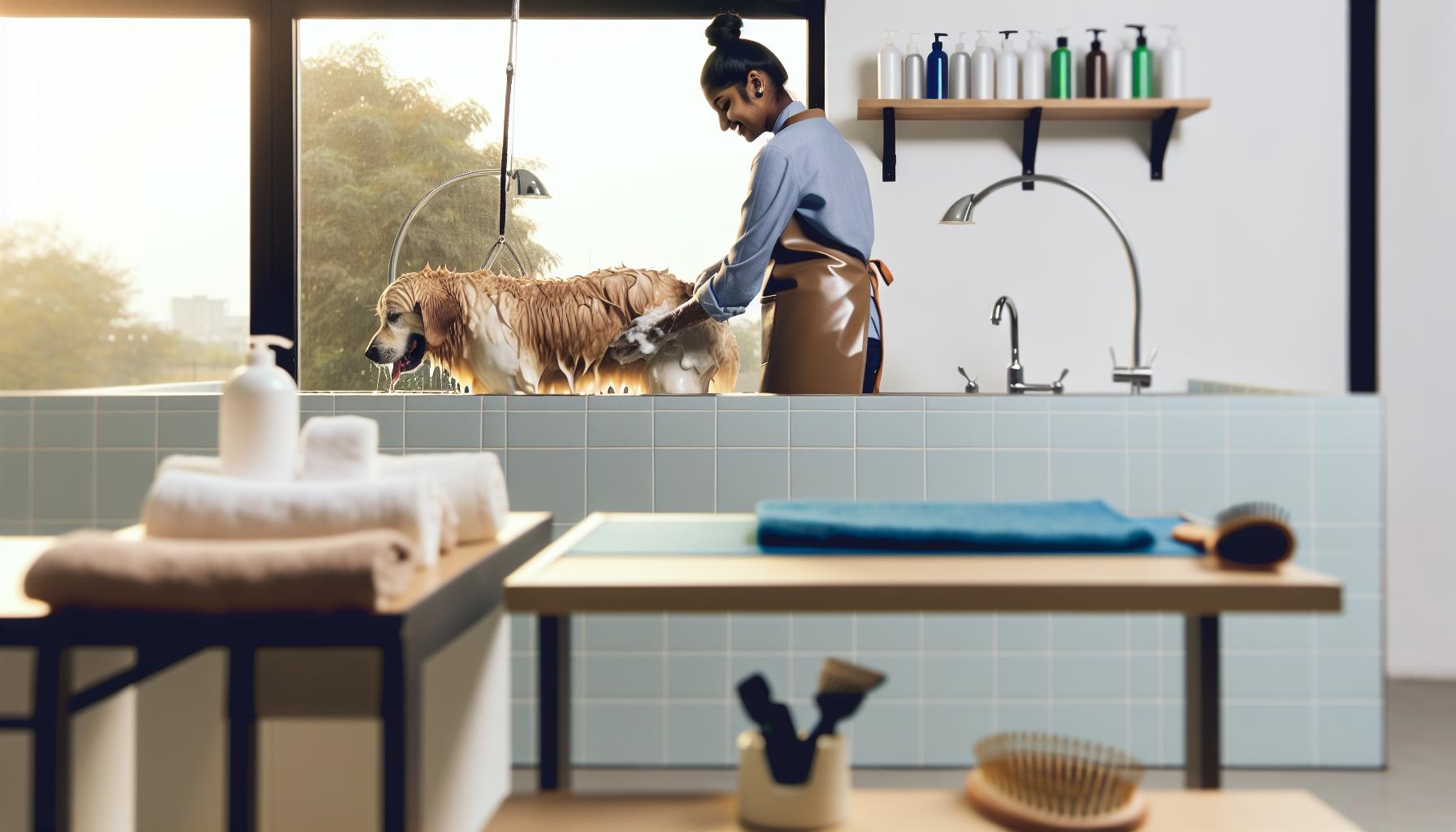
How Groomers Protect Dog Skin and Coat Health During Baths
Bathing isn’t just about making a dog look clean-it’s a vital opportunity to nurture the skin and coat, promoting overall health and comfort. Experienced groomers understand that the right approach can prevent irritation, maintain natural oils, and enhance the shine and softness of any coat, from fine-haired Chihuahuas to thick-coated Malamutes. Their method revolves around respect for each dog’s unique skin condition and coat type, ensuring every bath is a boost to wellbeing, not a cause of dryness or discomfort.
Selecting Gentle, Appropriate Products
Professional groomers tailor shampoo and conditioner choices to the dog’s coat, skin sensitivity, and any existing issues. For example, dogs with oily coats may need a balancing shampoo that cleans without stripping oils, while breeds prone to dry skin require moisturizing formulas enriched with oatmeal, aloe vera, or coconut oils.Medicated shampoos come into play when a pup has allergies, hot spots, or fungal infections, used sparingly and with veterinary guidance to soothe without aggravating. Before lathering, a quick assessment helps the groomer decide if a hypoallergenic, pH-balanced product is necessary to protect the dog’s delicate skin barrier.
Pre-Wash Preparation to Minimize Skin Trauma
Instead of immediately jumping into water, professional groomers carefully brush and detangle the coat first, especially on breeds like Shih Tzus or Poodles with dense, curly locks. This step is essential to prevent mats from tightening during the bath,which can trap moisture against the skin and cause irritation or infection. Groomers use gentle, specialized tools-slicker brushes, dematting combs, and detangling sprays-to ease through knots without pulling or scratching. By spending these extra minutes upfront, they protect the skin from unnecessary friction and discomfort during washing.
Water Temperature and Technique Matter
A simple yet critical factor is the water temperature: too hot can dry out or burn the skin, too cold may cause stress and poor cleaning. Groomers carefully test water warmth with their own hands, aiming for a soothing temperature that opens pores without causing discomfort. They apply water gradually,avoiding sudden dousing that might startle nervous dogs. Shampoos are massaged in with soft fingertips rather than harsh scrubbing, stimulating circulation and aiding in the removal of dead skin cells while promoting relaxation and trust.
Thorough Rinsing and protective Conditioning
Rinsing well is as important as the shampoo choice. Leftover residue can clog pores and lead to itching or dermatitis, so groomers invest time ensuring all soap is washed away completely, often following with a conditioner suited to the coat type for added nourishment.Conditioners help seal moisture in the hair shaft and create a barrier against environmental damage, like sun or pollutants. Some groomers even use leave-in conditioners on sensitive or frequently bathed dogs to replenish protective oils gently.
- Regular monitoring during the bath: Groomers watch for redness, hot spots, or irritation, adapting product choice or technique accordingly.
- Protecting sensitive areas: Ears, eyes, and paws get extra care to prevent soap or water exposure that could trigger infections or discomfort.
- Hydration and skin-friendly environment: Groomers avoid over-bathing, which can dry skin, recommending intervals tailored to breed and lifestyle.
By combining compassionate handling with expert knowledge of skin biology, professional groomers give dogs more than a clean coat-they provide a healthful spa experience that supports the skin’s natural balance. For anxious or skin-sensitive dogs, this careful approach can transform bath time from a stressful ordeal into a moment of calm care, building trust and keeping your furry friend vibrant, smooth, and comfortable.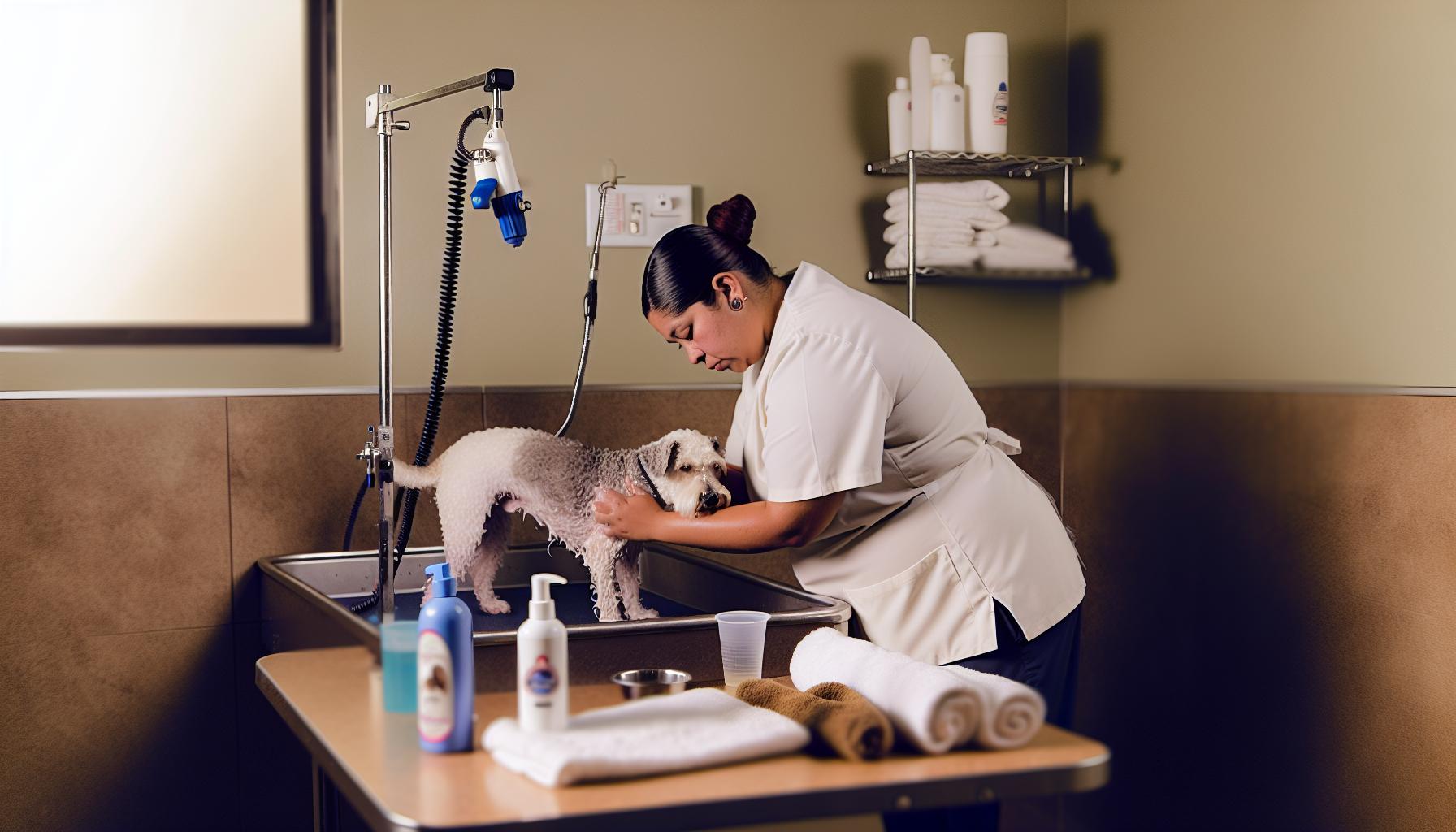
The Role of Groomers in Spotting Skin Issues During Baths
Bath time is often the first-and sometimes only-opportunity groomers have to closely examine a dog’s skin and coat up close.While the primary goal is cleanliness, experienced groomers also act as early detectors of potential skin problems that could or else go unnoticed. A subtle redness here, a dry patch there, or an unusual bump hidden beneath the fur can signal underlying conditions that need attention. with patient, compassionate handling, groomers create a calm environment where dogs feel safe enough to allow careful inspection without stress.
Observing During Each Step of the Bath
From the initial brush-out to the final rinse, groomers keep a watchful eye for anything out of the ordinary. Before wetting the coat, they check for mats that could trap moisture or irritation underneath.While shampooing, changes in skin texture-such as flakiness or excessive oiliness-become more apparent. many dogs with allergies or infections exhibit sensitivity during touch: a slight flinch or restlessness may highlight areas needing extra care. Groomers respond by adjusting their technique and products to avoid aggravating these spots,ensuring the bath is both effective and soothing.
Spotting Common Skin Issues
Several conditions may surface during a professional bath, including:
- Hot Spots: Localized reddened, moist patches often caused by scratching or bacterial infections.
- Dry, flaky skin: Signaling possible allergies, parasites, or nutritional deficiencies.
- Rashes or hives: Sometimes reactions to environmental allergens or grooming products.
- unusual lumps or bumps: Early detection can be crucial for timely veterinary intervention.
By gently parting the fur and inspecting sensitive areas-behind ears, under collars, between paws-groomers ensure no signs go overlooked.This gentle but thorough examination benefits dogs with thick or dense coats, such as Huskies or Poodles, where skin changes might otherwise stay hidden.
When to Advise Veterinary Follow-Up
While groomers don’t diagnose medical conditions, they play a vital role in recognizing when skin irregularities warrant professional veterinary evaluation. if a patch looks inflamed, infected, or painful, or if bathing itself triggers excessive discomfort, groomers recommend owners seek veterinary advice. Clear interaction with pet parents at drop-off and pickup times builds trust and helps owners stay informed about their dog’s skin health. This proactive approach can prevent small problems from escalating and empowers owners to prioritize their pet’s wellbeing.
Practical Tips for Owners
- Regular Professional Baths: Frequent grooming appointments help monitor ongoing skin health, especially for breeds prone to allergies or dermatitis.
- note Any Behavioral Changes: If your dog seems especially sensitive during baths, mention this so groomers can pay close attention.
- Maintain Open Communication: Share any known skin issues, treatments, or vet advice with your groomer to tailor the bathing process appropriately.
Together, groomers and owners form a caring team focused on keeping dogs comfortable and healthy beyond the surface shine-a reminder that bathing is as much about wellness as it is indeed about appearance.
Frequently asked questions
Q: How do groomers adjust the bathing process for different dog breeds and coat types?
A: Groomers customize the bathing routine by selecting breed-specific shampoos and adjusting water temperature, soaking time, and drying methods to suit each coat type-whether curly, double, or short.This tailored approach protects coat health and enhances shine.Learn more in our section on *Choosing the Right Shampoo and Products for Every Coat Type* for best results.
Q: What professional techniques help reduce shedding during a dog’s bath?
A: To reduce shedding,groomers use de-shedding shampoos and deep rinses combined with thorough brushing before and after bathing. This helps remove dead hair gently and prevents matting, improving coat texture. For detailed strategies, see *Essential tools and Equipment Used in Professional Dog Baths*.
Q: Why do groomers use lukewarm water rather of hot or cold during dog baths?
A: Groomers choose lukewarm water as it *comfortably cleans* without irritating sensitive skin or causing stress. Hot water can dry out skin, and cold water may shock dogs, especially anxious or small breeds. Maintaining comfort is key to a calm bath experience.
Q: How do professional groomers safely rinse shampoo from hard-to-reach areas on dogs?
A: Groomers use gentle, controlled water streams with specialized nozzles and their hands to thoroughly rinse tricky spots like under the belly and behind ears, ensuring no shampoo residue remains. this prevents irritation and promotes healthy skin, as covered in *How groomers safely Clean Sensitive Areas Like Ears and Paws*.
Q: What signs during bathing indicate a dog may have an underlying skin condition?
A: Redness, excessive flakes, bumps, or unusual odors noticed during bathing often signal skin issues. Groomers carefully observe these signs to recommend vet consultation or tailored care, highlighting their role outlined in *The Role of Groomers in Spotting Skin Issues During Baths*.
Q: How do groomers handle dogs that resist water or baths?
A: Groomers use calm, gradual introduction to bath routines, positive reinforcement, and soothing tones to ease fearful dogs. Techniques include slow wetting and short, gentle washes paired with treats and patience. For more, see *Techniques to Calm Nervous or Anxious dogs During Washing*.
Q: Can regular professional baths help prevent common dog skin infections?
A: Yes, regular baths with appropriate medicated shampoos help remove dirt, allergens, and bacteria, reducing infection risk. Groomers also spot early skin problems during baths, making them a vital part of preventive pet care. Explore more in *How Groomers Protect Dog Skin and coat Health During Baths*.
Q: What are the benefits of professional drying methods over home towel drying after dog baths?
A: Professional drying uses high-velocity dryers that quickly remove moisture deep in the coat, preventing cold or fungal infections. This method keeps dogs comfortable, reduces matting, and protects skin health better than towel drying alone. See *Drying Methods That Keep Dogs Comfortable and Healthy* for details.
—
For more insights on expertly bathing dogs, explore our *Step-by-Step Guide to the Groomer’s Bathing Process*, and feel free to reach out for tips suited to your dog’s unique needs!
Key Takeaways
Knowing how professional groomers bathe dogs helps you ensure your furry friend stays clean, comfortable, and healthy with the right tools, techniques, and care tailored to their breed and coat type.Whether your dog has a thick double coat or a sensitive skin, understanding the step-by-step process-from gentle washing to brushing, nail care, and ear cleaning-empowers you to make informed decisions about grooming routines or when to seek expert help.
Ready to take the next step? Explore our detailed guides on dog brushing techniques and safe nail trimming to complement bath time, or learn when a vet’s advice is crucial versus what you can handle at home. Don’t hesitate to subscribe to our newsletter for expert tips, product recommendations, and grooming insights that keep tails wagging. Share your grooming stories or questions below-we love hearing from pet parents dedicated to compassionate, stress-free care. Together, we’ll keep your dog happy, healthy, and looking their best!
For more on keeping your dog’s coat shining and their comfort prioritized, check out our grooming essentials and breed-specific care tips. Dive deeper into professional grooming knowledge and join a community that values patience, safety, and love above all. Your dog deserves nothing less!
Get our latest guides, news, and insights highlighted in your Google Search & AI Overviews.
Keep reading about the same coat and cut.



Popular grooming guides
Bath vs clip, first grooms, and salon how-tos.