Do Dog Groomers Bathe or Cut Hair First: Professional Process

Did you know that the order in which dog groomers bathe and cut hair can make a big difference in yoru petS comfort and the final result? Whether your dog has a thick double coat like an Akita or soft, curly fur, understanding the professional grooming process helps ease any anxiety-for both you and your furry friend. Typically, groomers start with a bath to remove dirt and loosen mats before carefully trimming, but this can vary with coat type and condition. This step-by-step care isn’t just about looks-it prioritizes your dog’s safety and wellbeing,ensuring a calm,stress-free experience. If you’ve ever wondered why groomers follow a specific routine, or how to prepare your dog to feel relaxed during grooming, you’re in the right place. Let’s walk through the thoughtful process behind bathing and haircutting, so you can feel confident and informed the next time your pup heads to the groomer.
When Do Groomers Bathe Dogs First or Cut Hair?
Table of Contents
- 1 When Do Groomers Bathe Dogs First or Cut Hair?
- 2 Understanding Different Dog Coat Types and Their Needs
- 3 Step-by-Step Grooming Workflow: Bathing Before or After Cutting
- 4 Essential Tools for Bathing and Hair Cutting Explained
- 5 How Breed and Coat Texture Influence Grooming Order
- 6 Brushing and Dematting: When Should it Happen?
- 7 Nail Trimming and Ear Cleaning: Best Timing Tips
- 8 Common Challenges When Bathing or Cutting First-and How to Solve Them
- 9 How Groomers Calm Anxious Dogs During Bath and Haircuts
- 10 Differences Between Professional Grooming and DIY Grooming Safety
- 11 When to Consult a Vet Rather than a Groomer
- 12 Tips for Owners: Preparing Your Dog for a Stress-Free Grooming Session
- 13 Q&A
- 13.1 Q: Why do some dog groomers choose to cut hair before bathing?
- 13.2 Q: How does a dog’s coat type affect the order of bathing and hair cutting?
- 13.3 Q: What are the risks of bathing a dog before cutting if it has severe mats?
- 13.4 Q: How do professional groomers handle anxious dogs during the bath and haircut process?
- 13.5 Q: Can grooming order affect the final haircut style on different dog breeds?
- 13.6 Q: When should nail trimming and ear cleaning be done during a grooming session?
- 13.7 Q: How can owners prepare their dogs to make the grooming process smoother and less stressful?
- 13.8 Q: What should I do if my dog’s skin reacts negatively after a grooming session?
- 14 Wrapping Up
It’s a common question among dog owners: should bathing come before the haircut,or vice versa? The answer isn’t one-size-fits-all-it depends on your dog’s coat type,condition,and temperament. Most professional groomers opt to bathe dogs first to soften the hair, remove dirt and oils, and make the coat easier to handle during trimming. Clean, damp hair is generally more manageable, reducing tugging and uneven cuts. For breeds with dense, double coats like Akitas or thick curly coats, bathing first also helps identify any mats or tangles that need special attention before the haircut begins.
However, there are exceptions. Dogs with extremely matted coats may require a preliminary trimming or “dematting” dry cut to avoid painful mat removal in the bath, which can tighten mats further. Some owners of short-coated breeds (like Boxers or Dobermans) might question the need for a bath first since their hair is minimal-yet a quick rinse can still improve grooming comfort and hygiene. Ultimately, the goal is to prioritize your pet’s comfort and safety while tailoring the process to their specific needs.
Why Bathing Usually Comes First
- Softens the coat: Water and shampoo loosen dirt, oils, and dead hair for a smoother trim.
- Improves coat assessment: Damp fur reveals problem areas like mats, skin issues, or uneven growth.
- Creates an easier cutting experience: Clean, wet hair allows scissors or clippers to glide better.
When Cutting First Might Be Better
- Severe matting: Dry detangling or cutting prevents painful tightening of mats during bathing.
- Highly anxious dogs: A quick trim to reduce coat bulk may shorten stressful bath time.
- Short-haired breeds: May need less frequent bathing prior, depending on odors and dirt levels.
Take, for example, a long-haired Maltese with gently tangled fur. A groomer would first bathe and condition the coat, then gently brush out tangles once softened, before trimming for that silky finish. Meanwhile, a heavily matted outdoor dog might get a dry cut to remove large mats followed by a bath to soothe the skin and finish the styling. Always observe your dog’s comfort and be flexible-patience and empathy go a long way in ensuring a positive grooming experience for both of you.
By understanding your dog’s individual coat and personality, you-and your groomer-can choose the bathing and cutting order that best keeps your furry friend calm, safe, and looking their best.
Understanding Different Dog Coat Types and Their Needs
Dogs sport a dazzling variety of coat types, each with unique needs that influence how-and when-they should be bathed or trimmed. Recognizing these differences is key to a stress-free grooming experience that supports your dog’s comfort and coat health. From silky and fine to thick and wiry, a dog’s coat texture and length play a pivotal role in deciding whether bathing comes first or if some trimming is better done on dry fur.
Long-haired breeds like Maltese, shih Tzus, or Afghan Hounds often benefit from a bath before cutting. Their coats can easily trap dirt and oils, and bathing softens the hair and loosens tangles, making brushing and trimming gentler and more precise. For example, a Maltese with a fine, silky coat will need careful conditioning after a bath to avoid breakage, followed by slow, patient brushing to detangle before the cut. Bathing first here ensures the cutter works with clean, manageable hair that moves fluidly under scissors or clippers.
On the other hand, dogs with double coats-like Siberian Huskies, German Shepherds, or Golden Retrievers-pose a different challenge. their thick undercoat combined with a coarse topcoat means mats and tangles can hide deep below the surface. Bathing first is usually ideal to loosen debris, but heavy mats might require dry trimming or dematting beforehand to avoid tightening the knots during the wash. In such cases, groomers often start with careful clipping to remove severe mats, then bath the dog to soothe skin and finish the styling.
Short-coated breeds-Boxers, Dobermans, or Beagles-generally have low-maintenance fur that doesn’t trap dirt as much. These dogs might only need a quick rinse before trimming or even skipping the bath depending on odor and dirtiness. This approach reduces unneeded stress, particularly for anxious dogs who dislike water. Practical tools here include slicker brushes and rubber curry combs to remove loose hair before clipping. Groomers tailor the routine to each dog’s tolerance level, always prioritizing calm and ease.
Practical Coat Care Tips
- Fine,silky coats: Use gentle,moisturizing shampoos and conditioners. Bathe first, then carefully detangle before cutting.
- Double coats: Check for mats before bathing. Dematting or spot trimming dry hair prevents painful mat tightening.
- Curly or wiry coats: These often need special shampoos to maintain texture. Bathe first, then allow to air-dry slightly before trimming.
- Short coats: Assess for dirt and oils. Quick bath or wipe-down often suffices.Focus more on nail trimming and ear cleaning.
Every coat tells a story about your dog’s daily adventures,health,and needs. Observing how your pet’s fur reacts to grooming-whether it becomes drier, oilier, or prone to matting-helps you and your groomer adjust the process for the best results. Remember, it’s less about ”ideal” grooming and more about what keeps your dog comfortable, happy, and safe.
If you notice skin redness, unusual flaking, or persistent matting that resists gentle brushing, it might be time to consult your vet. Sometimes underlying skin conditions or allergies influence coat health and can complicate grooming routines. In these cases, professional guidance ensures your dog’s wellbeing while maintaining a positive grooming experience.
By understanding these coat nuances and communicating them with your groomer, you empower yourself to make informed decisions for your furry friend’s grooming sessions-reducing stress and enhancing the bond between you and your beloved companion.
Step-by-Step Grooming Workflow: Bathing Before or After Cutting
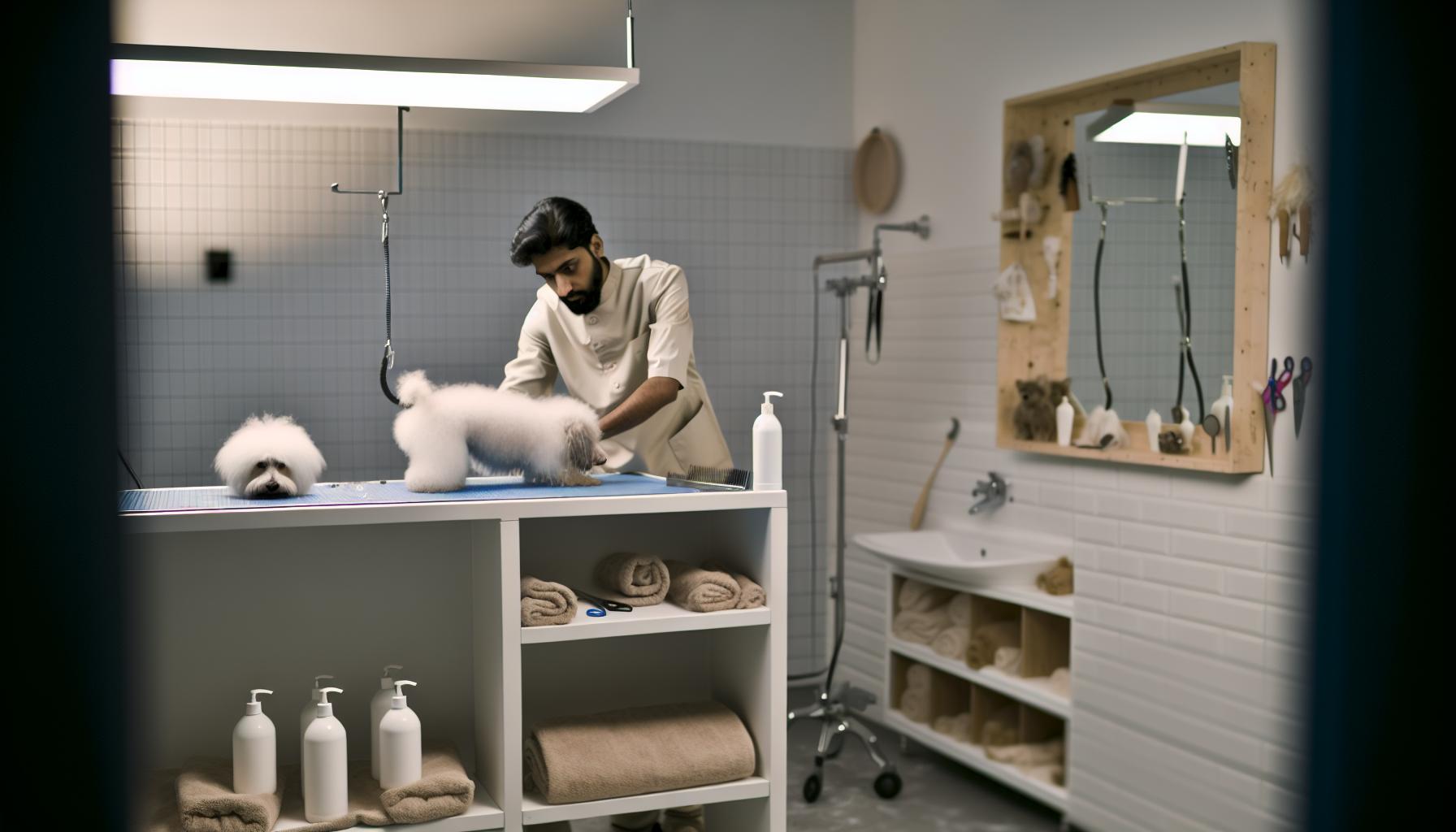
dogs’ grooming routines may look simple from the outside, but behind the scenes, professional groomers carefully plan each step to prioritize comfort, coat health, and safety. Whether a dog gets bathed before or after hair trimming depends largely on breed, coat type, and coat condition. Understanding this workflow helps pet owners feel confident that each stage serves a purpose-not just aesthetics, but well-being too.
In general, for breeds with long, silky, or curly coats like maltese, Poodles, or Shih Tzus, bathing comes first. A warm bath softens and cleans the hair, loosens dirt and oils, and prepares the coat for easier detangling without damage. After a thorough rinse and gentle towel drying, the groomer carefully brushes away knots. Once the coat is clean and mostly dry (sometimes air-dried or blow-dried for fluffiness), the cutting or clipping begins. This ensures a more even trim, reduces pull on wet hair, and allows the stylist to sculpt the coat precisely without uneven patches.
By contrast, dogs with dense double coats-such as Siberian Huskies or Golden Retrievers-frequently enough require some trimming or dematting before the bath if mats are present.Wetting heavily matted fur tends to tighten knots painfully, making things worse. In these cases, a groomer will start by carefully clipping tough mats or using dematting tools on dry fur. Once the coat is manageable and free of severe tangles, the bath follows to cleanse the skin and fur. After drying, the finishing trims and styling complete the process. This two-phase approach protects the dog from discomfort and promotes healthy skin.
Short-haired breeds like Boxers or Dobermans may only need a quick rinse before trimming or skip a full bath if they’re relatively clean. These dogs benefit from grooming routines that emphasize nail trimming, ear cleaning, and brief brushing to remove loose hairs. This keeps stress low, especially for water-sensitive dogs. Groomers tailor their approach here, focusing on what keeps each pet at ease while maintaining neatness and coat health.
Step-by-Step grooming Workflow
- Initial Assessment: Check the dog’s coat type, presence of mats, skin condition, and anxiety level.
- Pre-Bath Brushing: For most long or curly coats,gently brush out loose hair and light tangles before bathing.
- Targeted Dry Trimming/Dematting: On heavily matted coats,carefully clip or demat problem areas before bath to avoid discomfort.
- Bath Time: Use breed-appropriate, gentle shampoos and conditioners; maintain warm but not hot water to soothe.
- Drying: Towel dry, then blow-dry with controlled heat or air-dry, depending on coat and dog’s comfort.
- Final Brushing: Once dry, perform a detailed brush-out to prepare for cutting.
- Cutting/Trimming: Use scissors or clippers to shape the coat as needed, working patiently to avoid pulling.
- Additional Care: Trim nails and clean ears either before or after bath per dog’s tolerance; these help complete the grooming session.
for anxious dogs, groomers frequently enough keep bathing brief and calming, sometimes cutting hair dry first to shorten grooming time in water, then following with a quick bath if needed to freshen coat and skin after trimming. Communication with your groomer about your dog’s temperament and coat history helps tailor a gentle, effective routine.
Keep in mind that skin issues, infections, or painful mats may require veterinary attention before grooming. Groomers focus on comfort and coat health but avoid treating medical problems themselves. Always consult your vet if your dog shows signs of skin redness, irritation, or persistent matting not eased by standard grooming.
By following this thoughtful sequence, including when to bathe and when to cut hair, groomers deliver a caring, stress-minimized experience that keeps your furry friend happy, healthy, and looking their best.
Essential Tools for Bathing and Hair Cutting Explained
Few things make as big a difference in a dog’s grooming experience as having the right tools on hand. The best groomers combine their gentle touch with equipment carefully chosen to enhance comfort, efficiency, and safety-tailored to the dog’s breed, coat type, and temperament. From bath time to haircutting, each tool has a purpose, helping transform what can be a stressful process into a calm, positive routine.
bathing Essentials
Starting with the bath, a warm, nonslip surface is key to helping dogs feel secure-slippery tubs can frighten even the bravest pups. soft, breed-appropriate shampoos and conditioners go beyond just cleaning; they protect sensitive skin and maintain coat health. For example, moisturizing formulas suit curly or dry-coated dogs, while gentle hypoallergenic shampoos help dogs with allergies. A handheld sprayer with adjustable pressure lets groomers rinse thoroughly yet gently, keeping water away from ears and eyes. Soft towels and a blow dryer with low heat and noise settings finish off drying,preventing chilling or stress.
- Non-slip bath mat: Prevents slipping, reduces fear.
- Breed-specific shampoo/conditioner: Supports coat texture and skin condition.
- Handheld sprayer: Offers control, minimizing water spray discomfort.
- Microfiber towels and sensitive blow dryer: Absorb moisture quickly without heat damage.
Brushing and Dematting Tools
Before and after bathing, the right brushes make all the difference. Slicker brushes gently remove loose hair and light tangles on curly or long coats.For thick double coats, an undercoat rake helps lift dead fur without hurting the dog. Dematting combs and electric dematting tools provide extra care in stubborn areas but must be used with patience and care to avoid pulling the fur or irritating skin. Groomers frequently enough start on dry fur to minimize discomfort and only tackle mats wet when appropriate.
Cutting and Trimming Gear
Hair cutting requires precision instruments designed for different coat types. Clippers equipped with quiet, variable-speed motors reduce noise anxiety and let groomers adapt speed for detailed areas. A range of clipper blades allow trimming from very short coats (common with poodles) to longer styles. Sharp grooming scissors are essential for finishing touches and trimming sensitive spots like the face and paws. Safety shears with rounded tips help prevent accidental nicks, especially on nervous dogs.Groomers always keep tools sanitized between dogs, emphasizing health and safety.
- Quiet, variable-speed clippers with multiple blades: Tailored to coat type and desired cut length.
- Sharp grooming scissors and thinning shears: For detailed shaping and blending.
- Dematting tools and combs: To gently work out stubborn tangles pre-bath.
- Sanitizing wipes and disinfectants: To maintain hygiene and prevent infections.
Additional Care Instruments
Groomers also depend on specialized tools for nails and ears, two areas frequently enough overlooked but crucial to comfort and health. Nail clippers or grinders are selected based on nail thickness and dog size, always used carefully to avoid the quick.Ear cleaning solutions and cotton pads safely remove debris, with a cautious approach informed by the dog’s ear shape and sensitivity. Groomers may prefer performing these steps either before or after the bath, adapting to each dog’s tolerance and reducing overall stress.
By understanding the function of each tool and using it thoughtfully, groomers create a nurturing environment that respects your dog’s unique needs. Whether it’s coaxing out a stubborn mat without pain or keeping nails trim without fear, the right equipment combined with a compassionate hand ensures every grooming visit is as gentle as possible-as your furry friend’s comfort is truly what matters most.
How Breed and Coat Texture Influence Grooming Order
The order in which groomers bathe and cut a dog’s hair is not a one-size-fits-all routine-it depends deeply on the dog’s breed and coat texture. Understanding these factors can transform grooming from a stressful chore into a comfortable, even enjoyable experience for your furry friend. For instance, a curly-coated dog like a Poodle or bichon Frise typically benefits from a bath before haircuts because their coats trap dirt and oils, which can dull their curls if cut first. Bathing first hydrates and softens the hair, making it easier to trim evenly without tugging. On the other hand, dogs with thick double coats such as Huskies or German Shepherds frequently enough require a different approach; trimming mats or heavily shedding fur can be safer and less painful when done on dry fur before a bath.
Breeds with fine, silky coats, like Maltese or Shih Tzus, may live easier with a gentle bath first to prevent tangling later when the coat is combed and trimmed.Meanwhile, wiry or stiff coats found in terrier breeds often need some dry grooming-brushing out loose hairs and tangles-before a bath. This pre-bath step protects the coat’s texture and prevents those coarse hairs from becoming matted once wet. In all cases, professional groomers tailor their approach by evaluating coat condition and health, always putting comfort first.
Breed-Specific Grooming Order and Tools
- Curly/Coily Coats (e.g., Poodles, Bichons): Bathe → Condition → Dry → Cut. Use moisturizing shampoo and precise clippers with fine blades to maintain curl definition.
- Double-Coated Breeds (e.g., Huskies, Labs): Dematting brush and slicker on dry coat → Partial trimming if needed → Bath → Blow-dry thoroughly to prevent undercoat matting.
- Silky/Fine Coats (e.g., Maltese, Shih Tzu): Bath first to loosen debris → Gentle brushing → Scissor trims. Handle carefully to avoid breakage.
- Wiry Coats (e.g., terriers): Dry hand-stripping or brushing → Bath → Dry trimming. This preserves coat texture and natural look.
Such as, when working with a heavily matted Golden Retriever, cutting or dematting before bathing is almost always recommended.Wet mats tighten and can cause painful pulling on the skin. Conversely,a freshly trimmed Poodle with a dense curly coat should be bathed afterward to remove loose hairs and highlight that clean,sculpted look.
– Always assess the coat’s condition: Is it dry, oily, matted, or shedding?
- Use appropriate tools: Slicker brushes for long and curly coats; undercoat rakes for double coats; dematting combs for stubborn tangles.
– Prioritize gentle dematting first when necessary-this prevents pain and damage,especially on sensitive or anxious dogs.
– Keep grooming sessions patient and calm, adjusting the order based on the dog’s comfort and stress levels.
By tailoring the grooming sequence to breed and coat needs, groomers create an experience that respects each dog’s unique coat and temperament. Owners gain peace of mind knowing their companions are treated with skill and kindness-because in professional grooming, it’s never just about looks; it’s always about well-being.
Brushing and Dematting: When Should it Happen?
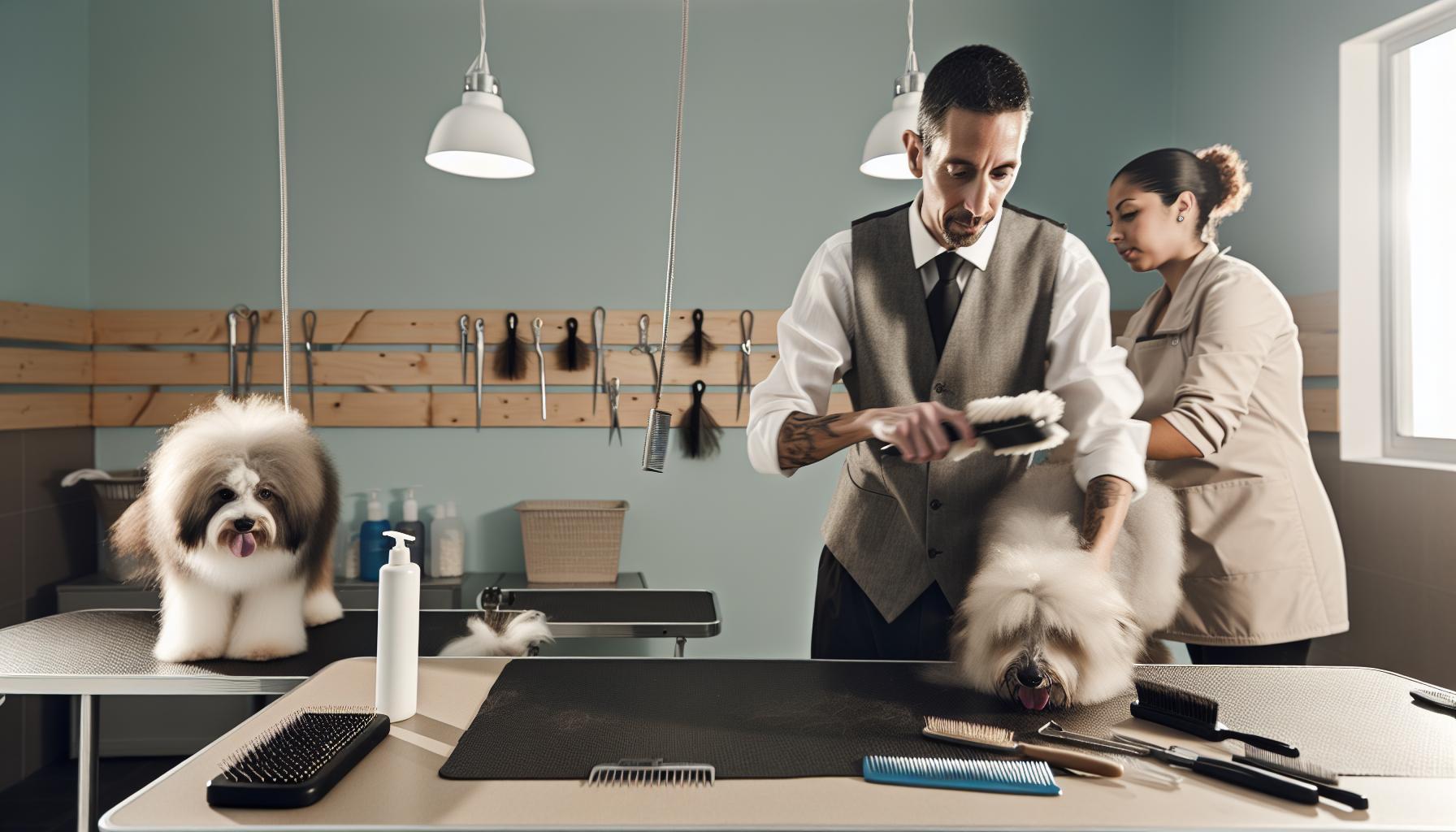
Dogs’ coats can hide stubborn tangles and mats that, if left unattended, cause discomfort and even skin issues. That’s why brushing and dematting are crucial first steps before any bathing or haircutting begins, especially for breeds with thick, curly, or long coats. Attempting to bathe or trim a heavily matted dog without first addressing these knots can make grooming painful and stressful-not just for your dog but for you as well. taking time to carefully brush out tangles on dry fur is a hallmark of compassionate grooming.
Why Dry Brushing Comes Before Bathing
Brushing and dematting on a dry coat helps loosen dirt, dead hair, and loosen mats gently. When fur gets wet, mats tighten and become harder to remove, increasing the risk of skin irritation or injury if combed aggressively afterward. For example, a Golden retriever with thick undercoat mats will frequently enough require patient dematting before the bath to avoid painful pulling. Dry brushing allows groomers to detect sensitive spots or skin problems that might need veterinary attention, avoiding surprises during bath time.
Tools That make Dematting Safer and More comfortable
- slicker Brushes: Ideal for removing loose hairs and minor tangles from medium to long coats.
- Dematting Combs & Rakes: Designed specifically to work through stubborn knots without shredding hair or hurting skin.
- Undercoat Rakes: essential for double-coated breeds to reach beneath the topcoat and remove loose undercoat hairs.
- Mat Splitters or Clippers: Used cautiously on severe mats that cannot be brushed out, always prioritizing safety and comfort.
For sensitive or anxious pets, grooming sessions should be broken into short, calm intervals with plenty of praise and breaks. You might find that slowly working through mats in layers makes the experience less overwhelming. A soft touch and patience mean everything; it’s better to work gently and over time than to rush through, which risks hurting your dog or damaging their coat.
Real-World Grooming Example
Consider a Shih Tzu with its silky, fine hair prone to matting behind the ears and under the legs. Experts will first use a fine-toothed comb and slicker brush to gently separate these mats before bathing. This not only prevents painful tangling during the bath but also prepares the coat for a neater, more even haircut afterward. Owners often worry that mats require shaving off entirely, but with careful dematting, much of the natural coat can be preserved, helping maintain their dog’s signature look.By starting with thorough dry brushing and thoughtful dematting, groomers set the stage for a safer, more effective bath and haircut, helping dogs feel calm and cared for throughout their grooming journey. Always remember: when mats are severe or the dog shows signs of skin pain,it’s best to consult with your vet or an experienced professional groomer to avoid injury. Empowering yourself with grooming knowledge makes every session easier and more joyful for both you and your companion.
Nail Trimming and Ear Cleaning: Best Timing Tips
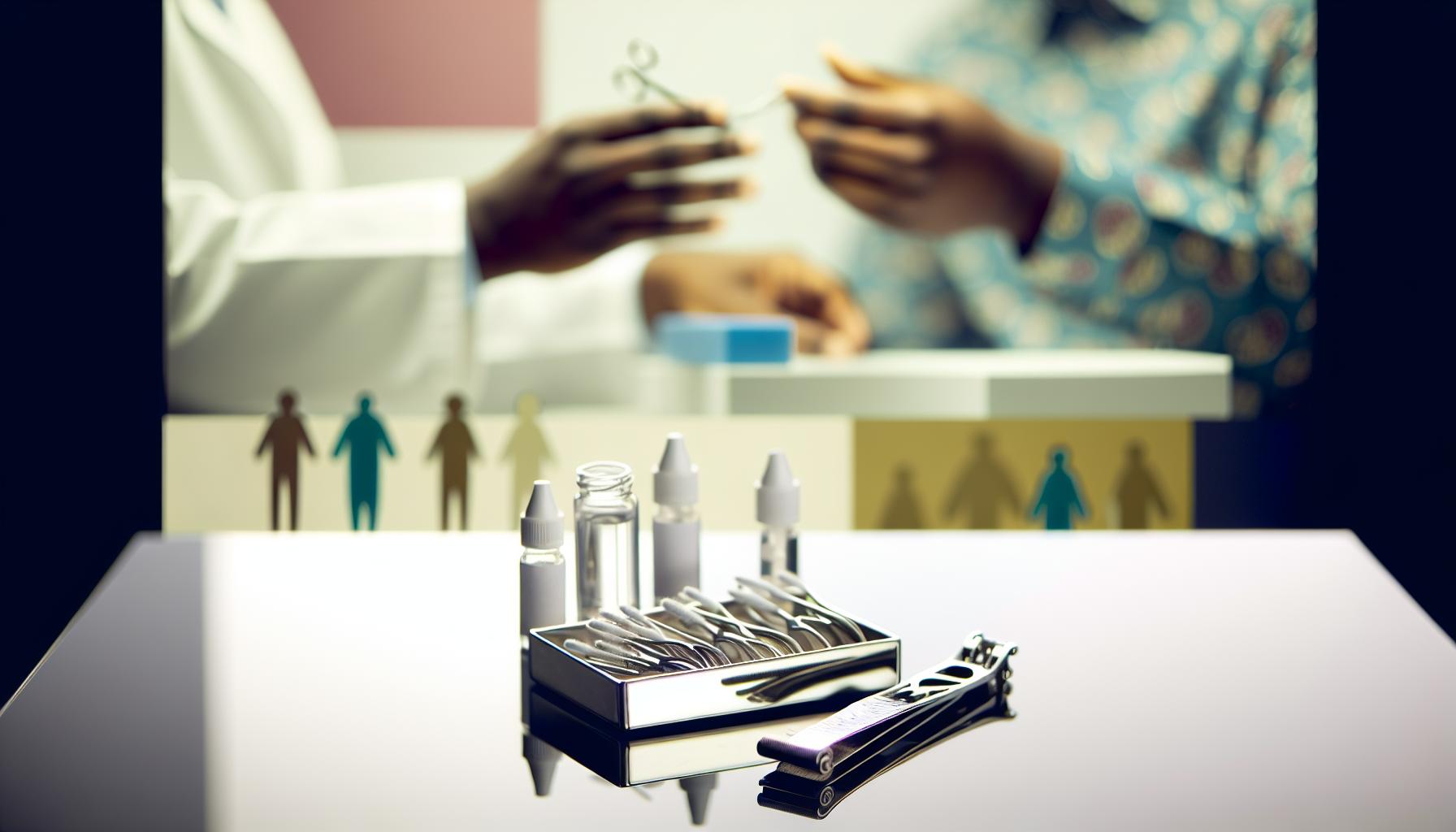
Many dog owners wonder about the best moment during a grooming session to trim nails and clean ears, especially since these tasks require handling sensitive areas. Groomers thoughtfully time these steps to minimize stress and maximize safety, often choosing to perform them either before or after bathing, depending on the dog’s coat type, behaviour, and individual needs. The goal is always to keep your pet calm and comfortable while ensuring thorough care.
Why Timing Matters for Nail Trimming
Trimming nails before a bath is common because dry nails offer better grip and control. When nails get wet, they can become softer and more flexible, which increases the risk of splitting or uneven cuts. For active or anxious dogs, handling nails early on while they’re fresh and alert often leads to smoother trims. Though, if a dog is particularly restless at the start, groomers may choose to do nails during breaks or after the bath, when the pet is more relaxed and less distracted.
Different breeds have different nail care needs. For example, small breeds like Dachshunds with delicate toenails often require extra care and slow, precise clipping, sometimes over multiple sessions. Large breeds like Labradors may tolerate faster nail trims but still need nails not cut too short to avoid sensitivity.A sharp, well-maintained clipper paired with positive reinforcement helps make this section of grooming a calm experience.
The Ear Cleaning Connection
Ears are a sensitive area that many dogs dislike having touched, so timing matters greatly.Often,groomers perform ear cleaning after the bath because water and a gentle drying process help make wax and dirt easier to remove. Additionally,freshly washed ears mean less debris and reduced odor.
Groomers use dog-specific ear cleaners-never harsh or alcohol-based solutions-and apply them gently to avoid irritation. Dogs prone to ear infections or with floppy ears,like Cocker Spaniels,benefit from regular,gentle cleanings and drying post-bath.For pets with sensitive ears or any signs of redness or discharge, groomers will advise consulting a vet before proceeding.
integrating Nail Trimming and Ear Cleaning into the Grooming Workflow
- Before Bath: Nail trimming on dry nails; scratches or splits are easier to detect.
- After Bath: Gentle ear cleaning and drying to safely remove loosened debris and moisture.
- During Breaks: Both tasks may be done in calming intervals to reduce anxiety.
Such as, a groomer handling a nervous poodle might clip nails first to avoid stressing the dog later, then allow a short break before bathing. After the bath and towel-dry, the groomer would carefully clean and dry the ears, providing calm reassurance throughout.
Remember, while groomers are trained to spot warning signs and handle basic nail and ear care, problems like ingrown nails, persistent ear infections, or unusual discharge should always send you to the veterinarian for diagnosis and treatment. Empowering yourself with knowledge about these small but crucial details helps you be the calm, confident partner your dog needs during grooming-turning what could be a stressful chore into a moment of caring connection.
Common Challenges When Bathing or Cutting First-and How to Solve Them
Some of the most common questions dog owners ask revolve around whether to bathe or cut a dog’s hair first – and with good reason. The order isn’t just about aesthetics; it’s deeply connected to your dog’s comfort, coat health, and the final appearance. But this sequence can bring challenges,especially given the many coat types and temperaments groomers encounter daily.
One frequent challenge with bathing first, especially in dogs with very thick or curly coats like Poodles or Bichon Frises, is matting that tightens when wet.Wet mats are harder to detangle and can cause discomfort or skin irritation if cut while still damp. To overcome this, groomers gently towel dry and blow dry the coat partially before starting any clipping or trimming. This step softens the coat and makes it easier to work through tangles without pulling harshly. For breeds with double coats, like Huskies, bath-first routines can sometimes cause shedding to intensify. Groomers combat this by incorporating thorough brushing both before and after the bath to remove loose undercoat and avoid clogging clippers with wet fur.
Cutting hair before a bath has its own hurdles. Dry cutting on dirty or oily coats sometimes causes blades or scissors to snag and yields less uniform results – especially on breeds with curly or wiry hair, such as Terriers. this can stress anxious dogs, who may resist repeated clipping passes. To alleviate this, groomers use high-quality, sharp tools and a strategic cutting pattern that minimizes over-handling. After a preliminary trim, shampoos formulated for the dog’s coat type refresh the coat and reduce irritants that might be embedded in old hair, helping prevent skin sensitivities.
- For Matted Coats: Start with a de-matting spray or conditioner before bathing. If mats are extensive, tackle them dry with a mat splitter before wetting.
- For Sensitive or Anxious Dogs: Break the session into smaller steps. A short bath, a rest period, then a gentle clipping session can keep stress levels down.
- Clippers and Scissors: Use freshly sharpened blades to reduce tugging. cooling sprays can help blades run smoother on thick or oily coats.
- Timing Brushing: brush thoroughly right before bathing to remove debris and knots, then again after towel drying and blow drying to smooth the coat for cutting.
Understanding breed and Coat Influences
Different coats require tailored approaches. Long-coated breeds like Shih tzus benefit from a bath first to soften the hair, but a quick, careful dry is necessary to avoid tangling. Wire-haired dogs may thrive with a trim before bath to help loosen dead hair, followed by hand-stripping or scissoring. Meanwhile, dogs with short, single coats, like Beagles or boxers, can usually be bathed and dried quickly, then clipped or brushed without much issue.
When to Ask for Professional Help
If your dog has severe matting that causes discomfort or skin problems, it’s best to consult a professional groomer rather than attempting DIY removal.Similarly, persistent skin redness or unusual hair loss after cutting or bathing should prompt a vet visit. Groomers and vets work hand-in-hand to maintain your dog’s comfort and health, making safety and kindness the priority every step of the way.
by embracing these small but vital adjustments, every grooming session becomes more manageable and even enjoyable.Remember, your dog’s ease and safety always come before squeezing in a perfect trim or spotless wash.With patience, compassion, and a good plan, the common challenges of whether to bathe or cut first become simple puzzles to solve – keeping tails wagging all day long.
How Groomers Calm Anxious Dogs During Bath and Haircuts
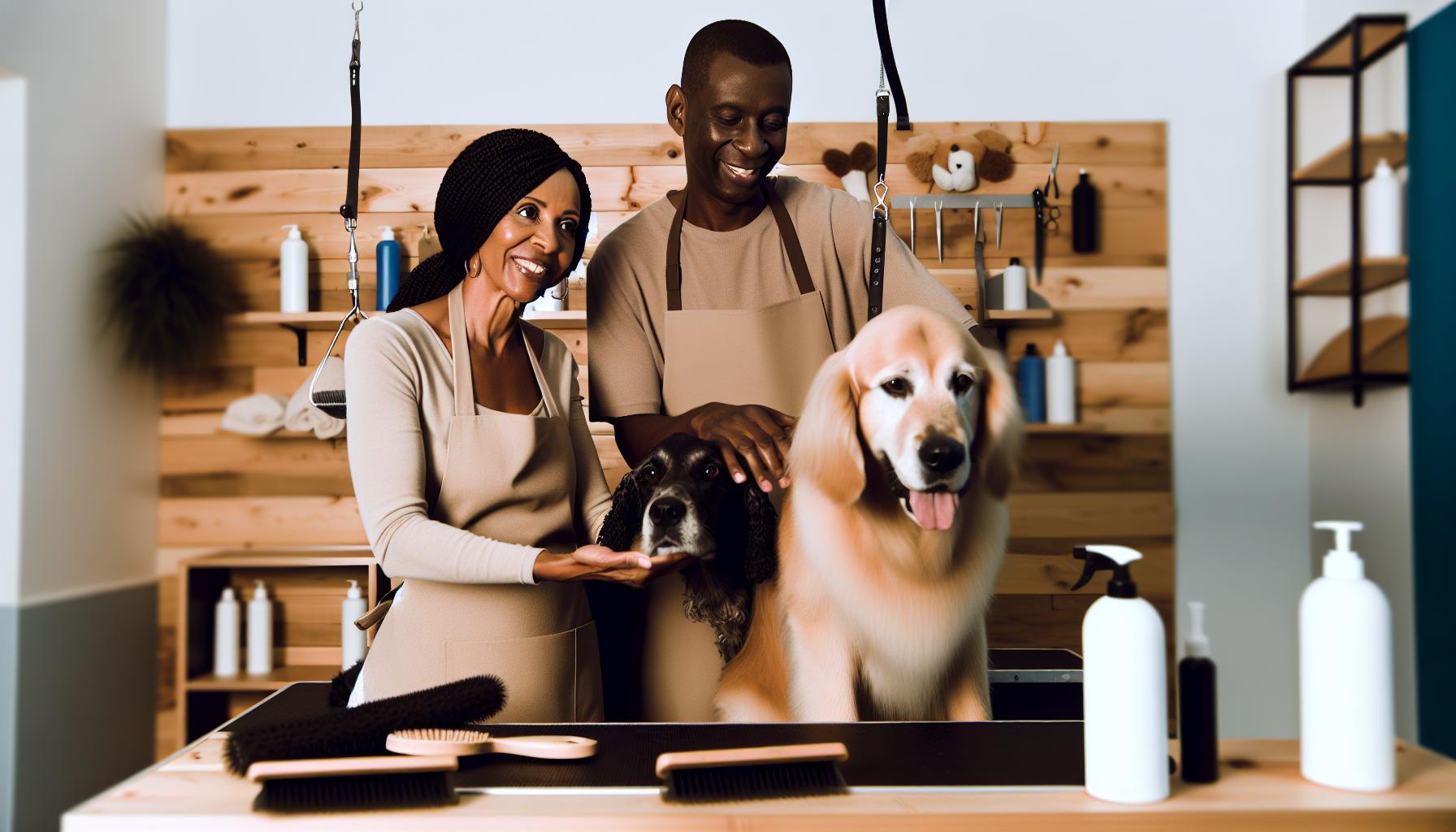
Sometimes, the bath or haircut can be overwhelming for dogs, especially those who are naturally nervous or unfamiliar with grooming. Groomers understand this well and approach each session with patience and compassion, recognizing that a dog’s emotional comfort is just as important as the physical grooming itself. Creating a calm environment and using gentle handling techniques helps transform the experience from stressful to soothing, building trust with each visit.
One effective method is to start by allowing the dog to acclimate to the grooming area calmly. Rather of rushing into baths or clipping, groomers frequently enough spend a few quiet minutes reassuring the dog with soft voice tones, gentle petting, and letting them sniff the tools to reduce fear of the unknown. This is especially helpful for sensitive breeds like Afghans with long flowing coats or small breeds like Chihuahuas,who can be easily startled. Slow, predictable movements and clear communication make a huge difference in helping dogs feel safe.
- During the bath: Groomers use lukewarm water and mild shampoos that won’t irritate sensitive skin, carefully avoiding the eyes and ears. A non-slip mat in the tub or sink helps dogs stay steady, preventing slips that can cause panic. Using handheld shower heads with gentle sprays, groomers aim to keep water flow steady but soft-some anxious dogs do better with slow, sponge baths initially.
- While brushing or detangling: Brushes and combs with soft bristles are preferred for anxious dogs with fine or curly coats. For tough mats, de-matting sprays and slow, deliberate strokes minimize pulling. Stopping regularly to offer praise or treats reassures the dog that the experience is positive.
- When cutting hair: Sharp, well-maintained clippers reduce the need for repeated strokes, which can irritate sensitive skin and startle skittish dogs. Groomers often trim in short sessions, allowing breaks if the dog shows signs of stress. For breeds like Terriers or Poodles, using quieter battery-operated clippers or scissors might ease noise-related anxiety.
Supporting Sensitive Dogs Through Nail Trimming and Ear Cleaning
Both nail trimming and ear cleaning can provoke anxiety due to their intrusive nature. Groomers frequently combine careful restraint with lots of positive reinforcement. Offering breaks and using specialized nail grinders instead of clippers can provide a quieter, less shocking option. For ears, gentle cotton balls with vet-approved solutions and slow movement help prevent discomfort or sudden reactions.
When Extra Help is Needed
For dogs with intense fear or aggression, professional groomers might suggest incremental “desensitization” visits – very brief sessions focused on positive exposure rather than a full grooming – or recommend consultation with a vet behaviorist. It’s essential never to force a pet beyond its comfort zone, as that can worsen fear and lead to injury.
By prioritizing emotional wellbeing alongside physical grooming,professionals foster a gentler approach that not only results in a cleaner,happily groomed dog but also strengthens the human-canine bond. This thoughtful care empowers owners too, giving them confidence to support their dog’s comfort at home between grooming sessions.
Differences Between Professional Grooming and DIY Grooming Safety
Professional grooming and DIY grooming share the same loving goal: to keep your dog clean, healthy, and comfortable. Though, the safety considerations differ significantly, largely due to access to specialized tools, expertise, and an experienced environment tailored to reduce stress and prevent injuries.Understanding these differences helps you make safer, more informed choices, whether you’re managing a grooming session at home or relying on experts.
Many owners begin grooming their dogs at home, which is wonderful for reinforcing bonding and maintaining coat health between professional visits.Yet, certain nuances often trip up even the most caring pet parents. Such as, knowing when to bathe versus cut hair first depends heavily on the dog’s breed, coat texture, and condition. Professionals typically bathe first to remove dirt and loosen mats before cutting – a sequence that helps prevent tugging and makes styling smoother. DIY grooming sometimes reverses the order,increasing discomfort and even risk of skin irritation when cutting tangled or dirty hair.
- Tool quality and maintenance: Groomers use sharp, well-maintained clippers and breed-appropriate brushes designed to reduce pull and noise. At home, dull blades or incorrect brushes might lead to accidental nicks, painful mat pulling, or distress due to unexpected sound levels.
- Handling anxious or sensitive dogs: Professionals have training in calming techniques and may offer breaks, use specialized equipment like quiet clippers or non-slip tubs, and recognize subtle signs of stress early. DIY groomers may unintentionally rush or force procedures, which can heighten fear or cause defensive reactions.
- Health and hygiene awareness: Groomers routinely check for early signs of skin infections, parasites, or ear problems and know when a vet referral is needed. At-home grooming might miss subtle warning signs, delaying vital treatment.
Practical Safety tips for At-Home Grooming
If you choose to groom your dog yourself, prioritizing comfort and safety is key:
- Prepare the environment: Use a non-slip surface and lukewarm water for baths to prevent slips and chills.
- Use appropriate tools: Invest in quality clippers suited to your dog’s coat type and maintain their sharpness regularly.
- Start slow: Build your dog’s comfort gradually-begin with short sessions focusing on one task (such as brushing) before attempting full baths or trims.
- Watch for stress signals: Panting, trembling, or avoidance frequently enough mean it’s time for a break. Never force through resistance.
- Know your limits: For stubborn mats, skin issues, or behavioral challenges, consult your professional groomer or vet rather than risking injury.
Recognizing When Professional Help is Best
Some breeds and coat types require specialized grooming that’s tough to replicate at home,such as the intricate trimming of a Poodle’s coat or the carefully layered styles of a Shih Tzu. Additionally, dogs with thick double coats or severe matting are vulnerable to painful pulling or cuts if handled improperly. Professionals also have the training to trim nails and clean ears safely without causing trauma or infection.
When grooming feels overwhelming for you or your dog, or if you notice skin abnormalities, behavioral issues, or health concerns during grooming, it’s always safest to step back and seek professional help. Groomers are trained collaborators who prioritize your dog’s wellbeing and can guide you on how to complement their care with gentle at-home maintenance.Together, you create a balanced grooming routine that supports both beauty and health-always with your dog’s happiness as the top priority.
When to Consult a Vet Rather than a Groomer
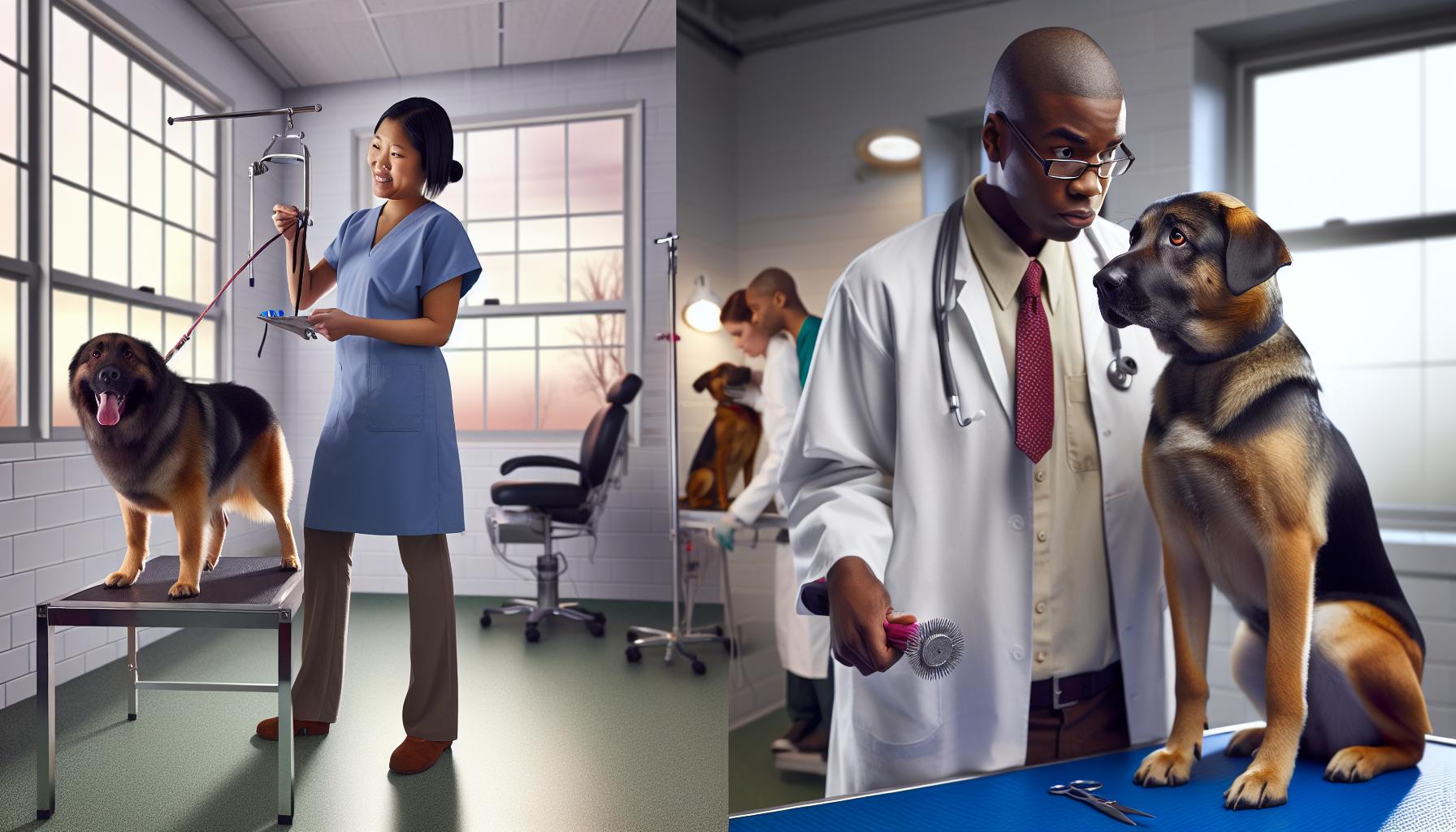
Dogs can’t tell us when something hurts or feels off, so it’s crucial to recognize when a grooming concern crosses into the territory of a health issue needing a vet’s attention rather than just a trim or bath. While groomers are skilled at keeping your pet clean and comfortable, certain signs or conditions require medical expertise to protect your dog’s well-being safely.
Skin abnormalities or infections are one of the most common reasons to seek veterinary care before grooming. If you notice redness, swelling, oozing sores, persistent itching, or hair loss, these could signal underlying infections, allergies, or parasites that need diagnosis and treatment first. bathing or cutting hair over inflamed or infected skin can irritate your dog further, causing pain or spreading the problem. A vet can prescribe medicated shampoos, antibiotics, or other therapies to make grooming safe and comfortable down the road.
Similarly, dogs presenting with severe matting tangled deeply into the skin – especially with a strong odor or sores underneath - shouldn’t undergo forceful clipping at the groomer right away. This can cause skin trauma or bleeding. A quick vet exam can determine if sedation is needed for safe mat removal or if there are hidden skin infections or abscesses that must heal first.
When Physical or Behavioral Concerns Signal a Vet visit
- Unusual lumps or bumps: Any new or growing masses found during brushing or clipping require veterinary assessment to rule out tumors or cysts.
- Ear infections or heavy discharge: Persistent ear odor, redness, or discharge should be treated medically before grooming to avoid pain or worsening infection.
- Chronic itching or hotspots: These frequently enough reflect allergies or dermatitis needing vet-prescribed treatments rather than just coat trimming.
- Signs of anxiety or pain: Excessive trembling, vocalizing, or aggression when touched - especially around certain body areas – can indicate discomfort that only a vet can properly diagnose.
Even if your dog’s coat looks matted or dirty, but they seem generally healthy and happy, grooming professionals are well-equipped to handle cleaning and trimming safely. But if you have any doubt about your pet’s health, starting with a vet visit helps avoid unnecessary stress and harm.
Setting Boundaries: Vet, Groomer, and DIY Roles
Remember, groomers focus on hygiene, styling, and comfort-not medical diagnosis or treatment. Vets handle medical care and can advise when grooming should be postponed or adapted. For example, a dog with a diagnosed skin allergy might need specific shampoos and a gentler grooming approach. Groomers and vets working together create safe, individualized care plans.For owners trimming at home,please do not attempt to cut or bathe dogs with visible skin wounds,severe mats stuck to inflamed skin,or signs of infection. Rather:
- Reach out to your veterinarian promptly.
- Keep your dog comfortable with gentle brushing if tolerated.
- Follow vet guidance on medicated baths or treatments before resuming grooming.
Your dog’s health always comes first – a clean, well-maintained coat is great, but not at the cost of pain or worsening illness. Trust your instincts: if it feels like more than routine grooming, a vet’s expertise can make all the difference. This compassionate, step-by-step approach helps you care for your dog with confidence, whether at home, in the salon, or the clinic.
Tips for Owners: Preparing Your Dog for a Stress-Free Grooming Session
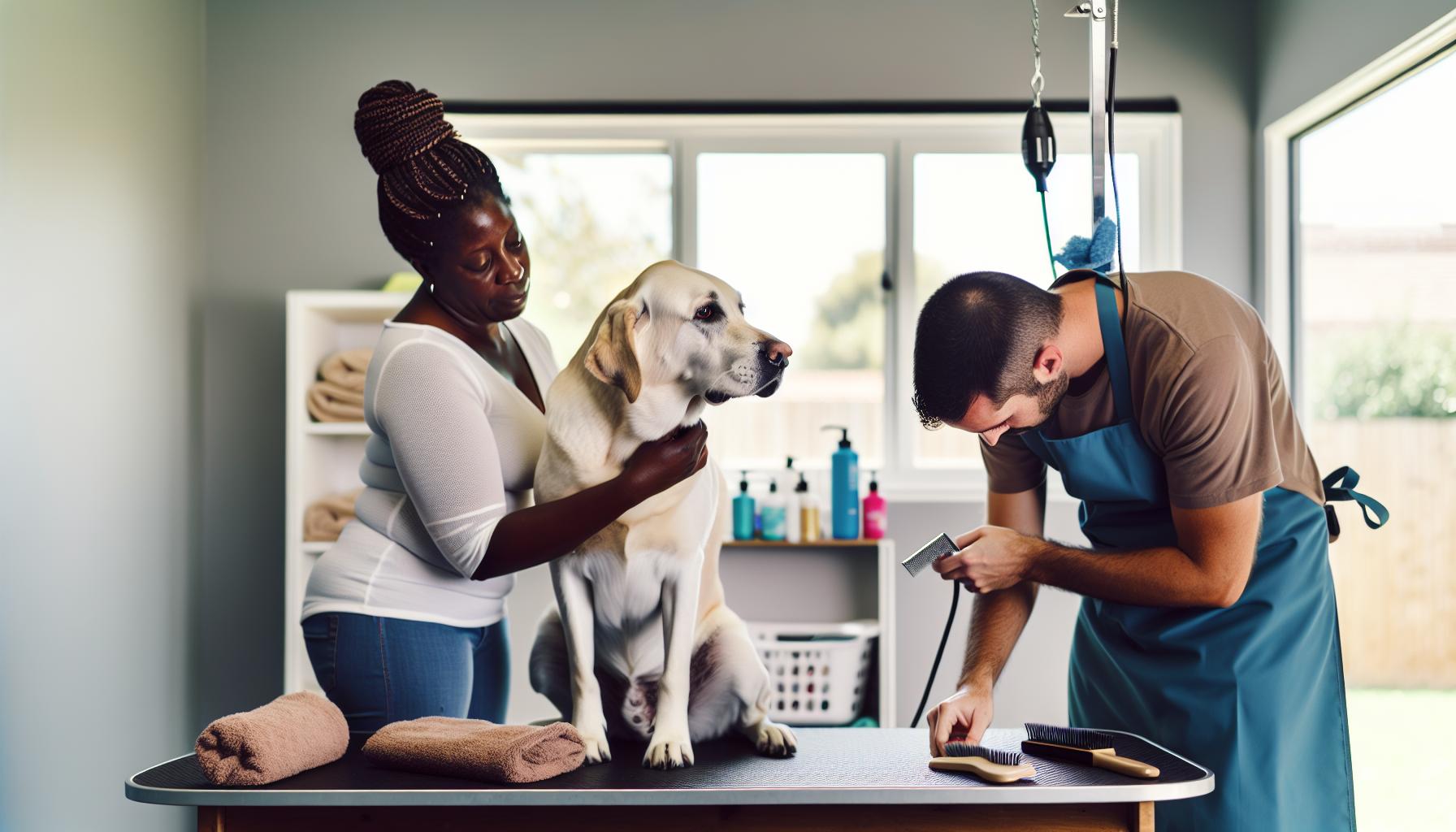
grooming can be a big adventure for your dog, but also a source of stress if they’re not quite comfortable with the process. Helping your pet feel relaxed and ready starts long before the first bath or snip of hair. preparing gently and thoughtfully can make a world of difference, especially if your dog is sensitive, curious, or new to professional grooming.
Start by familiarizing your dog with the tools and environment gradually. Such as, let them sniff the brush, nail clippers, or grooming table at home. Short, positive introductions build trust and reduce fear when the real grooming session begins. If your dog has a long or thick coat, regular brushing beforehand prevents painful mats and tangles that can cause discomfort during grooming. For breeds that require haircuts, a calm, steady approach helps your dog accept the idea of clippers or scissors without overwhelming them.
Getting Ready at Home: Simple, Effective Steps
- Brush your dog a day or two before the appointment: This minimizes knots and fur shedding, making the groomer’s job smoother and less stressful for your pet.
- Maintain a regular dental and ear cleaning routine: Groomers often brush teeth and clean ears, but being proactive helps keep your dog comfortable throughout the session.
- Offer exercise before grooming: A tired dog is usually more relaxed and less fidgety during grooming.
- Use calming scents or pheromone sprays: These subtle aids can ease anxiety around unfamiliar smells and sounds at the grooming salon.
At the Groomer’s: What You Can Do to Help
Many groomers understand anxious pets and have techniques to soothe them, but your supportive role truly complements their efforts. Communicate clearly about your dog’s temperament, sensitivities, and any past difficulties you’ve noticed. This helps the groomer tailor the approach-whether that means extra breaks, gentle handling, or modifying the order of bathing and cutting based on what’s best for your dog’s coat and comfort.
Remember,professional groomers often bathe dogs before cutting to remove dirt and loosen fur,but some coat types or tricky mats may require carefully clipping first to avoid pushing tangles deeper [[2]](https://homeguide.com/ca/murrieta/dog-grooming/). If your dog has severe matting or skin issues, discussing these concerns beforehand allows the groomer to prepare or advise a vet visit, ensuring safety and comfort.
Tools and Safety Essentials Owners Should Know
You don’t need to be a grooming expert to support a stress-free session. simply having the right mindset and basic tools at home can keep your dog comfortable between appointments:
| Task | helpful Tools | Why It Matters |
|---|---|---|
| Brushing | Slicker brush, comb | Prevents mats, makes baths and haircuts easier |
| Nail Trimming | Dog nail clippers or grinder | Reduces discomfort, avoids broken nails during grooming |
| Ear Cleaning | Vet-approved ear cleanser, cotton balls | Prevents infections, keeps ears comfortable |
| Calming aids | Pheromone sprays, treats, soft bedding | Encourages calm behavior |
Your calm energy is contagious: approaching each grooming step with patience and warmth helps your dog view these experiences not as chores, but moments of care and attention. With the right planning, you set the stage for grooming sessions that leave your dog looking great and feeling safe and loved.
Q&A
Q: Why do some dog groomers choose to cut hair before bathing?
A: Some groomers cut hair before bathing to remove excessive mats or tangles that could worsen when wet.This process,especially for breeds with thick or matted coats,helps reduce discomfort and makes the bath more effective. Learn more about managing coat texture in our grooming workflow section for best results.
Q: How does a dog’s coat type affect the order of bathing and hair cutting?
A: A dog’s coat type-such as curly,double,or wiry-dictates grooming order. For example, curly coats often need trimming first to prevent matting, while single coats might be bathed before cutting. Tailoring the process to coat texture ensures better grooming outcomes and pet comfort. See coat-specific tips in our article’s coat type section.
Q: What are the risks of bathing a dog before cutting if it has severe mats?
A: Bathing a severely matted dog first can tighten mats, making cutting painful and arduous. Groomers may cut out mats dry to avoid skin injury. Early brushing or dematting before any bathing or cutting is crucial to avoid discomfort and skin irritation-details covered in our brushing and dematting guide.
Q: How do professional groomers handle anxious dogs during the bath and haircut process?
A: Groomers use calm voices, gentle handling, and gradual exposure to water and tools to soothe anxious dogs. Distractions like treats and breaks are common. Prioritizing a stress-free experience helps build trust and safety, as explained in our section on calming anxious pets during grooming.
Q: Can grooming order affect the final haircut style on different dog breeds?
A: Yes, grooming order impacts final style. Bathed coats allow for accurate hair length assessment, while cutting first can prevent over-wetting. Breed-specific styles often require specific sequences for ideal results-refer to our breed and coat influence guide for tailored grooming techniques.
Q: When should nail trimming and ear cleaning be done during a grooming session?
A: Nail trimming and ear cleaning are best done after bathing and before or after hair cutting depending on the dog’s behavior. Clean ears reduce infection risk, and trimming nails post-bath is easier when dogs are calm.Check our nail and ear care tips for optimal timing and safety guidance.
Q: How can owners prepare their dogs to make the grooming process smoother and less stressful?
A: Owners can prepare dogs by regular brushing, positive reinforcement, and familiarizing dogs with grooming tools gradually. Scheduling appointments when dogs are rested and calm also helps. See our owner preparation tips for a stress-free grooming day and how to partner with your groomer effectively.
Q: What should I do if my dog’s skin reacts negatively after a grooming session?
A: If your dog shows irritation or redness post-grooming, contact your groomer instantly and consider consulting a vet if symptoms persist. Avoid DIY treatments until professional assessment. Our article section on when to consult a vet covers distinguishing grooming reactions from medical issues.
—
For more detailed steps and breed-specific advice, explore the full article sections linked above to optimize your dog’s comfort and coat health during grooming!
Wrapping Up
Understanding whether to bathe or cut your dog’s hair first is key to a smooth, stress-free grooming experience that prioritizes your pet’s comfort and coat health. Remember,every breed and coat type has unique needs,so tailoring the process with the right tools and gentle techniques ensures the best results. If you’re curious about brushing tips or nail care essentials, explore our guides on keeping your dog’s coat shiny and paws healthy to build your grooming confidence at home.
Ready to take the next step? Sign up for our newsletter to get expert grooming advice, product recommendations, and insider secrets delivered straight to your inbox. Have questions or want personalized tips for your dog’s unique grooming needs? Don’t hesitate to reach out or check out our detailed breed-specific care articles for deeper insight. Your dog deserves the best, and with the right knowledge, you can make every grooming session safe, comfortable, and enjoyable.
Feel free to share your grooming stories or ask questions in the comments below – we love hearing from fellow pet lovers! For more on professional grooming techniques and at-home care, dive into our related articles on “How to Brush Your Dog’s Coat” and “Choosing the Right Grooming Tools for Your Pup.” Let’s keep your furry friend looking and feeling their best together!
Get our latest guides, news, and insights highlighted in your Google Search & AI Overviews.
Keep reading about the same coat and cut.



Popular grooming guides
Bath vs clip, first grooms, and salon how-tos.