When Should I Take My Puppy to the Groomers First?
Did you know that the first grooming visit sets the tone for yoru puppy’s lifelong comfort and confidence with being handled? Knowing when too take your puppy to the groomer for the first time is key, especially as different breeds and coat types require tailored care. Whether your pup has a thick double coat, delicate curls, or short fur, starting grooming at the right age helps prevent matting, nail overgrowth, and skin issues while easing any anxiety they might feel. As a caring groomer,I understand how nerve-wracking this milestone can be for both you and your puppy. That’s why I’ll guide you through the best timing and gentle grooming steps-like baths, brushing, nail trims, and ear cleaning-to keep your furry friend safe and happy. Together, we’ll explore how to balance professional grooming with at-home care, so you feel confident making the best choices for your pup’s health and comfort. Let’s dive in and make that first grooming experience a calm, positive one for your cherished companion.
When to Schedule Your Puppy’s First Grooming Appointment
Table of Contents
- 1 When to Schedule Your Puppy’s First Grooming Appointment
- 2 How Puppy Breed and Coat Type Affect Grooming timing
- 3 Signs Your Puppy Is Ready for Professional Grooming
- 4 Essential puppy Grooming Tasks you Can Do at Home First
- 5 What to Expect During Your Puppy’s First Grooming Visit
- 6 Choosing the Right Groomer: Safety and Comfort Tips
- 7 Tools and Techniques for Soothing anxious Puppies
- 8 How to Prepare Your Puppy for a Calm Grooming Experience
- 9 Common Puppy Grooming Challenges and Quick Fixes
- 10 When to seek veterinary Care vs. Grooming Help
- 11 FAQ
- 11.1 Q: How soon after bringing a new puppy home should I schedule their first professional grooming?
- 11.2 Q: Can early grooming help with my puppy’s socialization and behavior?
- 11.3 Q: what health signs indicate my puppy needs a grooming check-up before their first full grooming?
- 11.4 Q: How does coat type affect when and how often a puppy should be groomed professionally?
- 11.5 Q: Should I introduce nail trimming at a groomer before doing it myself at home?
- 11.6 Q: When is it appropriate to start professional ear cleaning during grooming sessions?
- 11.7 Q: How can I tell if my puppy is stressed at their first grooming, and what can I do about it?
- 11.8 Q: Are there any grooming tasks that should only be done by professionals during a puppy’s first few months?
- 12 To Wrap It Up
Bringing your puppy to a professional groomer for the first time is a milestone filled with both excitement and a touch of nervousness. While manny owners wonder about the “right” age, the best timing truly depends on your puppy’s individual development, breed, coat type, and overall comfort with handling. Generally, once your puppy has received all core vaccinations and has been properly socialized to human touch, it’s safe and beneficial to schedule that initial grooming visit. Early exposure helps puppies build positive associations with grooming experiences,making future appointments calmer and more enjoyable.
Consider the coat type as a key factor in timing. Breeds like Poodles, Shih Tzus, or Bichon Frises, which require frequent trimming and maintenance, often benefit from an initial grooming session as early as 8-12 weeks. This helps owners understand their pup’s specific coat needs,while the groomer can gently introduce basic care like nail trims and ear cleaning. Conversely,short-haired breeds may not need professional grooming as early,but a first visit within the first few months can still establish good habits and give pups confidence around grooming tools.
Key Points to Determine the Best Timing
- Health clearance: Ensure vaccinations are up to date to protect your puppy and everyone in the grooming salon.
- Socialization and handling: Puppies cozy with being touched on paws, ears, and coat adapt more easily to grooming.
- Breed and coat complexity: High-maintenance coats require earlier grooming to prevent mats and maintain healthy fur.
- Puppy temperament: Calm puppies or those accustomed to gentle handling are usually ready sooner.
For example, a young Goldendoodle might need a first grooming around 3 months due to its dense, curly coat that can mat easily, while a Beagle’s short coat may handle basic at-home brushing until around 4-6 months before professional grooming is necessary. The first grooming visit should be gentle, focusing on familiarizing your puppy with the environment and tools rather than achieving a perfect cut.
Scheduling too early when your puppy is overly anxious or physically fragile can lead to a stressful experience. Instead, try short at-home grooming sessions first-like brushing and nail handling-to build trust. Then choose a groomer renowned for gentle, patient handling, emphasizing your puppy’s comfort above all else. Remember, this first appointment sets the tone for a lifetime of positive grooming habits, so patience and kindness are your best tools for success.
How Puppy Breed and Coat Type Affect Grooming timing
Every puppy’s coat is as unique as their personality,and understanding how breed and coat type influence grooming timing is crucial for setting your little one up for success. Some coats need attentive care from the very beginning, while others demand less frequent professional attention. early grooming exposure tailored to these differences helps puppies associate grooming tools and routines with positive experiences-forming habits that keep them comfortable and healthy long-term.
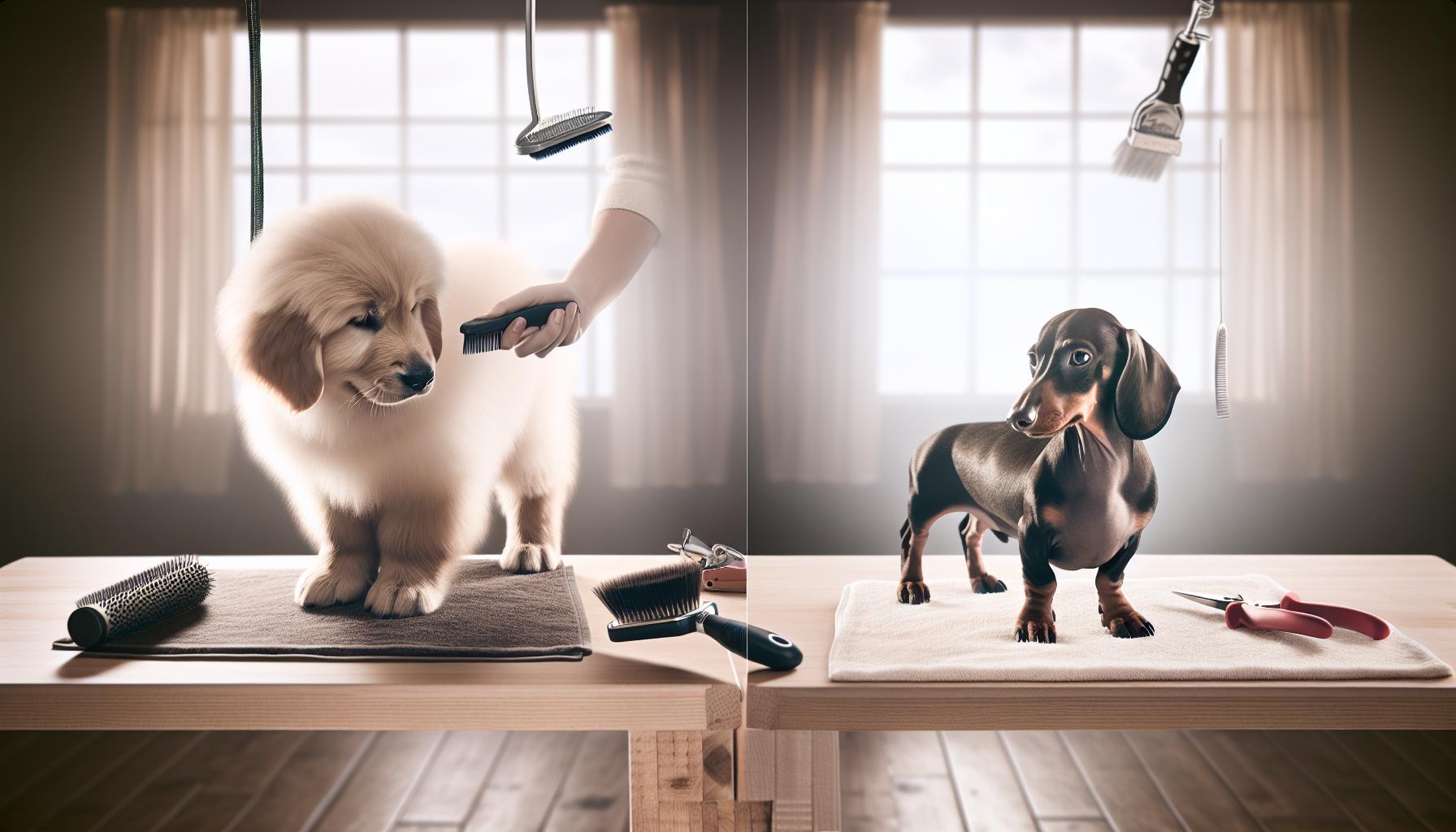
Breeds with dense, curly, or long coats-such as Poodles, Shih Tzus, Bichon Frises, and Goldendoodles-require earlier and more frequent grooming visits. Their hair grows continuously and can easily tangle or mat, which not only looks uncomfortable but can also cause skin irritation.Scheduling a first grooming appointment around 8 to 12 weeks allows a gentle introduction to brushing, bathing, nail trims, and ear cleaning before mats develop. Groomers experienced with these breeds often use specialized tools like slicker brushes, metal combs, and detangling sprays to prevent discomfort. For example, a young Goldendoodle’s tightly curled coat benefits from regular attention to avoid painful matting, so starting grooming earlier supports both coat health and your puppy’s calm tolerance of the process.
On the other hand, short-haired breeds like Beagles, Boxers, or Bulldogs have coats that shed naturally and usually don’t require frequent trims. their grooming needs often revolve around maintaining nail length, ear cleanliness, and occasional baths. While these pups may not need professional grooming immediately, an initial visit around 4 to 6 months introduces them to the grooming environment and tools, instilling confidence and helping prevent anxiety during future visits. At home, regular brushing with a gentle rubber curry brush to remove loose hair and dirt provides excellent upkeep and strengthens your bond.
Practical Grooming considerations by Coat Type
- Curly/Wavy Coats: Require early start for trimming and mat prevention; regular brushing essential; tools like dematting combs needed.
- Long silky Coats: Frequent brushing to avoid tangles and scalp issues; gentle detangling sprays help; professional trims keep hair manageable.
- Short or Smooth Coats: Less frequent brushing; focus on nail and ear hygiene; occasional baths suffice.
- Double Coats (e.g.,Huskies,Golden Retrievers): Seasonal shedding requires more attention; early grooming helps familiarize pup with brushing and deshedding tools.
Remember, coat-specific grooming isn’t just cosmetic-it’s vital for your puppy’s comfort and skin health. Introducing grooming tools and techniques gradually at home, like soft-bristle brushes or gentle wiping of ears, paves the way for smooth professional sessions. Always prioritize your puppy’s emotional and physical well-being by choosing a groomer who respects their individual needs and temperament, making the journey as gentle and positive as possible.
Signs Your Puppy Is Ready for Professional Grooming
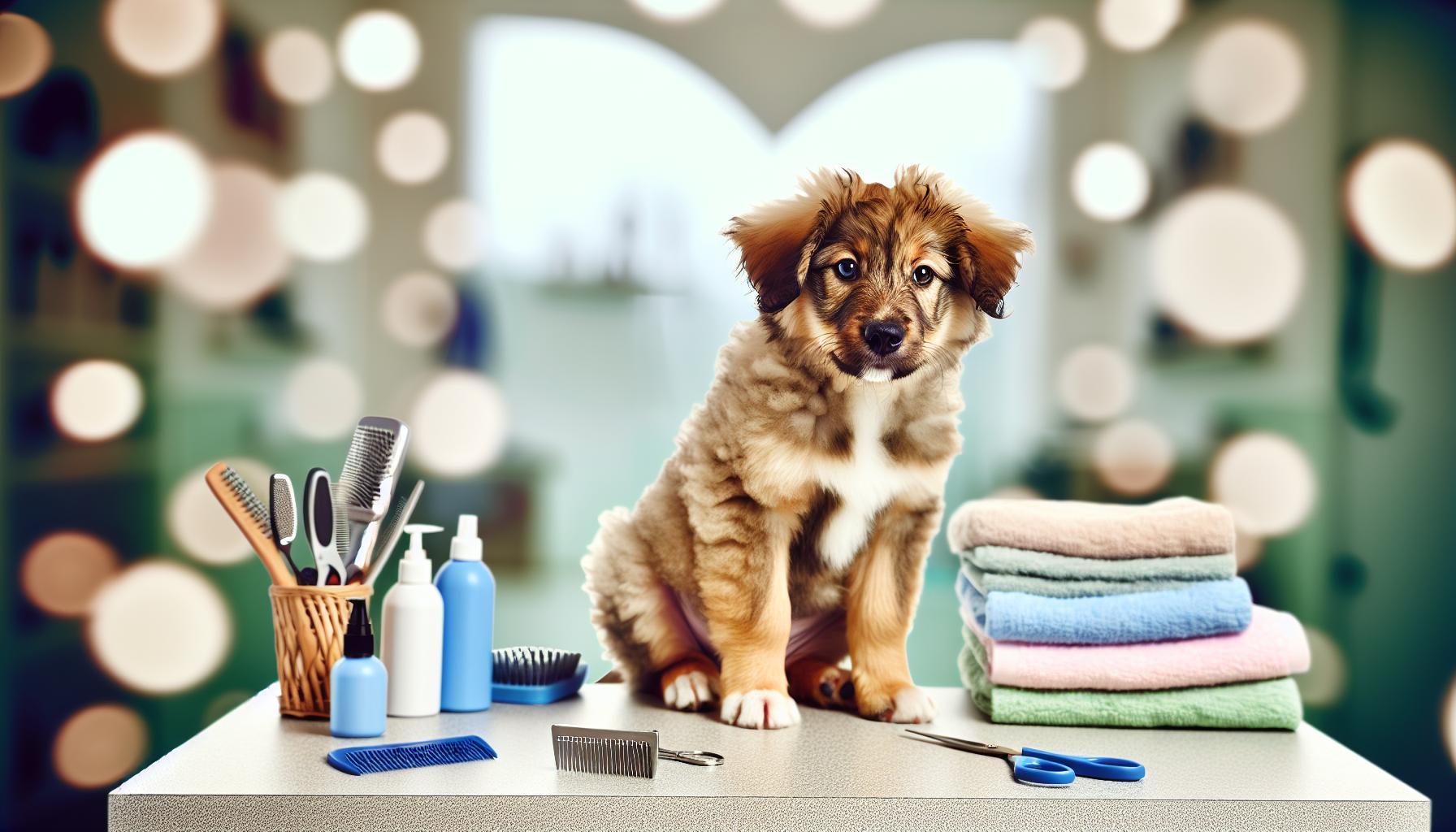
Puppies rarely come with a built-in alarm telling you when it’s time for a professional groom, but paying attention to their behavior and coat condition can provide clear signals. A puppy’s readiness isn’t just about age-it’s about how comfortable and cooperative they are with basic grooming tasks at home and whether their coat or nails have reached a point where professional help will keep them healthier and happier. Early recognition of these signs makes the first grooming experience gentle and positive rather than stressful.
Watch closely for these important indicators:
- Coat condition: If your puppy’s fur shows early matting or tangles, especially common in curly or long-haired breeds like Poodles or Bichons, it’s time to get expert help.Mats can trap dirt,cause irritation,and even lead to skin infections if left untreated. A professional groomer can skillfully and safely detangle these before they become painful.
- Resistance or anxiety during home grooming: If your puppy seems unsettled when you brush,bathe,or trim nails at home despite gentle,patient handling,a groomer experienced in working with anxious pups can provide calm support and specialized techniques to ease the process.
- Nail length and ear cleanliness: Overgrown nails can cause discomfort or walking issues, while dirty or smelly ears may signal infection risks. If you’ve struggled to keep up with regular nail trims or ear wipes, a groomer can safely manage these, preventing common health problems early on.
- Age and developmental readiness: While many recommend the first professional grooming between 8 and 12 weeks for floppy, thick, or fast-growing coats, some short-haired breeds can start a little later. the best time is when your puppy is socialized enough to tolerate the environment and tools without overwhelming stress.
balancing DIY and Professional Care
Owners often ask what tasks they should handle at home before heading to the groomer. Simple brushing with breed-appropriate tools, gentle baths with puppy-safe shampoo, and slow desensitization to nail trimming sets a solid foundation. Such as, a Goldendoodle pup benefits immensely from daily brushing with a slicker brush and detangling spray to keep mats at bay-if that becomes challenging despite your efforts, it’s a clear sign to bring in a professional.
Remember,a groomer’s role isn’t just cosmetic trimming but also a health check. If you notice skin redness, unusual lumps, or persistent scratching during home grooming, the groomer might recommend a vet visit before proceeding.Conversely, regular professional grooming sessions help you spot these issues early.
Tips for a Smooth First Appointment
- keep sessions short initially: You want your puppy to gradually associate grooming with calm, happy outcomes.
- bring familiar items: A favourite toy or blanket can soothe nervous puppies.
- Communicate breed-specific needs: Let your groomer know what home care you’ve been doing, breed quirks, and any sensitivities.
With a bit of patience,observation,and timely professional support,your puppy will learn that grooming is simply part of the loving care you provide-a chance to sparkle inside and out while staying comfortable and healthy.
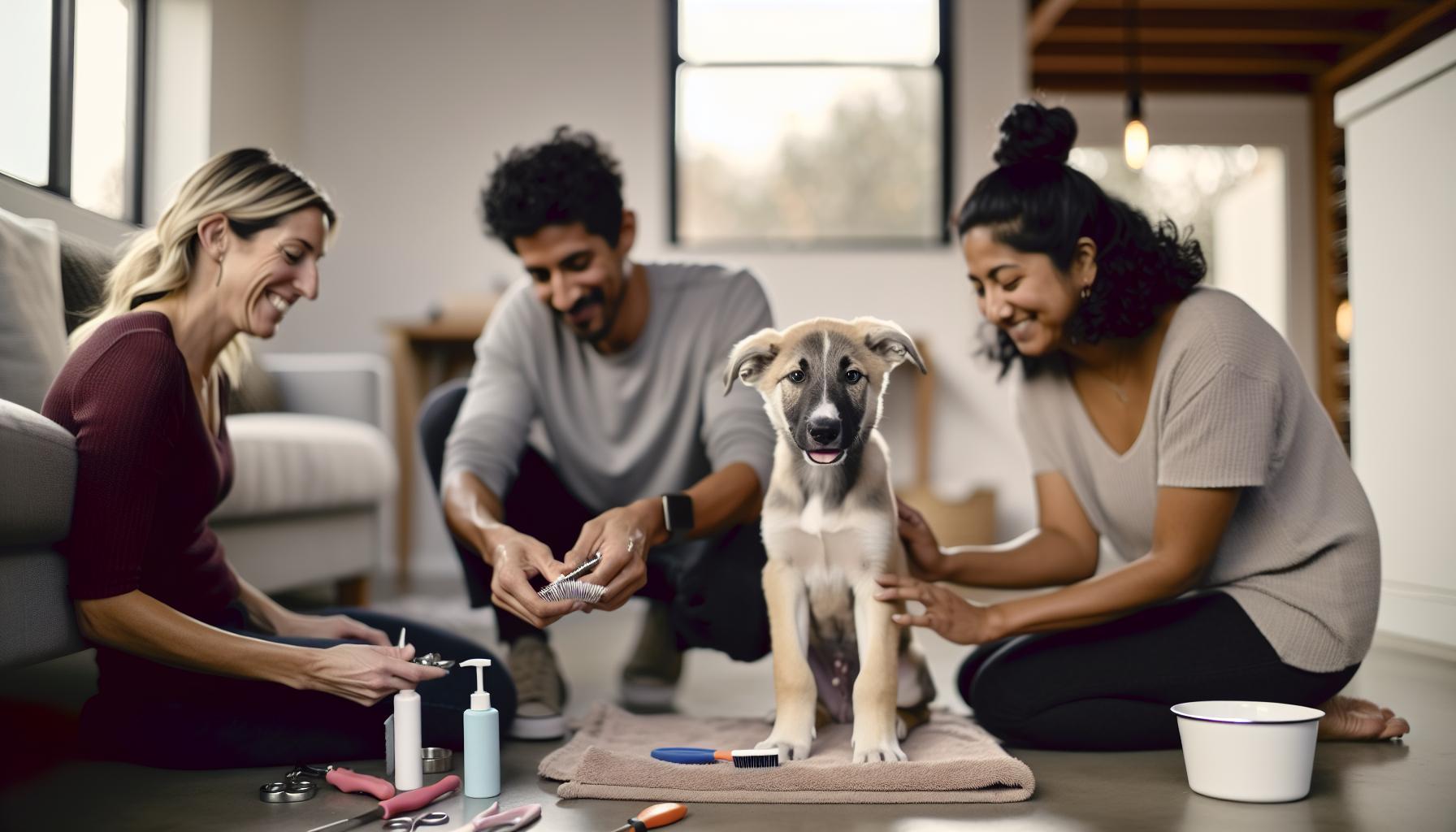
Essential puppy Grooming Tasks you Can Do at Home First
Caring for your puppy’s coat and comfort at home sets the foundation for a positive grooming experience later on. Establishing gentle, consistent routines early not only keeps your puppy healthier but also builds their trust and cooperation. While the first professional grooming is an important milestone,many essential tasks can be comfortably managed by you in familiar surroundings. These efforts help your puppy associate grooming with calmness and care, rather than stress or fear.
Brushing: matching Tools to Coat Type
Regular brushing prevents mats, reduces shedding, and strengthens your bond. Choose your brush based on your puppy’s breed and coat:
- Short-haired breeds (like Beagles or Labradors): Use a rubber curry brush or bristle brush for gentle removal of loose fur.
- Medium to long-haired breeds (like Golden Retrievers or Shelties): A slicker brush or pin brush helps detangle and maintain smoothness.
- Curly or dense coats (like Poodles or Bichons): Daily brushing with a slicker and a wide-tooth comb reduces mats from forming.
Start slow-brush in short sessions, offering plenty of praise and gentle petting. If mats appear,gently tease them apart with your fingers or a dematting tool; avoid pulling hard,which can hurt your puppy. regular brushing helps you spot skin issues early and keeps your pup comfortable between professional visits.
bathing: The Gentle Introduction
Introduce baths gradually using lukewarm water and puppy-formulated, fragrance-free shampoos to protect sensitive skin. Avoid overbathing; once every 3-4 weeks is typically sufficient unless your puppy gets especially dirty. Before the bath, brush their coat to remove loose hair and tangles. Use a non-slip mat in the tub or sink to ease anxiety, and speak soothingly throughout. Thorough rinsing prevents residue that can irritate skin. Afterward, dry your puppy gently with a towel or a low-heat blow dryer, making sure not to frighten them with the noise.
Nail Trimming: Building Tolerance Gradually
Many puppies resist nail trims because the sensation is new or uncomfortable. Begin by handling your puppy’s paws during calm moments-massage their toes and nails so they become accustomed to touch. Use a quiet,sharp nail clipper or grinder designed for small dogs. Clip just the tips to avoid the sensitive swift. If your puppy struggles,trim one or two nails at a time over several days,rewarding with treats and praise. If bleeding occurs, use styptic powder to stop it quickly and reassure your puppy. Regular trims prevent discomfort and gait issues and make professional grooming smoother.
Ear Cleaning: Simple but critically important
Check your puppy’s ears weekly for wax buildup, dirt, or odor that coudl indicate infection. Use a vet-approved ear cleaner and a soft cotton ball or pad-never a cotton swab, which can damage delicate ear canals. Gently wipe the visible areas without pushing too deep. If your pup resists, distract them with treats or a favorite toy. Persistent redness, swelling, or foul smell warrants a vet consultation before grooming.
Remember, the goal is steady, positive exposure without rushing. These home grooming tasks teach your puppy that handling is safe and caring. If certain areas or procedures cause distress despite your patience, it’s perfectly fine to defer to a professional groomer trained to support anxious pups. Together, your daily care and the groomer’s expertise create a happy, healthy grooming routine that honors your puppy’s well-being.
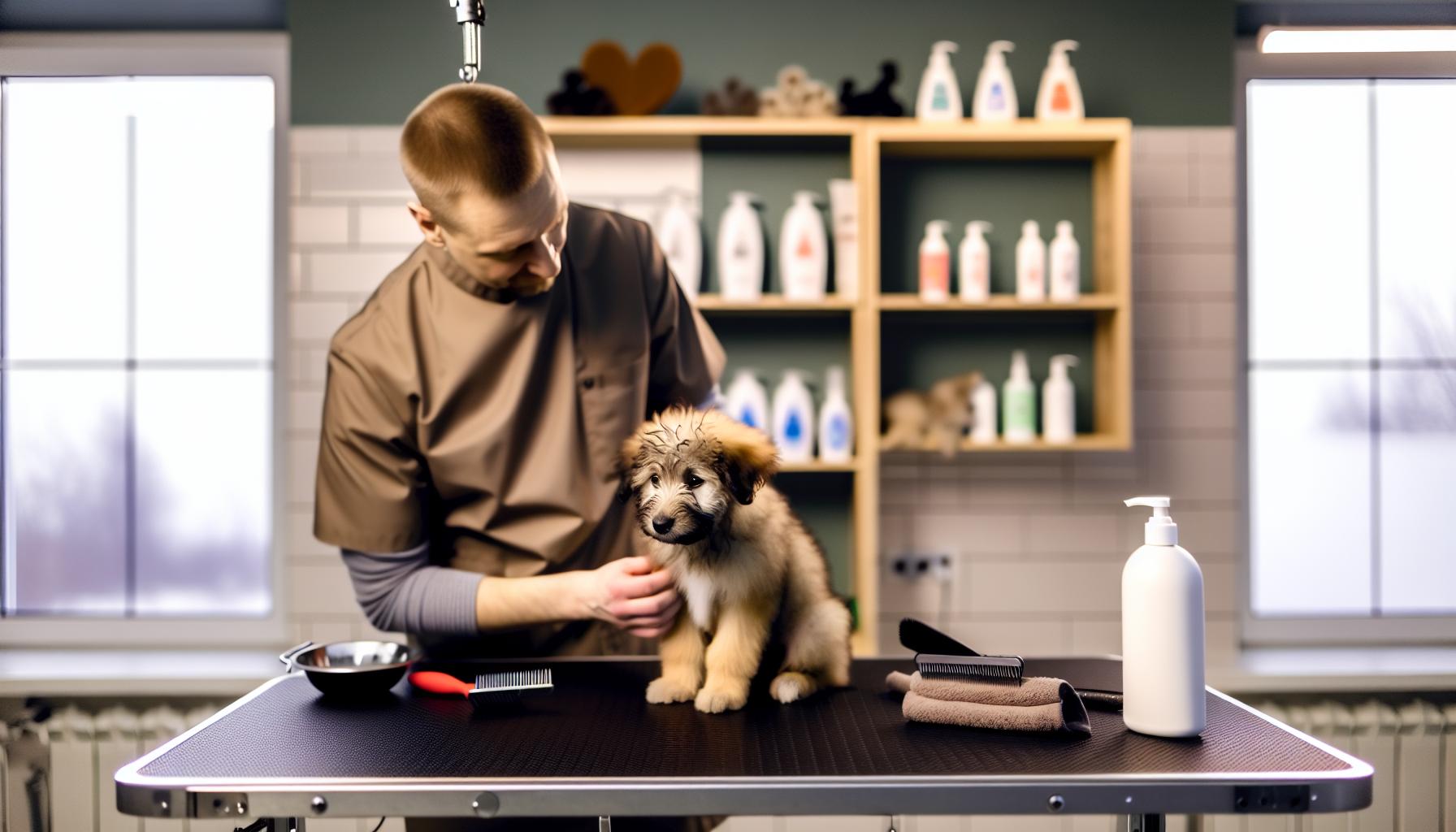
What to Expect During Your Puppy’s First Grooming Visit
Taking your puppy to the groomer for the first time is an important milestone, and understanding what happens during that visit can ease nerves for both you and your furry friend. expect a calm, patient environment where the groomer prioritizes your puppy’s safety and emotional well-being above all. Most groomers will begin with a gentle assessment of your puppy’s coat type, skin condition, and general comfort level to tailor each step to their unique needs-whether your pup has a short, sleek coat or a thick, curly one.This personalized approach helps ensure the grooming experience is as gentle and positive as possible.
What Happens during the Visit?
- Introduction and Assessment: The groomer will welcome your puppy and likely spend a few minutes letting them sniff around and get comfortable.They’ll check the puppy’s coat, ears, nails, and skin to see what care is needed.
- Bathing: Using lukewarm water and puppy-safe shampoos, the groomer will wash your pup gently, taking extra care not to cause discomfort or anxiety. Expect soft, soothing strokes and thorough rinsing to avoid residue that can irritate sensitive skin.
- Brushing and Dematting: Depending on coat type, brushing will remove loose fur and detangle light mats. For thicker or curlier coats, the groomer may use specialized combs and dematting tools, always working patiently to prevent pulling.
- Nail Trimming and Ear Cleaning: These are frequently enough sources of stress for puppies but skilled groomers use quiet, precise tools and gentle handling.They’ll trim nails carefully just beyond the quick and clean ears to remove wax or debris-never pushing too deep.
Tips for a Positive Experience
Some puppies may be timid or fidgety at first-this is completely normal. Bringing along a favorite toy or blanket can provide extra comfort.Groomers trained with anxious pups know how to use calming tones, slow movements, and positive reinforcement through treats and praise. If your puppy shows signs of meaningful stress, the groomer might suggest breaking the visit into shorter sessions to build confidence over time.
Knowing the Limits: When to Call the Vet
Groomers are experts in coat care but aren’t a substitute for veterinary attention. If any skin irritation, infection signs, or unusual behavior is noticed during the visit, a professional groomer will recommend a vet checkup rather than proceeding with grooming. This partnership between vet and groomer ensures your puppy stays healthy and comfortable.
the first grooming session sets the tone for your puppy’s future grooming routine. With patience, trust, and gentle expertise, it can be a positive, stress-free start to a lifetime of good care and happy, healthy pups.
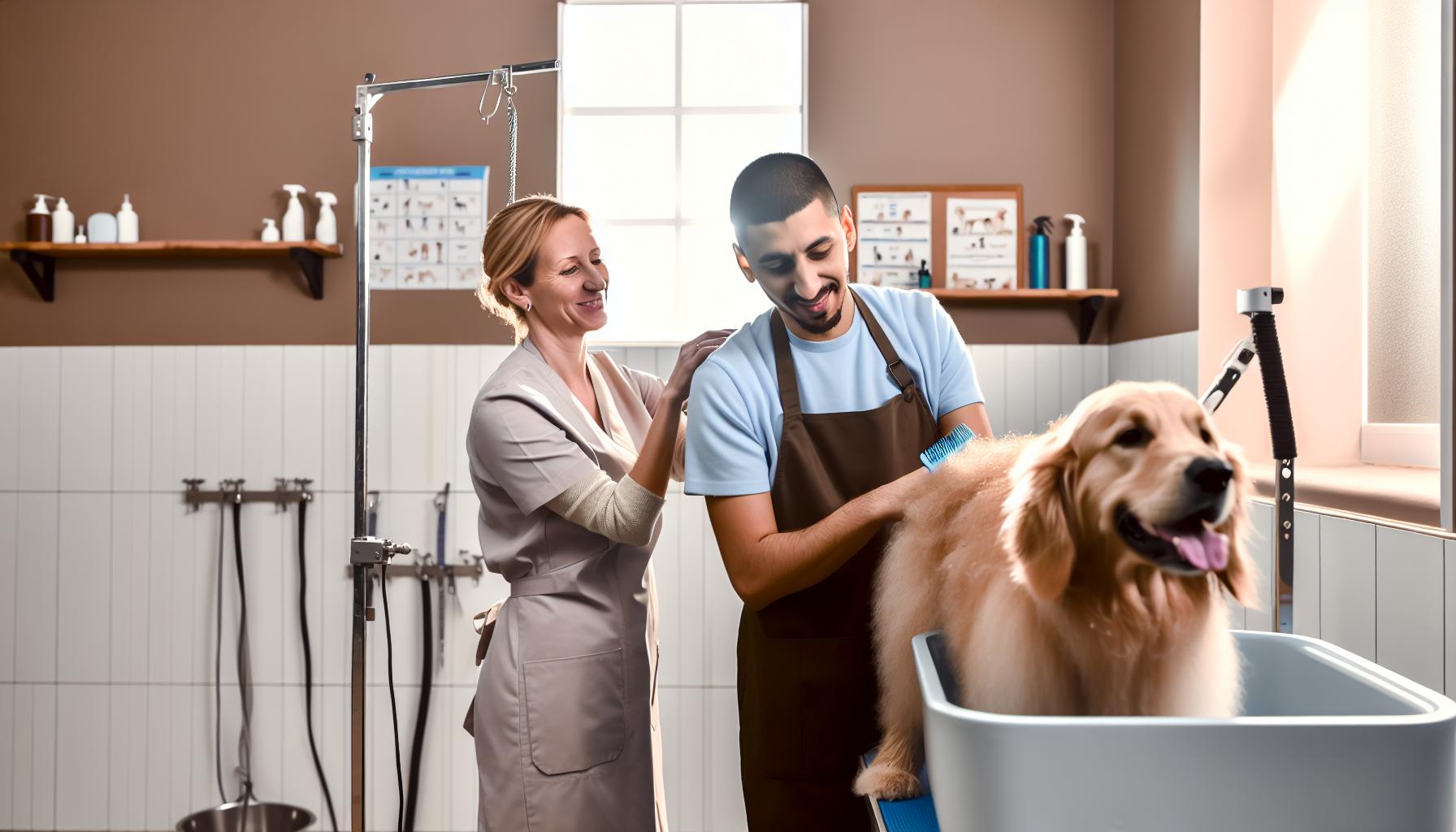
Choosing the Right Groomer: Safety and Comfort Tips
Choosing a groomer for your puppy is about much more than just finding someone with scissors and clippers. It’s about entrusting your baby to a compassionate professional who understands that safety and comfort come first. Puppies are sensitive-it’s their first real experience outside home routines-so picking the right groomer can set the tone for a lifetime of stress-free grooming and positive associations.
When searching for a groomer, prioritize those who specialize in or are experienced with puppies and your specific breed or coat type. Different coats-whether silky, wiry, curly, or dense-require distinct tools and handling techniques. A groomer familiar with your puppy’s breed will know exactly how to approach bathing,brushing,and trimming to avoid unnecessary pulling or skin irritation. Such as, a groomer handling a Poodle’s tight curls will patiently use dematting tools, while a short-haired breed might only need a gentle brush and quick bath. Don’t hesitate to ask if they use puppy-safe shampoos, non-slip tubs, and quiet clippers designed for sensitive ears. These details matter and reflect care and expertise.
Visiting the groomer ahead of time can also make a huge difference. Choose a place that welcomes you for a meet-and-greet so your puppy can sniff around and get comfortable with the environment and staff. Observe how the groomers interact with other animals-do they speak softly? Do they offer treats and praise? Do they give plenty of breaks for nervous pups? A calm, patient atmosphere is a sign they truly value emotional welfare over just ”getting the job done.” Asking about their protocol for anxious or overly wiggly puppies is important too. Good groomers will be happy to offer short, gradual visits or gentle desensitization sessions rather than forcing long, stressful appointments.
Practical Tips for Assessing Groomer Safety & Comfort
- Check Certifications and Training: Look for groomers certified by reputable organizations who have training in canine behavior and first aid.
- Ask About Their Tools: Puppy-specific combs, quiet clippers, and hypoallergenic shampoos show they prioritize minimized stress and skin protection.
- Inquire About Handling Methods: Compassionate groomers avoid restraint devices that cause fear; instead, they use gentle calming techniques.
- Observe Cleanliness and Institution: A tidy, well-maintained facility lowers infection risk and shows professionalism.
- Discuss Medical Boundaries: Confirm they will refuse grooming if they spot infections, wounds, or signs of illness, and will refer you promptly to a vet.
remember, grooming is part health care and part socialization for your puppy. Choosing the right groomer means choosing a partner who supports your puppy’s physical well-being and emotional growth in equal measure. When you entrust care to someone who sees your puppy as a unique individual, grooming becomes less of a chore and more of a nurturing experience. Your puppy will thank you with calm, wagging tails and a perfectly cared-for coat.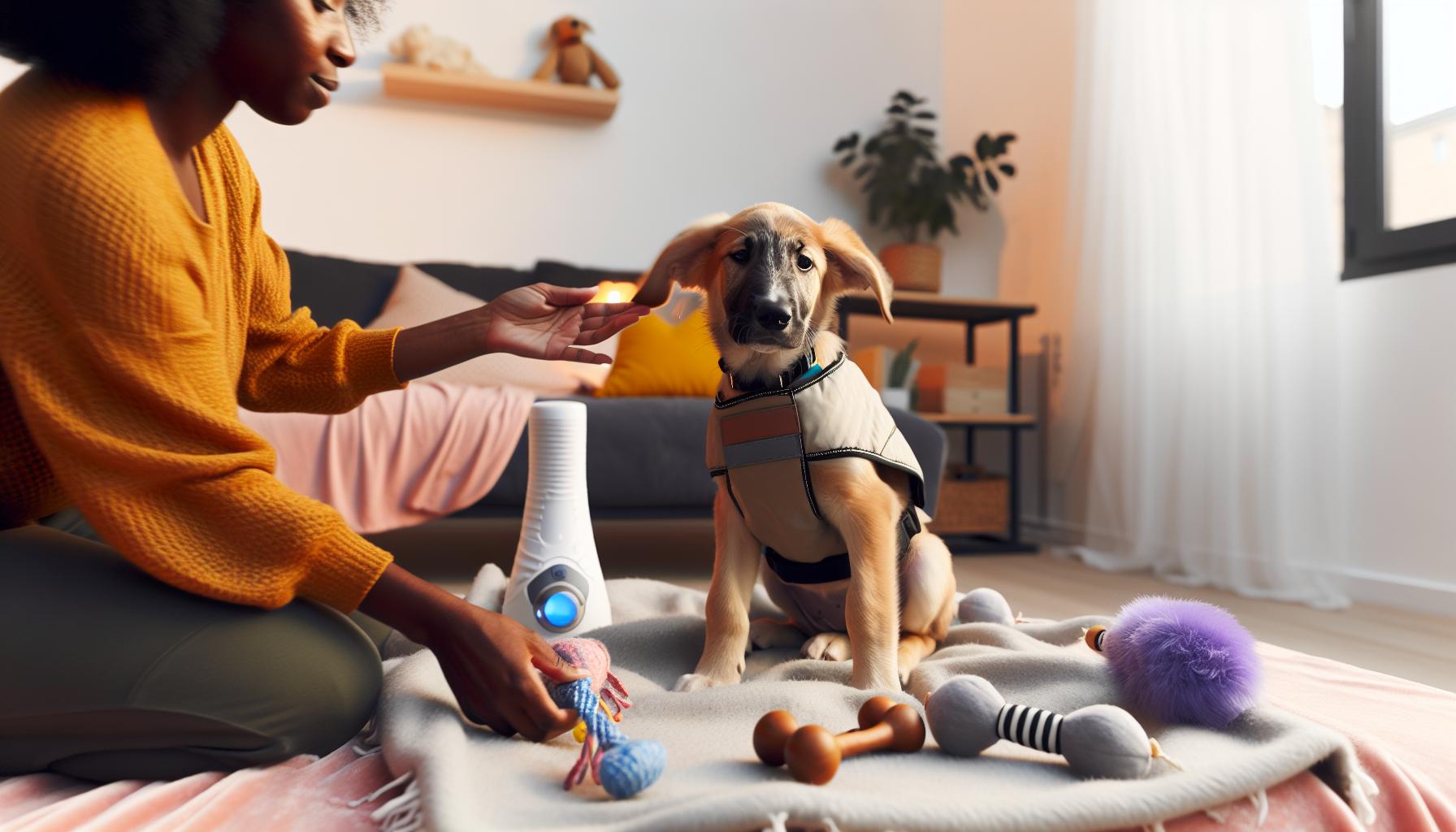
Tools and Techniques for Soothing anxious Puppies
Many puppies approach grooming with wide eyes and a racing heart-it’s an entirely new world full of strange noises, smells, and sensations. Helping your little one feel safe and relaxed isn’t just about gentle hands; it’s also about having the right tools and techniques that honor their unique breed,coat type,and temperament.The goal is to transform grooming from a stressful ordeal into a comforting, positive routine that builds trust and confidence.
Creating Calm Before and During Bath Time
Bathing can be scary for puppies, especially those with sensitive skin or thick coats prone to matting. Start by gathering puppy-amiable essentials: a non-slip mat, a sprayer with adjustable gentle water pressure, and a hypoallergenic, tear-free shampoo suited to your pup’s coat type. For example, puppies with curly or dense fur may benefit from conditioners or detanglers that make the bathing process smoother. Use warm-not hot-water, speaking softly throughout to reassure your pup.
To ease anxiety:
- Use a calm tone: Speak gently as you wet your puppy, encouraging them with slow, deliberate strokes-aim for massage-like motions instead of rushing.
- Introduce water slowly: For pups frightened by running water, dampen a washcloth first and gently wipe their paws and legs before the full bath.
- Keep sessions short: Especially for anxious or tiny breeds, brief baths reduce overwhelm.
Brushing Tactics Tailored to Coat and Confidence
Brushing is one of the most sensitive moments for anxious puppies. Wire-haired or double-coated breeds need special attention because brushing can sometimes snag or pull. Use soft-bristled brushes, slicker brushes designed specifically for puppies, or even rubber grooming gloves that feel less intrusive. Always brush gently in the coat’s natural direction to avoid discomfort.
Try these steps to reduce stress:
- No sudden moves: Slow, rhythmic strokes reassure your pup and allow them to anticipate each touch.
- Start small: Focus first on favorite or less sensitive areas like the back, then gradually work to trickier spots such as behind ears or belly.
- Offer treats and praise: Reward calm behavior immediately-this builds a positive association.
Handling Nails and Ears Without a Fuss
Trimming nails and cleaning ears often cause anxiety because they’re unfamiliar and can feel restrictive. Use rounded-edge, puppy-sized nail clippers, and clean ears only if they appear dirty or smelly, using vet-approved solutions. When handling paws or ears:
- Touch and hold in short increments daily before actual grooming to build acceptance.
- Distract gently with a favorite toy or soft talk to redirect attention.
- Stop if you see distress and resume later-forcing can cause fear and aversion.
Techniques to Ease Overall Anxiety
Beyond tools,several simple calming techniques can make a huge difference:
- Deep pressure wraps or calming vests: these can mimic a comforting hug,reducing stress hormones.
- pheromone sprays or diffusers: Products like Adaptil® release dog-appeasing pheromones that soothe puppies in unfamiliar settings.
- Short, frequent grooming sessions: Rather of a marathon appointment, break grooming into bite-sized chunks allowing your puppy to rest and reset.
- Use quiet clippers and tools: noise-sensitive pups benefit from low-vibration,whisper-quiet equipment to avoid startling sounds.
Understanding when a certain behavior signals a need for vet intervention is vital: persistent trembling, excessive scratching after grooming, or unusual lethargy indicate you should pause grooming and consult your veterinarian. Groomers themselves can frequently enough identify these signs and are excellent partners in safeguarding health. However, your empathetic care and patience at home will always set the foundation for a calm, enjoyable grooming journey. Remember, every puppy is a unique individual; your attention to their comfort today plants seeds for a lifetime of happy, stress-free grooming.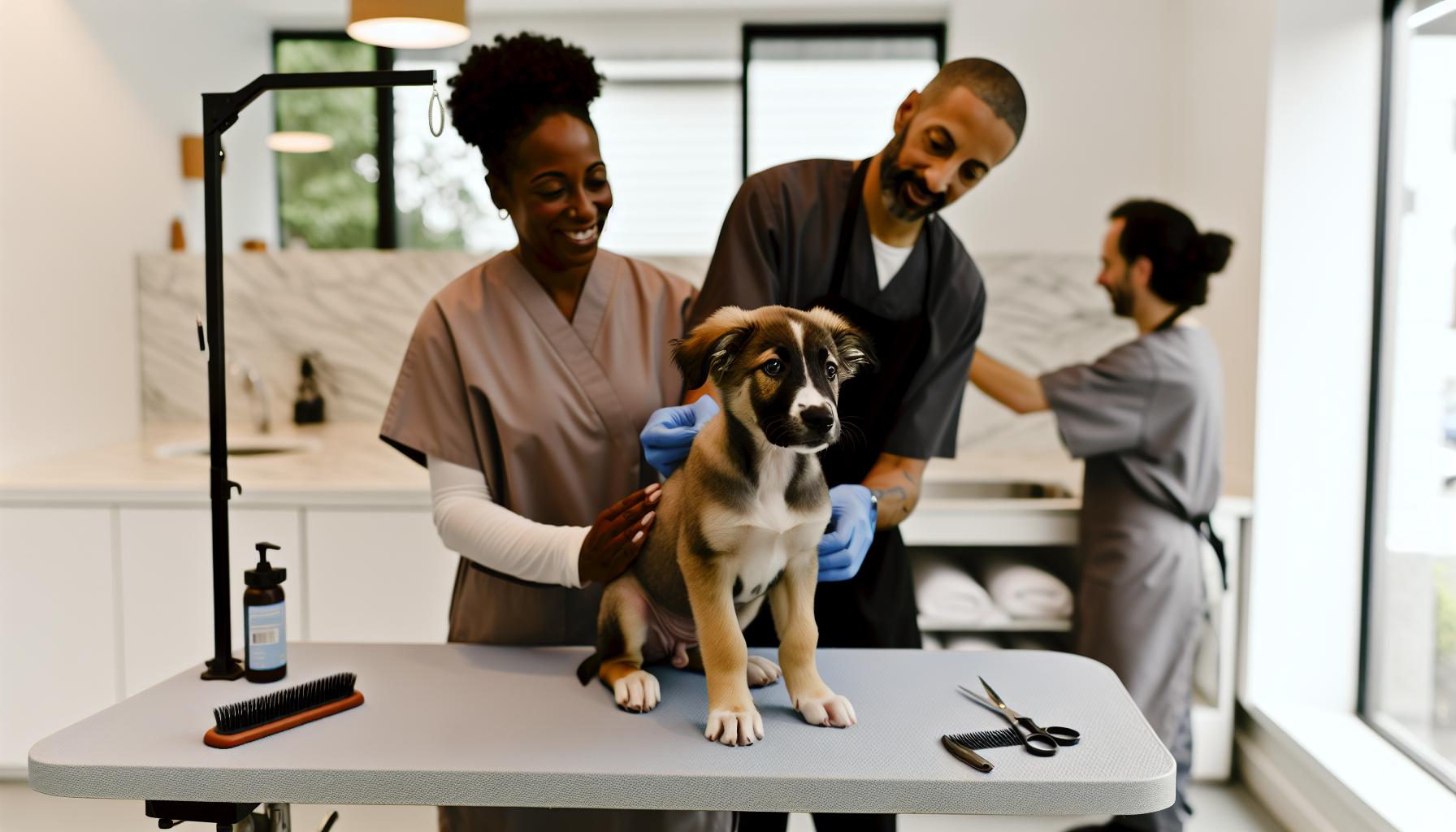
How to Prepare Your Puppy for a Calm Grooming Experience
it’s amazing how much a little readiness can transform your puppy’s first grooming experience from a stressful ordeal into a gentle introduction to a lifetime of care. Puppies are naturally curious but also easily overwhelmed by new sights, sounds, and touches-especially when it comes to grooming. Understanding your pup’s individual breed, coat type, and temperament is the foundation. Such as, a fluffy Poodle puppy with dense curls requires different handling than a short-haired Beagle, not only in tools but in patience and technique.
Begin by familiarizing your puppy with grooming sensations at home in short, positive sessions. handle paws, ears, and tail gently every day to build comfort-use gentle praise or treats to create happy associations. Before even thinking about a professional appointment, teach your puppy to enjoy brush strokes with a soft-bristled or puppy-specific slicker brush. Remember, slow, rhythmic movements soothe anxiety and help your pup anticipate touch rather than flinch from surprise. For sensitive breeds prone to matting, introducing detanglers or puppy-safe conditioners during brushing sets the stage for easier professional grooming later.
Bath time should be a calm ritual rather than a rushed chore. Use lukewarm water and a non-slip surface to keep your pup secure. Talk in soothing tones and introduce water gradually-wiping paws first, then slowly progressing to the rest of the body. short, frequent baths with puppy-appropriate shampoos help avoid sensory overload and maintain their natural skin balance.If nail clipping or ear cleaning makes your pup anxious, break these tasks into tiny steps over several days: gently touch and hold paws or ears in brief moments, reward calmness, then stop before stress builds. Over time, these small victories create trust and cooperation.
- Know which tasks to do at home and when to call in the pros: Basic brushing and bathing you can master, but tricky trims or breed-specific styling are best left to experienced groomers.
- Bring familiar items to the first appointment: A favorite toy, blanket, or calming scent can anchor your puppy’s nerves in an unfamiliar space.
- Communicate openly with your groomer: Share your puppy’s likes, dislikes, and sensitivities so they can tailor the experience.
each puppy’s readiness varies, but building this thoughtful groundwork helps them walk into that grooming salon with calm confidence, easing the journey from nervous newcomer to happily groomed companion. Prioritizing comfort, patience, and small steps isn’t just about looks-it’s about laying the first bricks of a loving, lifelong bond through grooming.
Common Puppy Grooming Challenges and Quick Fixes
Puppy grooming is an adventure filled with tiny hurdles that can feel overwhelming, especially for new dog owners. But many common challenges have simple, compassionate solutions that help both you and your pup feel relaxed and confident. Understanding your puppy’s breed and coat type at the outset lets you anticipate difficulties-whether it’s a curly-coated Poodle prone to mats or a sensitive short-haired breed scared of nail clippers-setting you up for success.
Brushing Troubles and Tangled Coats
Puppies with dense or long coats often develop tangles or mats quickly,which can be painful if not addressed early. Start with gentle, frequent brushing using the right tool: a slicker brush for curly or thick coats and a softer bristle brush for fine coats. If your pup resists brushing, try session breaks paired with tasty treats and calm reassurance. For stubborn mats, introduce a detangler spray before brushing, and if knots persist, stop and seek professional help rather than forcing the issue-pulling can cause pain and mistrust.
Making bath Time a breeze
Baths can be a highlight or a horror story.To help pups relax, create a consistent, soothing routine: use lukewarm water, a secure non-slip surface, and quiet voice tones. if your puppy fears water, start by gently wetting paws or legs first. use a mild, puppy-specific shampoo, and rinse thoroughly to avoid skin irritation. After bath time, wrap your pup in a favorite towel or blanket to provide warmth and comfort. Frequent short baths, rather of rare long ones, can reduce stress and keep skin healthy.
Helpful Hacks for Nail Trimming and Ear Cleaning
Nail trimming and ear cleaning often trigger the most anxiety. Break these tasks down: simply touch and hold paws or ears briefly with positive reinforcement before attempting trims or cleanings. Use sharp, quiet clippers and trim a little at a time, avoiding the quick. If your pup is very anxious, consider trimming a single nail per session until they build tolerance.Ear cleaning should be gentle; use vet-approved solutions and a soft cloth or cotton ball-never insert anything deep into the ear canal. Consistency and rewards transform these tricky chores into moments of calm cooperation.
When to Call in the Professionals or Veterinarians
Some issues belong in a groomer’s capable hands, while others need a vet’s expertise. Heavy matting, skin infections, or behavioral resistance often require professional intervention. If your pup shows signs of pain, excessive redness, swelling, or unusual odors, consult your vet first. Groomers can work wonders with regular trims, styling, and maintenance but always welcome your input on your puppy’s comfort and health. Communicating openly with your groomer ensures safety and personalized care.
- Be patient and compassionate: Growth and good grooming habits take time.
- Use positive reinforcement: Treats, praise, and gentle touch build trust.
- Prepare for the unexpected: Every puppy reacts differently, so stay flexible.
- Prioritize safety: avoid forcing any task-seek help when needed.
By embracing common grooming challenges as opportunities to bond, you build your puppy’s trust and set the foundation for a lifetime of happy, healthy care. With gentle steps, clear communication, and realistic expectations, grooming can become a joyful part of your puppy’s routine.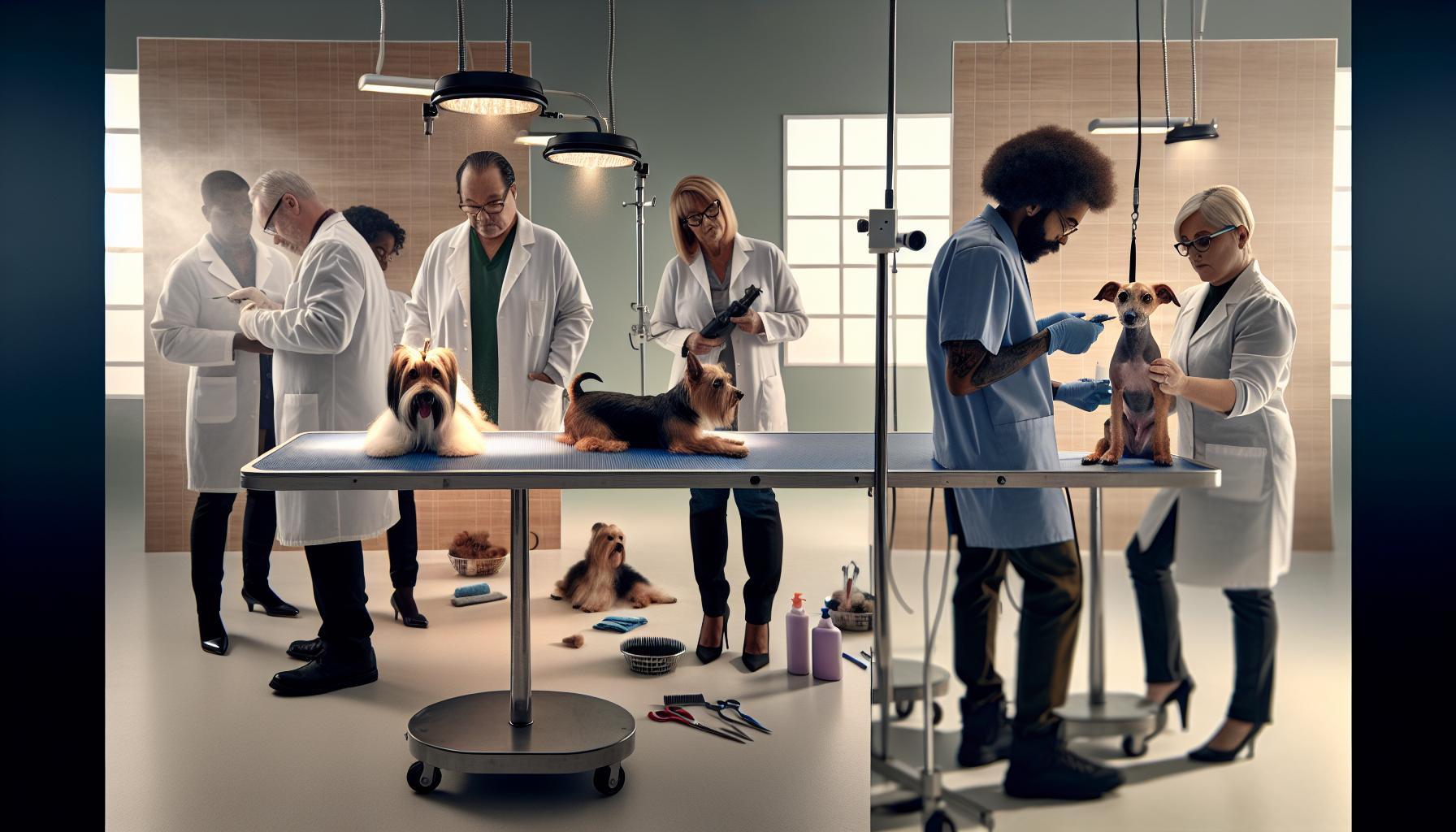
When to seek veterinary Care vs. Grooming Help
Puppy grooming is sometimes straightforward, but there are moments when it’s clear that professional help beyond your trusted groomer is needed.Knowing when to consult a veterinarian rather than relying solely on grooming services can make all the difference in your puppy’s health and comfort. While groomers are skilled in handling routine tasks like trimming, brushing, and bathing, certain symptoms or situations call for a veterinary approach to ensure your puppy receives the right care without unnecessary stress or risk.
Distinguishing Grooming Needs from Veterinary Concerns
If your puppy’s coat has minor tangles or needs a trim, a groomer’s expertise is just right. However, issues like heavy matting that causes pain or skin irritation, open sores, unexplained redness, swelling, or foul odors around the skin or ears should prompt a visit to the vet first. These signs often indicate infections, allergic reactions, or other medical concerns that require diagnosis and treatment before any grooming can safely proceed.
Such as, imagine your normally playful puppy suddenly cries or pulls away when you touch a certain area, or you notice discharge or a bad smell from the ears or skin folds. These are red flags that could signal ear infections, hot spots, or parasitic infestations-conditions that need prompt veterinary attention, not just a haircut.
Behavioral Resistance vs. Medical Issues
Sometimes puppies resist grooming because of fear or unfamiliarity. Gentle handling, patience, and building positive associations usually help. However, if your puppy shows sudden, intense avoidance, aggression, or pain reactions when touched, especially around their coat or nails, this can mean discomfort or injury that a vet should assess. Groomers generally have excellent skills at calming anxious pups, but they’re not equipped to diagnose or treat pain-related causes beneath the fur.
Setting Clear Boundaries: When to DIY, Groom, or Vet
Understanding your puppy’s breed and coat type can guide you on which grooming tasks to tackle at home and when professional grooming is essential. Such as, thick double coats of Huskies or Pomeranians shed heavily but require careful grooming rather than vet visits unless skin problems arise. Conversely, breeds prone to skin allergies or infections, such as Bulldogs or Shar Peis, may need closer veterinary oversight alongside grooming.
- Routine grooming: Bathing, brushing, nail trims, ear cleaning-ideal for at-home care or groomers.
- Severe mats or unmanageable tangles: Seek groomers experienced with difficult coats, but inform them about any skin issues.
- Signs of infection or severe discomfort: Swelling, redness, oozing, bleeding, odors, or behavioral pain responses require vet evaluation.
- Unusual lumps or wounds found during grooming: Pause grooming and consult your vet promptly.
Veterinarians may prescribe medicated shampoos or treatments that can be incorporated into grooming sessions once the condition improves, forming a team approach for your pup’s well-being.
Empowering Puppy parents Through Clear Communication
Always keep an open dialog with your groomer about your puppy’s health status, behaviors, and any changes you’ve noticed. A groomer who understands medical issues can better adapt their approach, and together you can decide when veterinary advice is warranted. Remember, both groomers and vets aim to prioritize your puppy’s comfort, safety, and long-term happiness. Timing these visits appropriately helps build positive grooming experiences and ensures your puppy stays healthy inside and out.Ultimately, trust your instincts-if something feels “off” beyond typical puppy silliness or grooming fussiness, a veterinary checkup is a kind, proactive step to take. This collaborative care ensures every brush stroke and trim supports your puppy’s bright, comfortable future.
FAQ
Q: How soon after bringing a new puppy home should I schedule their first professional grooming?
A: You should typically wait until your puppy has completed all their vaccinations-usually around 12 to 16 weeks-before their first professional grooming. This helps ensure their immune system is ready for exposure. Meanwhile, start gentle grooming at home to help them get comfortable with handling. For more timing details, see the section on scheduling your puppy’s first grooming appointment.
A: Yes, early grooming visits can positively influence your puppy’s socialization by exposing them to new people and environments calmly. This helps build confidence and reduces grooming-related anxiety later. Pair professional grooming with at-home handling to reinforce positive experiences, as detailed in how to prepare your puppy for calm grooming.
Q: what health signs indicate my puppy needs a grooming check-up before their first full grooming?
A: If your puppy shows skin irritation, excessive scratching, matted fur, or unusual odors, it’s wise to schedule a grooming check-up earlier. Groomers can spot issues like parasites or infections needing attention. For vet vs. groomer care guidelines,refer to common puppy grooming challenges and when to seek veterinary care.
Q: How does coat type affect when and how often a puppy should be groomed professionally?
A: Puppies with long, curly, or dense coats typically need earlier and more frequent grooming-starting as soon as their coat begins growing in fully-to prevent mats and tangles. Short-haired breeds may wait longer and groom less often. This varies by breed and coat type; see the detailed breed and coat section for personalized timing.
Q: Should I introduce nail trimming at a groomer before doing it myself at home?
A: Introducing nail trimming at a groomer early can definitely help your puppy get used to the sensation safely, especially if you feel unsure doing it yourself.Groomers can demonstrate techniques, which you can then practice at home to maintain comfort between visits.Check our essential grooming tasks at home for step-by-step tips.
Q: When is it appropriate to start professional ear cleaning during grooming sessions?
A: Professional ear cleaning typically starts during your puppy’s first grooming once they are comfortable with handling.Regular ear checks help prevent infections, especially for breeds prone to ear issues. Learn more about ear care and preparation in the section on essential puppy grooming tasks you can do at home.
Q: How can I tell if my puppy is stressed at their first grooming, and what can I do about it?
A: Signs of stress include trembling, whining, attempting to escape, or excessive panting. To reduce stress, choose a groomer experienced with puppies, use calming tools, and practice gradual exposure at home. See tools and techniques for soothing anxious puppies, plus preparation tips to ensure a gentle experience.
Q: Are there any grooming tasks that should only be done by professionals during a puppy’s first few months?
A: Yes, tasks like trimming sensitive areas, deshedding treatments, and dealing with mats are best handled by professionals initially to avoid injury. As your puppy grows, you can learn safe techniques for minor maintenance at home. Explore what to expect during your puppy’s first grooming visit for a clear understanding.—
For more detailed guidance, explore our sections on timing, breed-specific care, and preparing your puppy for grooming visits.Your puppy’s comfort and safety are the priority-feel confident and compassionate as you build their grooming routine!
To Wrap It Up
Deciding when to take your puppy to the groomers for the first time is all about balancing their breed, coat type, and comfort level. Starting grooming early helps your pup get used to bath time, brushing, nail trims, and ear cleaning in a calm, safe way. Remember, whether you handle some tasks at home or entrust them to a professional, prioritizing your puppy’s wellbeing and gentle handling makes all the difference.
If you’re wondering about the right tools or how frequently enough to schedule visits, check out our essential puppy grooming guide and nail trimming tips for nervous pups. These resources simplify grooming step-by-step, so you feel confident and prepared. Don’t hesitate-early grooming sets the tone for a happy, healthy routine that protects your pup’s coat and comfort.
Ready to dive deeper? Sign up for our newsletter for expert advice and timely tips, or explore our recommended grooming products designed specifically for puppies. Feel free to share your questions or experiences below-your journey helps build a community of caring pet owners just like you!
Get our latest guides, news, and insights highlighted in your Google Search & AI Overviews.
Keep reading about the same coat and cut.



Popular grooming guides
Bath vs clip, first grooms, and salon how-tos.