Can Dog Groomers Sedate Dogs: When Sedation Is Allowed
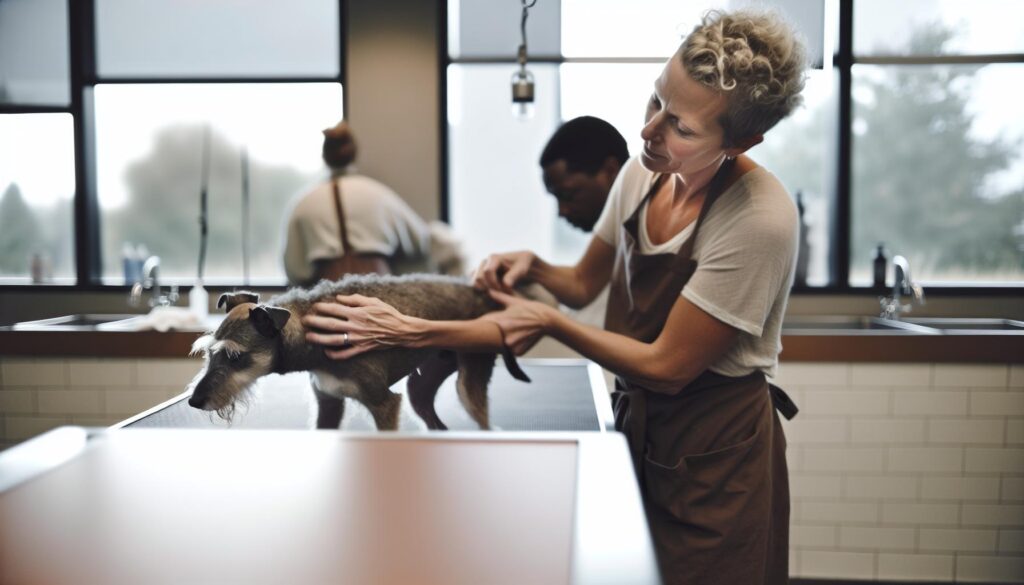
Did you know that while regular grooming keeps your dog comfortable and healthy,some pets find the experience so stressful that sedation becomes a helpful option? Many pet owners worry about how arduous grooming sessions may affect their anxious or sensitive dogs,especially those wiht thick coats or past trauma. This leads to the common question: can dog groomers sedate dogs, and under what circumstances is sedation appropriate? Understanding when sedation is allowed-and who can administer it-can ease your worries and help you make the best choice for your dog’s well-being. In this article, we’ll gently guide you through the important differences between veterinarian-prescribed sedation and groomers’ roles, offering compassionate insights into how sedation can make grooming safer and less stressful for your furry friend, always prioritizing their comfort and health above all. Read on to learn how sedation fits into a caring grooming routine and what steps you can take if your dog needs a little extra help staying calm.
When Dog Groomers Can Sedate Dogs Safely
Table of Contents
- 1 When Dog Groomers Can Sedate Dogs Safely
- 2 Legal Regulations on Groomer-Administered Sedation
- 3 common Reasons for Sedating Dogs During Grooming
- 4 Approved Sedatives and Who Can Administer Them
- 5 Signs a Dog May Need Sedation for Grooming
- 6 Risks and Side Effects of Sedating Dogs
- 7 Alternatives to Sedation for Anxious or Aggressive Dogs
- 8 How Veterinarians and Groomers Collaborate on Sedation
- 9 Preparing Your Dog for a Sedated Grooming Session
- 10 Post-Sedation Care Tips to Ensure Safe Recovery
- 11 Frequently Asked Questions
- 11.1 Q: Can professional dog groomers legally sedate dogs without a veterinarian present?
- 11.2 Q: What are safe, over-the-counter options groomers can use to calm anxious dogs?
- 11.3 Q: How can owners prepare their dog to minimize the need for sedation during grooming?
- 11.4 Q: When should sedation be avoided before grooming a dog?
- 11.5 Q: Can sedation improve grooming results for dogs with thick or matted coats?
- 11.6 Q: What questions should I ask my vet before sedating my dog for grooming?
- 11.7 Q: How do groomers and veterinarians collaborate when sedation is needed?
- 11.8 Q: What are some warning signs during grooming that mean sedation may be necessary next time?
- 12 Concluding Remarks
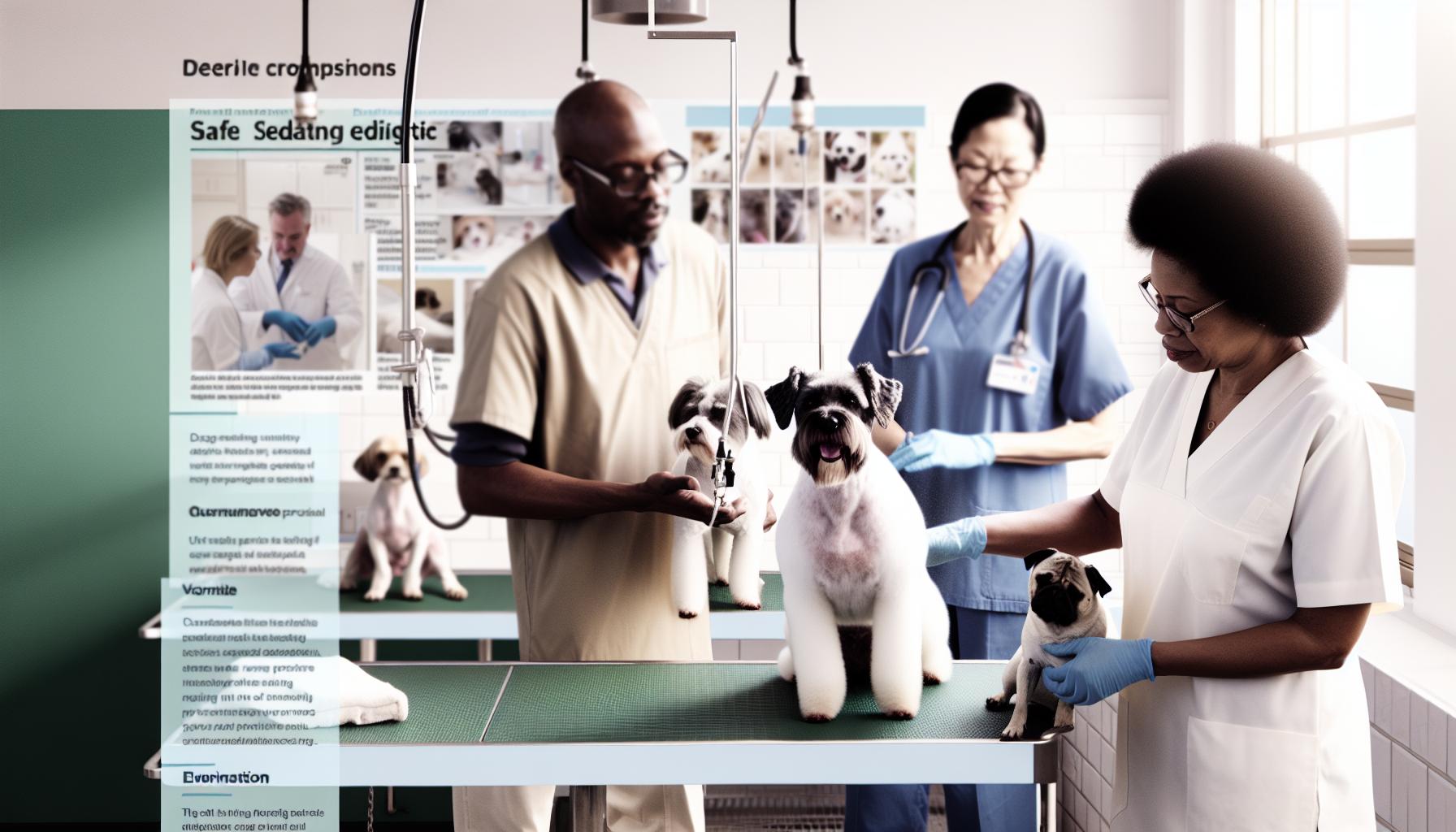
It’s important to understand that sedation is not something dog groomers can safely or legally administer on their own.In fact,sedation should always be overseen and performed by a licensed veterinarian. Groomers often encounter pets who are anxious, fearful, or have intricate grooming needs - for example, severely matted coats or medical conditions that make grooming stressful. However,the safe use of sedatives requires veterinary expertise to assess the dog’s overall health,determine the proper medication and dosage,and monitor for side effects.
Many groomers work closely with veterinarians to provide sedated grooming when necessary. In these cases, the vet prescribes or administers mild sedation beforehand, allowing the groomer to work calmly and efficiently without causing trauma to the pet. This collaborative approach ensures your dog’s safety remains the top priority, while also making the grooming experience more pleasant for everyone involved. Without this veterinary involvement, sedation is neither recommended nor allowed during grooming sessions.
For example, a groomer might encounter an older dog with sensitive skin and anxiety triggered by grooming tools. The vet might suggest a mild sedative to help the dog relax during the bath and nail trim. After sedation,the groomer can focus on gentle brushing and careful trimming,ensuring no sudden movements or stress. This controlled environment reduces the risk of injury and helps build trust between the dog and groomer over time.
- Never use human medications or over-the-counter sedatives on your dog without veterinary guidance.
- If your groomer suggests sedation, confirm it is arranged and supervised by your veterinarian.
- Discuss your dog’s medical history and any concerns upfront to help your vet make the safest recommendation.
Ultimately, sedation during grooming is a compassionate tool reserved for specific situations and under strict professional supervision - not a routine or DIY solution. This ensures your beloved pet stays safe, comfortable, and cared for at every stage of their grooming journey.
Legal Regulations on Groomer-Administered Sedation
Sedation is a powerful tool that can bring calm and comfort to a stressed or anxious dog during grooming, but it’s critically important to know that administering sedatives is strictly regulated. Groomers, no matter how experienced or well-intentioned, are not licensed or legally permitted to provide sedation themselves. This boundary exists to protect your pet’s health and safety, ensuring that sedation always involves veterinary oversight and expertise.
In almost all states and countries,the use of sedative drugs on animals is considered a veterinary procedure. Only licensed veterinarians or their authorized staff-with proper medical training-can prescribe and administer these medications.This is because sedation carries potential risks: the wrong drug, dosage, or management technique can lead to serious complications. Veterinarians are uniquely qualified to assess your dog’s overall health status, including any underlying medical conditions and drug sensitivities, before deciding whether sedation is appropriate and safe.
Many grooming facilities that offer sedation services do so through strong partnerships with local veterinarians. These collaborations allow the pet parent, groomer, and vet to work as a team. the vet usually evaluates the dog ahead of the appointment,prescribes or administers exactly the right sedative,and monitors the dog’s response-sometimes even at the grooming site or by arranging a separate sedation visit before or after grooming. This care model ensures that sedation complements grooming without ever compromising animal welfare or breaking legal guidelines.
- Never accept sedation from a groomer who is not working under veterinary direction.
- Ensure your dog is evaluated by a veterinarian before any sedative is used.
- Keep vaccination records and your dog’s medical history ready to help your vet make safe sedation recommendations.
- Ask your groomer about the sedation protocol and who will be responsible for administering and monitoring medication.
Why is this so crucial? Imagine a senior dog with a thick double coat, prone to anxiety and heart conditions. Only a thorough veterinary exam can determine if sedation is safe or if other calming strategies should be considered. Sedatives that work well for one breed or dog may be risky for another. This legal framework protects pets from uncalculated health hazards and ensures that sedation is always tailored with compassion, patience, and expert knowledge.
By respecting these professional boundaries, you help keep your furry friend safe and relaxed, making the grooming experience positive and stress-free-not just a speedy fix for difficult coats or nervous behavior. Your dog’s safety is the shared priority of vets and groomers alike, underscored by the trusted legal standards that keep sedation in responsible hands.
common Reasons for Sedating Dogs During Grooming
Sometimes,grooming can be a stressful experience for dogs,especially those with specific challenges that make the process difficult or even unsafe. Sedation becomes a compassionate option for dogs who simply cannot tolerate the usual grooming routines due to anxiety, pain, or physical limitations. Such as, a senior dog with arthritis and a thick, matted double coat may become restless or fearful during brushing or nail trimming, putting both the dog and groomer at risk of injury. In cases like these, mild sedation-always under veterinary supervision-helps ease the stress and allows safe, gentle handling.
Common Scenarios That May Warrant sedation
- Severe anxiety or fear: Dogs who panic at the sight of clippers, water, or nail trimmers may freeze, struggle, or become aggressive. Sedation helps soothe their nerves, making grooming a calmer experience.
- Medical conditions: Animals with heart disease,seizures,or pain from joint issues might not withstand prolonged grooming without added stress or discomfort. Sedation ensures the dog’s wellbeing while grooming proceeds smoothly.
- Thick or matted coats: Breeds like Old English sheepdogs or Newfoundlands require extensive brushing and trimming. Mats close to the skin can cause pain when detangled, so sedation helps minimize distress during this delicate work.
- Behavioral challenges: Dogs that have had traumatic grooming experiences before-biters,escape artists,or those who freeze entirely-may benefit from sedation as a kindness that avoids escalating behavioral issues.
- Long or complex grooming sessions: Pets with multiple grooming needs-such as baths,dematting,nail trimming,and ear cleaning-may require extended handling.Sedation allows thorough care with less stress for sensitive dogs.
Why Sedation Isn’t a Quick Fix, but a Thoughtful Solution
It’s important to remember that sedation is never about ”just getting the job done.” Instead, it’s a tool to prioritize your dog’s comfort and safety when typical grooming steps cause genuine distress. Such as, a nervous rescue pup who stiffens at water or noise can be calmed with sedation, creating a humane atmosphere where grooming doesn’t reinforce fear or trauma. In these situations, collaboration between vets and groomers ensures the right dosage and timing tailored to your dog’s breed, health, and temperament.Offering sedation thoughtfully also avoids injury-for dogs prone to sudden movements or biting out of panic-and also lowers the risk of stress-related health issues like elevated heart rate or fainting. When vets assess dogs beforehand, they check for underlying conditions that may affect sedation safety, such as age, medications, or allergies. This thorough approach means sedation supports your dog’s welfare first, not just convenience.
- Discuss your dog’s history openly with both your groomer and vet-mention past grooming challenges, medical conditions, and behavior issues.
- If your dog has a coat prone to matting (think Poodles or shih Tzus), regular grooming helps avoid emergency sedation sessions by preventing painful mats.
- Know that sedation protocols vary; your vet may suggest sedatives given at clinic visits or mild oral medications administered before grooming appointments.
- Never expect or accept sedation from a groomer alone; proper authorization and veterinary involvement are legally and ethically essential.
By understanding the reasons sedation might be needed, you empower yourself to work with your pet’s care team confidently and compassionately. It’s all about creating a safer, gentler experience where your dog feels seen and protected throughout their grooming journey.
Approved Sedatives and Who Can Administer Them

Sedation for grooming is a delicate balance,and the key to keeping your dog safe and comfortable lies in using the right medications administered by the right professionals. It’s a common misconception that groomers can handle sedation on their own-when, in reality, this responsibility belongs strictly to licensed veterinarians or veterinary technicians working under direct veterinary supervision. This ensures that each dog’s unique health profile, breed sensitivities, and temperament are carefully considered before any sedative is given.
The sedatives commonly approved for grooming purposes tend to be mild and designed to reduce anxiety and promote calmness without deeply anesthetizing the dog. Some frequently used options include:
- Gabapentin: frequently enough used as a gentle oral sedative, it helps alleviate anxiety and is especially useful for dogs with arthritis or nerve pain during grooming sessions.
- Acepromazine: A tranquilizer that soothes nervous dogs but requires careful dosing and monitoring due to possible side effects like lowered blood pressure.
- Dexmedetomidine (e.g., Sileo gel): A sedative that can be administered orally or via injection, known for its fast-acting calming effects with a relatively short recovery time.
- Butorphanol or other opioids: Occasionally used in combination with other sedatives to enhance relaxation, particularly in dogs who are very anxious or have pain.
Each of these drugs requires precise calculation tailored to the dog’s size, age, breed, and medical history. this is why veterinary professionals perform thorough pre-sedation assessments: they check heart rate, respiratory function, and existing medications or allergies to avoid harmful reactions.
Who Administers Sedation?
Only veterinarians or licensed veterinary staff have the authority and training needed to administer sedatives safely. This includes deciding which drug to use, the appropriate dosage, and monitoring your dog throughout the grooming appointment. Groomers, even the most experienced and compassionate ones, must never give sedatives themselves-it’s not just a legal boundary but a critical safeguard to your pet’s well-being.
That said, groomers often work very closely with vets to manage sedated grooming sessions. For example, your vet might provide a prescription for an oral sedative you can give your dog at home before the appointment or may have the dog sedated at the clinic, then transferred to the groomer. This partnership ensures continuity of care, with groomers focusing on handling and grooming gently and vets overseeing sedation safety.
Real-World Example
Consider a senior Golden Retriever with thick fur prone to mats and mild arthritis who becomes highly stressed by touch around painful joints. The vet prescribes a mild oral sedative to be administered an hour before grooming, ensuring the dog stays calm without loss of balance or responsiveness. The groomer arrives prepared with slow, soothing strokes, extra padding, and frequent breaks. Thanks to this coordinated plan,the grooming experience is both safe and stress-free.
Why This Matters for You and Your Dog
Knowing that only veterinary professionals can authorize and administer sedatives provides peace of mind. If your dog needs sedation for grooming, insist on thorough vet consultation and clear dialogue between all caregivers. This ensures sedation is used responsibly-as a compassionate tool to ease your dog’s experience-not as a quick or careless fix.
Remember,prioritizing safety and comfort enables groomers to work more effectively,making grooming feel less like a chore and more like gentle care tailored to your dog’s needs. When you advocate for your pet’s health by trusting veterinary oversight, you’re supporting the best possible grooming journey for your furry family member.
Signs a Dog May Need Sedation for Grooming
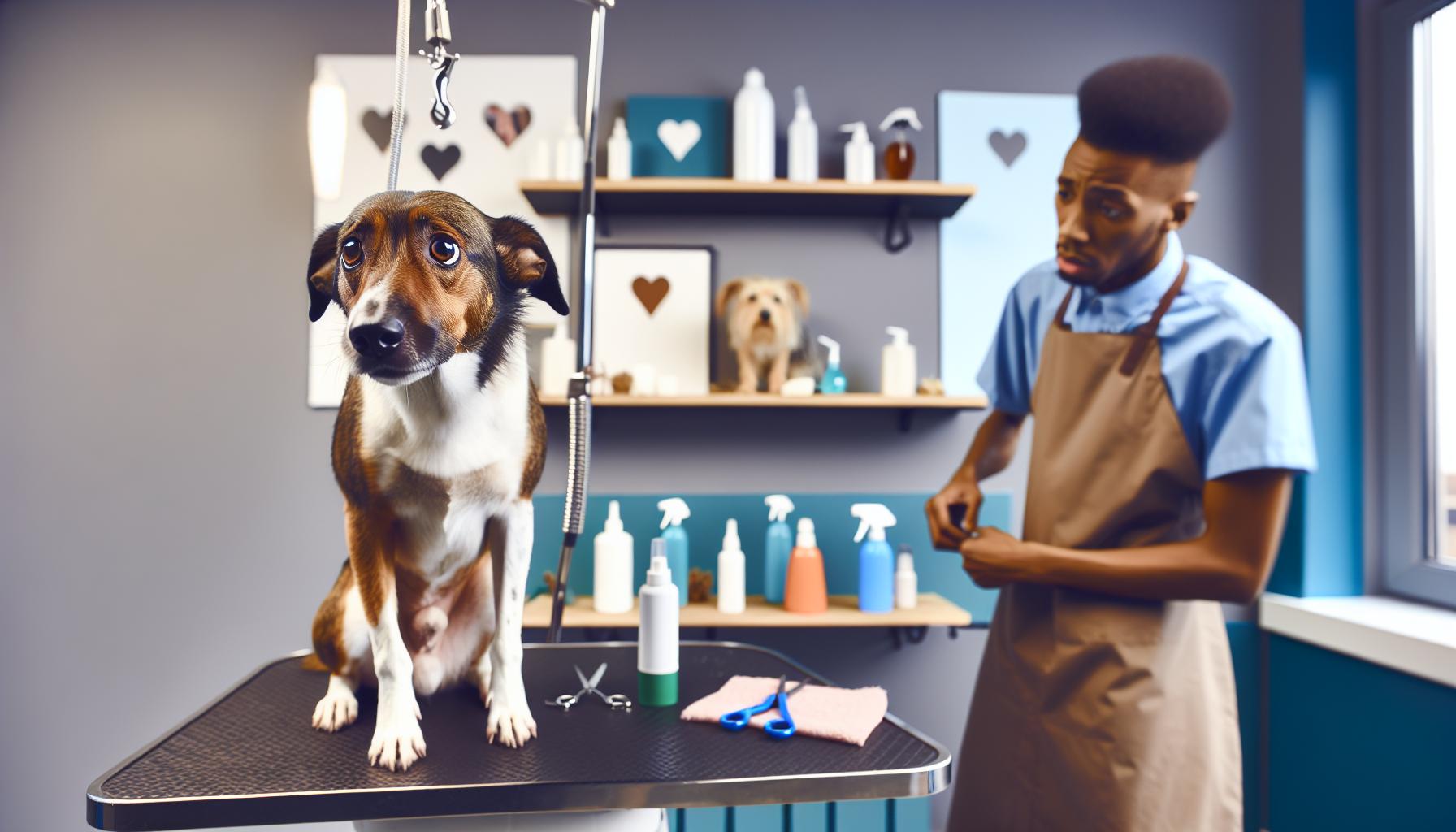
Many dogs tolerate grooming with ease, but some find the experience so stressful or physically uncomfortable that sedation becomes a thoughtful option-always under veterinary guidance-to ensure their safety and well-being. Recognizing when your dog might benefit from sedation starts with observing both behavioral and physical signs that signal anxiety or distress during grooming sessions.
Dogs who grow increasingly restless, struggle to stay still, or show visible signs of fear-such as trembling, heavy panting, or attempts to escape-can quickly turn grooming from a calm routine into potential trauma for both pet and groomer. Long-coated breeds like Old English Sheepdogs or Poodles with dense mats may need sedation simply because the process requires extensive brushing and clipping, which can be uncomfortable or even painful.
Key Signs That Suggest Sedation May Be Needed
- Severe Anxiety: vocalizing (whining, barking), shaking, or freezing up are common red flags showing the dog is overwhelmed.
- Physical Sensitivities: Dogs with arthritis, skin conditions, or old injuries often associate touch with pain, making handling difficult.
- Agitation or Aggression: Growling, snapping, or biting attempts during grooming are serious signs that sedation could protect everyone involved.
- Previous Grooming Trauma: Dogs that had bad experiences before might anticipate stress and resist more fiercely each time.
- Medical Conditions: Some health issues require gentler handling-for example, heart or respiratory problems where excess stress is hazardous.
When Breed and Coat Type Matter
Thick, matted fur can hide skin irritations and complicate grooming, especially if the dog resists touch as of discomfort. For instance, a senior Bernese Mountain Dog with deeply tangled hair and joint pain might become restless or protective when you try to comb through coated areas. In cases like these, sedatives prescribed by your vet can help reduce anxiety and create a safer, calmer environment for grooming.
Working With Your Veterinarian and Groomer
If you notice these signs, it’s important to discuss your dog’s behavior openly with both your vet and groomer. Sedation isn’t a fix-it-all but a compassionate tool to make grooming safe and less scary for anxious or sensitive dogs. Your vet will evaluate your pup’s overall health and may prescribe a mild sedative tailored to their needs.Then, your groomer uses gentle handling techniques alongside this medication to keep the experience stress-free.
Always remember, sedation is part of a bigger care routine focused on patience, respect, and your dog’s welfare-not merely to speed up the grooming process or achieve “perfect” styling. Staying attuned to your dog’s signals is your best first step toward a comfortable grooming journey for both of you.
Risks and Side Effects of Sedating Dogs
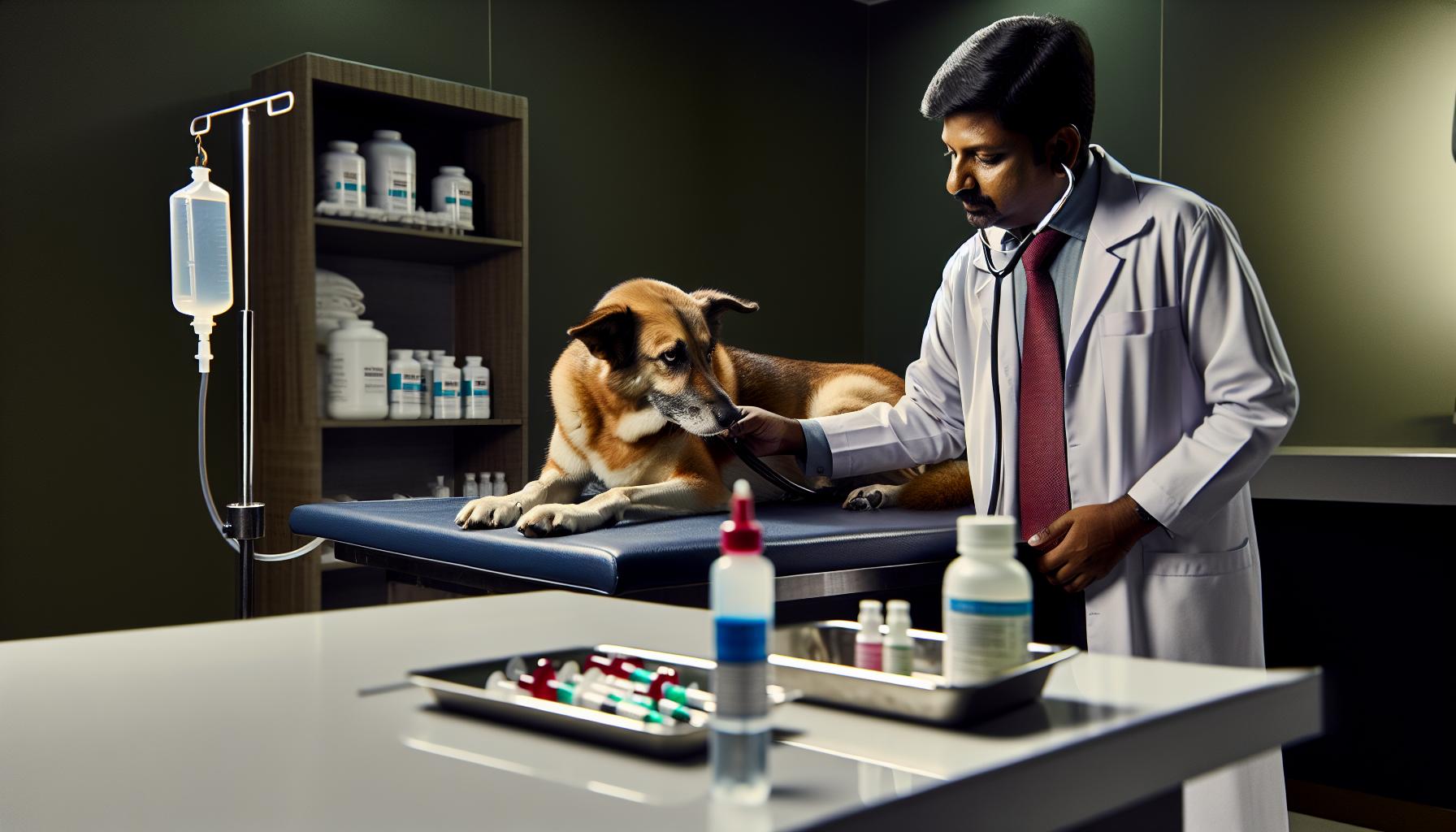
even though sedation can be a helpful tool to ease grooming stress, it’s important to remember that it’s not without its risks.every dog’s body reacts differently to sedatives, depending on factors like age, breed, health status, and even coat type.Such as, brachycephalic breeds (those with flat faces like Bulldogs or Pugs) can be more sensitive as their airways are naturally narrower, making sedation more complex.That’s why a veterinarian’s guidance is essential to ensure your dog’s safety before,during,and after sedation.
Sedation can temporarily affect a dog’s vital signs such as heart rate, breathing, blood pressure, and body temperature.It’s quite normal for a sedated dog to be groggy, a little unsteady, or slow to respond for a few hours after the grooming session. However,in rare cases,sedatives may cause more serious side effects like respiratory depression,low blood pressure,or an allergic reaction. Such as, dogs with underlying health conditions like heart disease or respiratory problems are at a higher risk and require tailored monitoring to prevent complications.[1]
- Common mild side effects you might notice post-sedation include disorientation, mild vomiting, trembling, or slight loss of coordination.
- More serious signs that warrant immediate veterinary attention include persistent vomiting, difficulty breathing, pale gums, or an abnormal heartbeat.
Many groomers cannot administer sedation themselves due to legal regulations, so it’s typically a veterinarian who prescribes and sometimes administers the sedative. This collaboration ensures the dosage suits your dog’s specific needs and health history. Your groomer then works closely with the vet to create a calm environment that supports your dog’s recovery during the appointment. When sedation is used responsibly, and with proper monitoring, it is a compassionate way to alleviate anxiety and discomfort during grooming, but it’s never a substitute for patience, gentle handling, and trust-building over time.
If sedation is being considered, ask your vet and groomer about the specific medication planned, how your dog will be monitored, and what signs to watch for after the session. Being well-informed empowers you to advocate for your pet’s safety while giving them the care they deserve. Remember, sedation is just one part of a thoughtful grooming experience designed to put your dog’s well-being first.
| Potential side Effect | Description | When to Contact Your Vet |
|---|---|---|
| Mild lethargy | Quiet,sleepy behavior lasting a few hours | Rarely,if prolonged beyond 12 hours |
| Trembling or shaking | Common soon after sedation,usually short-lived | if shaking is severe or accompanied by vomiting |
| Vomiting | Occasional and mild is normal | Severe,repeated vomiting or refusal to keep water down |
| Breathing difficulties | Shallow or labored breathing | Immediately |
| Pale gums | May indicate poor circulation or shock | Immediately |
Alternatives to Sedation for Anxious or Aggressive Dogs
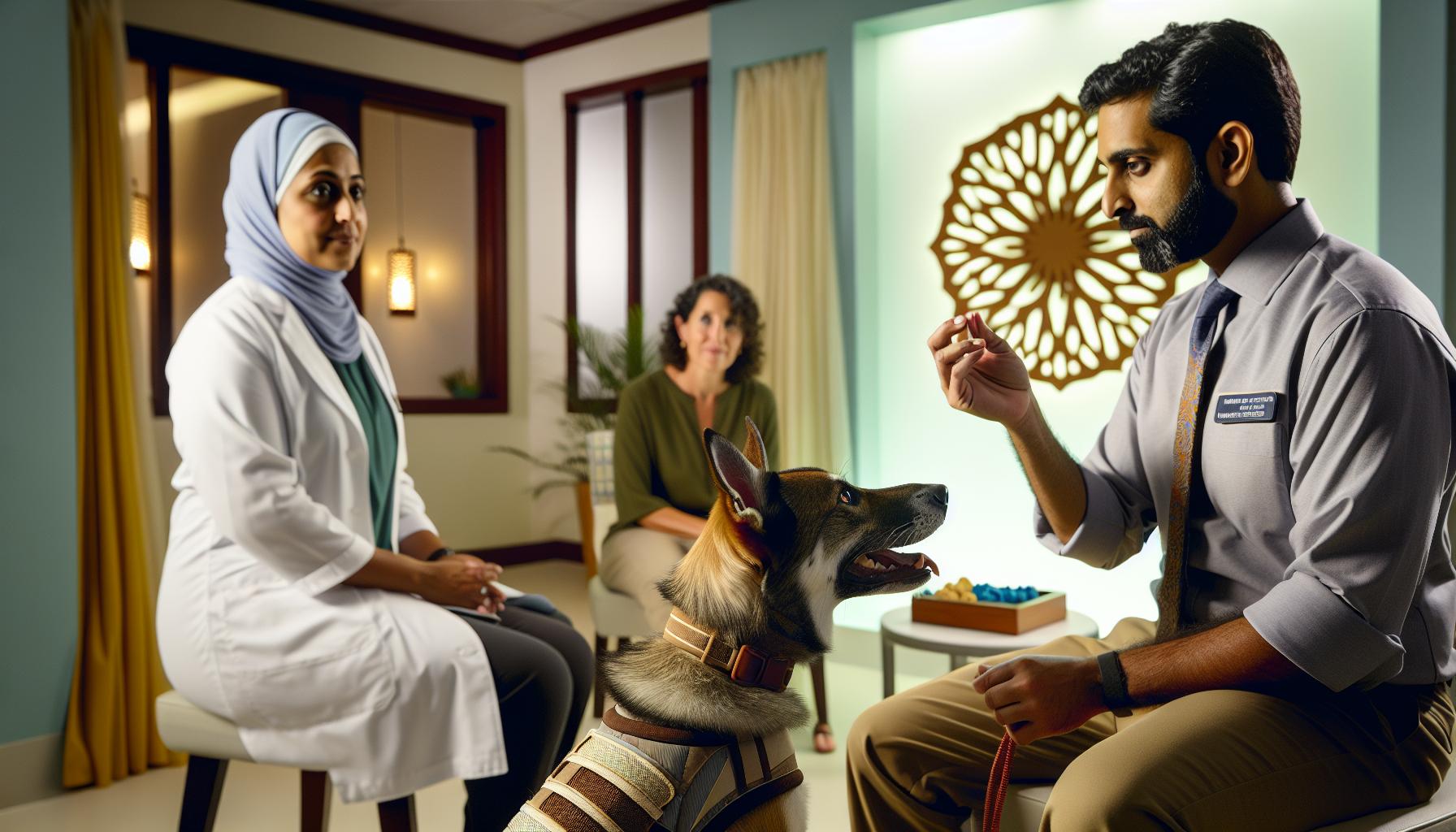
Sometimes, sedation isn’t the only-or best-option to help an anxious or aggressive dog during grooming. Many dogs respond beautifully to calm, thoughtful approaches that respect their pace and emotional needs. Building trust through gentle handling,familiar routines,and a soothing environment can transform grooming from a stressful ordeal into a positive experience,without any medication.
Creating a Calm Environment
A quiet, low-stimulation space is the first step. Consider dim lighting,soft music,and minimal distractions to reduce a dog’s anxiety. Familiar scents, such as bringing a favorite blanket or toy, can help anchor them emotionally.Some groomers use pheromone diffusers or sprays designed to promote calm behavior, which can be particularly helpful for sensitive breeds or dogs new to grooming.
Step-by-Step Handling and Desensitization
Breaking down grooming into small, manageable tasks helps anxious dogs focus without becoming overwhelmed. For example:
- Bath: Use a gentle, reassuring voice. Start with just wetting paws before progressing slowly to the full bath.
- Brushing: choose the right tools for your dog’s coat type-soft brushes for short coats, slicker brushes for tangles in long hair-and introduce them lightly, rewarding calm behavior.
- Nail trimming: Approach nails gradually, perhaps starting with touching paws and clipping one nail at a time over several sessions.
- Ears: Gently massage around the ears and use soothing words to keep your dog relaxed.
With each step,positive reinforcement through treats or praise encourages cooperation. This patient, piecemeal method builds confidence and reduces the need for sedation.
Engaging Professionals and Tools
Some groomers specialize in fearful or reactive dogs, trained in low-stress handling techniques. They might use gentle restraint methods or calming wraps (like the Thundershirt), which can definitely help your dog feel more secure. In addition, interactive toys or calming chews recommended by your veterinarian-a great option to medication-can ease nerves before and during appointments.
When to Involve Your Veterinarian
Look to your vet for guidance on natural supplements or behavioral therapies if anxiety is severe. They can also rule out any medical issues that might contribute to discomfort or fear. Importantly, sedatives are never administered by groomers directly due to legal and safety reasons, so a vet’s involvement remains essential if medication is necessary.
Fostering calm during grooming is a journey that balances safety, compassion, and respect. Many owners find that,with consistent effort and the right approach,their dog’s anxiety decreases over time,often making sedation unnecessary.Learning your dog’s unique triggers and signals can turn grooming into a moment of bonding, rather than stress.
| Alternative Technique | Description | Best For |
|---|---|---|
| Low-stimulation Environment | Quiet room, soothing sounds, minimal distractions | Highly sensitive or easily startled dogs |
| Desensitization & Counterconditioning | Breaking grooming into small steps paired with treats | Nervous dogs needing gradual confidence-building |
| Calming Aids (Non-Medical) | Thundershirts, pheromone sprays, calming chews | Dogs with mild to moderate anxiety |
| Specialized Grooming | Groomers trained in low-stress handling and gentle restraint | Fearful or reactive dogs |
How Veterinarians and Groomers Collaborate on Sedation
It’s critically important to understand that the decision to sedate a dog during grooming is a careful partnership between your veterinarian and your groomer, rooted deeply in safety, expertise, and compassion. Groomers are professionals skilled in handling all kinds of coats and temperaments, but sedation is not within their scope to administer. Rather,they work closely with veterinarians who evaluate each dog’s health,temperament,and specific needs before recommending sedation. This collaboration ensures that any medication used is safe, effective, and tailored for the individual pet.Before any sedation occurs, the veterinarian performs a thorough health assessment – considering factors like age, breed, medical history, and potential drug sensitivities. They decide on appropriate sedatives and doses, then supervise administration in a controlled environment. Groomers provide detailed insights about the dog’s behavior, grooming challenges, and stress triggers, helping the vet make an informed decision. For example, a long-coated, nervous Spaniel prone to matting may need a different sedation plan than a short-haired terrier who becomes fearful during nail trims.
- Clear communication is key: groomers share observations from previous appointments, noting signs of anxiety or aggression that may warrant sedation.
- Veterinarians explain medication effects, risks, and aftercare requirements so owners and groomers are prepared to provide appropriate monitoring and support.
- Scheduling often involves pre-sedation check-ins to confirm the dog is healthy and ready, with groomers adjusting appointment length and procedures accordingly.
One real-world example involved a senior poodle with arthritis who grew increasingly fearful of full grooming sessions. The vet and groomer arranged a light sedation protocol to allow comfortable nail trimming and detangling without triggering stress or pain. After sedation,the groomer used gentle handling and positive reinforcement to further build the dog’s trust – a perfect blend of medical care and humane grooming techniques.
This teamwork respects legal boundaries-only licensed veterinarians can administer sedatives-while ensuring your dog’s comfort through every phase. When a dog requires sedation, it’s not about rushing to a “quick fix,” but about thoughtful planning, expert input, and shared compassion between professionals who genuinely want your furry friend to feel safe and cared for. Keep in close contact with both your vet and groomer, and never hesitate to ask questions about sedation strategies-they’re your allies in creating the gentlest, happiest grooming experience possible.
| Role | Responsibilities in Sedated Grooming | Owner’s Role |
|---|---|---|
| Veterinarian |
| Discuss medical history and concerns; follow vet advice |
| Groomer |
| Provide background on your dog’s temperament; allow groomer to proceed calmly |
| Owner |
| Maintain calm presence; monitor dog’s recovery |
Preparing Your Dog for a Sedated Grooming Session
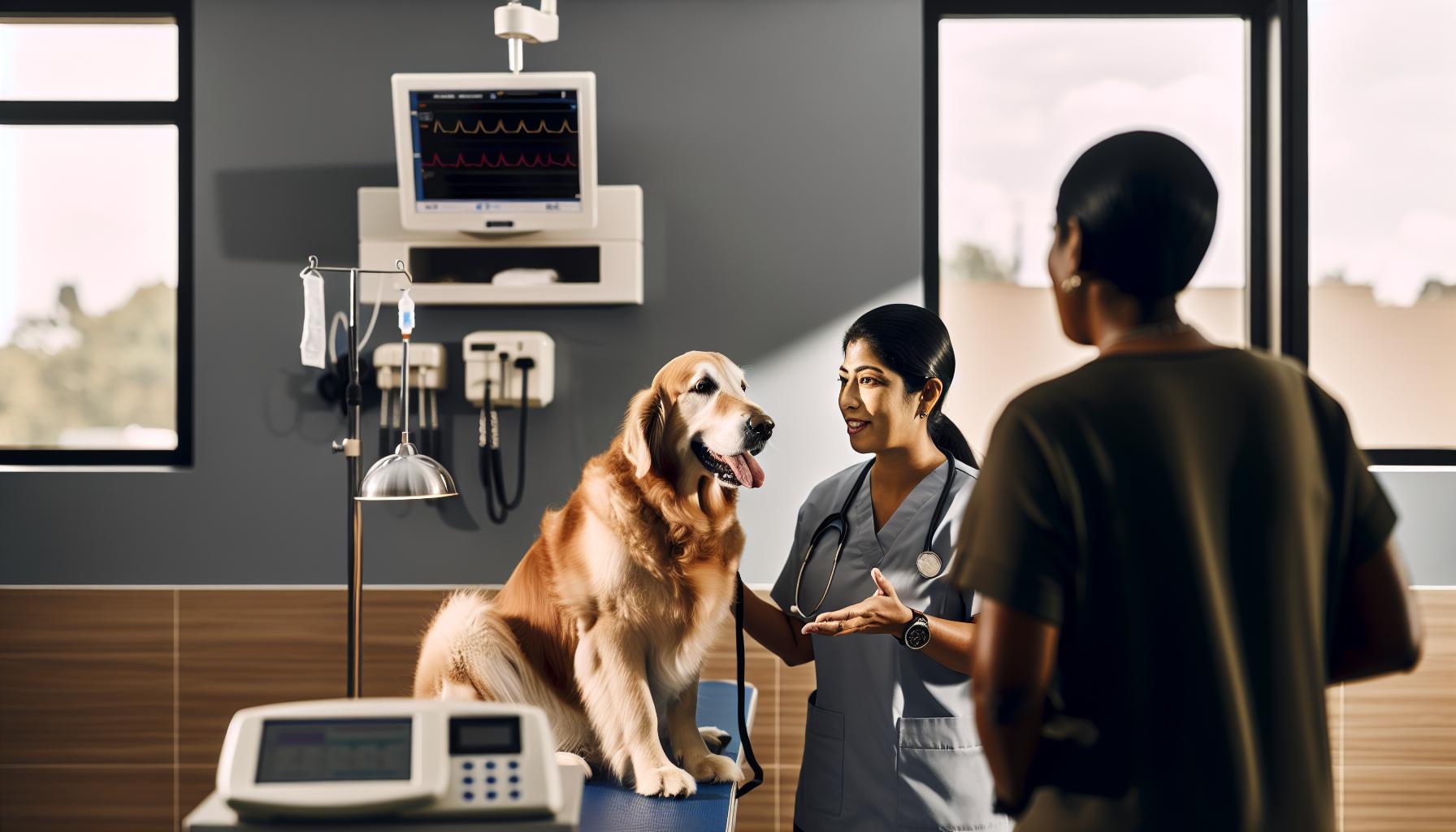
Few things can unsettle a dog more than the unfamiliar sensations and noises of a grooming session-especially when sedation is involved. Preparing your dog thoughtfully before a sedated grooming appointment is essential not only for their comfort but also for a safe and smooth experience. Taking small,deliberate steps beforehand helps reduce stress and builds trust,making the process easier for everyone involved.
Start with a Calm Environment and Gentle Handling
Before the appointment, spend time with your dog in a quiet, low-stimulus space where they feel secure.Engage in gentle petting and light brushing if they allow it, especially on areas that might be groomed like ears, paws, or the coat. This helps to keep your dog relaxed and primes them for handling during the session. For example, a nervous Spaniel with a thick coat may benefit from short, gentle brushing sessions at home to avoid surprise during grooming.
Follow Pre-Sedation Guidelines from Your Veterinarian
Your veterinarian will provide specific instructions for fasting, medication, and arrival times-these are crucial for safety during sedation. Typically, dogs should avoid food for at least 8-12 hours before sedation to prevent nausea or complications. Water is usually allowed up to a few hours before the appointment, but always follow your vet’s precise advice. Inform the vet about any medications or supplements your dog is on, as some may affect sedation or the grooming process.
Communicate Detailed Behavioral Data to Both Vet and Groomer
Share any known anxiety triggers or prior grooming difficulties with your vet and groomer before the appointment. Even small details like a dislike for nail clippers or sensitivity around the ears help them tailor approaches and avoid surprises. A short-haired terrier frightened by nail trims might need a different handling technique than a long-haired dog who balks at brushing. Clear communication empowers professionals to anticipate challenges and act patiently.
Prepare Essential Grooming Tools and Adjust the Session Plan
While sedation can make grooming easier,some dogs still require gentle,slow handling and appropriate tools. It’s helpful to confirm with your groomer which equipment will be used-whether electric clippers, dematting combs, or nail grinders-and understand that speed might potentially be slower to ensure comfort and safety. If you’re involved in home care before or after, keep grooming supplies handy but use them calmly and sparingly to avoid overwhelming your dog.
- Hydration is key: Offer small amounts of water if allowed before sedation, and ensure post-appointment water is available.
- Arrive early: allow time for your dog to acclimate to the surroundings rather than rushing directly into the procedure.
- Comfort items: bringing along a favorite blanket or toy can soothe some dogs during wait times.
- Observe behavior: Note any unusual signs like excessive panting or lethargy before sedation and report them immediately.
each dog is unique, so the preparation may vary based on breed, age, health, and past experiences. Such as, a senior dog with arthritis might need slower, shorter grooming sessions post-sedation to avoid strain, while a young puppy requires patience to build positive associations. By partnering closely with your vet and groomer, you create a comforting routine that minimizes fear and maximizes care. Remember, sedation is a tool to improve well-being, not a shortcut-your calm presence and gentle preparation are the real keys to success.
Post-Sedation Care Tips to Ensure Safe Recovery

A dog waking from sedation frequently enough appears sleepy, groggy, or disoriented, which can feel worrying at first-but this is a normal part of their recovery. Providing a calm, safe space where your furry friend can gently wake up is essential. Keep noise and activity low to avoid startling them, and offer plenty of soft bedding where they can rest comfortably. Remember, each dog’s recovery time varies based on factors like breed, age, health, and the sedative used, so patience is key.
Monitor Vital Signs and Behavior Closely
After sedation, it’s critically important to keep a close eye on your dog’s breathing, heart rate, and overall responsiveness. Look for steady, calm breaths and avoid situations that could cause overheating or stress.Some mild side effects like mild nausea, unsteady walking, or temporary confusion can occur but should improve steadily within a few hours. If you notice excessive drooling, vomiting, difficulty breathing, or prolonged lethargy, contact your veterinarian immediately. These could be signs of a more serious reaction requiring prompt care.
Hydration and Nutrition: Gentle reintroduction
Once your dog’s swallowing reflex is fully back, usually a few hours after sedation, you can offer small amounts of fresh water. Avoid large volumes initially to prevent nausea or vomiting. Depending on vet advice, reintroduce food gradually, favoring bland, easily digestible options such as boiled chicken and rice. Dogs with thicker coats, like Poodles or Golden Retrievers, who underwent thorough grooming before sedation, may appreciate a light brushing post-recovery to keep them comfortable without overhandling.
Creating a Relaxed Environment for Recovery
A quiet room with dim lighting, temperature control, and minimal foot traffic helps soothe your dog’s system after sedation. Soft toys or a familiar blanket can provide additional comfort. If your dog is prone to joint pain or arthritis (common in seniors or larger breeds like Saint Bernards),ensure their resting spot offers gentle support to avoid strain during this vulnerable time. Avoid vigorous play, bathing, or grooming for at least 24 hours after sedation unless your veterinarian advises otherwise.
- Keep medications on schedule: If your vet prescribed any post-sedation medications, follow dosing instructions carefully and never mix with other meds without consulting your vet.
- Limit physical activity: Calm leash walks are okay, but avoid running, jumping, or stairs until your dog’s coordination returns fully.
- Use gentle handling: Even if your dog seems back to normal, be patient and gentle during petting or grooming to maintain trust and ease.
- Observe for unusual behaviors: Watch for signs of pain, swelling, or behavioral changes that could indicate complications.
Veterinarian-guided sedation is designed with your dog’s best interest at heart. By following thoughtful post-sedation care, you boost their comfort, support healing, and strengthen the bond between you and your beloved companion. Real-life experience shows that dogs who feel safe and cared for during recovery bounce back faster, often surprising their owners with how quickly their happy, playful personalities return. if in doubt,never hesitate to reach out to your vet or groomer for guidance-they’re your partners in keeping your pet healthy,happy,and stress-free.
Frequently Asked Questions
Q: Can professional dog groomers legally sedate dogs without a veterinarian present?
A: No, professional dog groomers typically cannot legally sedate dogs without a veterinarian’s supervision. Sedation is a medical procedure requiring a vet’s prescription and monitoring to ensure safety. Always consult your vet first; groomers can assist but aren’t authorized to administer sedatives independently [1].
Q: What are safe, over-the-counter options groomers can use to calm anxious dogs?
A: Groomers may use natural calming aids like pheromone sprays, herbal supplements, or anxiety wraps to soothe dogs without sedation. These non-medical options help reduce stress during grooming but don’t replace vet-prescribed tranquilizers. For safe grooming, discuss alternatives with your vet and groomer before each session [3].
Q: How can owners prepare their dog to minimize the need for sedation during grooming?
A: Preparing your dog includes gradual desensitization to grooming tools, positive reinforcement, and regular short grooming sessions. Training from an early age helps reduce anxiety, making sedation less necessary. Consistent care and a calm environment are key to triumphant, stress-free grooming [2].
Q: When should sedation be avoided before grooming a dog?
A: sedation should be avoided if the dog has underlying health issues like heart or respiratory problems, is elderly, pregnant, or very young. Always provide your dog’s full medical history to the vet before sedation to avoid dangerous side effects. A professional vet must assess suitability prior to any sedated grooming [1].
Q: Can sedation improve grooming results for dogs with thick or matted coats?
A: Yes, sedation can help gently manage dogs with thick or severely matted coats by reducing stress and movement. This allows groomers to safely and thoroughly clean and trim coats without causing pain. Sedation must be vet-approved and combined with careful grooming techniques for best results [1].
Q: What questions should I ask my vet before sedating my dog for grooming?
A: Ask about which sedatives are safest for your dog’s breed and health,expected side effects,and post-sedation care. Also, inquire about how long sedation lasts and any dietary restrictions beforehand. Clear communication ensures your dog’s safety during grooming sedation [3].
Q: How do groomers and veterinarians collaborate when sedation is needed?
A: Groomers coordinate with veterinarians by obtaining written sedation prescriptions and following strict instructions. Vets assess the dog’s health and provide sedatives and monitoring plans. This teamwork prioritizes pet safety, comfort, and compliance with legal guidelines in sedated grooming sessions [2].
Q: What are some warning signs during grooming that mean sedation may be necessary next time?
A: Signs include extreme anxiety, aggressive behavior, inability to remain still, excessive panting, or attempting to escape. If grooming causes distress or injury risks, discuss sedation options with your vet and groomer to ensure safer, calmer sessions in the future* [1].
For more detailed guidance on grooming preparation and post-sedation care, feel free to explore our comprehensive sections on preparing your dog for grooming and post-sedation care tips. Prioritizing your dog’s comfort and safety promotes a positive grooming experience every time.
Concluding Remarks
Understanding when sedation is appropriate during dog grooming helps keep your pet safe and comfortable, especially for anxious or aggressive dogs. Remember, sedation is always best managed by a vet in collaboration with your groomer, ensuring professional care tailored to your dog’s breed, coat type, and temperament. If you’re curious about at-home grooming tips or how to build your dog’s grooming confidence without sedation, explore our guides on gentle brushing techniques and stress-free nail trimming.
Curious about the tools you’ll need or how to spot when professional help is necessary? Check out our blog on essential grooming supplies and when to consult your vet or groomer. don’t let uncertainty delay your dog’s care-sign up for our newsletter for expert advice and exclusive resources to make grooming straightforward and stress-free. Have questions or personal stories about grooming under sedation? Share them in the comments below and join our community of caring pet owners committed to gentle, compassionate care.
Keep your furry friend happy and healthy by staying informed and proactive. Explore more on calming grooming strategies and how sedation fits safely into your dog’s wellness routine. Your pet deserves the best-and we’re here to help every step of the way.
Get our latest guides, news, and insights highlighted in your Google Search & AI Overviews.
Keep reading about the same coat and cut.




Popular grooming guides
Bath vs clip, first grooms, and salon how-tos.