Did you know that some dogs can develop deep anxiety or even trauma from their visits to teh groomer? While grooming is essential for your dog’s health and comfort, stressful experiences at the salon can leave pets fearful of future visits. Understanding whether your dog is traumatized-and spotting the early warning signs-helps you protect their well-being and make grooming a positive experience. In this article, we’ll explore how trauma can develop, what to look for, and practical steps to support your furry friend. Whether you have a shy puppy or a sensitive senior,knowing how to read their signals and create calm,safe grooming sessions empowers you to keep their coat-and their spirit-healthy and happy. Let’s dive into what every dog owner should know about grooming trauma and how to ensure your pet feels safe and cared for every step of the way.
Can Dogs Experience Trauma from Grooming Visits?
Table of Contents
- 1 Can Dogs Experience Trauma from Grooming Visits?
- 2 Common Triggers That Stress Dogs at Groomers
- 3 Recognizing Subtle and Obvious Trauma Signs
- 4 How Different Breeds React to Grooming Stress
- 5 The Role of Grooming Environment in Dog Anxiety
- 6 Practical Tips to Comfort anxious Dogs During Grooming
- 7 How to Choose a Compassionate Groomer for Sensitive Dogs
- 8 Home Grooming Strategies to reduce Stress
- 9 When to Consult Your Vet About Grooming Trauma
- 10 Building Positive Grooming Experiences Over Time
- 11 Q&A
- 11.1 Q: How can I tell if my dog associates grooming with trauma,even at home? A: Dogs traumatized by grooming often show avoidance behaviors such as hiding,trembling,or refusing to come near grooming tools at home. Watch for increased stress signals like yawning or lip licking. Use gentle, gradual desensitization paired with positive rewards for a calmer home grooming experience.See our section on Home Grooming Strategies to Reduce Stress for tips. Q: What long-term behavioral changes might indicate grooming trauma in dogs?
- 11.2 Q: Why do some dog breeds appear more sensitive to grooming stress than others?
- 11.3 Q: How does the grooming environment impact my dog’s anxiety levels?
- 11.4 Q: what are practical signs that a groomer’s approach may stress my dog unnecessarily?
- 11.5 Q: How can I gradually help a dog overcome grooming fear after a traumatic visit?
- 11.6 Q: When should I consider professional help if my dog is traumatized by grooming?
- 11.7 Q: Can grooming trauma affect a dog’s overall health beyond behavior?
- 12 The Conclusion
Many pet owners are surprised to learn that grooming visits, while routine and necessary, can sometimes be genuinely upsetting or even traumatic for dogs. It’s notable to recognize that grooming isn’t just about appearance-it’s a sensitive experience that touches on a dog’s comfort,trust,and emotional well-being. Dogs who show signs of trauma after grooming may have encountered unfamiliar handling, loud noises, or discomfort, triggering fear or anxiety that can linger long after the appointment.
Trauma from grooming often arises when a dog’s unique needs-like breed-specific coat types or individual sensitivities-are overlooked. For example, a double-coated breed such as a Husky requires gentle, patient brushing to prevent pulling and skin irritation, while a curly-coated breed like a Poodle demands careful detangling with suitable tools to avoid pain. When grooming is rushed or equipment isn’t appropriate, it can easily cause physical discomfort, compounding emotional stress.
It’s also essential to remember that grooming trauma isn’t always from a one-time event. Some dogs develop apprehension due to repeated negative or overwhelming experiences. In these cases, trauma hides behind subtle signs such as reluctance to enter the grooming area, trembling, drooling, or attempts to hide. recognizing these signs early enables owners and groomers to adjust the approach, building trust through calm handling, positive reinforcement, and gradual desensitization.
What Contributes to Grooming-Related Stress?
- Handling that feels rough or unfamiliar: Excessive restraint or sudden movements can frighten sensitive dogs.
- equipment noise and sensation: Clippers,dryers,or nail trimmers can be intimidating if not introduced slowly.
- Lengthy grooming sessions: When a dog’s coat is matted or dirty, longer appointments can increase discomfort and fatigue.
- Health issues: Skin infections, ear problems, or pain can make grooming physically unpleasant.
As an example, a dog with an emerging yeast infection under its skin may find brushing painful, making them wary of future sessions. Similarly,infrequent grooming can lead to complicated mats that cause both physical pain and emotional distress once tackled improperly. In these situations, collaborating with a vet and a gentle groomer can ensure safety and comfort.
Ultimately, an empathetic grooming approach that prioritizes a dog’s well-being over rapid results helps prevent trauma. Applying patience and tailored methods not only maintains your dog’s health but also strengthens their confidence for future visits-turning grooming from a stressful ordeal into a tolerable, even positive, experience.
Owners noticing unusual fear or behavior changes after grooming should consider adjusting care routines and seek professionals skilled in compassionate handling. Sometimes, small steps like familiarizing your dog with grooming tools at home or providing calming supplements can bridge the gap. These practices underscore the vital message that grooming trauma isn’t unavoidable but avoidable with understanding, kindness, and expertise.
For additional guidance on managing this sensitive issue, resources suggest gradual exposure combined with stress-reducing aids like rescue Remedy or CBD supplements tailored for dogs, always used under veterinary advice to support anxiety relief over time [[2]](https://www.facebook.com/groups/SurpriseArizona/posts/10161654056353999/) [[3]](https://www.justanswer.com/dog-health/r7blx-dog-extreme-trauma-grooming-wanted.html).
Common Triggers That Stress Dogs at Groomers
For many dogs, a grooming visit can feel overwhelming-even frightening-due to a mix of sensory and emotional factors. While grooming is essential for health and comfort, understanding the specific triggers that provoke stress can help you create a gentler, more positive experience for your furry friend. The complexity comes from the variety of sensations and environments dogs must navigate, many of which are entirely foreign to them.
Strong reactions often arise from the physical handling required during grooming. For example, the way a groomer touches a dog-whether it’s clipping nails, cleaning ears, or detangling mats-can cause discomfort or fear if rushed or done without ample reassurance. dogs with sensitive skin, such as those with allergies or skin infections, may find routine tasks painful. A Husky’s thick double coat, such as, requires slow, careful brushing to prevent pulling and irritation, while a Poodle’s curly fur demands detangling tools and patience to avoid causing pain.When these nuances are overlooked,stress quickly builds.
Common Culprits in grooming-Related Stress
- Unexpected or Rough handling: Tight restraint or sudden movements may startle or frighten dogs, especially those not accustomed to being touched in certain ways. Ensuring gentle, slow handling helps ease anxiety.
- Noise Sensitivity: Clippers and dryers emit unfamiliar sounds and vibrations that many dogs find alarming. Gradual introduction, paired with positive reinforcement, can reduce fear over time.
- Lengthy or Overwhelming Sessions: When coats are heavily matted or dirty, grooming appointments become longer and more physically taxing. this not only causes fatigue but can also heighten stress and resistance.
- Unfamiliar Environments: The sights, smells, and sounds of grooming salons may be intimidating. A busy,noisy shop can add pressure on a nervous dog,increasing feelings of insecurity.
- Underlying health Issues: Painful conditions like ear infections, skin irritations, or arthritis amplify discomfort during grooming. These situations require veterinary collaboration and gentle care adjustments.
Take, for example, a dog with mild ear inflammation. The simple act of cleaning ears may provoke whimpering or resistance, as the area is tender. Recognizing this early gives the groomer and owner a chance to slow the process or consult a vet before continuing.Similarly, a dog with matted fur might experience pain from knots tugging at the skin when brushed. In these cases, patience and skilled grooming techniques-not shortcuts-are critical to prevent escalation of fear.
Addressing these triggers effectively means prioritizing your dog’s emotional and physical ease over the speed or perfection of the grooming results. Simple steps like short, calm sessions combined with frequent breaks, familiarization with tools at home, and reward-based desensitization can transform grooming from a source of anxiety into a cooperative, even enjoyable routine. Bringing grooming into a quiet, familiar setting-such as with a mobile groomer arriving at your home-can also significantly reduce stress by removing the challenges of travel and noisy salons [[1]](https://www.aussiepetmobile.com/blog/understanding-your-dogs-grooming-anxiety/) [[2]](https://www.fetchmelatermckinney.com/post/decoding-your-dogs-body-language-five-signs-grooming-stress).

Recognizing Subtle and Obvious Trauma Signs
Sometimes, the signs of trauma from grooming visits are easy to spot, such as trembling, barking, or outright refusal to cooperate. But more often, dogs show subtle clues that something isn’t right-clues that can easily be mistaken for normal behavior or overlooked altogether. Recognizing these subtle signals early can make all the difference in helping your dog feel safe and supported during grooming sessions.
Look closely at your dog’s body language before,during,and after grooming. Signs like lip licking, yawning, excessive blinking, or turning the head away may seem minor but often indicate stress or discomfort. A dog that suddenly becomes uninterested in treats or toys during grooming might be signaling distress. Some dogs may freeze or stiffen,which can easily be misread as calm,but in reality,they are shutting down emotionally to cope with fear. On the other hand, obvious signs like growling, snapping, or trying to escape demand immediate attention and adjustment of handling methods.
Key Signs to Watch During Specific Grooming Tasks
- Bathing: Shaking, trembling, or attempts to jump out of the tub can reveal anxiety. Sensitive breeds like the Maltese or Shih Tzu may dislike getting water in their eyes or ears, so monitor closely.
- Brushing: Pulling away,lip raising,or snapping at the brush frequently enough point to pain,commonly caused by mats or skin sensitivities in dense-coated dogs like Huskies or long-haired Spaniels.
- Nail Trimming: Excessive panting, pulling the paw back quickly, or trembling toes may signal fear or discomfort. For dogs with arthritis, nails might be tender, increasing anxiety.
- Ear Cleaning: Whimpering, head shaking, or tensing up often relate to underlying infections that make this task painful. These signs are your cue to consult with a vet before proceeding.
It’s important to distinguish between a dog’s natural wiggles and signals indicating stress. Many dogs will shake off water or wiggle unpredictably, but if this behavior escalates into refusal or aggression, it’s a red flag. A useful approach is to create a simple observation log at home, noting which grooming steps trigger avoidance or distress and under what circumstances.This can help both you and your groomer tailor a gentler routine.
Remember, trauma signs aren’t just behavioral-they can be physical too. Restlessness, lowered appetite, or even changes in sleep patterns following a grooming session can reflect ongoing anxiety. If you notice these persisting, it’s time to reassess how grooming is conducted or seek professional advice. Sometimes, healing these fears requires a collaborative effort from groomers, vets, and you-as a loving owner committed to prioritizing your dog’s comfort and emotional well-being.
How Different Breeds React to Grooming Stress
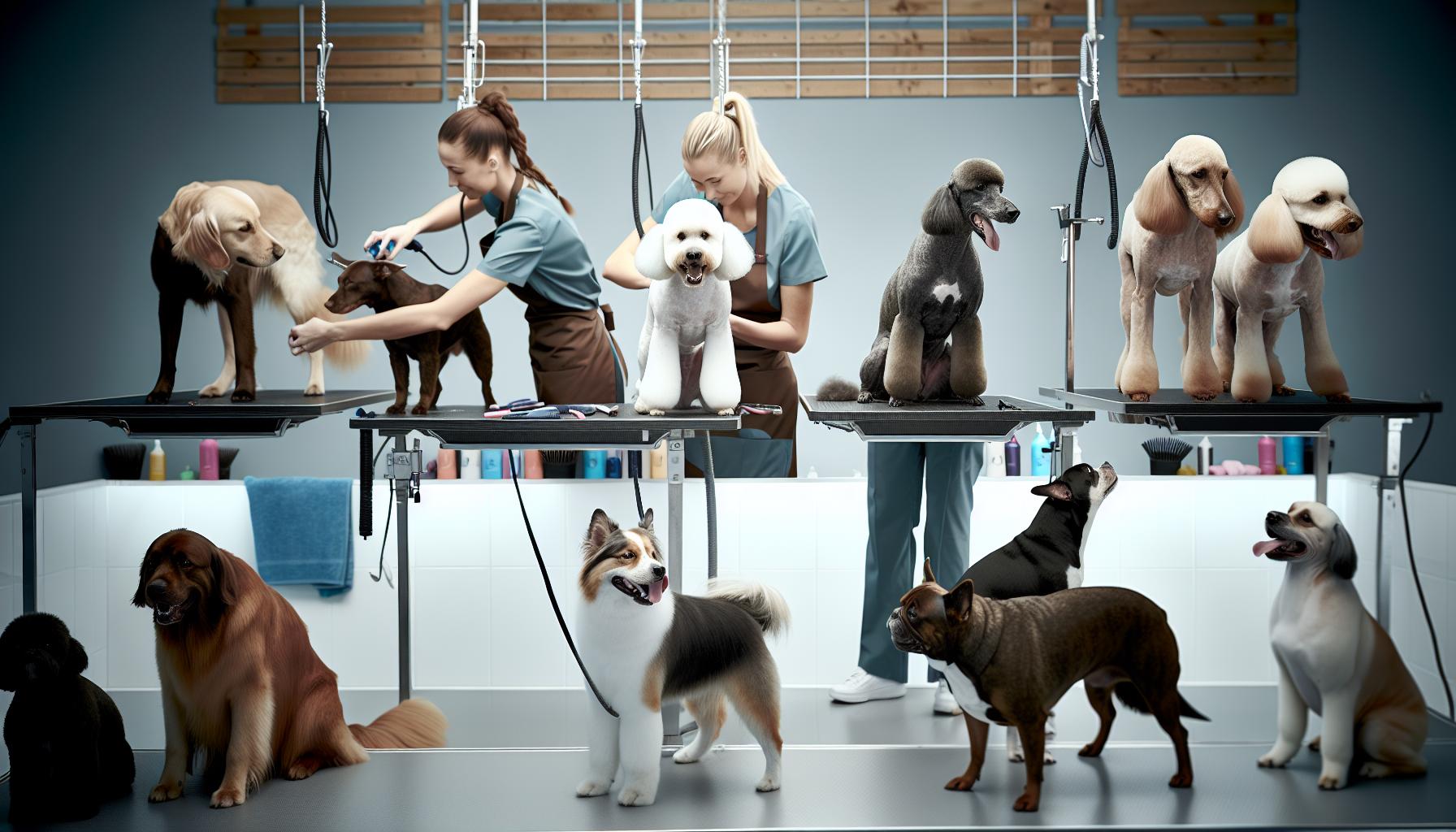
Dogs’ reactions to grooming stress can vary widely – not just by personality, but often by breed and coat type. Understanding these differences can help you approach each session with more patience and tailor your grooming routine to your dog’s unique needs. Some breeds naturally have sensitive skin,dense coats,or particular dislikes that make certain grooming tasks more challenging and possibly distressing if not handled carefully.
Bathing
Water and baths can be a major source of anxiety for many dogs, especially breeds with long, fine hair or sensitive skin. Such as, Maltese and Shih Tzus often dislike water near their eyes or ears, making the bath a nerve-wracking experience. On the other hand, double-coated breeds like Huskies or Samoyeds may tolerate baths better but require thorough drying to avoid chills, which means longer grooming time that could increase stress. Using gentle, tear-free shampoos and carefully protecting sensitive areas can ease the experience significantly.
Brushing and Dematting
Coat type heavily influences how much brushing is needed and how stressful it can be. Dense-coated breeds like Newfoundlands, Huskies, or long-haired Spaniels commonly develop mats and tangles that hurt when brushed roughly. These breeds may show signs of discomfort by pulling away, snapping, or showing lip lifts. For dogs with such coats, it’s crucial to use the right tools – dematting combs and slicker brushes – and work slowly with patience, breaking the session into short, positive experiences. In contrast, short-haired breeds like Boxers or Dobermans usually tolerate brushing well and may even enjoy the attention.
Nail Trimming
Nail trims can be a universal stress point but may be exacerbated in particular breeds. Smaller dogs like Chihuahuas and Dachshunds frequently enough have more delicate paws and can be more reactive due to pain or past negative experiences. Larger breeds like Labradors or Golden Retrievers might tolerate clipping better but can also experience anxiety if restraint feels too tight or unfamiliar. For dogs with arthritis – which may be more common in breeds like Basset Hounds or Bulldogs - nails can be tender, so extra gentleness and vet guidance are important.
Ear cleaning
Breeds with floppy or hairy ears such as Cocker Spaniels or Basset Hounds tend to be prone to ear infections or sensitivities. this makes ear cleaning a delicate task that can trigger whimpering or resistance if discomfort is present. Observing signs like head shaking or tensing before and during cleaning is crucial to avoid causing pain. Consulting your veterinarian before grooming is wise if infections or sensitivities are suspected.
- Tip for all breeds: Introduce grooming tools and steps gradually. For example,let your dog sniff the brush or nail clippers,rewarding calm behavior.
- Short sessions: Keep grooming appointments brief initially, especially for breeds prone to stress, and gradually build time as comfort improves.
- Personalized approach: Some dogs may prefer at-home grooming or mobile groomers who provide a quieter, more familiar environment to reduce anxiety.
Recognizing that grooming is not one-size-fits-all can empower you to provide compassionate care tailored to your dog’s breed-specific needs. Often, combining knowledge about breed traits with gentle handling and patience transforms grooming from a dreaded ordeal into an opportunity for bonding and wellbeing.
| Breed Type | Common Coat Challenges | stress Triggers | Recommended Tools & Tips |
|---|---|---|---|
| maltese, Shih Tzu | Fine, long hair prone to mats | Splashing water in eyes/ears | Use tear-free shampoo, gentle brushing, protect eyes |
| Husky, Newfoundlands | Thick double coats, dense undercoat | Pain during dematting, long drying times | Slicker brushes, dematting tools, slow drying |
| Chihuahua, Dachshund | Delicate paws/nails | Nail trimming sensitivity, restraint anxiety | Gradual nail exposure, positive reinforcement |
| Cocker Spaniel, Basset Hound | Floppy ears, prone to infections | Pain/discomfort during ear cleaning | Vet consult for infections, gentle cleaning techniques |
The Role of Grooming Environment in Dog Anxiety
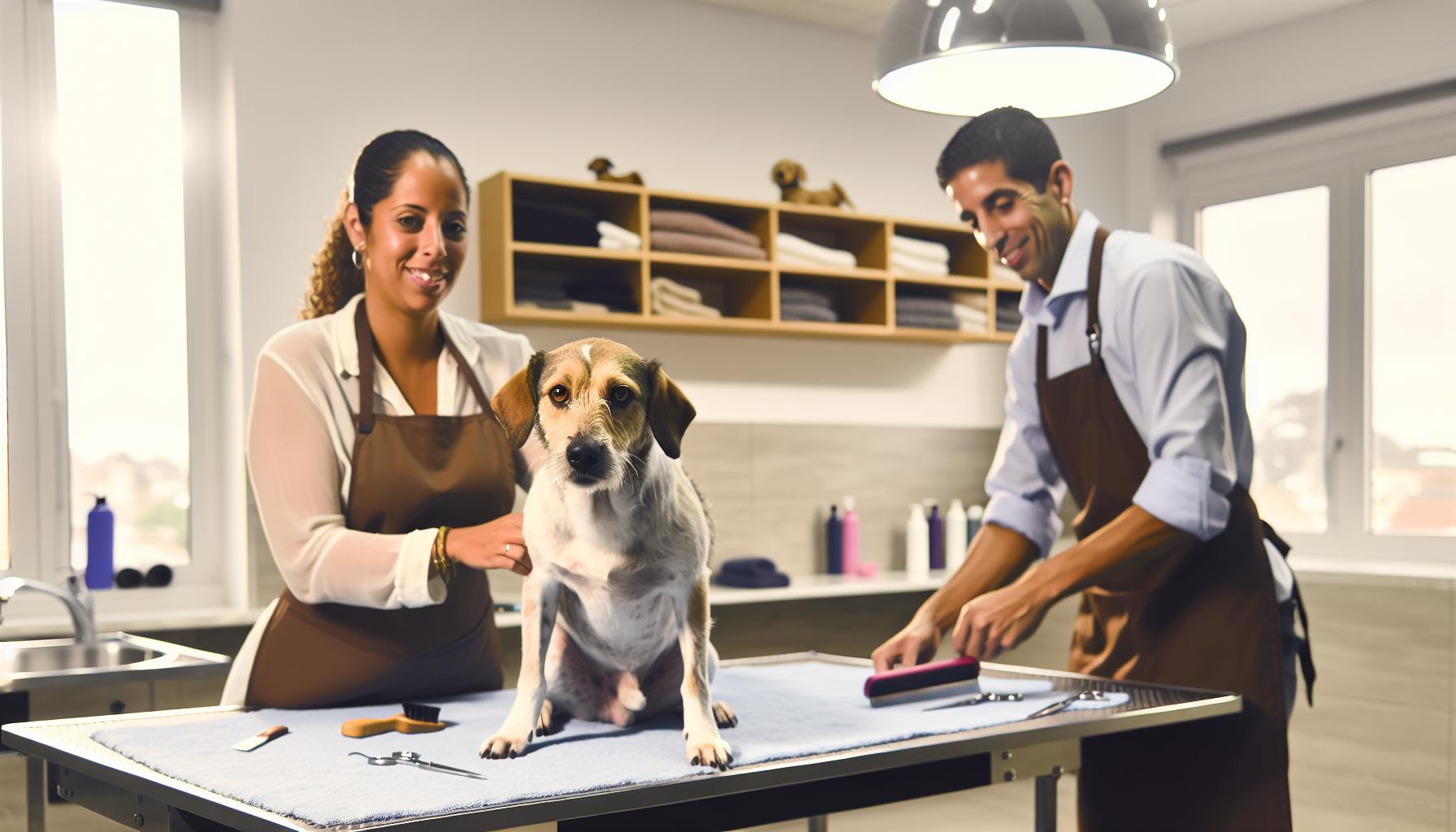
Creating a calm and supportive atmosphere can make a tremendous difference in how a dog experiences grooming. The environment where grooming takes place frequently enough sets the tone for your dog’s comfort-or stress. Luminous lights, loud noises, unfamiliar scents, and crowded spaces can easily overwhelm even the bravest of pups, especially those with a history of anxiety or past negative experiences. For dogs prone to stress, the groomer’s salon can feel like a confusing, chaotic world that triggers fear rather than relaxation.
Key Elements That Influence a Dog’s Comfort
- Noise Level: Dogs have sensitive hearing, so a salon filled with barking dogs, whirring dryers, and clipped clippers can increase anxiety quickly. Opting for groomers who manage noise-perhaps by limiting the number of dogs at a time or using quieter equipment-can help your pet stay calm.
- Lighting and Space: Harsh fluorescent lights or cramped spaces may make your dog feel trapped. A softly lit, open, and well-ventilated area allows dogs to relax and move comfortably. many groomers now prioritize more natural lighting and peaceful setups tailored to reduce sensory overload.
- Familiarity and Scent: Dogs rely heavily on their sense of smell. Introducing familiar scents, like a blanket or toy from home, can create a soothing anchor in an unfamiliar place. Groomers who welcome owners to bring these comforting items often see a calmer response from anxious dogs.
- Handling and Interaction: A groomer’s gentle hands and quiet voice can ease fear. When handlers speak softly, use slow movements, and allow dogs to approach them on their own terms, it fosters trust. Conversely, rushed or rough handling intensifies stress and can leave lasting trauma.
Mobile Grooming: Bringing Comfort to Your Doorstep
For many anxious dogs, simply stepping into a grooming salon is stressful. Mobile groomers offer a powerful solution by creating a safe, familiar zone outside of hectic salons. The quiet of home, absence of other barking animals, and familiar smells minimize triggers and encourage relaxation. For instance, a nervous Dachshund who shied away from busy grooming shops may thrive in a mobile grooming van parked in the driveway, enjoying more personalized, patient care on their own turf.
Practical Tips to Help Create a Calmer Grooming Space
- Visit the Salon First: Bring your dog for a walk-through before grooming day to familiarize them with the sights and sounds without the pressure of a session.
- Use Calming Aids: Consider anxiety-reducing sprays, pheromone diffusers, or gentle music designed for dogs to be played in the grooming area.
- Short, Positive Sessions: Break grooming into brief stages with treats and praise, so your dog gradually builds positive associations with the environment.
- Consistent Routine: Keeping a regular grooming schedule helps dogs predict what will happen, lowering anxiety linked to the unkown.
- Communicate with Your Groomer: Share insights about your dog’s triggers, likes, and dislikes.Compassionate groomers tailor their environment and approach to suit each dog’s unique needs.
Understanding that the setting deeply affects doggy anxiety is a vital step toward preventing trauma. When grooming environments prioritize calmness, familiarity, and gentle handling, dogs feel safer and more willing to cooperate. This not only protects their emotional wellbeing but makes grooming a positive experience-for dogs and their humans alike. Remember, it’s never about speed or perfection, but about patience, kindness, and respect for your dog’s feelings.
Learn more about stress-free grooming techniques that emphasize environment and emotional care[[1]](https://www.youtube.com/watch?v=OGkDiJl2CPU).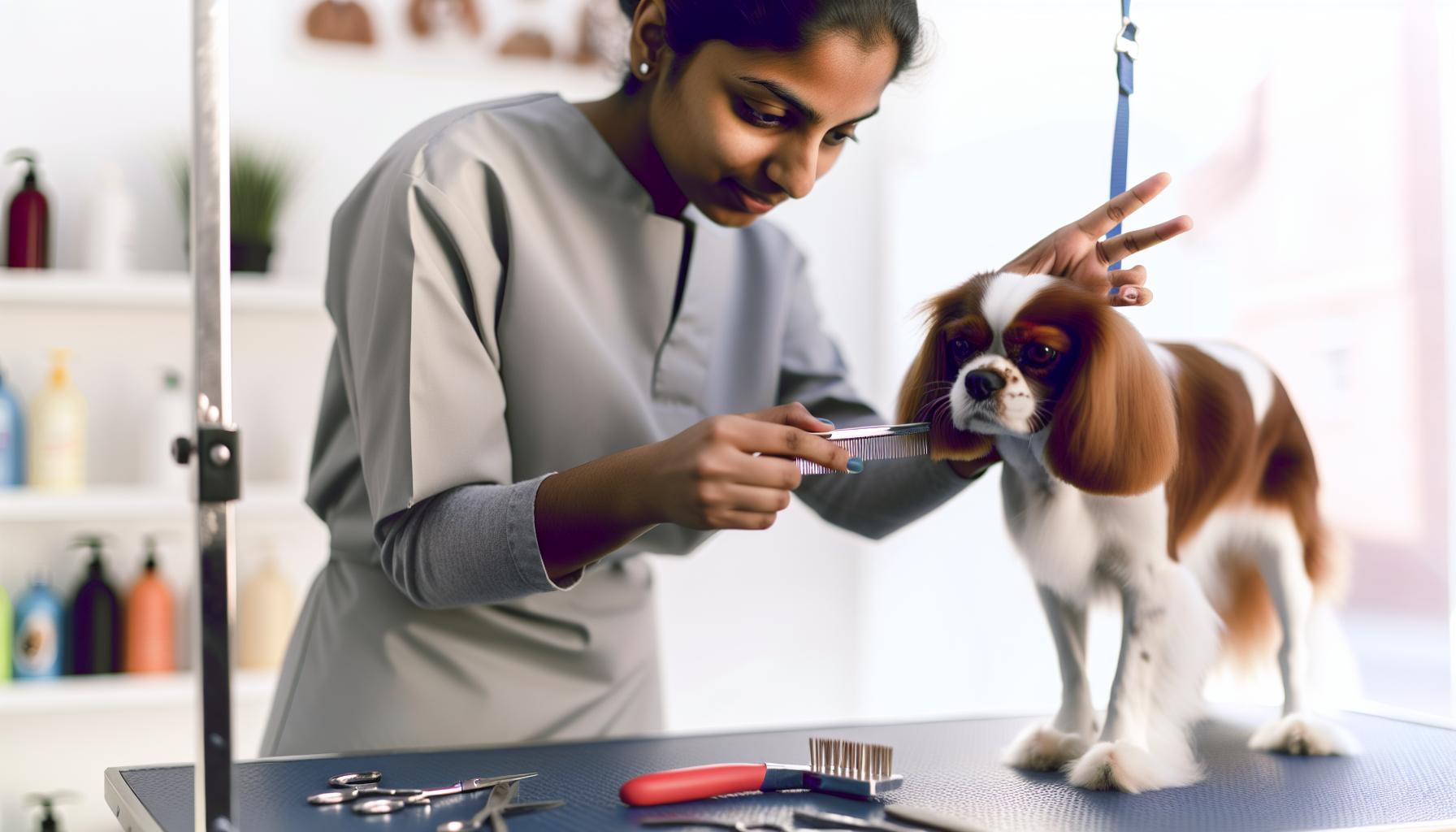
Practical Tips to Comfort anxious Dogs During Grooming
Sometimes, the difference between a stressful grooming session and a peaceful one lies in small, thoughtful adjustments that respect your dog’s emotional needs. An anxious dog often appreciates slow, gentle introductions paired with plenty of reassurance.Before diving into grooming tasks, spend a few minutes simply petting your dog calmly and speaking softly to help ground their nerves.
Start with Short, positive sessions
Breaking grooming down into small, manageable steps can dramatically improve your dog’s comfort. For example, begin with a brief brushing while rewarding calm behavior with treats and gentle praise. Gradually introduce nail handling or ear cleaning in separate sessions rather than all at once. Dogs with thick or matted coats, like the Poodle or Shih Tzu, benefit from slow brushing combined with detangling sprays to ease discomfort. For nervous breeds, such as Greyhounds or Border Collies, keeping sessions brief but consistent works wonders.
Utilize Calming Aids Thoughtfully
Certain tools can definitely help soothe your dog’s senses during grooming.synthetic pheromone diffusers or sprays mimic the natural calming chemicals dogs produce and can be placed near the grooming area or applied to bedding. Aromatherapy, such as a small dab of lavender oil on your fingertips rubbed gently through the fur (avoiding eyes and nose), also offers a gentle way to ease stress. However, always consult your veterinarian before introducing any new product. Some anxious dogs may also relax with a low-volume playlist of classical music or specially designed calming sounds.
Master Gentle Handling and Dialogue
The way you touch and talk to your dog impacts their emotional state more than many realize.Use slow, confident movements rather than sudden or rough gestures. Let your dog sniff and explore grooming tools ahead of time; this familiarization lowers fear of the unknown. When trimming nails, for example, hold the paw firmly but without squeezing, and alternate clipping with rest periods and treats. Should your dog pull away or freeze, pause and redirect with positive encouragement rather than forcing the process.
- Bathing: Use lukewarm water and a mild dog shampoo. Speak softly and massage gently to create a spa-like experience.
- Brushing: Match brush type to coat texture - slicker brushes for curly coats, bristle brushes for short coats – and take breaks with rewards.
- Nail care: Use sharp, swift-cutting clippers to reduce discomfort, clip a little at a time, and always have styptic powder ready.
- Ear cleaning: Use vet-approved wipes or solutions, avoid pushing too deep, and keep the dog relaxed with soothing strokes on the head.
communicating openly with your professional groomer is crucial. Share your dog’s unique fears and favorite comforts – like a particular toy or treat brand – so they can tailor their approach. A compassionate groomer will respect your input, prioritize your dog’s emotional safety, and reinforce trust with patience rather than speed.Remember, consistent routines and gentle care shape not only a clean coat but a happy, confident companion.
For dogs with extreme anxiety, consult your veterinarian about safe sedation options or anti-anxiety medications that can ease grooming-related trauma while still allowing interaction and bonding[[1]](https://www.wolfeanimal.com/site/blog/2022/05/30/dog-grooming-anxiety)[[2]](https://www.crossroadsvets.com/site/blog/2023/10/15/grooming-anxiety-dogs–what-do-how-help)[[3]](https://www.meadowvistavet.com/site/blog/2023/02/15/grooming-anxiety-dogs).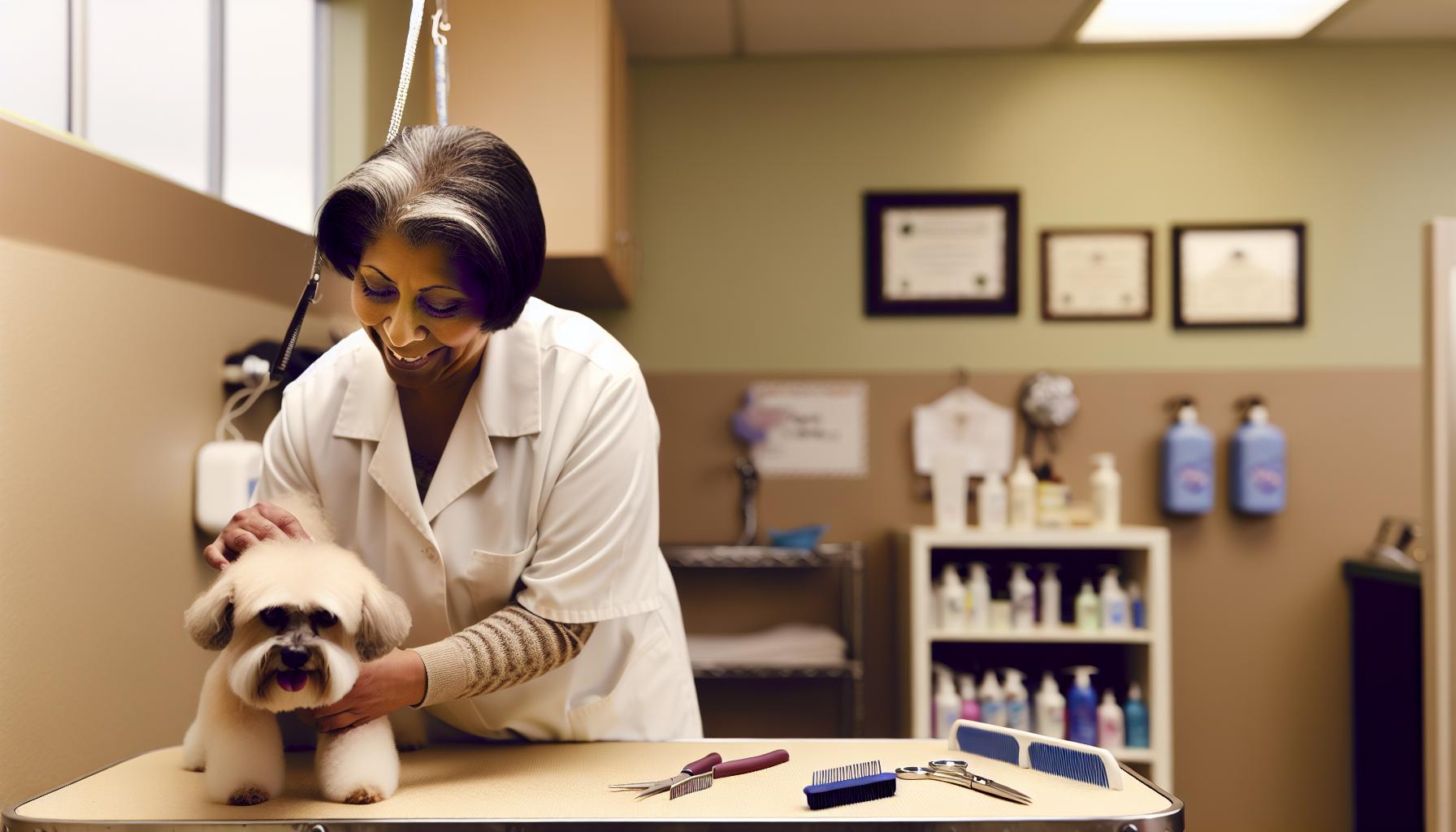
How to Choose a Compassionate Groomer for Sensitive Dogs
Finding a groomer who truly understands the delicate nature of sensitive dogs can transform grooming from a dreaded ordeal into a reassuring,even enjoyable,routine. These dogs frequently enough carry a history of fear or trauma, making patience and empathy far more valuable than speed or style. A compassionate groomer prioritizes your dog’s well-being above all, knowing that a calm, relaxed dog responds better than one pushed too quickly or handled roughly. Before trusting your pet to anyone, it’s essential to know what qualities and practices set a sensitive dog groomer apart.
Start by asking about their experience with nervous or traumatized dogs. Groomers who specialize in sensitive pets often mention working with breeds prone to anxiety, such as Greyhounds or Chihuahuas, and those with notably challenging coats like Poodles or Shih Tzus. They will explain their approach, which generally includes gradual introductions to tools, frequent breaks, and positive reinforcement-offering treats and praise to build trust throughout the session. An experienced groomer knows how to adjust their technique depending on breed, coat type, and individual temperament, rather than applying a “one size fits all” method.
What to Look for in compassionate Grooming practices
- Gentle Handling: The groomer should use slow, deliberate movements, allowing the dog to sniff and become familiar with grooming tools before use. This lessens fear of the unknown.
- Open Communication: A good groomer listens attentively to your insights about your dog’s specific fears or triggers and incorporates your suggestions-like using a favorite toy or treating only at certain times.
- Environment Awareness: Look for a calm, quiet grooming space that minimizes startling noises and chaotic activity, which can exacerbate anxiety.
- Flexible Scheduling: Sensory-sensitive dogs benefit from off-peak appointment times when the salon is quieter and the groomer can dedicate extra time without pressure.
- Health and Safety Prioritization: Groomers who stop at signs of distress-freezing, trembling, attempts to escape-and who won’t rush the process protect your dog’s emotional and physical health.
When you meet potential groomers,don’t hesitate to ask how they handle specific tasks like nail trims,ear cleaning,or bathing,all of which can trigger anxiety. For example, a groomer might describe using styptic powder during quick nail trims to reduce discomfort and taking breaks frequently. They might also explain how they perform baths with lukewarm water and gentle massage, turning it into a spa-like experience that reassures the dog.These little details reveal true compassion.
Some owners find it helpful to start with short, trial sessions aimed solely at building comfort rather than perfect grooming results initially. This staged approach helps sensitive dogs associate grooming with positive feelings, which professional groomers who cater to anxious pets understand deeply. Always remember that a compassionate professional will honor your dog’s limits, advocating for gentle care over “perfect looks” and empowering you as an owner to feel confident every step of the way.If your dog has extreme anxiety that no groomer seems able to manage, it’s wise to collaborate with your veterinarian about options like calming supplements or mild sedation for grooming days, ensuring your pet’s safety and comfort remain top priority. this team approach ensures that the goal of a clean, happy, and healthy dog is achieved without trauma or fear.
Home Grooming Strategies to reduce Stress
Stress-free grooming at home can be a game-changer for dogs who find salon visits overwhelming or frightening.Taking small, intentional steps to create a calm environment and using gentle handling can make all the difference in transforming grooming from a fearful task into a bonding ritual. Many dogs respond beautifully when their owner approaches grooming with patience and kindness, helping to rebuild trust and reduce anxiety one brushstroke at a time.
Setting Up the Right Environment
Start by choosing a quiet, pleasant spot that your dog associates with safety. Avoid places with loud noises or a lot of foot traffic. If your dog is crate-trained,grooming near or inside their crate can provide an added sense of security. Keep treats and favorite toys within reach to reward calm behavior and create positive associations.
Use soft lighting and speak in a soothing tone. Even gentle music can definitely help drown out startling household noises.Remember, your calm energy sets the tone-dogs are highly sensitive to our emotions.
Bathing and brushing
For bathing, use lukewarm water and mild, dog-specific shampoos suited to your dog’s coat and skin type. Some dogs may prefer a handheld sprayer with low pressure or a cup to gently pour water, which feels less intimidating than a strong spray. Keep sessions short and finish before your dog becomes restless or stressed.
When brushing, start with tools that suit your dog’s coat:
- Short-haired breeds: Use a soft rubber curry brush or grooming mitt to remove loose fur gently.
- Medium to long-haired breeds: A slicker brush and a wide-toothed comb help detangle without pulling.
- Curly or thick coats: Consider a dematting tool, used carefully to avoid tugging sensitive skin.
Brush in the direction of hair growth with slow, gentle motions. If your dog resists certain areas, break the session into short, frequent segments and reward with treats or play in between.
Nail Trimming and Ear Cleaning made Gentle
many dogs fear nail trims as of past discomfort. Introduce nail clippers or grinders slowly, letting your dog sniff and inspect them. press each paw gently before trimming and only trim the tip of nails to avoid the sensitive quick.Use styptic powder on hand to quickly address any minor bleeding.
For ear cleaning, only use vet-approved solutions and cotton balls or soft gauze. Avoid cotton swabs inside the ear canal to prevent injury. Make ear checks a positive routine-gently massage the base of the ear as you clean, praising and rewarding your dog throughout.
Knowing When to Pause or Seek Help
If your dog shows extreme fear-freezing, vocalizing, or attempting to escape-stop and regroup rather than forcing the issue. Sometimes a break or switching to a different task lowers tension. For ongoing trauma or medical concerns like infections that cause discomfort during grooming, a vet’s guidance is essential. veterinarians can also recommend calming supplements or medications when needed.Remember, home grooming isn’t about achieving perfect style-it’s about comfort, trust, and care.Regular, gentle grooming sessions at home, paired with professional help when necessary, lay a strong foundation for your dog’s long-term well-being and happiness.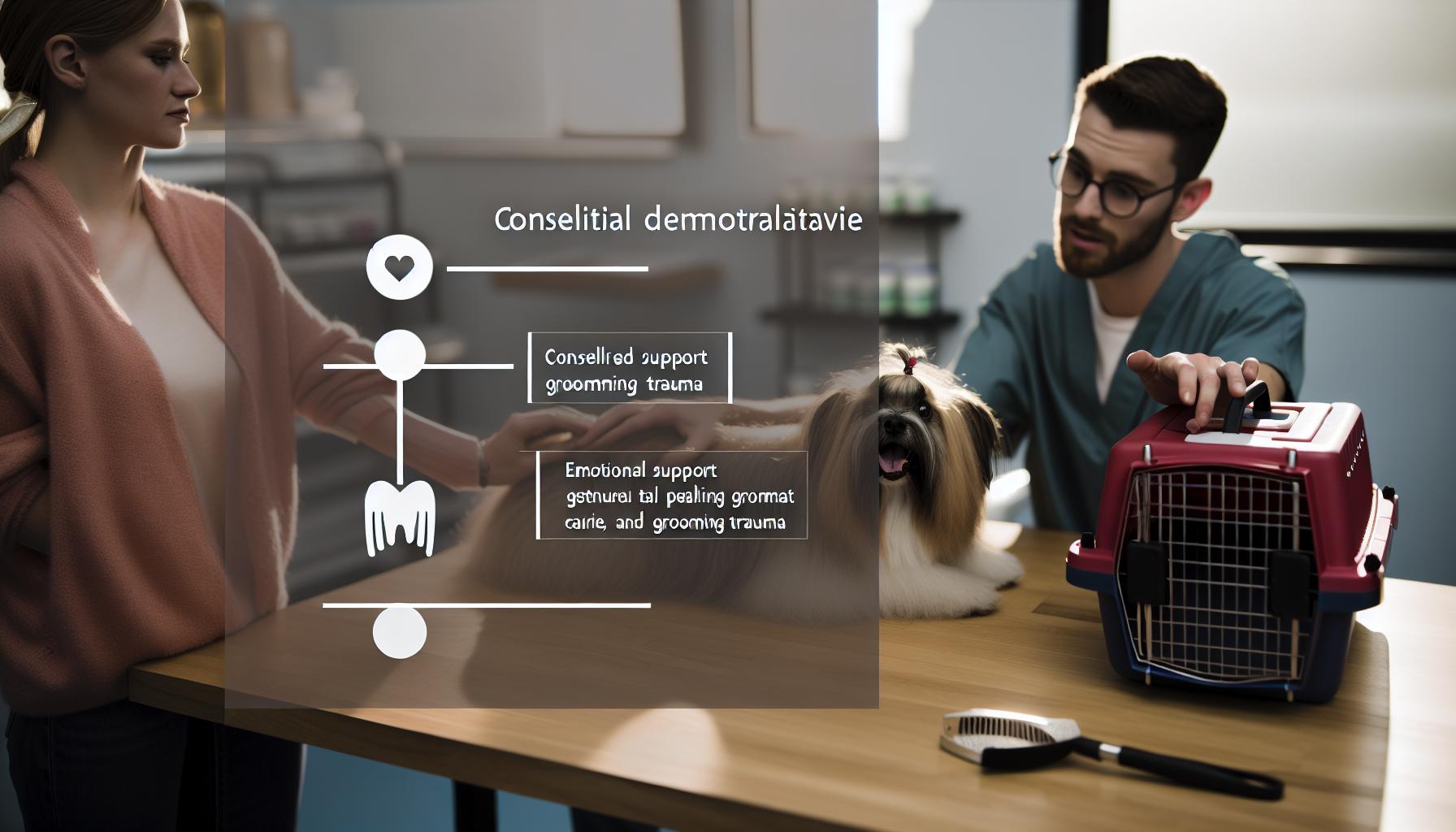
When to Consult Your Vet About Grooming Trauma
Many dogs hide their discomfort well, so it’s important to recognize when grooming stress might be more than just a bad day. Persistent anxiety, sudden aggression, or physical signs like skin irritation, infections, or pain during or after grooming sessions are strong cues that professional veterinary support is needed. Sometimes what looks like fear is actually linked to an underlying medical issue-such as a skin infection, ear inflammation, or nail injuries-that worsens the experience and leads to trauma. Consulting your veterinarian can help identify these hidden concerns and tailor a safe,effective care plan that supports your dog’s health and peace of mind.
when Behavior Signals a Deeper Problem
If your dog becomes unusually evasive,freezes,or even growls during grooming,and this persists beyond a few attempts,it’s time to pause and seek expert advice. Sudden shifts in temperament can reflect pain associated with grooming-not just fear. Vets can conduct thorough physical exams to rule out conditions like arthritis, dental pain, or ear infections that make certain grooming tasks agonizing. Addressing these can dramatically ease your dog’s stress and make future grooming less traumatic.
Identifying Medical Issues That Mimic Trauma
Sometimes, behaviors that seem like trauma stem from discomfort caused by:
- Skin infections or hot spots: These cause sensitivity, making brushing or bathing painful.
- Yeast or bacterial ear infections: Frequently enough painful and worsen with ear cleaning.
- Overgrown or ingrown nails: Can cause limping or resistance to nail trims.
Vets can prescribe treatment that alleviates pain and inflammation, transforming grooming from a source of distress into a manageable routine.
How Vets, Groomers, and Owners Can Collaborate
Veterinarians may also recommend calming aids such as pheromone diffusers, supplements like Rescue Remedy, or even short-term medications to ease acute anxiety during grooming. Sharing this facts with your groomer creates a partnership focused on your dog’s welfare rather than just aesthetics.Remember, grooming trauma isn’t about “perfect coats” but nurturing trust and comfort. Sometimes, a vet’s input unlocks breakthroughs when previous grooming attempts left your dog fearful or resistant.
Ultimately, regularly consulting your vet ensures grooming remains a positive part of your dog’s life. It’s about combining medical insight with compassionate handling-setting every pup on the path to grooming confidence and calmness.
Building Positive Grooming Experiences Over Time
Building trust and positive association around grooming takes time,especially for dogs who’ve had scary or painful experiences before. Every small step forward counts when helping your dog feel safe, calm, and even curious about grooming routines. The key is patience, consistency, and tuning in closely to your pup’s comfort level – pushing too fast can backfire, while small, enjoyable encounters build confidence that pays off over weeks and months.
Start Slow: Short Sessions Focused on Pleasure
begin by simply getting your dog accustomed to the grooming tools and space without any pressure to perform a full groom. Such as:
- Introduce the brush by letting them sniff it, then gently stroke a few fur strands while rewarding calm behavior with treats or praise.
- Lift paws casually throughout daily routines, pairing it with gentle petting and positive words to desensitize nail handling.
- Familiarize with sounds like clippers or dryers by playing recordings at low volume during playtime, gradually increasing sound levels over several days.
This gradual desensitization combats fear triggers while reminding your dog that grooming moments are safe and rewarding.
Incorporate Routine with Compassion
Consistency helps dogs predict what happens next, which reduces anxiety. Set aside calm, predictable times for grooming-related tasks so your dog feels secure. For breeds with high maintenance coats (like poodles or Shih Tzus), breaking grooming into bite-sized daily or every-other-day brushing sessions prevents matting without overwhelming the dog. For short-haired breeds,occasional short and positive brushing works well.
Practical Grooming Steps You Can Do at Home
You don’t need to do everything at once or wait for professional appointments to build comfort. Here’s a simple breakdown:
| Task | How to Approach | Tools Recommended | Tips |
|---|---|---|---|
| Brushing | Gentle strokes in direction of hair growth | Slicker brush (curly coats), bristle brush (short coats) | Start with 2-3 minutes, gradually increase duration |
| Nail trimming | Handle paws frequently; trim 1-2 nails at a time | Guillotine or scissor clippers, styptic powder for bleeding | Distract with treats to reduce resistance |
| Ear cleaning | Use vet-approved cleaner; gentle wiping | Cotton balls or pads (never cotton swabs) | Check for redness or discharge – consult vet if present |
Remember, safety is paramount. If your dog shows signs of discomfort or distress, stop and try again later or consult a professional.
Partnering with Your Groomer
Communication with your groomer is critical. Share insights from your home grooming sessions, and any known triggers or fears your dog has. A compassionate groomer will adapt timing, handling style, and reward strategies to suit your dog’s needs. For sensitive dogs, scheduling shorter appointments or quieter times at the salon can reduce overwhelm.
Above all, consider grooming not just as a task but as a bonding ritual. Celebrate small victories-a calm paw lift, no fuss bath, or relaxed tail wag-as clues that your dog trusts you more. Over time, these positive experiences collectively soften grooming fears and create lasting peace around self-care. with gentle persistence and love, grooming can become a moment your dog looks forward to-safe, soothing, and full of kindness.
Q&A
Q: How can I tell if my dog associates grooming with trauma,even at home?
A: Dogs traumatized by grooming often show avoidance behaviors such as hiding,trembling,or refusing to come near grooming tools at home. Watch for increased stress signals like yawning or lip licking. Use gentle, gradual desensitization paired with positive rewards for a calmer home grooming experience.See our section on Home Grooming Strategies to Reduce Stress for tips.Q: What long-term behavioral changes might indicate grooming trauma in dogs?
A: Long-term trauma can cause increased fearfulness, aggression, or depression related to grooming or similar environments. Your dog may resist vet visits or baths as well. Early intervention and professional support can reverse these patterns-refer to When to Consult Your Vet About Grooming Trauma for guidance.
Q: Why do some dog breeds appear more sensitive to grooming stress than others?
A: Breed traits like coat type, temperament, and noise sensitivity affect grooming stress levels. For example, long-haired breeds might struggle with matting, while nervous or toy breeds may react strongly to unfamiliar sensations. Tailor your grooming methods to your dog’s breed and personality for better comfort,as discussed in How Different Breeds React to Grooming Stress.
Q: How does the grooming environment impact my dog’s anxiety levels?
A: A noisy, brightly lit, or crowded grooming space can heighten a dog’s anxiety, especially if it smells unfamiliar or scary. Creating a calm,quiet,and amiable environment helps reduce stress significantly. If possible, request quieter times and familiar surroundings to ease your dog’s experience. Details are in The Role of Grooming Environment in Dog Anxiety.
Q: what are practical signs that a groomer’s approach may stress my dog unnecessarily?
A: Signs include the dog trembling, attempting to escape, whimpering consistently, or showing aggressive snaps. If your dog seems frozen or exhausted post-groom, it’s time to reconsider the groomer’s methods. Choosing a gentle, patient groomer trained for anxious dogs is key-see How to Choose a Compassionate Groomer for Sensitive Dogs.
Q: How can I gradually help a dog overcome grooming fear after a traumatic visit?
A: Use gradual desensitization combined with positive reinforcement. Start with short exposures to grooming tools or the groomer without pressure, rewarding calm behavior with treats and praise. Slowly build up the grooming session length as your dog gains confidence. This approach is part of Building Positive Grooming Experiences Over Time.
Q: When should I consider professional help if my dog is traumatized by grooming?
A: Seek professional advice if your dog shows persistent fear behaviors, aggression, or physical signs of stress like excessive shaking or refusal to be handled, even after gentle attempts at calming. Consult your vet or a certified animal behaviorist to create a safe, effective treatment plan. Visit When to Consult Your Vet About Grooming Trauma for specific signs.
Q: Can grooming trauma affect a dog’s overall health beyond behavior?
A: Yes, trauma can lead to increased stress hormones, weakening the immune system and causing gastrointestinal or skin problems. Chronic anxiety also impacts appetite and sleep, compounding health issues. Managing grooming stress protects your dog’s well-being-see Can Dogs Experience Trauma from Grooming Visits? for more insights.
For detailed strategies on calming your dog and improving grooming sessions, explore the related sections of our main article and feel free to reach out for personalized advice tailored to your furry friend’s unique needs.
The Conclusion
understanding the signs that your dog might be traumatized by grooming is the first step toward ensuring their comfort and well-being.Remember,every dog is unique-breeds with sensitive skin or anxiety may need gentler care and a tailored approach,whether at a professional groomer’s or with careful DIY methods. Prioritizing safety, patience, and your pet’s emotional state can transform grooming from a stressful ordeal into a calm, positive experience. If you’re unsure whether to consult a vet or a groomer, or need tips for easing anxiety during baths, brushing, or nail trims, explore our guides on [calming techniques for anxious dogs] and [choosing the right grooming tools for sensitive breeds] to empower your next steps.
Don’t wait until stress turns into lasting fear-take action now by observing your dog’s behavior closely and scheduling grooming sessions that respect their limits. For ongoing support, sign up for our newsletter packed with expert advice, and check out our detailed articles on [how to spot grooming stress] and [building trust with your groomer]. Feel free to share your experiences or questions in the comments below-your insights help build a community of informed, caring pet parents. Together, we can ensure every grooming session supports not just a clean coat, but a happy, confident pup ready for their next adventure.
A: Breed traits like coat type, temperament, and noise sensitivity affect grooming stress levels. For example, long-haired breeds might struggle with matting, while nervous or toy breeds may react strongly to unfamiliar sensations. Tailor your grooming methods to your dog’s breed and personality for better comfort,as discussed in How Different Breeds React to Grooming Stress.
A: A noisy, brightly lit, or crowded grooming space can heighten a dog’s anxiety, especially if it smells unfamiliar or scary. Creating a calm,quiet,and amiable environment helps reduce stress significantly. If possible, request quieter times and familiar surroundings to ease your dog’s experience. Details are in The Role of Grooming Environment in Dog Anxiety.